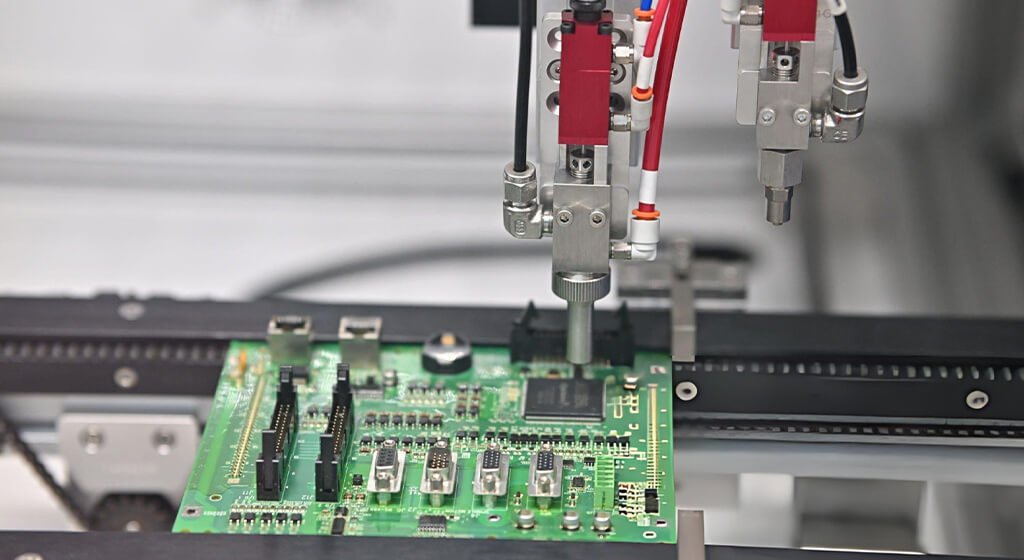
Circuit Card Assembly (CCA): A Comprehensive Guide for Engineers
Circuit card assembly, or CCA, is the process of installing and connecting electronic components onto a printed circuit board. Depending on what you need it

Circuit card assembly, or CCA, is the process of installing and connecting electronic components onto a printed circuit board. Depending on what you need it
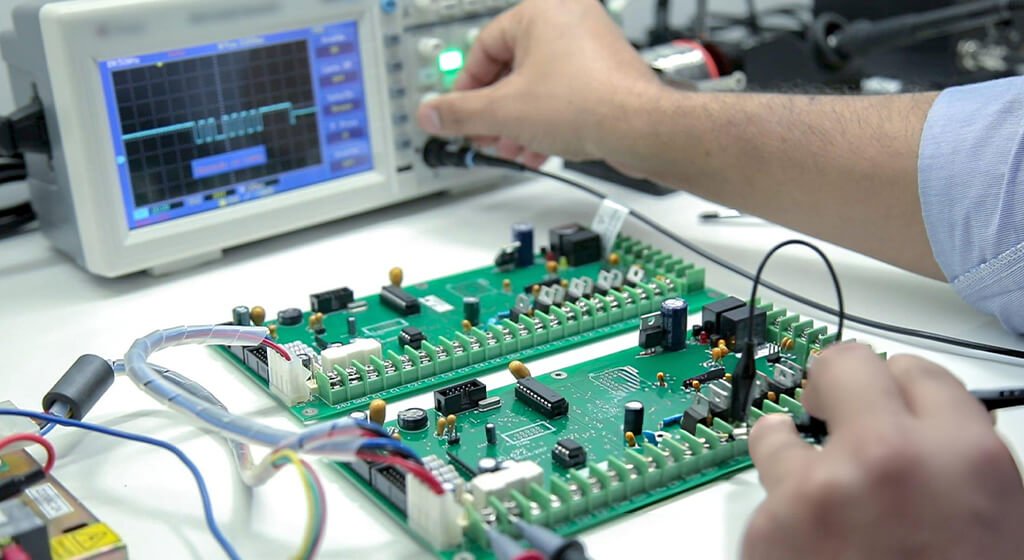
SMT testing is used in inspection with electrical verification during the PCB assembly. It takes a close look at printed solder paste, component placement, solder
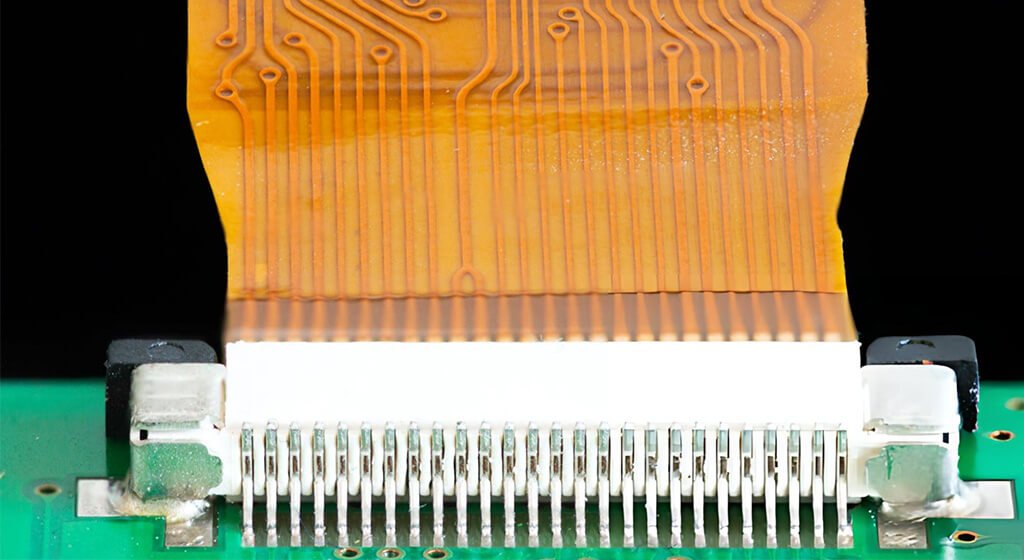
A flex PCB connector is designed to create a detachable electrical link between a flexible circuit and another assembly, which is typically a rigid printed
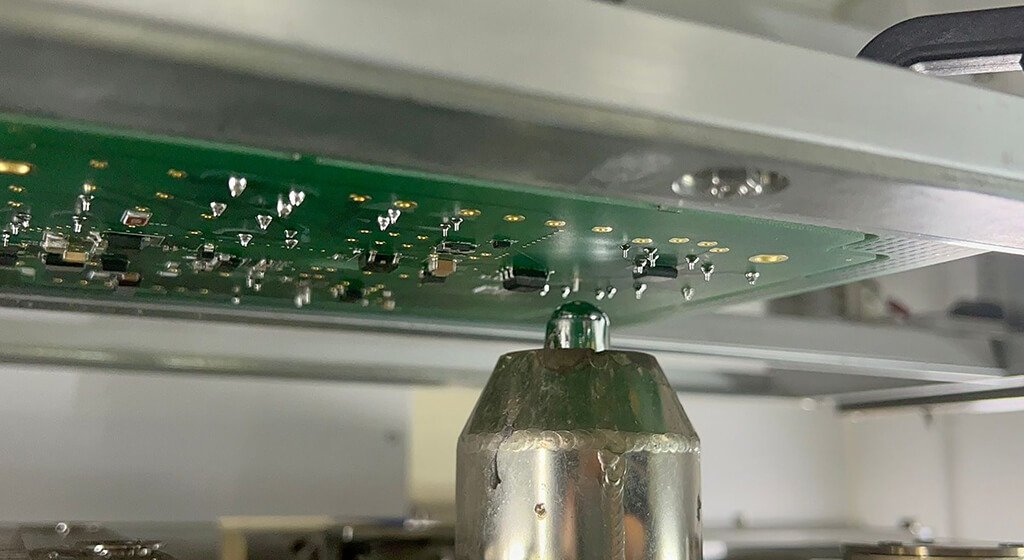
Selective soldering is an automated PCB assembly process that applies flux, heat, and molten solder only to designated through-hole joints. It is commonly used on
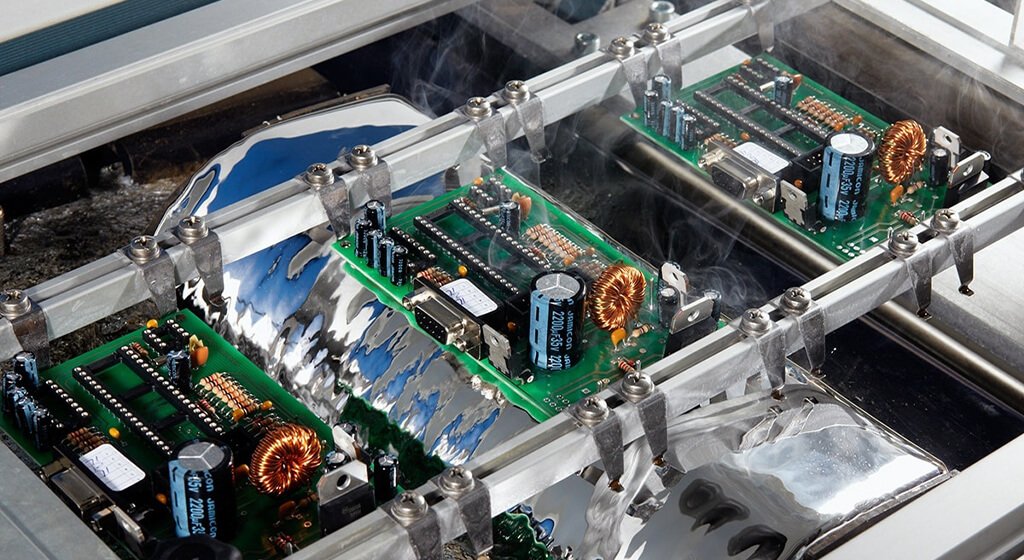
Wave soldering is a mass-soldering process in which a fluxed and preheated printed circuit board assembly passes over a controlled wave of molten solder. It
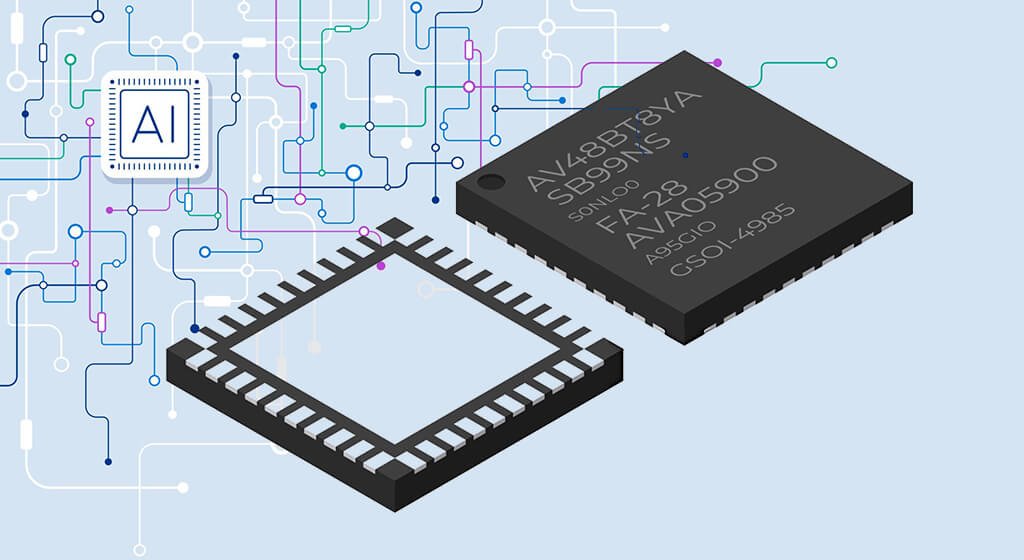
A QFN package, or quad flat no-lead package, is a low-profile surface-mount IC package with flat electrical terminals around its underside perimeter. Many QFNs also
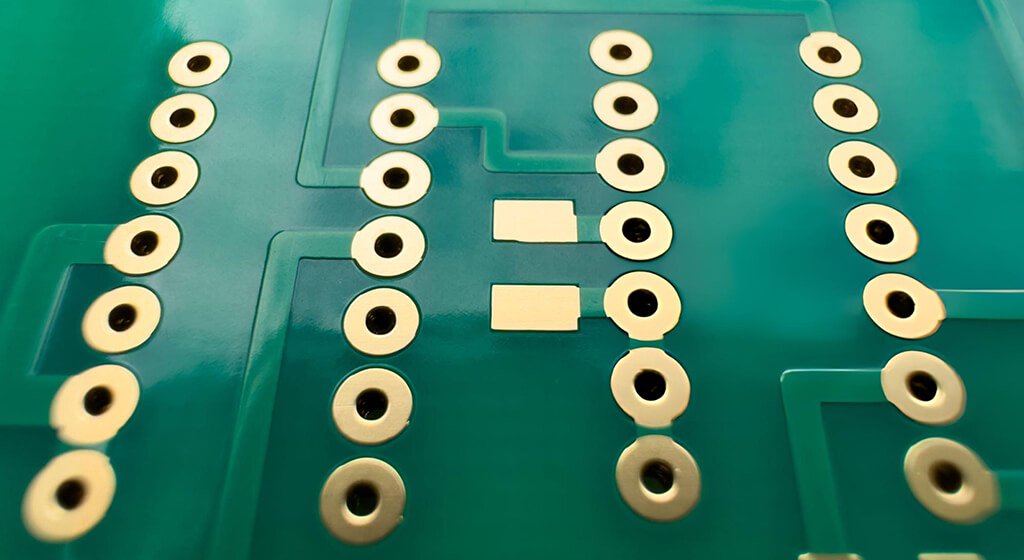
A PCB pad is an exposed conductive area used to solder, connect, test, or thermally couple a component to a printed circuit board. Its final
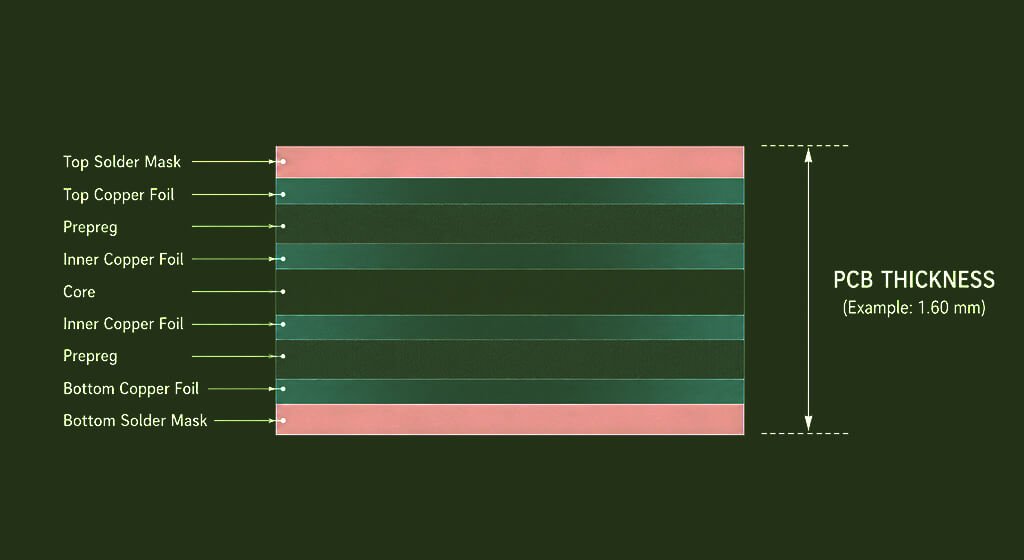
PCB thickness is the distance between the two outer faces of a manufactured printed circuit board. A rigid FR-4 PCB often starts at a nominal
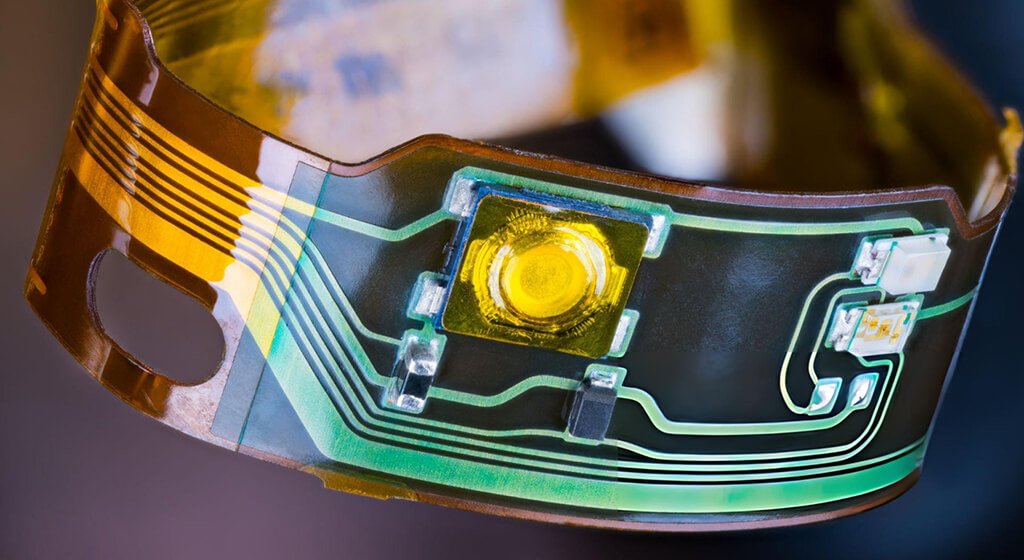
Flex PCB assembly troubleshooting should begin by preserving the failed condition and locating the first process stage where the defect appeared. Separate possible causes into
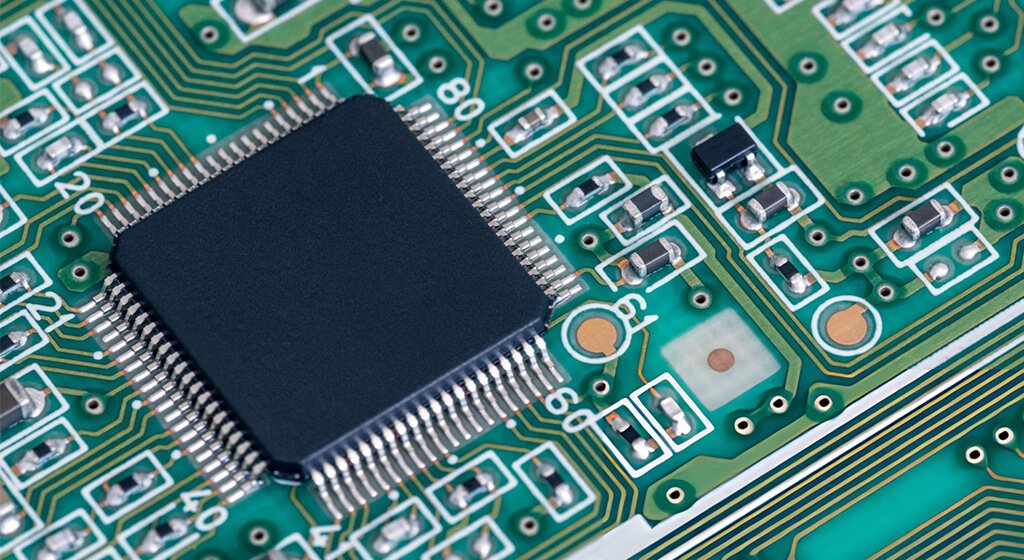
A surface mount device (SMD) is an electronic component soldered directly onto pads on a printed circuit board. A phone or medical monitor may carry