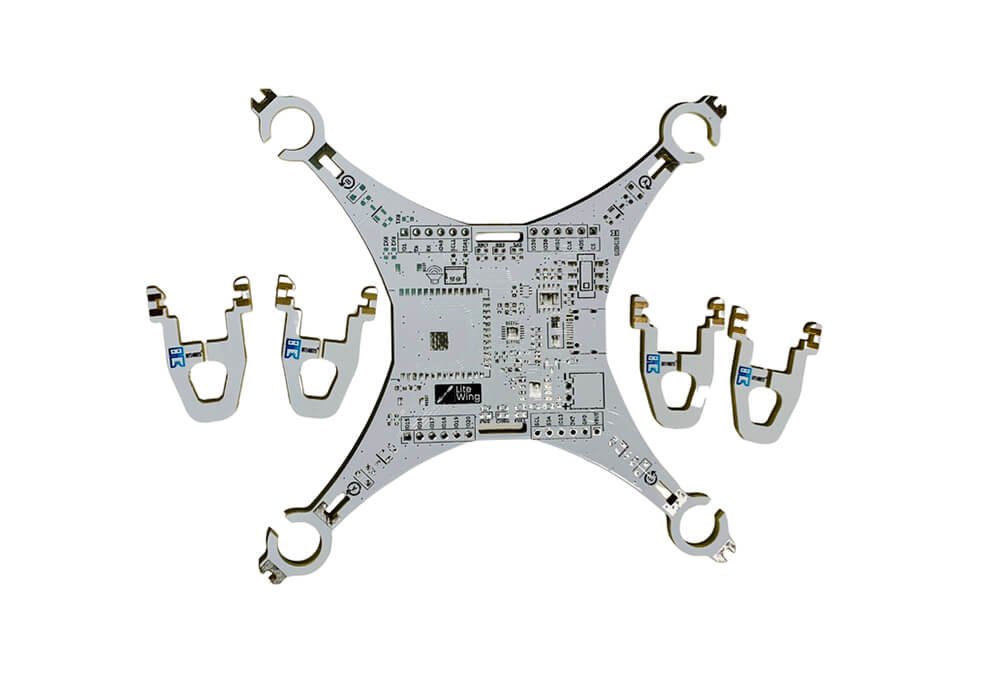
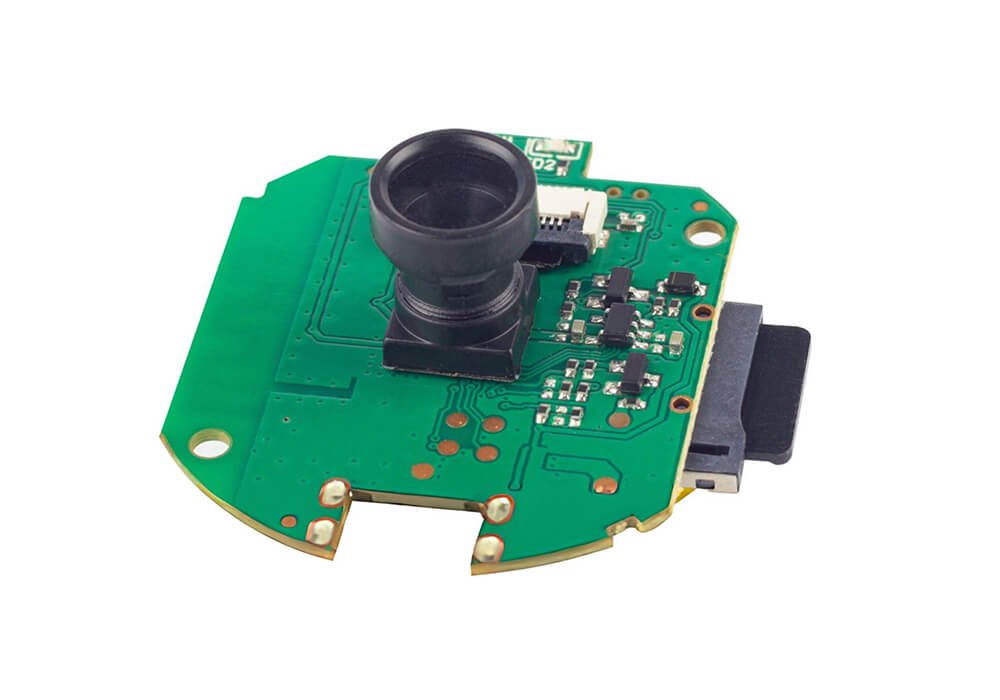
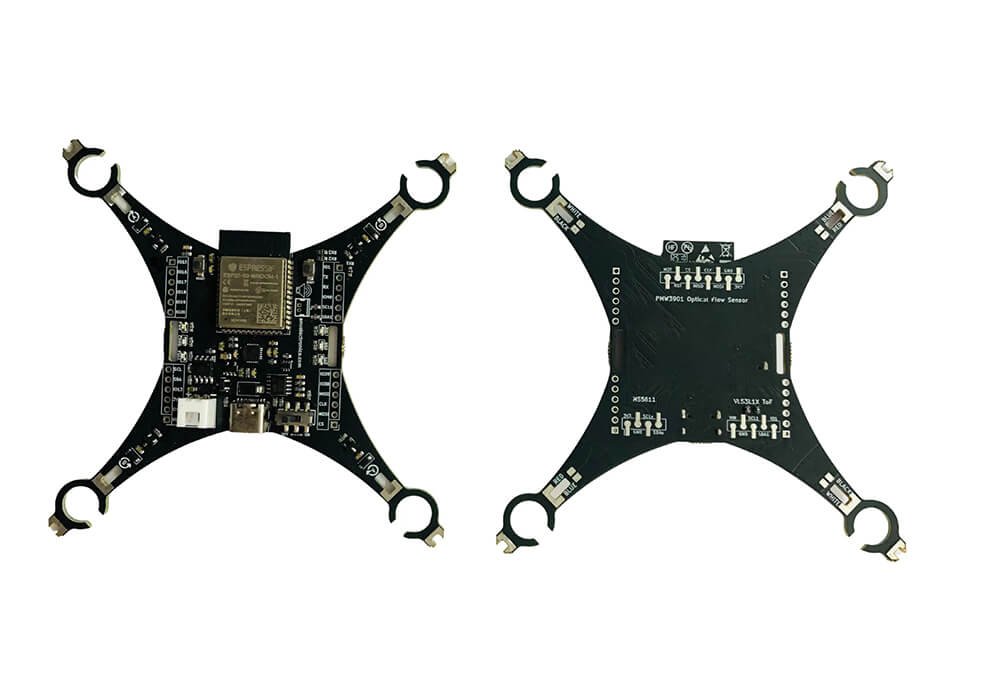

/High-Performance UAV PCB/

Drone PCB

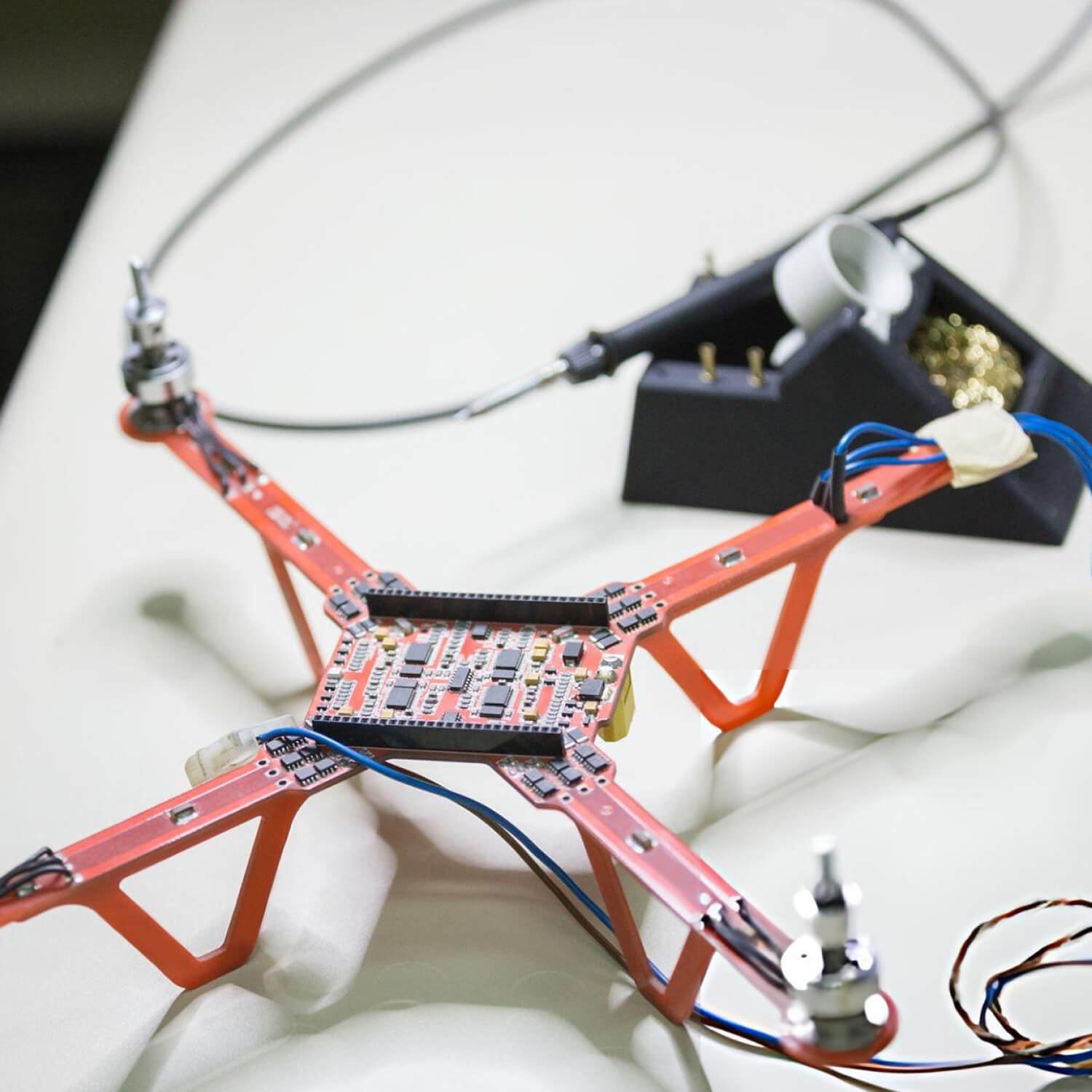
Drone PCB is at the core of modern unmanned aerial vehicles (UAVs). PCBAIL specializes in designing, manufacturing, and assembling high-reliability Drone PCBs tailored for commercial, industrial, and military UAV applications.

With advanced fabrication capabilities, strict quality standards, and deep experience in high-frequency and high-density PCB, we provide complete Drone PCB solutions from prototype to mass production.

What Is Drone PCB

What Is Drone PCB?

A drone PCB is composed of electronics that make autonomous or remote‑controlled flight possible. 

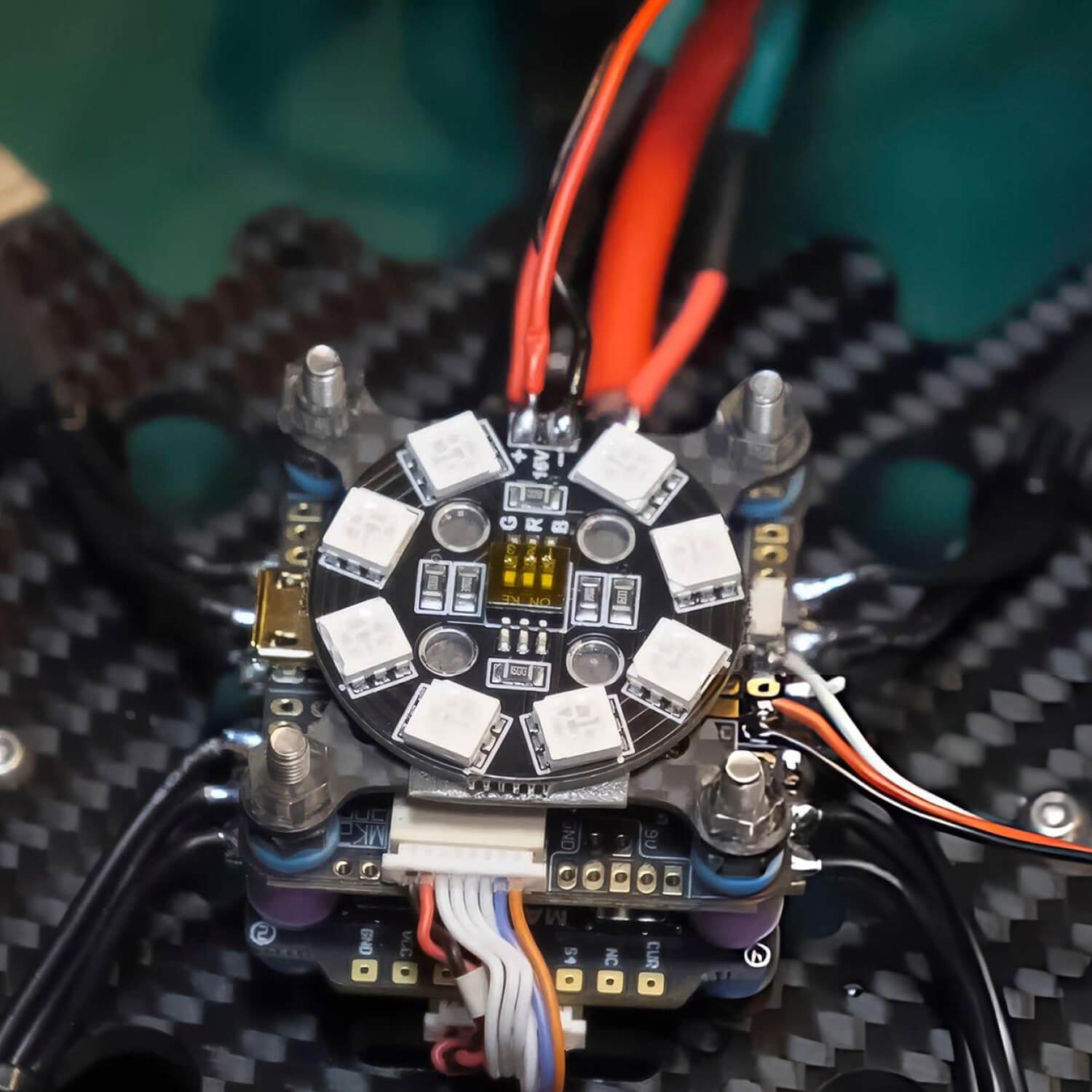
It typically include the flight‑controller MCU, sensors (IMU, barometer, GPS), communication interfaces, power converters, and connection points to ESCs, motors, and the battery. 

In practice, the board acts as both a signal backbone and a high‑current power highway

Functions of a Drone PCB:

  • Signal Transmission Between Flight Systems
  • Power Distribution Across Subsystems
  • Sensor Data Processing And Feedback
  • Motor Control And Stabilization
  • Communication With Ground Control Systems

Drone PCB We Offered.

We provide a comprehensive range of Drone PCB manufacturing and assembly services to meet various UAVs.

Drone PCB Near Me
Cheap Drone PCB
Best Drone PCB

Our Capacity.

Flex PCB Single-Sided Flex PCB

HDI Automotive PCB

The Flight Controller PCB is the core control unit of a drone and acts as the “brain” of the entire system.
Functions:

  • Processes real-time data from sensors (IMU, GPS, etc.).
  • Executes flight control algorithms.
  • Stabilizes and balances the drone during flight.

Flex PCB Double-Sided Flex PCB

Power Distribution PCB

The Power Distribution Board (PDB) is responsible for distributing electrical power from the battery to all drone subsystems.
Functions:

  • Routes power to ESCs, flight controller, and peripherals.
  • Provides voltage regulation.
  • Supports battery management systems (BMS).

Flex PCB Multilayer Flex PCB

ESC PCB

The ESC PCB controls the speed and direction of brushless motors, which directly impacts drone movement.
Functions:

  • Converts DC battery power into controlled AC signals.
  • Regulates motor speed based on flight controller commands.
  • Enables precise throttle response.

Flex PCB Single-Sided Flex PCB

Sensor PCB

The Sensor PCB integrates various sensing components that provide real-time data for flight control and navigation.
Functions:

  • Detects motion, orientation, and environmental conditions.
  • Supplies critical data to the flight controller.

Flex PCB Double-Sided Flex PCB

Communication PCB

The Communication PCB enables data exchange between the drone and external systems such as remote controllers or ground stations.
Functions:

  • Handles RF communication and telemetry.
  • Supports wireless protocols (Wi-Fi, Bluetooth, RF)
  • Transmits real-time flight data and receives commands.

Flex PCB Multilayer Flex PCB

Camera & Gimbal PCB

The Camera and Gimbal PCB is used in drones equipped with imaging systems, especially for FPV and aerial photography.
Functions:

  • Controls camera operation and video transmission.
  • Stabilizes camera using gimbal motors.
  • Supports real-time video streaming.

Item

Rigid PCB

Flexible PCB

Rigid-Flex PCB

Max Layer

60L

8L

36L

Inner Layer Min Trace/Space

3/3mil

3/3mil

3/3mil

Out Layer Min Trace/Space

3/3mil

3.5/4mil

3.5/4mil

Inner Layer Max Copper

6oz

2oz

6oz

Out Layer Max Copper

6oz

20z

3oz

Min Mead hanical Driling

0.15mm

0.1mm

0.15mm

Min Laser Drilling

0.1mm

0.1mm

0.1mm

Max Aspect Ratio (Mechanical Drilling)

20:01

10:01

12:01

Max Aspect Ratio (Laser Drilling)

1:01

/

1:01

Press Fit Hole Tolerance

±0.05mm

±0.05mm

±0.05mm

PTH Tolerance

±0.075mm

±0.075mm

±0.075mm

NPTH Tolerance

±0.05mm

±0.05mm

±0.05mm

Countersink Tolerance

±0.15mm

±0.15mm

±0.15mm

Board Thickness

0.4-8mm

0.1-0.5mm

0.4-3mm

Board Thickness Tolerance(<1.0mm)

±0.1mm

±0.05mm

±0.1mm

Board Thickness Tolerance(≥1.0mm)

±10%

/

±10%

Min Board Size

10*10mm

5*10mm

10*10mm

Max Board Size

22.5*30 inch

9*14 inch

22.5*30 inch

Contour Tolerance

±0.1mm

±0.05mm

±0.1mm

Min BGA

7mil

7mil

7mil

Min SMT

7*10mil

7*10mil

7*10mil

Min Solder Mask Clearance

1.5mil

3mil

1.5mil

Min Solder Mask Dam

3mil

8mil

3mil

Min Legend Width/Height

4/23mil

4/23mil

4/23mil

Strain Fillet Width

/

1.5±0.5mm

1.5±0.5mm

Bow &Twist

0.003

/

0.0005

Standards for Drone PCB.

Our Drone PCB manufacturing and assembly comply with strict international standards to ensure reliability, safety, signal integrity, and environmental durability.

PCB Certificate

IPC Standards

The IPC standards are fundamental in PCB manufacturing and assembly.

PCB Certificate

ISO 21384-1

Drone systems have additional requirements beyond standard electronics. It should meet ISO 21384-1 standard.

PCB Certificate

MIL-STD-810

For defense and high-end industrial UAVs, It must reach additional standards, such as MIL-STD-810 Environmental Testing.

PCB Certificate

RoHS

To meet global environmental and safety regulations, it should reach RoHS standard.
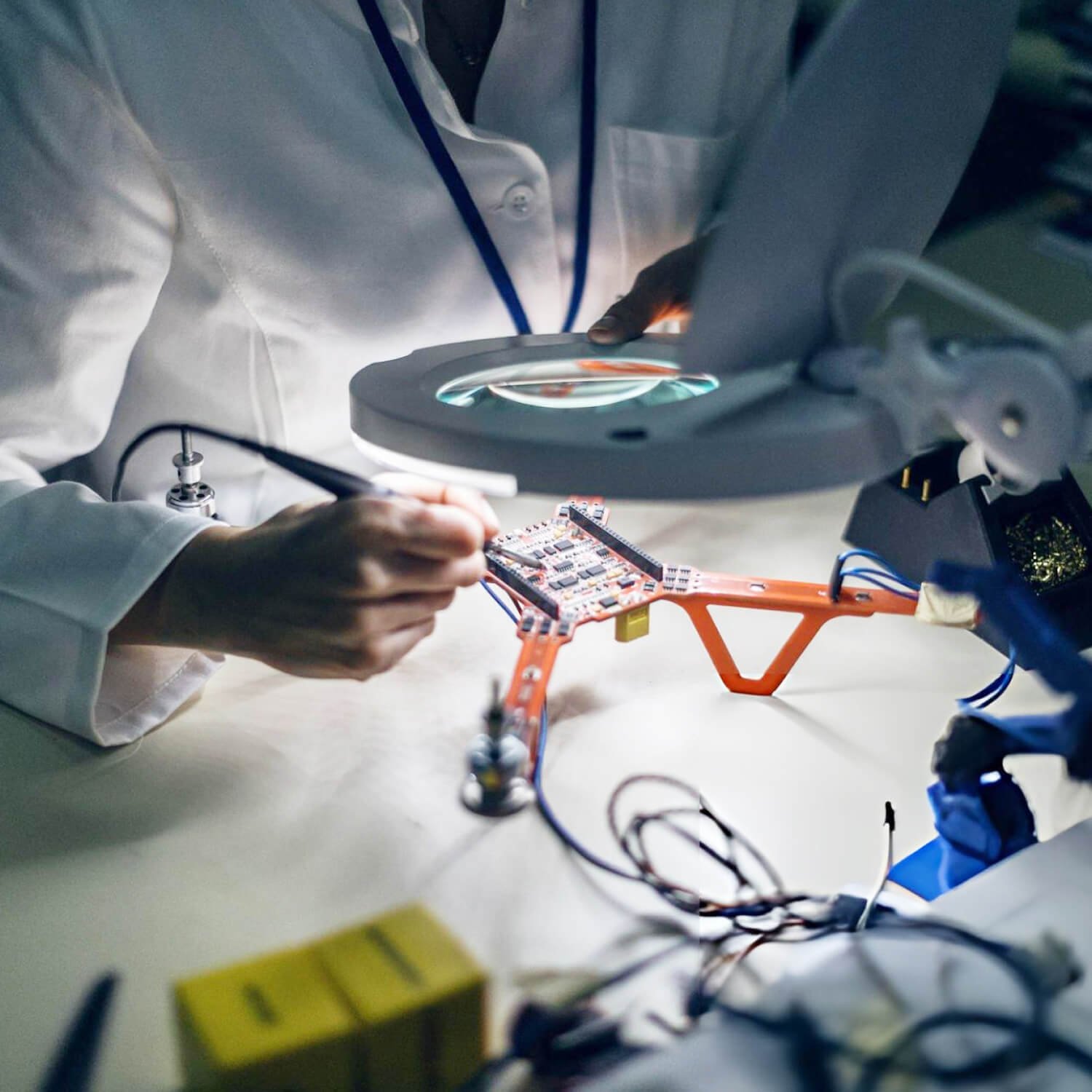
Drone PCB Feature

We combine advanced materials, precision manufacturing, and optimized PCB design techniques to meet the demanding requirements of drone systems.

Weight is a critical factor in drone performance. Our Drone PCBs are designed to be ultra-light and space-efficient without compromising functionality.

  • Optimized PCB layout to reduce board size.
  • Use of miniaturized SMD components.
  • Support for HDI and rigid-flex designs.
  • Thin PCB substrates (down to 0.8 mm or less).

We utilize advanced HDI PCB technology to achieve compact and high-performance designs.

  • Microvias, blind and buried vias.
  • Fine line routing and high component density.
  • Multilayer stack-up optimization.

Drone systems rely heavily on stable signal transmission. Our designs ensure excellent signal integrity and electromagnetic compatibility.

  • Stable flight control signals.
  • Reduced interference in RF and GPS systems.
  • Improved communication reliability.

Drone PCBs often operate under high thermal loads. We design boards to effectively dissipate heat and maintain stability.

  • Thermal vias under power components.
  • Copper pours for heat spreading.
  • Heat sink integration options.
  • High-Tg materials.

We support advanced drone applications requiring high-speed data and RF communication.

  • Low dielectric constant materials.
  • High-frequency laminate support.
  • Optimized RF trace design.
Drone PCB Feature

Drone PCB Core Component

Each component plays a critical role in the overall performance and functionality of the UAV system. We design and manufacture Drone PCBs with carefully selected and precisely integrated components to meet the demanding requirements of modern drone applications.

Drone PCB Core Component

The Microcontroller Unit (MCU) is the central processing unit of the Drone PCB and acts as the “brain” of the system.

Functions:

  • Executes flight control algorithms.
  • Processes real-time sensor data.
  • Sends control signals to ESCs and other modules.

The Electronic Speed Controllers (ESCs) regulate the speed and direction of the drone’s motors.

Functions:

  • Converts DC battery power into controlled AC signals.
  • Adjusts motor speed based on flight controller commands.
  • Ensures smooth acceleration and deceleration.

The Inertial Measurement Unit (IMU) provides critical motion and orientation data.

Functions:

  • Measures acceleration and angular velocity.
  • Detects tilt, rotation, and movement.
  • Supports flight stabilization algorithms.

.

The GPS module enables real-time positioning and navigation.

Functions:

  • Provides geographic location data.
  • Enables waypoint navigation.
  • Supports return-to-home (RTH) functionality.

The Battery Management System (BMS) ensures safe and efficient power usage.

Functions:

  • Monitors battery voltage and current.
  • Prevents overcharging and over-discharging.
  • Balances battery cells.

The Power Distribution Board (PDB) distributes power from the battery to all components.

Functions:

  • Routes power to ESCs, MCU, and peripherals.
  • Maintains consistent voltage levels.
  • Reduces electrical losses.

Communication modules enable real-time interaction between the drone and external systems.

Functions:

  • Transmit and receive control signals.
  • Enable telemetry data exchange.
  • Support wireless communication protocols.

For drones equipped with imaging systems, this module handles video and stabilization.

Functions:

  • Supports camera connectivity
  • Controls gimbal motors for stabilization
  • Enables real-time video transmission (FPV)

Design for Drone PCB

When we are designing a high-performance Drone PCB, we should consider its electrical performance, mechanical structure, thermal management, and environmental reliability.

Design for Drone PCB Core

Weight is one of the most critical factors in drone design, as it directly affects flight time, payload capacity, and maneuverability.

We should:

  • Use HDI (High-Density Interconnect) designs to reduce board size.
  • Select lightweight materials such as thin FR-4 or polyimide.
  • Minimize component size with advanced SMD packages.
  • Introduce PCB cutouts or slots to remove unnecessary material.

Drone PCBs handle high-speed digital signals and sensitive analog data, making signal integrity a top priority.

We need to:

  • Multilayer PCB stack-up with dedicated ground and power planes.
  • Controlled impedance routing for high-speed traces.
  • Differential pair routing for camera and sensor signals.
  • Proper grounding and shielding techniques.
  • Placement of decoupling capacitors near ICs.

Heat generation from components like ESCs, power regulators, and processors must be effectively managed.

We need to

  • Thermal vias under heat-generating components.
  • Copper pours and heat spreaders.
  • Use of high-Tg and thermally conductive materials.
  • Integration of heat sinks when necessary.

.

Efficient power management ensures consistent operation of all drone subsystems.

We need to:

  • Proper routing of high-current traces.
  • Integration of voltage regulators (buck/boost converters).
  • Battery Management System (BMS) compatibility.
  • Minimization of voltage drops and power losses.

Modern drones rely on high-speed data transmission for video streaming, GPS, and communication systems.

It is better to:

Maintain controlled impedance for RF and high-speed lines.

Keep trace lengths short and direct.

Use low-loss PCB materials for RF circuits.

Isolate RF signals from noisy digital circuits.

Drones are subject to continuous vibration and mechanical stress during operation.

We need to:

  • Reinforced PCB structure and mounting points.
  • Use of rigid-flex designs to reduce connectors.
  • Secure component placement and soldering.
  • Application of damping materials in mounting areas.

Why Choose Us

We can offer high-performance, reliable Drone PCB for global customers with advanced technology, strict quality control, and extensive industry experience.

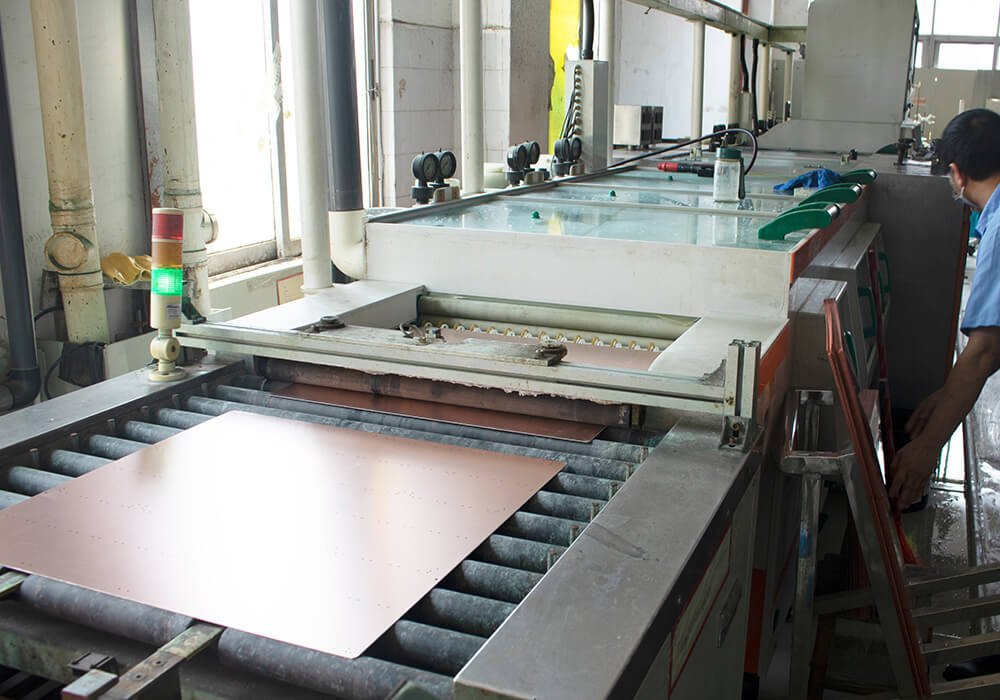
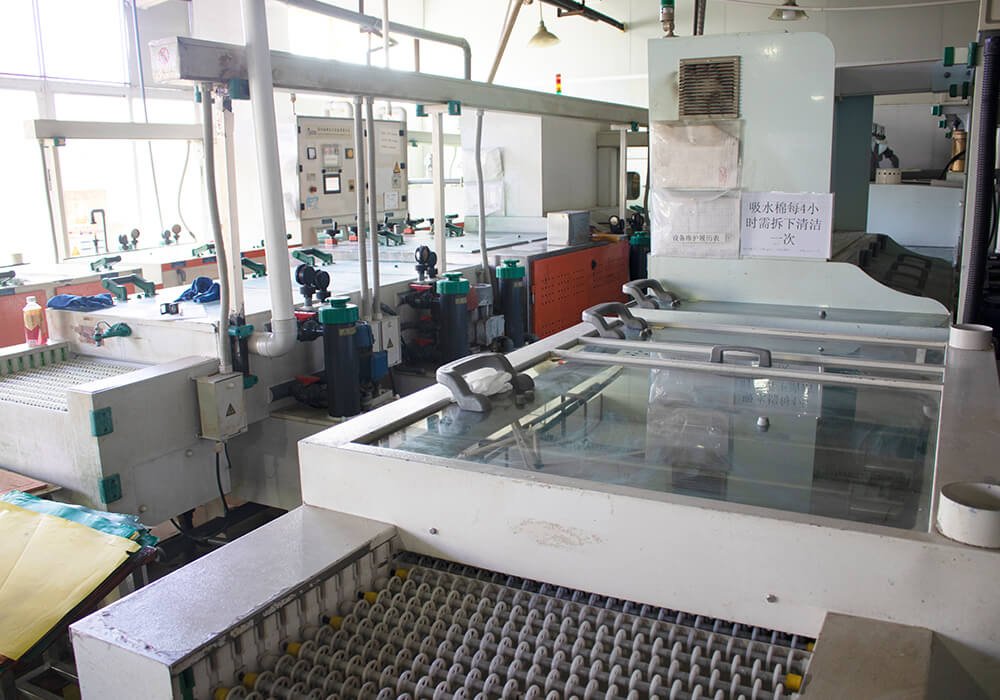
Flex PCB Manufacturring Process

Turnkey PCB Solution

We provide a complete end-to-end service, eliminating the complexity of managing multiple vendors. We can do:

  • PCB design and engineering support
  • PCB fabrication Component sourcing
  • PCB assembly (SMT, THT, mixed)
  • Final testing and quality assurance

Flex PCB Manufacturring Process

Quality

We adhere to globally recognized standards:

  • IPC-A-610 Class 3 (high-reliability electronics)
  • IPC-6012 (PCB performance standards)
  • ISO 9001
  • ISO 14001
  • UL 94

Flex PCB Manufacturring Process

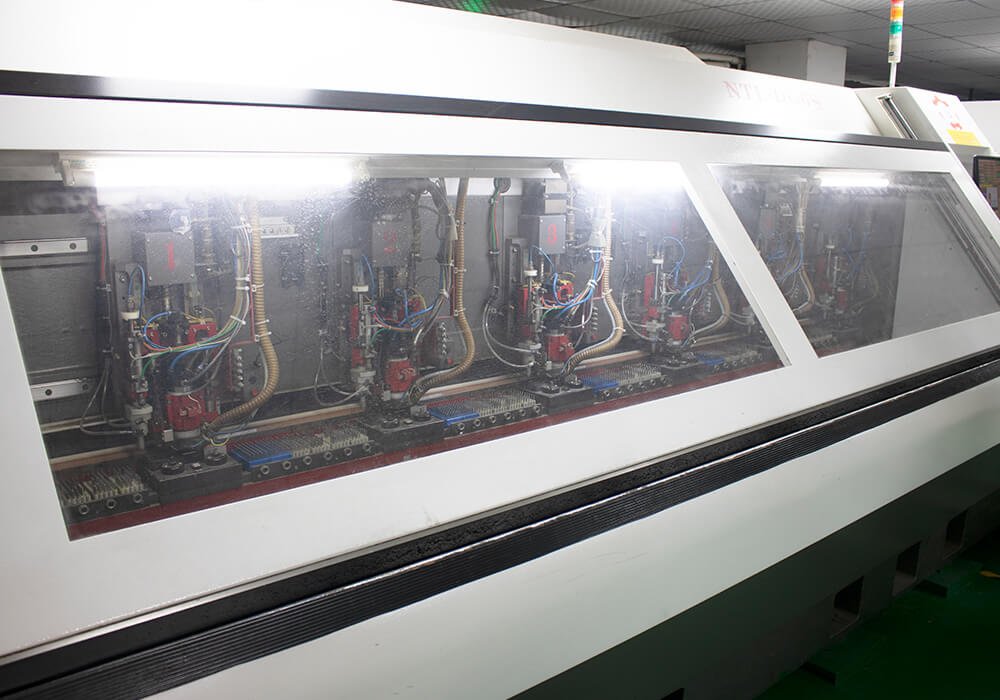
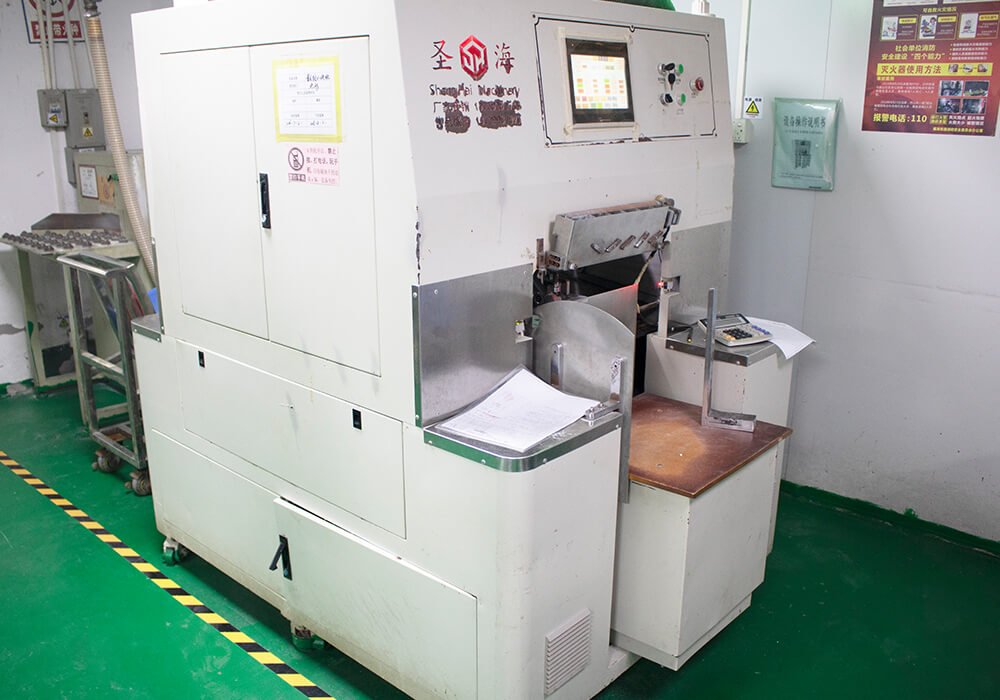
Advanced Manufacturing

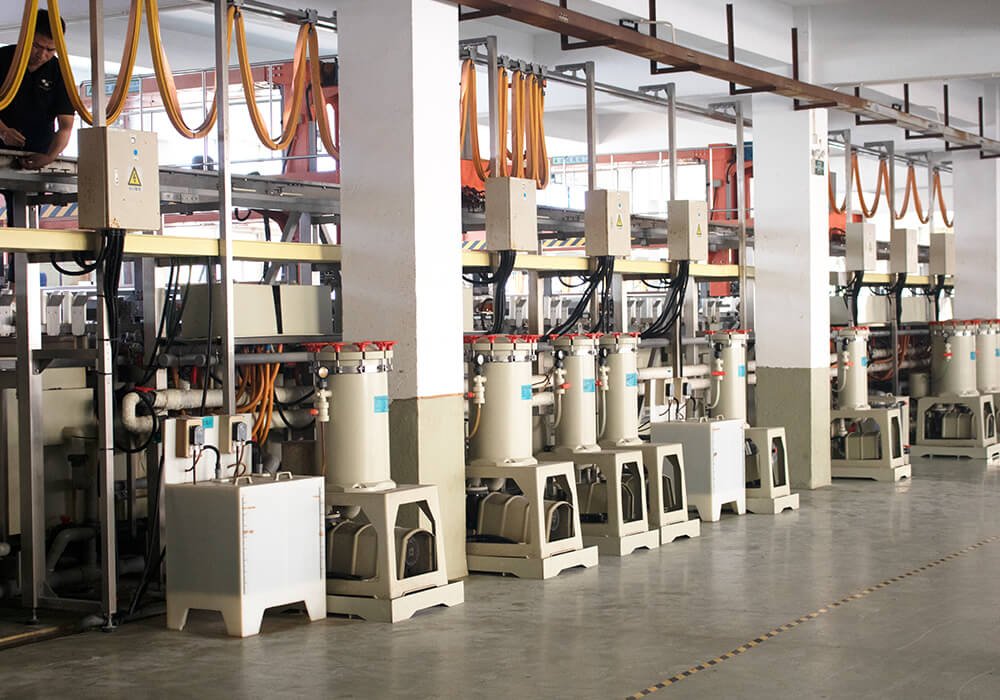
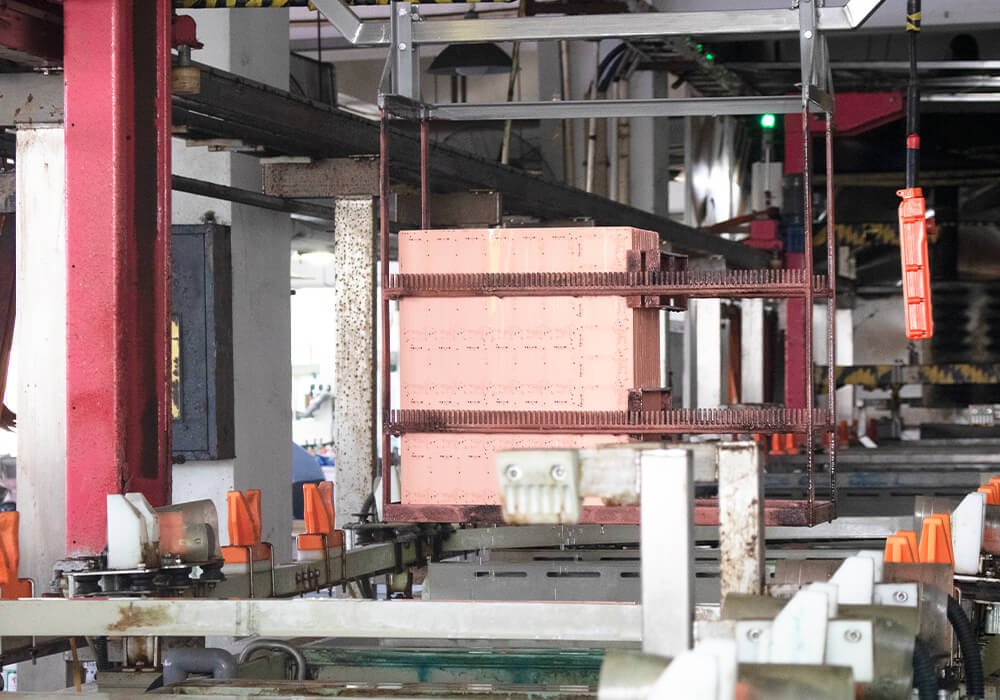
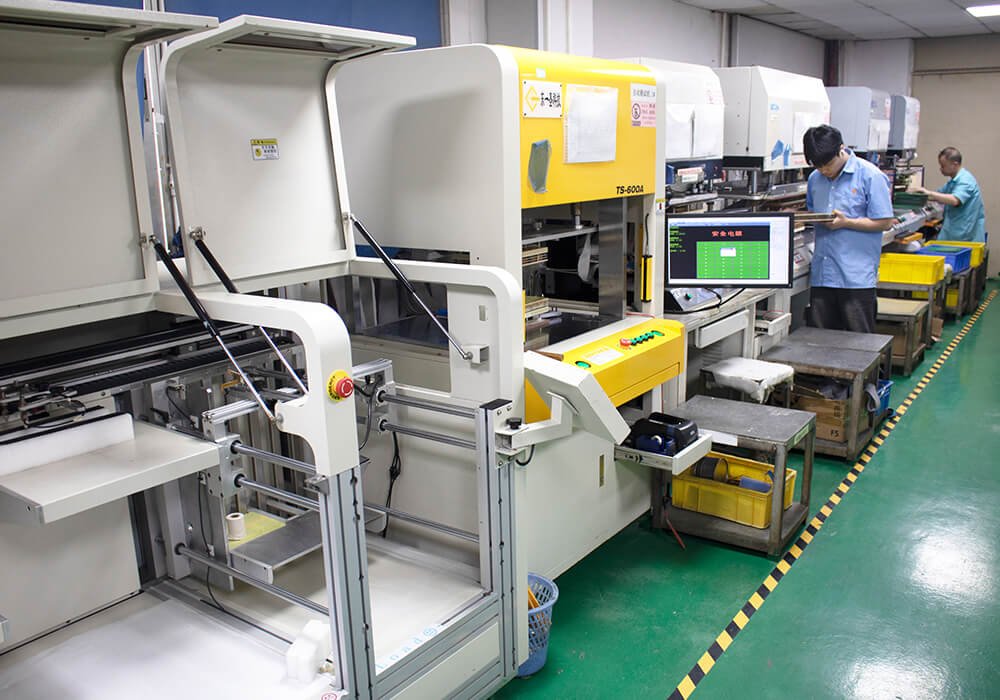
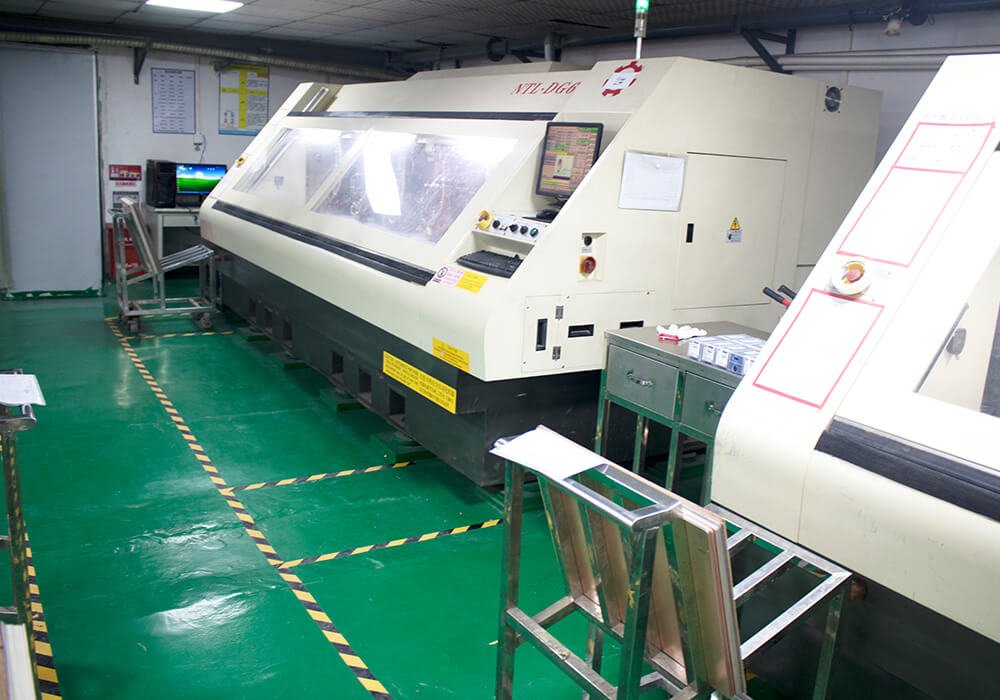
Our state-of-the-art facilities support complex and high-precision PCB assembly. We can do:

  • Fine-pitch placement down to 0.38mm
  • BGA (0.2mm pitch) with X-ray inspection
  • Support for 0201 components
  • High-density multilayer PCBs
  • Mixed technology assembly (SMT + Through-hole)

Flex PCB Manufacturring Process

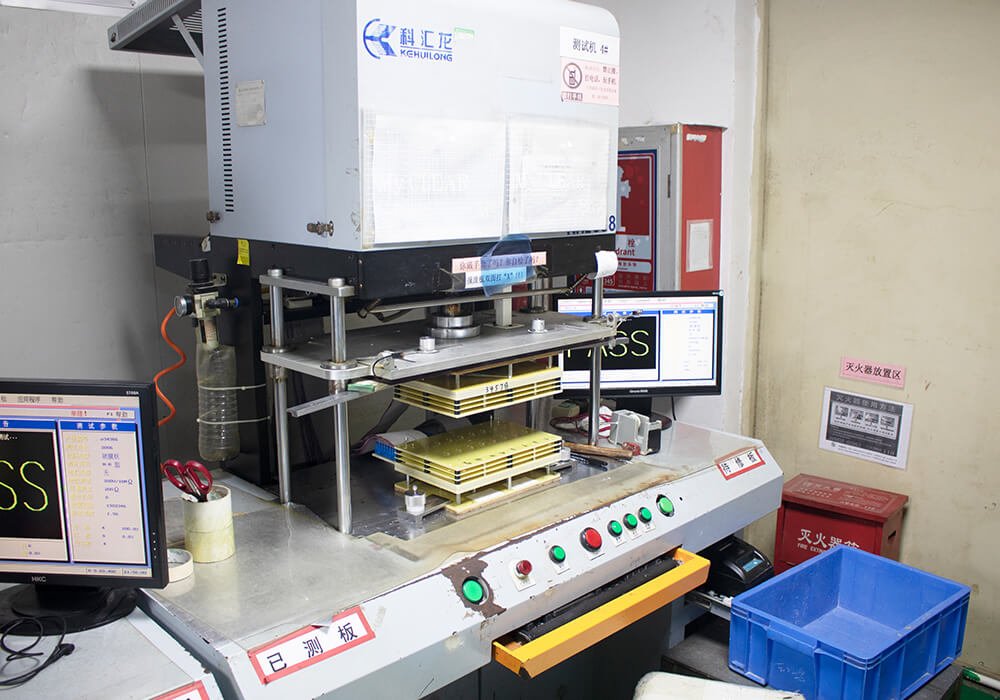
Testing & Inspection

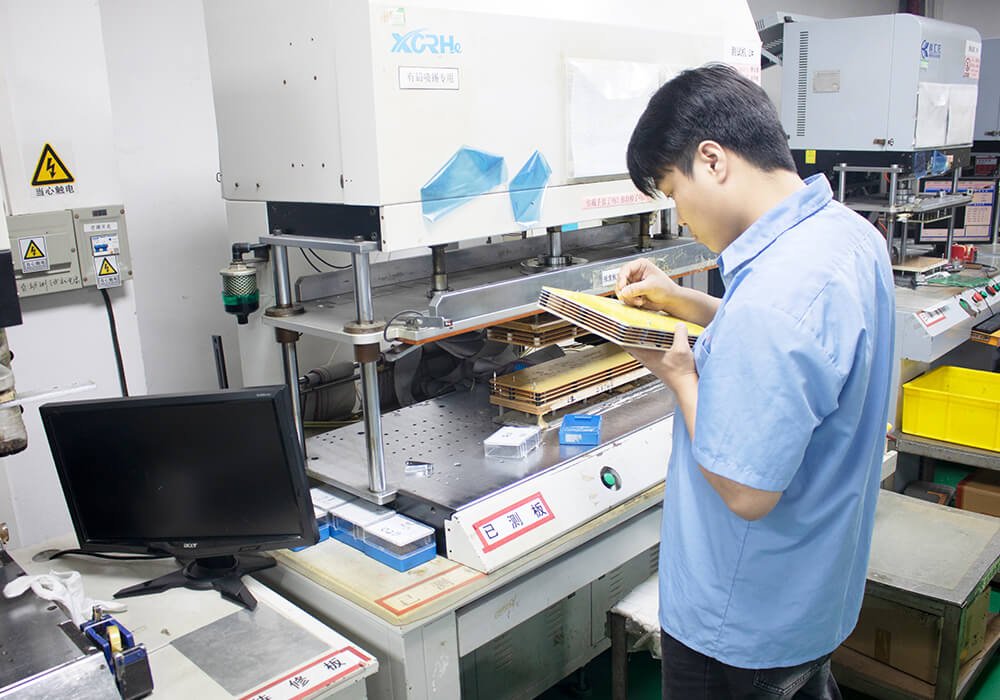
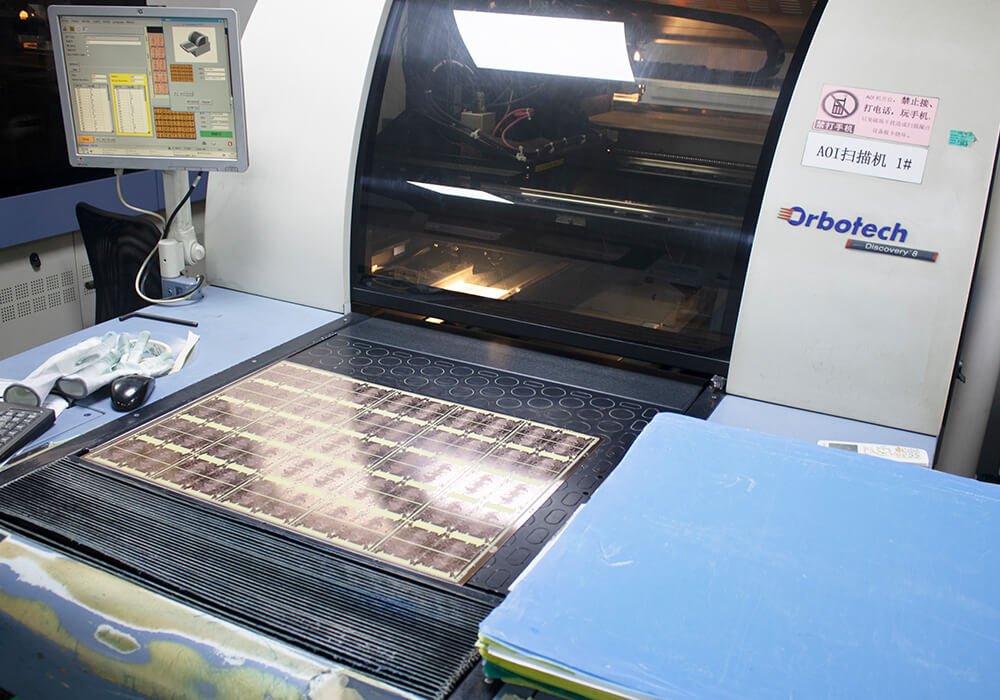
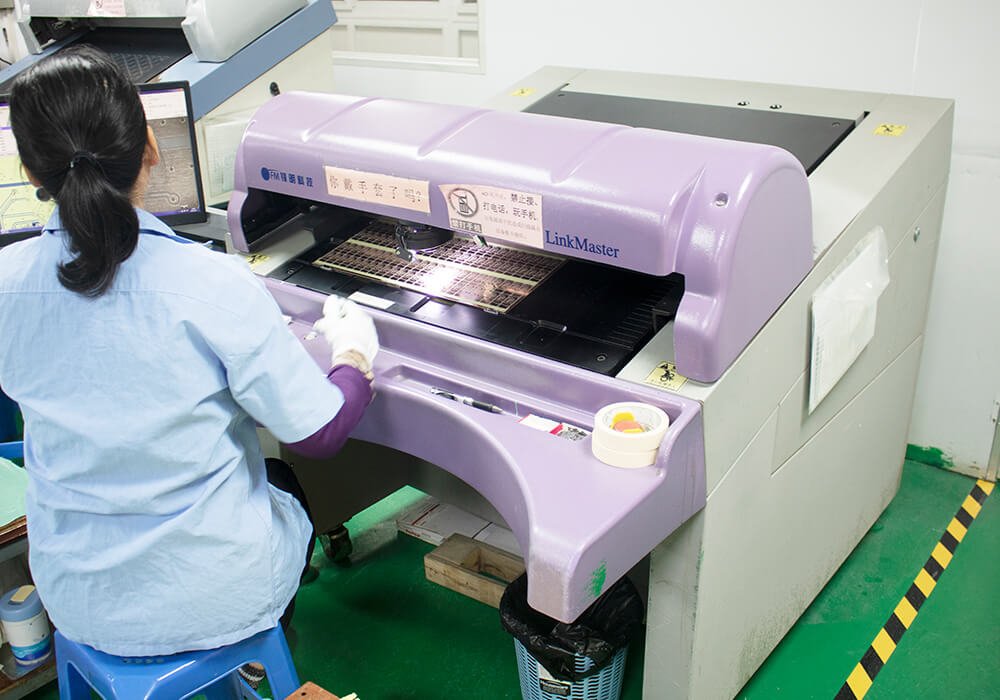
We implement multi-level testing to ensure every PCBA meets strict performance requirements.

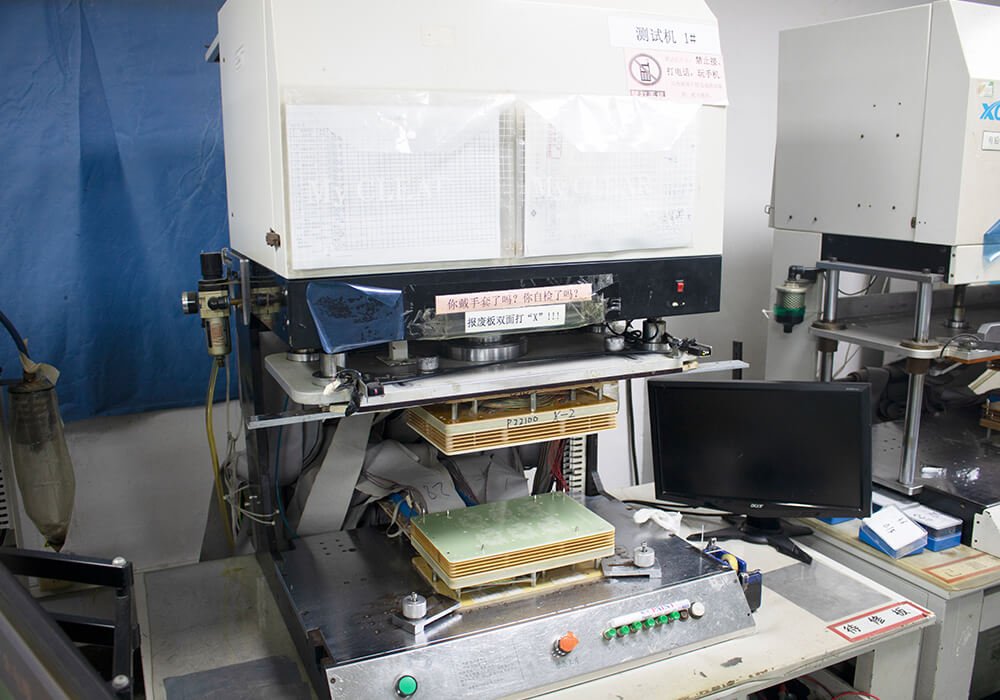
  • AOI (Automated Optical Inspection)
  • X-ray inspection for hidden solder joints
  • In-Circuit Testing (ICT)
  • Functional testing under real operating conditions
  • Voltage and performance validation

PCB Manufacturer Copper PCB

Maximum Heat Dissipation Performance

  • Thermal conductivity: up to 380 W/m·K
  • Layer count: 1–2 layers
  • Build time: 5–7 days

Learn More

Fast Quotation

Our professional sales and engineering teams provide fast PCB quotes and technical support. Simply send us your Gerber files, BOM, and assembly drawings, and we will respond promptly with a competitive solution.

FAQ About Drone PCB?

1. What is a Drone PCB?

A Drone PCB (Printed Circuit Board) is the central electronic platform that connects and controls all components of a drone, including the flight controller, sensors, communication modules, and power systems. 

It ensures stable flight, efficient power distribution, and real-time data processing.

Drone instability is usually caused by IMU vibration, PCB noise, and poor layout design, not PID tuning.

1. Mechanical Vibration Coupling

Motors and propellers generate vibrations that travel through the frame into the PCB. If the IMU is not isolated:

  • It detects false motion
  • Sends incorrect data to the flight controller
  • Causes oscillation or “wobble”

2. Poor IMU Placement

If the IMU is placed near high-current components like MOSFETs:

  • Electromagnetic interference (EMI) corrupts sensor data
  • Results in noisy gyro readings

3. Grounding Issues

Improper grounding will lead to:

  • Ground loops
  • Increased EMI susceptibility
  • Signal instability

IMU noise is primarily caused by power instability and EMI from ESC switching, not sensor defects.

1. ESC Switching Noise

ESC circuits use PWM signals to drive motors. It generates:

  • High-frequency noise
  • Voltage spikes
  • EMI that couples into sensitive circuits

2. Inadequate Decoupling

Without proper capacitors, it will lead to:

  • Voltage rails fluctuate
  • IMU readings become unstable

3. Signal Integrity Problems

  • Long I2C traces
  • Lack of ground reference
  • Crosstalk between signals

We Should:

  • Place decoupling capacitors close to IMU
  • Use short, direct traces
  • Separate analog and digital domains where possible

The Electronic Speed Controller (ESC) regulates the speed and direction of the drone’s motors. 

It converts DC power from the battery into controlled signals that drive brushless motors, enabling smooth and precise flight control.

ESC overheating is caused by insufficient copper thickness, poor thermal design, and high current density.

1. Copper Thickness

Using 1oz copper in high-current applications often leads to:

  • Excessive heat buildup
  • Voltage drops
  • PCB damage

2. MOSFET Heat Dissipation

MOSFETs generate significant heat. Without proper design, it will cause:

  • Heat accumulates
  • Components fail

3. Narrow Current Paths

Thin traces will increase resistance, lead to localized heating, and reduce efficiency

Solutions:

  • Use 2oz or higher copper
  • Add thermal vias under MOSFETs
  • Increase trace width

EMI occurs when high-power ESC circuits interfere with low-signal sensor circuits.

Sources of EMI:

  • PWM switching in ESC
  • Long power traces
  • Ground bounce

Effects:

  • IMU instability
  • GPS signal loss
  • Random MCU resets

Design Mistakes:

  • Mixing power and signal routing
  • Splitting ground planes incorrectly
  • Placing sensors near high-current paths

Mitigation:

  • Separate power and signal zones
  • Maintain a continuous ground plane
  • Use filtering components (ferrite beads, capacitors)

Drone drift is usually caused by thermal drift, magnetic interference, and hardware design flaws.

1. Thermal Drift

Temperature changes affect IMU bias. It will lead to position error.

2. Magnetic Interference.

Power lines and ESC currents generate magnetic fields. It will disrupt magnetometer readings.

3. Uneven Heat Distribution

Localized heating causes sensor instability and calibration mismatch.

Solutions:

  • Warm up the drone before flight
  • Isolate sensors thermally
  • Use shielding if necessary

The optimal layout uses centralized IMU placement, edge-positioned power circuits, and a solid ground plane. It is better to follow these principles:

  • IMU should be placed center of PCB and away from heat and noise sources.
  • Power Section should be placed near board edges and minimize current-path length.
  • Signal Routing should keep traces short and clean and avoid crossing power paths
  • We should use a continuous ground layer and avoid splits under sensitive components.

A 2-layer PCB can work, but 4-layer designs provide significantly better stability and noise immunity.

STM32 is generally better for drone flight controllers due to its deterministic real-time performance, precise motor control, and low-latency interrupts, while ESP32 suits simpler drones or those needing wireless features.

Aspect

STM32

ESP32

Real-time Performance

Deterministic timing, low interrupt latency (<1μs), ARM Cortex-M optimized for control loops

FreeRTOS adequate but WiFi stack causes jitter (ms-level)

Motor Control (PWM)

Advanced timers with deadtime, complementary outputs, encoder support for BLDC

Basic LEDC PWM, software for complex control

Processing Power

48-550MHz, FPU/DSP on H7/F7, precise single-core execution

Dual-core 240MHz, good multitasking but shared resources

Sensors/IMU Processing

Fast ADCs, DMA for continuous sampling, sensor fusion optimized

Adequate but higher noise/latency

Power Efficiency

Ultra-low sleep (2μA), fine-grained domains for battery life

Higher idle (~10mA), radio drain

Wireless Connectivity

None native (add modules)

Built-in WiFi/BLE, OTA updates

Flight Controller Ecosystem

Betaflight/iNav/ArduPilot standard, mature hardware

Rare in pro FCs, hobby experiments only

Development

STM32CubeIDE, HAL, steep learning curve

Arduino/ESP-IDF, easier for beginners

Cost (volume)

$3-10 (F4/F7/H7)

$2-5, cheaper with wireless

Peripherals

Rich: CAN, Ethernet, more timers/ADCs

Good but radio-focused

GPS signal loss occurs because motor and ESC noise interferes with RF signals.

Interference Sources:

  • Power line radiation
  • PCB coupling
  • Poor antenna placement

Common Mistakes:

  • Placing GPS near ESC
  • No shielding
  • Shared noisy power supply

Fixes:

  • Physically separate GPS module
  • Use shielded enclosures
  • Filter power lines

Yes, we provide fully customized Drone PCB solutions based on your requirements, including:

  • Custom layout and design
  • Material selection
  • Layer stack-up optimization
  • Functional integration

You can contact us with your project details, including:

  • PCB design files (Gerber files)
  • Bill of Materials (BOM)
  • Quantity requirements
  • Application details

Our team will provide a fast and competitive quotation.