
/High-Performance Power Conversion Solutions/

Inverter PCB

At PCBSAIL, we specialize in designing and manufacturing high-performance Inverter PCB solutions tailored for demanding power electronics applications.

With advanced fabrication technology and strict quality standards, we ensure every inverter PCB meets safe and durability requirements.

Whether you require prototypes or large-scale production, our team is ready to support your project from concept to completion.

What Is Inverter PCB

What Is Inverter PCB?

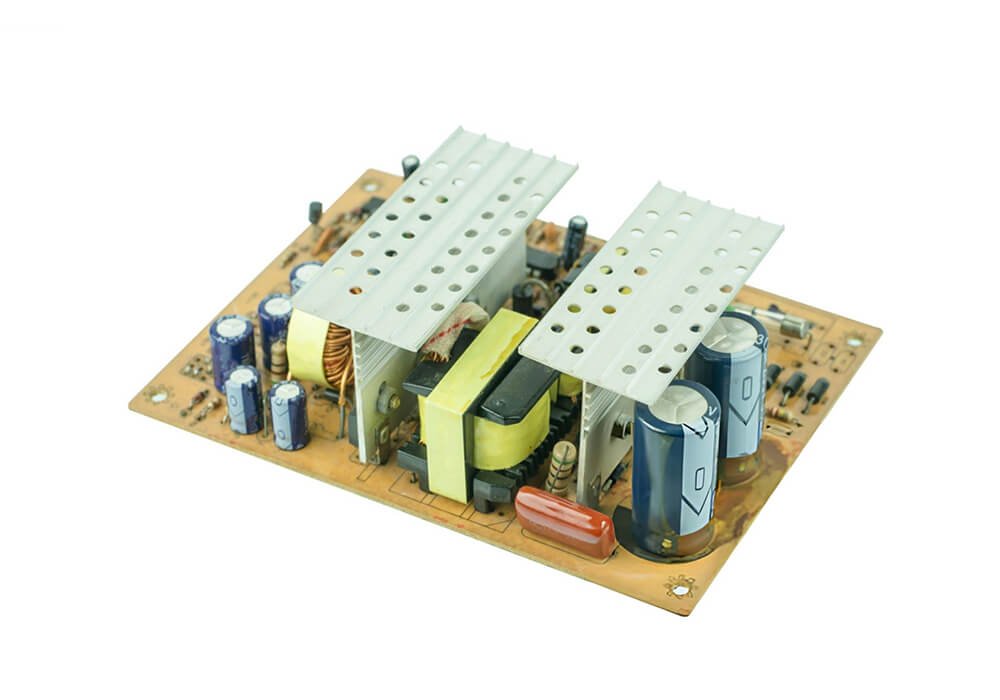
An Inverter PCB (Printed Circuit Board) is a specialized circuit board used in inverter systems. It can convert direct current (DC) into alternating current (AC).

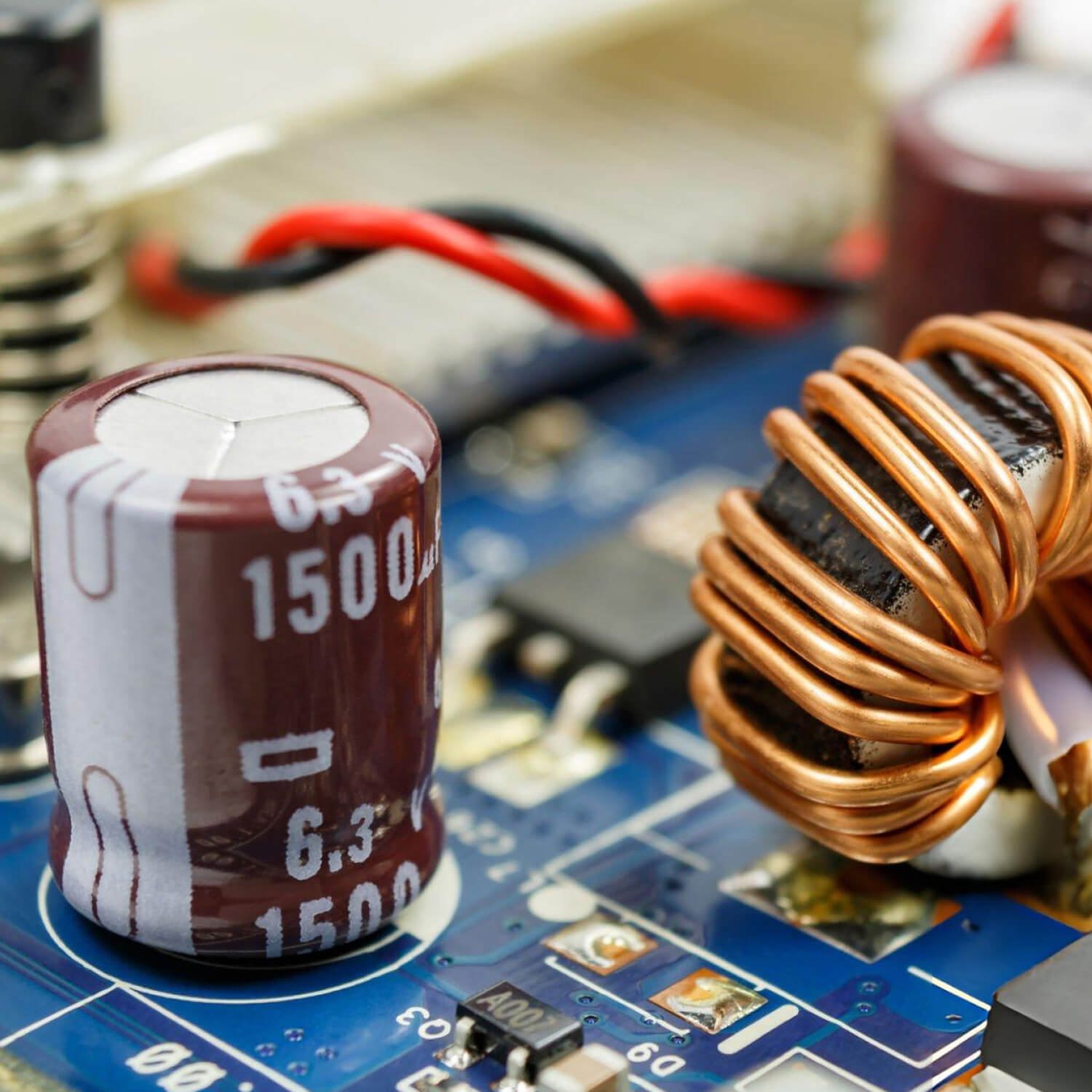
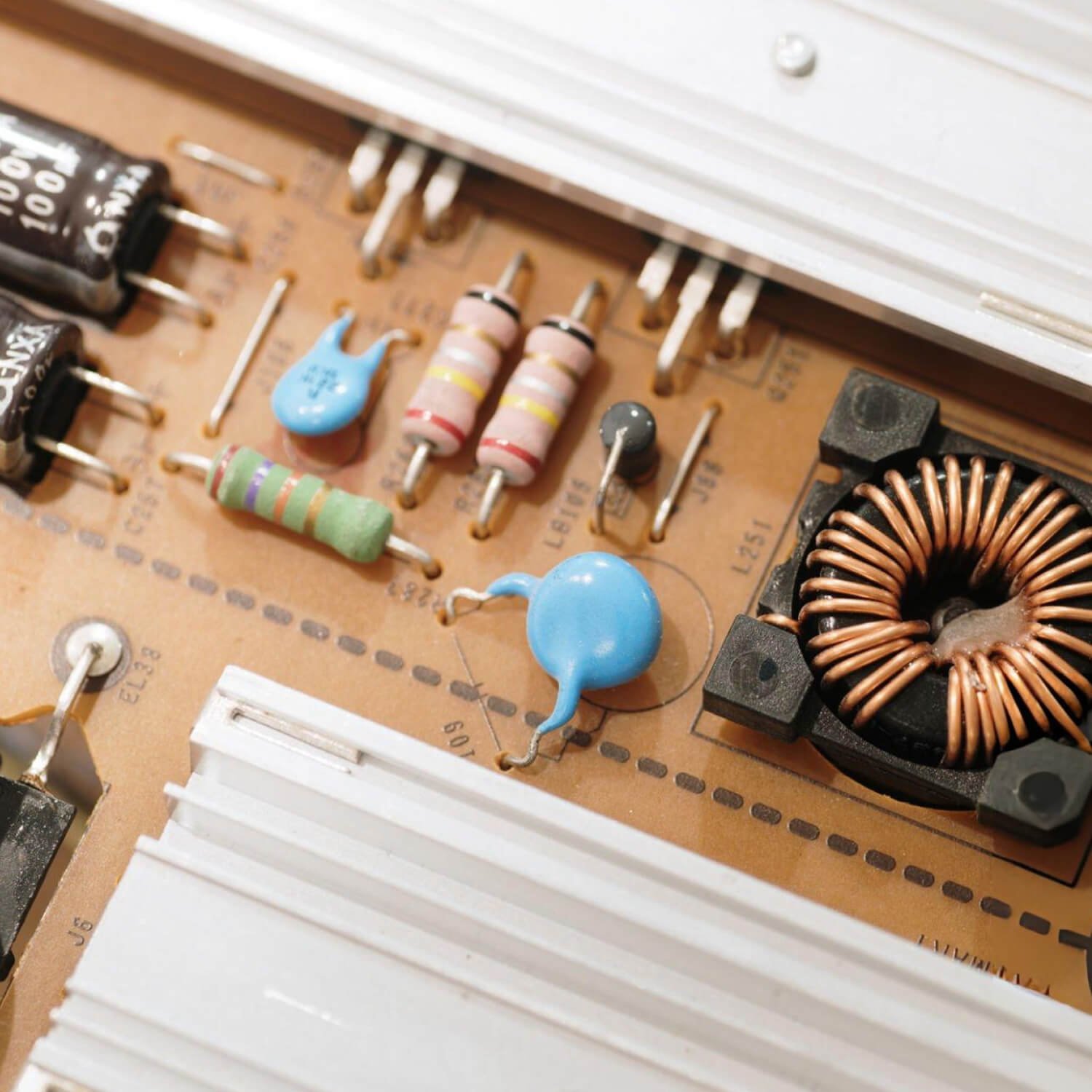
It serves as the foundation for mounting and interconnecting electronic components such as MOSFETs, IGBTs, transformers, capacitors, and control ICs.

  • DC To AC Power Conversion
  • Voltage And Frequency Regulation
  • Power Control And Signal Processing
  • Thermal Management And Electrical Isolation

A well-designed Inverter PCB ensures high efficiency, low power loss, and stable output performance.

Inverter PCB We Offered.

We provide a comprehensive range of Inverter PCBs to meet the diverse needs of power electronics applications. We can also offer customized Inverter PCB and PCBA services tailored to your specific requirements.

Cheaper Inverter PCB
Inverter PCB Near Me
Best Inverter PCB

Our Capacity.

Flex PCB Single-Sided Flex PCB

Inverter Control PCB

The Inverter Control PCB is responsible for managing the entire inverter system running.

  • Integrated Microcontroller (MCU) For Real-Time Control
  • PWM Signal Generation For Switching Devices
  • High Integration And Compact Design
  • Stable And Reliable Control Logic

Flex PCB Double-Sided Flex PCB

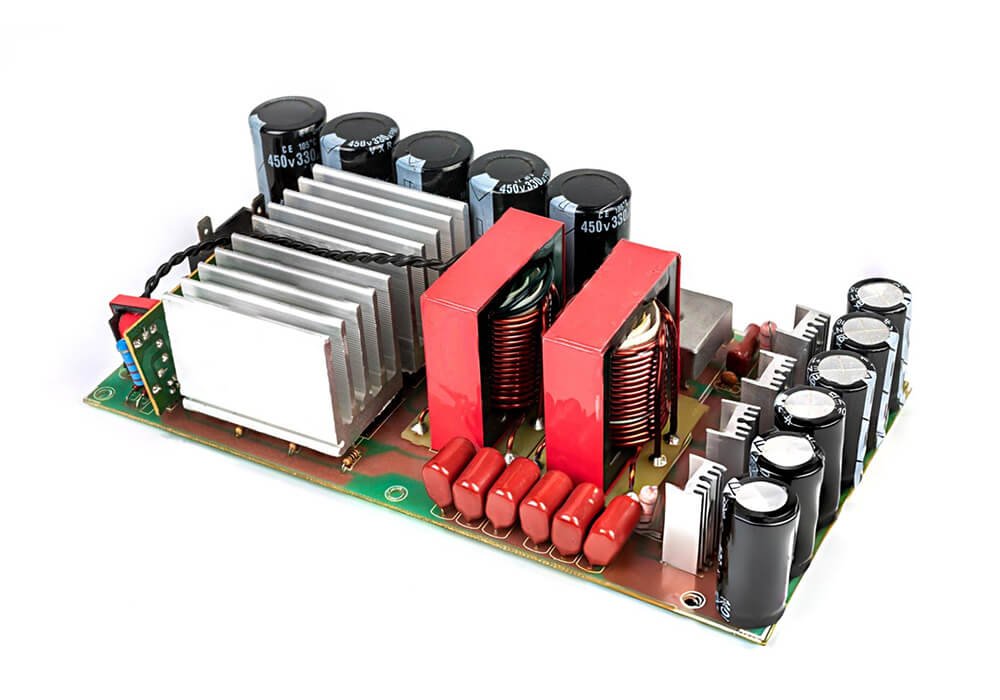
Inverter Power PCB

The Inverter Power Board handles high-current and high-voltage power conversion.

  • High Current Carrying Capability
  • Support For MOSFETS And IGBTS
  • Thick Copper Layers (1–4 Oz Or More)
  • Optimized Thermal Management

Flex PCB Multilayer Flex PCB

DC-DC Converter PCB

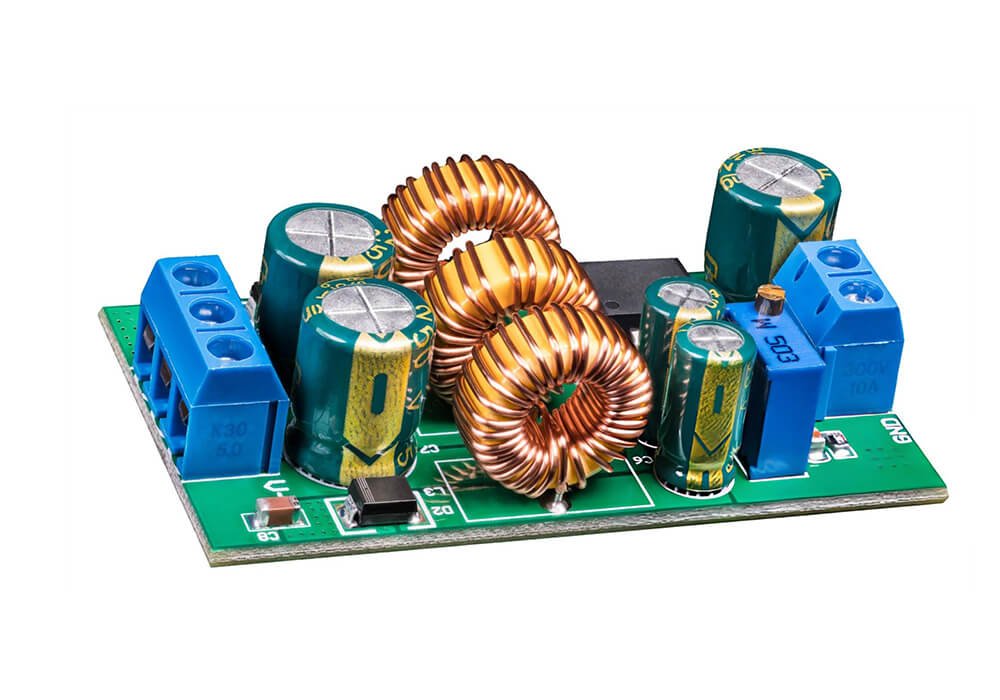
The DC-DC Converter PCB is used to regulate and convert DC voltage levels within inverter systems.

  • Single Or Dual Regulated Outputs
  • High Conversion Efficiency
  • Compact And Lightweight Design

Flex PCB Single-Sided Flex PCB

AC Inverter PCB

The AC Inverter PCB is commonly used in household and commercial applications.

  • Stable AC Output Generation
  • Integrated Protection Circuits
  • High Reliability And Long Lifespan

Flex PCB Double-Sided Flex PCB

Solar Inverter PCB

The Solar Inverter PCB is specifically designed for renewable energy systems.

  • MPPT (Maximum Power Point Tracking) Support
  • High Efficiency Under Varying Load Conditions
  • Battery Management Integration

Flex PCB Multilayer Flex PCB

Industrial Inverter PCB

The Industrial Inverter PCB is built for demanding environments and heavy-duty applications.

  • High-temperature Resistance
  • Robust Mechanical Structure
  • Enhanced EMI Shielding

Flex PCB Single-Sided Flex PCB

EV Inverter PCB

The Electric Vehicle (EV) Inverter PCB is designed for high-performance automotive applications.

  • High Efficiency Power Conversion
  • Compact And Lightweight Design
  • Integration With Battery Management Systems

Flex PCB Double-Sided Flex PCB

Micro Inverter PCB

The Micro Inverter PCB is a compact solution used in decentralized energy systems.

  • Small Form Factor
  • Independent Power Conversion
  • High Reliability

Item

Rigid PCB

Flexible PCB

Rigid-Flex PCB

Max Layer

60L

8L

36L

Inner Layer Min Trace/Space

3/3mil

3/3mil

3/3mil

Out Layer Min Trace/Space

3/3mil

3.5/4mil

3.5/4mil

Inner Layer Max Copper

6oz

2oz

6oz

Out Layer Max Copper

6oz

20z

3oz

Min Mead hanical Driling

0.15mm

0.1mm

0.15mm

Min Laser Drilling

0.1mm

0.1mm

0.1mm

Max Aspect Ratio (Mechanical Drilling)

20:01

10:01

12:01

Max Aspect Ratio (Laser Drilling)

1:01

/

1:01

Press Fit Hole Tolerance

±0.05mm

±0.05mm

±0.05mm

PTH Tolerance

±0.075mm

±0.075mm

±0.075mm

NPTH Tolerance

±0.05mm

±0.05mm

±0.05mm

Countersink Tolerance

±0.15mm

±0.15mm

±0.15mm

Board Thickness

0.4-8mm

0.1-0.5mm

0.4-3mm

Board Thickness Tolerance(<1.0mm)

±0.1mm

±0.05mm

±0.1mm

Board Thickness Tolerance(≥1.0mm)

±10%

/

±10%

Min Board Size

10*10mm

5*10mm

10*10mm

Max Board Size

22.5*30 inch

9*14 inch

22.5*30 inch

Contour Tolerance

±0.1mm

±0.05mm

±0.1mm

Min BGA

7mil

7mil

7mil

Min SMT

7*10mil

7*10mil

7*10mil

Min Solder Mask Clearance

1.5mil

3mil

1.5mil

Min Solder Mask Dam

3mil

8mil

3mil

Min Legend Width/Height

4/23mil

4/23mil

4/23mil

Strain Fillet Width

/

1.5±0.5mm

1.5±0.5mm

Bow &Twist

0.003

/

0.0005

Standards for Inverter PCB.

Our inverter PCBs comply with globally recognized standards.

PCB Certificate

IPC Standards

The IPC standards define the baseline requirements for PCB design, fabrication, and assembly.

PCB Certificate

ISO Standard

A controlled manufacturing environment ensures consistent quality.

PCB Certificate

RoHS

To meet global environmental and safety regulations, it should reach RoHS standard.
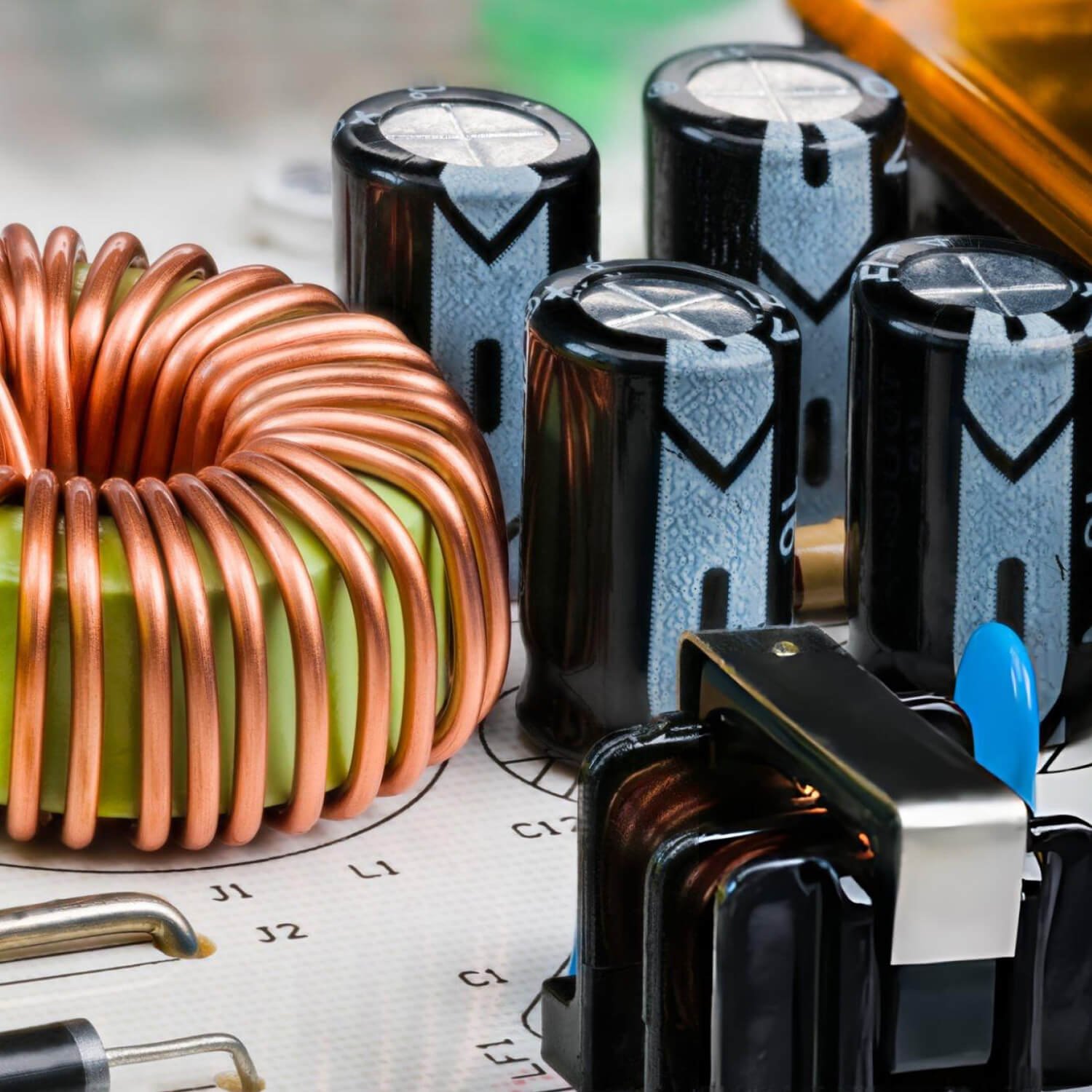
Inverter PCB Feature

With advanced materials, optimized layouts, and precision manufacturing, we can offer high-performance Inverter PCBs that ensure stable and efficient power conversion.

Our Inverter PCBs are designed to handle high power loads safely and efficiently.

Key Features:

  • Supports high voltage applications
  • Thick copper layers (1–4 oz or higher)
  • Optimized trace width for high current flow

Heat dissipation is important in inverter systems. Our PCBs are optimized for efficient thermal performance.

Features:

  • Thermal vias under power components
  • Aluminum substrate options (MCPCB)
  • Copper pours for heat spreading
  • Heat sink compatibility

Our Inverter PCBs are designed to minimize energy loss during DC-to-AC conversion.

Features:

  • Low-resistance copper traces
  • Optimized switching circuit layout
  • Reduced dielectric loss materials

Switching circuits in inverters can generate electromagnetic interference (EMI). We implement advanced design techniques to control noise.

Features:

  • Ground planes and shielding
  • Filtering circuits (LC/RC filters)
  • Proper component placement

Our Inverter PCBs are built to operate reliably in Harsh Environments.

Features:

  • High-Tg materials for thermal stability
  • Conformal coating options
  • Vibration-resistant design
Inverter PCB Feature

Inverter PCB Components

An Inverter PCB integrates multiple high-power and control components, that work together to convert direct current (DC) into alternating current (AC) efficiently and safely.

Inverter PCB Components

The Microcontroller (MCU) or control IC acts as the “brain” of the inverter PCB.

Functions:

  • Generates PWM (Pulse Width Modulation) signals
  • Controls switching devices (MOSFETs/IGBTs)
  • Monitors system performance and protection circuits

These are the primary power switching components used in inverter circuits.

Functions:

  • Rapidly switch DC input to create AC output
  • Control current flow through the load

The H-Bridge is a switching topology used to reverse the direction of current flow.

Functions:

  • Converts DC into alternating current
  • Controls polarity of the output voltage

.

The Transformer is used to adjust voltage levels in the inverter system.

Functions:

  • Steps up or steps down AC voltage
  • Provides electrical isolation

Capacitors play a vital role in filtering and stabilizing the inverter output.

Functions:

  • Smooth voltage fluctuations
  • Store and release energy
  • Reduce ripple in output signals

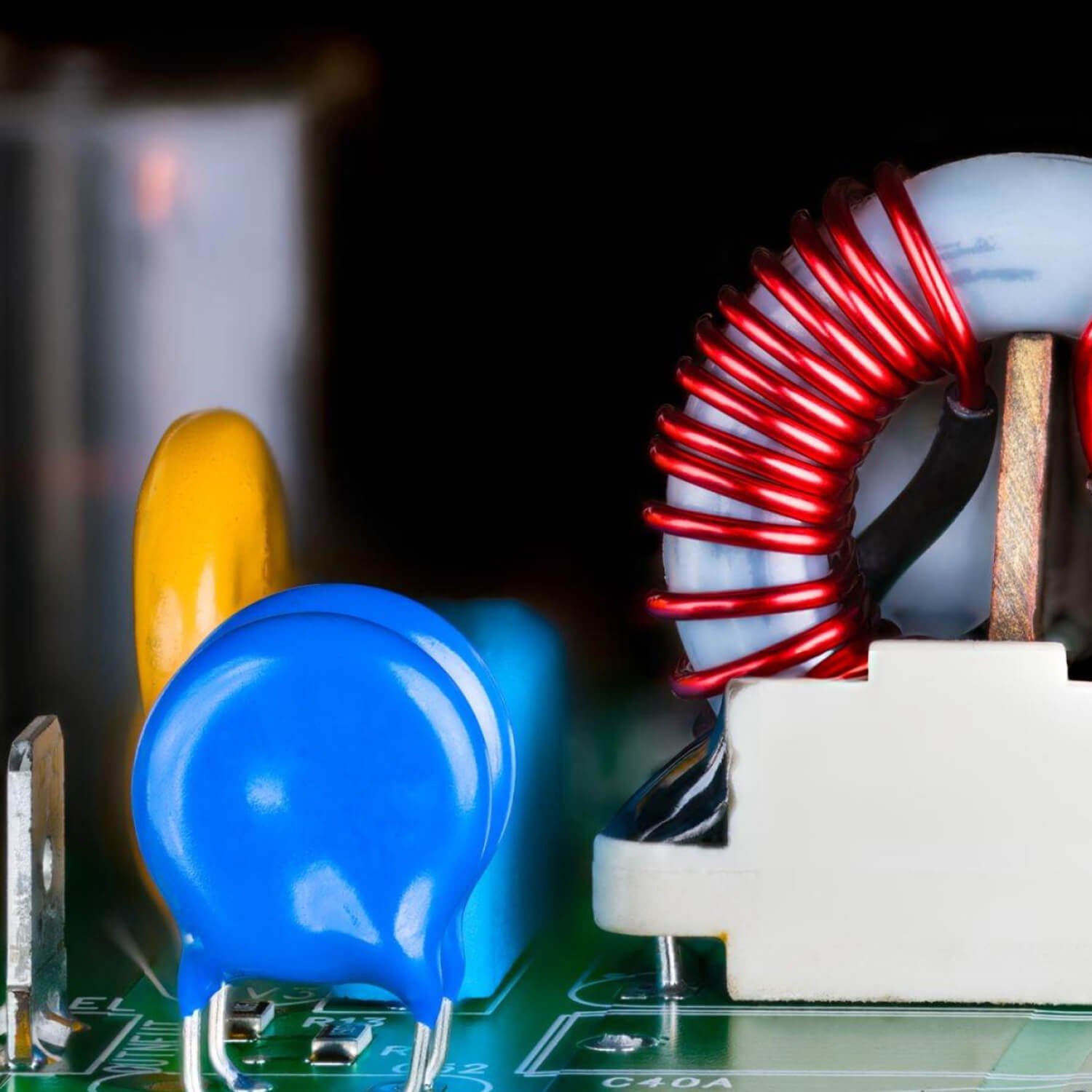
Inductors and filters are used to refine the output waveform.

Functions:

  • Filter out high-frequency noise
  • Convert square wave into sine wave
  • Reduce electromagnetic interference (EMI)

Diodes control the direction of current flow within the circuit.

Functions:

  • Prevent reverse current
  • Assist in rectification processes
  • Protect sensitive components

Resistors regulate current and voltage levels in the circuit.

Functions:

  • Limit current flow
  • Divide voltage
  • Protect components

Design for Inverter PCB

When we are designing a high-performance Inverter PCB, we need to pay attention to power handling, thermal management, electrical safety, and signal integrity.

Design for Inverter PCB

Inverter PCBs handle significant power, which generates heat—especially in switching components like MOSFETs and IGBTs.

We need to:

  • Use thermal vias beneath power components.
  • Apply copper pours for heat spreading.
  • Select high-Tg or metal-core (aluminum) substrates.
  • Integrate heat sinks where necessary.

High-current paths must be designed to safely handle electrical loads.

We need to:

  • Calculate trace width based on current requirements (IPC-2221 guidelines).
  • Use thick copper layers (1–4 oz or higher).
  • Minimize resistance in power traces.

Proper spacing between conductive elements is critical for safety in high-voltage designs.

We should:

  • Maintain sufficient creepage distance (surface spacing)
  • Ensure adequate clearance distance (air spacing)
  • Follow IEC and UL standards

Switching circuits generate electromagnetic interference that can affect performance.

We need to:

  • Use ground planes and shielding.
  • Add LC/RC filters.
  • Separate power and control circuits.
  • Optimize loop areas to reduce noise.

Why Choose Us

We can offer high-performance Inverter PCB for global customers with technical expertise, advanced manufacturing capabilities, and strict quality control.

Flex PCB Manufacturring Process

Turnkey PCB Solution

We provide a complete end-to-end service, eliminating the complexity of managing multiple vendors. We can do:

  • PCB design and engineering support
  • PCB fabrication Component sourcing
  • PCB assembly (SMT, THT, mixed)
  • Final testing and quality assurance

Flex PCB Manufacturring Process

Quality

We adhere to globally recognized standards:

  • IPC-A-610 Class 3 (high-reliability electronics)
  • IPC-6012 (PCB performance standards)
  • ISO 9001
  • ISO 14001
  • UL 94

Flex PCB Manufacturring Process

Advanced Manufacturing

Our state-of-the-art facilities support complex and high-precision PCB assembly. We can do:

  • Fine-pitch placement down to 0.38mm
  • BGA (0.2mm pitch) with X-ray inspection
  • Support for 0201 components
  • High-density multilayer PCBs
  • Mixed technology assembly (SMT + Through-hole)

Flex PCB Manufacturring Process

Testing & Inspection

We implement multi-level testing to ensure every PCBA meets strict performance requirements.

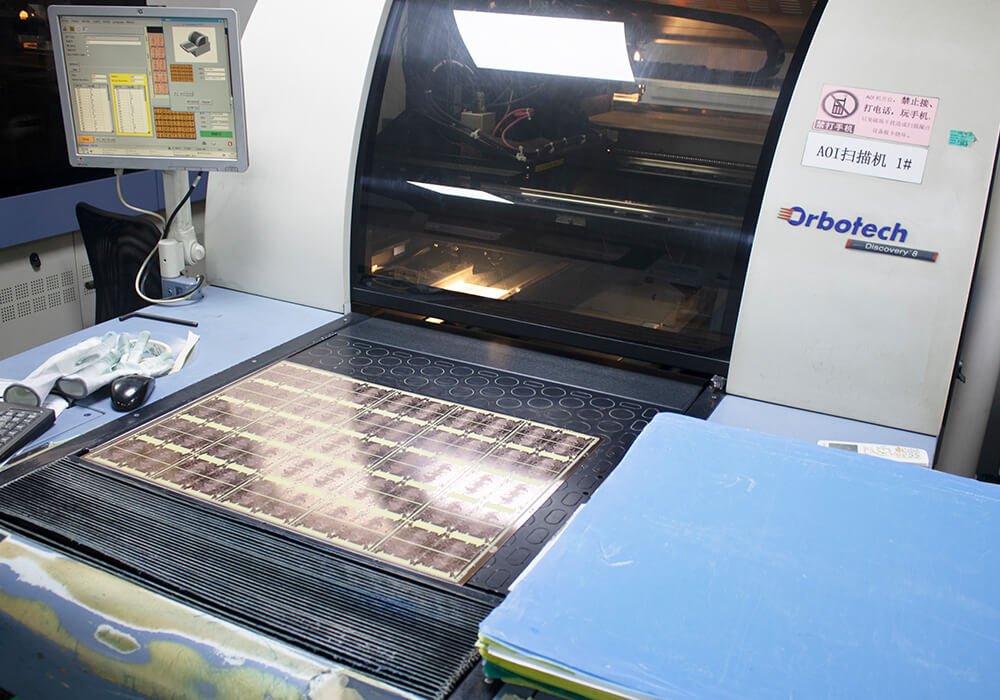
  • AOI (Automated Optical Inspection)
  • X-ray inspection for hidden solder joints
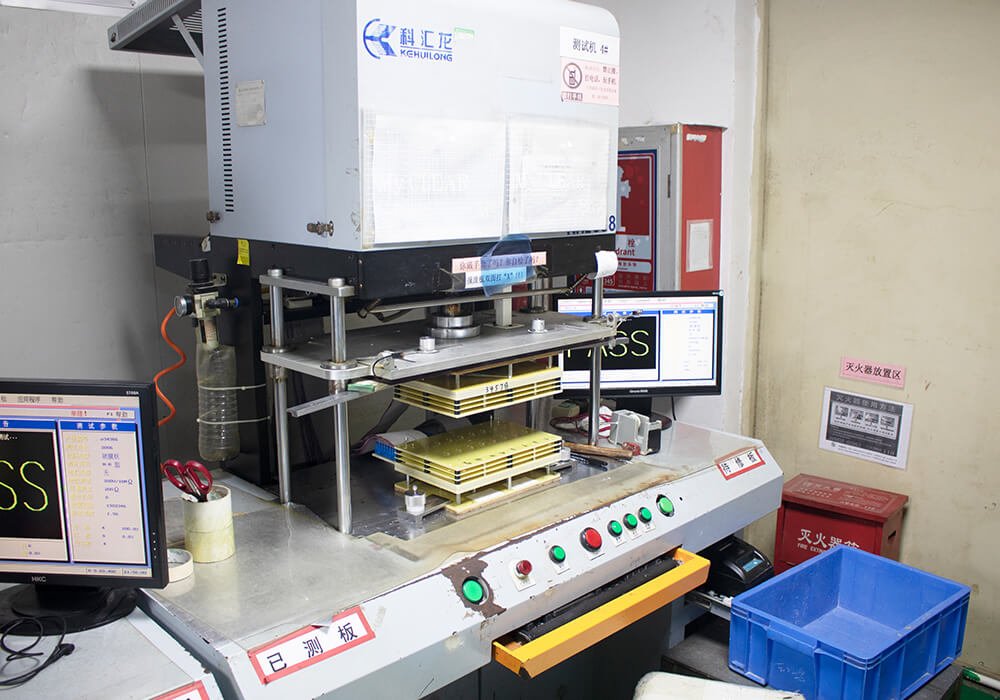
  • In-Circuit Testing (ICT)
  • Functional testing under real operating conditions
  • Voltage and performance validation

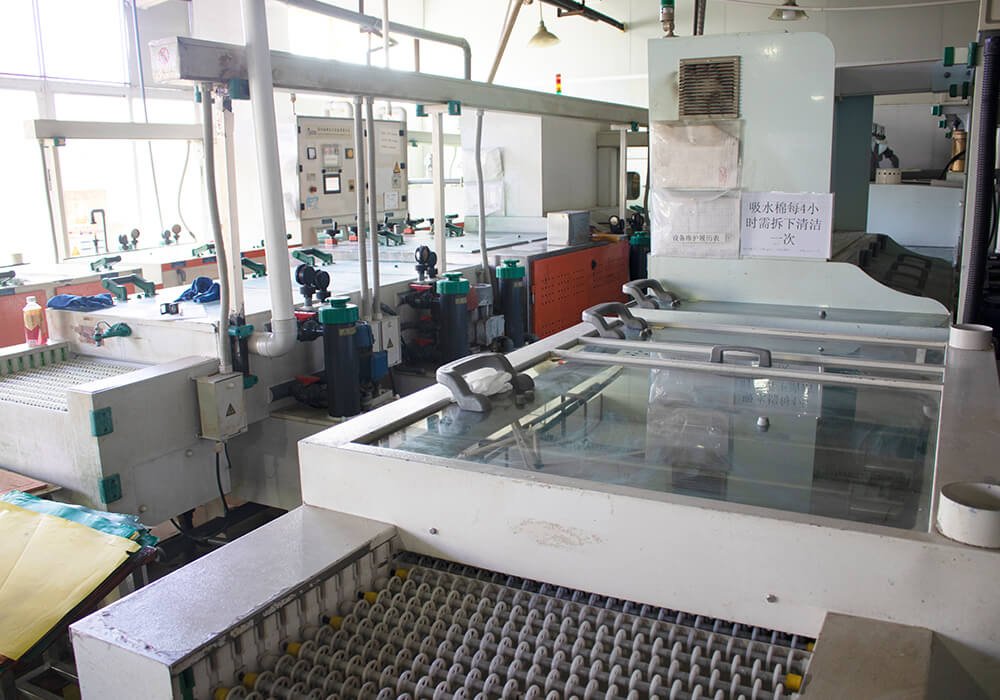
PTH
copper immersion
Degumming Residue
sink gold
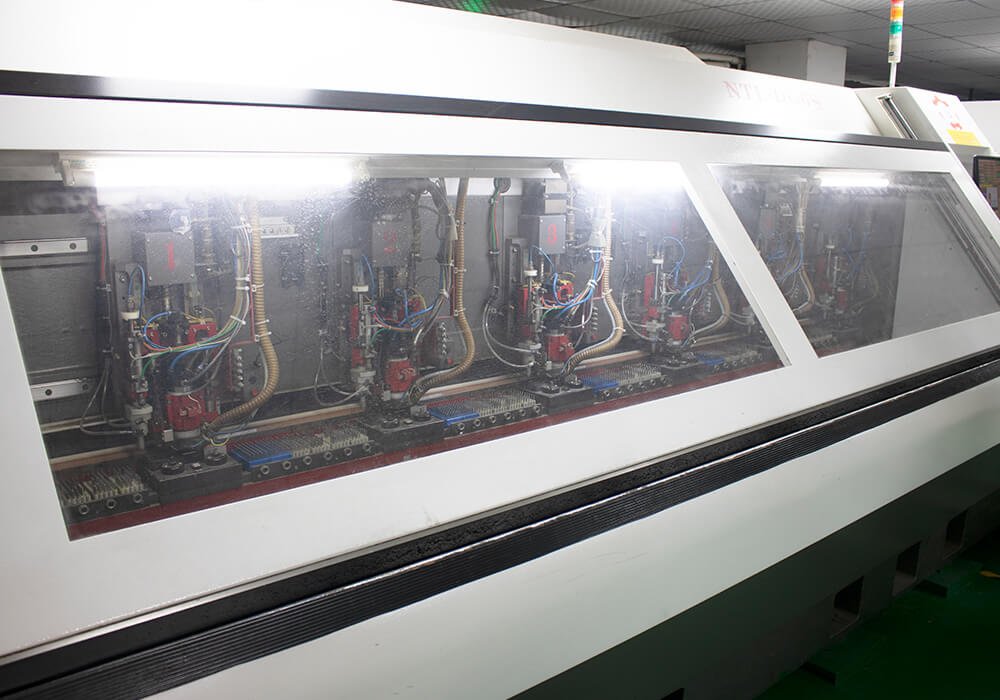
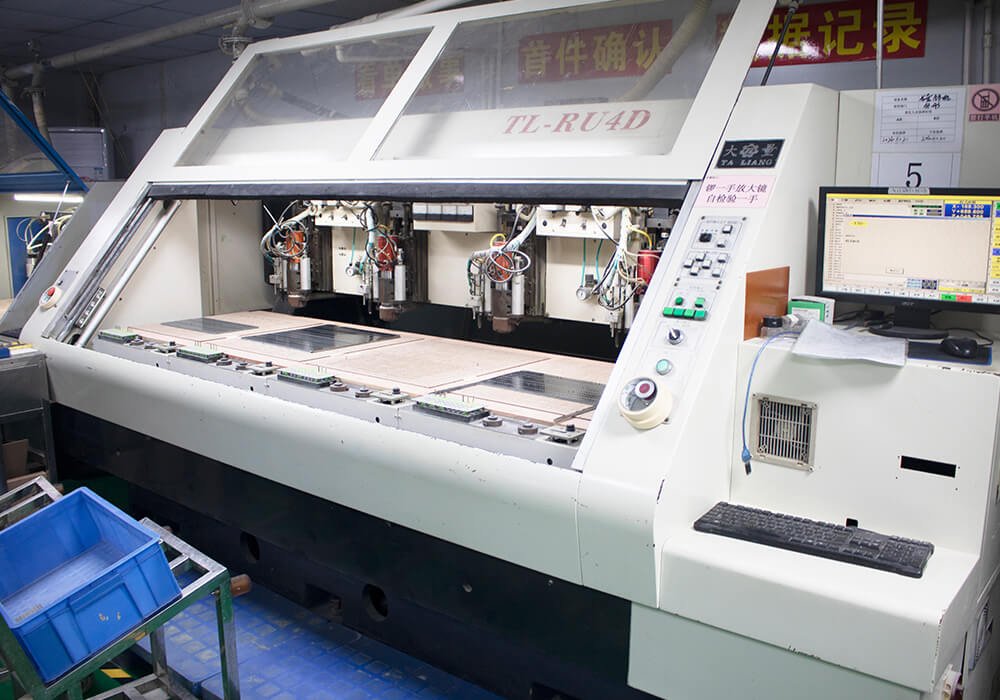
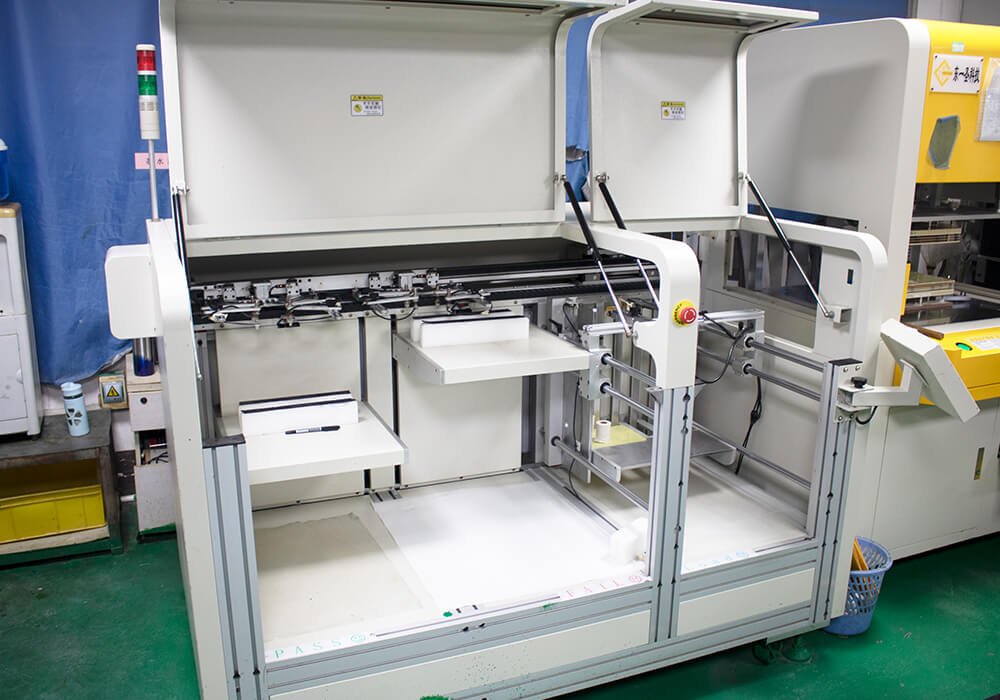
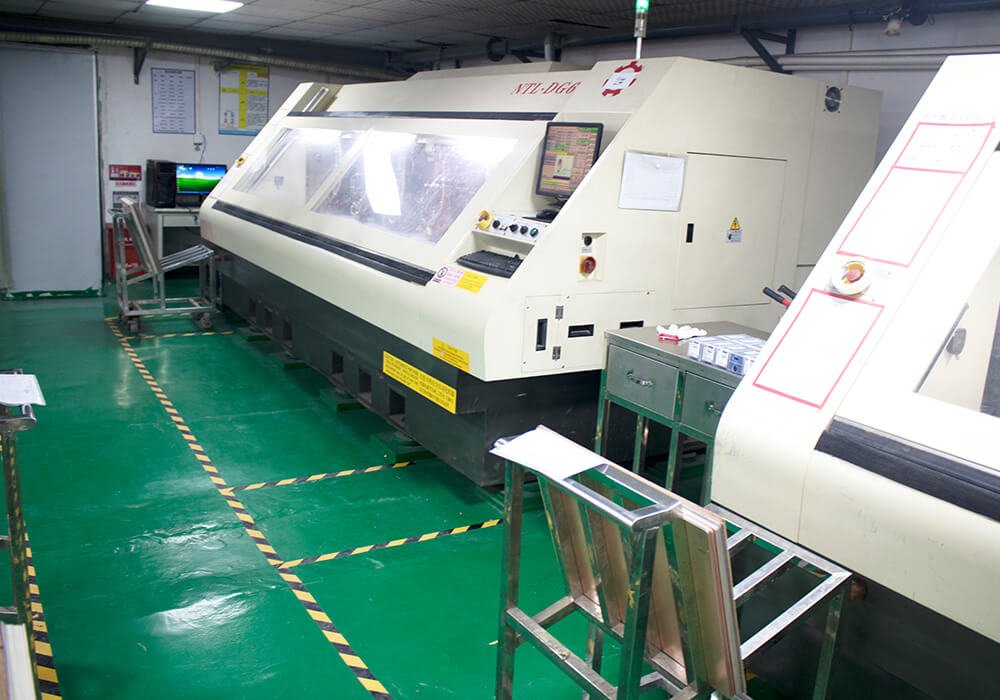
PCB Drill Machine
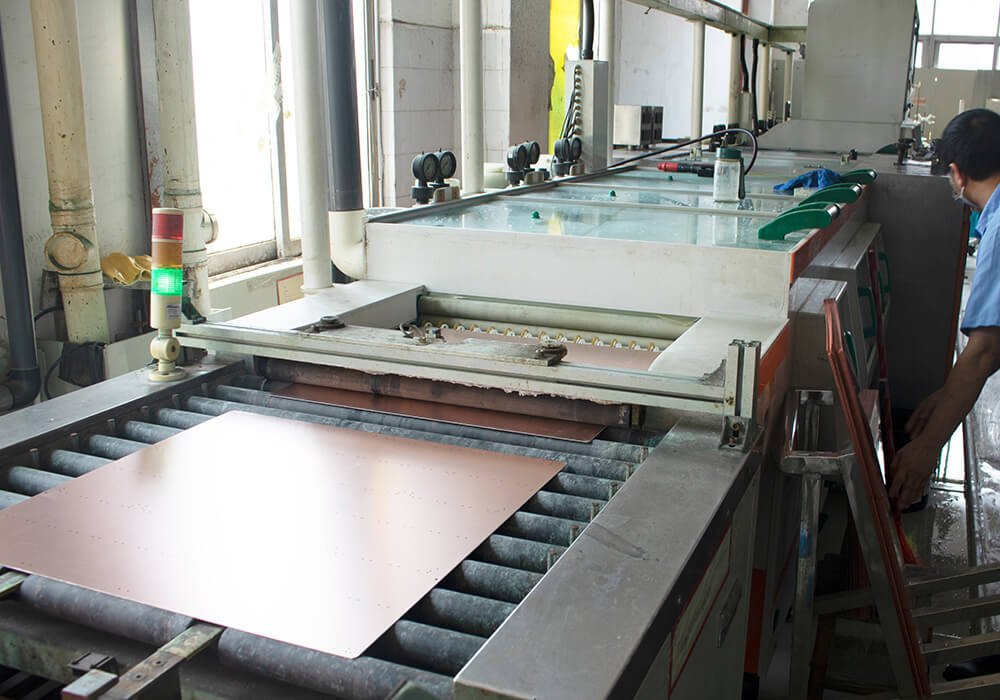
PcB Manufacturing Machine
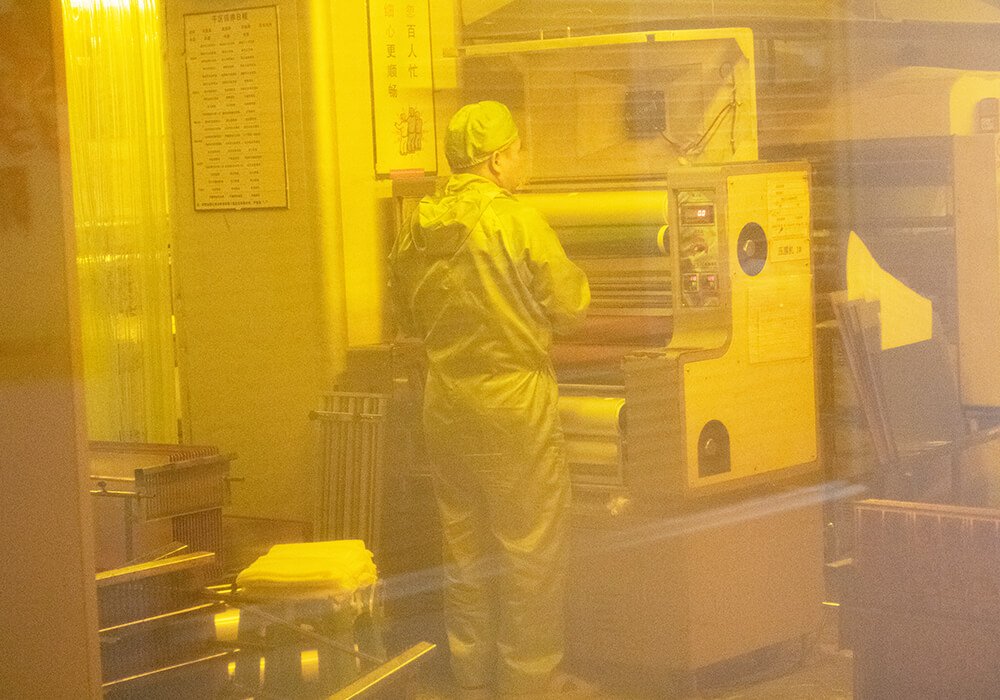
Etching
Imaging room
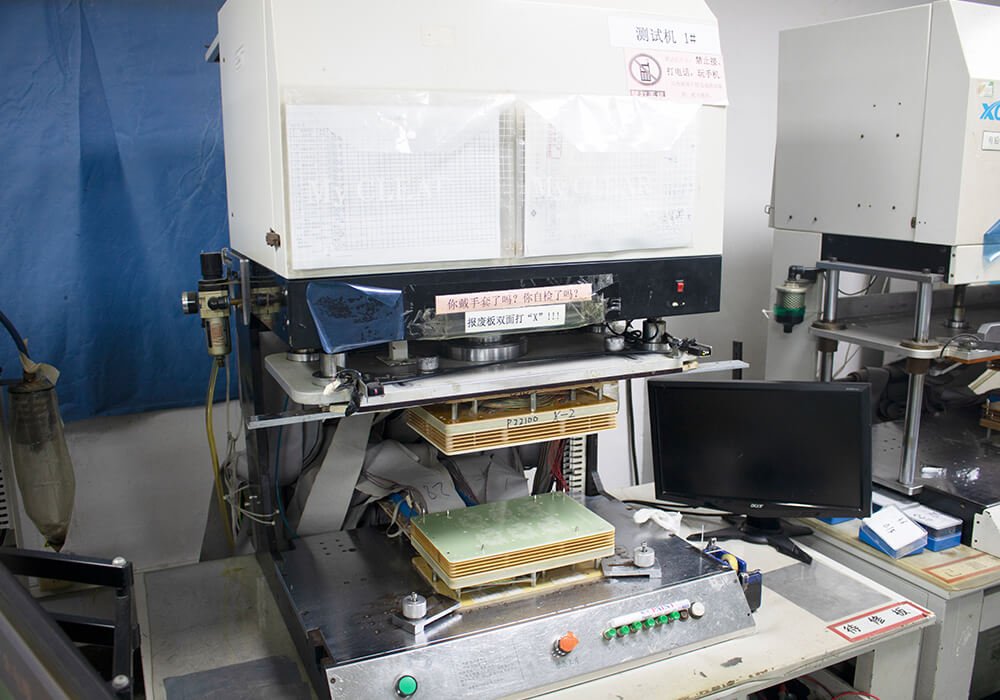
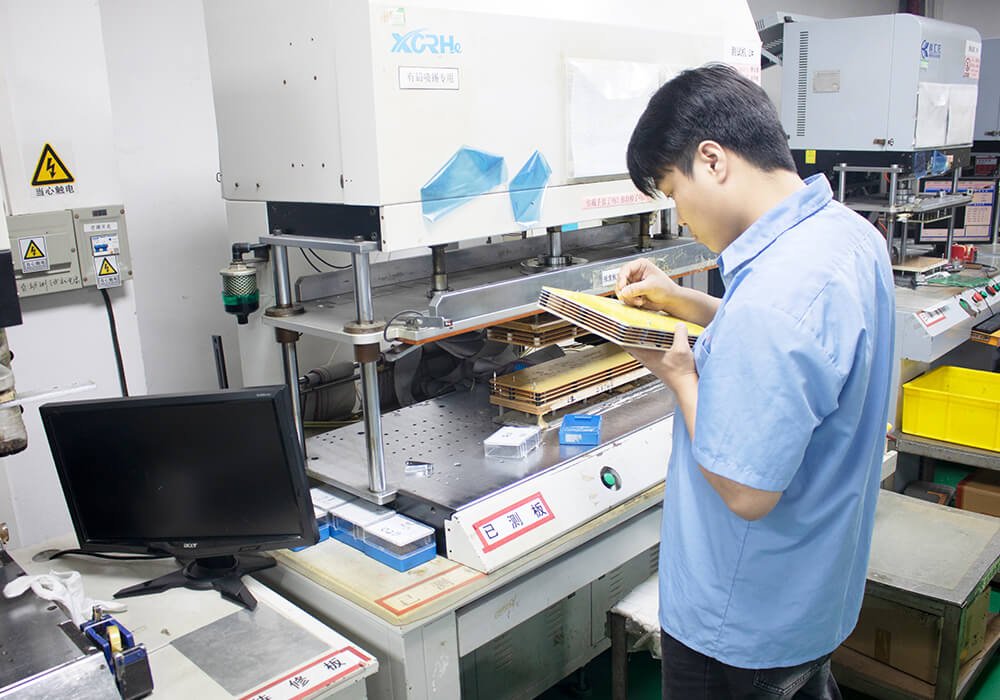
PCB Test Machine
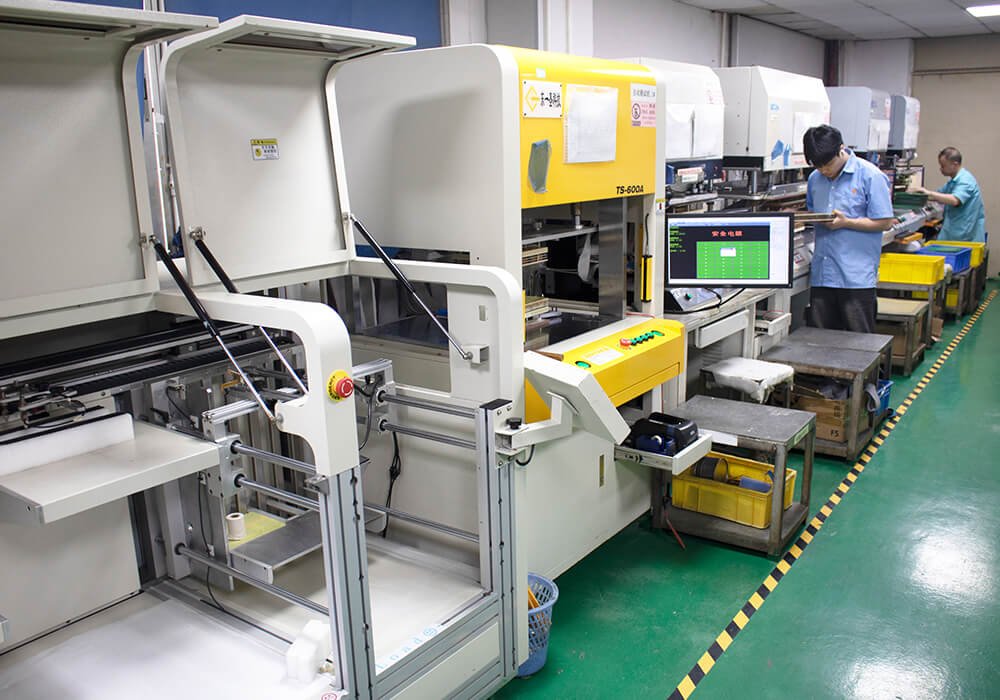
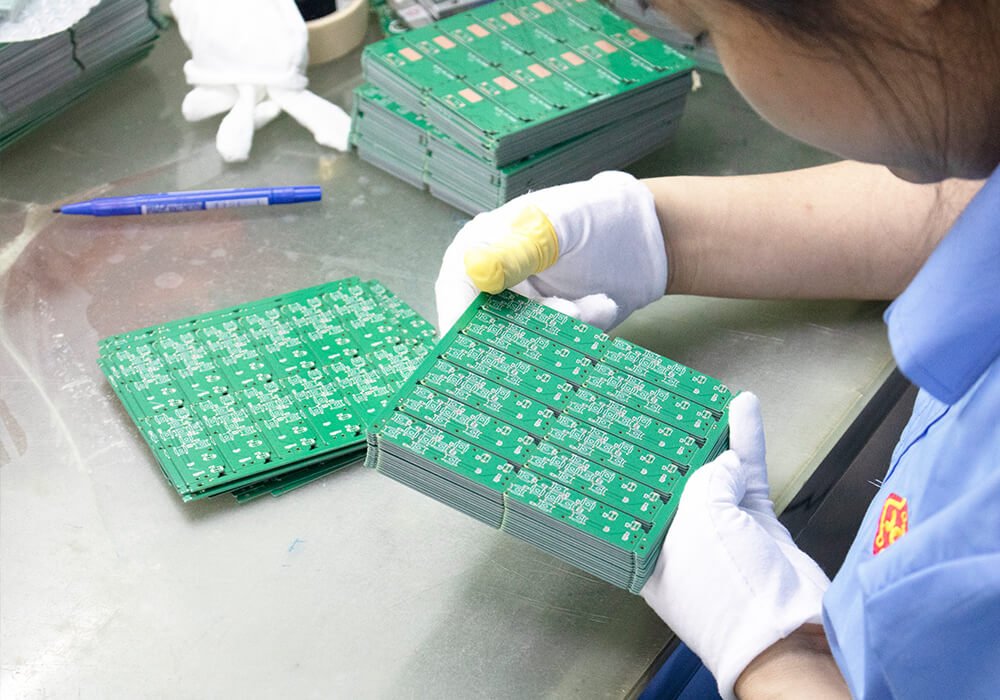
PCB Checking
PCB Checking Machine
PCB Chechking
PCB AOI
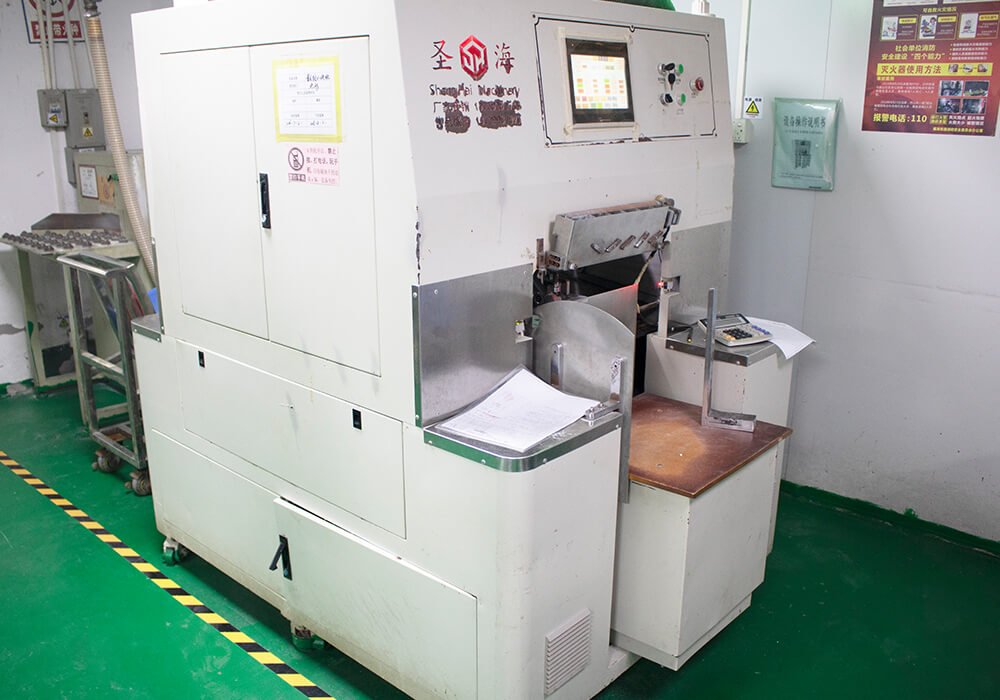
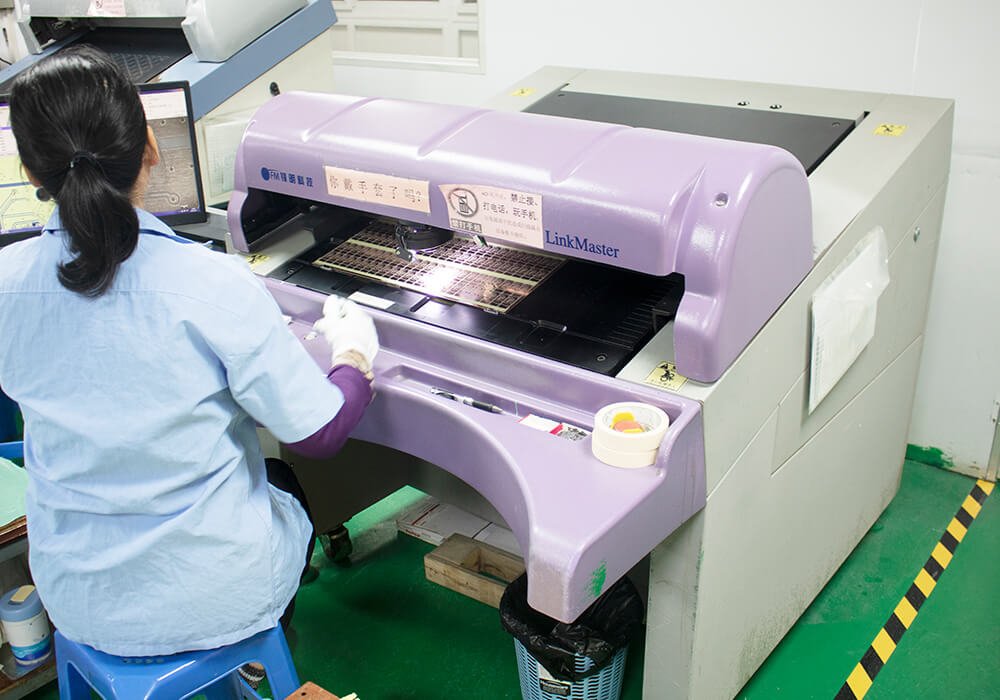
Link Master
Drill Machine
checking machine
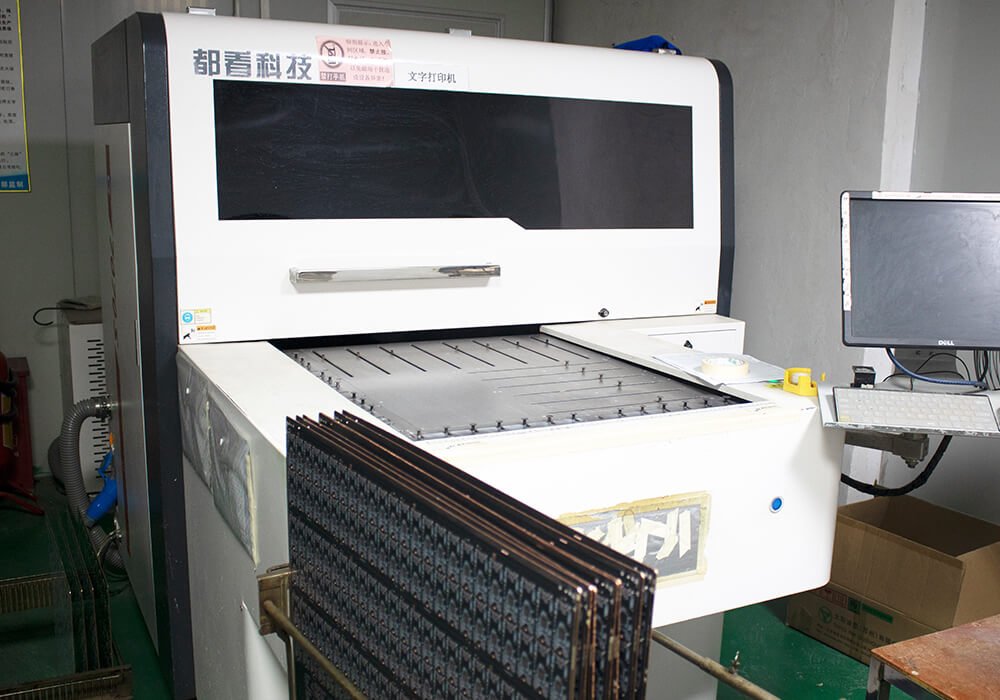
screen printing machine
Eye Checking

Fast Quotation

Our professional sales and engineering teams provide fast PCB quotes and technical support. Simply send us your Gerber files, BOM, and assembly drawings, and we will respond promptly with a competitive solution.

FAQ About Inverter PCB?

1. What is an Inverter PCB?

An Inverter PCB is a printed circuit board designed to convert direct current (DC) into alternating current (AC).

It integrates power components such as MOSFETs, IGBTs, transformers, and control circuits to ensure efficient energy conversion.

The operation of an inverter PCB involves multiple coordinated stages:

1. DC Input Stage

The board receives DC power from a source such as:

  • Batteries
  • Solar panels
  • DC power supplies

2. Switching Stage (Core Conversion)

Using switching devices like MOSFETs or IGBTs arranged in H-bridge or half-bridge topologies, the PCB rapidly switches the DC signal to create an alternating waveform.

3. PWM Control

A microcontroller generates Pulse Width Modulation (PWM) signals to control switching frequency and waveform shape.

4. Filtering Stage

LC or RC filters smooth the output waveform, converting square waves into pure sine waves suitable for appliances.

5. Output Stage

The inverter PCB delivers stable AC output with controlled:

  • Voltage
  • Frequency
  • Current

Materials Include:

  • FR4 for standard applications
  • Aluminum PCB for better heat dissipation
  • High-Tg materials for high-temperature environments
  • Copper layers (1 oz to 4 oz or higher)
  • Surface finishes such as ENIG, HASL, or OSP
  • Single-phase inverter PCB: Used in low-power applications such as home appliances.
  • Three-phase inverter PCB: Used in industrial systems and high-power equipment like motors and machinery.

An H-bridge is a switching circuit that allows current to flow in both directions across a load. It is essential for converting DC into AC by alternating the polarity of the voltage.

EMI (Electromagnetic Interference) refers to unwanted electrical noise. Proper inverter PCB design minimizes EMI to:

  • Improve performance
  • Ensure signal integrity
  • Meet regulatory standards
  • Pure sine wave inverter PCB: Produces smooth AC similar to grid power, ideal for sensitive electronics.
  • Modified sine wave inverter PCB: Simpler and cheaper but less efficient for certain devices.