/Fast &Reliable/

PCB Prototype

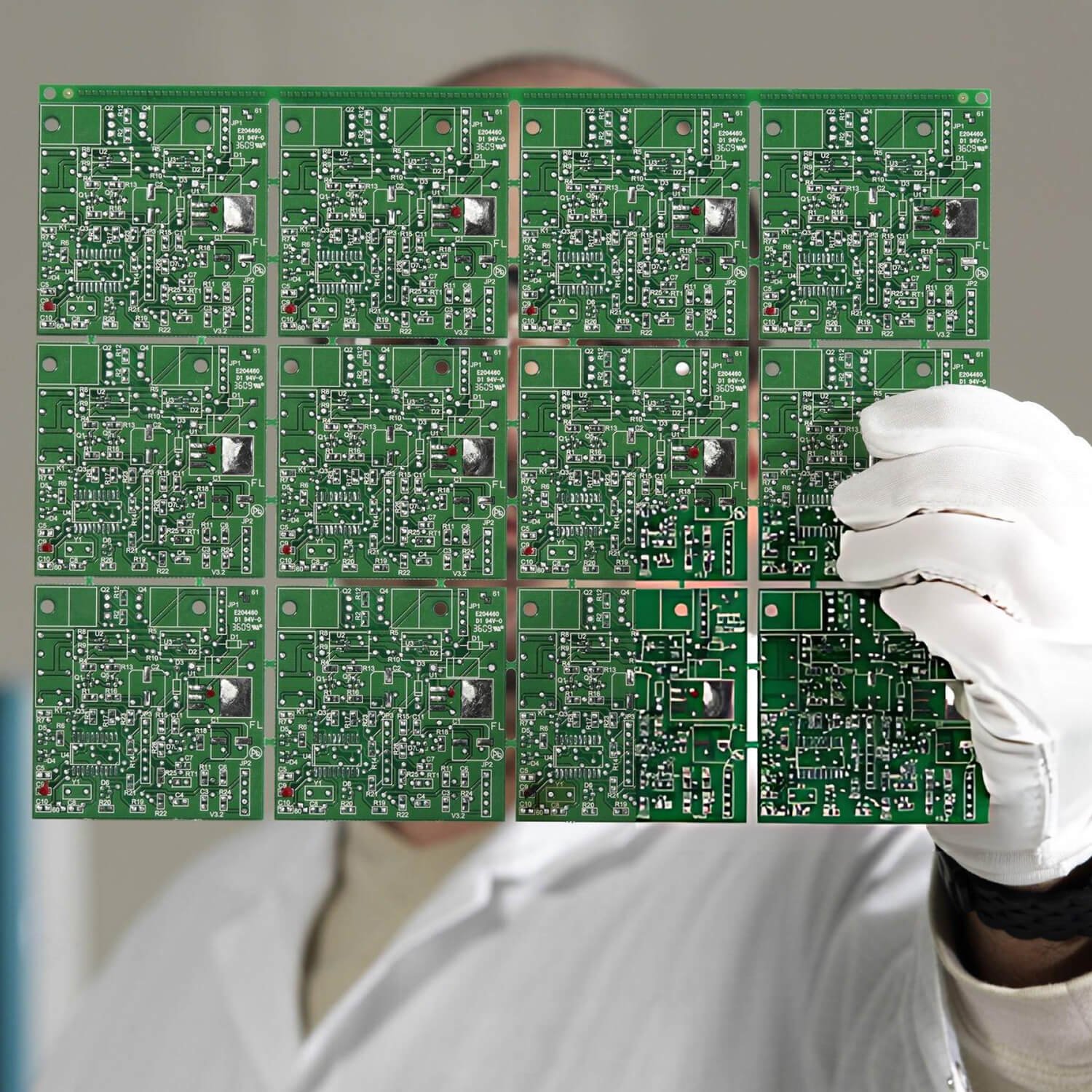
A PCB Prototype is a critical step in modern electronics development. It allows engineers to test, validate, and refine circuit designs before moving to mass production.

PCBSAIL provided high-quality PCB prototype services with fast turnaround, engineering support, and strict quality control.

Whether you need a simple single-layer board or a complex multilayer PCB prototype, we help you bring your design to life quickly and efficiently.

What Is PCB Prototype

What Is PCB Prototype?

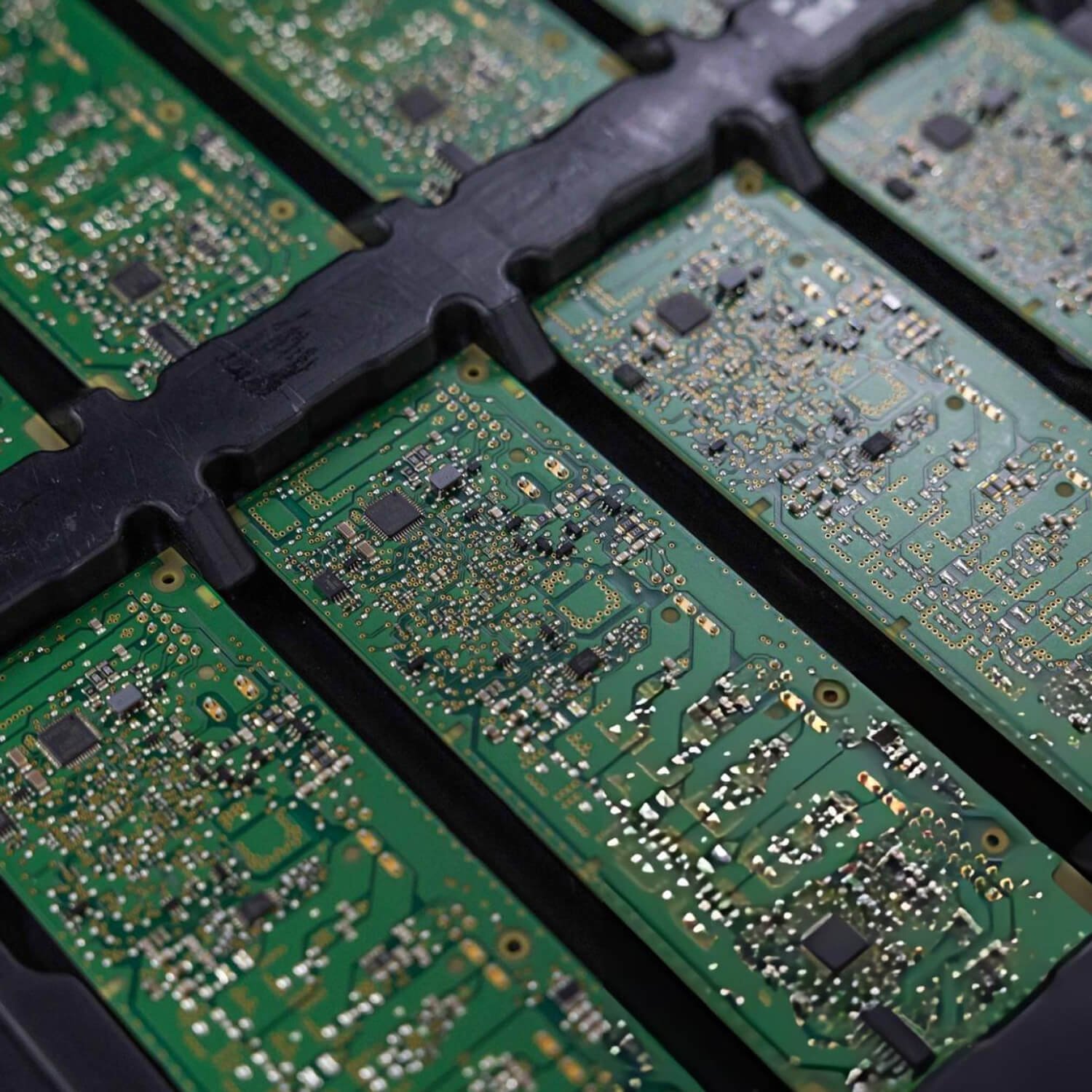
A PCB prototype is an early-stage version of a circuit board created for testing, validation, and evaluation before full-scale production. It plays a critical role in the product development lifecycle.

It allowed engineers and designers to verify electrical performance, structural integrity, and manufacturability.

Without prototyping, companies risk costly redesigns, delayed launches, and product failures.

Unlike mass production boards, prototypes are produced in small quantities and often go through multiple iterations before final approval.

We provide high-precision PCB prototype services that enable rapid design validation, reduce development risks, and accelerate your time to market.

Types of PCB Prototypes We Offer

We provide a full range of PCB prototype solutions to meet different design requirements, complexity levels, and application scenarios. Whether your project is simple or highly advanced, we can deliver reliable and high-quality prototypes tailored to your needs.

Flex PCB Single-Sided Flex PCB

Single-Layer PCB Prototype

Single-layer PCB prototypes are the most basic type of circuit boards, featuring only one layer of conductive copper.

  • Simple structure and low cost
  • Easy to design and manufacture
  • Fast turnaround time

Flex PCB Double-Sided Flex PCB

Double-Layer PCB Prototype

Double-layer PCBs have copper layers on both sides of the board, allowing more complex routing compared to single-layer boards.

  • Improved circuit density
  • Better routing flexibility
  • Enhanced performance

Flex PCB Multilayer Flex PCB

Multilayer PCB Prototype

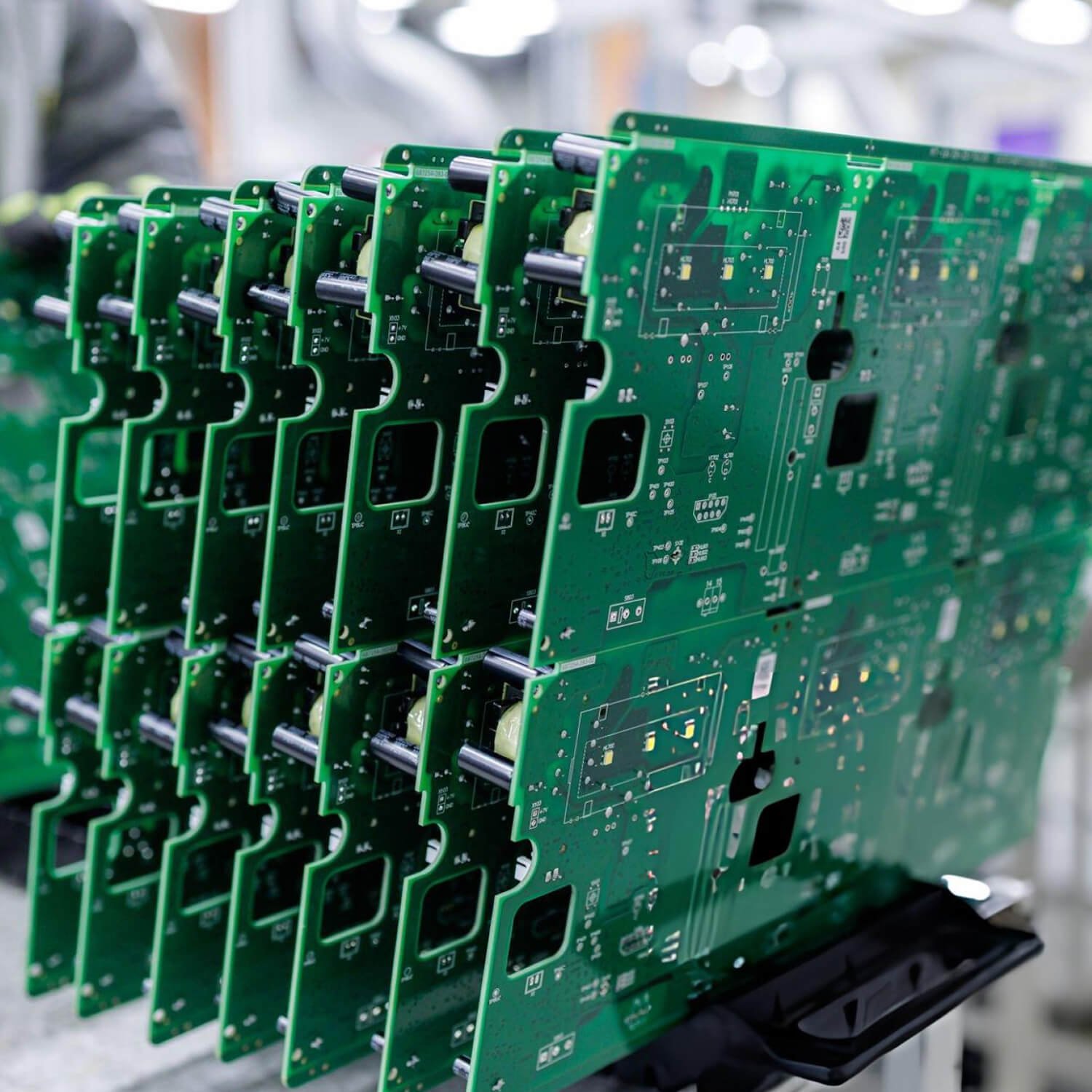
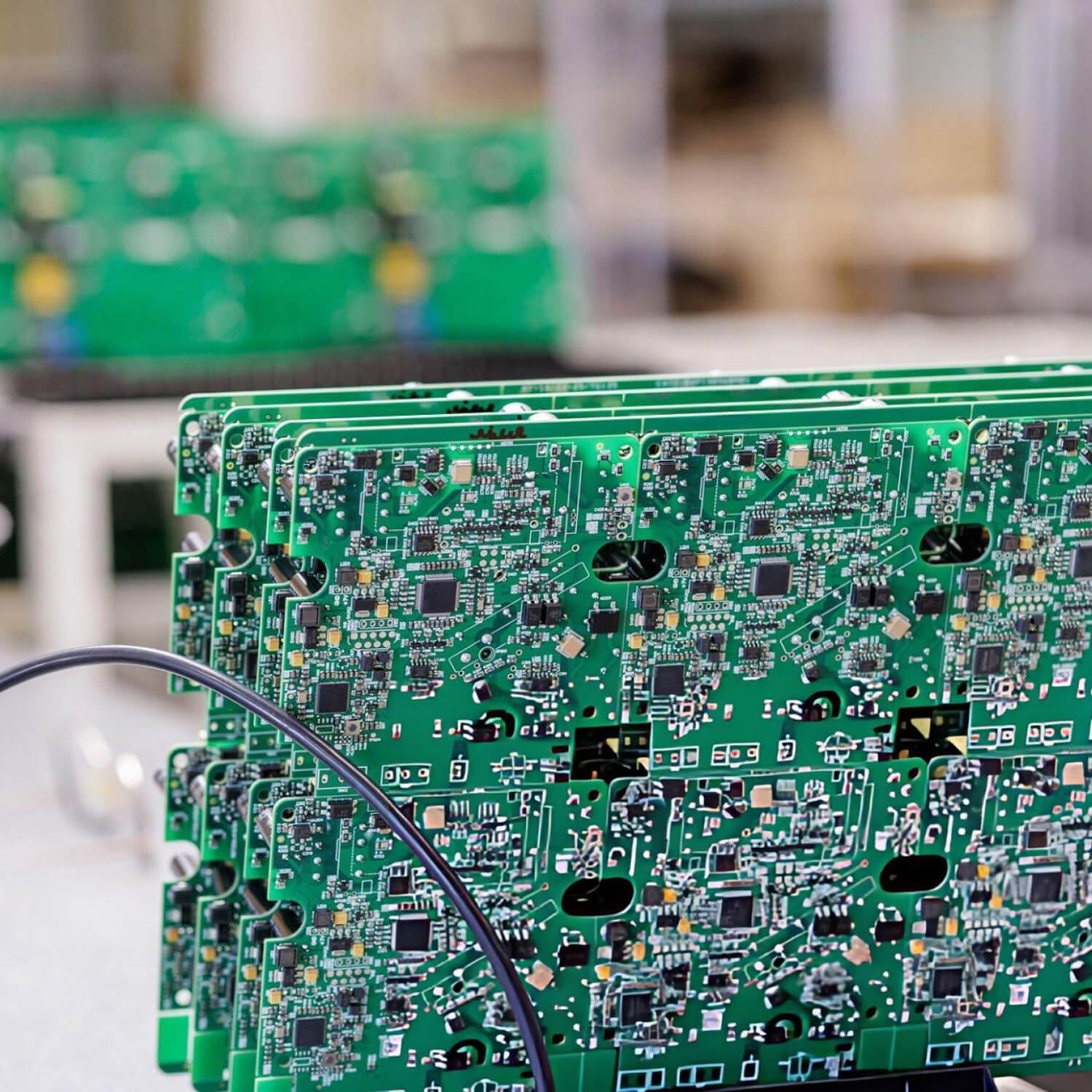
Multilayer PCB prototypes consist of three or more conductive layers stacked together, enabling high-density circuit designs.

  • High component density
  • Excellent signal integrity
  • Reduced electromagnetic interference (EMI)
Flex PCB with Stiffeners

Rigid PCB Prototype

Rigid PCBs are made from solid, non-flexible materials such as FR-4 fiberglass.

  • Strong mechanical stability
  • Durable and reliable
  • Suitable for most applications

Flex PCB Rigid-Flex PCB

Flexible PCB Prototype

Flexible PCB prototypes are made from bendable materials like polyimide, allowing them to flex and fold.

  • Lightweight and compact
  • Flexible and space-saving
  • High reliability in dynamic environments

Flex PCB Single-Sided Flex PCB

Rigid-Flex PCB Prototype

Rigid-flex PCBs combine rigid boards with flexible circuits into a single unit.

  • Space optimization
  • Reduced interconnection failure
  • High reliability


Specifications

Capabilities

Number of Layers

1 – 16 layers

Min. Order Quantity

1 Panel

Turn Around Time

24 hours up to 6 Layers
3 – 7 days for 6-16 Layers

Board Materials

Rigid PCB Materials

FR4

FR406

370HR

VT-47

FR408

Arlon

CEM

Megtron 6

Astra MT77

Tachyon 100G

Nelco 4000
Rogers 3000 Series
Rogers 4000 Series
Rogers 5000 Series
Rogers 6000 Series

Taconic TLY

Polyimide

MCPCB, Aluminum Core & Copper Core Materials

Aluminum Core

Copper Core

Ventec VT-4A1/VT-4A2

Flex PCB Materials

Kapton

Shin-Etsu – Epoxy

Adhesive System

Rogers – Epoxy

Adhesive System

Dupont FR – FR Acrylic

Adhesive System

Dupont LF – LF Acrylic

Adhesive System

Board Sizes

16″ x 22″

12″ x 21″

22″ x 28″

10″ x 16″

16″ x 22″

12″ x 21″

Board Thickness

2 layer – 0.010″

4 layer – 0.020″

6 layer – 0.020″
8 layer – 0.062″

10 layer – 0.062″

12 layer – 0.062″
2 layer – 0.005″

4 layer – 0.010″

6 layer – 0.031″

8 layer – 0.040″

Copper Thickness

0.5 oz – 3 oz

Hole Aspect Ratio

7:1

Minimum Hole Size

0.008″

Minimum Trace/Space

0.006″/0.006″

Minimum Drill-to-Copper

0.010″

Minimum Pitch

1 mm

Final Finish

HASL (Solder)

Lead Free Solder

Copper

Gold

ENIG

Gold Fingers

White Tin

OSP

ENEPIG

Additional Features

Plated Slots

Non-plated Slots

Controlled Dielectric

Covered Vias

Counter Sinks

Counter Bores

Dual Access Flex

Suspended Leads


Quality Standards

IPC 6012 Class 2

Electrical Testing

100% Netlist Testing

TDR Testing

Benefits of PCB Prototyping

By investing in PCB prototyping, you can significantly improve product quality, reduce risks, and accelerate time-to-market.

Benefits of PCB Prototyping

PCB prototyping enables rapid design cycles, allowing engineers to quickly test, modify, and optimize circuit layouts.

  • Quick feedback on design performance
  • Easy implementation of design changes
  • Continuous improvement through multiple iterations

Even with advanced simulation tools, some issues only appear in physical testing. PCB prototypes help identify:

  • Signal interference and crosstalk
  • Power distribution issues
  • Thermal problems
  • Layout errors

A PCB prototype allows full verification of circuit functionality under real-world conditions.

What can be tested:

  • Electrical performance
  • Signal integrity
  • Component compatibility
  • System stability

Although prototyping involves upfront investment, it significantly reduces total development costs.

  • Avoiding mass production defects
  • Reducing material waste
  • Minimizing engineering rework
  • Preventing product recalls

Speed is essential in competitive industries. PCB prototyping accelerates development by:

  • Shortening testing cycles
  • Reducing debugging time
  • Streamlining production readiness

PCB Prototyping Manufacturing Process

We follow a precise and standardized PCB prototype process to ensure high quality, accuracy, and fast turnaround. Each stage is carefully controlled to deliver reliable prototypes that meet your design and performance requirements.

Flex PCB Manufacturring Process

Engineering Review

The process begins with your PCB design files. Our engineering team will review to ensure manufacturability and reliability.

  • Review Schematic And PCB Layout
  • DFM Analysis
  • DFA Evaluation
  • Material and Stack-up Confirmation

Flex PCB Manufacturring Process

Gerber File Preparation

After design validation, your files are prepared for manufacturing.

  • Gerber File Verification
  • Drill File Processing
  • Layer Alignment Check
  • Panelization (If Required)
Flex PCB Manufacturring Process

Material Selection

It is important to choose the right material for performance and durability.

  • Fr-4
  • High-Tg Materials
  • Rogers
  • Polyimide

Flex PCB Manufacturring Process

PCB Fabrication

This is the core manufacturing stage where the circuit board is physically created.

  • Copper Clad Laminate Preparation
  • Photo Imaging
  • Etching
  • Drilling
  • Plating
  • Solder Mask Application
  • Silkscreen Printing

Flex PCB Manufacturring Process

Surface Finishing

Surface finish protects copper pads and ensures reliable soldering.

  • HASL
  • ENIG
  • OSP

Flex PCB Manufacturring Process

PCB Assembly (Optional)

If assembly is required, components are mounted onto the PCB.

  • SMT
  • THT
  • Mixed Technology Assembly

Flex PCB Manufacturring Process

Quality Control

Strict quality checks are performed throughout the process.

  • AOI
  • X-Ray Inspection
  • Visual Inspection
  • Electrical Testing

Flex PCB Manufacturring Process

Packaging & Delivery

After testing, PCBs are carefully packaged to prevent damage during shipping.

  • Anti-Static Protection
  • Vacuum Sealing (If Required)
  • Shock-Resistant Packaging
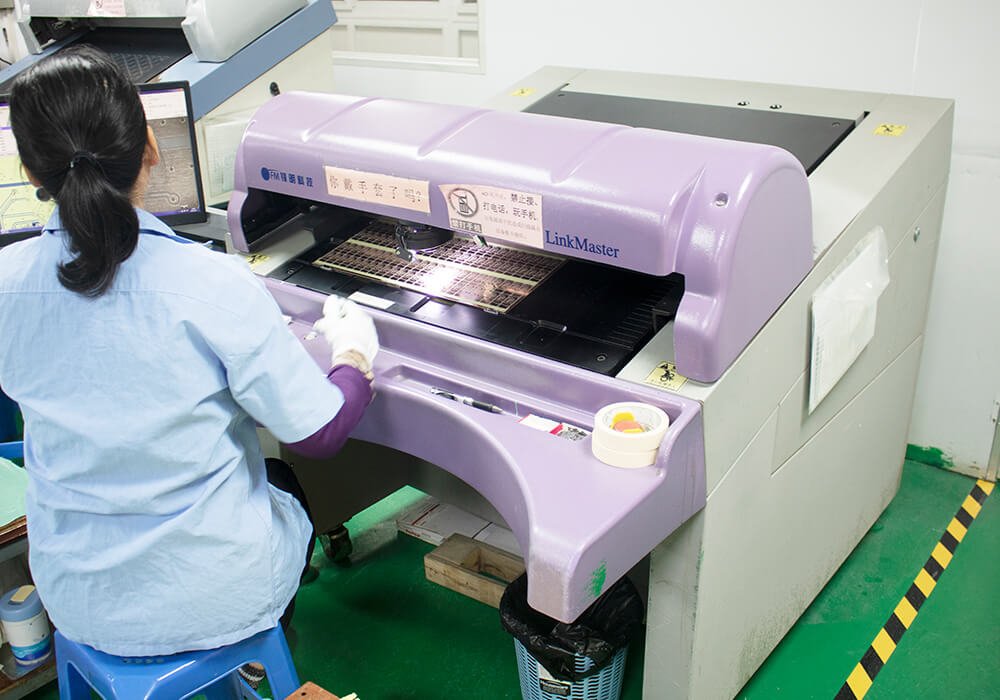
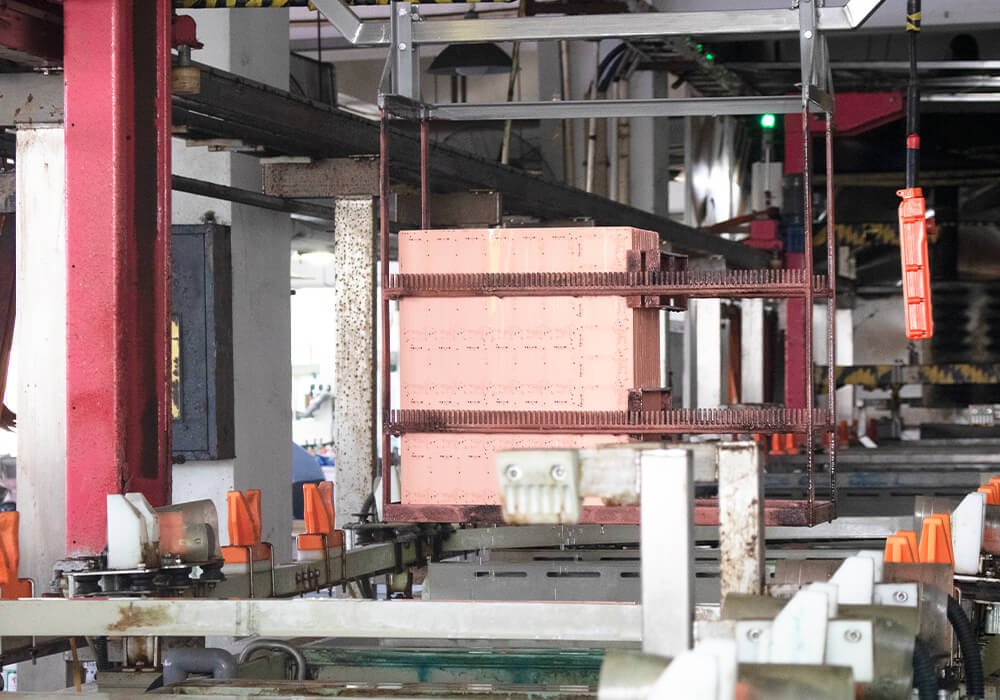
PTH
copper immersion
Degumming Residue
sink gold
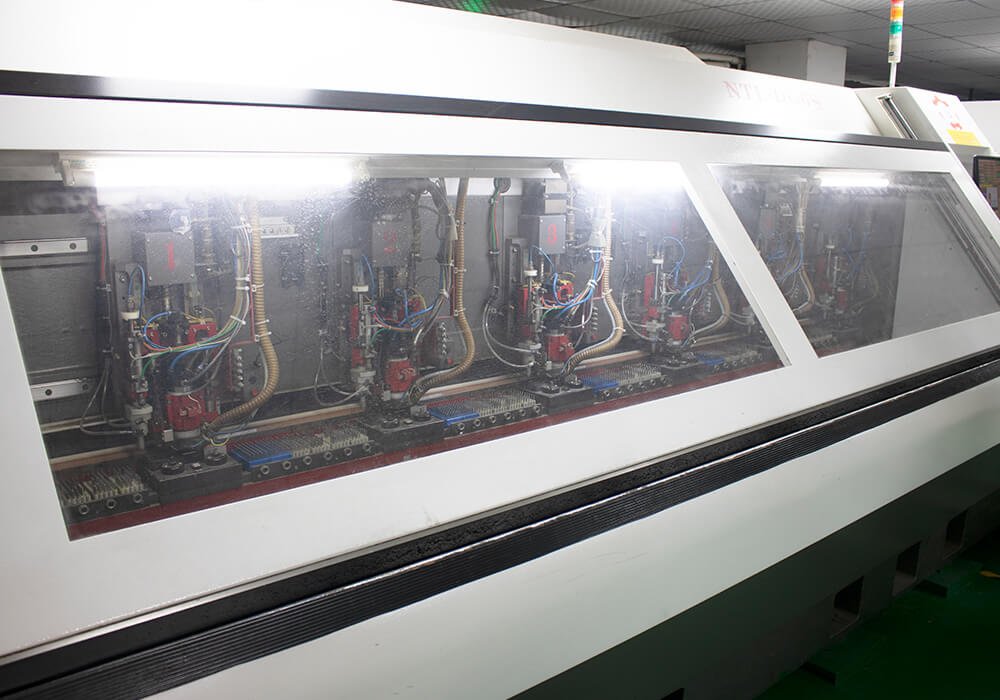
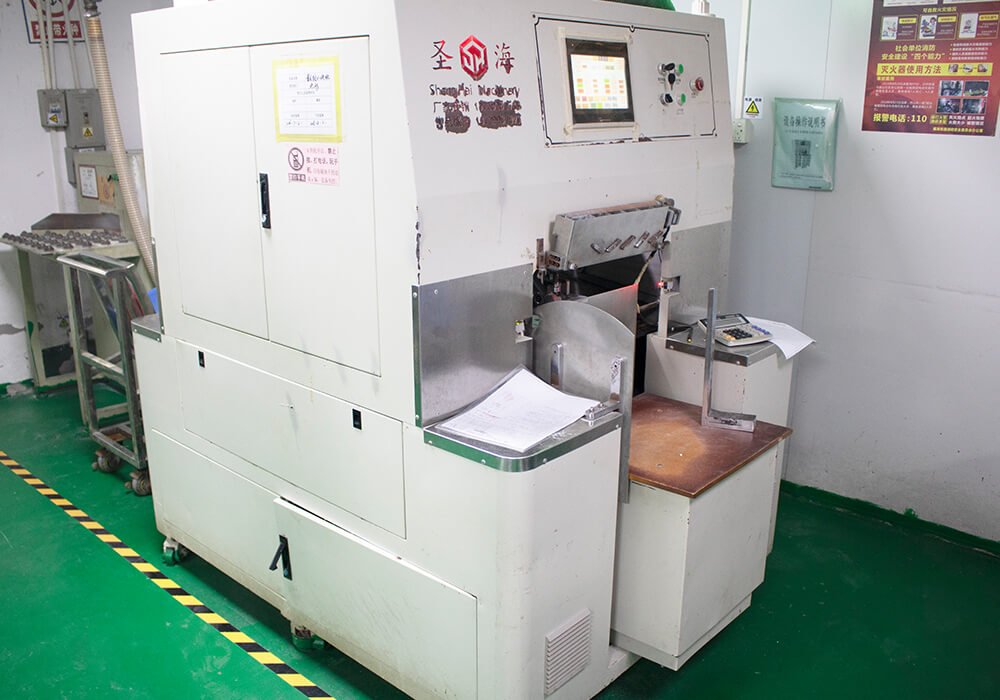
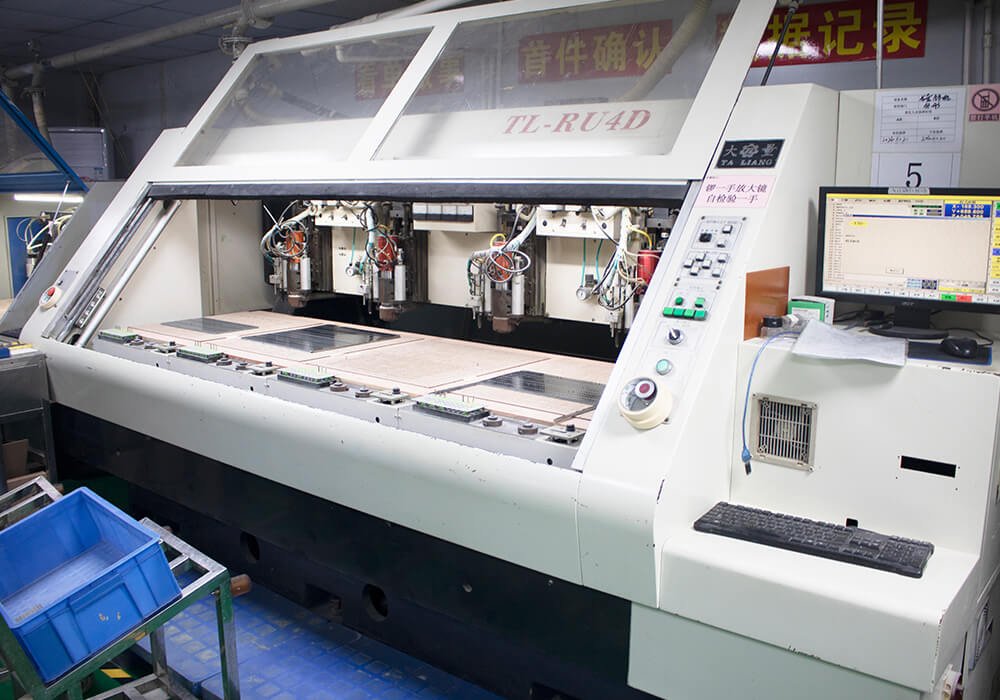
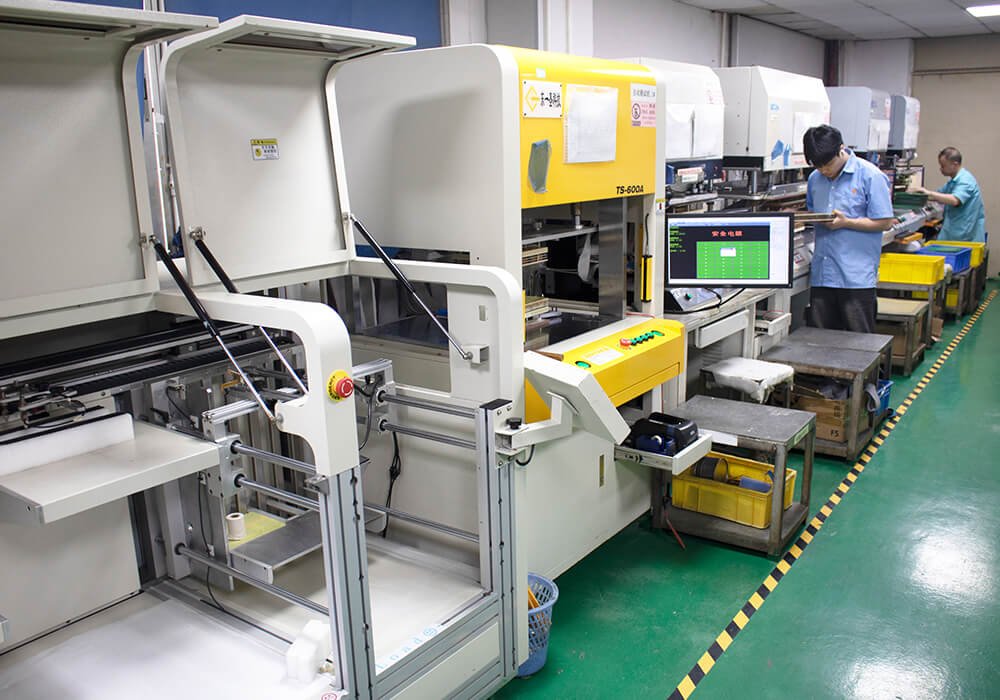
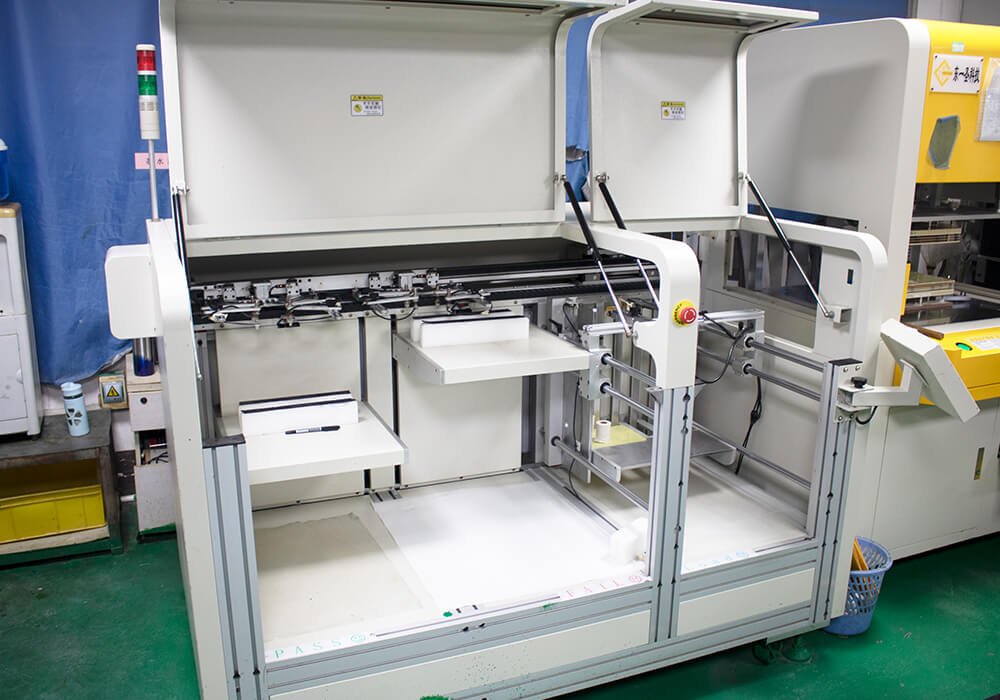
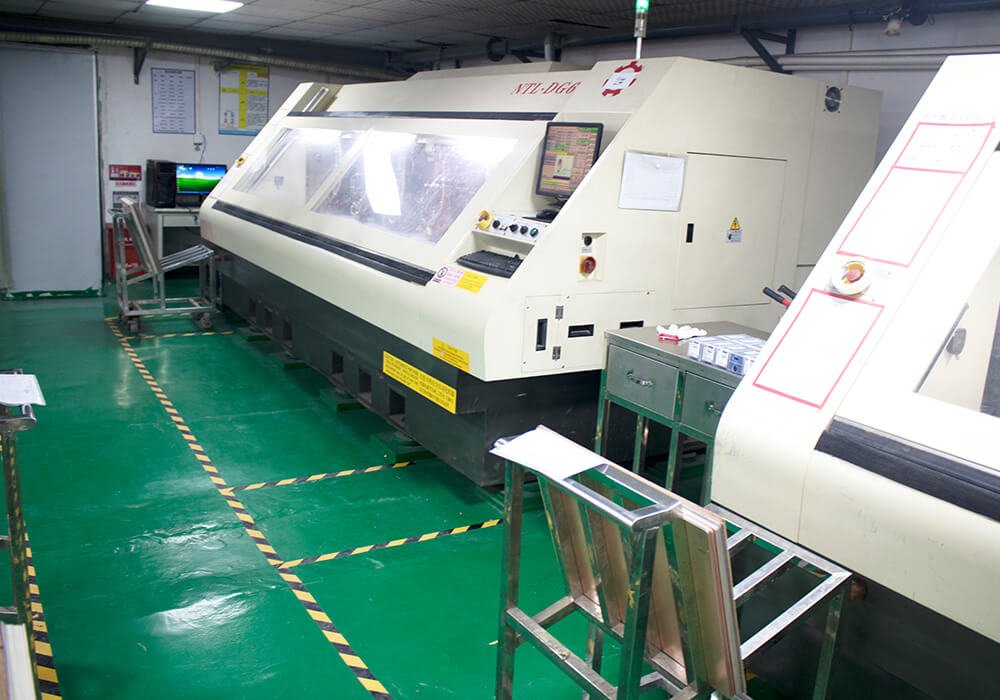
PCB Drill Machine
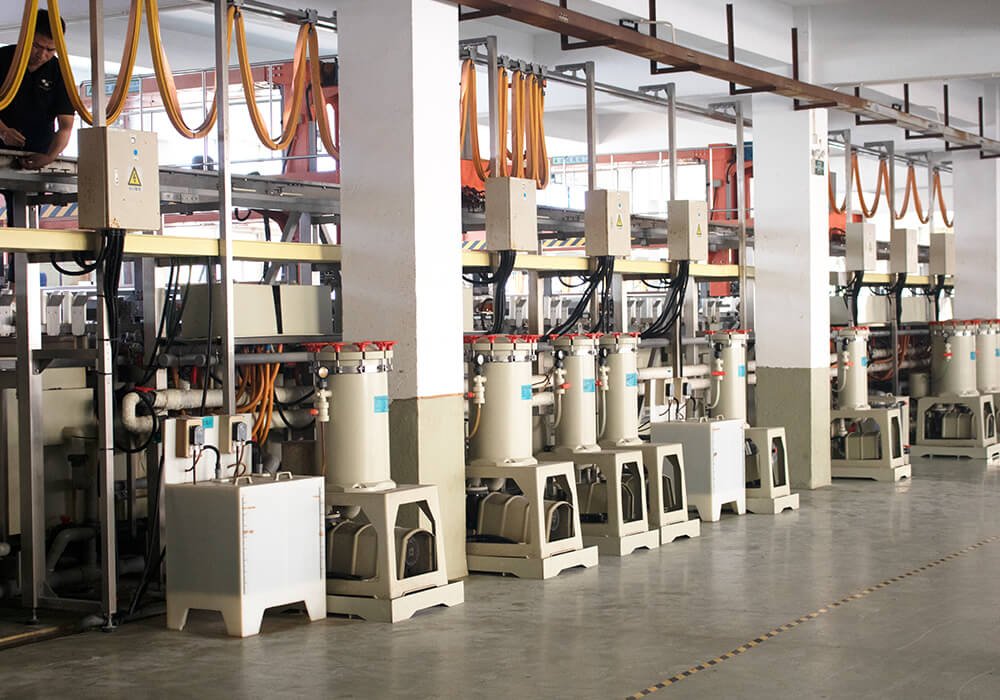
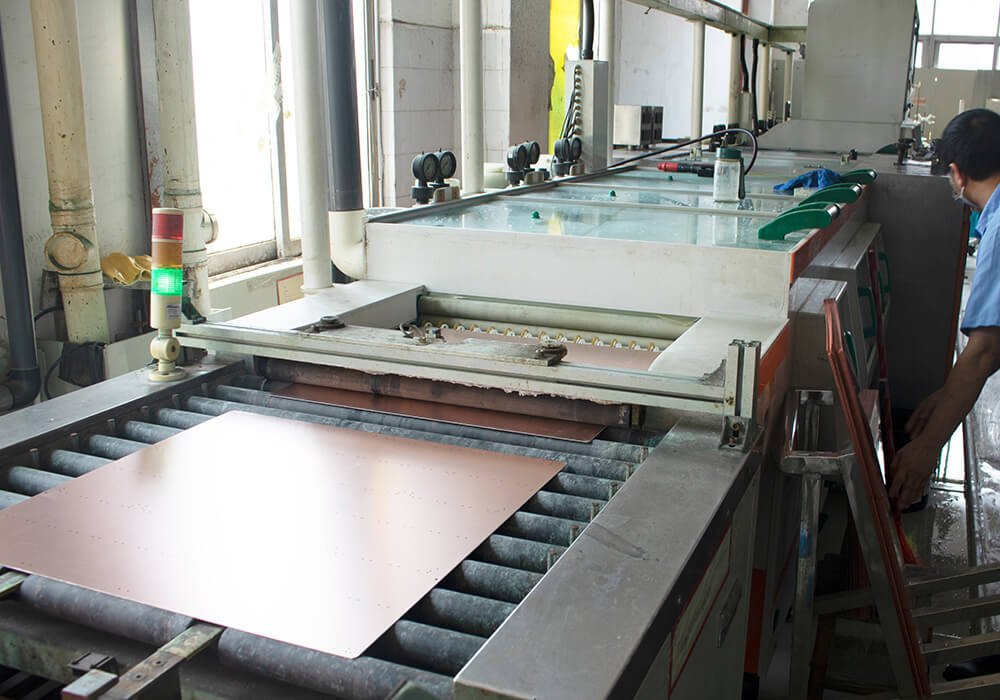
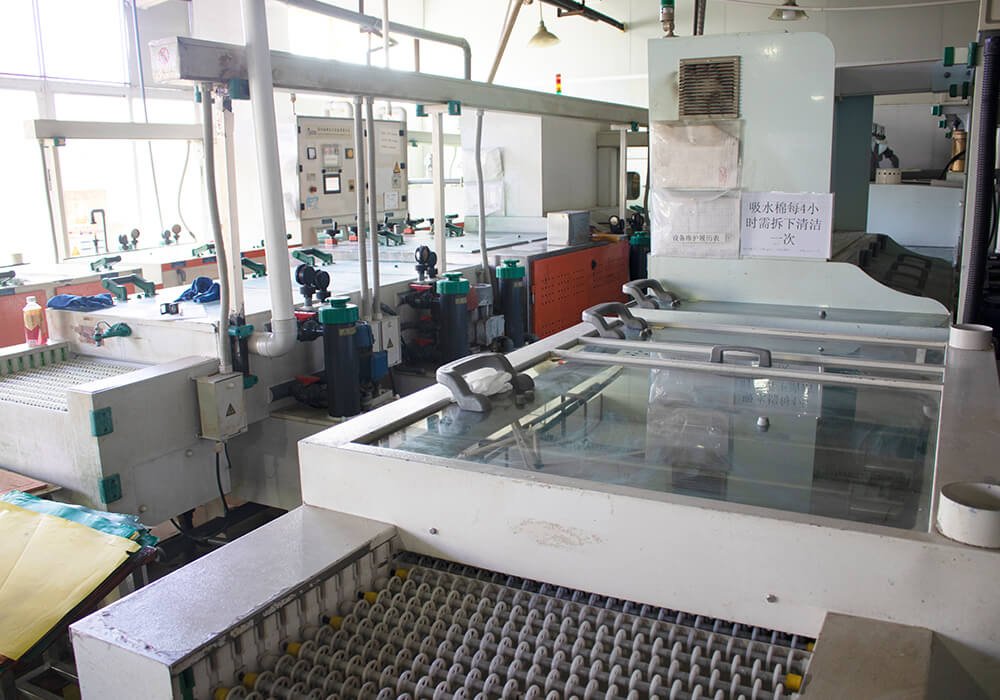
PcB Manufacturing Machine
Etching
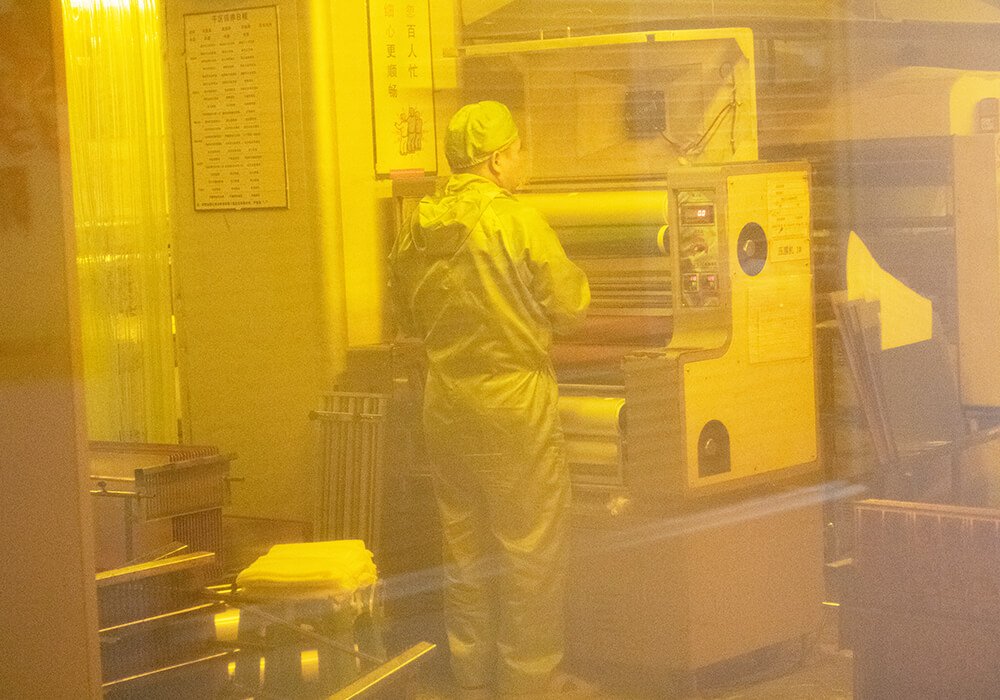
Imaging room
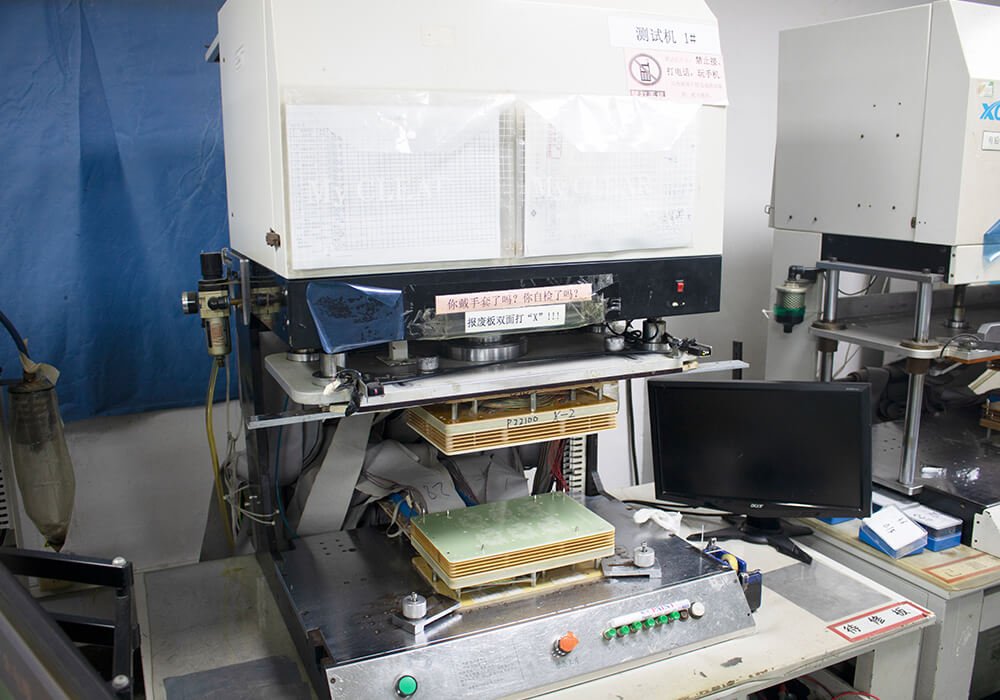
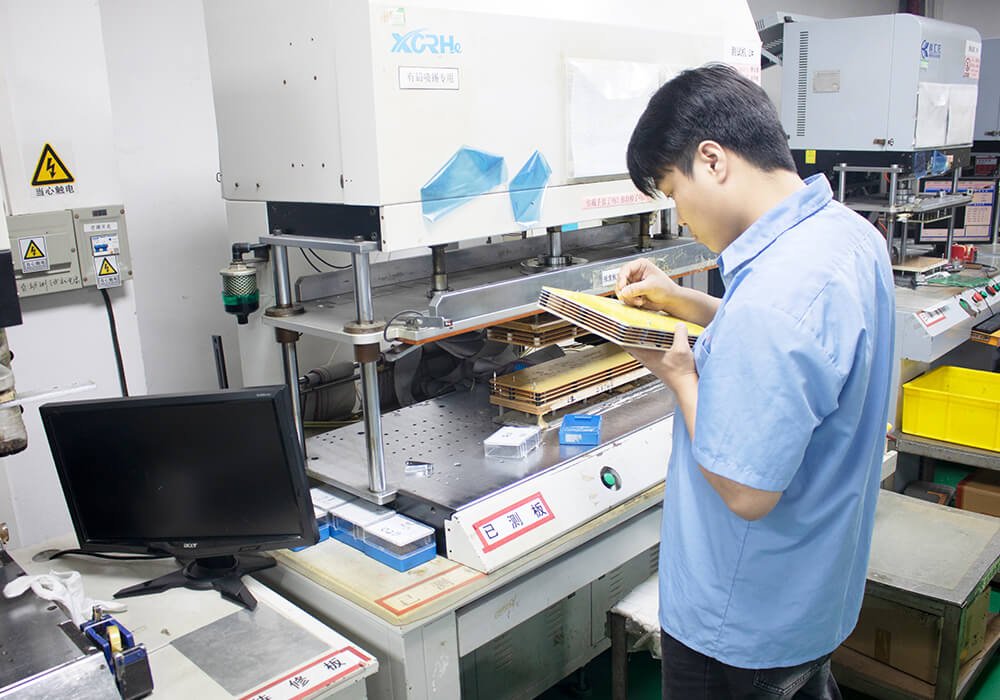
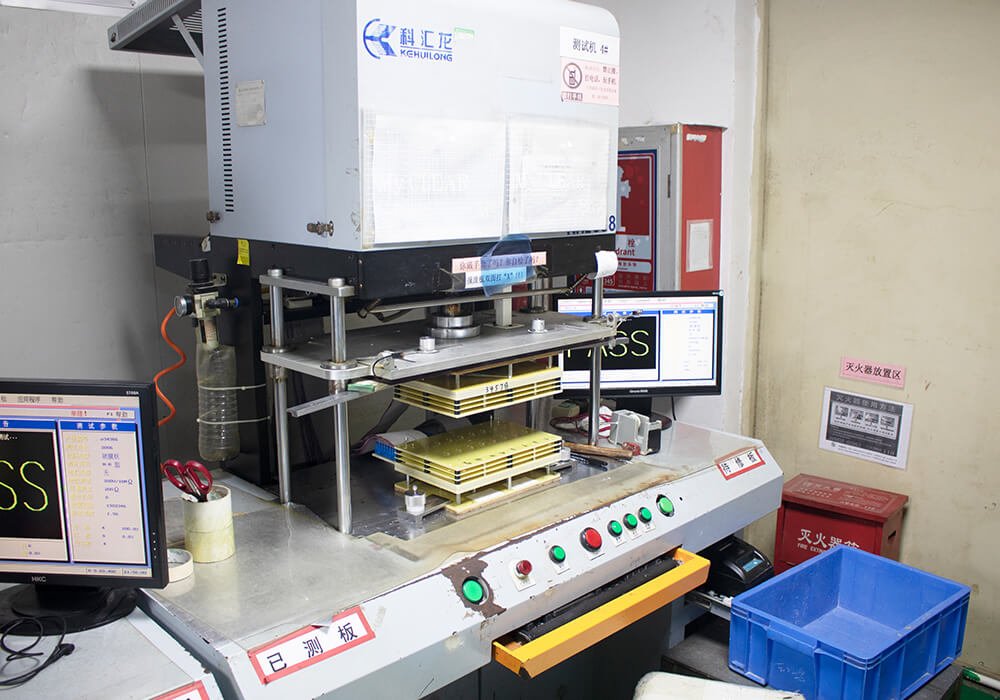
PCB Test Machine
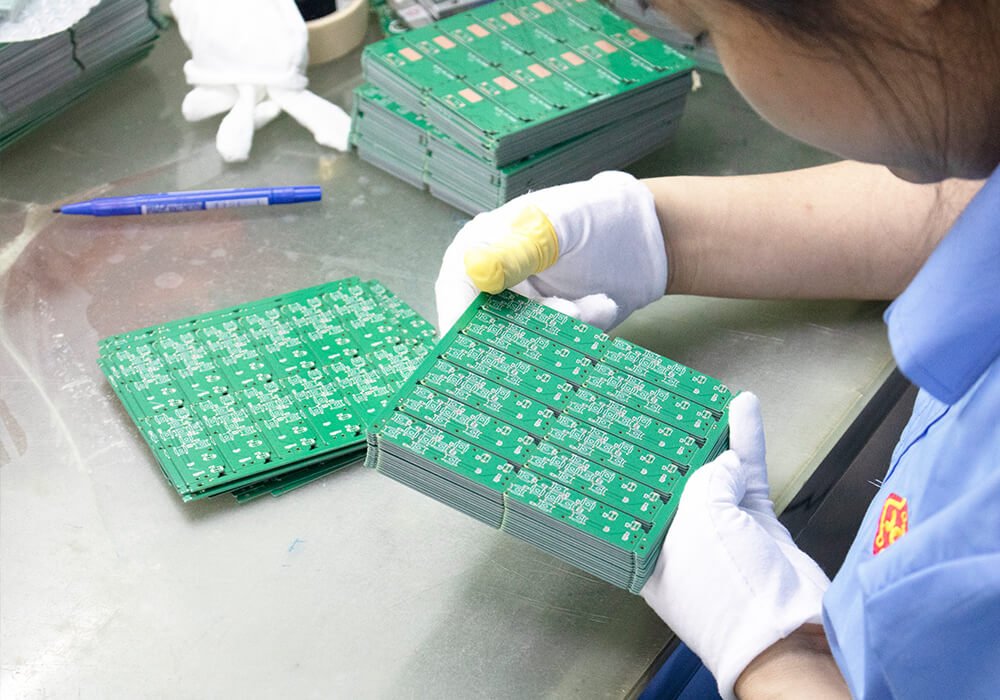
PCB Checking
PCB Checking Machine
PCB Chechking
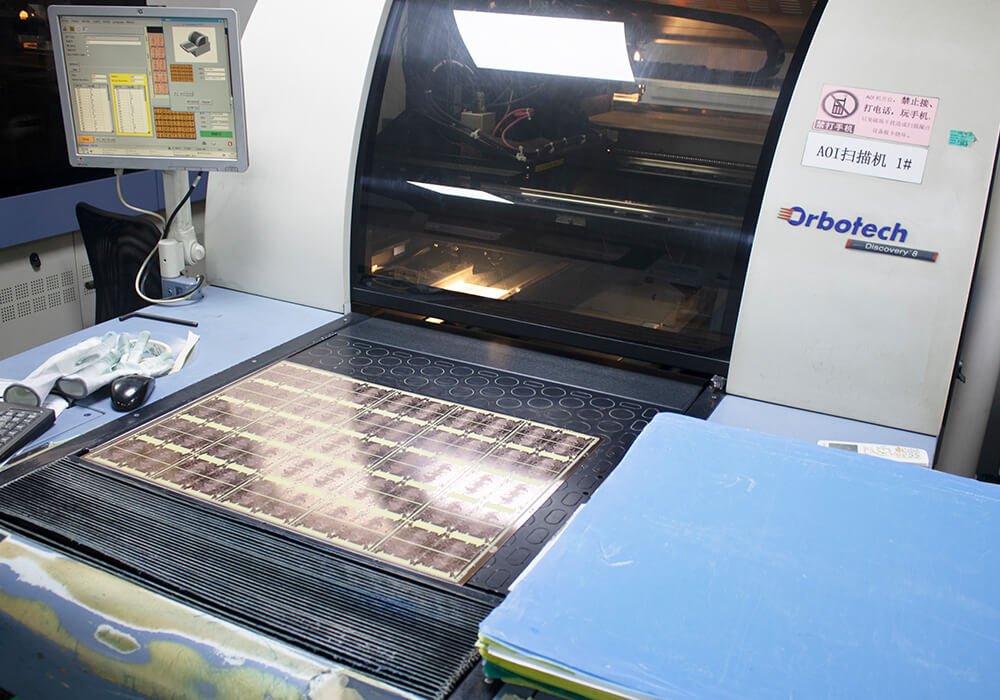
PCB AOI
Link Master
Drill Machine
checking machine
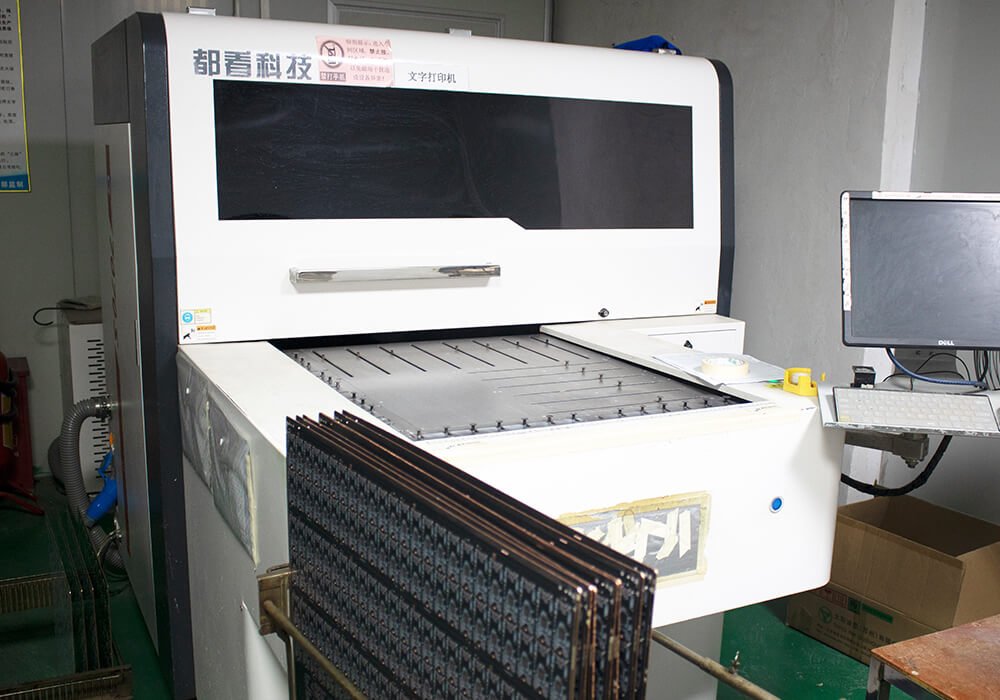
screen printing machine
Eye Checking

Industries We Have Previously Served

Our PCB prototype supports a wide range of industries worldwide. With advanced manufacturing capabilities, strict quality control, and flexible production options, we are able to meet the diverse requirements of different sectors—from simple consumer electronics to highly complex and high-reliability systems.

Startups

Startups

We support startups, universities, and engineering teams in developing innovative technologies.

  • Prototype Development
  • Product Testing
  • Experimental Designs

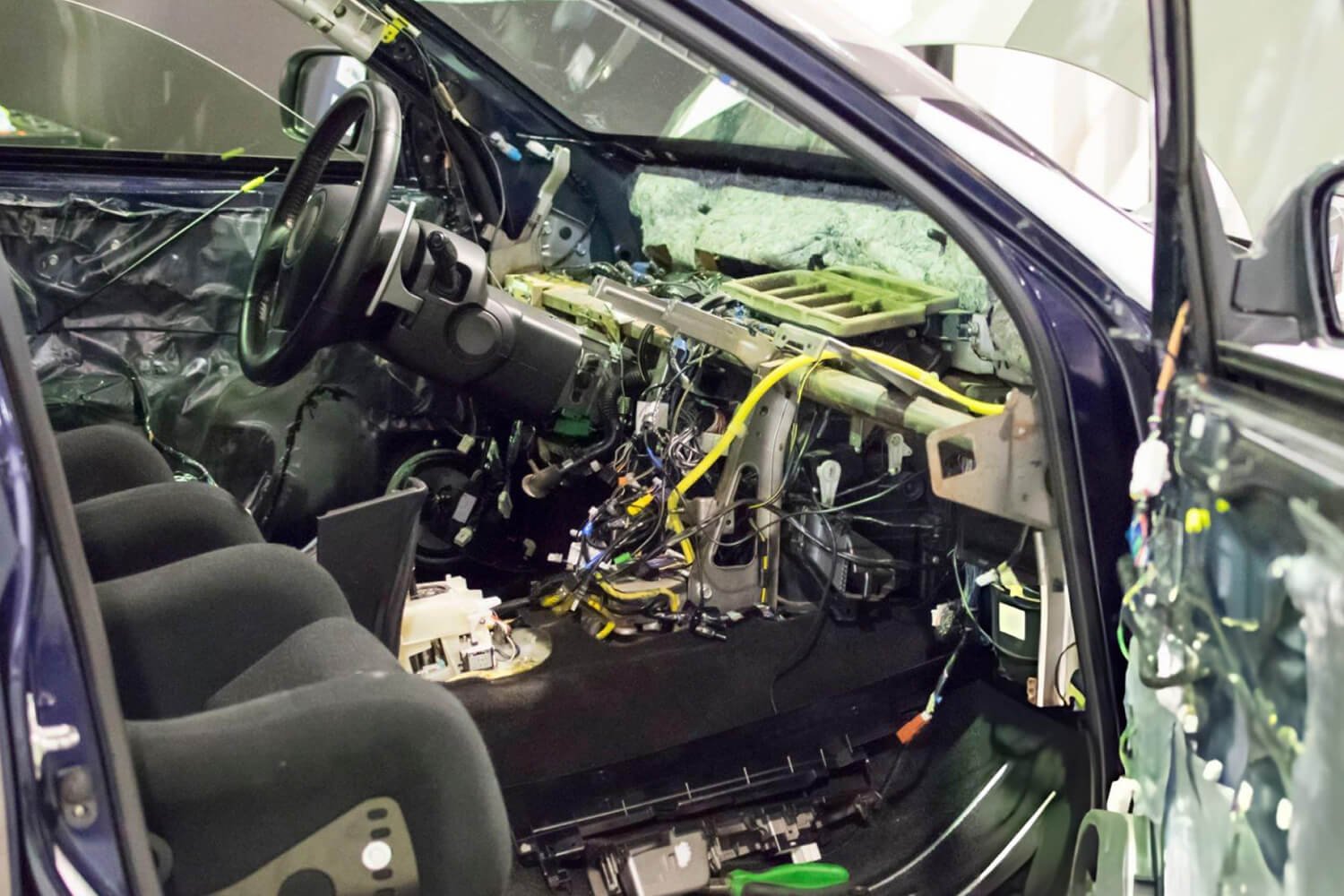
PCB Manufacturer Automotive Electronics

Automotive Electronics

Automotive systems require highly reliable PCBs that can operate under harsh conditions such as vibration, temperature extremes, and humidity.

  • ECU
  • ADAS
  • In-vehicle infotainment systems
  • BMS

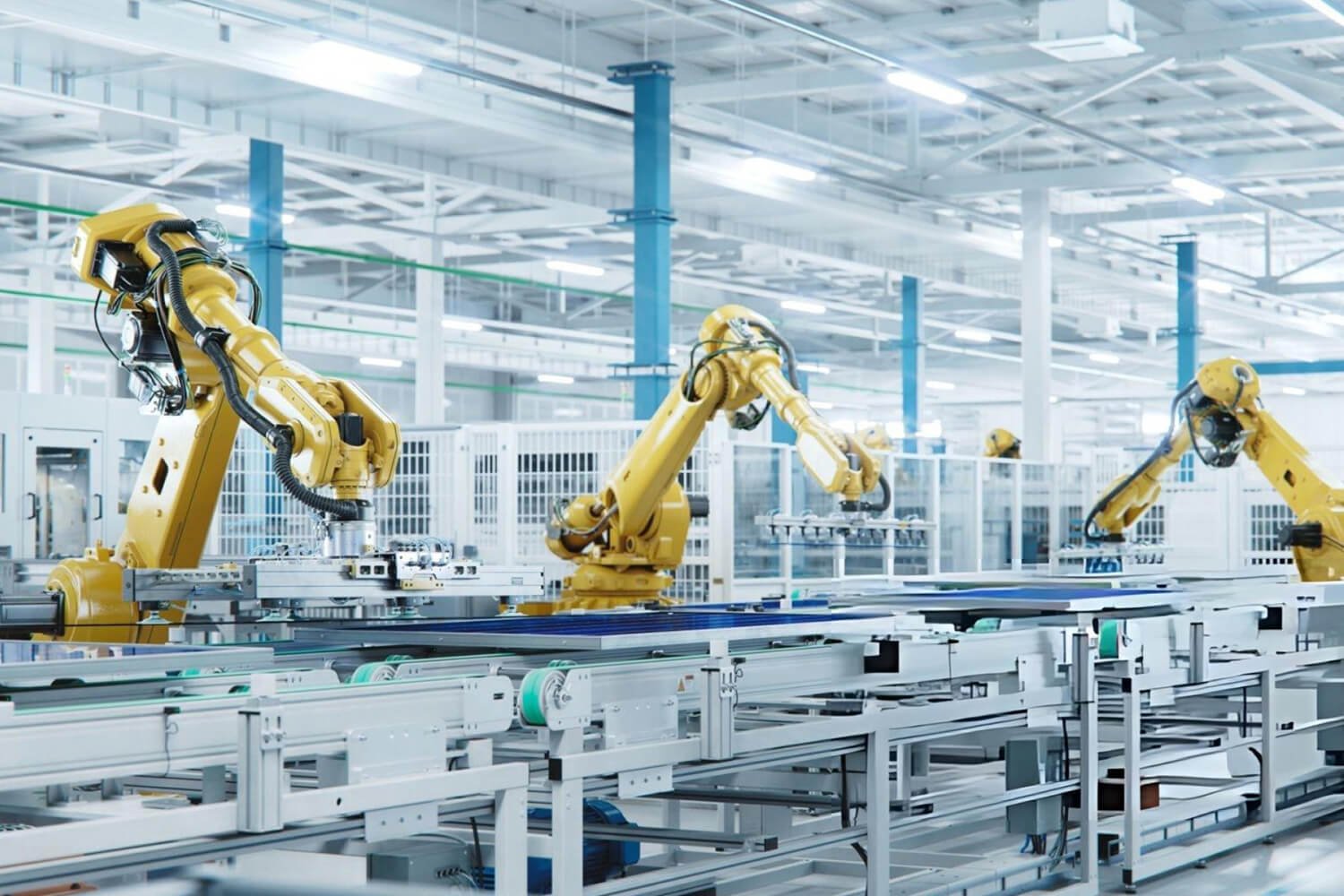
PCB Manufacturer Industrial Automation

Industrial Automation

Industrial equipment demands durable and stable PCBs for continuous operation.

  • PLC
  • Robotics systems
  • Power control systems
  • Sensors and monitoring devices

PCB Manufacturer Medical Devices

Medical Devices

Medical electronics require precision, safety, and strict compliance with industry standards.

  • Diagnostic equipment
  • Patient monitoring systems
  • Imaging devices
  • Portable medical instruments

PCB Manufacturer Consumer Electronics

Consumer Electronics

The consumer electronics demands compact, cost-effective, and high-performance PCB solutions.

  • Smartphones and tablets
  • Smart home devices
  • Wearable technology
  • Audio and video equipment

PCB Manufacturer Telecommunications

Telecommunications

Telecom systems require high-speed, high-frequency PCB designs with excellent signal integrity.

  • 5G infrastructure
  • RF communication modules
  • Networking equipment
  • Signal transmission systems

Aerospace

Aerospace

This industry requires extremely reliable PCBs that can perform under extreme environmental conditions.

  • Avionics systems
  • Satellite communication
  • Radar systems
  • Military electronics

Fast Quotation

Our professional sales and engineering teams provide fast PCB quotes and technical support. Simply send us your Gerber files, BOM, and assembly drawings, and we will respond promptly with a competitive solution.

FAQ About PCB Prototyping

1. What is PCB Prototyping?

PCB prototyping is the process of manufacturing a small quantity of printed circuit boards for testing and validation before mass production. 

It allows engineers to verify design functionality, performance, and manufacturability in real-world conditions.

Lead time depends on board complexity:

  • Simple PCB prototypes: 24–48 hours
  • Standard multilayer PCBs: 3–5 days
  • Complex designs: 5–7+ days

To start your project, you typically need:

  • Gerber files (PCB layout data)
  • Drill files
  • Bill of Materials (BOM) for assembly
  • Pick and Place (Centroid) file
  • Special requirements (if any)

For PCB prototyping, the MOQ is usually very low. We support:

  • Single-piece prototypes
  • Small batch production

This flexibility is ideal for R&D and product testing.

We support various materials depending on your application:

  • FR-4 
  • High-TG materials
  • Rogers
  • Polyimide

Yes, we specialize in high-frequency PCB prototypes with:

  • Controlled impedance
  • Low-loss materials
  • Advanced multilayer stack-ups

.

Yes. You can send your Gerber files and requirements, and we will provide a fast and accurate quotation, typically within 24 hours.