
/High Current & High Voltage/

Power PCB

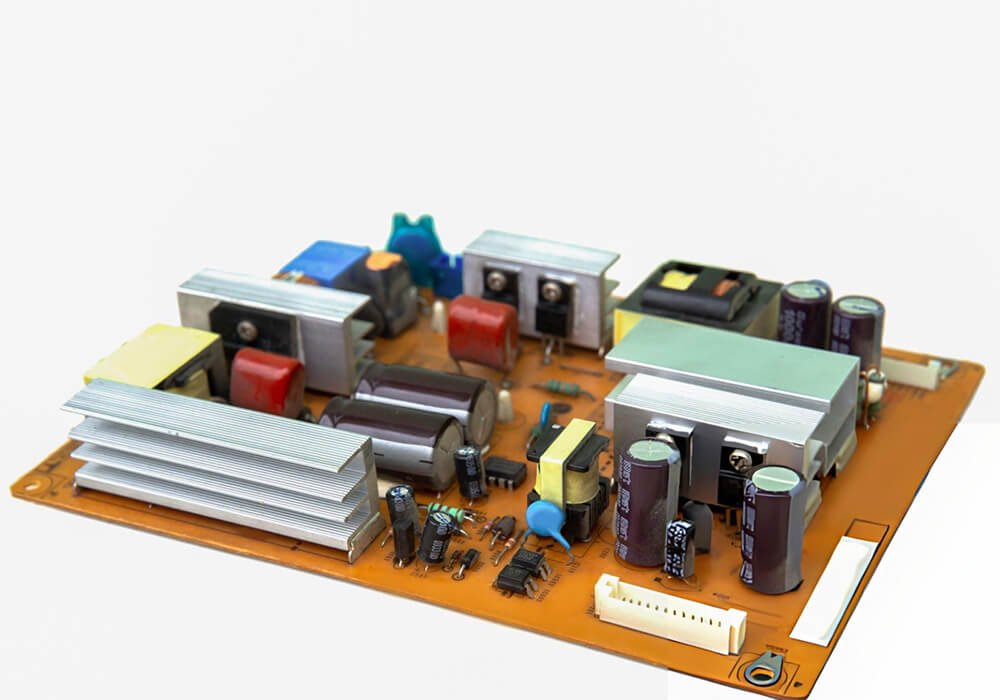
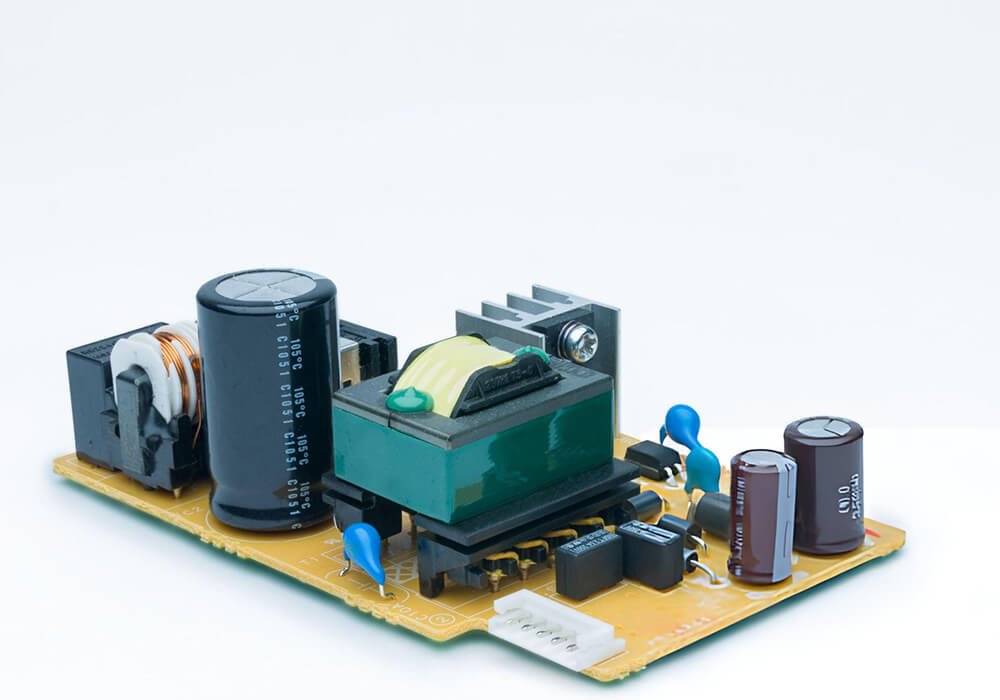
PCBSAIL specializes in manufacturing high-performance Power PCB, which is designed to handle high-current, high-voltage, and demanding thermal conditions.

With over 10 years of experience in PCB fabrication and PCBA services, we provide reliable and cost-effective power circuit boards for industries including renewable energy, automotive electronics, and power supply systems.

With advanced manufacturing capabilities and engineering expertise, we can ensure that every Power PCB meets strict electrical, thermal, and mechanical performance requirements.

What Is Power PCB

What Is Power PCB?

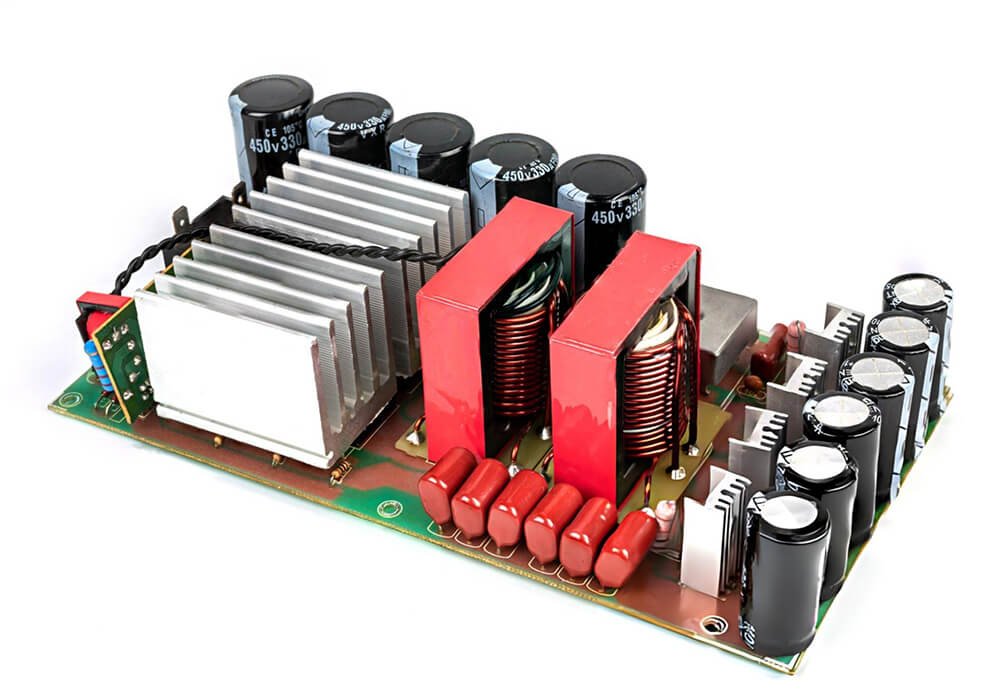
A Power PCB is a specialized circuit board engineered to carry high current and high power loads while maintaining stable performance and safety.

Unlike standard PCBs used for signal processing, Power PCBs are optimized for power distribution and energy conversion.
They Incorporate:

  • Thick Copper Layers (Typically ≥2oz)
  • Wide Traces And Copper Pours
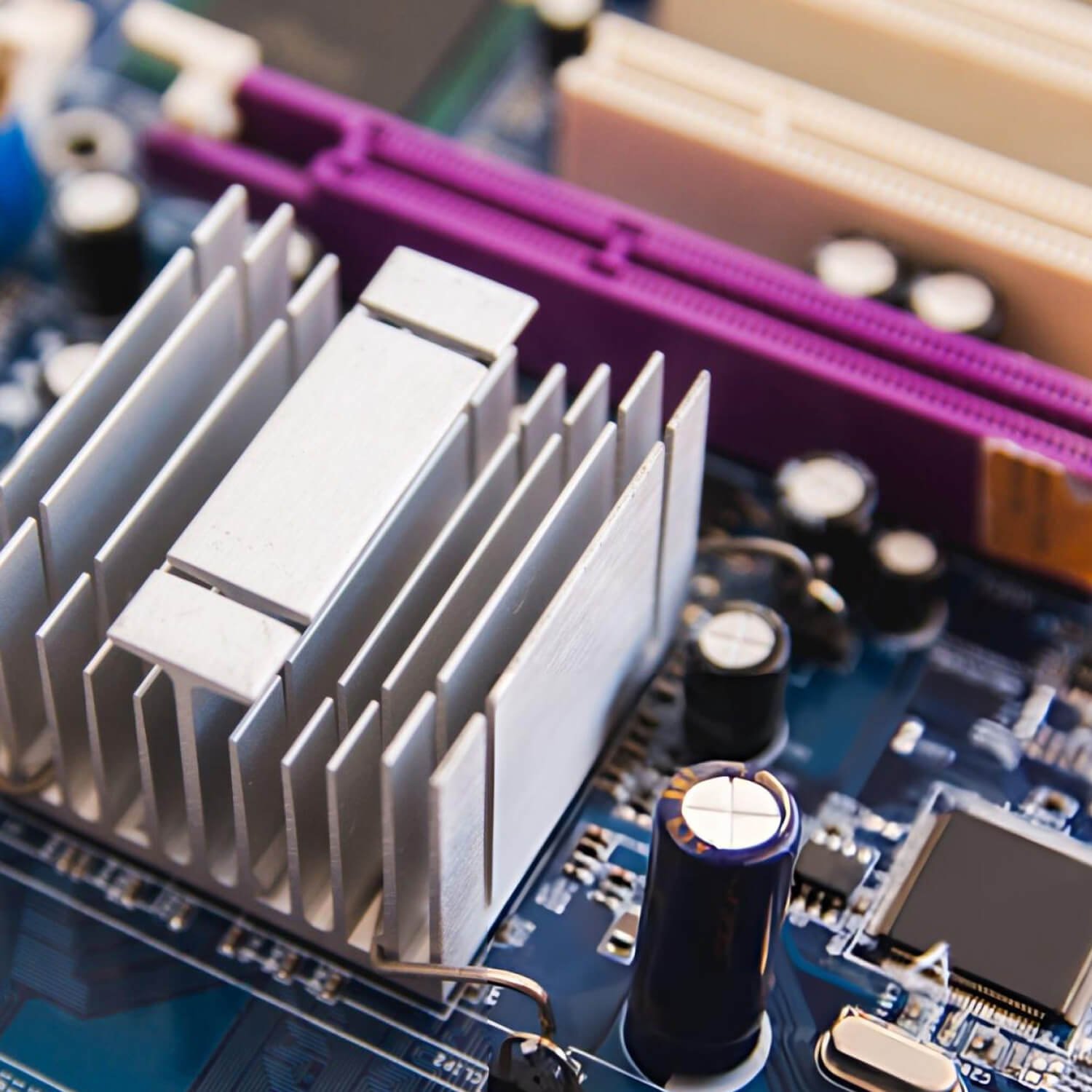
  • Advanced Thermal Management Structures
  • High Dielectric Strength Materials

It allows Power PCBs to run safely under high temperatures, heavy current flow, and mechanical stress conditions.

Power PCB We Offered.

We provide a wide range of custom Power PCBs tailored to different industries and performance requirements.

Best Power PCB
Cheaper Power PCB
Power PCB Near Me

Our Capacity.

Flex PCB Single-Sided Flex PCB

Heavy Copper Power PCB

Our Heavy Copper Power PCB was engineered for high-current applications. These boards feature thick copper layers (up to 20oz) to ensure efficient power transmission.

  • High Current Carrying Capacity
  • Reduced Voltage Drop And Heat Generation
  • Enhanced Mechanical Strength

Flex PCB Double-Sided Flex PCB

High-Tg Power PCB

High-Tg Power PCB was built with high glass transition temperature materials. These PCBs can maintain stability under elevated thermal conditions.

  • Tg ≥ 170°C For High-Temperature Environments
  • Improved Thermal Reliability
  • Reduced Risk Of Warping Or Delamination

Flex PCB Multilayer Flex PCB

Metal Core Power PCB

Aluminum or Copper was used in Metal Core Power PCB. MCPCBs provide superior heat dissipation.

  • Excellent Thermal Conductivity
  • Efficient Heat Spreading
  • Increased Component Lifespan

Flex PCB Single-Sided Flex PCB

Multilayer Power PCB

Our Heavy Copper Power PCB was engineered for high-current applications. These boards feature thick copper layers (up to 20oz) to ensure efficient power transmission.

  • High Current Carrying Capacity
  • Reduced Voltage Drop And Heat Generation
  • Enhanced Mechanical Strength

Flex PCB Double-Sided Flex PCB

High Voltage Power PCB

High-Voltage Power PCB was designed for high-voltage systems. These PCBs ensure safety and reliability through proper insulation and spacing.

  • Supports 48V–600V+ Systems
  • Optimized Creepage And Clearance Distances
  • Enhanced Dielectric Strength

Item

Rigid PCB

Flexible PCB

Rigid-Flex PCB

Max Layer

60L

8L

36L

Inner Layer Min Trace/Space

3/3mil

3/3mil

3/3mil

Out Layer Min Trace/Space

3/3mil

3.5/4mil

3.5/4mil

Inner Layer Max Copper

6oz

2oz

6oz

Out Layer Max Copper

6oz

20z

3oz

Min Mead hanical Driling

0.15mm

0.1mm

0.15mm

Min Laser Drilling

0.1mm

0.1mm

0.1mm

Max Aspect Ratio (Mechanical Drilling)

20:01

10:01

12:01

Max Aspect Ratio (Laser Drilling)

1:01

/

1:01

Press Fit Hole Tolerance

±0.05mm

±0.05mm

±0.05mm

PTH Tolerance

±0.075mm

±0.075mm

±0.075mm

NPTH Tolerance

±0.05mm

±0.05mm

±0.05mm

Countersink Tolerance

±0.15mm

±0.15mm

±0.15mm

Board Thickness

0.4-8mm

0.1-0.5mm

0.4-3mm

Board Thickness Tolerance(<1.0mm)

±0.1mm

±0.05mm

±0.1mm

Board Thickness Tolerance(≥1.0mm)

±10%

/

±10%

Min Board Size

10*10mm

5*10mm

10*10mm

Max Board Size

22.5*30 inch

9*14 inch

22.5*30 inch

Contour Tolerance

±0.1mm

±0.05mm

±0.1mm

Min BGA

7mil

7mil

7mil

Min SMT

7*10mil

7*10mil

7*10mil

Min Solder Mask Clearance

1.5mil

3mil

1.5mil

Min Solder Mask Dam

3mil

8mil

3mil

Min Legend Width/Height

4/23mil

4/23mil

4/23mil

Strain Fillet Width

/

1.5±0.5mm

1.5±0.5mm

Bow &Twist

0.003

/

0.0005

Standards for Power PCB.

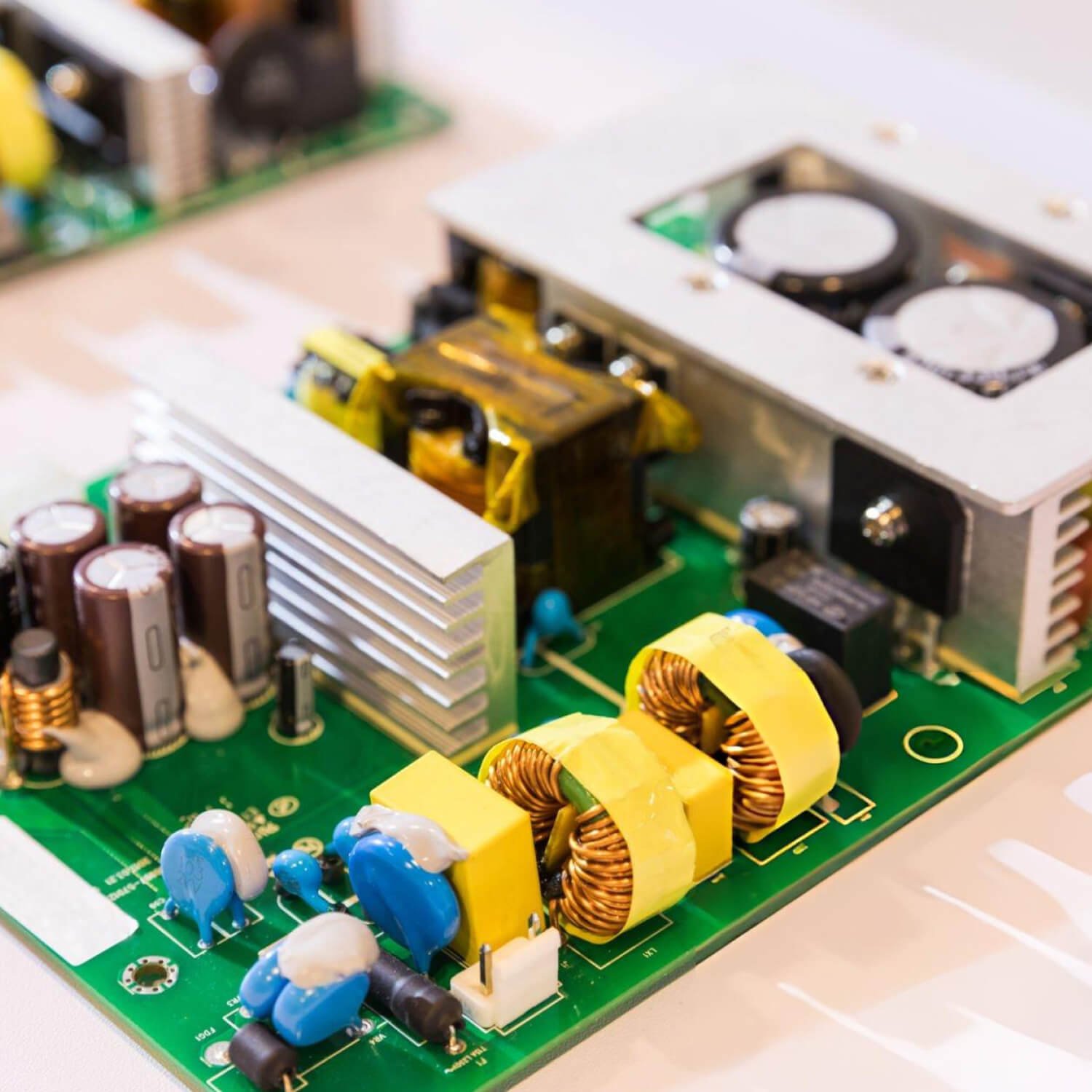
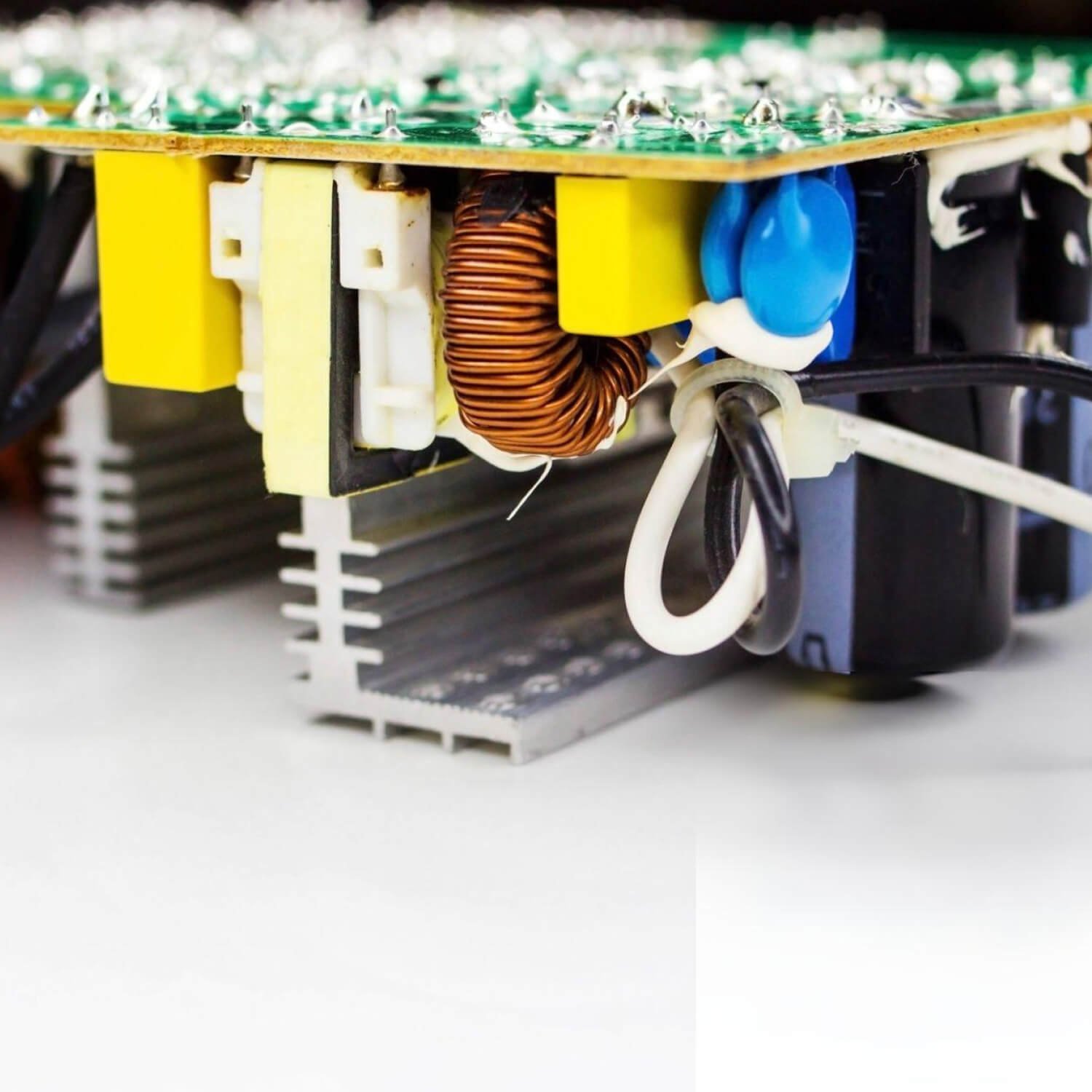
Our Power PCBs are produced in compliance with global industry standards, ensuring your products meet regulatory requirements across different markets.

IATF 16949 ensures Power PCBs used in vehicles meet strict requirements for reliability, durability, and safety under extreme conditions.
PCB Certificate

IPC Standard

The IPC standards are the most widely adopted guidelines in the PCB industry.

PCB Certificate

UL

UL certification is essential for products entering North American markets.

PCB Certificate

RoHS

RoHS standards restrict hazardous substances such as lead, mercury, and cadmium, ensuring your Power PCB is eco-friendly and globally compliant.

PCB Certificate

IATF 16949

IATF 16949 ensures Power PCBs used in vehicles meet strict requirements for reliability, durability, and safety under extreme conditions.
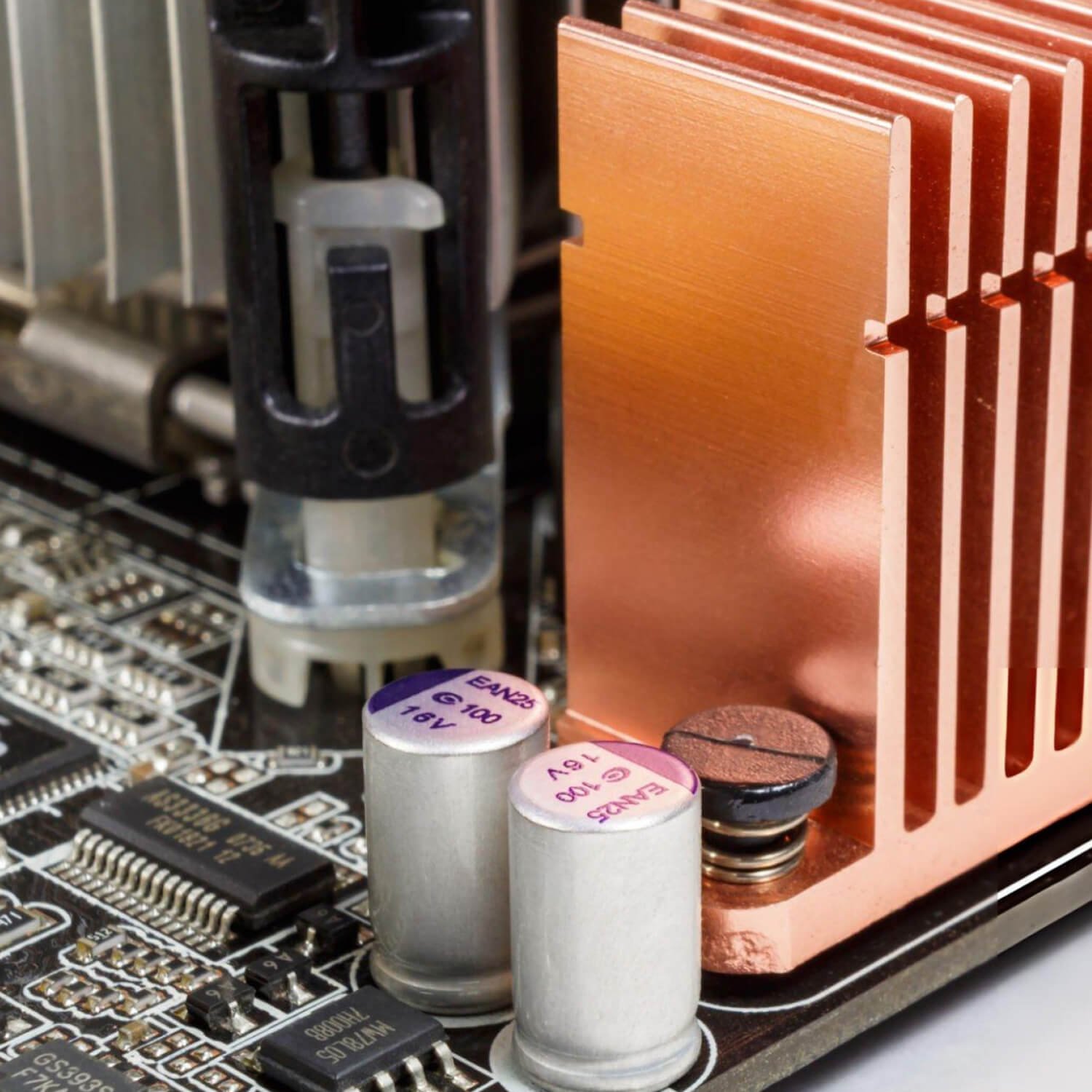
Power PCB Feature

Our Power PCB can deliver superior electrical performance, thermal stability, and long-term reliability.

Power PCB Feature

Our Power PCBs are designed with heavy copper layers (up to 20oz) and optimized trace geometries to safely carry large currents.

  • Reduced Electrical Resistance
  • Lower Voltage Drop Across Traces
  • Improved Energy Efficiency
  • Reliable Performance Under High Load Conditions

Efficient heat dissipation is important for Power PCB. We integrate multiple thermal management techniques into every design.

  • Thermal Vias And Heat-Spreading Copper Planes
  • Metal-Core Substrates (Aluminum/Copper)
  • Heat Sink Compatibility
  • Optimized Component Placement For Airflow

Our layouts are optimized to minimize power loss and maximize system efficiency.

  • Reduced Resistive Losses
  • Improved Power Conversion Efficiency
  • Stable Voltage Distribution
  • Enhanced Overall System Performance

We design Power PCBs to meet strict safety standards for high-voltage applications.

  • Optimized Creepage And Clearance Distances
  • High Dielectric Strength Materials
  • Compliance With UL And IPC Standards
  • Protection Against Short Circuits And Arcing

Our boards are built to withstand harsh operating conditions, including mechanical stress and thermal cycling.

  • High-Tg Materials For Thermal Stability
  • Resistance To Warping And Delamination
  • Suitable For Vibration-Prone Environments
  • Long Service Life

Power PCB Material

High-quality materials were used in our Power PCB to meet different power levels, environmental conditions, and application requirements.

FR4 is the most commonly used PCB substrate, made from woven fiberglass and epoxy resin. It offers a good balance between cost and performance.

  • Moderate Thermal Performance
  • Good Electrical Insulation
  • Cost-Effective And Widely Available

High-Tg FR4 materials have a higher glass transition temperature (typically ≥170°C), making them more stable under high thermal stress.

  • Improved Thermal Resistance
  • Reduced Risk Of Delamination
  • Better Mechanical Stability At Elevated Temperatures

Aluminum core PCBs feature a metal base layer that significantly improves heat dissipation.

  • Excellent Thermal Conductivity
  • Efficient Heat Transfer Away From Components
  • Lightweight And Durable

Copper core PCBs provide superior thermal conductivity compared to aluminum, making them ideal for extreme power applications.

  • Outstanding Heat Dissipation
  • High Mechanical Strength
  • Excellent Electrical Conductivity

Polyimide is a flexible, heat-resistant material commonly used in flexible and rigid-flex PCBs.

  • Excellent Thermal Stability
  • Flexible And Lightweight
  • High Chemical Resistance

PTFE (Teflon) is a high-performance material known for its low dielectric loss and excellent stability.

  • Very Low Signal Loss
  • High Frequency Stability
  • Excellent Heat Resistance

Alumina or aluminum nitride material was used in Ceramic PCBs to deliver exceptional thermal and electrical performance.

  • Superior Thermal Conductivity
  • Excellent Electrical Insulation
  • High Resistance To Harsh Environments

Rogers materials are engineered laminates designed for high-frequency and high-performance applications.

  • Stable Dielectric Constant
  • Low Loss At High Frequencies
  • Good Thermal Reliability
Power PCB Material

Design for Power PCB

When we are designing a Power PCB, we should apply a disciplined engineering approach that balances electrical performance, thermal management, safety, and manufacturability.

Design for Power PCB

Copper thickness and trace width directly determine the current-carrying capability of a Power PCB.

We should:

  • Use 2oz–6oz copper for most power applications; up to 20oz for extreme loads.
  • Calculate trace width based on IPC-2152 standards.
  • Use wide traces or copper pours to reduce resistance.
  • Consider parallel traces or planes for very high current.

Heat is one of the biggest challenges in Power PCB design. Poor thermal management can lead to component failure.

We need to:

  • Add thermal vias under high-power components.
  • Use large copper areas for heat spreading.
  • Integrate heat sinks or metal cores.
  • Optimize component placement for airflow.

High-current switching circuits generate electromagnetic interference (EMI), which can degrade system performance.

We need to:

  • Minimize loop area of high-current paths.
  • Place decoupling capacitors close to switching devices.
  • Use solid ground planes.
  • Apply shielding and filtering techniques.

A well-designed stackup ensures electrical performance and mechanical stability.

We need to:

  • Maintain layer symmetry to avoid warping.
  • Balance copper distribution.
  • Separate power and signal layers.

For high-voltage Power PCBs, proper spacing is essential for safety.

We need to:

  • Follow IEC 60664 standards.
  • Ensure sufficient creepage distance (surface spacing).
  • Maintain proper clearance (air gap).
  • Use isolation slots where necessary.

Vias play a critical role in distributing current and transferring heat between layers.

We should consider:

  • Use multiple vias in parallel for high current.
  • Increase via diameter and plating thickness.
  • Apply via stitching for thermal and electrical performance.
  • Consider filled or capped vias for reliability.

Why Choose Us

We go beyond basic PCB fabrication—we deliver engineering-driven, high-reliability power solutions tailored to your application.

Flex PCB Manufacturring Process

Turnkey PCB Solution

We provide a complete end-to-end service, eliminating the complexity of managing multiple vendors. We can do:

  • PCB design and engineering support
  • PCB fabrication Component sourcing
  • PCB assembly (SMT, THT, mixed)
  • Final testing and quality assurance

Flex PCB Manufacturring Process

Quality

Industrial applications demand the highest level of reliability. We adhere to globally recognized standards:

  • IPC-A-610 Class 3 (high-reliability electronics)
  • IPC-6012 (PCB performance standards)
  • ISO 9001
  • ISO 14001
  • UL 94

Flex PCB Manufacturring Process

Advanced Manufacturing

Our state-of-the-art facilities support complex and high-precision PCB assembly. We can do:

  • Fine-pitch placement down to 0.38mm
  • BGA (0.2mm pitch) with X-ray inspection
  • Support for 0201 components
  • High-density multilayer PCBs
  • Mixed technology assembly (SMT + Through-hole)

Flex PCB Manufacturring Process

Testing & Inspection

We implement multi-level testing to ensure every industrial control PCBA meets strict performance requirements.

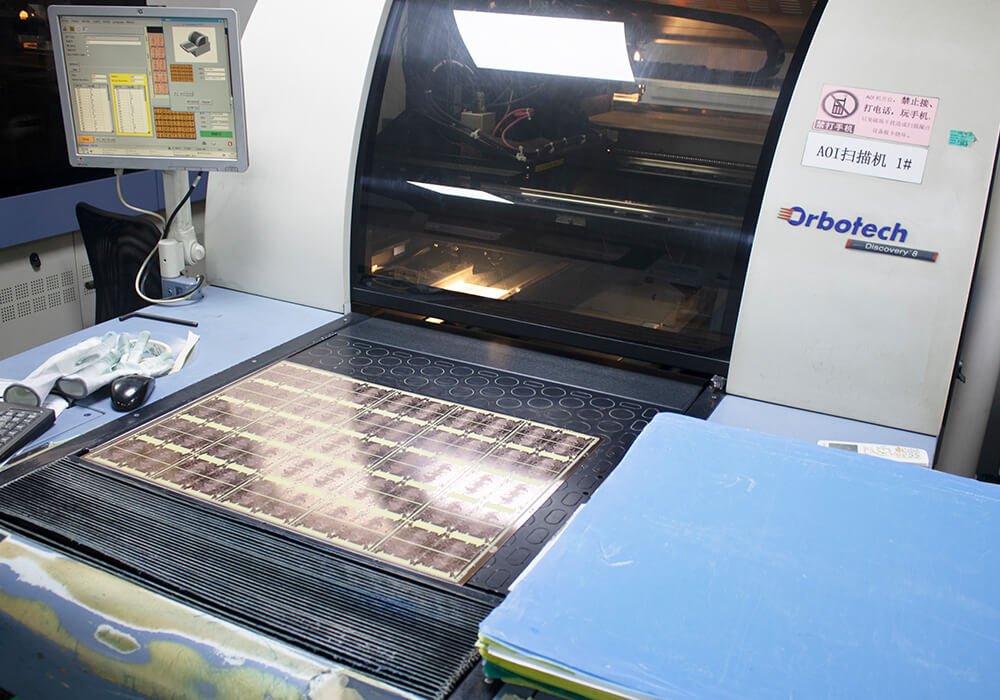
  • AOI (Automated Optical Inspection)
  • X-ray inspection for hidden solder joints
  • In-Circuit Testing (ICT)
  • Functional testing under real operating conditions
  • Voltage and performance validation

PTH
copper immersion
Degumming Residue
sink gold
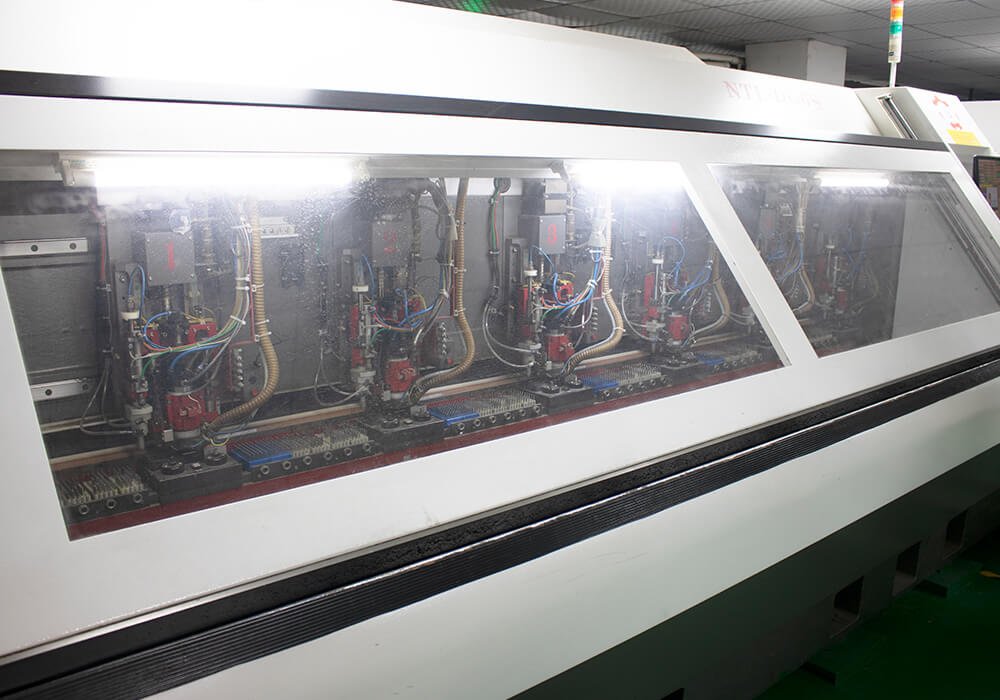
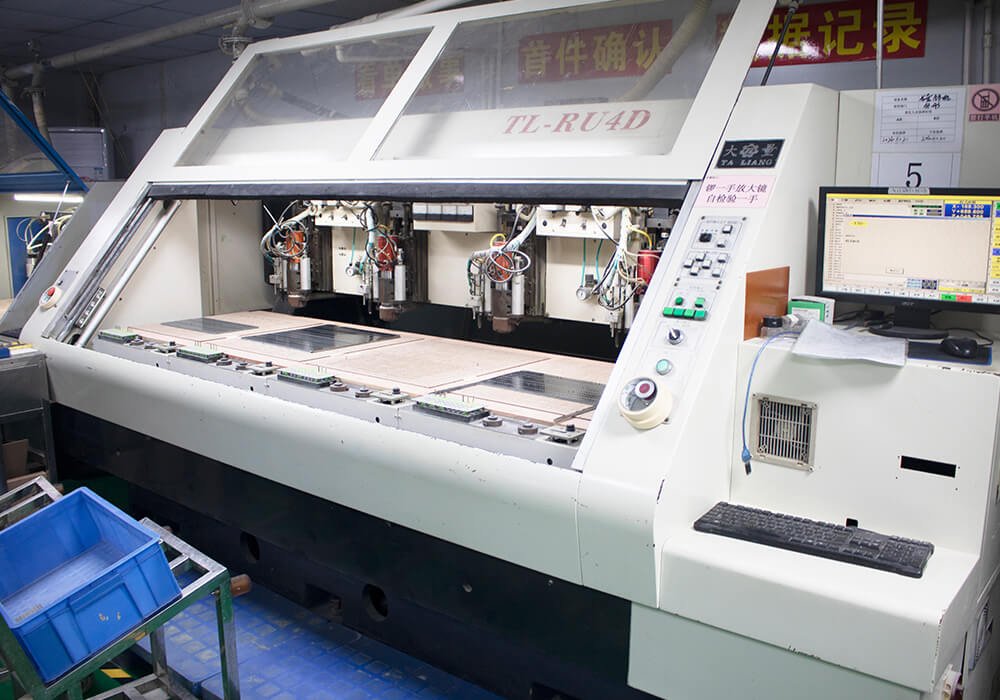
PCB Drill Machine
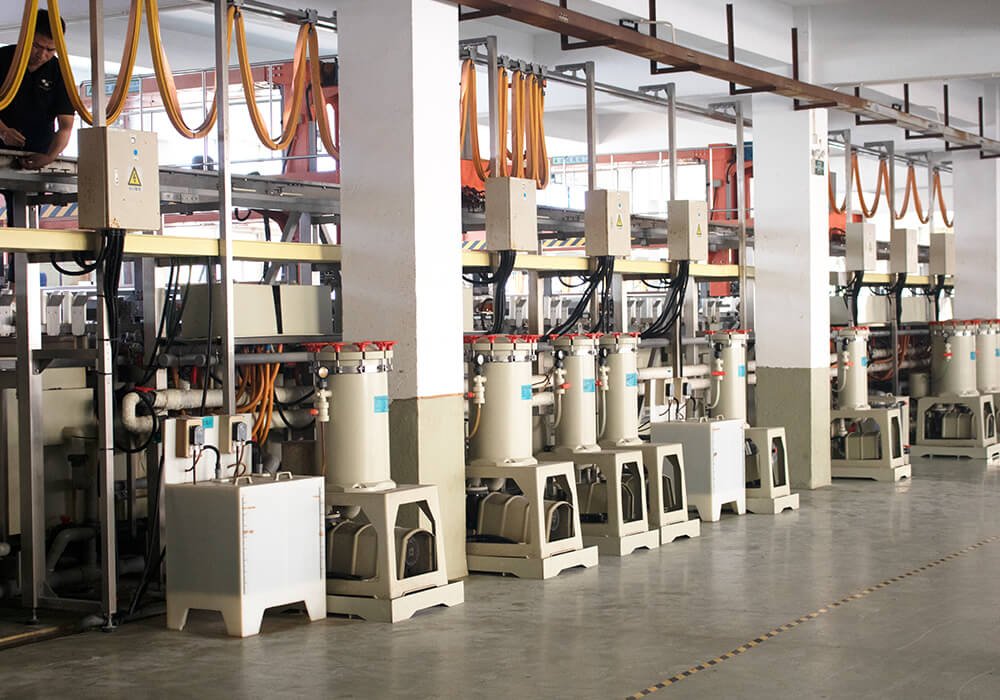
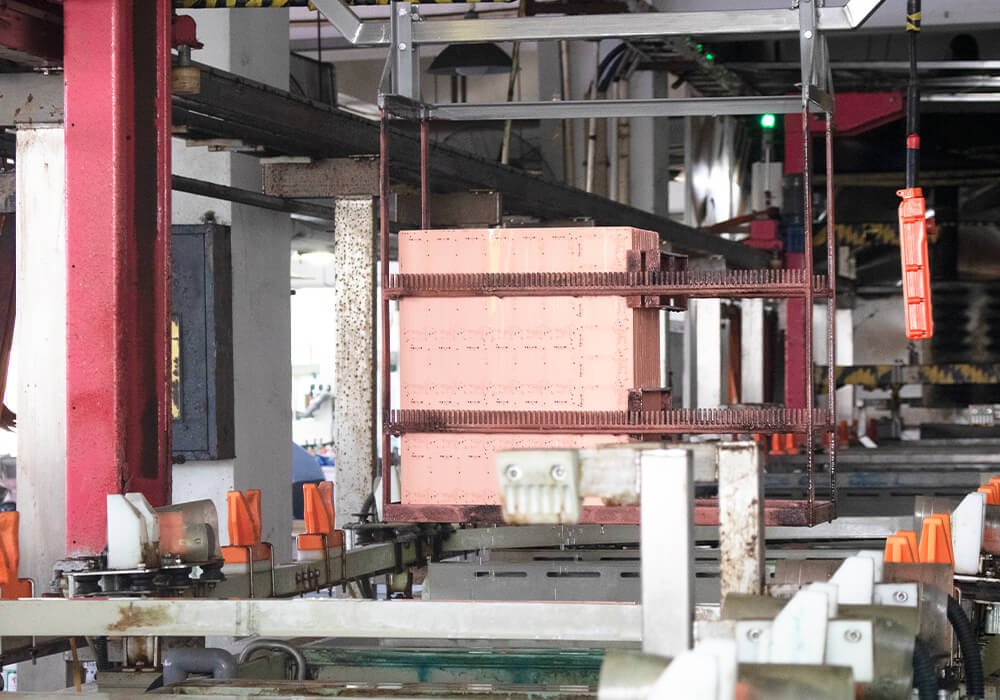
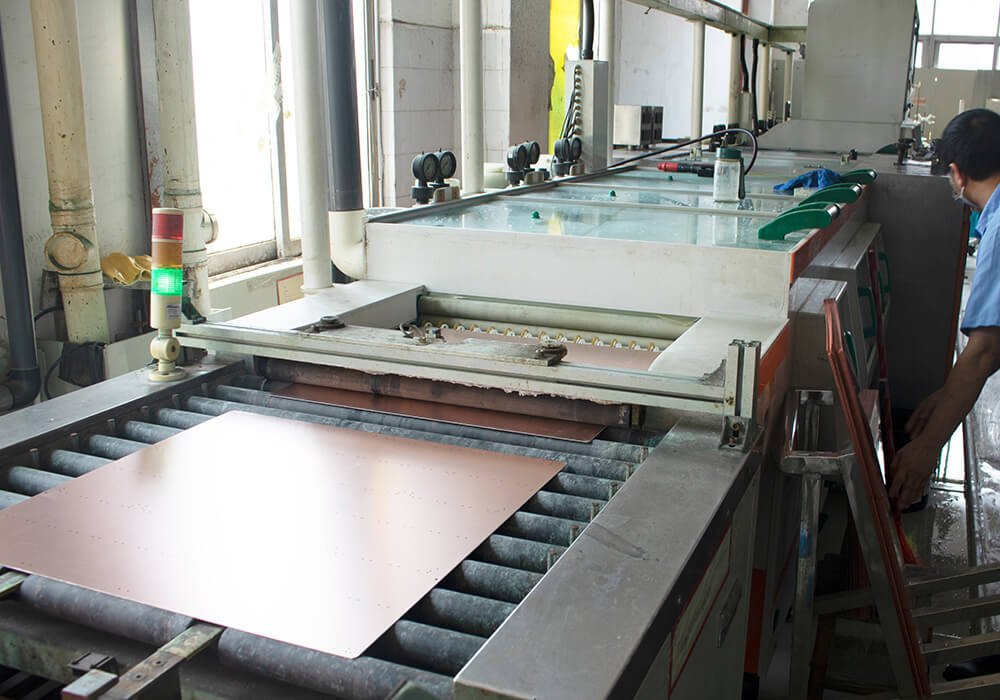
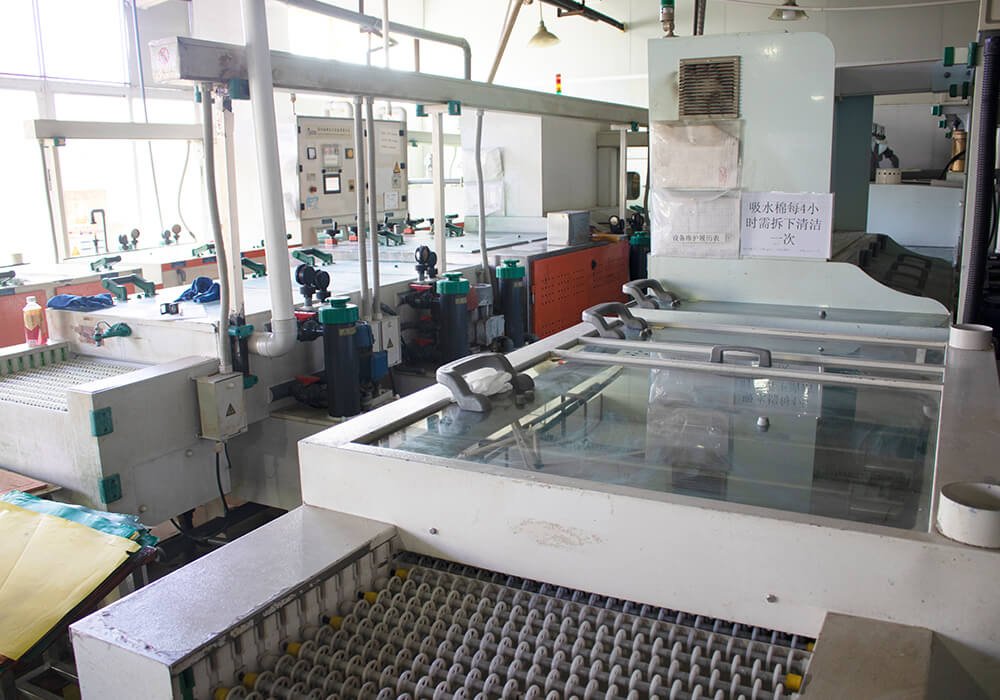
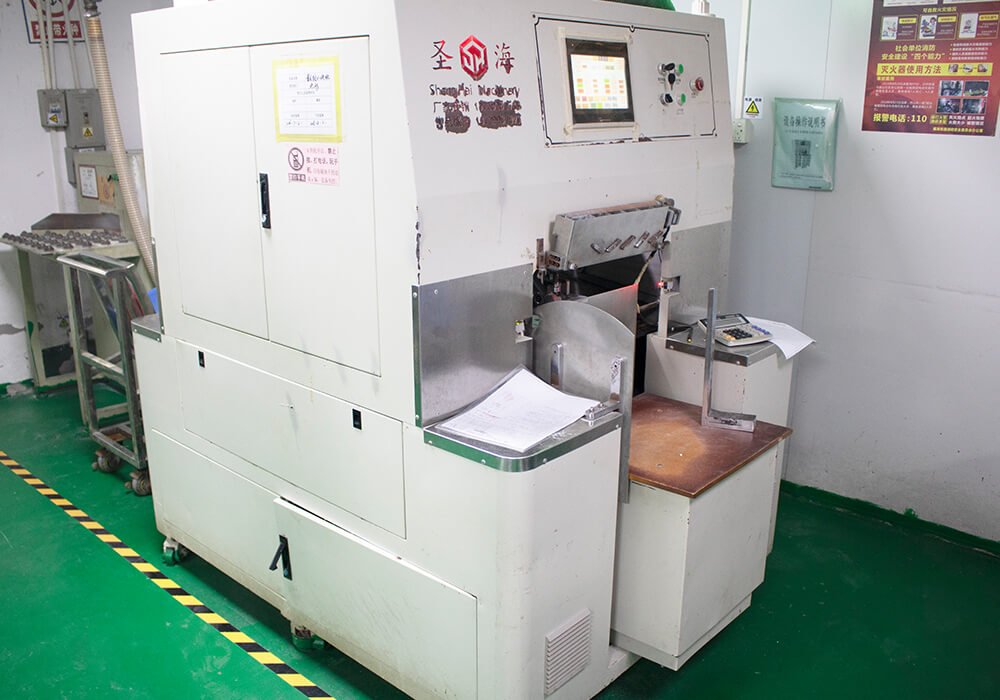
PcB Manufacturing Machine
Etching
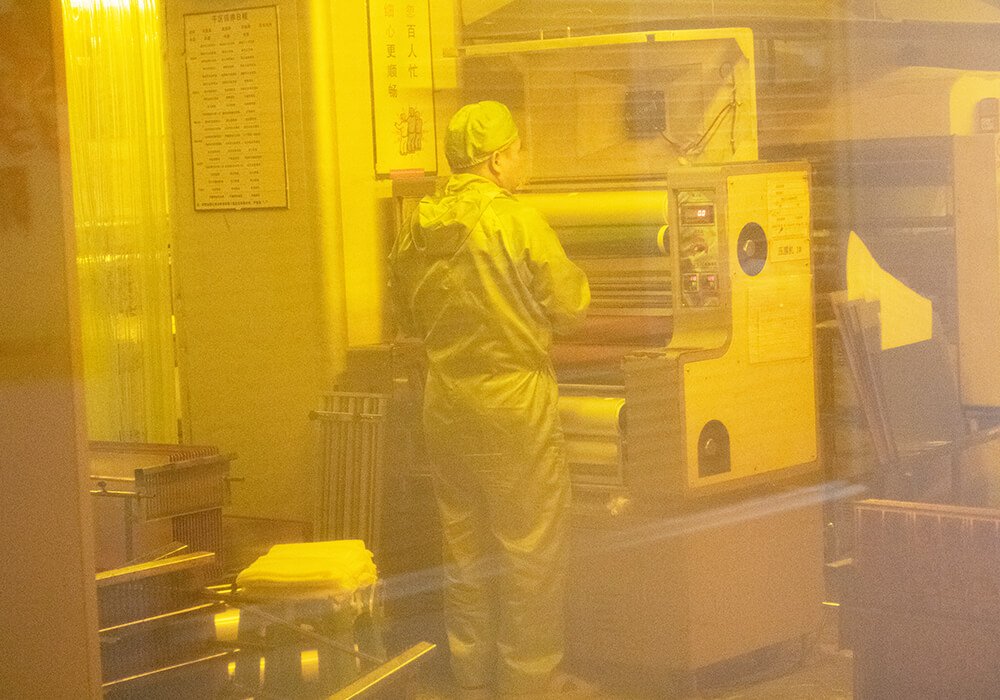
Imaging room
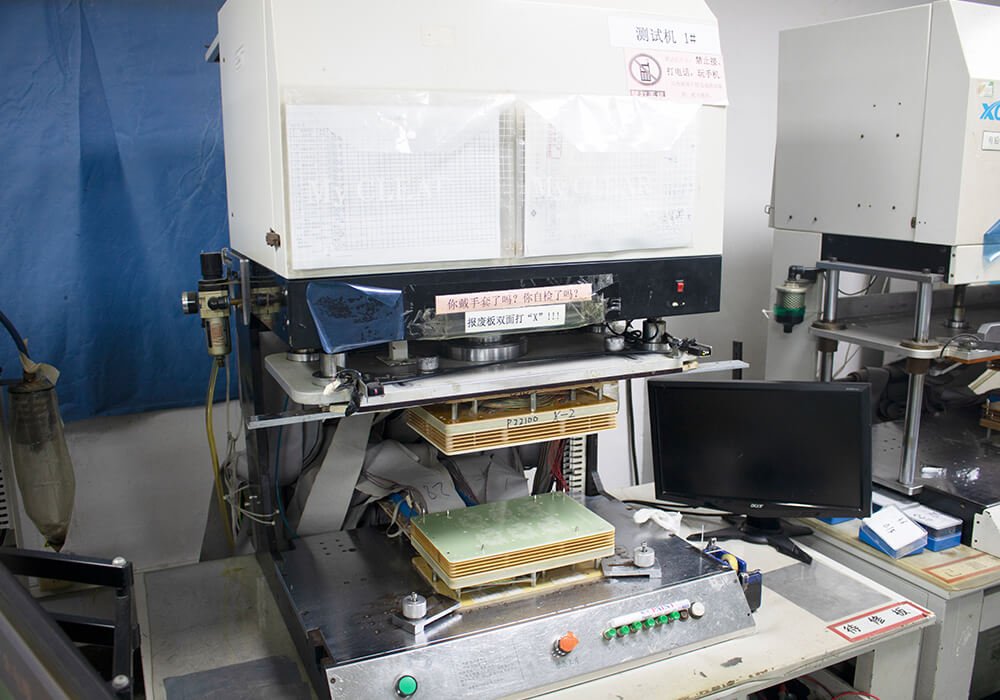
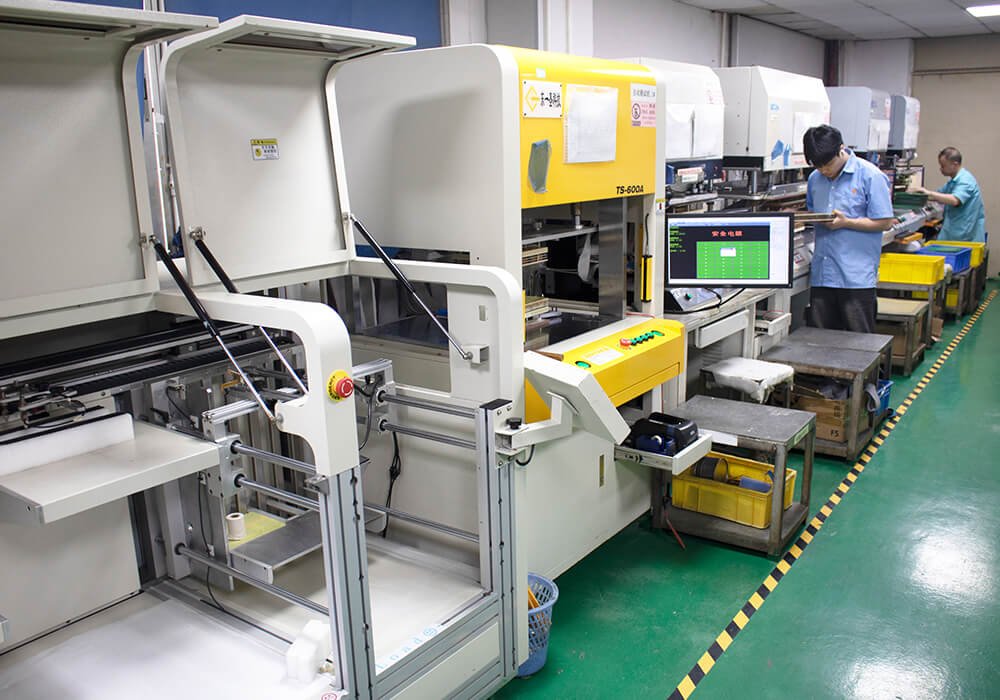
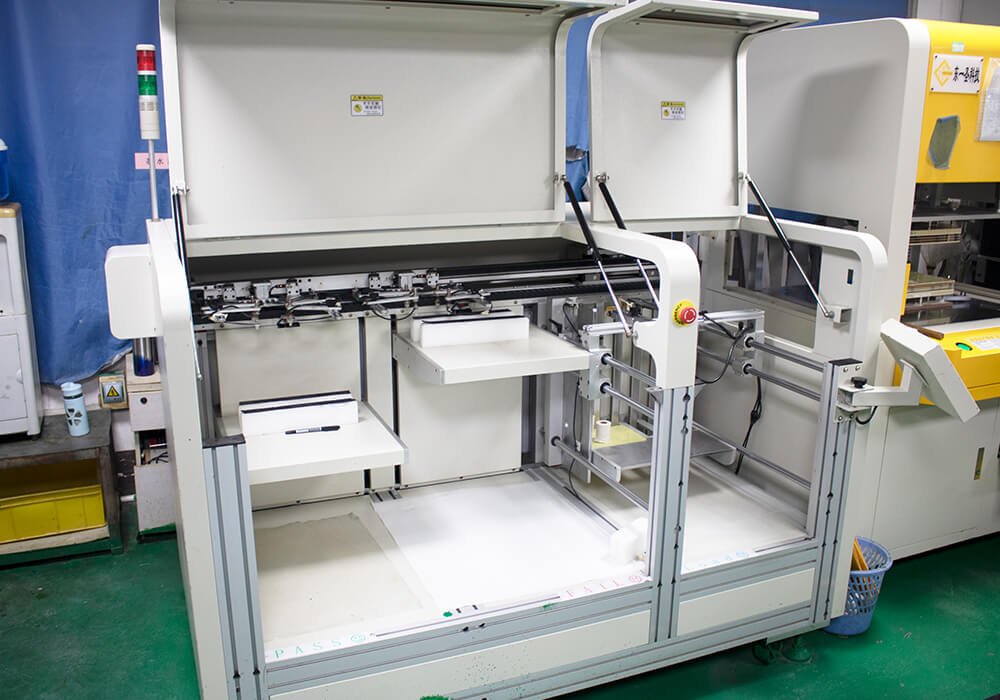
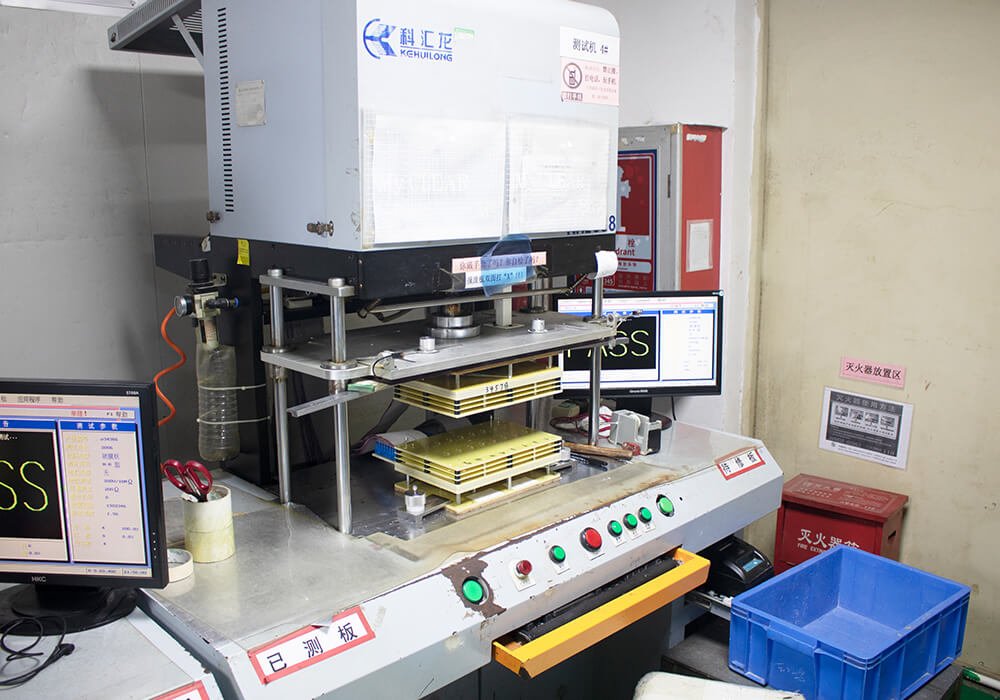
PCB Test Machine
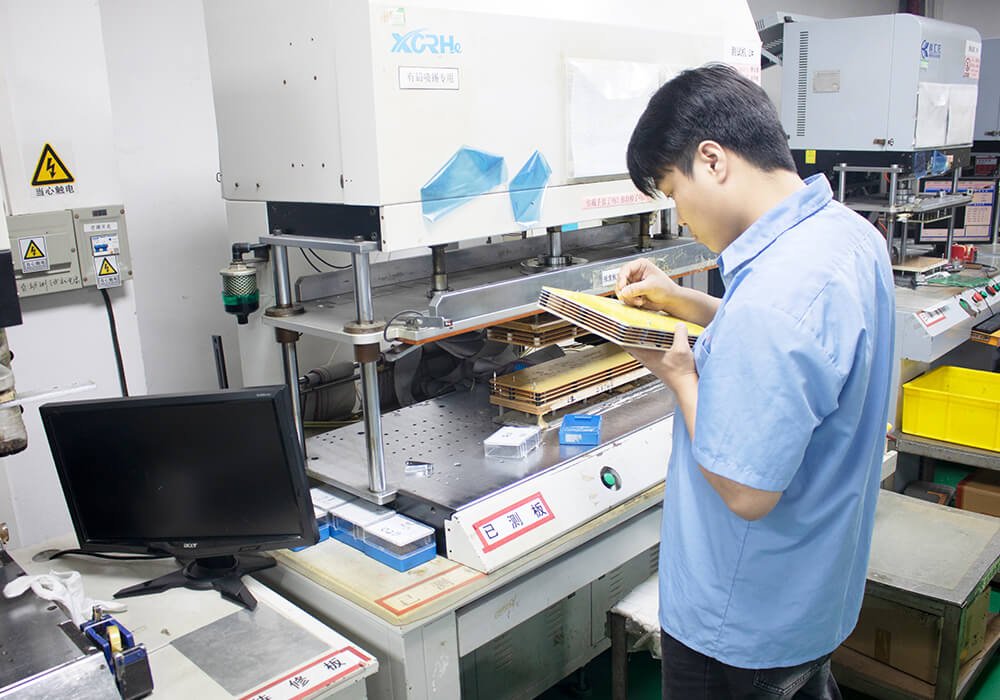
PCB Checking
PCB Checking Machine
PCB Chechking
PCB AOI
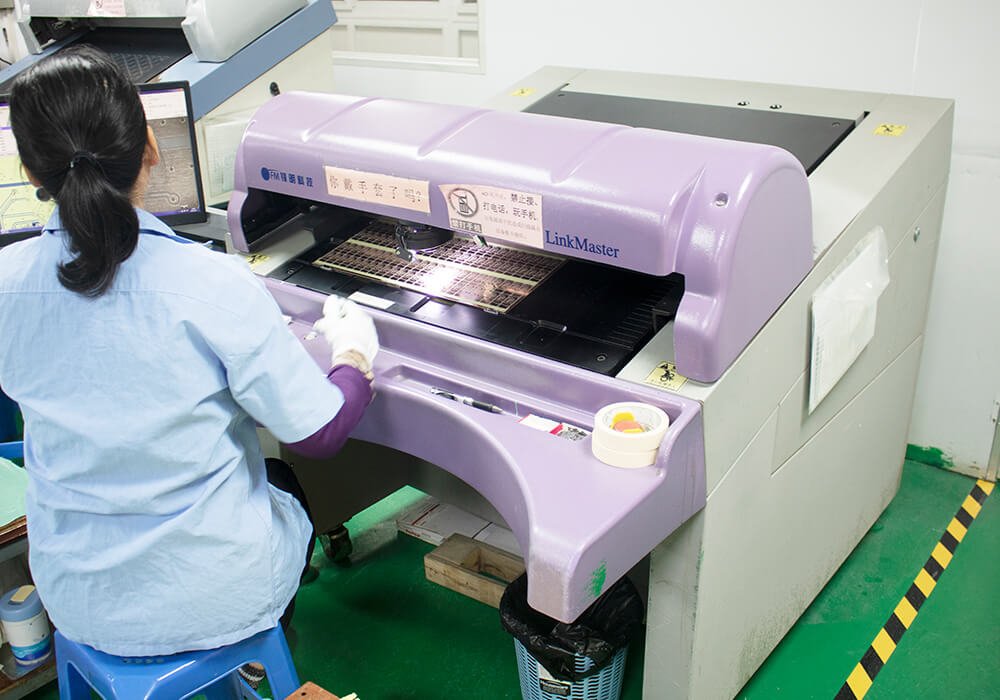
Link Master
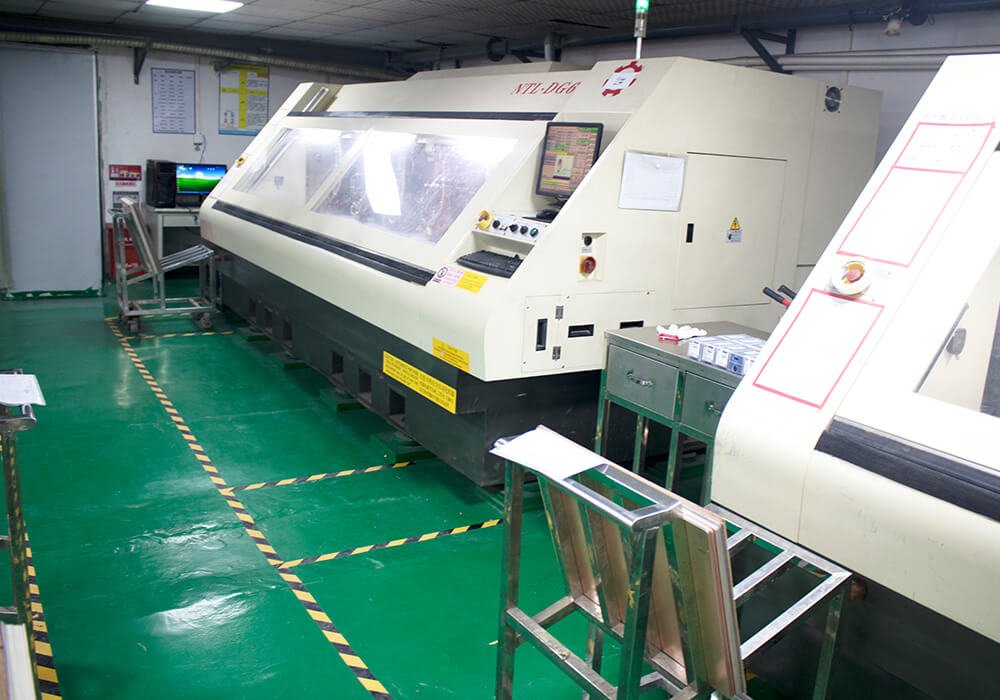
Drill Machine
checking machine
screen printing machine
Eye Checking

Fast Quotation

Our professional sales and engineering teams provide fast PCB quotes and technical support. Simply send us your Gerber files, BOM, and assembly drawings, and we will respond promptly with a competitive solution.

FAQ About Power PCB?

1. What is a Power PCB?

A Power PCB is a printed circuit board specifically designed to handle high current and high voltage applications. It uses thicker copper layers, wider traces, and advanced thermal management techniques to ensure safe and efficient power distribution.

Typical copper thickness ranges:

  • 1oz–2oz: Low to medium power
  • 2oz–6oz: Standard high-power applications
  • 10oz–20oz: Extreme current applications

The correct thickness depends on current load, allowable temperature rise, and design constraints.

Trace width is calculated using IPC-2152 standards, considering:

  • Current level (Amps)
  • Copper thickness (oz)
  • Allowable temperature rise
  • PCB layer (internal/external)

Wider traces or copper pours are often used to safely carry high current.

Yes, we offer fully customized Power PCB solutions, including:

  • Custom materials and stackups
  • High-current and high-voltage designs
  • Engineering support (DFM, thermal optimization)
  • Prototyping and mass production

Typical lead times:

  • Prototype: 3–7 working days
  • Mass Production: 2–4 weeks

Lead time depends on complexity, layer count, and material availability.

You typically need to provide:

  • Gerber files (RS-274X or equivalent)
  • Bill of Materials (BOM)
  • Pick-and-Place (XY) file
  • Assembly drawings (if available)