
/Cost, Performance, and When to Use It/
Hard Gold Plating PCB Surface Finish Ultimate Guide
Hard Gold Plating Surface Finish is widely used in edge connectors, gold fingers, aerospace electronics, military systems, medical devices, and high-cycle insertion products.
PCB Surface Finish Type
In modern electronics manufacturing, surface finish will directly affect PCBs’ solderability, electrical performance, durability, reliability, and lifespan.
Among all PCB surface finishes, hard gold plating is loved by engineers for its exceptional wear resistance, repeated mechanical contact, high reliability, and stable conductivity.
Unlike ENIG or immersion gold, hard gold plating contains alloying metals that significantly improve hardness and abrasion resistance.
This comprehensive guide explains everything engineers need to know about hard gold PCB surface finish.
Whether you are designing high-reliability electronics or sourcing durable connector PCBs, this guide will help you make an right solution.
Let’s Go.
Table of Contents
1. What Is Hard Gold Plating?
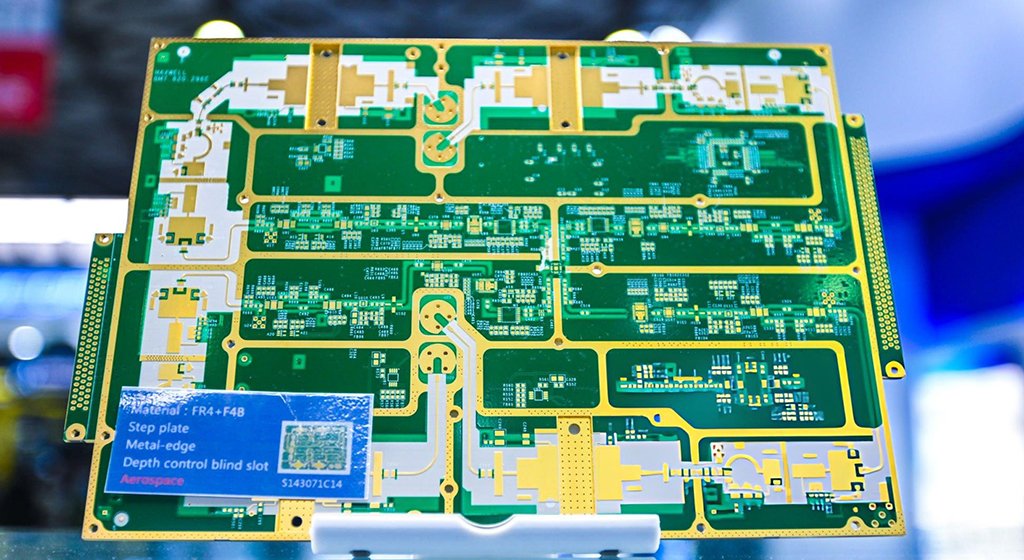
Hard Gold plating is an electrolytic gold plating process that deposits a hardened gold alloy layer over a nickel underlayer on specific PCB areas, usually edge connectors or contact pads.
Unlike immersion gold used in ENIG, Hard Gold contains alloying elements such as:
- Cobalt
- Nickel
- Iron
These additives increase surface hardness and dramatically improve wear resistance.
Basic Hard Gold Stack-Up
Layer | Purpose |
Copper | Base conductor |
Nickel Layer | Diffusion barrier |
Hard Gold Layer | Wear-resistant contact surface |
The nickel layer prevents copper migration into the gold while improving mechanical durability.
2. Hard Gold Plating PCB Process?
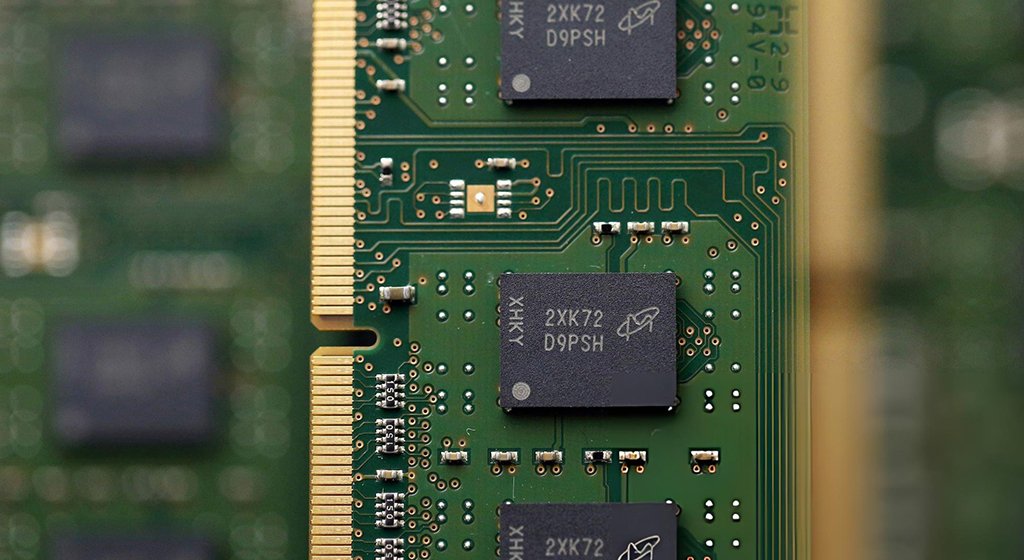
Below is a complete step-by-step explanation of hard gold plating manufacturing process.
Step 1: Surface Preparation
First, we need to clean the exposed copper circuitry.
Typical Cleaning Methods
- Acid Washing
- Micro-etching
- Alkaline Degreasing
- DI Water Rinsing
Most fabrication shops use sulfuric acid cleaning followed by multiple deionized water rinses to ensure the copper surface is chemically clean and fully activated.
Micro-Etching Process
Micro-etching lightly roughens the copper surface to improve mechanical bonding between:
- Copper
- Nickel Layer
- Gold Layer
Without proper micro-etching, gold adhesion becomes unreliable.
Step 2: Selective Masking
Because gold is extremely expensive, we rarely plate the entire PCB with Hard Gold. Instead, we will plate only gold on specific contact areas.
Typically Plated Areas:
- Gold Fingers
- Edge Connectors
- Keypad Contacts
- Switch Contacts
- Test Points
We will use blue adhesive tape, dry film resist, or Photoresist coatings to protect all non-plated PCB areas.
Step 3: Nickel Underplating
After masking, the PCB enters the nickel electroplating stage.
Typical Nickel Thickness
- 3–6 μm
- 120–240 μin
The Nickel Layer Serves Three Essential Functions.
- Nickel prevents copper atoms from migrating into the gold layer.
- The Nickel Layer provides structural support, increases hardness, and improves wear resistance
- Nickel acts as an additional corrosion barrier.
Step 4: Hard Gold Electroplating
This is the core step of the Hard Gold plating process.
Electrolytic Gold Deposition:
The PCB enters an electrolytic gold plating bath containing:
- Potassium Gold Cyanide (K[Au(CN)₂])
- Cobalt Salts
- Nickel Salts
- Conductivity Additives
- Stabilizers
Electrical current deposits the gold alloy onto the nickel-plated surface.
Key Electroplating Parameters:
Parameter | Importance |
Current Density | Controls Deposition Rate |
Temperature | Affects Grain Structure |
Gold Concentration | Controls Plating Consistency |
Ph Level | Maintains Bath Stability |
Agitation | Improves Uniformity |
Step 5: Gold Thickness Control
Gold thickness directly affects connector lifespan, wear resistance, and PCB cost.
Common Hard Gold Thicknesses
Thickness | Application |
15 μin | Consumer electronics |
30 μin | Industrial connectors |
50 μin | Telecom systems |
100 μin | Aerospace/military |
Step 6: Rinsing and Gold Recovery
After electroplating, the PCB passes through multiple rinsing stages. Rinsing can remove residued cyanide, metal contaminants, and electrolyte chemicals
Because gold is expensive, fabrication facilities recover excess gold from rinse water.
Recovery Methods
- Ion Exchange
- Electrolytic Recovery
- Chemical Precipitation
Step 7: Quality Verification
We will inspect and test PCB by X-Ray and microscope.
Step 8: Gold Finger Beveling
For edge connectors, beveling is often added before or after plating.
Common Bevel Angles
Angle | Usage |
20° | Standard Applications |
30° | Industrial Systems |
45° | Specialized Connectors |
Do You Need Any Help?
3. IPC Standards for Hard Gold Plating PCB
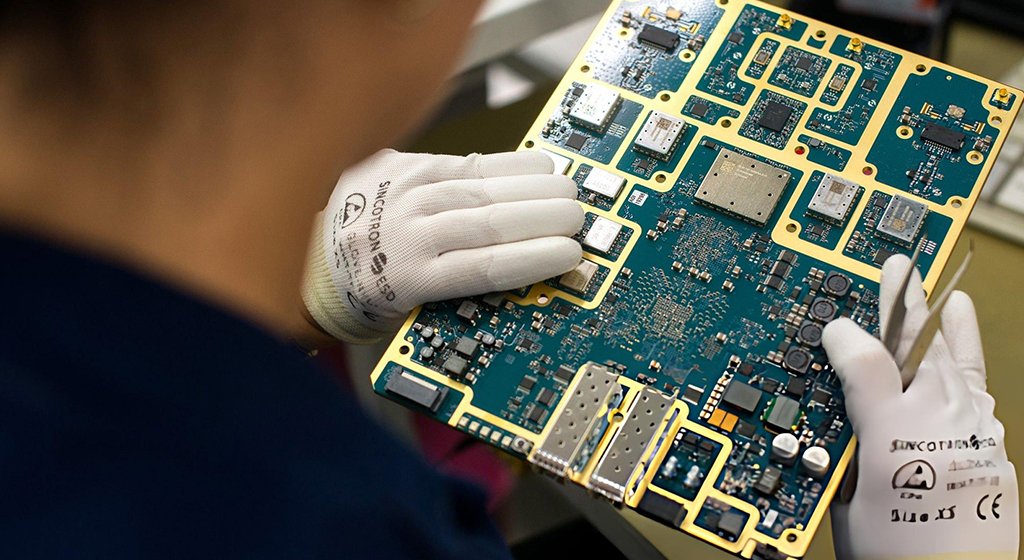
Professional PCB manufacturers typically follow IPC standards.
Standard | Description |
ENIG Specification | |
Hard Gold Specification | |
PCB Acceptability | |
Qualification/Performance |
Do You Need Any Help?
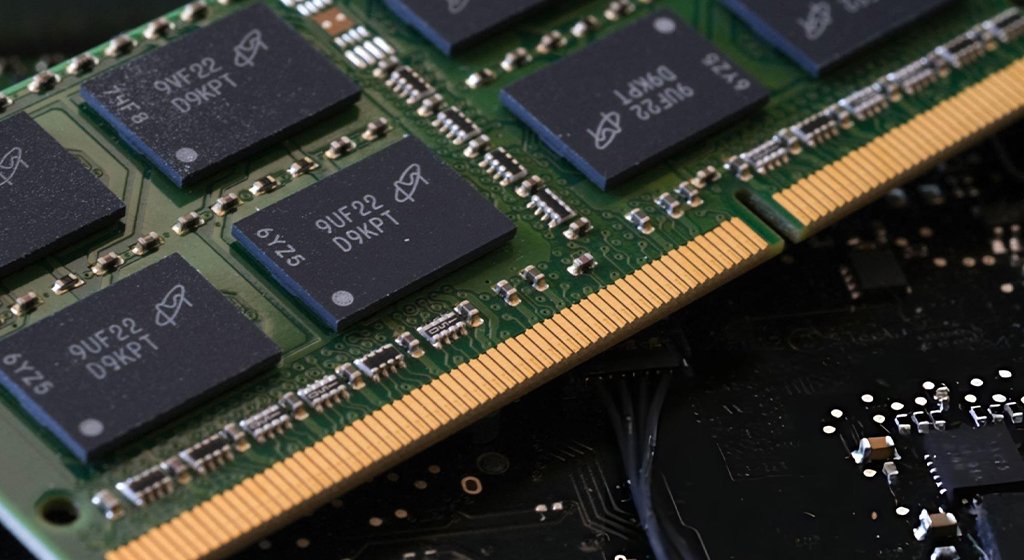
4. Hard Gold Plating Thickness
Gold thickness is one of the most important specifications in PCB manufacturing.
4.1. Common Hard Gold Thicknesses
Application | Typical Gold Thickness |
Consumer Electronics | 3–10 µIn |
Standard Edge Connectors | 15–30 µIn |
High-Cycle Connectors | 30–50 µIn |
Military/Aerospace | 50+ µIn |
4.2. Typical Nickel Thickness
Layer | Thickness |
Nickel | 100–250 µin |
Hard Gold | 15–50 µin |
Do You Need Any Help?
5. Why Is Hard Gold Plating Used on PCBs
5.1. Exceptional Wear Resistance
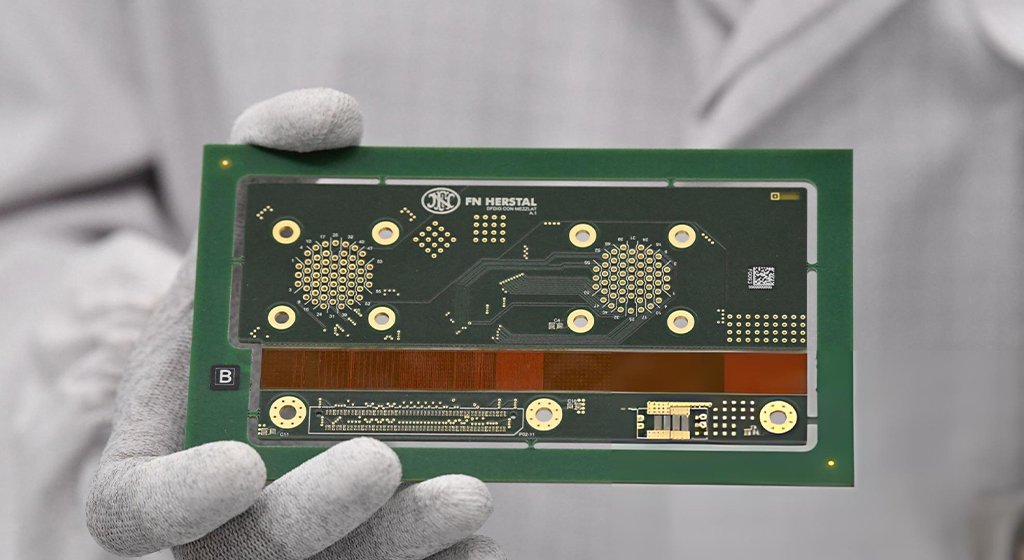
Gold is exceptional Wear Resistance. That ‘s why engineers choose hard gold plating.
Unlike ENIG’s thin immersion gold layer, Hard Gold plating can survive thousands of insertion cycles without significant degradation.
5.2. Excellent Electrical Reliability
Hard Gold Plating maintains:
- Stable Conductivity
- Low Contact Resistance
- Consistent Signal Transmission
5.3. Long-Term Corrosion Protection
Gold naturally resists:
- Oxidation
- Corrosion
- Tarnishing
It can improve long-term reliability in harsh environments.
Do You Need Any Help?
6. How Many Insertion Cycles Can Hard Gold Plating Handle?
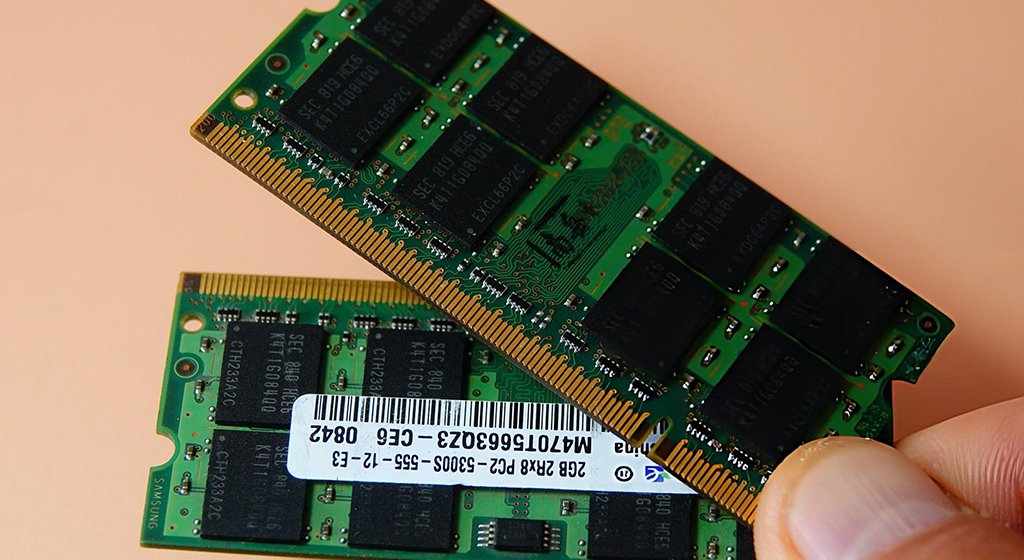
It depends on gold thickness, connector design, and contact force.
Typical Performance
Gold Thickness | Approximate Mating Cycles |
15 µin | 50–100 Cycles |
30 µin | 250–500 Cycles |
50 µin | 1000+ Cycles |
100 µin | Several Thousand Cycles |
Do You Need Any Help?
7. How to Avoid Hard Gold Plating Issues?
Because hard gold plating is electrochemical and highly sensitive to contamination, current density, and surface preparation, it also occurs issues.
Below are the most common hard gold plating problems, their causes, and practical prevention methods.
7.1. Poor Adhesion
Gold layer peels, flakes, or separates during assembly, testing, or field use.
Causes
- Contaminated nickel surface (organic residues, oxides)
- Delay between nickel plating and gold plating
- Inadequate surface activation before gold deposition
- Improper current density during electroplating
How to avoid it
- Maintain tight plating sequence timing (nickel → rinse → gold immediately)
- Use fresh activation bath (acid dip or strike process)
- Ensure strict micro-etch + cleaning control
- Monitor nickel surface oxidation levels
7.2. Uneven Gold Thickness
Some areas have thick gold deposits while others are thin or exposed.
Causes
- Poor current distribution in electroplating bath
- Incorrect rack design or fixturing
- Improper agitation or electrolyte flow
- Complex PCB geometry causing shielding effects
How to avoid it
- Optimize anode placement and shielding design
- Use pulse plating or current redistribution techniques
- Improve solution agitation and flow simulation
- Perform thickness mapping (XRF inspection)
7.3. Gold Nodules
Surface becomes rough, grainy, or develops nodules that increase wear and contact resistance.
Causes:
- Contaminated plating bath (metallic impurities)
- Excessively high current density
- Poor filtration of gold electrolyte
- Breakdown of additives in bath chemistry
How to avoid it
- Maintain strict bath filtration (continuous filtration recommended)
- Regular solution purification and carbon treatment
- Control current density within spec limits
- Frequent bath chemical analysis
7.4. Nickel Corrosion
Dark corrosion forms on nickel beneath gold, leading to brittle interfaces or contact failure.
Causes
- Over-etched or hyperactive nickel surface
- Sulfur contamination in plating chemistry
- Improper ENIG/underlayer control before hard gold plating
- Exposure to air before gold deposition
How to avoid it
- Minimize nickel exposure time before gold plating
- Use controlled nickel sulfamate chemistry
- Avoid sulfur-based contamination in process lines
- Ensure proper rinsing and immediate gold strike
7.5. Gold Peeling
Gold layer lifts at connector edges or high-stress insertion points.
Causes
- Poor adhesion at edge bevel area
- Mechanical stress concentration
- Insufficient nickel thickness
- Improper bevel plating process
How to avoid it
- Ensure uniform nickel base layer before gold plating
- Optimize edge bevel plating process control
- Use stress-relief design in connector geometry
- Perform peel strength testing during QA
8. Hard Gold vs ENIG: What’s the Difference?
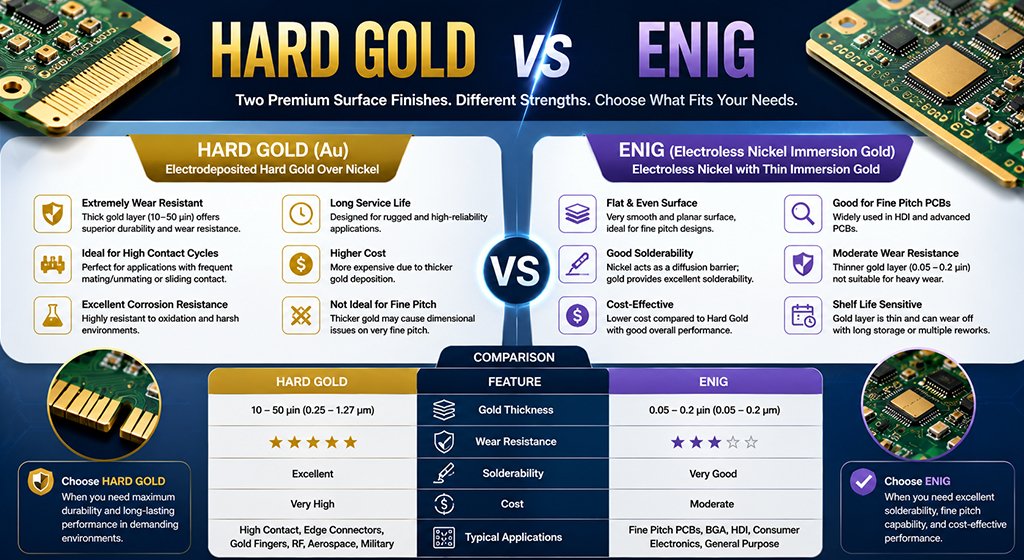
Both finishes contain gold, but they serve very different purposes.
Feature | Hard Gold | |
Gold Type | Electroplated Alloyed Gold | Immersion Soft Gold |
Wear Resistance | Excellent | Moderate |
Solderability | Lower | Excellent |
Typical Use | Gold Fingers & Contacts | SMT Pads |
Insertion Cycles | Very High | Limited |
Manufacturing Cost | Higher | Lower |
Surface Flatness | Good | Excellent |
Abrasion Resistance | Excellent | Poor |
Wire Bonding | Not Suitable | Limited |
Durability | Outstanding | Moderate |
Do You Need Any Help?
9. People Also Ask?
Can Hard Gold Be Soldered?
It can be soldered, but it is generally not recommended because excessive gold may cause brittle solder joints.
What Thickness Is Used For Hard Gold PCB?
Typical Thickness Ranges From:
- 15–50 microinches
10. Final Thoughts
Hard Gold Plating PCB Surface Finish is still one of the best solutions for high-durability electrical contacts and edge connectors.
Compared other PCB surface finishes, Hard Gold Plating Offers:
- Exceptional Wear Resistance
- Stable Conductivity
- Long Mating Cycle Life
- Superior Corrosion Resistance
- High Reliability
Although hard gold plating is more expensive and complex than ENIG or HASL, it is often the only practical solution for repeated mechanical contact applications.
Get a PCB Quote