
/For IoT, Audio, And Wireless Devices/
Bluetooth PCB
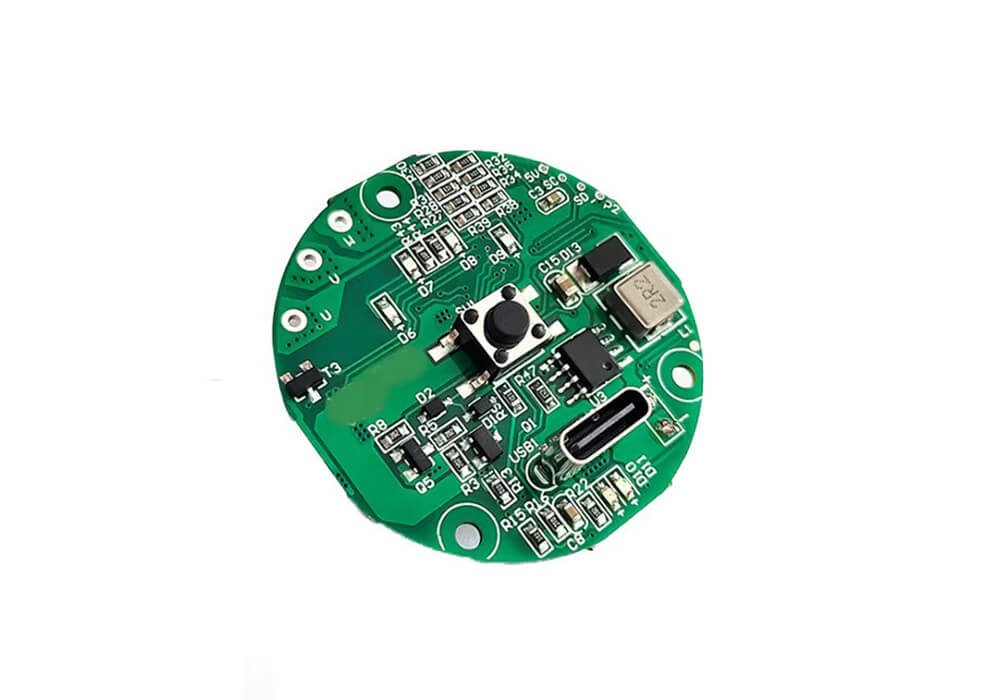
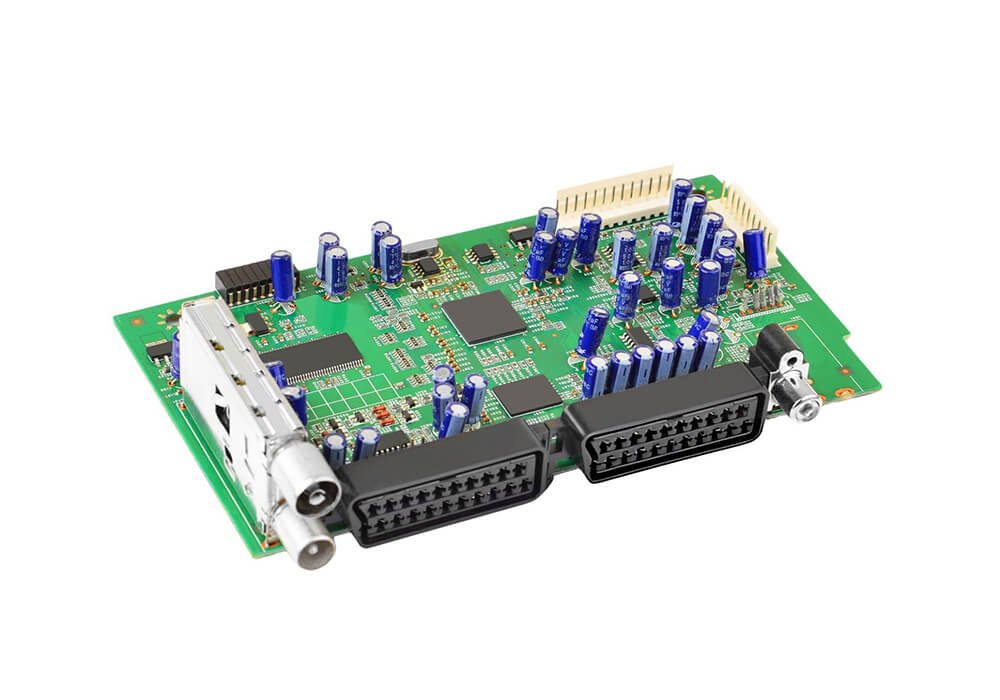
PCBSAIL was specialized in manufacturing high-quality Bluetooth PCB for modern wireless electronics.
With over 10 years of PCB and PCBA experience, we provide reliable, cost-effective, and scalable Bluetooth circuit boards for consumer electronics and IoT to industrial automation and smart devices.
Our Bluetooth PCBs can ensure stable wireless communication, low power consumption, strong signal integrity, and compact integration. It can make them ideal for next-generation wireless applications.
What Is Bluetooth PCB?
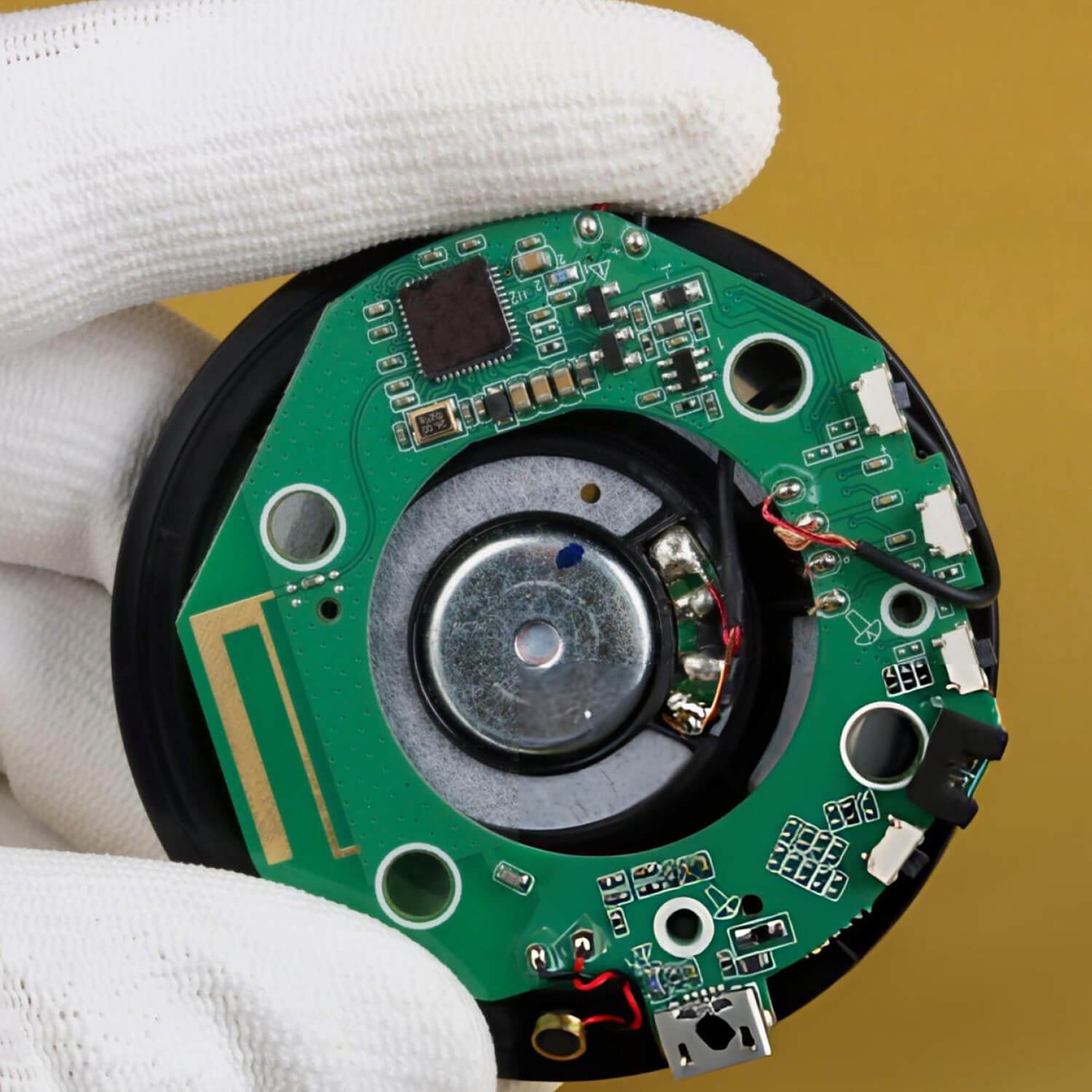
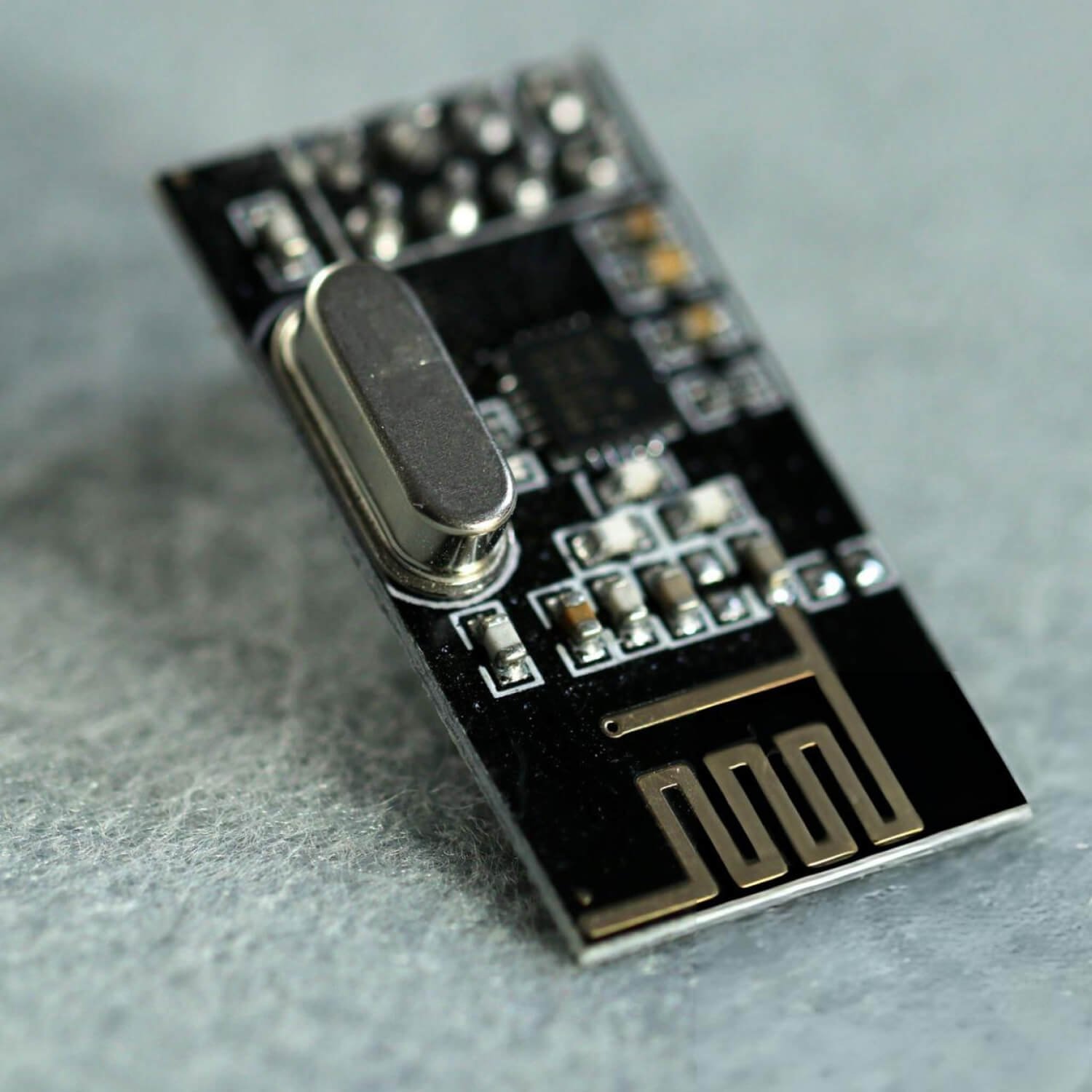
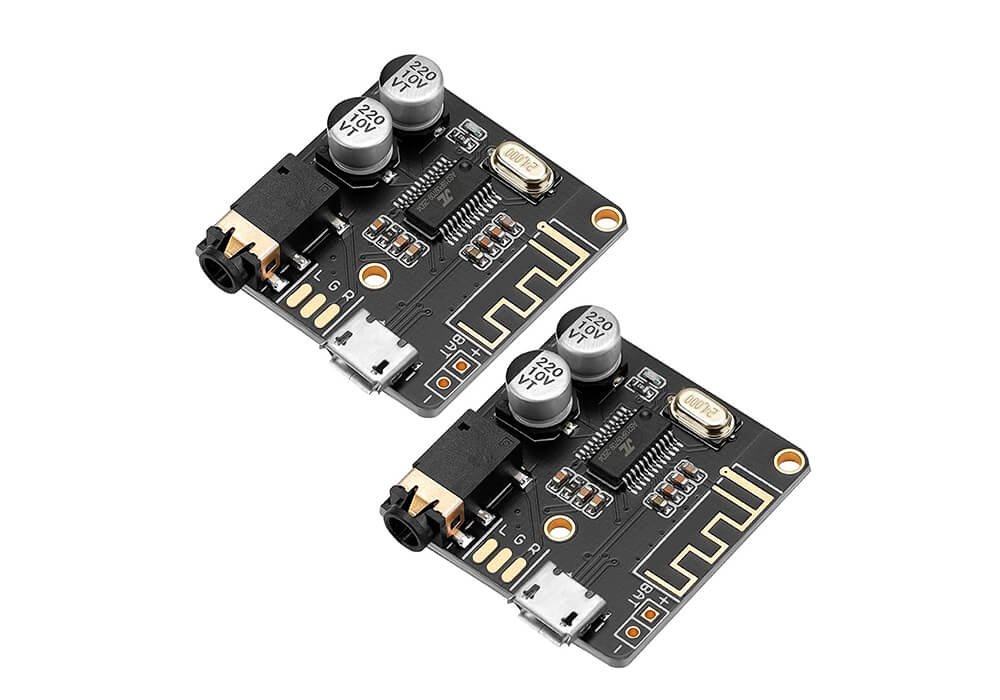
A Bluetooth PCB is a specialized circuit board designed to support Bluetooth wireless communication in electronic devices.
It integrates key components such as:
- Bluetooth SoC (System on Chip)
- RF antenna
- Capacitors and resistors
- Power management circuits
- Crystal oscillators
These elements work together to allow devices to transmit and receive data wirelessly over short distances, typically using the 2.4 GHz ISM frequency band.
In short, the Bluetooth PCB is the core platform that enables wireless connectivity between devices without cables.
Bluetooth PCB We Offered.
We provide a wide range of Bluetooth PCB solutions to meet different product requirements.
Our Capacity.

Standard Bluetooth PCB
Our standard Bluetooth PCBs are designed for general consumer electronics.
- Supports Bluetooth Classic and BLE
- Stable signal performance
- Cost-effective
- Compact design

Bluetooth Low Energy (BLE) PCB
BLE PCBs are optimized for ultra-low power consumption.
- Very low energy usage
- Long battery life
- Fast connection and response
- Suitable for small devices

High-Frequency Bluetooth PCB
These PCBs are designed for better RF performance and signal integrity.
- Controlled impedance design
- Reduced signal loss
- Improved communication range
- Low interference

Multi-Layer Bluetooth PCB
Multi-layer boards are used for complex and high-density designs.
- 2 to 8 layers available
- Better EMI control
- Enhanced signal routing
- Compact and reliable

Integrated Bluetooth Module PCB
We provide ready-to-use Bluetooth module PCBs for easy integration.
- Pre-certified modules
- Simplified design process
- Faster time to market
- Stable

Item | Rigid PCB | Flexible PCB | Rigid-Flex PCB |
Max Layer | 60L | 8L | 36L |
Inner Layer Min Trace/Space | 3/3mil | 3/3mil | 3/3mil |
Out Layer Min Trace/Space | 3/3mil | 3.5/4mil | 3.5/4mil |
Inner Layer Max Copper | 6oz | 2oz | 6oz |
Out Layer Max Copper | 6oz | 20z | 3oz |
Min Mead hanical Driling | 0.15mm | 0.1mm | 0.15mm |
Min Laser Drilling | 0.1mm | 0.1mm | 0.1mm |
Max Aspect Ratio (Mechanical Drilling) | 20:01 | 10:01 | 12:01 |
Max Aspect Ratio (Laser Drilling) | 1:01 | / | 1:01 |
Press Fit Hole Tolerance | ±0.05mm | ±0.05mm | ±0.05mm |
PTH Tolerance | ±0.075mm | ±0.075mm | ±0.075mm |
NPTH Tolerance | ±0.05mm | ±0.05mm | ±0.05mm |
Countersink Tolerance | ±0.15mm | ±0.15mm | ±0.15mm |
Board Thickness | 0.4-8mm | 0.1-0.5mm | 0.4-3mm |
Board Thickness Tolerance(<1.0mm) | ±0.1mm | ±0.05mm | ±0.1mm |
Board Thickness Tolerance(≥1.0mm) | ±10% | / | ±10% |
Min Board Size | 10*10mm | 5*10mm | 10*10mm |
Max Board Size | 22.5*30 inch | 9*14 inch | 22.5*30 inch |
Contour Tolerance | ±0.1mm | ±0.05mm | ±0.1mm |
Min BGA | 7mil | 7mil | 7mil |
Min SMT | 7*10mil | 7*10mil | 7*10mil |
Min Solder Mask Clearance | 1.5mil | 3mil | 1.5mil |
Min Solder Mask Dam | 3mil | 8mil | 3mil |
Min Legend Width/Height | 4/23mil | 4/23mil | 4/23mil |
Strain Fillet Width | / | 1.5±0.5mm | 1.5±0.5mm |
Bow &Twist | 0.003 | / | 0.0005 |
Standards for Bluetooth PCB.
Our Bluetooth PCBs are manufactured and assembled in strict compliance with international standards.

IPC Standards
The IPC standards define the baseline requirements for PCB design, fabrication, and assembly.

ISO Standard
A controlled manufacturing environment ensures consistent quality.

RoHS
To meet global environmental and safety regulations, it should reach RoHS standard.

EMI / EMC Compliance
Electromagnetic interference can affect Bluetooth signal quality.
Bluetooth PCB Feature
Our Bluetooth PCBs are optimized for both performance and reliability across various applications.
Low Power Consumption
Bluetooth PCBs are built for energy efficiency, especially when using BLE technology.
- Extended battery life
- Ideal for portable and wearable devices
- Reduced power loss during idle mode
Stable RF Signal
We optimize RF layout and impedance to ensure strong and stable signals.
- Controlled impedance (50Ω RF design)
- Minimal signal loss
- Consistent data transmission
Compact and Lightweight
Bluetooth PCBs are designed to fit into small electronic devices.
- Space-saving layout
- Suitable for miniaturized products
- Supports high-density component placement
Strong Anti-Interference
Our PCB can reduce electromagnetic interference (EMI) to maintain signal clarity.
Fast and Reliable Data Transmission
Bluetooth PCBs provide efficient short-range communication.
- Low latency
- Stable connection
- Secure data transfer
Bluetooth PCB Components
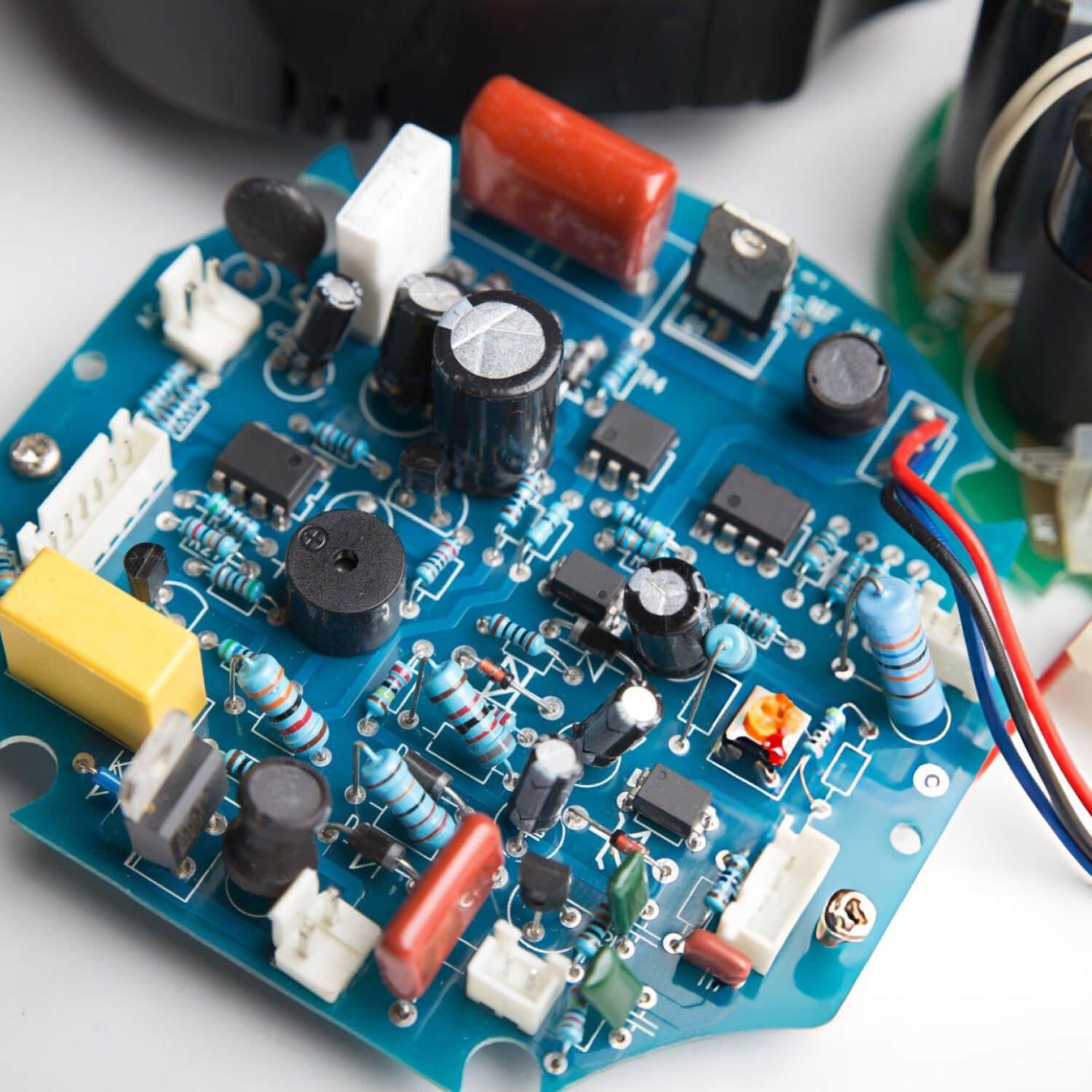
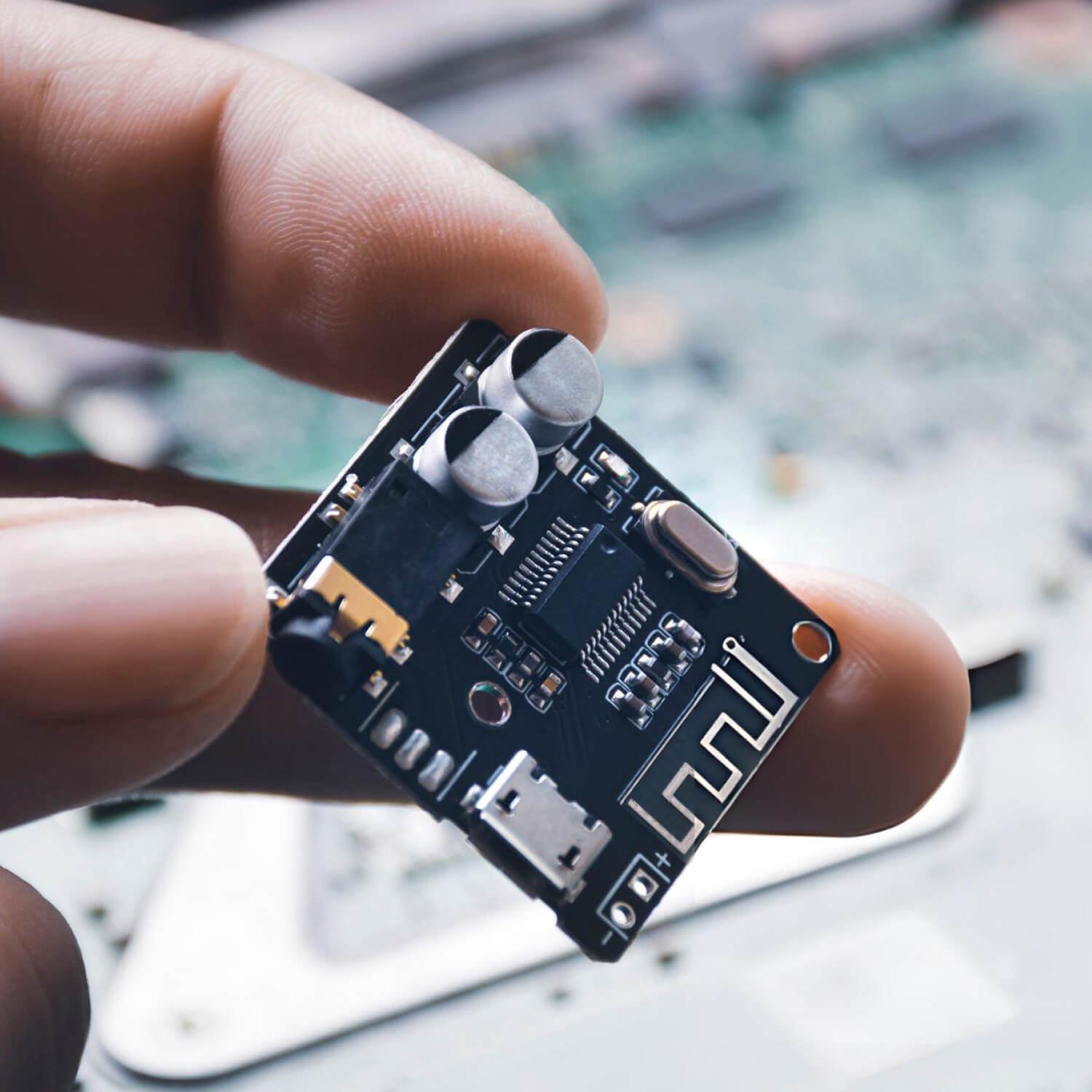
A Bluetooth PCB integrates multiple electronic components that work together to enable wireless communication, signal processing, and power management.
Each component plays a critical role in ensuring stable performance and efficient operation.
1. Bluetooth SoC
The Bluetooth SoC is the core component of the PCB.
Functions:
- Handles Bluetooth protocol (Classic / BLE)
- Processes data transmission and reception
- Controls device communication
2. RF Antenna
The antenna is responsible for sending and receiving radio frequency signals.
Types:
- PCB trace antenna
- Chip antenna
- External antenna
3. Crystal Oscillator
Crystal Oscillators can provide a stable clock signal for the Bluetooth chip.
Functions:
- Maintains accurate timing
- Ensures reliable data transmission
.
4. Capacitors
Capacitors help stabilize voltage and filter noise.
Functions:
- Smooth power supply
- Reduce voltage fluctuations
- Improve signal stability
5. Resistors
Resistors control current and voltage levels in the circuit.
Functions:
- Current limiting
- Signal conditioning
- Pull-up / pull-down control
6. Inductors
Inductors are used in RF circuits and power filtering.
Functions:
- Impedance matching for antenna
- Noise filtering
- Energy storage in power circuits
Design for Bluetooth PCB
We follow proven engineering practices to deliver high-performance Bluetooth PCB designs.
1. Bluetooth Module
It is important to choose the correct module for performance and integration.
We should:
- Output power and sensitivity
- Supported Bluetooth profiles
- Antenna type (onboard or external)
- Certification (pre-certified modules reduce time to market)
2. Schematic Design
We need to create a clear and accurate schematic to define circuit connections.
Include:
- Bluetooth SoC or module
- Power supply circuits
- RF matching network
- Interfaces (UART, SPI, GPIO)
3. PCB Stack-Up Design
We need to define the PCB layer structure based on RF requirements.
Typical Stack-Up:
- 2-layer or 4-layer PCB
- Dedicated ground plane for RF signals
4. RF Layout Design
RF layout is the most important part of Bluetooth PCB design.
Key Rules:
- Keep RF traces short and straight
- Use controlled impedance (50Ω)
- Avoid sharp corners (use curved or 45° angles)
- Maintain proper spacing from other signals
5. Antenna Design
The antenna directly impacts communication performance.
We can do:
- Place antenna at board edge
- Keep clearance area free of copper and components
- Avoid placing near metal or high-speed signals
Why Choose Us
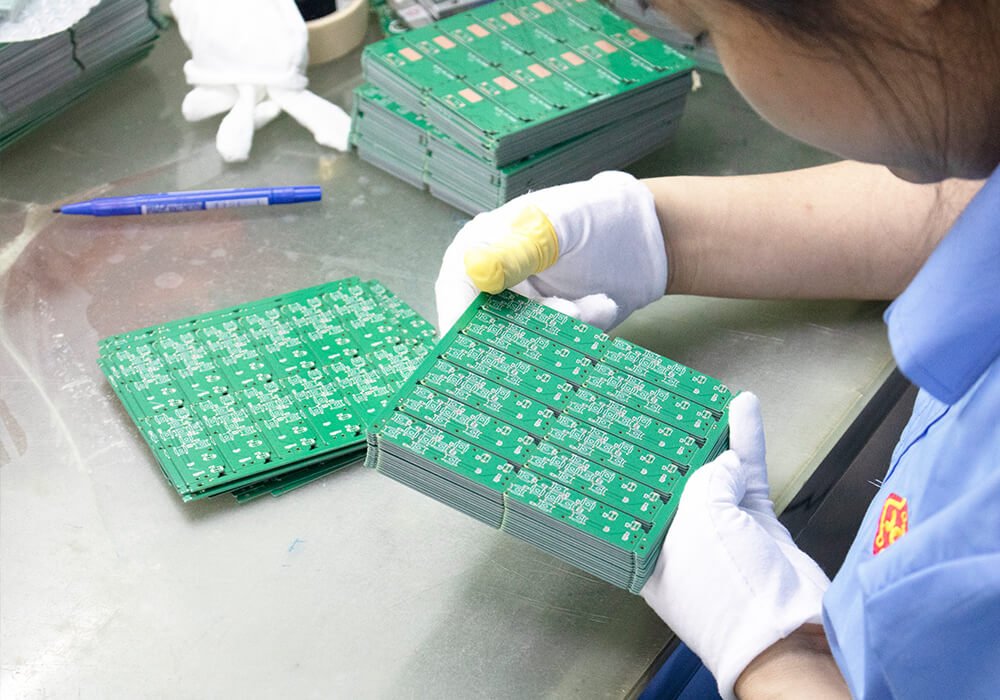
We provide high-quality Bluetooth PCB and PCBA services to help you build reliable wireless products.

Turnkey PCB Solution
We provide a complete end-to-end service, eliminating the complexity of managing multiple vendors. We can do:
- PCB design and engineering support
- PCB fabrication Component sourcing
- PCB assembly (SMT, THT, mixed)
- Final testing and quality assurance

Quality
We adhere to globally recognized standards:
- IPC-A-610 Class 3 (high-reliability electronics)
- IPC-6012 (PCB performance standards)
- ISO 9001
- ISO 14001
- UL 94

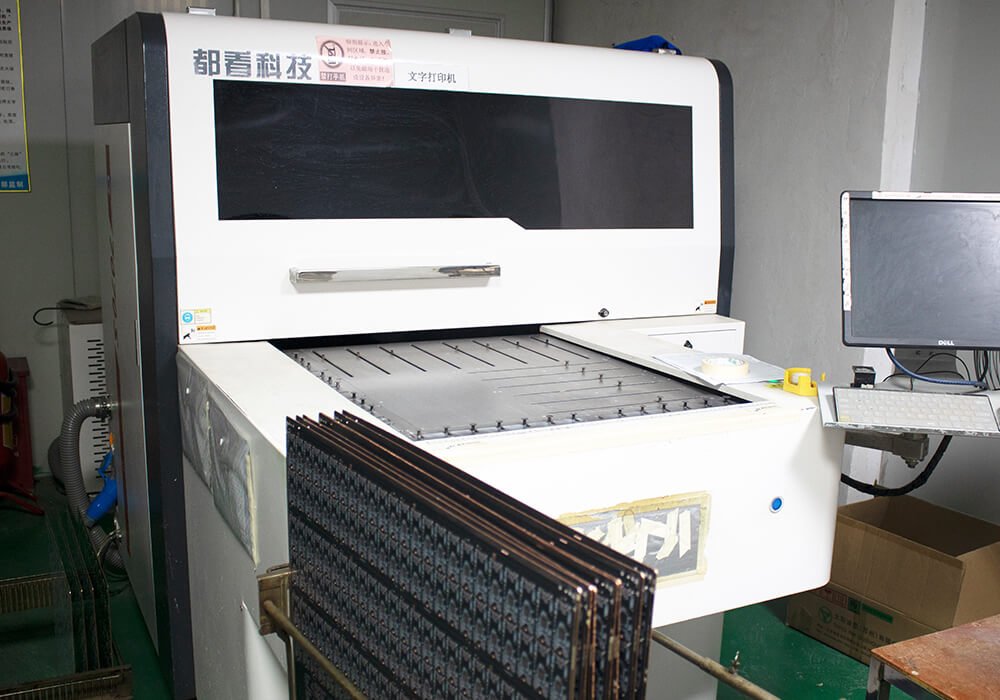
Advanced Manufacturing
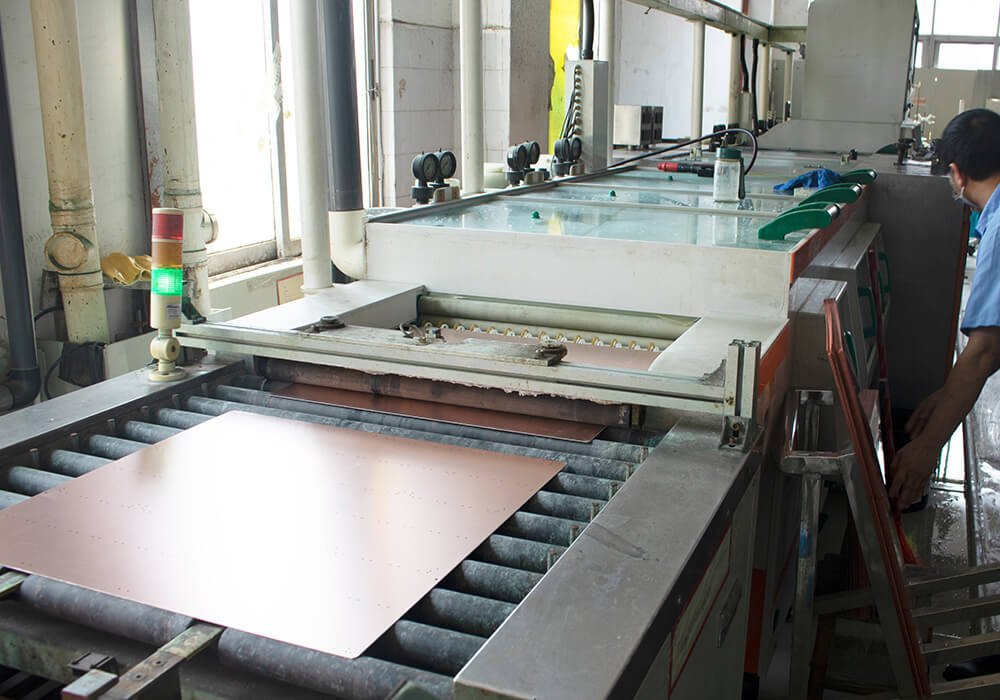
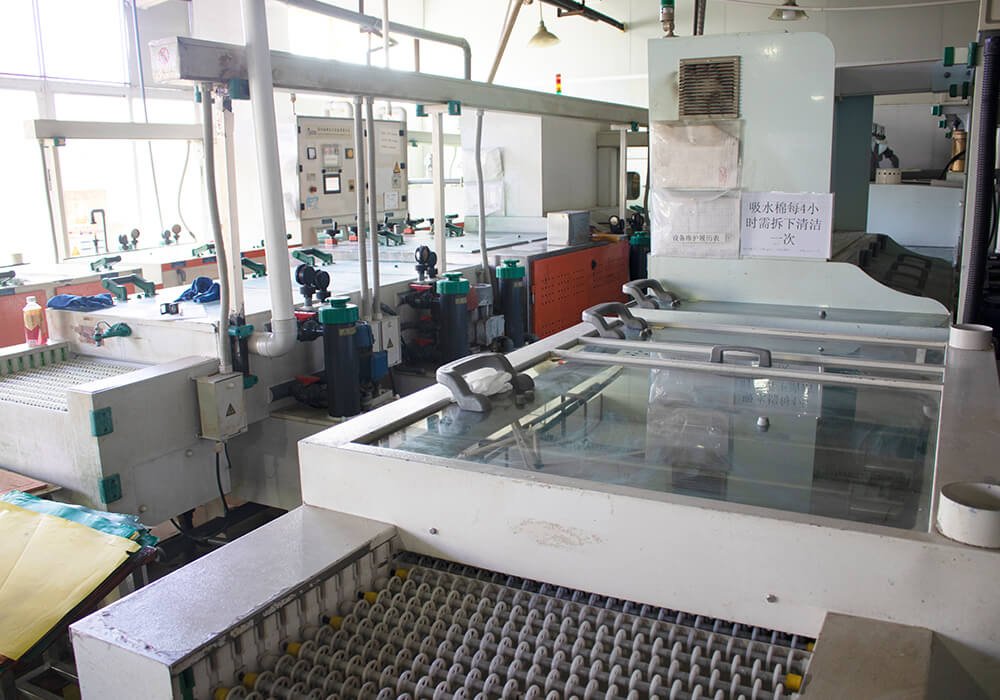
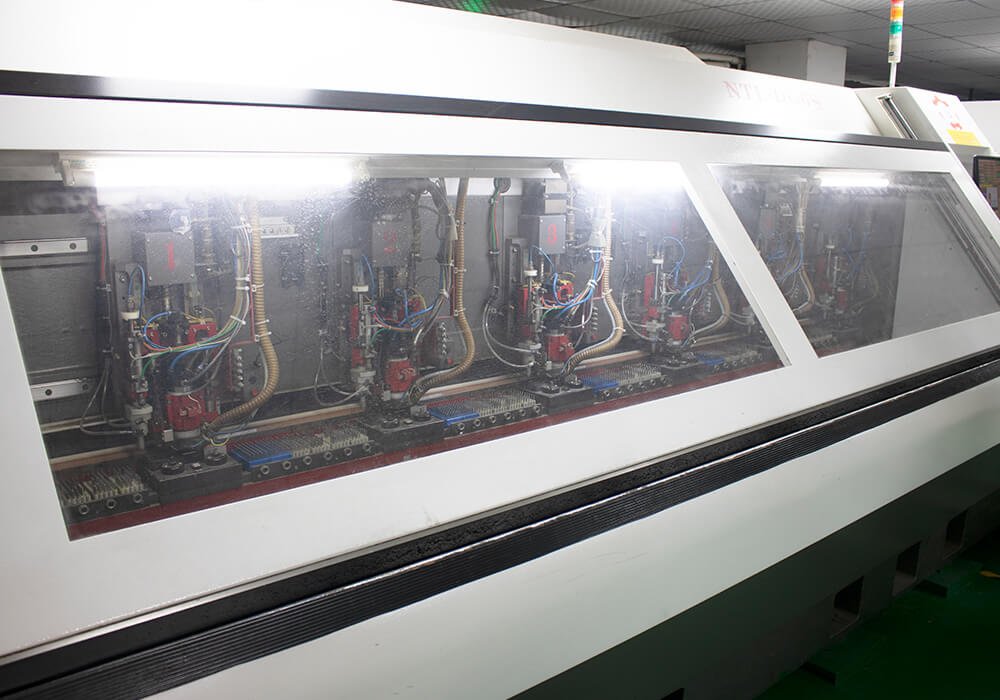
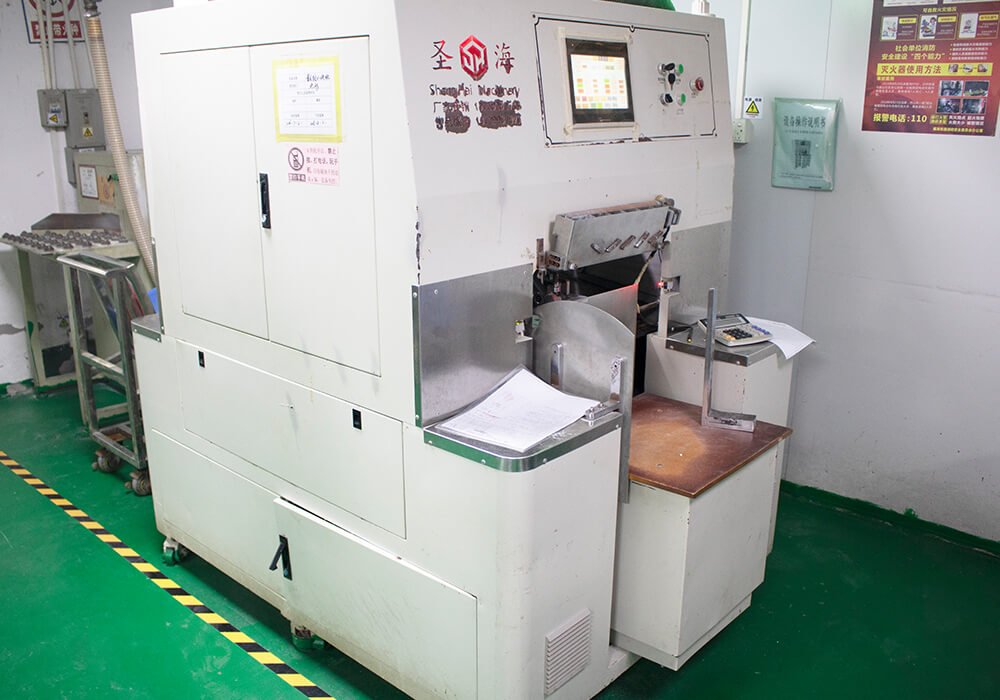
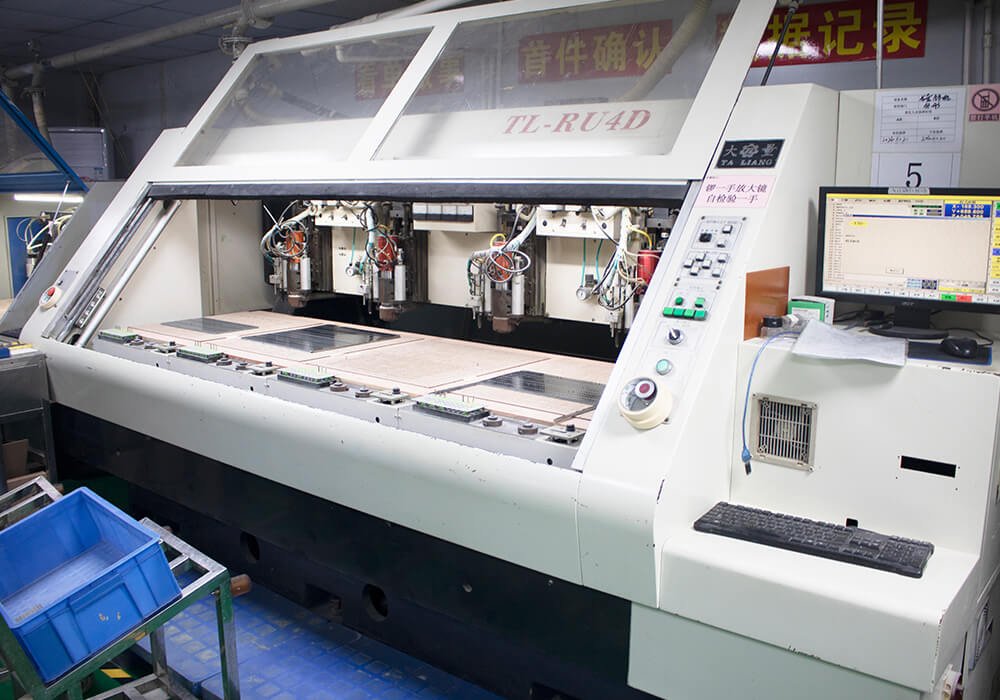
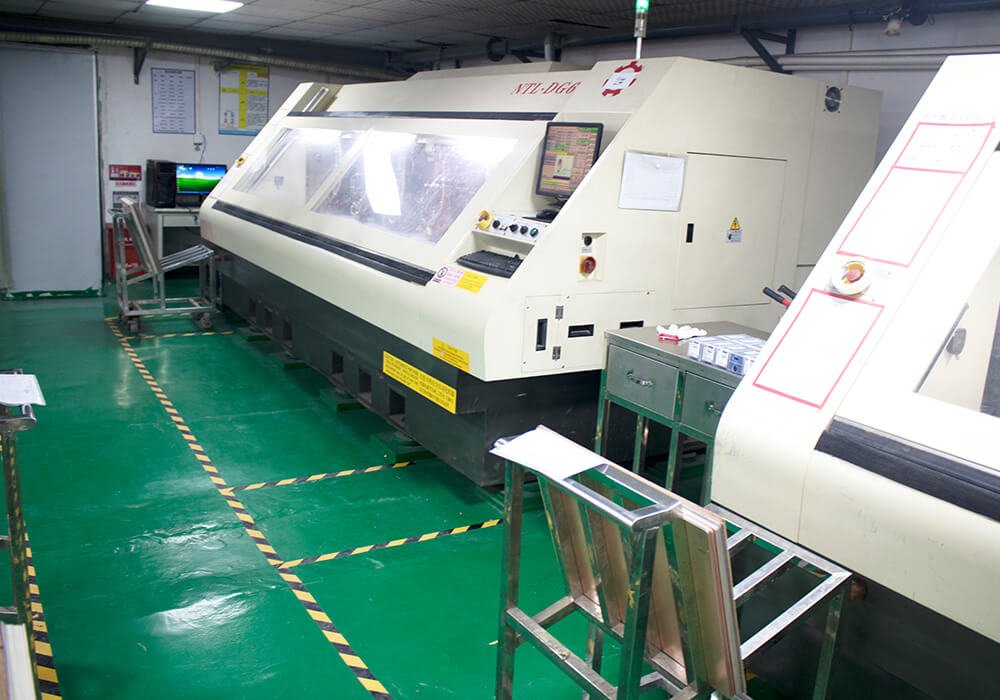
Our state-of-the-art facilities support complex and high-precision PCB assembly. We can do:
- Fine-pitch placement down to 0.38mm
- BGA (0.2mm pitch) with X-ray inspection
- Support for 0201 components
- High-density multilayer PCBs
- Mixed technology assembly (SMT + Through-hole)

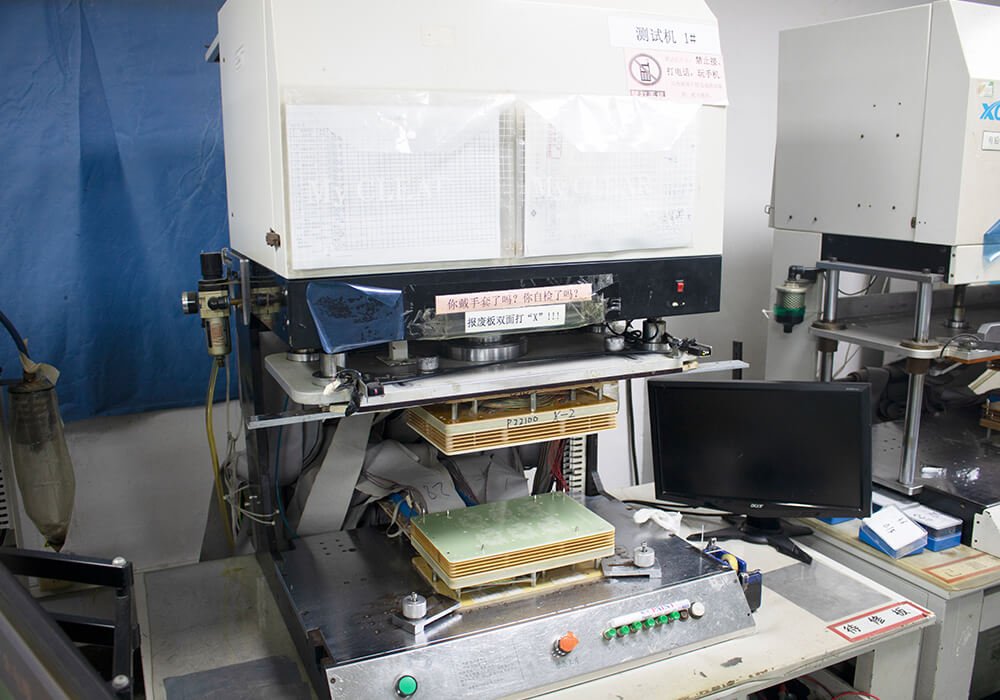
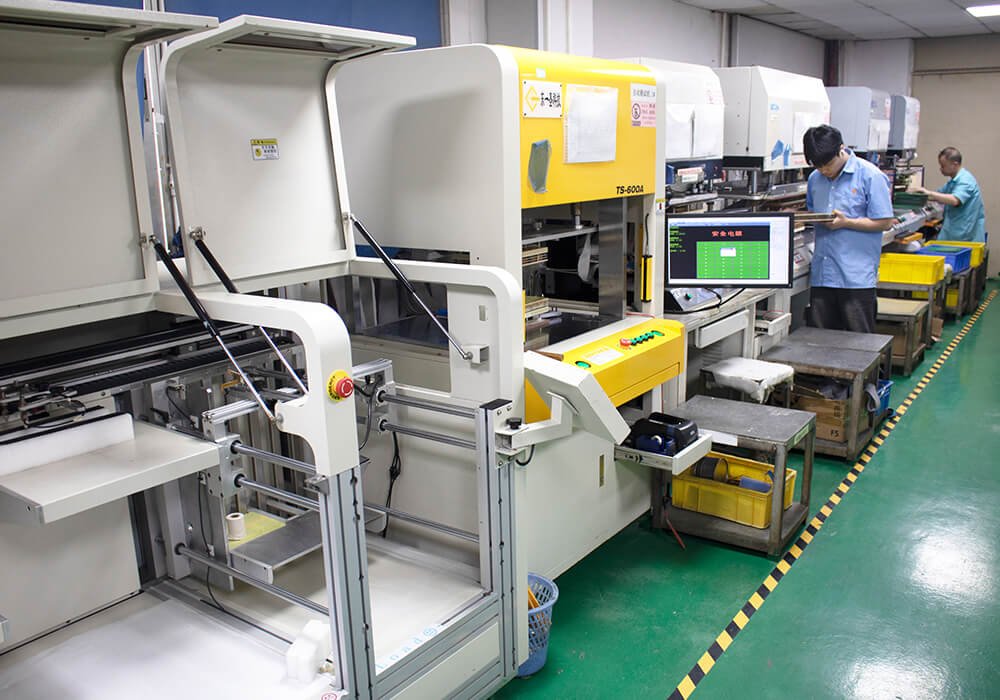
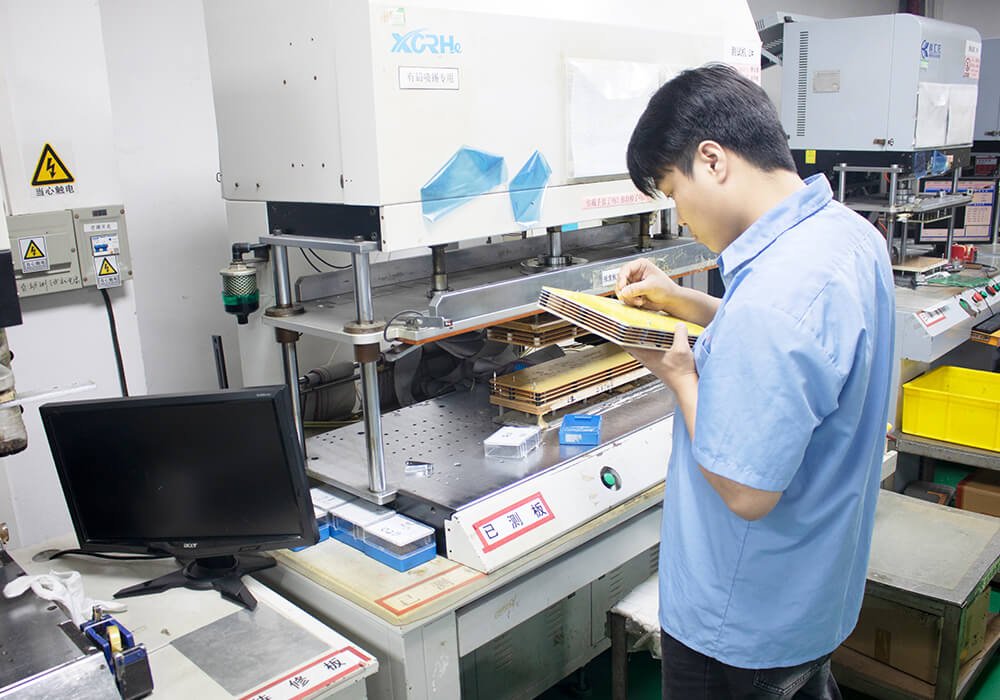
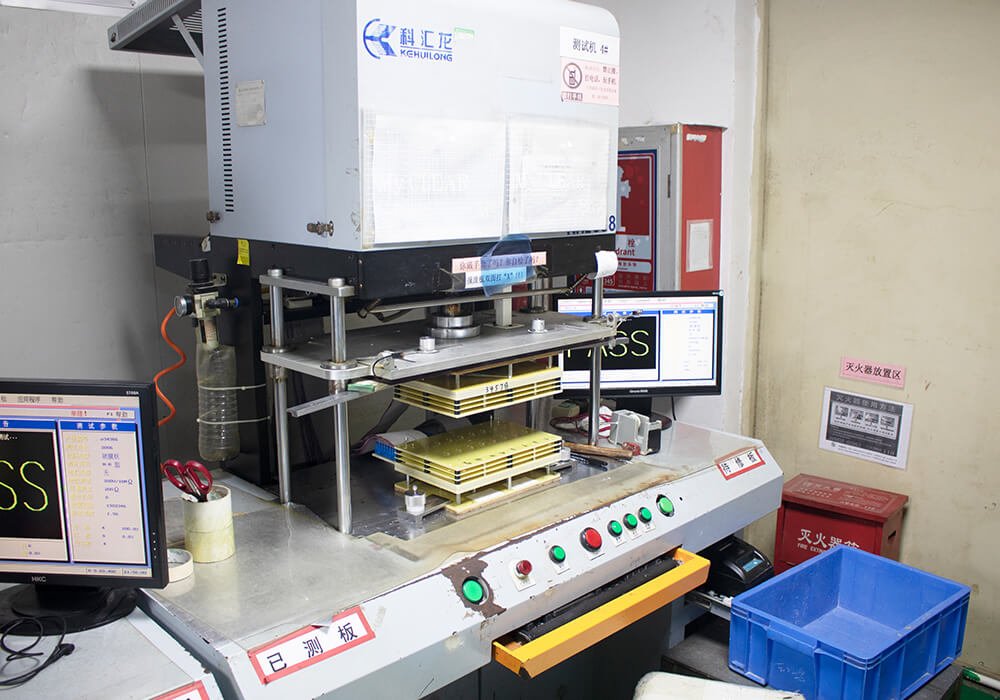
Testing & Inspection
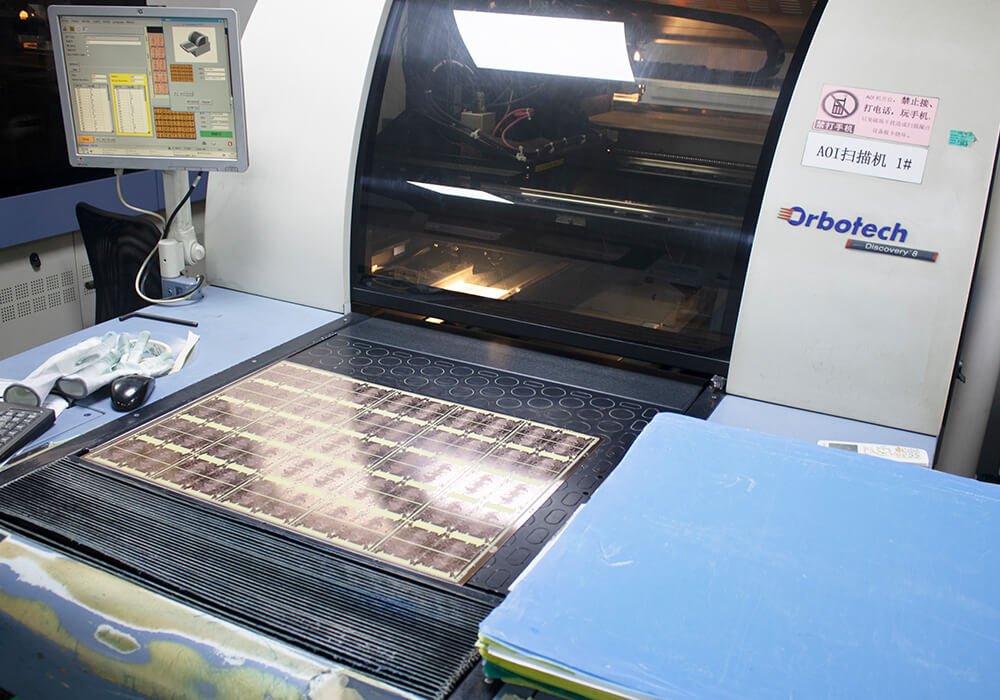
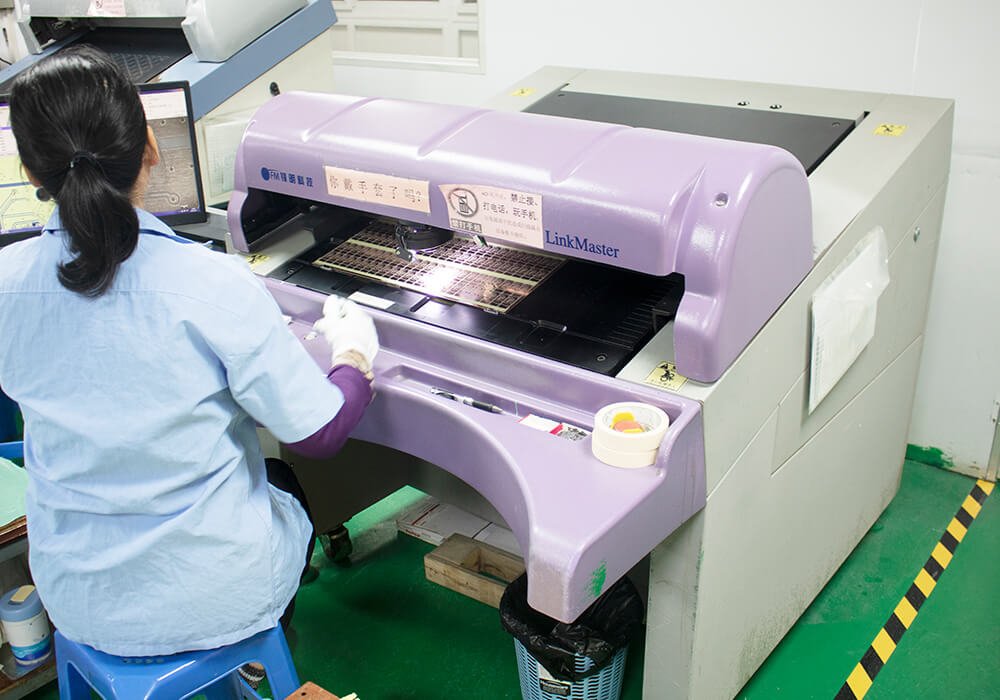
We implement multi-level testing to ensure every PCBA meets strict performance requirements.
- AOI (Automated Optical Inspection)
- X-ray inspection for hidden solder joints
- In-Circuit Testing (ICT)
- Functional testing under real operating conditions
- Voltage and performance validation
Fast Quotation
Our professional sales and engineering teams provide fast PCB quotes and technical support. Simply send us your Gerber files, BOM, and assembly drawings, and we will respond promptly with a competitive solution.
- Gushu Tangxi Second Industrial Zone, Shenzhen
- +86 755 2335 0814
- +86 135 1078 8094
- sales@pcbasail.com
FAQ About Bluetooth PCB?
1. What is a Bluetooth PCB?
A Bluetooth PCB is a printed circuit board designed to enable wireless communication between devices using Bluetooth technology.
It integrates components like a Bluetooth chip, antenna, and power circuits.
2. How does a Bluetooth PCB work?
A Bluetooth PCB works by transmitting and receiving radio frequency signals at 2.4 GHz.
The antenna sends and receives signals, while the Bluetooth chip processes the data and controls communication between devices.
3. What Is The Typical Range Of A Bluetooth PCB?
The range depends on the design and environment:
- Class 3: ~1 meter
- Class 2: ~10 meters
- Class 1: up to 100 meters
4. What Is Impedance Matching In Bluetooth PCB Design?
Impedance matching ensures that RF signals transfer efficiently between the antenna and circuit, typically at 50Ω, reducing signal loss and reflection.
5. Can You Help With Bluetooth PCB Design?
Yes. We provide engineering support, including:
- Schematic design
- PCB layout optimization
- RF and antenna design
- DFM (Design for Manufacturing)