/From Prototype to Volume Production/

PCB Assembly Services

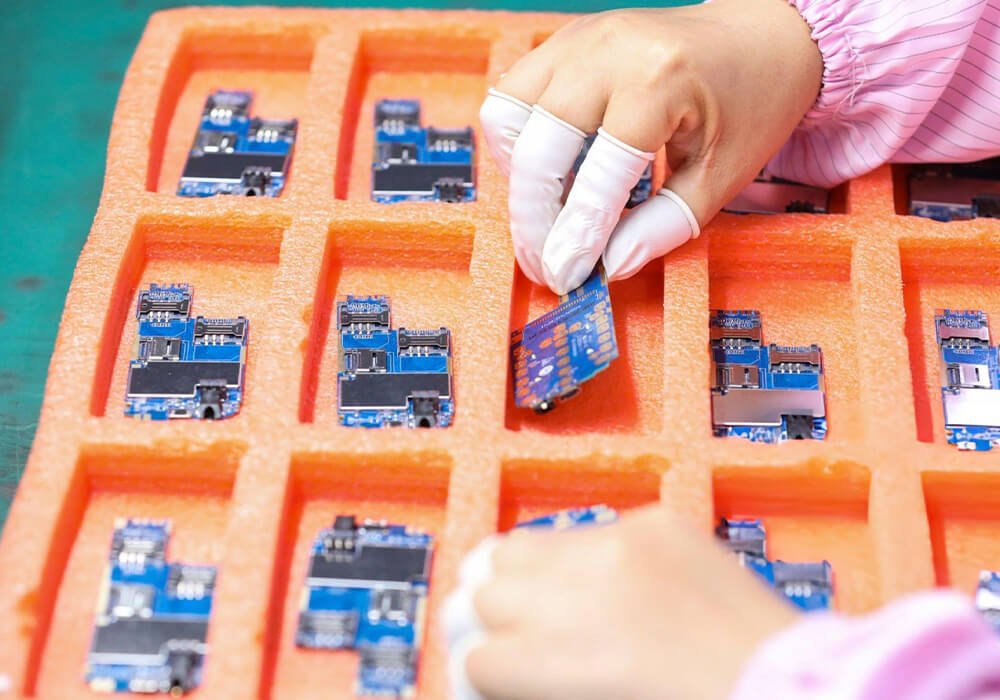
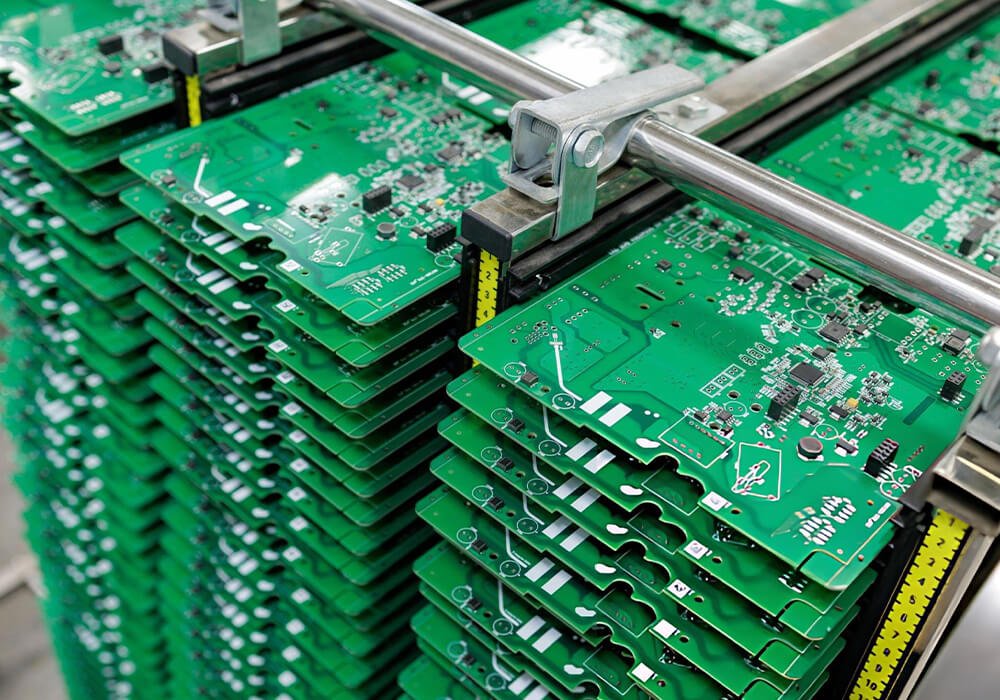
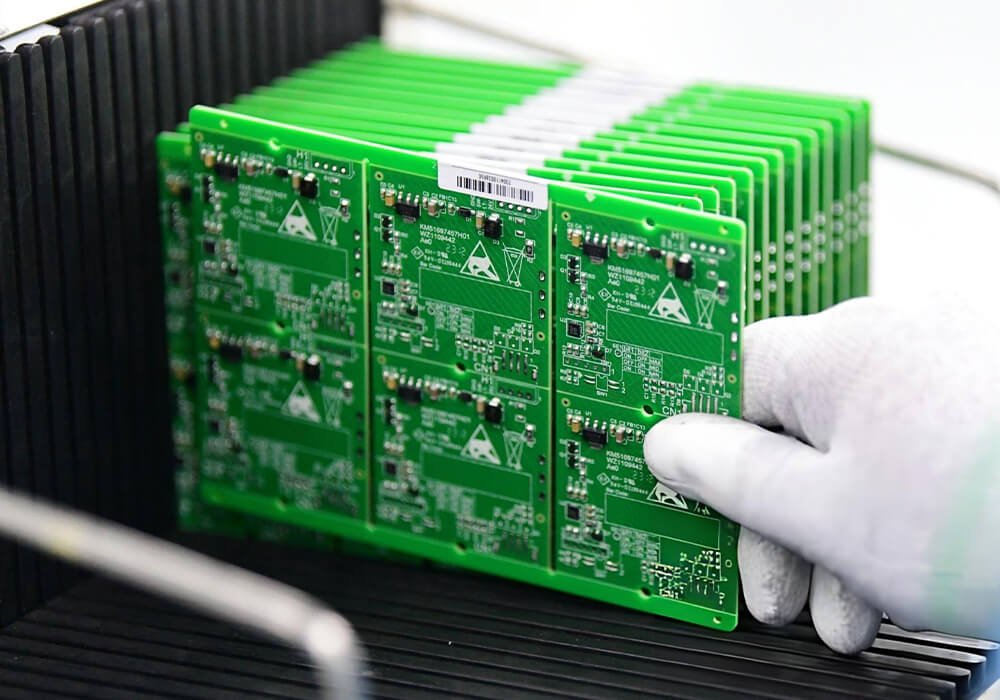
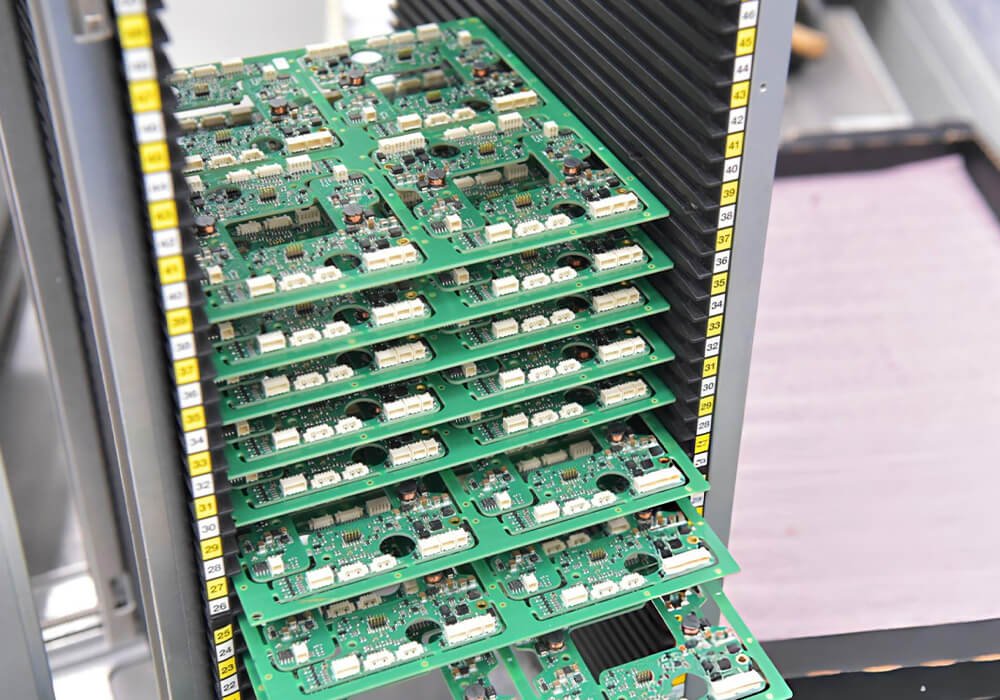
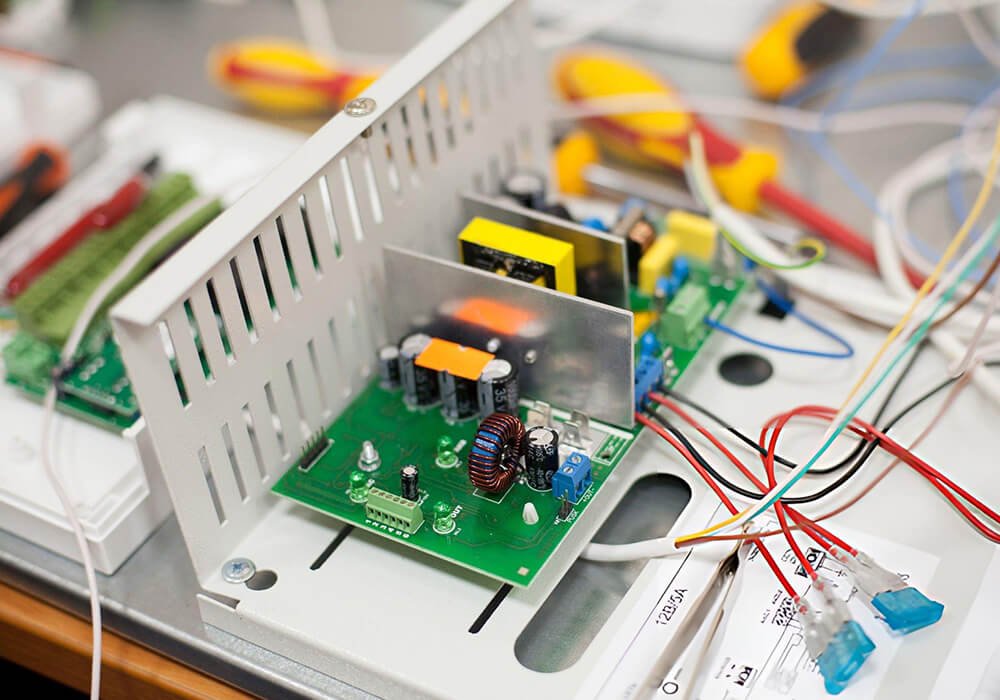
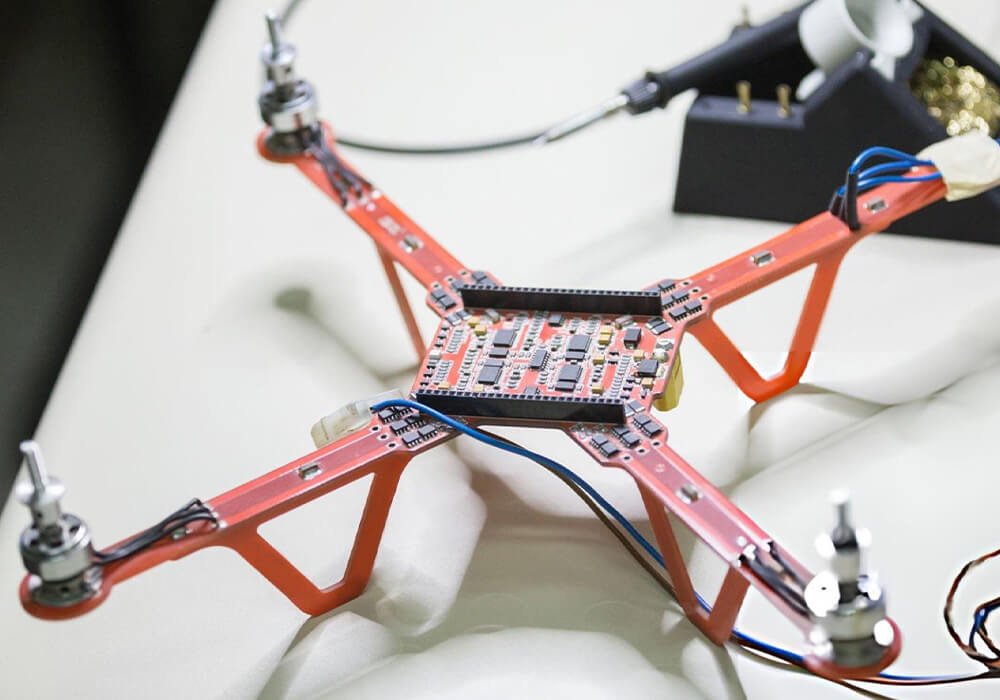
PCBSAIL provides complete PCB assembly services for prototypes, pilot builds, and repeat production across demanding electronics applications. Our team handles component sourcing, SMT, through-hole assembly, inspection, testing, programming, and final packaging under one workflow.

Every project begins with an engineering review covering design files, component availability, assembly risks, and testing requirements. You receive practical manufacturing support, clear communication, and production options matched to your schedule and order volume.

SMT and Through-Hole Assembly

Turnkey and Consigned Options

Years of Experience
+ 0
On-Time Delivery
0 %

What Is PCB Assembly?

PCB assembly mounts and solders electronic components onto a fabricated board, creating a functional electronic assembly.

A complete service connects sourcing, placement, soldering, inspection, programming, testing, documentation, packaging, and delivery.

PCB Assembly Technology

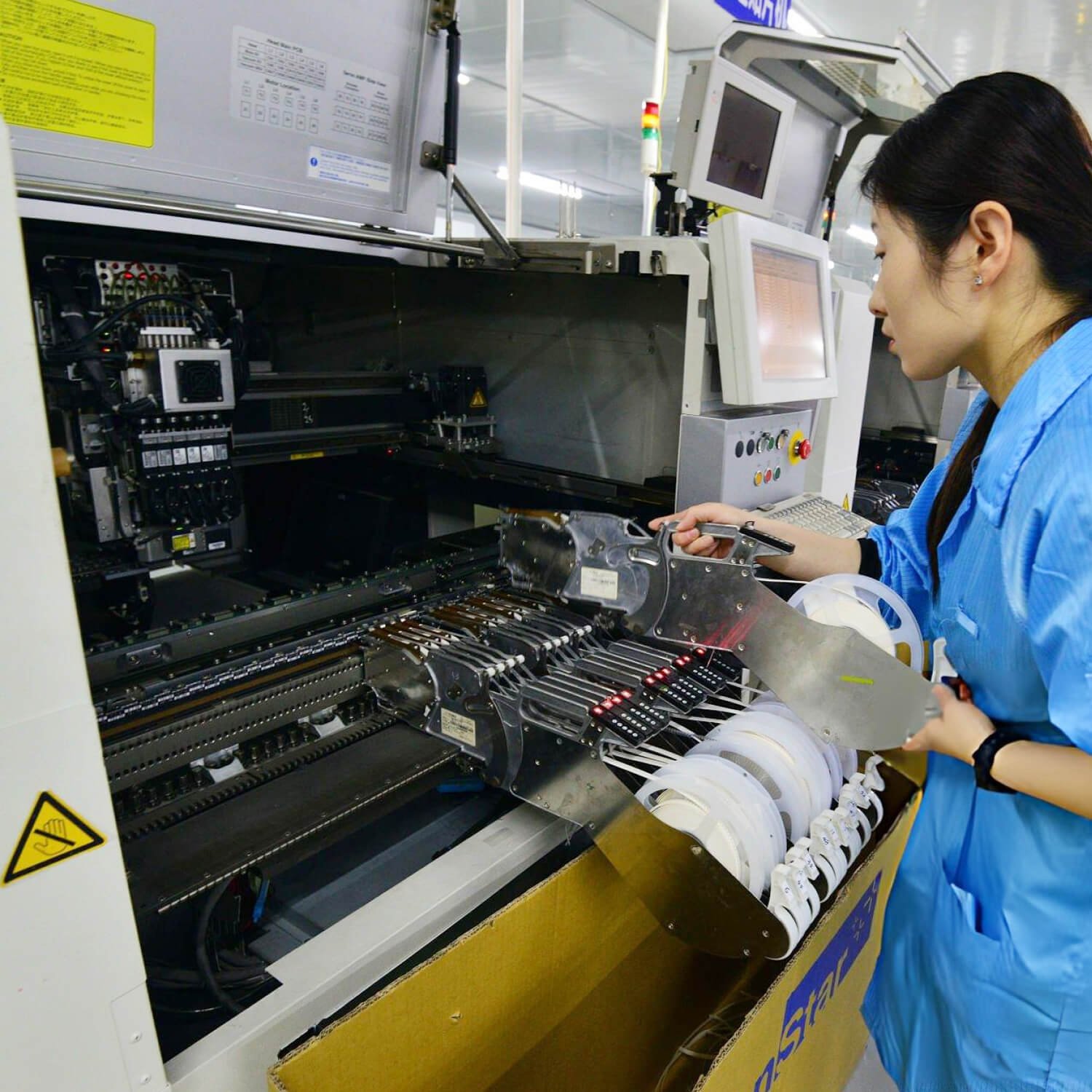
We combine automated equipment with controlled manual processes for boards containing different packages, technologies, and production requirements.

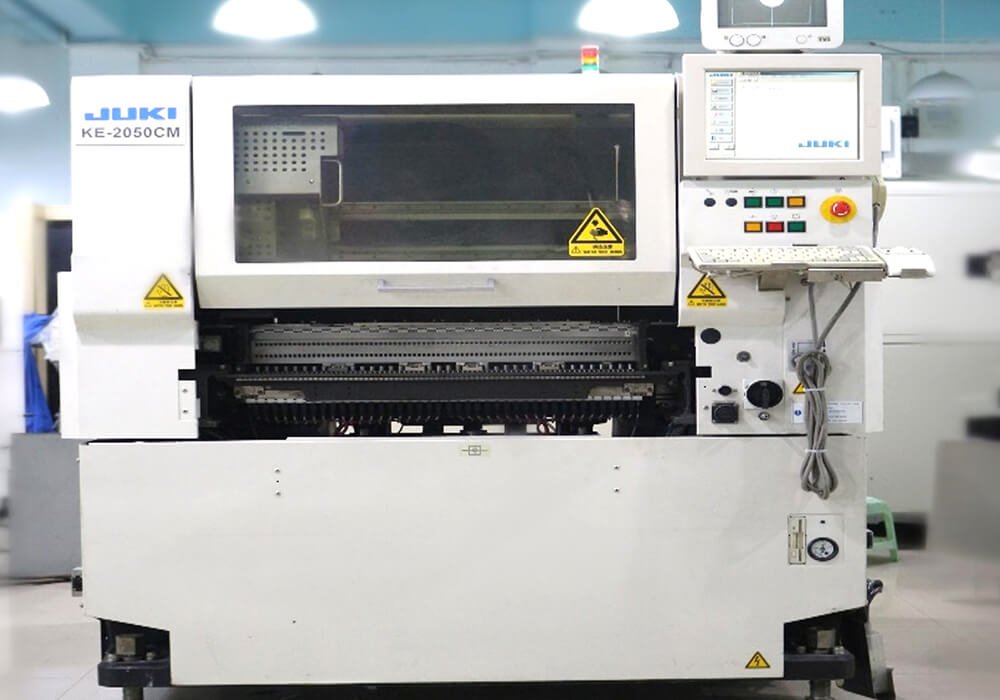
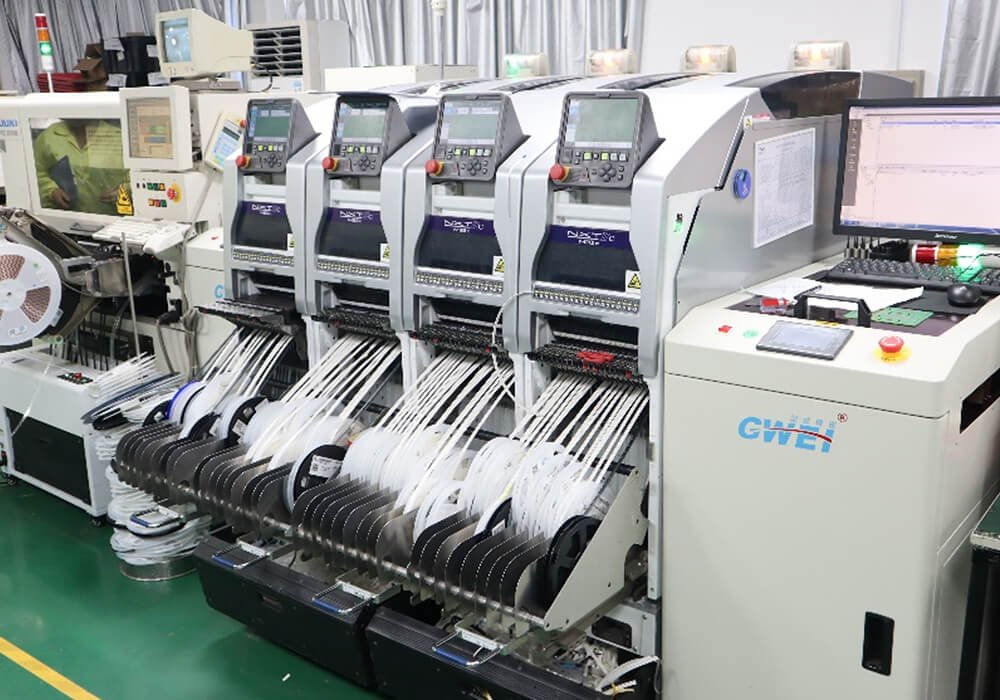
Our SMT lines place surface-mounted components for compact boards, fine-pitch designs, and repeatable production volumes.

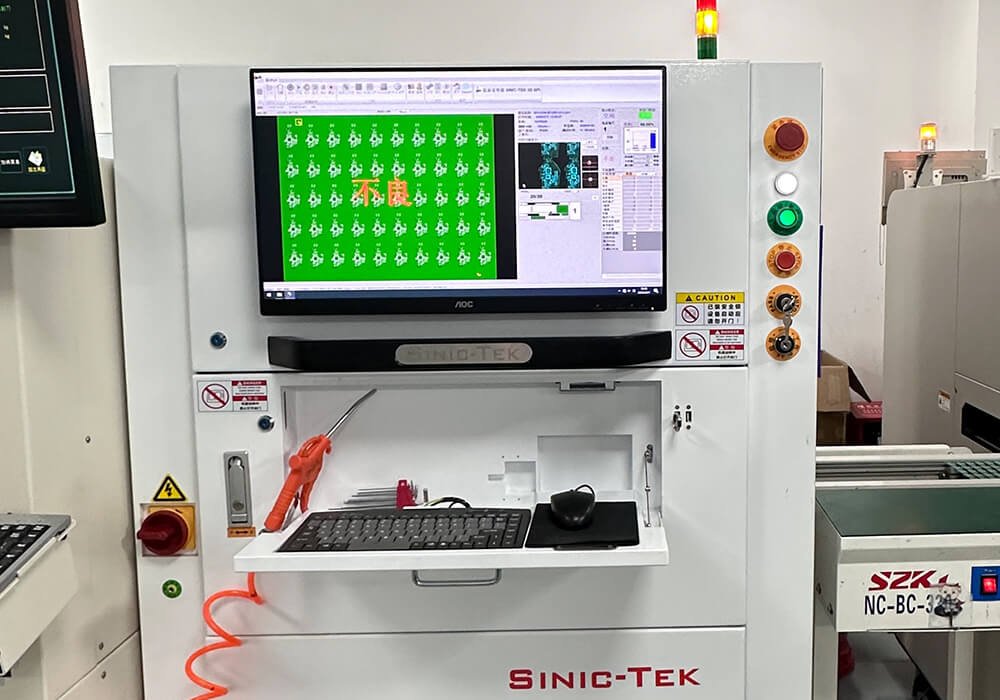
Solder paste inspection and automated optical inspection help identify process defects before boards reach final testing.

Through-hole assembly provides stronger mechanical connections for large components, connectors, transformers, and high-stress electronics.

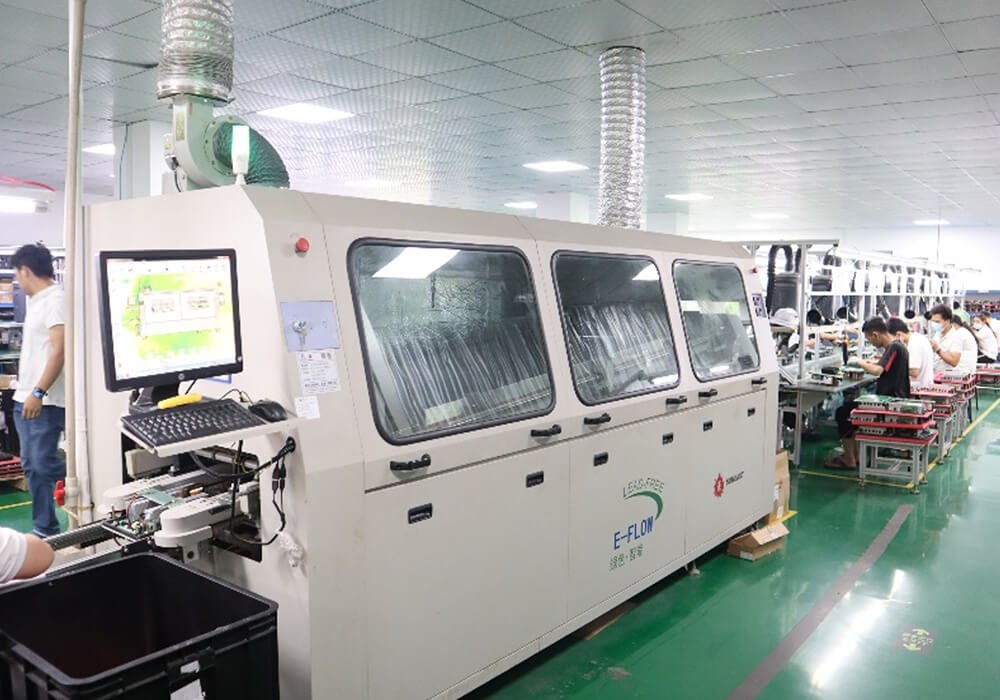
Available processes include manual insertion, selective soldering, wave soldering, and controlled hand soldering where appropriate.

We provide professional BGA PCB Assembly services for high-density electronic products.

BGA, QFN, and fine-pitch packages require accurate placement, controlled reflow profiles, and suitable inspection methods.

X-ray inspection can verify hidden solder joints and identify voiding, bridging, or insufficient solder connections.

PCB Assembly Services for Different Production Needs

Every electronics project has different sourcing responsibilities, testing requirements, production volumes, and delivery expectations. We offer flexible PCB assembly models, allowing your team to retain control where it matters most.

Our PCB Assembly Capability

From prototype builds to high-volume production, our in-house PCBA facility supports diverse assembly technologies and component packages. 

Capability

Specification

Capability

Specification

Min. Component Size

01005~45mm*98mm

Single-Sided Assembly

Available

Min. Component Pitch

0.3mm

Double-Sided Assembly

Available

Max. PCB Size

L510mm*W460mm

Mixed SMT And THT

Available

Max. Assembly Thickness

5mm

Prototype Quantity

1PC

SMT Placement Accuracy

±0.015mm

Volume Capacity

500K+ CPH

BGA Pitch Capability

0.25mm

IPC Acceptance Class

IPC-A-610 Class 2/ 3

Lead-Free Assembly

Yes

Standard Lead Time

7 Days

Leaded Assembly

Yes

Expedited Lead Time

2 Days

What Should You Send?

A Clear Path From Files To Finished Assemblies

1
Send The Build Package
Provide Gerber files, BOM, centroid data, drawings, quantities, and testing requirements for review.
2
Review Manufacturing Risks
Engineers identify fabrication, placement, sourcing, and test concerns before releasing the order for production.
3
Source And Assemble
Approved materials move through incoming inspection, controlled assembly, soldering, and planned quality checkpoints.
4
Test And Document
Finished assemblies receive agreed inspections, testing, production records, and packaging before final shipment.

Our PCB Assembly Process

We follow a comprehensive and highly controlled PCB Assembly process to ensure manufacturing precision, product reliability, and consistent quality across prototype, low-volume, and mass production projects.

Wave Soldering Machine
Universal SMT Machine
SPI
Speed SMT Machine
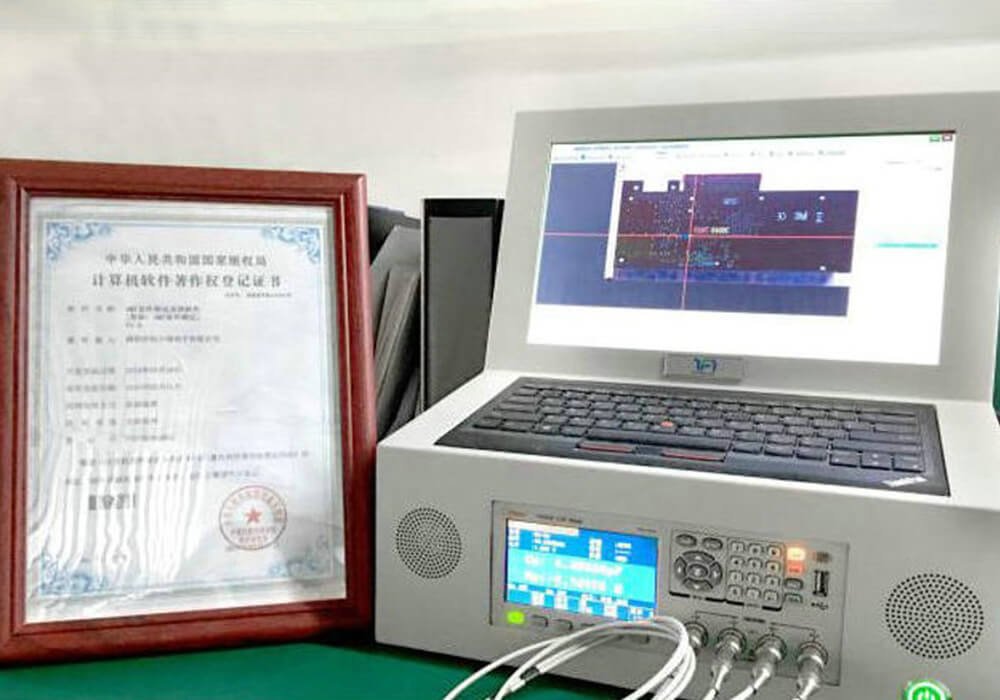
Sample Tester
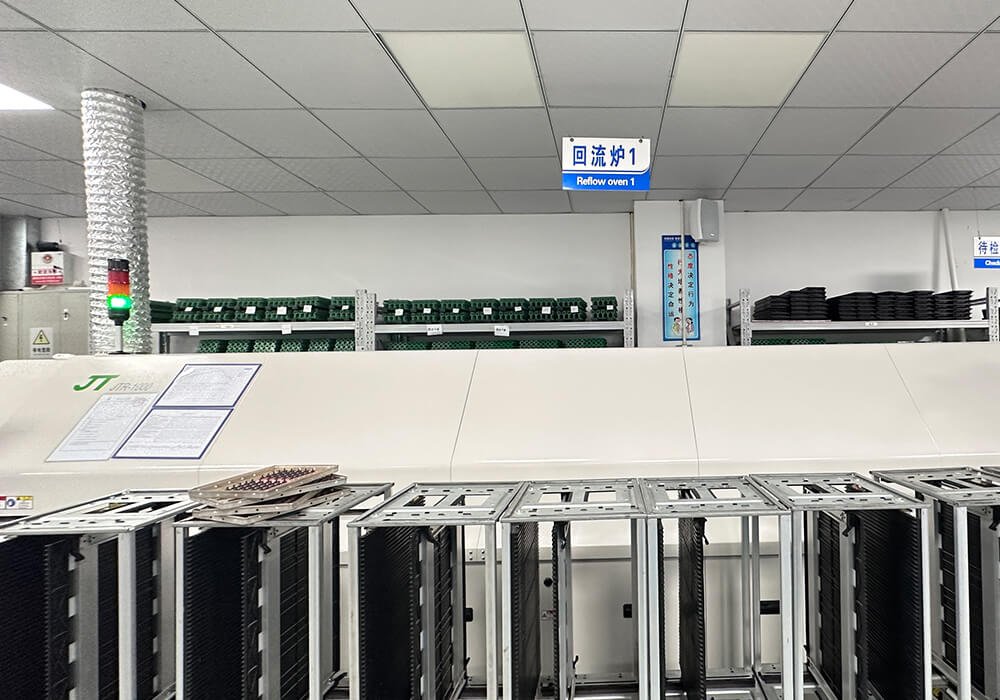
Reflow Oven
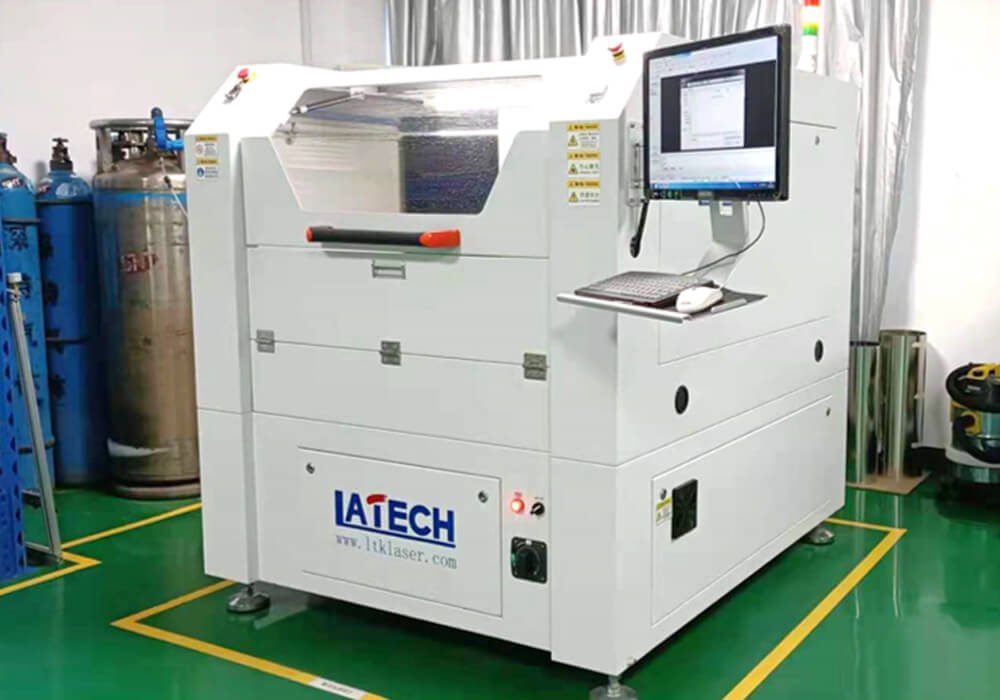
Laser Stencil Mach
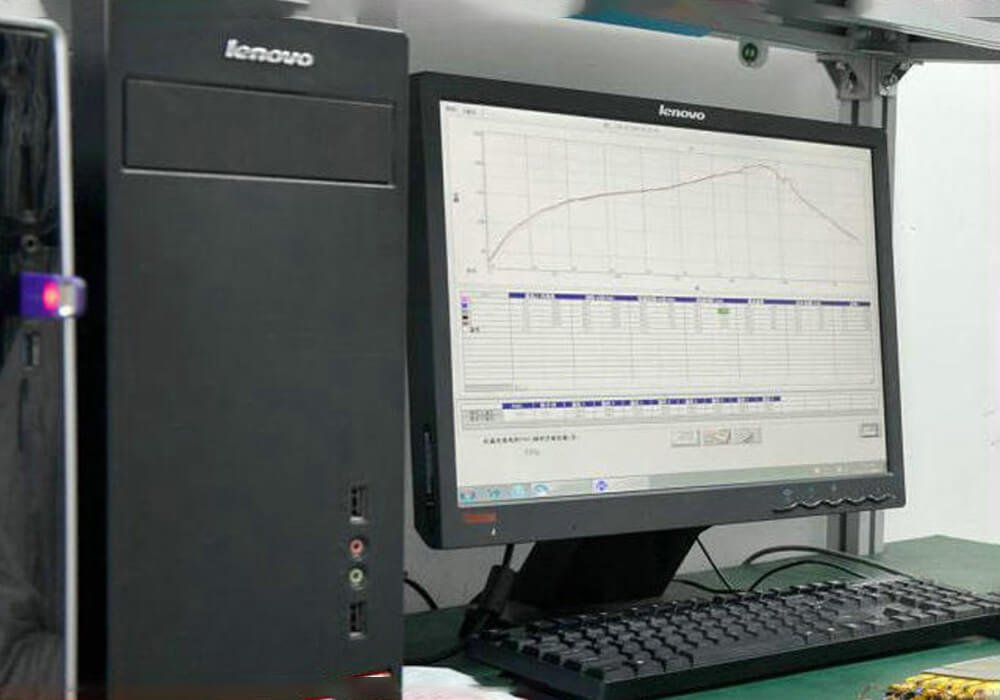
KIC Oven Profiling System
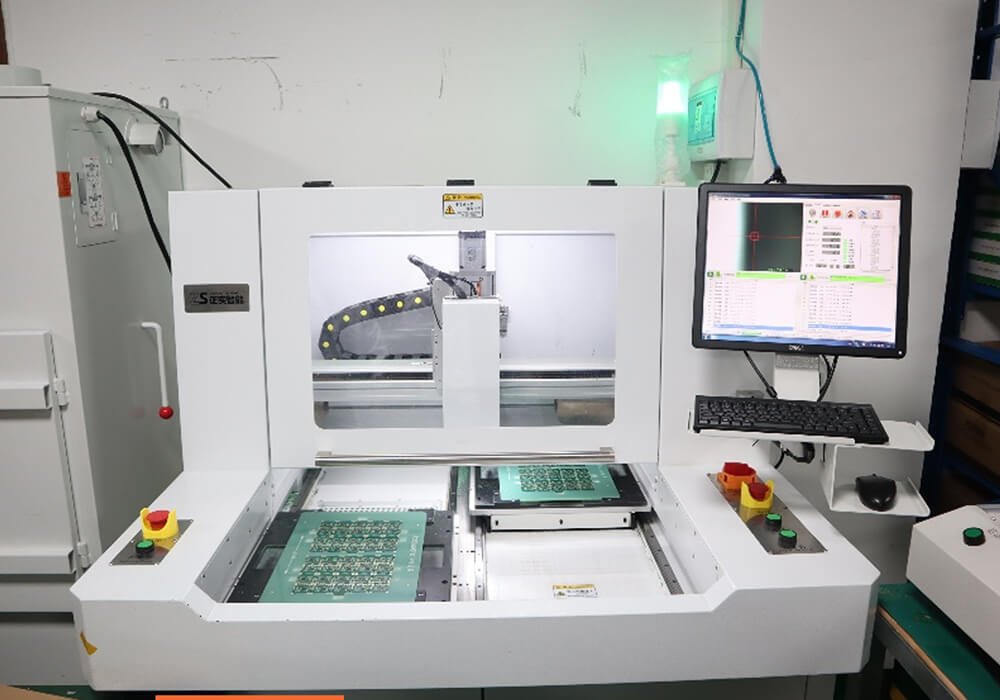
Fully Automated PCB Depaneling Equipment
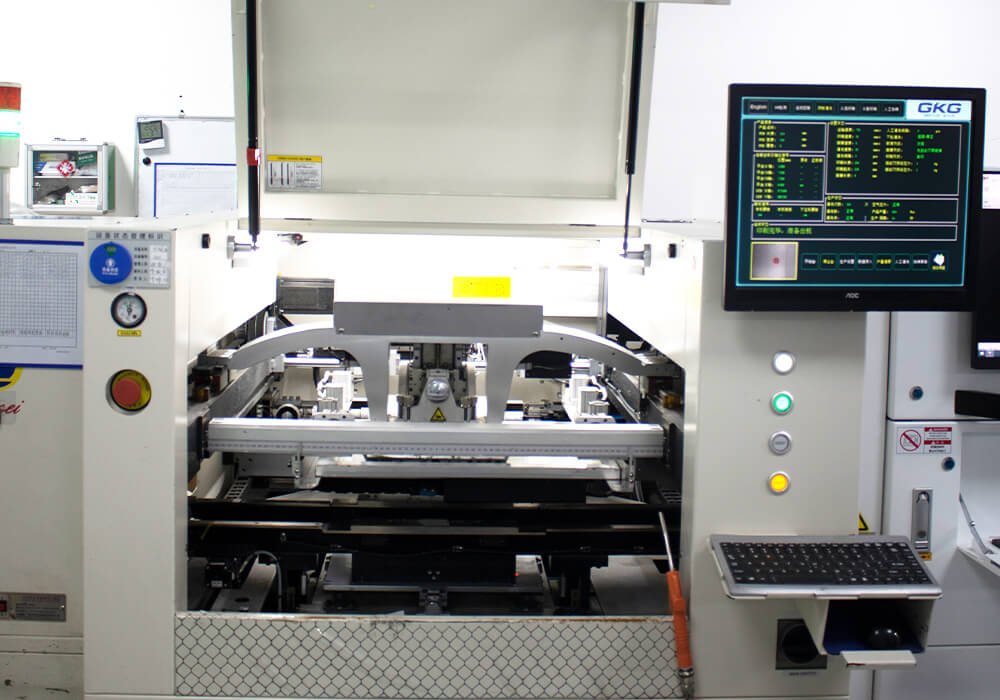
Automatic Printing Machine
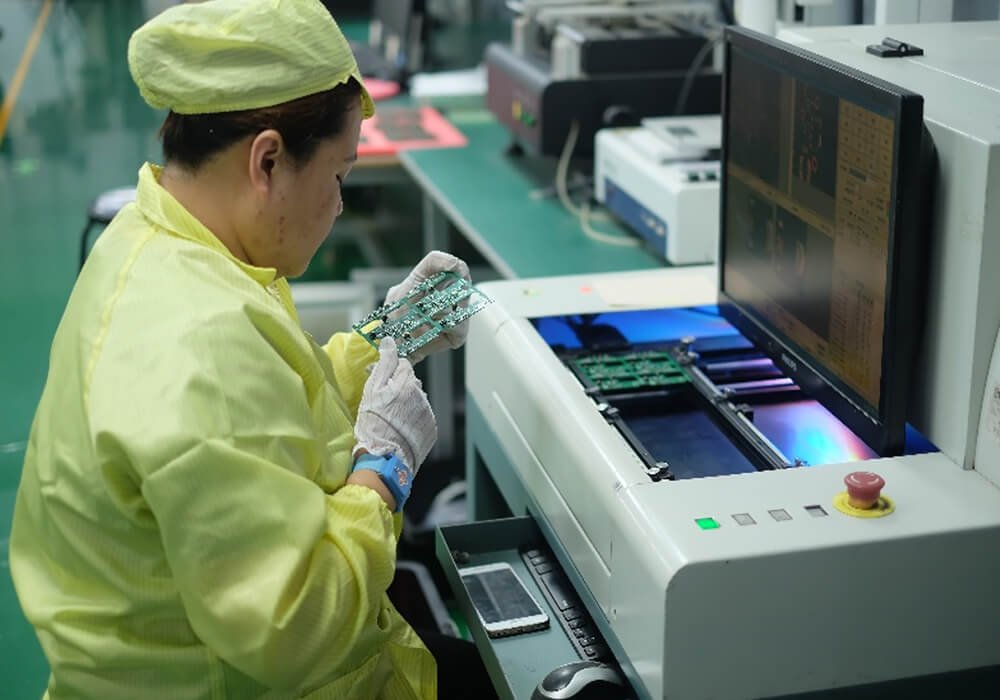
AOI Machine
Flex PCB Manufacturring Process

Pre-Assembly Preparation

Our engineering team will do DFM analysis.

  • Gerber File Verification
  • BOM Review And Validation
  • Footprint Compatibility Checking
  • Assembly Process Evaluation
  • Thermal And Layout Analysis

Flex PCB Manufacturring Process

Component Procurement

We source electronic components through trusted global suppliers and authorized distributors.

  • Component Sourcing And Purchasing
  • Alternative Component Evaluation
  • Incoming Material Inspection (IQC)
  • Moisture-Sensitive Component Control

Flex PCB Manufacturring Process

Solder Paste Printing

Solder paste is precisely printed onto PCB pads using high-accuracy stencil printing equipment.

Flex PCB Manufacturring Process

SPI

After solder paste printing, 3D SPI systems inspect solder paste deposits to verify volume, height, and alignment accuracy.

  • Paste Volume Measurement
  • Alignment Verification
  • Defect Detection Before Assembly

Flex PCB Manufacturring Process

SMT Assembly

Automated pick-and-place machines mount surface mount components onto the PCB with high precision and speed.

Flex PCB Manufacturring Process

Reflow Soldering

The assembled PCB passes through a multi-zone reflow oven where solder paste melts and forms reliable electrical and mechanical connections.

  • Thermal Profile Optimization
  • Controlled Heating And Cooling
  • Nitrogen Reflow (Optional)

Flex PCB Manufacturring Process

First Sample Testing

Before full production begins, first article samples are inspected and tested to verify assembly accuracy and process stability.

  • Visual Inspection
  • Dimensional Verification
  • Functional Validation

Flex PCB Manufacturring Process

AOI

AOI systems automatically inspect the PCB Assembly for visible defects after SMT soldering.

  • Missing Components
  • Wrong Polarity
  • Solder Bridges
  • Misalignment
  • Insufficient Solder

Flex PCB Manufacturring Process

Through-Hole Component Soldering

For mixed technology PCB assemblies, through-hole components are inserted and soldered.

  • Wave Soldering
  • Selective Soldering
  • Manual Soldering

Flex PCB Manufacturring Process

X-Ray Inspection

X-Ray inspection is used to verify hidden solder joints that cannot be inspected visually.

Flex PCB Manufacturring Process

Testing

We do electrical and functional testing.

  • ICT (In-Circuit Testing)
  • Functional Circuit Testing (FCT)
  • Flying Probe Testing

Flex PCB Manufacturring Process

Shipping

Before shipment, all PCB assemblies undergo final inspection, cleaning, and ESD-safe packaging.
PCB Assembly Inspection and Testing

Testing requirements vary according to product function, design complexity, production volume, and end-use conditions. We select appropriate inspection and testing methods after reviewing your design and acceptance requirements.

PCB Assembly Features

1. Incoming Material Inspection

Incoming inspection verifies component labels, quantities, packaging conditions, moisture sensitivity, and supporting documentation. Potential discrepancies are reported before affected materials move into production.

2. Solder Paste Inspection

SPI measures solder paste position, area, height, and volume before component placement begins. Early detection helps prevent insufficient solder, bridging, open joints, and inconsistent process results.

3. AOI

AOI checks component presence, orientation, placement, solder joints, polarity, and visible assembly defects. Inspection settings are adjusted according to component packages, board design, and agreed acceptance criteria.

4. X-Ray Inspection

X-ray inspection examines hidden solder joints beneath BGA, QFN, and other bottom-terminated packages. It can reveal bridging, voiding, insufficient solder, opens, and alignment problems that optical inspection cannot detect.

5. In-Circuit Testing

ICT can evaluate electrical connections, component values, shorts, opens, and selected circuit functions. Test coverage depends on fixture access, test-point placement, circuit design, and production volume.

6. Functional Testing

Functional testing confirms whether an assembled board performs its intended operations under defined conditions. Customers may provide procedures, fixtures, firmware, software, expected results, and acceptable measurement ranges.

Industries We Have Previously Served

With advanced SMT and Through-Hole Assembly capabilities, strict quality control systems, and flexible production lines, we can offer PCB Assembly solutions from consumer devices to mission-critical industrial and medical systems.

PCB Manufacturer Automotive Electronics

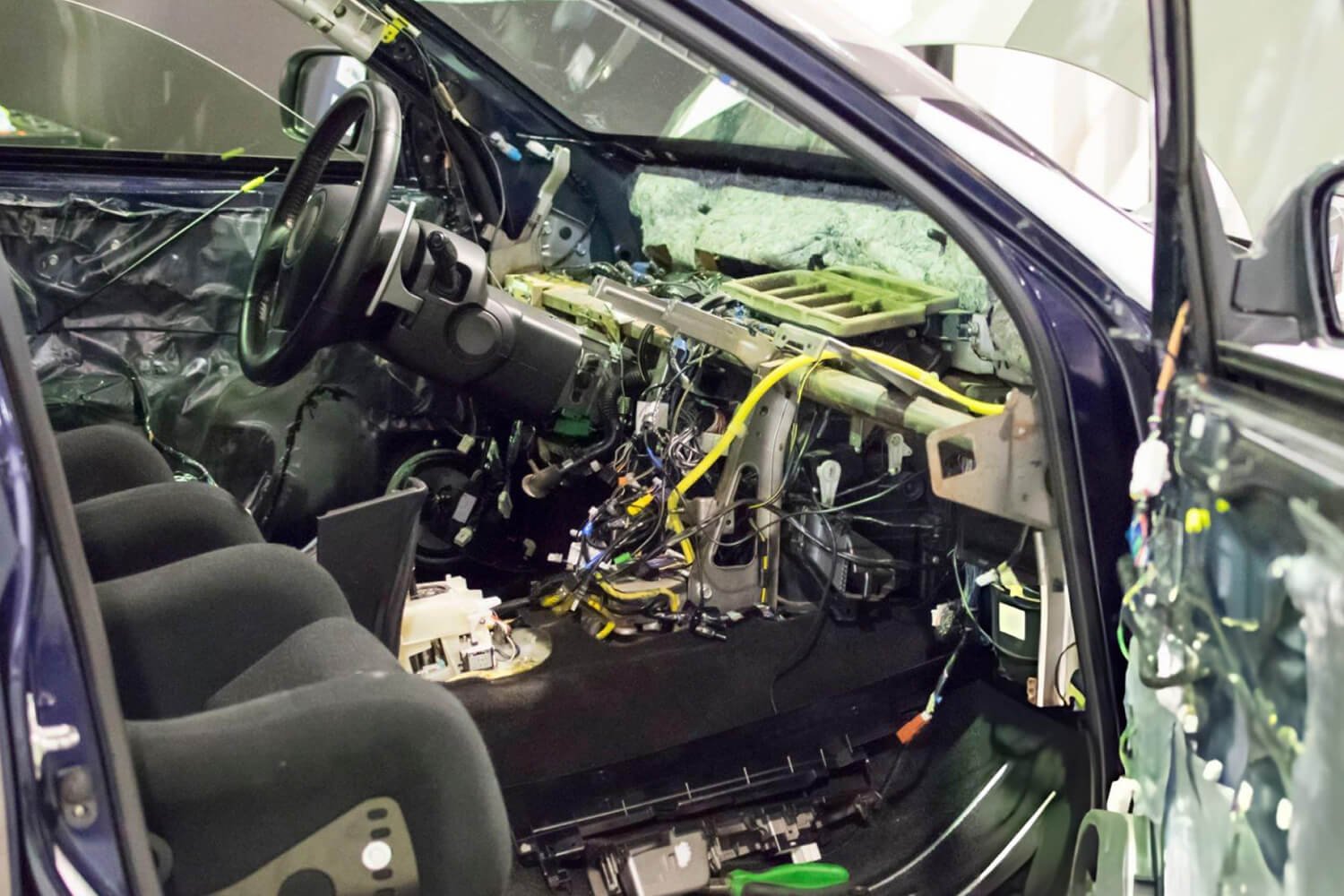
Automotive

We offer PCBA service for Automotive electronics with strict quality standards.

  • Automotive ECU Modules
  • LED Lighting Control Systems
  • Vehicle Communication Modules
  • Sensor And Monitoring Systems
  • Power Management Electronics

PCB Manufacturer Industrial Automation

Industrial Automation

Industrial control systems require stable performance, long operational life, and strong resistance to vibration and harsh environments.

  • PLC Control Boards
  • Industrial Automation Systems
  • Motor Control Modules
  • Sensor Control Units
  • Power Distribution Systems
  • HMI Devices

PCB Manufacturer Medical Devices

Medical Electronics

Medical electronic devices require highly controlled manufacturing environments, stable quality, and reliable assembly performance.

  • Medical Monitoring Devices
  • Diagnostic Systems
  • Portable Healthcare Equipment
  • Imaging System Electronics
  • Sensor Control Modules

PCB Manufacturer Consumer Electronics

Consumer Electronics

We support rapid PCB Assembly for a wide range of consumer products.

  • Smart Home Devices
  • Wearable Electronics
  • Audio And Video Systems
  • Gaming Peripherals
  • Portable Electronic Devices

PCB Manufacturer Telecommunications

Telecommunication

Modern communication systems require high-speed signal integrity, precise impedance control, and high-frequency PCB Assembly capability.

  • 5G Communication Equipment
  • RF Communication Modules
  • Networking Switches And Routers
  • Wireless Communication Devices
  • Fiber Optic Communication Systems

Power Electronics

Energy Systems

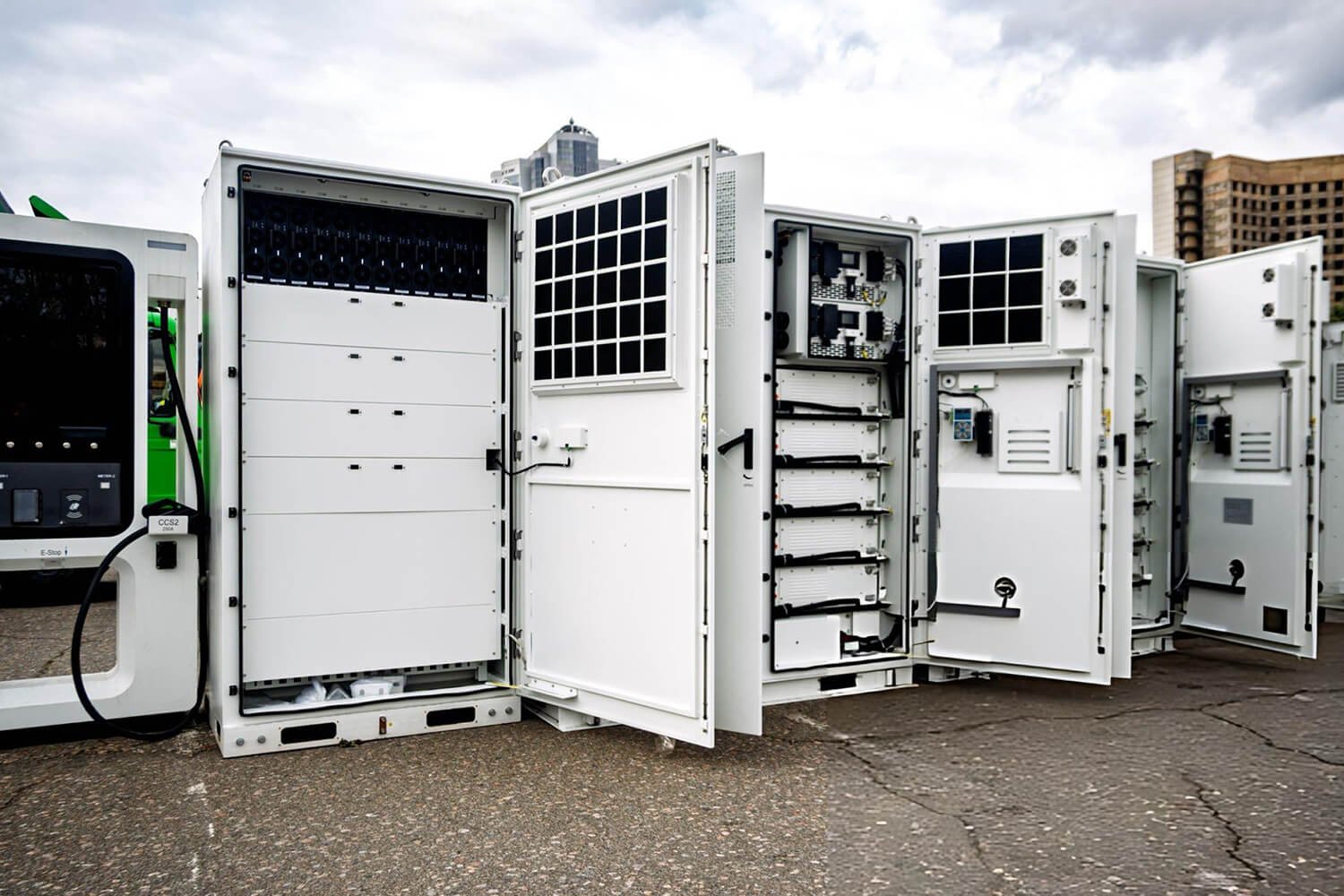
Power electronics applications require strong solder reliability, thermal management performance, and high-current assembly capability.

  • BMS
  • Power Supply Control Boards
  • Solar Inverter Electronics
  • Charging Station Controllers
  • Energy Storage Management Systems

Fast Quotation

Our professional sales and engineering teams provide fast PCB quotes and technical support. Simply send us your Gerber files, BOM, and assembly drawings, and we will respond promptly with a competitive solution.

FAQ About PCB Assembly

1. How Much Does PCB Assembly Cost Per Board?

PCB assembly cost depends on board complexity, component count, package types, assembly volume, testing requirements, and sourcing strategy.

For prototype runs, assembly costs often range from $5 to $100+ per board. High-volume production can reduce costs significantly through automation and economies of scale.

Major cost drivers include:

  • Number Of SMT Placements
  • BGA And Fine-Pitch Components
  • Double-Sided Assembly
  • Testing Requirements
  • Component Procurement
  • Lead Time Requirements

Prototype PCB assembly is available for engineering verification, product development, pilot builds, and pre-production testing.
Minimum quantities and lead times depend on component availability, board complexity, testing, and manufacturing requirements.

PCB assembly lead time depends on board fabrication, component availability, order volume, complexity, and testing requirements.
We confirm the production schedule after completing the engineering review and checking the required components.

Yes, we can follow approved manufacturer lists and specified part numbers during component procurement.

Any proposed alternative requires customer approval before purchasing or using that component within production.

Confidentiality procedures and nondisclosure agreements can support projects containing proprietary designs or sensitive commercial information.
Specific document controls should be confirmed before customers submit restricted files or controlled technical data.