
/High Precision PCB Stencils/

SMT Stencil

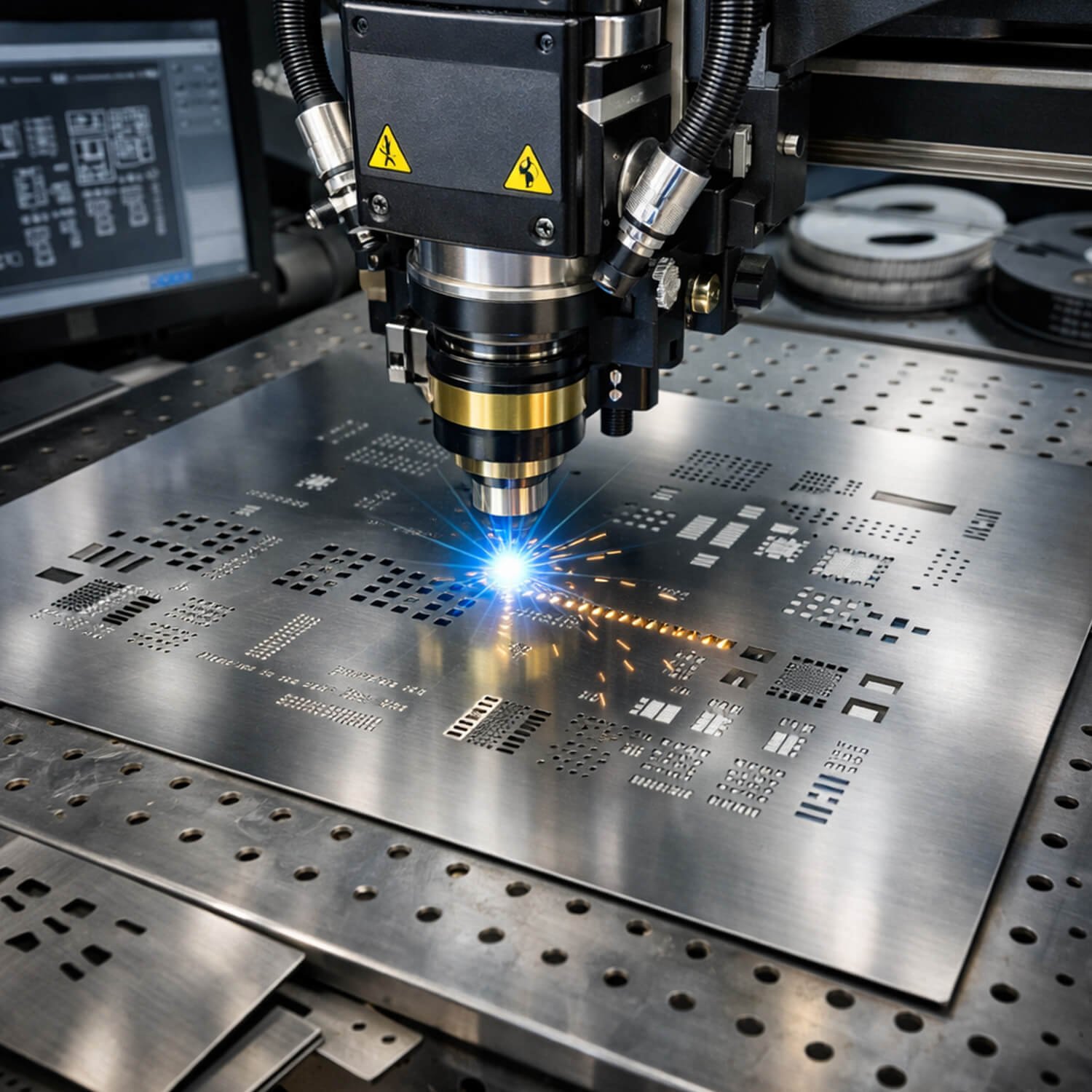
PCBSAIL specializes in high-precision SMT stencil manufacturing to support both prototyping and mass production.

We can deliver industry-leading stencil with advanced laser cutting technology, strict quality control, and premium materials. Whether you are developing a prototype or scaling up for mass production, we can offer reliable, high-quality SMT stencil.

What is SMT Stencil

What is SMT Stencil?

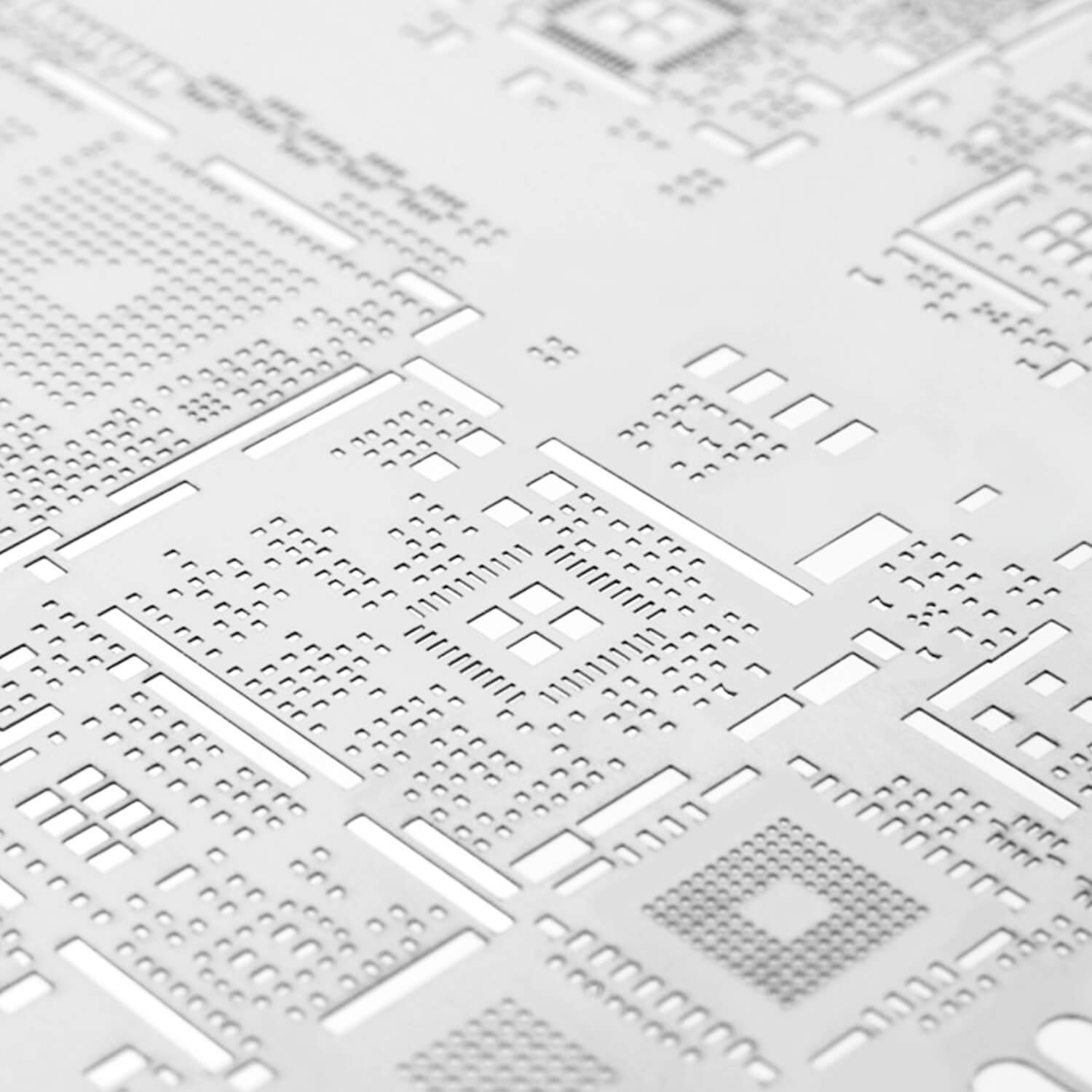
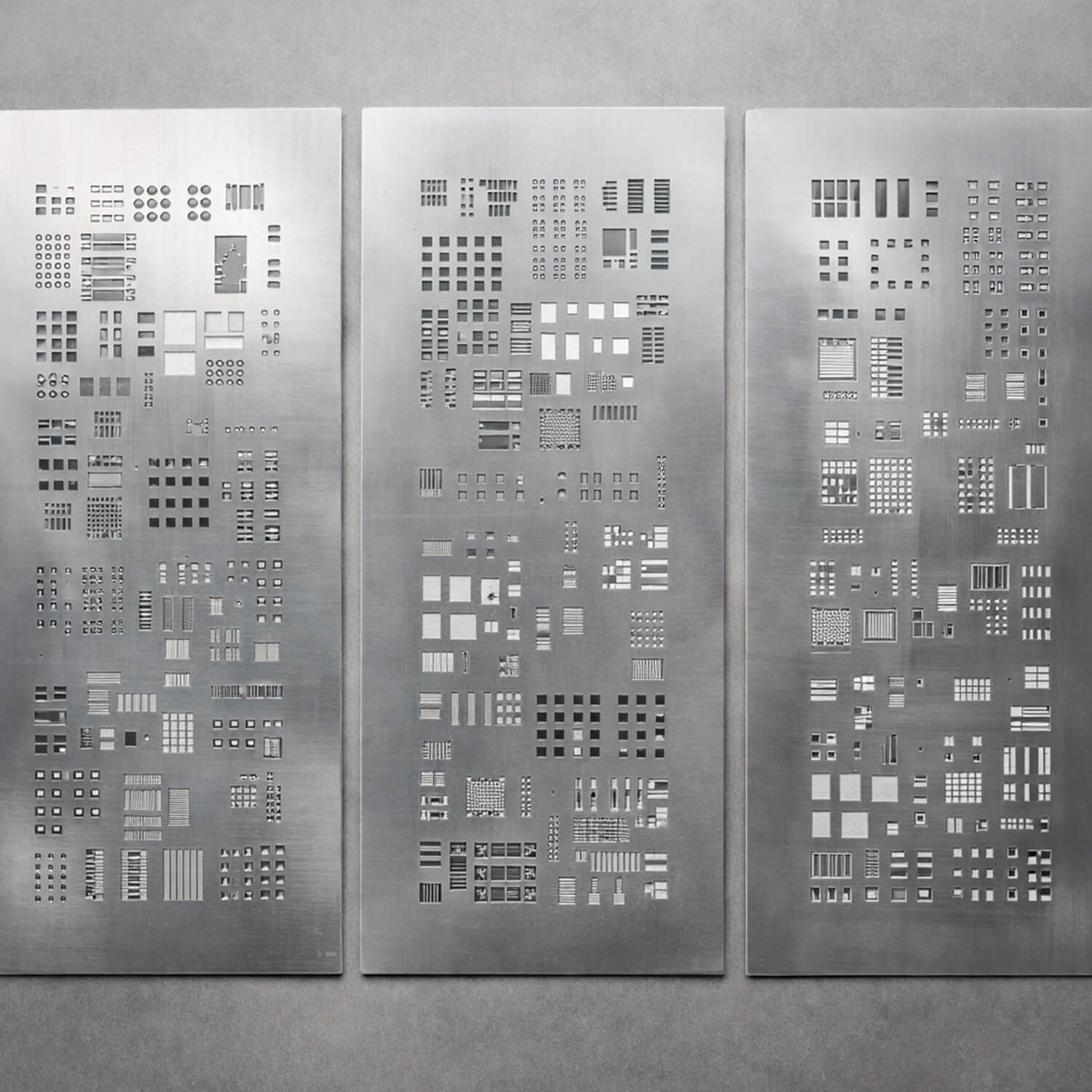
An SMT Stencil, also known as a PCB stencil, is a thin sheet—typically made of stainless steel. It was used in SMT assembly to apply solder paste accurately onto PCBs.

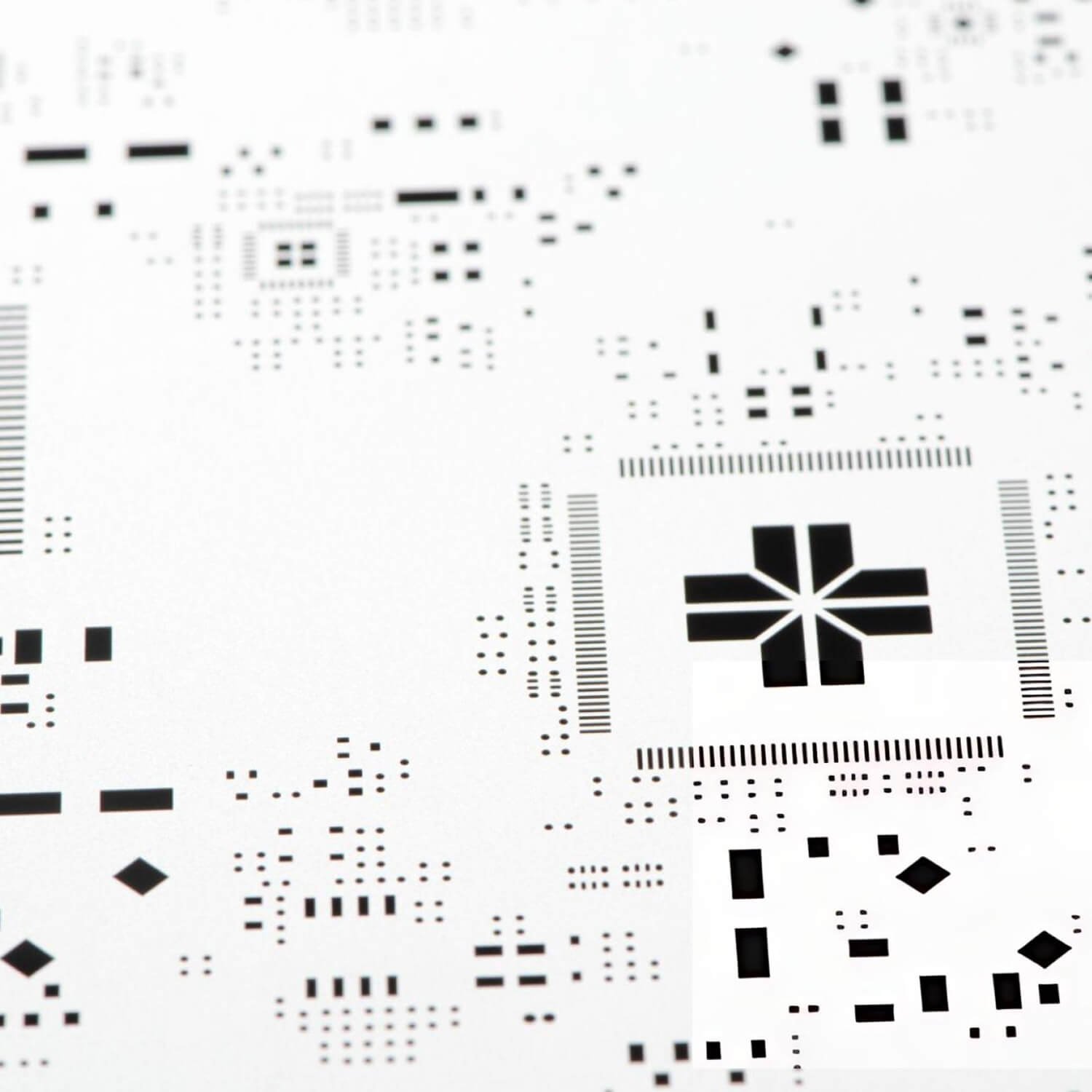
There are thousands of precision laser-cut apertures on the stencil that align exactly with the pads on the PCB.

During the assembly process, solder paste is spread across the stencil using a squeegee. The paste passes through these apertures and deposits onto the pads in controlled volumes.

In modern electronics manufacturing—especially for high-density and fine-pitch components, SMT stencils are indispensable.

SMT Stencil We Offered.

We provide a full range of SMT stencil to meet different PCB assembly requirements—from rapid prototyping to high-volume production.

SMT Stencil We Offered
SMT Stencil Near Me
SMT Stencil Price

Our Capacity.

Flex PCB Single-Sided Flex PCB

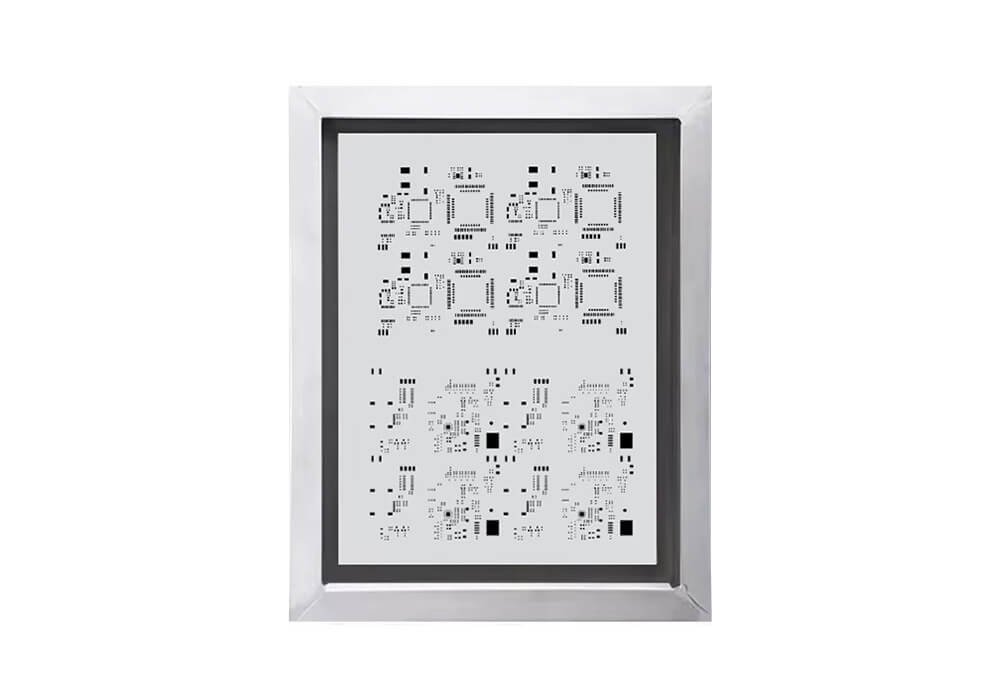
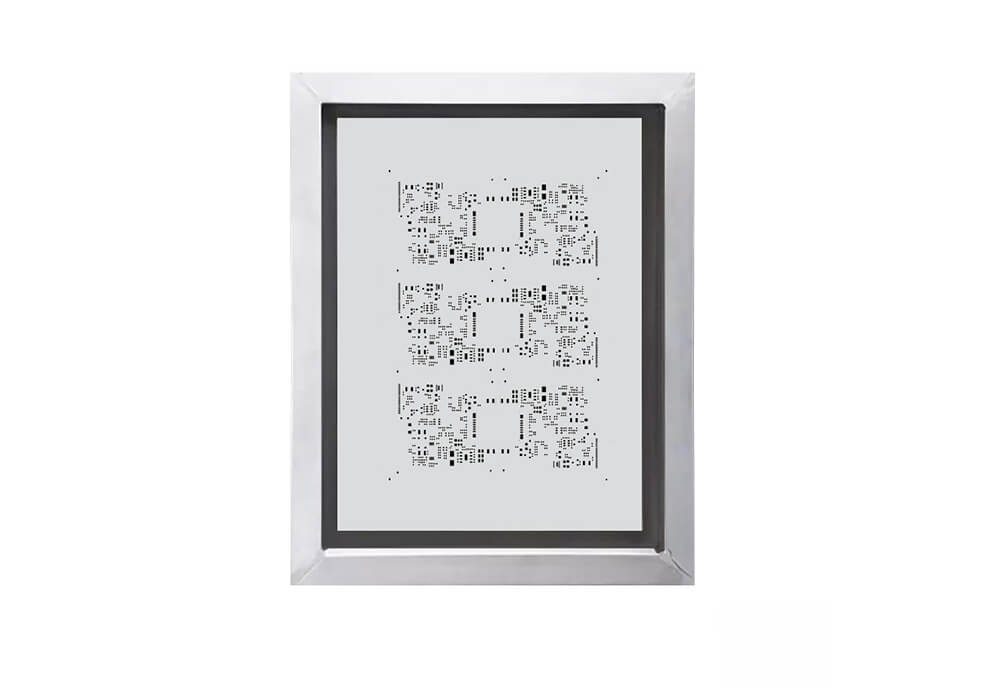
Framed SMT Stencil

Framed SMT stencils are mounted on a rigid aluminum or steel frame, providing excellent stability and repeatability during printing.

  • Strong frame support for accurate alignment
  • Ideal for automated SMT production lines
  • High durability for long production runs

Flex PCB Double-Sided Flex PCB

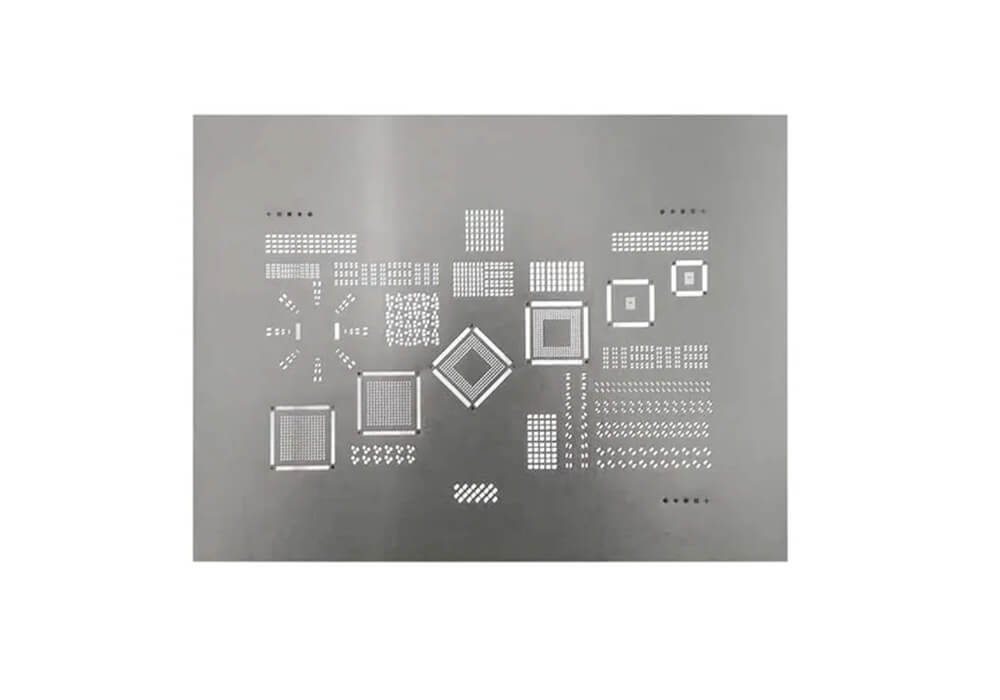
Frameless SMT Stencil

Frameless stencils are flexible stainless-steel sheets without a fixed frame. They are typically used with a stencil tensioning system.

  • Lightweight and cost-effective
  • Easy to store and transport
  • Flexible for different PCB sizes
 

Flex PCB Multilayer Flex PCB

Prototype SMT Stencil

Prototype stencils are designed for fast turnaround and low-cost PCB development.

  • Quick production from Gerber files
  • Optimized for manual printing
  • Affordable for early-stage testing

Flex PCB Single-Sided Flex PCB

Step Stencil

Step stencils feature multiple thickness levels within a single stencil, allowing precise control of solder paste volume.

  • Variable thickness for mixed components
  • Improves solder joint reliability
  • Reduces defects in complex designs
Stencil Types

Framework & Non-Framework

Stencil Material

304 HTA stainless steel

Minimum Aperture Size

>0.08mm

Cutting Tolerance

±0.003mm

Cutting Technology

Precision Laser Cutting

Manufacturing Capabilities

Over 30 laser cutting machines in operation

Stencil File Formats

Gerber files (with solder paste layers), DXF

Nano-Coating

Available for all types of stencils

Step Stencil

Only available for stencils with framework

Ultrasonic-Resistant Adhesive

Only available for stencils with framework

Build Time

Fastest build time: 12 hours

Note: The final build time may vary based on the selected stencil specifications and order confirmation time.

Stencil Delivery

If you order a stencil together with PCBs, stencil size within 280mm × 280mm can be shipped together with the PCBs.

However, if you choose express shipping (e.g., DHL, FedEx), stencil size exceeding 280mm × 280mm will be shipped separately.

SMT Stencil Feature

Our SMT stencils are engineered for precision, consistency, and durability.

We use advance laser cutting machine to create highly accurate apertures that perfectly match PCB pad designs.

  • Tight tolerance up to ±0.003 mm
  • Clean and sharp aperture edges
  • Ideal for fine-pitch components such as BGA and QFN

Our stencils are optimized to ensure smooth and complete solder paste transfer.

  • Smooth aperture walls reduce paste sticking
  • Optional nano coating improves release efficiency
  • Consistent paste volume for every print

It is made from premium stainless steel, our stencils are built to withstand repeated use.

We apply advanced surface treatments to enhance stencil performance.

  • Electropolishing removes micro burrs
  • Smooth internal walls improve paste flow
  • Optional nano coating reduces residue buildup
SMT Stencil Feature

Factors When Choosing an SMT Stencil

It is important to select the right SMT stencil to get accurate solder paste deposition and ensure high-quality PCB assembly.

Factors When Choosing an SMT Stencil

Stencil thickness determines the volume of solder paste deposited onto PCB pads.

Guidelines:

  • 0.08 – 0.12 mm → Fine-pitch components (e.g., BGA, QFN)
  • 0.12 – 0.15 mm → Standard SMT components
  • 0.18 – 0.25 mm → Larger components or high solder volume needs
  • Mixed designs → Use step stencil for variable thickness

The stencil material affects durability, precision, and cost.

Stainless Steel

  • High strength and durability
  • Excellent corrosion resistance
  • Long service life
  • Ideal for mass production

Copper

  • Lower cost
  • Good conductivity
  • Less durable than stainless steel
  • Suitable for short-term or prototype use

The correct stencil type depends on your production setup.

Aperture design plays a imporant role in solder paste transfer efficiency.

We should:

  • Aperture size and shape optimization
  • Area ratio and aspect ratio
  • Rounded corners for better paste release
  • Fine-pitch adjustments to prevent bridging

Surface finishing enhances stencil performance and lifespan.

Stencil size must match both PCB dimensions and printer requirements.

Guidelines:

  • Ensure full PCB coverage
  • Allow sufficient margin for alignment
  • Match stencil size with printer frame specifications

Typical Rule:

  • Framed stencil = PCB size + 100 mm
  • Frameless stencil = PCB size + 200 mm

SMT Stencil Surface Options

To enhance solder paste printing performance and extend stencil lifespan, we will do surface treatment for SMT stencils. It can improve paste release and reduce defects.

SMT Stencil Surface Options

Nano coating is a hydrophobic surface treatment applied to the stencil to improve solder paste release efficiency.

  • Faster and cleaner solder paste release
  • Reduced solder paste residue on stencil surface
  • Less frequent cleaning required
  • Improved consistency for fine-pitch components

Electropolishing is an electrochemical process that smooths the internal walls of stencil apertures.

  • Removes micro burrs from laser cutting
  • Creates ultra-smooth aperture walls
  • Improves solder paste transfer efficiency
  • Enhances overall print quality

It can strengthen the bond between the stencil foil and the frame.

  • Prevents stencil movement during printing
  • Resistant to vibration and thermal stress
  • Compatible with ultrasonic cleaning
  • Extends stencil service life

.

Why Choose Us

Our stencils are manufactured with high-precision laser cutting and strict quality control to ensure consistent solder paste deposition and reliable assembly results.

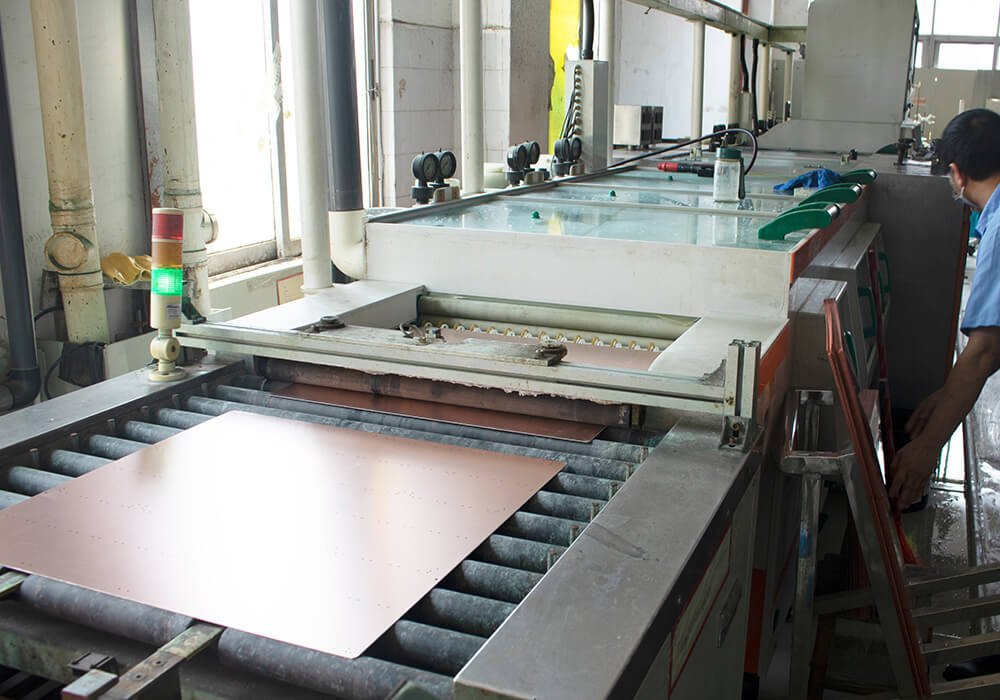
PTH
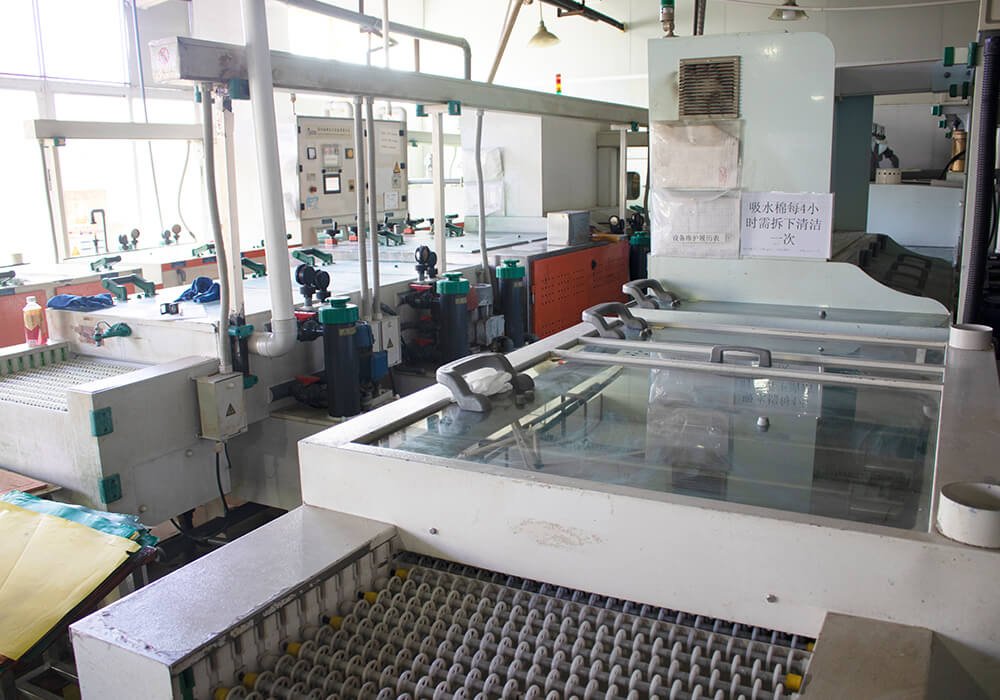
copper immersion
Degumming Residue
sink gold
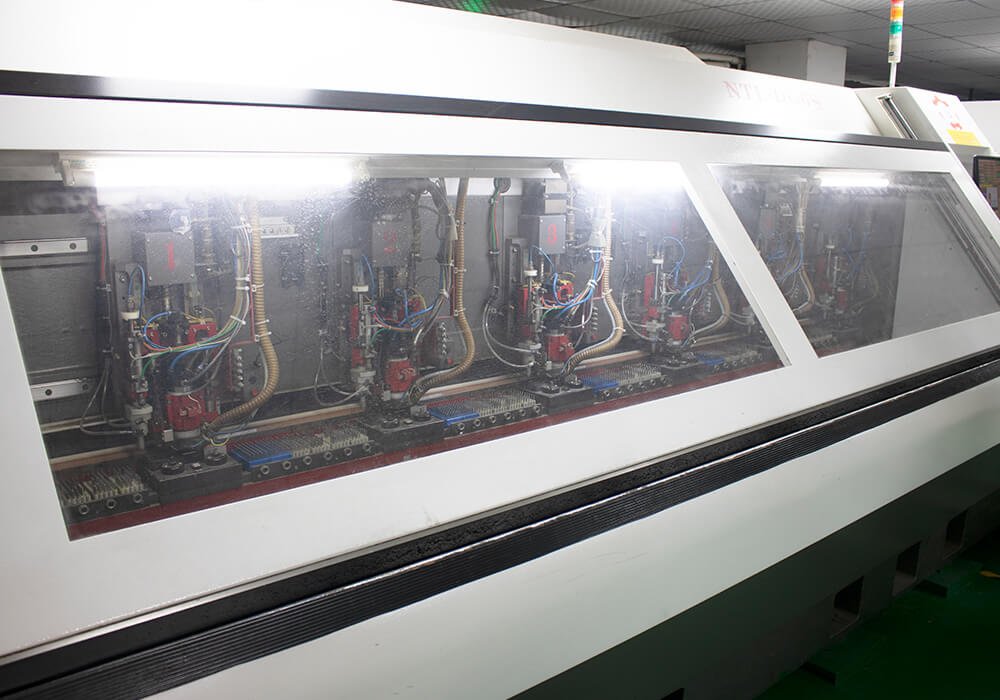
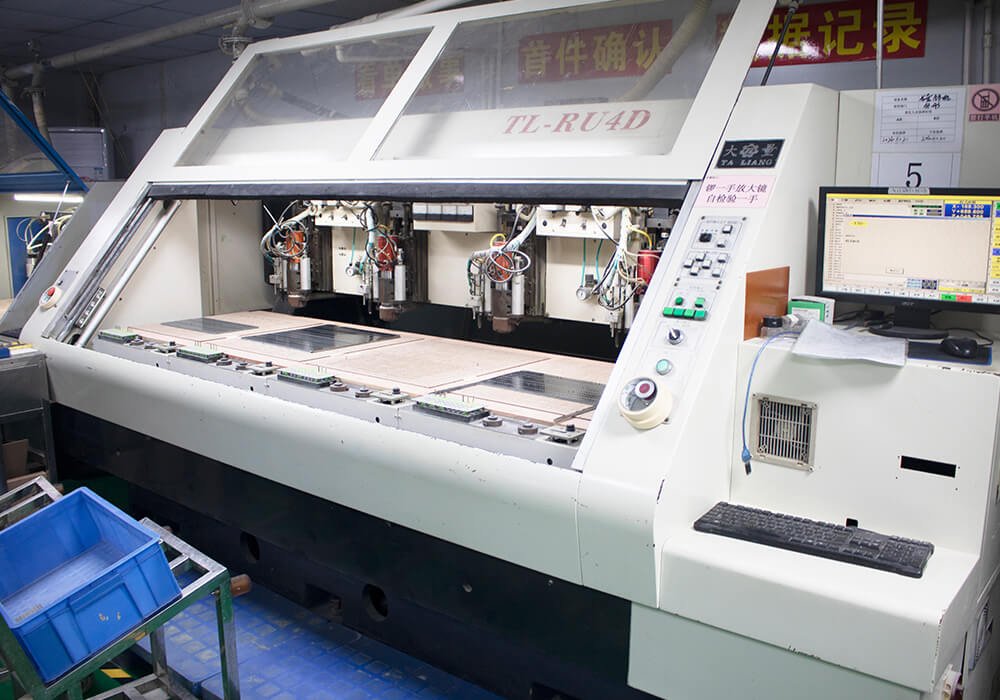
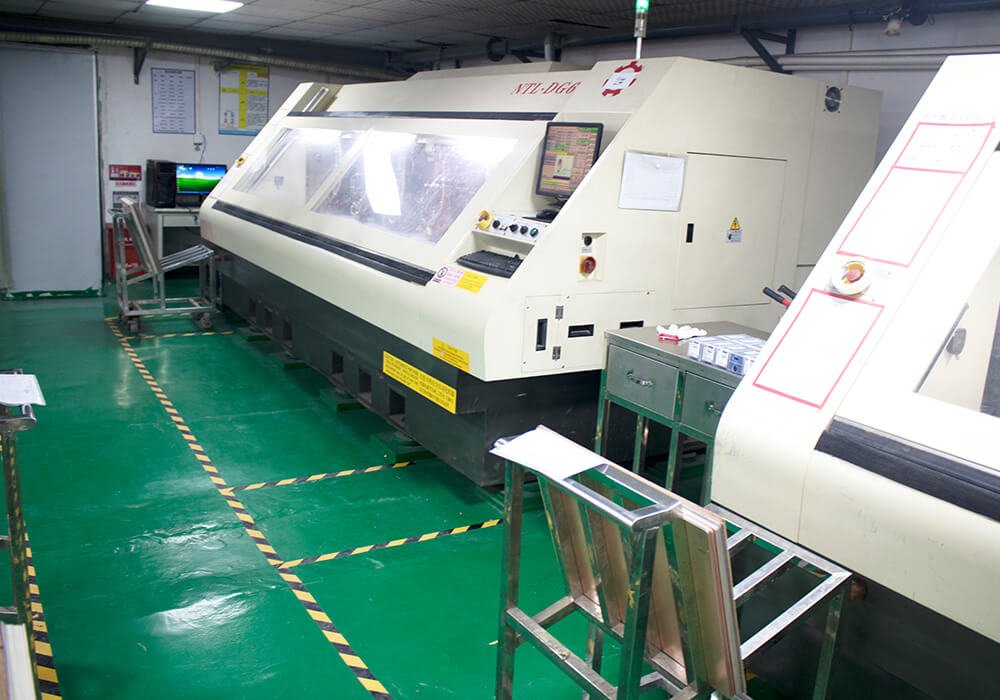
PCB Drill Machine
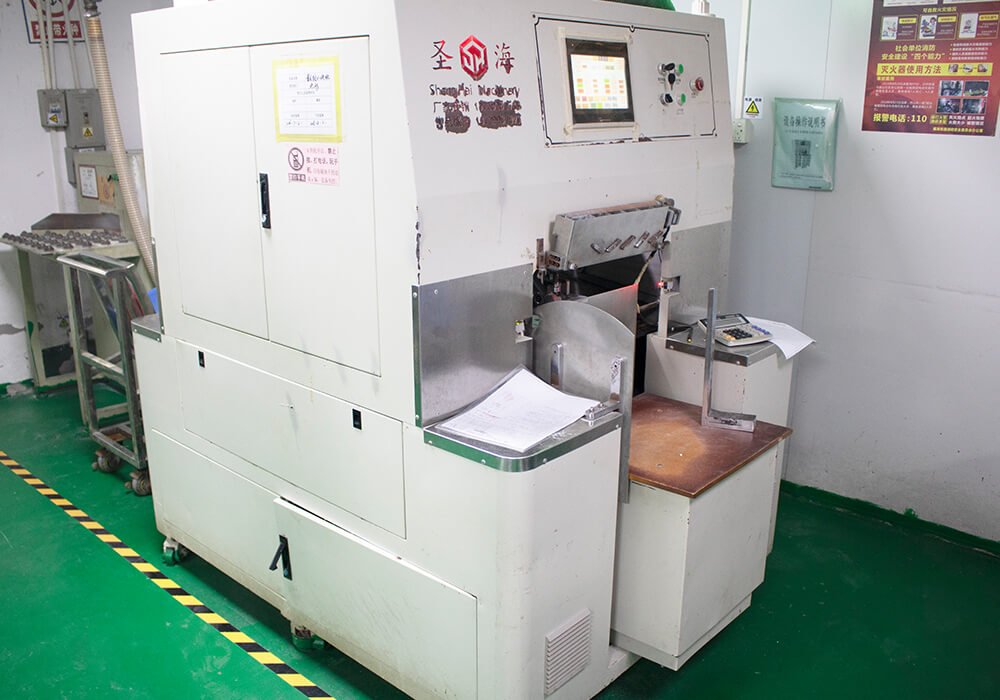
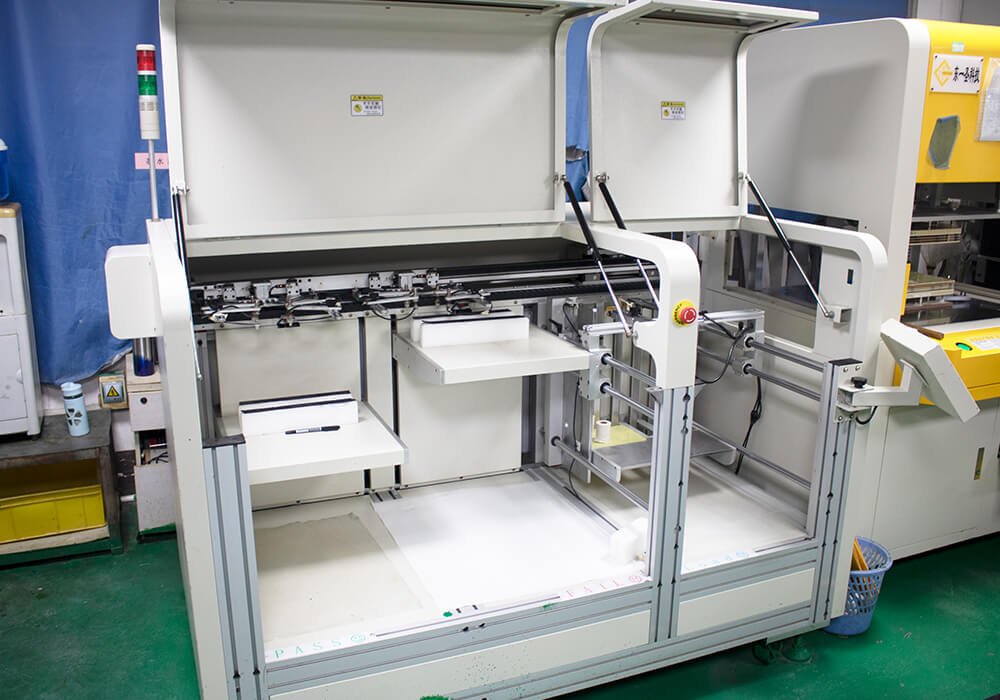
PcB Manufacturing Machine
Etching
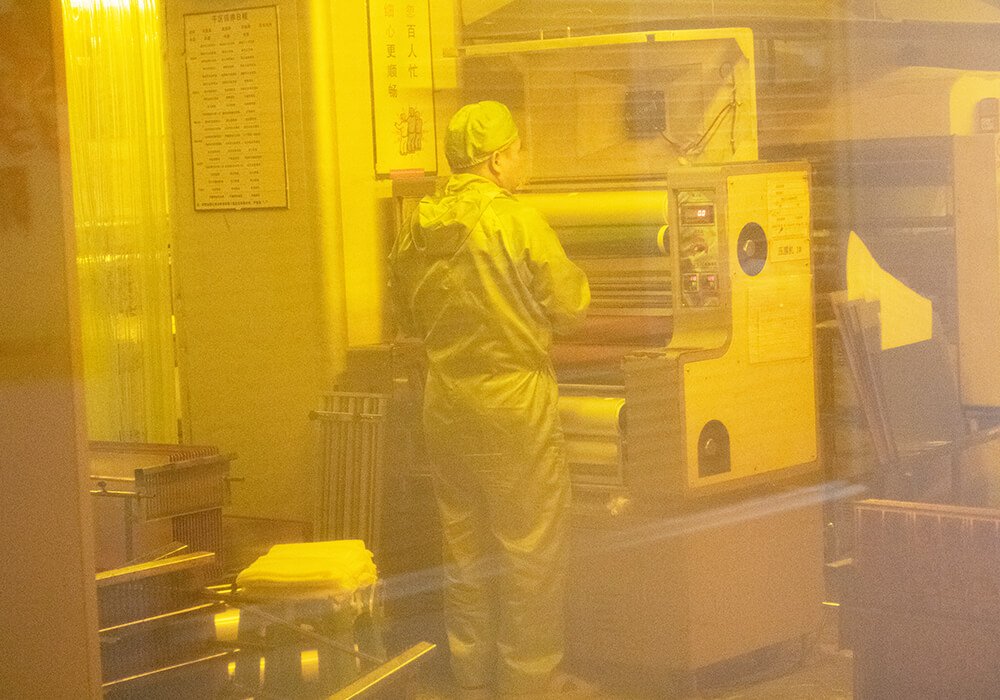
Imaging room
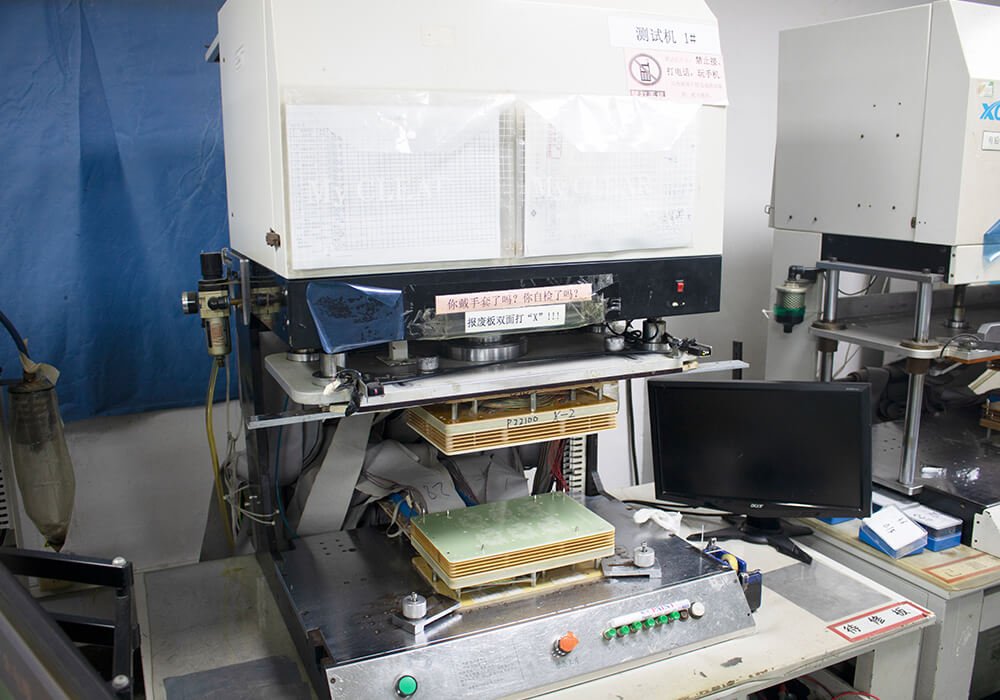
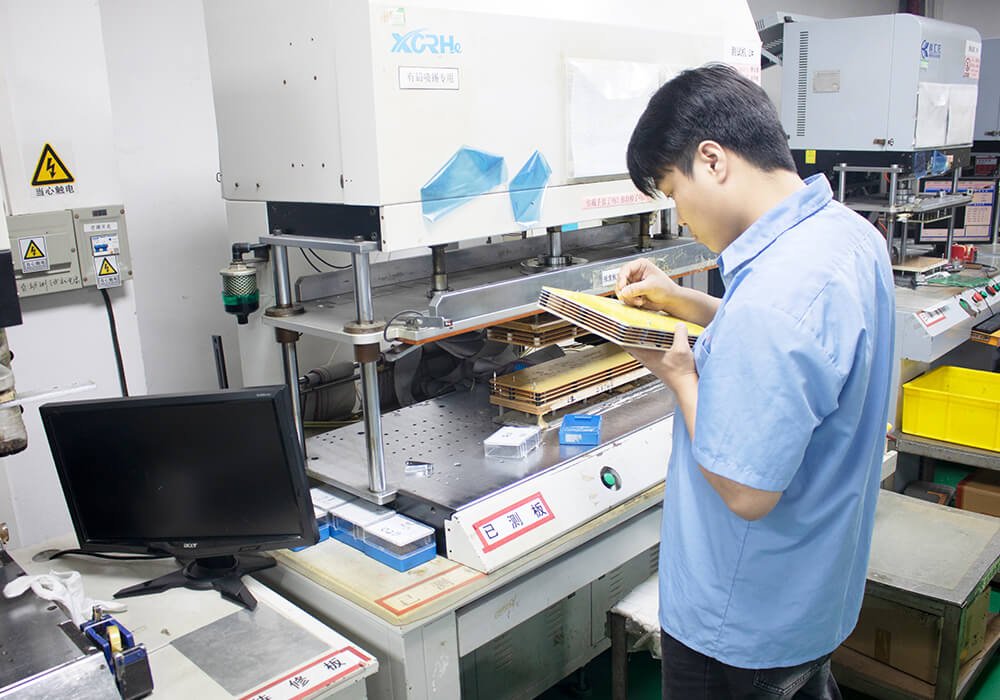
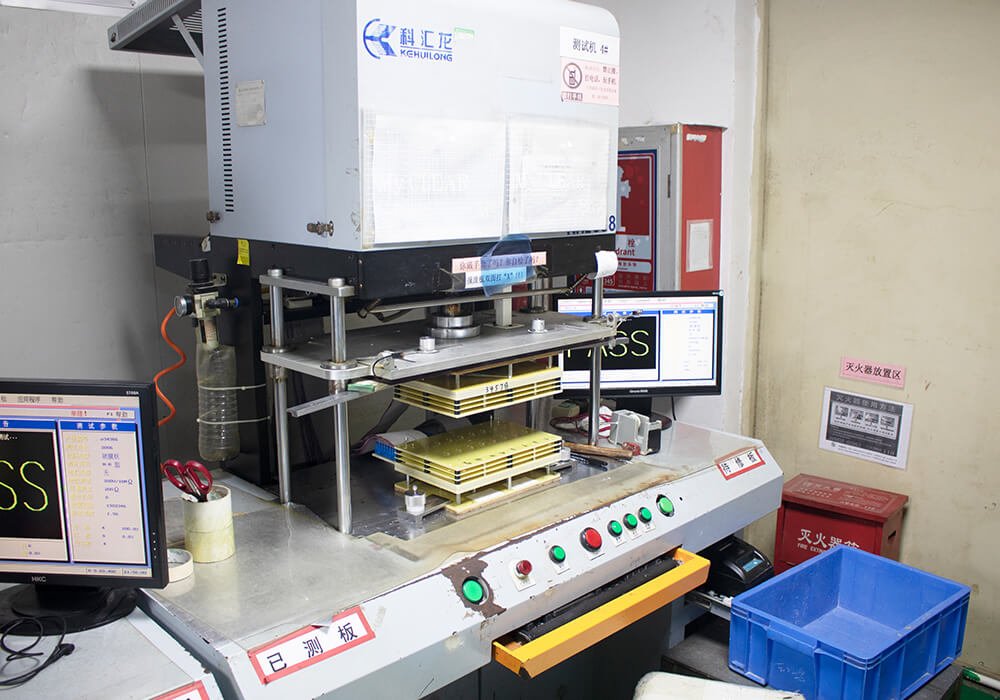
PCB Test Machine
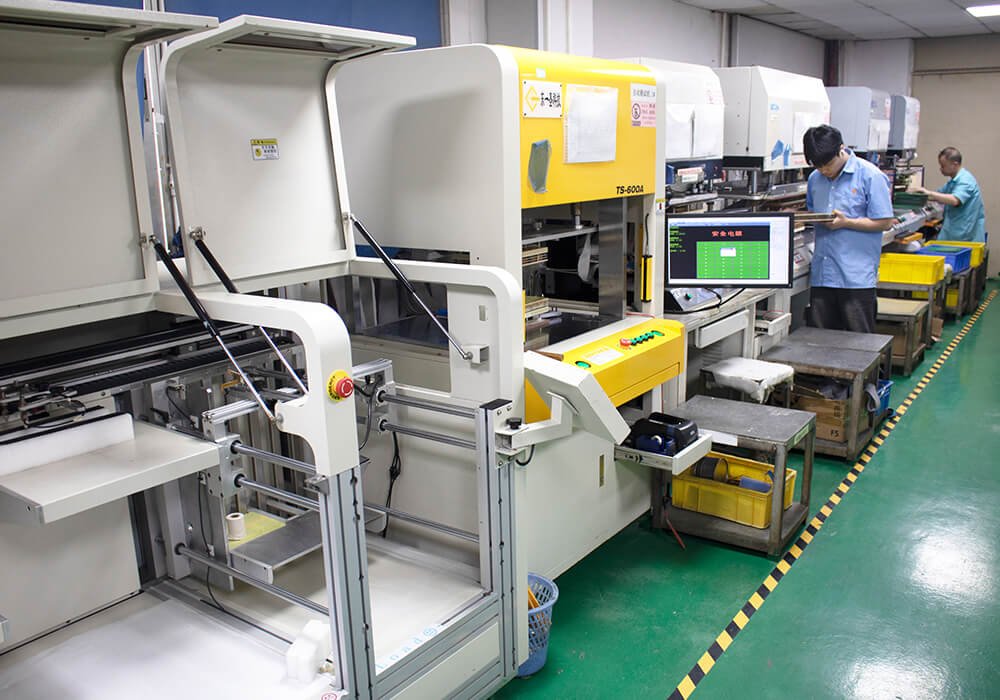
PCB Checking
PCB Checking Machine
PCB Chechking
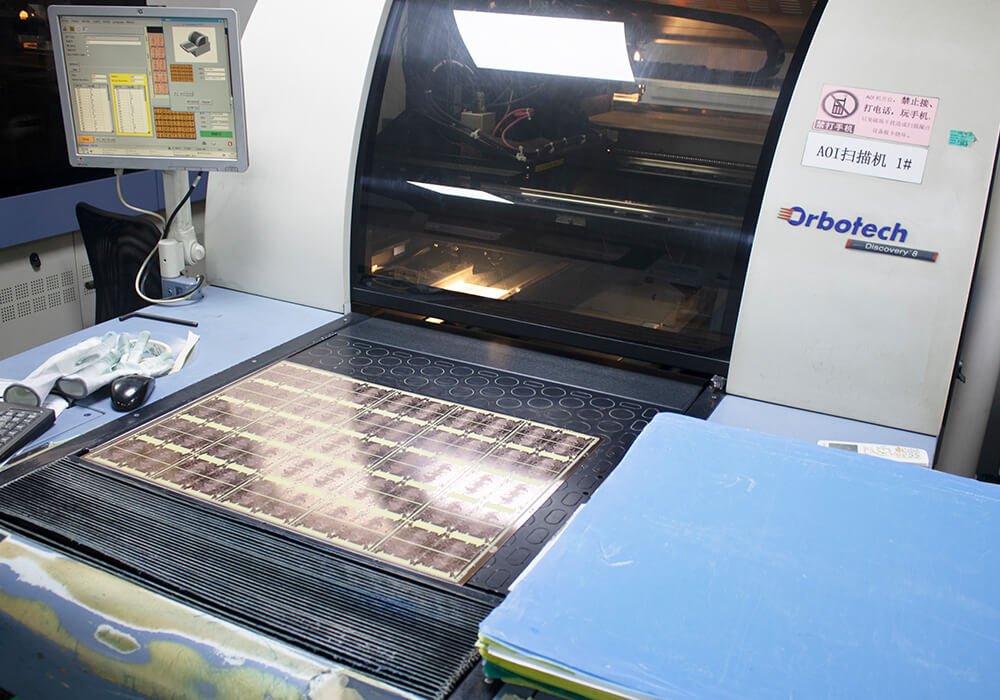
PCB AOI
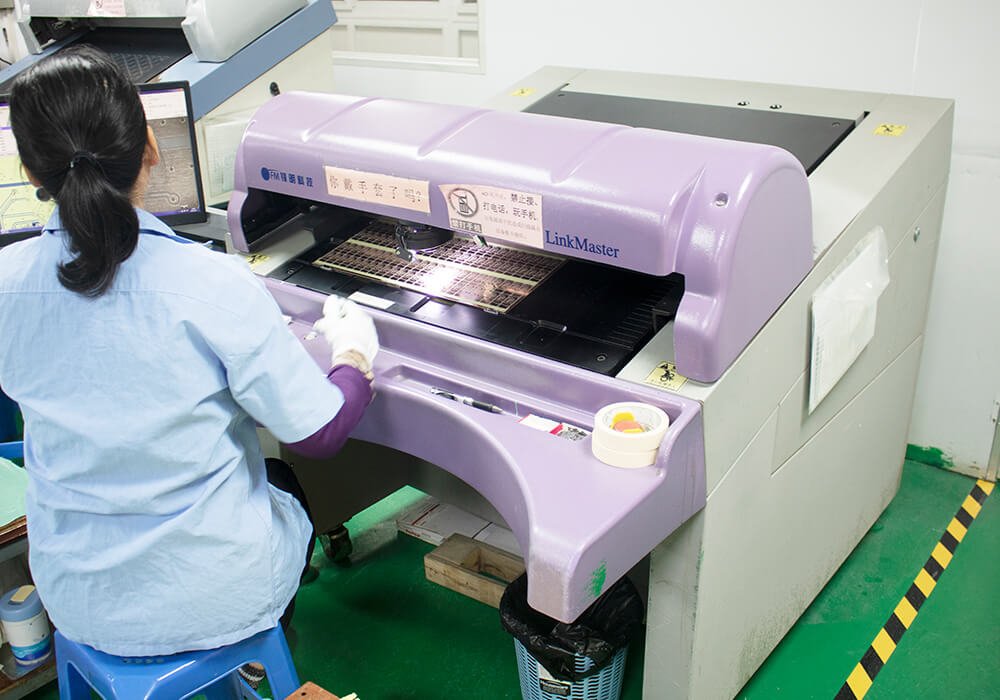
Link Master
Drill Machine
checking machine
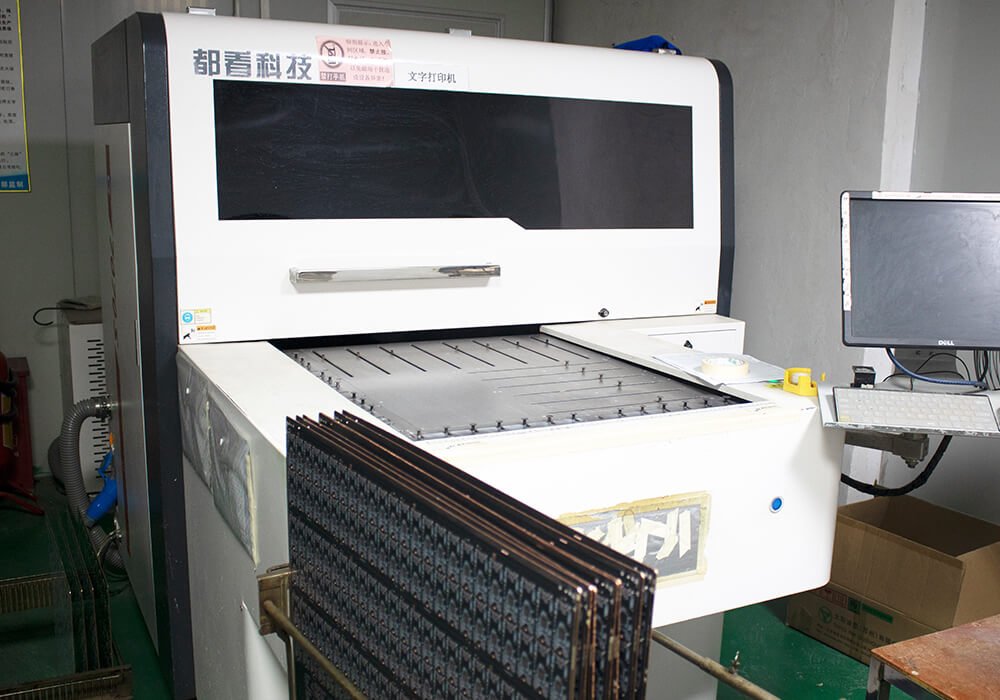
screen printing machine
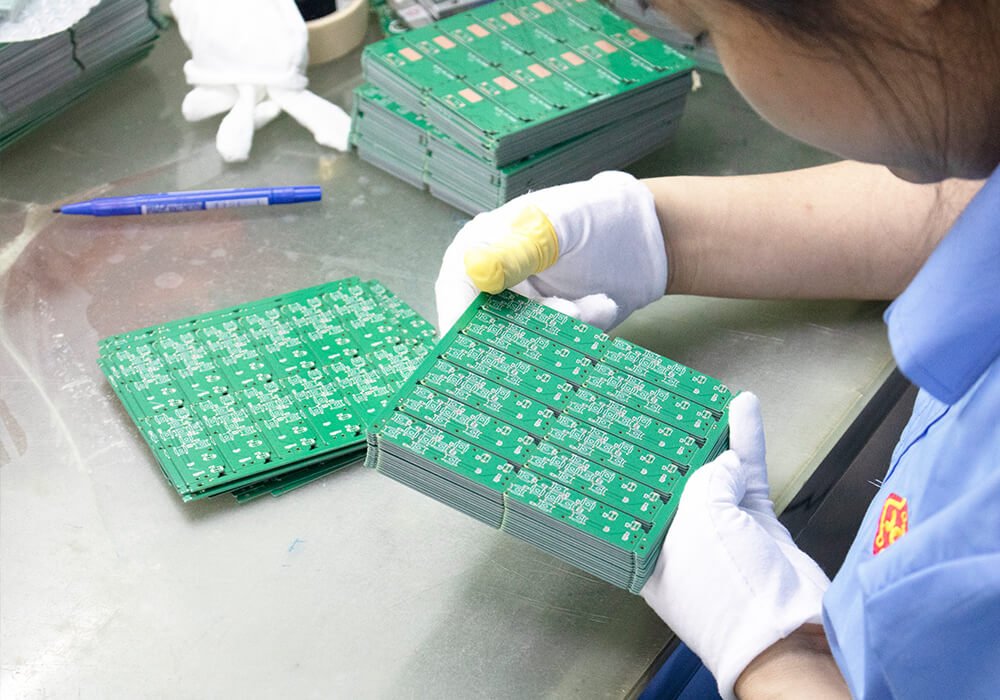
Eye Checking
Flex PCB Manufacturring Process

Turnkey PCB Solution

We provide a complete end-to-end service, eliminating the complexity of managing multiple vendors. We can do:

  • PCB design and engineering support
  • PCB fabrication Component sourcing
  • PCB assembly (SMT, THT, mixed)
  • Final testing and quality assurance

Flex PCB Manufacturring Process

Quality

We adhere to globally recognized standards:

  • IPC-A-610 Class 3 (high-reliability electronics)
  • IPC-6012 (PCB performance standards)
  • ISO 9001
  • ISO 14001
  • UL 94

Flex PCB Manufacturring Process

Advanced Manufacturing

Our state-of-the-art facilities support complex and high-precision PCB assembly. We can do:

  • Fine-pitch placement down to 0.38mm
  • BGA (0.2mm pitch) with X-ray inspection
  • Support for 0201 components
  • High-density multilayer PCBs
  • Mixed technology assembly (SMT + Through-hole)

Flex PCB Manufacturring Process

Testing & Inspection

We implement multi-level testing to ensure every PCBA meets strict performance requirements.

  • AOI (Automated Optical Inspection)
  • X-ray inspection for hidden solder joints
  • In-Circuit Testing (ICT)
  • Functional testing under real operating conditions
  • Voltage and performance validation

Fast Quotation

Our professional sales and engineering teams provide fast PCB quotes and technical support. Simply send us your Gerber files, BOM, and assembly drawings, and we will respond promptly with a competitive solution.

FAQ About SMT Stencil?

1. What Is An SMT Stencil?

An SMT stencil is a thin metal sheet, usually made of stainless steel. It was used in PCB assembly to apply solder paste onto PCB pads. It can ensure accurate and consistent solder paste deposition.

Most SMT stencils are made from stainless steel due to its durability, corrosion resistance, and precision. 

Copper is sometimes used for prototype or short-term applications but has a shorter lifespan.

Stencil thickness depends on the PCB design and component size:

  • 0.08–0.12 mm for fine-pitch components
  • 0.12–0.15 mm for standard designs
  • 0.18–0.25 mm for larger components

For mixed component sizes, a step stencil is recommended.

A step stencil has different thickness levels in specific areas, allowing precise control of solder paste volume for different component sizes on the same PCB.

You typically need:

  • Gerber files
  • PCB design files (CAD)

Yes, SMT stencils can be fully customized, including:

  • Thickness
  • Size
  • Aperture design
  • Surface treatments (nano coating, electropolishing)
  • Frame type (framed or frameless)

It was depended by production volume and paste type. For high-volume production, it was recommended regular cleaning to maintain print quality.

Prototype stencils can be produced within 24–48 hours, while production stencils may take a few days.

Stencil size depends on PCB size and printer requirements. Typically:

  • Framed stencil = PCB size + 100 mm
  • Frameless stencil = PCB size + 200 mm