
/For Audio, RF, and Power Applications/
Amplifier PCB
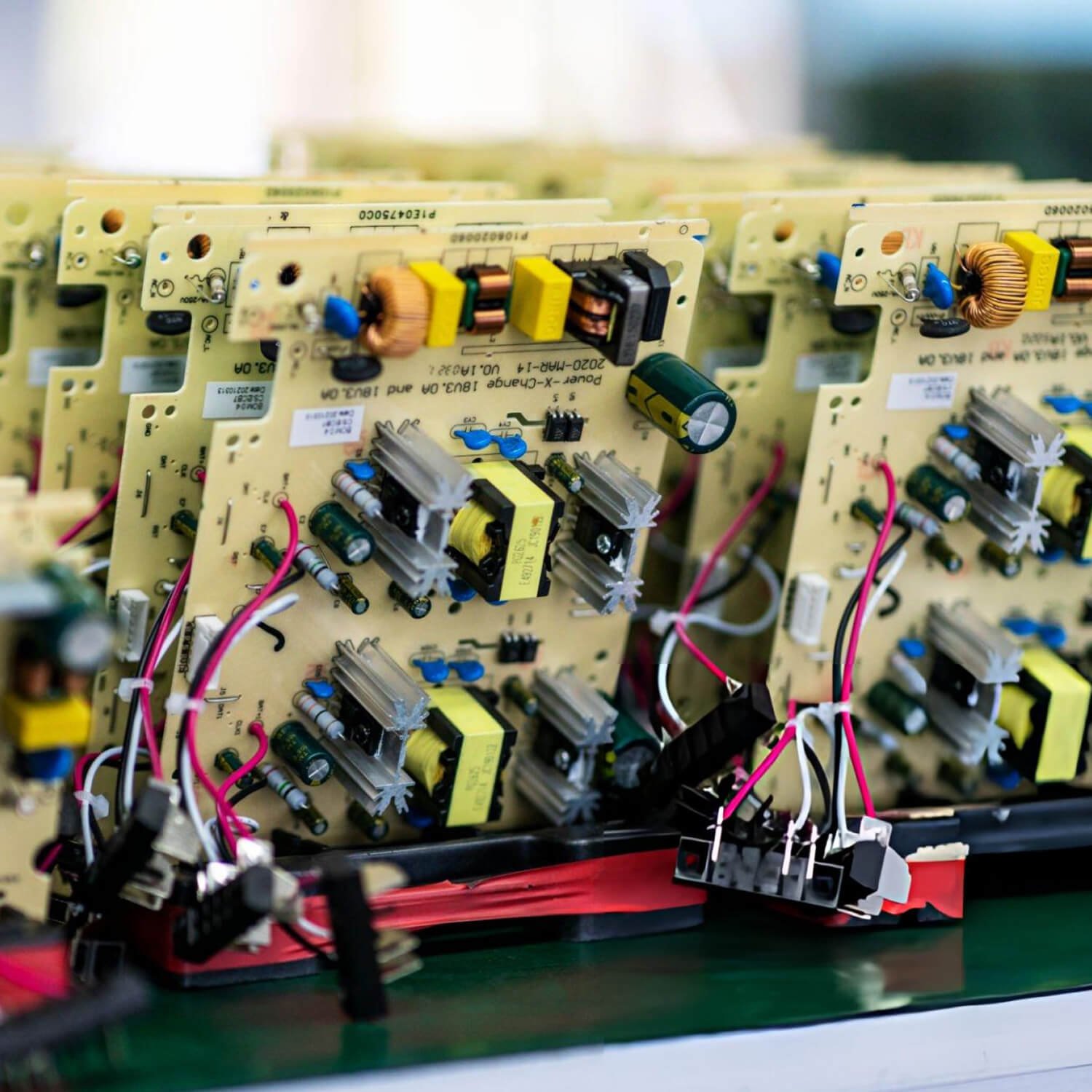
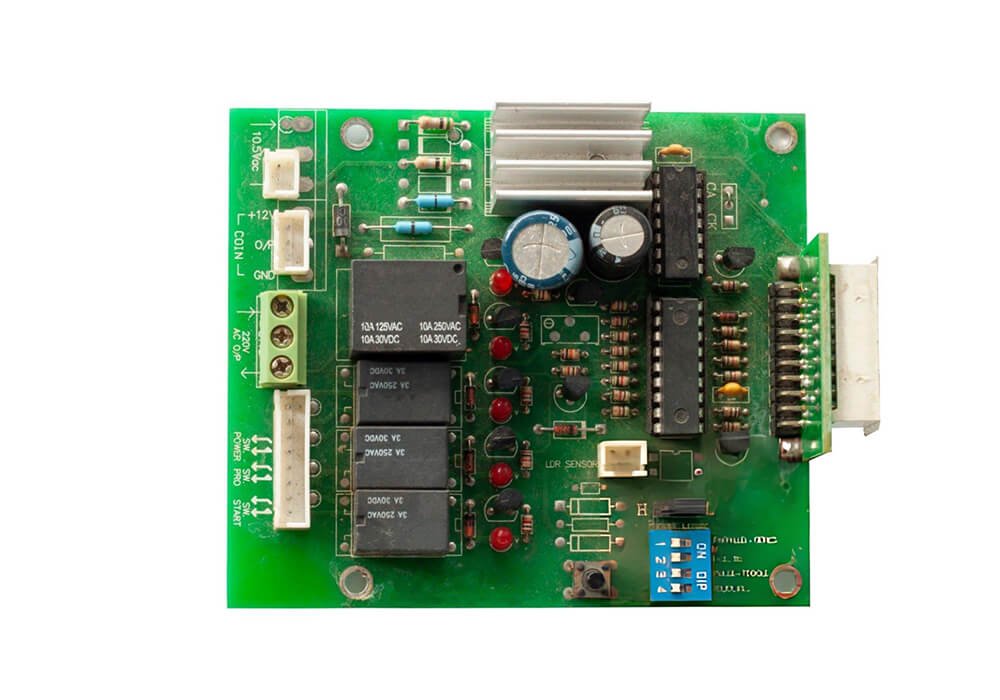
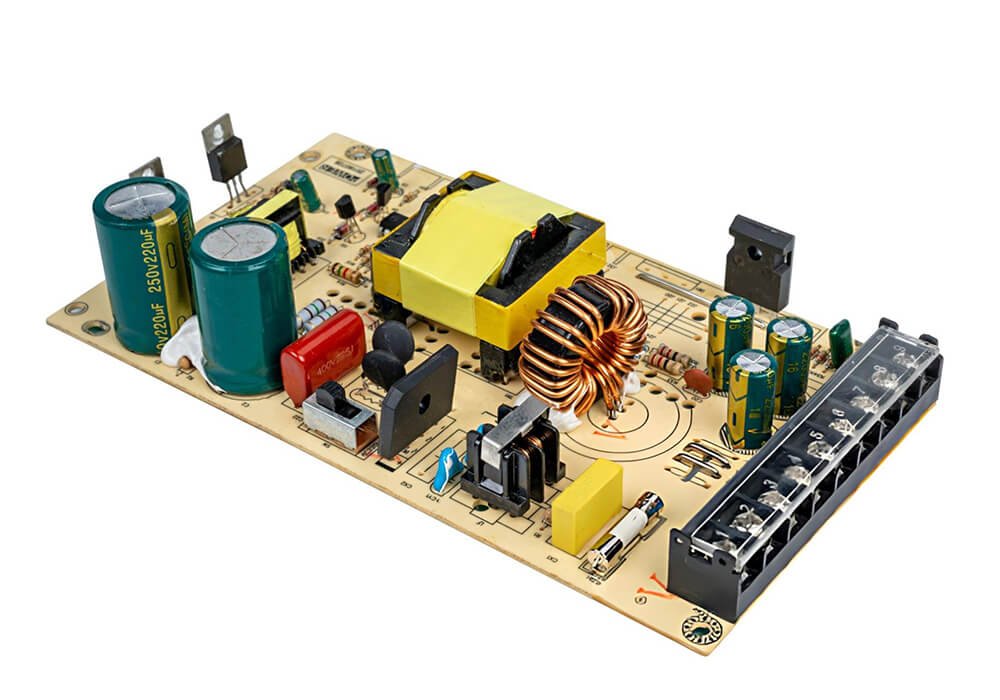
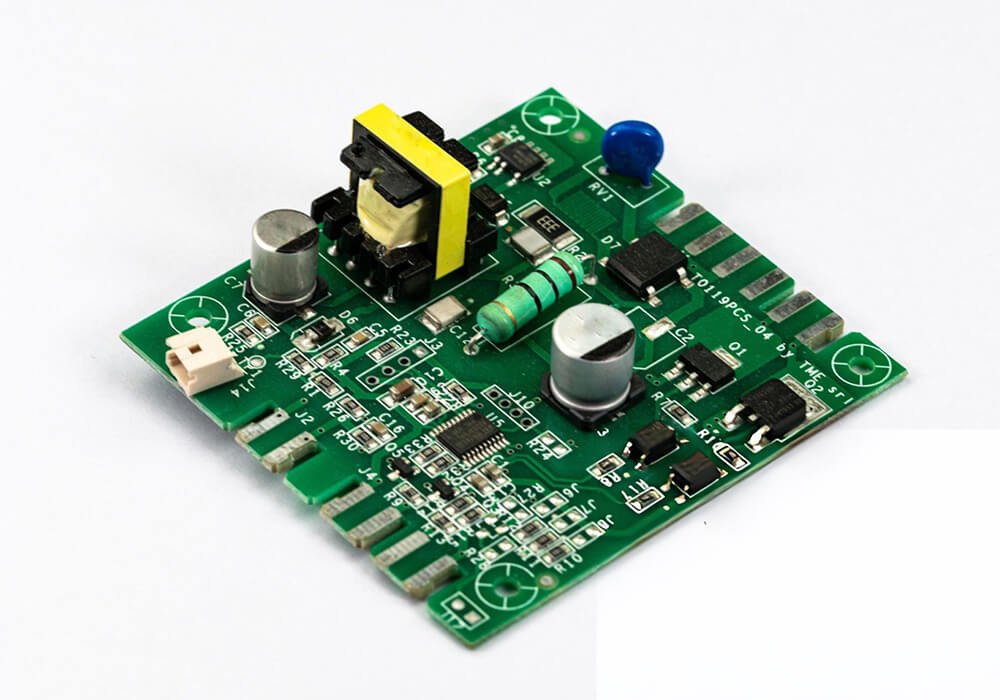
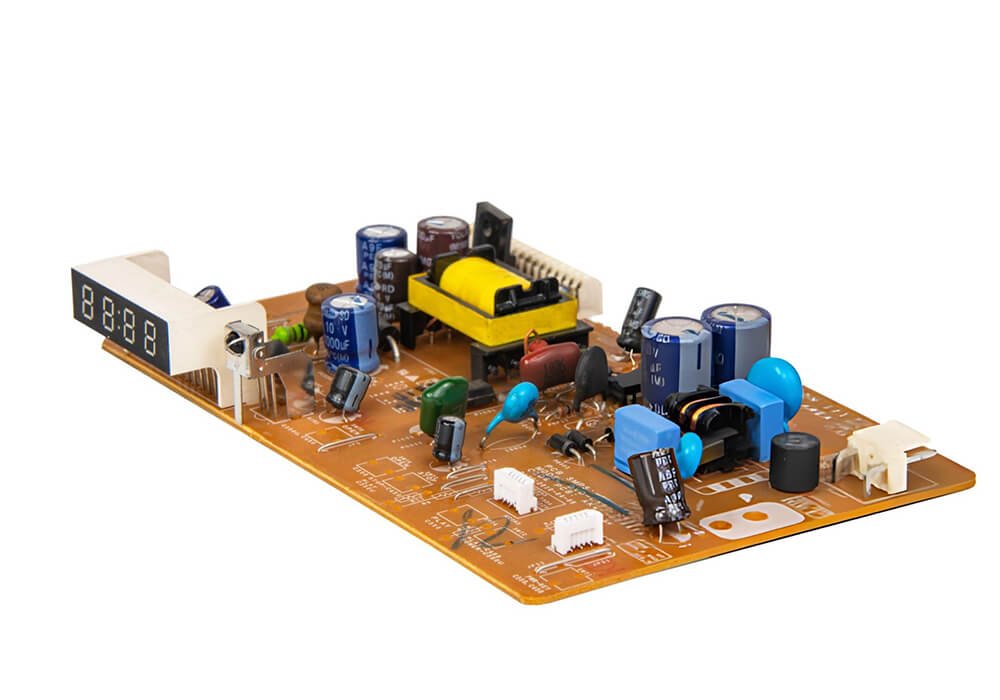
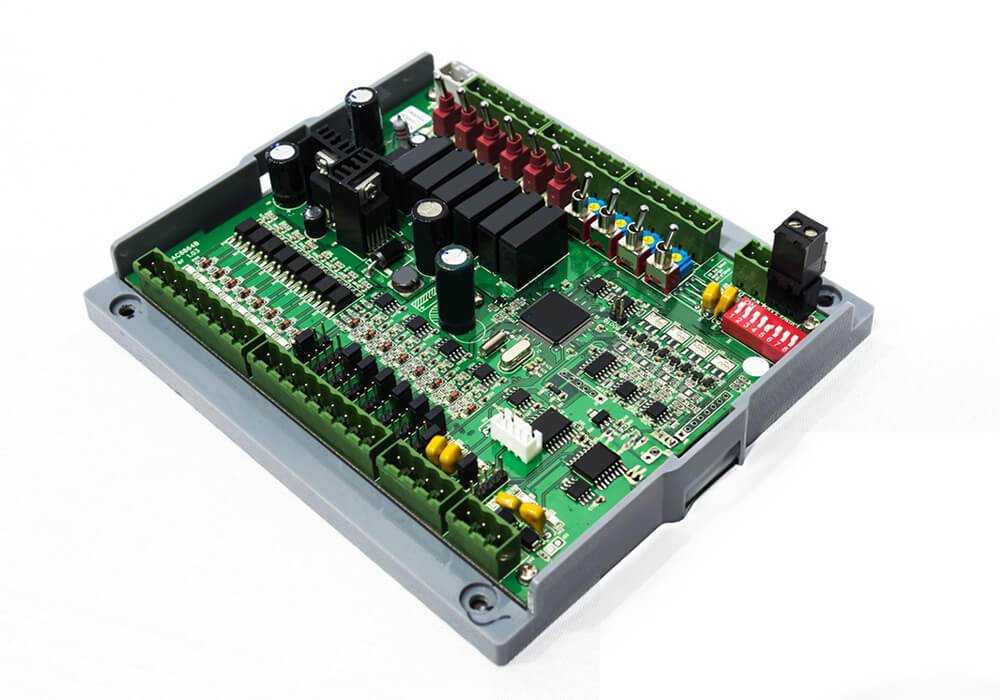
Amplifier PCB are printed circuit boards designed to amplify electrical signals while maintaining signal integrity, low distortion, and stable power delivery.
Whether you require audio amplifier PCBs, Power Amplifier PCB, or Microwave Amplifier PCBs, PCBSAIL offers scalable manufacturing solutions from prototype to full-volume production.
Amplifier PCB Manufacturer.
At PCBSAIL, we offer high-precision Amplifier PCB boards for audio systems, RF communication equipment, industrial electronics, automotive audio, and medical instruments.
With advanced PCB fabrication technology, strict quality control, and extensive engineering experience, we deliver amplifier PCBs that meet demanding performance, thermal management, and reliability requirements.
Our engineering team understands that amplifier circuits often handle high current, high thermal loads, and sensitive signal paths.
Therefore, every amplifier PCB we produce is built with optimized layout design, impedance control, and robust thermal dissipation.
Precision Fabrication
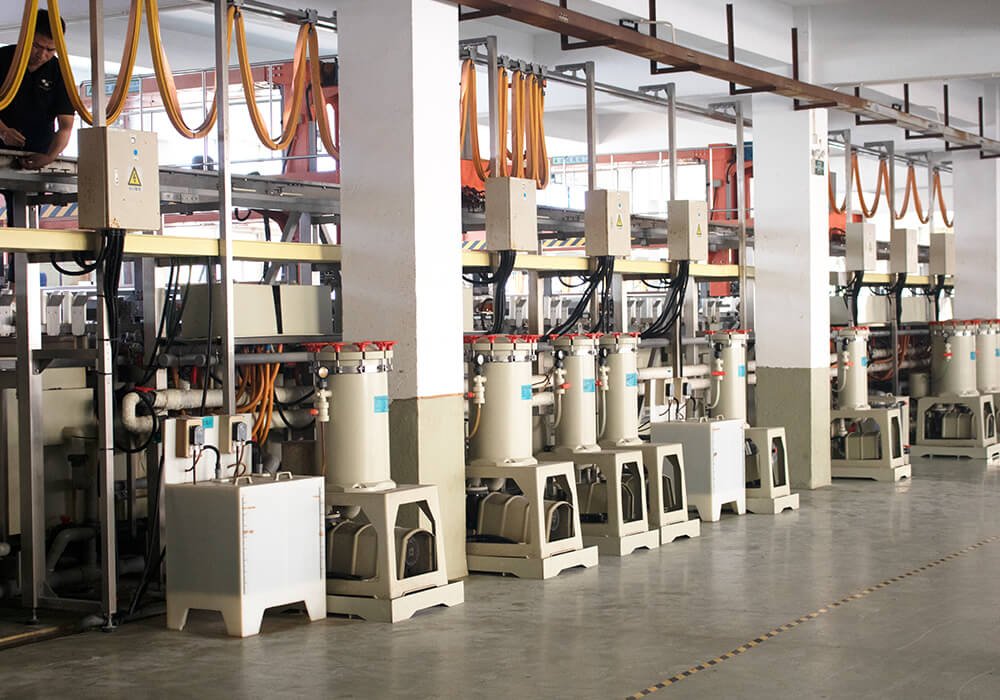
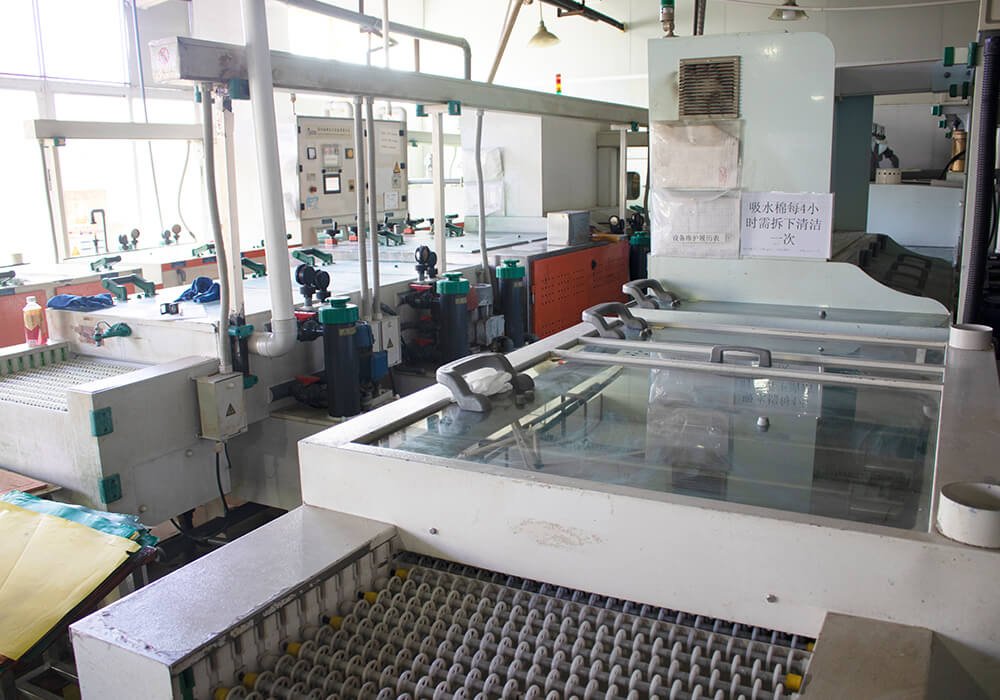
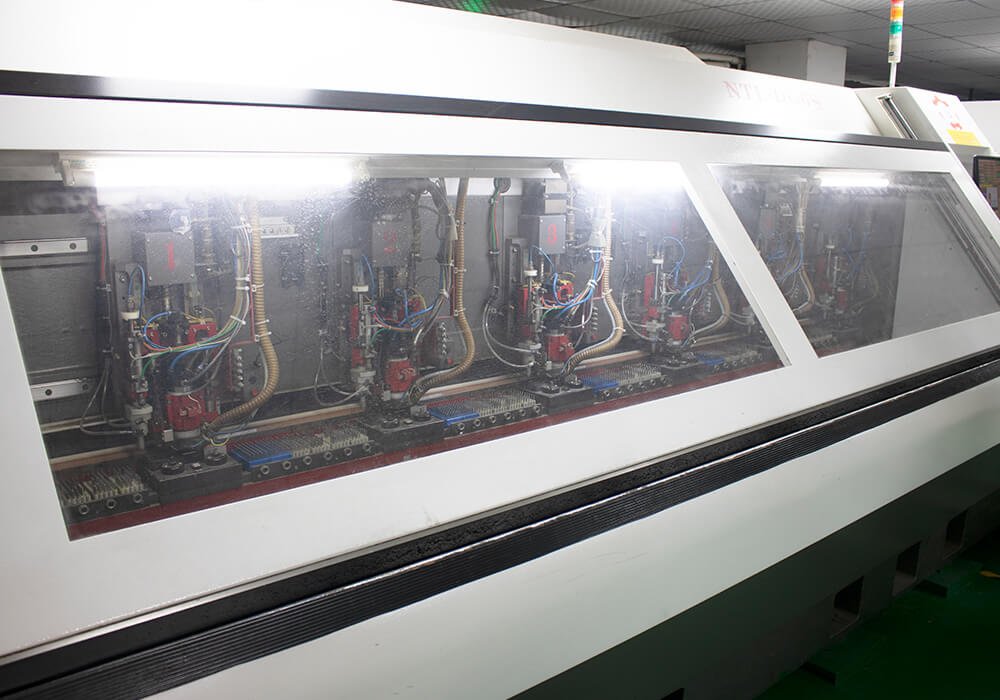
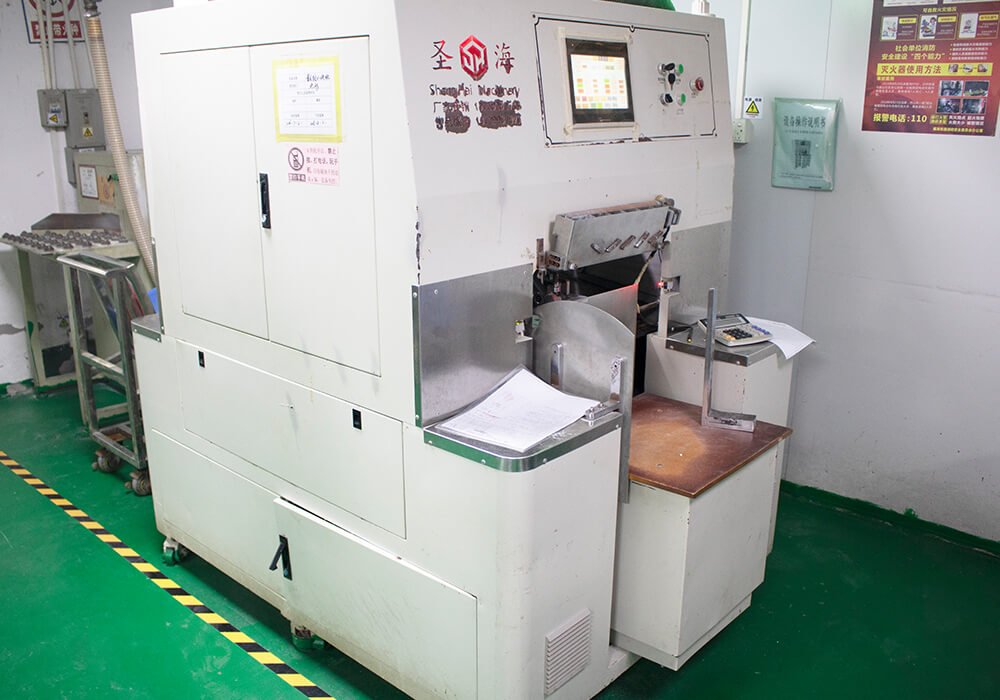
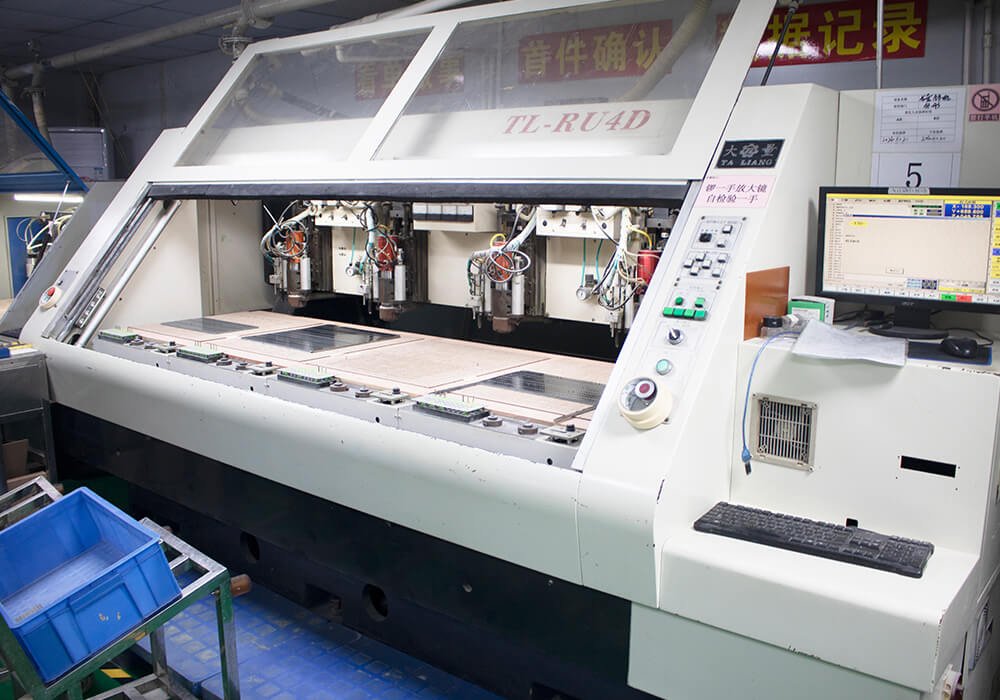
We have modern PCB production facilities equipped with advanced machinery and automated production lines. It can ensure:
- High Precision Trace Etching
- Controlled Impedance Manufacturing
- Multi-layer PCB Fabrication
High-Quality Materials
We only use reliable, industry-certified PCB materials to ensure consistent electrical performance and mechanical durability.
- High-quality FR4 laminates
- High-Tg materials
- Low-loss RF materials
Quality Control
We have a strict quality management system throughout the manufacturing process.
- Incoming material inspection
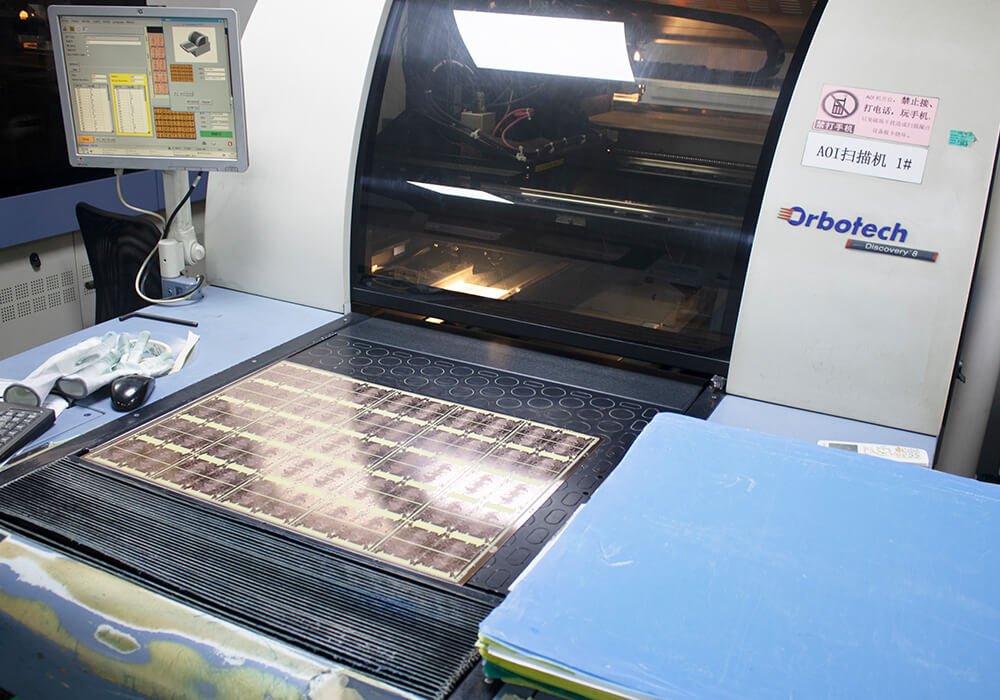
- AOI
- X-ray inspection
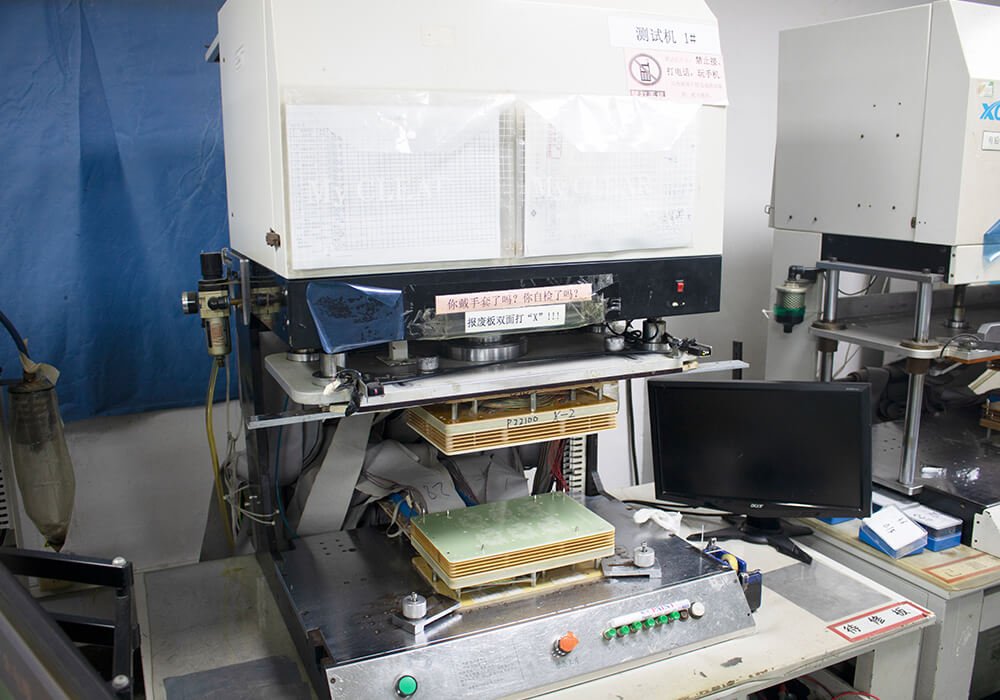
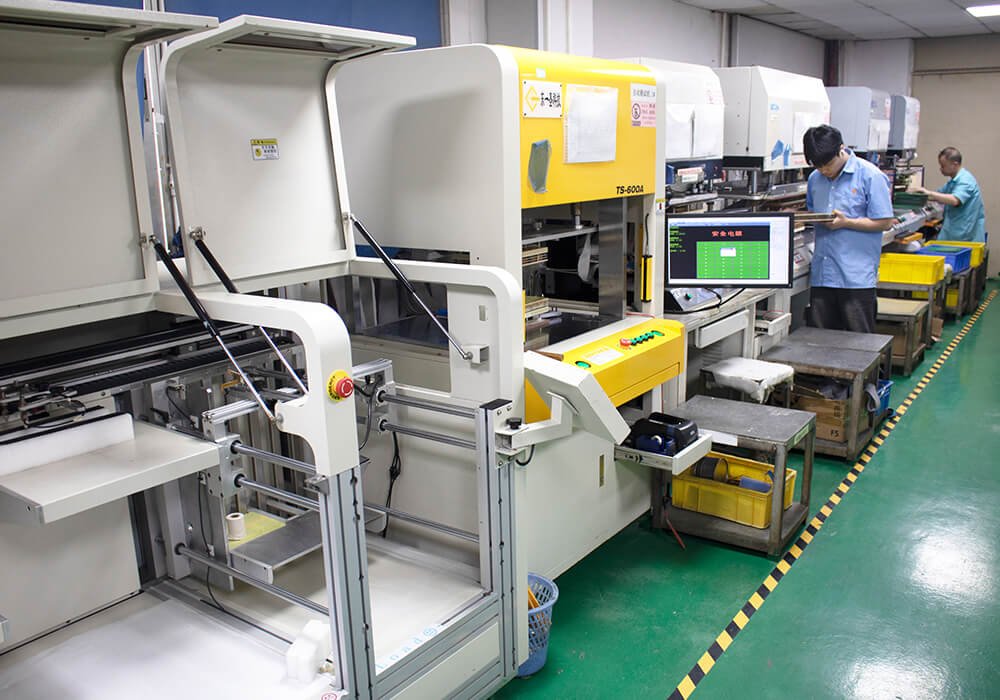
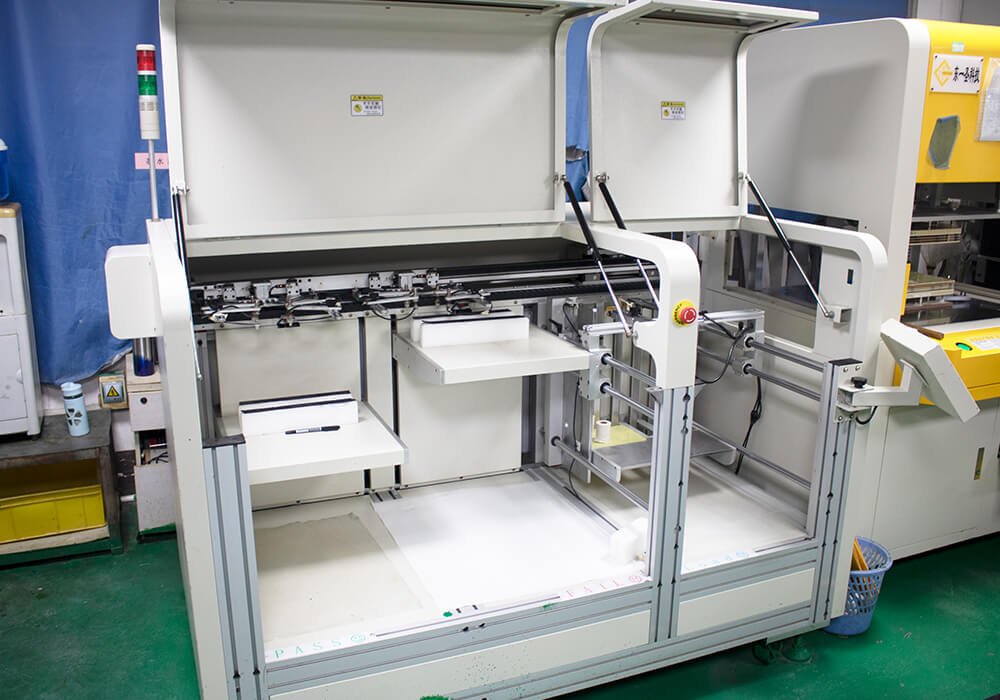
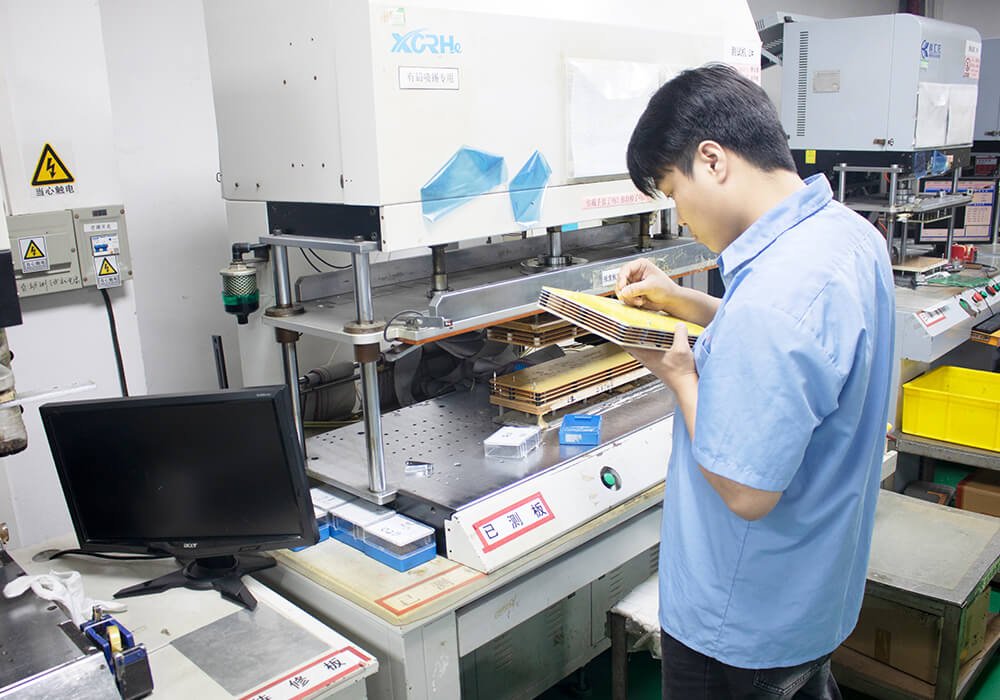
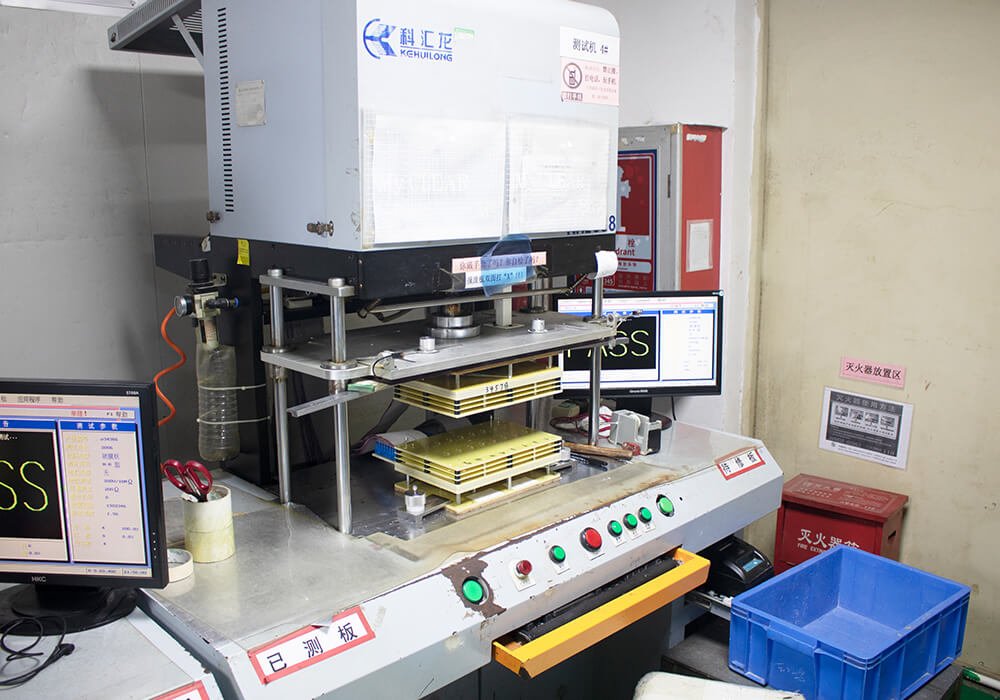
- Electrical testing
- Functional testing
Feature Amplifier PCB.
We provide a wide range of Amplifier PCB types tailored for different applications and signal environments.
Amplifier PCB We Offer.

Power Amplifier PCB
Our PCBs are commonly used in audio systems where microphone or low-level signals must drive speakers or transmitters.
- High current capability
- Efficient thermal dissipation
- Large copper traces for power delivery
- Heat sinks and thermal vias

Audio Amplifier PCB
An Audio Amplifier PCB is specifically designed to amplify audio signals while preserving sound quality and minimizing distortion.
- Class A: Simple design with excellent sound quality but lower efficiency.
- Class B: Improved efficiency with reduced heat generation.
- Class AB: A hybrid design widely used in high-fidelity audio systems.
- Class D: Highly efficient switching amplifiers used in modern digital audio systems.

Microwave Power Amplifier PCB
Microwave Power Amplifier PCBs operate at extremely high frequencies and are used in microwave communication systems. These boards require specialized materials and precise RF design techniques.
- Low dielectric loss materials
- Controlled impedance routing
- RF shielding design
- Precise transistor selection
Operational Amplifier PCB
An Operational Amplifier PCB (Op-Amp PCB) performs mathematical or signal processing operations on input signals. Typical operations include:
- Signal amplification
- Summation
- Integration
- Differentiation
- Filtering
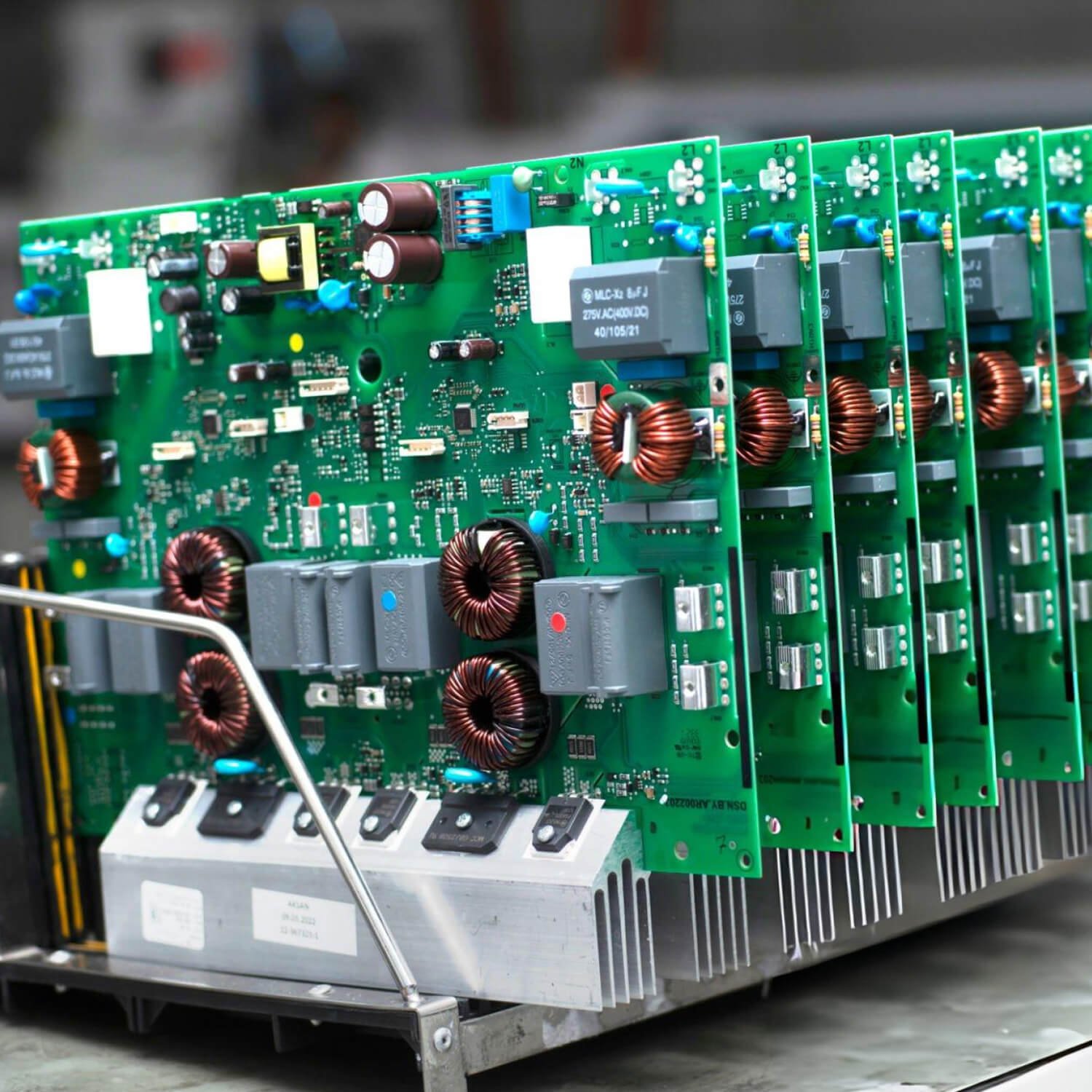
Specification | Capability |
PCB Layers | 1 – 24 Layers |
Board Thickness | 0.2mm – 3.2mm |
Copper Thickness | 0.5oz – 10oz |
Minimum Trace Width | 3mil |
Minimum Trace Spacing | 3mil |
Minimum Via Size | 0.15mm |
Surface Finish | HASL, ENIG, OSP, Immersion Silver |
Maximum Panel Size | 600mm × 600mm |
Controlled Impedance | ±5% |
Amplifier PCB Layout and Design Considerations
It requires careful attention to signal integrity, thermal performance, power distribution, and electromagnetic interference control when designing an Amplifier PCB.
1. Proper PCB Layer Stack-Up
The PCB stack-up plays an important role in maintaining signal stability and minimizing electromagnetic interference.
Most amplifier PCBs are designed using a four-layer PCB structure, which provides an effective balance between cost and electrical performance.
A typical amplifier PCB stack-up includes:
- Top Layer: Signal routing and component placement
- Inner Layer 1: Ground plane for noise shielding and return paths
- Inner Layer 2: Power plane for stable power distribution
- Bottom Layer: Additional signal routing and auxiliary power lines
For high-power or high-frequency amplifier designs, six-layer or even eight-layer PCB structures may be required to improve signal isolation and thermal management.
A well-designed layer stack-up helps reduce signal crosstalk, electromagnetic interference (EMI), and ground loop issues.
2. Component Placement
Component placement is one of the most critical steps in amplifier PCB design. The goal is to minimize signal path length, reduce parasitic effects, and ensure efficient thermal dissipation.
Important placement guidelines include:
- Place signal processing components close to each other to reduce trace length.
- Keep input and output sections separated to prevent feedback interference.
- Position high-power components near heat dissipation areas.
- Place sensitive analog components away from noisy digital circuits.
The amplifier IC or transistor should be positioned centrally in the circuit to maintain balanced routing paths.
3. Decoupling Capacitor
Decoupling capacitors play a crucial role in stabilizing voltage supply and filtering high-frequency noise.
Key Placement Recommendations:
- Place decoupling capacitors as close as possible to the power pins of amplifier ICs.
- Use multiple capacitors with different capacitance values to filter various frequency ranges.
- Choose small package sizes (such as 0402 or 0603) for high-frequency filtering.
4. Power Trace Width and Current Handling
Amplifier circuits often require high current to drive speakers, antennas, or output loads.
To prevent overheating and voltage drops, designers must ensure:
- Power traces are sufficiently wide to handle high current.
- Thick copper layers (2oz or more) are used for power amplifier circuits.
- Short and direct power paths are implemented.
In high-power amplifier PCBs, designers may also use copper pours or power planes to improve current distribution and reduce resistance.
5. Thermal Management
Amplifier circuits generate considerable heat, especially in power amplifier PCBs. Excessive heat can degrade component performance and shorten the lifespan of electronic devices.
Effective thermal management techniques include:
- Adding thermal vias beneath power components
- Using large copper areas for heat spreading
- Incorporating heat sinks or metal core PCBs
- Selecting high thermal conductivity PCB materials
Thermal simulation tools are often used during design to identify potential hot spots on the amplifier PCB.
6. Signal Routing and Trace Layout
Signal routing must be carefully optimized to maintain signal clarity and prevent interference.
Key routing considerations:
- Keep analog signal traces short and direct.
- Avoid routing signal traces near high-current power lines.
- Maintain consistent impedance for high-frequency signals.
- Avoid sharp trace corners; use 45-degree angles or curved routing.
Differential signals and high-speed amplifier outputs must be routed with matched trace lengths to maintain signal balance.
Amplifier PCB Feature
With advanced manufacturing technology, strict quality control, and extensive engineering expertise, we deliver reliable and high-efficiency Amplifier PCB.
High Signal Integrity
With optimized trace routing, controlled impedance, and carefully engineered grounding structures, our amplifier PCB ensure superior signal integrity.
- Low signal distortion
- Stable signal transmission
- Reduced electromagnetic interference (EMI)
- Consistent frequency response
Excellent Thermal
Power amplifier circuits generate significant heat during working. Without proper thermal, excessive heat can affect performance and reduce the electronic components’ lifespan.
Our amplifier PCBs are designed with advanced thermal management features:
- Thermal vias for efficient heat transfer
- Thick copper layers for improved heat dissipation
- Optimized PCB stack-up structures
- Support for heat sinks and metal core substrates
High Reliability
With strict quality control throughout the entire manufacturing process, we ensure Amplifier PCB consistent performance and long-term stability.
- High-quality PCB materials
- Precision manufacturing processes
- Multiple inspection procedures
- Electrical testing before shipment
Enhanced Audio
In audio applications, our amplifier PCBs significantly improve sound quality by providing stable amplification and reducing distortion.
- Accurate frequency response
- Reduced harmonic distortion
- Balanced signal output
- Stable power delivery
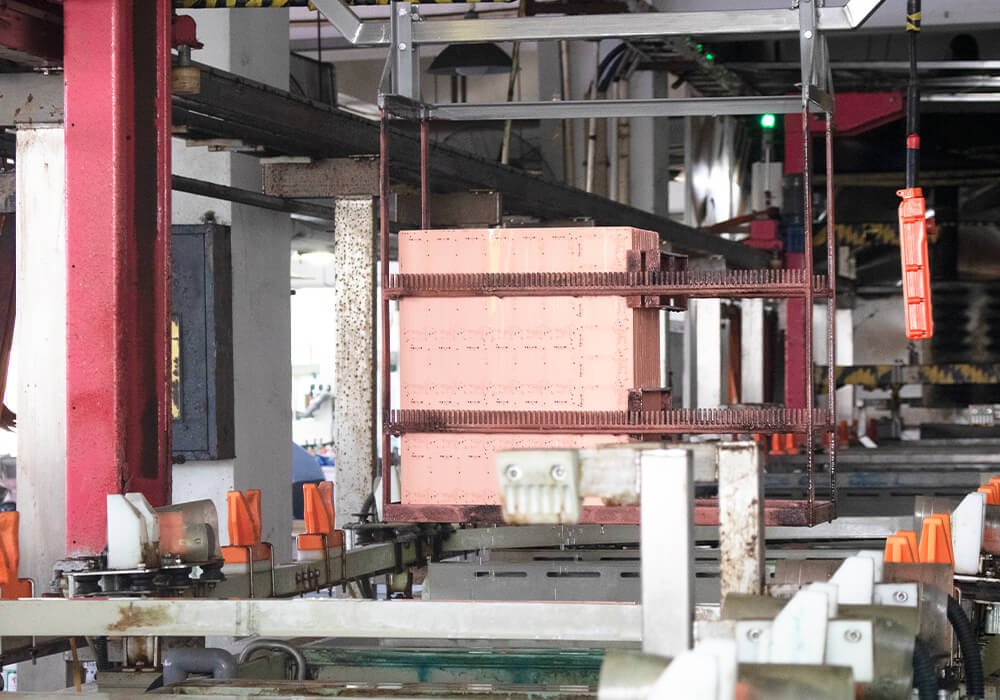
Amplifier PCB Manufacturing
Our Amplifier PCB manufacturing process involves a series of precise engineering and production steps. It can ensure the final Amplifier PCB can reliably amplify signals while maintaining excellent signal integrity, thermal stability, and electrical performance

Engineering Review
Our Engineers will first design the schematic diagram. During this stage, we will analyze several important parameters :
- Signal amplification requirements
- Power consumption and current flow
- Thermal management needs
- Signal bandwidth and impedance
- Grounding architecture

Material Selection
PCB substrate material is crucial for amplifier performance. Our common materials used for amplifier PCBs:
- FR-4 material
- High-Tg laminates
- Low-loss RF materials
- Metal core substrates

Imaging
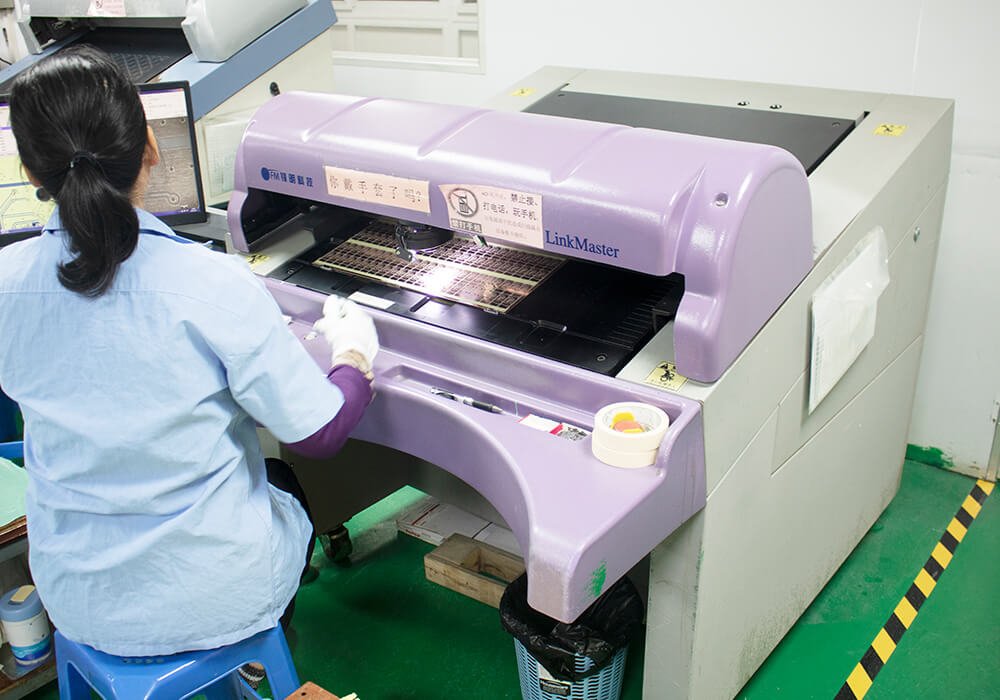
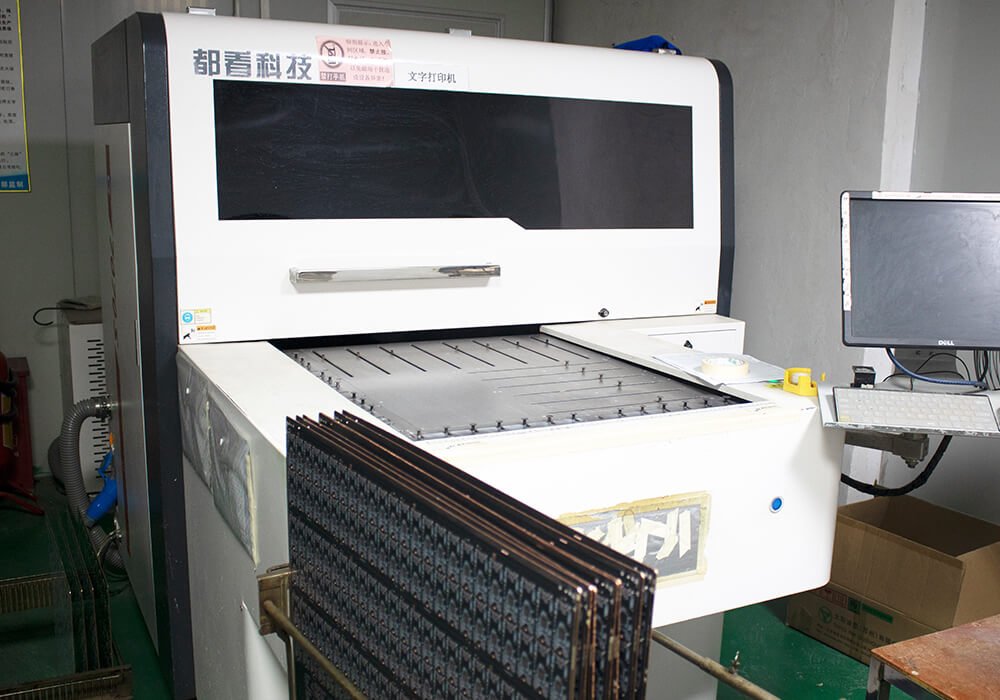
In this stage, we will use high-resolution imaging equipment to transfer circuit pattern onto the board. After exposure to ultraviolet light, the unwanted photoresist is removed, revealing the copper traces that form the amplifier circuit pathways.

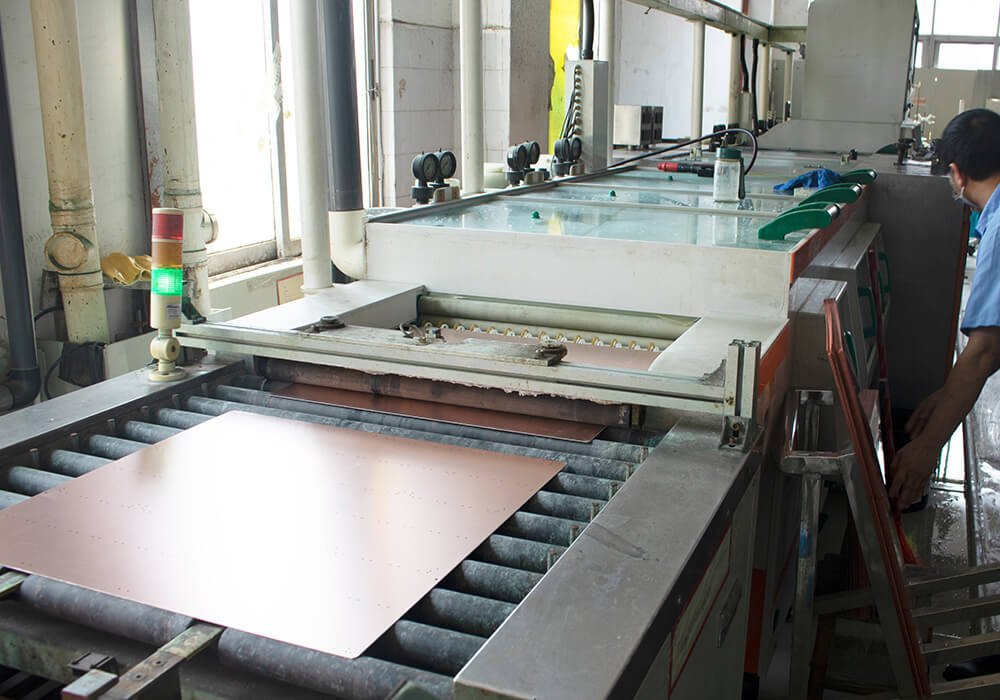
Copper Etching
The exposed copper areas are etched away, leaving only the copper traces required for the amplifier PCB layout. This process forms the electrical pathways that connect all components within the amplifier circuit. Accurate trace widths is particularly important for amplifier circuits that require stable current flow and controlled impedance.

Layer Lamination
During lamination, the PCB stack is compressed under controlled conditions to ensure proper bonding and mechanical stability. This process creates the final multilayer structure required for complex amplifier PCB designs.

Drilling
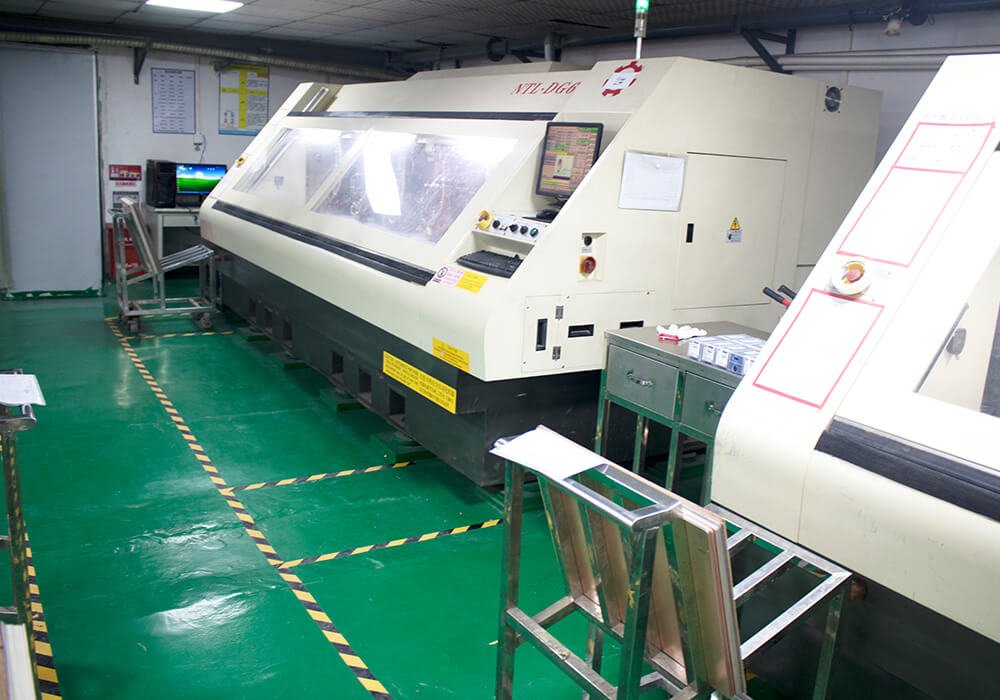
After lamination, precision drilling machines create holes in the PCB for vias and component leads. Proper via formation ensures reliable signal transmission and power distribution throughout the amplifier circuit.

Circuit Formation
Once the drilling and plating processes are complete, we will etch circuit on the outer layers.

Solder Mask
A solder mask layer is applied to the surface of the PCB. It can protect the copper traces from oxidation and prevent accidental solder bridging during assembly. The solder mask also provides insulation and improves the overall durability of the amplifier PCB.

Surface Finish
To ensure reliable soldering and long-term electrical performance, the exposed copper pads are coated with a protective surface finish. Common surface finishes used for amplifier PCBs include:
- HASL
- ENIG
- OSP
- Immersion Silver

Assembly
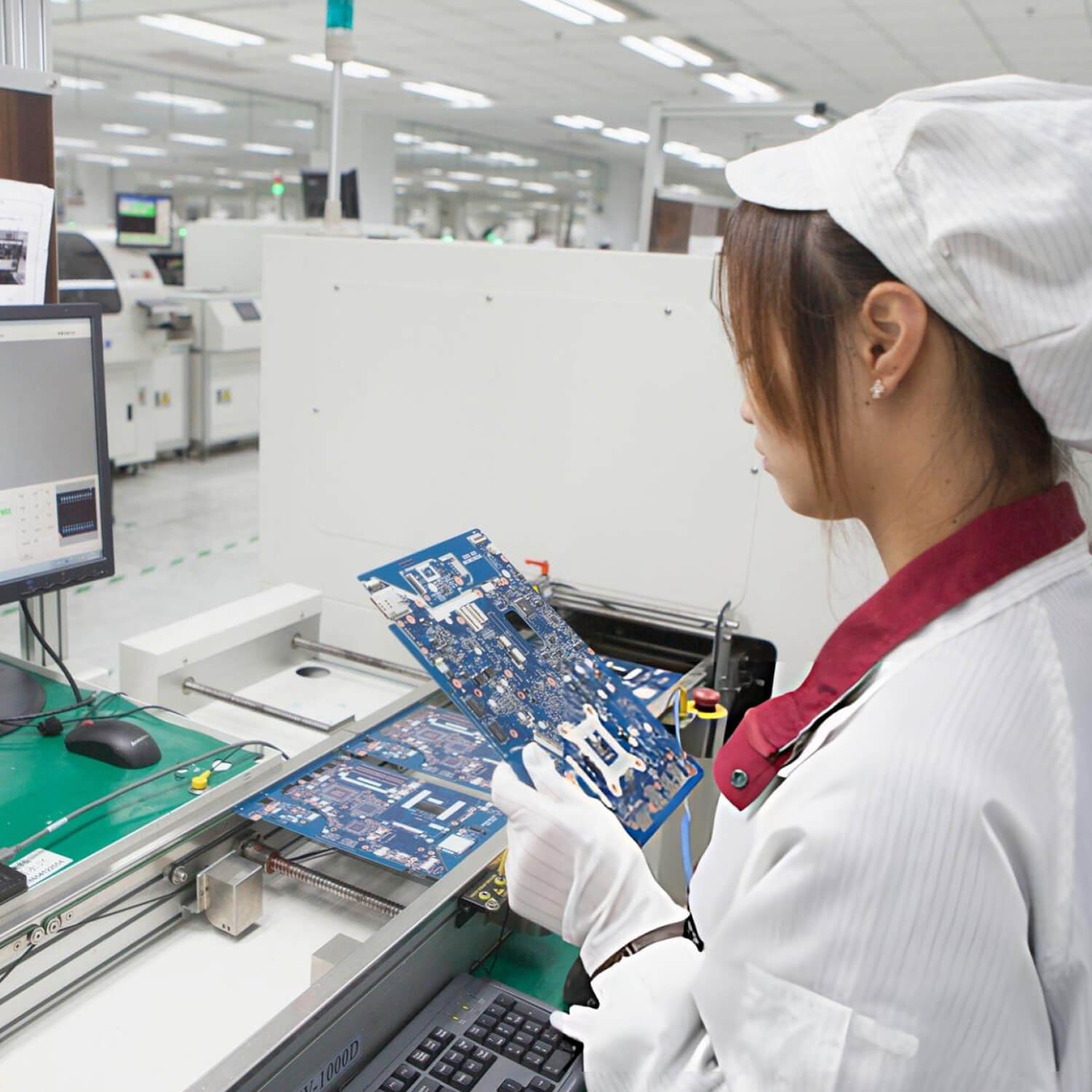
Once PCB fabrication is completed, the amplifier board proceeds to the PCB assembly stage. High-speed automated pick-and-place machines position components accurately on the amplifier PCB before soldering.

Soldering
Soldering secures the electronic components to the PCB and creates electrical connections between component leads and copper pads. The soldering process is carefully controlled to avoid overheating sensitive amplifier components.

Quality Testing
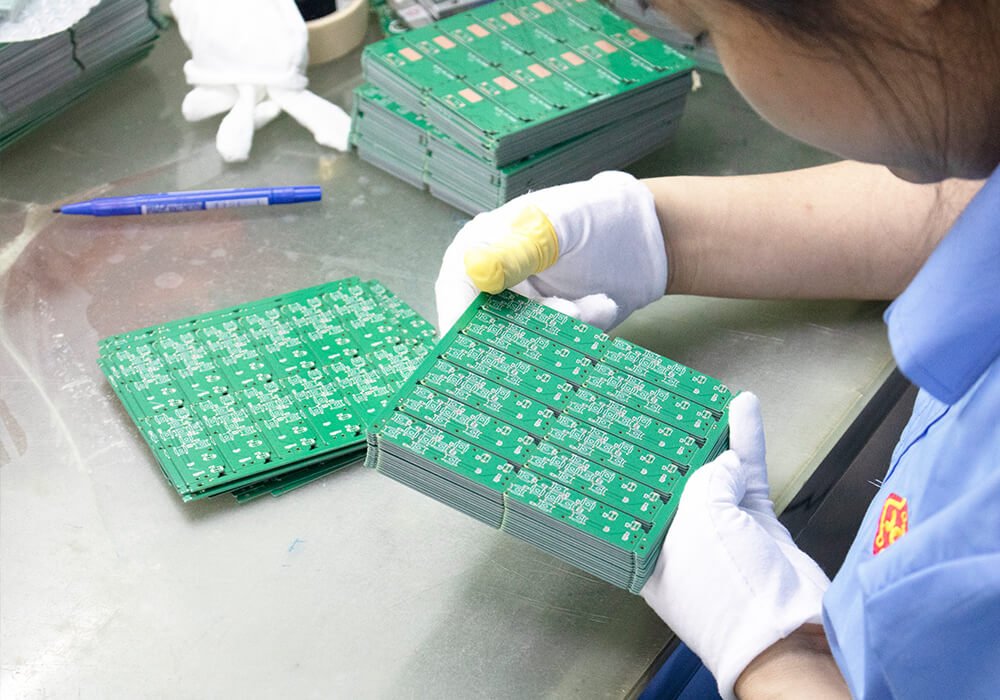
We carry multiple inspection procedures to ensure every board meets strict performance standards.
- AOI
- X-ray inspection
- Electrical testing
- Functional testing
Amplifier PCB Applications
Our Amplifier PCBs are widely used in modern electronic systems, such as consumer electronics, telecommunications, automotive electronics, industrial automation, and medical devices. Amplifier PCB can maintain signal clarity and low distortion.

Audio Equipment
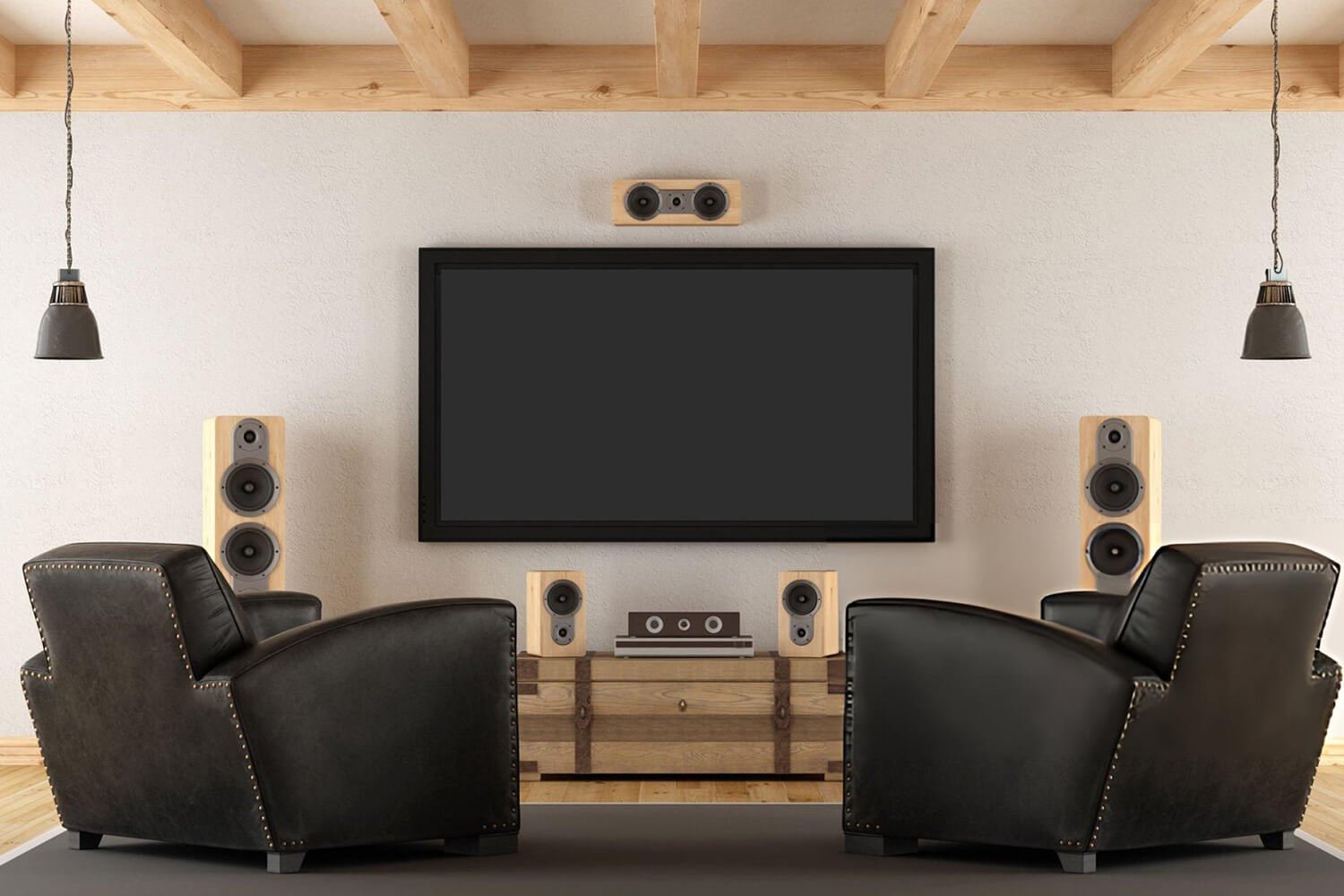
Amplifier PCBs is used in audio systems. In these systems, amplifier boards increase the strength of audio signals so they can drive speakers and produce clear, powerful sound.
- Stereo amplifiers
- Home theater receivers
- Soundbars
- Subwoofer amplifiers
- Multimedia speaker systems

Automotive Electronics
The automotive industry increasingly relies on amplifier PCBs to support modern in-vehicle audio and communication systems.
- Car audio amplifiers
- Vehicle infotainment systems
- Bluetooth communication modules
- Navigation audio systems
- Speaker control modules

Consumer Electronics
Many everyday electronic devices rely on amplifier PCBs to enhance audio signals or process analog inputs.
- Smart TVs
- Gaming consoles
- Home assistant devices
- Multimedia entertainment systems
- Voice-controlled devices
Broadcasting
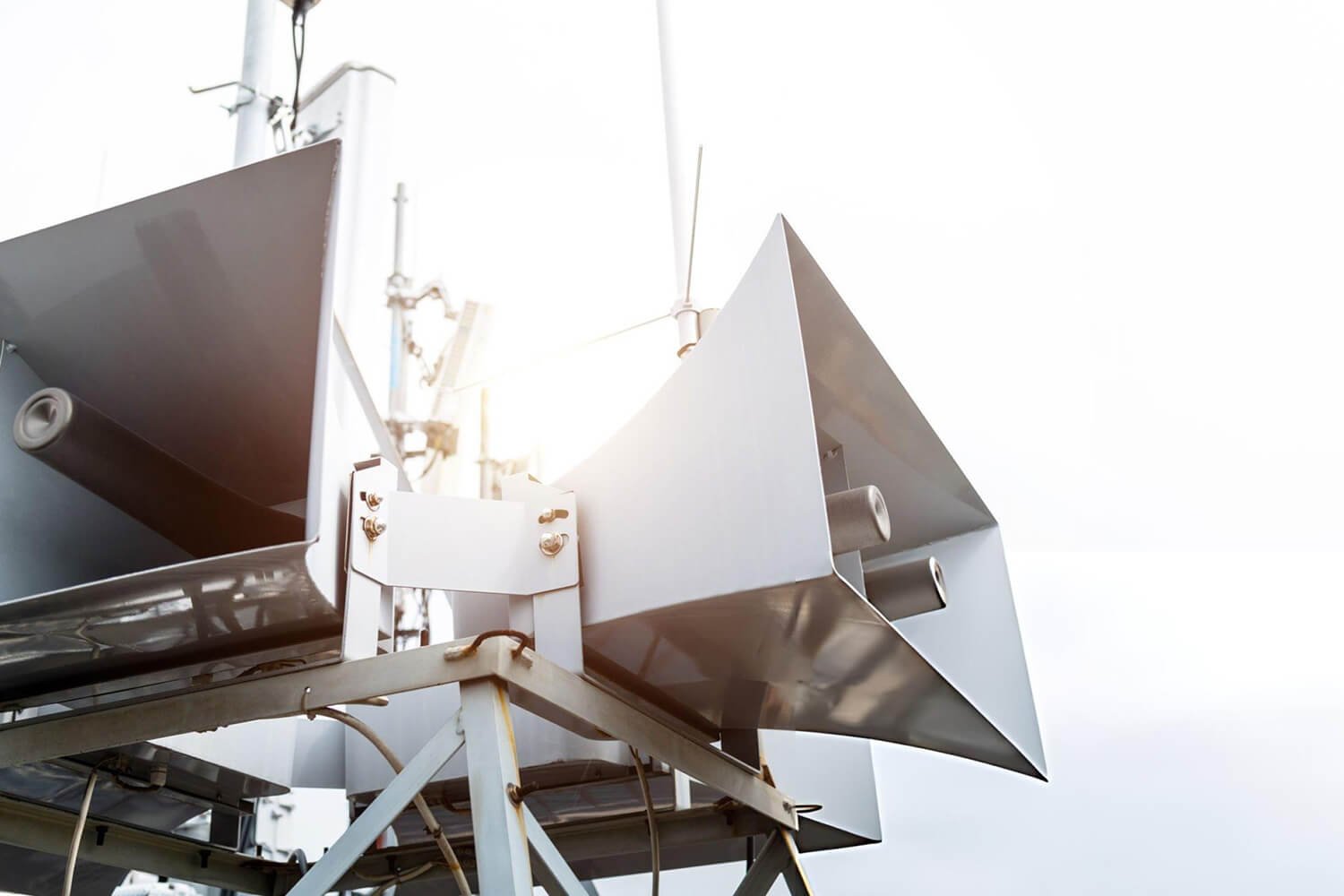
Amplifier PCBs are widely used in large-scale sound systems designed for public communication and broadcasting.
- Stadium sound systems
- Conference hall audio systems
- Airport and railway station announcements
- Emergency communication systems
- Commercial public address systems
Fast Quotation
Our professional sales and engineering teams provide fast PCB quotes and technical support. Simply send us your Gerber files, BOM, and assembly drawings, and we will respond promptly with a competitive solution.
- Gushu Tangxi Second Industrial Zone, Shenzhen
- +86 755 2335 0814
- +86 135 1078 8094
- sales@pcbasail.com
FAQ About Amplifier PCB
1. What is an Amplifier PCB?
An Amplifier PCB (Amplifier Printed Circuit Board) is a specialized circuit board designed to increase the amplitude or power of an electrical signal. The amplifier circuit receives a low-level input signal and outputs a stronger signal while maintaining the original waveform characteristics.
Amplifier PCBs are widely used in applications such as audio systems, wireless communication devices, industrial electronics, medical equipment, and automotive sound systems.
2. What Components Are Typically Used In An Amplifier PCB?
Amplifier PCBs contain various electronic components that work together to amplify signals.
Common components include:
- Transistors – the main active components for signal amplification
- Capacitors – used for filtering and stabilizing voltage
- Resistors – regulate current and protect circuit components
- Inductors – stabilize signals in RF circuits
- Integrated circuits (ICs) – specialized amplifier chips
- Heat sinks – dissipate heat generated by power components
Each component plays a critical role in the amplifier circuit’s operation.
3. What Is The Difference Between Class A, Class B, And Class D Audio Amplifier Pcbs?
Audio amplifier circuits are often categorized by operating class.
Class A Amplifier PCB
Provides excellent sound quality but has low efficiency and generates more heat.
Class B Amplifier PCB
Offers higher efficiency than Class A but may introduce crossover distortion.
Class AB Amplifier PCB
Combines the advantages of Class A and Class B, making it widely used in audio equipment.
Class D Amplifier PCB
Uses switching technology to achieve very high efficiency and is commonly used in modern digital audio devices.
4. Can Amplifier PCBs be Customized For Specific Applications?
Yes. Most amplifier PCBs are custom-designed based on the specific requirements of the electronic system.
Customization options include:
- Different PCB layer structures
- Various substrate materials
- Custom board sizes and shapes
- Specialized surface finishes
- High-power copper thickness options
Custom amplifier PCB design ensures optimal performance for each application.
5. How Can I Choose The Right Amplifier PCB Manufacturer?
When choose an amplifier PCB manufacturer, it is important to consider several factors:
- Manufacturing experience with amplifier circuits
- Advanced PCB fabrication capabilities
- Quality control and inspection processes
- Engineering support and design assistance
- Flexible production capacity from prototype to mass production
Working with an experienced manufacturer helps ensure your amplifier PCB meets both performance and reliability requirements.
6. Can PCBSAIL Manufacture Custom Amplifier Pcbs?
Yes. PCBSAIL provides complete Amplifier PCB manufacturing and assembly services, supporting projects from prototype development to large-scale production.
Our services include:
- Custom PCB fabrication
- PCB assembly (SMT and through-hole)
- Material selection and design support
- Electrical testing and inspection
Our engineering and manufacturing teams ensure that every amplifier PCB meets high standards of quality, performance, and reliability.