
/HDI, MCPCB, Rigid-Flex/

Automotive PCB

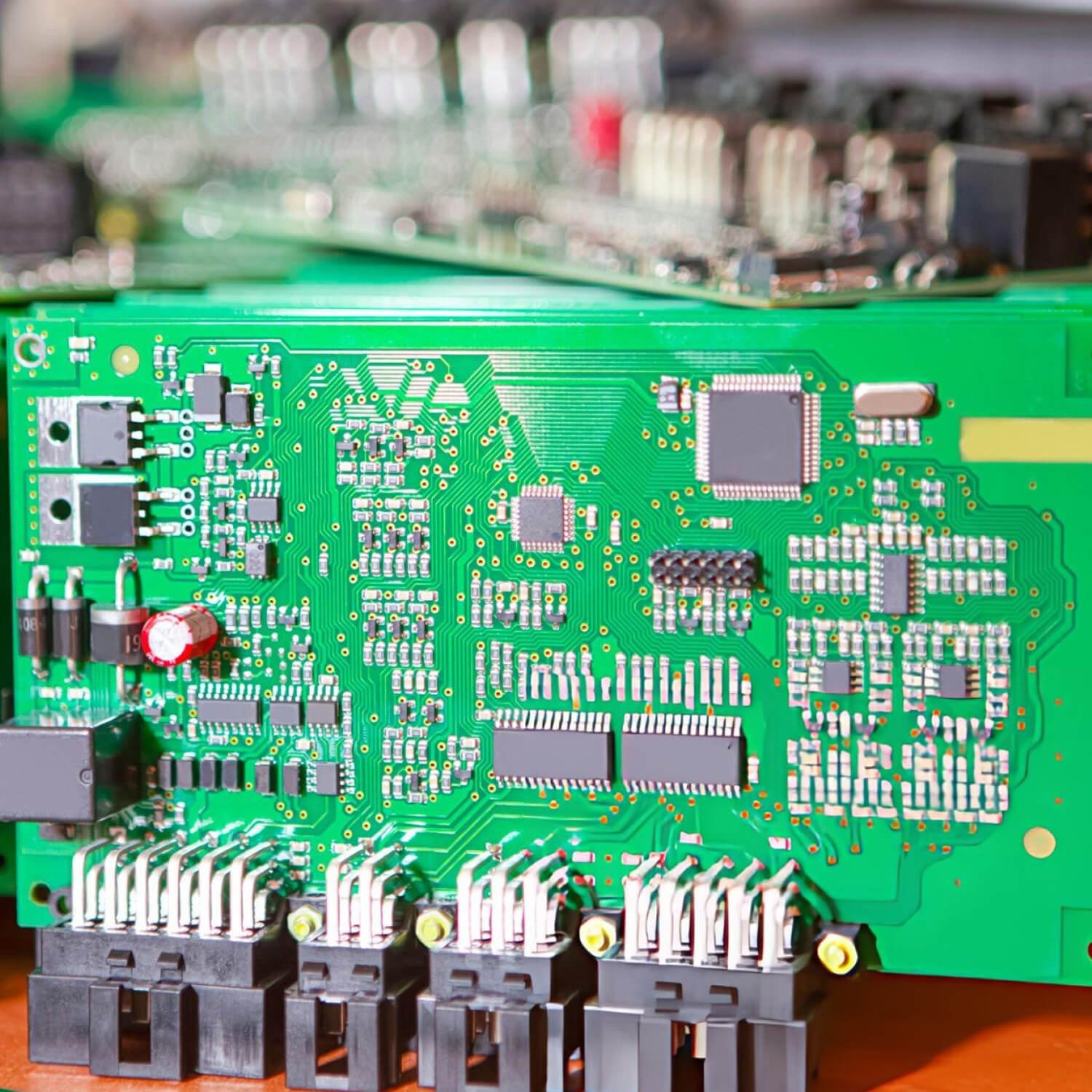
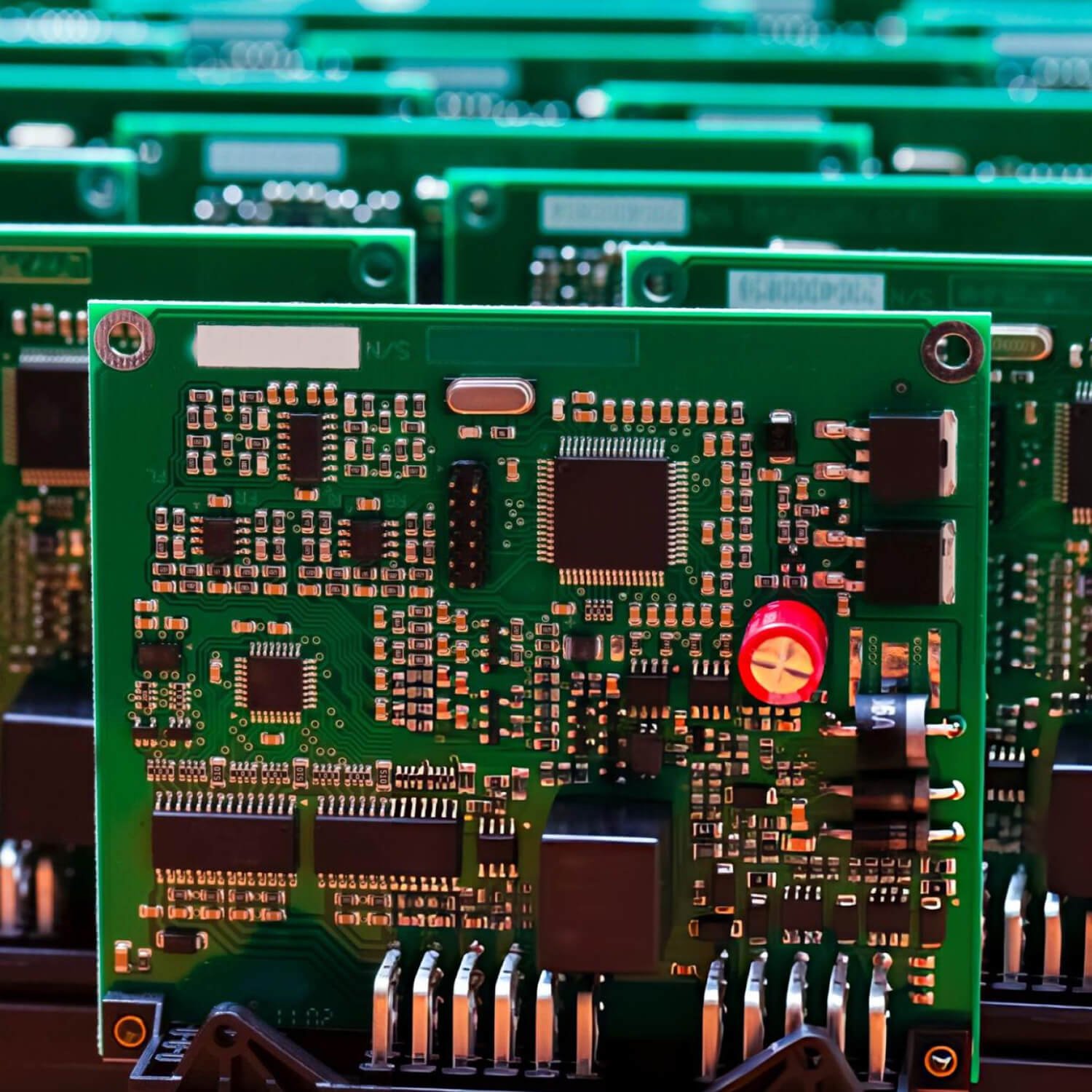
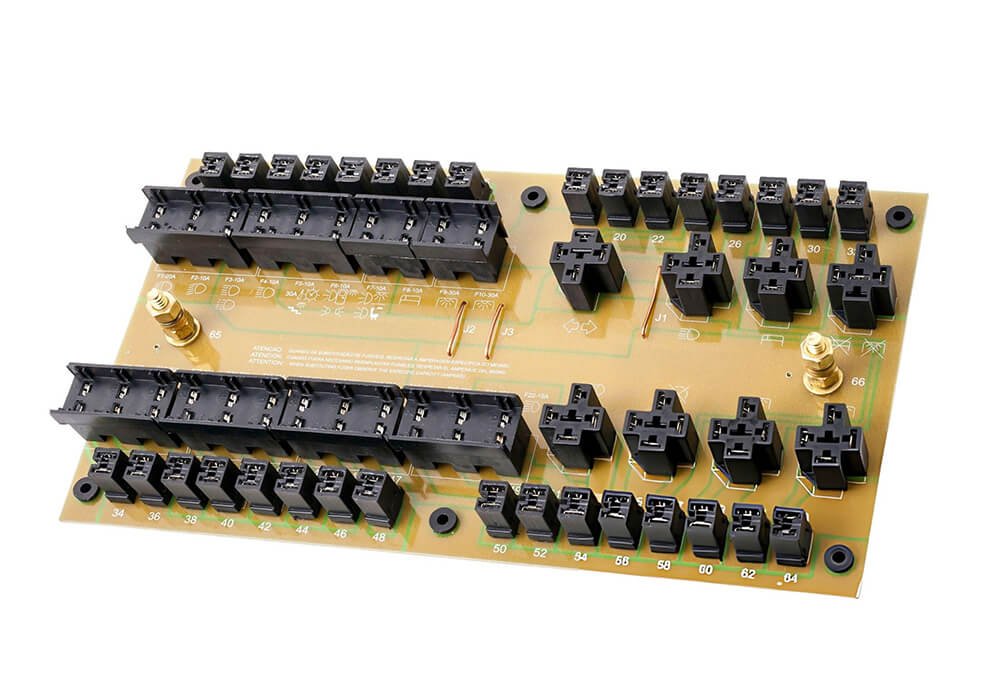
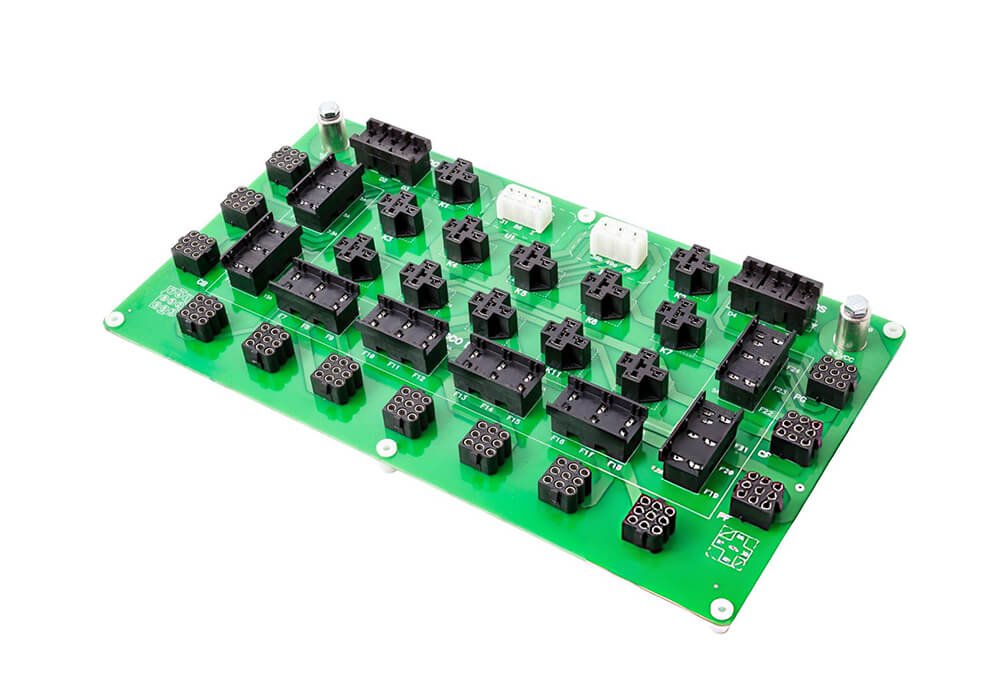
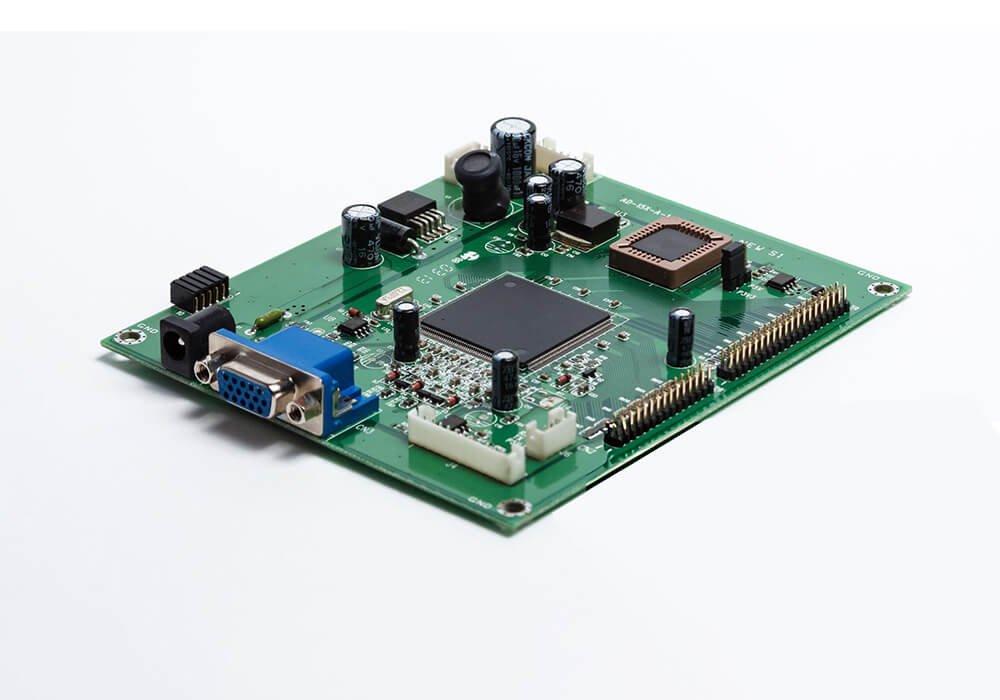
PCBSAIL specializes in manufacturing Automotive PCBs for oil vehicles and ev car. From ADAS systems and EV power modules to infotainment and LED lighting, our automotive-grade PCBs are engineered for high reliability, safety, and long-term performance.

With advanced manufacturing capabilities in HDI, rigid-flex, heavy copper, and metal core PCBs, we support automotive innovations such as LiDAR, 5G connectivity, autonomous driving, and electric vehicles (EV/HEV).

What Is Automotive PCB

What Is Automotive PCB?

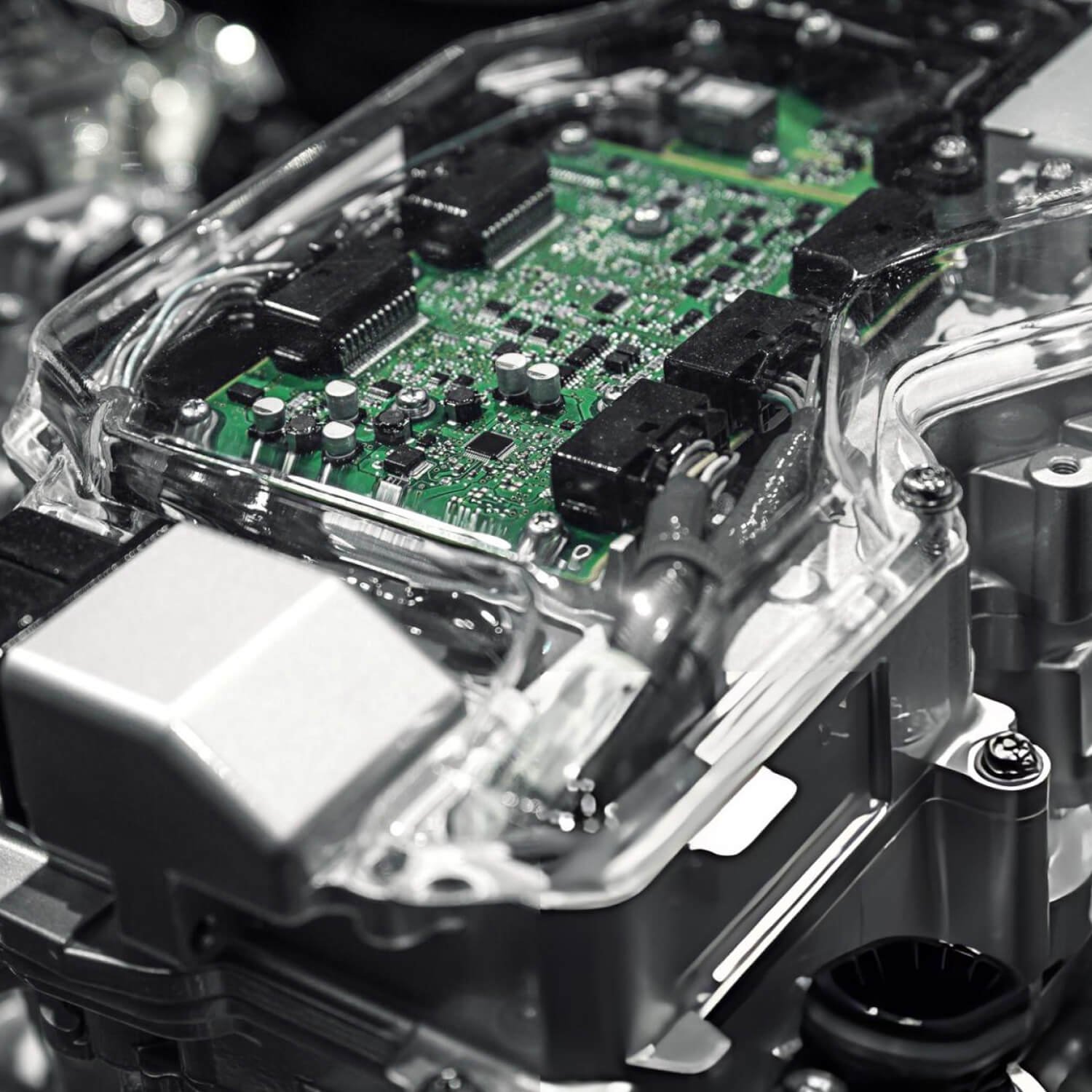
An Automotive PCB is a specialized printed circuit board designed to support and interconnect electronic components within vehicles.

Automotive PCBs should run reliably in extreme environmental conditions:

  • Extreme temperatures (−40°C to 150°C+)
  • High electrical loads and noise environments
  • Constant mechanical vibration and shock
  • Exposure to moisture, chemicals, and dust
  • Electromagnetic interference (EMI)

These PCBs are important for controlling and monitoring critical vehicle systems.

Automotive PCBs are engineered with a “zero-failure tolerance” mindset, as their performance directly impacts vehicle safety and reliability.

Automotive PCB We Offered.

We provided a wide range of custom Automotive PCBs for different vehicle systems and requirements.

Automotive PCB We Offered
Battery management systems
Engine control units PCB

Our Capacity.

Flex PCB Single-Sided Flex PCB

HDI Automotive PCB

It is designed for advanced electronic systems requiring compact size and high-speed signal transmission.

  • Fine trace/space and microvia technology
  • High routing density for complex circuits
  • Excellent signal integrity for high-frequency applications

Flex PCB Double-Sided Flex PCB

Rigid Automotive PCB

Rigid Automotive PCB is a cost-effective and durable.

  • Strong mechanical stability
  • Reliable performance in fixed installations
  • Suitable for multilayer configurations

Flex PCB Multilayer Flex PCB

Flexible Automotive PCB

It is engineered for tight spaces and dynamic environments where flexibility is required.

  • Bendable and lightweight design
  • Reduced need for connectors and wiring
  • High resistance to vibration

Flex PCB Single-Sided Flex PCB

MCPCB

It is optimized for high thermal performance applications.

  • Aluminum or copper core for heat dissipation
  • High thermal conductivity
  • Improved component lifespan

Flex PCB Double-Sided Flex PCB

RF Automotive PCB

It is designed for high-frequency communication systems.

  • Controlled impedance design
  • Low signal loss materials
  • Stable RF performance

Item

Rigid PCB

Flexible PCB

Rigid-Flex PCB

Max Layer

60L

8L

36L

Inner Layer Min Trace/Space

3/3mil

3/3mil

3/3mil

Out Layer Min Trace/Space

3/3mil

3.5/4mil

3.5/4mil

Inner Layer Max Copper

6oz

2oz

6oz

Out Layer Max Copper

6oz

20z

3oz

Min Mead hanical Driling

0.15mm

0.1mm

0.15mm

Min Laser Drilling

0.1mm

0.1mm

0.1mm

Max Aspect Ratio (Mechanical Drilling)

20:01

10:01

12:01

Max Aspect Ratio (Laser Drilling)

1:01

/

1:01

Press Fit Hole Tolerance

±0.05mm

±0.05mm

±0.05mm

PTH Tolerance

±0.075mm

±0.075mm

±0.075mm

NPTH Tolerance

±0.05mm

±0.05mm

±0.05mm

Countersink Tolerance

±0.15mm

±0.15mm

±0.15mm

Board Thickness

0.4-8mm

0.1-0.5mm

0.4-3mm

Board Thickness Tolerance(<1.0mm)

±0.1mm

±0.05mm

±0.1mm

Board Thickness Tolerance(≥1.0mm)

±10%

/

±10%

Min Board Size

10*10mm

5*10mm

10*10mm

Max Board Size

22.5*30 inch

9*14 inch

22.5*30 inch

Contour Tolerance

±0.1mm

±0.05mm

±0.1mm

Min BGA

7mil

7mil

7mil

Min SMT

7*10mil

7*10mil

7*10mil

Min Solder Mask Clearance

1.5mil

3mil

1.5mil

Min Solder Mask Dam

3mil

8mil

3mil

Min Legend Width/Height

4/23mil

4/23mil

4/23mil

Strain Fillet Width

/

1.5±0.5mm

1.5±0.5mm

Bow &Twist

0.003

/

0.0005

Standards for Automotive PCB.

Our manufacturing and assembly processes are aligned with Automotive Electronics standards to ensure consistent, automotive-grade performance.

PCB Certificate

IATF 16949

IATF 16949 is the global quality management system for the automotive industry. It emphasizes defect prevention, risk mitigation, and full traceability across the supply chain.

PCB Certificate

ISO 26262

ISO 26262 defines Automotive Safety Integrity Levels (ASIL A–D) and requires rigorous hazard analysis, safety architecture, and validation.

PCB Certificate

IPC

IPC standards define how boards are designed, built, and qualified for automotive use.

PCB Certificate

RoHS

To meet global environmental and safety regulations, it should reach RoHS standard.
Automotive PCB Feature

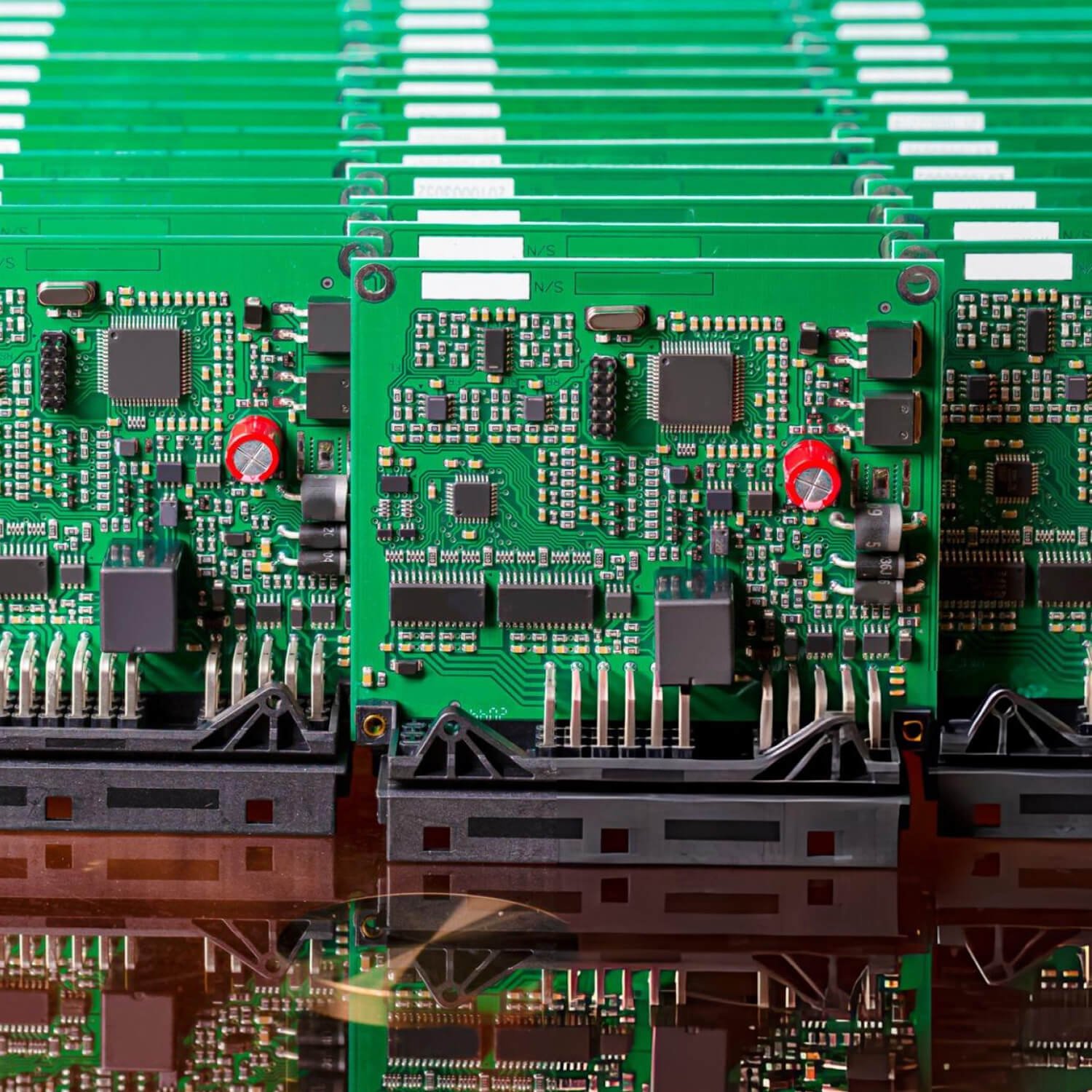
Our Automotive PCBs are engineered for high reliability, thermal stability, and long service life under extreme automotive conditions.

Our PCBs are designed for mission-critical automotive systems where failure is not an option.

  • Built to meet IPC Class 3 high-reliability standards
  • Robust solder joints and interconnect structures
  • Long lifecycle performance under continuous operation

Automotive environments experience extreme temperature fluctuations.

  • Operating range: -40°C to +150°C+
  • High TG materials for thermal stability
  • Withstand thermal cycling (repeated expansion/contraction)

Efficient heat dissipation is important for high-power automotive electronics.

  • Metal Core PCB (MCPCB) for heat-intensive applications
  • Thermal vias and copper planes for heat spreading
  • Heavy copper (up to 20oz) for high-current systems

Vehicles are constantly exposed to mechanical stress.

  • Reinforced PCB structures
  • Optimized component placement
  • Strong adhesion and solder integrity

Vehicles require stable communication between multiple electronic systems.

  • Controlled impedance routing
  • Grounding and shielding design
  • Noise suppression techniques

Automotive systems such as EVs demand high power performance.

  • Heavy copper layers (3oz–20oz)
  • Optimized trace width and spacing
  • Low resistance power distribution
Automotive PCB Feature

Automotive PCB Material

Because Automotive PCBs must operate under extreme temperatures, vibration, humidity, and chemical exposure, it is important to choose the right substrate for long-term durability and safety..

Automotive PCB Material

High Tg (Glass Transition Temperature) FR-4 is the most widely used material for automotive PCBs.

  • Tg ≥ 150°C (up to 180°C+)
  • Good mechanical strength and insulation
  • Cost-effective and widely available

Polyimide are designed for extreme temperature environments.

  • Operating temperature up to 260°C
  • Excellent thermal stability
  • High chemical resistance

Ceramic substrates are used in high-power and high-reliability applications.

  • Outstanding thermal conductivity
  • Low dielectric loss
  • High dimensional stability

.

Heavy Copper is used in high-current automotive systems.

  • Copper thickness: 3oz–20oz+
  • High current-carrying capacity
  • Improved thermal performance

Automotive PCB Design

When we are designing automotive PCBs, we should follow a safety-first engineering approach, strict adherence to automotive standards, and optimization for thermal, electrical, and mechanical stress.

Automotive systems—especially EV power modules, ECUs, and LED drivers—generate significant heat.

We Need To:

  • Use thermal vias under heat-generating components
  • Incorporate copper planes for heat spreading
  • Apply metal core PCB (MCPCB) where needed
  • Optimize airflow and heat sink interface areas

Vehicles are exposed to continuous vibration, shock, and mechanical fatigue.

We Should:

  • Reinforced solder joints (especially for large components)
  • Avoid tall/heavy components in high-vibration zones
  • Use underfill or adhesive bonding for critical ICs
  • Optimize PCB thickness and mounting points

Automotive electronics must coexist without interference, especially in ADAS, radar, and communication systems.

We Need To:

  • Solid ground planes and proper grounding topology
  • Controlled impedance routing for high-speed signals
  • Shielding for sensitive circuits
  • Separation of analog, digital, and power domains

High-voltage automotive systems (especially EVs) demand proper insulation spacing.

We Should:

  • Maintain safe creepage and clearance distances
  • Consider environmental contamination (humidity, dust)
  • Use insulation barriers when necessary
Automotive PCB Design

Why Choose Us

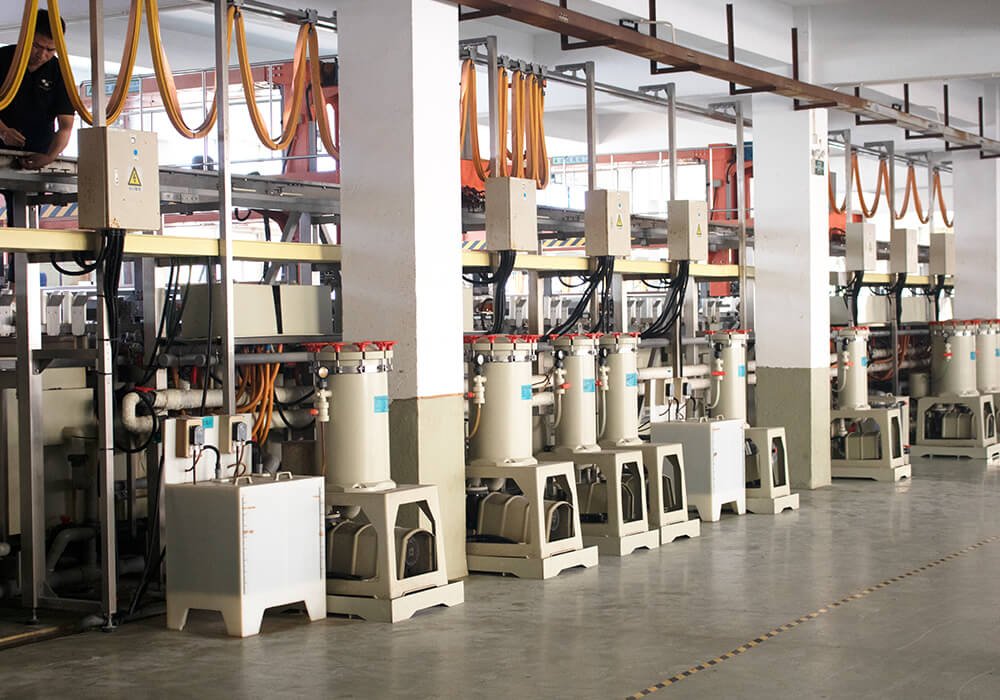
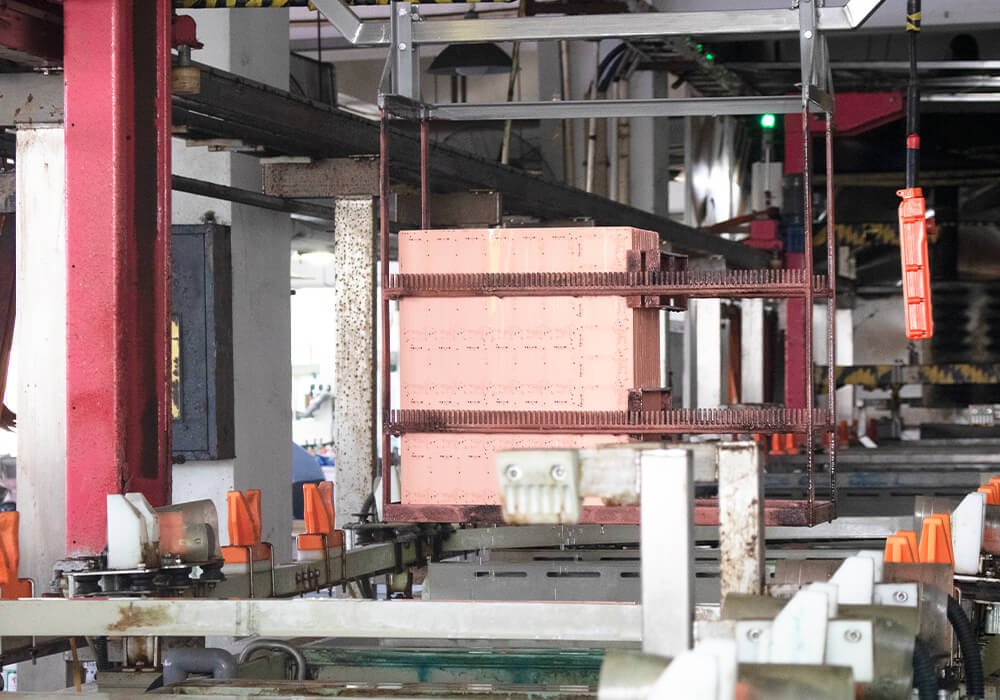
We deliver high-quality PCBs with automotive-grade quality systems, advanced manufacturing technology, and engineering expertise

Flex PCB Manufacturring Process

Turnkey PCB Solution

We provide a complete end-to-end service, eliminating the complexity of managing multiple vendors. We can do:

  • PCB design and engineering support
  • PCB fabrication Component sourcing
  • PCB assembly (SMT, THT, mixed)
  • Final testing and quality assurance

Flex PCB Manufacturring Process

Quality

We adhere to globally recognized standards:

  • IPC-A-610 Class 3 (high-reliability electronics)
  • IPC-6012 (PCB performance standards)
  • ISO 9001
  • ISO 14001
  • UL 94

Flex PCB Manufacturring Process

Advanced Manufacturing

Our state-of-the-art facilities support complex and high-precision PCB assembly. We can do:

  • Fine-pitch placement down to 0.38mm
  • BGA (0.2mm pitch) with X-ray inspection
  • Support for 0201 components
  • High-density multilayer PCBs
  • Mixed technology assembly (SMT + Through-hole)

Flex PCB Manufacturring Process

Testing & Inspection

We implement multi-level testing to ensure every PCBA meets strict performance requirements.

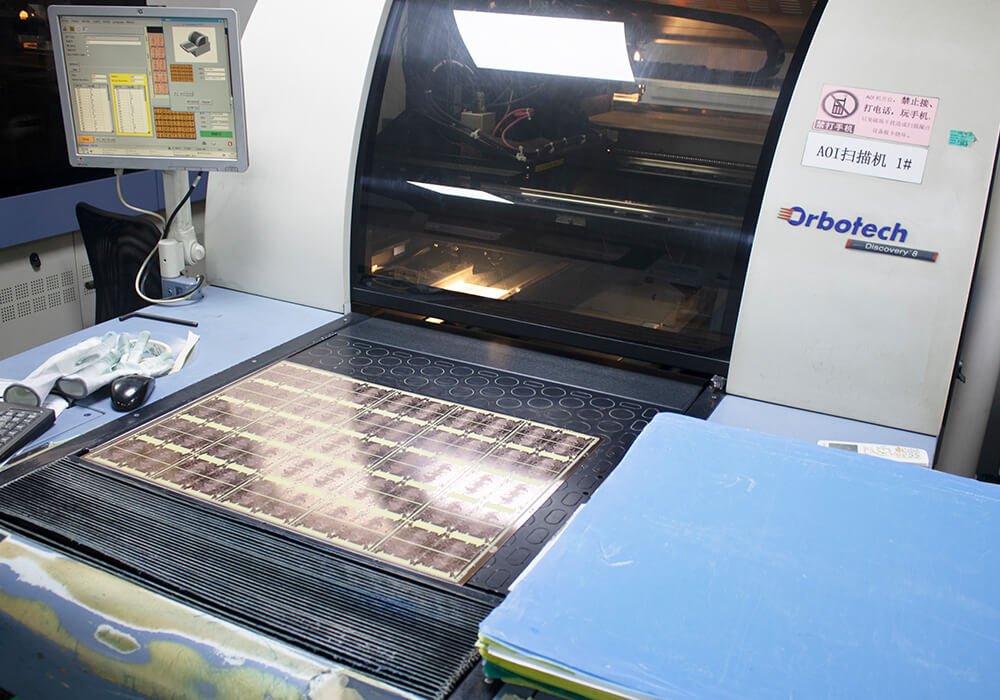
  • AOI (Automated Optical Inspection)
  • X-ray inspection for hidden solder joints
  • In-Circuit Testing (ICT)
  • Functional testing under real operating conditions
  • Voltage and performance validation

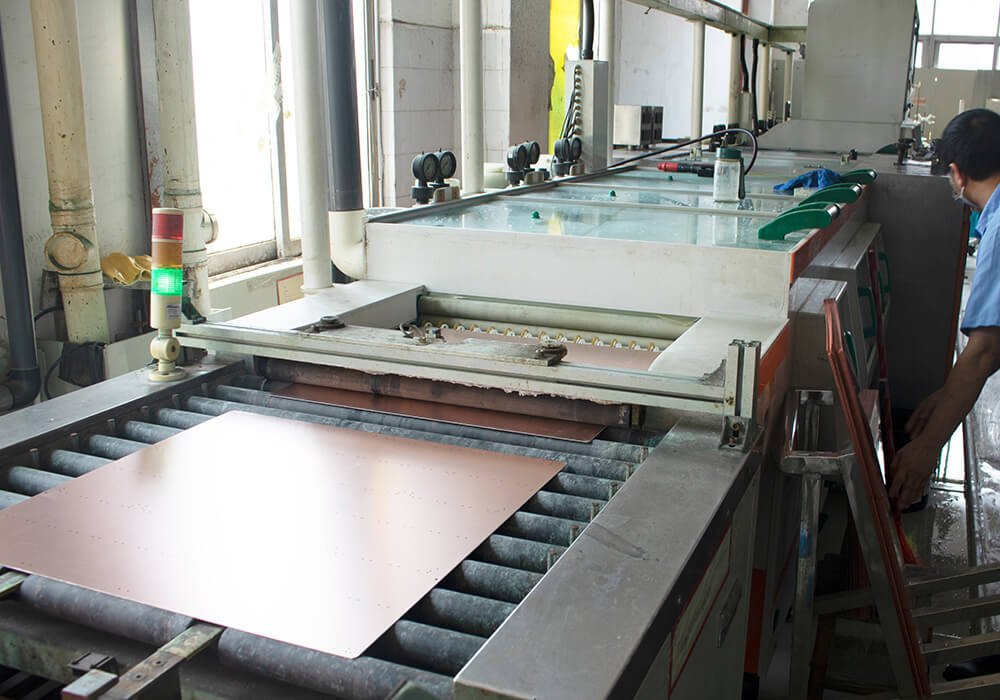
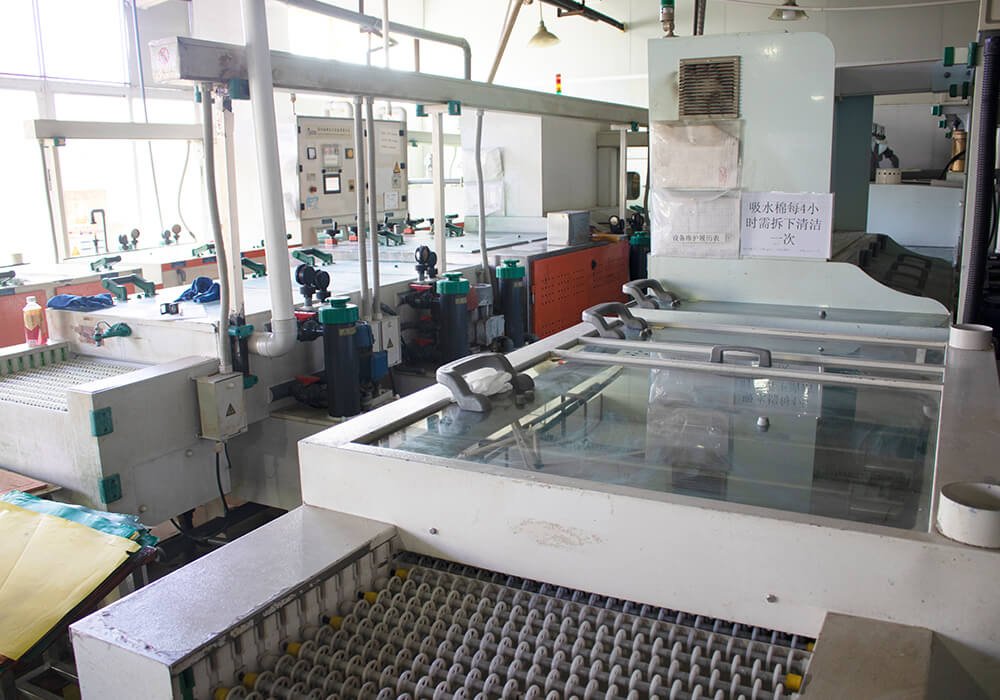
PTH
copper immersion
Degumming Residue
sink gold
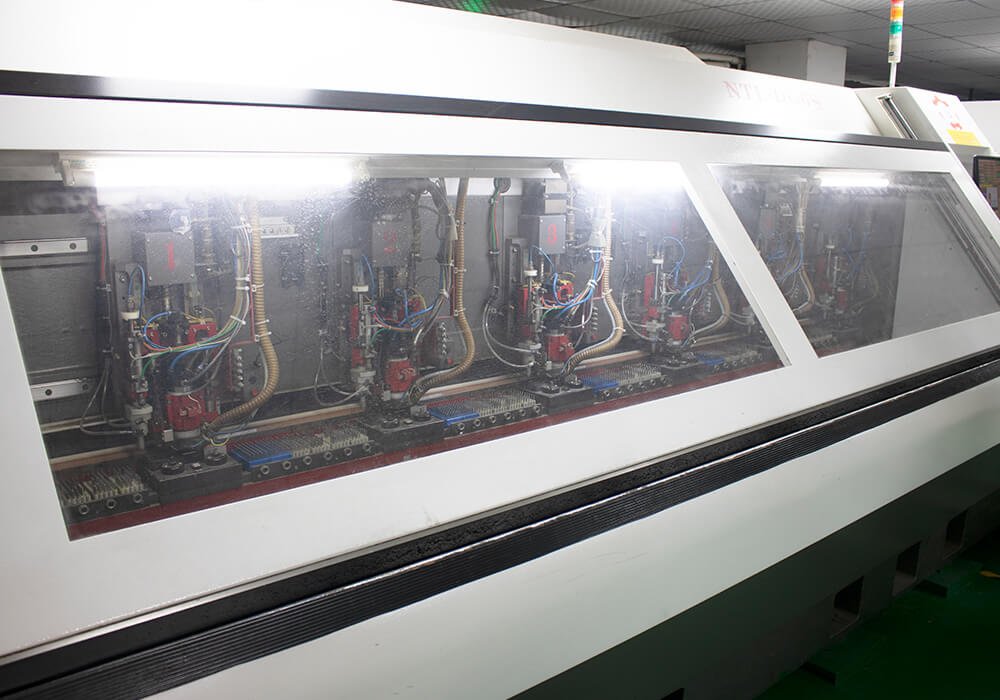
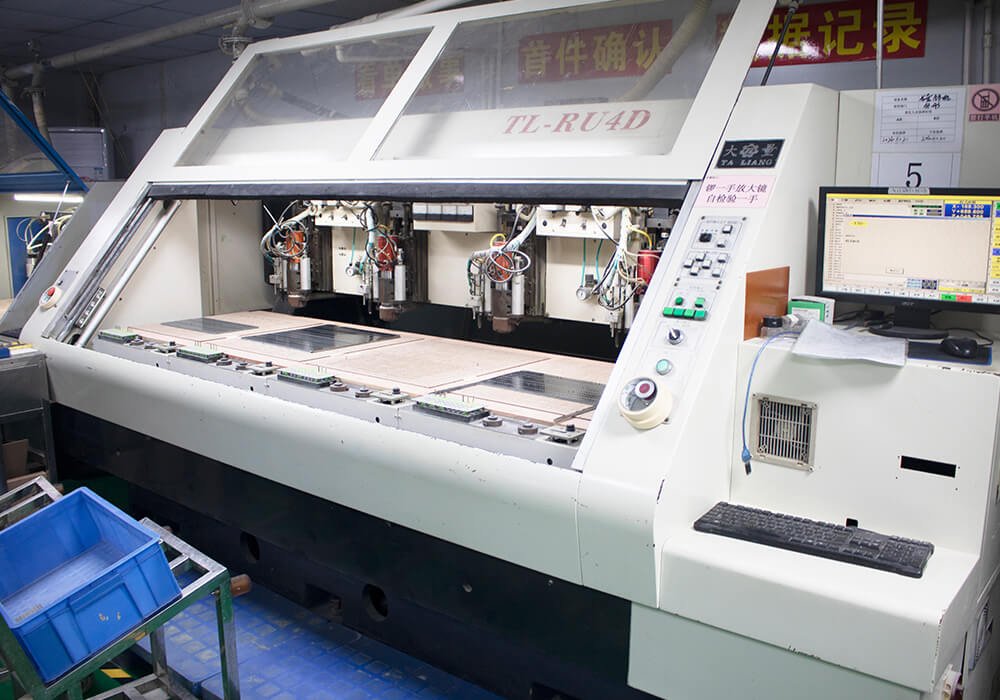
PCB Drill Machine
PcB Manufacturing Machine
Etching
Imaging room
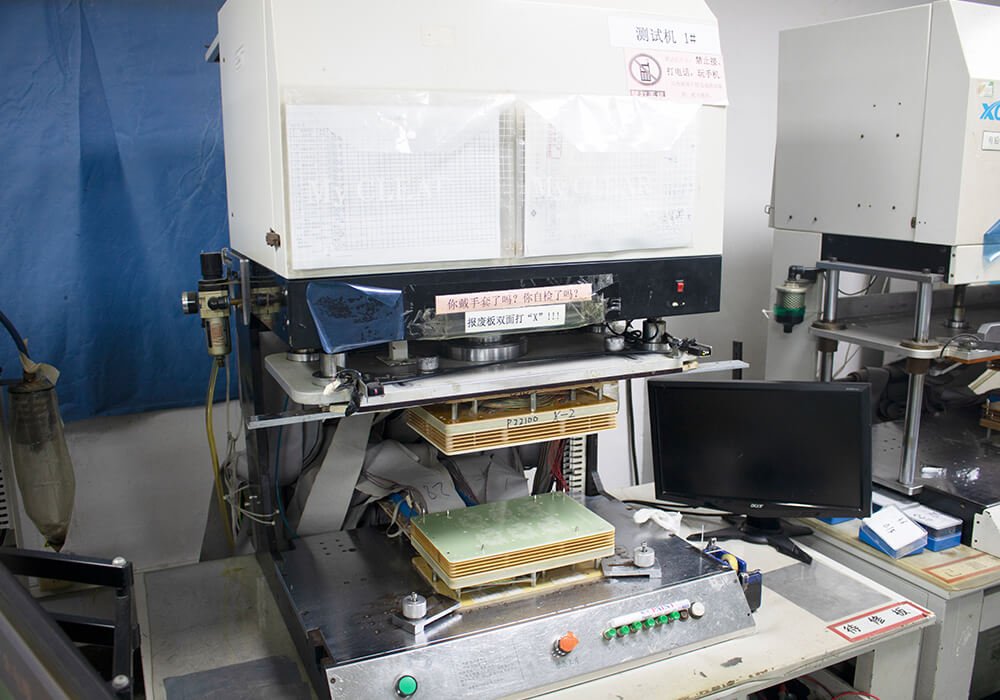
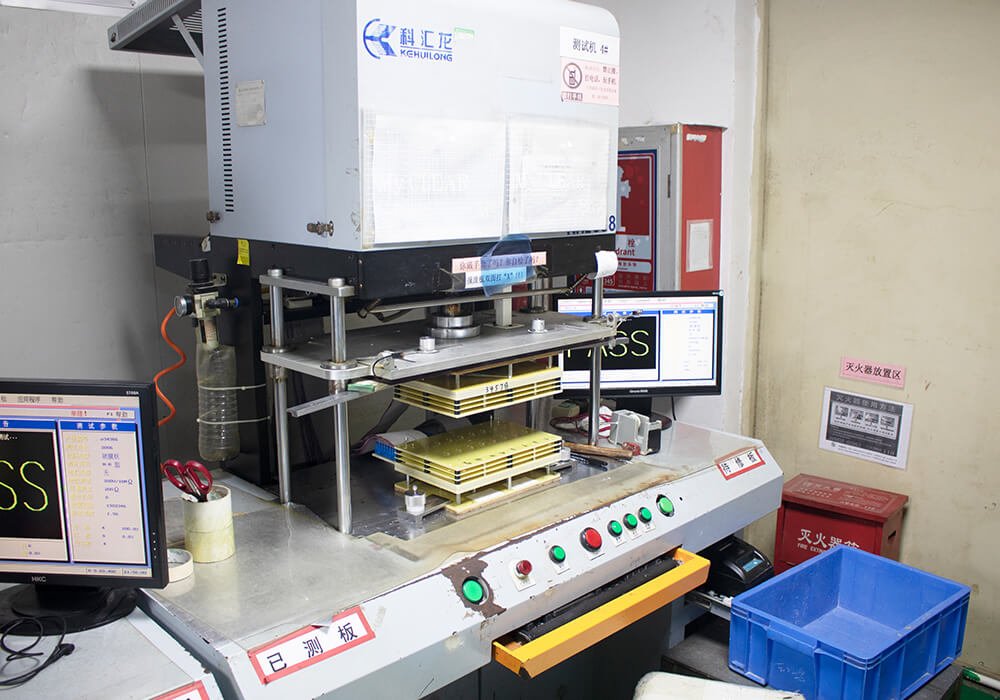
PCB Test Machine
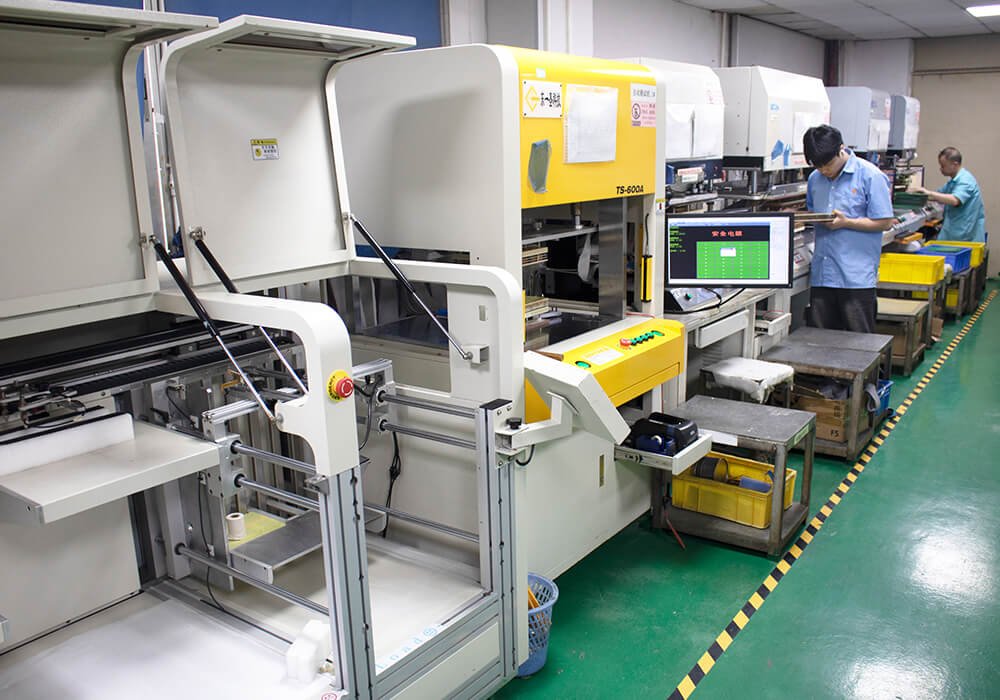
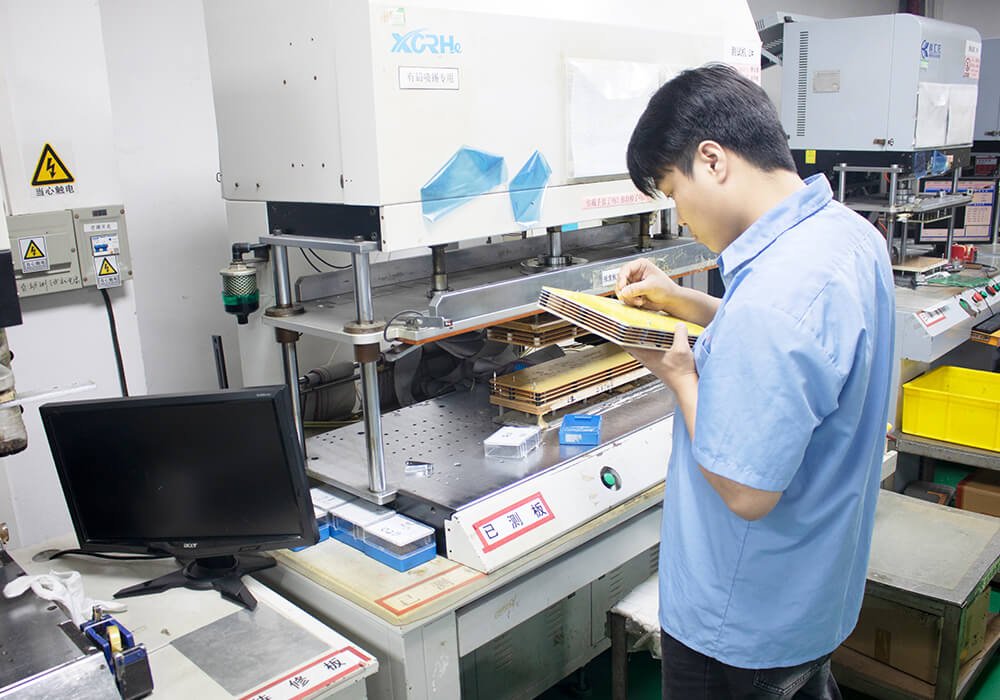
PCB Checking
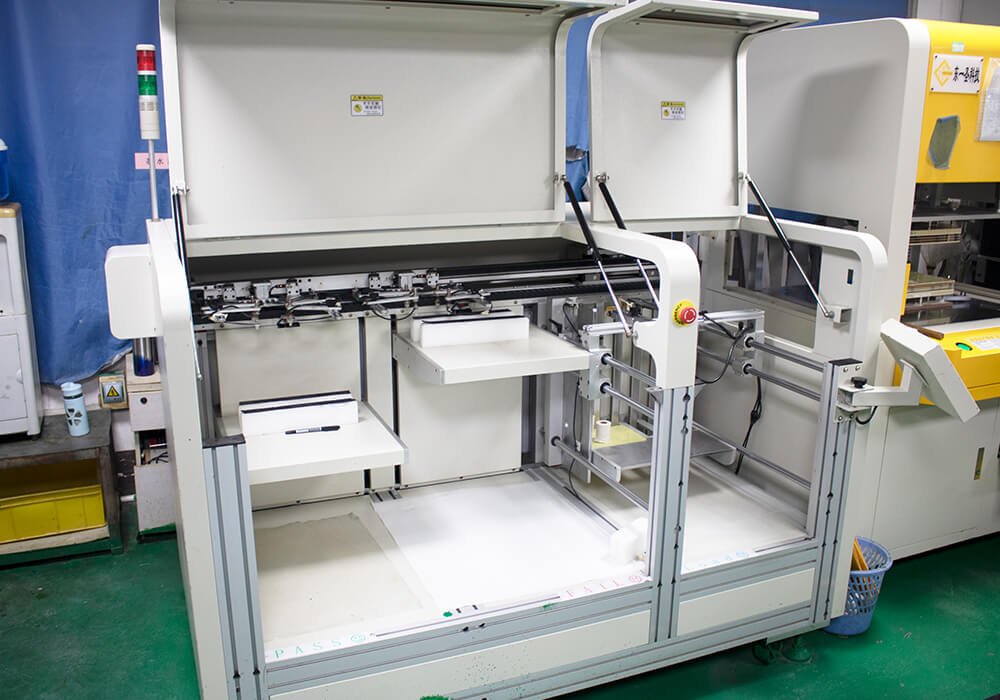
PCB Checking Machine
PCB Chechking
PCB AOI
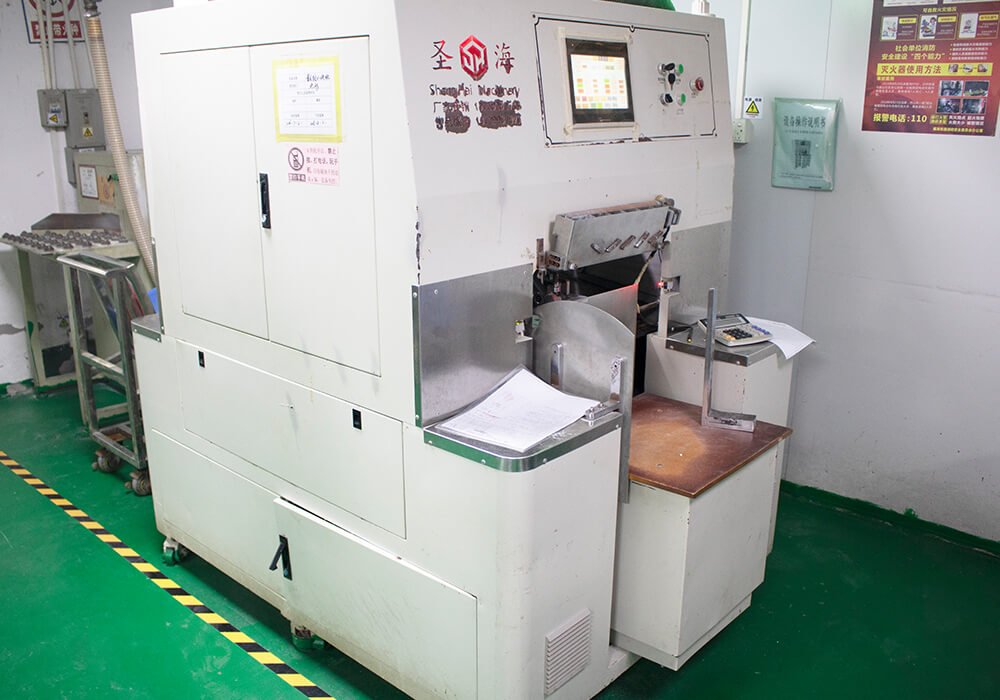
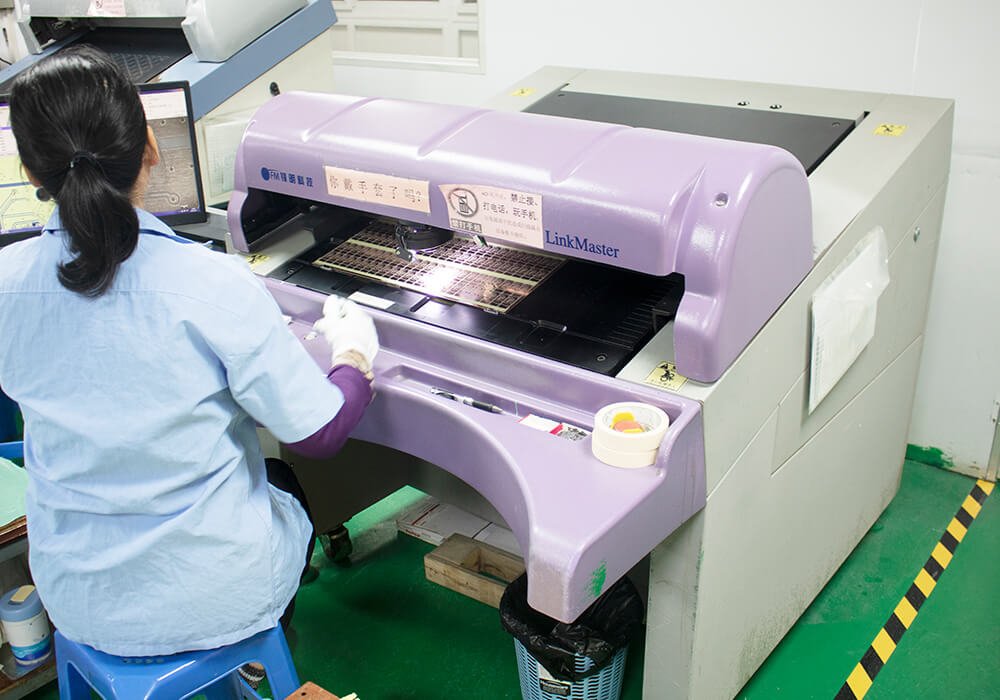
Link Master
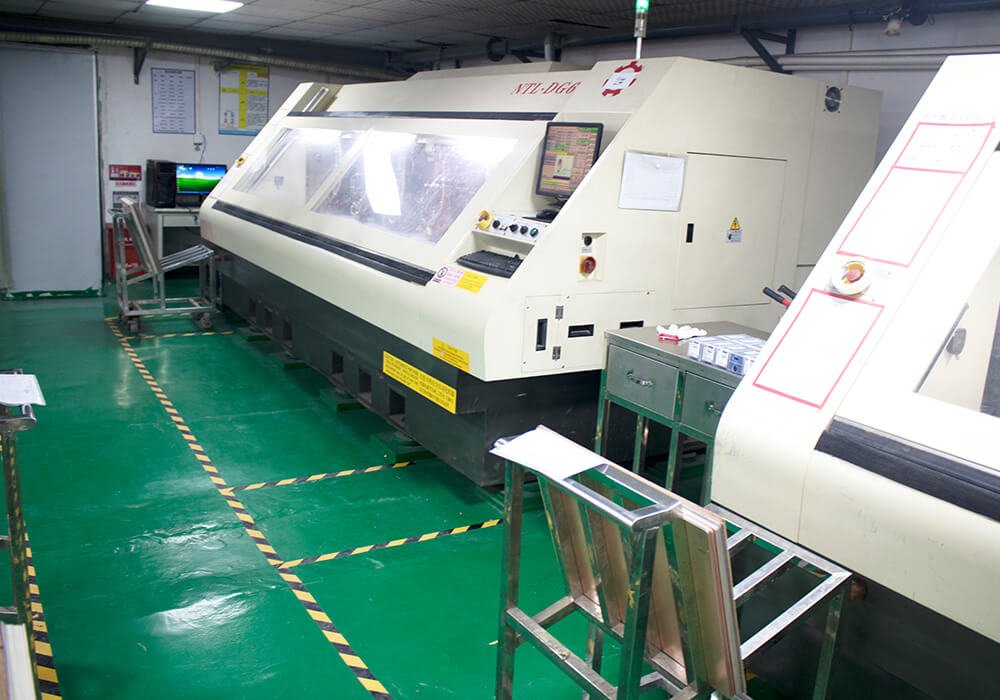
Drill Machine
checking machine
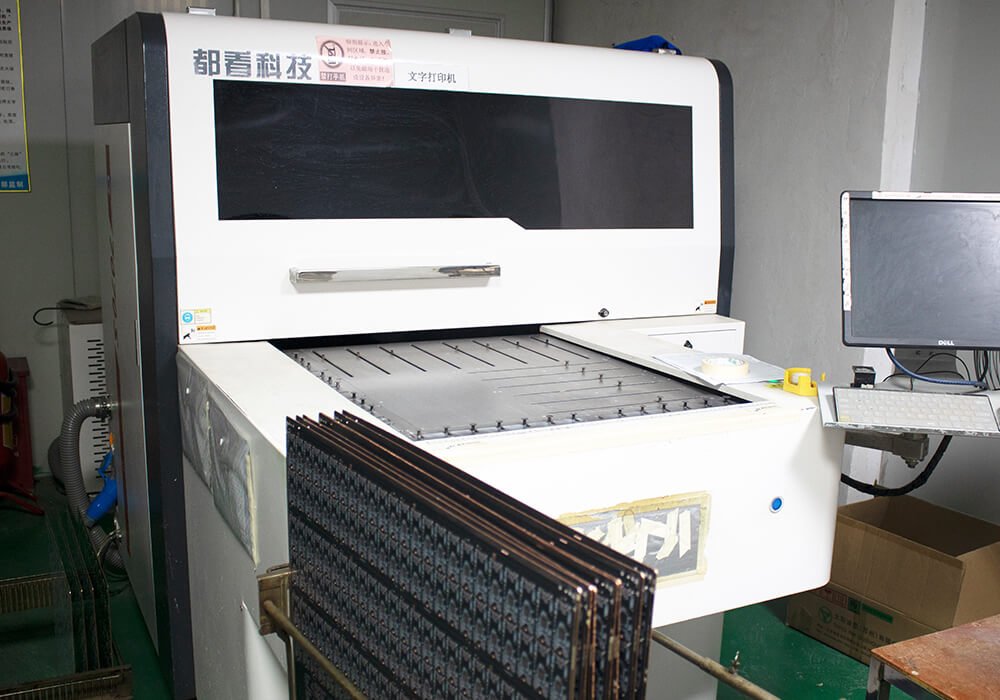
screen printing machine
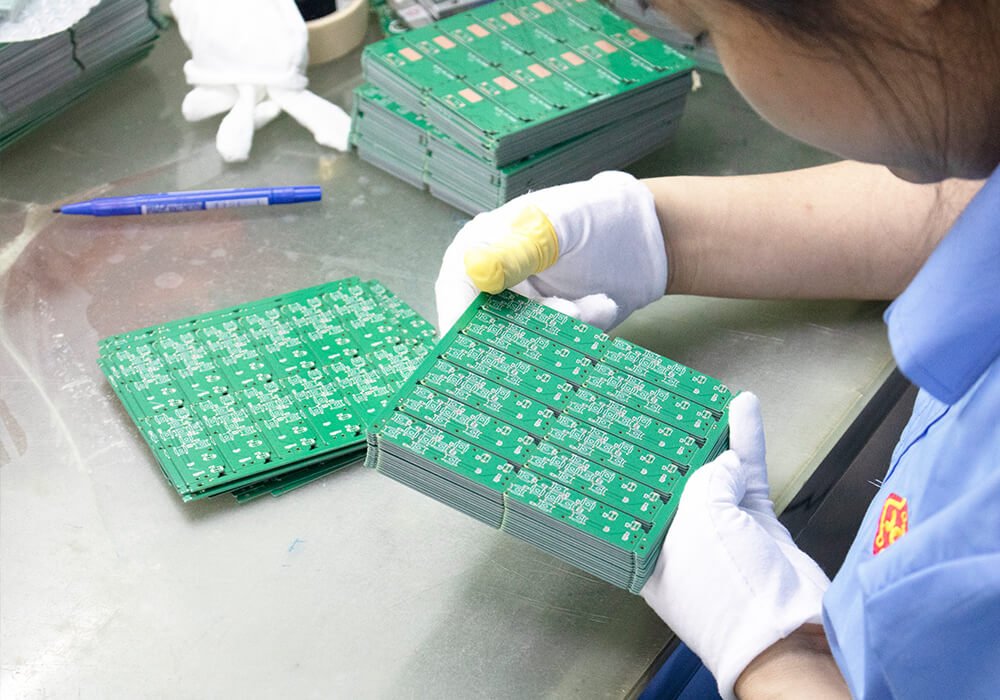
Eye Checking

Fast Quotation

Our professional sales and engineering teams provide fast PCB quotes and technical support. Simply send us your Gerber files, BOM, and assembly drawings, and we will respond promptly with a competitive solution.

FAQ About Automotive PCB?

1. What is an Automotive PCB?

An Automotive PCB (Printed Circuit Board) is a specialized circuit board designed to operate reliably inside vehicles. 

It connects and supports electronic components used in systems such as engine control, ADAS, infotainment, battery management, and lighting.

Common Materials:

  • FR-4 – Cost-effective and widely used
  • Polyimide – Flexible and heat-resistant
  • High-frequency laminates – For RF and GPS applications
  • Copper layers – For electrical conductivity and heat dissipation

Material selection depends on the drone’s performance, weight, and environmental requirements.

Yes. Automotive PCBs are designed for high-temperature environments by using materials like high Tg FR-4, polyimide, or ceramic, ensuring stable operation even in engine compartments.

It depends on the application:

  • Simple systems: 1–2 layers
  • Control modules: 4–8 layers
  • Advanced systems (ADAS, EV): 10–30+ layers

Typical lead times:

  • Prototype: 3–7 days
  • Mass production: 2–4 weeks

Lead time depends on complexity and volume.

You can contact us with your project details, including:

  • PCB design files (Gerber files)
  • Bill of Materials (BOM)
  • Quantity requirements
  • Application details

Our team will provide a fast and competitive quotation.