
/For Advanced Sensing Systems/
Radar PCB
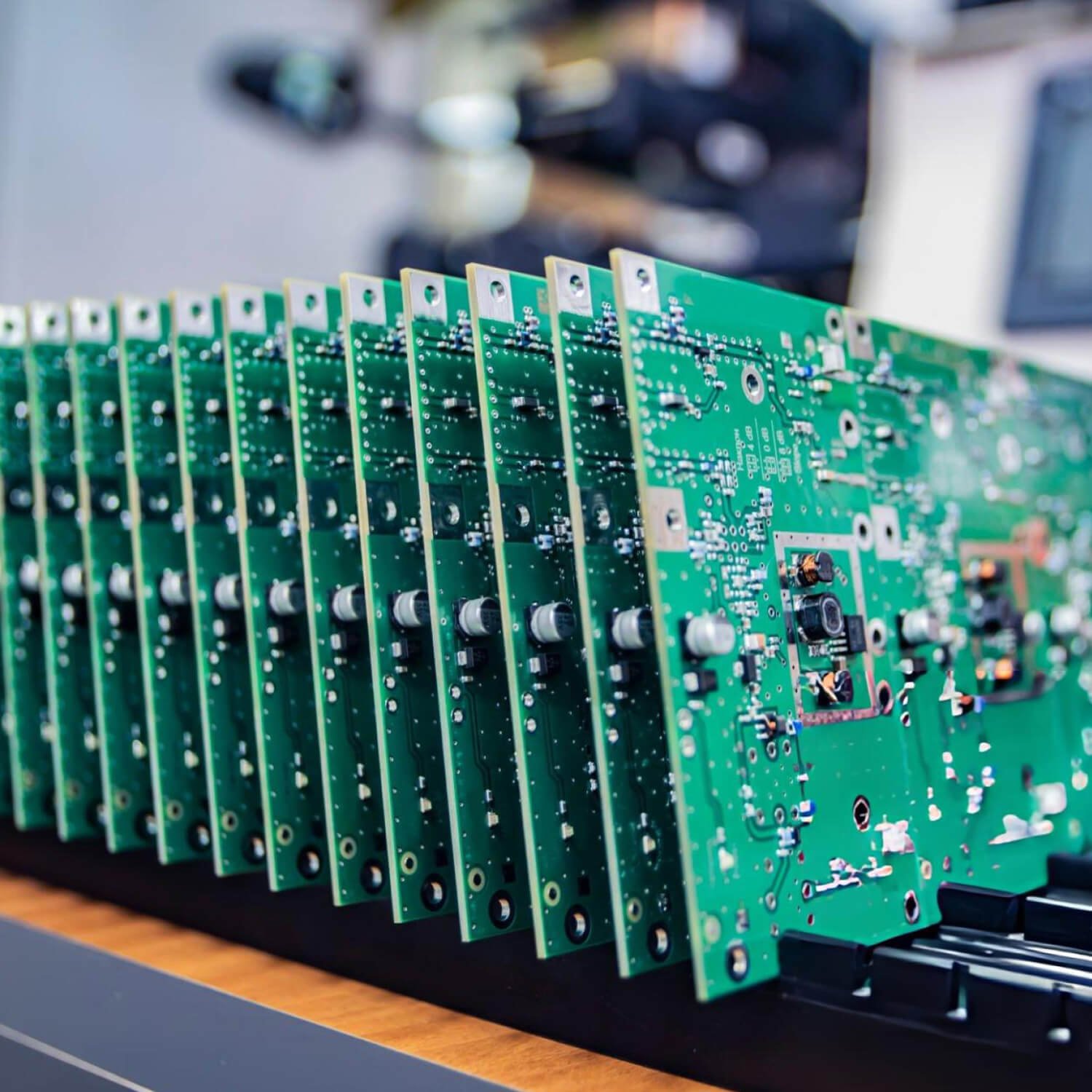
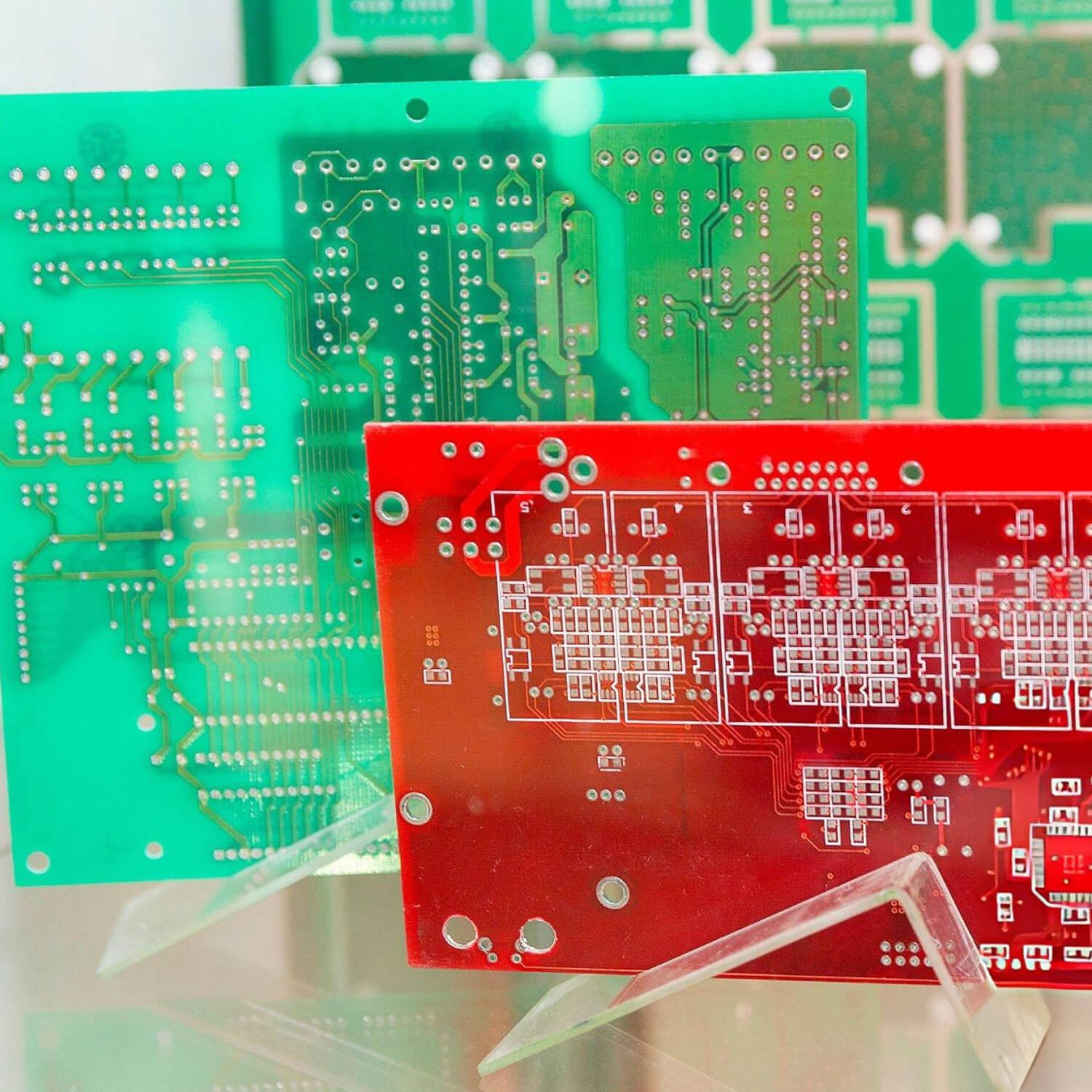
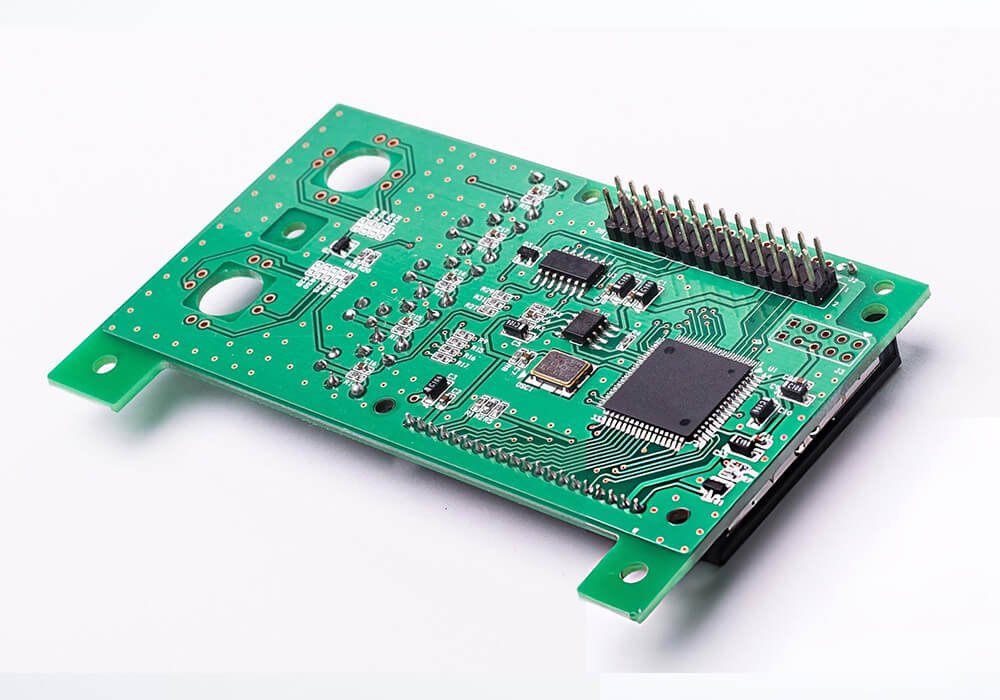
PCBSAIL specializes in manufacturing high-frequency Radar PCBs designed for automotive radar, ADAS systems, aerospace, and industrial sensing applications.
We can deliver low-loss, high-reliability circuit boards for radar applications with expertise in RF materials, impedance control, and mixed-signal PCB design
With advanced capabilities in PTFE, Rogers, hybrid laminates, and high-speed digital integration, we support your project from prototype to mass production.
What is a Radar PCB?
A Radar PCB is a specialized circuit board designed to generate, transmit, receive, and process radio frequency (RF) signals used in radar systems.
Radar systems can emit electromagnetic waves that reflect off objects and return to the source. The Radar PCB acts as the core processing and transmission platform, Enabling:
- Signal generation and amplification
- RF signal transmission via antenna
- Echo signal reception and processing
- Data analysis for object detection and tracking
Modern Radar PCBs Integrate:
- RF front-end circuits (high-frequency layers)
- Antenna structures (patch, array, or phased array)
- Digital processing circuits (back-end signal analysis)
Radar PCB We Offered.
We provide a full range of high-frequency and RF PCBs for radar systems.
Our Capacity.

Doppler Radar PCB
Doppler Radar PCBs can measure the velocity of moving objects by analyzing frequency shifts in reflected signals (Doppler effect).
- Accurate speed detection
- Stable RF performance
- Optimized for continuous-wave operation

FMCW Radar PCB
FMCW Radar PCBs transmit a continuously varying frequency signal, enabling precise measurement of both distance and speed.
- High resolution and accuracy
- Low power consumption
- Continuous signal processing

Pulsed Radar PCB
Pulsed Radar PCBs emit short, high-power bursts of RF energy and calculate distance based on the time delay of the return signal.
- Long-range detection capability
- High peak power handling
- Excellent signal clarity

Phased Array Radar PCB
Phased Array Radar PCBs use multiple antenna elements to electronically steer the radar beam.
- Fast beam steering
- High reliability (no moving parts)
- Multi-target tracking

SAR Radar PCB
SAR Radar PCBs are designed for high-resolution imaging, generating 2D or 3D maps using radar signal processing.
- High imaging accuracy
- Works in all weather conditions
- Long-range sensing

MIMO Radar PCB
MIMO Radar PCBs utilize multiple transmitting and receiving antennas to enhance detection accuracy and spatial resolution.
- Improved target detection
- Multi-object tracking
- Enhanced signal diversity

Passive Radar PCB
Passive Radar PCBs use existing RF signals (such as TV or radio waves) to detect objects.
- Low power consumption
- Stealth operation (no emissions)
- Cost-efficient deployment

Millimeter-Wave Radar PCB
Millimeter-wave Radar PCBs operate at extremely high frequencies (24 GHz, 60 GHz, 77 GHz, etc.), enabling ultra-precise short-range detection.
- High resolution and accuracy
- Compact design
- Fast response time

Item | Rigid PCB | Flexible PCB | Rigid-Flex PCB |
Max Layer | 60L | 8L | 36L |
Inner Layer Min Trace/Space | 3/3mil | 3/3mil | 3/3mil |
Out Layer Min Trace/Space | 3/3mil | 3.5/4mil | 3.5/4mil |
Inner Layer Max Copper | 6oz | 2oz | 6oz |
Out Layer Max Copper | 6oz | 20z | 3oz |
Min Mead hanical Driling | 0.15mm | 0.1mm | 0.15mm |
Min Laser Drilling | 0.1mm | 0.1mm | 0.1mm |
Max Aspect Ratio (Mechanical Drilling) | 20:01 | 10:01 | 12:01 |
Max Aspect Ratio (Laser Drilling) | 1:01 | / | 1:01 |
Press Fit Hole Tolerance | ±0.05mm | ±0.05mm | ±0.05mm |
PTH Tolerance | ±0.075mm | ±0.075mm | ±0.075mm |
NPTH Tolerance | ±0.05mm | ±0.05mm | ±0.05mm |
Countersink Tolerance | ±0.15mm | ±0.15mm | ±0.15mm |
Board Thickness | 0.4-8mm | 0.1-0.5mm | 0.4-3mm |
Board Thickness Tolerance(<1.0mm) | ±0.1mm | ±0.05mm | ±0.1mm |
Board Thickness Tolerance(≥1.0mm) | ±10% | / | ±10% |
Min Board Size | 10*10mm | 5*10mm | 10*10mm |
Max Board Size | 22.5*30 inch | 9*14 inch | 22.5*30 inch |
Contour Tolerance | ±0.1mm | ±0.05mm | ±0.1mm |
Min BGA | 7mil | 7mil | 7mil |
Min SMT | 7*10mil | 7*10mil | 7*10mil |
Min Solder Mask Clearance | 1.5mil | 3mil | 1.5mil |
Min Solder Mask Dam | 3mil | 8mil | 3mil |
Min Legend Width/Height | 4/23mil | 4/23mil | 4/23mil |
Strain Fillet Width | / | 1.5±0.5mm | 1.5±0.5mm |
Bow &Twist | 0.003 | / | 0.0005 |
Standards for Radar PCB.
Our Radar PCBs are manufactured according to globally recognized standards to ensure signal integrity, durability, and long-term reliability.

IPC Standards
The IPC standards define PCB design, fabrication, and inspection, especially for RF and microwave boards.

ISO Standard
A controlled manufacturing environment ensures consistent quality.

IATF 16949
IATF 16949 ensures strict process control and defect prevention in automotive PCB manufacturing.

AS9100
AS9100 ensures traceability, risk management, and strict quality control.
Radar PCB Feature
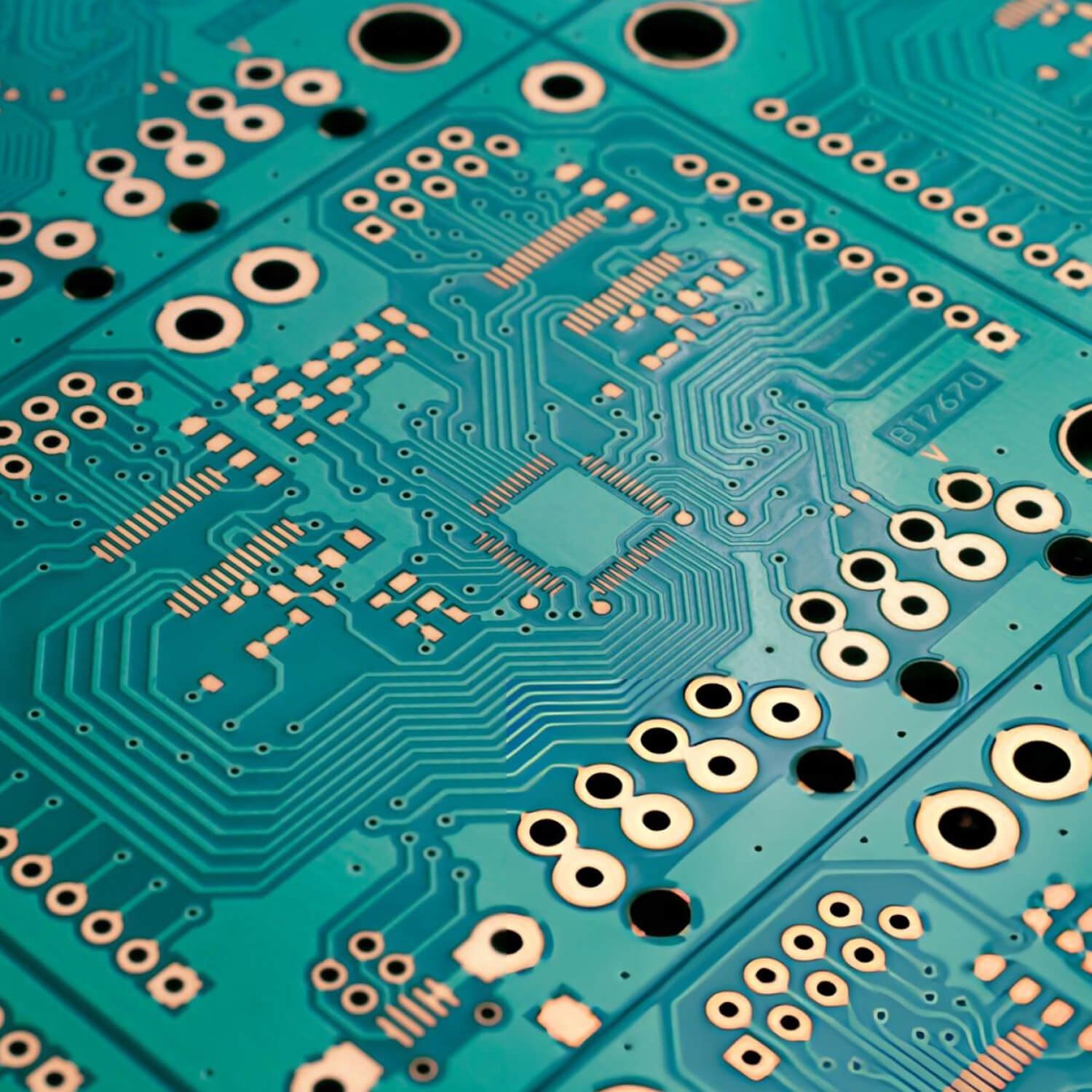
Our Radar PCBs are optimized for signal integrity, stability, and reliability in automotive radar, aerospace systems, and industrial sensing.
Excellent High-Frequency
Radar PCBs operate across GHz to millimeter-wave frequencies, requiring materials and structures that minimize signal degradation.
- Low dielectric loss (low Df / tanδ)
- Stable dielectric constant (Dk)
- Minimal signal attenuation over distance
Precise Controlled Impedance
Consistent impedance is important for preventing signal reflection and distortion.
- Tight impedance tolerance (±5% or better)
- Support for 50Ω single-ended and differential impedance
- Advanced stackup design for RF stability
Low Noise and EMI Resistance
Radar systems are highly sensitive to noise and interference.
- Optimized grounding and shielding
- Reduced crosstalk between RF and digital circuits
- Compliance with EMI/EMC requirements
High Reliability
Radar PCBs are often deployed in automotive, aerospace, and outdoor systems.
- Withstand temperature variations
- Strong mechanical stability
- Moisture and corrosion resistance
Advanced Thermal Management
High-frequency and high-power components generate significant heat.
- High thermal conductivity materials (ceramic, PTFE composites)
- Efficient heat dissipation design
- Stable performance under thermal stress
Superior Signal Integrity
Signal integrity is important for radar accuracy and detection capability.
Antenna Integration Capability
Many Radar PCBs integrate antenna structures directly into the board.
- Reduced signal loss between RF circuit and antenna
- Improved system efficiency
- Compact system architecture
Wide Frequency Range Support
Radar PCBs must operate across various frequency bands.
- Sub-6 GHz RF systems
- Microwave frequencies (6–30 GHz)
- Millimeter-wave (24 GHz, 60 GHz, 77 GHz+)
Radar PCB Components
We design and manufacture Radar PCBs with optimized component integration for maximum performance and reliability.
1. Transmitter (TX)
The transmitter is responsible for generating and amplifying the radar signal before it is radiated through the antenna.
Functions:
- Converts baseband or IF signals into RF signals
- Amplifies signals using power amplifiers (PA)
- Ensures sufficient signal strength for long-range detection
2. Receiver (RX)
The receiver captures reflected signals (echoes) and converts them into usable data.
Functions:
- Detects weak reflected signals
- Amplifies signals using low-noise amplifiers (LNA)
- Downconverts RF signals to intermediate frequency (IF) or baseband
3. Antenna
The antenna is the interface between the radar system and free space, responsible for transmitting and receiving electromagnetic waves.
Types of Antennas:
- Patch antennas
- Phased array antennas
- Planar antennas
.
4. Duplexer
A duplexer allows a single antenna to be used for both transmitting and receiving signals.
Functions:
- Switches between TX and RX modes
- Protects the receiver from high-power transmitted signals
5. Transmission Lines / Waveguides
These structures carry RF signals across the PCB with minimal loss.
Types:
- Microstrip lines
- Stripline structures
- Coplanar waveguides
6. Mixer
The mixer converts signals between different frequency ranges.
Functions:
- Combines RF signal with a local oscillator (LO) signal
- Produces intermediate frequency (IF) signals
7. Local Oscillator (LO)
The local oscillator generates a stable reference frequency used in signal conversion.
Functions:
- Provides frequency reference for mixers
- Ensures accurate signal processing
8. Filters
Filters remove unwanted frequencies and noise from signals.
Types:
- Bandpass filters
- Low-pass filters
- High-pass filters
Radar PCB Material
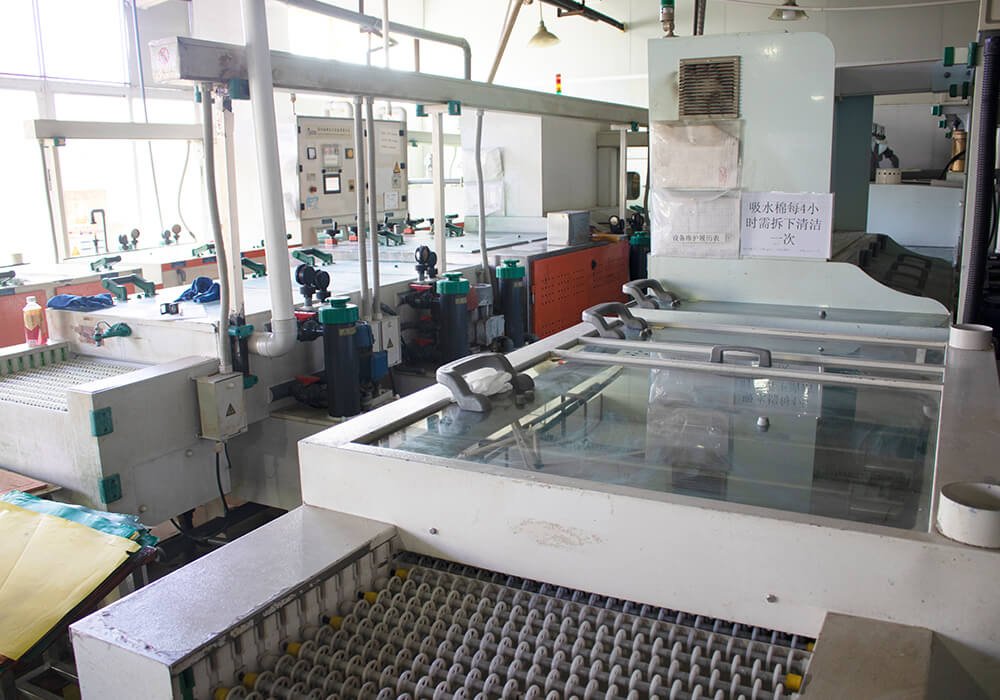
We offer a wide range of high-frequency laminate materials to meet the stringent demands of modern radar applications.
PTFE
PTFE is the most widely used material for high-frequency Radar PCBs.
- Extremely low dielectric loss
- Stable dielectric constant
- Good performance at microwave and millimeter-wave frequencies
Ceramic
Ceramic materials or ceramic-filled laminates provide excellent thermal and electrical stability.
- High thermal conductivity
- Stable dielectric properties
- Withstand to high temperatures
Hydrocarbon Resin
Hydrocarbon-based laminates are engineered to provide a balance between performance and cost.
- Lower cost than PTFE
- Good RF performance
- Easier processing
Design for Radar PCB
We apply strict design methodologies to ensure optimal signal integrity, reliability, and manufacturability.
1. High-Frequency Signal Integrity
Radar PCBs run at GHz to millimeter-wave frequencies, where signal behavior is highly sensitive to layout and materials.
We Should:
- Minimize insertion loss and return loss
- Avoid sharp bends in RF traces (use smooth curves or 45° angles)
- Reduce discontinuities in transmission paths
- Optimize copper surface roughness
2. Controlled Impedance
Impedance mismatches cause signal reflections, reducing radar accuracy.
We Need To:
- Maintain consistent 50Ω impedance for RF traces
- Design differential pairs where needed
- Control trace width, spacing, and dielectric thickness
3. RF and Digital Isolation
Radar PCBs often integrate RF, analog, and digital circuits, which can interfere with each other.
We Need To:
- Physically separate RF and digital sections
- Use dedicated ground planes
- Apply shielding and filtering techniques
4. EMI/EMC Compliance
Electromagnetic interference (EMI) can degrade radar performance and cause compliance failures.
We Should:
- Use ground stitching vias around RF traces
- Implement shielding structures
- Maintain proper return current paths
5. Grounding and Shielding Techniques
Proper grounding is critical for stable RF performance.
We Should:
- Use continuous ground planes
- Avoid ground plane splits under RF traces
- Add via fences for shielding
6. Transmission Line Design
Radar PCBs rely on precise transmission line structures:
Microstrip
- Trace on outer layer
- Easier fabrication
- More susceptible to noise
Stripline
- Trace embedded between ground planes
- Better shielding
- Lower EMI
7. Antenna Layout Considerations
The antenna is one of the most sensitive parts of a Radar PCB.
We Should:
- Keep antenna area free from copper and interference
- Ensure proper spacing from other components
- Optimize radiation pattern and gain
Why Choose Us
We can deliver high-performance radar solutions to meet demanding applications with RF expertise, advanced materials, and precision fabrication

Turnkey PCB Solution
We provide a complete end-to-end service, eliminating the complexity of managing multiple vendors. We can do:
- PCB design and engineering support
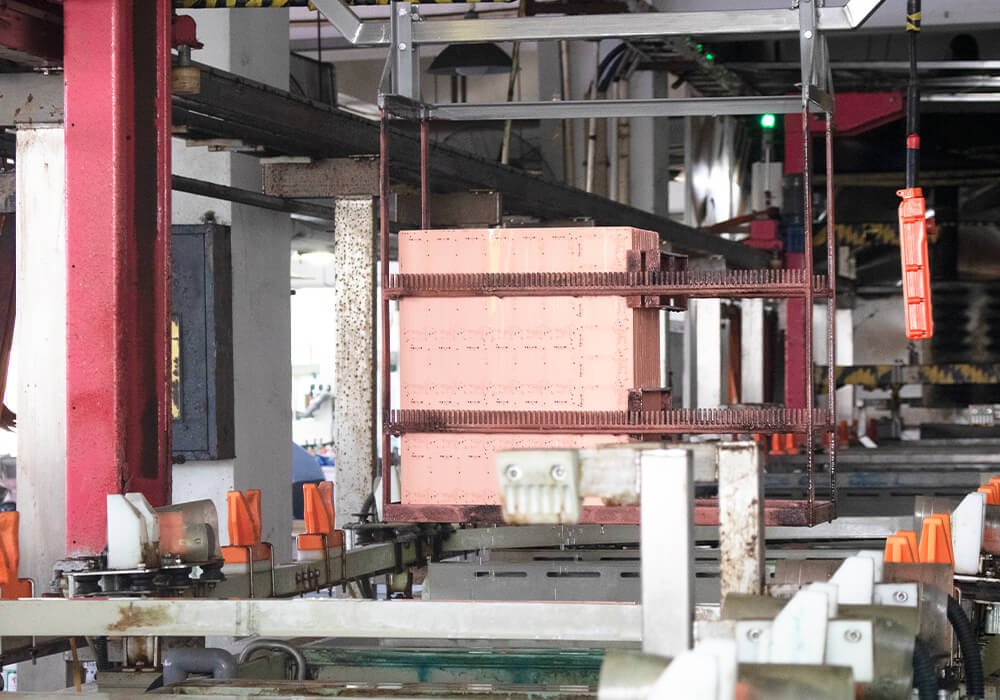
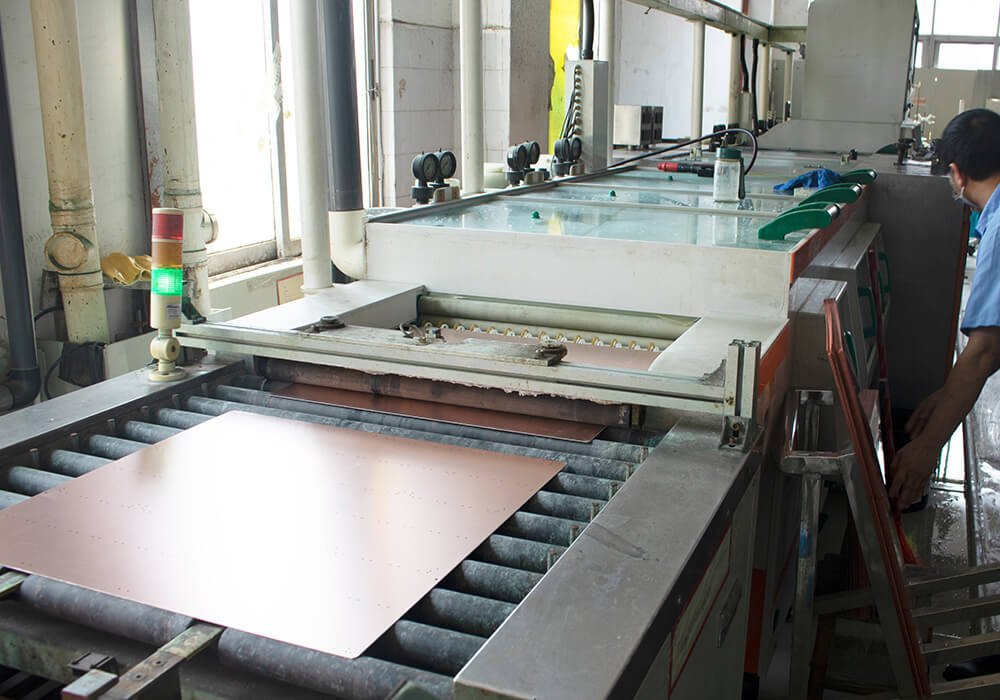
- PCB fabrication Component sourcing
- PCB assembly (SMT, THT, mixed)
- Final testing and quality assurance

Quality
We adhere to globally recognized standards:
- IPC-A-610 Class 3 (high-reliability electronics)
- IPC-6012 (PCB performance standards)
- ISO 9001
- ISO 14001
- UL 94

Advanced Manufacturing
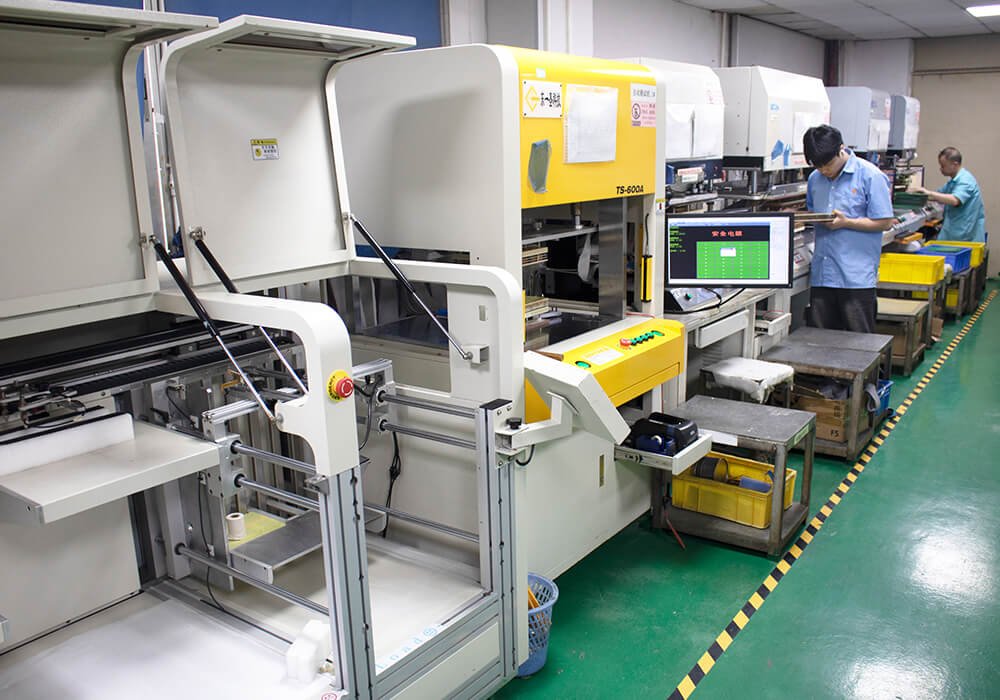
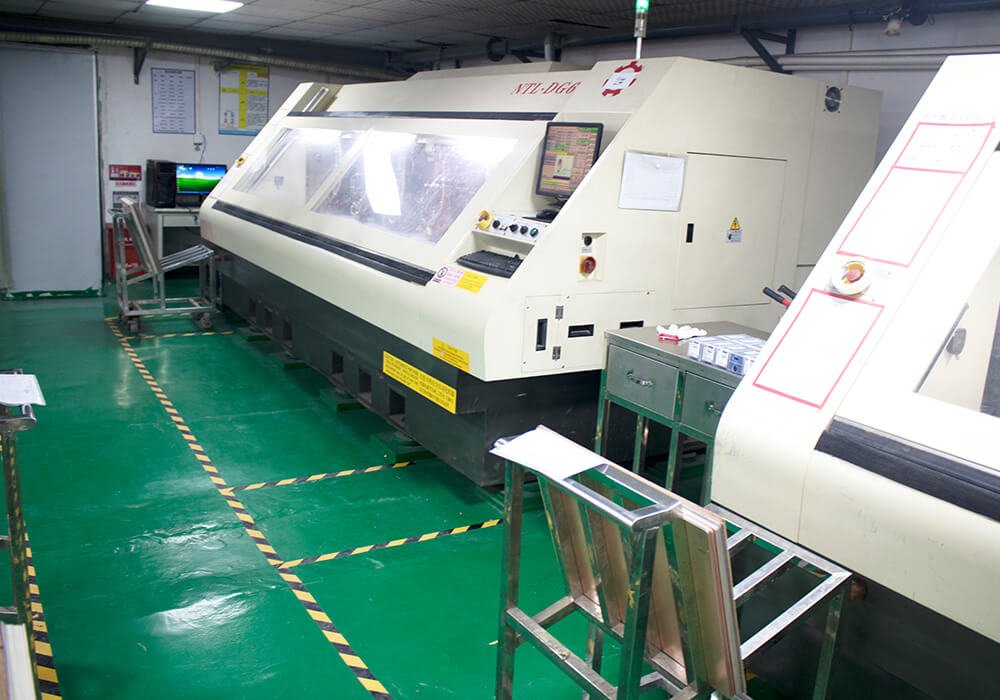
Our state-of-the-art facilities support complex and high-precision PCB assembly. We can do:
- Fine-pitch placement down to 0.38mm
- BGA (0.2mm pitch) with X-ray inspection
- Support for 0201 components
- High-density multilayer PCBs
- Mixed technology assembly (SMT + Through-hole)

Testing & Inspection
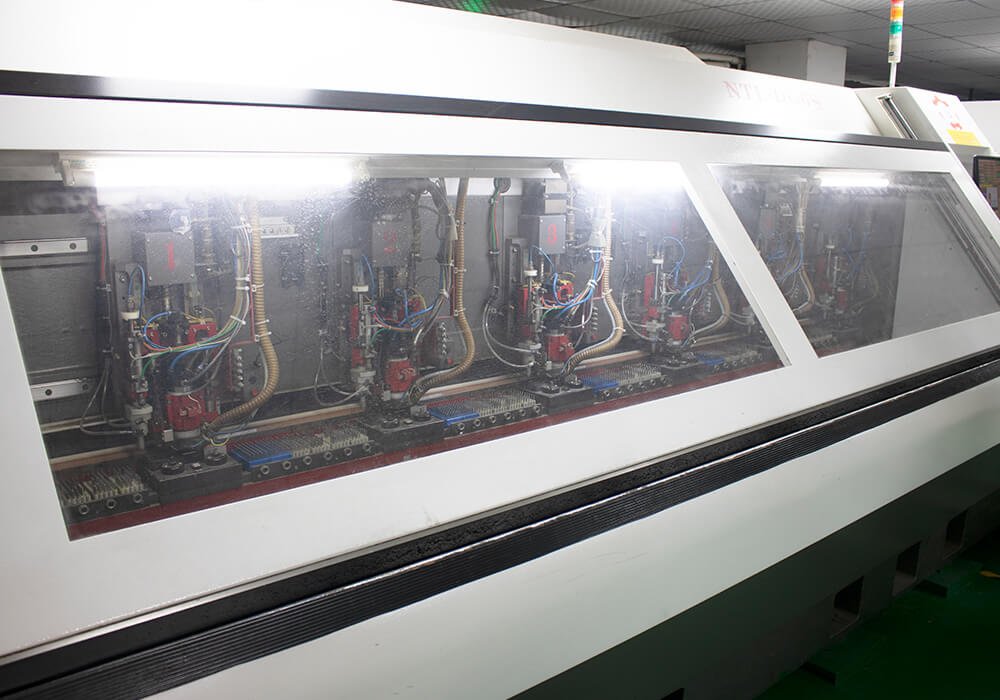
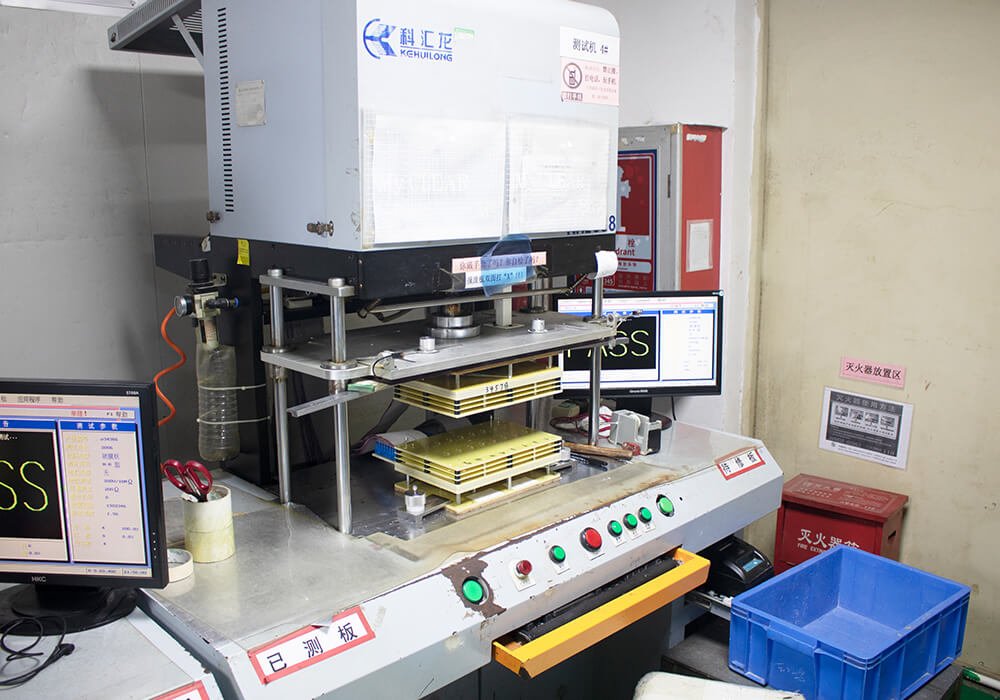
We implement multi-level testing to ensure every PCBA meets strict performance requirements.
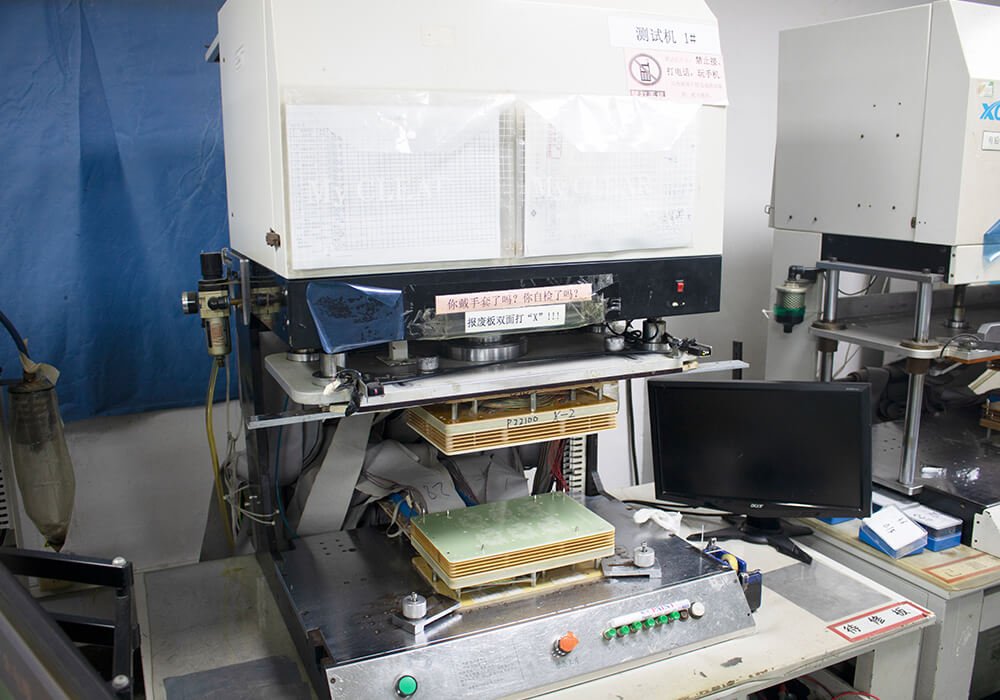
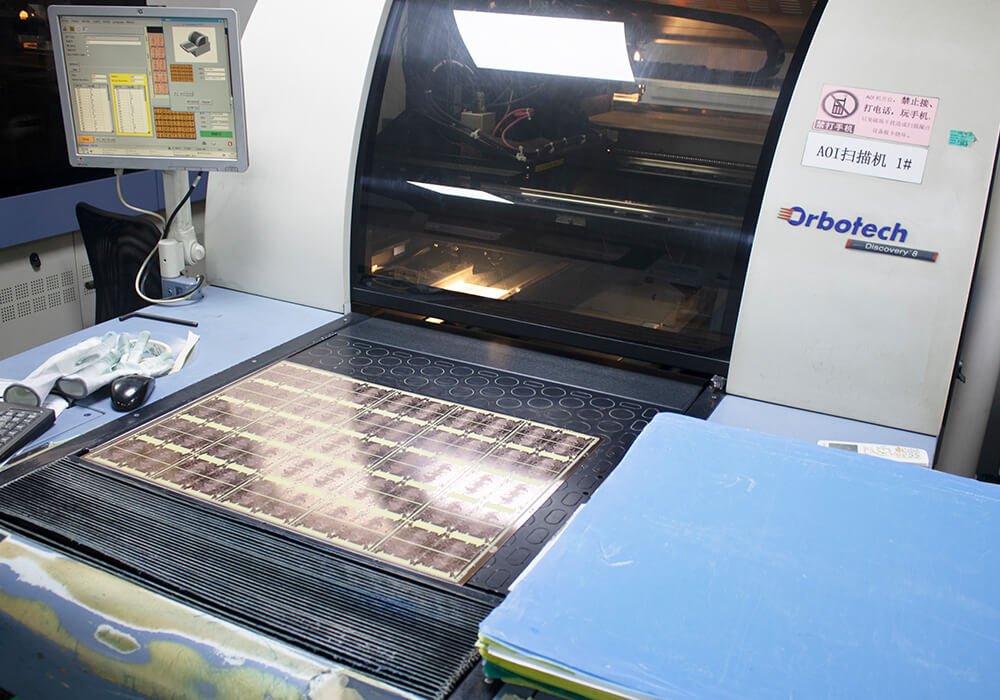
- AOI (Automated Optical Inspection)
- X-ray inspection for hidden solder joints
- In-Circuit Testing (ICT)
- Functional testing under real operating conditions
- Voltage and performance validation
Fast Quotation
Our professional sales and engineering teams provide fast PCB quotes and technical support. Simply send us your Gerber files, BOM, and assembly drawings, and we will respond promptly with a competitive solution.
- Gushu Tangxi Second Industrial Zone, Shenzhen
- +86 755 2335 0814
- +86 135 1078 8094
- sales@pcbasail.com
FAQ About Radar PCB?
1. What is a Radar PCB
A Radar PCB is a specialized high-frequency printed circuit board used to generate, transmit, receive, and process radio frequency (RF) signals in radar systems.
It can detect objects, measure distance, and track speed using electromagnetic wave reflection.
2. What Frequencies Do Radar PCBs Support?
Radar PCBs typically operate in:
- Microwave range: 1–30 GHz
- Millimeter-wave range: 24 GHz, 60 GHz, 77 GHz, and above
3. What Is Controlled Impedance in Radar PCB?
Controlled impedance ensures RF signals travel without reflection or distortion.
In Radar PCB design:
- Typically 50Ω single-ended impedance
- Differential impedance for high-speed signals
- Tolerance usually within ±5%
4. Can Radar PCBs Integrate Antennas?
Yes. Many modern Radar PCBs use integrated antenna designs, such as:
- Patch antennas
- Phased array antennas
- On-board RF antennas
It reduces signal loss and improves system compactness.