
/Cost, Performance, and When to Use It/
OSP Surface Finish Ultimate Guide
Organic Solderability Preservative (OSP) is one of the most widely used PCB surface finishes in modern electronics manufacturing.
PCB Surface Finish Type
OSP is especially popular in consumer electronics, cost-sensitive PCB production, and high-volume SMT assembly because of its low cost, flat surface, and lead-free compatibility.
However, OSP also has limitations. Compared with ENIG, Immersion Silver, or HASL, OSP is more sensitive to handling, humidity, oxidation, and multiple reflow cycles. Engineers and PCB buyers often ask:
- Is OSP reliable enough for production?
- Is OSP suitable for BGA assembly?
- Why do OSP boards oxidize?
- What is the shelf life of OSP PCBs?
- Should I choose OSP or ENIG?
This guide will explain to you everything about OSP PCB surface finish.
Let’s Go.
Table of Contents
1. What Is OSP Surface Finish?
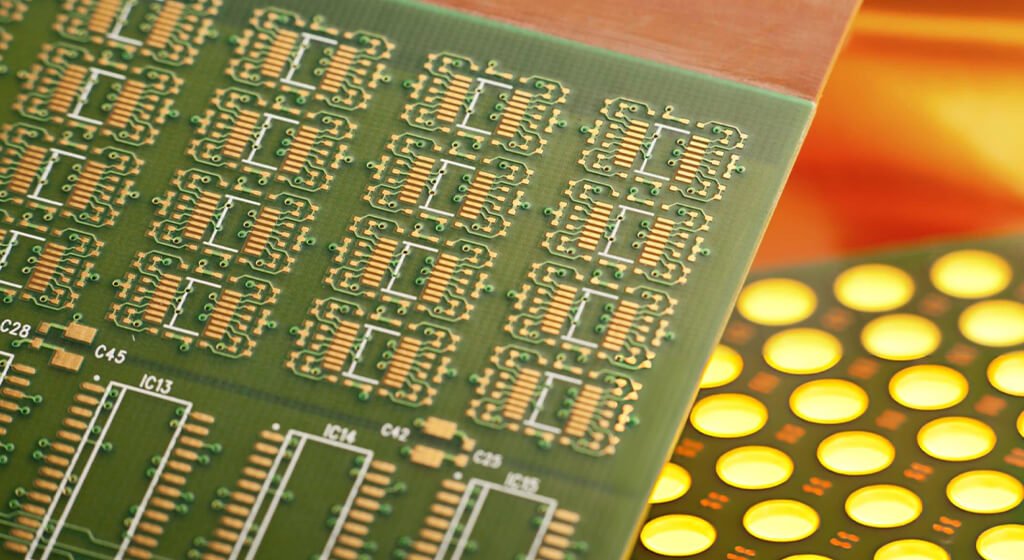
OSP is a thin organic coating applied to exposed copper pads on a PCB. Its purpose is to protect copper from oxidation before soldering.
Unlike metallic finishes such as ENIG or HASL, OSP uses an organic compound that chemically bonds to copper and creates a protective layer.
The coating is extremely thin, usually around:
- 0.2–0.5 microns
OSP Is Considered:
- Lead-free
- RoHS Compliant
- Environmentally Friendly
- Cost-effective
Because the coating is so thin, OSP maintains a very flat copper surface, which is highly beneficial for SMT assembly and fine-pitch components.
2. Why PCB Manufacturers Recommend OSP?
OSP has become extremely popular because it solves several major manufacturing problems simultaneously.
- Very Low Cost
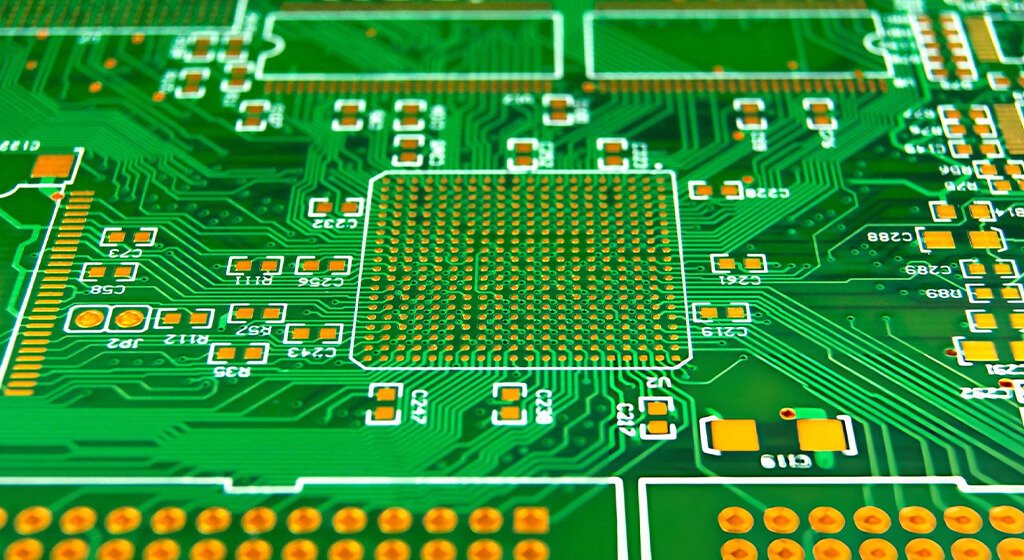
- Excellent Surface Flatness
- Lead-Free & RoHS Compliant
- Ideal for High-Volume Production
Next, we will further explore them.
2.1. Very Low Cost
OSP is one of the cheapest PCB surface finishes available.
Compared with ENIG:
- No nickel plating
- No gold plating
- Lower chemical cost
- Faster processing
- Lower environmental treatment cost
For high-volume electronics production, the cost savings can be substantial.
2.2. Excellent Surface Flatness
OSP creates an extremely flat copper surface.
This Is Important For:
- Fine-pitch SMT
- QFN packages
- BGA assembly
- HDI boards
- Small passive components
Unlike HASL, OSP does not create uneven solder bumps.
The Flatness Improves:
- Stencil printing consistency
- Solder paste deposition
- Component alignment
- SMT yield
2.3. Lead-Free & RoHS Compliant
OSP is fully compatible with:
- Lead-free soldering
- RoHS requirements
- Modern environmental regulations
As lead-free manufacturing became standard worldwide, OSP adoption increased rapidly.
2.4. Ideal for High-Volume Production
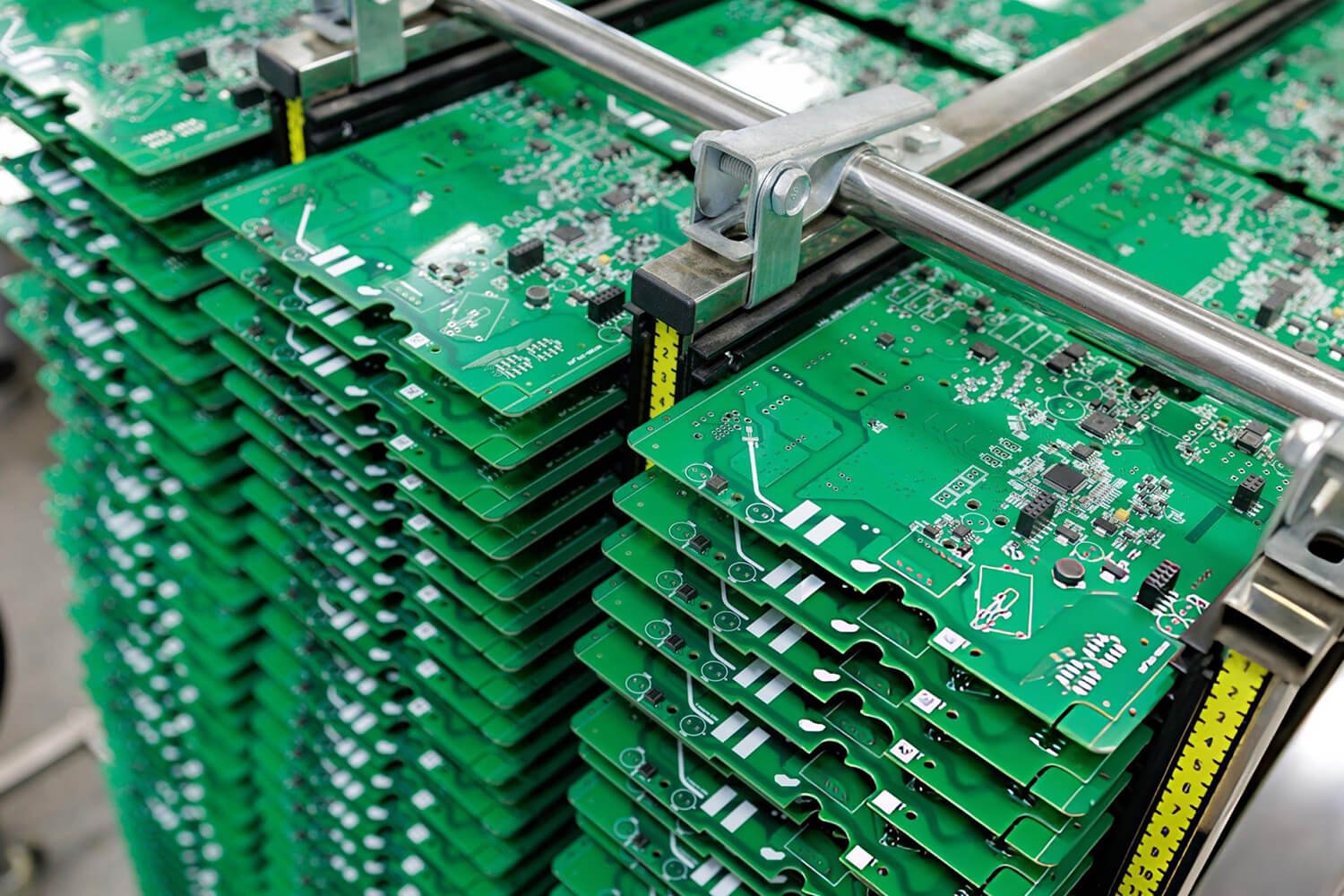
Large PCB factories often recommend OSP for mass production because:
- The process is fast
- Yield is stable
- Cost is predictable
- Automation compatibility is excellent
For millions of boards per year, OSP can dramatically reduce manufacturing cost.
Do You Need Any Help?
3. OSP Impact on Soldering and Solderability
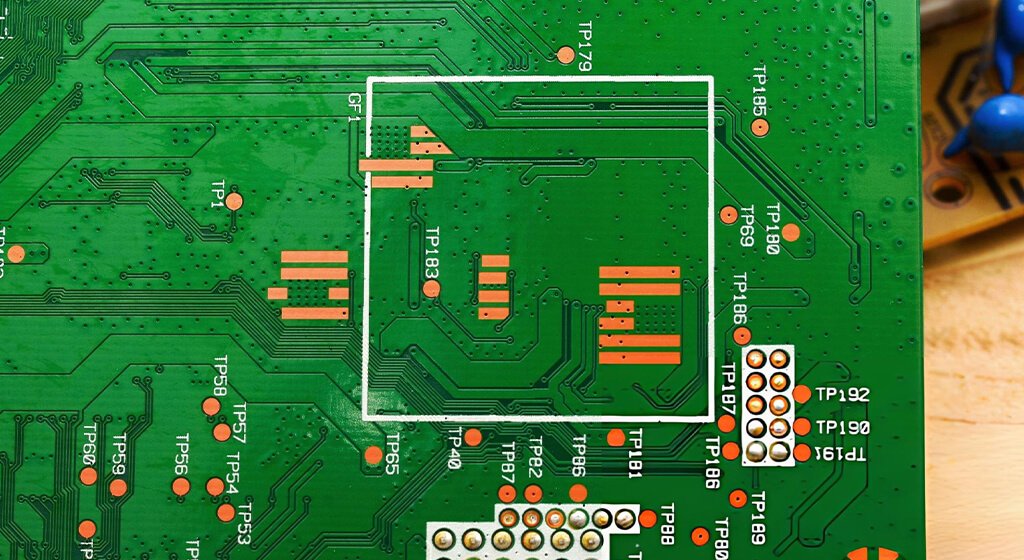
OSP has a major influence on PCB soldering performance, SMT yield, and long-term solder joint reliability.
Below is a detailed explanation of how OSP affects soldering and solderability in PCB assembly.
3.1. What “Solderability” Means
Solderability refers to how easily molten solder can:
- Wet the metal surface
- Spread evenly
- Form a strong metallurgical bond
Good Solderability Is Critical For:
- Reliable solder joints
- SMT yield
- Electrical performance
- Mechanical strength
Since copper oxidizes rapidly in air, PCB surface finishes are used to preserve solderability before assembly.
3.2. How OSP Affects Soldering
OSP protects copper before soldering but is designed to disappear during the soldering process.
During Reflow:
- Flux chemically dissolves the OSP layer
- Clean copper becomes exposed
- Molten solder wets directly onto fresh copper
It Allows:
- Good intermetallic formation
- Reliable electrical connection
- Strong solder joints
3.3. Why OSP Can Provide Excellent Solderability
When fresh and properly stored, OSP can deliver very good soldering performance.
3.4. How OSP Improves SMT Assembly Yield
OSP’s Flat Surface Improves:
- Stencil printing consistency
- Solder paste volume control
- Component alignment accuracy
This reduces defects such as:
- Bridging
- Tombstoning
- Misalignment
- Uneven solder joints
Do You Need Any Help?
4. How OSP PCB Finish Process?
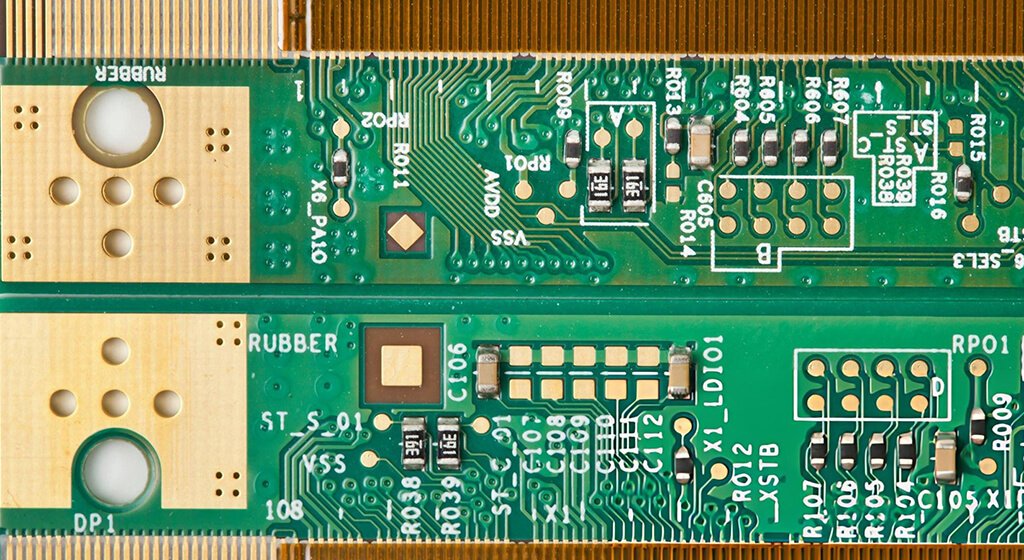
OSP is a chemical surface finish used to protect exposed copper pads on a PCB from oxidation before soldering. Its step is simple.
Step 1. Copper Surface Preparation
Before applying OSP, the PCB surface must be completely clean.
The Process Usually Includes:
- Degreasing
- Micro-etching
- Acid cleaning
- DI water rinsing
It Removes:
- Oil
- Oxidation
- Residues
- Surface contaminants
A clean copper surface is critical because the OSP layer bonds chemically to the copper.
Step 2: Micro-Etching Creates Surface Roughness
The copper surface is slightly roughened through micro-etching.
Typical Micro-etch Depth:
- 1.0–1.5 μm
This Roughness Improves:
- OSP Adhesion
- Film Uniformity
- Coating Stability
Without proper micro-etching, the OSP film may peel or form unevenly.
Step 3. Organic Film Formation
After cleaning, the PCB enters the OSP chemical bath.
The OSP solution contains organic compounds that react selectively with copper.
These Compounds Form:
- A thin organic protective layer
- A chemically bonded anti-oxidation film
Typical OSP Film Thickness:
- 0.2–0.5 μm
The coating is transparent and extremely thin compared with metallic finishes.
Step 4. The OSP Layer Protects Copper
Once formed, the OSP film blocks:
- Oxygen
- Humidity
- Contaminants
It Slows Down Copper Oxidation During:
- Storage
- Shipping
- PCB handling
Unlike ENIG, OSP does not permanently seal the copper. It only preserves solderability temporarily until assembly.
Step 5. Flux Removes the OSP During Soldering
During SMT assembly, the PCB passes through reflow soldering temperatures around:
- 190–260°C (depending on lead-free or leaded process)
At This Stage:
- Flux chemically dissolves the OSP layer
- Fresh copper becomes exposed
- Molten solder wets directly onto clean copper
This creates the solder joint.
The OSP layer is consumed during the soldering process and does not remain on the finished joint.
Do You Need Any Help?
5. What Is the OSP Disadvantages?
OSP has several important limitations.
5.1. Limited Shelf Life
OSP is its relatively short shelf life. The OSP layer is extremely thin and provides only temporary oxidation protection. Over time, exposure to:
- Air
- Humidity
- Heat
- Contaminants
It can gradually degrade the coating.
Typical OSP Shelf Life:
- About 6–12 months under proper storage conditions
If storage conditions are poor, solderability can deteriorate much faster. This is why OSP boards usually require:
- Vacuum packaging
- Desiccants
- Humidity control
- Strict inventory management
Compared with ENIG, OSP has significantly lower long-term storage stability.
5.2. Sensitive to Moisture and Humidity
OSP coatings are highly sensitive to moisture exposure.
High Humidity Can:
- Damage the organic film
- Accelerate copper oxidation
- Reduce solderability
Once oxidation begins, problems such as:
- Poor wetting
- Weak solder joints
- Reflow defects
It may occur during SMT assembly.
Because of this, OSP boards require controlled warehouse conditions.
Typical Storage Recommendations:
- Relative Humidity: 30–70%
- Temperature: 15–30°C
5.3. Poor Resistance to Multiple Reflow Cycles
OSP performs best in limited thermal cycles.
During Each Reflow Process:
- The OSP coating is partially consumed
- Oxidation resistance decreases
After Repeated High-temperature Exposure:
- Unused pads may discolor
- Copper oxidation may occur
- Solderability can decline
Most OSP Finishes Are Recommended For:
- 1–3 reflow cycles
This Makes OSP Less Suitable For:
- Complex rework operations
- Multi-stage assembly
- High-temperature processing
For products requiring frequent rework or multiple thermal cycles, ENIG is generally more reliable.
5.4. Easy Surface Damage During Handling
OSP films are extremely thin and delicate. The surface can easily be damaged by:
- Scratches
- Friction
- Fingerprints
- Improper handling
Bare-hand contact is especially dangerous because: sweat and skin oils can quickly contaminate the copper surface.
Because of this, OSP production lines usually require:
- Gloves
- Careful packaging
- Isolation paper between boards
Do You Need Any Help?
6. OSP vs ENIG: Which Is Better?
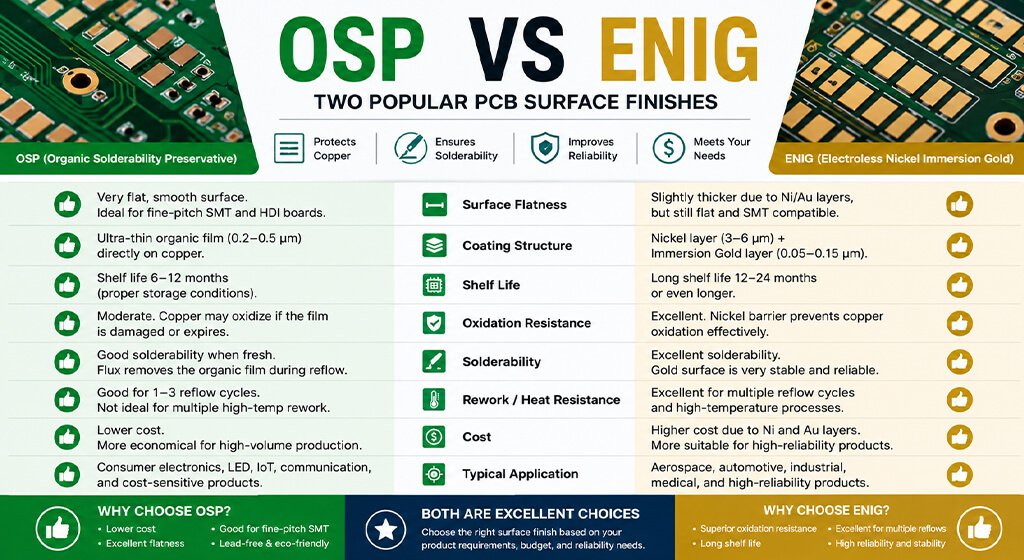
OSP vs ENIG: Quick Comparison
|
Feature |
OSP |
|
|
Cost |
Low |
High |
|
Surface Flatness |
Excellent |
Excellent |
|
Shelf Life |
Moderate |
Long |
|
Oxidation Resistance |
Moderate |
Excellent |
|
BGA Compatibility |
Good |
Excellent |
|
Multiple Reflow Cycles |
Limited |
Excellent |
|
Durability |
Moderate |
High |
|
Lead-Free Compatibility |
Yes |
Yes |
|
Storage Stability |
Sensitive |
Stable |
|
Fine-Pitch SMT |
Good |
Excellent |
6.1. When Should You Choose OSP?
OSP is ideal when:
- Cost reduction is critical
- Production volume is high
- Assembly occurs quickly after fabrication
- The product lifecycle is short
- Consumer electronics are involved
Examples:
- Smart home devices
- LED lighting
- Bluetooth products
- IoT modules
- Low-cost industrial controls
6.2. When Should You Choose ENIG Instead?
ENIG is usually better when:
- Long shelf life is required
- Multiple reflows are needed
- BGA density is high
- Reliability is critical
- Storage conditions are uncertain
Examples:
- Medical devices
- Aerospace electronics
- Automotive systems
- High-end networking hardware
Do You Need Any Help?
7. OSP vs HASL: Which Is Better?
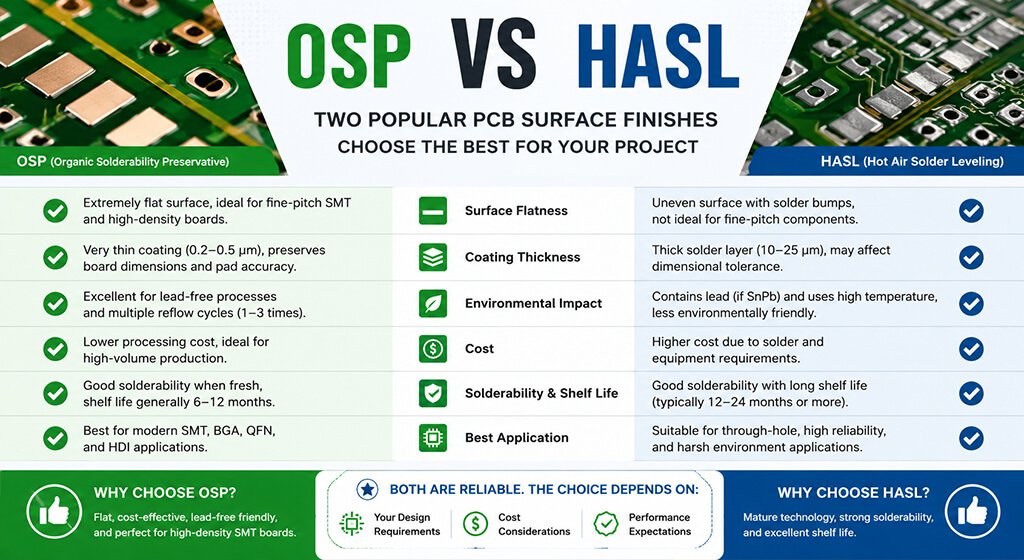
Feature | OSP | |
Cost | Low | Low |
Flatness | Excellent | Moderate |
SMT Suitability | Excellent | Fair |
BGA Support | Good | Poor |
Hand Soldering | Fair | Excellent |
Shelf Life | Moderate | Good |
Lead-Free Options | Yes | Yes |
Why OSP Is Better Than HASL for SMT?
OSP provides:
- Better coplanarity
- Smoother pads
- More consistent solder paste printing
HASL can create uneven surfaces that cause:
- Tombstoning
- Solder bridging
- Poor BGA alignment
Do You Need Any Help?
8. Common OSP Problems and How We Prevents Them?
OSP is also more process-sensitive than many other PCB finishes. Because the coating is extremely thin, oxidation or solderability loss can occur if manufacturing and storage are not tightly controlled.
Below are the most common OSP problems and how we helps prevent them.
8.1. Copper Oxidation
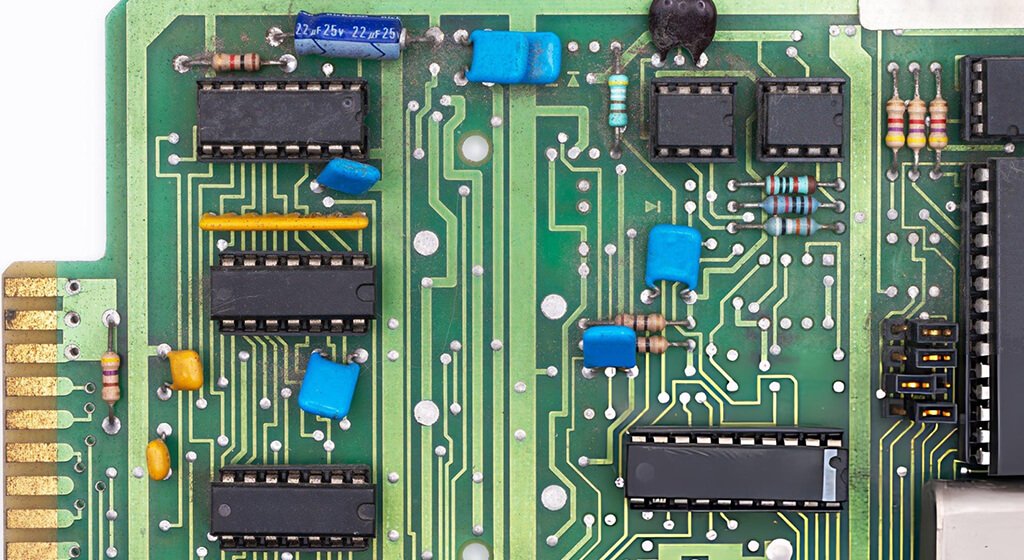
OSP coatings temporarily protect exposed copper from oxidation. If the coating becomes damaged or degrades during storage, the copper surface can oxidize rapidly.
Oxidation May Cause:
- Poor Solder Wetting
- Weak Solder Joints
- Reflow Defects
- SMT Yield Loss
How We Prevent It
Based on our experience, we can take the following measures to avoid this.
- Vacuum-Sealed Packaging
- Controlled Storage Recommendations: Storage Temperature: 15–30°C And Relative Humidity: 30–70%
- Isolation Protection During Shipping
8.2. Poor Solderability
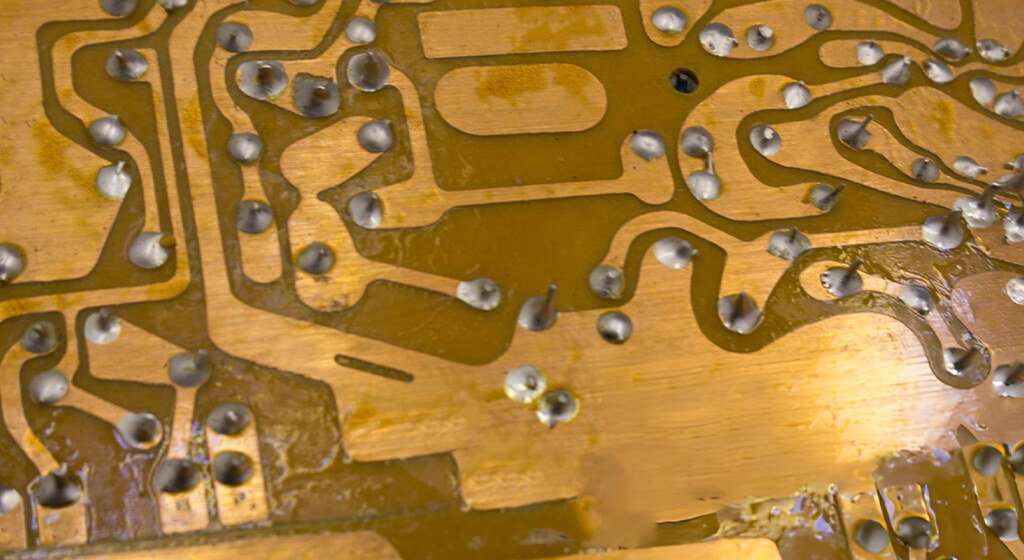
If the OSP coating is inconsistent or damaged, solder may not wet the copper properly during reflow.
It Can Lead To:
- Non-Wetting Pads
- Weak Solder Joints
- Open Circuits
- SMT Defects
How We Prevent It:
- Stable OSP Film Thickness Control: 0.2–0.5 μm
- Precise Micro-Etching Process: 1.0–1.5 μm
- DI Water Quality Control
8.3. OSP Damage During Handling
OSP coatings are extremely thin and can easily be damaged by:
- Fingerprints
- Friction
- Scratching
- Bare-hand Contact
Surface contamination can quickly cause oxidation problems.
How We Prevent It:
- Strict Handling Procedures
- Protective Transportation Methods: Isolation Paper &Anti-static Packaging
8.4. Solder Paste Printing Problems
OSP surfaces are very flat, but unlike HASL, they do not provide excess solder volume naturally.
Poor Stencil Design May Lead To:
- Exposed Copper
- Solder Balls
- Tombstoning
- Incomplete Wetting
How We Prevent It:
- Slightly enlarged stencil apertures
- Concave aperture design
- Improved solder paste coverage
- Sending boards into reflow within 1 hour after stencil printing
Do You Need Any Help?
9. People Also Ask?
Is OSP Good for BGA?
Yes — but with limitations.
OSP works well for:
- Standard BGAs
- Fine-pitch SMT
- HDI designs
The flat surface is beneficial for solder ball consistency.
However, OSP becomes risky when:
- Multiple reflow cycles occur
- Storage time is long
- Oxidation develops
- Handling is poor
For advanced BGA reliability, many OEMs prefer ENIG.
How Many Reflow Cycles Can OSP Handle?
Most OSP finishes support:
- 1–3 reflow cycles
Beyond that:
- Oxidation risk increases
- Wetting performance drops
- Copper exposure becomes problematic
The exact performance depends on:
- OSP chemistry
- PCB storage conditions
- Assembly temperature profile
- Flux quality
Is OSP Reliable Enough for Commercial Electronics?
Yes.
In fact, OSP is already widely used in:
- Smartphones
- Consumer IoT
- LED lighting
- Computer peripherals
- Home electronics
When properly manufactured and assembled, OSP performs very well.
10. Final Thoughts
OSP surface finish still is one of the best solutions for cost-effective SMT PCB manufacturing.
Its biggest strengths are:
- Low cost
- Excellent flatness
- Strong SMT compatibility
- Lead-free compliance
However, OSP also requires:
- Proper storage
- Careful handling
- Controlled assembly timing
For consumer electronics and high-volume production, OSP is often an excellent choice.
For high-reliability applications requiring long shelf life or multiple thermal cycles, ENIG may still be the better investment.
The most important factor is choosing a PCB manufacturer with strong process control, proper packaging, and real SMT manufacturing experience.
Get a PCB Quote