
/For Smart EVSE Systems/
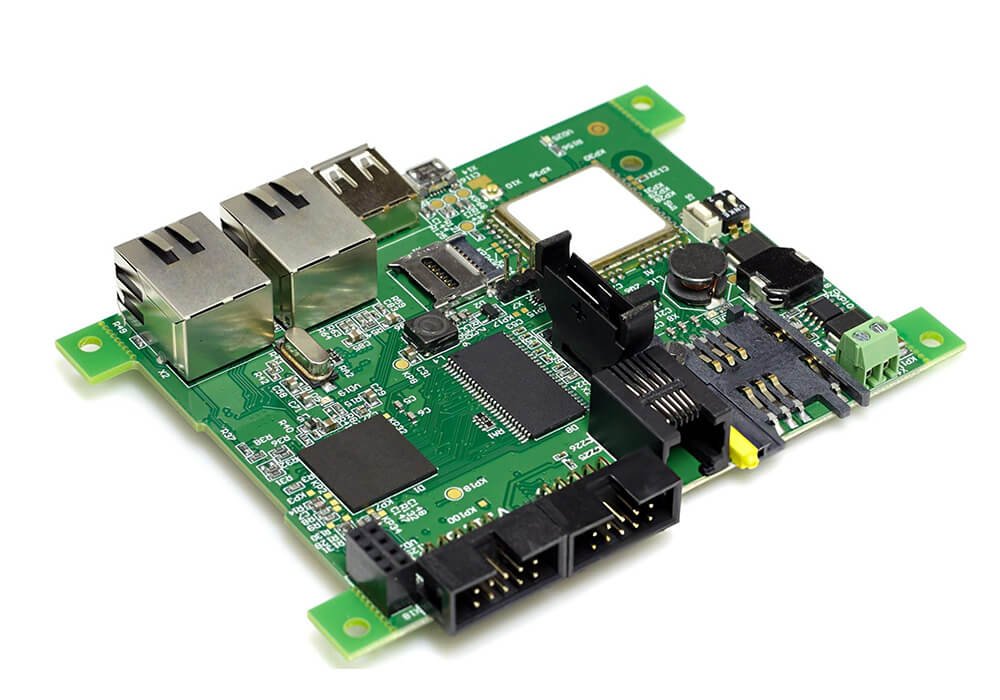
EV Charger PCB
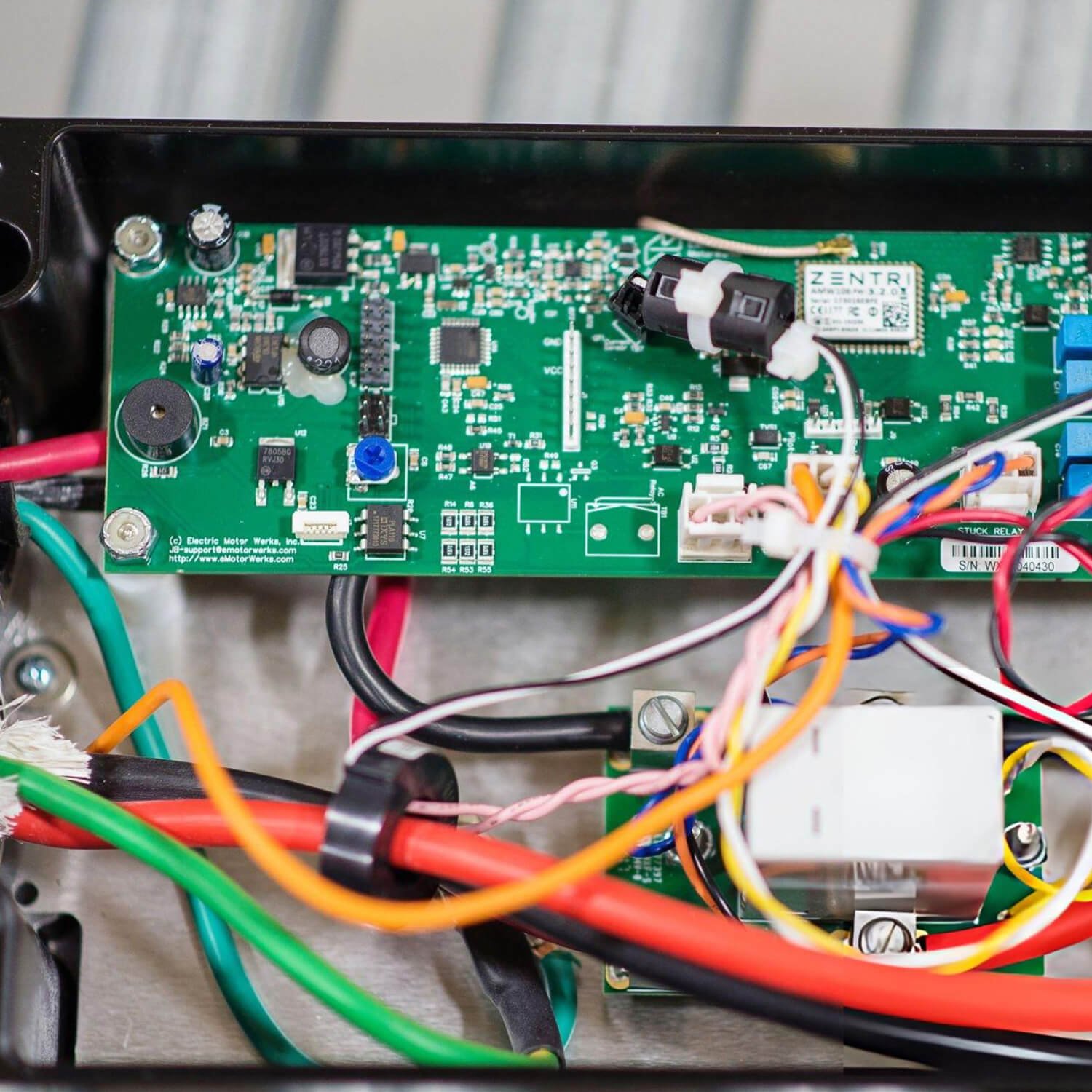
From residential wall chargers to ultra-fast DC charging stations, every charging system relies on a high-performance EV Charger PCB to ensure safe, stable, and efficient operation.
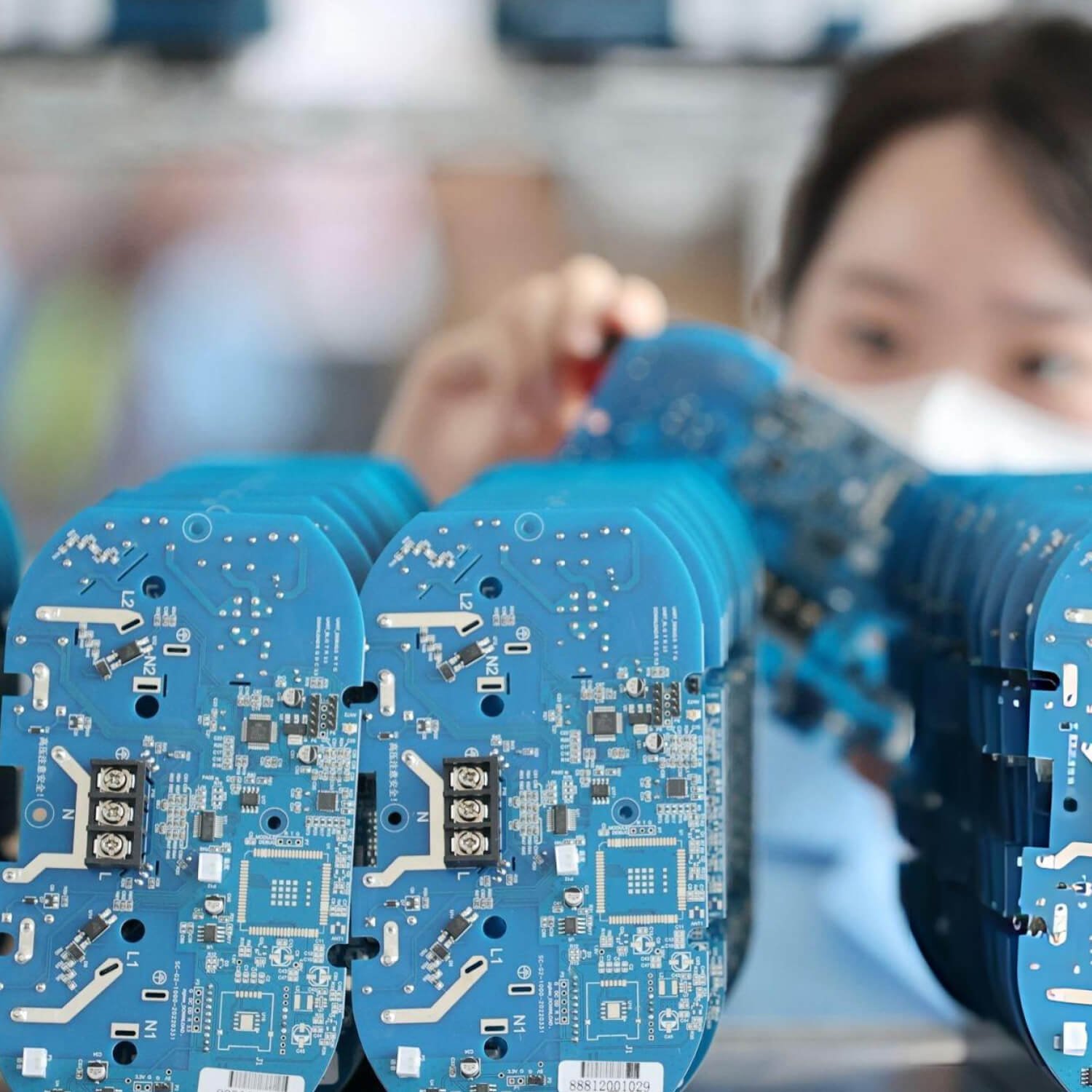
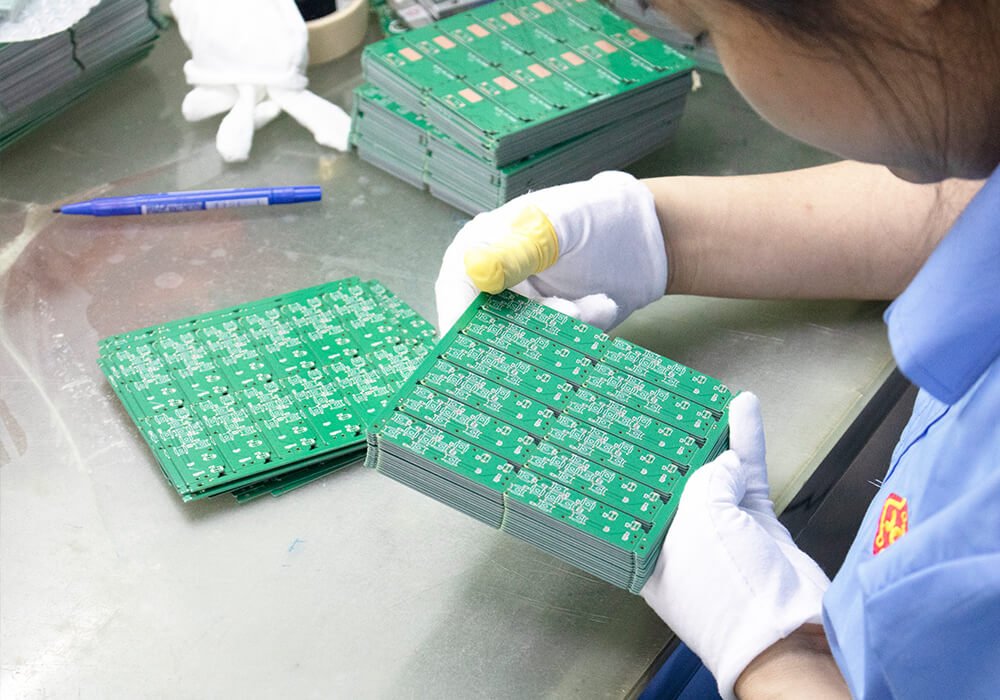
PCBSAIL provides professional EV Charger PCB manufacturing and PCB assembly services for EV charging equipment manufacturers worldwide.
What Is EV Charger PCB?
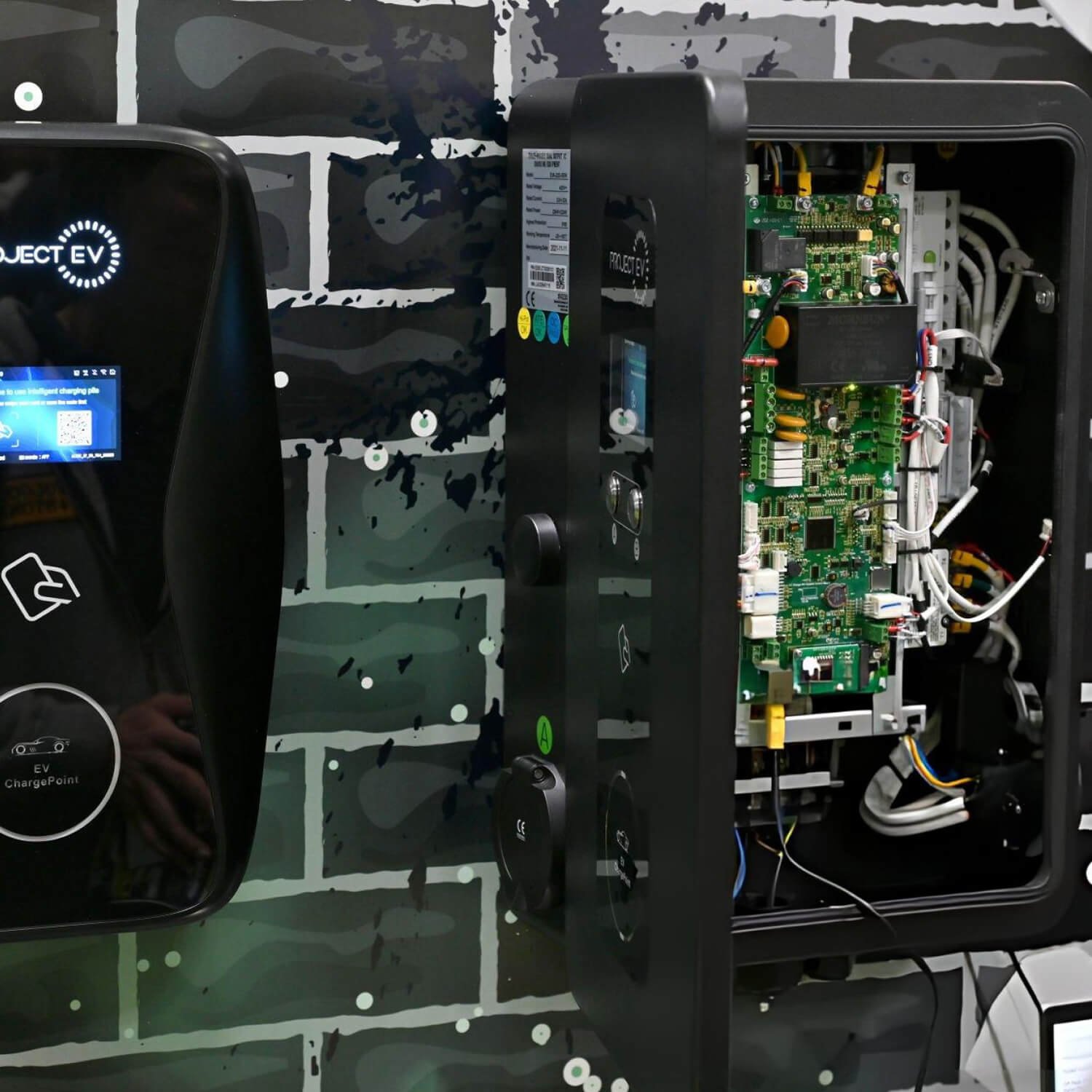
An EV Charger PCB is the printed circuit board used inside electric vehicle charging systems to control power conversion, charging communication, safety protection, and system monitoring.
The PCB Acts As The Electronic Core Of The Charger, And It Can Do:
- AC/DC Power Conversion
- Current Regulation
- Voltage Monitoring
- Thermal Protection
- Charging Communication
- Relay Control
- Smart Charging Functions
- Wireless Communication
EV charger boards often runs under much harsher electrical and thermal conditions.
EV Charger PCB We Offered.
We can provide comprehensive EV Charger PCBs for different charging platforms.
Our Capacity.

AC EV Charger PCB
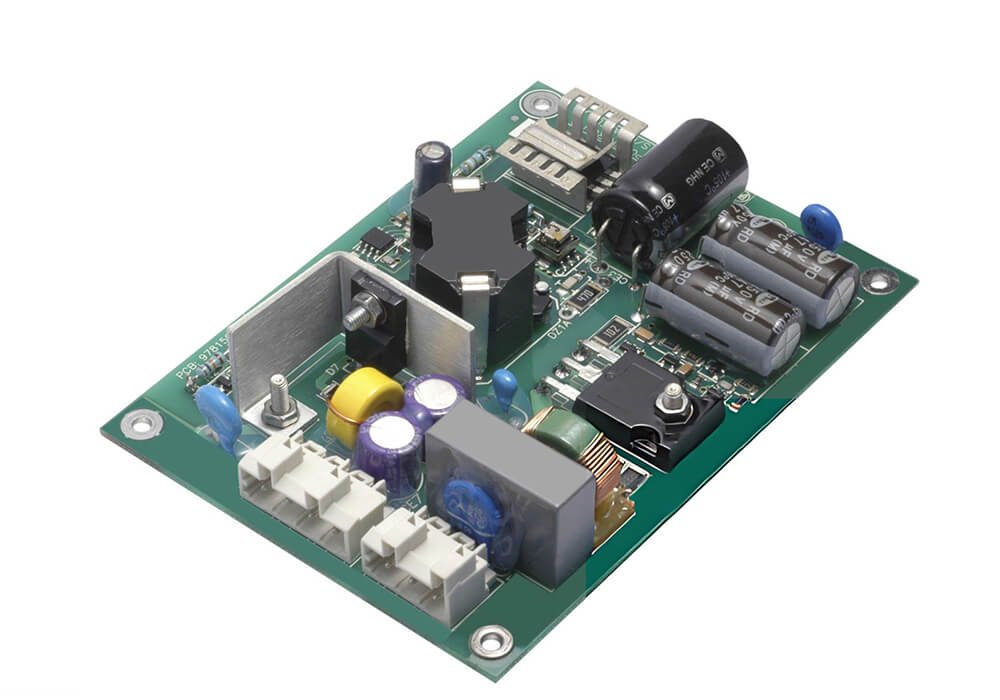
Our AC EV charger PCBs are commonly used in residential and commercial charging systems.
- Multi-layer PCB structure
- High-Tg FR4 materials
- Smart communication modules
- Compact PCB layout
- Stable thermal performance

DC Fast Charger PCB
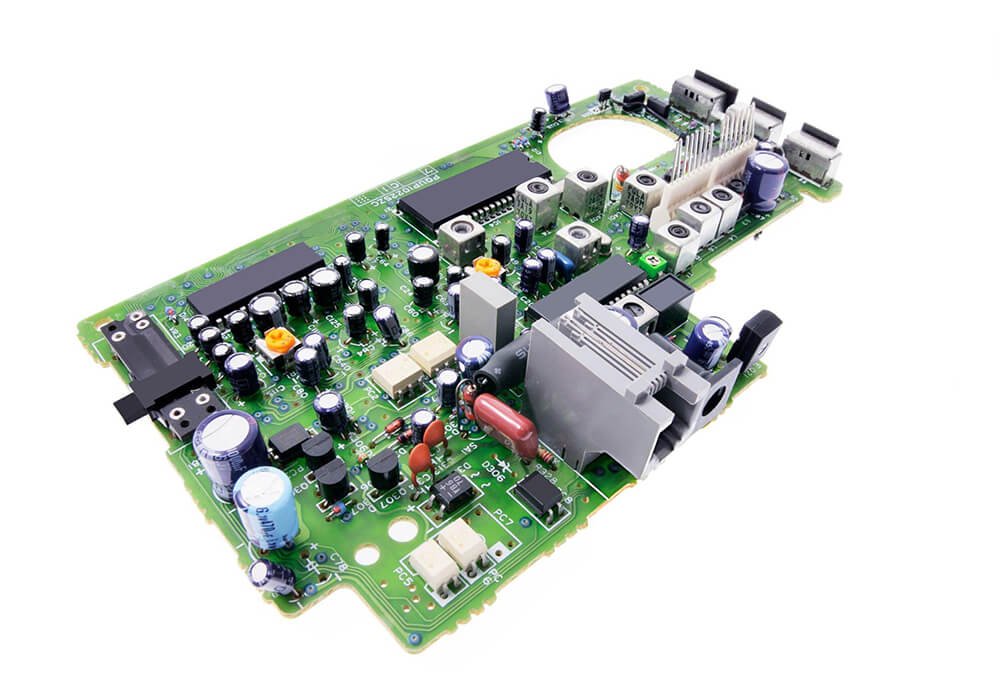
Our DC fast charger PCBs are designed for high-power charging infrastructure.
- Heavy copper PCB
- Thick board structure
- High-current traces
- Advanced thermal management
- High-voltage isolation
- Large power component assembly

Smart EV Charger PCB
We offer Smart EV charger PCBs, which supports intelligent charging functions and cloud connectivity.
- OCPP communication
- WiFi connectivity
- Bluetooth modules
- RFID support
- CAN Bus communication
- Mobile app integration

Portable EV Charger PCB
Our Portable EV charger PCBs is compact structure and reliable safety protection.
- Compact PCB layout
- Lightweight structure
- Integrated protection circuits
- Waterproof design support
- Portable thermal management

Item | Rigid PCB | Flexible PCB | Rigid-Flex PCB |
Max Layer | 60L | 8L | 36L |
Inner Layer Min Trace/Space | 3/3mil | 3/3mil | 3/3mil |
Out Layer Min Trace/Space | 3/3mil | 3.5/4mil | 3.5/4mil |
Inner Layer Max Copper | 6oz | 2oz | 6oz |
Out Layer Max Copper | 6oz | 20z | 3oz |
Min Mead hanical Driling | 0.15mm | 0.1mm | 0.15mm |
Min Laser Drilling | 0.1mm | 0.1mm | 0.1mm |
Max Aspect Ratio (Mechanical Drilling) | 20:01 | 10:01 | 12:01 |
Max Aspect Ratio (Laser Drilling) | 1:01 | / | 1:01 |
Press Fit Hole Tolerance | ±0.05mm | ±0.05mm | ±0.05mm |
PTH Tolerance | ±0.075mm | ±0.075mm | ±0.075mm |
NPTH Tolerance | ±0.05mm | ±0.05mm | ±0.05mm |
Countersink Tolerance | ±0.15mm | ±0.15mm | ±0.15mm |
Board Thickness | 0.4-8mm | 0.1-0.5mm | 0.4-3mm |
Board Thickness Tolerance(<1.0mm) | ±0.1mm | ±0.05mm | ±0.1mm |
Board Thickness Tolerance(≥1.0mm) | ±10% | / | ±10% |
Min Board Size | 10*10mm | 5*10mm | 10*10mm |
Max Board Size | 22.5*30 inch | 9*14 inch | 22.5*30 inch |
Contour Tolerance | ±0.1mm | ±0.05mm | ±0.1mm |
Min BGA | 7mil | 7mil | 7mil |
Min SMT | 7*10mil | 7*10mil | 7*10mil |
Min Solder Mask Clearance | 1.5mil | 3mil | 1.5mil |
Min Solder Mask Dam | 3mil | 8mil | 3mil |
Min Legend Width/Height | 4/23mil | 4/23mil | 4/23mil |
Strain Fillet Width | / | 1.5±0.5mm | 1.5±0.5mm |
Bow &Twist | 0.003 | / | 0.0005 |
Standards for EV Charger PCB.
Our EV charger PCBs comply with strict international safety and reliability standards.

IEC 61851
IEC 61851 defines requirements for conductive charging systems

ISO Standard
A controlled manufacturing environment ensures consistent quality.

IPC standard
Our EV Charger PCB follows IPC standard.

RoHS
Our EV Charger PCB manufacturing processes meet RoHS compliance requirements.
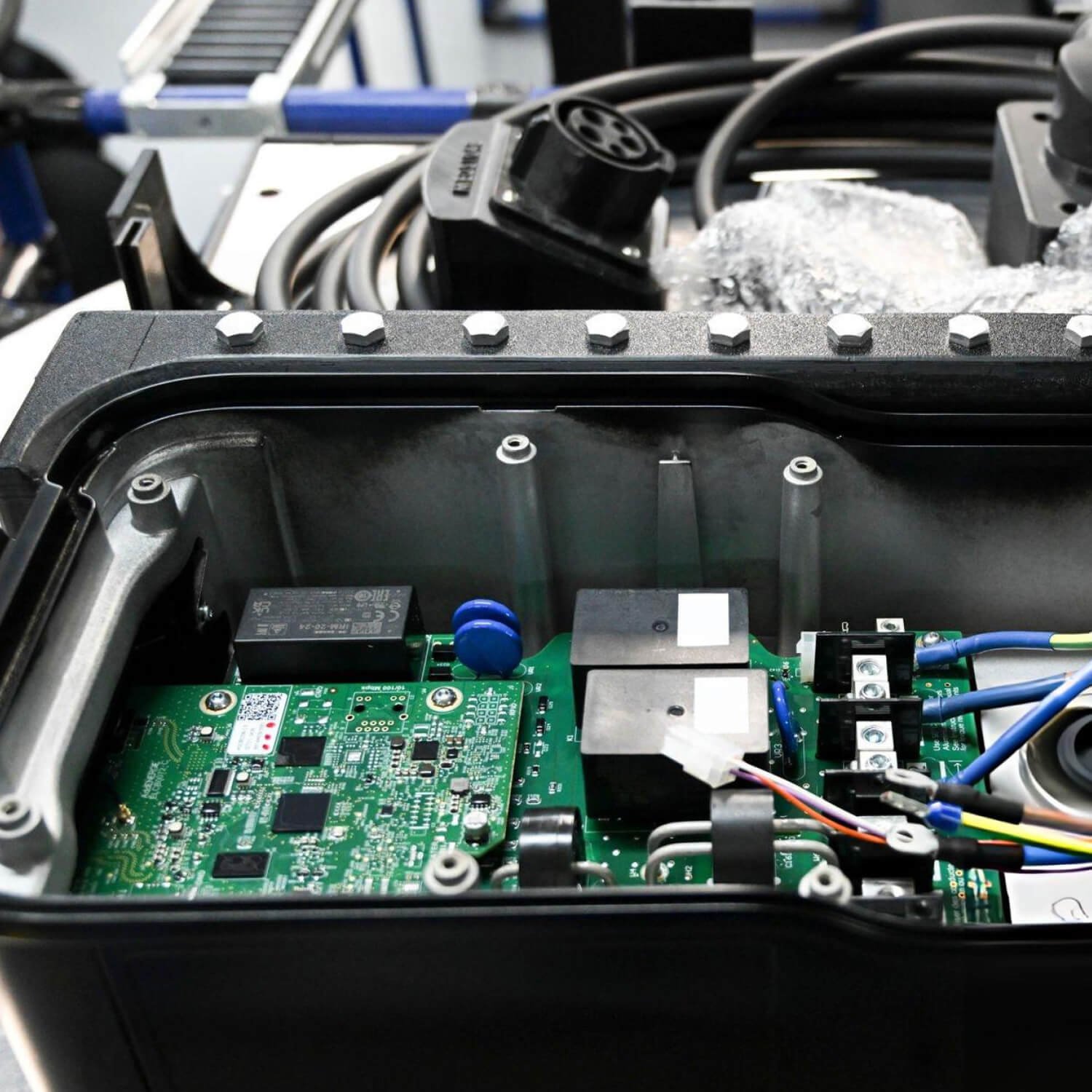
EV Charger PCB Feature
Our EV Charger PCBs are engineered to deliver stable electrical performance, excellent thermal management, and long-term reliability for both AC and DC charging systems.
High Reliability
We focus on manufacturing consistency and process control to improve long-term reliability for EV charging systems.
- Stable PCB fabrication process
- Strict assembly quality control
- High-quality raw materials
- Automotive-grade manufacturing standards
- Comprehensive inspection procedures
Excellent Thermal Management
Thermal performance is important in EV charger reliability.
Our design and manufacturing can improve thermal performance. Our clients can:
- Reduced overheating risk
- Improved charging efficiency
- Longer component lifespan
- Better operational stability
Smart Charging Communication
Modern EV charging systems increasingly support intelligent charging functions.
Our EV Charger PCBs support:
- OCPP communication
- WiFi modules
- Bluetooth connectivity
- RFID systems
- CAN Bus communication
- ISO 15118 communication
- Smart energy management systems
Strong EMI & EMC Performance
EV charging systems generate significant electromagnetic interference due to high-power switching circuits.
Our PCB structures help improve:
- EMC compliance
- Signal stability
- Communication reliability
- Electrical noise control
Waterproof Protection
Outdoor EV charging stations must withstand harsh environmental conditions.
We support outdoor applications with:
- Conformal coating
- Waterproof assembly support
- Corrosion-resistant surface finishes
- UV-resistant solutions
Excellent Soldering Reliability
High-current EV charging systems place significant stress on solder joints and power components.
Our assembly process focuses on:
- Stable solder quality
- Strong mechanical connection
- Reliable thermal cycling performance
EV Charger PCB Material
We provide multiple PCB material solutions for different EV charger applications.
High-Tg FR4
High-Tg FR4 is one of the most commonly used materials for EV charger PCBs.
“Tg” refers to the glass transition temperature of the material. High-Tg materials offer better thermal stability compared with standard FR4.
- Improved Mechanical Stability
- Better Reliability
- Lower Thermal Expansion
Heavy Copper
High-power EV chargers require heavy copper PCB structures to support large current loads.
- Copper thickness from 2oz- 6oz (Up to 15oz copper)
- Higher Current Carrying Capacity
- Improved Heat Dissipation
- Better Reliability
- Improved Mechanical Strength
Rogers
Rogers are high-performance laminates designed for high-frequency and high-speed electronic applications.
They are used in advanced EV charger communication systems.
- Low Dielectric Loss
- Stable Electrical Performance
- Better Signal Integrity
- Improved Thermal Stability
Ceramic PCB
Ceramic are used in specialized high-temperature EV charging applications.
- Extremely High Thermal Conductivity
- Excellent Electrical Insulation
- Superior Heat Resistance
- Excellent Dimensional Stability
Considerations for EV Charger PCB Design
EV Charger PCB design is significantly more complex than standard industrial electronics. We help EV charging manufacturers optimize PCB manufacturability, thermal management, assembly reliability, and high-voltage safety for demanding charging applications.
High-Power PCB Design
EV charging systems are fundamentally high-power electronic applications.
High-power PCB circuits operate with significantly higher voltage and current compared with standard low-power electronics.
We must ensure the PCB can safely manage:
- Large current flow
- High-voltage isolation
- Heat dissipation
- Long-term electrical stability
- Safe operation
PCB Layout Design
PCB layout is one of the most critical factors in EV charger reliability.
A well-designed layout improves:
- Current distribution
- Thermal management
- EMI performance
- Charging stability
- Manufacturability
High-Power Component Placement
Component placement strongly affects both thermal and electrical performance.
We Should:
- Spread Heat Sources
- Keep Sensitive Components Away From Heat
- Place High-Power Devices Near Cooling Structures
- Consider Heat Sink Integration Early
Solder Mask Thickness
Solder mask thickness becomes increasingly important in heavy copper EV charger PCB design.
Thick copper on external layers may create large height differences between traces and gaps, requiring thicker solder mask coverage.
We Should Consider:
- Double solder mask coating
- Increased solder mask thickness
- Dielectric strength
- Thermal stability
- Conformal coating
Thermal Management
Thermal management is one of the most critical aspects of EV charger PCB design.
We Need To:
- Spread Heat Sources
- Keep Components Away From PCB Edges
- Optimize Airflow
- Use Thermal Vias
- Use Internal Copper Planes
- Consider Heat Sinks Early
EMI & EMC Considerations
EV chargers contain high-frequency switching circuits that generate electromagnetic interference.
We Can:
- Ground Plane Optimization
- Minimize Switching Loop Area
- Signal Isolation
- Controlled Impedance Routing
EV Charger PCB Failures And How We Prevent?
We focus on preventing EV Charger PCB failures at the design, fabrication, and assembly stages through engineering review, process control, and high-reliability manufacturing practices.
Thermal Overheating Failure
Thermal failure is one of the most common issues in EV charger PCBs. High-power components such as MOSFETs, IGBTs, transformers, and rectifiers generate significant heat during continuous operation.
How We Prevent It
We reduce thermal failure risk through:
- Heavy Copper PCB Manufacturing
- Thermal Via Optimization
- DFM Thermal Review
High-Voltage Arcing and Insulation Breakdown
EV chargers operate at high voltage levels such as 400V and 800V systems. If insulation design is insufficient, electrical arcing can occur between conductive areas.
Causes
- Insufficient creepage distance
- Inadequate clearance spacing
- Poor isolation routing
How We Prevent It
- High-Voltage Design Review: We analyze all high-voltage zones during DFM stage.
- Controlled Creepage & Clearance: We ensure spacing meets IEC and UL requirements.
- Isolation Slot Implementation: Improves physical separation between high-voltage sections.
- Manufacturing Precision Control: Strict process control reduces deviation in critical spacing.
EMI / EMC Failure
V charger circuits use high-frequency switching, which generates electromagnetic interference (EMI). If not controlled, it can affect:
- Communication stability
- Charging accuracy
How We Prevent It
- Stable ground structure reduces noise.
- Separation of power and communication circuits.
- Supports stable high-speed communication lines.
Solder Joint Failure
EV chargers contain heavy components that experience thermal cycling and vibration. Poor solder joints can lead to intermittent or permanent failure.
Symptoms include:
- Intermittent charging
- Connector heating
- Complete loss of function
How We Prevent It
- Advanced PCB Assembly Process: Selective soldering for power components
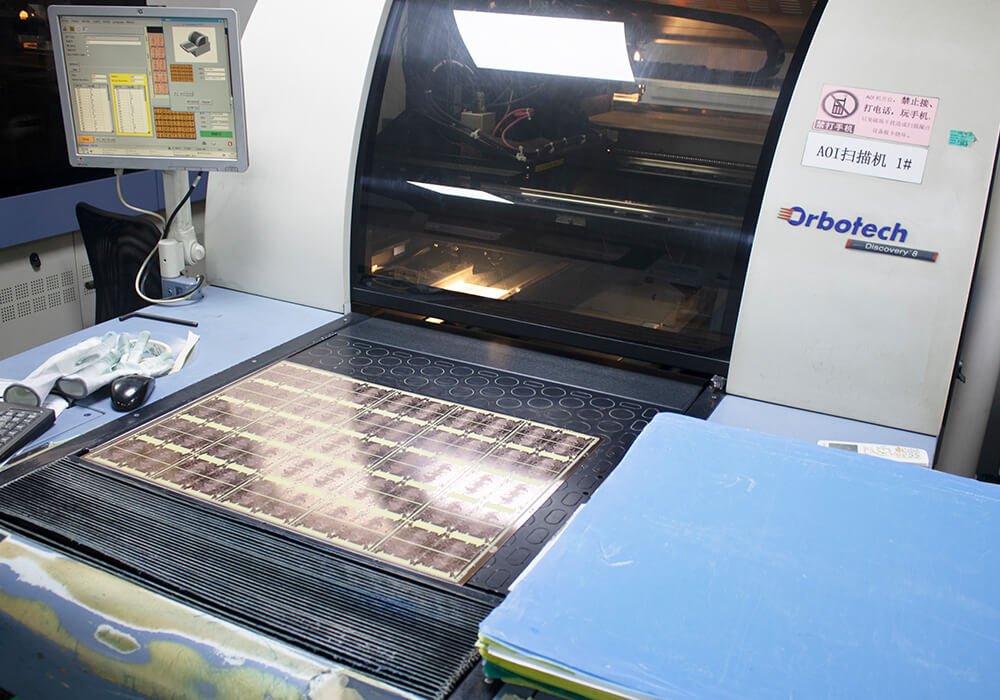
- AOI Inspection: Detects solder defects early
- X-Ray Inspection: Checks hidden joints (BGA, power pads)
- Process Control: Stable reflow profile tuning for heavy copper boards
Copper Trace Burnout
High-current EV chargers may suffer from trace burnout if copper design is insufficient.
How We Prevent It
- 2oz to 15oz copper support
- Current-Optimized Design Review
- Via Reinforcement Design
Why Choose Us
We help EV charger manufacturers build reliable, high-performance charging systems with professional PCB fabrication and assembly services for modern EV infrastructure.

Turnkey PCB Solution
We provide a complete end-to-end service, eliminating the complexity of managing multiple vendors. We can do:
- PCB design and engineering support
- PCB fabrication Component sourcing
- PCB assembly (SMT, THT, mixed)
- Final testing and quality assurance

Quality
We adhere to globally recognized standards:
- IPC-A-610 Class 3 (high-reliability electronics)
- IPC-6012 (PCB performance standards)
- ISO 9001
- ISO 14001
- UL 94

Advanced Manufacturing
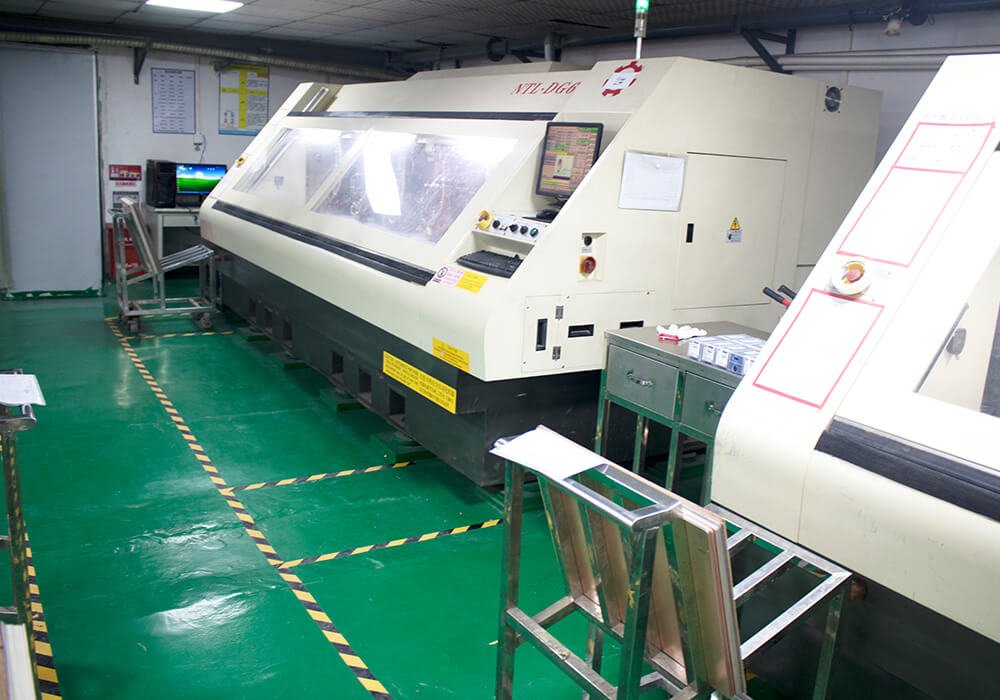
Our state-of-the-art facilities support complex and high-precision PCB assembly. We can do:
- Fine-pitch placement down to 0.38mm
- BGA (0.2mm pitch) with X-ray inspection
- Support for 0201 components
- High-density multilayer PCBs
- Mixed technology assembly (SMT + Through-hole)

Testing & Inspection
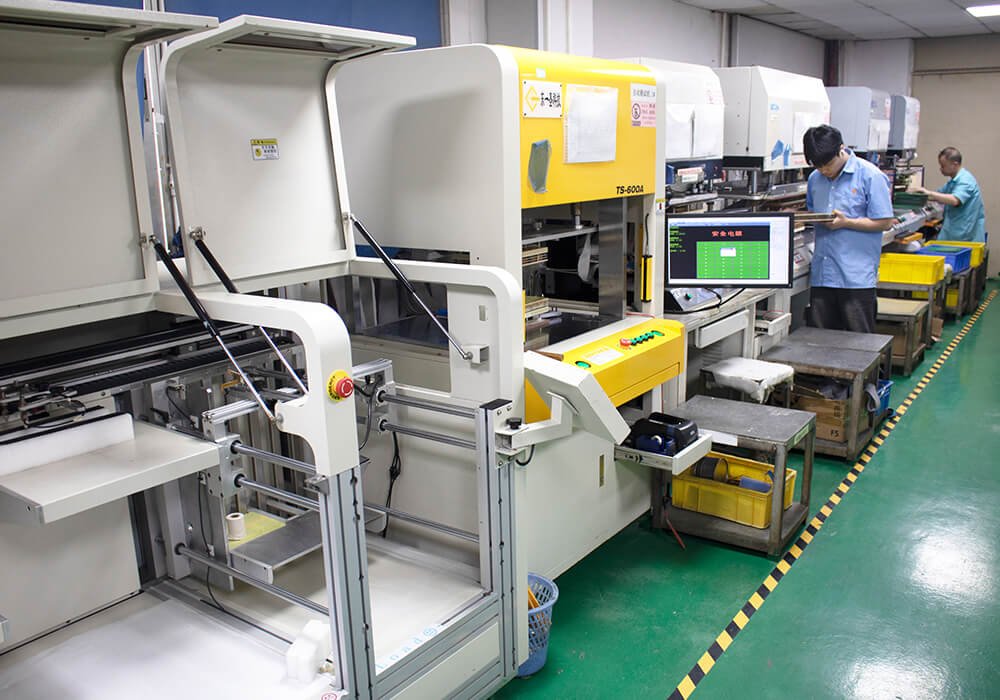
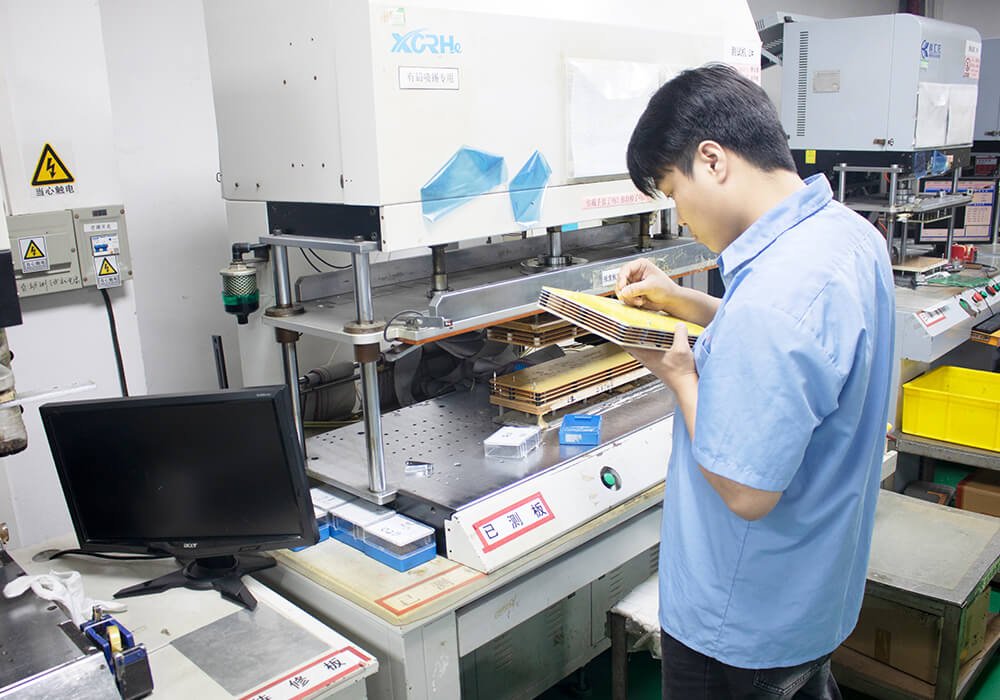
We implement multi-level testing to ensure every PCBA meets strict performance requirements.
- AOI (Automated Optical Inspection)
- X-ray inspection for hidden solder joints
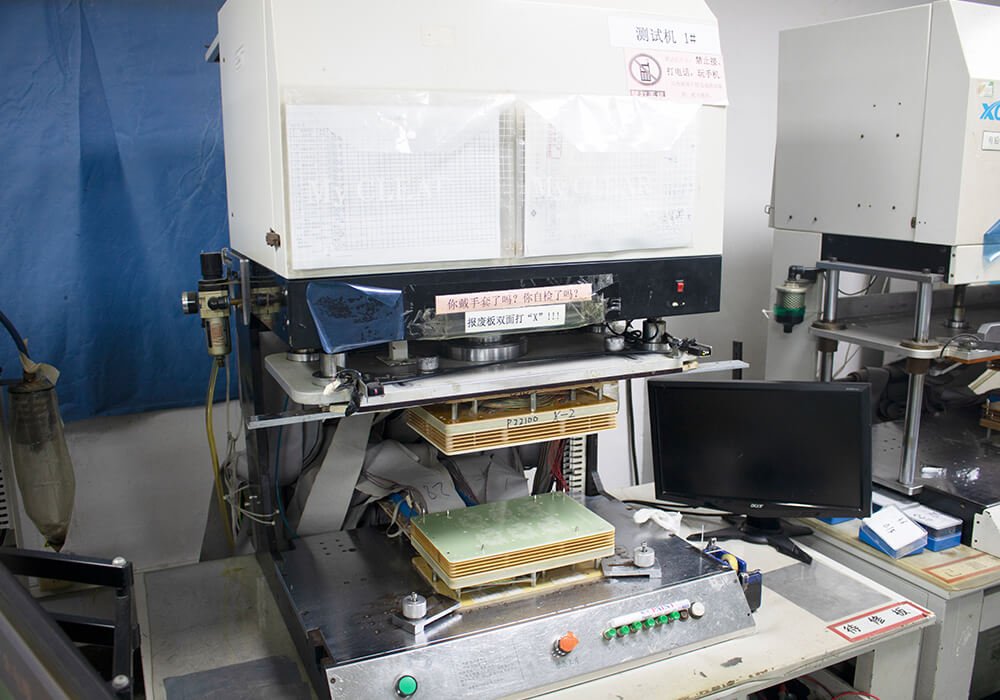
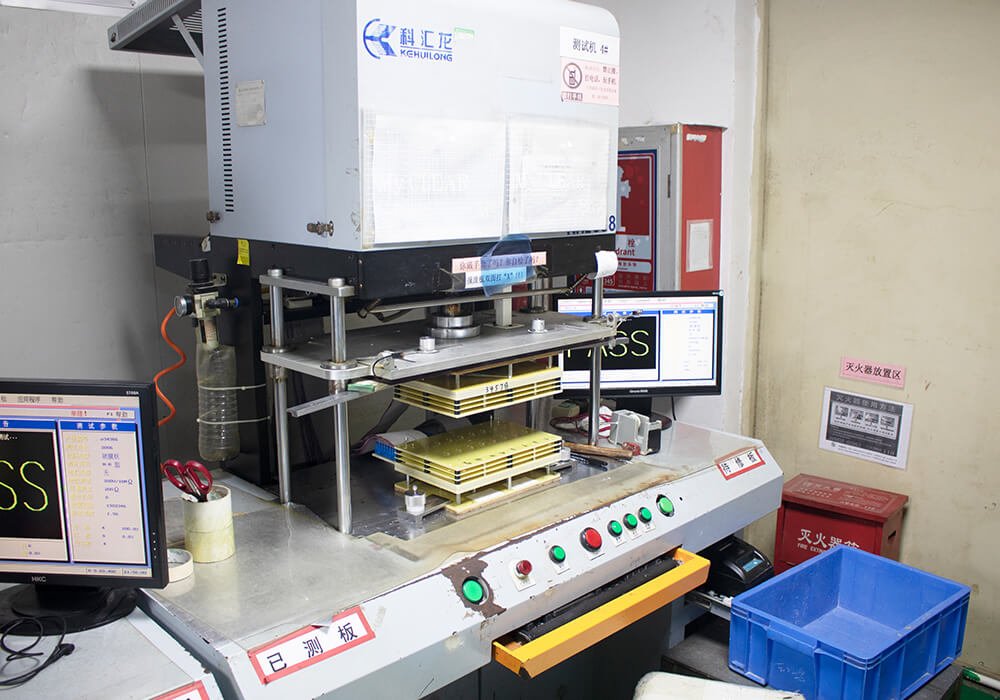
- In-Circuit Testing (ICT)
- Functional testing under real operating conditions
- Voltage and performance validation
Fast Quotation
Our professional sales and engineering teams provide fast PCB quotes and technical support. Simply send us your Gerber files, BOM, and assembly drawings, and we will respond promptly with a competitive solution.
- Gushu Tangxi Second Industrial Zone, Shenzhen
- +86 755 2335 0814
- +86 135 1078 8094
- sales@pcbasail.com
FAQ About EV Charger PCB?
1. What Copper Thickness Is Used in EV Charger PCB?
Typical Copper Thickness Ranges From:
- 2oz to 6oz (standard EV chargers)
- Up to 15oz (high-power DC fast chargers
2. What Voltage Levels Do EV Charger PCBS Support?
EV Charger PCBs typically support:
- 110V / 220V AC systems
- 400V DC systems
- 800V high-voltage EV platforms
Proper creepage and clearance design is critical for safety.
3. Do EV Charger PCBs Need Conformal Coating?
Yes, especially for outdoor EV charging stations.
Conformal Coating Helps Protect Against:
- Moisture
- Dust
- Salt fog
- Corrosion
It significantly improves long-term reliability.