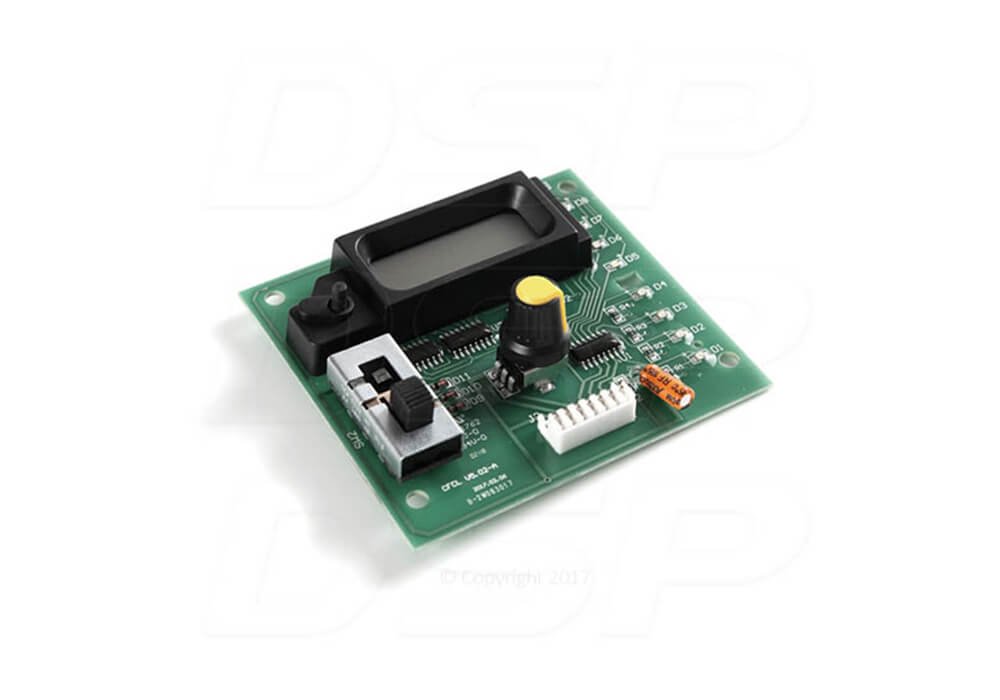
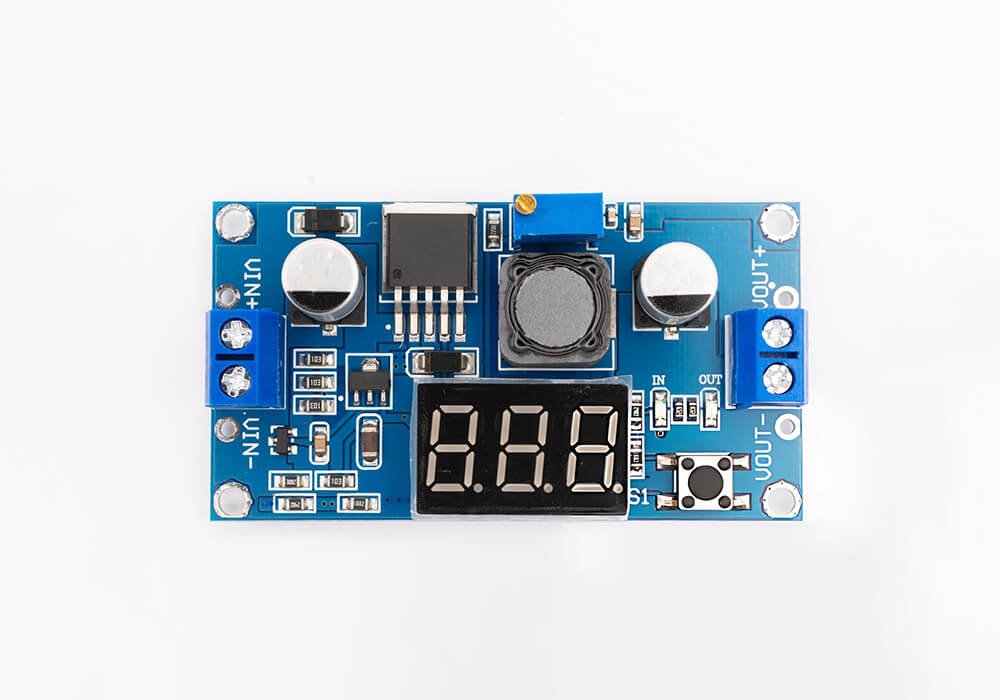
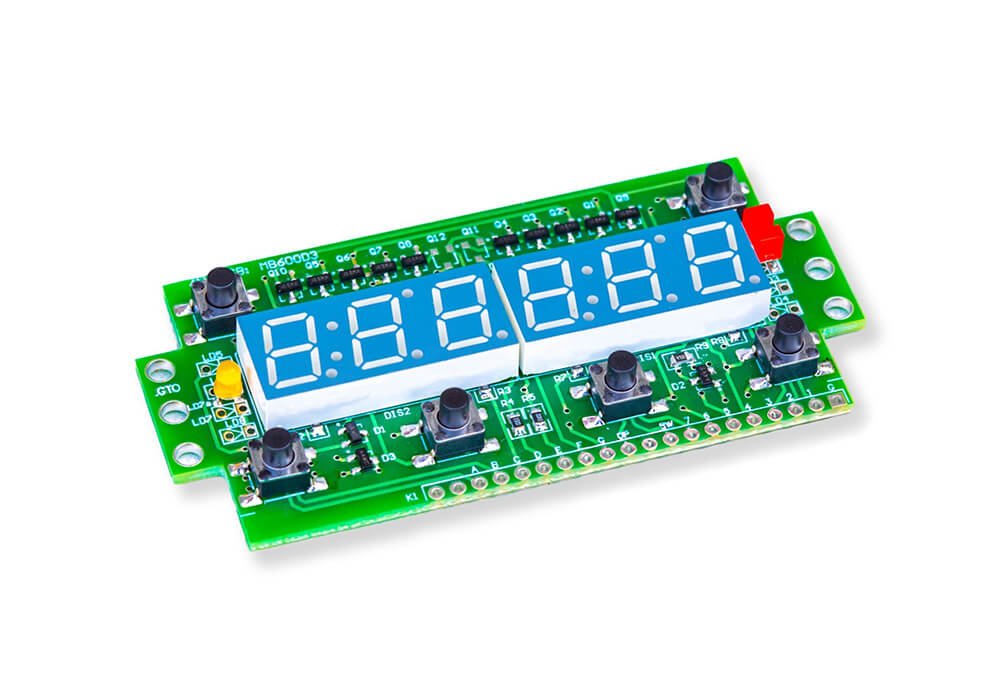
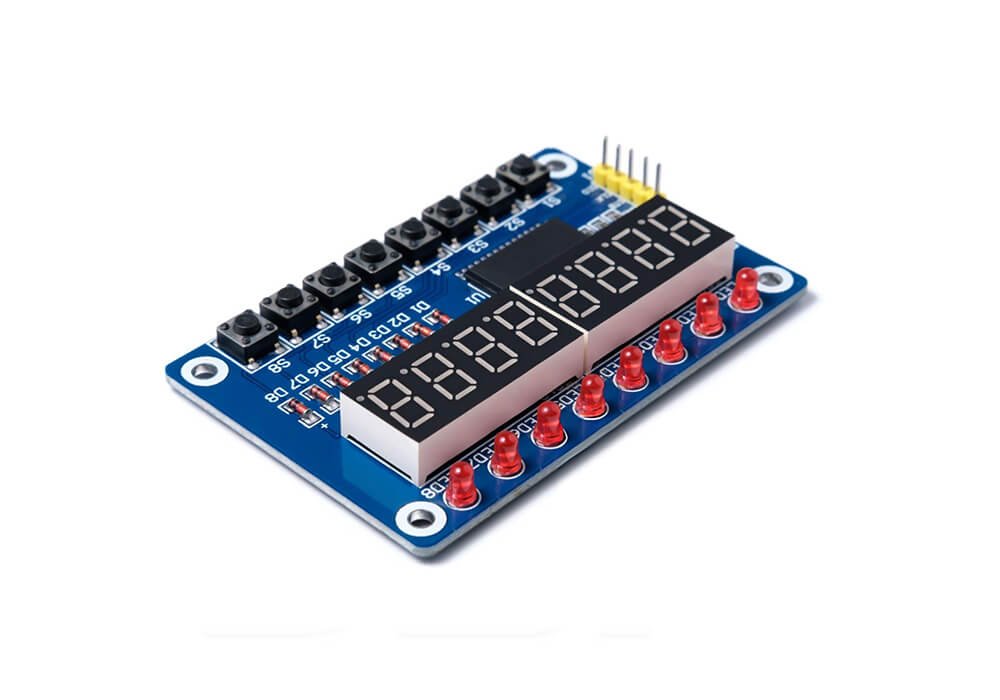
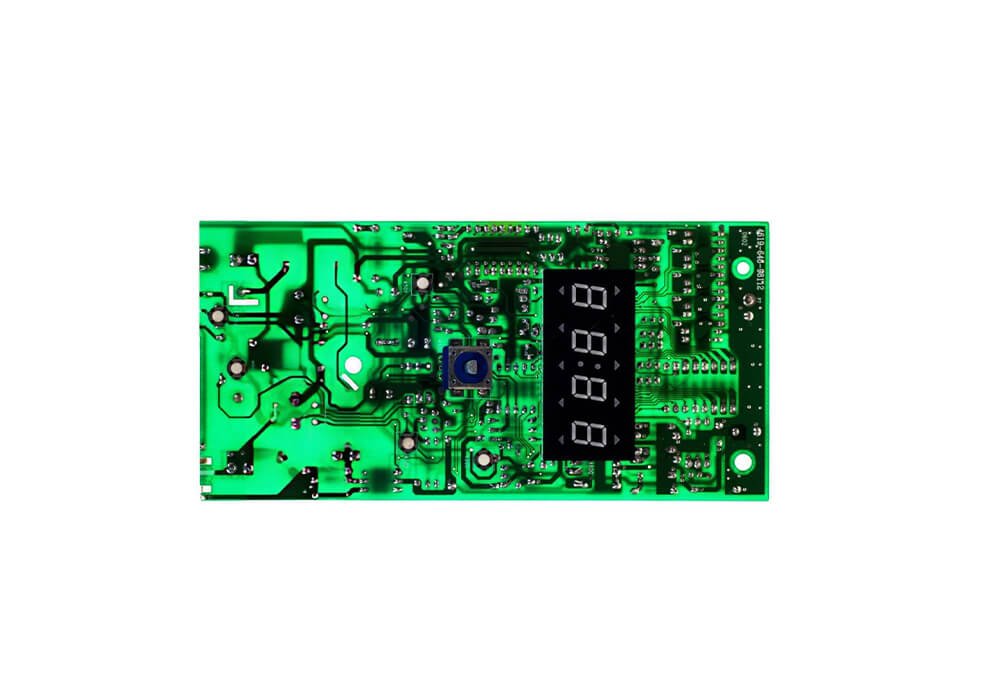
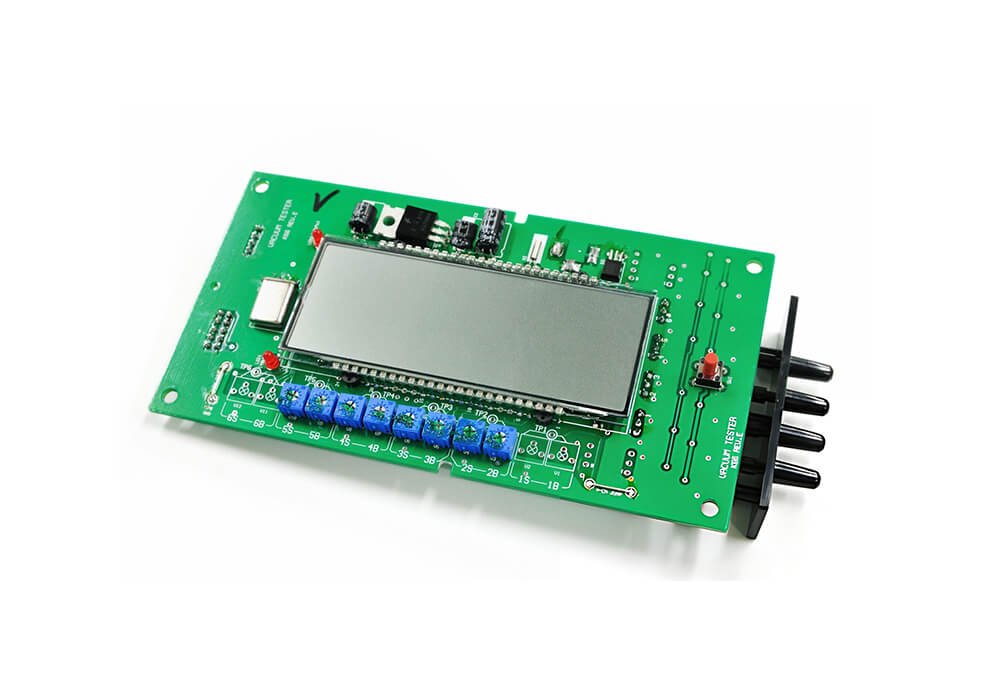

/Ideal for LED, LCD, and OLED Displays/
Display PCB
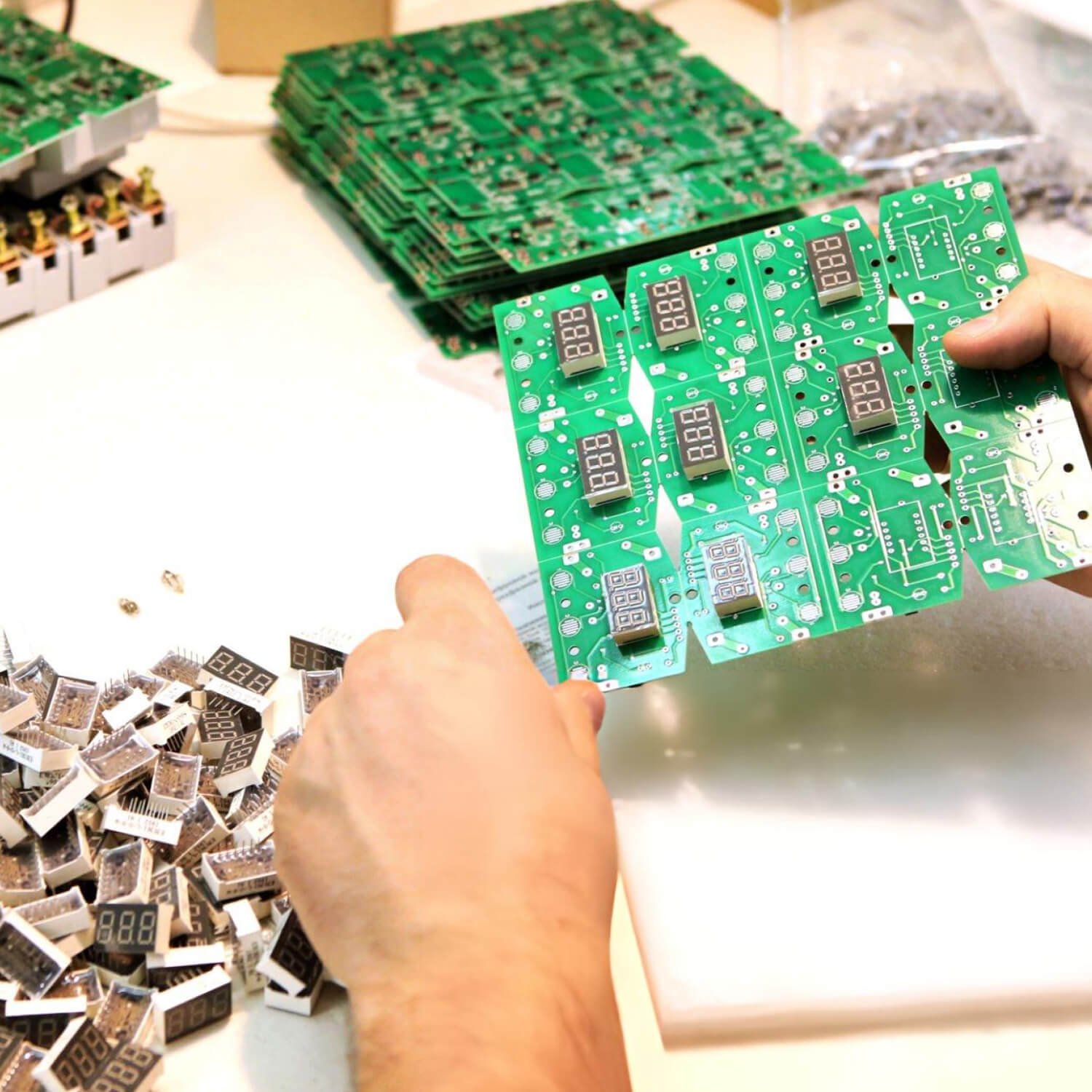
PCBSAIL specializes in manufacturing high-quality Display PCB for modern electronic displays.
With over 10 years of experience in PCB fabrication and PCBA services, we provide reliable, cost-effective, and high-performance circuit boards for LED displays, LCD panels, OLED screens, industrial displays, and smart devices.
Our Display PCBs are engineered to ensure high-speed signal transmission, superior image quality, excellent thermal performance, and long-term reliability. It made them ideal for both consumer and industrial applications.
What Is Display PCB?
A Display PCB is designed to drive and control display modules. It connects all electronic components to generate images. And it ensures that signals are accurately transmitted to produce clear, stable, and vibrant visuals.
Display PCBs must handle high-speed signal transmission, high brightness loads, and continuous thermal stress.
Functions Including:
- Signal transmission
- Power distribution
- Pixel control
- Brightness regulation
- Refresh rate optimization
Without a well-designed Display PCB, issues such as flickering, ghosting, or signal delay can significantly degrade display performance.
Display PCB We Offered.
We provide a full range of Display PCBs for consumer display boards and industrial applications.
Our Capacity.

LED Display PCB
LED Display PCBs are designed to drive high-brightness LEDs with stable current and efficient heat dissipation.
- High current-carrying capability
- Excellent thermal management
- Long operational lifespan

LCD Display PCB
LCD Display PCBs are optimized for precise signal transmission and low electromagnetic interference, ensuring stable and flicker-free display performance.
- Fine-pitch routing for high-resolution displays
- Low EMI/EMC design
- Stable voltage regulation
- High signal integrity

OLED Display PCB
OLED Display PCBs support ultra-thin, lightweight, and flexible display modules with high contrast and fast response times.
- Flexible PCB compatibility
- High-density interconnect (HDI)
- Low power consumption
- Superior image quality support

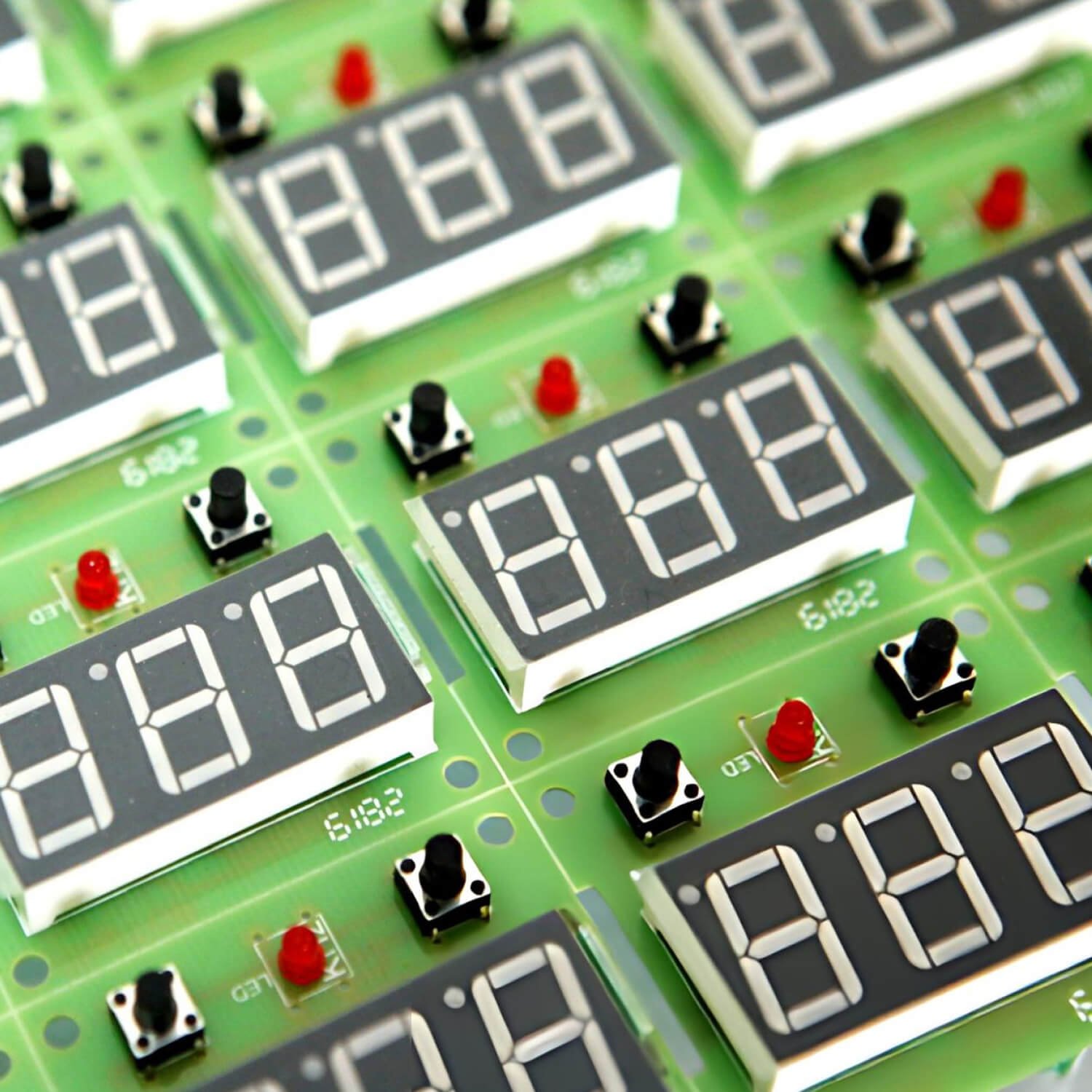
7-Segment Display PCB
7-Segment Display PCBs are used for simple numeric or alphanumeric displays, offering cost-effective and reliable performance.
- Simple circuit design
- High reliability
- Low manufacturing cost

Flexible Display PCB
Flexible Display PCBs are designed for applications requiring bending, folding, or dynamic movement.
- Ultra-thin and lightweight
- Bendable and foldable
- High durability under motion

Item | Rigid PCB | Flexible PCB | Rigid-Flex PCB |
Max Layer | 60L | 8L | 36L |
Inner Layer Min Trace/Space | 3/3mil | 3/3mil | 3/3mil |
Out Layer Min Trace/Space | 3/3mil | 3.5/4mil | 3.5/4mil |
Inner Layer Max Copper | 6oz | 2oz | 6oz |
Out Layer Max Copper | 6oz | 20z | 3oz |
Min Mead hanical Driling | 0.15mm | 0.1mm | 0.15mm |
Min Laser Drilling | 0.1mm | 0.1mm | 0.1mm |
Max Aspect Ratio (Mechanical Drilling) | 20:01 | 10:01 | 12:01 |
Max Aspect Ratio (Laser Drilling) | 1:01 | / | 1:01 |
Press Fit Hole Tolerance | ±0.05mm | ±0.05mm | ±0.05mm |
PTH Tolerance | ±0.075mm | ±0.075mm | ±0.075mm |
NPTH Tolerance | ±0.05mm | ±0.05mm | ±0.05mm |
Countersink Tolerance | ±0.15mm | ±0.15mm | ±0.15mm |
Board Thickness | 0.4-8mm | 0.1-0.5mm | 0.4-3mm |
Board Thickness Tolerance(<1.0mm) | ±0.1mm | ±0.05mm | ±0.1mm |
Board Thickness Tolerance(≥1.0mm) | ±10% | / | ±10% |
Min Board Size | 10*10mm | 5*10mm | 10*10mm |
Max Board Size | 22.5*30 inch | 9*14 inch | 22.5*30 inch |
Contour Tolerance | ±0.1mm | ±0.05mm | ±0.1mm |
Min BGA | 7mil | 7mil | 7mil |
Min SMT | 7*10mil | 7*10mil | 7*10mil |
Min Solder Mask Clearance | 1.5mil | 3mil | 1.5mil |
Min Solder Mask Dam | 3mil | 8mil | 3mil |
Min Legend Width/Height | 4/23mil | 4/23mil | 4/23mil |
Strain Fillet Width | / | 1.5±0.5mm | 1.5±0.5mm |
Bow &Twist | 0.003 | / | 0.0005 |
Standards for Display PCB.
To ensure consistent quality, reliability, and global compliance, our Display PCBs were designed and manufactured according to recognized international standards.

IPC Standards
The IPC standards are the most widely adopted guidelines in PCB manufacturing.

ISO Standard
We adhere to internationally recognized ISO systems.

RoHS
Display PCBs must comply with RoHS, especially for global markets.

UL Certification
UL certification ensures PCB materials meet fire resistance and safety standards.
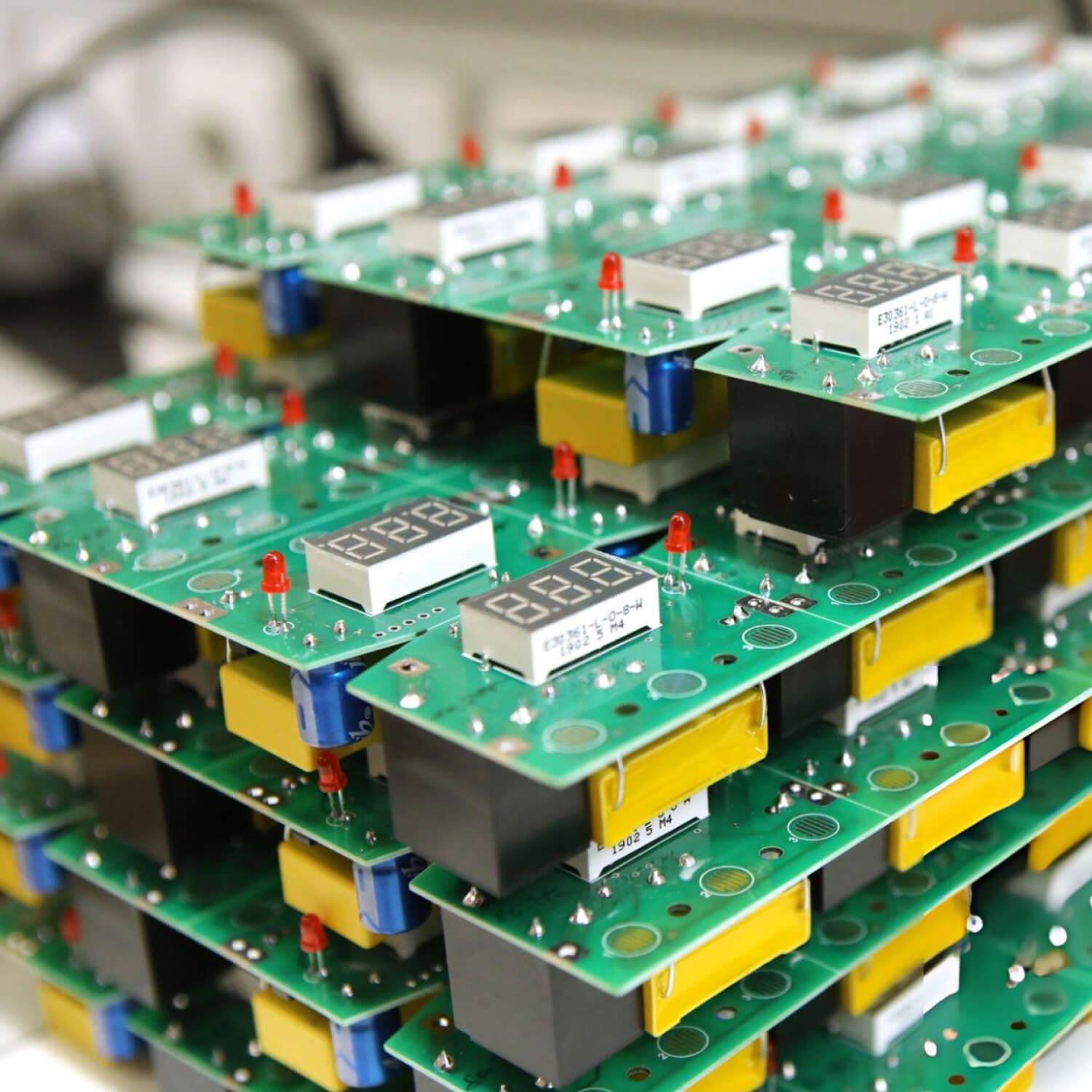
Display PCB Feature
Our Display PCBs are designed and made to ensure optimal performance in LED, LCD, and OLED applications.
High Signal Integrity
Display systems rely on fast and accurate data transmission. Our Display PCBs are optimized to maintain clean and stable signals.
- Controlled impedance routing
- Differential pair matching
- Reduced signal reflection and loss
- Minimal crosstalk
Excellent Thermal Management
High-brightness displays generate significant heat, especially in LED and outdoor applications.
- Thermal vias for heat transfer
- Copper pours and thick copper layers
- Metal-core (aluminum) PCB options
- Heat sink compatibility
High-Density Interconnect
Modern display modules require compact and complex circuit designs.
- Microvias, blind and buried vias
- Fine trace and spacing (down to 3/3 mil)
- Multilayer stack-up support
ow EMI / EMC
Electromagnetic interference can degrade display quality and cause instability.
- Optimized grounding and shielding
- Controlled return paths
- Noise reduction layout strategies
Design for Display PCB
When we are designing a high-performance Display PCB, we need to pay careful attention to electrical, thermal, and mechanical factors.
1. PCB Layout & Stack-Up
A robust layout is the foundation of any Display PCB.
We Need To:
- Use multilayer stack-ups for complex designs
- Separate power, ground, and signal layers
- Optimize via placement to minimize signal disruption
- Keep high-speed traces as short and direct as possible
2. Signal Integrity
Display PCBs often run at high frequencies, especially in high-resolution and high-refresh-rate applications.
We Should:
- Controlled impedance routing
- Differential pair matching (length and spacing)
- Minimized signal reflection and attenuation
- Reduced crosstalk between adjacent traces
3. EMI / EMC Control
Electromagnetic interference can degrade display performance and affect nearby components.
We Need To:
- Proper grounding and shielding
- Continuous return paths for signals
- Strategic placement of decoupling capacitors
- Isolation of high-speed and sensitive circuits
4. Thermal Management
Displays—especially LED-based systems—generate significant heat.
We Should:
- Use thermal vias to transfer heat across layers
- Add copper pours for heat spreading
- Consider metal-core PCBs (aluminum) for high-power designs
- Ensure proper airflow or heat sink integration
5. Power Distribution Network
Stable power delivery is critical for consistent display brightness and performance.
We Need To:
- Low-impedance power planes
- Proper decoupling and bypass capacitors
- Voltage regulation for sensitive components
- Separation of analog and digital power domains
6. Connector & Interface Design
Display PCBs must interface seamlessly with panels and external systems.
Interfaces:
- FPC connectors
- Ribbon cables
- Board-to-board connectors
- Advanced packaging (COB, COF, TAB)
Why Choose Us
We deliver high-value Display PCB solutions with advanced manufacturing, engineering expertise, and customer-focused service.

Turnkey PCB Solution
We provide a complete end-to-end service, eliminating the complexity of managing multiple vendors. We can do:
- PCB design and engineering support
- PCB fabrication Component sourcing
- PCB assembly (SMT, THT, mixed)
- Final testing and quality assurance

Quality
Industrial applications demand the highest level of reliability. We adhere to globally recognized standards:
- IPC-A-610 Class 3 (high-reliability electronics)
- IPC-6012 (PCB performance standards)
- ISO 9001
- ISO 14001
- UL 94

Advanced Manufacturing
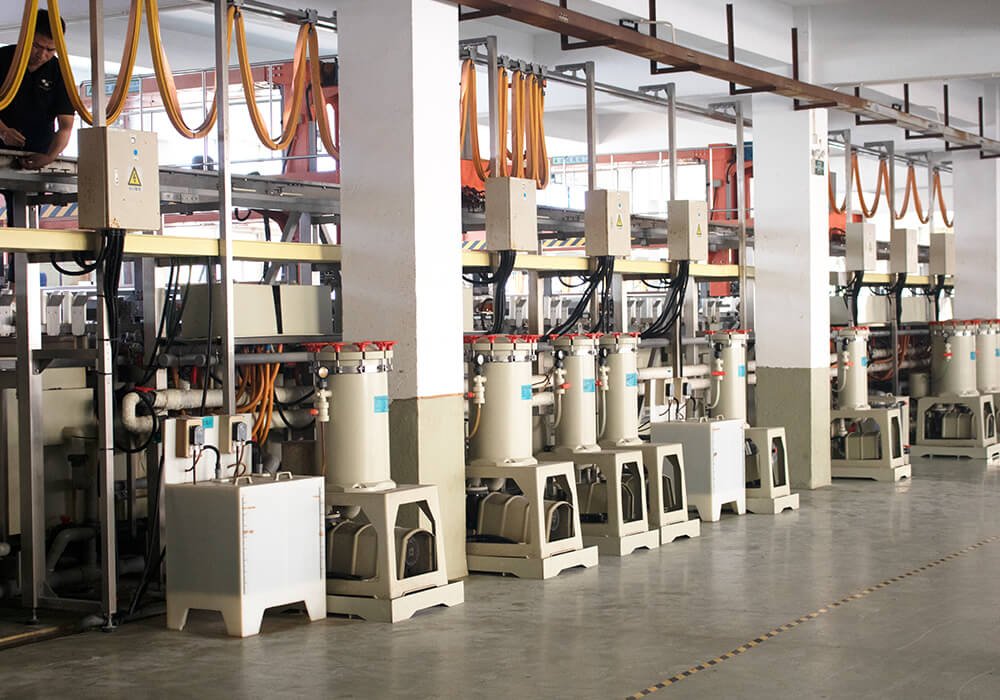
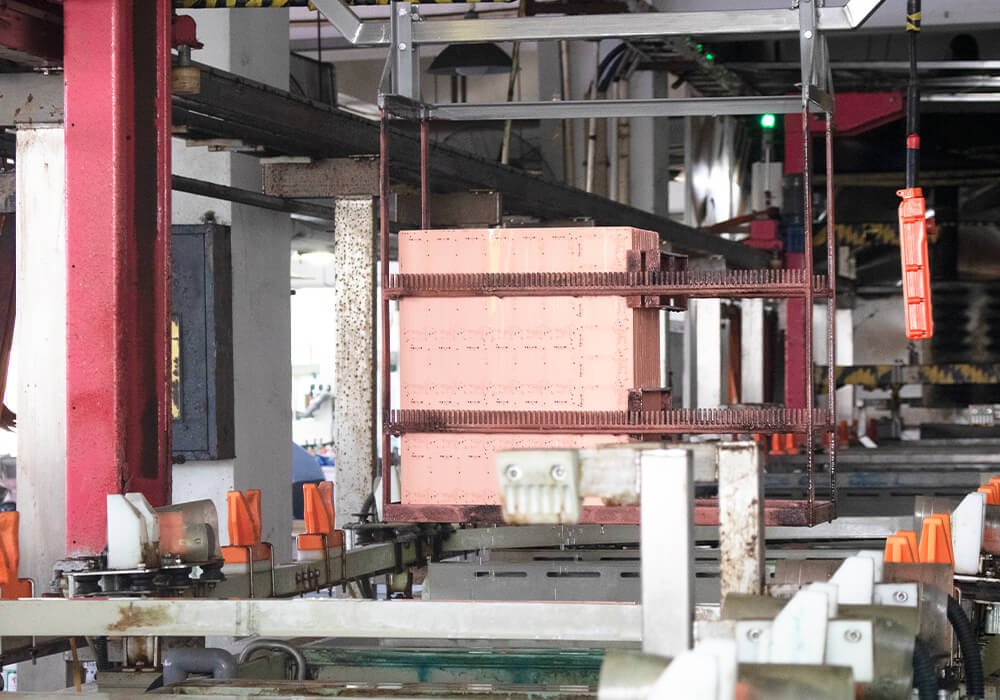
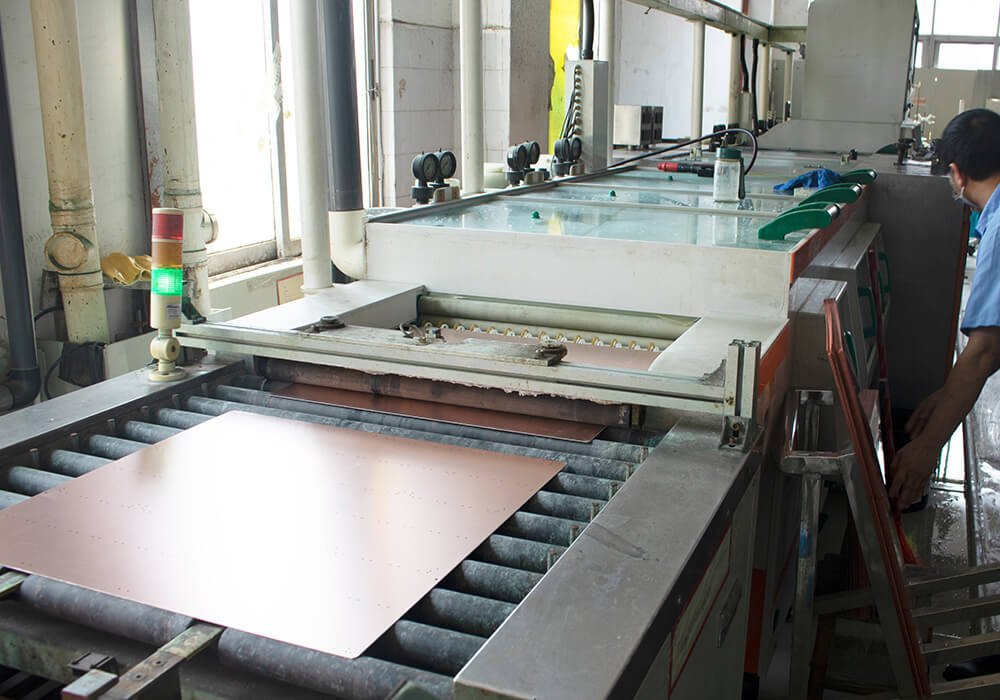
Our state-of-the-art facilities support complex and high-precision PCB assembly. We can do:
- Fine-pitch placement down to 0.38mm
- BGA (0.2mm pitch) with X-ray inspection
- Support for 0201 components
- High-density multilayer PCBs
- Mixed technology assembly (SMT + Through-hole)

Testing & Inspection
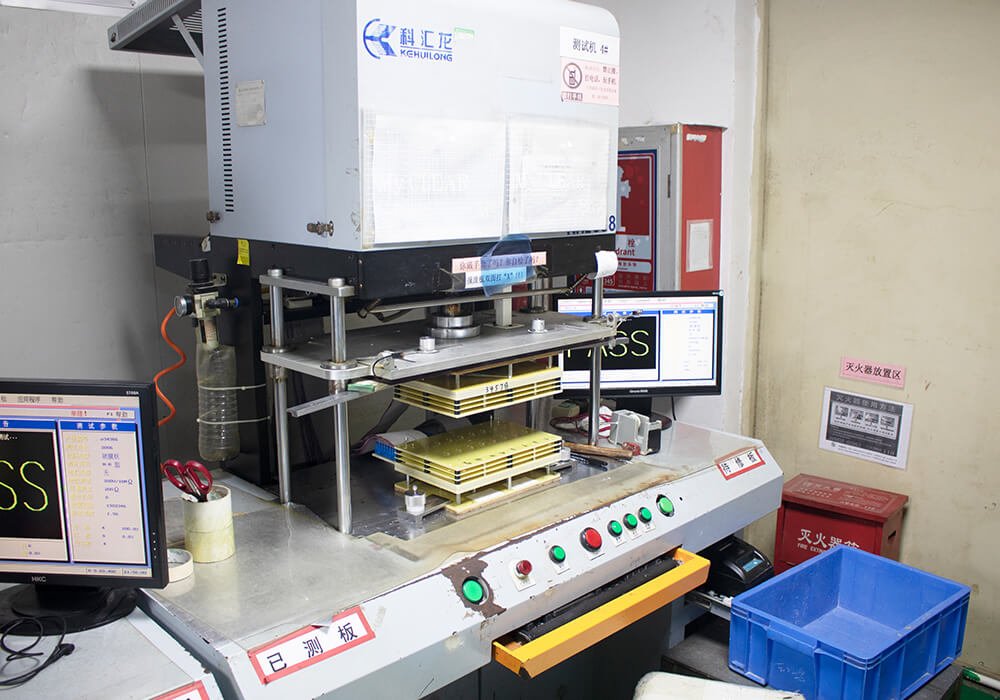
We implement multi-level testing to ensure every industrial control PCBA meets strict performance requirements.
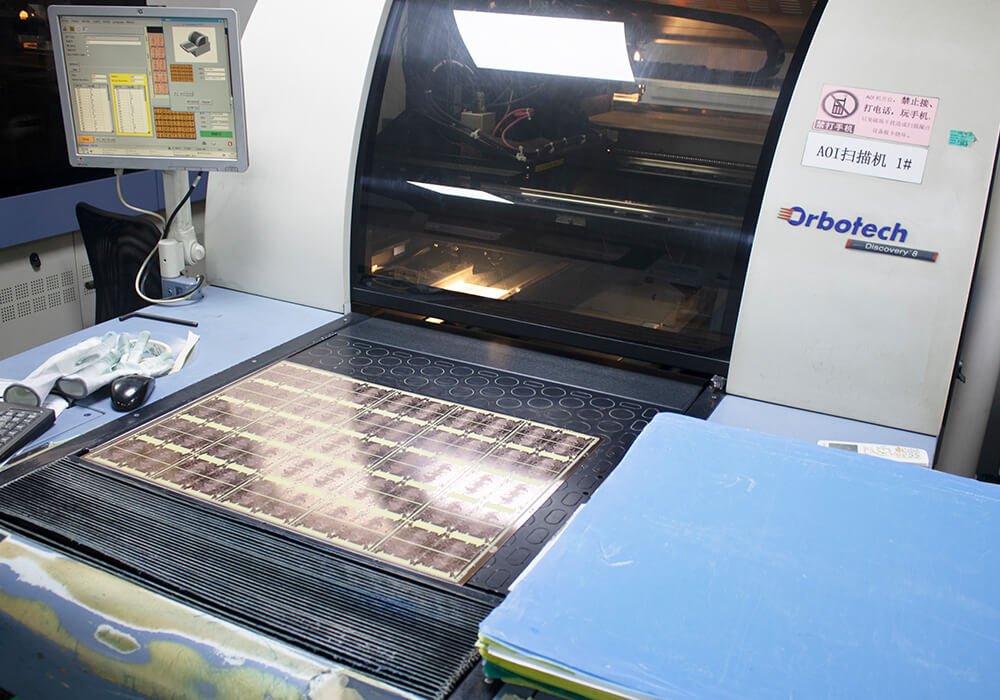
- AOI (Automated Optical Inspection)
- X-ray inspection for hidden solder joints
- In-Circuit Testing (ICT)
- Functional testing under real operating conditions
- Voltage and performance validation
Fast Quotation
Our professional sales and engineering teams provide fast PCB quotes and technical support. Simply send us your Gerber files, BOM, and assembly drawings, and we will respond promptly with a competitive solution.
- Gushu Tangxi Second Industrial Zone, Shenzhen
- +86 755 2335 0814
- +86 135 1078 8094
- sales@pcbasail.com
FAQ About Display PCB?
1. What is a Display PCB?
A Display PCB is a specialized printed circuit board used to control and drive display modules such as LED, LCD, and OLED screens.
It manages signal transmission, power distribution, and pixel control to ensure clear, stable, and high-quality visuals.
2. Which Materials Are Used In Display PCBs?
Common Materials:
- FR-4 – Standard and cost-effective
- Aluminum core – Excellent heat dissipation
- Ceramic – High thermal conductivity and stability
- Polyimide (Flexible) – For bendable and compact designs
3. What Surface Finishes Are Available?
We offer multiple surface finishes to meet different needs:
- ENIG (Electroless Nickel Immersion Gold)
- HASL (Lead-free available)
- OSP (Organic Solderability Preservative)
- Immersion Silver
- Hard Gold
ENIG and gold finishes are commonly used for high-end display applications.
4. Can You Support High-Frequency Or High-Speed Display PCB Designs?
Yes. We support high-frequency applications using:
- Low-loss materials
- Controlled impedance design
- Multilayer stack-ups
These are ideal for high-resolution displays, gaming monitors, and advanced electronics.
5. What Is Your Typical Lead Time?
- Prototype production: 3–7 days
- Mass production: 2–4 weeks
Lead time may vary depending on complexity and order volume.
6. What Files Are Required For A Quotation?
To provide an accurate quote, we typically need:
- Gerber files
- Bill of Materials (BOM) (for PCBA)
- PCB specifications (material, thickness, layers)
- Quantity and delivery requirements
7. Can You Help Optimize My Display PCB Design?
Yes. Our engineering team offers:
- Design for Manufacturability (DFM) analysis
- Material selection advice
- Signal and thermal optimization