- Home /
- PCB Assembly /
- SMT Assembly
SMT Assembly Services.
PCBSAIL offer surface-mount assembly for engineering prototypes, low-volume builds, and production orders.
Before the production, our engineers review your design files and confirm the assembly and testing requirements. We will handle component placement, reflow soldering, and inspection. We can provide component sourcing and wire and cable assembly services.
01005 Min. Component Available
0.30 mm Min. IC And BGA Pitch
PCB sizes from 50 × 50 mm to 510 × 460 mm
0.20 mm To 5.00 mm Thick
Prototype Through Mass Production
Rigid PCB And Flexible PCB (FPC) Assembly
What Is SMT Assembly?
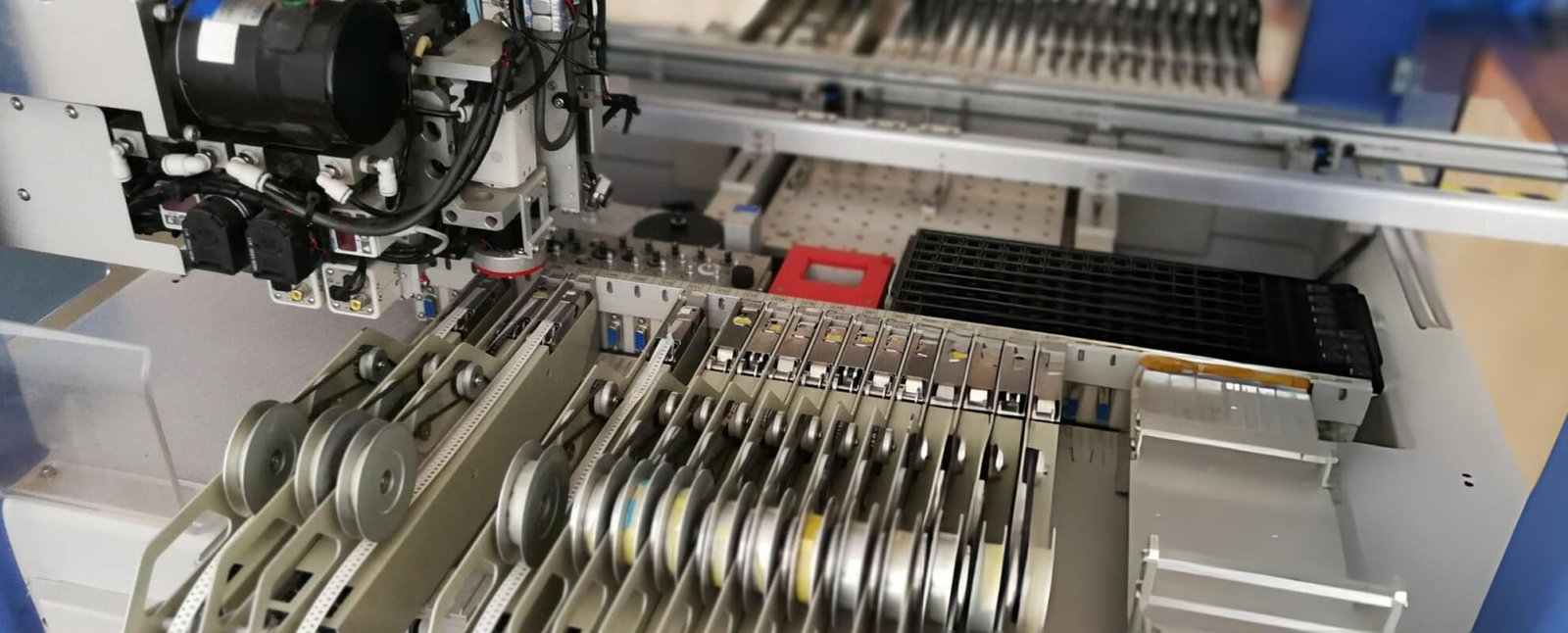
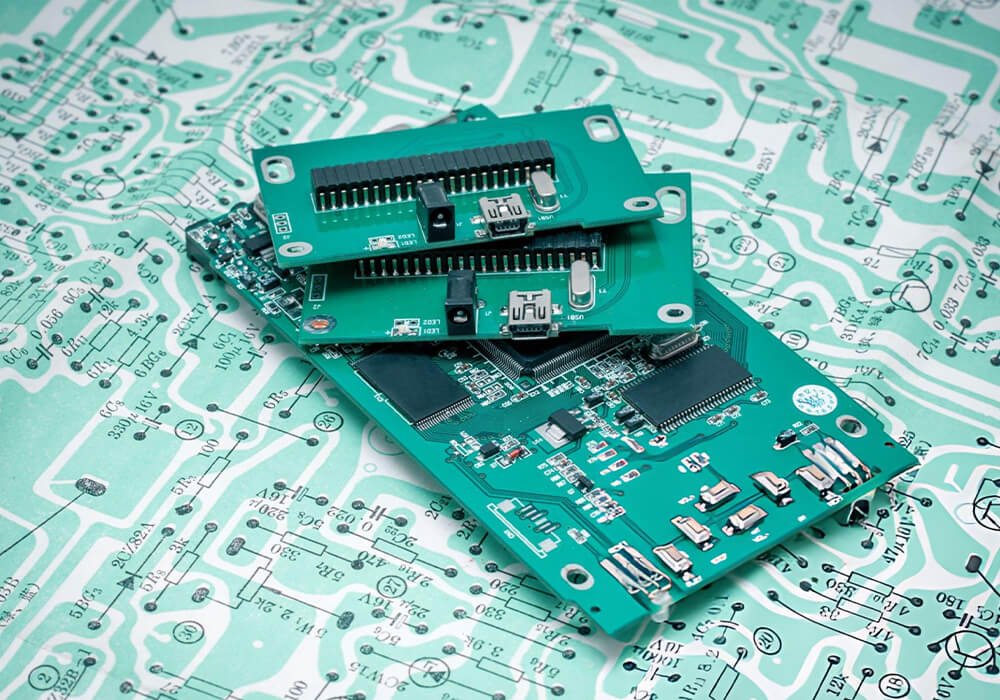
Surface Mount Technology (SMT) assembly is a widely used PCB assembly method that places surface mount components directly onto printed circuit boards using automated pick-and-place equipment. Compared with the through-hole assembly, SMT offers higher assembly efficiency, greater component density, shorter production cycles, and excellent performance for advanced electronic applications.
When Is SMT Assembly a Good Fit?
SMT assembly is suitable when your design uses surface-mount components, especially for compact boards with closely spaced parts. It works for prototypes, small batches, and high-volume production. If the board also has through-hole connectors or other leaded parts, both assembly methods can be used on the same board.

Compact and Dense PCB Layouts
Surface-mount components can place more circuitry into a small board. The layout still needs enough space for solder paste printing, placement, inspection, and any cleaning or rework.
Engineering Prototypes and NPI
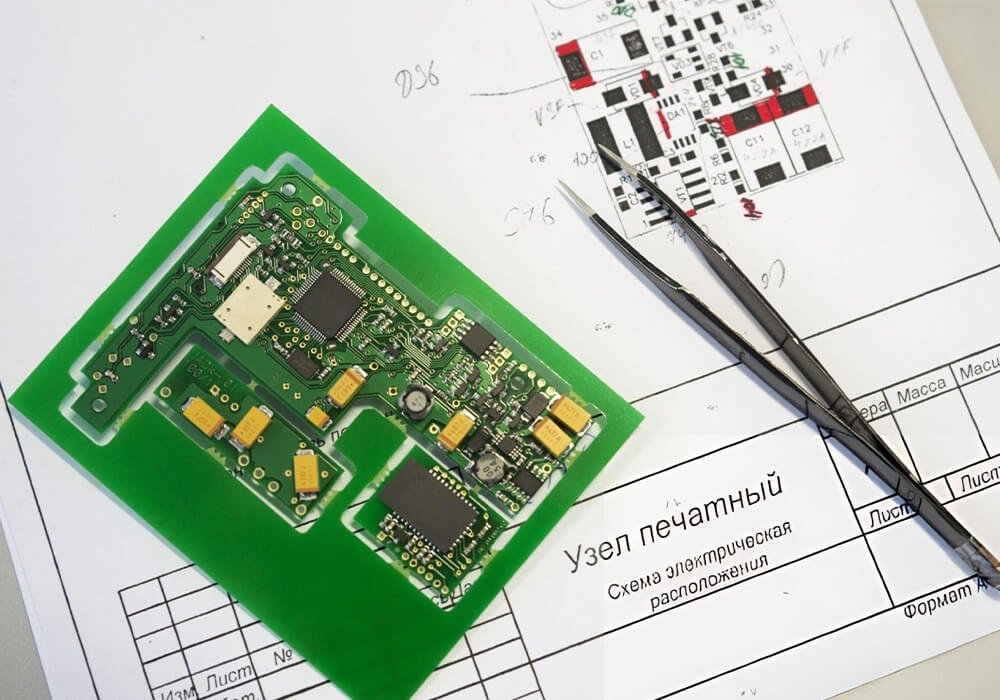
Early builds help catch incorrect footprints, reversed components, sourcing problems, and hard-to-reach test points. Before assembly, we agree with your team on what the prototype needs to check.
Low-Volume and Repeat Production
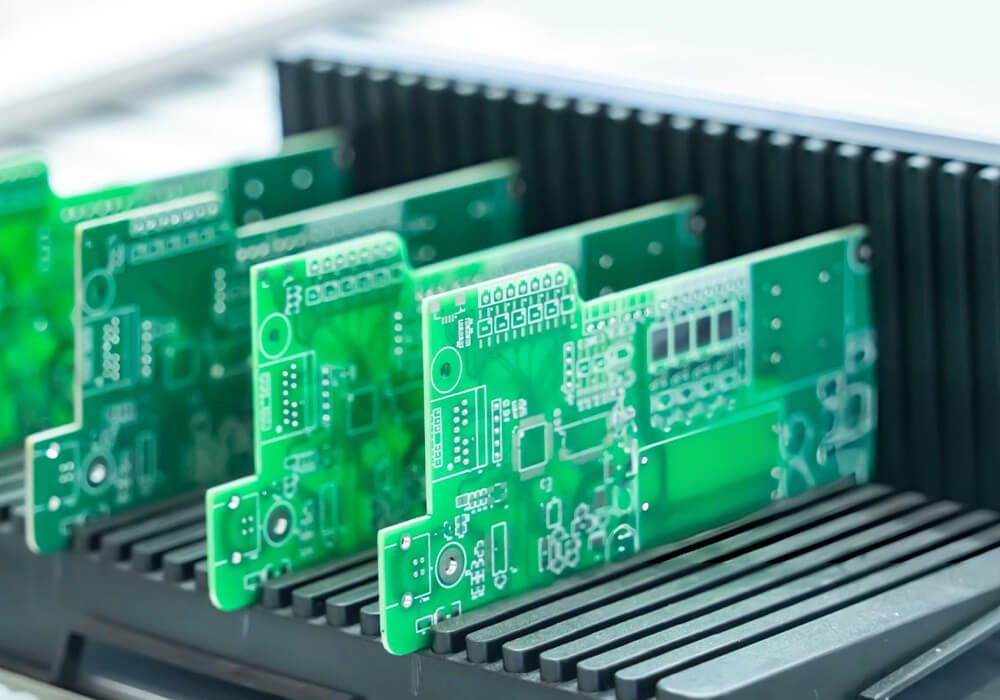
A controlled manufacturing package makes later builds easier to reproduce. It keeps revision history, approved materials, substitutions, work instructions, inspection coverage, test limits, and packaging requirements connected to the released product.
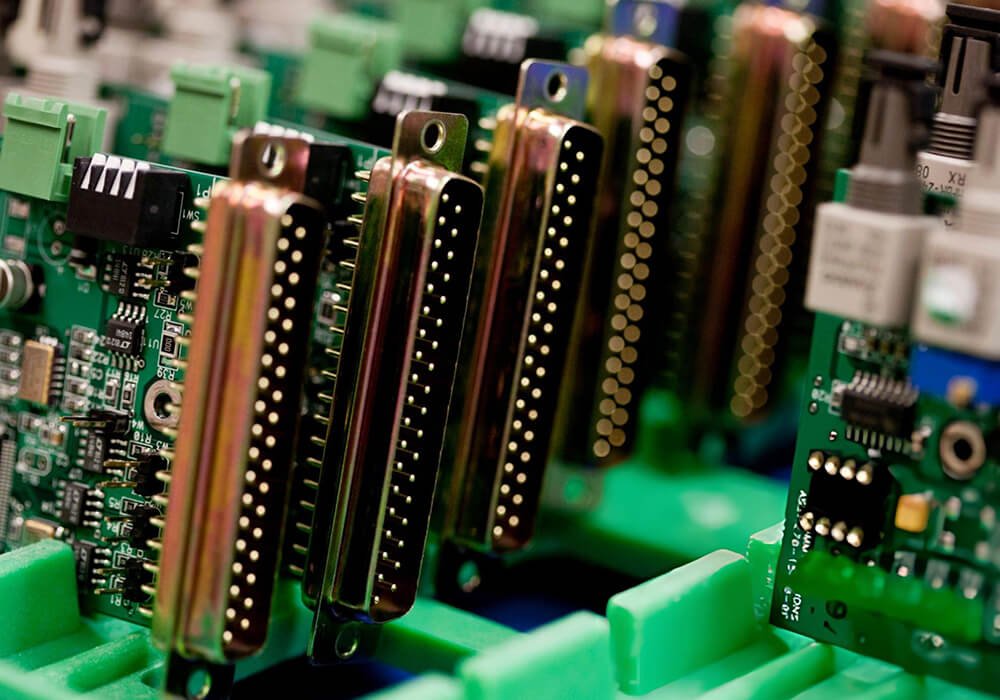
Mixed-Technology Assemblies
Some boards combine surface-mount components with through-hole connectors, transformers, or switches. We plan the assembly sequence so each part is fitted, soldered, and inspected using the appropriate method.
Our SMT Assembly Capability
We supports surface-mount assembly for rigid and flexible PCBs across prototype, low-volume, mid-volume, and mass production.
Capability | Specification |
PCB Size | 50 × 50 mm to 510 × 460 mm |
PCB Thickness | 0.20 mm to 5.00 mm |
PCB Types | |
Min. Component | 01005 |
Max. Component Body | 45 ×98 mm |
Min. IC Lead Pitch | 0.30 mm |
Min. BGA Pitch | 0.30 mm |
Max. Component Height | 25 mm |
Placement Accuracy | ±41 μm for chip components; ±37.5 μm for IC components |
Daily Capacity | Up to 20 million component placements |
Technology | High-speed automated pick-and-place, fine-pitch placement, and double-sided SMT assembly |
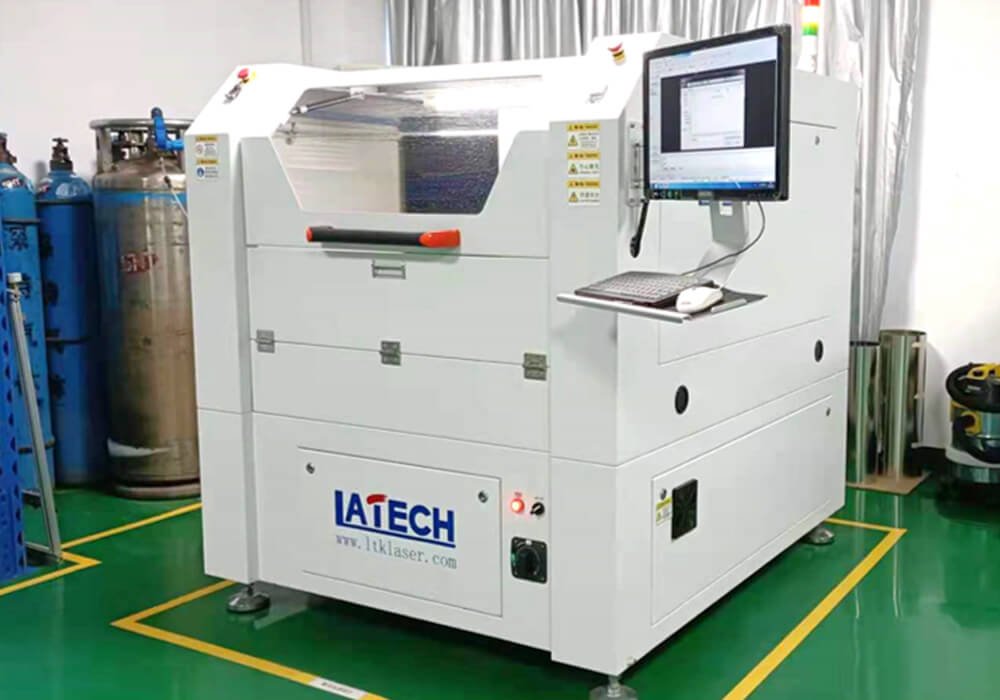
Additional Manufacturing Services | Laser marking, conformal coating, potting, press-fit assembly, mechanical assembly, burn-in testing, and custom services |
What Should You Send?
- 1. Gerber or ODB++ fabrication files
- 2. Bill of materials with manufacturer details
- 3. Centroid or component placement data
- 4. Assembly drawings and special instructions
- 5. Testing, programming, and packaging requirements
SMT Assembly Process
Each step in the SMT Assembly process is critical to ensuring product reliability, electrical performance, and manufacturing consistency. We can deliver high-quality PCB assemblies for both prototype and mass production.
1. Pre-Assembly Preparation
Before SMT production begins, our engineers review the PCB design files, Gerber data, BOM, and assembly drawings.
2. Solder Pad Preparation
The PCB solder pads must be clean, flat, and free of contamination before solder paste application.
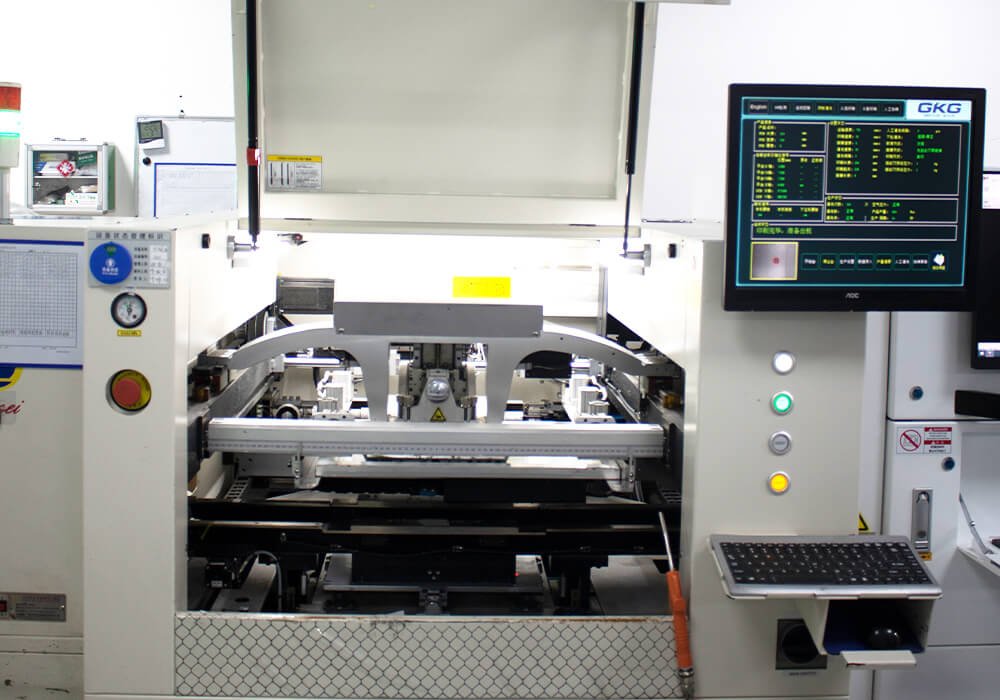
3. Solder Paste Printing
The SMT assembly process starts with applying solder paste onto the PCB pads using a precision stainless steel stencil.
4. Component Placement
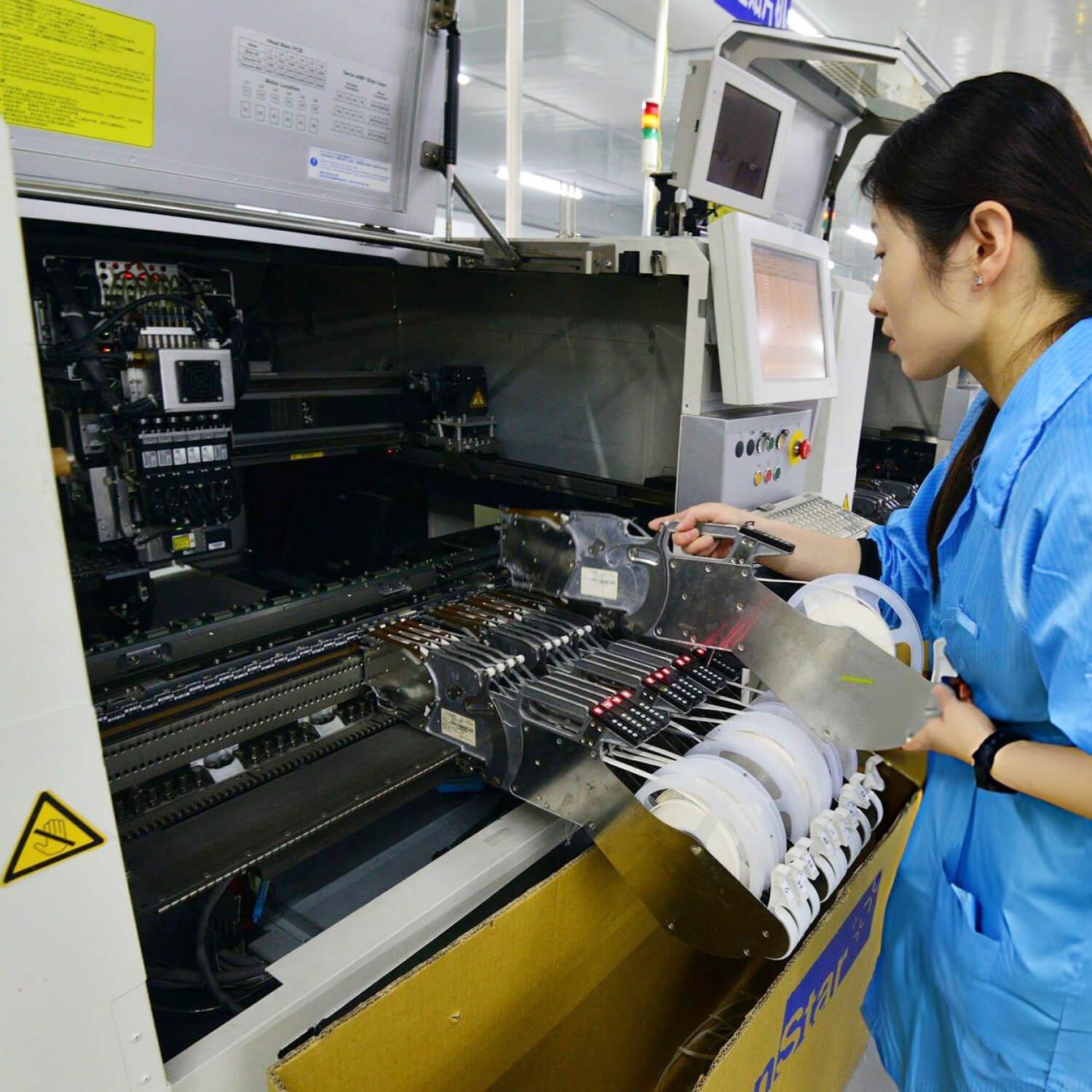
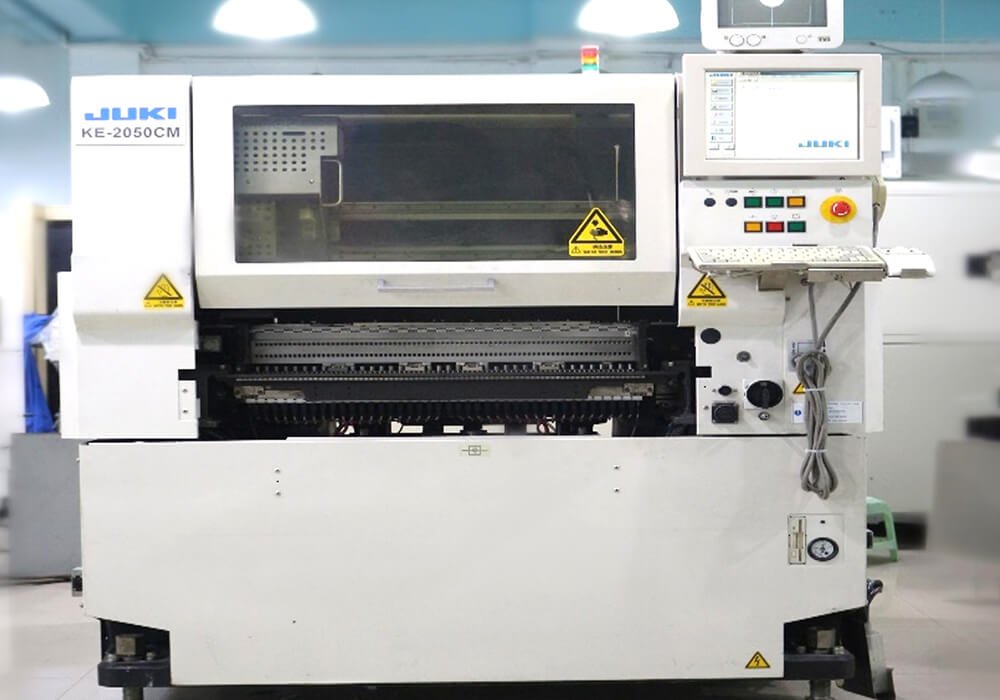
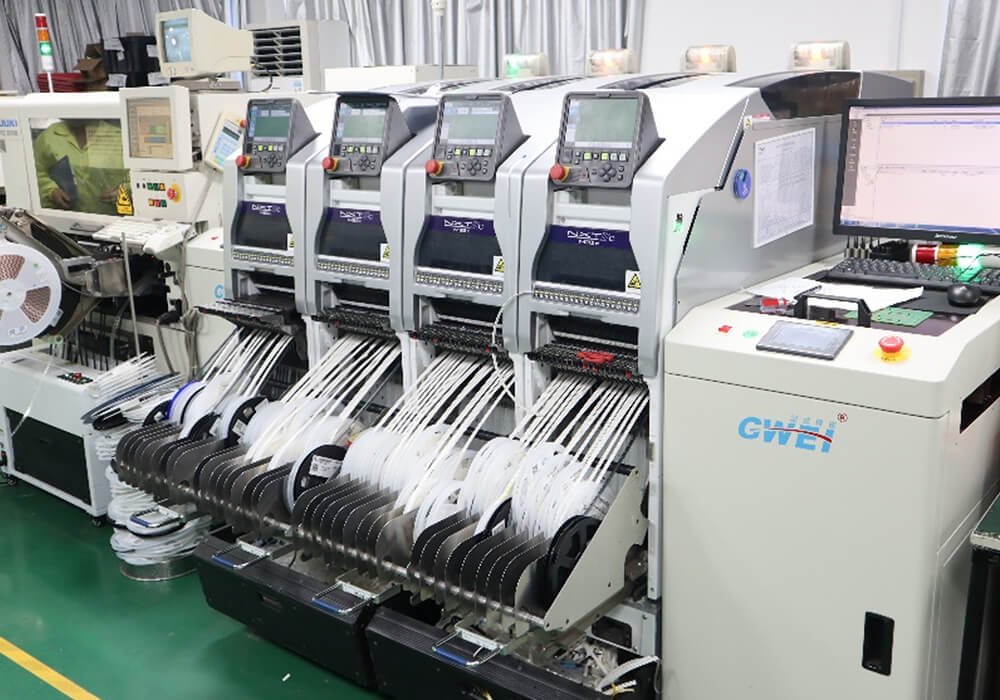
After solder paste printing, automated pick-and-place machines accurately position surface mount components onto the PCB.
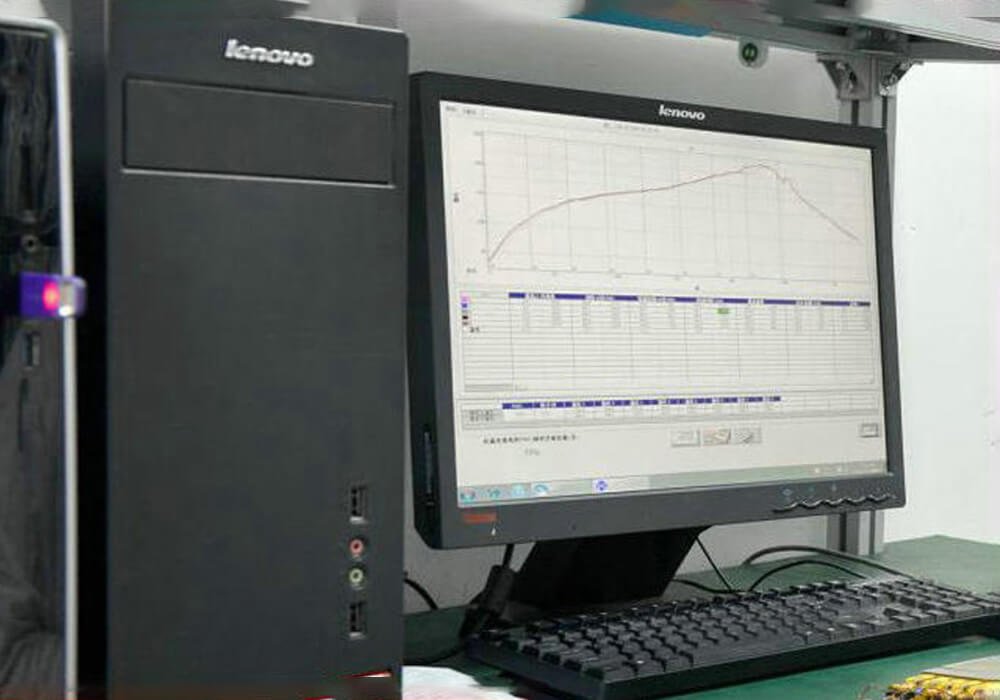
5. Reflow Soldering
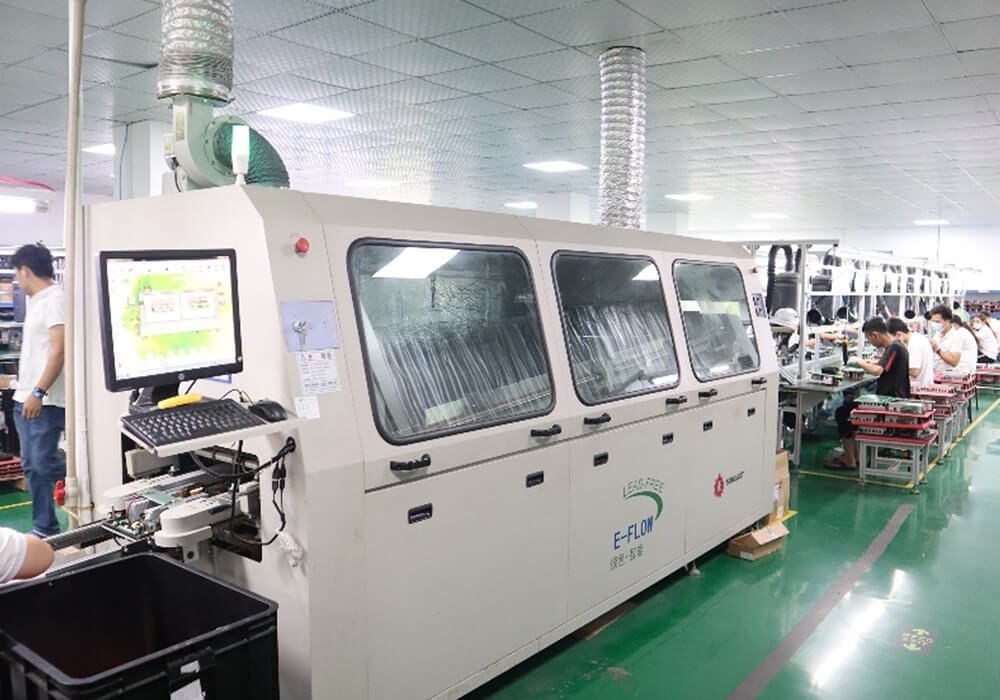
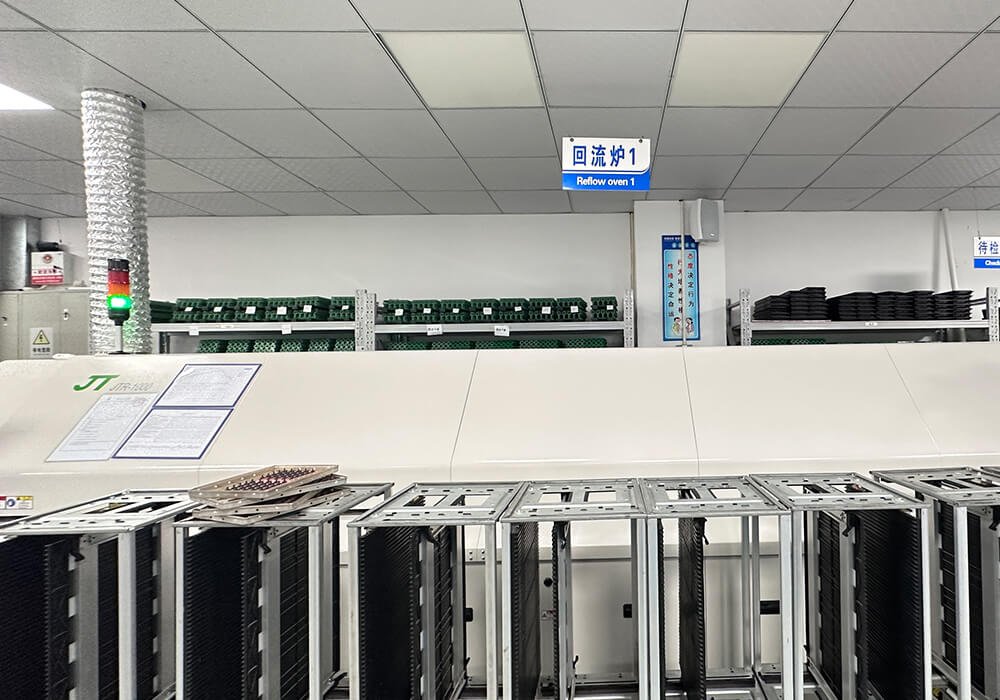
Once components are placed, the PCB enters a reflow oven. Reflow soldering permanently bonds components to PCB pads by melting the solder paste in a controlled temperature profile.
6. AOI/X-Ray Inspection
After reflow soldering, the assembled PCB undergoes Automated Optical Inspection (AOI) and X-Ray Inspection.
7. Final Inspection and Packaging
After completing SMT assembly and testing, finished PCB assemblies receive final quality checks before shipment.
SMT Inspection and Testing
We choose inspection and testing methods based on your board’s design and component types, and confirm the acceptance criteria with you before production.
1. Incoming Material Inspection
Before assembly begins, incoming components and materials are checked to confirm part numbers, quantities, packaging conditions, and required documentation.
2. Solder Paste Inspection
After solder paste printing, SPI equipment measures solder paste deposition quality on PCB pads. SPI helps identify printing problems before component placement, reducing solder-related defects during later assembly stages.
3. AOI
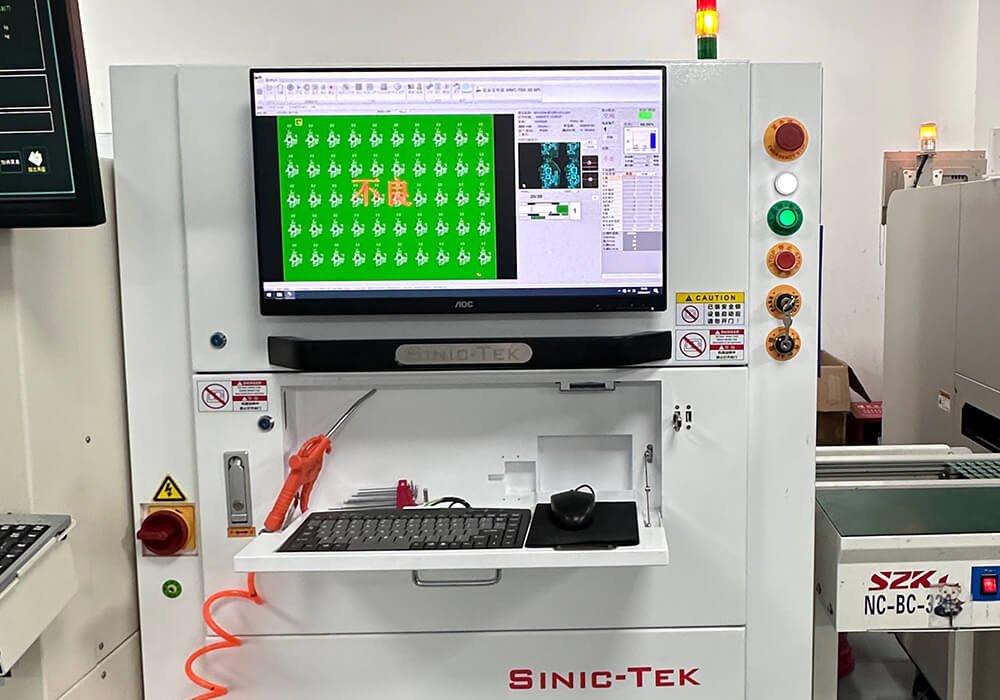
AOI systems inspect assembled PCBAs using high-resolution cameras and image analysis technology.
4. X-Ray Inspection
X-ray inspection is used for assemblies containing hidden solder connections or complex component packages.
5. Electrical Testing
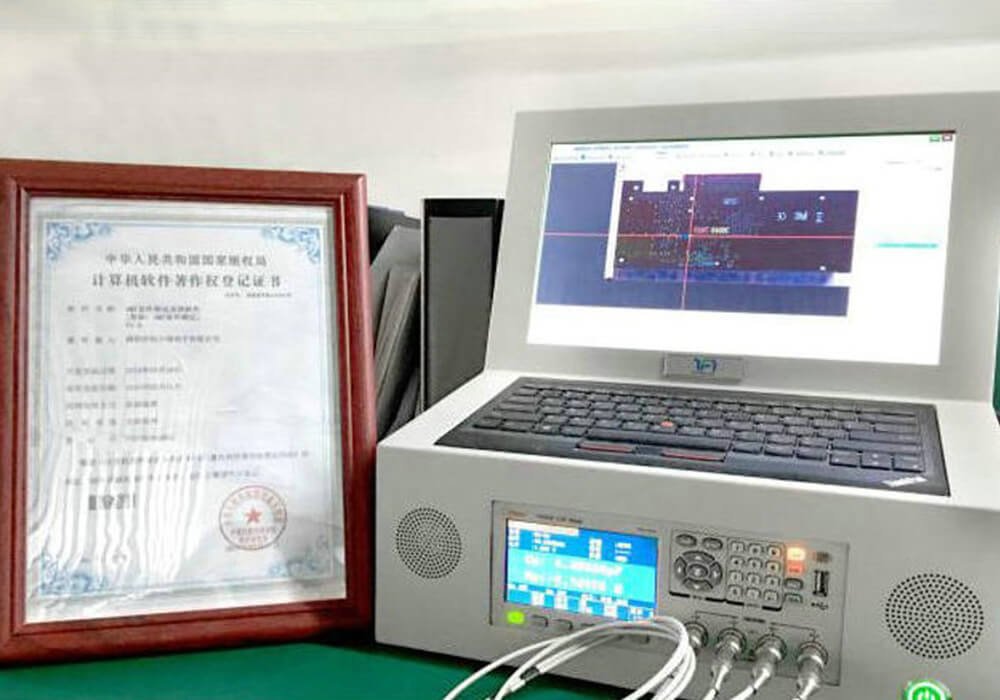
Electrical testing can identify issues such as open circuits, short circuits, incorrect component values, or selected circuit failures.
Factory Glance.
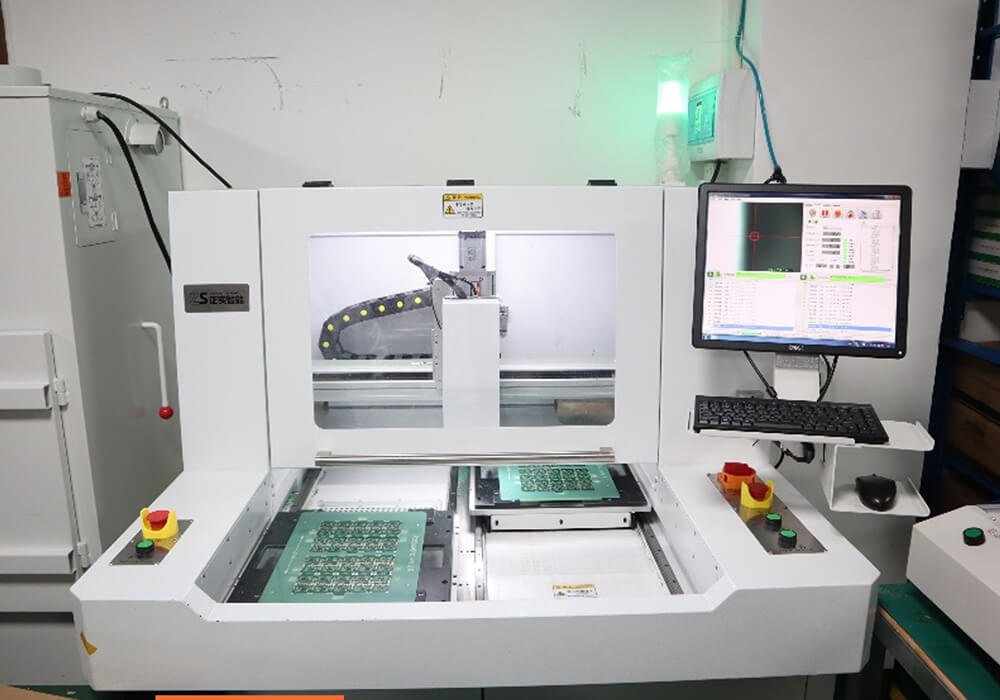
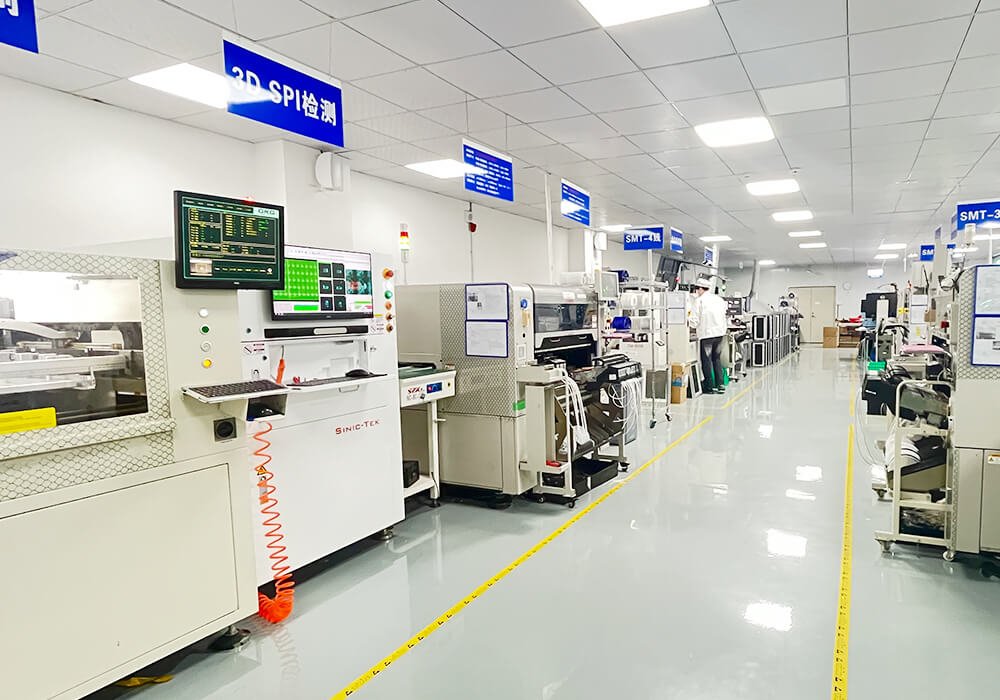
Our factory was equipped with automated SMT lines, intelligent process control systems, and advanced inspection equipment to support reliable PCB assembly from prototypes to high-volume production.
Industries We Have Previously Served.
We have provided professional SMT Assembly and turnkey PCBA manufacturing services to customers, such as consumer electronics, medical systems.

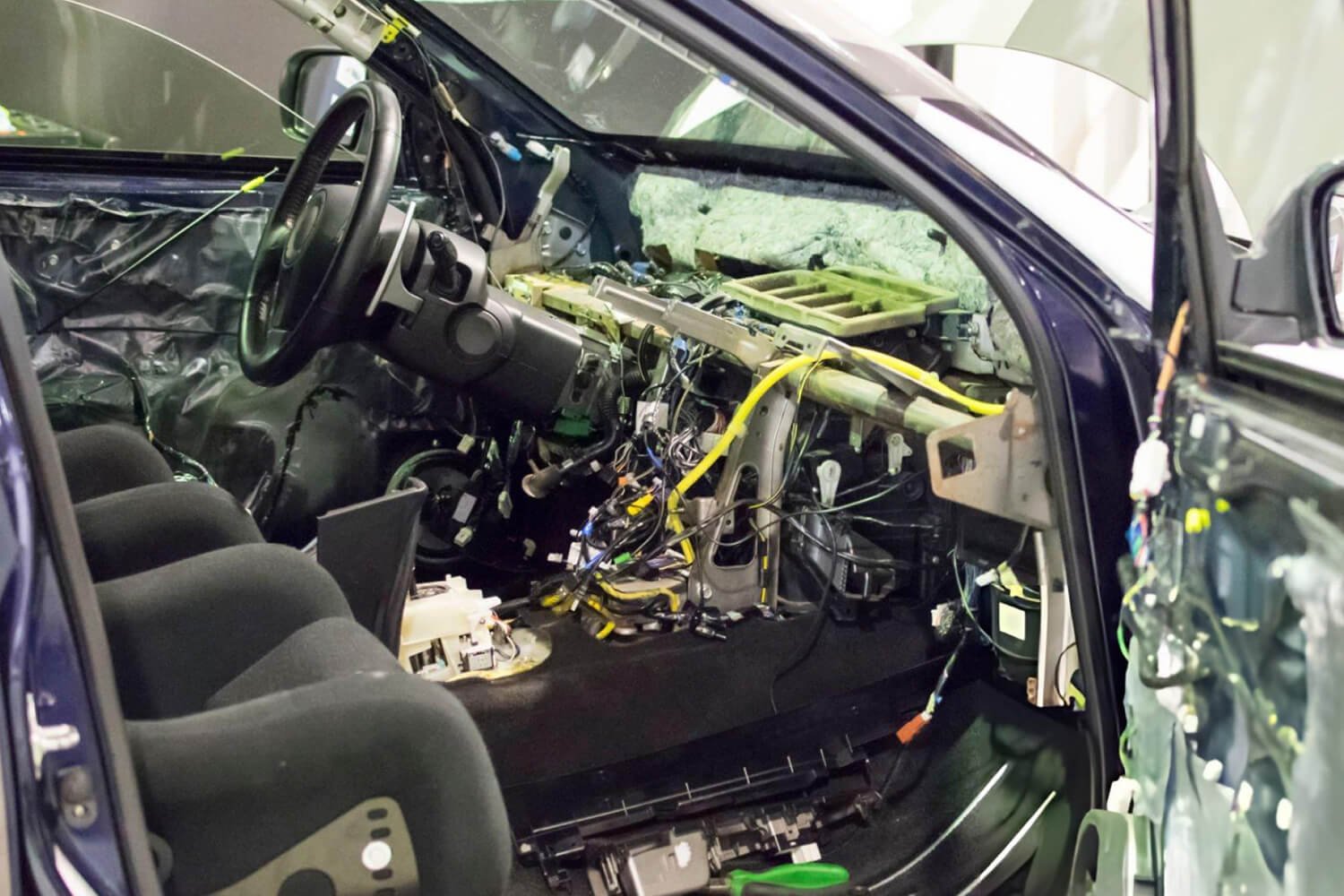
Automotive Electronics
Automotive electronics require strict quality standards, traceability control, and high reliability performance.
- Automotive control modules
- In-vehicle infotainment systems
- Sensor control boards
- Power management modules
- LED automotive lighting drivers

Industrial Automation
Industrial electronics require high reliability and long-term stability under harsh operating environments.
- PLC control boards
- Industrial sensor modules
- Motor control systems
- Power control units
- Automation control boards

Medical Electronics
Medical electronic devices require strict quality control, precision assembly, and high product consistency. We supports high-quality SMT Assembly manufacturing for sensitive medical electronics applications.
- Medical monitoring devices
- Diagnostic equipment PCBs
- Portable medical electronics
- Imaging system electronic modules

Consumer Electronics
We supports high-volume SMT Assembly production for consumer electronic devices that require compact design, high performance, and cost efficiency.
- Smart home devices
- Wearable electronics
- Audio and video equipment
- Gaming devices
- Personal electronics

Telecommunication
We provides SMT Assembly solutions optimized for high-speed signal transmission and EMI control.
- Communication modules
- Network routers and switches
- Wireless communication devices
- RF communication boards
- 5G communication infrastructure
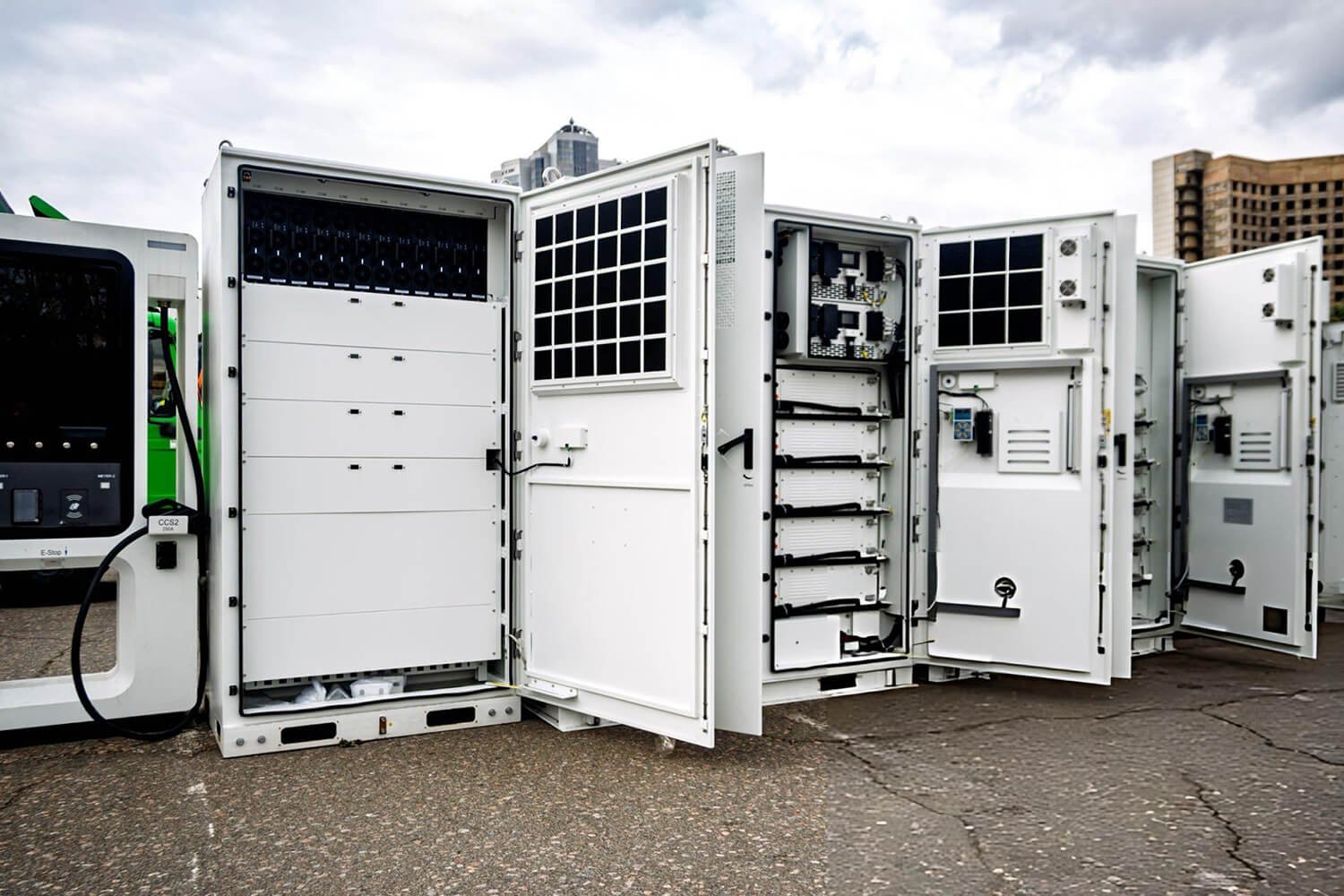
Energy Systems
Power electronics applications require stable solder joints, thermal management performance, and high current handling capability. We supports SMT Assembly for power electronics with strong thermal process control.
- Power supply control boards
- Battery management systems (BMS)
- Energy storage control modules
- Solar inverter control boards
- Charging system electronics
Fast Quotation.
Our professional sales and engineering teams provide fast PCB quotes and technical support. Simply send us your Gerber files, BOM, and assembly drawings, and we will respond promptly with a competitive solution.
- Gushu Tangxi Second Industrial Zone, Shenzhen
- +86 755 2335 0814
- +86 135 1078 8094
- sales@pcbasail.com
FAQ About SMT Assembly
1. What files are required for an SMT assembly quotation?
Provide Gerber RS-274X or ODB++ data, a BOM with complete manufacturer part numbers, centroid data, assembly drawings, target quantities, and testing requirements. A fabrication drawing, panel data, programming files, fixtures, and packaging instructions may also be needed.
2. Does PCBSAIL support prototype SMT assembly?
Yes. We supports prototypes, low-volume, mid-volume, and mass-production projects. The route and schedule depend on material readiness, board construction, package types, quantity, inspection, testing, and value-added processes.
3. Can PCBSAIL source the components?
Yes. We can source electronic components. Projects may use full-turnkey, partial-turnkey, or consigned sourcing. The quotation identifies who supplies each item, which alternatives are approved, and how customer-owned or excess material is handled.
4. Can PCBSAIL assemble components on both sides of a PCB?
Double-sided SMT projects can be reviewed. Engineering defines the first- and second-side sequence, support tooling, component mass limits, thermal exposure, inspection access, and any through-hole operations.
5. Does PCBSAIL support BGA and QFN assembly?
BGA, QFN, LGA, and other hidden-joint packages can be evaluated during the assembly review. The quotation must define reflow controls, any X-ray coverage, sampling, image acceptance, rework criteria, and product-specific limits.
6. Can SMT and through-hole components be assembled on the same board?
Mixed-technology projects can be reviewed. The process plan defines the order of reflow, insertion, soldering, cleaning when specified, inspection, testing, and manual operations.