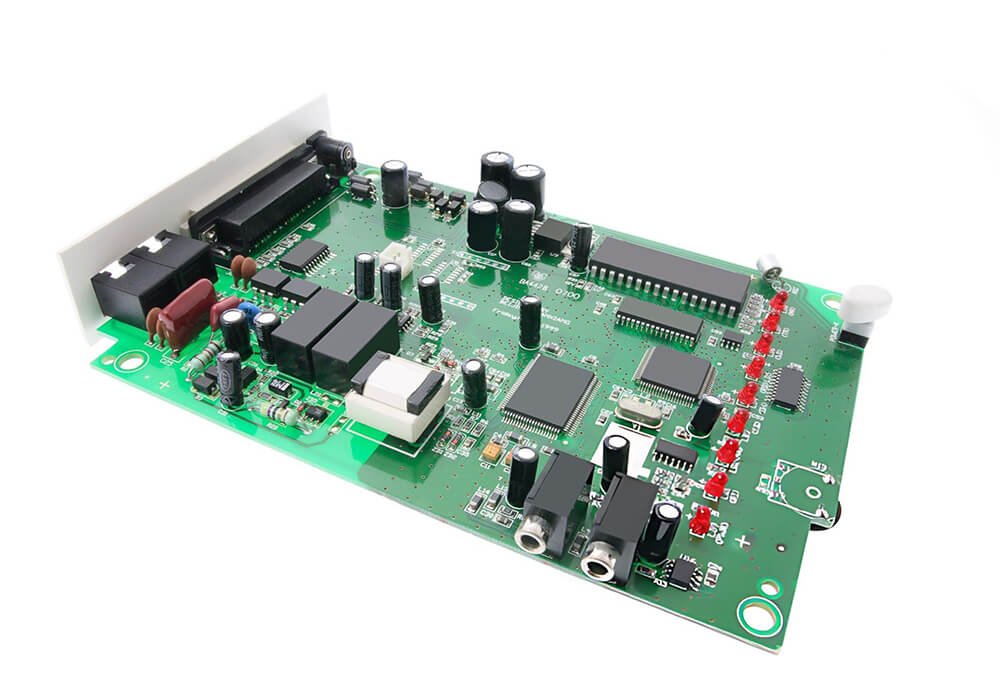
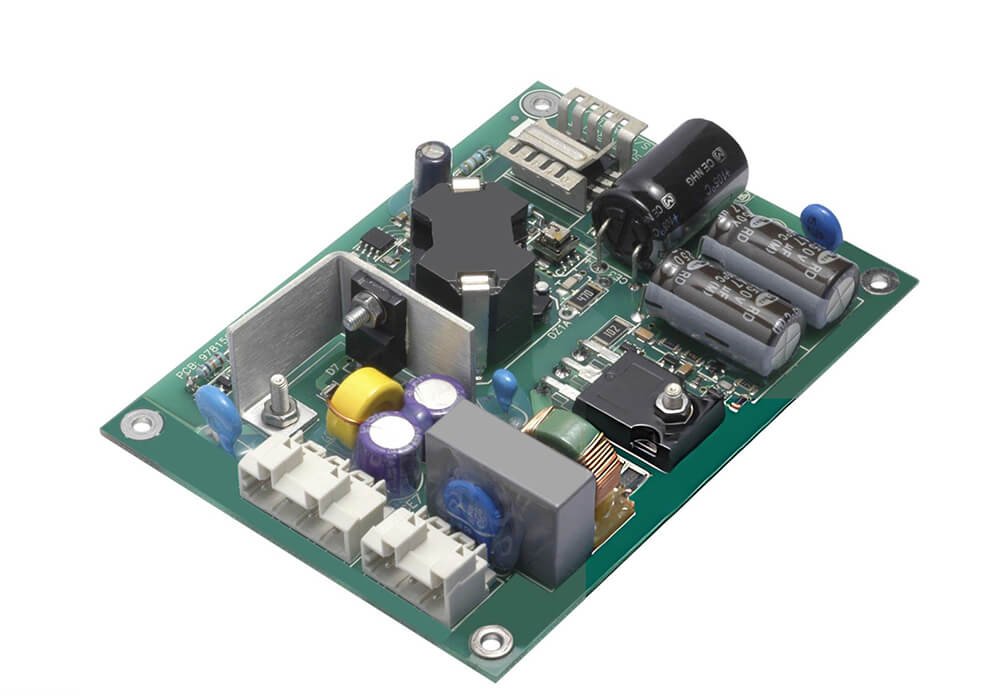
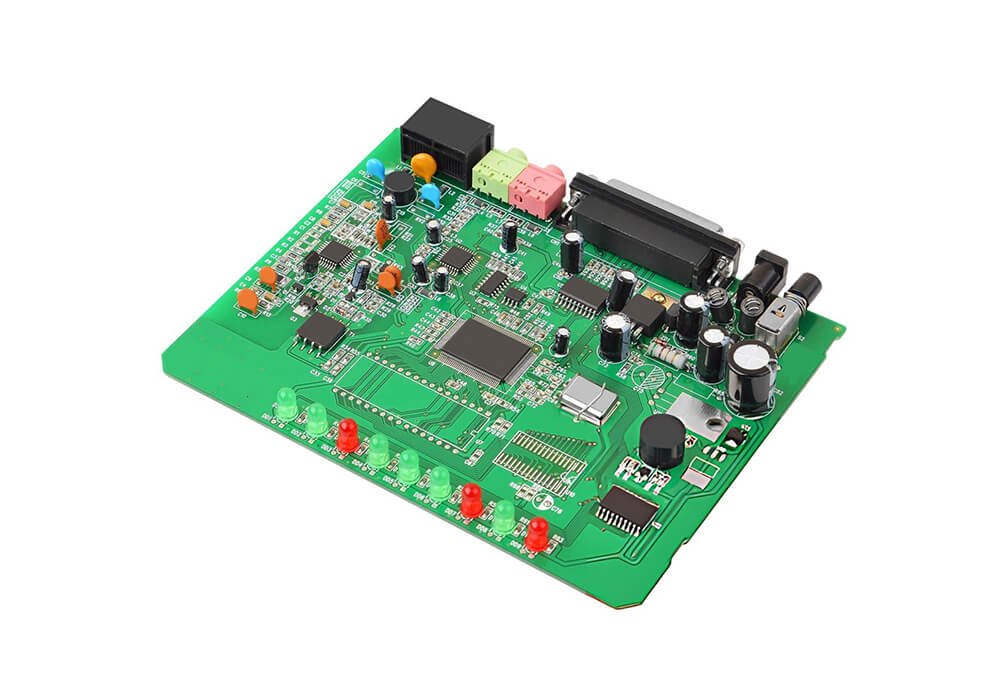

/Higher Efficiency/

Motor Control PCB

PCBSAIL provided high-quality Motor Control PCBs, PCB assembly, and turnkey PCBA services for global customers.

Whether you need a prototype BLDC controller board, industrial inverter PCB, or high-current motor driver assembly, our engineering and production teams can support your project from concept to mass production.

If you are looking for a trusted China-based supplier for Motor Control PCB, we are ready to help.

What Is Motor Control PCB

What Is Motor Control PCB?

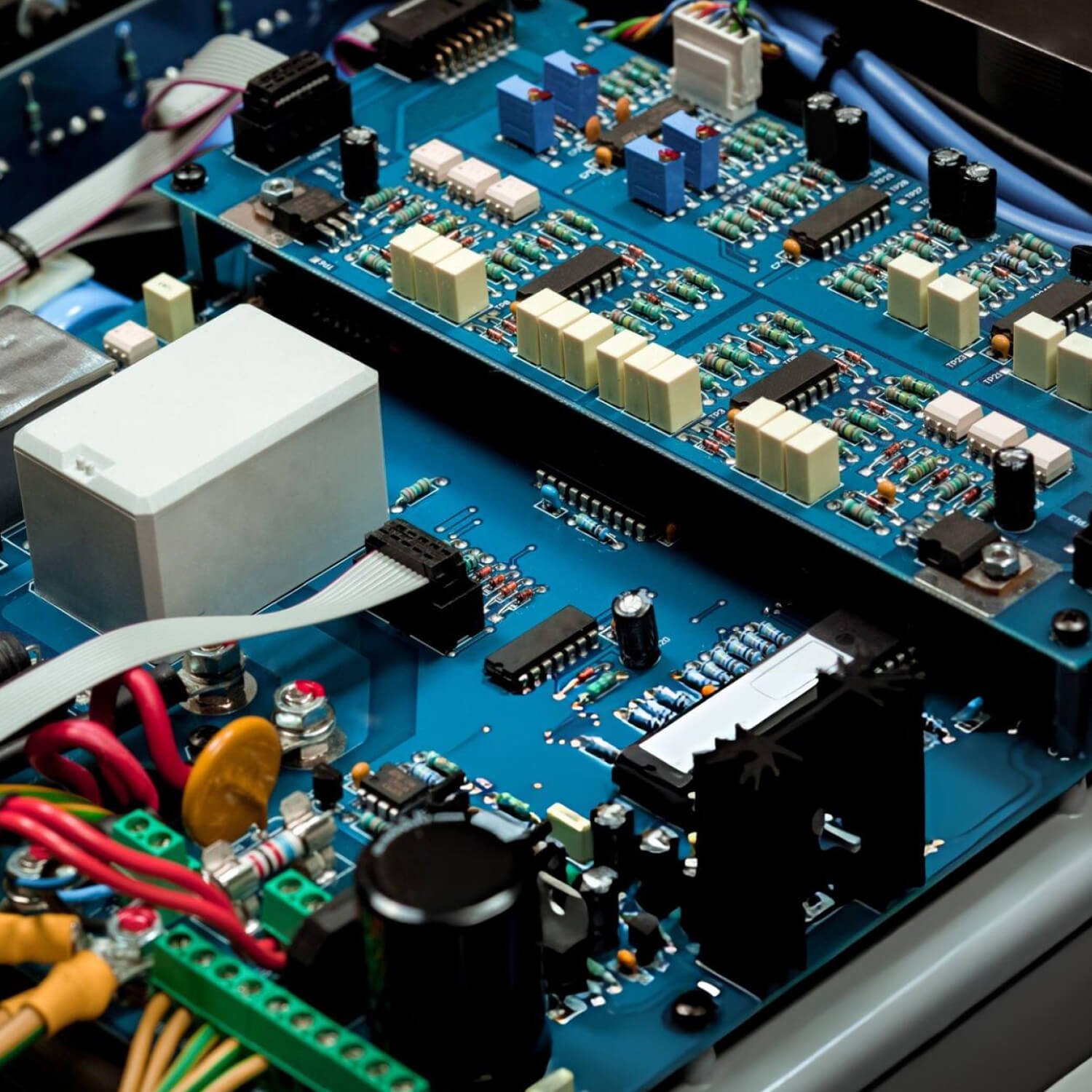
A Motor Control PCB is a specialized electronic board designed to control electric motors by regulating voltage, current, switching signals, and feedback systems.

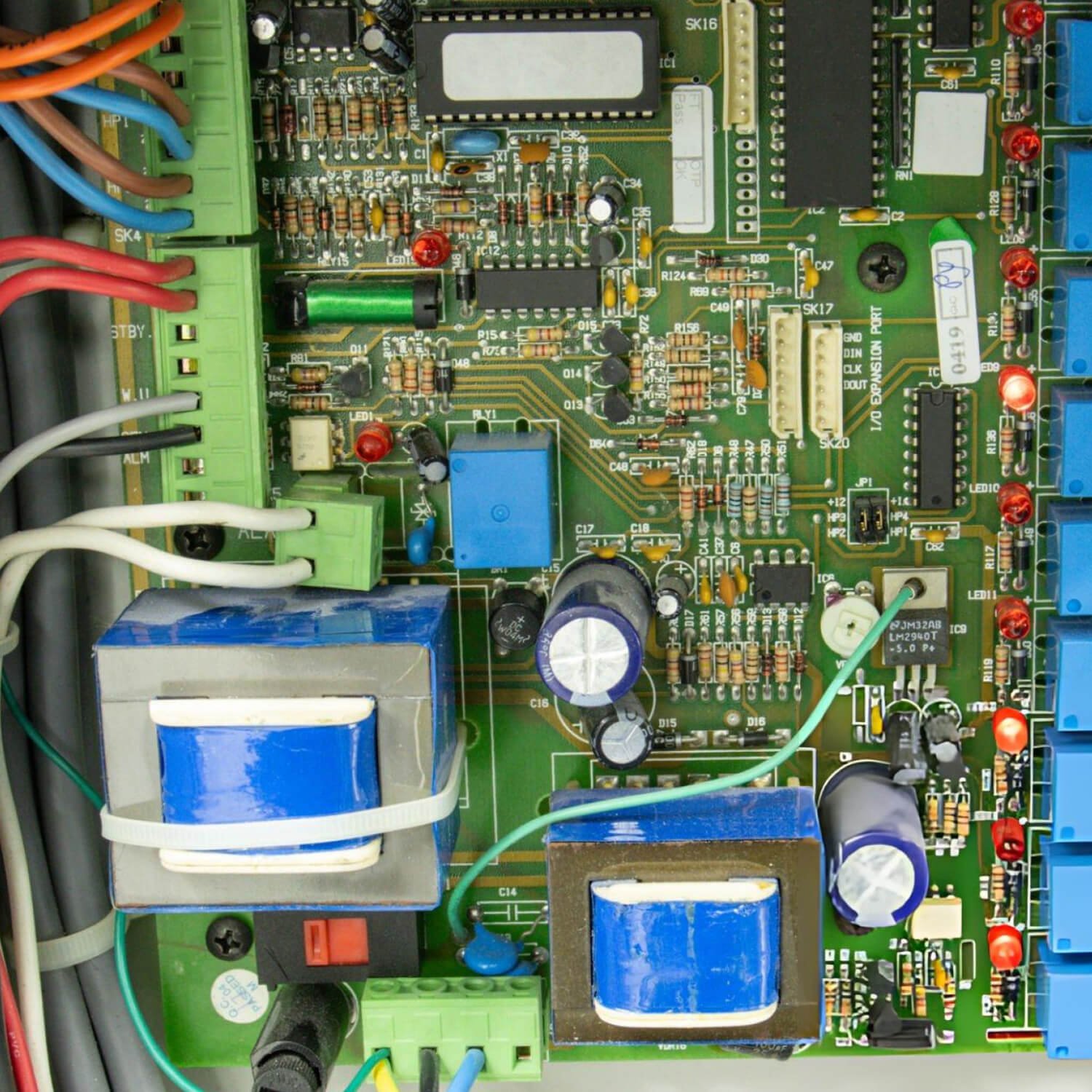
A Motor Controller PCB Integrates:

  • Power Switching Devices (MOSFET / IGBT / Sic Modules)
  • Microcontrollers Or DSP Processors
  • Gate Driver ICS
  • Current Sensing Circuits
  • Voltage Monitoring
  • Thermal Protection
  • Communication Interfaces
  • Safety Circuits

It can convert input power into controlled output power for motors while ensuring stable speed and accurate torque.

Motor Control PCB We Offered.

We provide a wide range of Motor Control PCBs for the different motor technologies, power levels, and industrial environments. Whether you require precise positioning, high torque output, or heavy-duty continuous operation, we can offer the right Motor Control PCB for your project.

Motor Control PCB We Offered
Motor Control PCB Near Me
Motor Control PCB Price

Our Capacity.

Flex PCB Single-Sided Flex PCB

AC Motor Control PCB

AC Motor Control PCBs are used to regulate alternating current motors such as induction motors and synchronous motors.

  • Variable frequency drive (VFD) support
  • Soft start and soft stop functions
  • Stable speed regulation
  • High-power handling capability

Flex PCB Double-Sided Flex PCB

DC Motor Control PCB

DC Motor Control PCBs are designed for brushed DC motors and low-voltage motor systems.

  • PWM speed control
  • Forward / reverse direction control
  • Compact and cost-effective design
  • Smooth startup performance

Flex PCB Multilayer Flex PCB

BLDC Motor Control PCB

BLDC (Brushless DC) Motor Control PCBs are built for high-efficiency brushless motors using electronic commutation.

  • High efficiency
  • Low maintenance
  • Quiet operation
  • Long motor lifespan
  • Sensor or sensorless control support

Flex PCB Single-Sided Flex PCB

Stepper Motor Control PCB

Stepper Motor Control PCBs control motors through precise pulse-driven step movements.

  • Accurate position control
  • Excellent repeatability
  • Open-loop motion control
  • Microstepping capability

Flex PCB Double-Sided Flex PCB

Servo Motor Control PCB

Servo Motor Control PCBs are designed for closed-loop motor systems requiring precise motion control.

  • Encoder feedback integration
  • High torque accuracy
  • Fast dynamic response
  • Position, speed, and torque control

Flex PCB Multilayer Flex PCB

Robotics Motor Control PCB

Motor control solutions tailored for robotic movement systems.

  • Multi-axis synchronization
  • Fast response control
  • Precision positioning
  • Communication bus integration

Item

Rigid PCB

Flexible PCB

Rigid-Flex PCB

Max Layer

60L

8L

36L

Inner Layer Min Trace/Space

3/3mil

3/3mil

3/3mil

Out Layer Min Trace/Space

3/3mil

3.5/4mil

3.5/4mil

Inner Layer Max Copper

6oz

2oz

6oz

Out Layer Max Copper

6oz

20z

3oz

Min Mead hanical Driling

0.15mm

0.1mm

0.15mm

Min Laser Drilling

0.1mm

0.1mm

0.1mm

Max Aspect Ratio (Mechanical Drilling)

20:01

10:01

12:01

Max Aspect Ratio (Laser Drilling)

1:01

/

1:01

Press Fit Hole Tolerance

±0.05mm

±0.05mm

±0.05mm

PTH Tolerance

±0.075mm

±0.075mm

±0.075mm

NPTH Tolerance

±0.05mm

±0.05mm

±0.05mm

Countersink Tolerance

±0.15mm

±0.15mm

±0.15mm

Board Thickness

0.4-8mm

0.1-0.5mm

0.4-3mm

Board Thickness Tolerance(<1.0mm)

±0.1mm

±0.05mm

±0.1mm

Board Thickness Tolerance(≥1.0mm)

±10%

/

±10%

Min Board Size

10*10mm

5*10mm

10*10mm

Max Board Size

22.5*30 inch

9*14 inch

22.5*30 inch

Contour Tolerance

±0.1mm

±0.05mm

±0.1mm

Min BGA

7mil

7mil

7mil

Min SMT

7*10mil

7*10mil

7*10mil

Min Solder Mask Clearance

1.5mil

3mil

1.5mil

Min Solder Mask Dam

3mil

8mil

3mil

Min Legend Width/Height

4/23mil

4/23mil

4/23mil

Strain Fillet Width

/

1.5±0.5mm

1.5±0.5mm

Bow &Twist

0.003

/

0.0005

Standards for Motor Control PCB.

Our Motor Control PCB is manufactured with strict quality standards to ensure safe operation, stable performance, and long service life.

PCB Certificate

IPC Standards

The IPC standards define PCB design, fabrication, and inspection, especially for RF and microwave boards.

PCB Certificate

ISO Standard

A controlled manufacturing environment ensures consistent quality.

PCB Certificate

RoHS

For global market access, we use the materials that meet RoHS to produce.

PCB Certificate

UL

For safety-critical motor control systems, we can use UL-certified laminate materials to meet customer compliance needs.
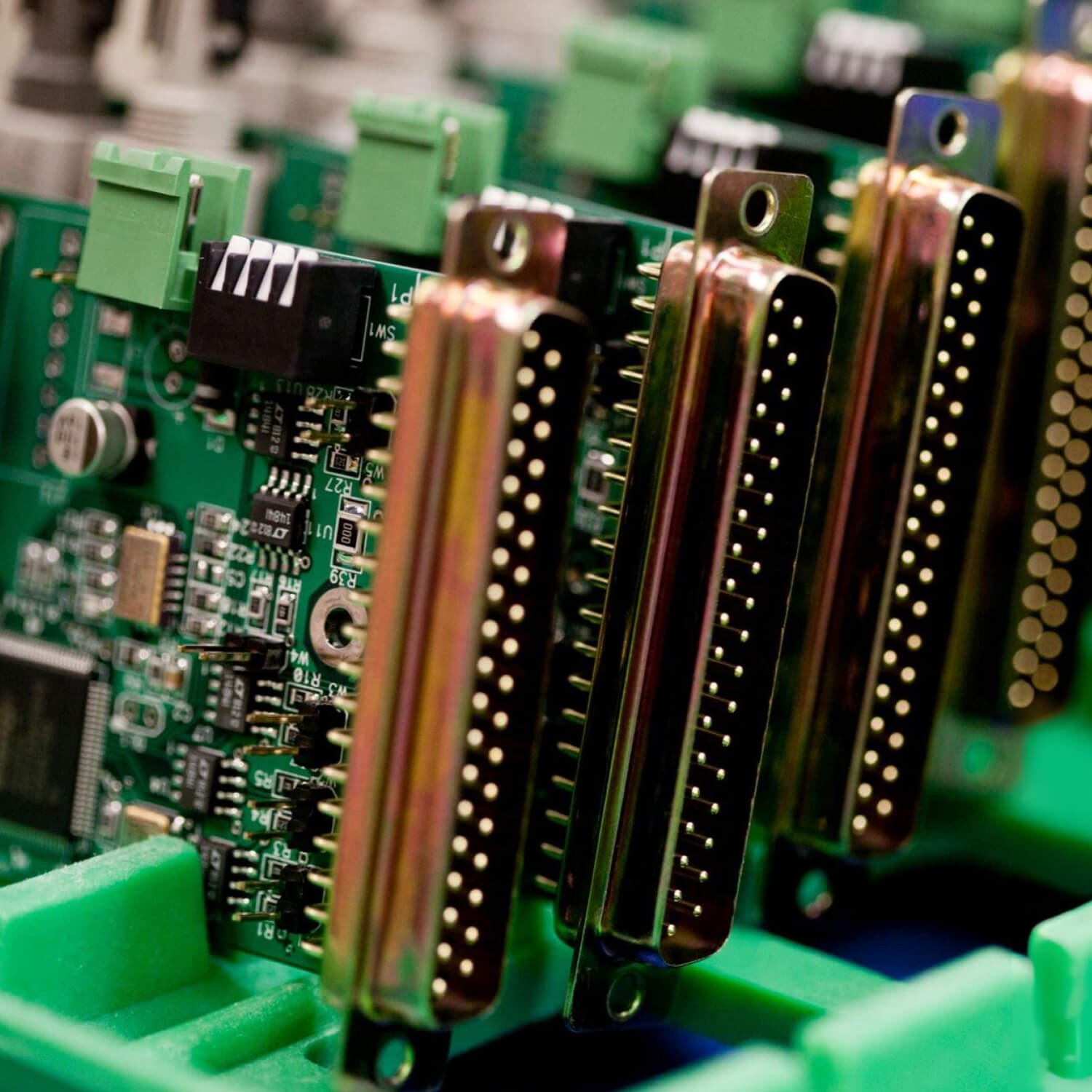
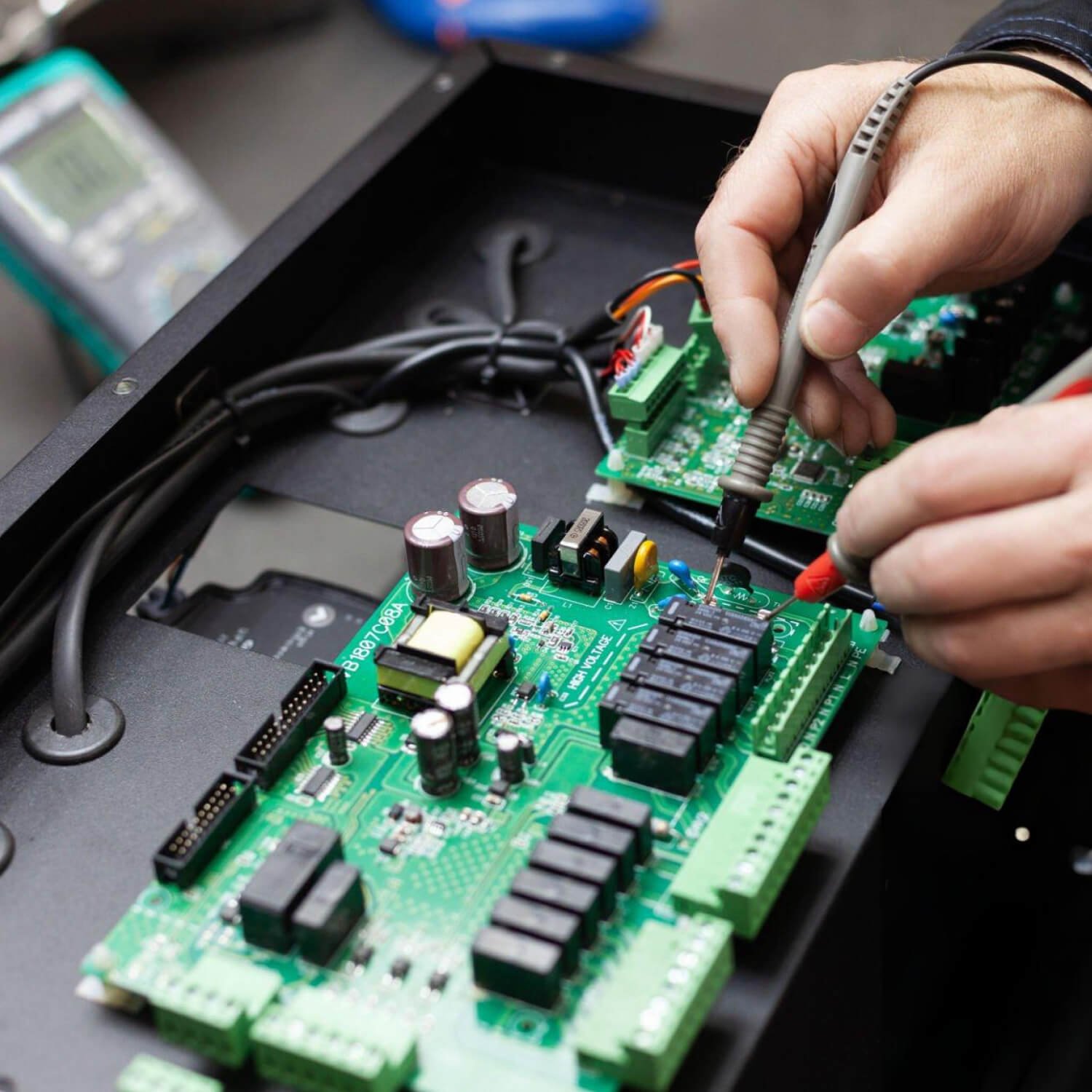
Motor Control PCB Feature

We can provide high-performance Motor Control PCB solutions engineered for efficiency, durability, and precise motion control.

Our Motor Control PCBs are designed to handle demanding power loads safely and efficiently.

  • Heavy copper PCB up to 10 oz
  • Wide power traces
  • Reinforced pads and vias
  • Busbar integration available
  • Low resistance current paths

Motor driver boards generate heat during operation, so thermal control is critical.

We Support:

  • Thermal vias under MOSFETs and IGBTs
  • Large copper pours for heat spreading
  • Aluminum PCB and metal core PCB options
  • Heat sink mounting structures
  • High TG material selection

It helps extend board life and prevent overheating.

Our Motor Control PCBs support accurate motor performance through advanced control circuits.

  • PWM speed control
  • Soft start and soft stop
  • Torque regulation
  • Direction control
  • Closed-loop feedback systems

It is suitable for automation, robotics, and precision machinery.

Motor switching circuits can create electrical noise. Our PCB layouts help reduce interference.

  • Optimized grounding systems
  • Short switching loops
  • Noise filtering circuits
  • Isolation routing
  • Signal separation techniques

For smart and connected systems, we can integrate communication functions such as:

  • CAN Bus
  • UART
  • RS485
  • Modbus
  • Bluetooth
  • WiFi
  • Ethernet

It is perfect for Industry 4.0 and IoT devices.

Motor Control PCB Feature

Motor Control PCB Components

We will select components carefully to manufacture Motor Control PCBs to meet the electrical, thermal, and mechanical demands of modern motor-driven systems.

Motor Control PCB Components

The microcontroller is the “brain” of the Motor Control PCB. It processes input signals, executes control algorithms, and manages system operation.

Main Functions:

  • PWM signal generation
  • Speed control
  • Torque regulation
  • Direction control
  • Fault detection
  • Communication handling

These are the main switching components that drive the motor by controlling current flow.

  • MOSFETs – Best for low to medium voltage, high switching speed
  • IGBTs – Suitable for higher voltage and industrial loads
  • SiC Devices – High efficiency for premium and high-power systems

These devices directly affect efficiency, heat generation, and overall reliability.

Gate drivers control the switching of MOSFETs or IGBTs safely and efficiently.

Functions:

  • Fast switching response
  • High-side / low-side drive
  • Dead-time control
  • Isolation support
  • Undervoltage lockout

.

Current measurement is required for control accuracy and system protection.

Common Sensing:

  • Shunt resistors
  • Hall current sensors
  • Current transformers

Voltage monitoring ensures the system runs within safe limits.

Protects Against:

  • Undervoltage
  • Overvoltage
  • Input instability
  • Battery low-voltage conditions

Motor driver boards generate heat, especially at high loads. Temperature sensors help prevent thermal damage.

Common Locations:

  • MOSFET area
  • Heat sink
  • Power supply section
  • PCB hotspot zones

It allows automatic shutdown or derating when temperatures rise too high.

Capacitors are essential for power stability and filtering.

Functions:

  • DC bus energy storage
  • Ripple reduction
  • Noise filtering
  • Decoupling for ICs

For AC input systems, rectifiers convert AC power to DC before motor control stages.

Common In:

  • AC motor drives
  • Appliance motor boards
  • Industrial inverter systems

Motor PCB Control Methods

A Motor Control PCB uses electronic control methods to regulate how a motor starts, stops, changes direction, controls speed, and maintains torque.

The H-Bridge is one of the most common methods for brushed DC motor control.

It uses four switching devices (usually MOSFETs) arranged in an “H” pattern to reverse current direction through the motor.

Functions:

  • Forward rotation
  • Reverse rotation
  • Dynamic braking
  • Speed control with PWM

Advantages:

  • Simple design
  • Cost-effective
  • Reliable for DC motors

PWM is widely used in motor control systems. Instead of continuously lowering voltage, the PCB rapidly switches power ON and OFF at high frequency.

The average power delivered changes by adjusting pulse width.

Functions:

  • Smooth speed control
  • Better efficiency than resistor methods
  • Maintains torque at lower speeds
  • Reduces energy waste

Advantages:

  • Low power loss
  • Precise control
  • Easy MCU integration

This older method changes motor speed by adding resistance in series with the motor.

As resistance changes, voltage to the motor changes.

Limitations:

  • Low efficiency
  • High heat loss
  • Poor torque performance

Today PWM usually replaces this method.

Used for BLDC motors and AC motors, this method converts DC power into controlled three-phase output.

The PCB uses six switching devices to generate phase waveforms.

Functions:

  • Variable speed operation
  • Direction control
  • High torque output
  • Efficient power conversion

Advantages:

  • Excellent efficiency
  • Scalable power levels
  • Suitable for modern motors

Some BLDC motors use Hall sensors to detect rotor position.

The Motor PCB reads these sensors and switches phases at the correct timing.

Advantages:

  • Reliable startup
  • Good low-speed torque
  • Simpler than sensorless systems
Motor PCB Control Methods

Design for Motor Control PCB

We help customers optimize Motor Control PCB design for prototype and mass production. Whether you are developing a DC motor controller, BLDC inverter board, or industrial motor system, the following design factors should be considered.

Design for Motor Control PCB

Motor boards contain both high-power switching circuits and sensitive low-voltage control circuits.

We should divide the layout into clear functional zones:

  • Power stage area
  • Gate driver section
  • MCU / DSP logic section
  • Sensor feedback area
  • Communication interface area
  • Power supply regulation area

It reduces interference and simplifies routing.

Motor current paths must be designed carefully.

We Recommendations:

  • Use wide copper traces
  • Keep paths short and direct
  • Avoid unnecessary vias
  • Reinforce high-current pads
  • Use copper pours or busbars if needed

MOSFET and IGBT switching loops can create EMI and voltage spikes.

To Reduce This:

  • Keep power loops compact
  • Place decoupling capacitors close to devices
  • Use short gate traces
  • Reduce parasitic inductance
  • Use proper return paths

It improves reliability and switching performance.

.

Heat is one of the biggest challenges in Motor Control PCB systems.

We Can:

  • Thermal vias under power devices
  • Large copper areas for heat spreading
  • Heat sink mounting points
  • Aluminum PCB or IMS boards if needed
    Separate heat-sensitive parts from hot zones

Ground design strongly affects signal stability.

Recommended Methods:

  • Dedicated power ground and signal ground
  • Single-point connection where appropriate
  • Solid ground planes
  • Low impedance return paths
  • Shielding for sensitive signals

Current sensors, Hall sensors, encoders, and ADC inputs must be protected from switching noise.

We Can:

  • Route away from MOSFET drain nodes
  • Use differential routing when possible
  • Add RC filtering
  • Shield with ground traces
  • Use inner layers on multilayer boards

Why Choose Us

We can deliver high-performance Motor Control PCB to meet demanding applications with RF expertise, advanced materials, and precision fabrication.

Flex PCB Manufacturring Process

Turnkey PCB Solution

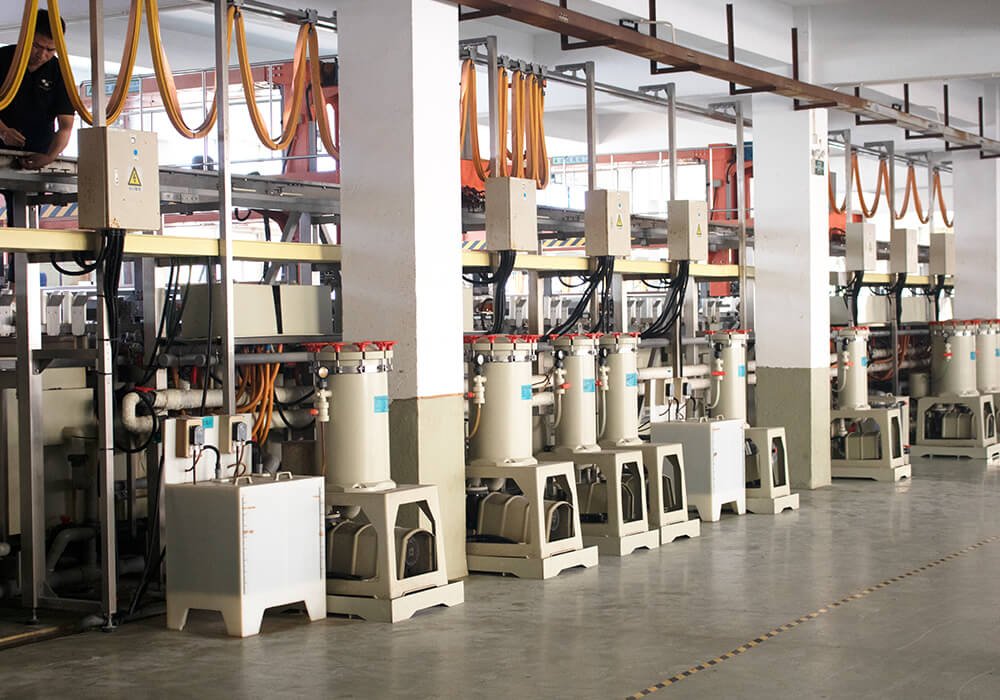
We provide a complete end-to-end service, eliminating the complexity of managing multiple vendors. We can do:

  • PCB design and engineering support
  • PCB fabrication Component sourcing
  • PCB assembly (SMT, THT, mixed)
  • Final testing and quality assurance

Flex PCB Manufacturring Process

Quality

We adhere to globally recognized standards:

  • IPC-A-610 Class 3 (high-reliability electronics)
  • IPC-6012 (PCB performance standards)
  • ISO 9001
  • ISO 14001
  • UL 94

Flex PCB Manufacturring Process

Advanced Manufacturing

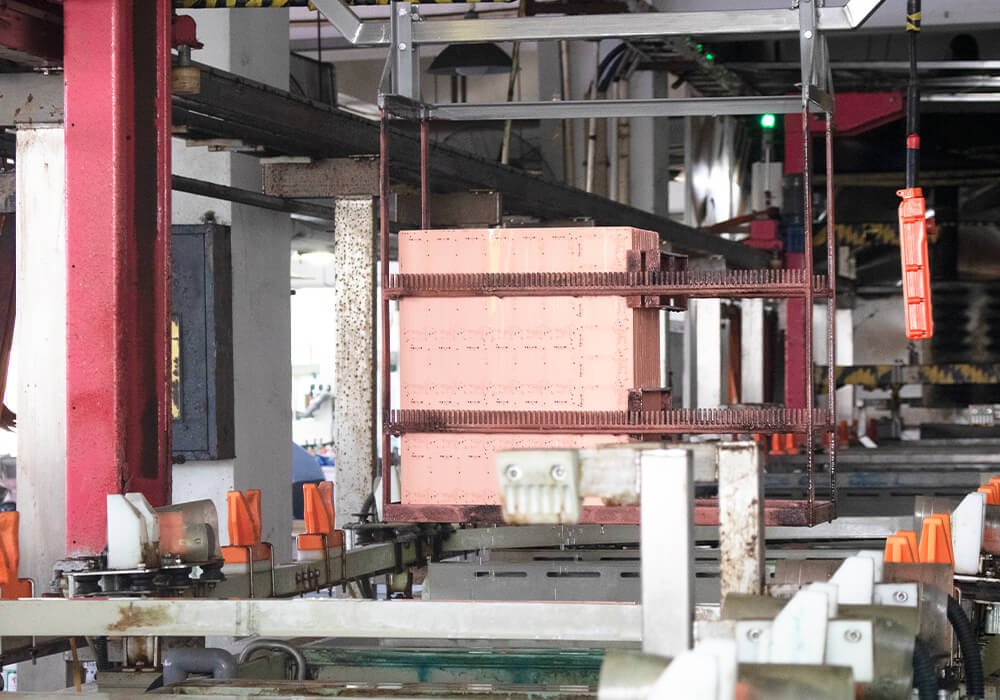
Our state-of-the-art facilities support complex and high-precision PCB assembly. We can do:

  • Fine-pitch placement down to 0.38mm
  • BGA (0.2mm pitch) with X-ray inspection
  • Support for 0201 components
  • High-density multilayer PCBs
  • Mixed technology assembly (SMT + Through-hole)

Flex PCB Manufacturring Process

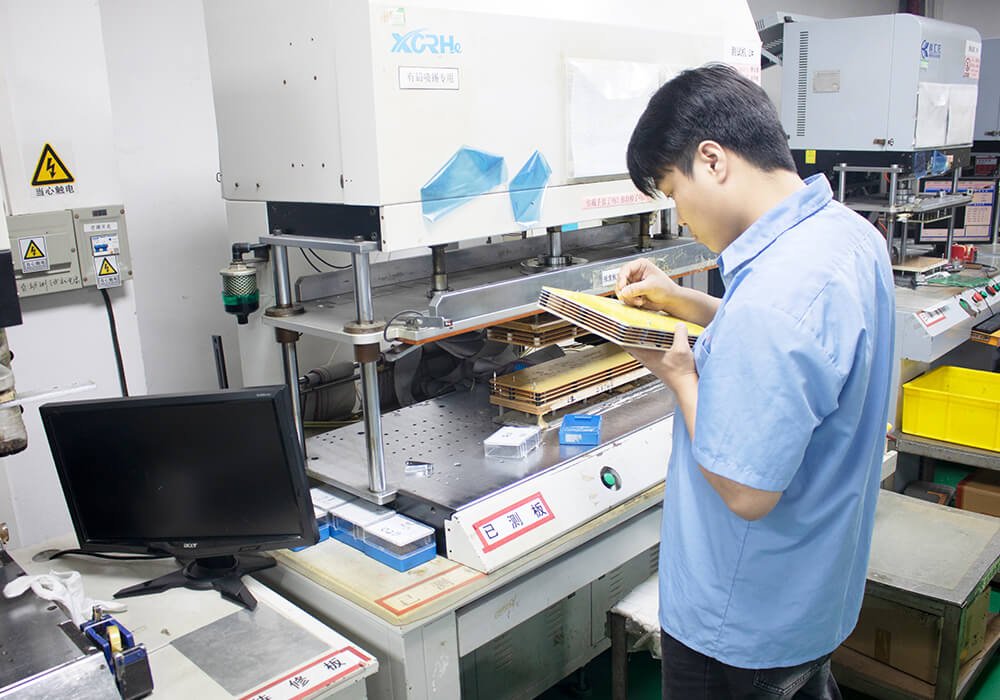
Testing & Inspection

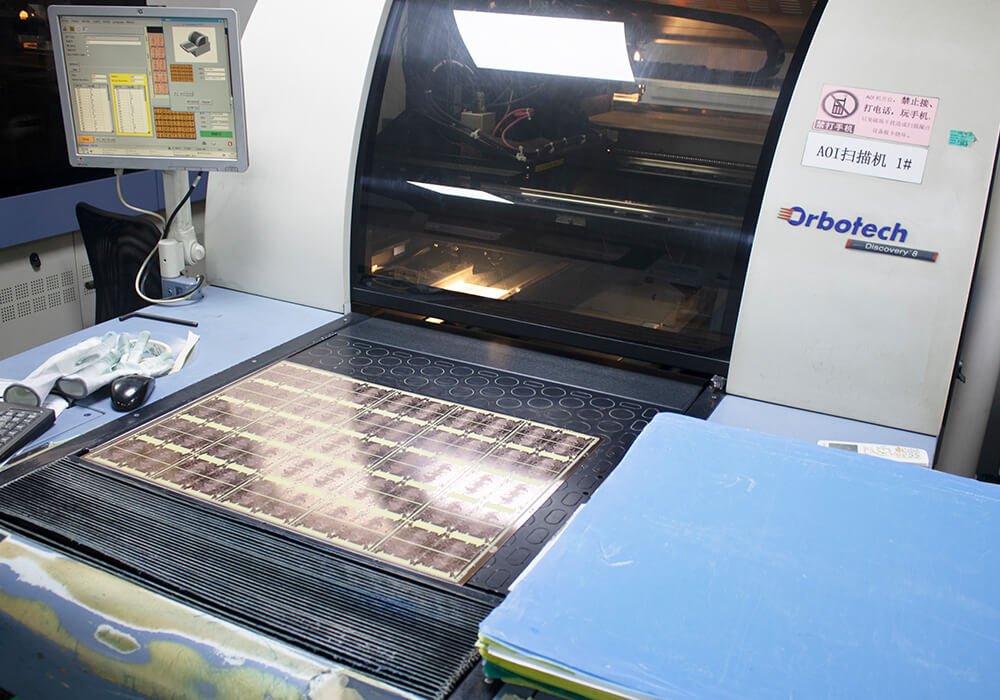
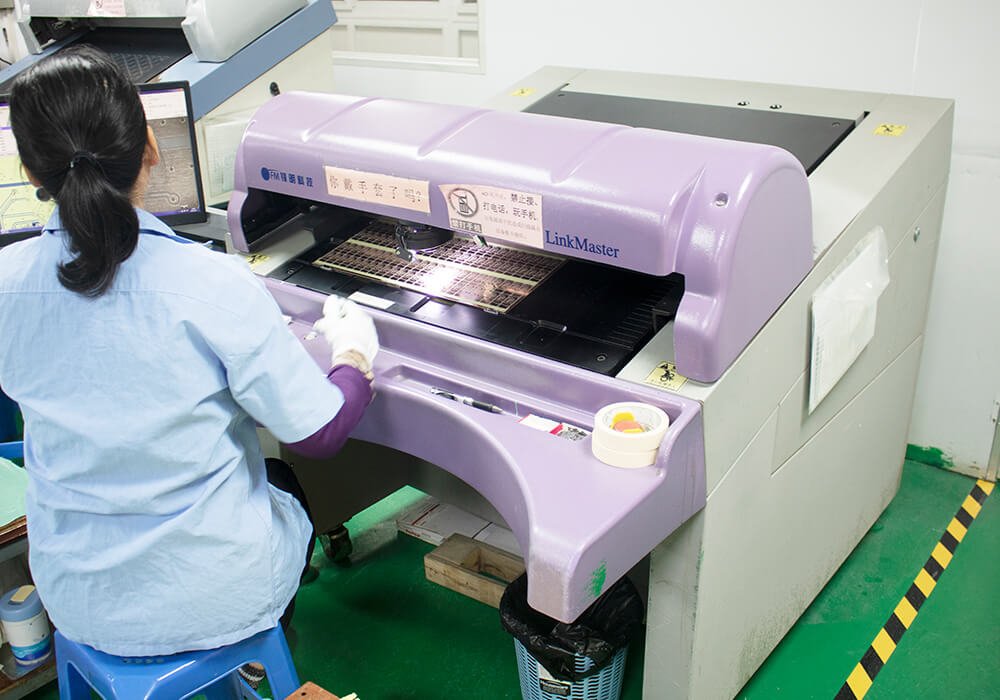
We implement multi-level testing to ensure every PCBA meets strict performance requirements.

  • AOI (Automated Optical Inspection)
  • X-ray inspection for hidden solder joints
  • In-Circuit Testing (ICT)
  • Functional testing under real operating conditions
  • Voltage and performance validation

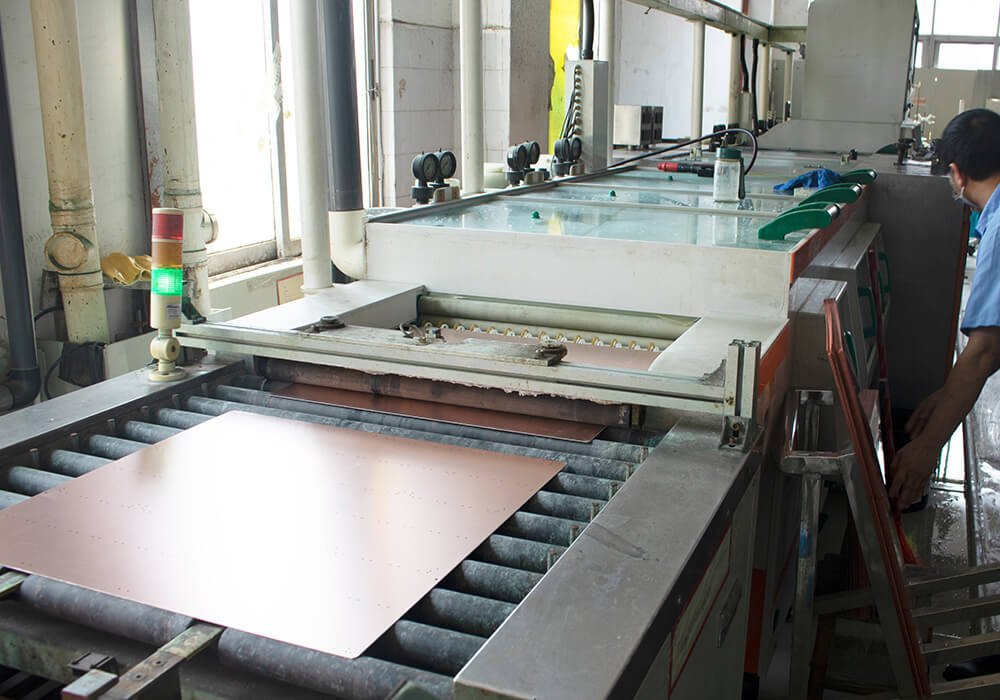
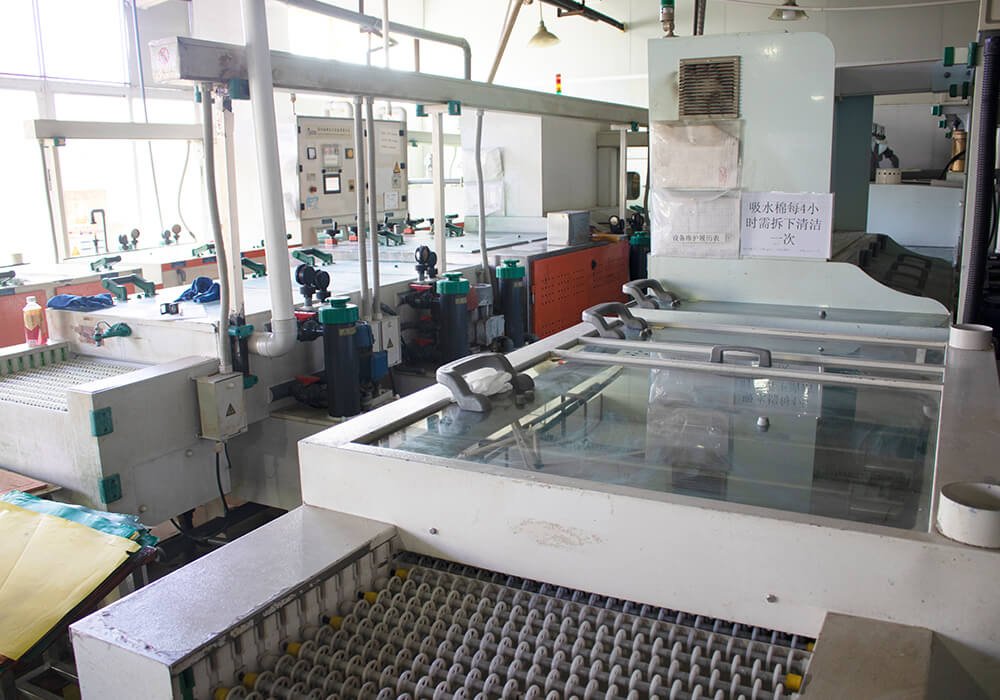
PTH
copper immersion
Degumming Residue
sink gold
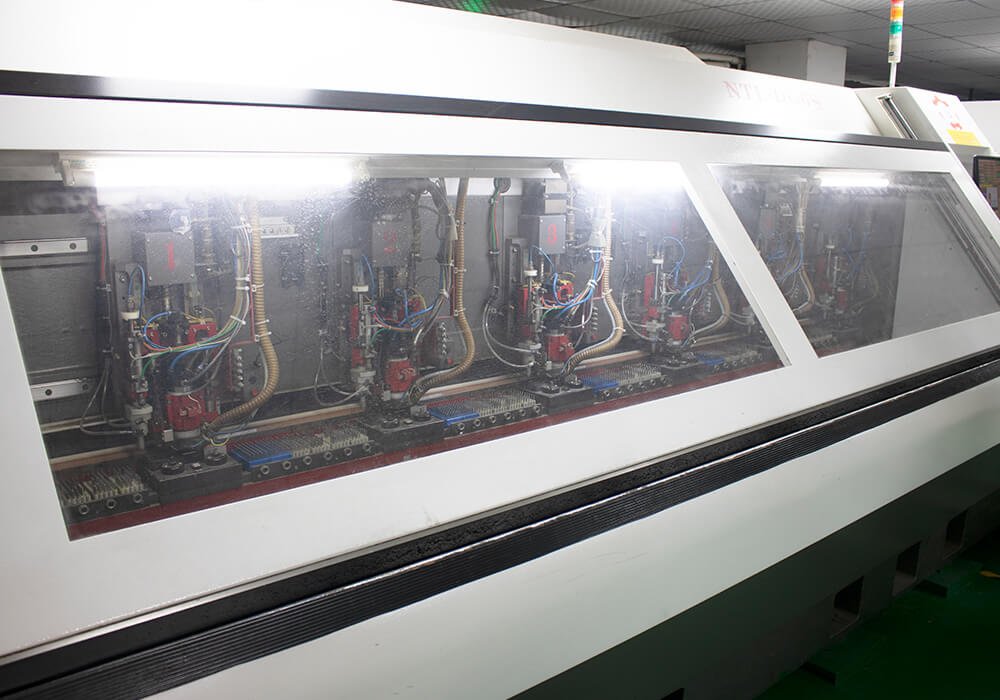
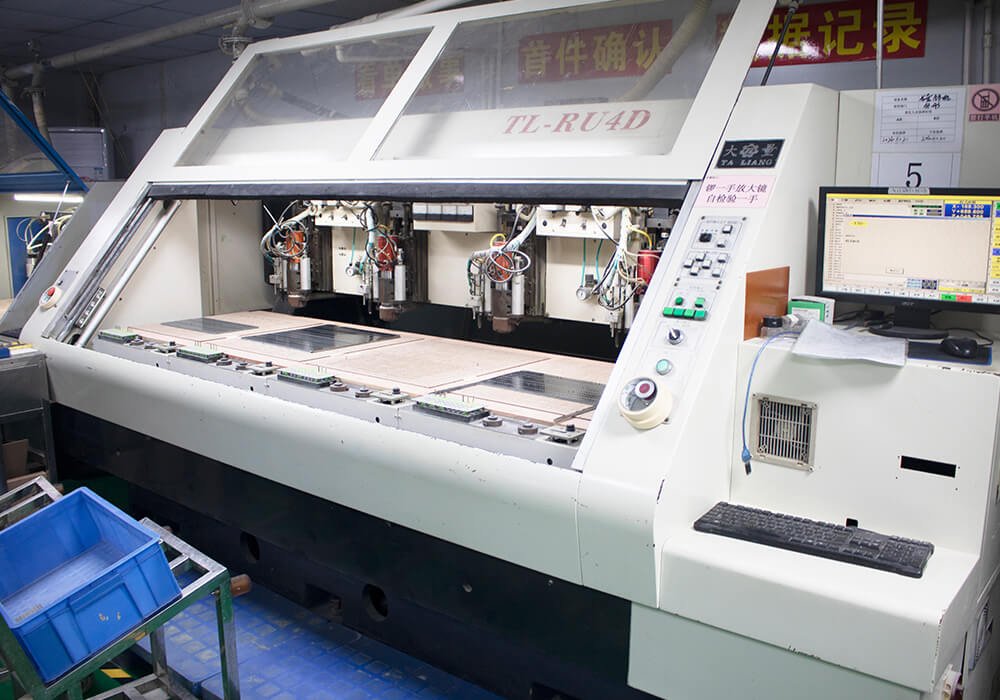
PCB Drill Machine
PcB Manufacturing Machine
Etching
Imaging room
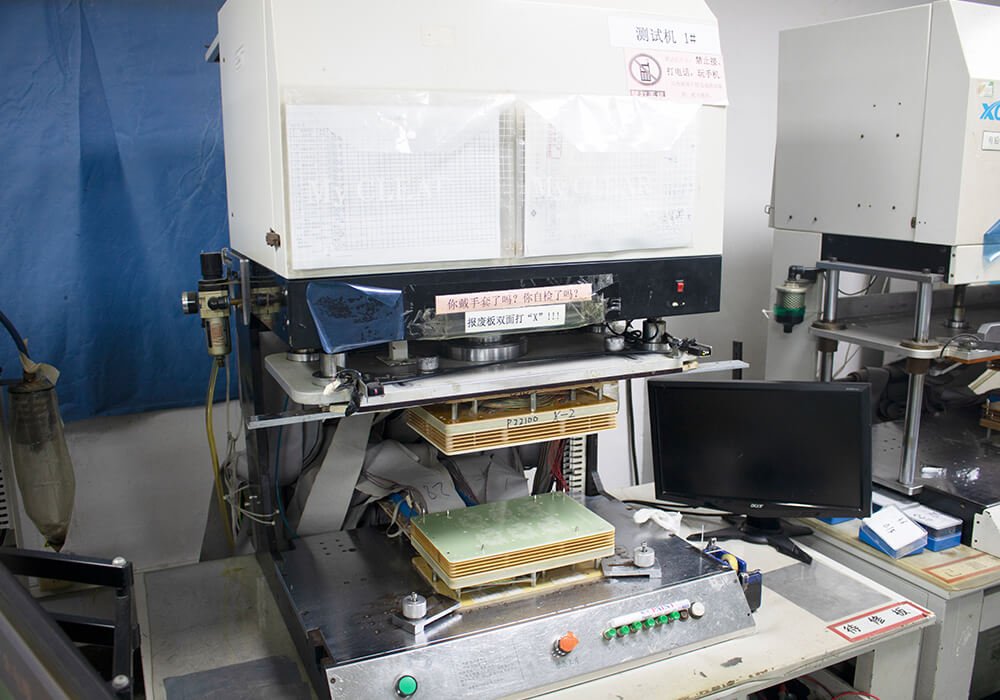
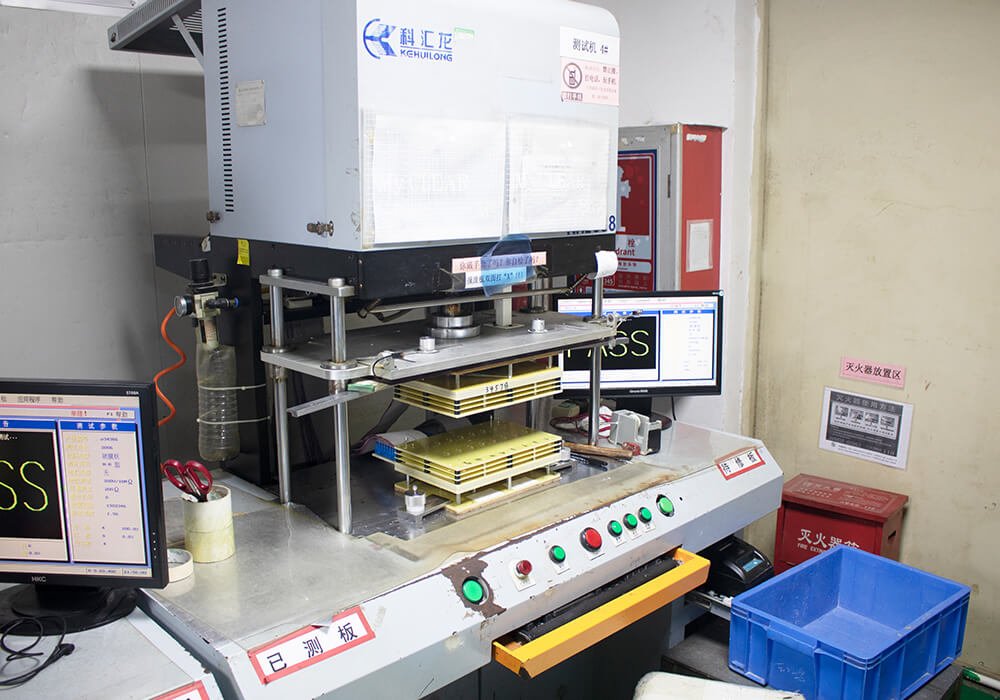
PCB Test Machine
PCB Checking
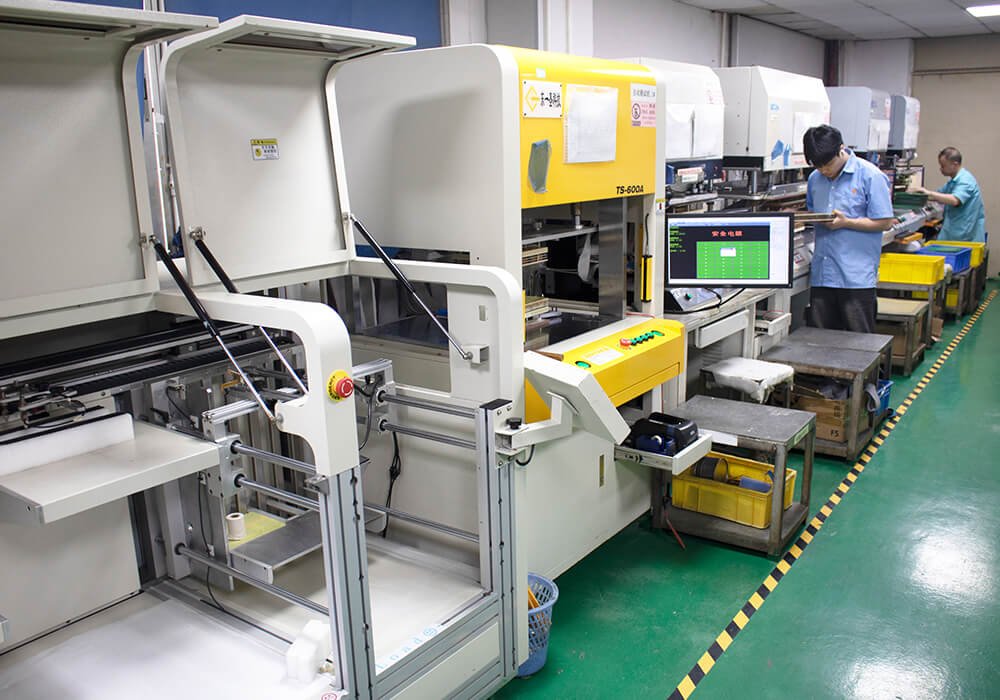
PCB Checking Machine
PCB Chechking
PCB AOI
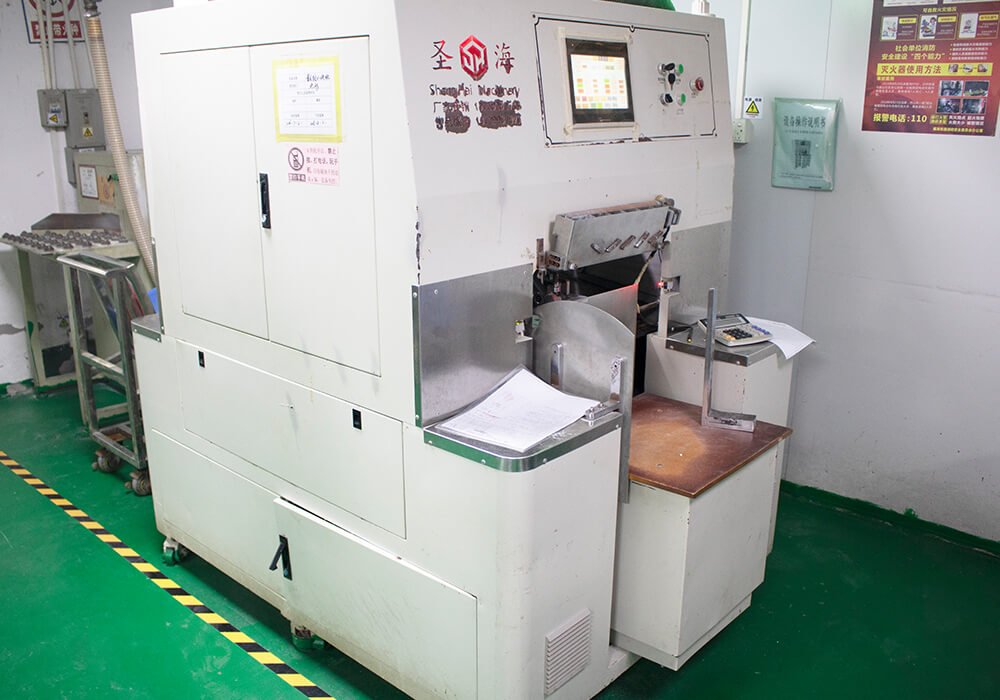
Link Master
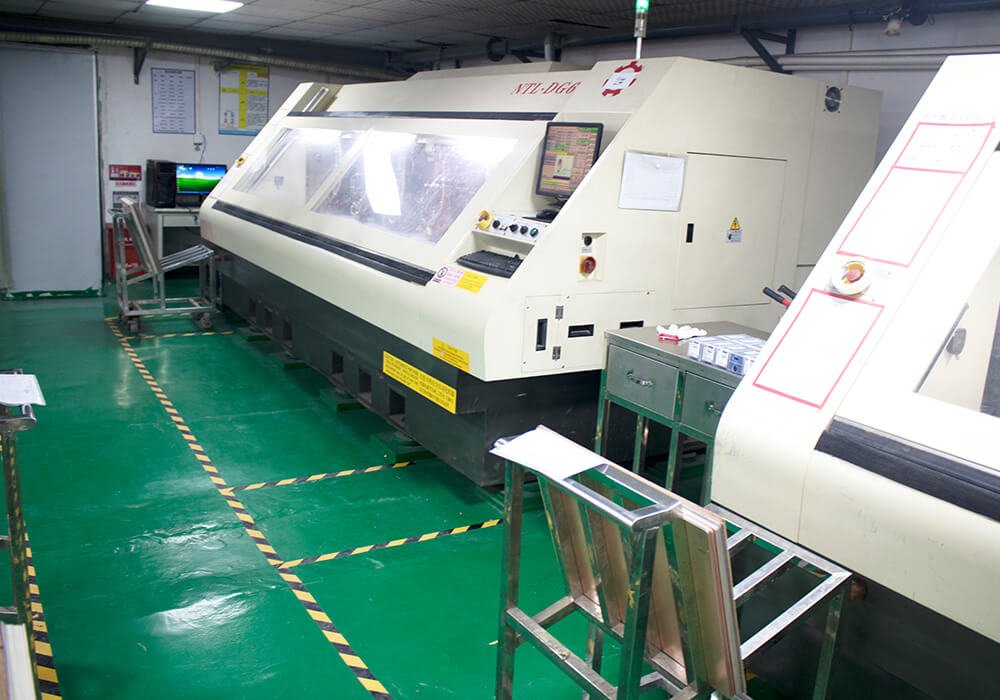
Drill Machine
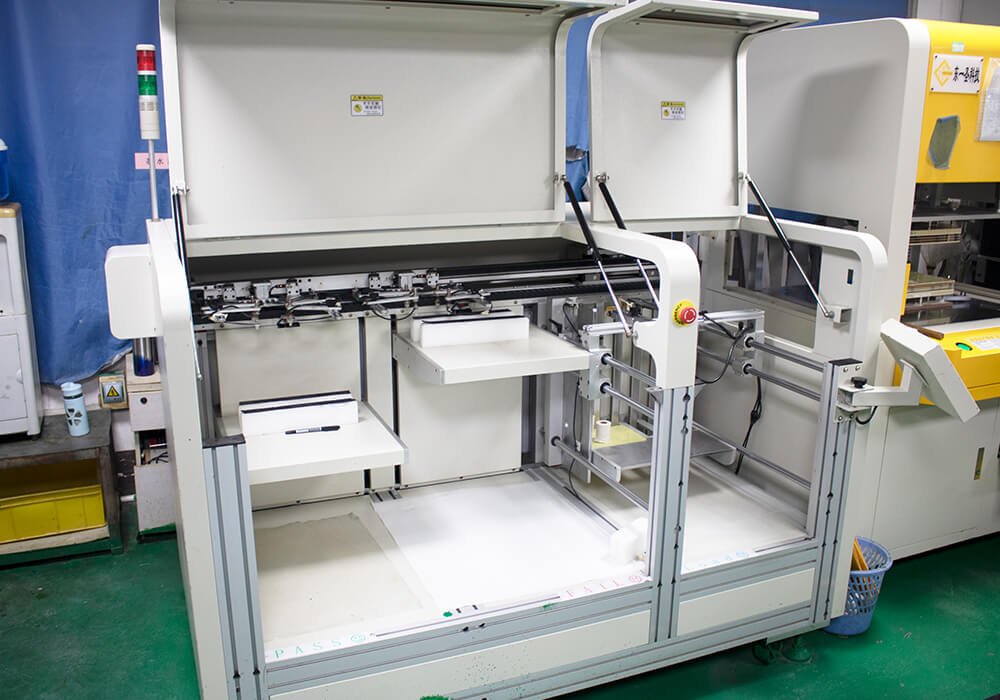
checking machine
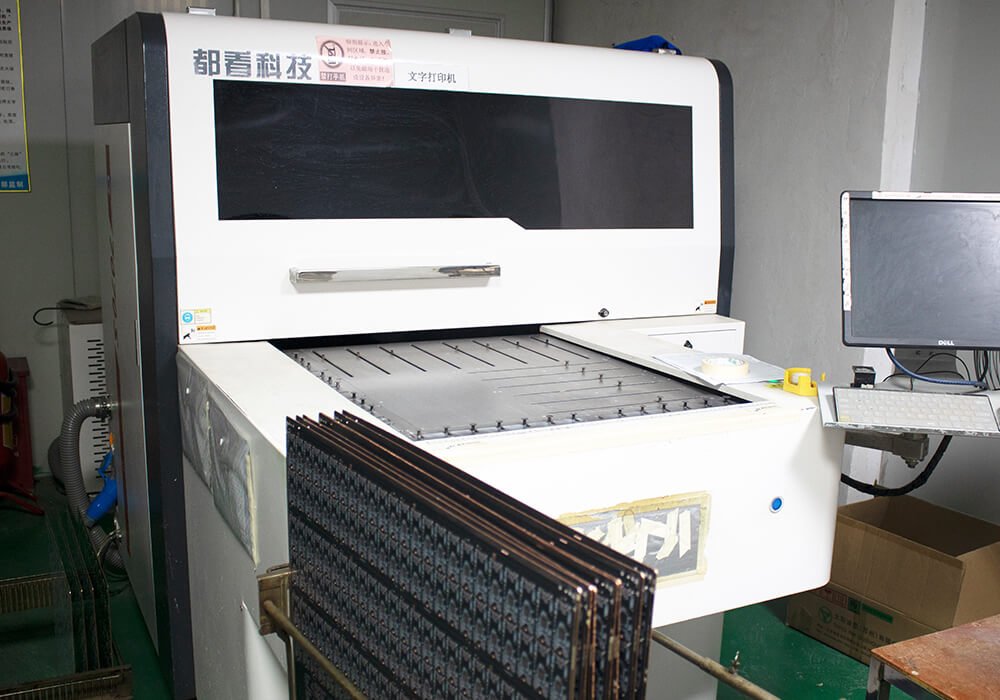
screen printing machine
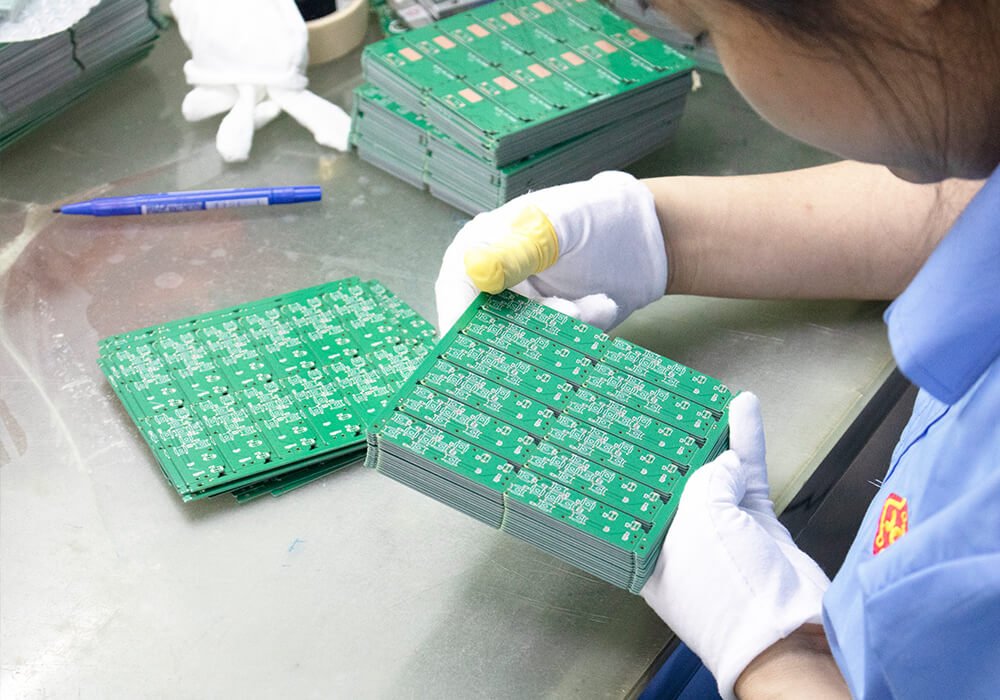
Eye Checking

Fast Quotation

Our professional sales and engineering teams provide fast PCB quotes and technical support. Simply send us your Gerber files, BOM, and assembly drawings, and we will respond promptly with a competitive solution.

FAQ About Motor Control PCB?

1. How a Motor Control PCB Works?

A motor control PCB receives commands from a user, controller, or software system and translates them into electrical signals that drive the motor.

Basic Working Process

  1. Input command received
  2. MCU processes control logic
  3. Driver stage switches MOSFETs/IGBTs
  4. Power delivered to motor windings
  5. Sensors monitor speed/current/temperature
  6. Feedback loop adjusts output in real time

This creates stable and accurate motor performance.

Understanding failures helps improve reliability.

  • Overheating
  • EMI Resets
  • MOSFET Burnout
  • Sensor Errors
  • Poor Solder Joints
  • Moisture Damage

Use these best practices:

  • High Tg FR4 or better materials
  • Automotive-grade components
  • Conformal coating
  • ICT/FCT testing
  • Burn-in testing
  • Thermal simulation
  • Surge protection
  • Proper connector locking systems

Off-the-shelf controllers are fine for hobby use, but OEM products need:

  • Custom dimensions
  • Specific voltage/current range
  • Brand firmware
  • Safety certification support
  • Product-specific connectors
  • Better efficiency tuning
  • Noise reduction
  • Communication integration

Custom PCB design gives long-term competitive advantage.