
/Cost, Performance, and When to Use It/
ENIG PCB Surface Finish Ultimate Guide
As electronic products become smaller, denser, and more performance-driven, engineers increasingly prefer ENIG surface finish because of its flat surface, excellent corrosion resistance, and compatibility with fine-pitch assembly.
PCB Surface Finish Type
In modern PCB manufacturing, Surface Finish directly affects solderability, reliability, assembly yield, shelf life, and long-term product performance.
Among all PCB surface finishes, ENIG (Electroless Nickel Immersion Gold) is one of the most widely used choices for high-reliability electronics, HDI boards, and automotive systems.
This guide explains how ENIG works, its manufacturing process, and so on.
Let’s Go.
Table of Contents
1. What Is ENIG Surface Finish?
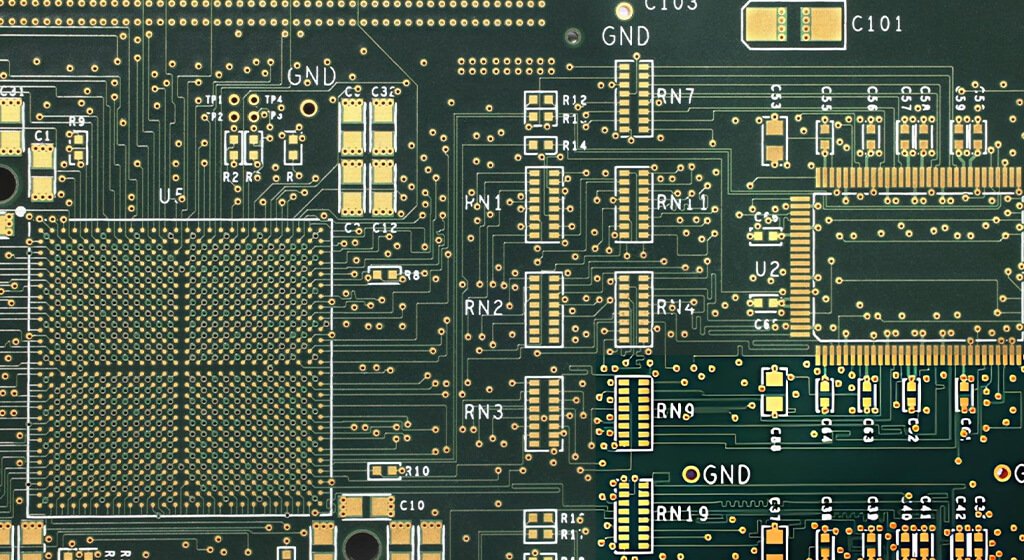
ENIG is short of Electroless Nickel Immersion Gold.
It is a dual-layer metallic surface finish applied to exposed copper pads on a PCB. The finish consists of:
- An electroless nickel layer deposited directly onto copper
- A thin immersion gold layer deposited over the nickel
The Nickel Layer Acts As:
- A diffusion barrier
- The primary solderable surface
- Mechanical support for solder joints
The thin gold layer protects the nickel from oxidation during storage and assembly.
Compared with HASL surface finish, ENIG produces a very flat and planar surface, making it ideal for:
- BGA assembly
- Fine-pitch components
- QFN packages
- HDI PCB
- High-speed PCB
- RF PCB
Because of its excellent planarity and reliability, ENIG is a premium PCB surface finish.
1.1. ENIG Surface Finish Structure
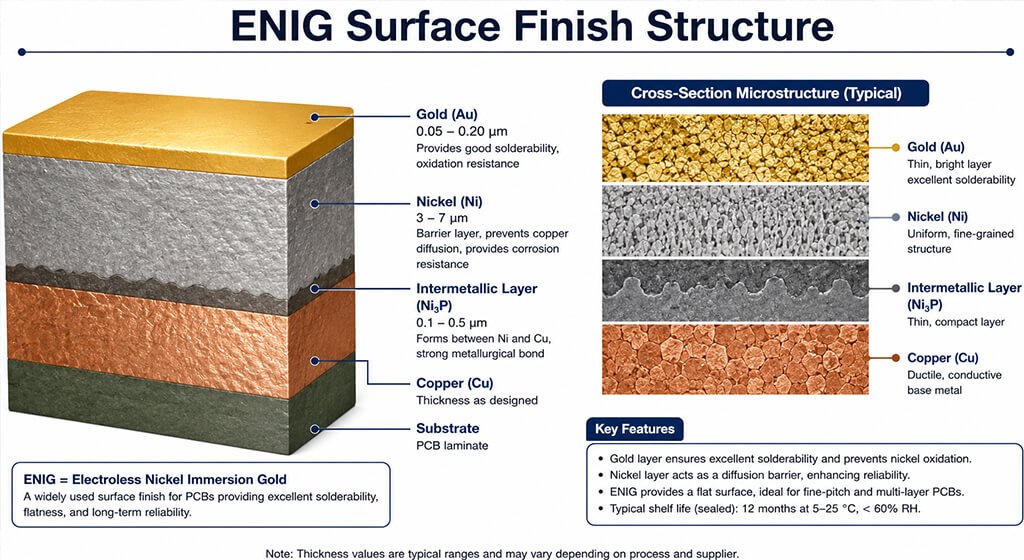
The ENIG Stack Structure Is:
- Gold Layer → Nickel Layer → Copper Pad
Each layer serves a specific engineering purpose.
| Layer | Function |
|---|---|
| Gold | Prevents oxidation |
| Nickel | Solderable barrier layer |
| Copper | PCB conductive pad |
The actual solder joint forms mainly with the nickel layer during reflow.
1.2. ENIG Thickness Standards
ENIG thickness must comply with IPC standards. The most important specification is:
- IPC-4552A: Specification for ENIG Plating for Printed Boards
Typical Requirements:
Layer | Standard Thickness |
Nickel | 120–240 μin |
Gold | 2–5 μin |
For high-reliability products such as aerospace and medical electronics, tighter process controls are usually required.
2. How ENIG Surface Finish Works?
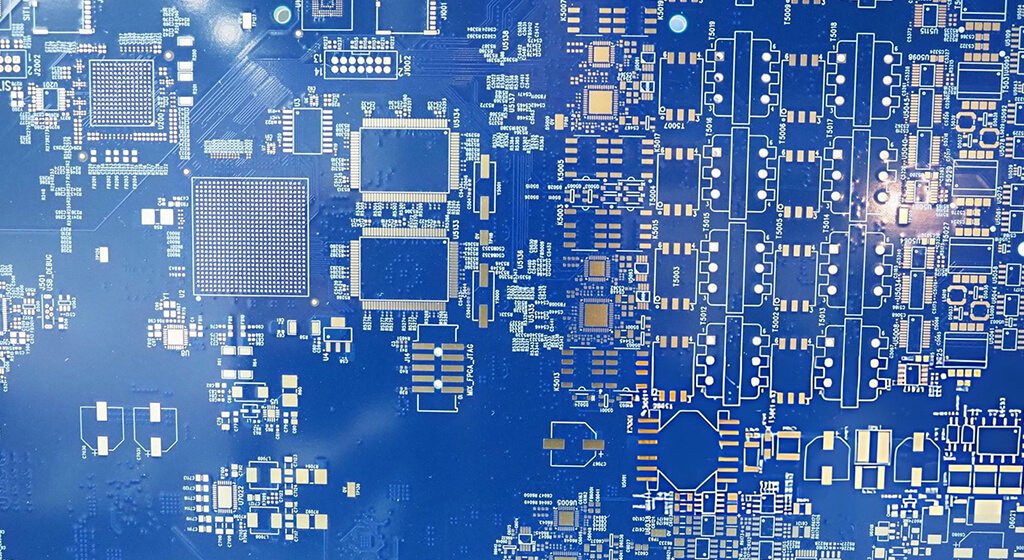
The ENIG process uses a controlled chemical deposition method rather than electrolytic plating.
The Manufacturing Steps Typically Includes:
- PCB Cleaning
- Micro-etching
- Catalyst Activation
- Electroless Nickel Deposition
- Immersion Gold Deposition
- Rinsing and Drying
Step 1: Surface Cleaning
The copper surface must be completely free from:
- Oxidation
- Oil
- Fingerprints
- Organic contamination
- Oxide residues
Any contamination can lead to plating defects and poor solderability.
Step 2: Micro-Etching
A micro-etch process roughens the copper slightly to improve nickel adhesion.
This step is important because the nickel layer bonds directly to the copper surface.
Step 3: Catalyst Activation
The PCB enters a catalyst bath that activates the copper surface for electroless nickel deposition.
Step 4: Electroless Nickel Deposition
Nickel chemically deposits onto exposed copper pads without external electrical current.
Typical ENIG Nickel Thickness:
- 3–6 μm (120–240 μin)
The Nickel Layer Provides:
- Corrosion resistance
- Structural support
- Solder joint integrity
- Copper diffusion barrier protection
Step 5: Immersion Gold Deposition
A thin gold layer displaces surface nickel atoms through an immersion reaction.
Typical Gold Thickness:
- 0.05–0.125 μm (2–5 μin)
The gold layer is extremely thin and primarily serves as oxidation protection.
Do You Need Any Help?
3. Advantages of ENIG Surface Finish
ENIG is extremely popular because it offers excellent surface planarity and excellent solderability.
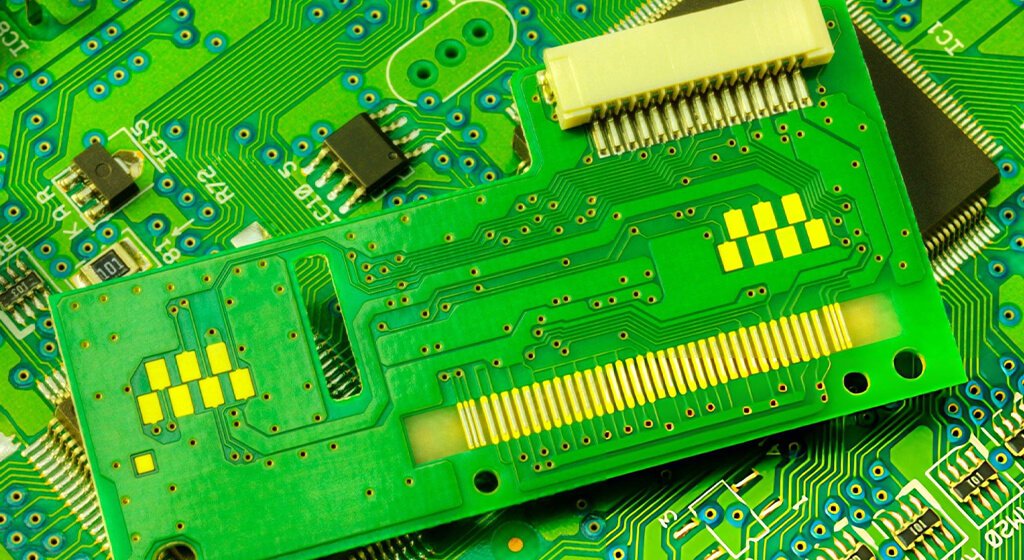
3.1. Excellent Surface Planarity
One of the biggest advantages of ENIG is its flat surface.
Unlike HASL, ENIG does not create uneven solder buildup.
This makes it ideal for:
- BGA soldering
- Fine-pitch ICs
- CSP packages
- Microvias
- HDI PCB assembly
Flat pads can reduce assembly defects and improve solder joint consistency.
3.2. Excellent Solderability
ENIG provides reliable wetting performance during:
- Lead-free reflow
- Wave soldering
- Selective soldering
The gold layer protects the nickel from oxidation before assembly.
3.3. Long Shelf Life
ENIG PCBs offer better storage life than OSP.
Properly stored ENIG boards can remain solderable for 12 months or longer.
This is important for:
- Industrial electronics
- Aerospace inventory
- Low-volume production
- Spare parts management
3.4. Good Corrosion Resistance
The gold layer can provide strong oxidation resistance during storage and transportation. This reduces solderability degradation.
3.5. Compatible With Lead-Free Assembly
ENIG performs very well in lead-free manufacturing environments. It withstands high reflow temperatures while maintaining solder joint integrity.
Do You Need Any Help?
4. Disadvantages of ENIG Surface Finish
Despite its advantages, ENIG also has limitations.
4.1. Higher Cost
ENIG is significantly more expensive than HASL or OSP.
Cost Drivers Include:
- Gold chemistry
- Process complexity
- Tight process control requirements
- Additional inspection steps
For cost-sensitive consumer products, cheaper finishes may be preferred.
4.2. Black Pad Risk
Black pad is the most well-known ENIG defect. It occurs when excessive nickel corrosion develops during gold deposition.
It Can Cause:
- Brittle solder joints
- Intermittent electrical failure
- BGA cracking
- Reliability problems
We can use high-quality chemistry and improve process control to minimize black pad risk.
4.3. Brittle Fracture Concerns
ENIG solder joints may exhibit brittle intermetallic fracture behavior. It was intolerable in:
- Automotive electronics
- Aerospace systems
- High-vibration environments
Do You Need Any Help?
5. How To Avoid ENIG Common Issues?
ENIG requires tight process control. ENIG can still create some defects if fabrication quality, stencil design, or reflow parameters are not properly controlled.
Understanding common ENIG issues helps engineers choose better PCB suppliers.
5.1. Black Pad
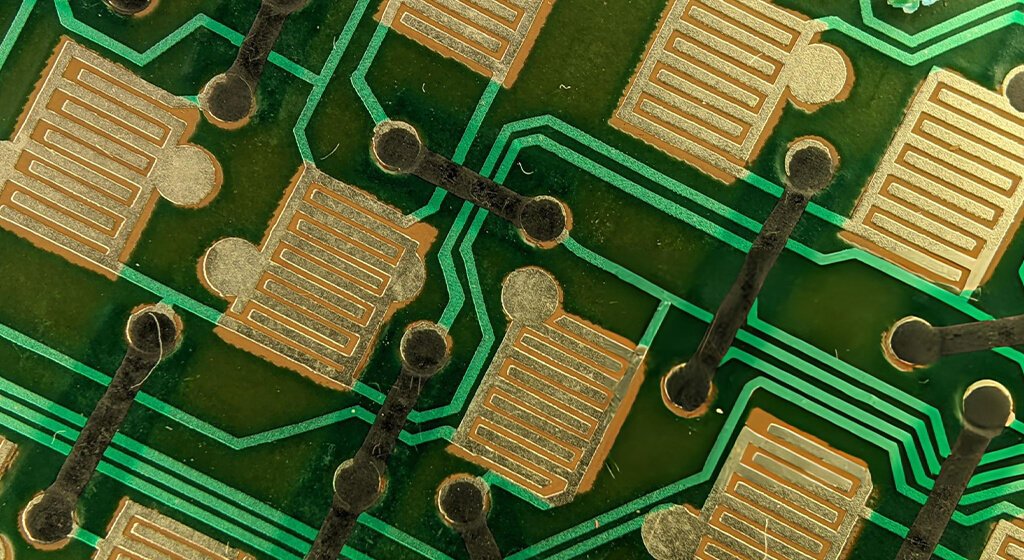
Black pad is the most famous and most serious ENIG defect. It occurs when excessive nickel corrosion develops during the immersion gold process.
Symptoms:
- Dark or muddy pad appearance
- Brittle solder joints
- Poor wetting
- Intermittent electrical failures
- BGA cracking
- Grainy fracture surfaces
Causes
- Excessive Nickel Corrosion
- High Phosphorus Content
- Poor Bath Control
- Over-Immersion
Prevention:
Based on our experience, we can take the following measures to avoid this.
- IPC-4552 compliance
- XRF thickness testing
- Cross-section analysis
- Tight chemistry control
- Controlled phosphorus levels
- Stable immersion gold processing
5.2. Poor Solderability
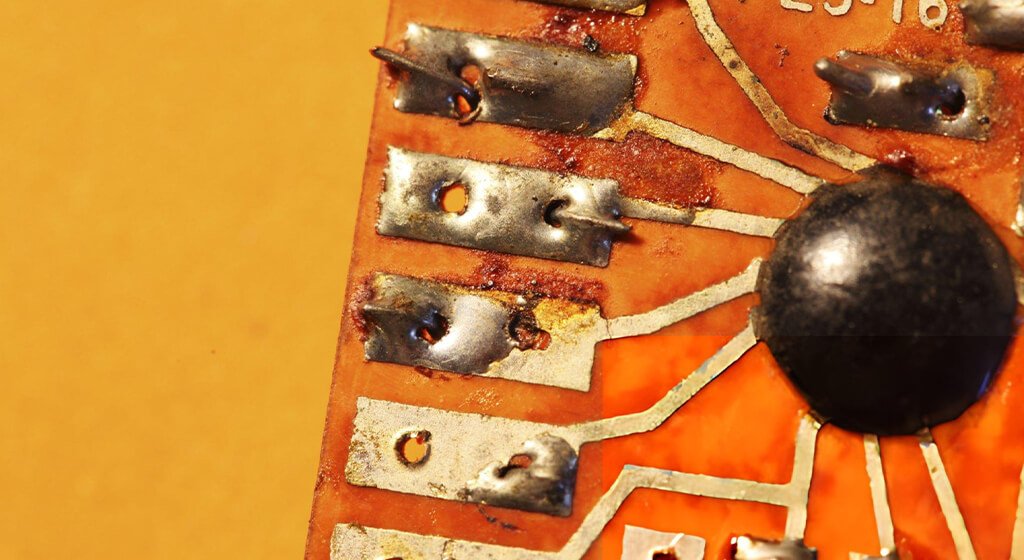
Poor solderability is another common ENIG problem.
Symptoms:
- Solder refuses to spread
- Incomplete pad wetting
- Open joints
- Weak solder connections
Causes:
- Oxidized Nickel
- Surface Contamination
- Improper Storage
- Expired Shelf Life
Prevention:
Based on our experience, we can take the following measures to avoid this.
- Proper vacuum packaging
- Controlled humidity storage
- Fresh ENIG chemistry
- Minimal surface handling
- Solderability testing
5.3. Nickel Corrosion
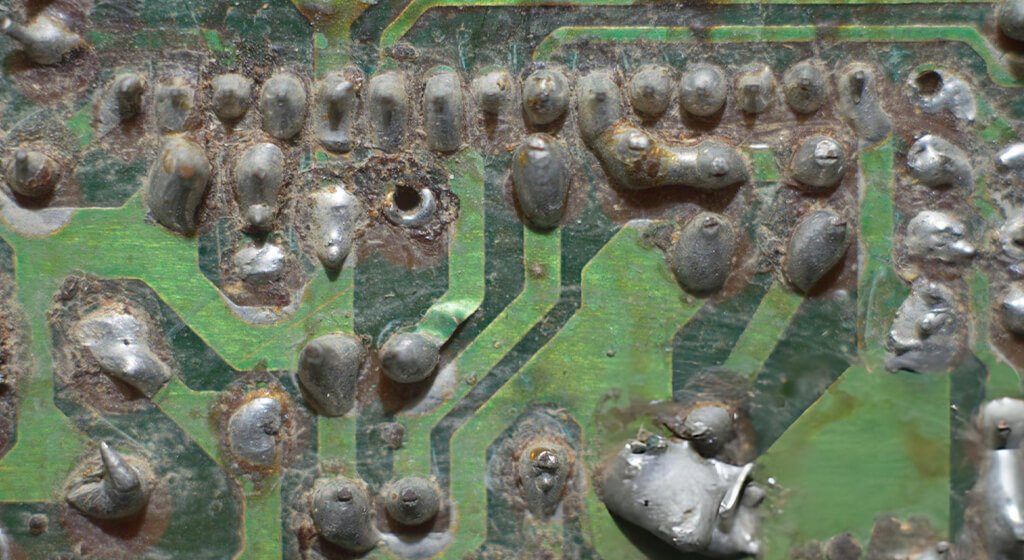
Nickel corrosion directly affects solder joint reliability.
Causes:
- Aggressive immersion gold chemistry
- Improper pH control
- Chemical contamination
- Excessive immersion time
- Poor process maintenance
Prevention:
Based on our experience, we can take the following measures to avoid this.
- Bath chemistry
- Metal concentration
- Temperature
- pH stability
- Chemical contamination
5.4. Pad Discoloration
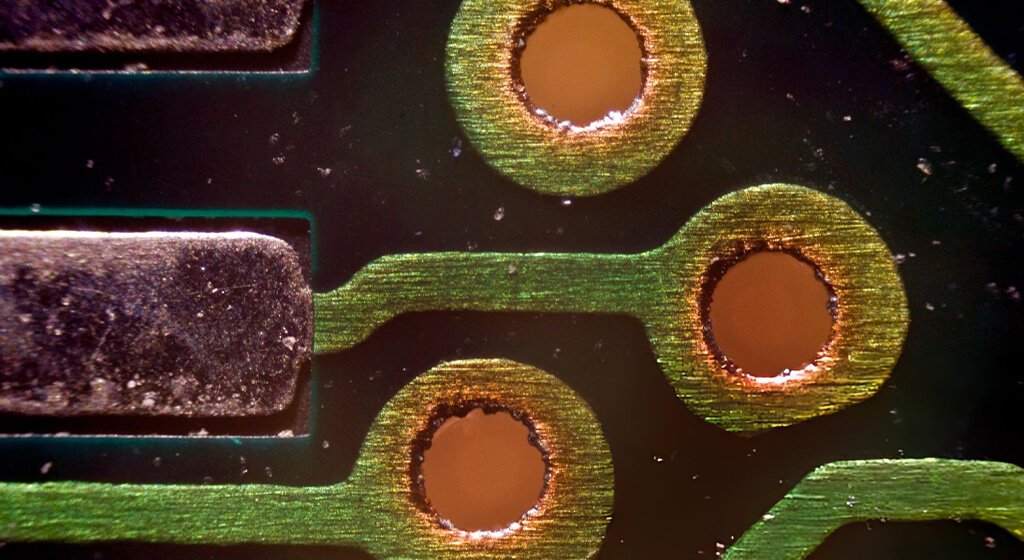
ENIG pads sometimes appear:
- Dark
- Brown
- Gray
- Uneven gold color
Possible Causes:
- Oxidation
- Nickel Corrosion
- Chemical Residue
- Uneven Gold Deposition
Prevention:
Based on our experience, we can take the following measures to avoid this.
- AOI inspection
- Controlled chemistry
- Proper rinsing
- Stable immersion timing
- XRF verification
5.5. Brittle Solder Joints
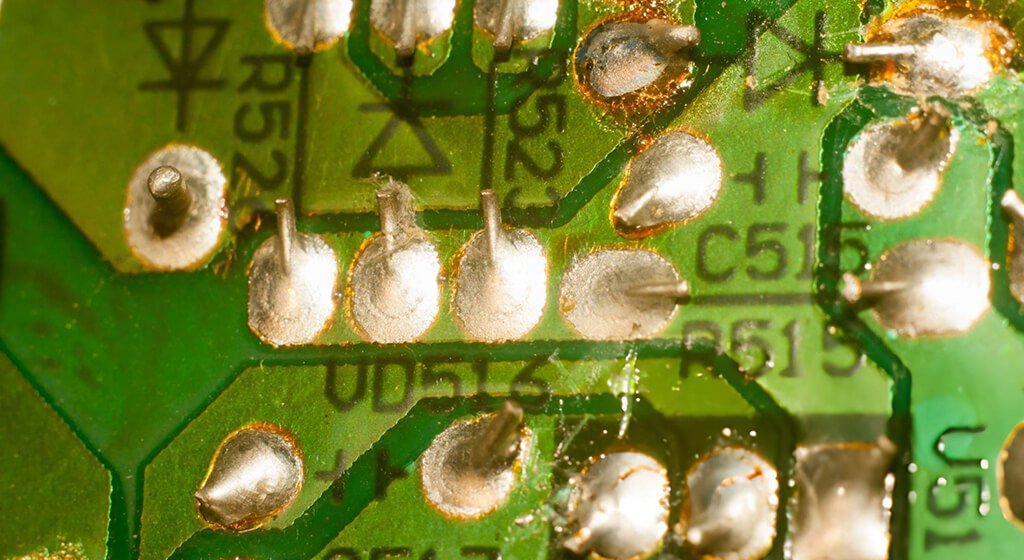
ENIG joints can sometimes become mechanically brittle.
Symptoms:
- Sudden joint cracking
- Weak mechanical strength
- Interfacial fracture
- Reduced fatigue resistance
Causes:
- Excessive Gold Thickness
- Corroded Nickel Surface
- Thermal Stress
- Mechanical Vibration
Prevention:
Based on our experience, we can take the following measures to avoid this.
- IPC-compliant gold thickness
- Stable nickel deposition
- Proper reflow profile
- Reliability testing
- High-quality ENIG chemistry
5.6. Gold Skip Plating
Gold skip plating occurs when portions of the nickel surface receive insufficient gold coverage.
Symptoms:
- Exposed nickel areas
- Uneven color
- Oxidation spots
- Poor solderability
Causes:
- Contaminated chemistry
- Poor activation process
- Surface contamination
- Incomplete immersion reaction
Prevention
Based on our experience, we can take the following measures to avoid this.
- Surface preparation
- Bath cleanliness
- Activation chemistry
- Gold deposition consistency
Do You Need Any Help?
6. How Good PCB Manufacturers Prevent Black Pad?
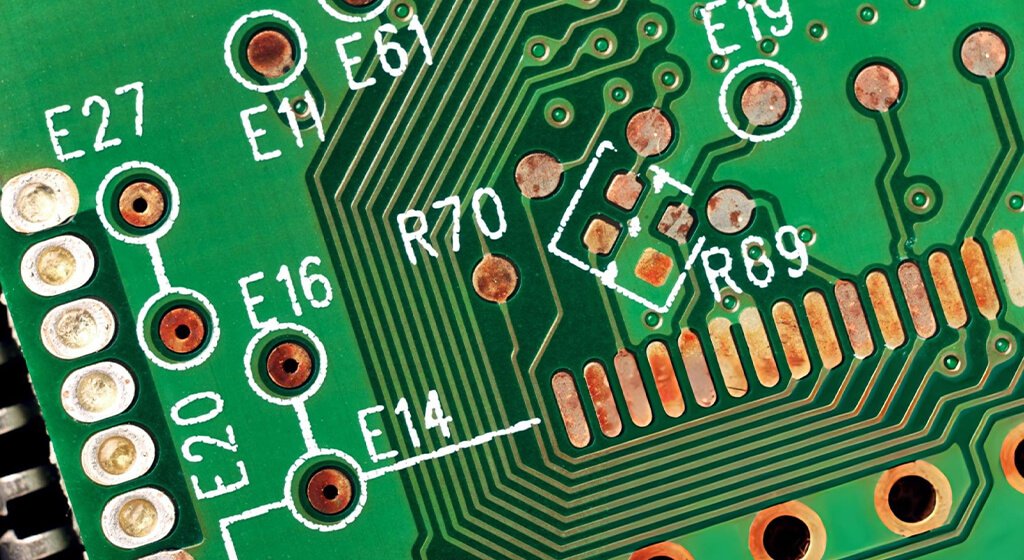
Black pad is one of the most serious issues in ENIG surface finish. Black pad occurs when the nickel surface becomes excessively corroded during immersion gold deposition.
During the ENIG process:
- Nickel is chemically deposited onto copper pads.
- Gold is then deposited through an immersion reaction.
- Excessive nickel corrosion may occur if process conditions are poorly controlled.
The result is a phosphorus-rich, uneven nickel surface that weakens solder joint integrity.
Typical Failure Symptoms Include:
- Brittle solder joints
- Poor solder wetting
- BGA connection failures
- Intermittent open circuits
- Pad fracture after thermal cycling
- Grainy or dark pad appearance
6.1. Strict Control of Nickel Phosphorus Content
The nickel layer is the foundation of ENIG reliability. Excessive phosphorus concentration inside the nickel deposit increases corrosion susceptibility.
We Need To Carefully Control:
- Nickel bath chemistry
- pH levels
- Temperature stability
- Deposition rate
- Phosphorus percentage
Typical ENIG nickel phosphorus content is maintained within tightly controlled ranges to ensure consistent solderability and corrosion resistance.
6.2. Tight Immersion Gold Process Control
The immersion gold stage is where black pad usually develops.
We Need To Closely Monitor:
- Gold bath activity
- Gold concentration
- Immersion time
- Chemical contamination
- Temperature consistency
Overly aggressive gold chemistry can excessively attack the nickel layer and create deep corrosion spikes.
6.3. IPC-4552 Compliance
We follow IPC-4552 standards for ENIG plating.
IPC-4552 defines requirements for:
- Nickel thickness
- Gold thickness
- Corrosion resistance
- Process qualification
- Solderability performance
Following IPC standards helps reduce process variation and improves long-term reliability.
Typical ENIG thickness targets include:
Layer | Typical Thickness |
Nickel | 120–240 μin |
Gold | 2–5 μin |
Excessively thin or uneven nickel layers increase black pad risk.
6.4. XRF Thickness Testing
We will verify ENIG thickness using X-ray fluorescence (XRF) testing.
XRF Inspection Measures:
- Nickel thickness
- Gold thickness
- Coating uniformity
Uneven plating thickness can indicate unstable process conditions that may contribute to black pad formation.
7. ENIG vs HASL
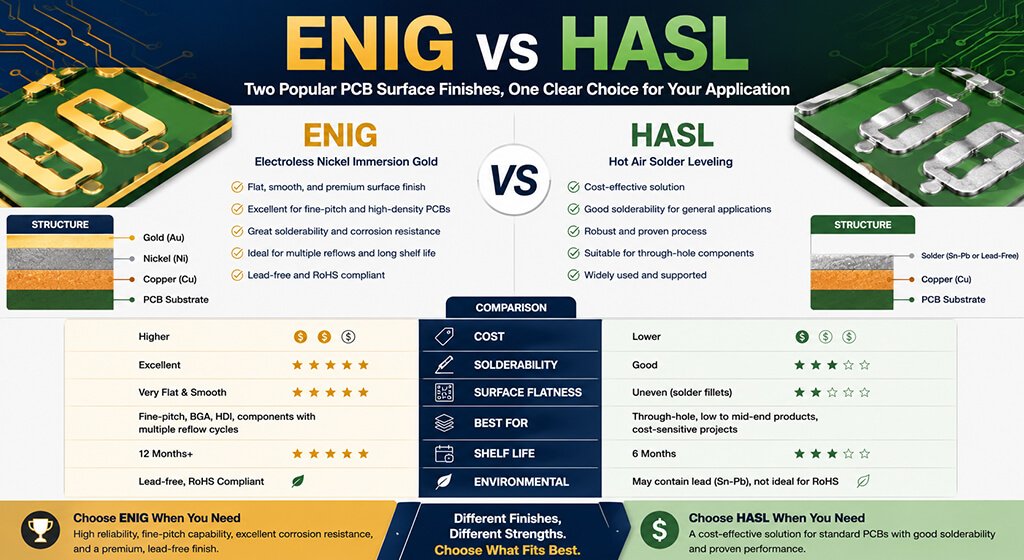
ENIG and HASL are the two most common PCB surface finishes. Each has different advantages.
Feature | ENIG | HASL |
Surface Flatness | Excellent | Uneven |
Cost | Higher | Lower |
BGA Compatibility | Excellent | Moderate |
Shelf Life | Long | Good |
Fine Pitch Support | Excellent | Limited |
Lead-Free Compatibility | Excellent | Good |
Assembly Yield | High | Moderate |
Process Complexity | High | Low |
8. ENIG vs OSP
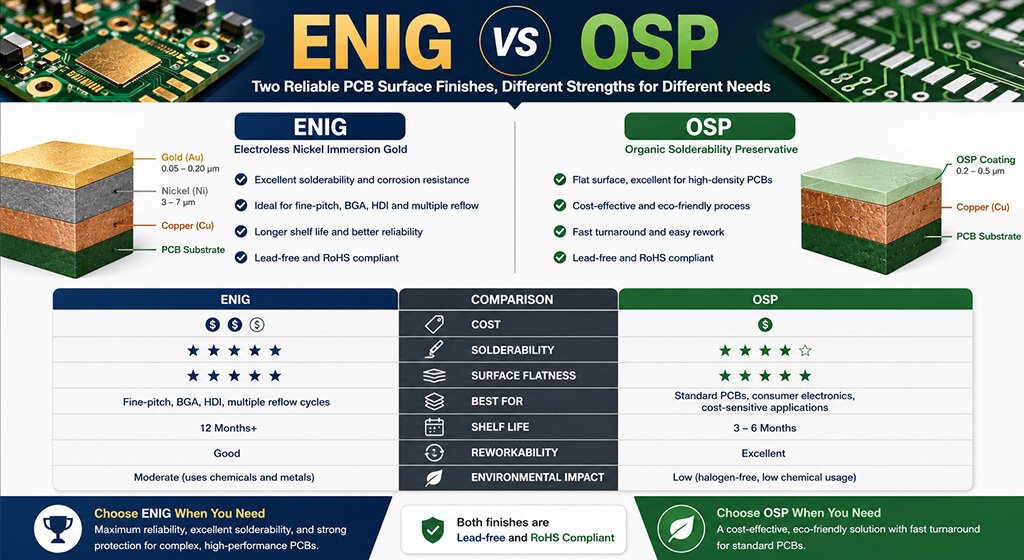
OSP (Organic Solderability Preservative) is another popular surface finish. Compared with ENIG:
Feature | ENIG | OSP |
Cost | Higher | Lower |
Shelf Life | Longer | Shorter |
Surface Flatness | Excellent | Excellent |
Multiple Reflow Cycles | Better | Limited |
Handling Durability | Better | Lower |
Inspection Visibility | Excellent | Moderate |
- OSP is commonly used in high-volume consumer electronics where cost reduction is critical.
- ENIG is preferred when reliability and storage performance matter more.
Do You Need Any Help?
10. How to Store ENIG PCB Properly?
Proper storage improves solderability and long-term reliability. Recommended Storage Conditions:
- Temperature: 20–25°C
- Humidity: Below 50% RH
- Vacuum-sealed packaging preferred
- Avoid sulfur contamination
- Use desiccant packaging
Avoid touching exposed pads directly.
11. People Also Ask?
How To Inspect ENIG?
Reliable PCB manufacturers perform multiple quality checks.
XRF Thickness Testing: X-ray fluorescence testing verifies:
- Nickel thickness
- Gold thickness
- Process consistency
Cross-Section Analysis: Microsection Analysis Checks
- Layer uniformity
- Nickel integrity
- Gold coverage
- Corrosion defects
Solderability Testing
- Wetting balance testing
- Dip-and-look testing
- Reflow simulation
AOI Inspection:
- Surface contamination
- Discoloration
- Plating irregularities
How Much Does ENIG Cost?
ENIG is more expensive than many alternative surface finishes.
Pricing Depends On:
- Gold market price
- PCB layer count
- Board size
- Production volume
- Thickness requirements
- HDI complexity
Is ENIG better than HASL?
For fine-pitch, HDI, and BGA applications, ENIG is generally superior because of its flat surface and improved assembly reliability.
Does ENIG Improve Signal Integrity?
ENIG does not directly improve signal integrity dramatically, but its flat surface helps maintain more consistent impedance in high-speed PCB designs.
What Is The Shelf Life Of ENIG PCB?
Properly stored ENIG PCBs typically remain solderable for 12 months or longer.
Is ENIG Suitable For Lead-Free Soldering?
Yes. ENIG is widely used in lead-free assembly environments.
12. Final Thoughts
ENIG surface finish is one of the best overall solutions for advanced PCB manufacturing.
It Can Offer:
- Excellent surface flatness
- Strong solderability
- Long shelf life
- Corrosion resistance
- HDI compatibility
- Fine-pitch assembly performance
Although ENIG is more expensive than HASL or OSP, many engineers consider the added reliability and assembly advantages well worth the investment.
Get a PCB Quote