/Rigid-Flex, HDI, RF IoT PCB Solutions/
IoT PCB
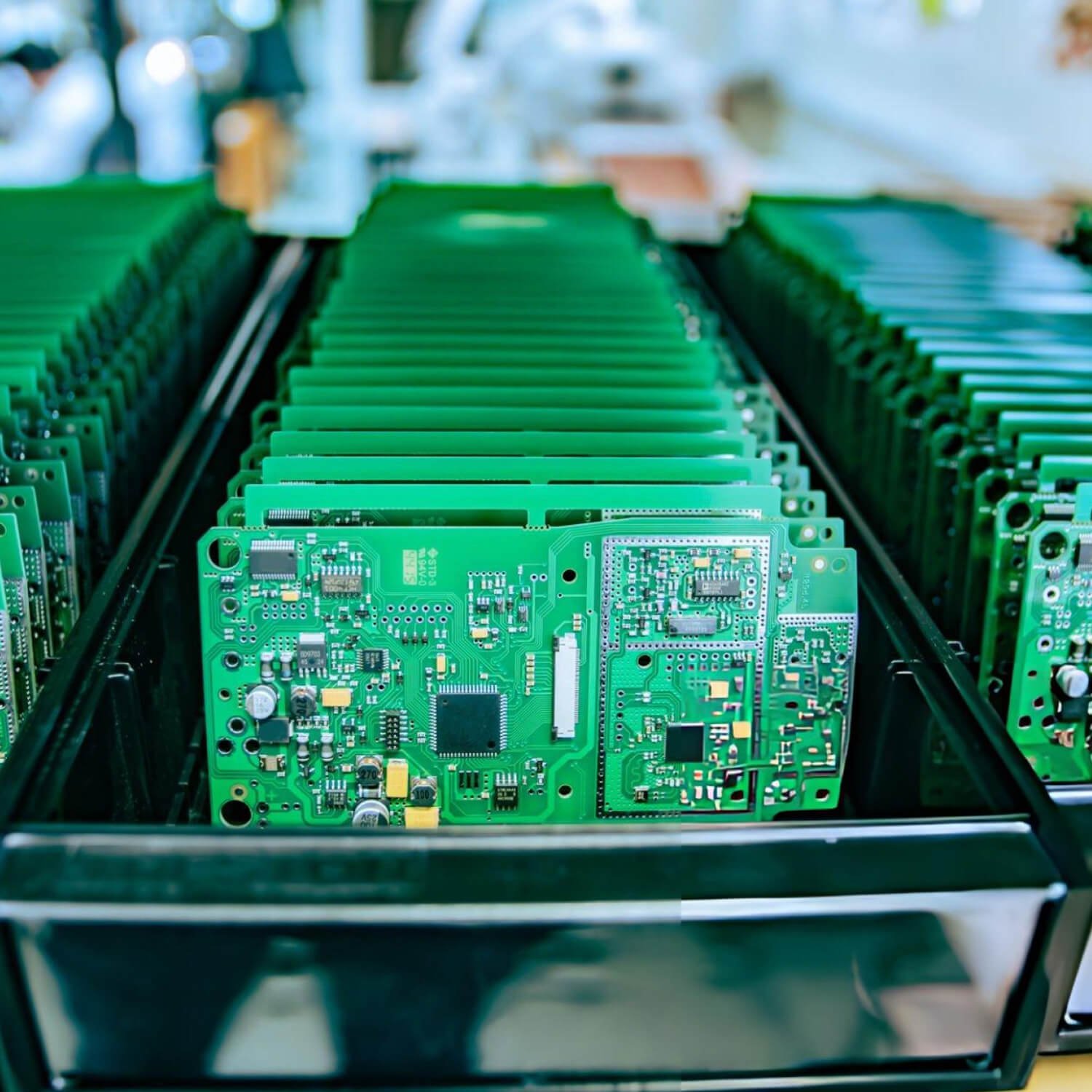
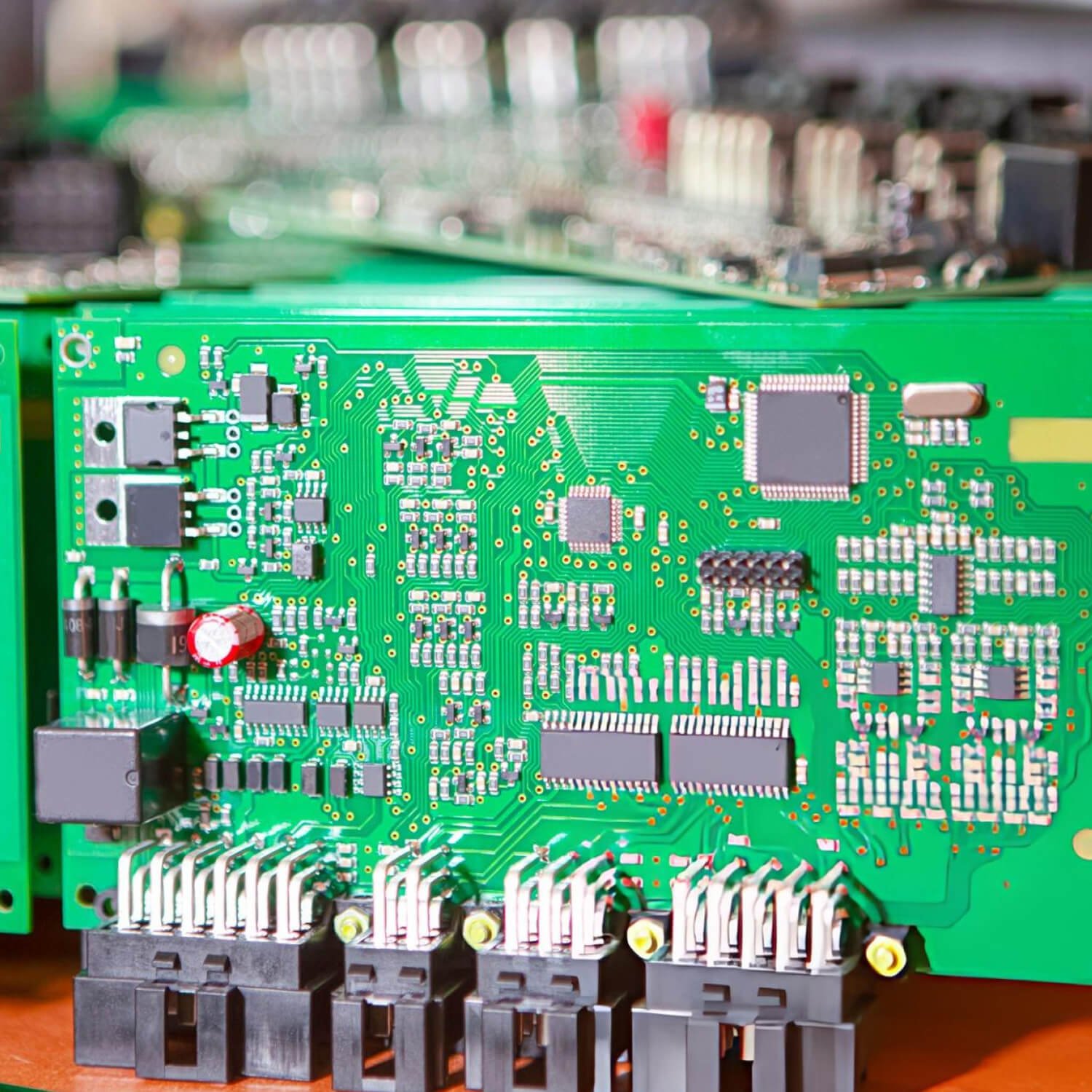
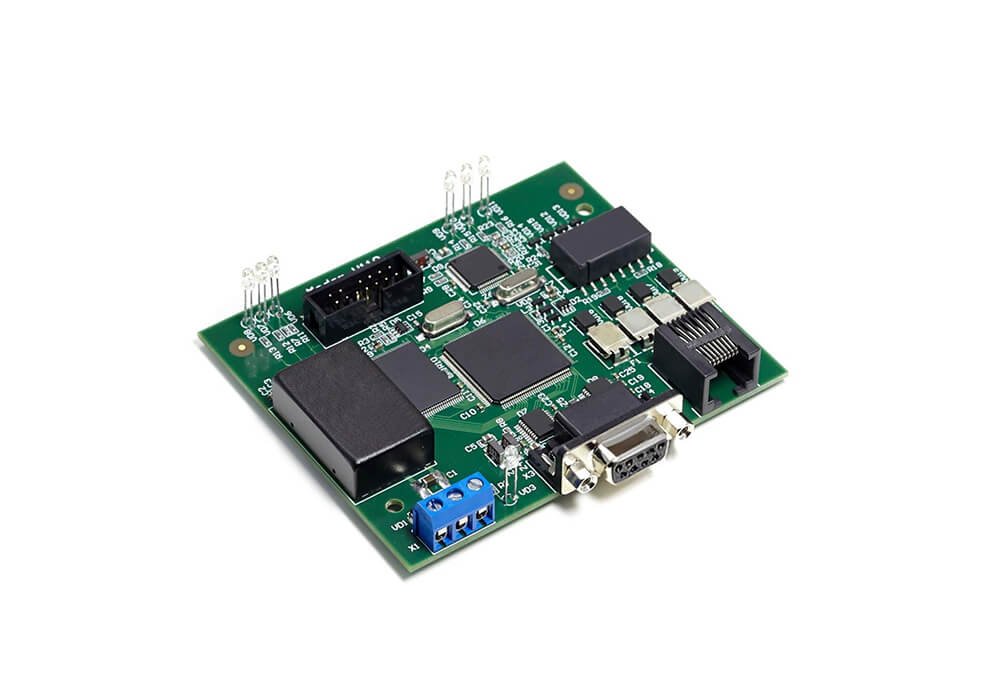
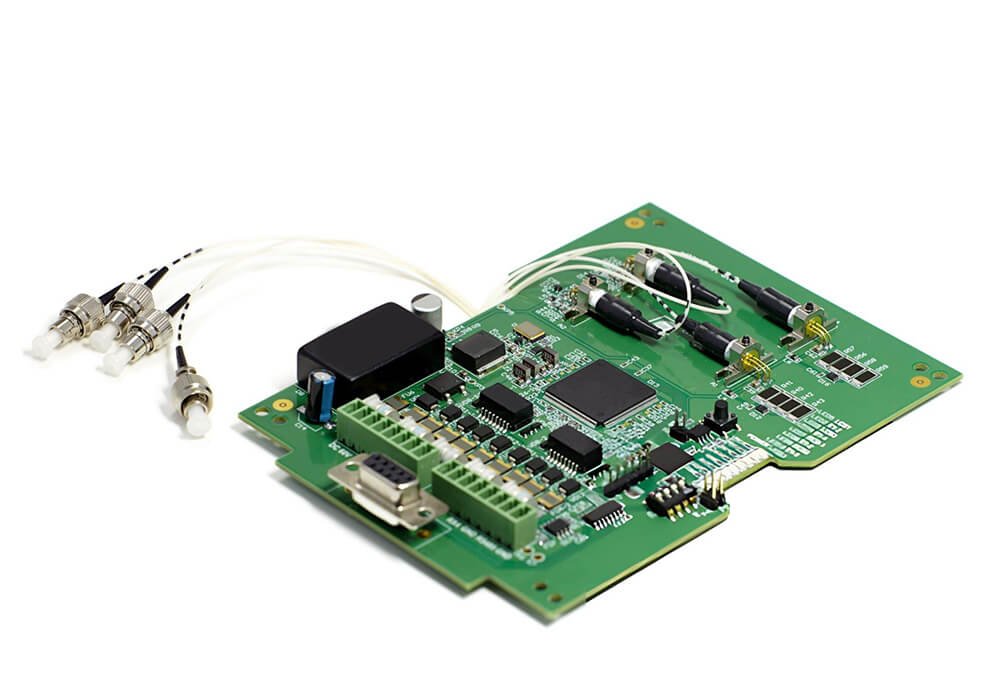
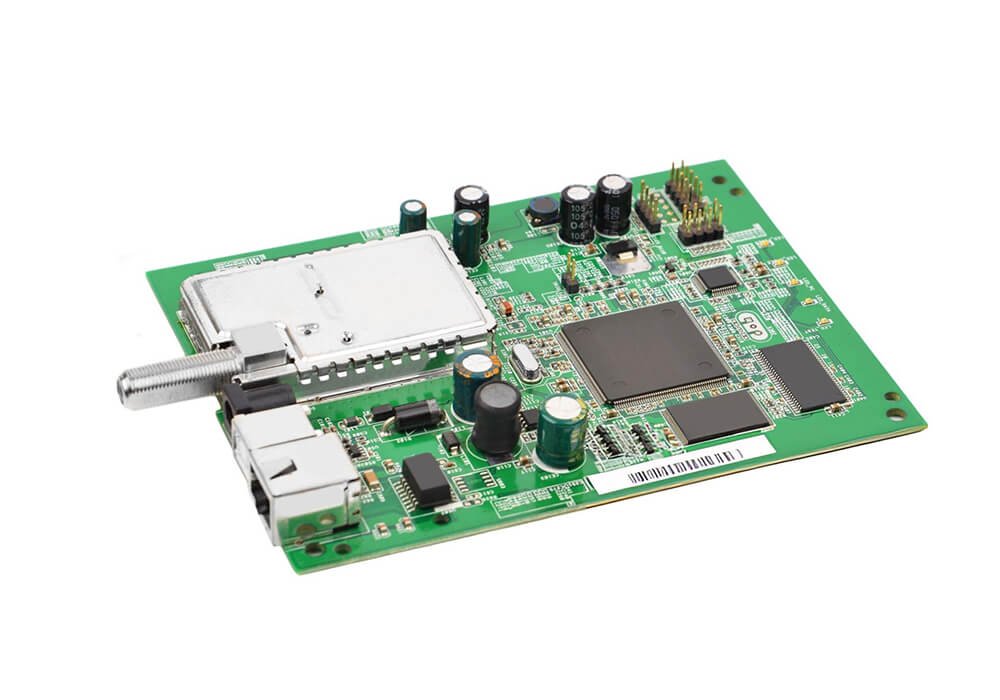
PCBSAIL specializes in offering IoT PCBs and assembly services for IoT devices, wireless communication systems, and smart electronics.
We understand that IoT products require miniaturization, low power consumption, and stable wireless connectivity.
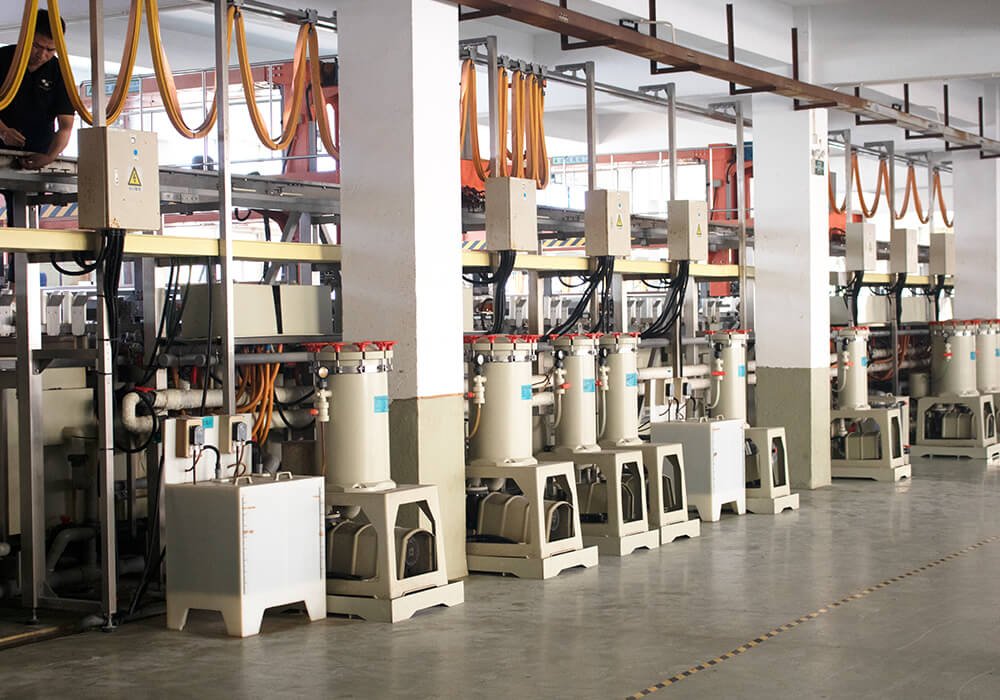
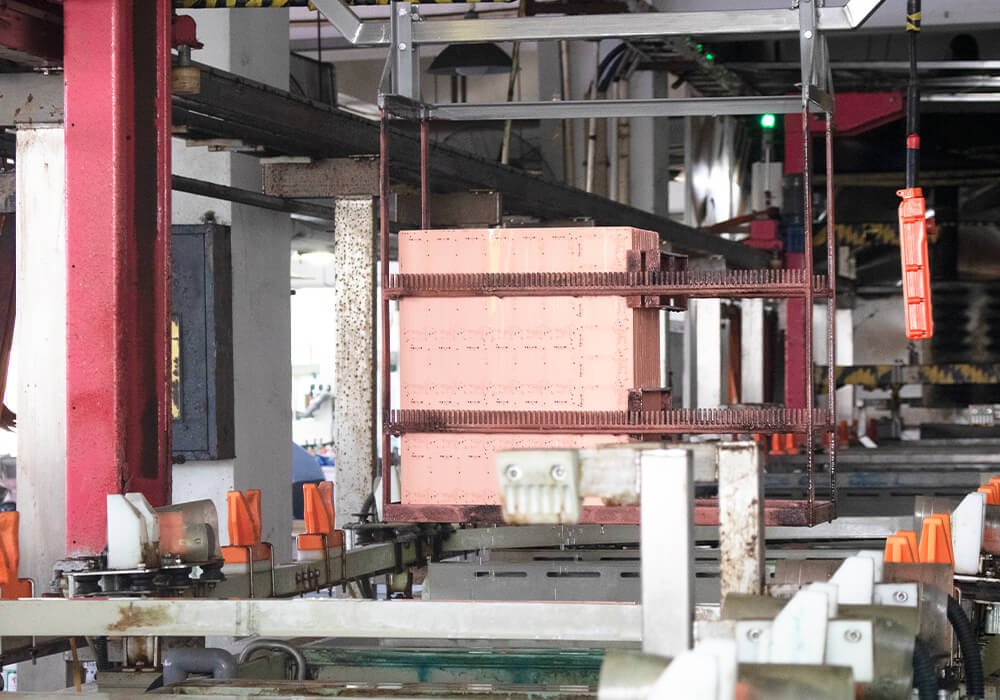
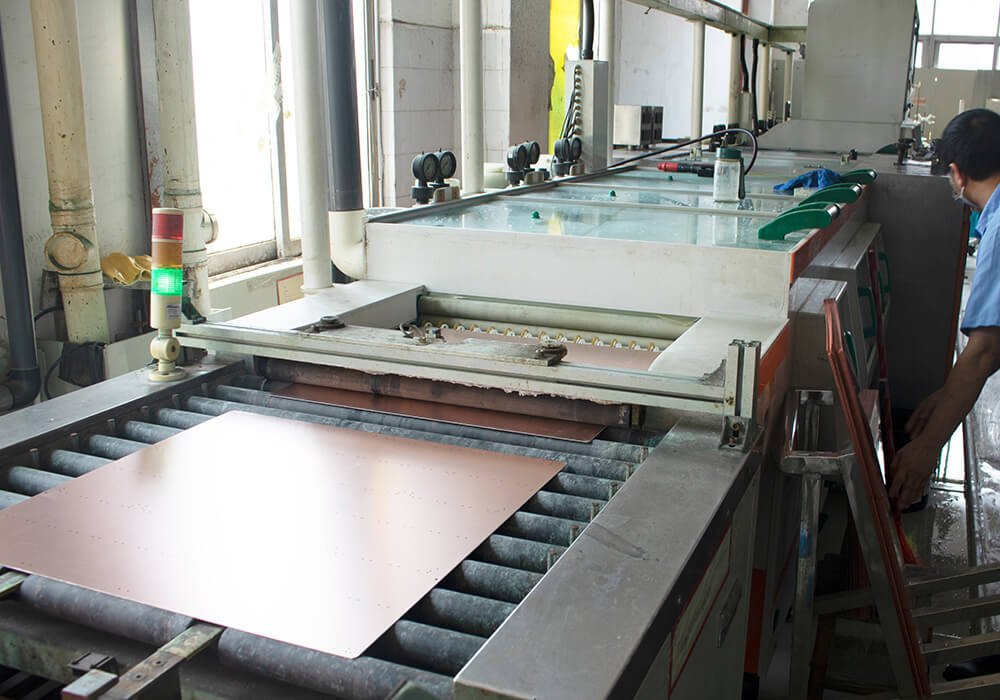
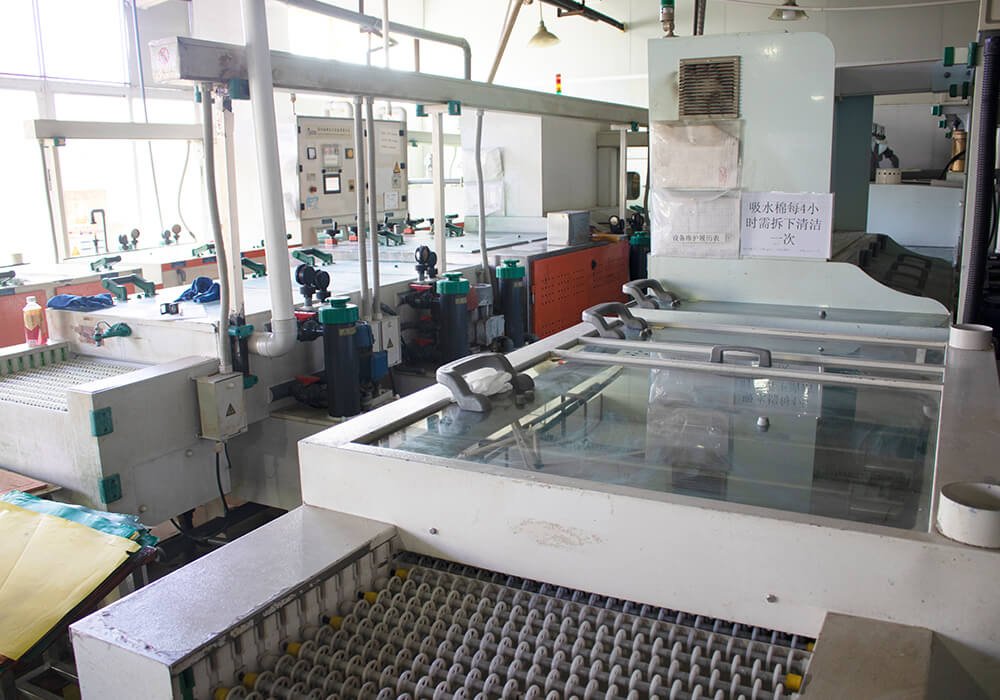
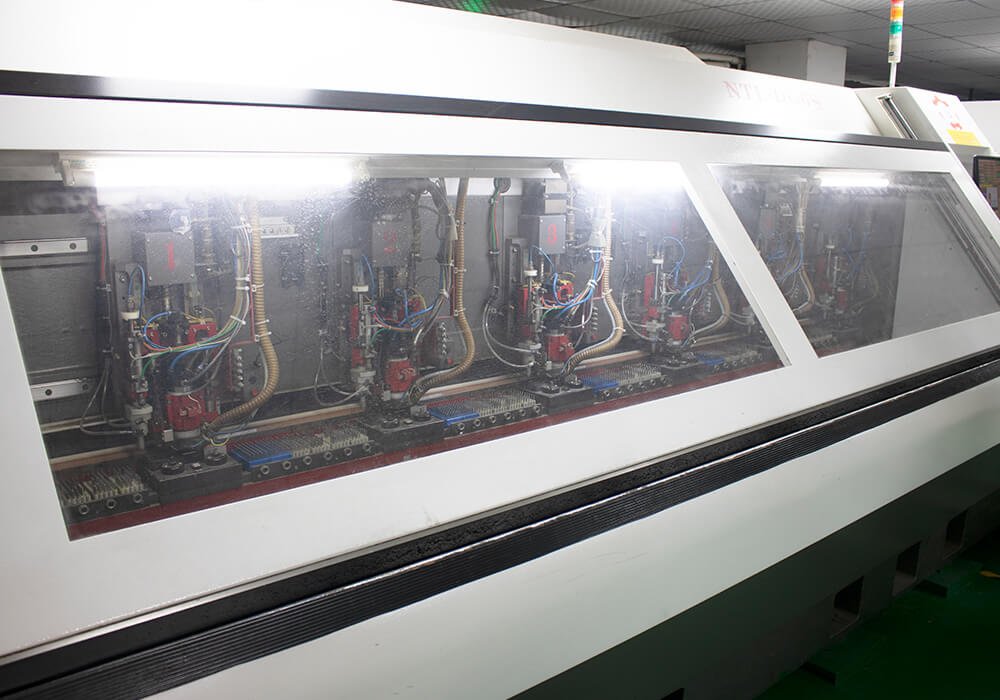
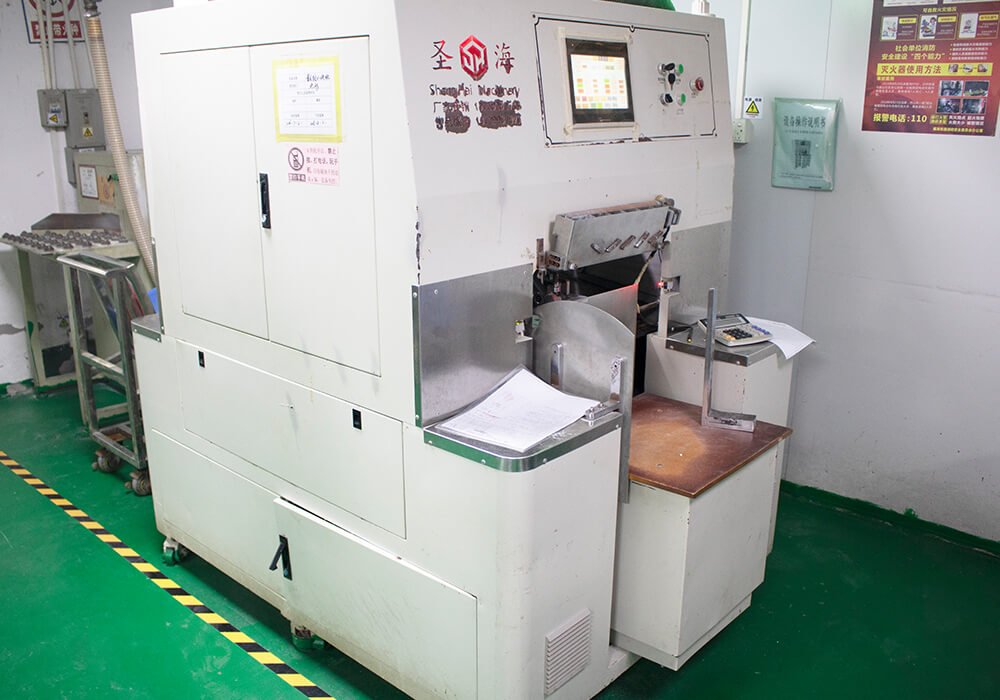
With advanced manufacturing facilities and an experienced engineering team, we help you bring your IoT products to market faster with superior quality and competitive pricing.
What Is IoT PCB?
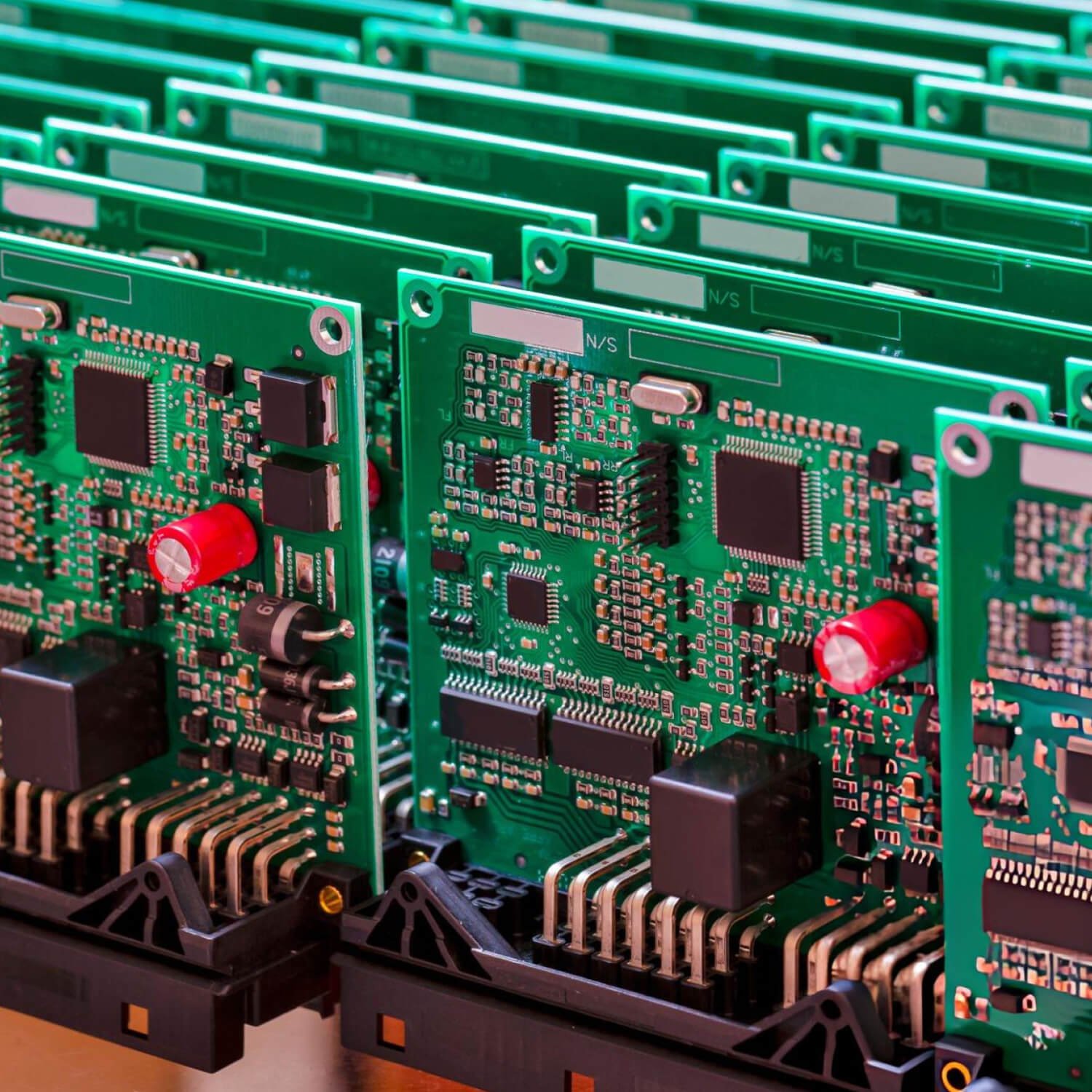
An IoT PCB (Internet of Things Printed Circuit Board) is the foundational hardware platform that powers IoT devices.
It integrates sensors, communication modules, power management systems, and processing units into a compact circuit board.
In simple terms, IoT PCBs allow devices to:
- Sense their environment
- Communicate with other devices
- Process data locally or via cloud systems
Without IoT PCBs, modern smart devices would not be able to run or communicate efficiently.
IoT PCB We Offered.
We offer a full range of IoT PCBs to meet the diverse requirements of modern connected devices.
Our Capacity.

Rigid IoT PCB
Rigid PCBs are the most widely used in IoT devices due to their mechanical strength, stability, and cost-effectiveness.
- Solid, non-flexible structure
- Supports single-layer to multilayer designs (up to 32 layers)
- High durability and long service life
Flexible IoT PCB
Flexible PCBs are designed to bend, twist, and fold, making them ideal for compact and space-constrained IoT devices.
- Built with polyimide materials
- Ultra-thin and lightweight
- Capable of dynamic bending

Rigid-Flex IoT PCB
Rigid-Flex PCBs can enable complex 3D designs and compact layouts.
- Integrated rigid and flexible layers
- Eliminates connectors and cables
- Supports high-density interconnects

HDI IoT PCB
HDI PCBs are essential for IoT devices that require high functionality within a small footprint.
- Microvias and fine trace routing
- High component density
- Sequential lamination technology

High-Frequency IoT PCB
High-frequency PCBs are specifically designed for wireless communication applications, ensuring stable and efficient signal transmission.
- Low dielectric loss materials (e.g., Rogers)
- Controlled impedance design
- Optimized RF layout

Item | Rigid PCB | Flexible PCB | Rigid-Flex PCB |
Max Layer | 60L | 8L | 36L |
Inner Layer Min Trace/Space | 3/3mil | 3/3mil | 3/3mil |
Out Layer Min Trace/Space | 3/3mil | 3.5/4mil | 3.5/4mil |
Inner Layer Max Copper | 6oz | 2oz | 6oz |
Out Layer Max Copper | 6oz | 20z | 3oz |
Min Mead hanical Driling | 0.15mm | 0.1mm | 0.15mm |
Min Laser Drilling | 0.1mm | 0.1mm | 0.1mm |
Max Aspect Ratio (Mechanical Drilling) | 20:01 | 10:01 | 12:01 |
Max Aspect Ratio (Laser Drilling) | 1:01 | / | 1:01 |
Press Fit Hole Tolerance | ±0.05mm | ±0.05mm | ±0.05mm |
PTH Tolerance | ±0.075mm | ±0.075mm | ±0.075mm |
NPTH Tolerance | ±0.05mm | ±0.05mm | ±0.05mm |
Countersink Tolerance | ±0.15mm | ±0.15mm | ±0.15mm |
Board Thickness | 0.4-8mm | 0.1-0.5mm | 0.4-3mm |
Board Thickness Tolerance(<1.0mm) | ±0.1mm | ±0.05mm | ±0.1mm |
Board Thickness Tolerance(≥1.0mm) | ±10% | / | ±10% |
Min Board Size | 10*10mm | 5*10mm | 10*10mm |
Max Board Size | 22.5*30 inch | 9*14 inch | 22.5*30 inch |
Contour Tolerance | ±0.1mm | ±0.05mm | ±0.1mm |
Min BGA | 7mil | 7mil | 7mil |
Min SMT | 7*10mil | 7*10mil | 7*10mil |
Min Solder Mask Clearance | 1.5mil | 3mil | 1.5mil |
Min Solder Mask Dam | 3mil | 8mil | 3mil |
Min Legend Width/Height | 4/23mil | 4/23mil | 4/23mil |
Strain Fillet Width | / | 1.5±0.5mm | 1.5±0.5mm |
Bow &Twist | 0.003 | / | 0.0005 |
Standards for IoT PCB.
Our IoT PCBs were made in compliance with globally recognized standards to ensure consistent quality, signal integrity, safety, and long-term reliability.

IPC Standards
IPC Standard defines the fundamental design requirements for all printed circuit boards.

ISO Standard
ISO ensures consistent manufacturing processes and continuous improvement.

RoHS
RoHS Compliance ensures IoT PCBs are free from harmful substances, such as: Pb, Hg, or Cd.

UL
UL verifies safety and flammability standards for PCB materials.
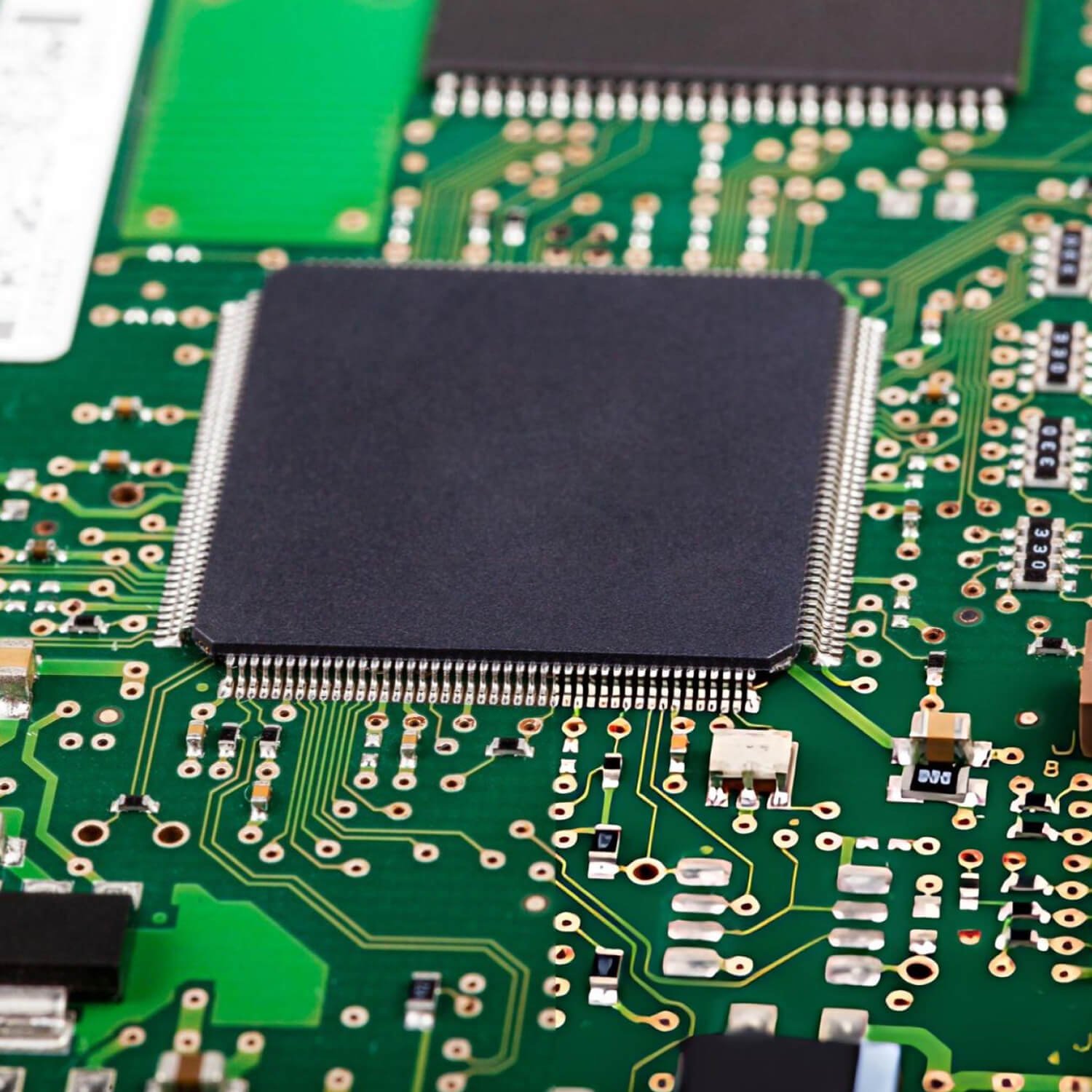
IoT PCB Feature
Our IoT PCBs are stable wireless performance, low power consumption, and long-term reliability.
High-Density Design
Modern IoT devices are becoming increasingly compact, especially in wearables and embedded systems.
- Smaller device size
- More functionality in limited space
- Improved signal routing efficiency
Lightweight Structure
IoT products are often portable or wearable, making weight a crucial factor.
- Thin PCB stack-ups
- Flexible and rigid-flex options
- Lightweight substrate materials
High Reliability & Durability
IoT devices frequently operate in harsh or dynamic environments, requiring robust PCB construction.
- High-quality base materials (FR4, Polyimide, Rogers)
- Strong mechanical stability
- Resistance to temperature, humidity, and vibration
Excellent Signal Integrity
Reliable data transmission is critical for IoT connectivity.
- Controlled impedance routing
- Optimized RF layout design
- Grounding and shielding techniques
Multi-Protocol Wireless Support
IoT PCBs are designed to support a wide range of communication technologies.
- Flexible connectivity options
- Compatibility with diverse IoT ecosystems
- Seamless data transmission
Scalability & Modular Design
IoT systems often evolve and expand over time.
- Modular PCB architecture
- Flexible design for upgrades
- Support for multiple configurations
IoT PCB Components
We ensure seamless integration of all critical IoT PCB components to achieve optimal functionality, low power consumption, and stable connectivity.
1. Sensors
Sensors are the data acquisition layer of IoT systems. They collect real-world information and convert it into electrical signals for processing.
Function:
- Detect environmental or physical changes
- Provide real-time data input
2. MCU / Processor
The MCU or processor acts as the brain of the IoT PCB, responsible for processing data and executing system logic.
Function:
- Processes sensor data
- Controls device behavior
- Executes firmware and algorithms
3. Wireless Communication Modules
Connectivity is the core of IoT devices. Communication modules enable data transmission between devices and networks.
Function:
- Transmit and receive data
- Connect to cloud or local networks
.
4. Power Management System
Efficient power management is important, especially for battery-operated IoT devices.
Function:
- Regulates voltage and current
- Optimizes energy consumption
- Supports power-saving modes
5. Memory Components
Memory stores data, firmware, and system configurations.
Function:
- Store sensor data
- Hold firmware and application code
- Enable data logging
6. RF & Antenna System
For wireless IoT devices, RF design is an important component of the PCB.
Function:
- Enable wireless signal transmission
- Maintain signal strength and stability
7. Interface & Connectivity Ports
These components allow communication between the IoT device and external systems.
Function:
- Enable data exchange with peripherals
- Support debugging and programming
Design for IoT PCB
When we are designing an IoT PCB, we need to pay attention to its size, power consumption, wireless connectivity, signal integrity, and reliability.
1. Miniaturization
Modern IoT devices demand compact and lightweight designs, especially in wearables and embedded systems.
We Need To:
- Use HDI (High-Density Interconnect) technology
- Implement microvias and fine-pitch routing
- Optimize component placement for space efficiency
- Reduce connectors using rigid-flex design
2. Wireless Connectivity
Wireless communication is the backbone of IoT devices, making RF design a critical factor.
We Should:
- Maintain controlled impedance for RF traces
- Proper antenna placement and isolation
- Minimize EMI (Electromagnetic Interference)
Ensure clear signal paths
3. Power Management
Many IoT devices rely on battery power.
We Need To:
- Low-power component selection
- Efficient voltage regulation (LDO/DC-DC)
- Minimize leakage current
- Optimize sleep and standby modes
4. Signal Integrity
IoT devices often handle high-speed data and RF signals, requiring precise signal control.
We Should:
- Controlled impedance routing
- Minimize crosstalk and noise
- Proper trace width and spacing
- Ground plane design
5. Security & Data Protection
Security is important due to constant connectivity.
We Must:
- Hardware-based encryption support
- Secure boot and firmware protection
- Anti-tampering design
6. EMI/EMC Compliance
Electromagnetic interference can affect device performance and certification.
We Should:
- Shielding and grounding
- Noise reduction techniques
- Compliance with EMC standards
Why Choose Us
We can deliver IoT PCB you can trust with advanced technology, engineering expertise, and strict quality control.

Turnkey PCB Solution
We provide a complete end-to-end service, eliminating the complexity of managing multiple vendors. We can do:
- PCB design and engineering support
- PCB fabrication Component sourcing
- PCB assembly (SMT, THT, mixed)
- Final testing and quality assurance

Quality
We adhere to globally recognized standards:
- IPC-A-610 Class 3 (high-reliability electronics)
- IPC-6012 (PCB performance standards)
- ISO 9001
- ISO 14001
- UL 94

Advanced Manufacturing
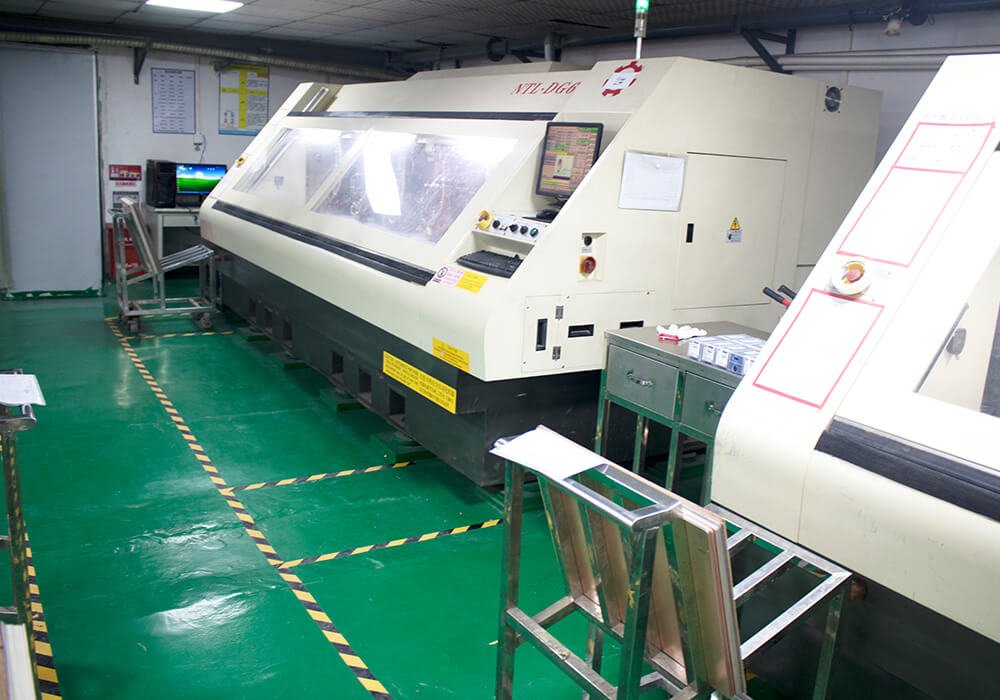
Our state-of-the-art facilities support complex and high-precision PCB assembly. We can do:
- Fine-pitch placement down to 0.38mm
- BGA (0.2mm pitch) with X-ray inspection
- Support for 0201 components
- High-density multilayer PCBs
- Mixed technology assembly (SMT + Through-hole)

Testing & Inspection
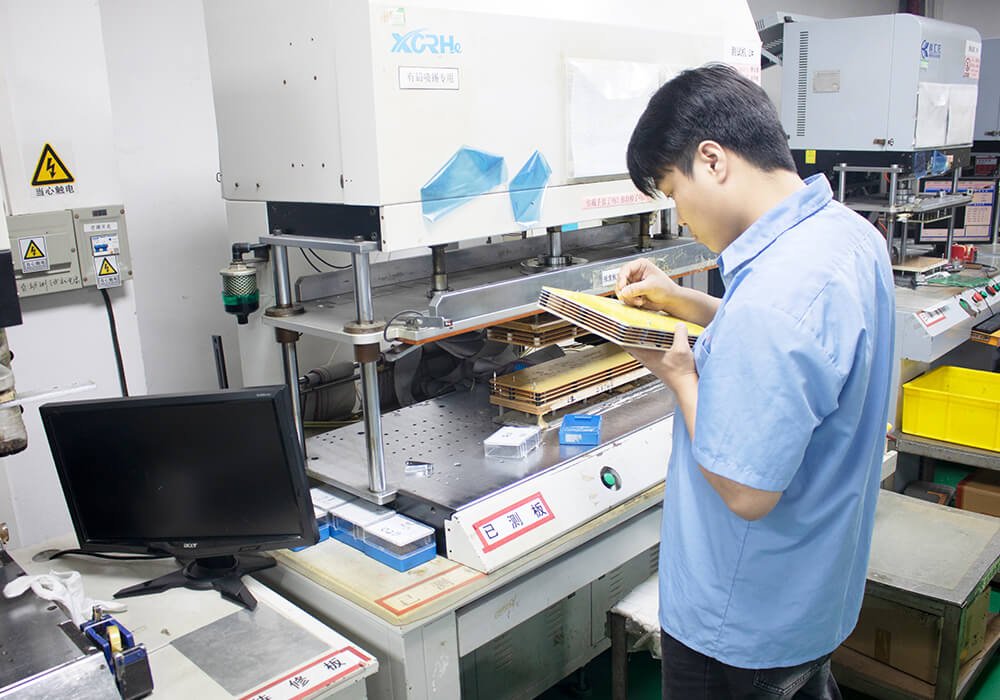
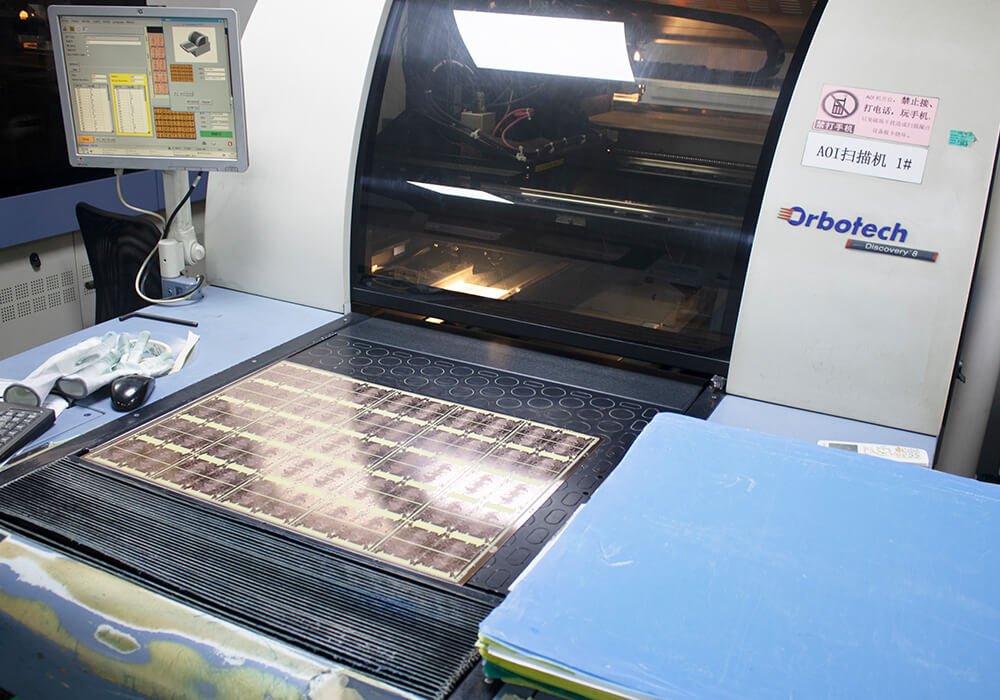
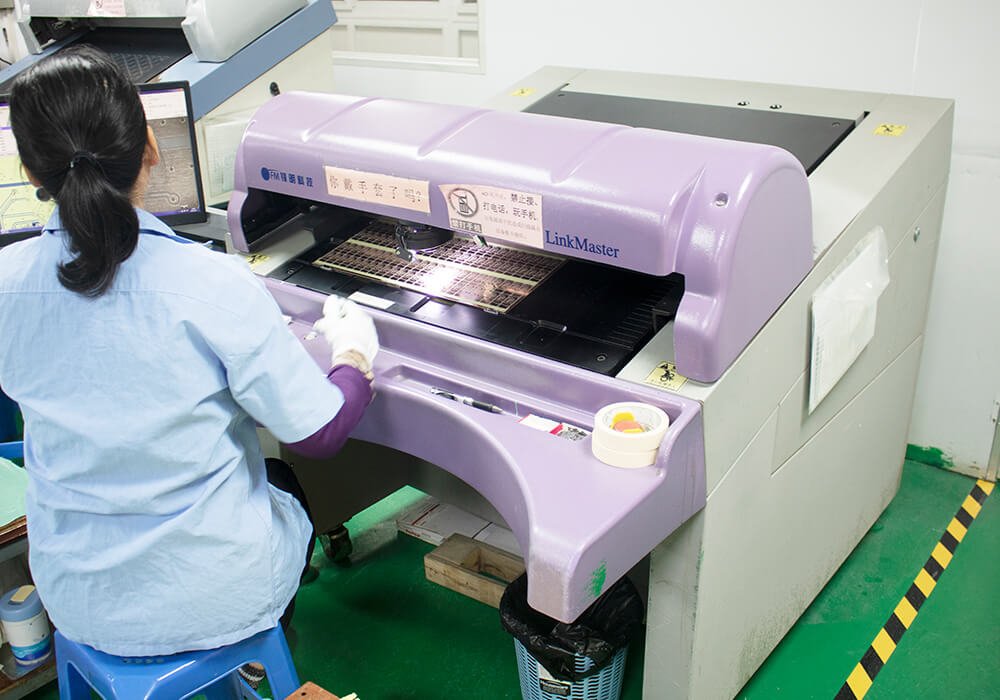
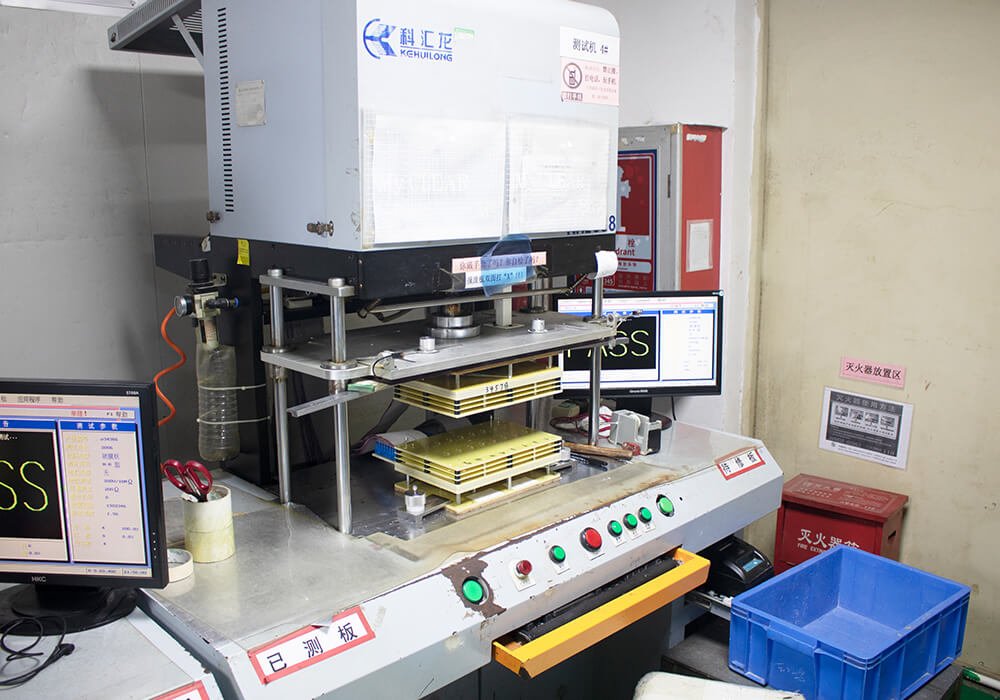
We implement multi-level testing to ensure every PCBA meets strict performance requirements.
- AOI (Automated Optical Inspection)
- X-ray inspection for hidden solder joints
- In-Circuit Testing (ICT)
- Functional testing under real operating conditions
- Voltage and performance validation
Fast Quotation
Our professional sales and engineering teams provide fast PCB quotes and technical support. Simply send us your Gerber files, BOM, and assembly drawings, and we will respond promptly with a competitive solution.
- Gushu Tangxi Second Industrial Zone, Shenzhen
- +86 755 2335 0814
- +86 135 1078 8094
- sales@pcbasail.com
FAQ About IoT PCB?
1. What is an IoT PCB?
An IoT PCB (Internet of Things Printed Circuit Board) is a circuit board designed to support connected devices by integrating sensors, microcontrollers, wireless communication modules, and power management systems.
It enables devices to collect, process, and transmit data over networks.
2. How Is An IoT PCB Different From A Standard PCB?
IoT PCBs are specifically optimized for:
- Wireless connectivity (WiFi, Bluetooth, LoRa, etc.)
- Low power consumption for battery operation
- Compact and lightweight design
- High integration of multiple functions
3. How Do You Ensure Signal Integrity In IoT PCBs?
We ensure signal integrity through:
- Controlled impedance routing
- Optimized RF layout design
- Proper grounding and shielding
- TDR (Time Domain Reflectometry) testing
4. What Wireless Technologies Can Your IoT PCBs Support?
Our IoT PCBs support multiple communication protocols:
- WiFi
- Bluetooth / BLE
- Zigbee
- LoRa
- NB-IoT
- NFC
- 5G
We optimize PCB design to ensure reliable connectivity across these technologies.
5. What Is The Typical Lead Time For IoT PCB Manufacturing?
Lead time depends on complexity and volume:
- Prototype: 3–7 days
- Small batch: 7–12 days
- Mass production: 2–4 weeks
Fast-turn services are available for urgent projects.
6. Do You Provide Prototyping Services?
Yes. We offer rapid IoT PCB prototyping with fast turnaround to help validate your design before mass production.
7. How Can I Get A Quote For My IoT PCB Project?
You can request a quote by providing:
- PCB design files (Gerber files)
- Bill of Materials (BOM)
- Quantity requirements
- Special technical requirements
Our team will respond quickly with a detailed quotation and technical feedback.