PCB assembly cost directly affects hardware profitability. It also impacts prototype speed, product scalability, and sourcing strategy. Engineers constantly compare assembly quotes before production.
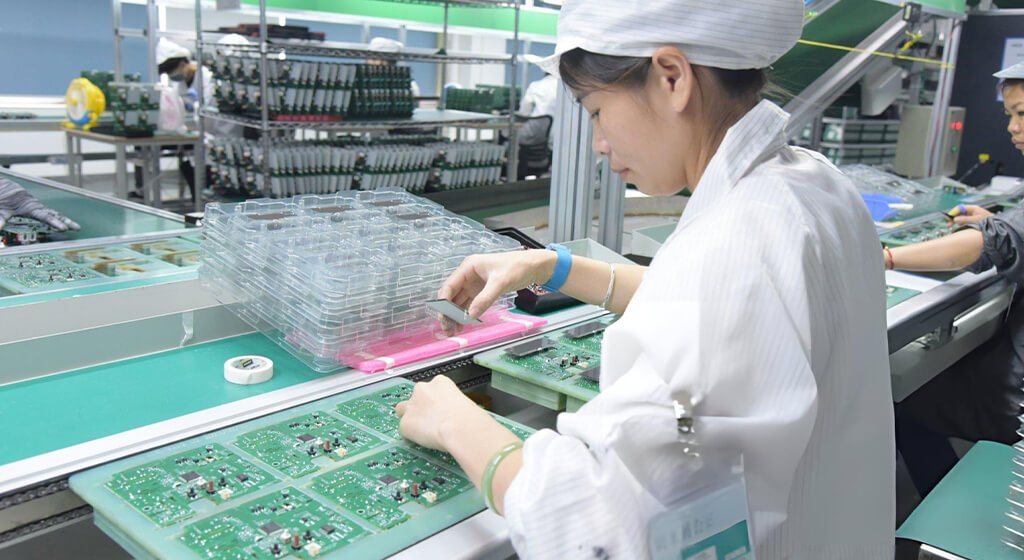
Many buyers underestimate assembly complexity. Bare PCB fabrication is relatively automated. PCB Assembly requires machines, labor, inspection, and supply chain coordination.
According to IPC, electronics manufacturing services continue growing globally. The global EMS market exceeded $600 billion in recent years. Component shortages and labor costs also increased assembly cost.
Many engineers first discover this issue during prototype ordering. A cheap PCB can suddenly become an expensive PCBA project after assembly fees appear.
Table of Contents
1. What is PCB Assembly?
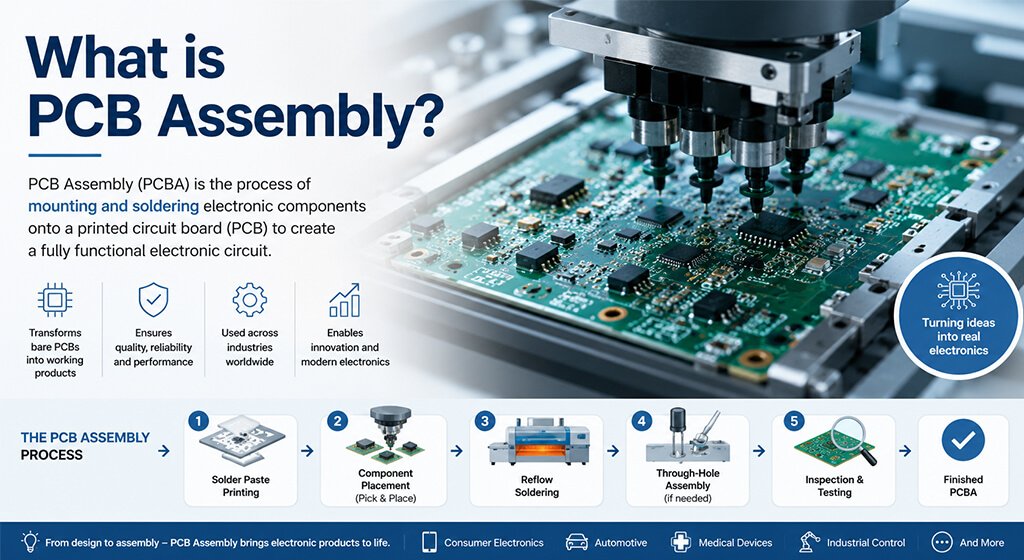
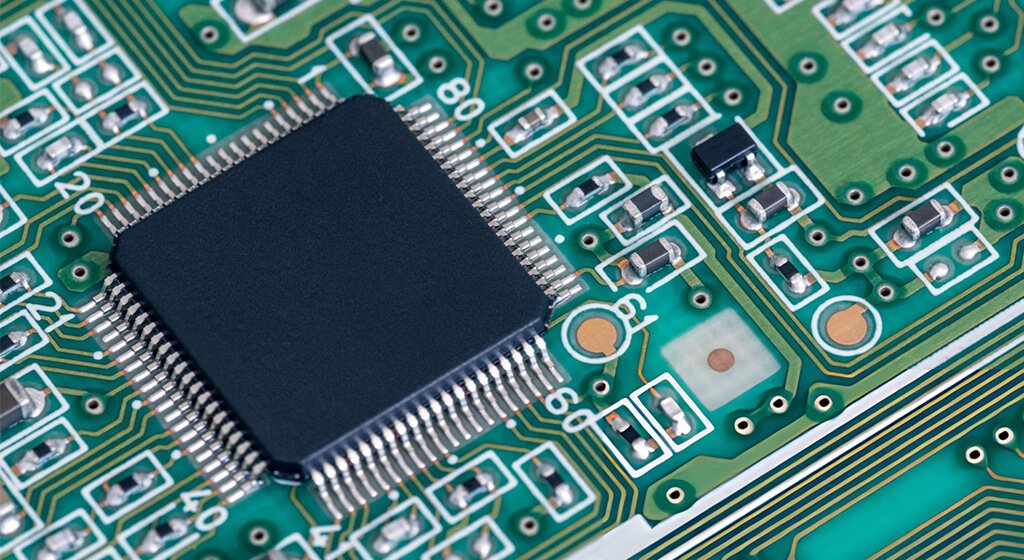
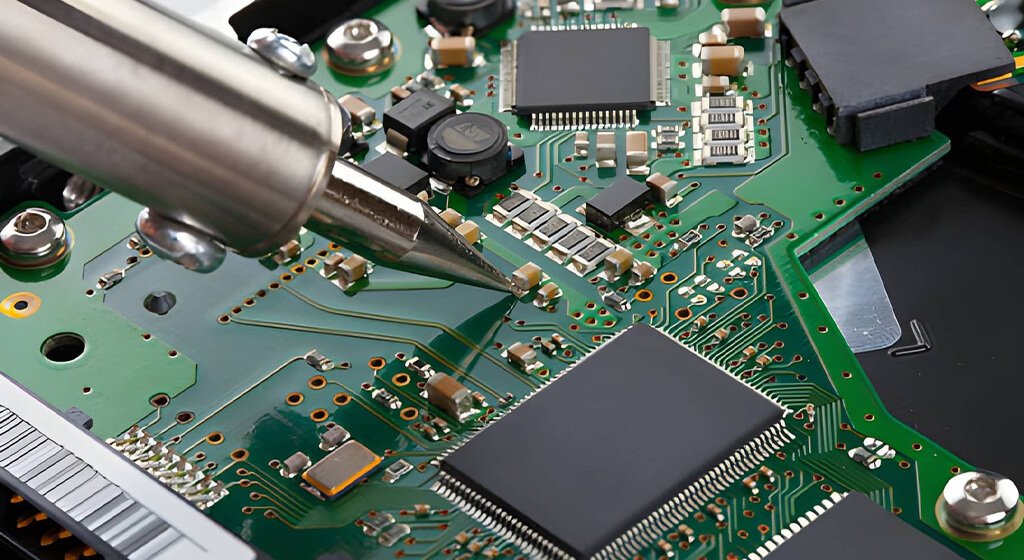
PCB Assembly (PCBA) is the manufacturing process of soldering and mounting electronic components onto a bare printed circuit board to create a fully functional electronic circuit.
In Simple Terms:
- A PCB is just the bare board with copper traces.
- PCB Assembly turns it into a working electronic product.
Types of PCB Assembly
- SMT (Surface Mount Technology): Components placed on the surface.
- THT (Through-Hole Technology): Leads inserted through holes for stronger mechanical bonding
2. What Does PCB Assembly Cost Include?
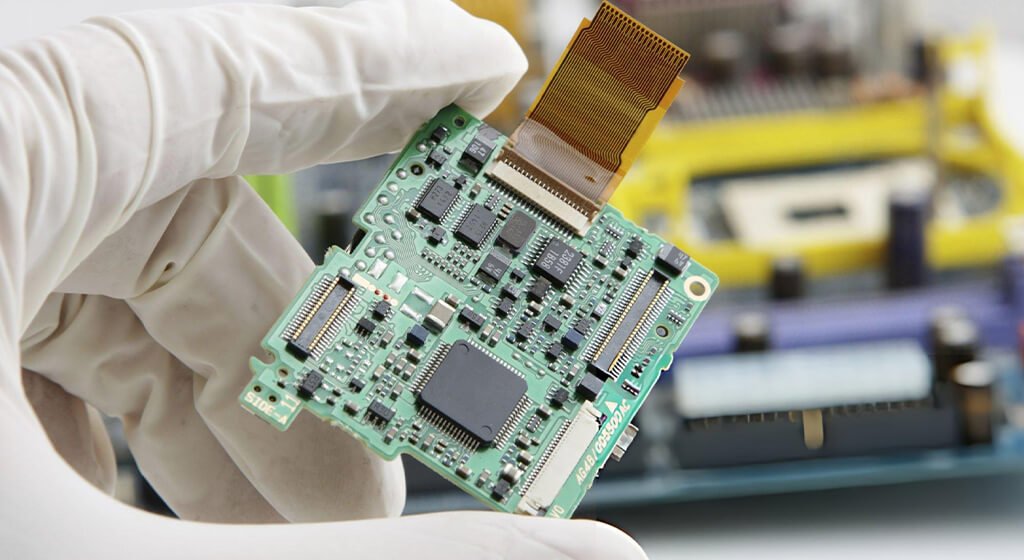
PCB assembly cost includes more than soldering components onto a board. Most EMS providers combine multiple operational costs into one quote.
Typical PCB Assembly Pricing Includes:
- SMT Setup
- Stencil Fabrication
- Pick-And-Place Programming
- Solder Paste Printing
- Reflow Soldering
- AOI Inspection
- X-Ray Inspection
- Through-Hole Soldering
- Functional Testing
- Packaging
Labor also affects pricing heavily. Manual assembly steps remain expensive worldwide.
According to Deloitte manufacturing studies, labor shortages continue affecting electronics production globally. It increases operational expenses for EMS providers.
Many buyers focus only on PCB price and BOM price. However, assembly often becomes the main cost in low-volume production.
3. Why Is PCB Assembly More Expensive Than Bare PCB Fabrication?
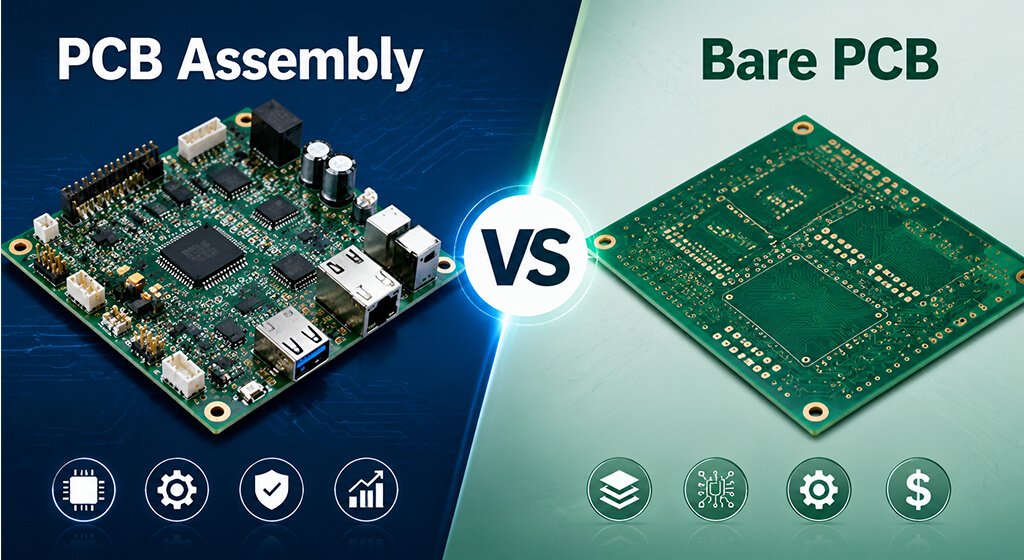
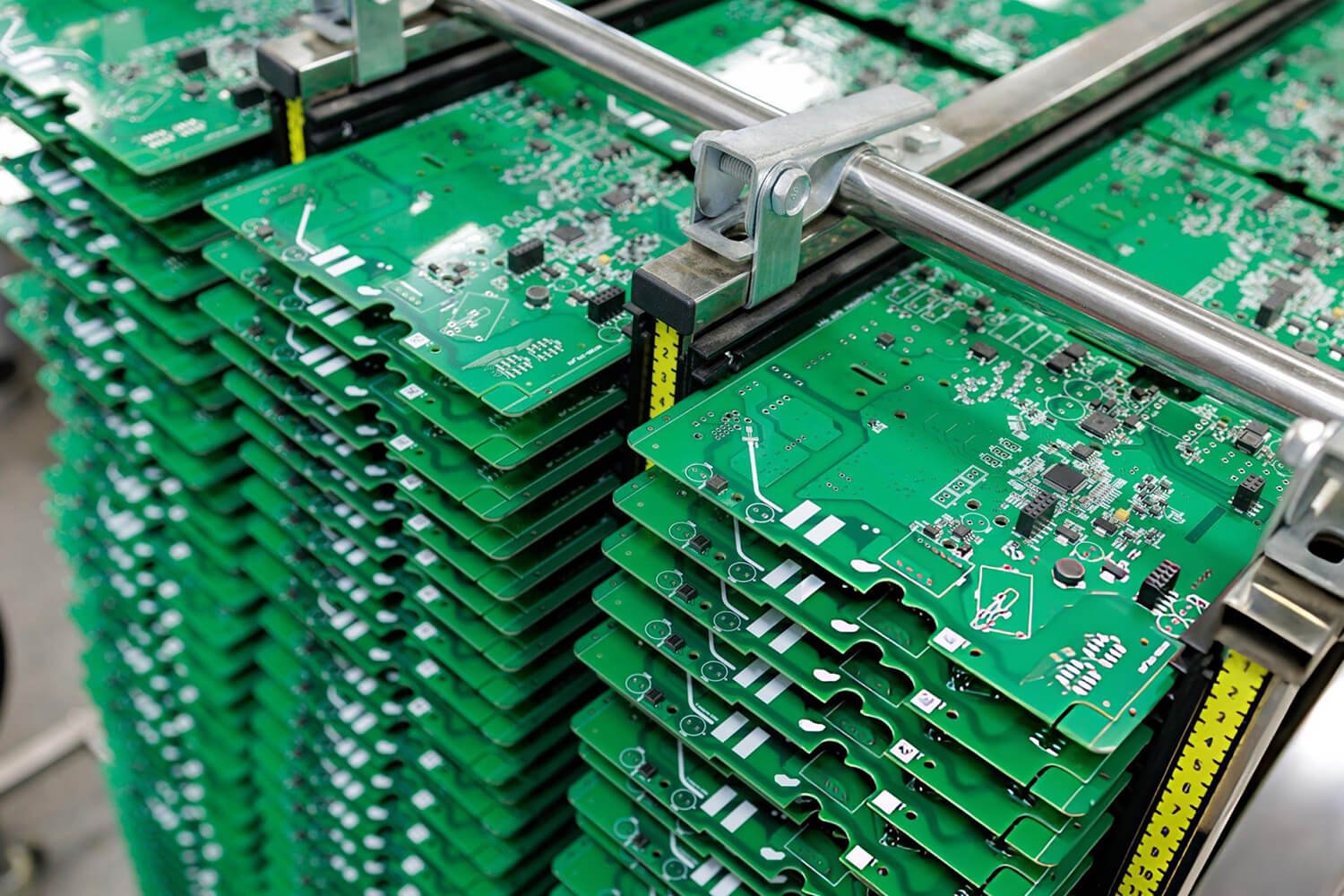
PCB fabrication uses highly automated processes. Assembly requires continuous human involvement and machine preparation.
Every Production Run Requires:
- Machine Programming
- Feeder Loading
- Stencil Alignment
- Inspection Setup
- Process Validation
Even a small prototype board may need hours of preparation.
For low-volume orders, setup costs dominate pricing. A five-board may cost nearly the same as a twenty-board run.
Preparation labor frequently exceeds actual soldering time during prototypes.
This explains why many engineers feel surprised after receiving assembly quotations.
Do You Need Any Help?
4. What Factors Affect PCB Assembly Cost the Most?
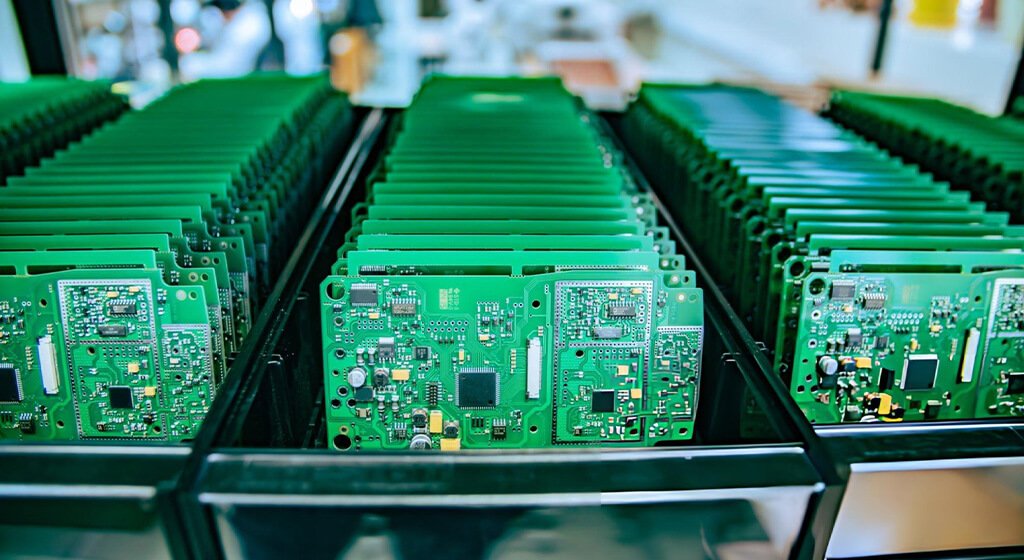
Several technical variables directly influence assembly pricing. Component complexity usually drives the largest increases.
The Biggest Cost Drivers Include:
Cost Factor | Cost Impact |
Component count | High |
Double-sided SMT | High |
BGA packages | High |
Through-hole parts | Medium |
Fine-pitch ICs | High |
Small components | Medium |
Testing requirements | High |
Lead time | Medium |
Production volume | Very High |
Boards with many unique parts also cost more. Each additional feeder setup increases labor time.
According to IPC assembly standards, fine-pitch and high-density boards require stricter inspection and process control. This increases manufacturing overhead.
5. Why Are PCB Prototype Assembly Costs So High?
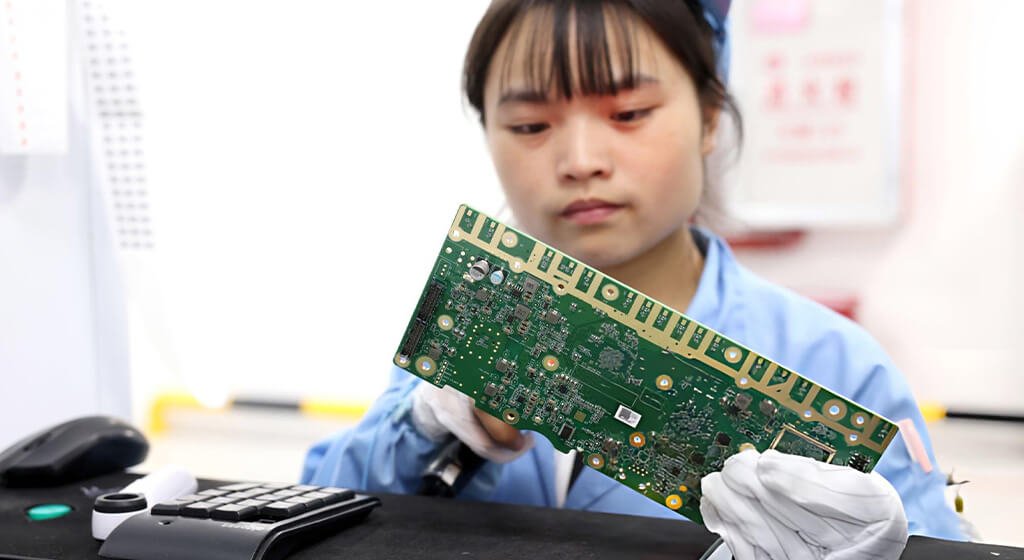
Prototype assembly creates operational inefficiency for manufacturers.
Low-volume will interrupt optimized production schedules. Engineers must manually verify many process parameters.
Prototype Orders Also Often Include:
- Engineering Revisions
- Missing BOM Data
- Unavailable Components
- Design Errors
- Manual Soldering Corrections
These factors increase labor intensity significantly.
Many prototype projects also use advanced components like BGAs and QFNs. These packages require tighter placement accuracy and inspection standards.
That’s why small PCBAs sometimes appear disproportionately expensive.
6. SMT Assembly vs Through-Hole Assembly Cost
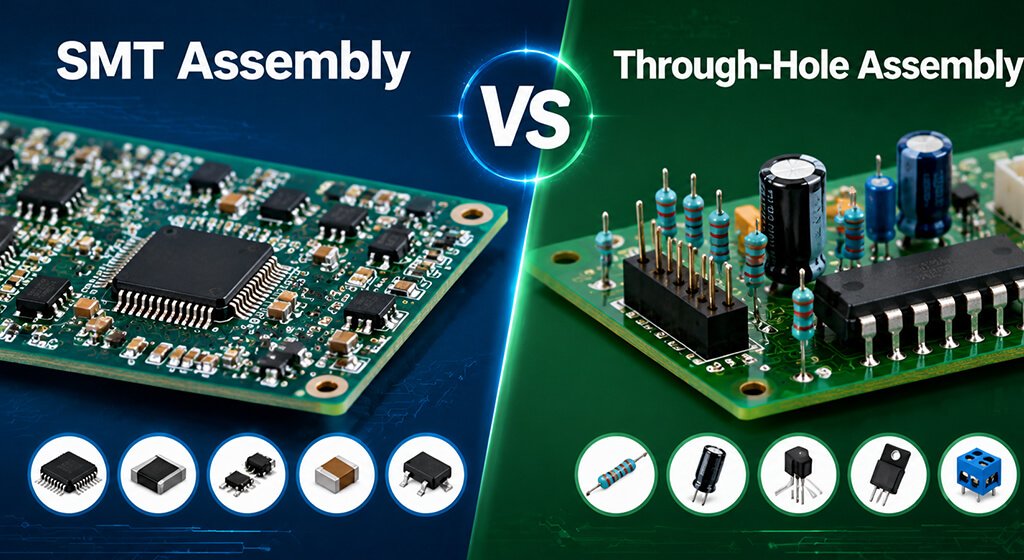
Surface-mount technology dominates modern electronics manufacturing. SMT offers faster automation and lower labor costs at scale.
Through-Hole Assembly Is Important For:
- Power Electronics
- Industrial Controls
- Aerospace Hardware
- High-Reliability Systems
However, through-hole parts usually require manual insertion or wave soldering. Manual labor increases assembly cost substantially.
SMT generally becomes more economical above medium production volumes. Through-hole assembly is expensive regardless of quantity.
Many EMS providers charge separate manual soldering fees for through-hole components.
7. Why Do BGA and Fine-Pitch Components Increase Cost?
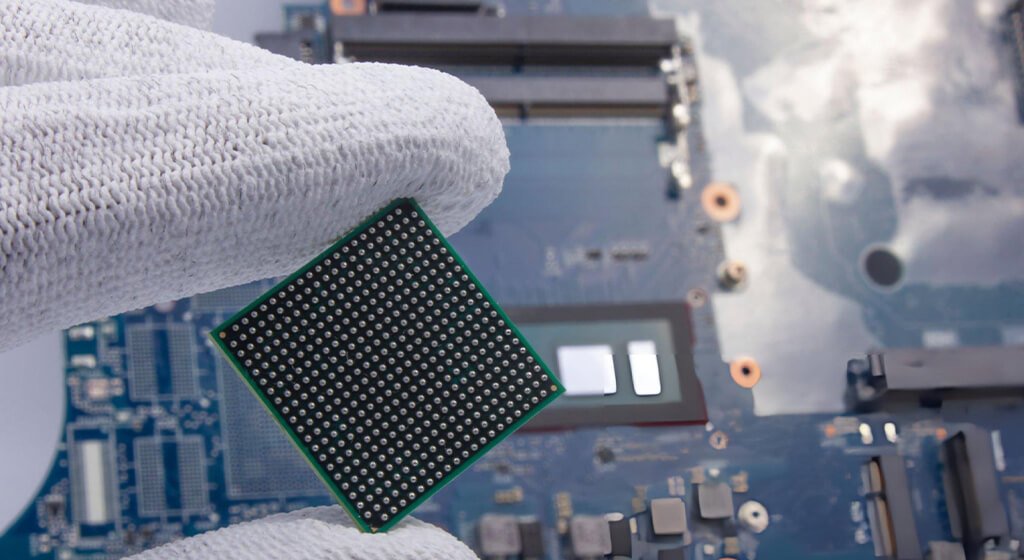
Modern high-density electronics often use:
- BGA Packages
- QFN Packages
- CSP Packages
- Fine-Pitch Connectors
These components improve electrical performance and reduce board size. However, they complicate assembly.
BGA solder joints is hidden underneath the package. Manufacturers often require X-ray inspection for validation.
Fine-pitch packages also increase placement accuracy requirements.
Yield loss also becomes more expensive with dense packages. A single solder defect can destroy an expensive assembly.
This risk will increase total manufacturing cost.
Do You Need Any Help?
8. How Much Do PCB Assembly Setup Fees Usually Cost?
Setup fees are among the most misunderstood assembly expenses.
Common Setup-Related Charges Include:
Setup Item | Typical Range |
SMT Programming | $50–$200 |
$30–$150 | |
AOI Setup | $50–$100 |
X-ray Programming | $50–$200 |
Engineering Review | $50–$300 |
These fees appear regardless of order quantity.
For prototypes, setup charges often exceed actual placement costs.
Many low-cost Chinese EMS providers reduce these fees aggressively to attract prototype customers.
9. What Is the Difference Between Turnkey and Consigned PCB Assembly?
Turnkey assembly means the EMS provider handles:
- Component Sourcing
- PCB Fabrication
- Assembly
- Inspection
- Logistics
Consigned assembly means the customer supplies components.
Turnkey production simplifies supply chain management. However, component markups may increase total cost.
Consigned assembly offers better purchasing control. Yet it increases logistics complexity.
Many startups initially choose turnkey assembly because it reduces operational burden.
Large OEMs often prefer consigned or partial-turnkey models.
10. Why Are “Extended Components” Expensive in Low-Cost PCB Assembly Services?
Basic components stay permanently loaded on SMT feeders. Extended components require manual feeder loading. Every unique extended component adds setup labor.
It will create additional fees per component type.
For example, a board with ten unique extended components may trigger ten separate loading charges.
Designers can reduce assembly cost by selecting commonly stocked components during schematic design.
11. How Can Engineers Reduce PCB Assembly Cost?
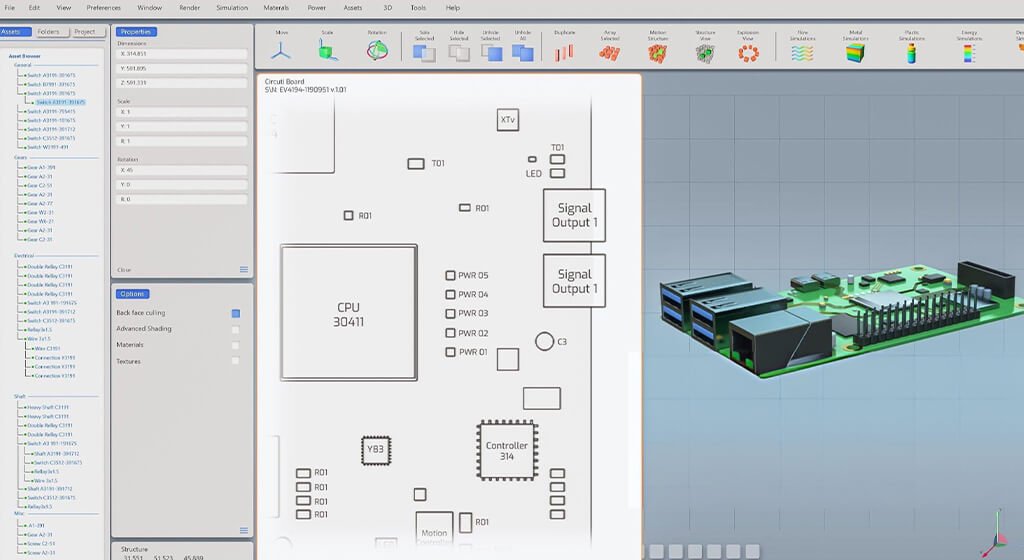
Cost optimization begins during PCB design.
The Most Effective Strategies Include:
- Reducing Unique Components
- Using Standard Package Sizes
- Avoiding Unnecessary Through-Hole Parts
- Simplifying BOM Structure
- Avoiding Double-Sided Placement
- Increasing Panel Efficiency
- Standardizing Footprints
Component sourcing strategy also matters.
Widely available components reduce procurement risk and feeder setup complexity.
Many engineers focus only on electrical performance. However, manufacturing optimization often determines commercial success.
12. Does PCB Layout Affect Assembly Cost?
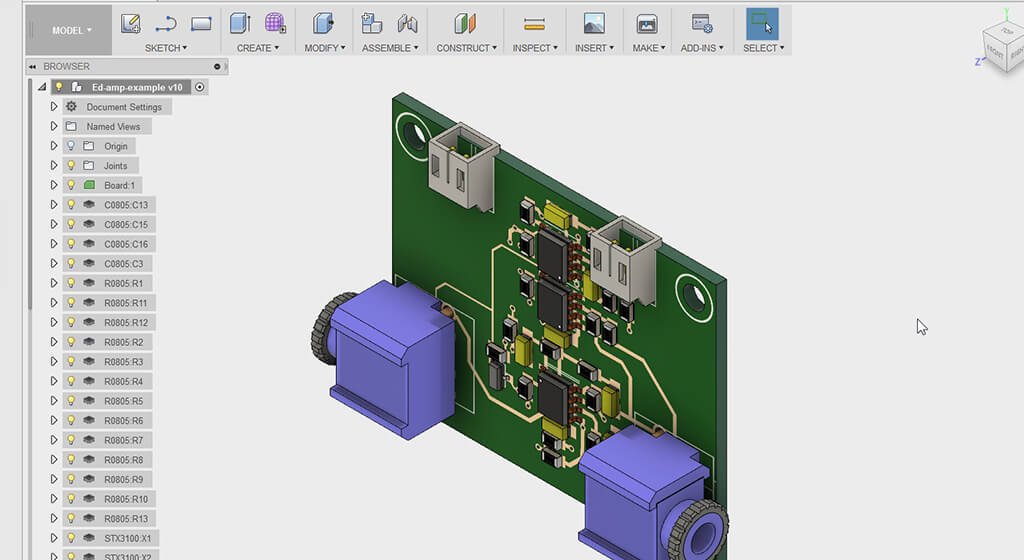
PCB layout directly influences manufacturing complexity.
Poor Layout Decisions Create:
- Placement Collisions
- Rework Difficulty
- Thermal Imbalance
- Soldering Defects
- Inspection Limitations
High-density layouts also reduce manufacturing yield.
According to Texas Instruments PCB design recommendations, spacing and component orientation strongly affect SMT reliability.
Consistent component orientation improves placement efficiency. Proper spacing reduces tombstoning and solder bridging.
Designers should also avoid placing tall components near sensitive fine-pitch devices.
Good layout design lowers both defect rates and assembly cost.
13. What Hidden PCB Assembly Costs Do Buyers Miss?
Many first-time buyers underestimate secondary manufacturing expenses.
Common Hidden Costs Include:
- Shipping Fees
- Import Duties
- Component Attrition
- Moisture-Sensitive Packaging
- Functional Test Fixtures
- Rework Labor
- BOM Substitution Charges
- Expedited Production Fees
Testing also becomes expensive for complex products.
Functional testing requires fixture development and engineering validation.
If ignoring these costs, it can destroy hardware profit margins unexpectedly.
14. Final Thoughts
PCB assembly cost depends on far more than solder placement. The cost will be affected by Manufacturing complexity, supply chain strategy, inspection standards, and production volume.
Engineers who understand assembly economics make better design decisions early. It will improve both manufacturability and long-term profitability.
As electronics become smaller and more complex, assembly expertise becomes increasingly valuable.
Engineers can build commercially successful products by understanding these cost drivers
Get a PCB Quote