/One Accountable PCB and PCBA Workflow/
Turnkey PCB Assembly Services From Files to Finished Boards
PCBSAIL coordinates PCB fabrication, Component Sourcing, SMT and Through-hole Assembly, Inspection, Testing, and Delivery through one project team.
Choose full-turnkey, partial-turnkey, or consigned production according to the components you control and the manufacturing support you need.
Engineering Review
Full-Turnkey, Or Partial-Turnkey
SMT, THT, And Mixed Assembly
100% Inspection And Testing
What Is Turnkey PCB Assembly?
Turnkey PCB assembly is a manufacturing model in which one supplier coordinates the complete PCBA build. The scope normally includes bare PCB fabrication, BOM review, component sourcing, SMT or through-hole assembly, inspection, agreed testing, packaging, and delivery.
The customer provides the approved design files and product requirements. The manufacturing partner manages the agreed production activities and communicates through one project team.
This model reduces purchasing handoffs, but it does not remove customer control. Approved manufacturers, substitutions, testing coverage, documentation, and acceptance criteria should be defined before materials are purchased.
Choose the Right Responsibility Model.
The right sourcing model depends on component ownership, supply agreements, inventory, allocated parts, and the amount of purchasing work your team wants to retain. Our turnkey services are structured into two primary product types: Full Turnkey PCB Assembly and Partial Turnkey PCB Assembly.
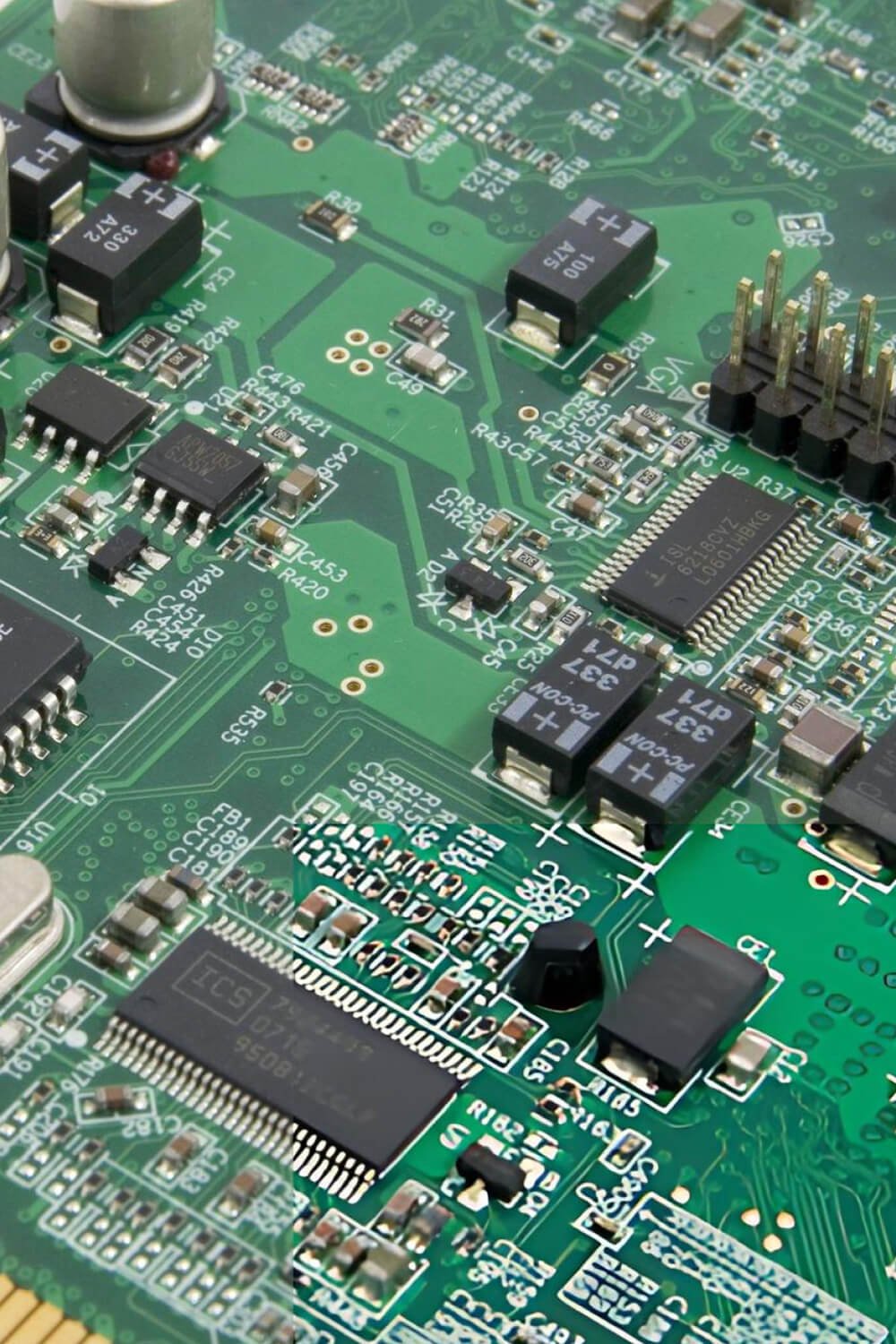
Full Turnkey PCBA is a complete end-to-end manufacturing solution. We will manage the entire production lifecycle — from raw PCB fabrication and component procurement to assembly, testing, and final delivery.
What We Handle
- PCB Fabrication
- Component Sourcing
- BOM Validation &Cost Optimization
- SMT and Through-Hole Assembly
- AOI, X-ray, ICT, and Functional Testing
- Final Inspection &Shipping
Advantages
- Single point of responsibility for manufacturing quality
- Shorter overall production cycle time
- Reduced procurement workload for customers
- Lower risk of component compatibility or sourcing errors
- Better cost control through consolidated sourcing
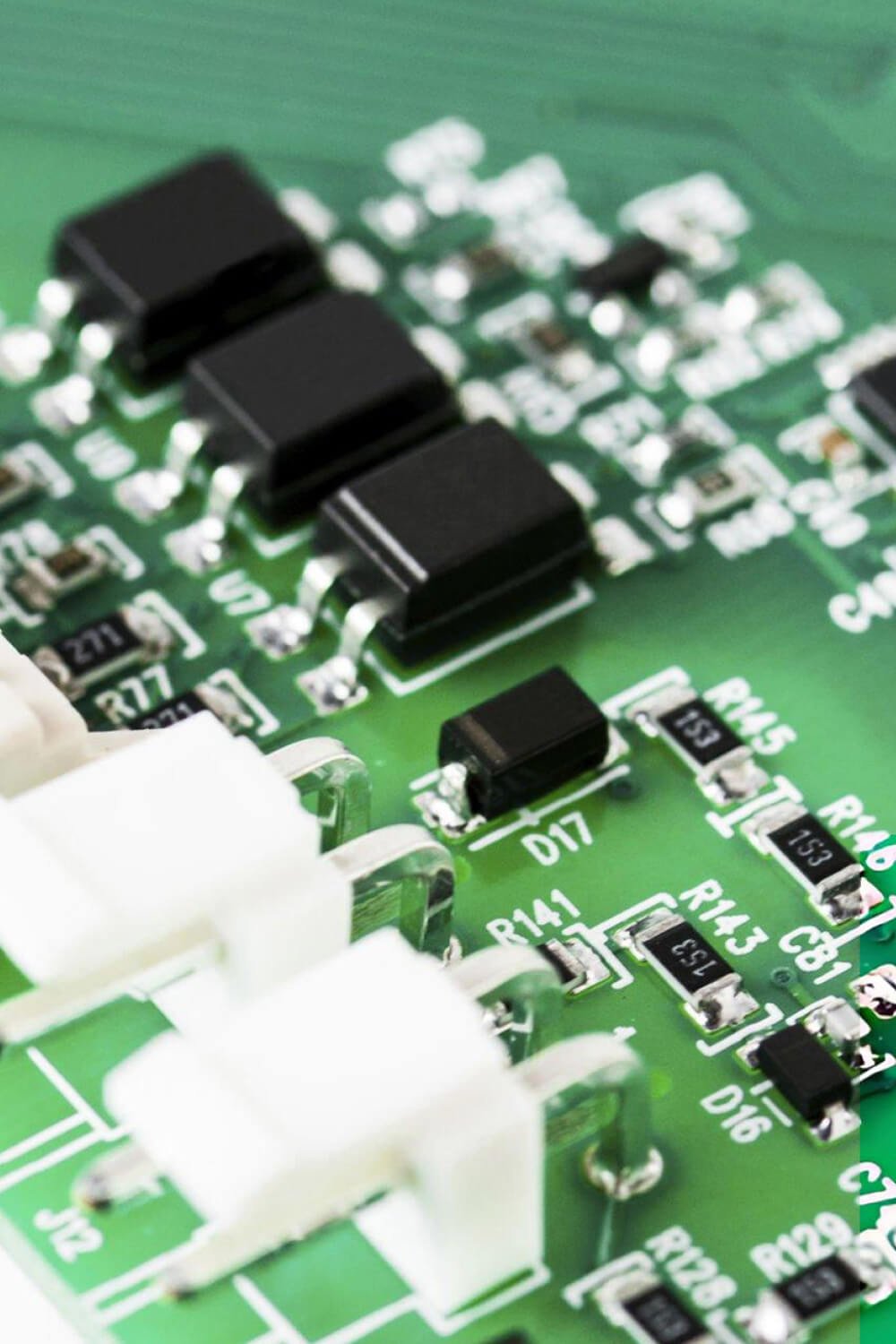
Partial Turnkey PCBA allows customers to supply some or all components. We will do PCB fabrication and assembly operations.
This option is ideal for OEM customers who already have component inventory or specialized parts that must be customer-supplied.
What We Handle
- PCB Fabrication
- Assembly Process Engineering
- SMT And Through-hole Assembly
- Optional Sourcing For Missing Or Alternative Components
- Inspection &Electrical Testing
- Shipping
Customer-Provided Materials May Include
- Full Component Kit
- Partial BOM Components
- Specialized Or Proprietary ICs
- Long-lead-time Or Allocated Parts
How Our Turnkey PCB Assembly Process Works
Defined approval points keep sourcing, engineering, and quality decisions visible before materials or schedules become exposed.
Component Sourcing Without Losing Engineering Control
We reviews the BOM, manufacturer part numbers, availability, lifecycle concerns, and practical sourcing restrictions before purchasing begins. You can identify approved manufacturers, preferred channels, no-substitution items, and parts that they will supply directly.
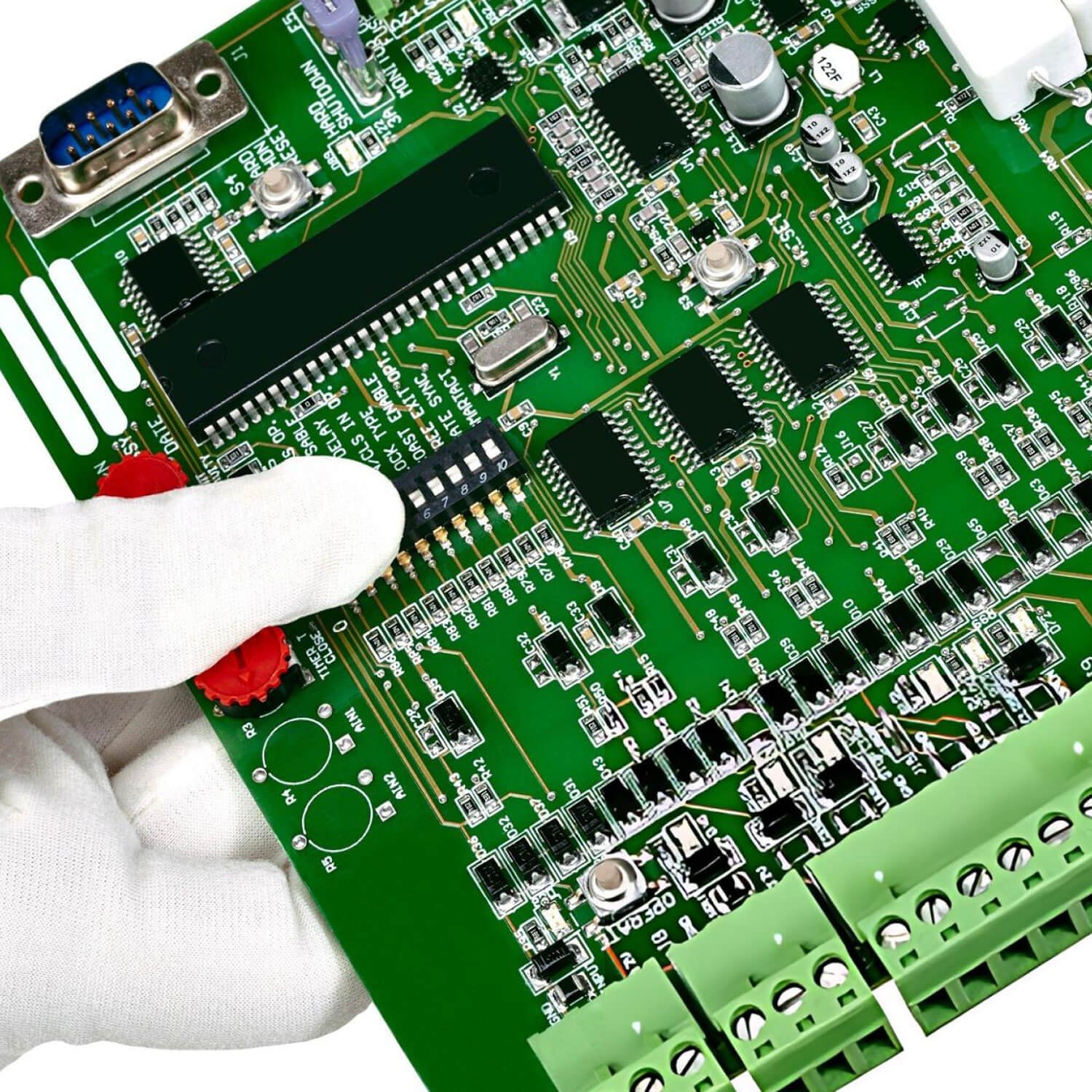
1. BOM Review
The BOM should identify manufacturer part numbers, descriptions, quantities, reference designators, package information, and approved alternatives where applicable.
2. Alternative Components
An alternative is not automatically interchangeable because its headline specifications appear similar. Electrical ratings, tolerance, package, pinout, thermal behavior, lifecycle status, qualification requirements, and firmware implications may all require review. Define who can approve alternatives before procurement.
3. Availability and Lifecycle Risk
Availability checks can identify long lead times, allocation, minimum order constraints, and obsolete or end-of-life parts.
4. Traceability Requirements
Required records should be agreed during quotation. Depending on the project, this may include supplier information, receiving records, lot information, material identity, production revision, or other customer-defined fields.
Why Work With One Turnkey PCBA Team?
Fewer Supplier Handoffs
Our project team coordinates the approved PCB, component, assembly, inspection, and delivery scope. It creates a clearer path for resolving questions that cross fabrication, purchasing, and assembly responsibilities.
Engineering Review Before Release
Our review process identifies missing files, unclear part identity, assembly concerns, and test requirements that may affect the quotation or build route.
Flexible Sourcing Responsibility
You can choose full-turnkey, partial-turnkey, or consigned assembly without forcing every project into the same purchasing model.
Inspection Planned Around the Assembly
Inspection methods are selected for the actual packages, visible and hidden joints, test access, and agreed acceptance criteria.
A Clearer Repeat-Order Baseline
Approved revisions, sourcing decisions, production requirements, and test instructions provide a more controlled starting point for repeat orders.
Match Each Quality Method to the Risk It Can Detect
No single inspection method proves that every solder joint and electrical function is correct. A practical plan combines methods according to component packages, joint visibility, test access, product risk, and customer acceptance requirements.
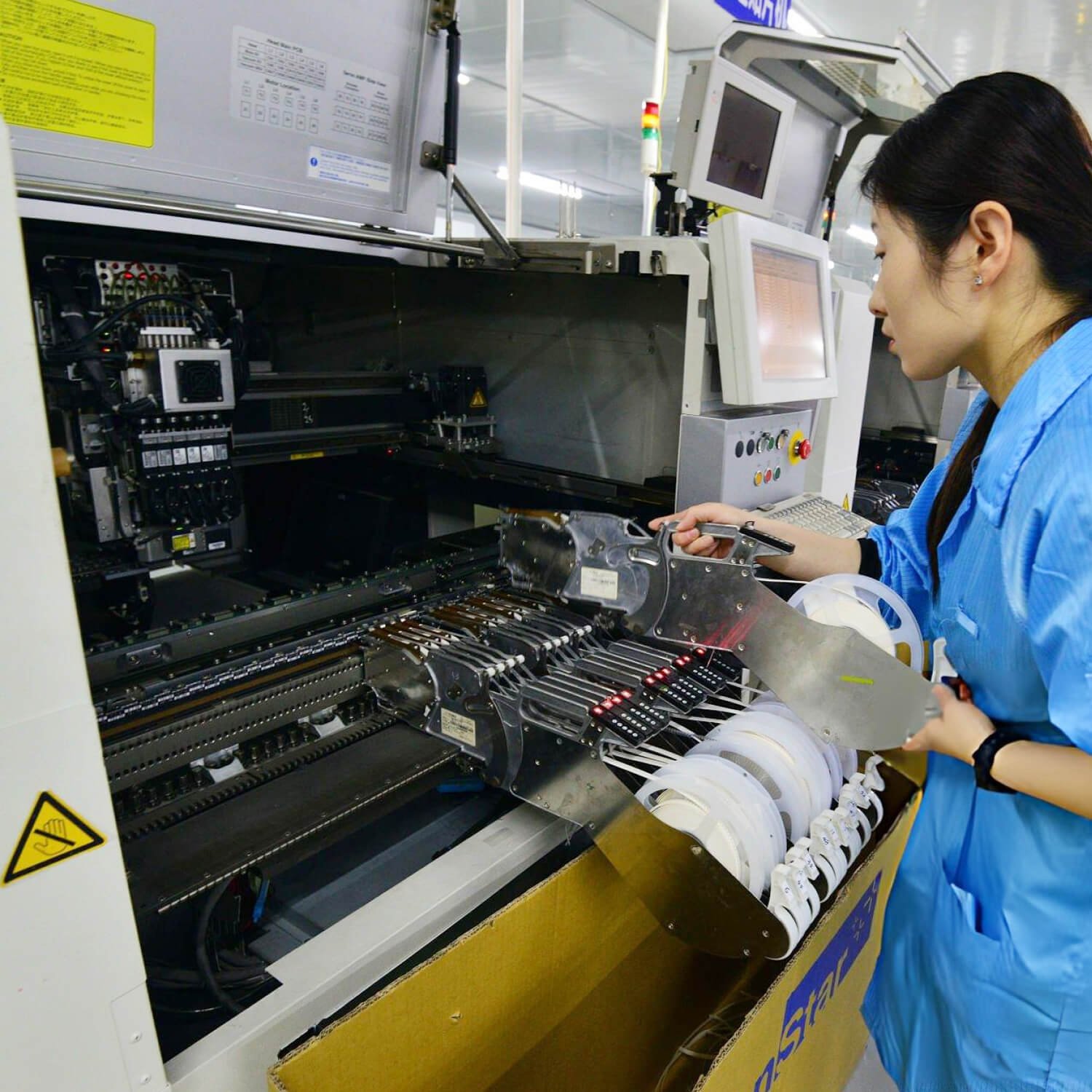
1. Before Production
We reviews manufacturing data through DFM, DFA, BOM validation, and polarity checks. These reviews help identify incomplete design information, footprint issues, sourcing risks, and assembly process concerns before production starts.
2. After Solder Paste Printing
SPI is used to evaluate solder paste quality, including paste volume, height, coverage, alignment, and potential bridging risks.
3. After Component Placement &Soldering
AOI and visual inspection are used to check component presence, orientation, polarity, alignment, solder bridges, and visible solder joint quality.
4. Hidden-joint Packages
For components with concealed solder joints, such as BGA, QFN, and LGA packages, X-ray helps evaluate hidden solder conditions, including voids, insufficient solder, opens, and bridging.
5. Electrical Verification
In-Circuit Testing (ICT) and other agreed electrical tests help confirm circuit connectivity and specific electrical characteristics.
6. Functional Testing
It evaluates whether the assembled PCB operates according to customer-defined requirements and operating conditions.
7. Final Release
Before final shipment, a final quality review checks workmanship, product labeling, documentation completeness, revision control, and packaging requirements.
Fast Quotation
Our professional sales and engineering teams provide fast PCB quotes and technical support. Simply send us your Gerber files, BOM, and assembly drawings, and we will respond promptly with a competitive solution.
- Gushu Tangxi Second Industrial Zone, Shenzhen
- +86 755 2335 0814
- +86 135 1078 8094
- sales@pcbasail.com
FAQ About Turnkey PCBA
1. What Is Turnkey PCBA Service?
Turnkey PCBA (Printed Circuit Board Assembly) is a one-stop solution where a single supplier manages the entire process — including PCB fabrication, component sourcing, assembly, testing, and final delivery.
This reduces management complexity, shortens lead time, and ensures better quality control.
2. What Information Do You Need To Start A Turnkey PCBA Order?
Typically, we require:
- Gerber files or PCB design files
- BOM (Bill of Materials) with manufacturer part numbers
- Pick and Place (Centroid) file
- Assembly drawings
- Testing requirements (if applicable)
- Special process requirements (conformal coating, potting, etc.)
3. Can You Help If My BOM Contains Obsolete Or Hard-To-Find Components?
Yes. Our sourcing team can:
- Suggest alternative components
- Provide cross-reference solutions
- Source from authorized and reliable global suppliers
- Help redesign if necessary
4. What Types Of PCBs Can You Assemble?
We support assembly for:
- Rigid PCBs
- Flex and Rigid-Flex PCBs
- HDI PCBs
- Metal Core PCBs (Aluminum, Copper)
- Ceramic PCBs
- High-frequency / RF boards
5. What Assembly Technologies Do You Support?
- SMT (Surface Mount Technology)
- THT (Through-Hole Technology)
- Mixed Technology Assembly
- Fine-pitch and BGA Assembly
- Micro BGA and QFN Assembly
6. What Is Your Typical Turnkey PCBA Lead Time?
Lead time depends on PCB complexity and component availability:
- Prototype: ~7–15 working days
- Small to medium production: ~3–5 weeks
- Mass production: Based on volume and schedule
Expedited service is available for urgent projects.
7. Do You Provide Testing Services?
Yes. Available testing options include:
- ICT (In-Circuit Test)
- FCT (Functional Circuit Test)
- Flying Probe Testing
- Burn-in Testing
- Custom test fixture development
8. How Do You Handle Component Traceability?
We maintain full traceability through:
- Lot tracking
- Supplier certification verification
- Material batch recording
- Production data logging
9. Do You Support Confidential Or NDA Projects?
Yes. We strictly protect customer IP and can sign NDA agreements before project engagement.
10. What File Formats Do You Accept?
We support:
- Gerber RS-274X
- ODB++
- IPC-2581
- CAD native files (depending on software)