/For Prototypes and Repeat Builds/
SMT Assembly Services
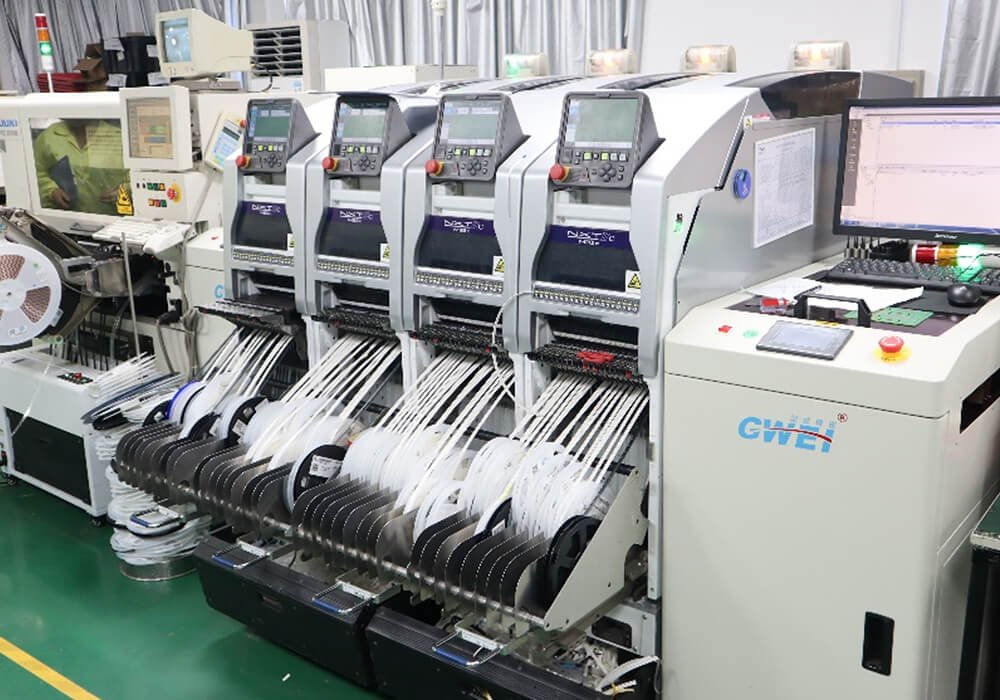
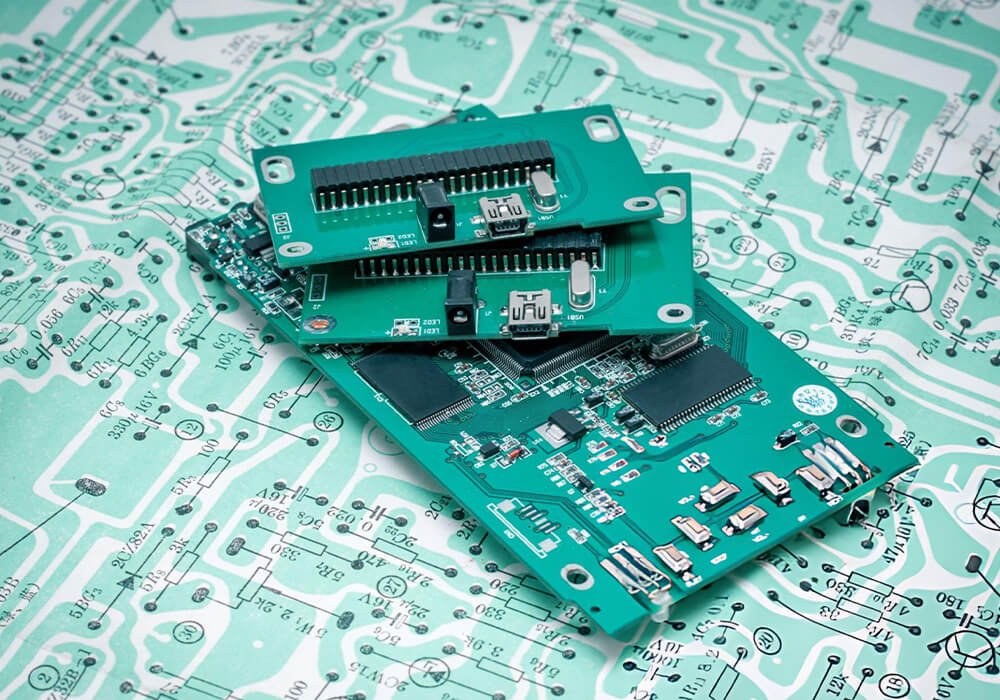
PCBSAIL provides surface-mount assembly for engineering prototypes, low-volume builds, and production orders. We will review the released build package, defines the manufacturing route, and coordinates placement, reflow, inspection, testing, sourcing, and specified value-added work.
01005 Min. Component
0.30 mm Min. IC And BGA Pitch
PCB sizes from 50 × 50 mm to 510 × 460 mm
0.20 mm To 5.00 mm Thick
Rigid PCB And Flexible PCB (FPC) Assembly
Prototype Through Mass Production
What Is SMT Assembly?
Surface Mount Technology (SMT) assembly is a widely used PCB assembly method that places surface mount components directly onto printed circuit boards using automated pick-and-place equipment. Compared with traditional through-hole assembly, SMT offers higher assembly efficiency, greater component density, shorter production cycles, and excellent performance for advanced electronic applications.
When Is SMT Assembly a Good Fit?
SMT assembly is a good fit when compact packages, automated placement, or must move from prototype to production.

Compact and Dense PCB Layouts
Surface-mount packages place more functions within a limited board area. Engineering still needs enough spacing and access for printing, placement, inspection, cleaning when specified, and practical rework.
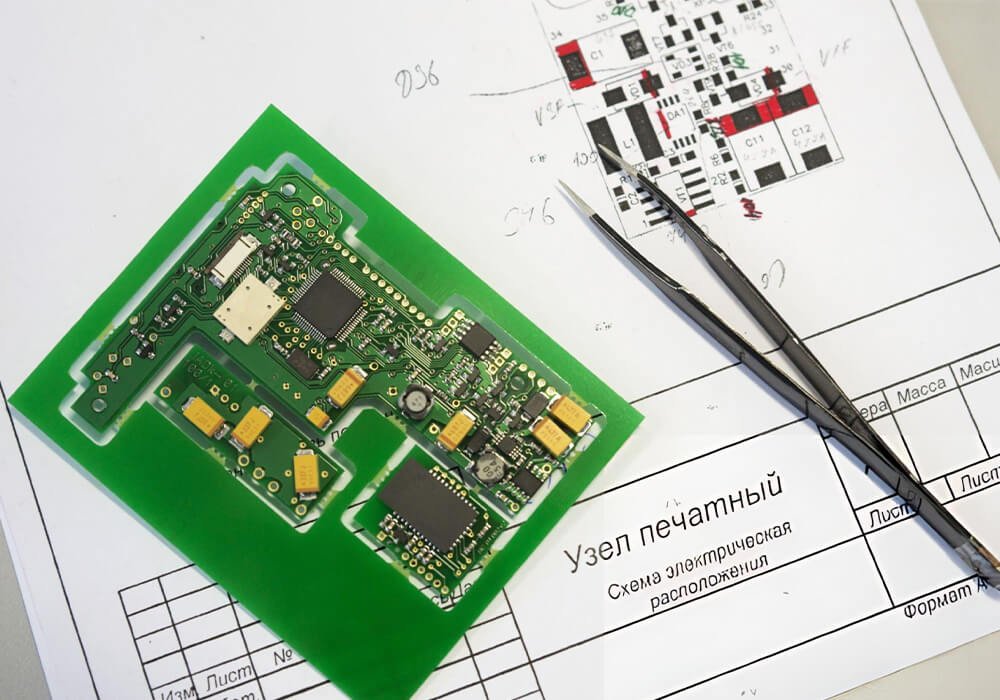
Engineering Prototypes and NPI
Prototype builds expose component identity, polarity, footprint, assembly-instruction, sourcing, and test-access problems before the design moves into a larger run. The build plan should state which risks or functions the prototype must evaluate.
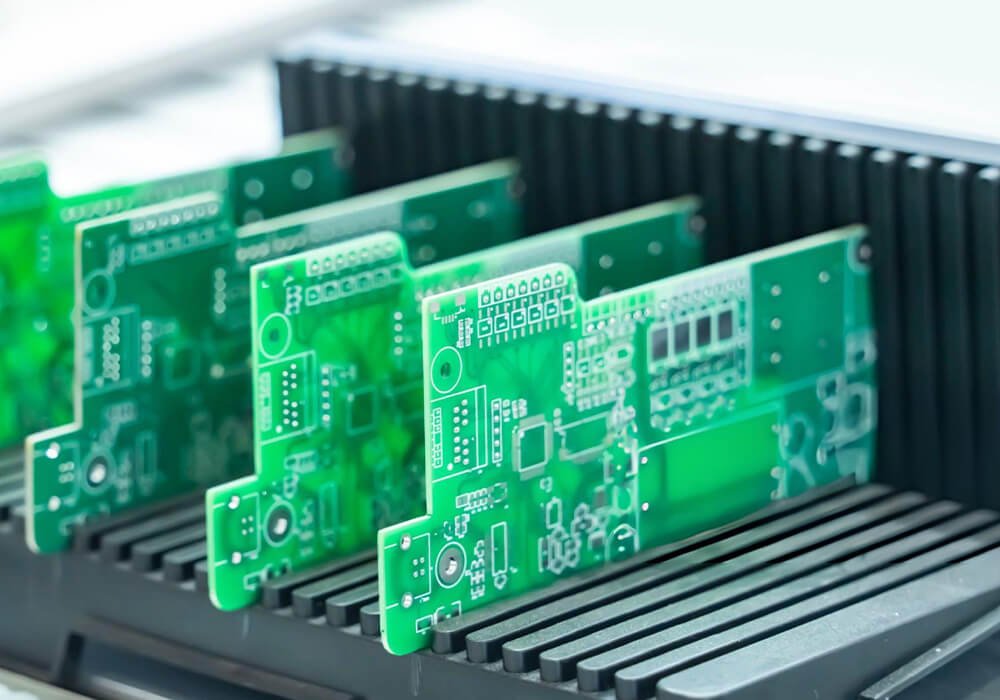
Low-Volume and Repeat Production
A controlled manufacturing package makes later builds easier to reproduce. It keeps revision history, approved materials, substitutions, work instructions, inspection coverage, test limits, and packaging requirements connected to the released product.
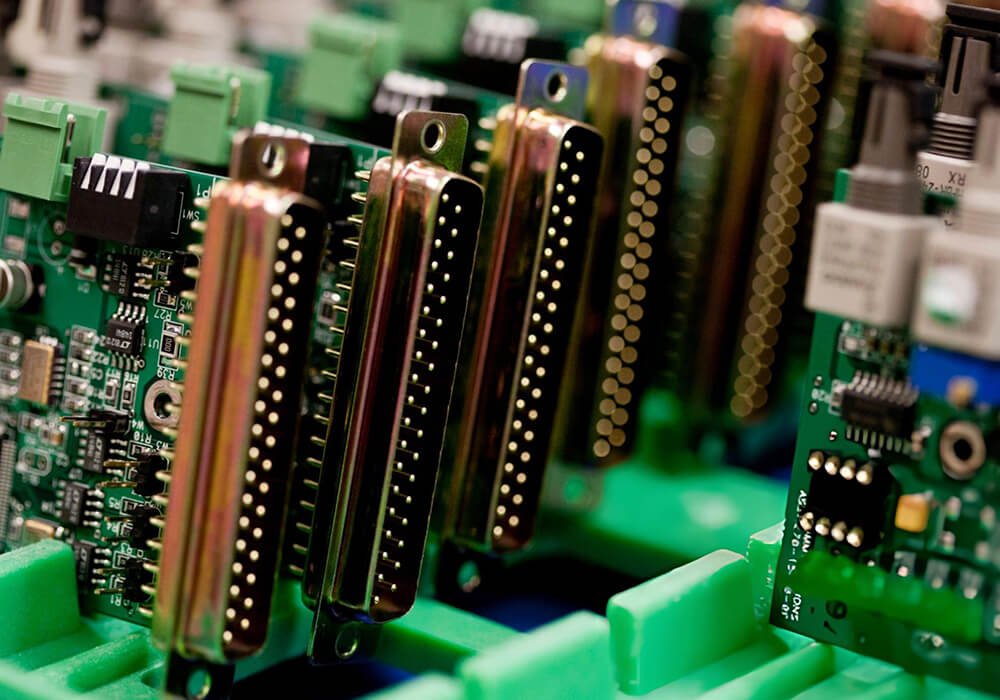
Mixed-Technology Assemblies
Connectors, transformers, switches, and other leaded parts may require through-hole operations after SMT reflow. The route must define insertion, manual or selective soldering, cleaning, inspection, and testing in the correct order.
Our SMT Assembly Capability
We supports surface-mount assembly for rigid and flexible PCBs across prototype, low-volume, mid-volume, and mass production.
Capability | SMT Assembly Capability |
PCB Size Range | 50 × 50mm to 510 × 460mm |
PCB Thickness Range | 0.20mm ton5.00mm |
Supported PCB Types | Rigid PCB, Flexible PCB (FPC), and Rigid-Flex PCB |
Min. Component Package | 01005 components |
Max. Component Size | Up to 45 × 98mm component body |
Min. IC Lead Pitch | 0.30mm |
Min. BGA Pitch | 0.30mm |
Max. Component Height | Up to 25 mm |
Placement Accuracy | ±41 μm for chip components; ±37.5 μm for IC components |
Daily SMT Placement Capacity | Up to 20 million component placements per day |
SMT Assembly Technology | High-speed automated pick-and-place, fine-pitch placement, double-sided SMT assembly |
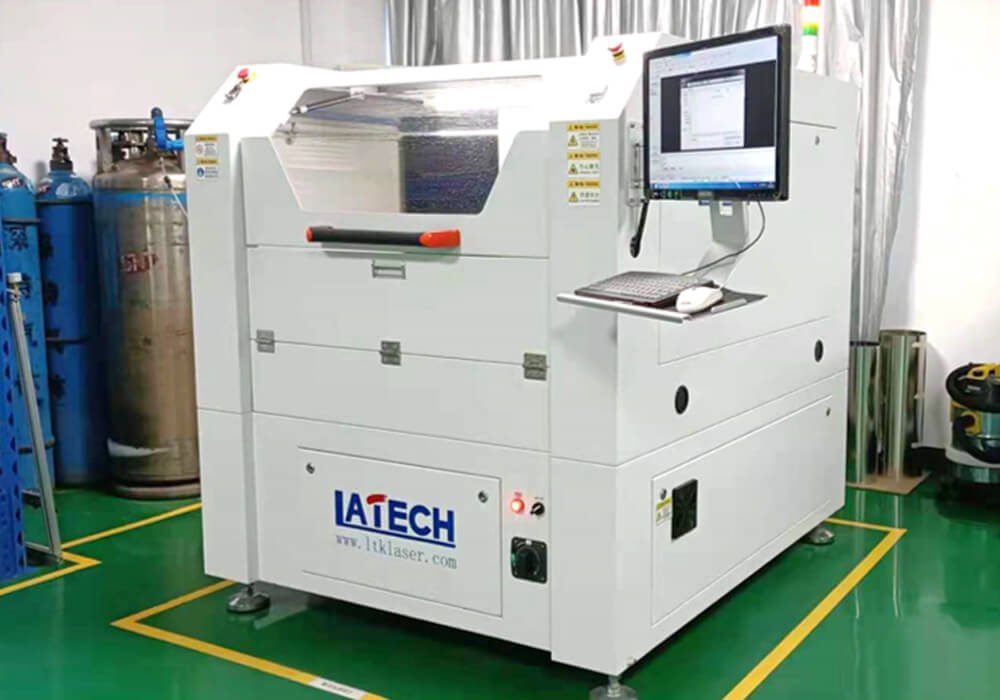
Additional Manufacturing Services | Laser marking, conformal coating, potting, press-fit assembly, mechanical assembly, burn-in testing, and customized value-added services |
What Should You Send?
- 1. Gerber or ODB++ fabrication files
- 2. Bill of materials with manufacturer details
- 3. Centroid or component placement data
- 4. Assembly drawings and special instructions
- 5. Testing, programming, and packaging requirements
SMT Assembly Process
Each step in the SMT Assembly process is critical to ensuring product reliability, electrical performance, and manufacturing consistency. We can deliver high-quality PCB assemblies for both prototype and mass production projects with highly automated and precision-controlled manufacturing workflow.
1. Pre-Assembly Preparation
Before SMT production begins, our engineers review the PCB design files, Gerber data, BOM, and assembly drawings.
2. Solder Pad Preparation
The PCB solder pads must be clean, flat, and free of contamination before solder paste application.
3. Solder Paste Printing
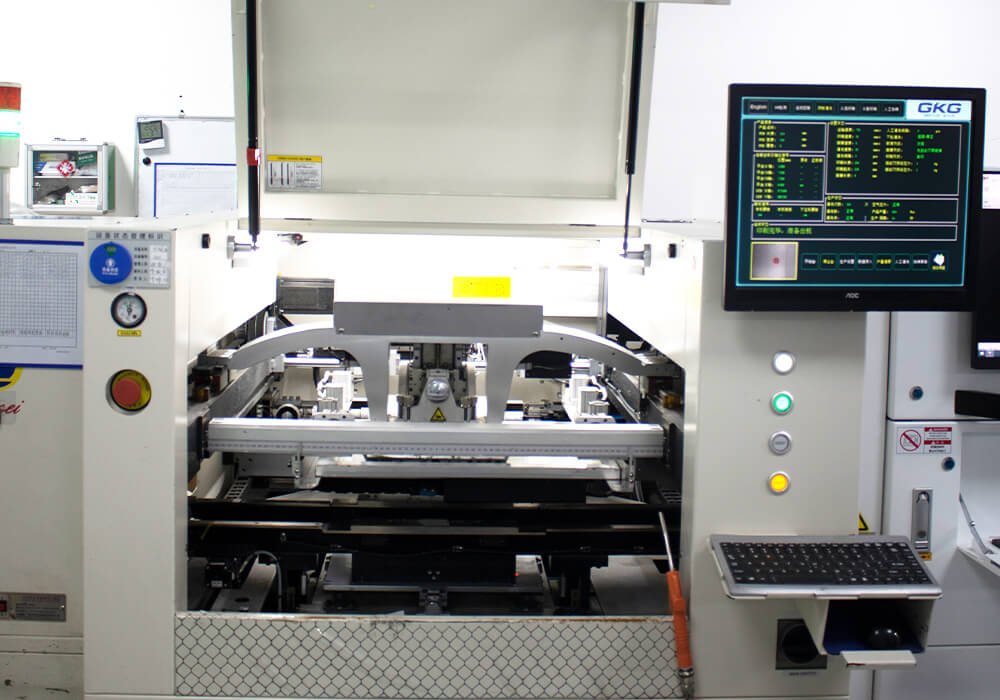
The SMT assembly process starts with applying solder paste onto the PCB pads using a precision stainless steel stencil.
4. Component Placement
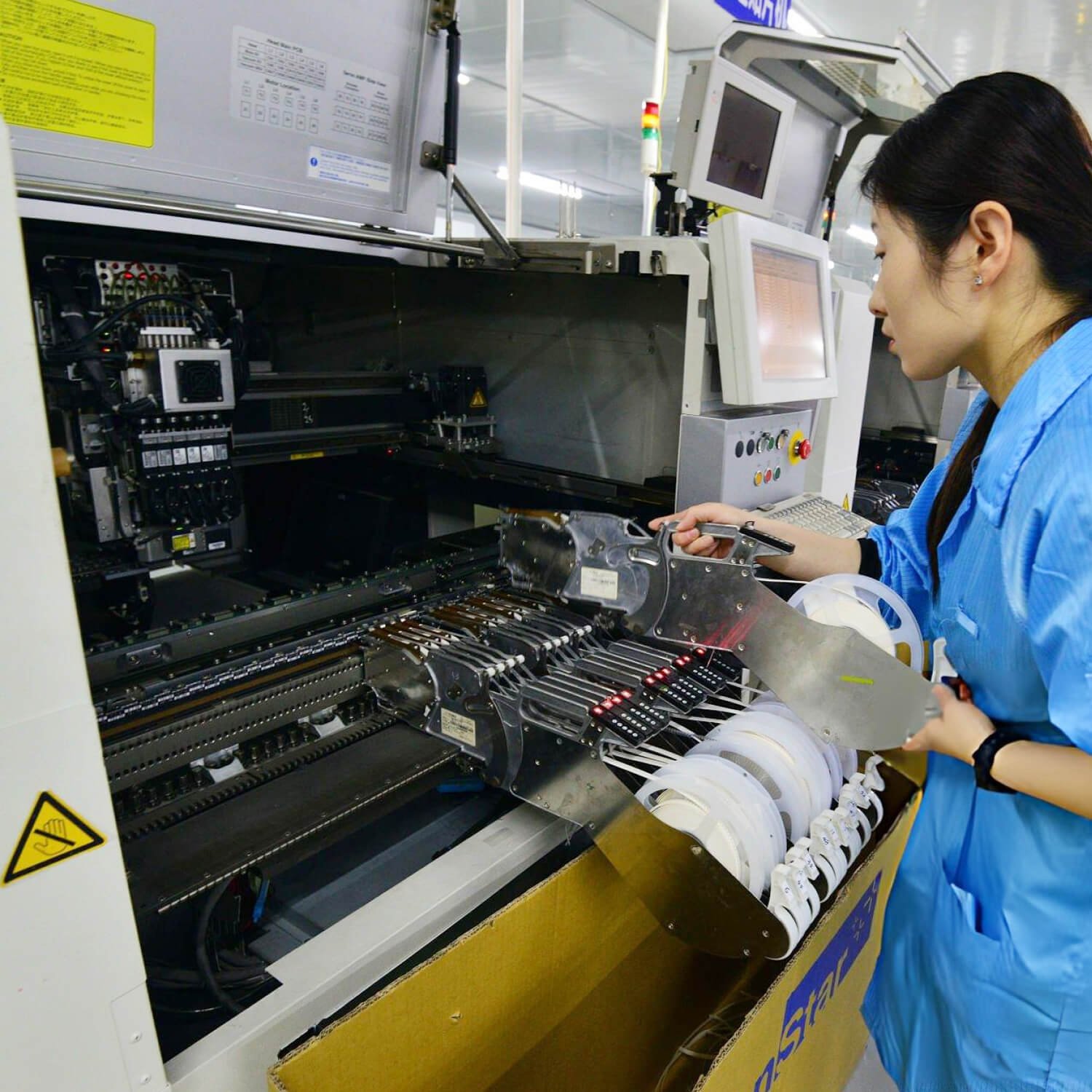
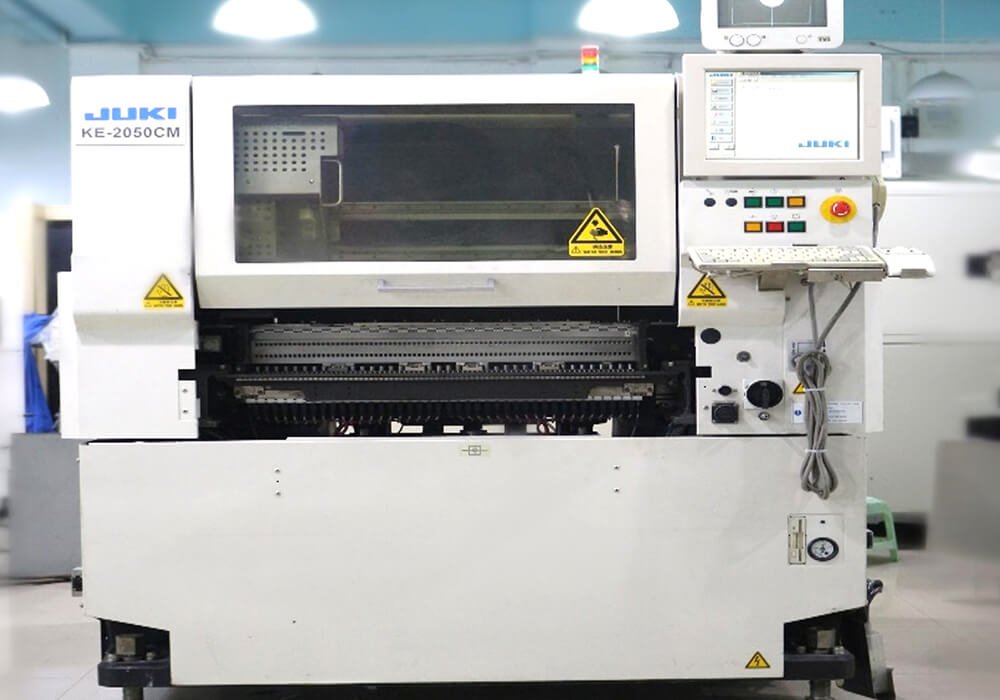
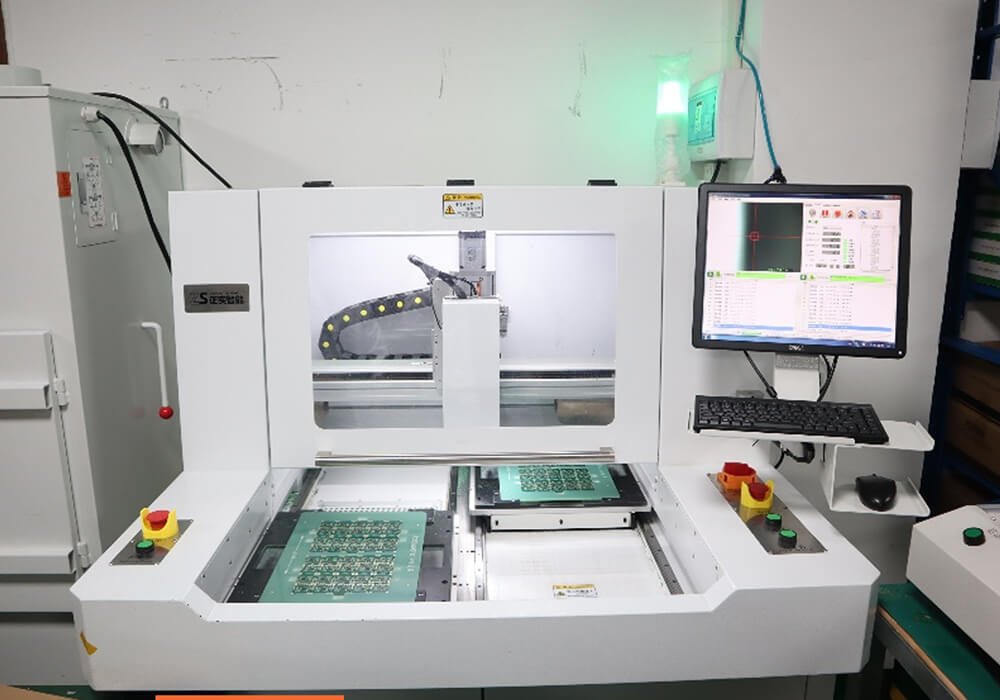
After solder paste printing, automated pick-and-place machines accurately position surface mount components onto the PCB.
5. Reflow Soldering
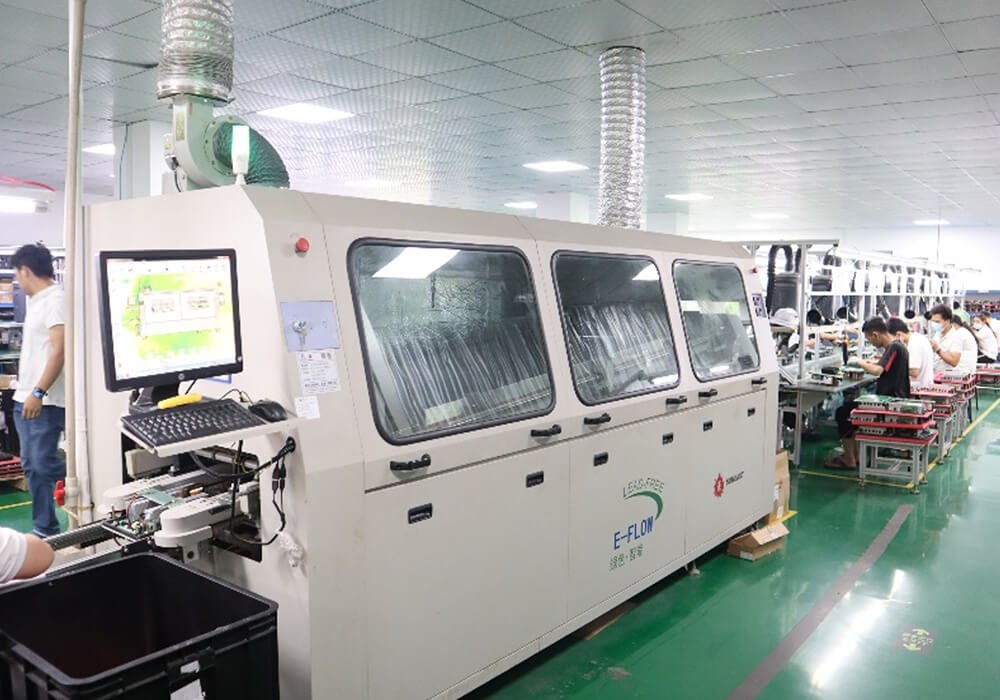
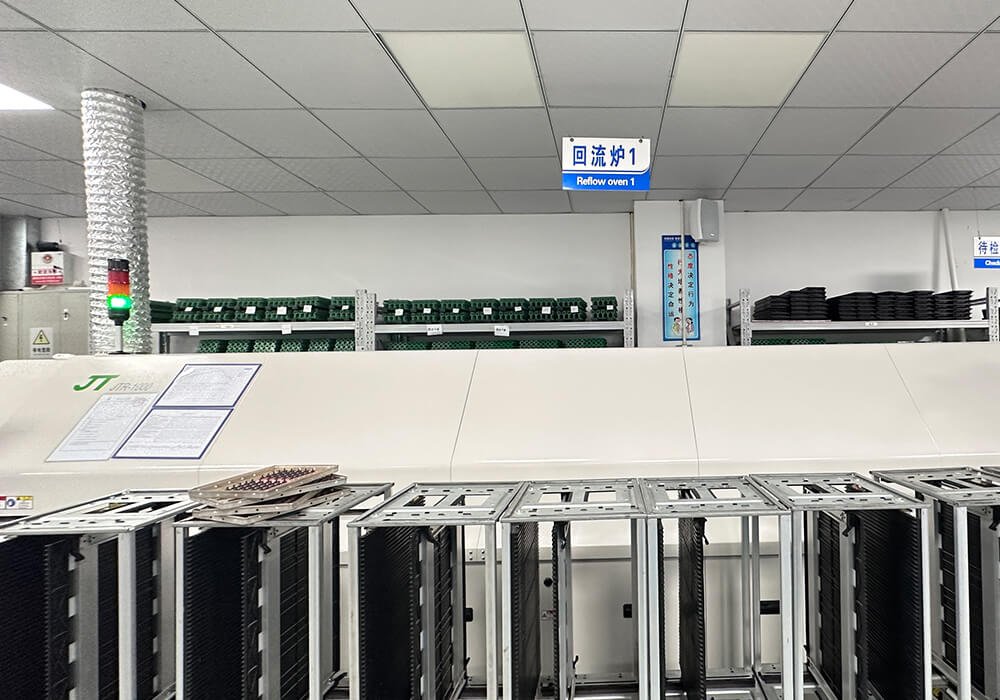
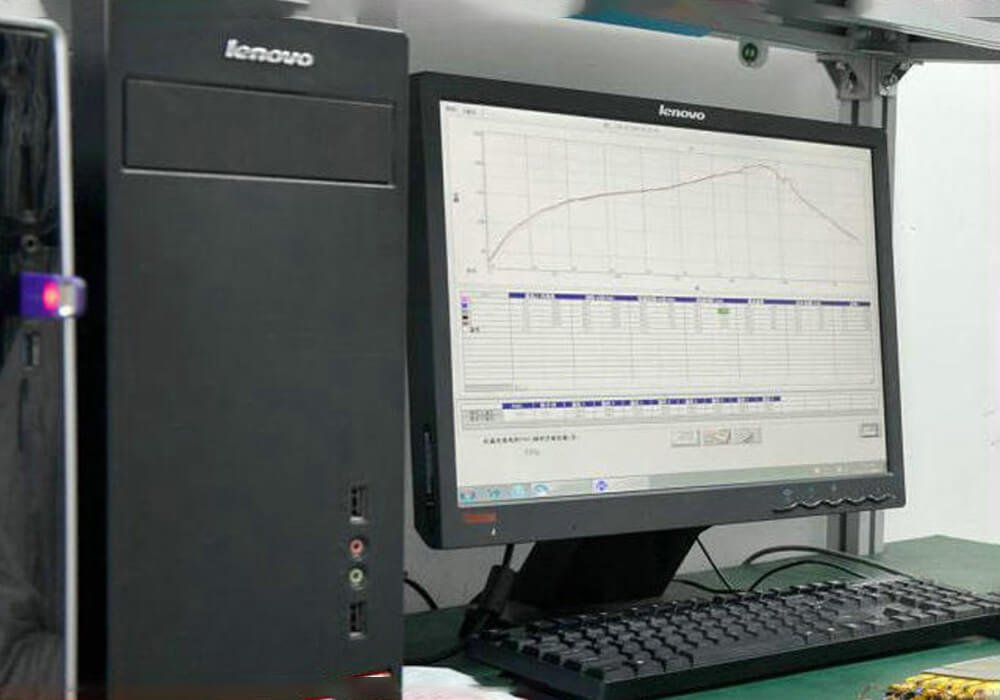
Once components are placed, the PCB enters a reflow oven. Reflow soldering permanently bonds components to PCB pads by melting the solder paste in a controlled temperature profile.
6. AOI/X-Ray Inspection
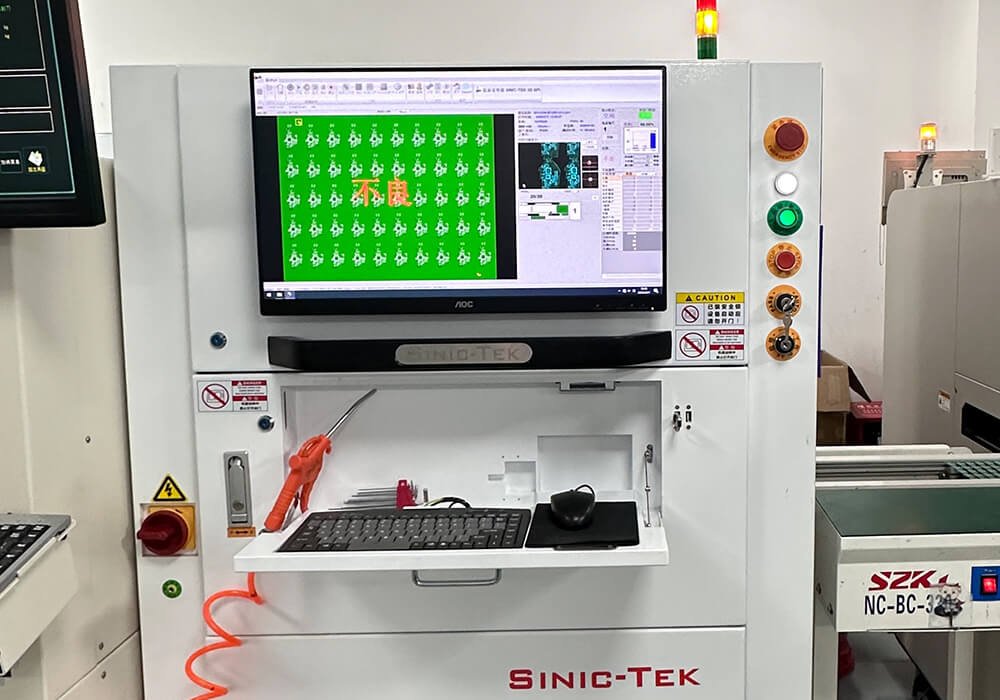
After reflow soldering, the assembled PCB undergoes Automated Optical Inspection (AOI) and X-Ray Inspection.
7. Final Inspection and Packaging
After completing SMT assembly and testing, finished PCB assemblies receive final quality checks before shipment.
SMT Inspection and Testing
We applies a risk-based SMT inspection strategy by selecting appropriate inspection and testing methods according to PCB complexity, component technology, application requirements, and customer expectations.
1. Incoming Material Inspection
Before assembly begins, incoming components and materials are checked to confirm part numbers, quantities, packaging conditions, and required documentation.
2. Solder Paste Inspection
After solder paste printing, SPI equipment measures solder paste deposition quality on PCB pads. SPI helps identify printing problems before component placement, reducing solder-related defects during later assembly stages.
3. AOI
AOI systems inspect assembled PCBAs using high-resolution cameras and image analysis technology.
4. X-Ray Inspection
X-ray inspection is used for assemblies containing hidden solder connections or complex component packages.
5. Electrical Testing
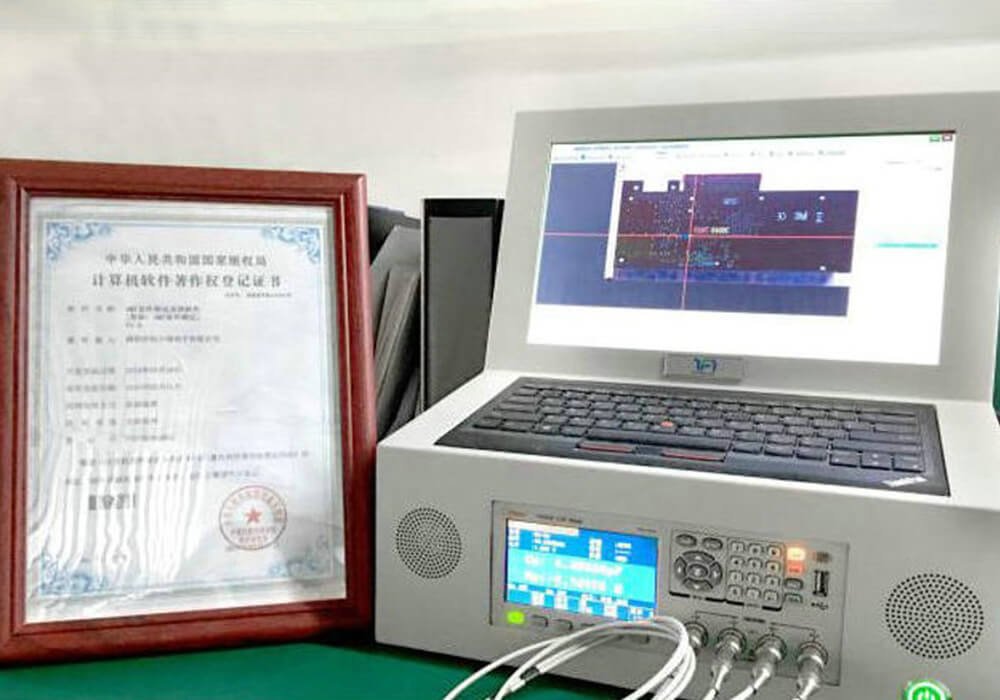
Electrical testing can identify issues such as open circuits, short circuits, incorrect component values, or selected circuit failures.
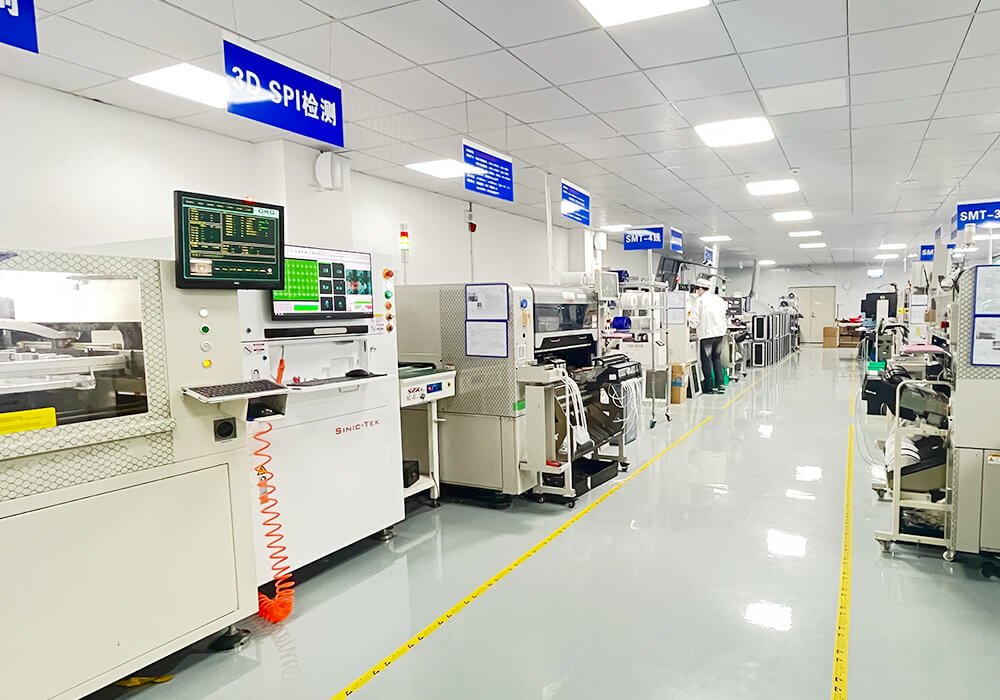
Factory Glance
Our factory was equipped with automated SMT lines, intelligent process control systems, and advanced inspection equipment to support reliable PCB assembly from prototypes to high-volume production.
Industries We Have Previously Served
We have provided professional SMT Assembly and turnkey PCBA manufacturing services to customers, such as consumer electronics, medical systems.

Automotive Electronics
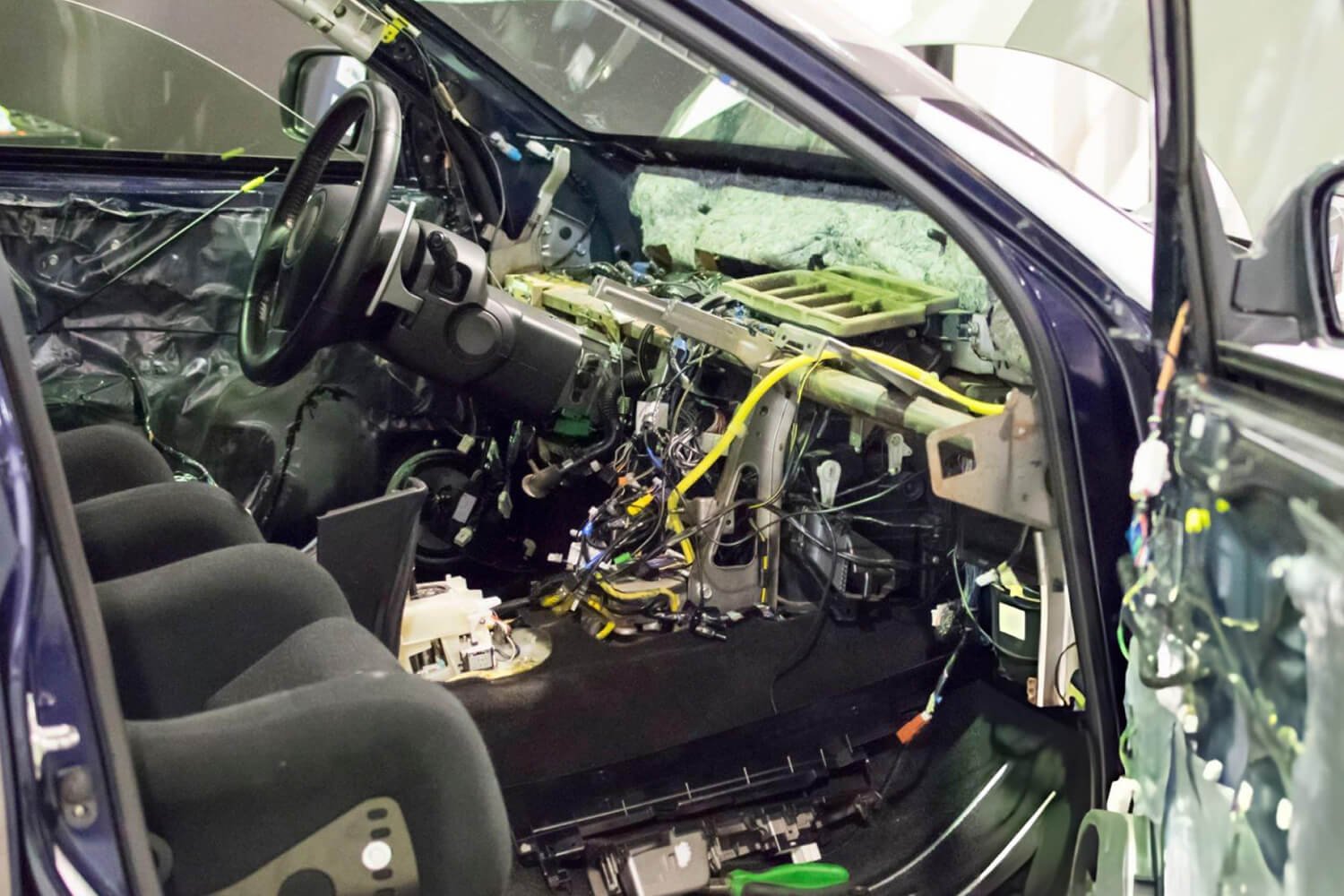
Automotive electronics require strict quality standards, traceability control, and high reliability performance.
- Automotive control modules
- In-vehicle infotainment systems
- Sensor control boards
- Power management modules
- LED automotive lighting drivers

Industrial Automation
Industrial electronics require high reliability and long-term stability under harsh operating environments.
- PLC control boards
- Industrial sensor modules
- Motor control systems
- Power control units
- Automation control boards

Medical Electronics
Medical electronic devices require strict quality control, precision assembly, and high product consistency. We supports high-quality SMT Assembly manufacturing for sensitive medical electronics applications.
- Medical monitoring devices
- Diagnostic equipment PCBs
- Portable medical electronics
- Imaging system electronic modules

Consumer Electronics
We supports high-volume SMT Assembly production for consumer electronic devices that require compact design, high performance, and cost efficiency.
- Smart home devices
- Wearable electronics
- Audio and video equipment
- Gaming devices
- Personal electronics

Telecommunication
We provides SMT Assembly solutions optimized for high-speed signal transmission and EMI control.
- Communication modules
- Network routers and switches
- Wireless communication devices
- RF communication boards
- 5G communication infrastructure
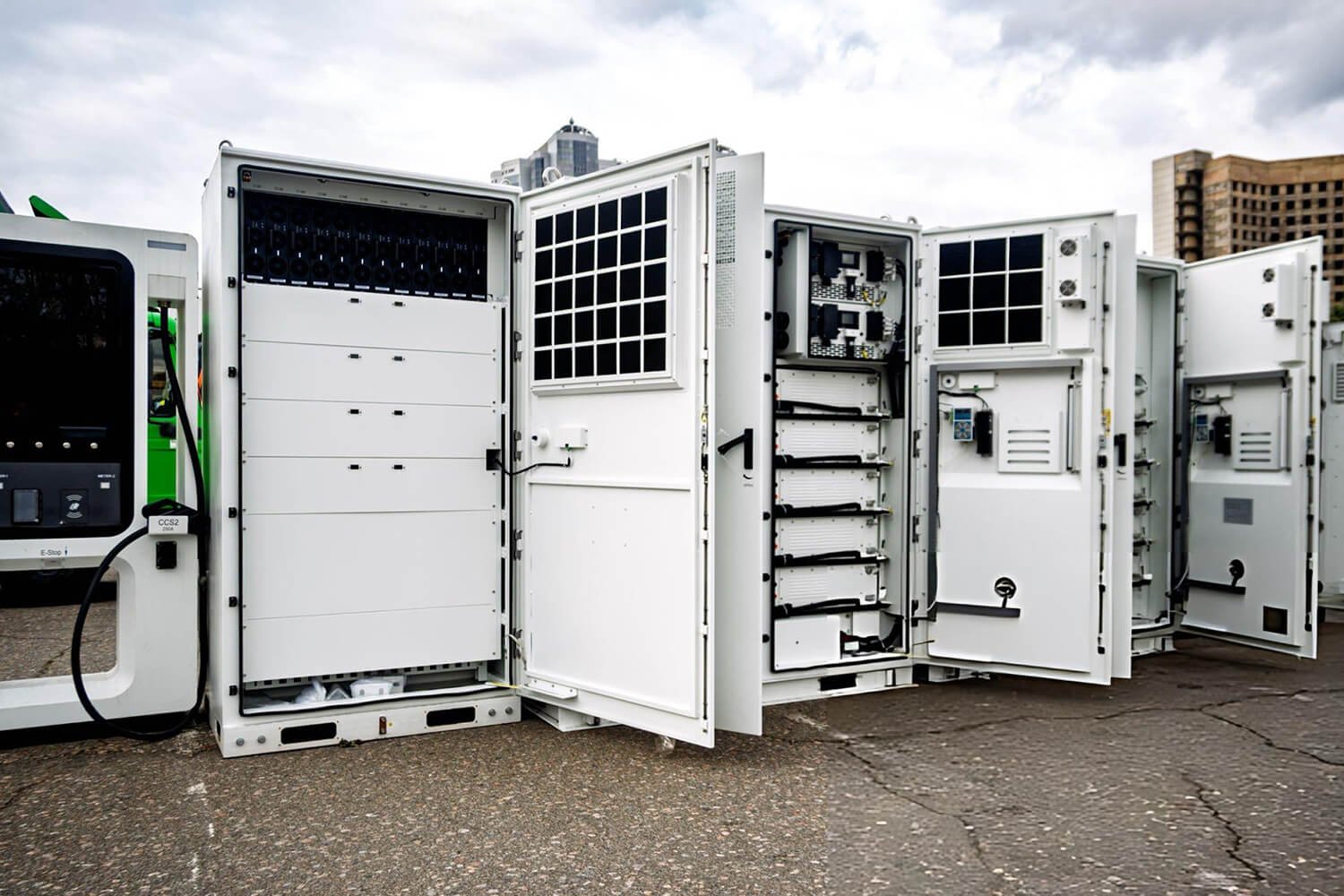
Energy Systems
Power electronics applications require stable solder joints, thermal management performance, and high current handling capability. We supports SMT Assembly for power electronics with strong thermal process control.
- Power supply control boards
- Battery management systems (BMS)
- Energy storage control modules
- Solar inverter control boards
- Charging system electronics
Fast Quotation
Our professional sales and engineering teams provide fast PCB quotes and technical support. Simply send us your Gerber files, BOM, and assembly drawings, and we will respond promptly with a competitive solution.
- Gushu Tangxi Second Industrial Zone, Shenzhen
- +86 755 2335 0814
- +86 135 1078 8094
- sales@pcbasail.com
FAQ About SMT Assembly
1. What files are required for an SMT assembly quotation?
Provide Gerber RS-274X or ODB++ data, a BOM with complete manufacturer part numbers, centroid data, assembly drawings, target quantities, and testing requirements. A fabrication drawing, panel data, programming files, fixtures, and packaging instructions may also be needed.
2. Does PCBSAIL support prototype SMT assembly?
Yes. We supports prototypes, low-volume, mid-volume, and mass-production projects. The route and schedule depend on material readiness, board construction, package types, quantity, inspection, testing, and value-added processes.
3. Can PCBSAIL source the components?
Yes. We can source electronic components. Projects may use full-turnkey, partial-turnkey, or consigned sourcing. The quotation identifies who supplies each item, which alternatives are approved, and how customer-owned or excess material is handled.
4. Can PCBSAIL assemble components on both sides of a PCB?
Double-sided SMT projects can be reviewed. Engineering defines the first- and second-side sequence, support tooling, component mass limits, thermal exposure, inspection access, and any through-hole operations.
5. Does PCBSAIL support BGA and QFN assembly?
BGA, QFN, LGA, and other hidden-joint packages can be evaluated during the assembly review. The quotation must define reflow controls, any X-ray coverage, sampling, image acceptance, rework criteria, and product-specific limits.
6. Can SMT and through-hole components be assembled on the same board?
Mixed-technology projects can be reviewed. The process plan defines the order of reflow, insertion, soldering, cleaning when specified, inspection, testing, and manual operations.