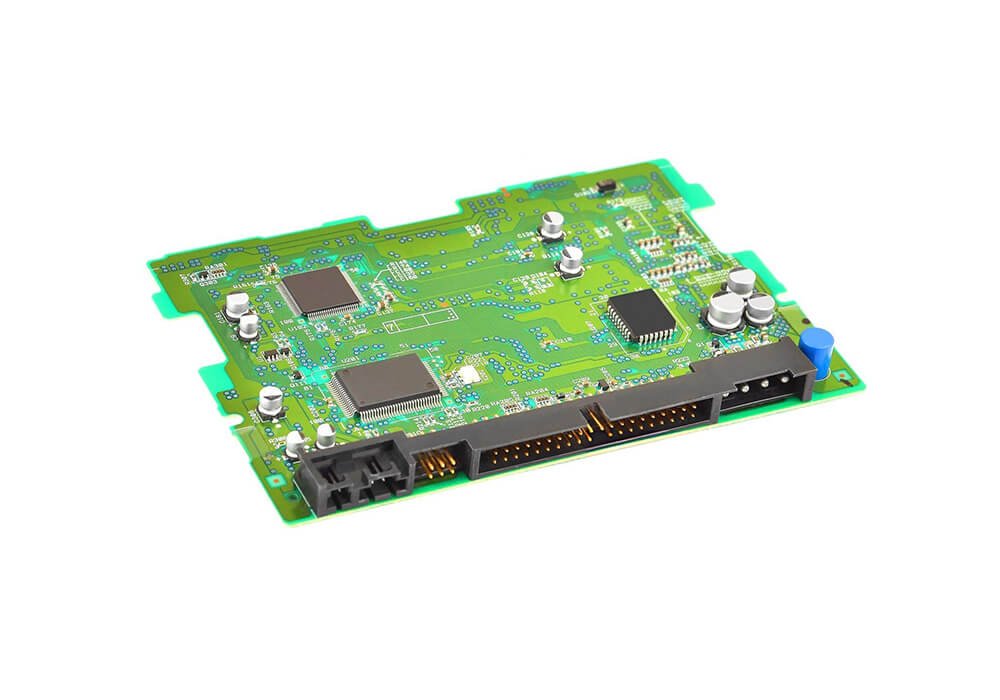
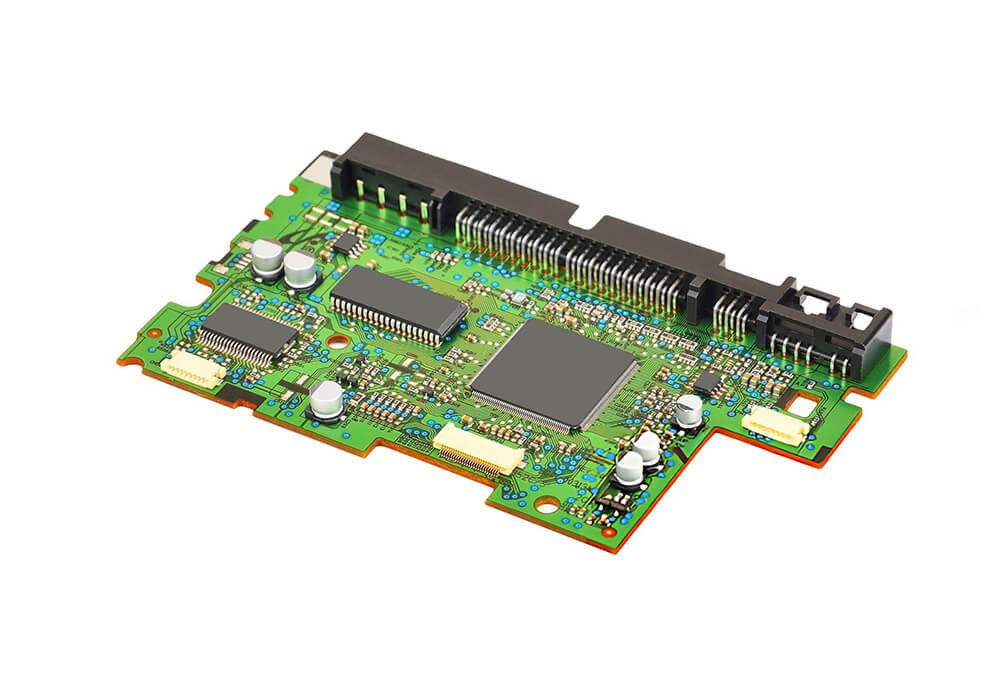
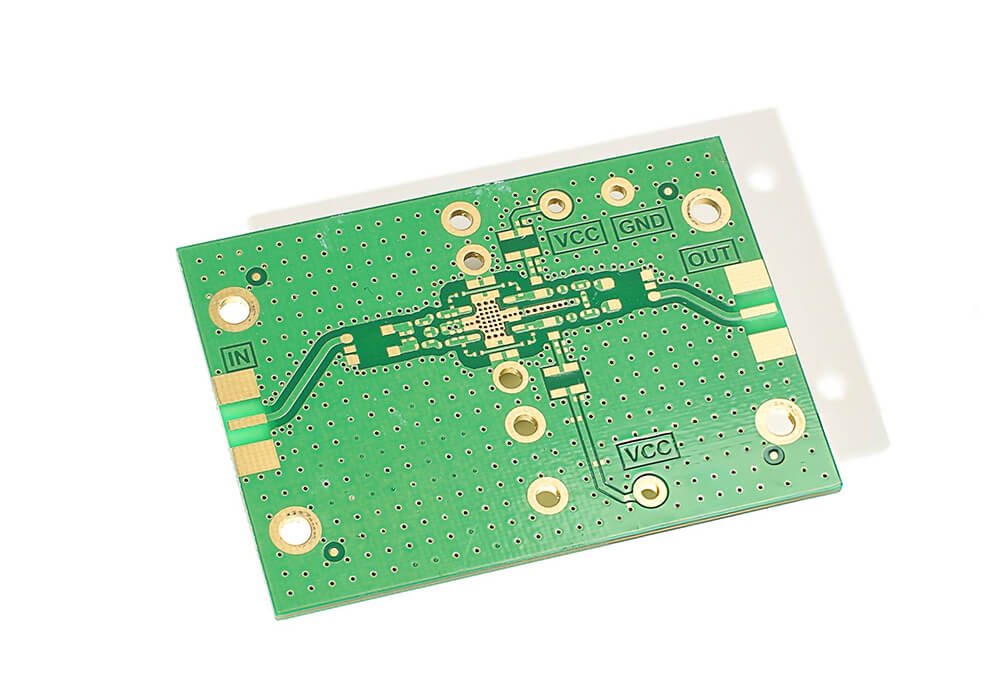
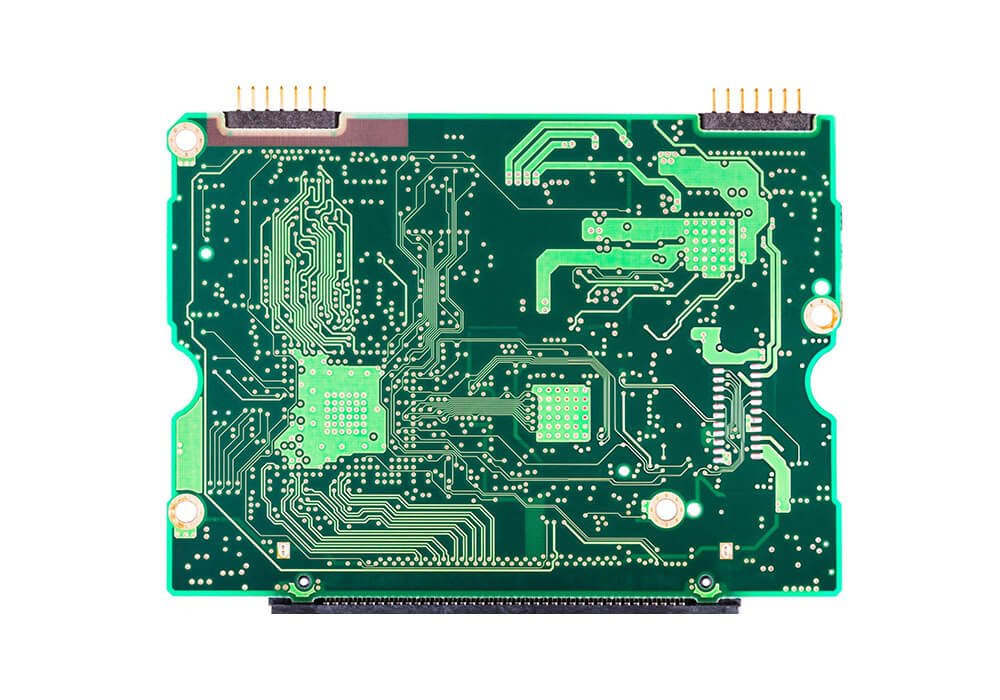
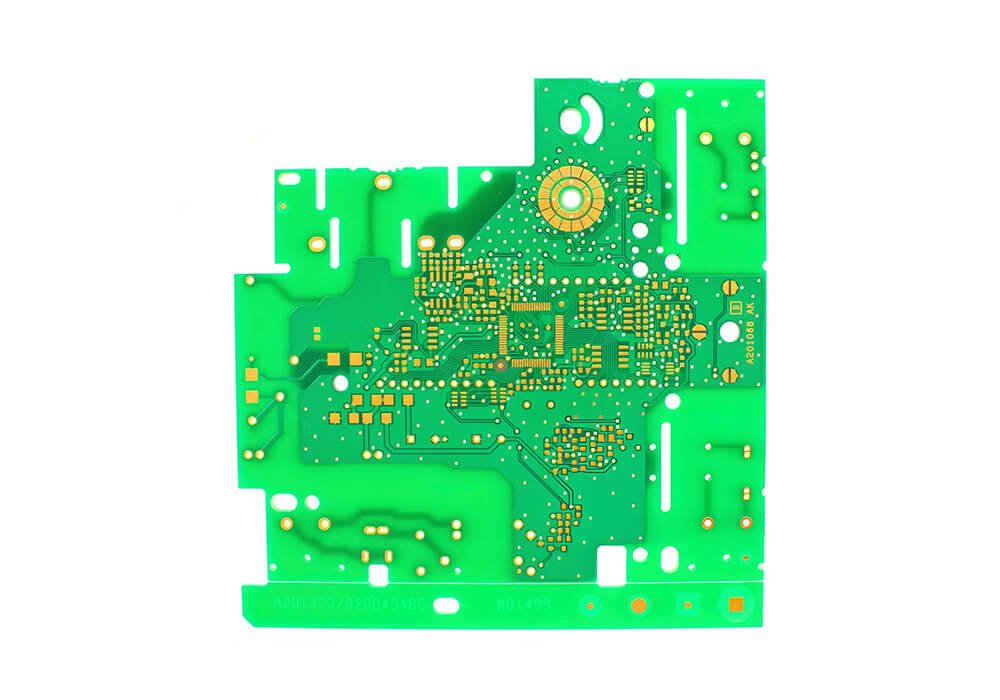

/High-Frequency RF PCB/

Rogers PCB

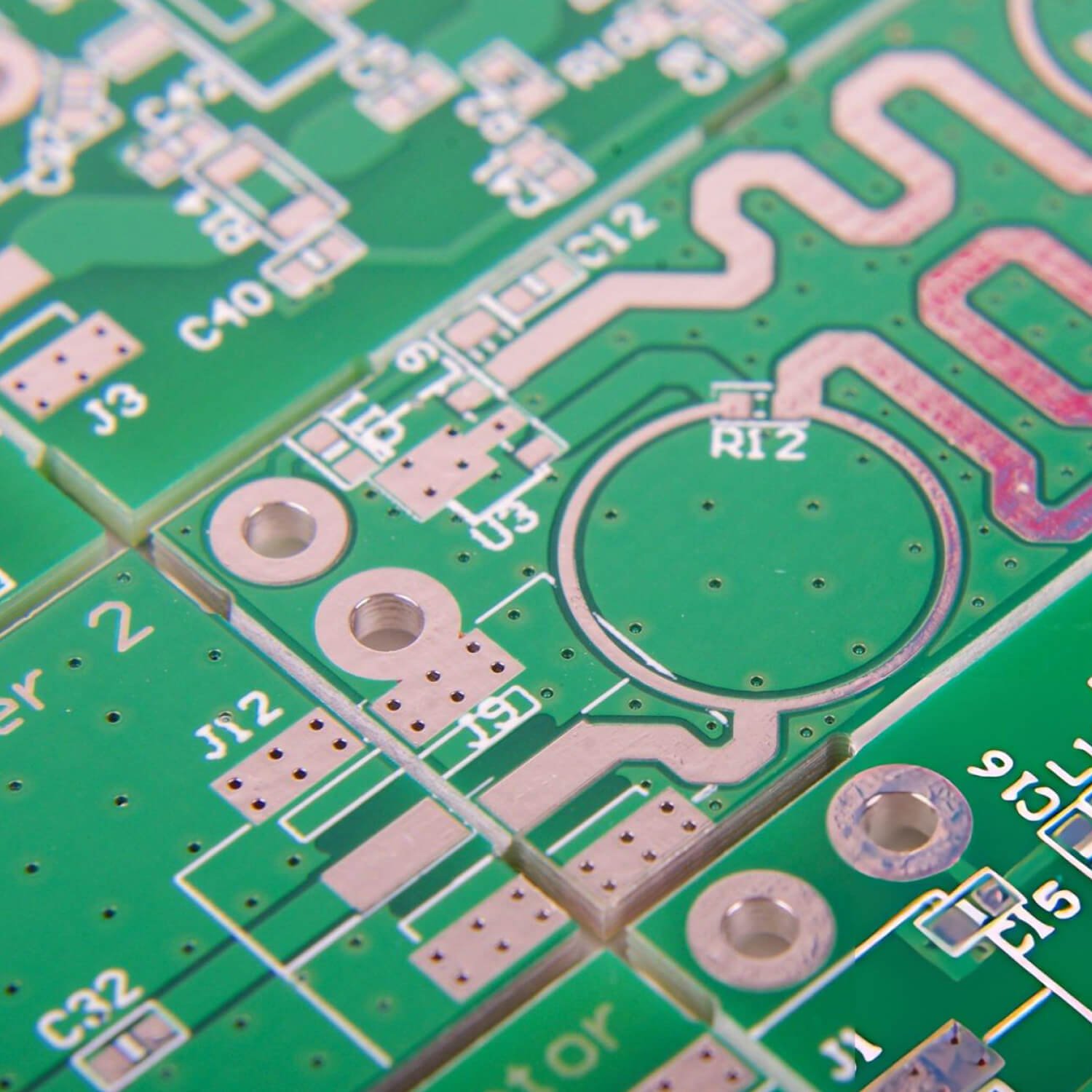
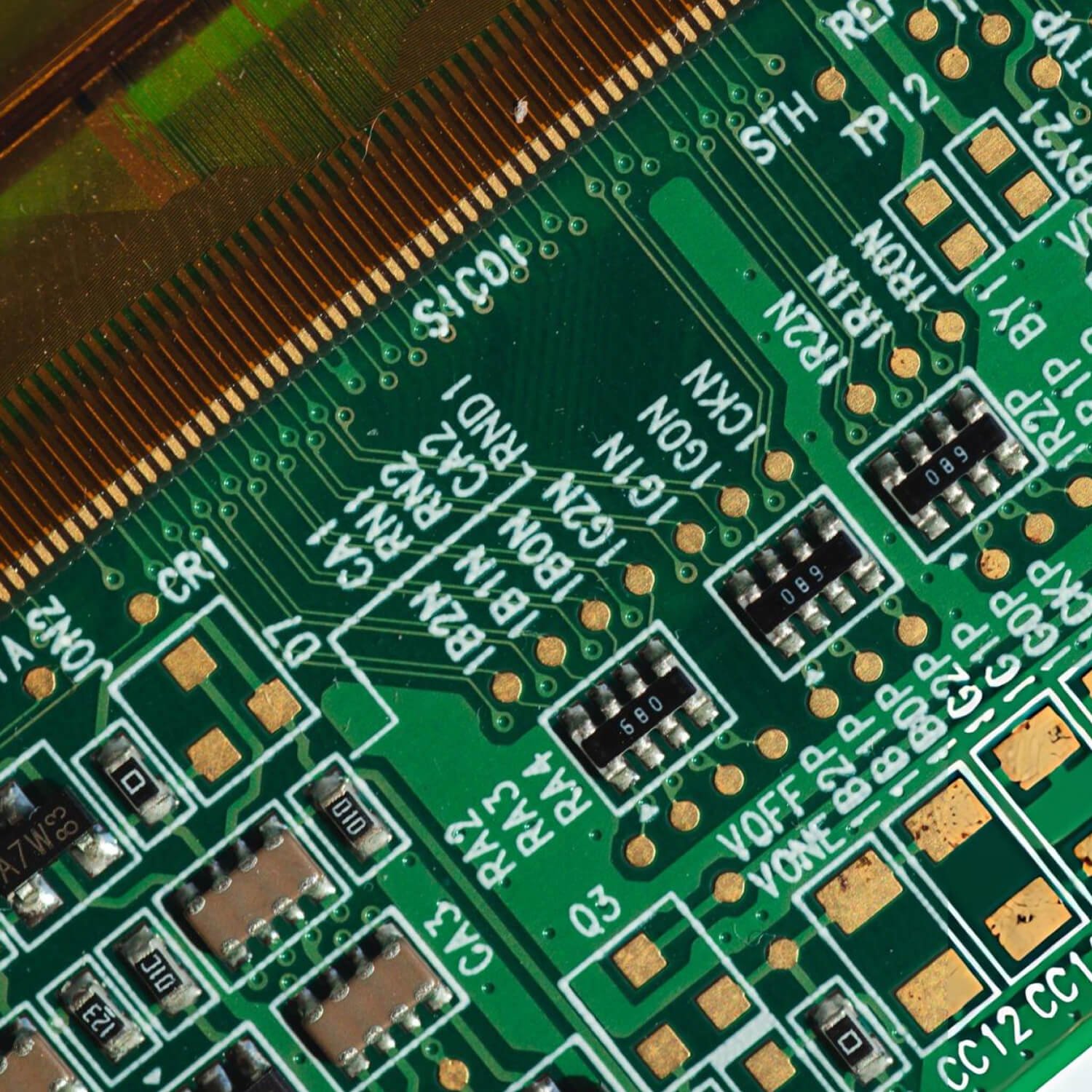
Rogers PCB is used in the high-frequency and high-speed electronic industry where signal integrity, thermal stability, and low dielectric loss are critical.

PCBSAIL specializes in manufacturing high-performance Rogers PCBS using advanced materials from Rogers Corporation. It can ensure consistent electrical performance across demanding environments.

Whether you are developing RF systems, 5G infrastructure, automotive radar, or aerospace electronics, our Rogers PCB can deliver precision, reliability, and scalability.

Rogers PCB Manufacturer

Rogers PCB Manufacturer.

We are a professional Rogers PCB manufacturer for RF, microwave, and high-speed digital systems. 

With years of manufacturing experience and a strong engineering foundation, we deliver precision-built circuit boards that meet the demanding requirements of modern electronics.

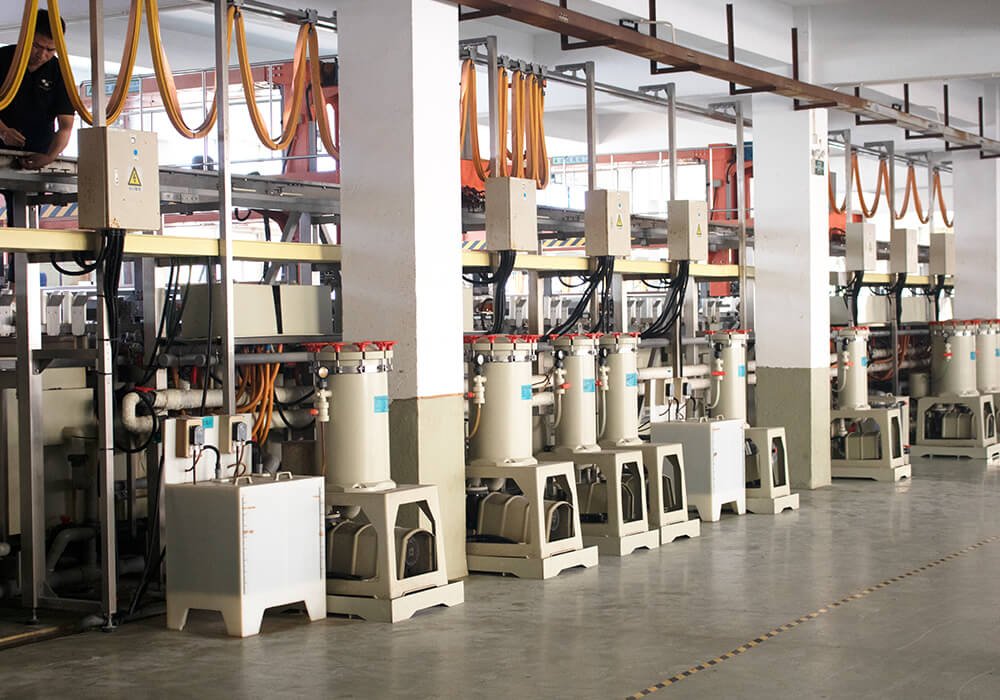
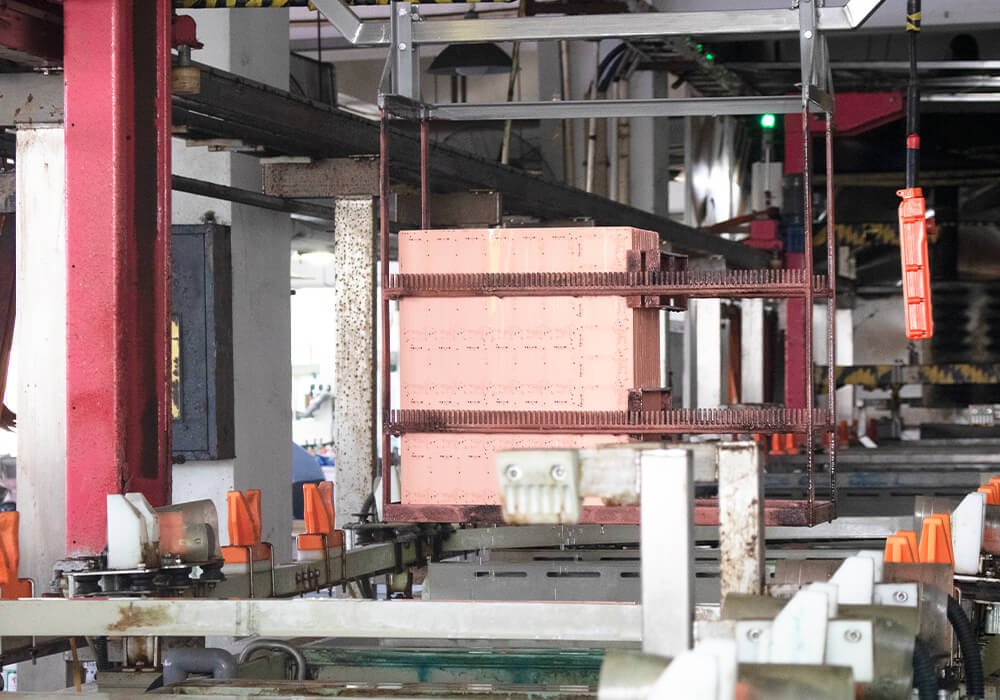
Our production facilities are equipped with advanced fabrication lines, high-accuracy testing systems, and strict quality control processes. It can make us to offer Rogers PCB from rapid prototyping to full-scale mass production.

By combining advanced materials from Rogers Corporation with precision manufacturing processes, we help customers get optimal signal integrity and long-term reliability Rogers PCBs.

Manufacturing Capacity

We can support complex RF and high-frequency circuit designs.

  • Layer Count: 1 to 64 layers
  • Multilayer RF stackups and hybrid constructions
  • Optimized for mixed-signal (RF + digital) designs
  • Minimum Trace/Spacing: 1.8 mil / 1.8 mil
  • Minimum Hole Size: 0.15 mm
  • Laser Microvias: 3 mil (HDI capability)
  • Supports blind vias, buried vias, and via-in-pad

Engineering Support

Our engineering team provides full support for your project lifecycle:

  • Stackup design and material selection
  • Impedance modeling and simulation
  • Dk/Df matching for signal layers
  • DFM review

Quality Assurance

Every Rogers PCB undergoes strict inspection and validation:

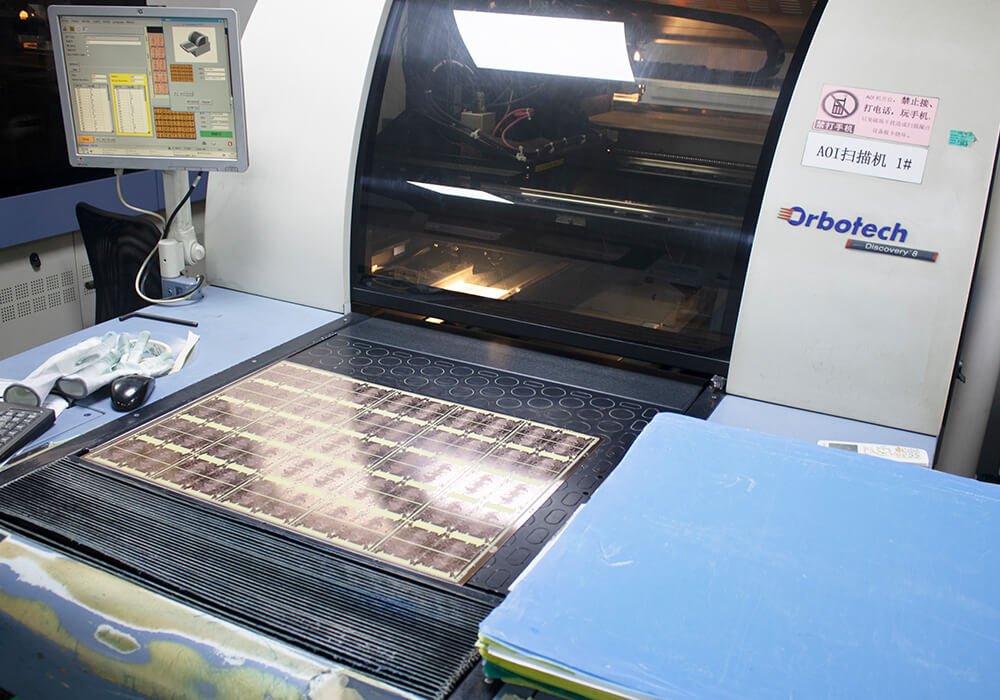
  • AOI
  • X-ray inspection for via integrity
  • Impedance testing
  • Electrical testing
  • Microsection analysis

Feature Rogers PCB.

We can provide a full range of Rogers PCBs. By leveraging advanced laminates from Rogers Corporation, we deliver circuit boards with low dielectric loss, stable impedance, and superior thermal reliability.

Feature Rogers PCB
4 layer rogers pcb
rogers 3003 pcb
rogers ptfe pcb
rogers rf pcb
rogers ro4350b pcb

Rogers PCB We Offer.

Flex PCB Single-Sided Flex PCB

Single-Layer Rogers PCB

Single-layer Rogers PCBs are built with one conductive layer on a high-frequency substrate, making them a cost-effective solution for simple RF circuits.

  • Low dielectric loss for clean signal transmission
  • Stable dielectric constant (Dk)
  • Lightweight and cost-efficient

Flex PCB Double-Sided Flex PCB

Double-Sided Rogers PCB

Double-sided Rogers PCBs feature conductive layers on both sides of the substrate, allowing for more complex circuit routing and improved performance.

  • Improved signal integrity
  • Better grounding and shielding
  • Supports controlled impedance

Flex PCB Multilayer Flex PCB

Multilayer Rogers PCB

Multilayer Rogers PCBs are designed for complex systems requiring high-density routing and precise signal control.

  • Up to 64-layer stackups
  • Controlled impedance (±3Ω)
  • Microstrip and stripline support
  • Reduced EMI

Flex PCB with Stiffeners

High-Frequency RF PCB

These PCBs are specifically engineered for high-frequency operation, often exceeding 10 GHz.

  • Ultra-low loss tangent (Df ≤ 0.001)
  • Stable performance across wide frequency ranges
  • Excellent impedance control

Flex PCB Rigid-Flex PCB

HDI Rogers PCB

HDI Rogers PCBs use microvias and fine-line technology to achieve compact, high-performance designs.

  • Laser-drilled microvias (3 mil)
  • Via-in-pad and stacked vias
  • High routing density
ItemUnitFlex PCB
Max. LayersL16
Min. Finished Board Thicknessmm0.04
Max. Sizemm500 × 2200
Min. Laser Drill Holemm0.025
Min. Mechanical Drill Holemm0.1
Min. Line Width / Spacingmm0.035 / 0.035
Min. Annular Ring (Single / Double Side)mm0.075
Min. Annular Ring (Multilayer Inner Layer)mm0.1
Min. Annular Ring (Multilayer Outer Layer)mm0.1
Min. Coverlay Bridgemm0.1
Min. Solder Mask Openingmm0.15
Min. Coverlay Openingmm0.30 × 0.30
Min. BGA Pitchmm0.45
Single-ended Impedance Tolerance%±7
Base Material Type/Polyimide, LCP, PET
Base Material Brands/Shengyi, ITEQ, Taiflex, Newflex, Nikko, Panasonic, DuPont, Jiujiang
Stiffener Types/FR4, PI, PET, Steel, Aluminum, PSA, Nylon
Surface Finish/ENIG, ENEPIG, OSP, Electroplated Gold, Electroplated Gold + ENIG, Electroplated Gold + OSP, Immersion Silver, Immersion Tin, Electroplated Tin
Flex + HDI/2+N+2 (Mass production)

Rogers PCB Materials

Compared to traditional FR4, Rogers PCB provided significantly lower dielectric loss, stable dielectric constants, and superior thermal reliability.

We utilize premium laminates from Rogers Corporation to produce high-performance Rogers PCBs tailored for RF, microwave, and high-speed digital systems.

Rogers PCB Materials

The RO4000 series combines the electrical performance of PTFE materials with the manufacturability of FR4.

Material

Dielectric Constant (Dk)

Dissipation Factor (Df)

Material Type

RO4350B

3.48 ± 0.05

0.0037

Non-PTFE (hydrocarbon/ceramic)

RO4835

3.48 ± 0.05

0.0031

Non-PTFE (enhanced stability)

The RO3000 series is designed for applications requiring extremely low dielectric loss and tight tolerance.

Material

Dielectric Constant (Dk)

Dissipation Factor (Df)

Material Type

RO3003

3.00 ± 0.04

0.0010

PTFE-based

RO3035

3.50 ± 0.05

0.0015

PTFE-based

RO3203

3.02 ± 0.04

0.0016

PTFE-based


RT/duroid laminates offer the lowest dielectric constant and loss among Rogers materials.

Material

Dielectric Constant (Dk)

Dissipation Factor (Df)

Material Type

RT/duroid 5880

2.20 ± 0.02

0.0009

PTFE-based

RT/duroid 6002

2.94 ± 0.04

0.0012

PTFE-based

TMM materials provide a balance between electrical performance and mechanical durability.

Material

Dielectric Constant (Dk)

Dissipation Factor (Df)

Material Type

TMM3

3.27 ± 0.04

0.0020

Thermoset ceramic-filled

TMM10

9.20 ± 0.20

0.0020

Thermoset ceramic-filled

These materials are used for bonding layers in multilayer Rogers PCBs.

Material

Dielectric Constant (Dk)

Dissipation Factor (Df)

Material Type

RO4450F (prepreg)

3.52 ± 0.05

0.0040

RO4400 Series Prepreg

2929 Bondply

2.94 ± 0.05

0.0030

PTFE-based thermoset adhesive

Rogers PCB Feature

Our Rogers PCBs are specifically designed to meet the demanding requirements of RF, microwave, and high-speed digital applications.

Rogers materials offer a stable dielectric constant ranging from 2.2 to 10.2, enabling accurate impedance matching and reduced signal delay.

  • Faster signal propagation
  • Improved impedance control
  • Reduced signal distortion

Rogers PCB is extremely low-loss tangent, with values as low as 0.0009.

  • Reduced signal attenuation
  • Enhanced RF performance
  • Improved transmission efficiency over long distances

Rogers PCBs can maintain consistent electrical properties even at frequencies exceeding 10 GHz and up to 77 GHz.

  • Low insertion loss
  • Reduced electromagnetic interference (EMI)
  • Clean signal transmission

Rogers materials are engineered to withstand extreme thermal conditions without degrading performance.

  • Prevents warping and delamination
  • Ensures long-term reliability
  • Ideal for high-power applications

Rogers PCBs show a low Z-axis CTE of 10–17 ppm/°C, ensuring dimensional stability during temperature changes.

  • Improved plated through-hole (PTH) reliability
  • Reduced mechanical stress
  • Better multilayer alignment

Rogers materials absorb is significantly less moisture than FR4.

  • Stable dielectric properties in humid conditions
  • Reduced risk of delamination
  • Increased product lifespan
Rogers PCB Feature

How To Choose Rogers PCB Materials

It is important to choose the right Rogers PCB material because it directly impacts PCBs’ signal integrity, thermal reliability, and overall system performance.

Rogers PCB Materials

Frequency is the most important factor when selecting Rogers materials.

  • Below 10 GHz: RO4000 Series (e.g., RO4350B, RO4003C)
  • 10 GHz – 40 GHz: RO3000 Series (e.g., RO3003, RO3010)
  • Above 40 GHz (Millimeter-Wave): RT/Duroid Series (e.g., 5880, 6002)

The dielectric constant affects signal speed, impedance, and circuit size.

  • Low Dk (2.2 – 3.5): Ideal for RF and microwave circuits
  • High Dk (6 – 10.2): Suitable for compact designs

Df determines how much signal energy is lost as heat.

  • Ultra-Low Loss (Df ≤ 0.001): PTFE-based materials
  • Moderate Loss (Df ≤ 0.0037): Suitable for most RF and high-speed designs

Thermal performance is crucial for reliability, especially in high-power applications.

  • High-Temperature Environments: TMM series or RO4000 series
  • Power Applications: Choose materials with higher thermal conductivity

Mechanical properties affect durability and manufacturing reliability.

Important Factors:

  • CTE (Z-axis: 10–17 ppm/°C)
  • Dimensional stability
  • Peel strength

Moisture can significantly impact high-frequency performance.

  • Choose materials with <0.05% moisture absorption
  • Critical for outdoor, aerospace, and telecom applications

Rogers PCB Manufacturing

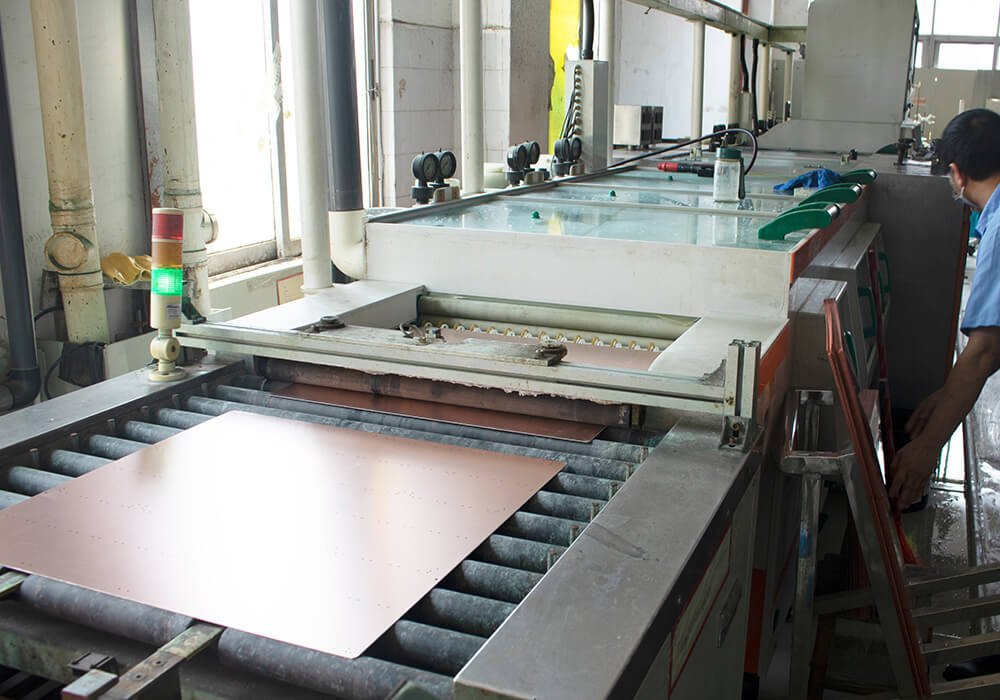
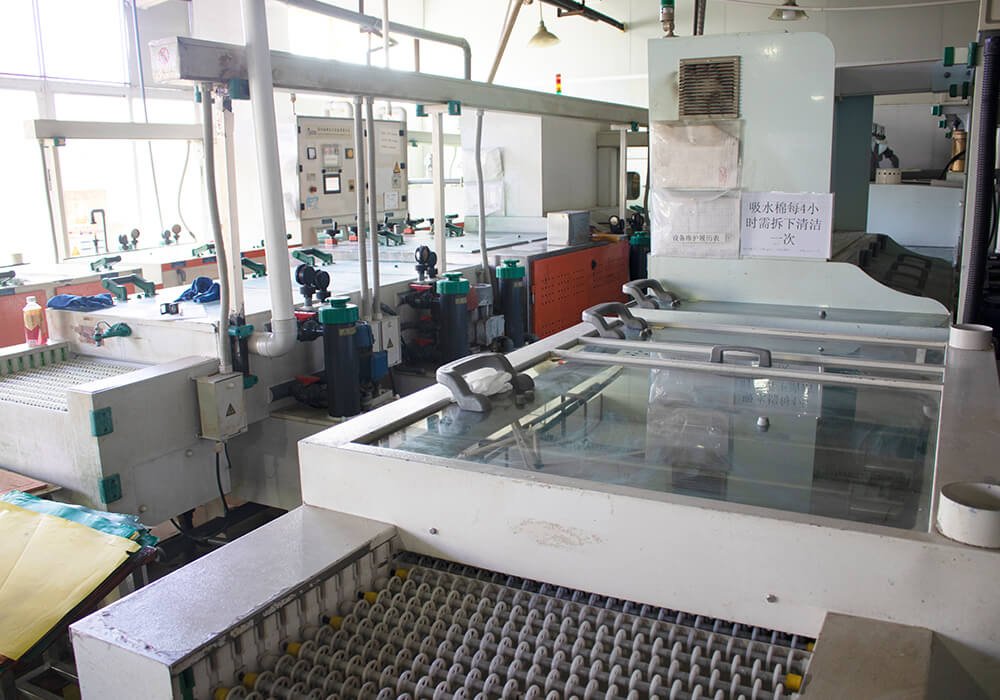
Our Rogers PCB fabrication process is engineered to maintain signal integrity, impedance stability, and structural durability in all production stages.

Flex PCB Manufacturring Process

Design Review

It begins with a comprehensive engineering review:

  • Analyze Gerber files and stackup design
  • Select appropriate Rogers material
  • Define impedance requirements and tolerance (±3Ω)
  • Evaluate Dk/Df performance

Flex PCB Manufacturring Process

Material Preparation

Rogers materials, especially PTFE-based laminates, require controlled preparation:

  • Pre-baking at 110°C – 125°C for 30–60 minutes
  • Moisture removal to prevent delamination
  • Stabilization of dielectric properties

Flex PCB Manufacturring Process

Inner Layer Imaging

It made High-Precision Circuit Pattern Formation

  • Apply photoresist to copper-clad laminate
  • UV exposure using high-resolution artwork
  • Chemical etching to form circuit traces

Flex PCB Manufacturring Process

Lamination Process

It ensures strong interlayer bonding and stable dielectric thickness.

  • Use prepreg materials
  • Apply controlled pressure and temperature
  • Align layers precisely for multilayer builds

Flex PCB Manufacturring Process

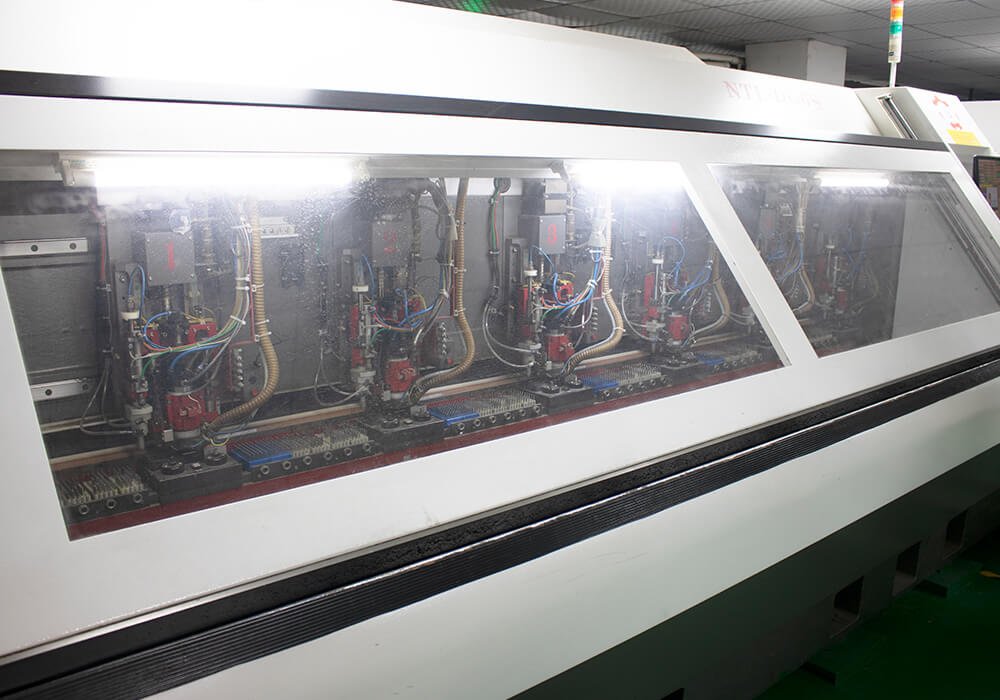
Drilling

Precision drilling ensures reliable electrical connections and supports high-density designs.

  • Through-hole vias
  • Blind and buried vias
  • Via-in-pad

Flex PCB Manufacturring Process

Plasma Treatment

It can improve copper adhesion and ensure reliable plated through-hole (PTH) performance.

  • CF4/O2 plasma cleaning
  • Removes residue and activates hole walls

Flex PCB Manufacturring Process

Copper Plating

It can ensures strong conductivity and mechanical reliability.

Flex PCB Manufacturring Process

Outer Layer Imaging

It is important for RF performance and signal consistency.

Flex PCB Manufacturring Process

Solder Mask

It can protect circuits and improve high-frequency performance.

Flex PCB Manufacturring Process

Surface Finish

We offer various of surface finish methods.

  • ENIG (preferred for RF applications)
  • Immersion Silver
  • OSP
  • Lead-Free HASL

Flex PCB Manufacturring Process

Testing

Every Rogers PCB undergoes rigorous testing:

  • AOI
  • X-ray inspection
  • Impedance testing
  • Electrical testing
  • Microsection analysis

Flex PCB Manufacturring Process

Final Inspection

It is ready for Assembly or Integration.
PTH
copper immersion
Degumming Residue
sink gold
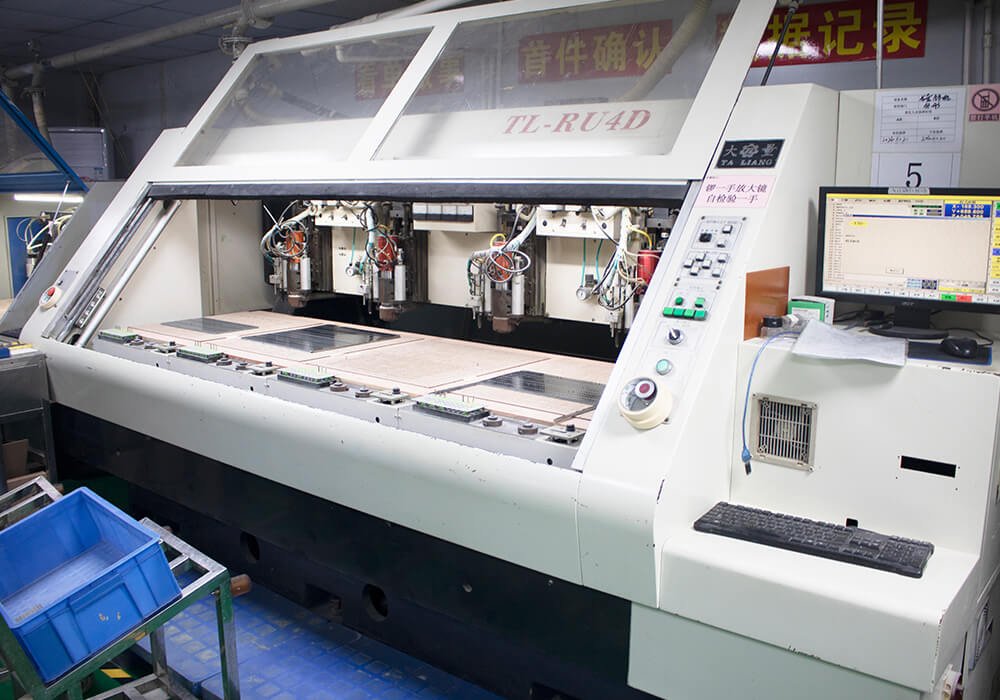
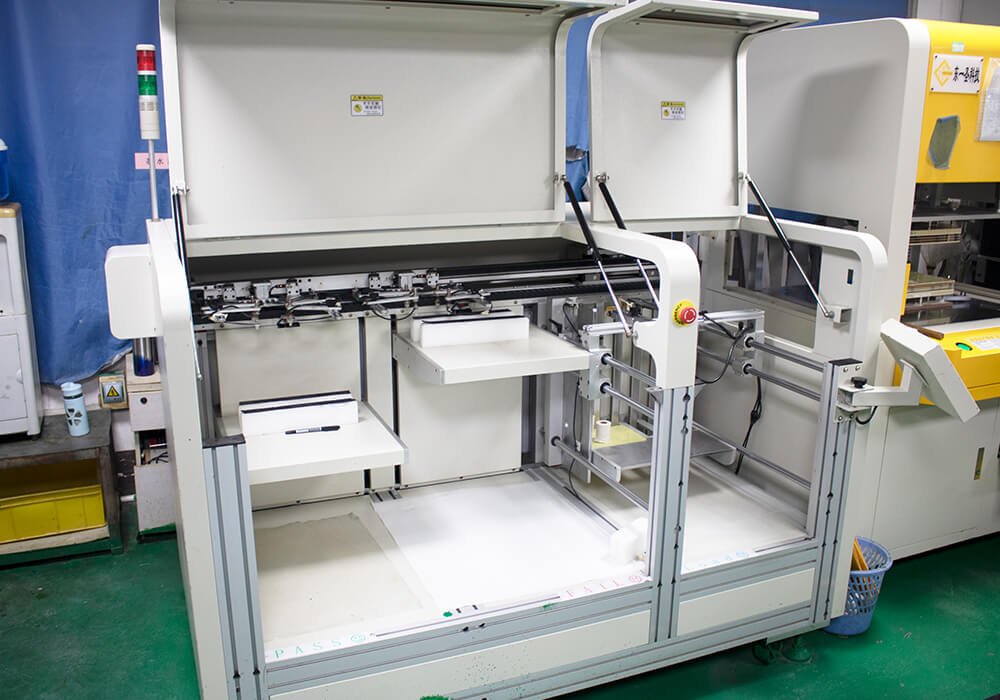
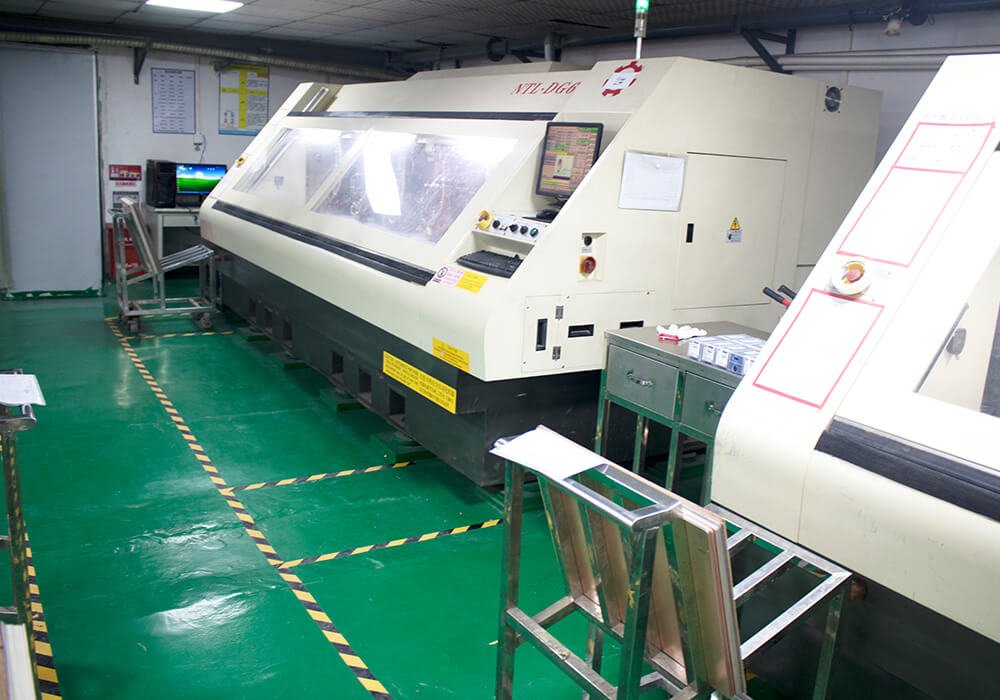
PCB Drill Machine
PcB Manufacturing Machine
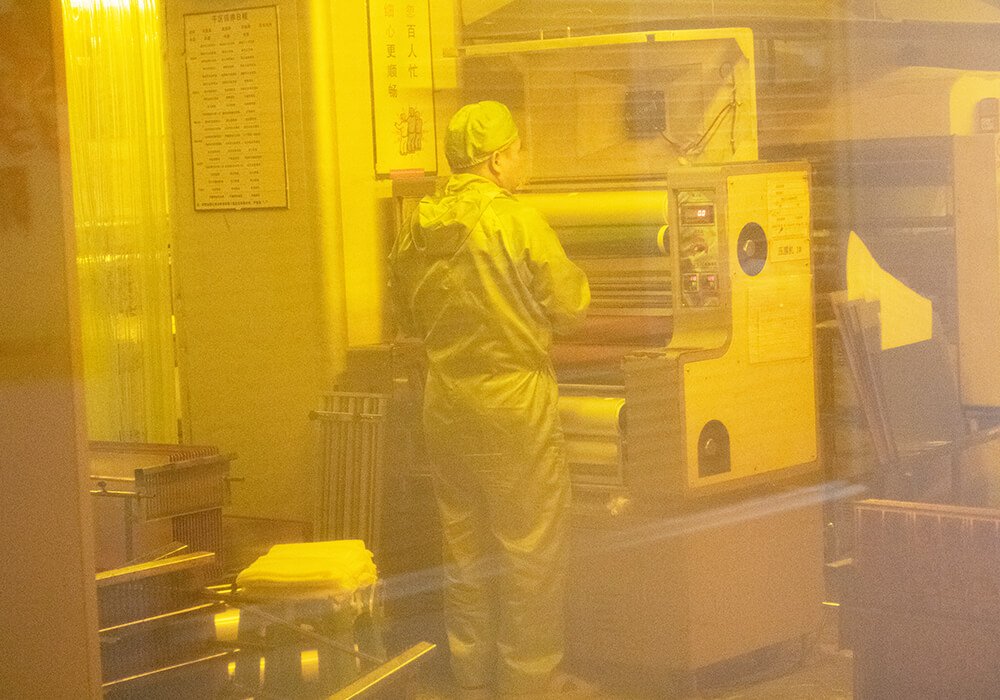
Etching
Imaging room
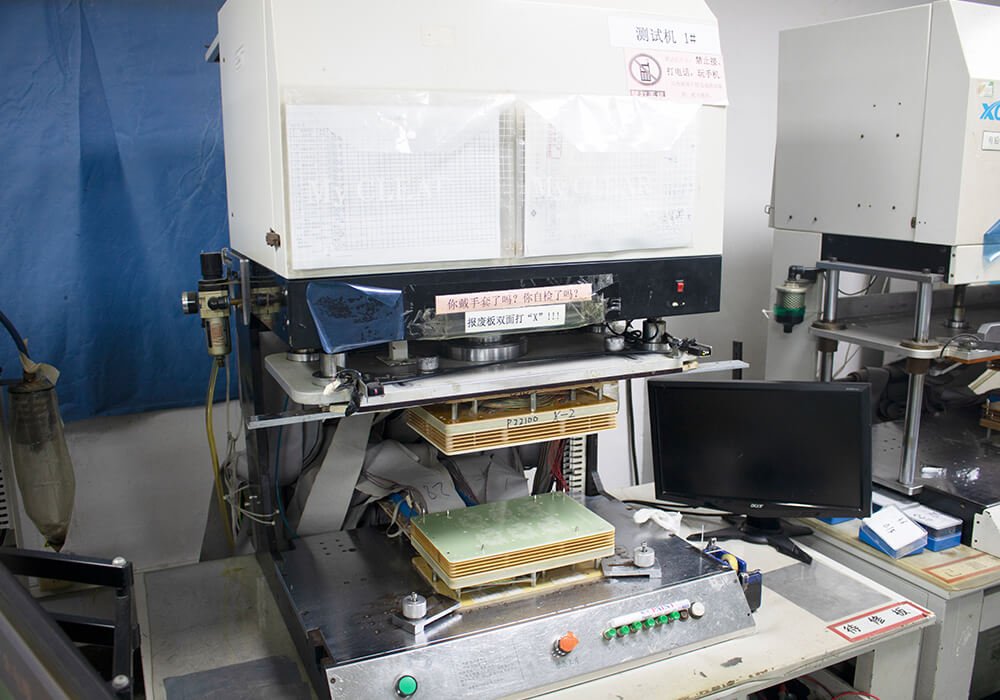
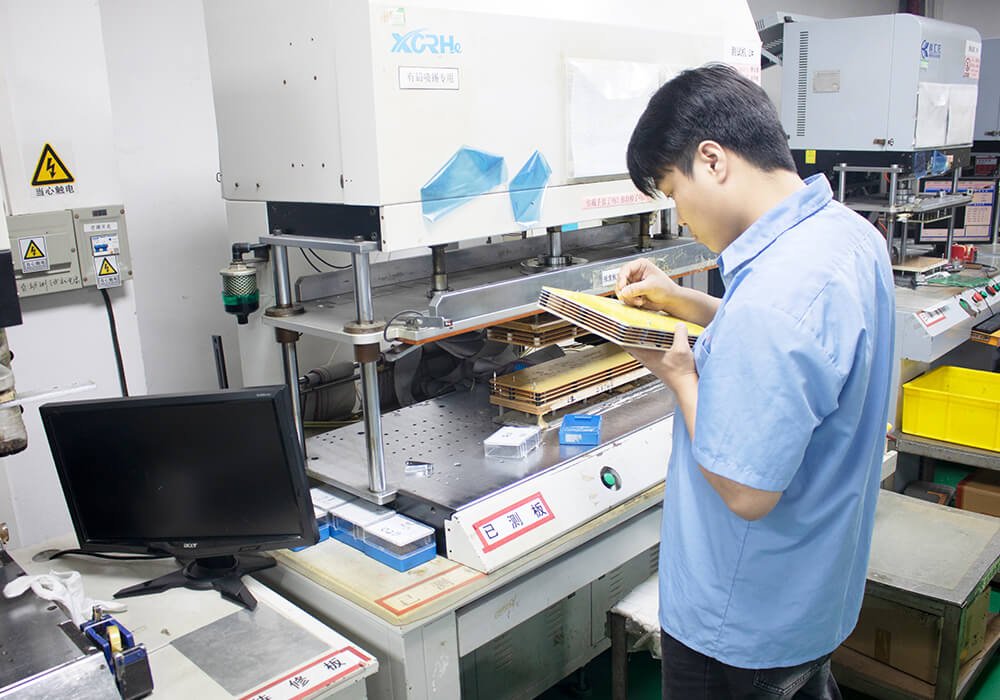
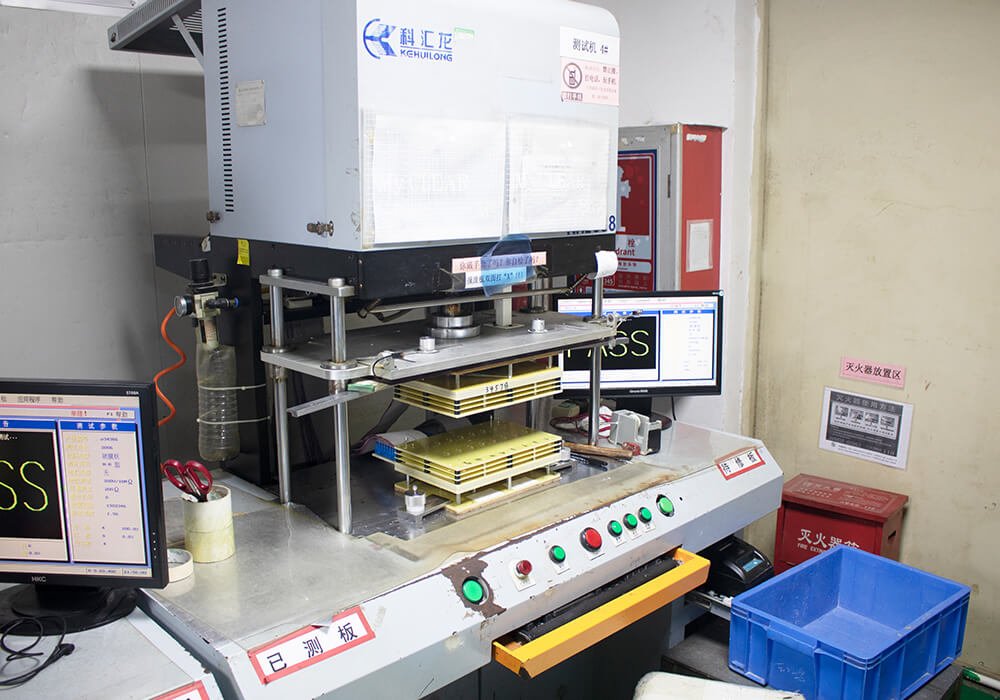
PCB Test Machine
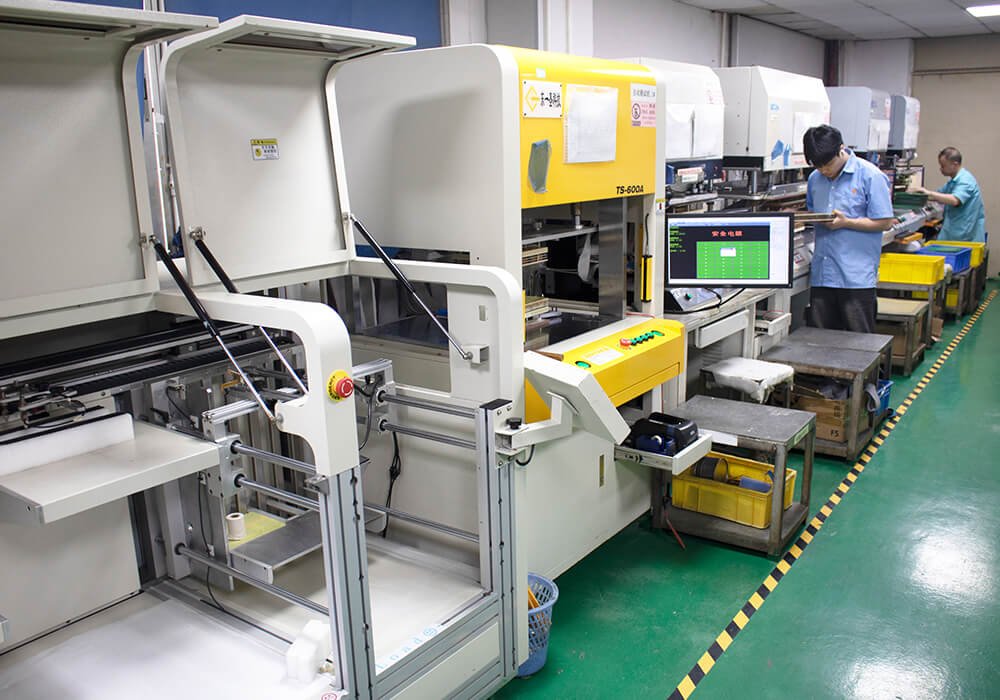
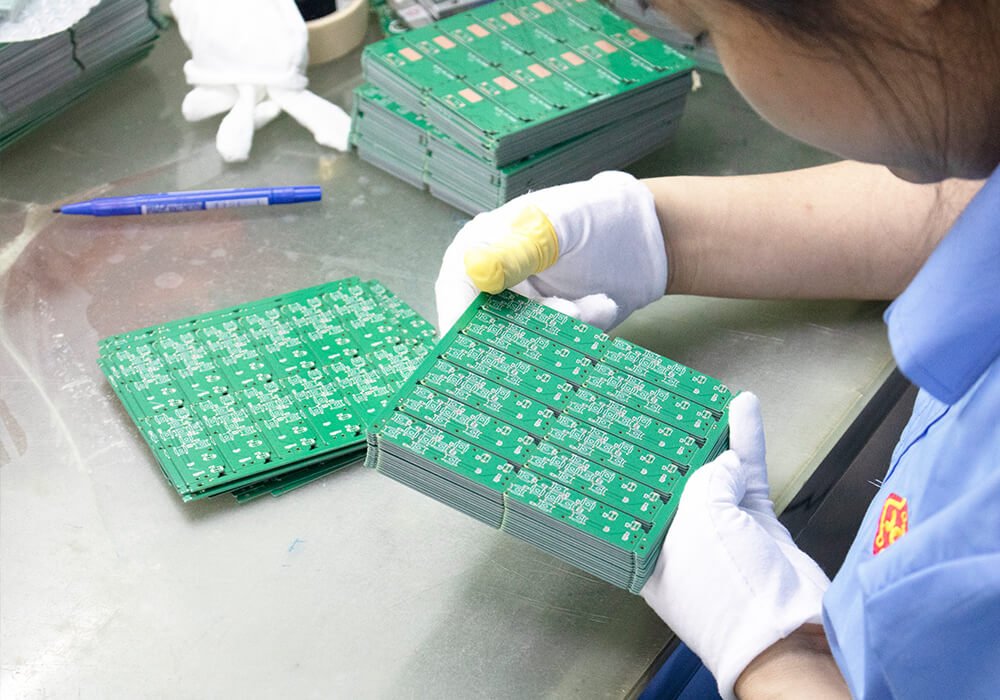
PCB Checking
PCB Checking Machine
PCB Chechking
PCB AOI
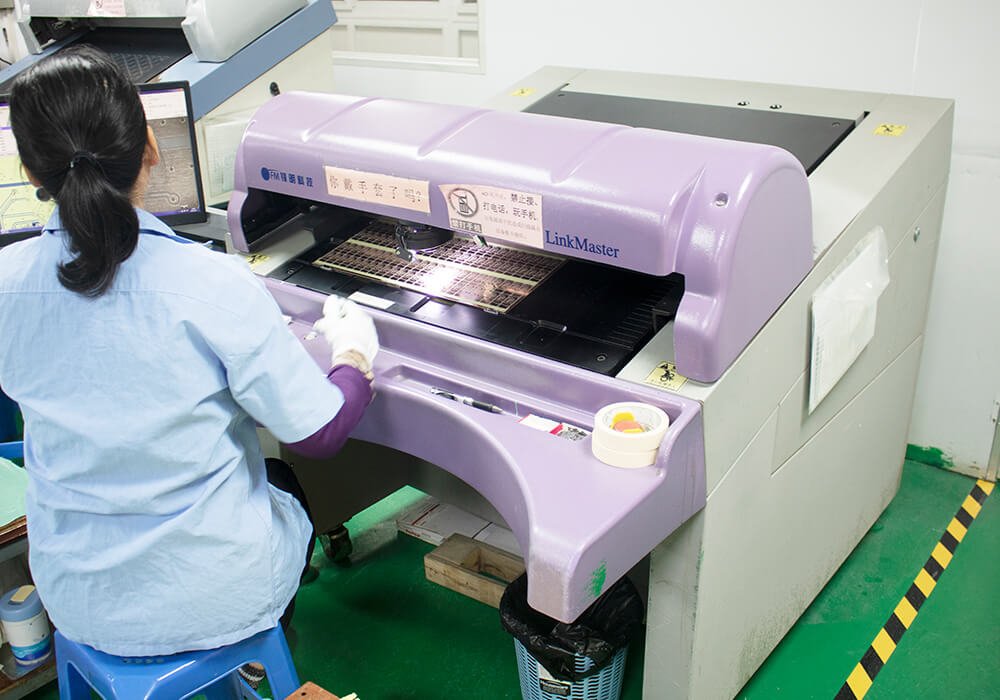
Link Master
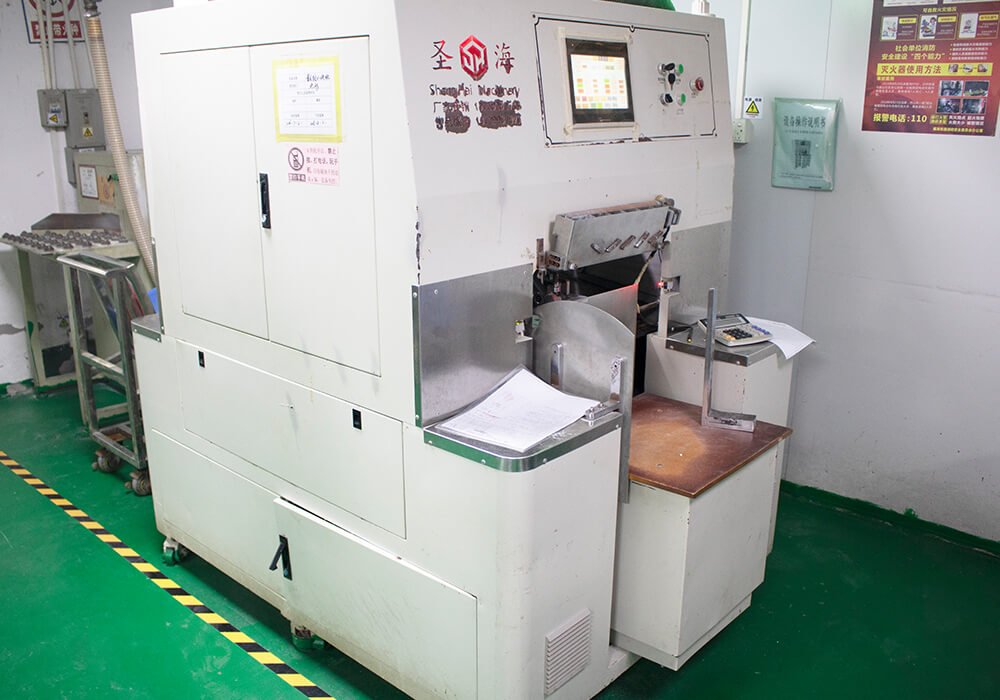
Drill Machine
checking machine
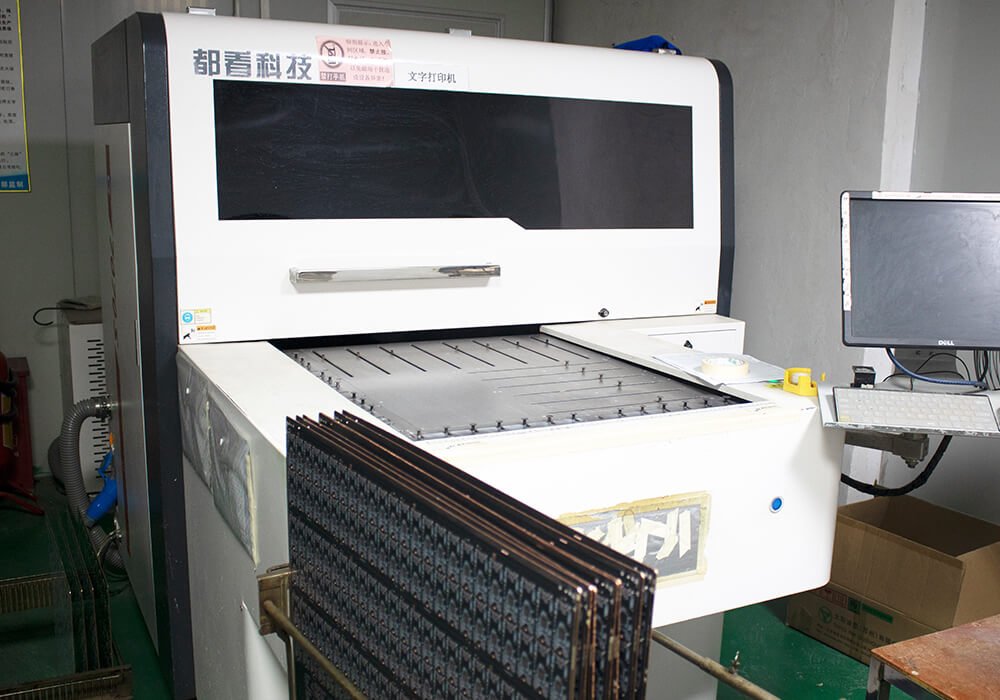
screen printing machine
Eye Checking

Rogers PCB Applications

Our Rogers PCBs are widely used in telecommunications infrastructure and aerospace systems.

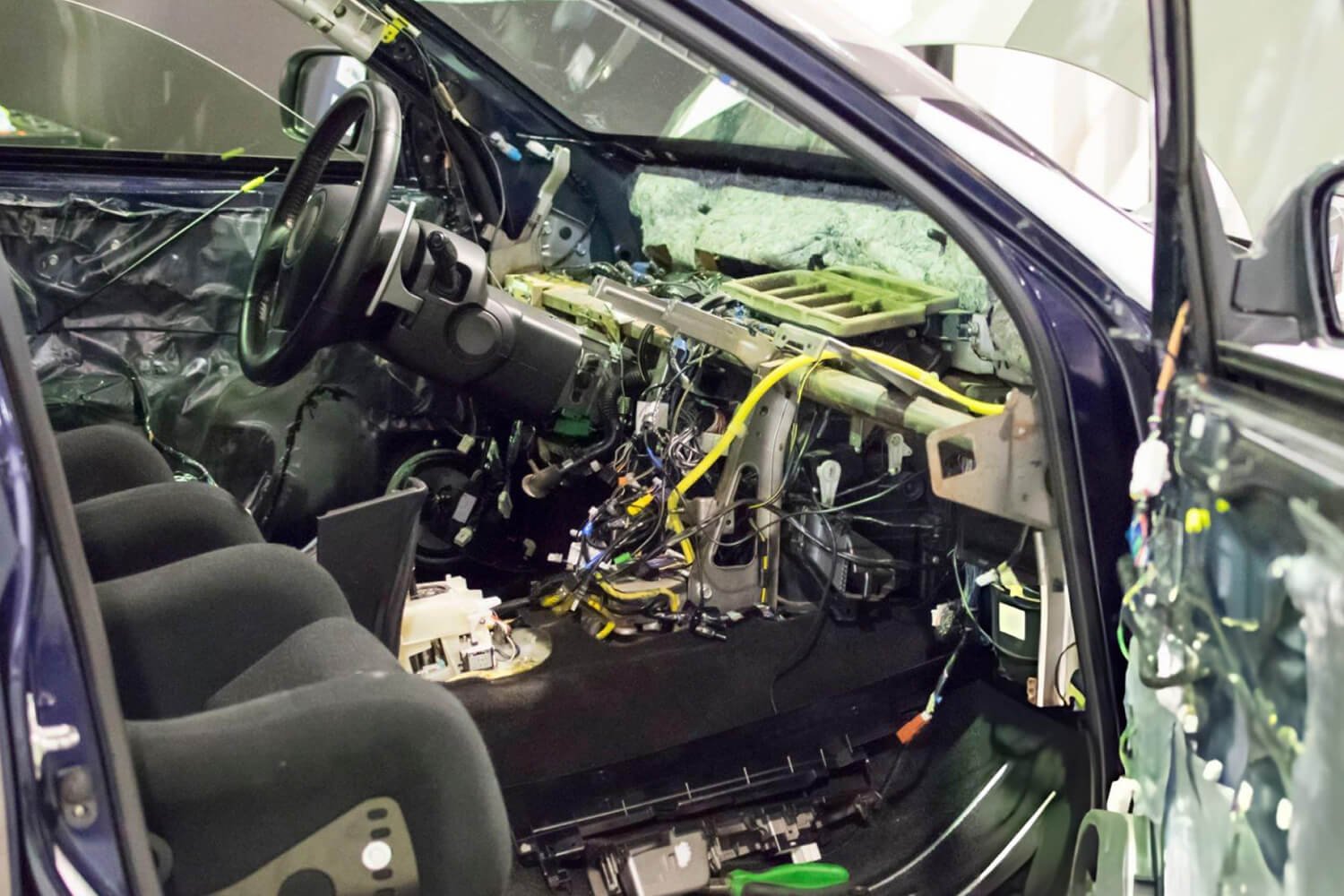
PCB Manufacturer Automotive Electronics

Automotive

Advanced driver-assistance systems (ADAS) rely on high-frequency radar modules, typically operating at 24 GHz and 77 GHz.

  • Collision avoidance radar
  • Adaptive cruise control
  • Blind spot detection
  • Autonomous driving sensors

PCB Manufacturer Industrial Automation

Industrial Automation

Rogers PCBs are used in industrial systems requiring high-speed signal transmission and reliability.

  • Industrial RF controllers
  • High-speed data processing units
  • Power amplifiers

PCB Manufacturer Medical Devices

Medical Electronics

High-frequency Rogers PCBs are used in advanced medical equipment.

  • MRI systems
  • RF imaging devices
  • Diagnostic equipment

PCB Manufacturer Telecommunications

Telecommunication

Rogers PCBs are essential for modern communication systems operating at high frequencies and wide bandwidths.

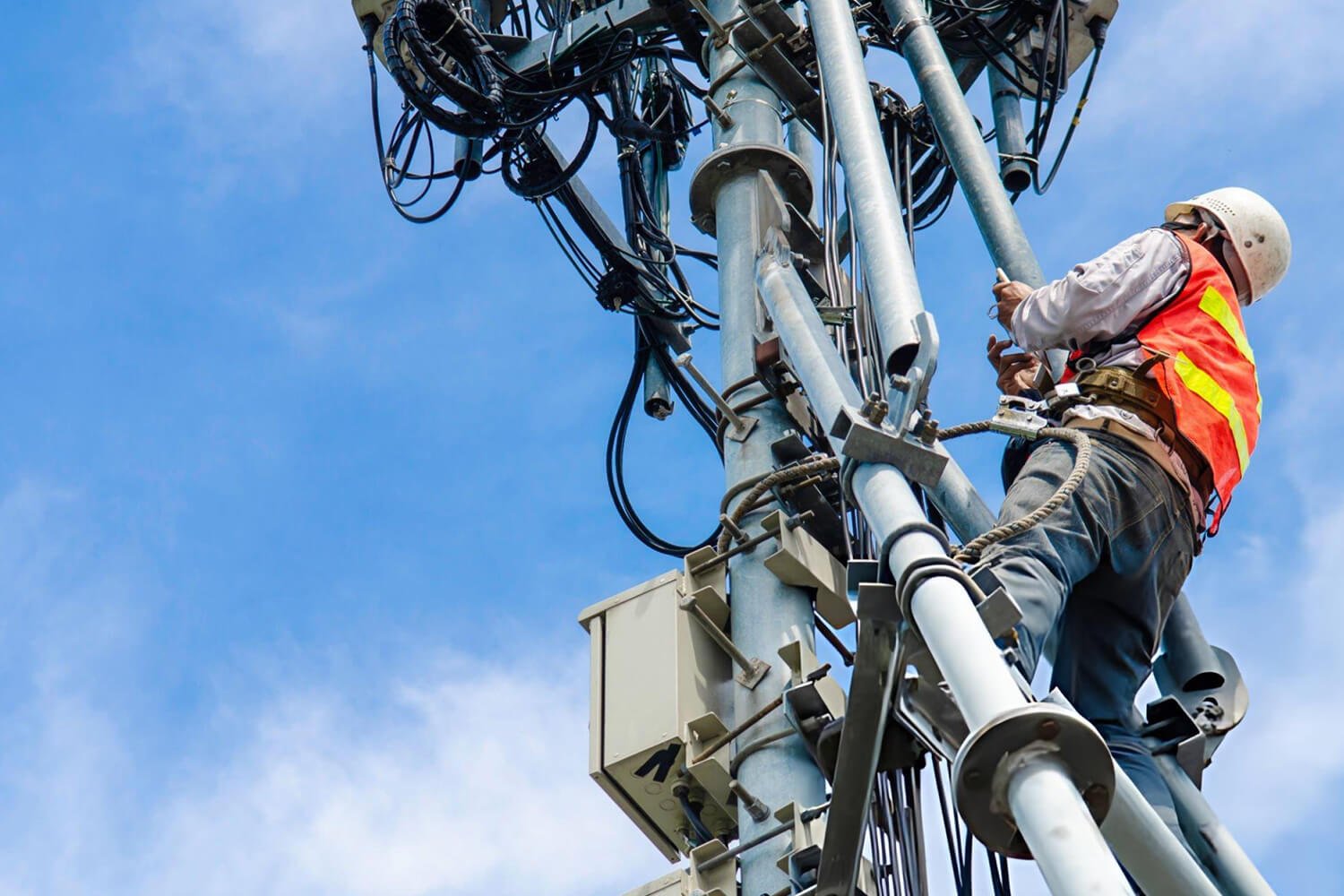
  • 5G base stations
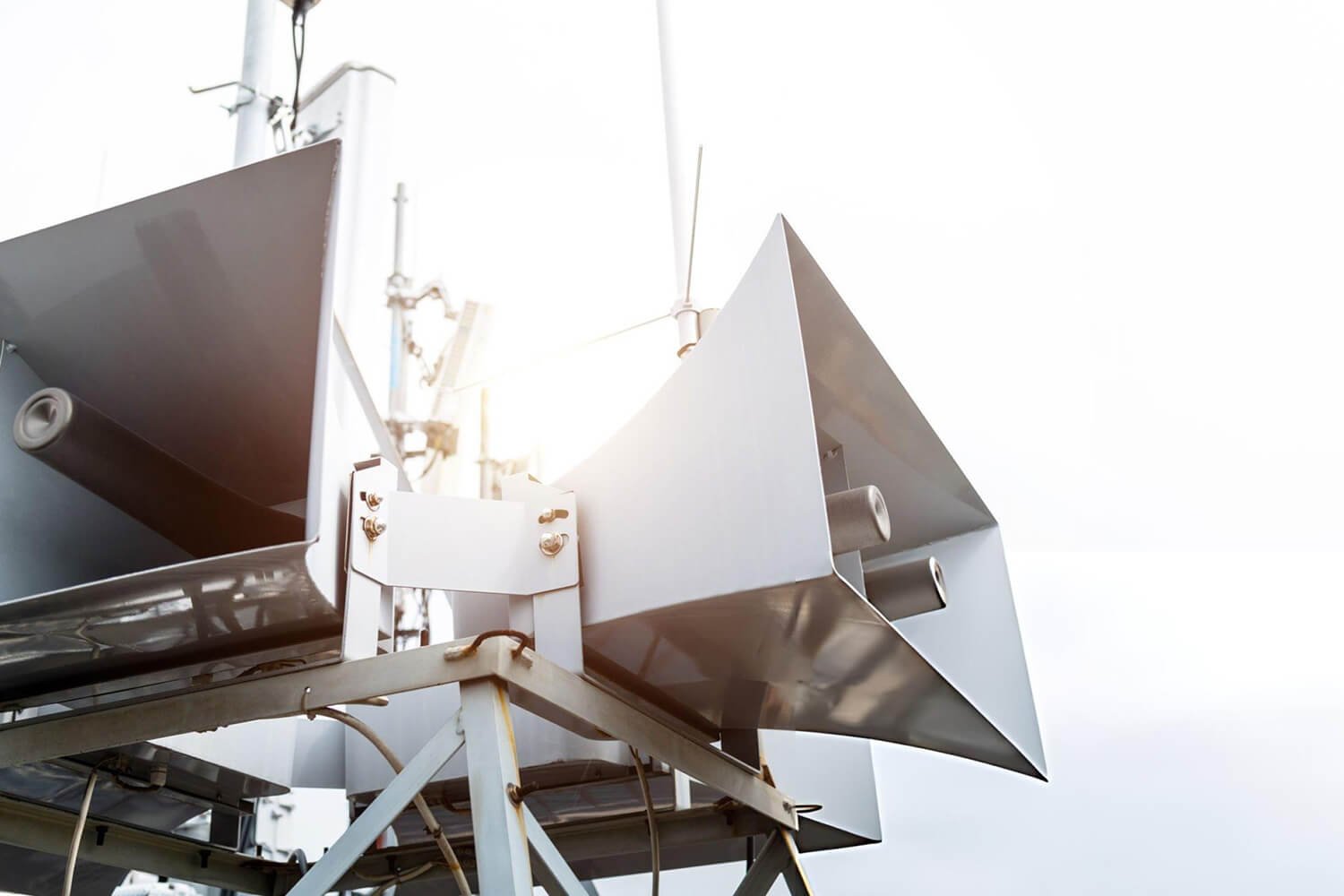
  • RF antennas and transceivers
  • Power amplifiers
  • Signal filters

Aerospace

Aerospace

Rogers PCBs are widely used in aerospace and military systems where performance and durability are critical.

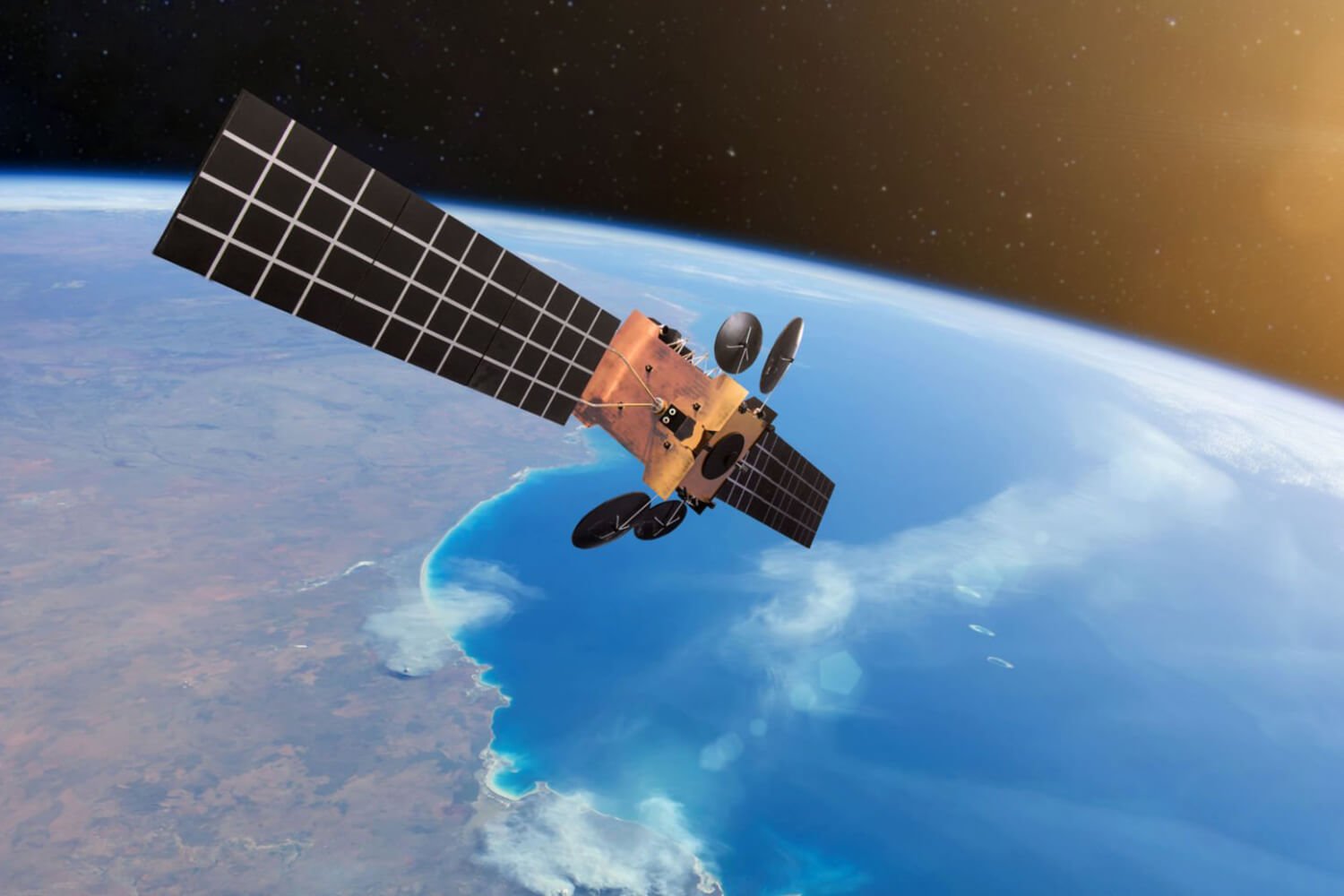
  • Satellite communication systems
  • Radar and surveillance systems
  • Avionics and navigation equipment
  • Electronic warfare systems

Broadcasting

Power Amplifiers

Rogers PCBs are ideal for high-power RF applications requiring efficient heat dissipation.

  • RF power amplifiers
  • Broadcast transmitters
  • High-power communication systems

Fast Quotation

Our professional sales and engineering teams provide fast PCB quotes and technical support. Simply send us your Gerber files, BOM, and assembly drawings, and we will respond promptly with a competitive solution.

FAQ About Rogers PCB

1. What is a Rogers PCB

A Rogers PCB is made by high-frequency laminate materials developed by Rogers Corporation.

These materials offer low dielectric loss, stable dielectric constant (Dk), and excellent thermal performance, making them ideal for RF, microwave, and high-speed applications.

Rogers PCB:

  • Low dielectric loss (Df as low as 0.0009)
  • Stable Dk for precise impedance control
  • Suitable for high-frequency (>1 GHz)

FR4 PCB:

  • Lower cost
  • Higher dielectric loss
  • Suitable for general electronics

Common Rogers materials include:

  • RO4350B
  • RO4003C
  • RO3003
  • RO3010
  • RT/duroid 5880
  • TMM series

Dielectric constant (Dk) measures how a material stores electrical energy.

  • Lower Dk → Faster signal transmission
  • Stable Dk → Better impedance control

In Rogers PCB design, Dk typically ranges from 2.2 to 10.2.

Dissipation factor (Df), also known as loss tangent, indicates how much signal energy is lost as heat.

  • Lower Df: Less signal loss
  • Rogers materials can have Df as low as 0.0009

Yes, Rogers materials can be combined with FR4 in a hybrid stackup.

  • Reduced cost
  • Maintained RF performance on critical layers
  • Flexible design options

Rogers PCBs can support:

  • Standard RF: up to 10 GHz
  • Advanced RF: 10–40 GHz
  • Millimeter-wave: up to 77 GHz and beyond

Lead time depends on complexity:

  • Prototype: 5–10 working days
  • Mass production: 2–4 weeks

Dynamic flex designs are commonly used in hinges, robotics, and camera modules.

We can offer:

  • ENIG (preferred for RF applications)
  • Immersion Silver
  • OSP
  • Lead-Free HASL