
/Fast Prototypes & Global Production/

FR-4 PCB

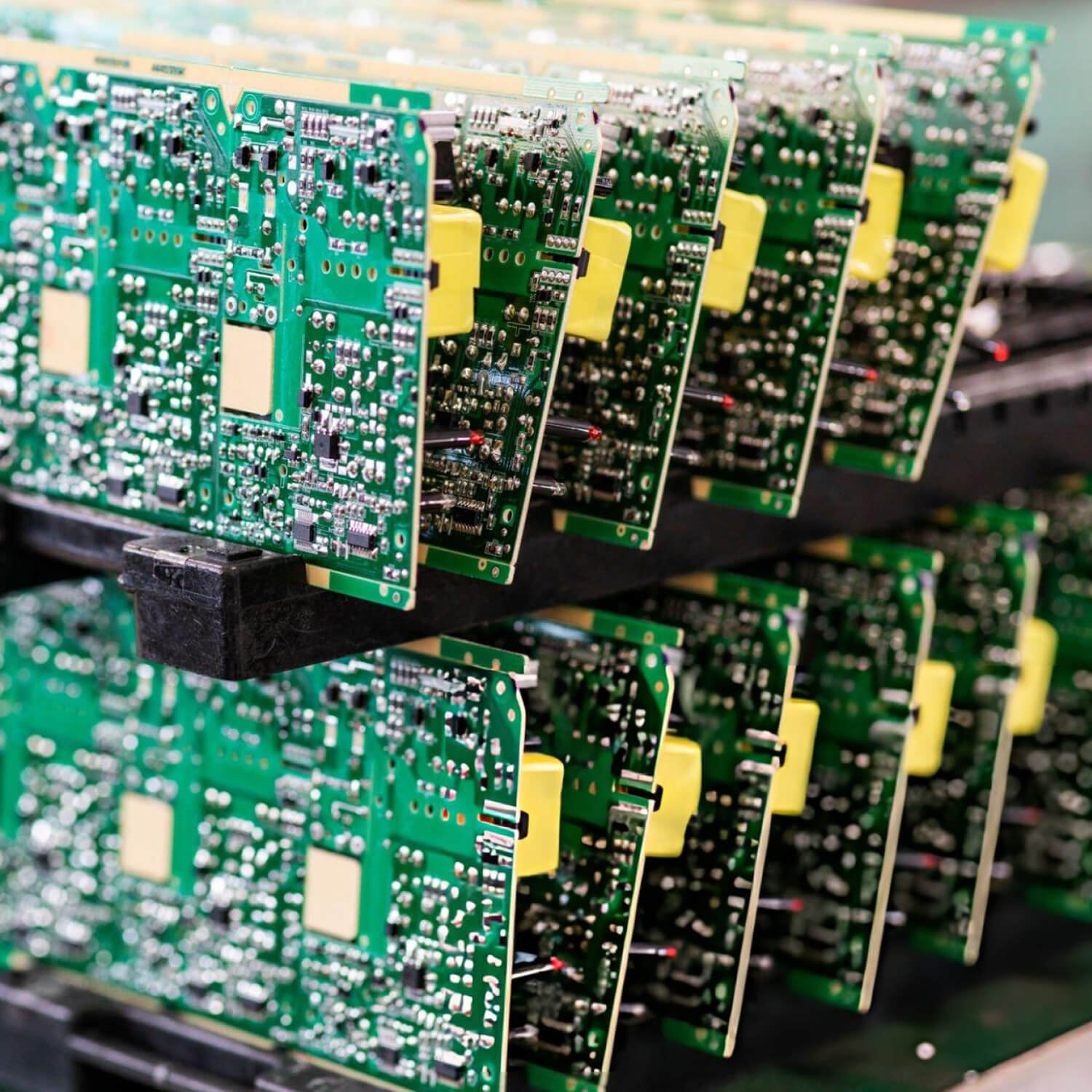
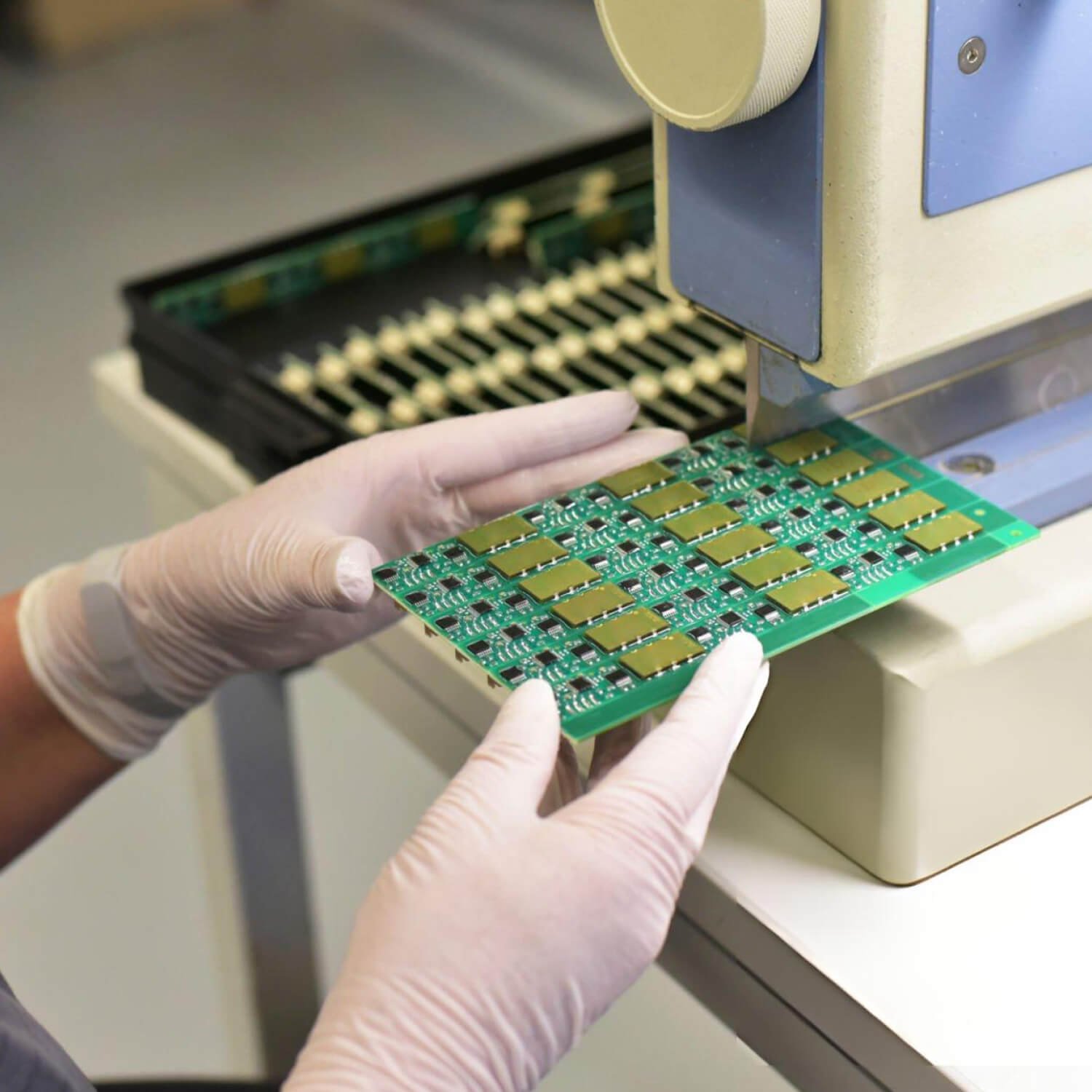
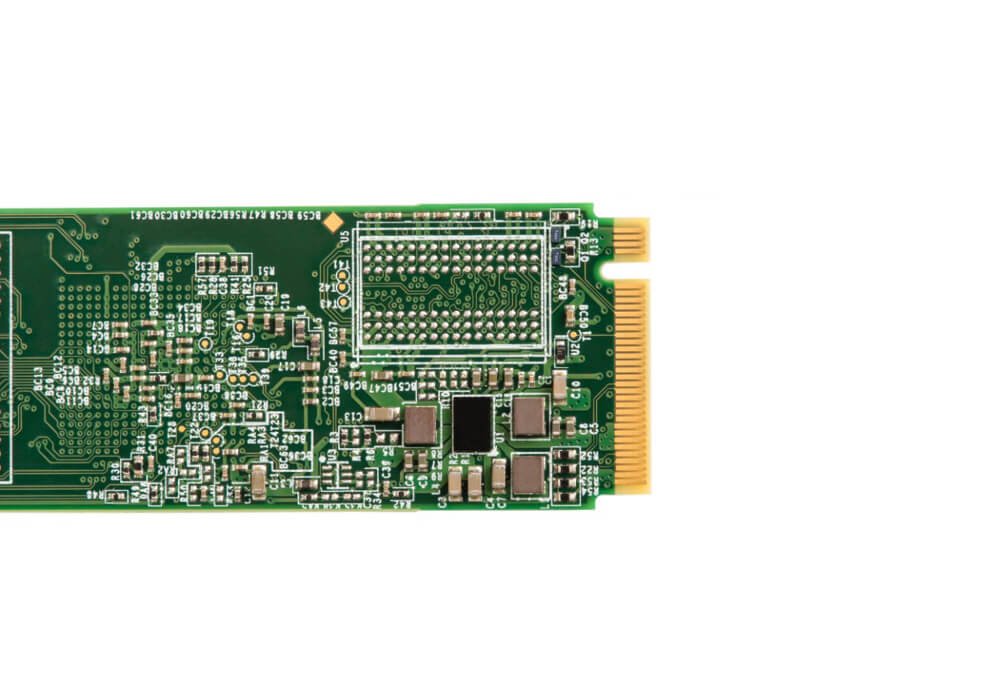
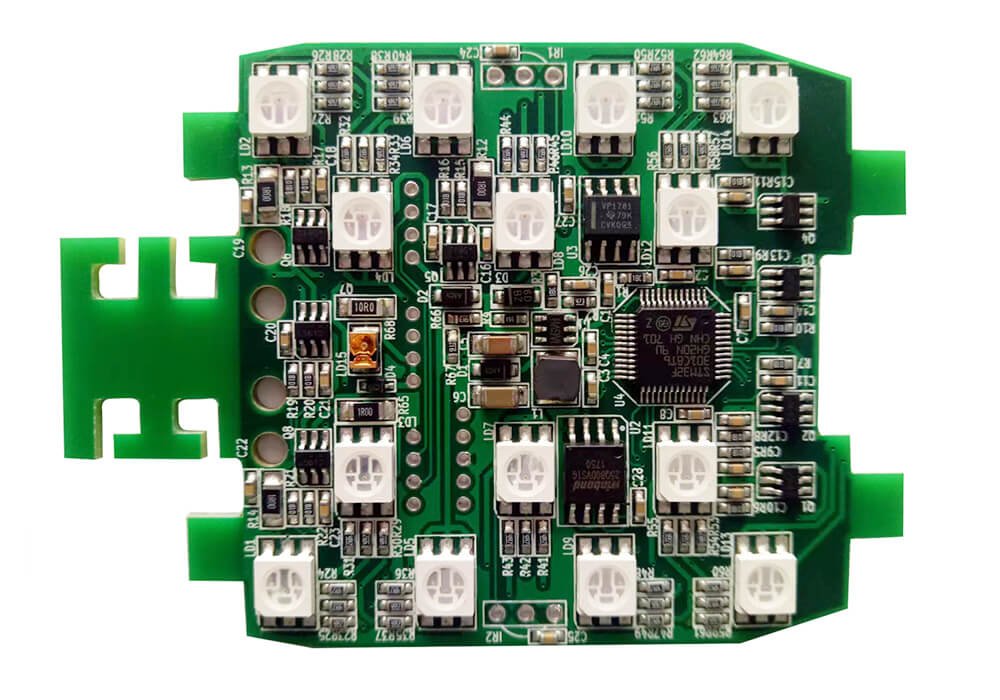
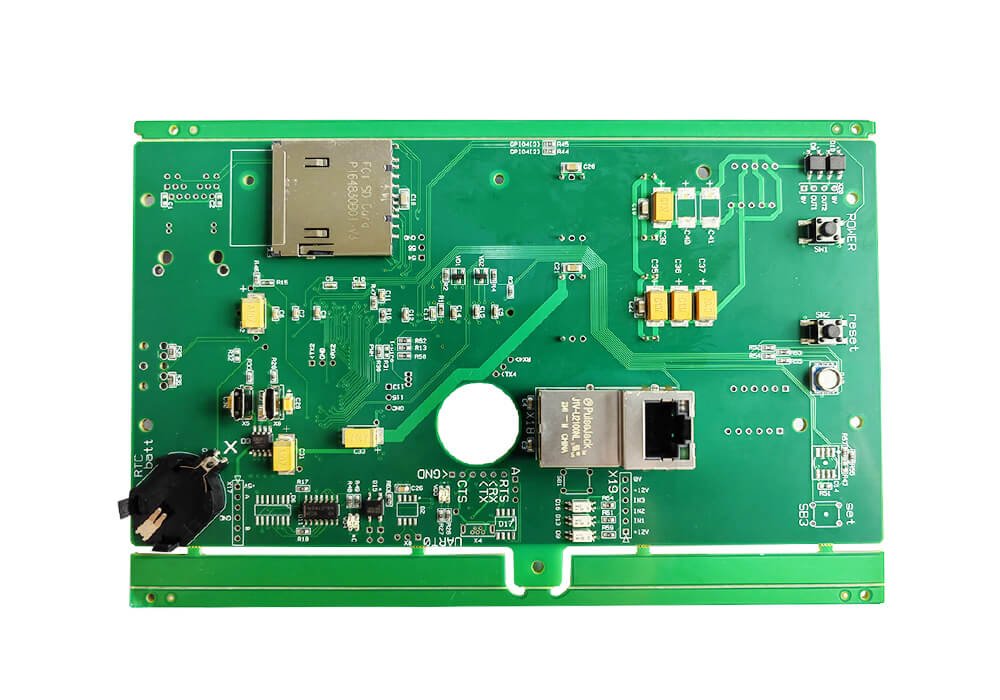
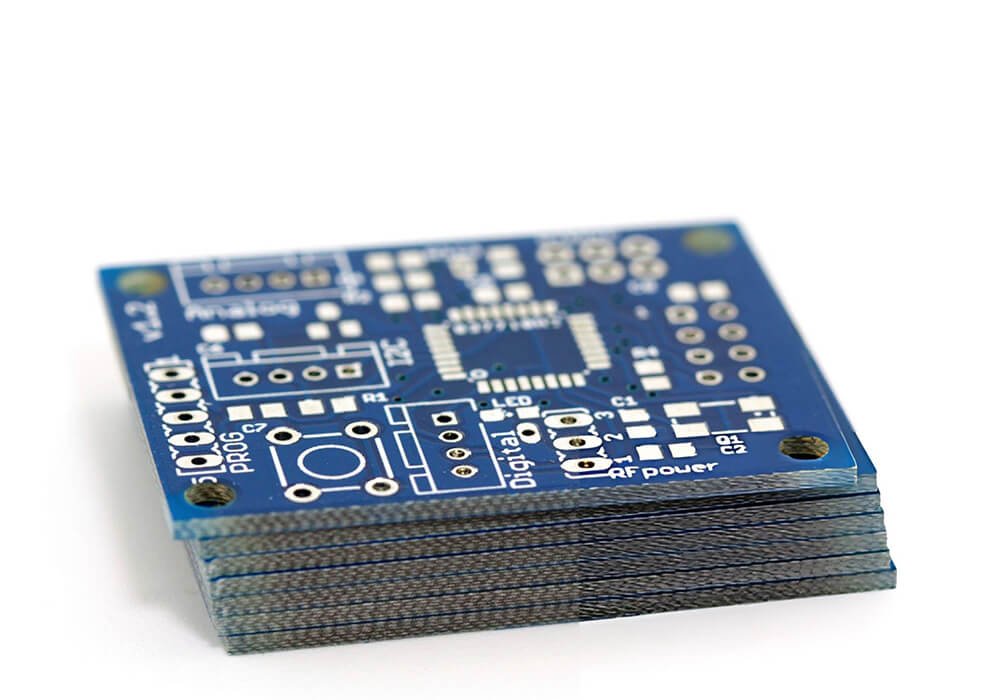
An FR-4 PCB is a circuit board made by FR-4 laminate. FR-4 laminate is a glass-fiber reinforced epoxy composite material, which is widely used as a PCB substrate.

PCBSAIL provides reliable FR-4 PCB fabrication and assembly services for you. Whether you need prototype boards, multilayer designs, or large-scale production, our experienced team is ready to support your project.

Send your Gerber files today to receive a fast quotation and expert manufacturing support.

FR-4 PCB Manufacturer

FR-4 PCB Manufacturer.

PCBSAIL provides professional FR-4 PCB manufacturing services for prototype, small-batch, and large-volume production.

Our advanced fabrication facilities support 1–32 layer FR-4 multilayer PCBs.

Whether you require standard FR4 PCBs, high-Tg industrial boards, or complex multilayer HDI designs, we deliver reliable circuit boards with fast lead times and competitive pricing.

We support 12-hour express fabrication, global logistics, and full inspection, including AOI, X-ray, impedance testing, and electrical verification, ensuring every board meets strict quality standards

Advanced Manufacturing

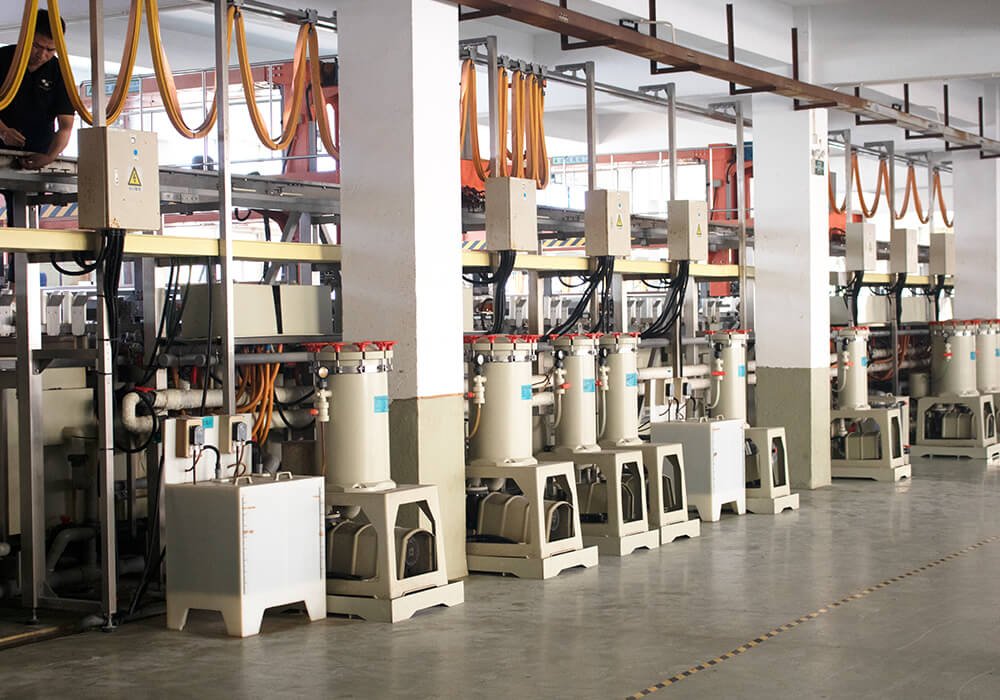
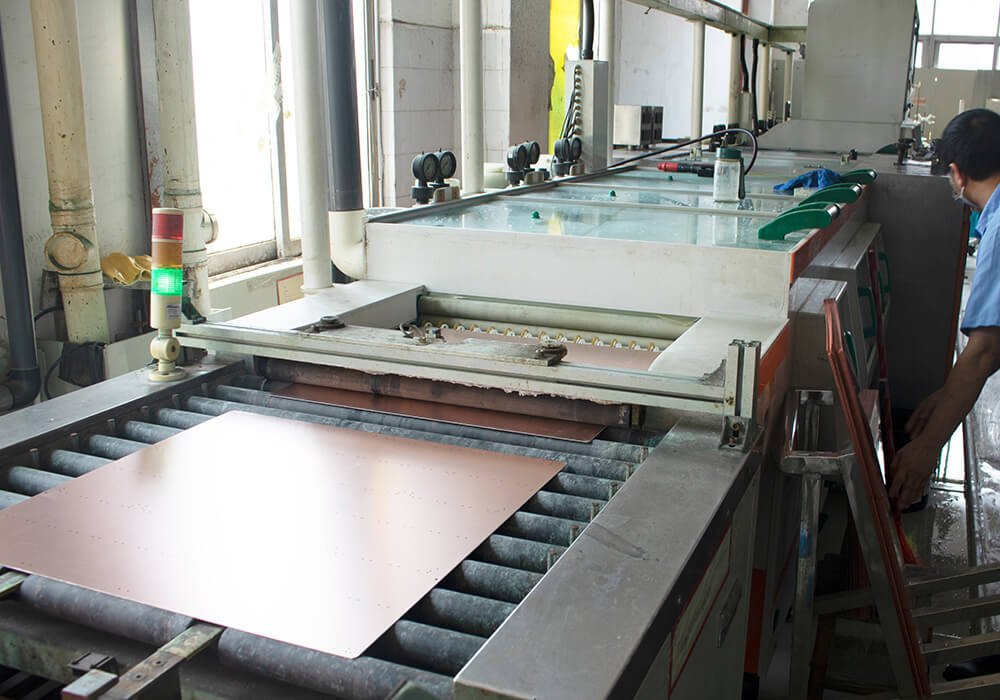
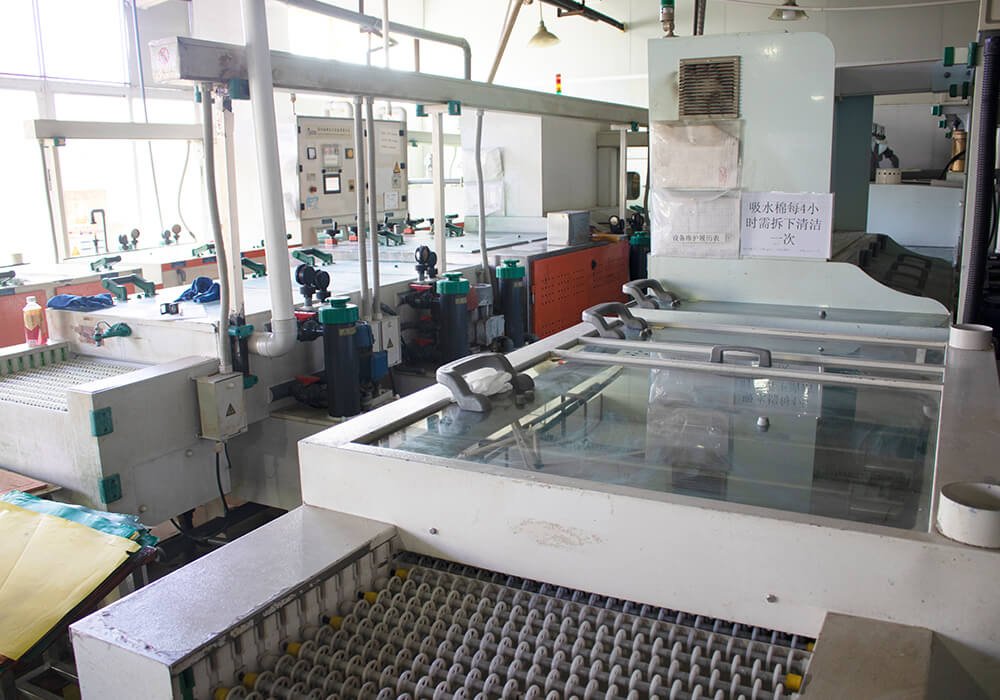
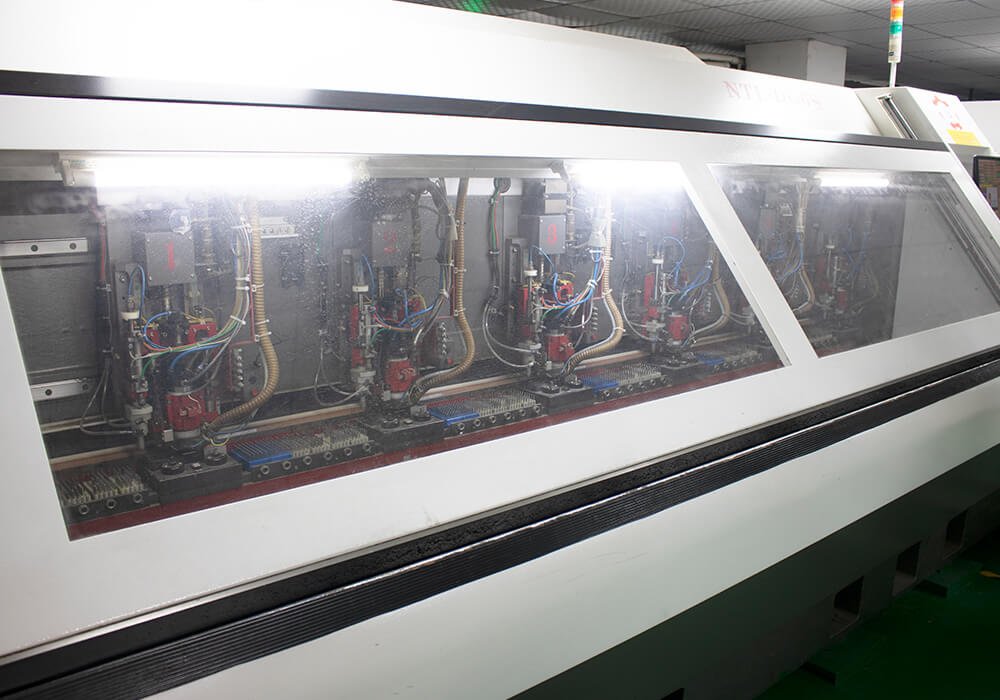
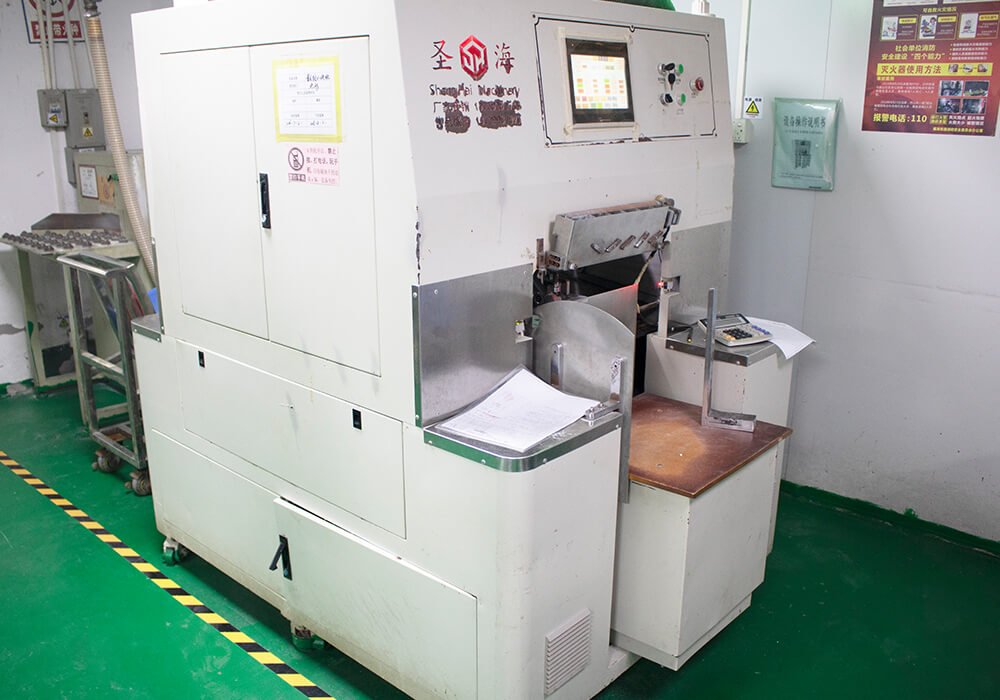
We are equipped with advanced fabrication equipment. We are capable of manufacturing complex FR-4 boards with tight tolerances.

  • 1–32 layer rigid FR-4 PCBs
  • HDI technology (3+n+3 structure)
  • Blind and buried vias
  • Thick copper PCBs up to 10 oz
  • Hybrid substrate and high-frequency boards
  • Halogen-free PCB materials

Engineering and Design Support

Our experienced engineering team provides DFM (Design for Manufacturability) analysis to ensure PCB designs are optimized for efficient manufacturing.

  • PCB stack-up design
  • impedance control calculation
  • material selection guidance
  • manufacturing feasibility review
  • cost optimization suggestions

100% Electrical Testing

Our every FR-4 PCB undergoes multiple inspection stages:

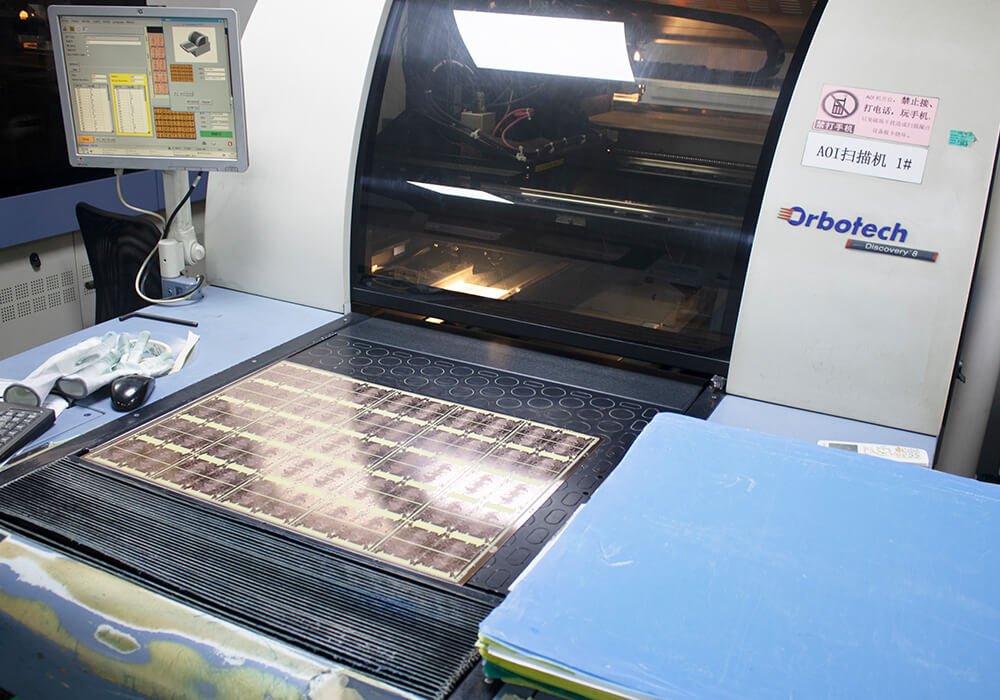
  • Automated Optical Inspection (AOI)
  • X-ray inspection
  • Electrical testing
  • Visual inspection
  • Functional testing for assembled boards

Feature FR-4 PCB.

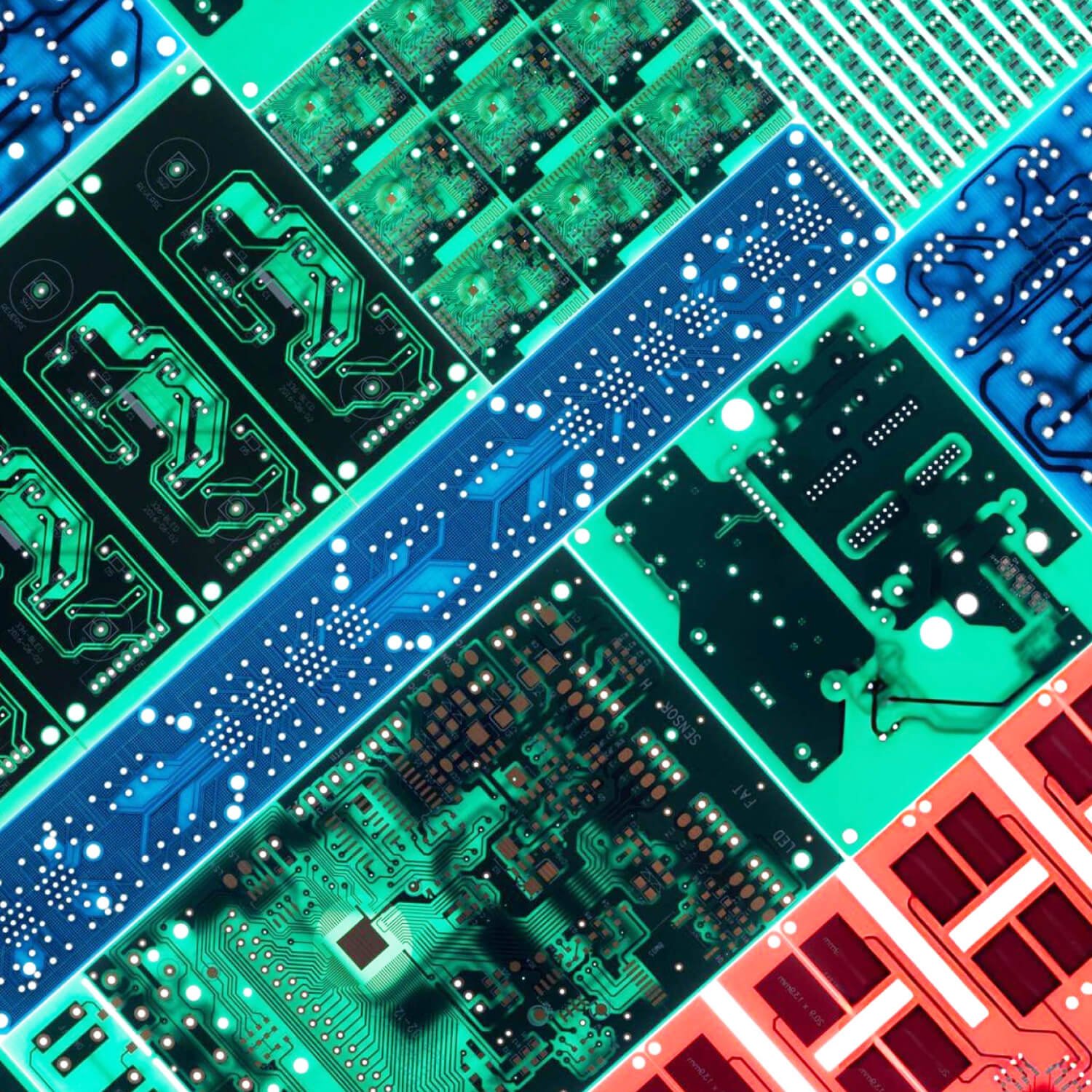
We offer a wide range of FR-4 PCBs, which is designed to support everything from simple consumer electronics to complex industrial systems. Our FR-4 PCBs include single-layer boards, multilayer high-density designs, high-Tg laminates, and specialized FR-4 variants optimized for demanding environments.

Top FR-4 PCB Supplier
FR-4 PCB Pric
FR-4 PCB Near Me
Cheaper FR-4 PCB
High Quality FR-4 PCB
Best FR-4 PCB

FR-4 PCB We Offer.

Flex PCB Single-Sided Flex PCB

Single-Sided FR-4 PCB

There is a conductive copper layer on a single side of the Single-sided FR-4 PCB substrate. The opposite side is typically covered with solder mask to protect the board from environmental damage.

  • One copper conductive layer
  • Simple circuit structure
  • Low production cost
  • Easy assembly process
  • Suitable for large-volume production

Flex PCB Double-Sided Flex PCB

Double-Sided FR-4 PCB

Double-sided FR-4 PCBs are covered by copper layers on both sides of the substrate, allowing circuits to be routed on the top and bottom surfaces of the board.

  • Two copper conductive layers
  • Through-hole vias connecting layers
  • Higher component density
  • Improved circuit routing capability
  • Balanced cost and performance

Flex PCB Multilayer Flex PCB

Multilayer FR-4 PCB

Multilayer FR-4 PCBs are composed of three or more conductive copper layers separated by dielectric FR-4 material. These layers are laminated together under high temperature and pressure.

  • Multiple copper layers (4–32 layers)
  • Compact circuit integration
  • Controlled impedance capability
  • Reduced electromagnetic interference (EMI)
  • Enhanced signal routing flexibility

Flex PCB with Stiffeners

HDI FR-4 PCB

HDI FR-4 PCBs are designed for extremely high component density and advanced circuit performance. These boards utilize microvias, blind vias, buried vias, and fine trace technology to achieve compact layouts. PCBSAIL supports HDI structures:

  • 1+N+1
  • 2+N+2
  • 3+N+3 sequential lamination

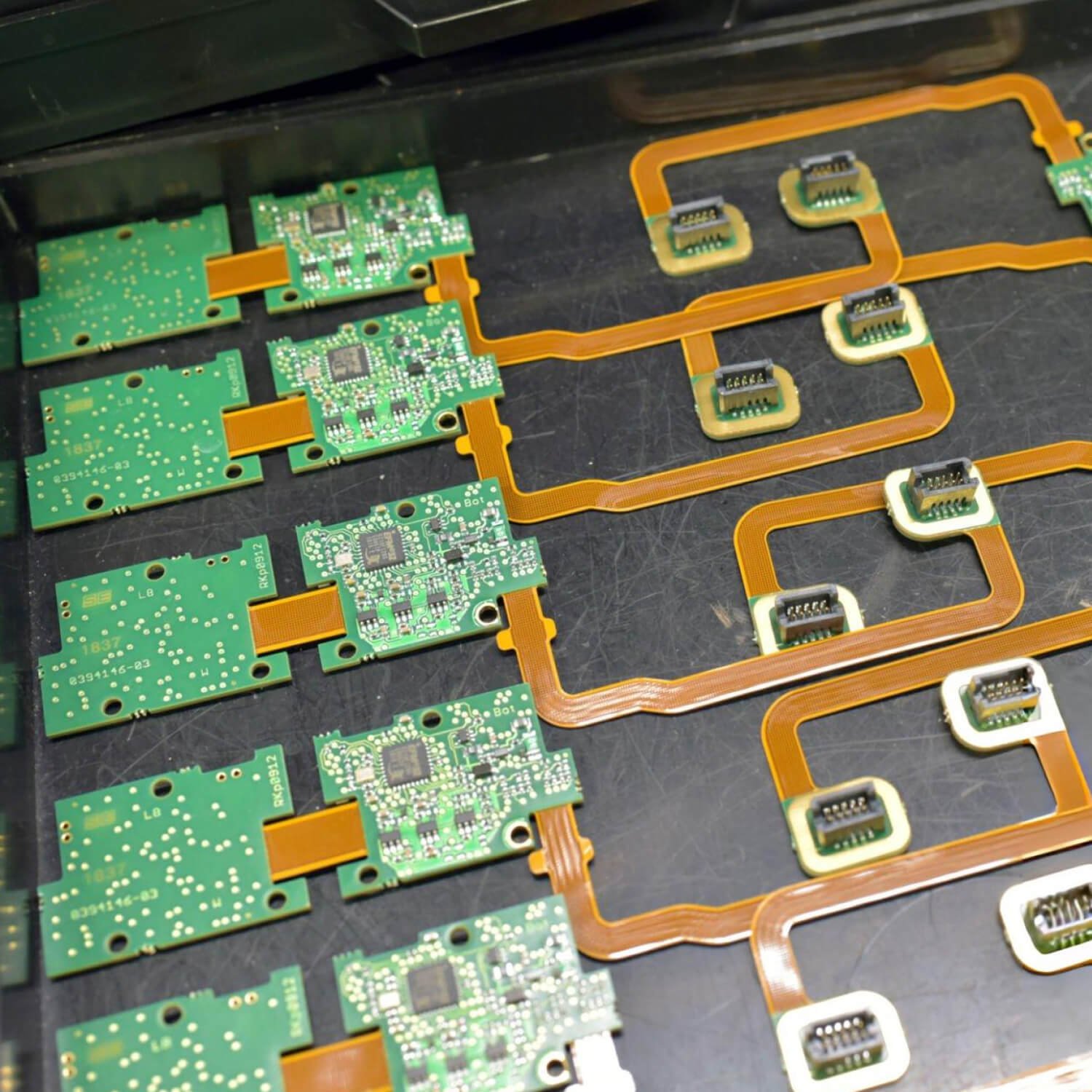
Flex PCB Rigid-Flex PCB

High-Tg FR-4 PCB

Laminate materials, glass transition temperatures above 170°C, are used in High-Tg FR-4 PCB. It can provide superior resistance to thermal stress.

  • Tg >170°C
  • Improved thermal stability
  • Reduced delamination risk
  • Suitable for harsh environments
  • Compatible with lead-free assembly processes
Feature

Capability

Layer Count

1–8 layers (one to eight)

Base Materials

FR-4 Tg 130–150°C

Board Thickness

0.8–2.4 mm (zero point eight to two point four millimeters)

Copper Weight

1–2 oz (35–70 µm — thirty-five to seventy micrometers)

Min Trace/Space

100/100 µm (four/four mil; one hundred by one hundred micrometers)

Min Hole Size

0.20 mm (eight mil; mechanical)

Via Technology

Through-hole

Max Panel Size

571.5 × 609.6 mm (standard panel)

Impedance Control

±10% (plus/minus ten percent)

Surface Finish

HASL Lead-Free, OSP, ENIG

Quality Testing

100% AOI and E-test

Certifications

ISO 9001, UL, RoHS/REACH

Lead Time

24 h – 3 days (twenty-four hours to three days)

FR-4 PCB Materials

FR-4 materials are available in several variations designed for different performance requirements. PCBSAIL supports multiple FR-4 material grades depending on customer design needs.

FR-4 PCB Materials

Standard FR-4 materials provide basic electrical and mechanical properties, which are suitable for most consumer electronics and industrial control systems.

Advantages

  • low cost
  • wide availability
  • reliable performance
  • compatibility with standard PCB fabrication processes

High-Tg FR-4 materials are designed for high-temperature environments and lead-free assembly processes.

Benefits

  • Improved thermal stability
  • Reduced risk of delamination
  • Better performance under repeated soldering cycles
  • Improved reliability in high-power electronics

High-CTI materials offer increased Comparative Tracking Index (CTI) values, which measure resistance to surface electrical tracking caused by contamination and moisture.

These Materials Are Ideal For:

  • High-voltage circuits
  • Power electronics
  • Industrial control systems

Halogen-free FR-4 laminates eliminate or significantly reduce halogen compounds to comply with modern environmental regulations.

Benefits

  • Reduced toxic emissions during combustion
  • Compliance with environmental standards
  • Improved sustainability

FR-4 Properties

FR-4 materials are outstanding mechanical, thermal, and electrical characteristics that make them suitable for many electronic applications.

The dielectric constant describes how well the material stores electrical energy in an electric field.

Typical FR-4 dielectric constant values are:

  • 4.2 – 4.8 at 1 MHz

This moderate dielectric constant allows FR-4 to support many general-purpose electronic circuits.

However, the dielectric constant tends to increase with frequency, which may affect signal integrity in very high-speed designs.

The dissipation factor represents the amount of electrical energy lost as heat when signals pass through the dielectric material.

Typical FR-4 loss tangent values are:

  • 0.015 – 0.025 at 1 MHz

Although FR-4 has moderate dielectric loss, it is suitable for most digital and power applications.

For ultra-high-frequency RF circuits, specialized low-loss materials may be required.

The glass transition temperature (Tg) indicates the temperature at which the epoxy resin begins to soften and transition from a rigid to a rubber-like state.

Common FR-4 Tg ranges include:

Material Type

Tg Range

Low Tg FR-4

130–140°C

Standard Tg FR-4

150–160°C

High Tg FR-4

>170°C

Higher Tg materials provide better resistance to thermal stress and soldering processes, especially in lead-free manufacturing environments.

FR-4 is not a strong thermal conductor compared with metal substrates.

Typical thermal conductivity:

  • 0.25 – 0.40 W/m·K

Because of this relatively low thermal conductivity, PCB designs often rely on copper planes, thermal vias, or heat sinks to improve heat dissipation.

FR-4 materials exhibit low moisture absorption, helping maintain electrical insulation and mechanical stability in humid environments.

Typical moisture absorption:

  • Approximately 0.01% after 24 hours immersion

Low moisture absorption improves long-term reliability for electronics operating in industrial or outdoor environments.

The density of FR-4 laminate is typically:

  • 1.8 – 1.9 g/cm³

This density provides a good balance between lightweight construction and structural rigidity, making FR-4 suitable for portable electronic devices and industrial equipment.

FR-4 Properties

FR-4 PCB Feature

Our FR-4 PCBs were consistent electrical performance, structural stability, and long-term reliability.

FR-4 PCB Feature

FR-4 materials offer strong dielectric properties that make them ideal for electrical insulation in printed circuit boards.
PCBSAIL FR-4 PCBs maintain stable dielectric characteristics that support:

  • Reliable signal transmission
  • Reduced electrical interference
  • Consistent circuit performance

The woven fiberglass structure inside FR-4 laminate provides excellent mechanical strength and rigidity. It helps the PCB resist bending, vibration, and mechanical stress during manufacturing, assembly, and operation.

Our FR-4 boards deliver:

  • Strong structural stability
  • Resistance to warping and deformation
  • Improved durability for long-term use

FR-4 materials meet the UL94 V-0 flame-retardant standard. The material can self-extinguish after ignition and does not continue to burn.

It helps reduce fire risk in electronic devices and ensures compliance with global safety standards.

FR-4 PCB Manufacturing

Our each FR-4 PCB manufacturing stage requires strict control of material quality, process parameters, and inspection procedures to ensure electrical reliability and structural integrity.

Flex PCB Manufacturring Process

Engineering Review

The FR-4 PCB manufacturing process begins with the design files provided by the customer. We will review PCB layout can be manufactured reliably and efficiently.

Flex PCB Manufacturring Process

Material Preparation

After the design is verified, the required FR-4 laminate materials are selected based on the PCB specifications.

Flex PCB Manufacturring Process

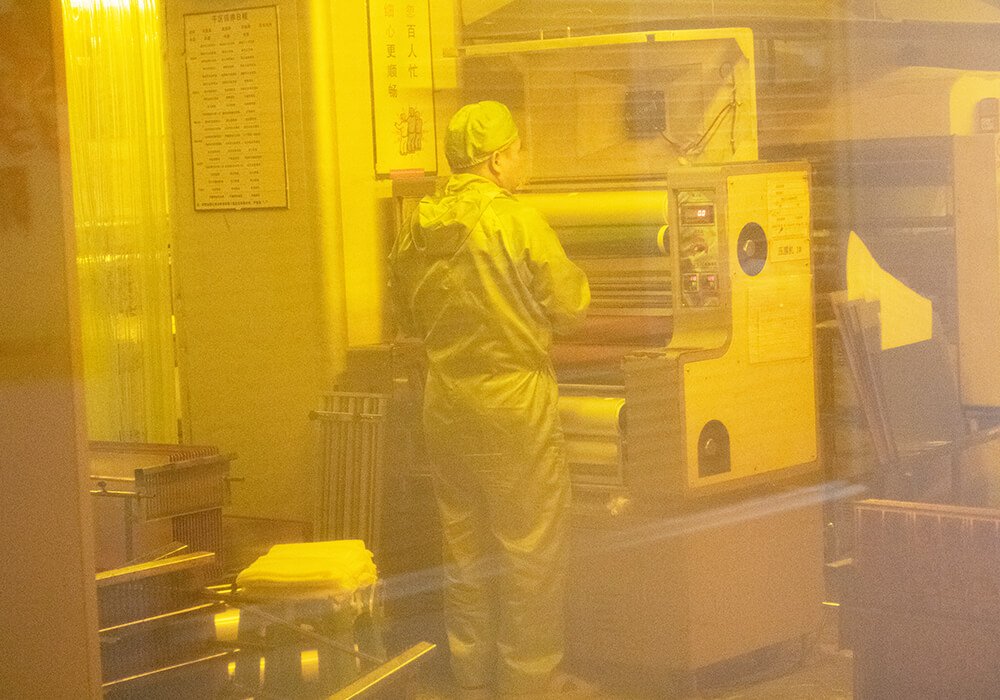
Inner Layer Circuit Imaging

For multilayer FR-4 PCBs, the inner copper layers must first be patterned with the circuit design.

Flex PCB Manufacturring Process

Inner Layer Etching

After imaging, the exposed copper areas are removed through a chemical etching process.

Flex PCB Manufacturring Process

Alignment &Lamination

For multilayer PCBs, the patterned inner layers must be stacked together with insulating prepreg layers.

Flex PCB Manufacturring Process

Drilling

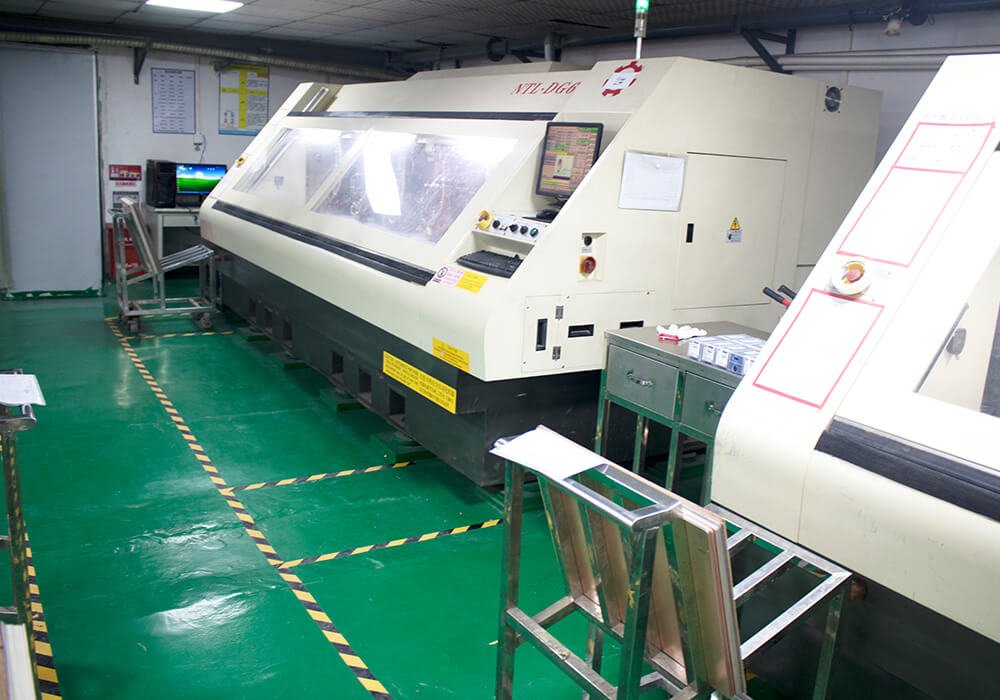
Once lamination is completed, holes are drilled into the PCB panel to create electrical connections between layers and provide mounting points for components.

Flex PCB Manufacturring Process

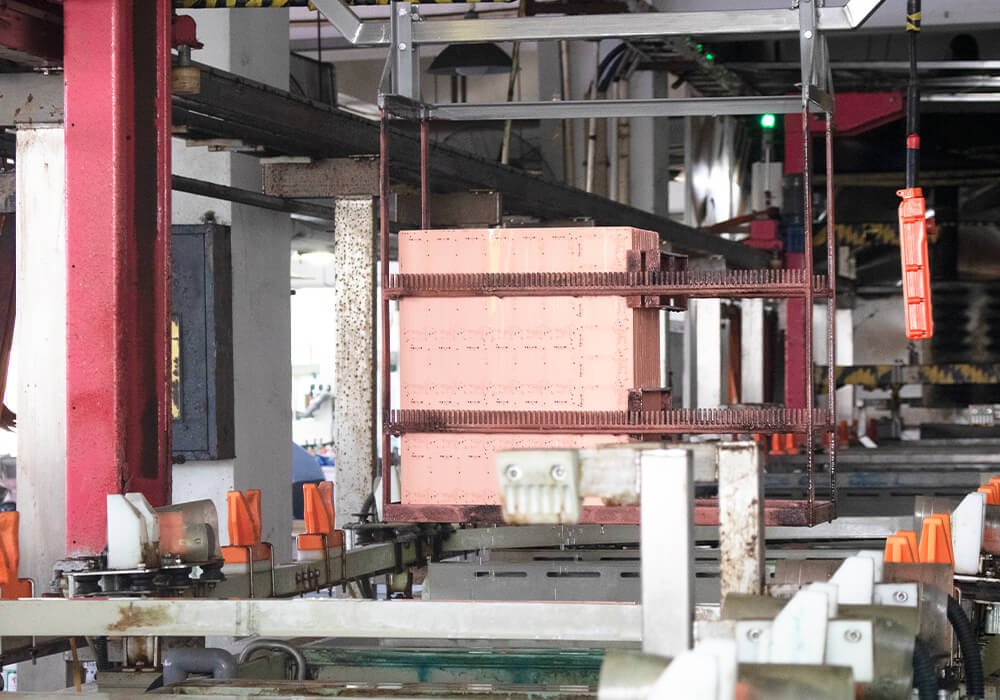
Plating

After drilling, the hole walls must be made conductive to connect different copper layers. This is achieved through a plating process that deposits a thin layer of copper onto the hole walls.

Flex PCB Manufacturring Process

Outer Layer Circuit Imaging

Next, the outer copper layers of the PCB are patterned using a similar imaging process as the inner layers.

Flex PCB Manufacturring Process

Outer Layer Etching

The exposed copper areas on the outer layers are etched away to form the final circuit pattern. After etching, the protective photoresist layer is removed, leaving the completed copper circuitry on the outer layers of the PCB.

Flex PCB Manufacturring Process

Solder Mask

A solder mask layer is applied to protect the PCB surface and prevent solder bridging during assembly.

Flex PCB Manufacturring Process

Surface Finish

To protect exposed copper pads and ensure good solderability during component assembly, a surface finish is applied.

Flex PCB Manufacturring Process

Silkscreen Printing

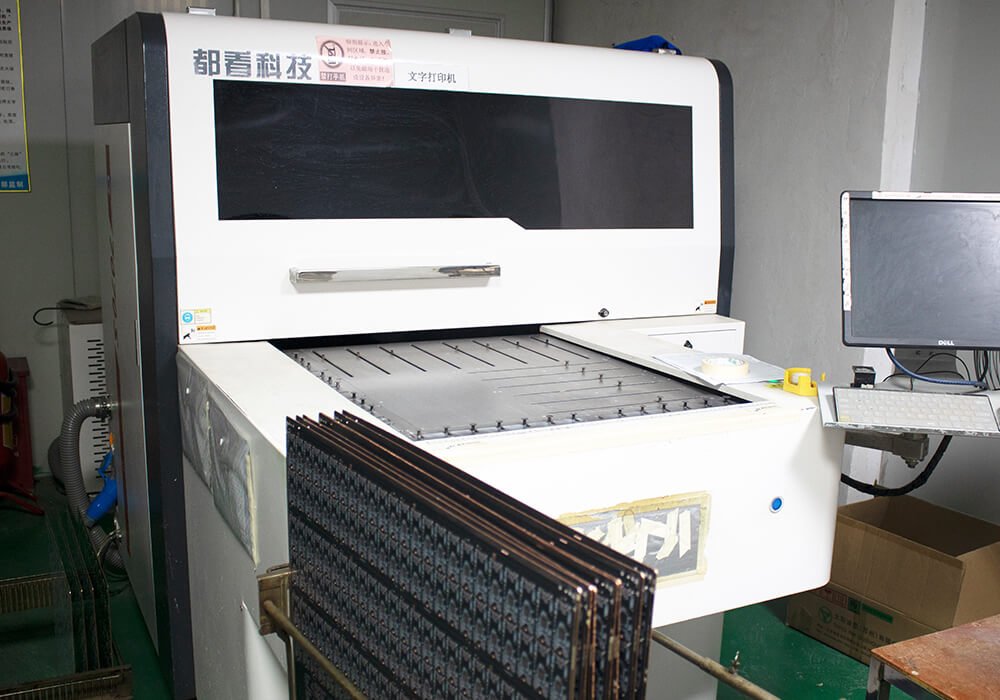
Silkscreen printing adds component reference designators, logos, polarity markings, and identification text onto the PCB surface. It helps technicians correctly place and assemble electronic components during PCB assembly.

Flex PCB Manufacturring Process

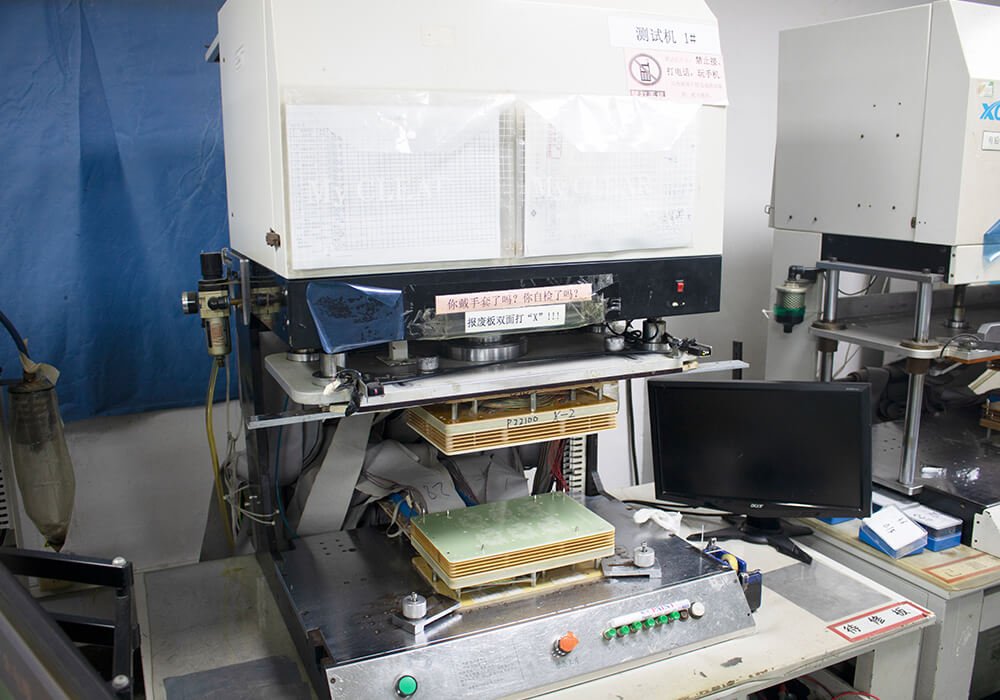
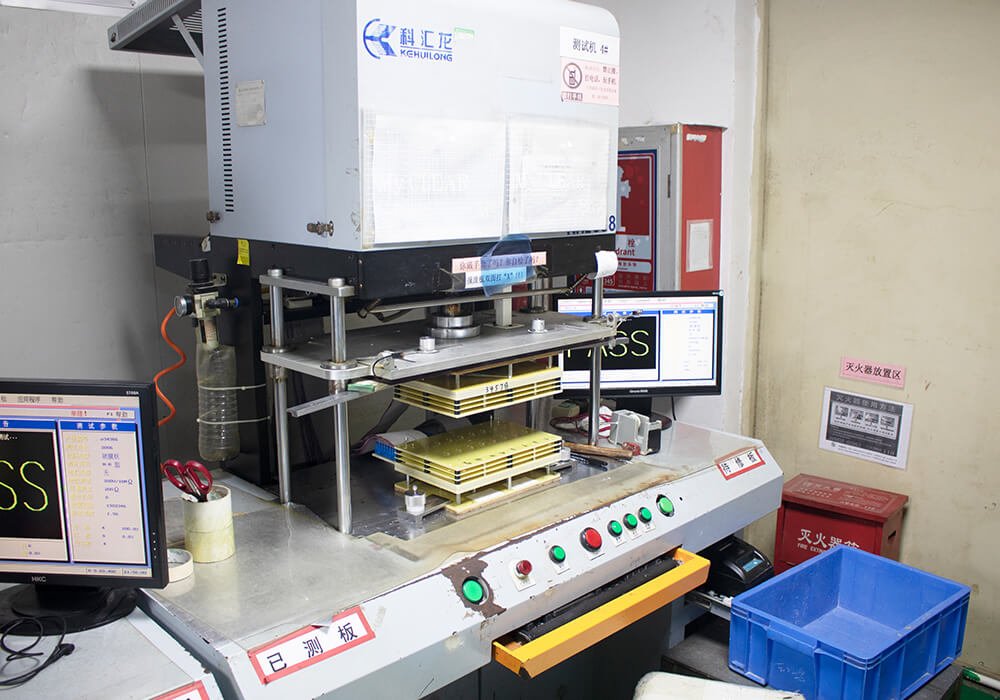
Electrical Testing

Before shipment, every PCB undergoes electrical testing to verify circuit connectivity and ensure there are no shorts or open circuits.

Flex PCB Manufacturring Process

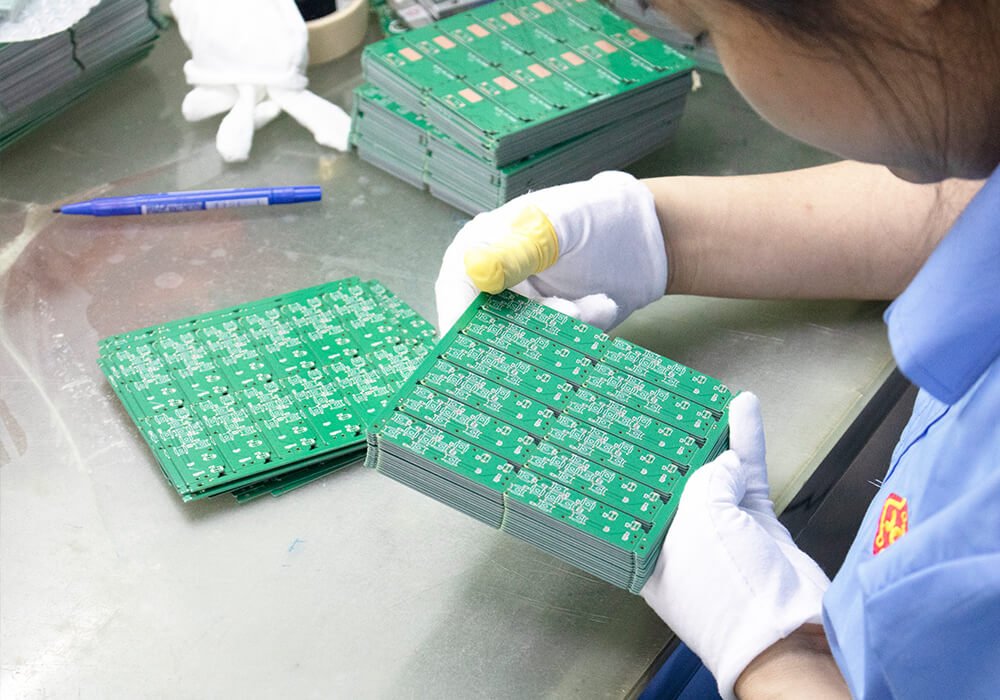
Final Inspection

PCBSAIL implements strict quality control procedures to ensure every FR-4 PCB meets required standards.

Flex PCB Manufacturring Process

Profiling and Packaging

Finally, the PCB panels are routed or punched into individual boards according to the design outline. After profiling, the finished PCBs are carefully cleaned, packaged in anti-static and moisture-resistant materials, and prepared for shipment.

PTH
copper immersion
Degumming Residue
sink gold
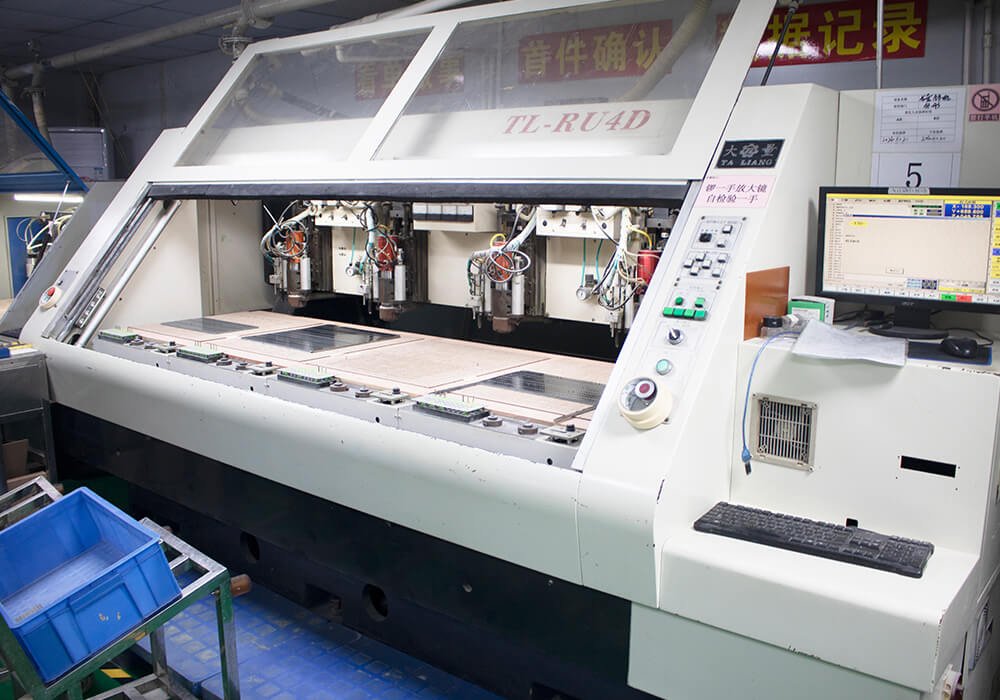
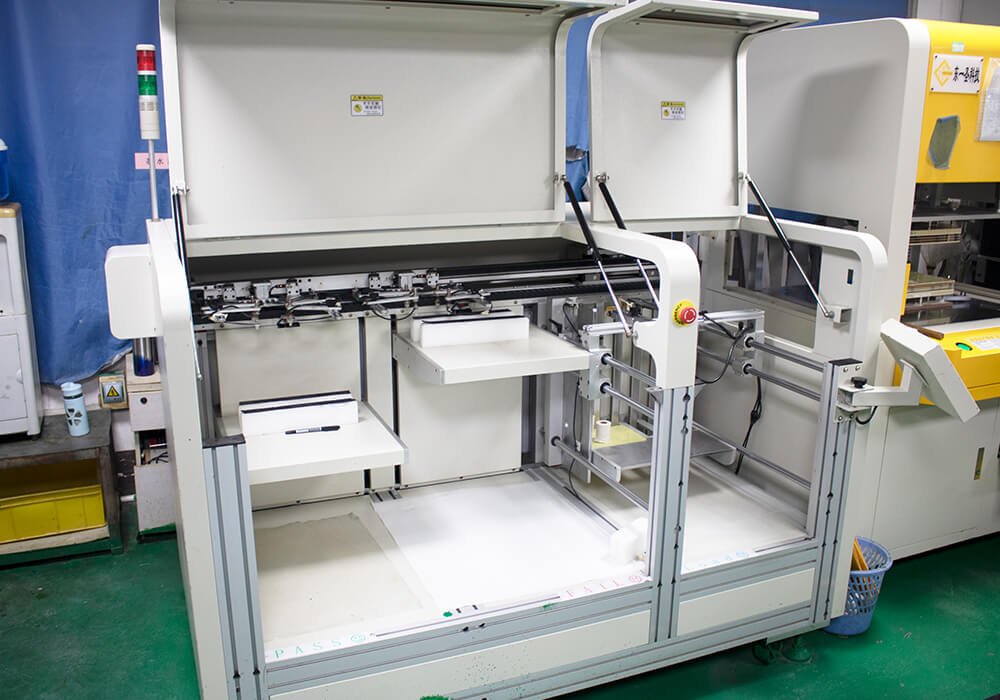
PCB Drill Machine
PcB Manufacturing Machine
Etching
Imaging room
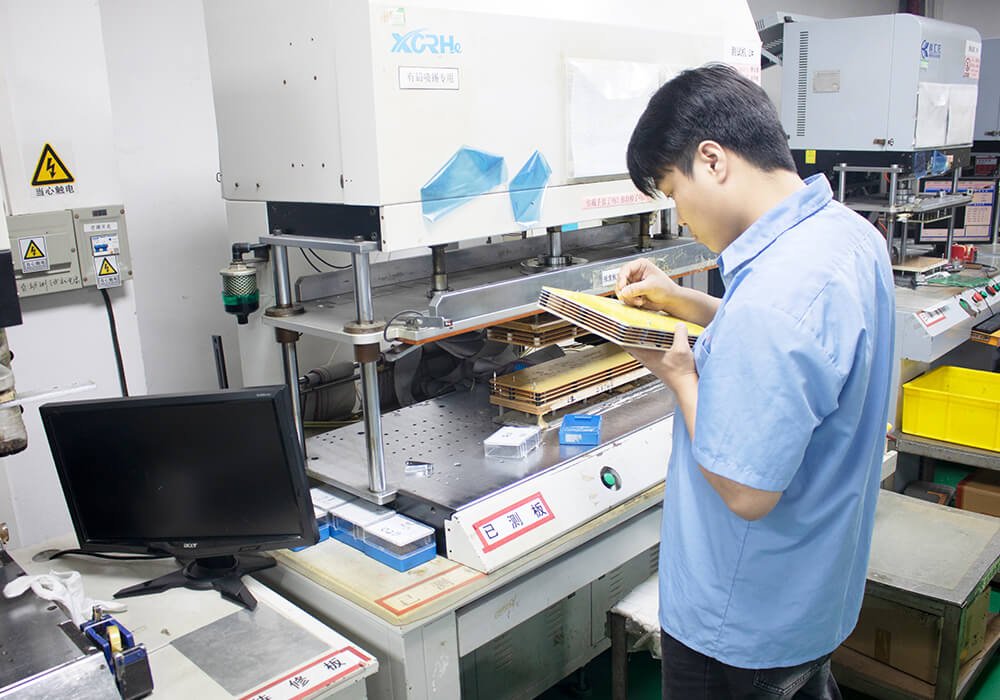
PCB Test Machine
PCB Checking
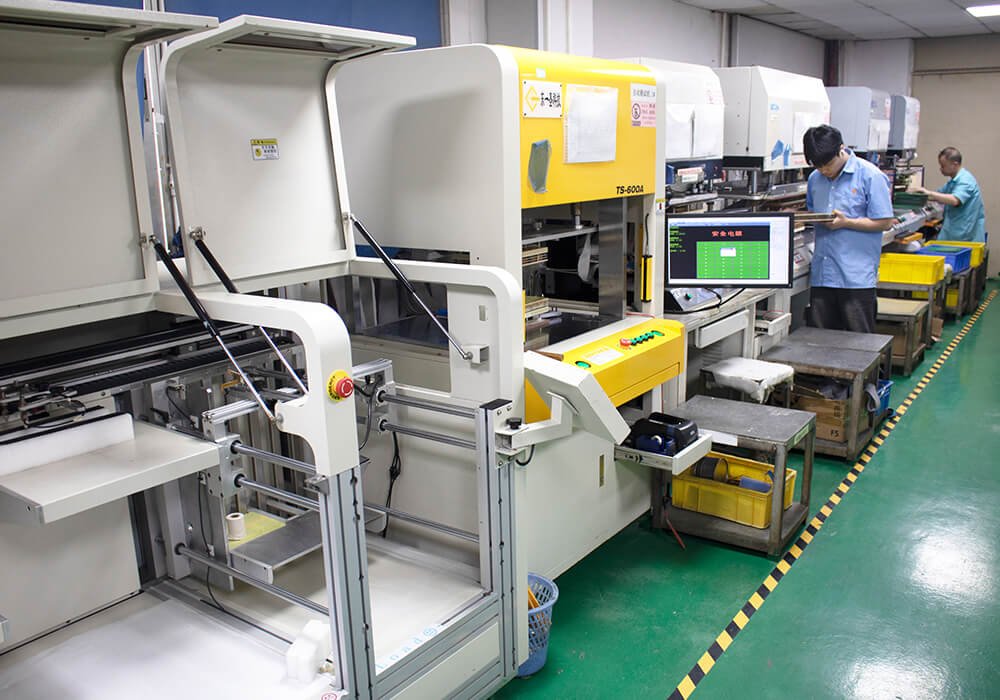
PCB Checking Machine
PCB Chechking
PCB AOI
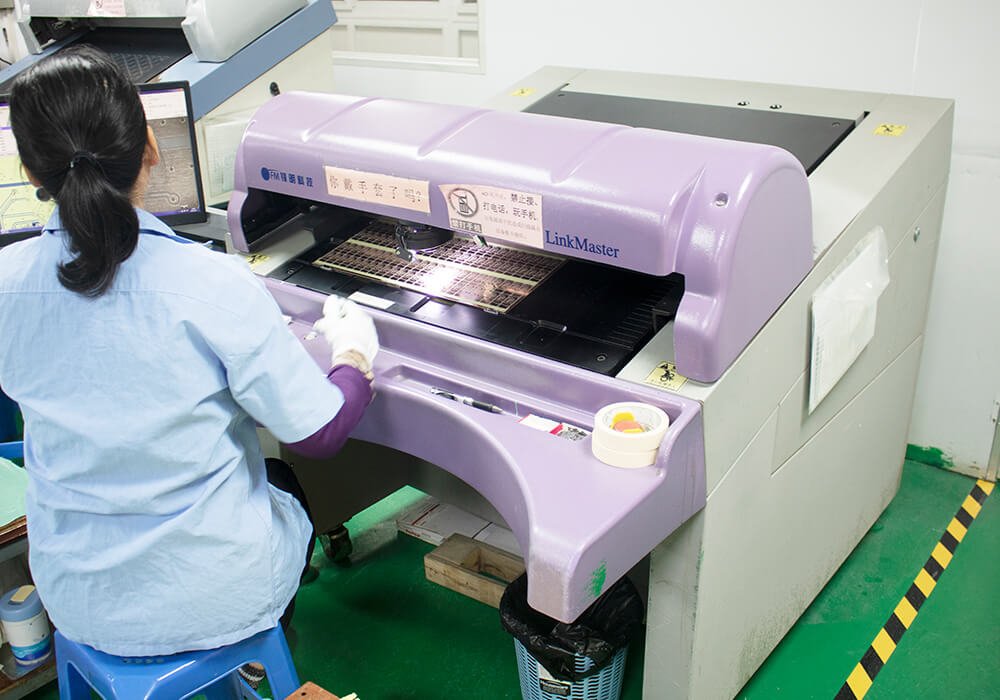
Link Master
Drill Machine
checking machine
screen printing machine
Eye Checking

FR-4 PCB Applications

FR-4 PCBs are widely used in both consumer and industrial electronics due to their balanced electrical performance, mechanical strength, and cost-effectiveness.

PCB Manufacturer Consumer Electronics

Consumer Electronics

FR-4 PCBs are the backbone of many everyday electronic devices.

  • Smartphones and tablets
  • Laptop and desktop motherboards
  • Smart home devices
  • Digital cameras and wearables
  • Gaming consoles

PCB Manufacturer Automotive Electronics

Automotive Electronics

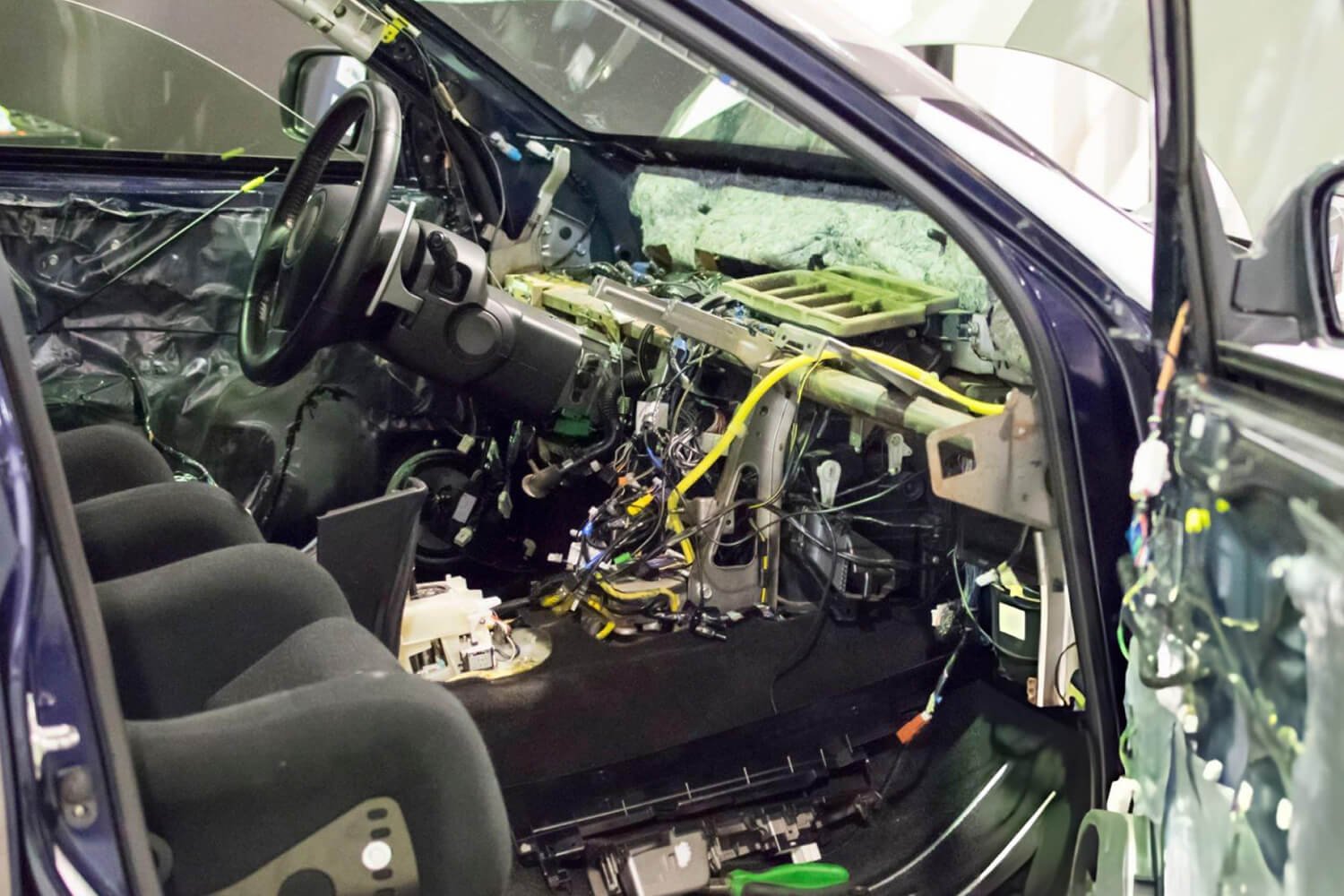
Modern vehicles rely on numerous electronic systems where FR-4 PCBs are widely used for control and monitoring functions.

  • Engine control modules (ECU)
  • Dashboard electronics
  • Lighting control systems
  • Infotainment systems
  • Vehicle safety electronics

Power Electronics

Energy Systems

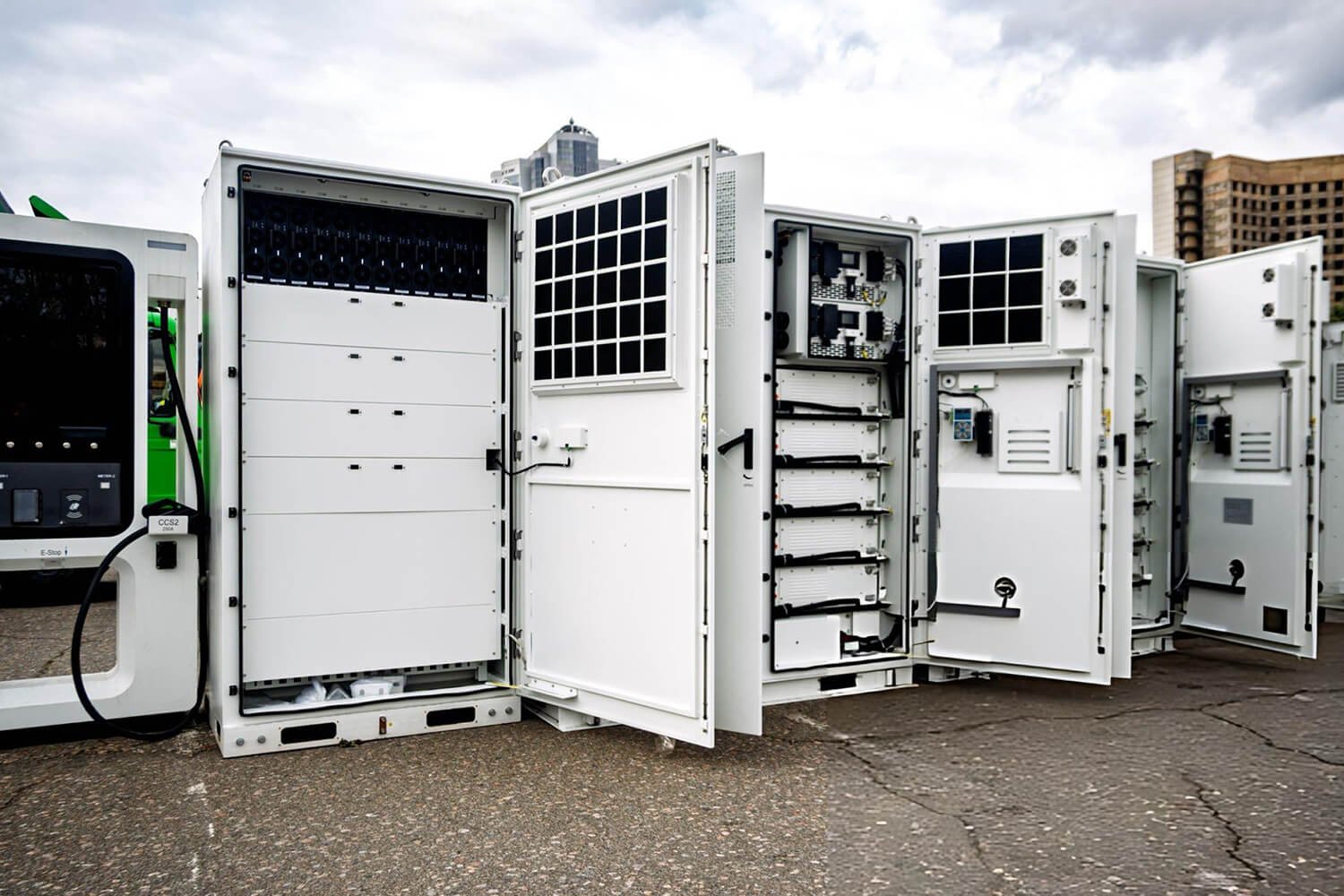
FR-4 PCBs are commonly used in power conversion and energy management circuits.

  • Switching power supplies
  • UPS systems
  • Solar power controllers
  • Battery management systems

PCB Manufacturer Medical Devices

Medical Devices

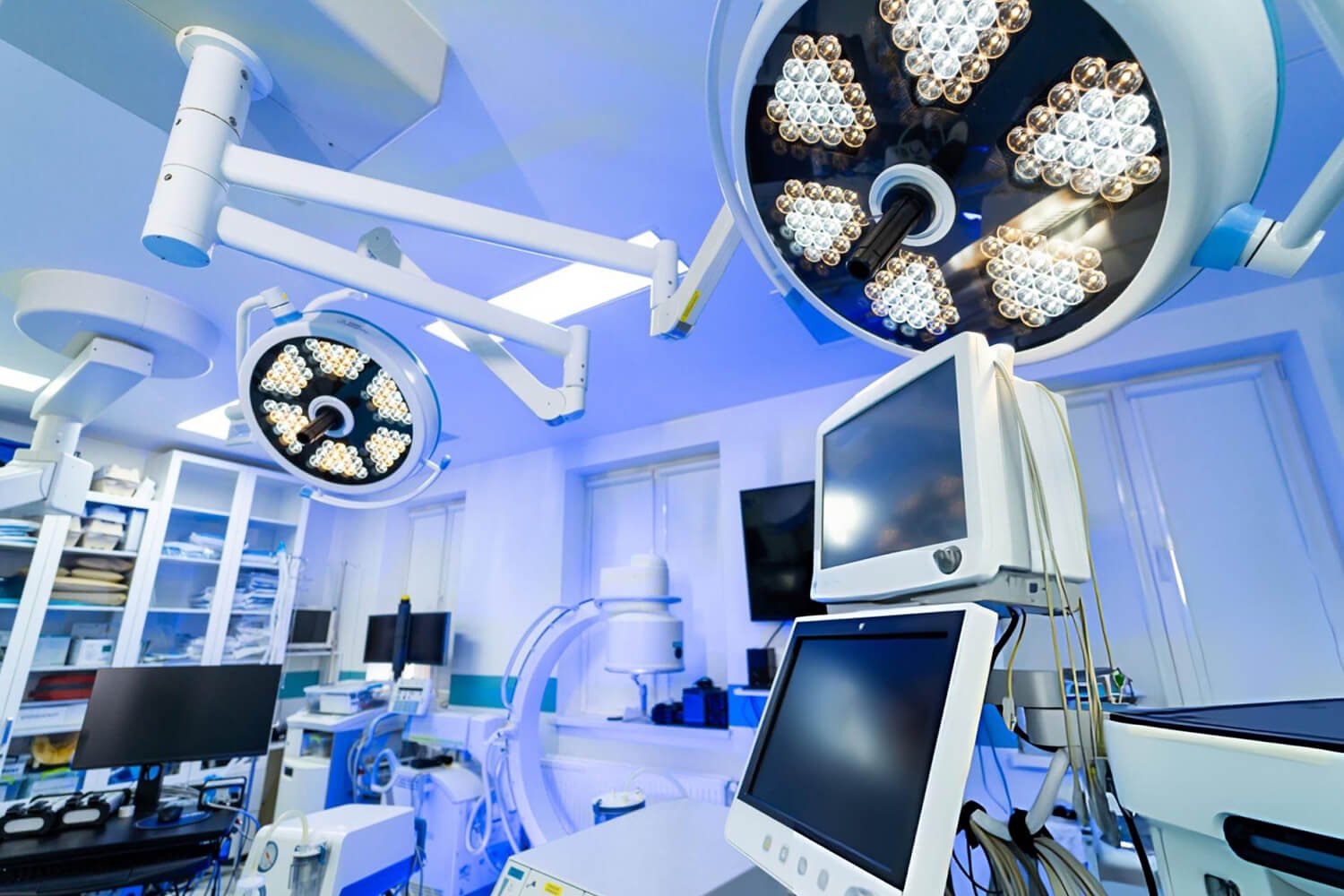
Medical electronics require high reliability and consistent performance, which FR-4 PCBs can provide when manufactured under strict quality standards.

  • Patient monitoring equipment
  • Diagnostic devices
  • Medical imaging control systems
  • Portable medical electronics

PCB Manufacturer Telecommunications

Communication

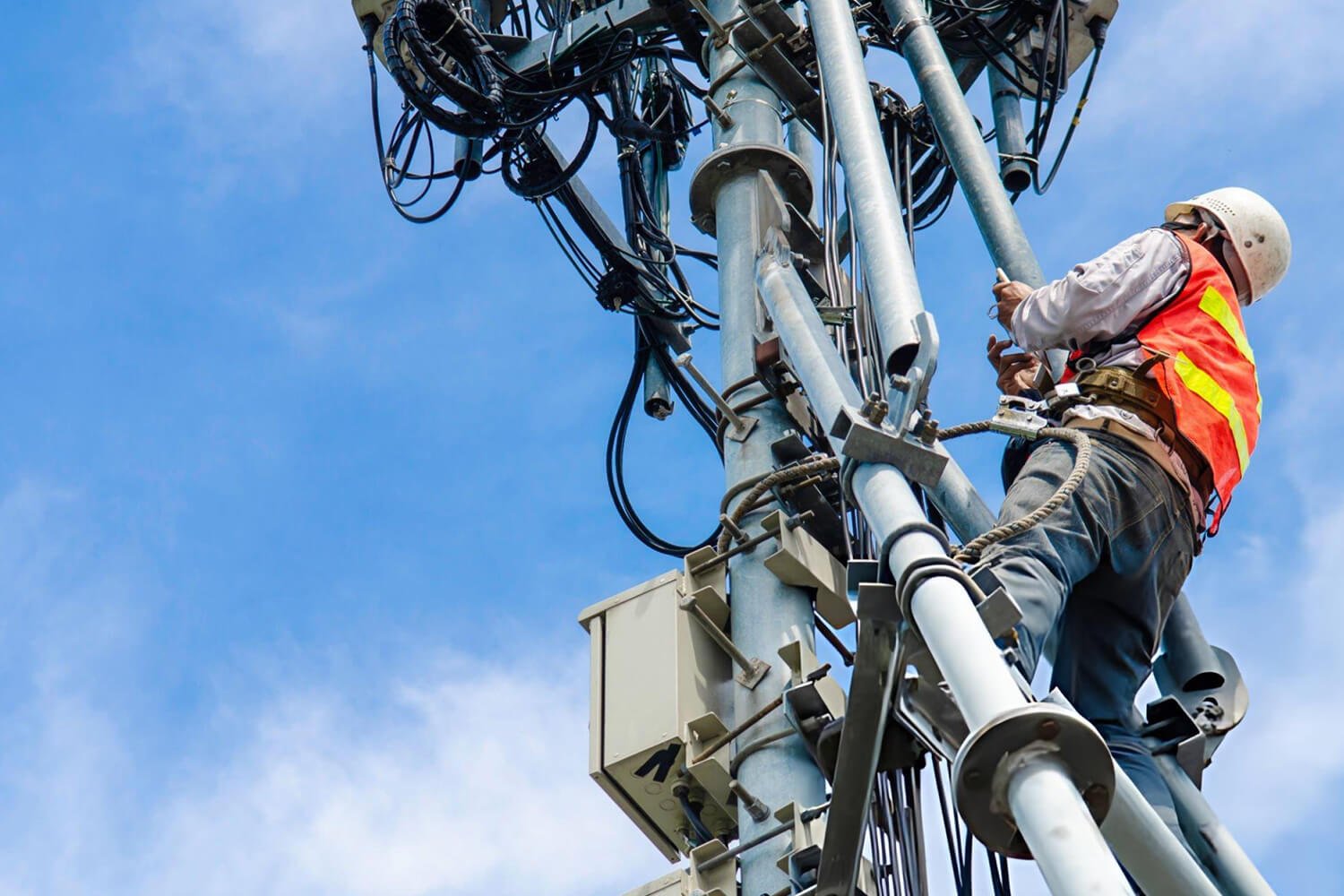
FR-4 PCBs support signal integrity and stable performance in telecommunications systems.

  • Network routers and switches
  • Communication base stations
  • RF control modules
  • Signal processing boards
  • Data transmission systems

Fast Quotation

Our professional sales and engineering teams provide fast PCB quotes and technical support. Simply send us your Gerber files, BOM, and assembly drawings, and we will respond promptly with a competitive solution.

FAQ About FR-4 PCB

1. What is an FR-4 PCB?

An FR-4 PCB is a printed circuit board made from FR-4 (Flame Retardant 4) material, a glass-fiber reinforced epoxy laminate. It is the most widely used PCB substrate because it offers good electrical insulation, mechanical strength, thermal stability, and cost efficiency for a wide range of electronic applications.

FR-4 stands for Flame Retardant Grade 4. The material meets specific flame-resistance standards, meaning it can self-extinguish and resist combustion, which improves safety in electronic devices.

FR-4 PCBs are available in various thicknesses depending on the application. Common board thickness options include:

  • 0.4 mm
  • 0.6 mm
  • 0.8 mm
  • 1.0 mm
  • 1.2 mm
  • 1.6 mm (standard)
  • 2.0 mm and above

Custom thicknesses can also be produced for specialized designs.

Typical copper thickness options include:

  • 0.5 oz (17 µm)
  • 1 oz (35 µm)
  • 2 oz (70 µm)
  • 3 oz or higher for high-power circuits

The copper weight depends on current capacity and thermal requirements.

FR-4 PCBs can be manufactured in different layer counts, including:

  • Single-layer PCBs
  • Double-layer PCBs
  • Multilayer PCBs (4, 6, 8, 10, 12 layers or more)

Multilayer FR-4 boards are commonly used in complex electronics such as communication systems and computer hardware.

Common surface finish options include:

  • HASL (Hot Air Solder Leveling)
  • Lead-free HASL
  • ENIG (Electroless Nickel Immersion Gold)
  • OSP (Organic Solderability Preservative)
  • Immersion Silver
  • Immersion Tin

Each finish provides different benefits for solderability, reliability, and product lifespan.

FR-4 can support moderate-frequency circuits, but for very high-frequency or microwave applications (above several GHz), specialized materials such as PTFE or Rogers laminates are typically recommended due to lower dielectric loss.

Selecting the correct FR-4 PCB depends on several design factors:

  • Operating frequency
  • Current load
  • Thermal requirements
  • Board thickness
  • Layer count
  • Surface finish
  • Reliability requirements

Working with an experienced PCB manufacturer helps ensure the design meets both performance and production requirements.