/For Global Electronics Manufacturers/
Flex PCB Assembly
PCBSAIL provides high-precision Flex PCB Assembly services for engineers, startups, OEM manufacturers, and product developers worldwide. As a professional flexible PCB assembly manufacturer in China, we deliver a complete turnkey solution.
Our advanced manufacturing facilities and experienced engineering team ensure that every flex PCB meets strict reliability, durability, and performance requirements.
What Is Flex PCB Assembly?
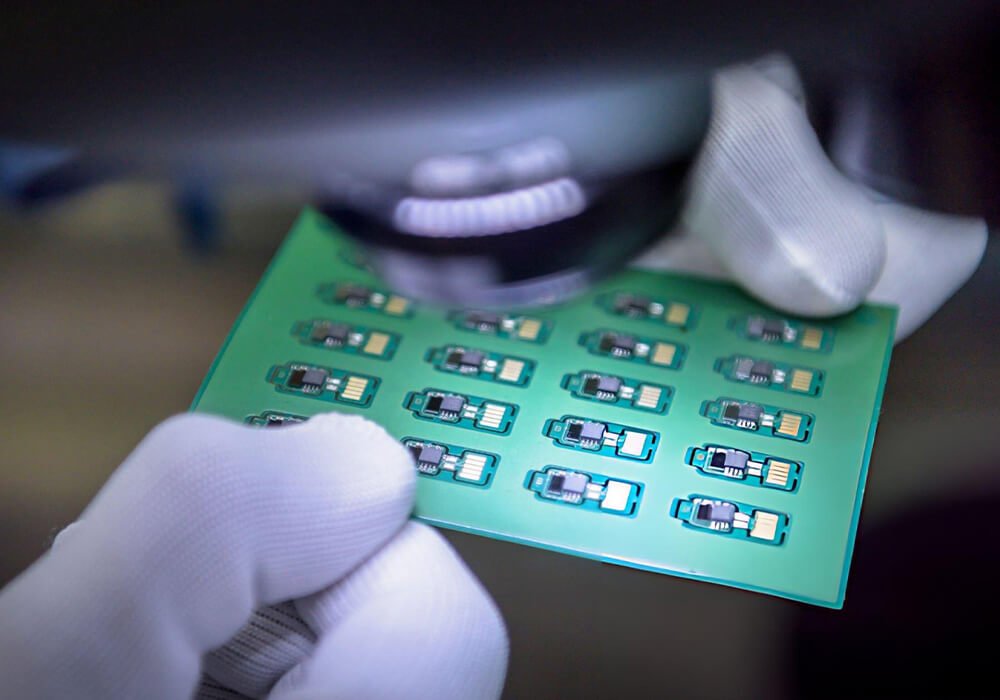
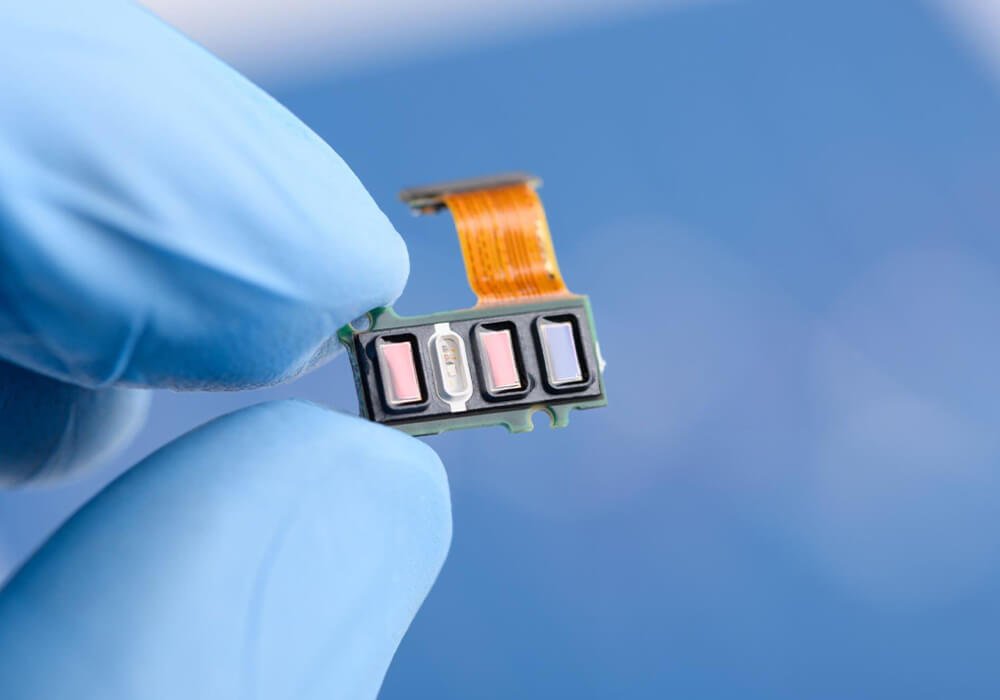
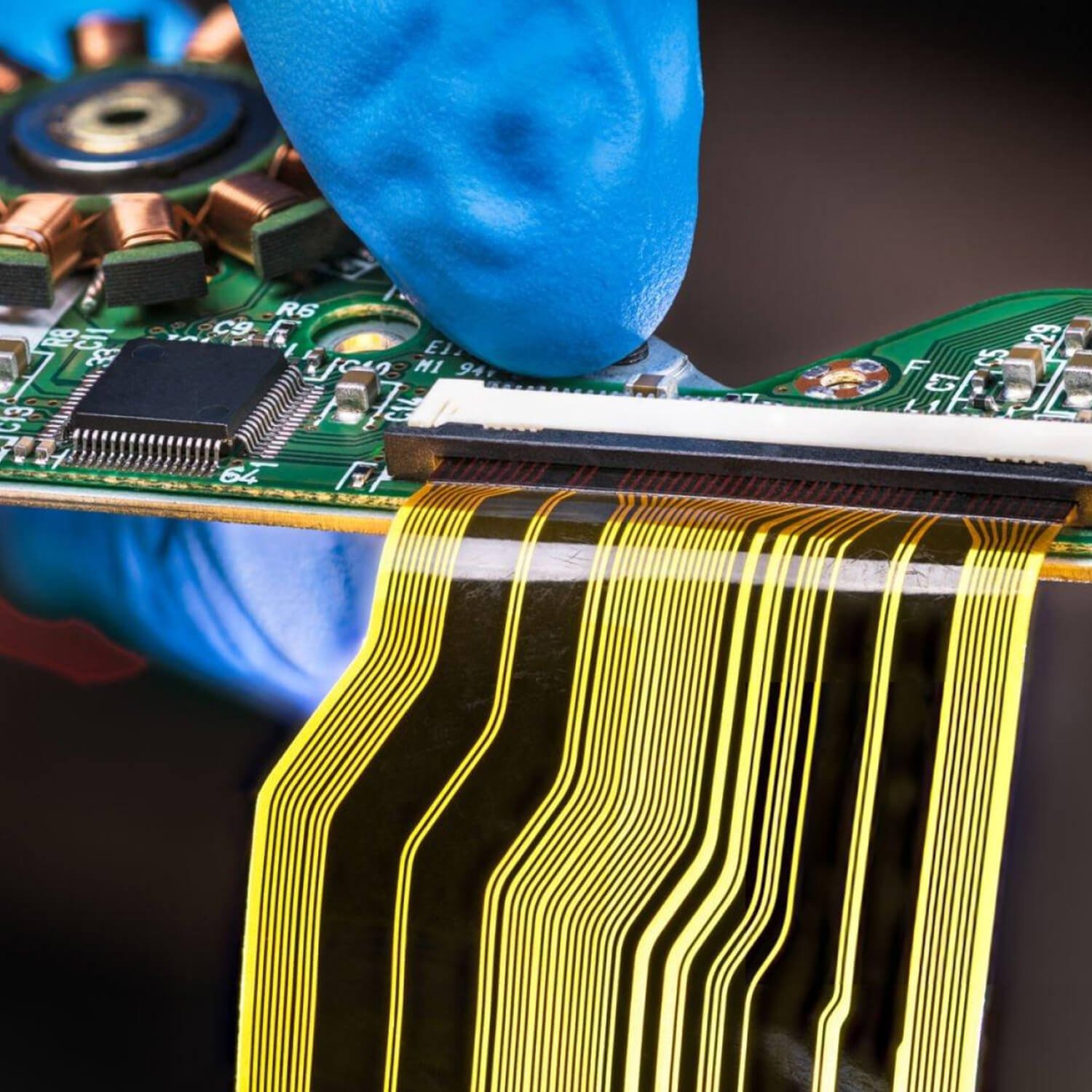
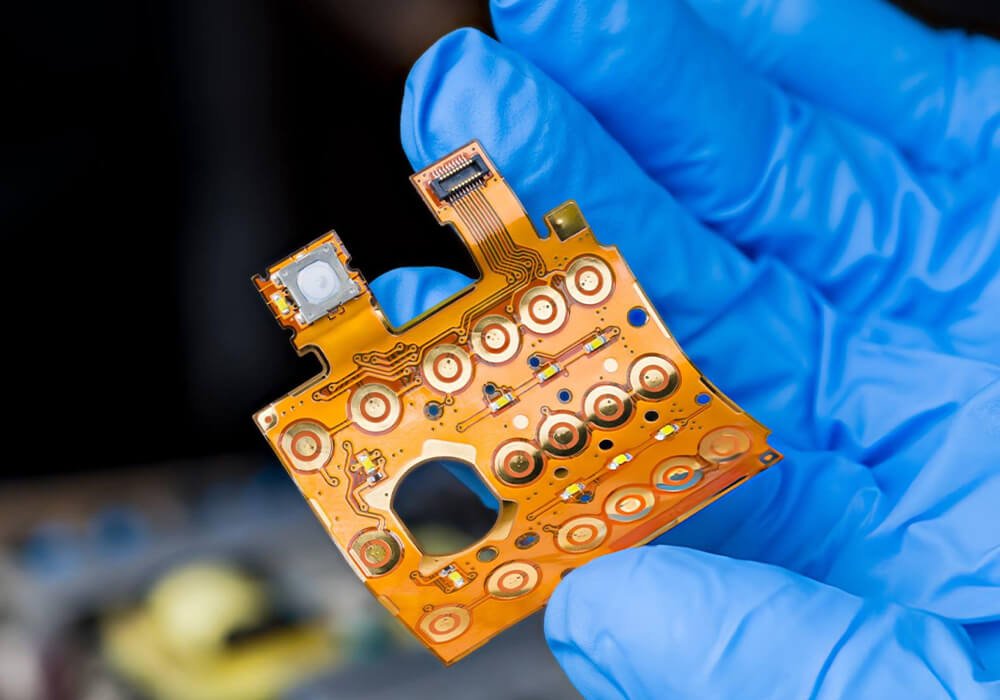
Flex PCB Assembly refers to the process of mounting electronic components onto flexible printed circuit boards (FPCBs) using specialized manufacturing techniques.
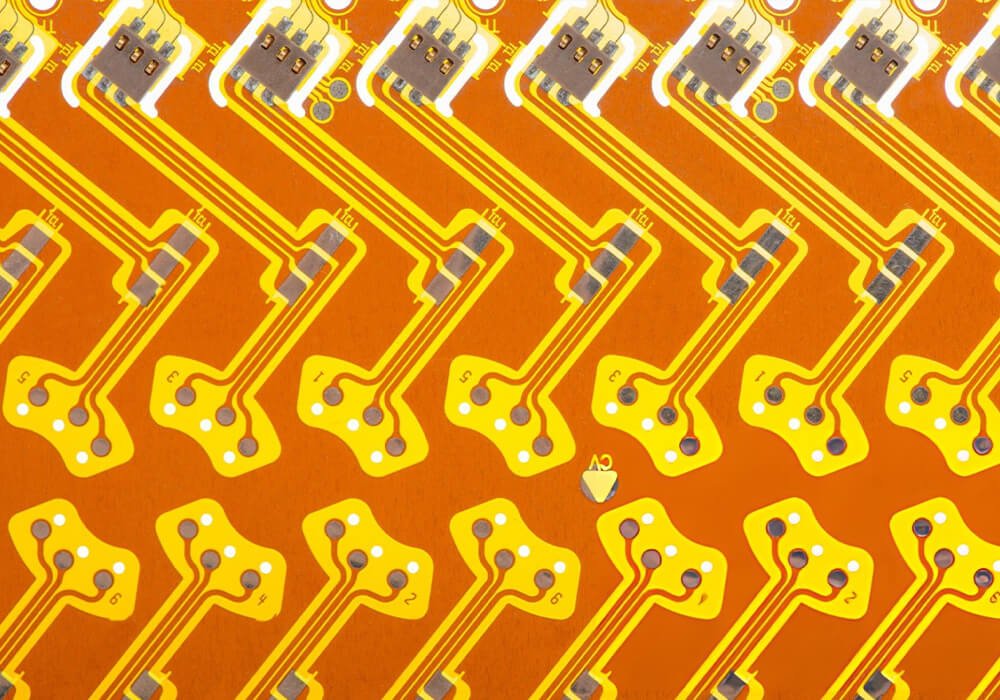
Unlike rigid boards, flexible PCBs are made from polyimide or flexible polyester substrates, allowing them to bend, twist, and fold without damaging electrical circuits.
Because flexible PCBs are different from rigid boards, flex PCB assembly requires specialized equipment, custom tooling fixtures, and precise thermal control during soldering to prevent damage to the substrate.
We have developed proprietary assembly techniques and dedicated carrier fixtures to ensure stable handling and reliable soldering throughout the production process.
Flexible PCB Assembly Type
Flexible circuit assemblies can be categorized based on the number of conductive layers and structural design.

Single-Sided Flex PCB Assembly
Single-sided flexible circuits contain only one conductive copper layer.
- Lower Manufacturing Cost
- Simplified Assembly Process
- Lightweight Structure
- High Flexibility

Double-Sided Flex PCB Assembly
Double-sided flex PCBs contain conductive layers on both sides of the flexible substrate.
- Higher Circuit Density
- Improved Routing Capability
- Components Mounted On Both Sides
- Increased Functionality

Multilayer Flex PCB Assembly
Multilayer flex circuits contain three or more conductive layers, interconnected by plated through holes or microvias.
- Higher Signal Density
- Complex Routing Capability
- Reduced System Size
- Improved Electrical Performance

Rigid-Flex PCB Assembly
Rigid-flex PCB assembly combines both rigid PCB sections and flexible circuit layers into a single structure.
- Reduced Connector Requirements
- Improved Reliability
- Better Mechanical Durability
Item | Capability |
FPC Base Material (Adhesive) | ShengyiSF302:PI=0.5 mil,1 mil,2 mil;Cu=0.5 oz,1 oz |
FPC Base Material (Adhesiveless) | SongxiaRF-775/777:PI=1 mil,2 mil,3 mil;Cu=0.5 oz, 1 oz |
Layer | 1-6 Layers (Ultimate:7-10 Layers) |
Thickness of Finished Product (Flex part,no stiffener) | 0.05-0.5 mm (Ultimate: 0.5- 0.8 mm) |
Size of Finished Products(Min) | 5 mm*10 mm (Bridgeless);10 mm*10 mm (Bridge) |
Size of Finished Products (Max) | 9 inch*14 inch |
Impedance Tolerance | Single-Ended:±5Ω(≤50Ω),±10%(>50Ω) |
Impedance Tolerance | Differencial:±5Ω(≤50Ω),±10%(>50Ω) |
Tolerance of Finger Width | ±0.1 mm (Ultimate:±0.05 mm) |
Min Distance to the Edge of Finger | 8 mil (Ultimate:6 mil) |
Min Distance between Pads | 4 mil (Ultimate:3 mil) |
Minimum Laser Hole | 0.1mm |
Minimum PTH | 0.3mm |
Min NPTH Tolerance | ±2 mil (Ultimate +0,-2 mil or +2 mil,-0) |
Solder Bridge Min Width(bottom copper<2OZ) | 4 mil(Green),8 mil |
Solder Bridge Min Width(bottom copper 2-4OZ) | 6 mil,8 mil |
Overlay Colour | White、Yellow (printed character:White) |
Type of Surface Treatment | OSP HASL, Lead free HASL, Immersion gold, Hard gold, Immersion silver, OSP |
Selective Surface Treatment | ENIG+OSP,ENIG+G/F |
Flex PCB Assembly Component Mounting Techniques
Component mounting is one of the most critical steps in the flex PCB assembly process. We will use different mounting methods depending on the type of components, design complexity, and mechanical requirements of the circuit.
1. Surface Mount Technology
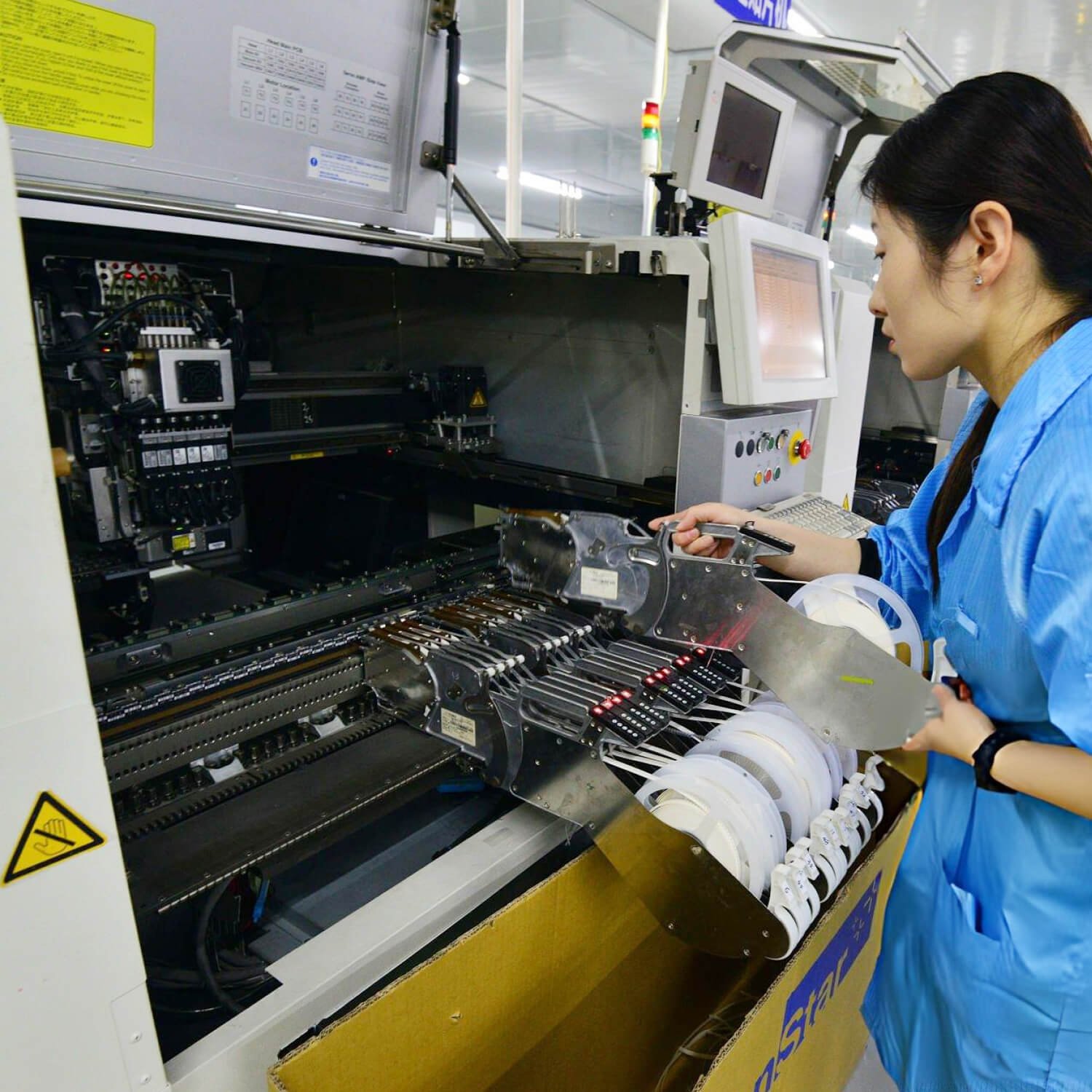
Surface Mount Technology is the most commonly used method in flex PCB assembly. In this process, electronic components are mounted directly onto the surface of the flexible circuit.
- High Component Density
- Small Package Compatibility
- High Automation Efficiency
- Reduced Assembly Cost
- Improved Electrical Performance
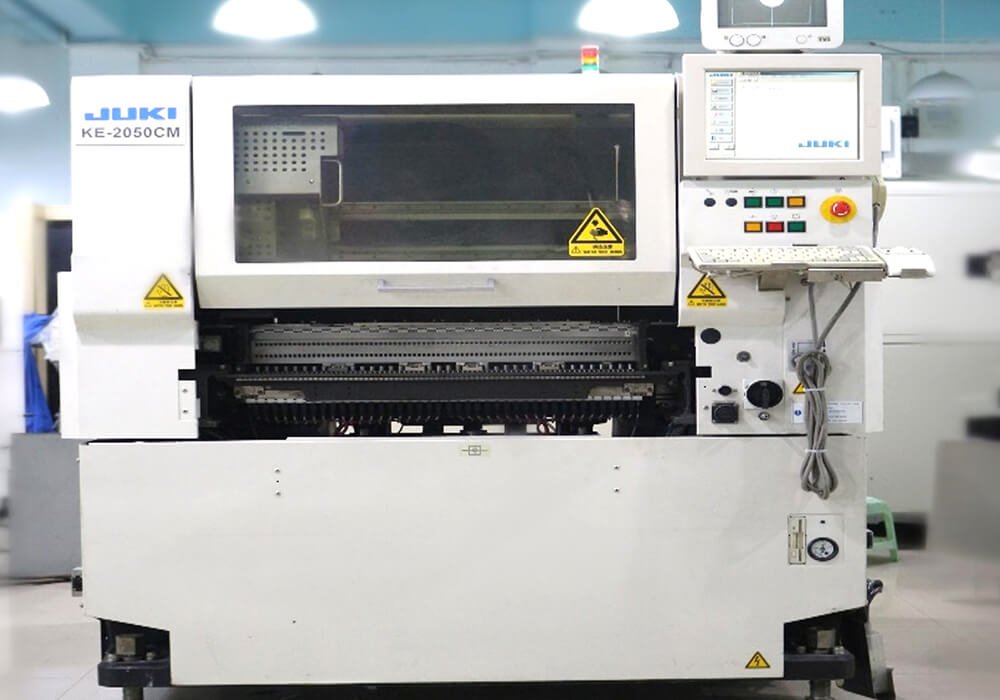
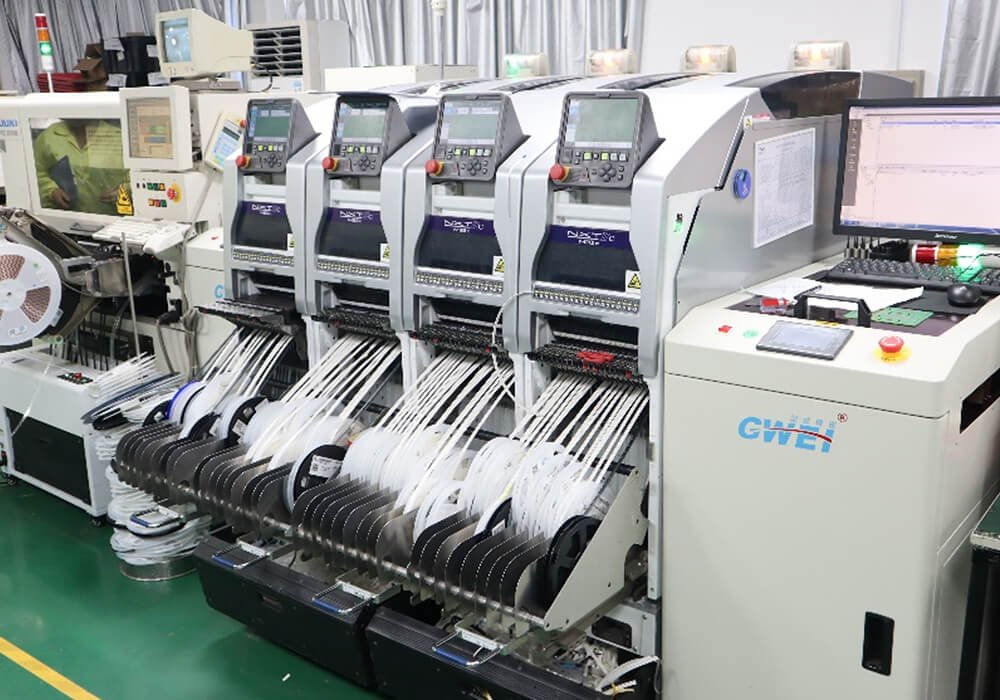
Using advanced high-speed pick-and-place machines, we can place extremely small components such as:
- 01005 chip components
- QFN packages
- BGA packages
- Microcontrollers
- RF modules
Because flexible circuits can deform under pressure, SMT assembly requires careful calibration of placement force and thermal profile to avoid substrate damage.
2. Through-Hole
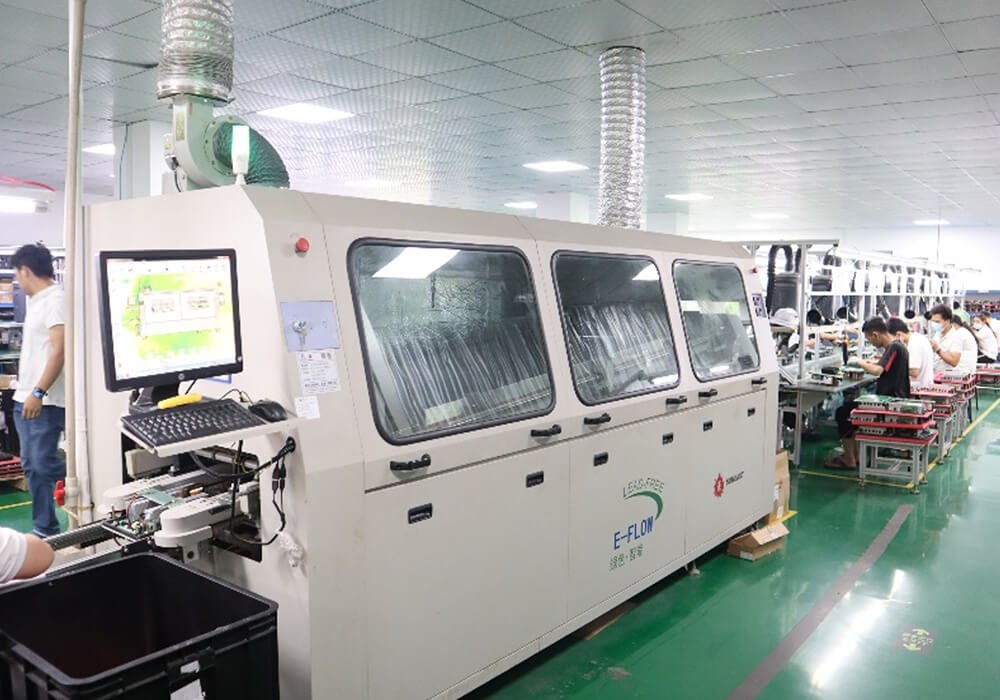
Through-hole assembly involves inserting component leads through drilled holes in the flexible circuit board and soldering them in place.
Through-hole mounting plays an important role in some applications where mechanical stability or electrical reliability is required.
In our factory, we use usually this through-hole component
- Wave Soldering (For Compatible Designs)
- Manual Soldering (For Special Components)
3. Mixed Assembly Technology
Many modern products require a combination of SMT and through-hole assembly. This hybrid approach is commonly known as mixed technology PCB assembly.
We support mixed technology flex PCB assembly with full inspection and quality verification to ensure reliable electrical performance.
Flex PCB Assembly Advantages
Flexible circuit technology offers numerous advantages compared to traditional rigid PCB assembly.
Space Saving Design
Flex circuits can bend and fold to fit into extremely compact spaces, making them ideal for modern miniaturized electronic devices.
Lightweight
Flexible PCBs are significantly lighter than rigid boards, reducing overall device weight.
Enhanced Mechanical Reliability
Flexible circuits can absorb mechanical stress and vibration, improving long-term reliability.
Improved Thermal Performance
Polyimide materials offer excellent heat resistance and thermal stability.
Reduced Wiring Complexity
Flex circuits eliminate the need for multiple connectors and cables, simplifying system architecture.
Flex PCB Assembly Cost
Flex PCB assembly’s cost is depended by several key factors. On average, flexible PCB fabrication ranges between $0.50 and $5.00 per square inch, but final assembly costs depend on additional parameters.
There are some factors depending Flex PCB Assembly cost.
Board Size
Larger circuits require more materials and processing time.
Number of Layers
More layers increase manufacturing complexity and cost.
Material
Flexible substrates such as polyimide and specialized adhesives increase costs compared with standard FR-4 materials.
Component Count
Higher component density increases assembly complexity and inspection requirements.
Special Design Requirements
Features Such As:
- Controlled Impedance
- Microvias
- Custom Stiffeners
- Fine Pitch Components
Flex PCB Assembly Process
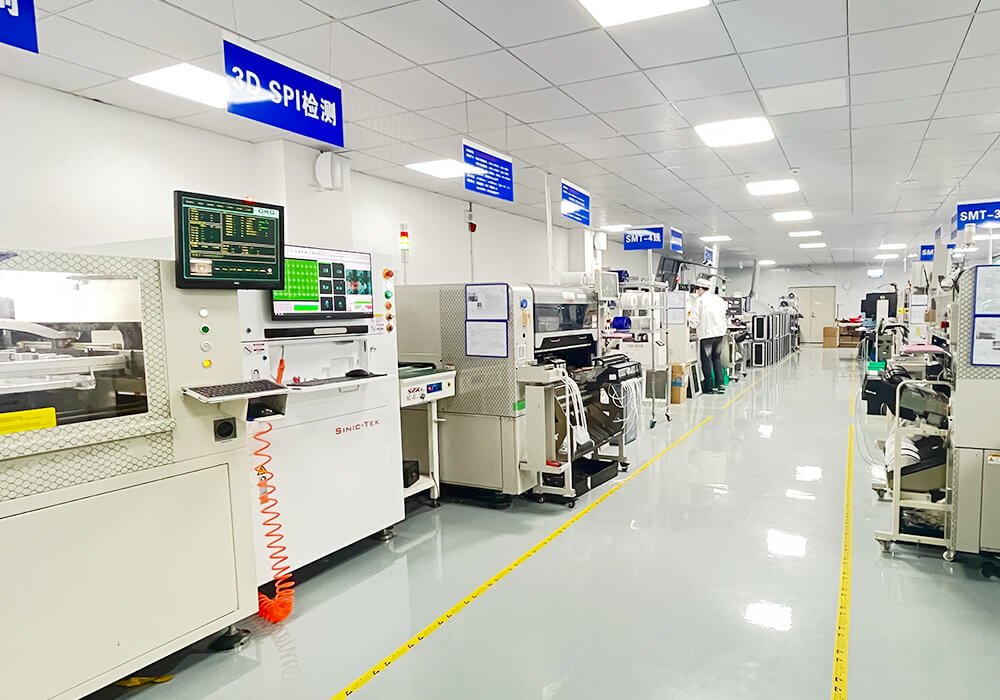
Our flexible PCB assembly can ensure consistent and high-quality results from prototype to mass production with advanced SMT equipment and strict quality control systems.

Incoming Quality Inspection
All incoming flexible circuit boards and components are inspected for:
- Dimensional Accuracy
- Copper Integrity
- Solder Mask Quality
- Electrical Continuity

Moisture Removal
Flexible substrates absorb moisture from the environment. To prevent delamination during soldering, the boards are baked in controlled ovens to remove moisture before assembly.

Carrier Fixture Mounting
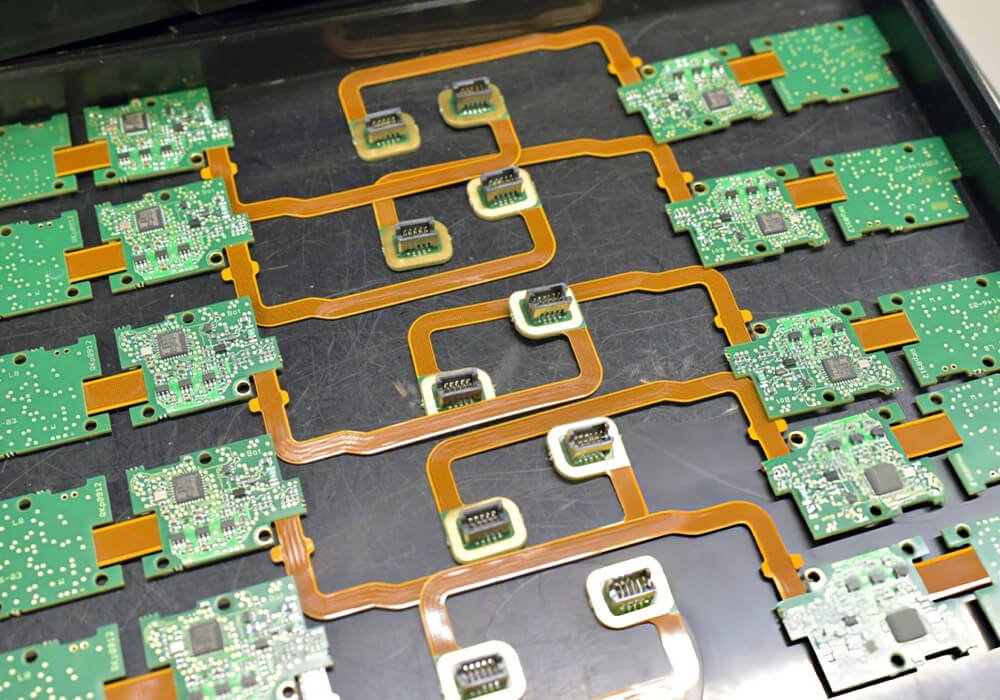
Flexible circuits are mounted onto rigid carrier pallets to ensure flatness during the automated assembly process. These fixtures prevent bending and maintain alignment for precision printing and placement.

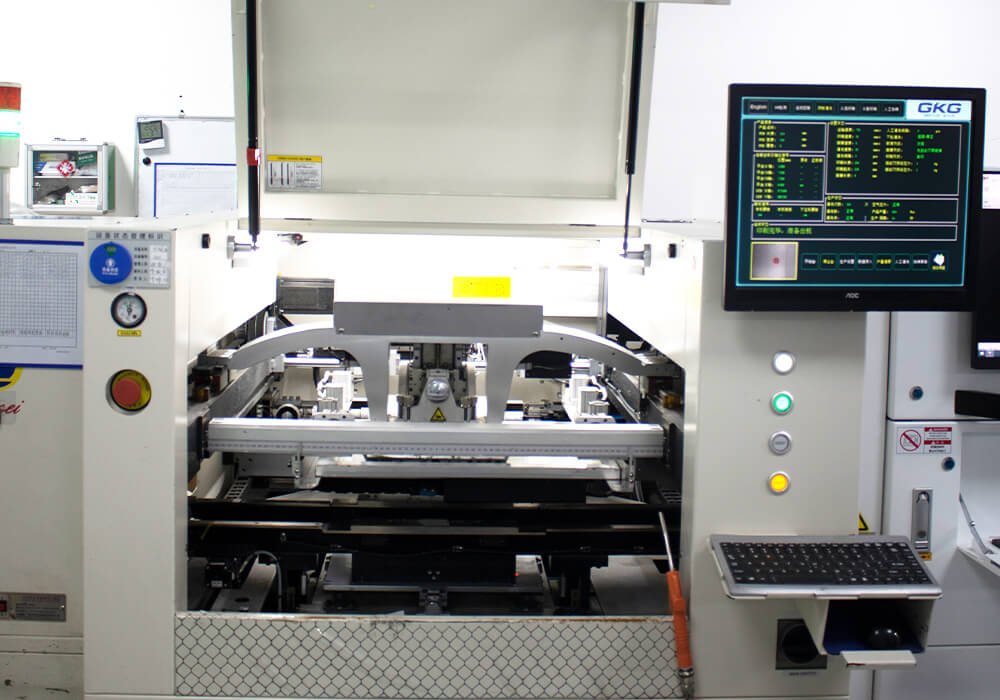
Solder Paste Printing
A stainless-steel stencil is used to apply solder paste to the PCB pads. Precise alignment is critical for fine-pitch components.

Component Placement
High-speed SMT machines accurately place surface mount components onto the solder paste.

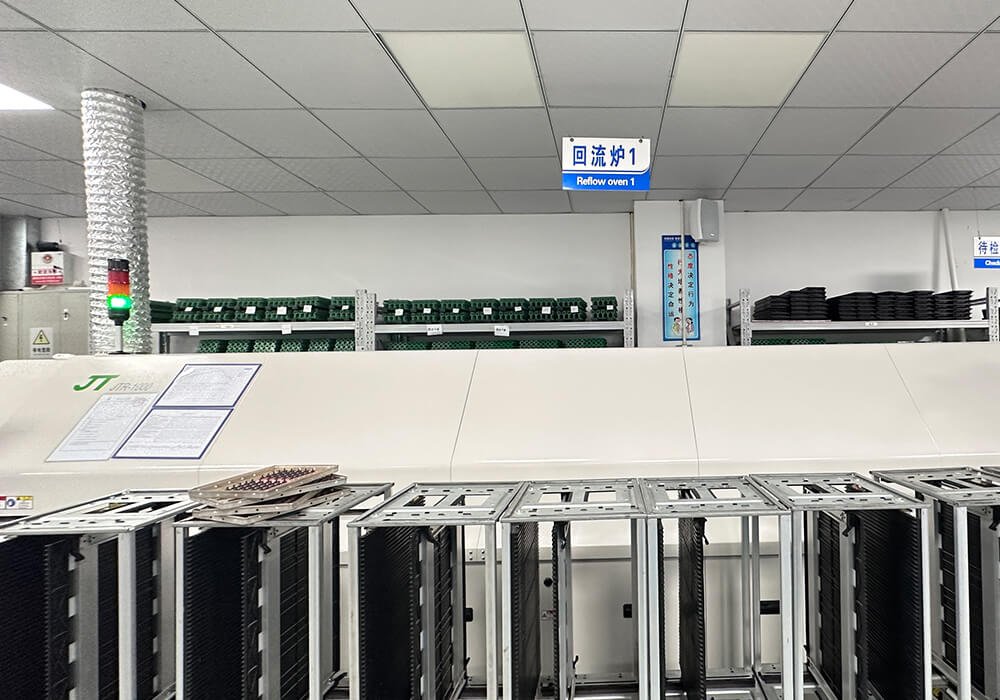
Reflow Soldering
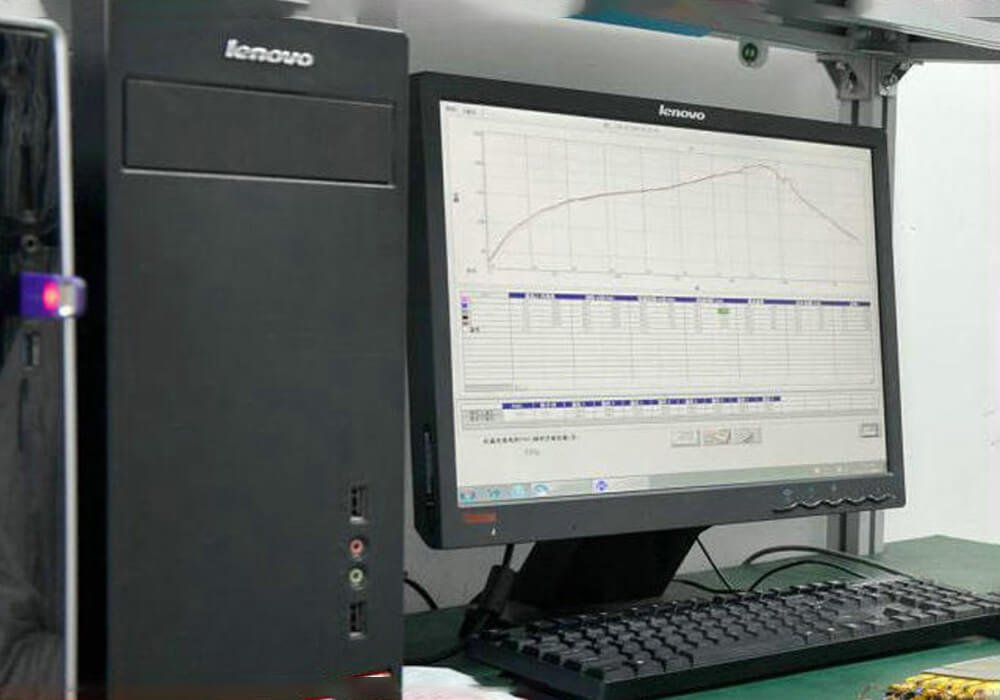
The PCB passes through a controlled reflow oven where the solder melts and forms reliable joints. For flex circuits, the thermal profile is carefully controlled:
- Lower Peak Temperatures
- Slower Heating Rates
- Optimized Cooling Curves

Stiffener Installation
Rigid stiffeners are attached to areas requiring mechanical support, such as connectors or heavy components.

Inspection
Multiple inspection technologies are used including:
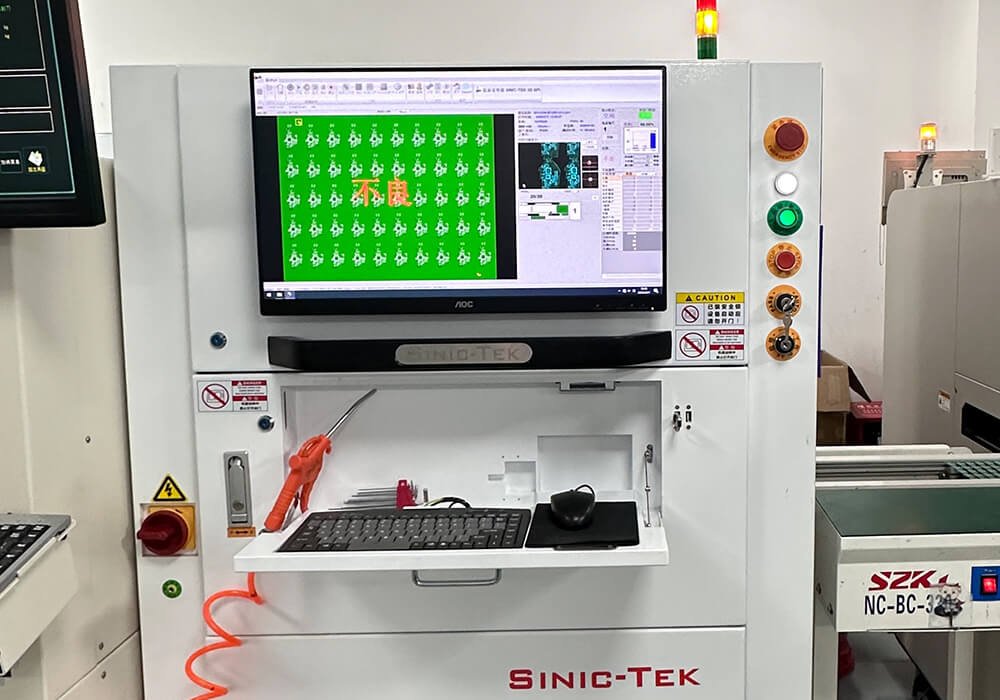
- Aoi (Automated Optical Inspection)
- X-Ray Inspection
- Visual Inspection

Electrical Testing
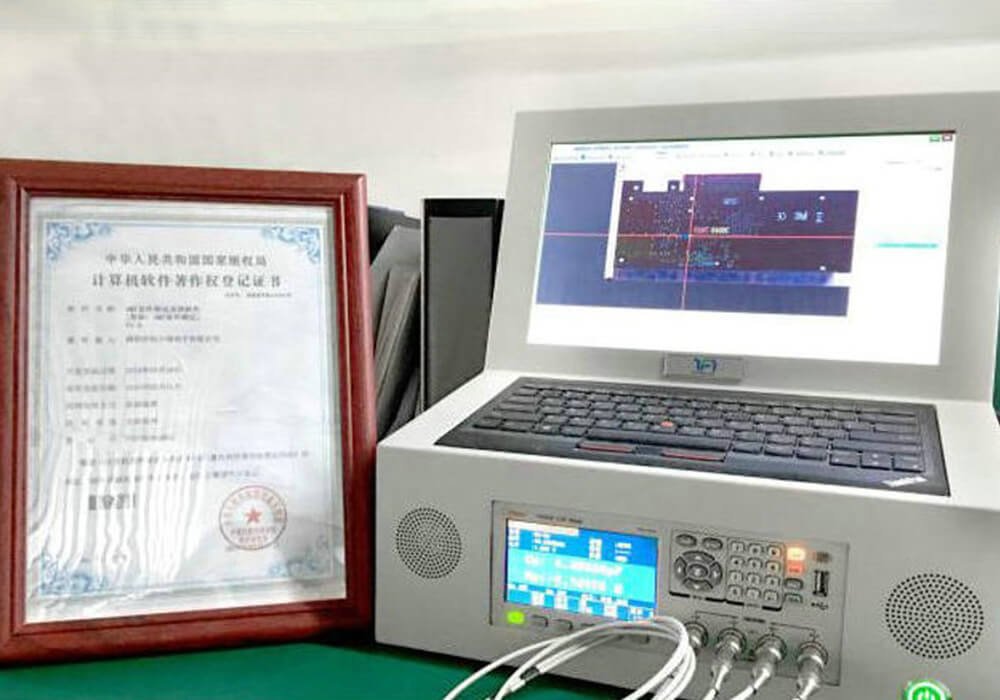
Electrical functionality is verified through:
- Flying Probe Testing
- ICT Testing
- Functional Circuit Testing

Conformal Coating
Protective coatings may be applied to protect circuits from:
- Moisture
- Dust
- Vibration
- Chemical Exposure
Industries We Have Previously Served
Flex PCB Assembly is widely used across modern electronics due to its ability to bend, fold, and conform to complex geometries while maintaining reliable electrical performance.

Automotive Electronics
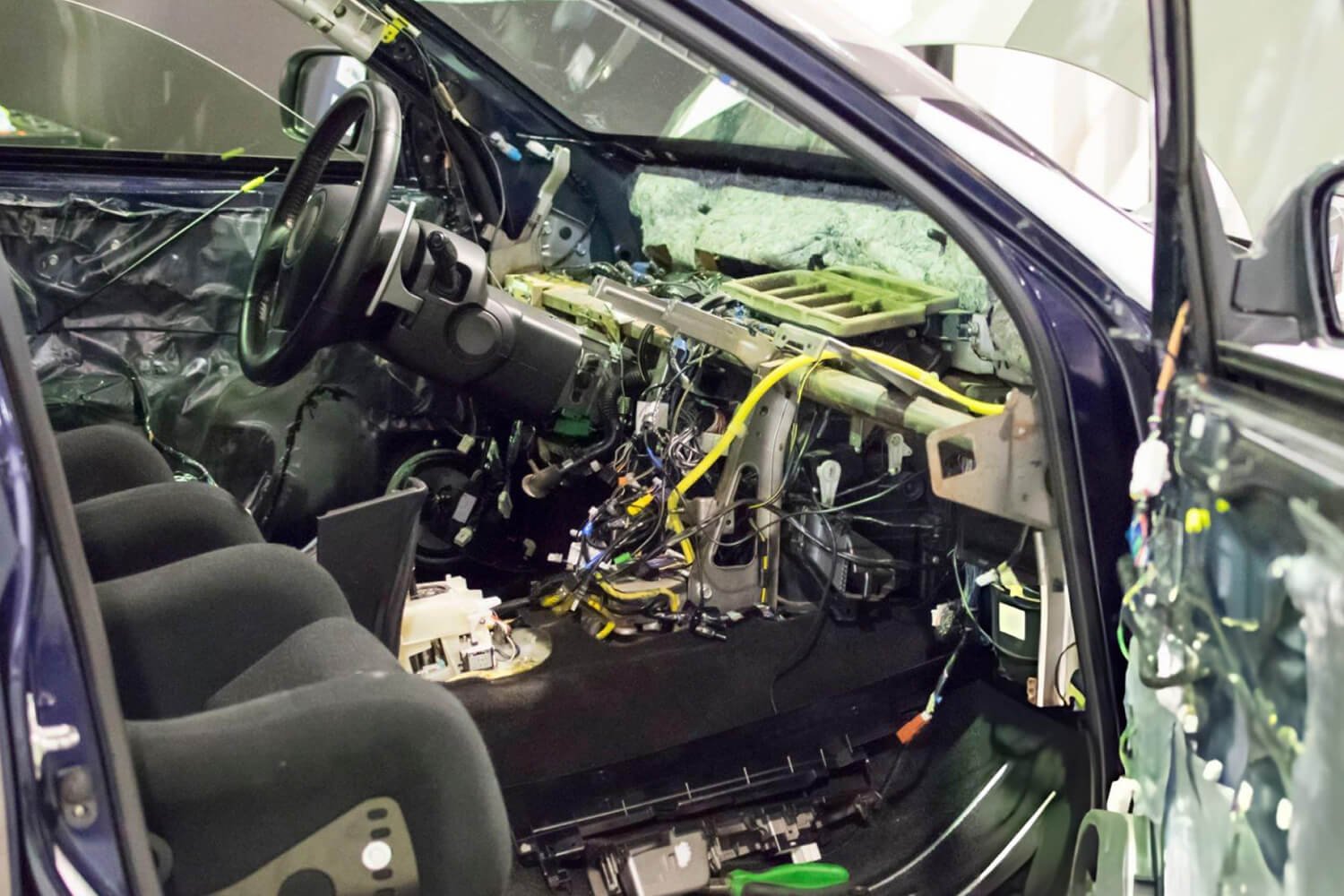
The automotive industry increasingly relies on flex PCB assembly for advanced electronic systems, especially in electric vehicles (EVs) and autonomous driving technologies.
- Advanced Driver Assistance Systems (ADAS)
- In-Vehicle Infotainment Systems
- Instrument Clusters And Dashboards
- Battery Management Systems (BMS)
- Lighting Systems (LED Modules)
Industrial Automation
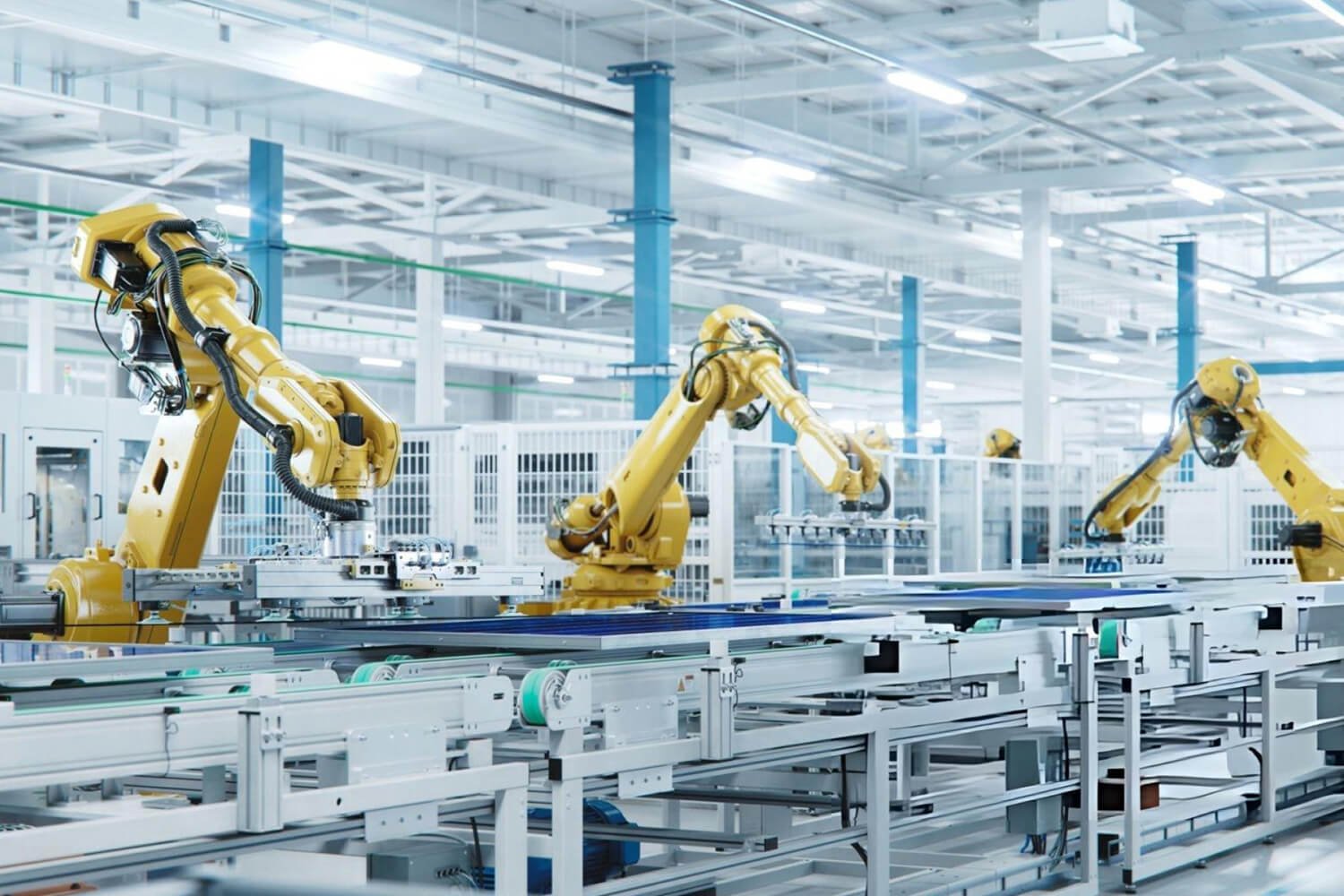
Industrial systems require durable and reliable electronics capable of operating in demanding environments. Flexible PCB assemblies provide excellent performance in these conditions.
- Robotics And Motion Control Systems
- Industrial Sensors
- PLC (Programmable Logic Controllers)
- Machine Vision Systems
- Control Panels And Automation Equipment
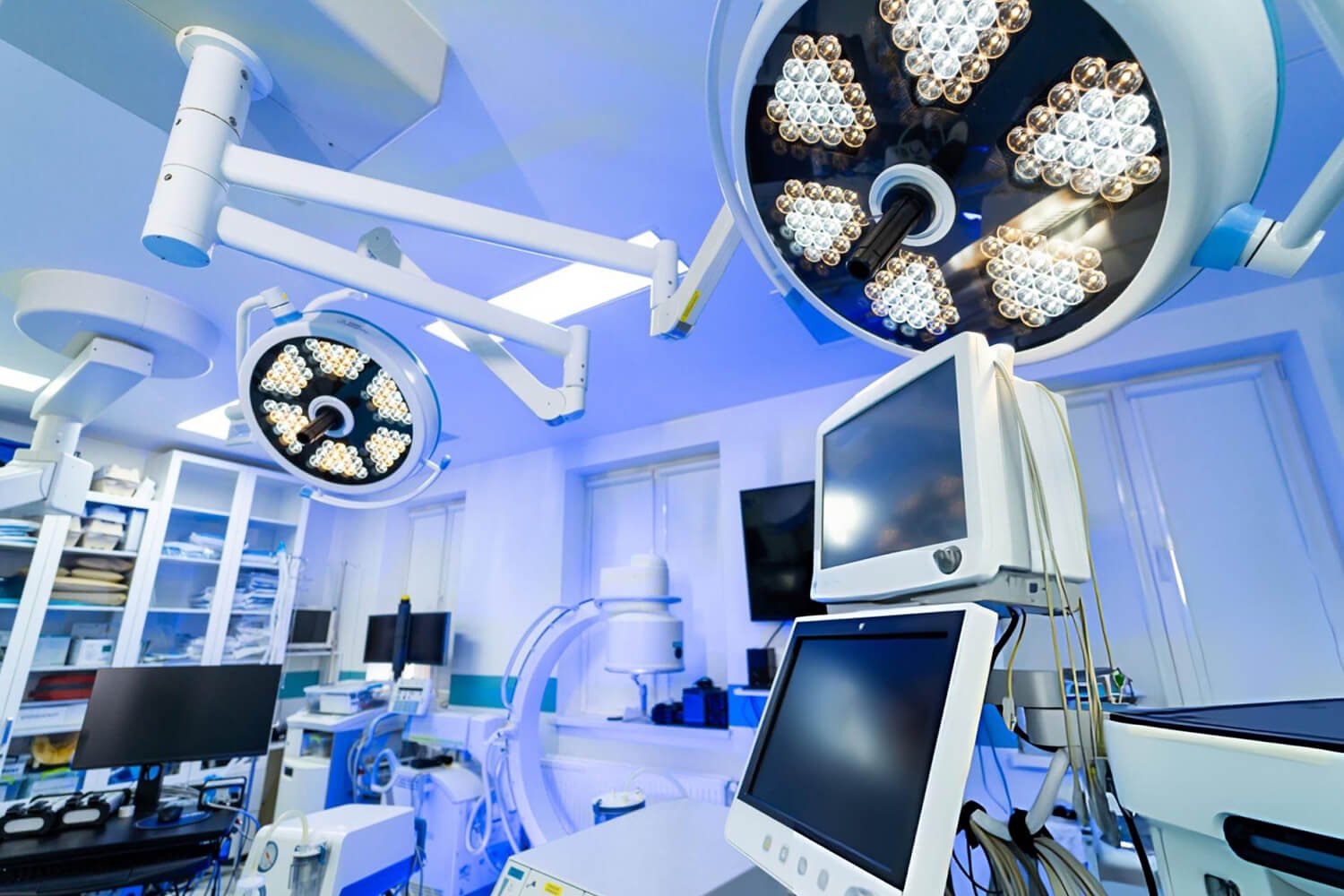
Medical Devices
Flex PCB assembly is critical in the medical field, where devices must be small, lightweight, and highly reliable.
- Wearable Health Monitoring Devices
- Diagnostic Imaging Equipment
- Implantable Medical Devices
- Portable Medical Instruments
- Patient Monitoring Systems

Consumer Electronics
Flexible PCB assemblies are extensively used in consumer electronic devices, where compact size, lightweight design, and high reliability are critical.
- Smartphones
- Tablets and Laptops
- Wearable Devices (smartwatches, fitness trackers)
- Foldable and Flexible display systems
- Gaming Devices
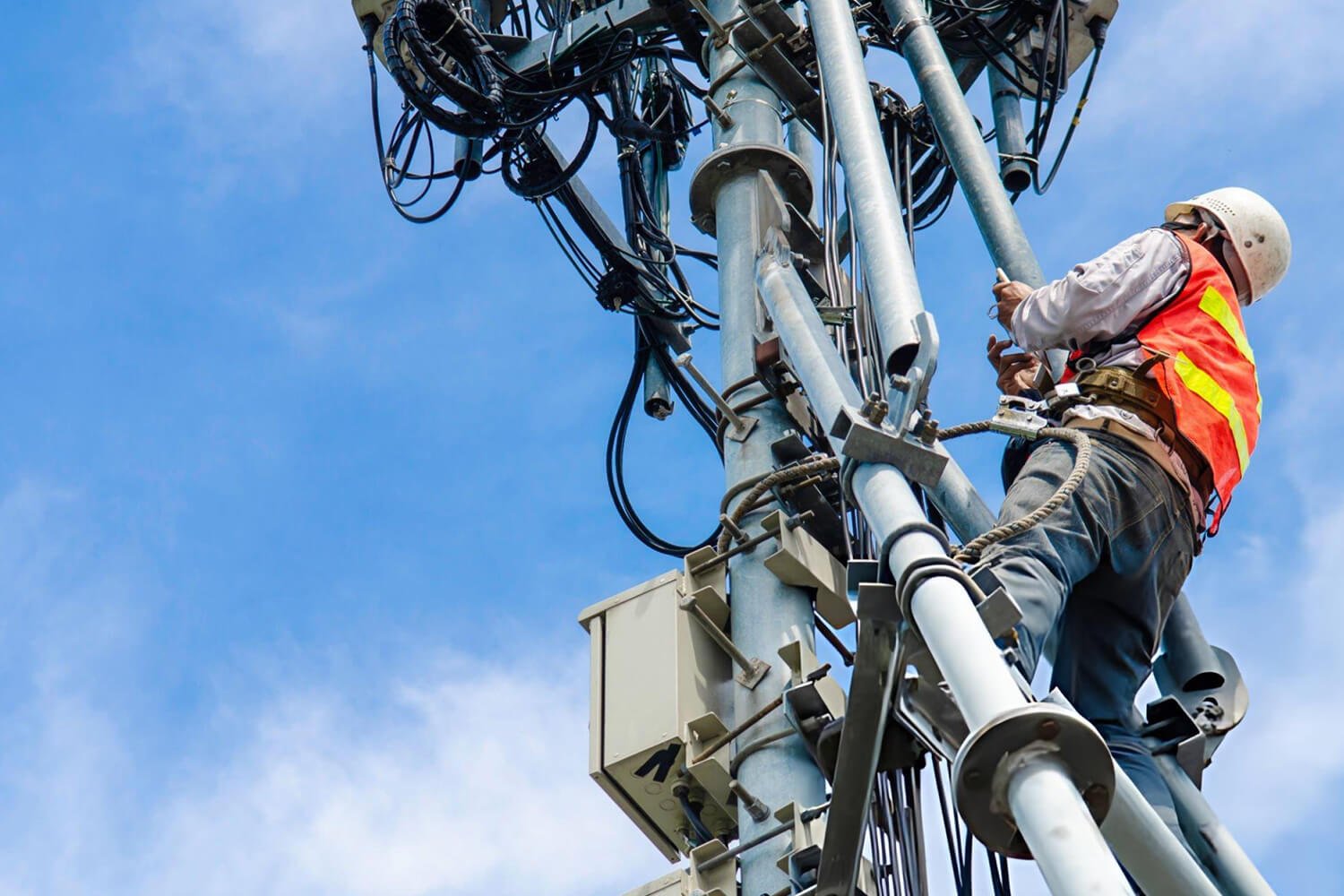
Telecommunications
With the rapid development of communication technologies, flexible PCB assemblies are widely used in high-frequency and high-speed electronic systems.
- 5G Communication Equipment
- RF Modules And Antennas
- Networking Hardware
- Signal Transmission Modules
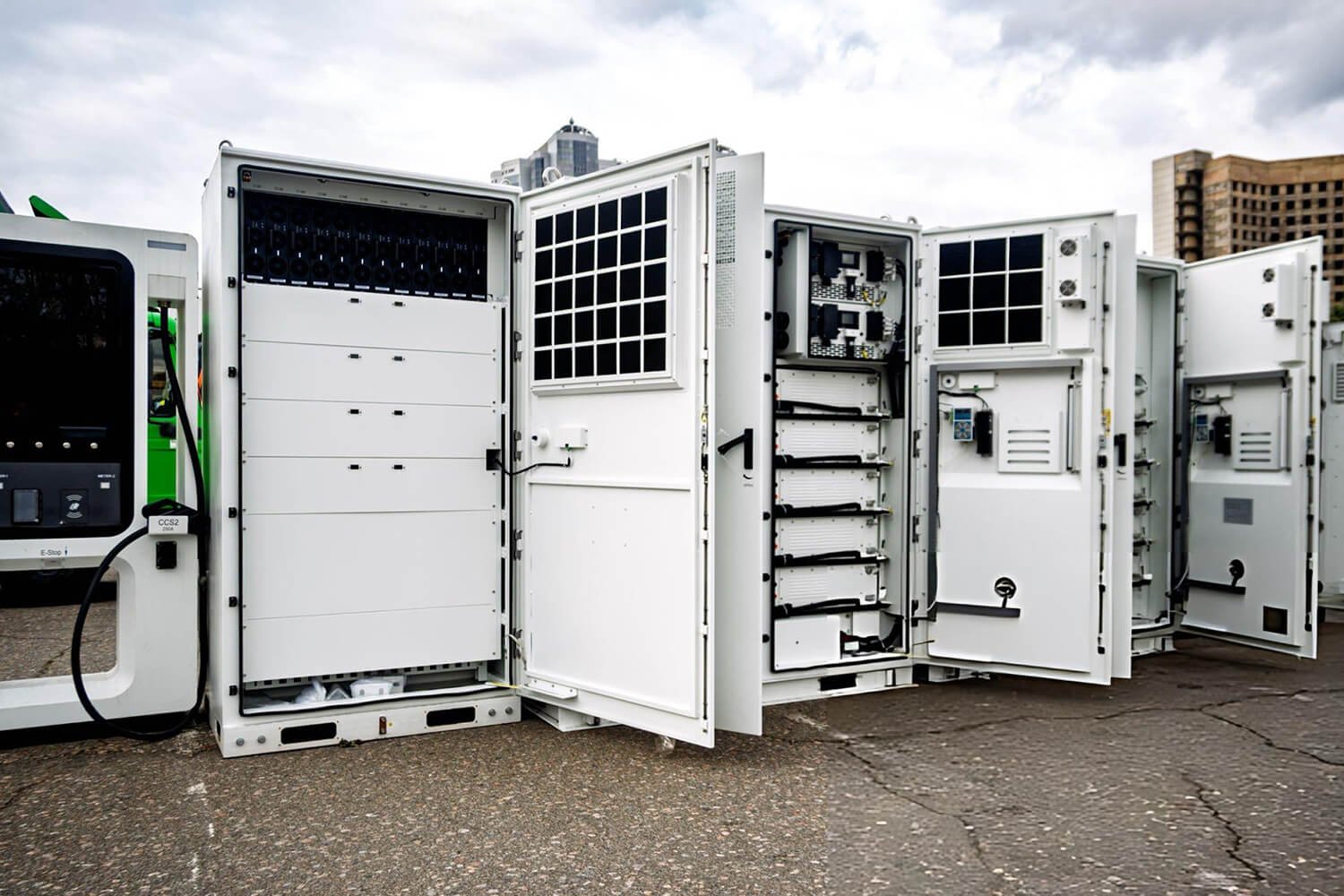
Energy Systems
Flexible PCB assemblies are increasingly used in renewable energy applications, especially where space and environmental conditions are challenging.
- Solar Power Systems
- Energy Storage Systems
- Portable Energy Devices
- Smart Grid Components

Aerospace
In aerospace and defense systems, reliability and performance under extreme conditions are essential. Flex PCB assemblies are widely used due to their resistance to harsh environments and mechanical stress.
- Avionics Systems
- Satellite Communication Equipment
- Radar And Navigation Systems
- Military Communication Devices
- UAV (Drone) Electronics
Fast Quotation
Our professional sales and engineering teams provide fast PCB quotes and technical support. Simply send us your Gerber files, BOM, and assembly drawings, and we will respond promptly with a competitive solution.
- Gushu Tangxi Second Industrial Zone, Shenzhen
- +86 755 2335 0814
- +86 135 1078 8094
- sales@pcbasail.com
FAQ About Flex PCB Assembly
1. What is Flex PCB Assembly?
Flex PCB Assembly refers to the process of mounting electronic components onto flexible printed circuit boards (FPCBs) made from materials such as polyimide. These circuits can bend, twist, and fold, making them ideal for compact and space-constrained electronic applications.
2. What Is The Difference Between Flex PCB And Rigid PCB Assembly?
The main difference lies in the substrate material and mechanical properties:
- Flex PCB Assembly uses flexible materials that allow bending and folding
- Rigid PCB Assembly uses solid fiberglass (FR4) that cannot flex
Flex PCBs are better suited for compact, lightweight, and dynamic applications, while rigid PCBs are typically used for standard electronic designs.
3. Why Is Flex PCB Assembly More Expensive Than Rigid PCB Assembly?
Flex PCB assembly generally costs more due to:
- Specialized Flexible Materials (E.G., Polyimide)
- Custom Carrier Fixtures (Tooling Pallets)
- More Complex Manufacturing Processes
- Lower Production Throughput
- Tighter Process Control Requirements
These factors increase both production complexity and cost.
4. What Files Are Required For A Flex PCB Assembly Quote?
To receive an accurate quotation, you typically need to provide:
- Gerber Files (PCB Layout)
- Bill Of Materials (BOM)
- Pick And Place (Centroid) Files
- Assembly Drawings
- Special Requirements (If Any)
Providing complete documentation helps speed up the quoting and manufacturing process.
5. What Is The Typical Lead Time For Flex PCB Assembly?
Lead time depends on design complexity and production volume:
- Prototype: 24 hours to 5 days
- Small batch: 5–10 days
- Mass production: 2–4 weeks
PCBSAIL offers fast-turn flex PCB assembly, with prototypes completed in as little as 8 hours when components are ready.
6. What Materials Are Used In Flex PCB Assembly?
Common materials include:
- Polyimide (PI) – most widely used flexible substrate
- Polyester (PET) – for low-cost applications
- Copper foil – conductive layer
- Adhesives and coverlay films
- FR4 or polyimide stiffeners
Material selection depends on application requirements such as temperature resistance and flexibility.
7. What Are Stiffeners In Flex PCB Assembly?
Stiffeners are rigid materials attached to specific areas of a flexible PCB to provide mechanical support.
They are typically used for:
- Connectors
- Component Mounting Areas
- Soldering Reinforcement
Common stiffener materials include FR4 and polyimide.
8. What Are The Common Defects In Flex PCB Assembly?
Some common issues include:
- Solder Bridging
- Insufficient Solder Joints
- Component Misalignment
- Delamination Due To Moisture
- Warping Caused By Thermal Stress
These can be minimized through proper DFM design, controlled processes, and strict quality inspection.
9. What Is The Minimum Component Size Supported In Flex PCB Assembly?
Advanced SMT lines can handle components as small as:
- 01005 (0.4mm × 0.2mm)
- Fine-pitch QFN and BGA Packages
PCBSAIL supports high-density assembly with precise placement accuracy.
10. Do You Offer Turnkey Flex PCB Assembly Services?
Yes. PCBSAIL provides complete turnkey solutions, including:
- PCB Manufacturing
- Component Sourcing
- Assembly
- Testing
- Final Delivery
This simplifies the supply chain and reduces lead time.