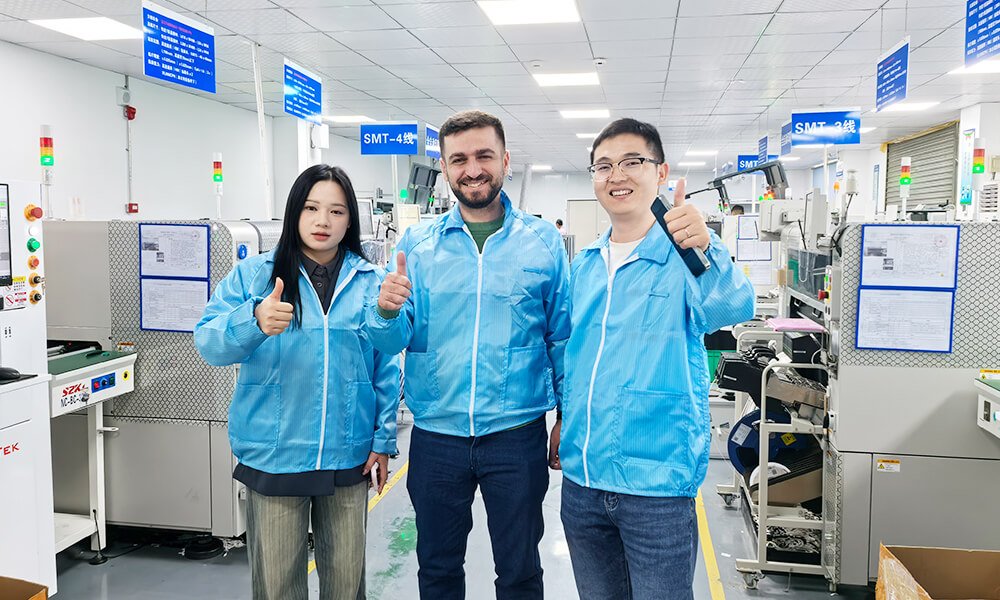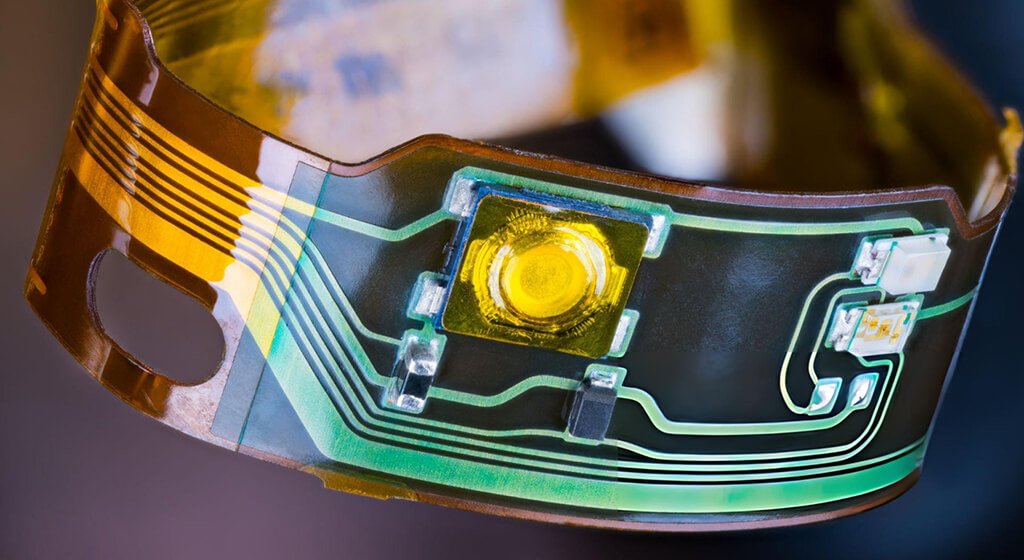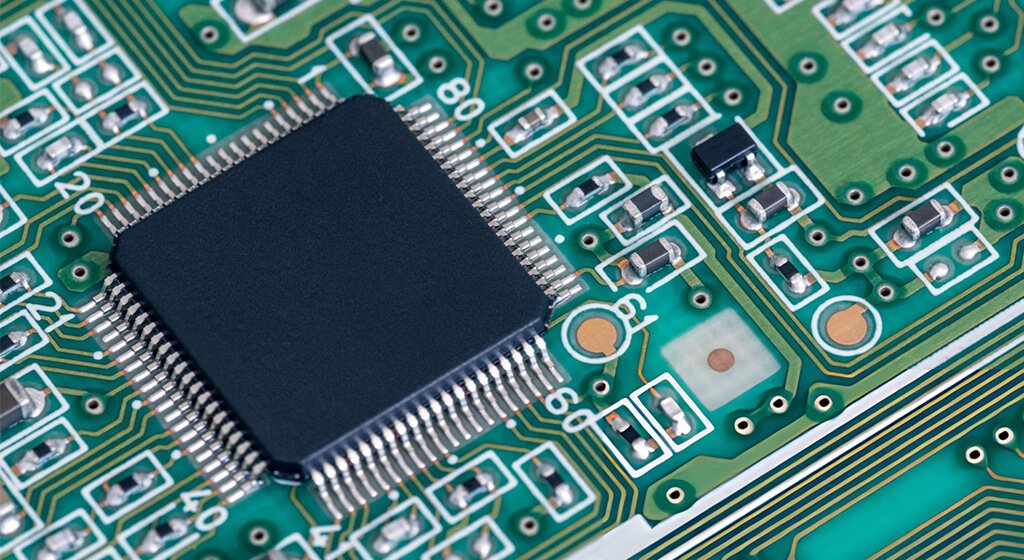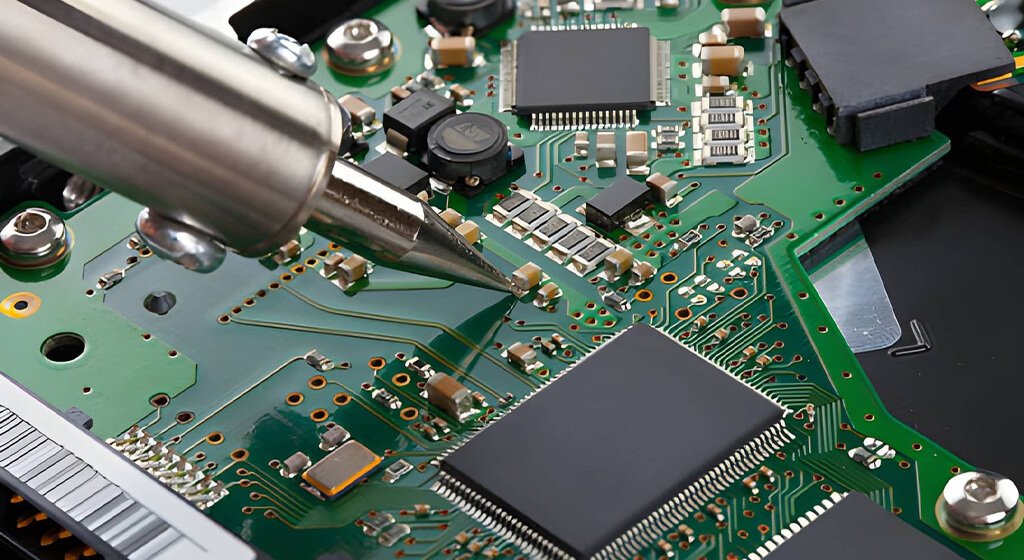
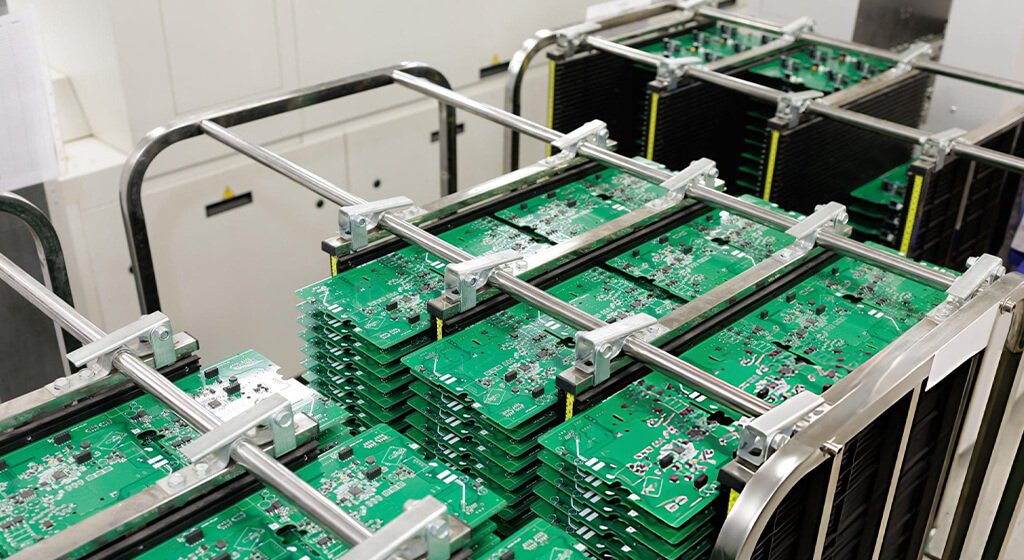
A good PCB assembly supplier is very important to your electronics project. It is not a simple sourcing decision. It directly affects product reliability, time-to-market, and total lifecycle cost.
This guide consolidates real-world questions from engineers, startups, and procurement teams into a structured decision framework.
It will help you a lot and guide you to find a good PCB assembly supplier for prototypes, low-volume builds, or mass production.
Table of Contents
1. What Can Do a Good PCB Assembly Supplier?
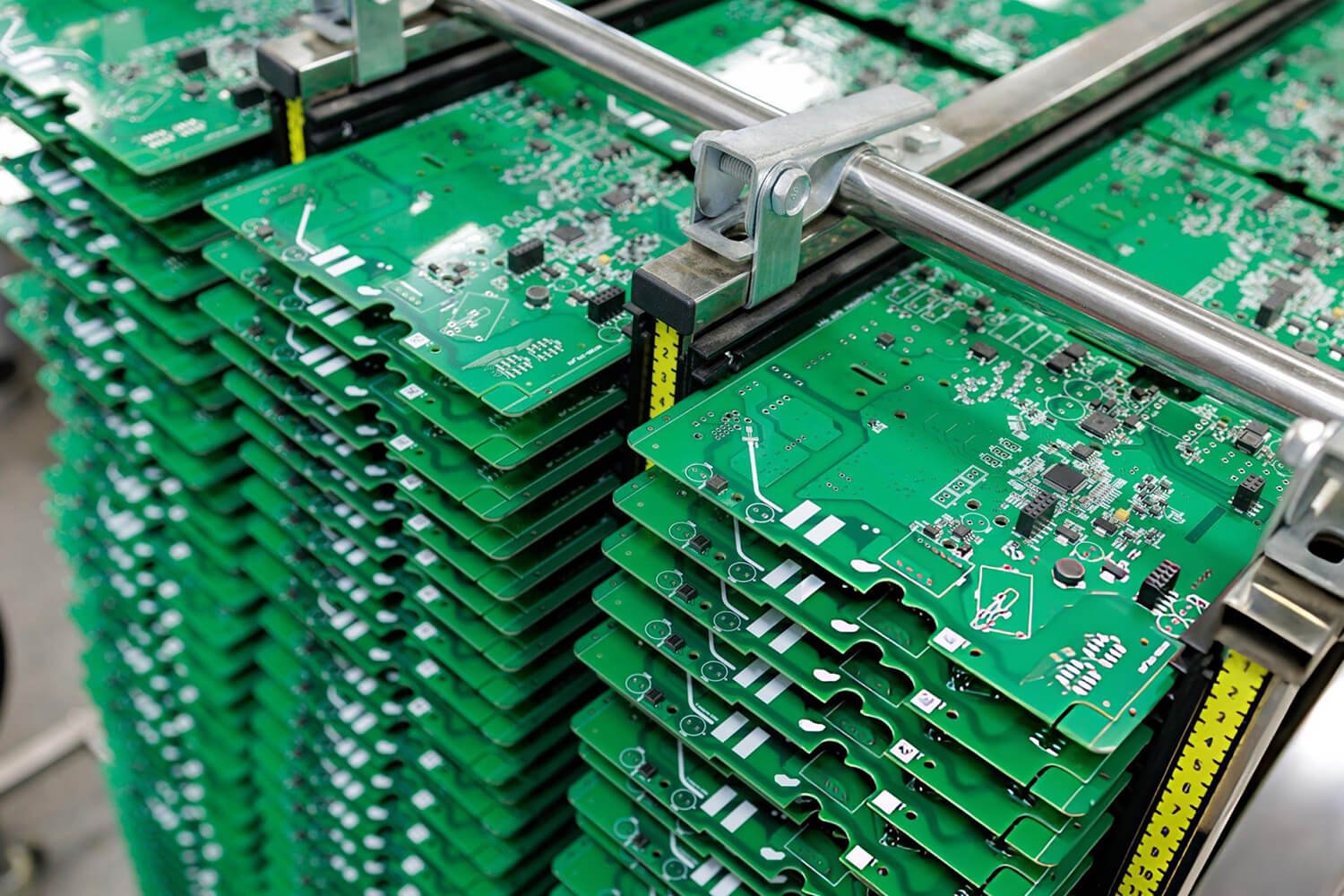
A good PCB assembly supplier (EMS provider) does far more than “placing components on a board.”
In high-reliability electronics manufacturing, the supplier effectively becomes an extension of your engineering and production system. Their performance directly determines yield, field failure rate, and time-to-market.
It Can Do:
- Engineering Validation
- Component Sourcing & BOM Management
- SMT & Through-Hole Manufacturing
- Strict Process Control & Manufacturing Stability
- Quality Assurance & Failure Prevention
- Testing & Validation Services
- Traceability & Documentation
- Risk Management & Supply Chain Resilience
In modern supply chains, many suppliers also offer full turnkey PCB assembly, where they manage procurement, logistics, and assembly under one contract.
Some people often misunderstand PCB fabrication and PCB assembly are the same. In reality, PCB Fabrication produces the bare board, while assembly builds the functional electronics.
2. How to Choose a Reliable PCB Assembly Supplier?
When we review a supplier, we shouldn’t review the price only. Instead, we can evaluate suppliers across five critical dimensions.
2.1. Manufacturing Capability
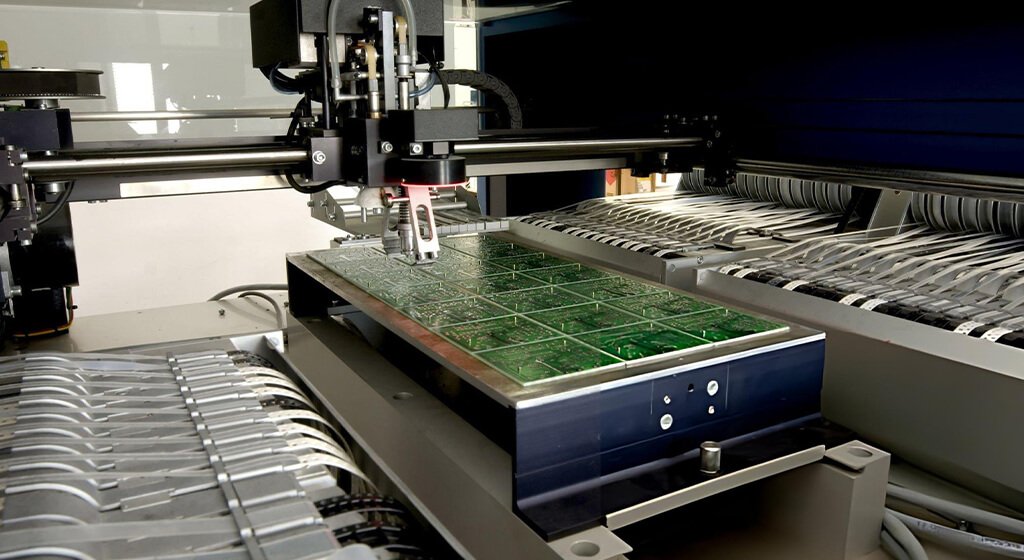
A qualified PCB assembly supplier must have advanced SMT capabilities. Surface Mount Technology (SMT) defines production accuracy and yield performance.
A Good Supplier Should Support:
- Fine-Pitch SMT (≤0.4 mm Pitch QFP/BGA)
- 0201 / 01005 Component Placement
- Multi-Layer PCB Assembly
- Mixed SMT + Through-Hole Production
- Impedance-Controlled PCBs For High-Speed Designs
2.2. Quality Systems
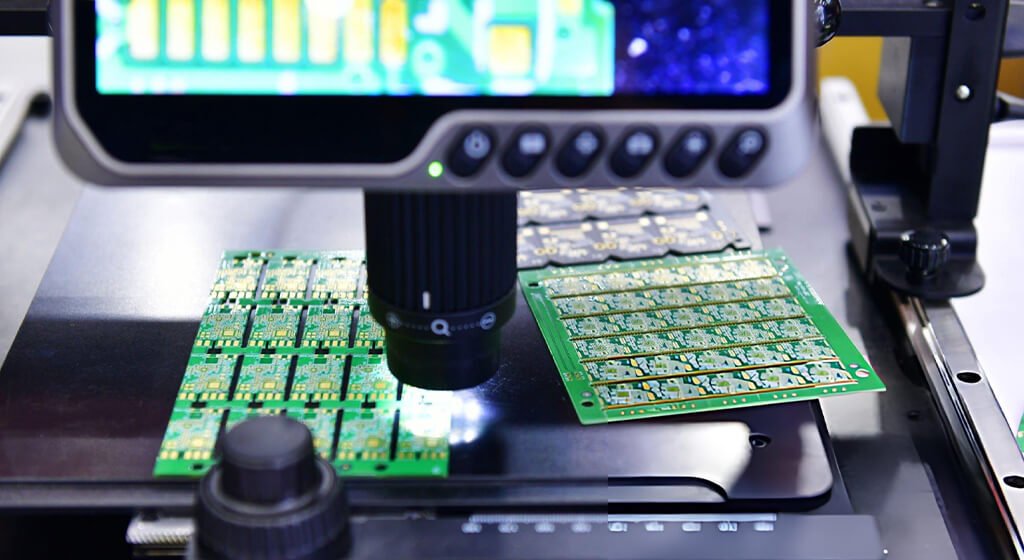
Quality systems define PCBA manufacturing consistency. The most important certification is ISO 9001, which ensures general quality management systems.
For specialized industries, additional certifications are important:
- ISO 13485 For Medical Devices
- IATF 16949 For Automotive Electronics
- IPC-A-610 Compliance For Assembly Standards
Inspection Systems are equally important. A strong supplier should have:
- Automated Optical Inspection (Aoi)
- X-Ray Inspection For Bgas
- ICT And Flying Probe Testing
- Functional Testing Systems
Without these systems, hidden defects may pass into final products.
2.3. Engineering Support
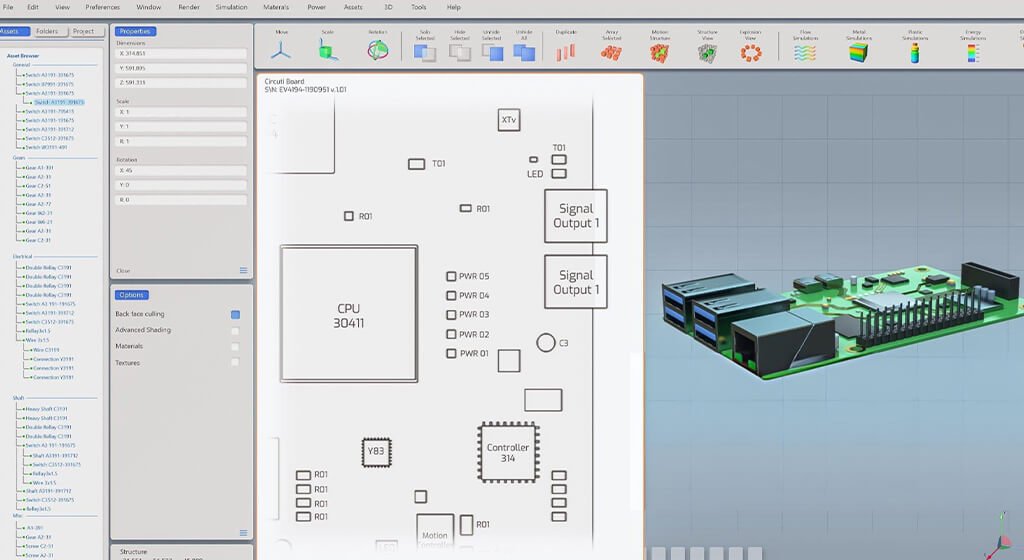
Strong PCB assembly suppliers provide engineering-level feedback before production. They will perform DFM (Design for Manufacturability) before production:
- Footprint Validation
- Component Polarity Checks
- Panelization Optimization
- Solder Mask Clearance Verification
A good supplier will also review your BOM and suggest alternative components for cost reduction or lifecycle stability.
If a supplier only accepts files without engineering feedback, it increases production risk significantly.
2.4. Communication
Communication speed is a hidden factor in project success. A good PCB supplier responds within 12 to 24 hours for engineering inquiries.
2.5. Traceability & Transparency
Component sourcing is one of the most critical risks in PCB assembly.
A reliable supplier must have access to authorized distributors such as Digi-Key, Mouser, or Arrow.
A good PCB assembly companies can provide:
- Component Traceability Reports
- Lot Tracking
- AOI And X-Ray Inspection Data
- Full BOM Transparency
Do You Need Any Help?
3. Top PCB Assembly Supplier Recommend
There are some PCB Assembly suppliers for your reference.
- PCBSAIL
- Eurocircuits
- Sierra Circuits
- JLCPCB
- Summit Interconnect
- PCB Assembly Express
- Mer-Mar Electronics
- AdvancedPCB
- OSI Electronics
- Foxtronics EMS
3.1. PCBSAIL
PCBSAIL is a professional PCB manufacturer and PCBA assembly provider headquartered in Shenzhen, China. With advanced factories, ROHS & UL certified quality systems, and fast-turn production, they offer one-stop PCB fabrication and turnkey PCBA services. It can help customers bring electronic products to market faster and more cost-effectively.
Item | Details |
Website | |
Assembly Capacity | Prototype to high-volume production; SMT, THT/DIP, mixed assembly; conformal coating, testing, box build |
Main Applications | Consumer electronics, industrial control, IoT, general electronics |
3.2. Eurocircuits
Eurocircuits is a leading European specialist in PCB and PCBA prototypes and small series production. Operating their own facilities in Europe, they focus on “Right First Time” manufacturing with transparent processes and quick turnaround, ideal for designers, R&D teams, and low-volume needs.
Item | Details |
Website | |
Assembly Capacity | Prototypes (from 1 pc) and small series (up to ~50 pcs / 5,000 placements); SMT + THT mixed; 3–10 working days |
Main Applications | R&D prototypes, test boards, niche electronics, universities, and research institutions |
3.3. Sierra Circuits

Sierra Circuits (Proto Express), based in Silicon Valley since 1986, is a leader in high-reliability PCB prototypes, HDI, and turnkey assembly. They provide rapid turnaround and advanced capabilities for complex designs.
Item | Details |
Website | |
Assembly Capacity | Rapid prototypes to medium volumes; SMT, BGA, THT, rigid-flex; full turnkey as fast as 5 days |
Main Applications | Aerospace, defense, medical, industrial, high-speed/high-density electronics |
3.4. JLCPCB
JLCPCB is one of China’s leading online PCB and PCBA service providers, known for competitive pricing, large component inventory, and fast turnaround. It is a popular choice for engineers, startups, and cost-sensitive projects.
Item | Details |
Website | |
Assembly Capacity | 24-hour PCBA options; 670k+ in-stock components; SMT (fine-pitch BGA support); prototypes to medium volumes |
Main Applications | Consumer electronics, IoT, prototypes, cost-sensitive production |
3.5. Summit Interconnect

Summit Interconnect is one of North America’s largest privately held PCB manufacturers, offering comprehensive services from prototypes to medium-volume production, including advanced technologies like HDI and rigid-flex.
Item | Details |
Website | |
Assembly Capacity | Prototypes to medium volumes; full turnkey; SMT/THT; quick-turn options |
Main Applications | Aerospace, defense, medical, semiconductor, automotive, high-tech commercial |
Do You Need Any Help?
3.6. PCB Assembly Express
PCB Assembly Express is a U.S.-based (Oregon) full-service electronic contract manufacturer. They are specializing in reliable prototype and small-to-medium volume PCBA with strong engineering support.
Item | Details |
Website | |
Assembly Capacity | Prototypes and small-to-medium runs; double-sided SMT, THT, fine-pitch BGA; U.S. local assembly |
Main Applications | Prototyping, industrial, commercial electronics, fast-turnaround projects |
3.7. Mer-Mar Electronics
Mer-Mar Electronics is an ITAR-registered, AS9100 and ISO9001-certified U.S. (California) contract manufacturer with over 40 years of experience in high-reliability PCB assembly and prototyping.
Item | Details |
Website | |
Assembly Capacity | Low to high volume; quick-turn (as fast as 24 hours–1 week); Rigid/Flex; IPC Class 3 |
Main Applications | Aerospace, defense, medical, telecommunications, industrial |
3.8. AdvancedPCB
AdvancedPCB is a major U.S. provider of PCB design, fabrication, and assembly services with multiple facilities. They excel in quick-turn prototypes and complex builds for demanding industries.
Item | Details |
Website | |
Assembly Capacity | Same-day to 4-week turnarounds; full turnkey; SMT/THT, advanced components; no minimum volume |
Main Applications | Defense, aerospace, medical, industrial, automotive, telecommunications |
3.9. OSI Electronics
OSI Electronics, part of OSI Systems, delivers turnkey design and manufacturing services, including PCB assembly, flex circuits, and displays. They support high-tech markets with facilities in the U.S. and Asia.
Item | Details |
Website | |
Assembly Capacity | Prototypes to high-volume; high-throughput SMT/Thru-Hole; automated lines, flex/rigid-flex |
Main Applications | Aerospace/defense, medical, industrial automation, automotive, communications |
3.10. Foxtronics EMS
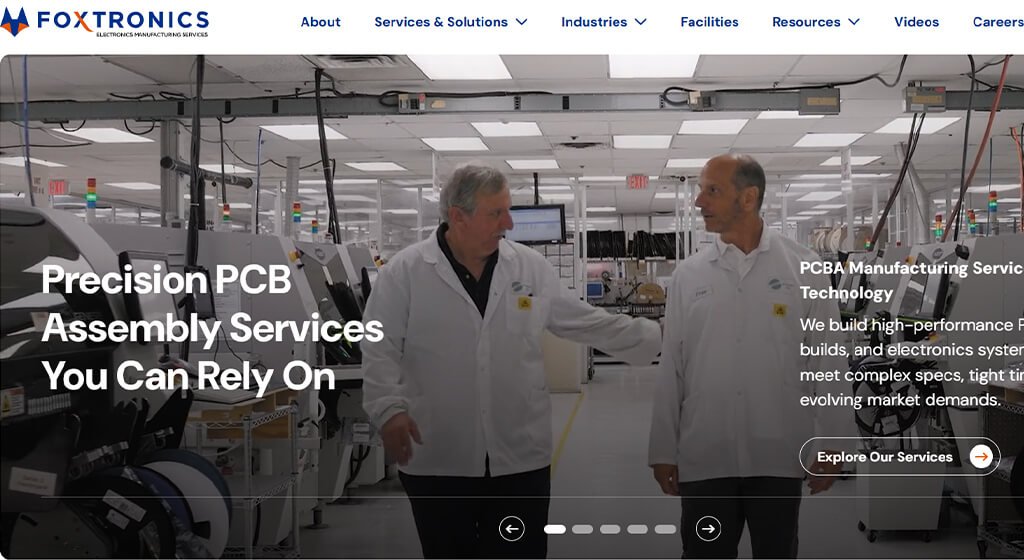
Foxtronics EMS provides full-service electronics manufacturing in the U.S., including precision PCB assembly, prototyping, box build, and turnkey solutions for high-reliability applications.
Item | Details |
Website | |
Assembly Capacity | Prototyping (NPI) to high-volume; SMT, rigid-flex, box build; advanced automated lines |
Main Applications | Aerospace, medical, industrial, defense, commercial/consumer electronics |
4. PCB Assembly Cost: Why Is It So Expensive?
PCB assembly (PCBA) pricing often surprises engineers and procurement teams. “Why does assembling a small PCB cost more than the PCB itself?”
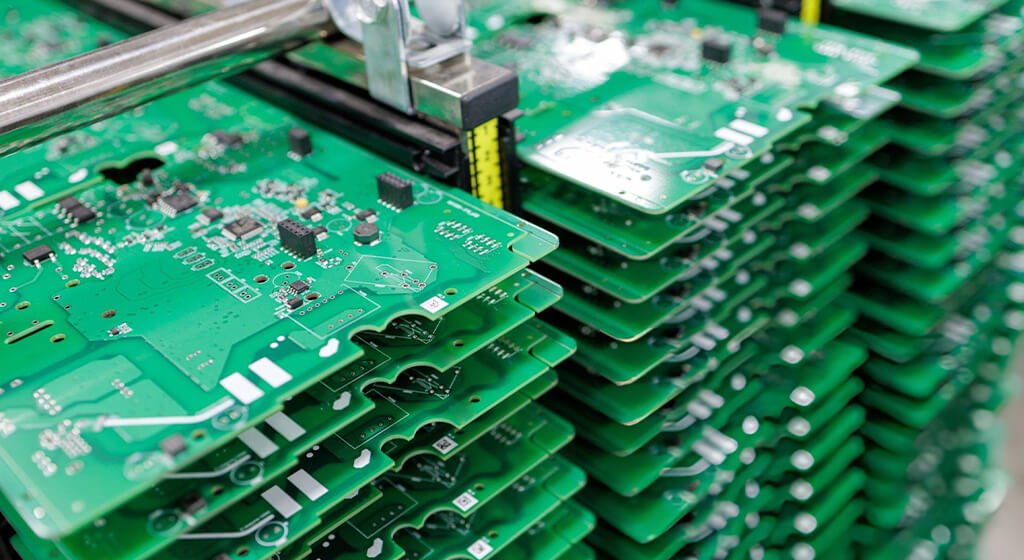
PCB assembly is not a single-step manufacturing process. It is a multi-stage, highly controlled industrial system involving equipment setup, component sourcing, process validation, inspection, and yield management.
4.1. PCB Assembly Is Not Just “Soldering Components”
A PCB assembly supplier is running an automated production system, not manual soldering.
A typical PCBA process includes:
- SMT Stencil Printing
- Solder Paste Inspection (SPI)
- Pick-And-Place Machine Programming
- Reflow Soldering
- AOI (Automated Optical Inspection)
- X-Ray Inspection (For BGA/QFN)
- Manual Rework (If Needed)
- Functional Or Electrical Testing (Optional But Common)
Each step requires equipment setup, calibration, and process control.
Even a “simple board” still goes through the full industrial pipeline
4.2. The Biggest Cost Driver: Component Sourcing (BOM Cost)
In most real-world projects, 60%–80% of total PCBA cost comes from components, not assembly.
Why Components Increase Cost:
- Market Price Fluctuations (Semiconductors, IC Shortages)
- MOQ (Minimum Order Quantity) From Distributors
- Obsolete Or Hard-To-Find Parts
- Brand-Specific Sourcing (TI, NXP, STM, Etc.)
- Expedited Procurement Fees
Hidden Reality: Two identical PCB assemblies can cost drastically different amounts simply because:
- One Uses In-Stock Components
- The Other Uses Long-Lead Or Shortage Components
This Is Why Turnkey PCB Assembly Pricing Is Highly Variable.
4.3. Setup Costs Are Fixed (and Very Important)
This is the #1 reason small batch PCB assembly feels “expensive.”
Setup Includes:
- SMT Program Generation
- Pick-And-Place Machine Feeder Setup
- Stencil Preparation
- Reflow Oven Profiling
- First Article Inspection (FAI)
These are fixed engineering costs, not per-unit costs.
Example: Whether you assemble 5 boards or 500 boards: Setup effort is nearly the same
So the cost per unit drops sharply as volume increases.
Do You Need Any Help?
5. Turnkey vs Consigned PCB Assembly: Which Is Better?
“Should I use turnkey or consigned PCB assembly?”
The answer is not universal. It depends on your design maturity, supply chain capability, risk tolerance, and production volume.
5.1. What Is Turnkey PCB Assembly?
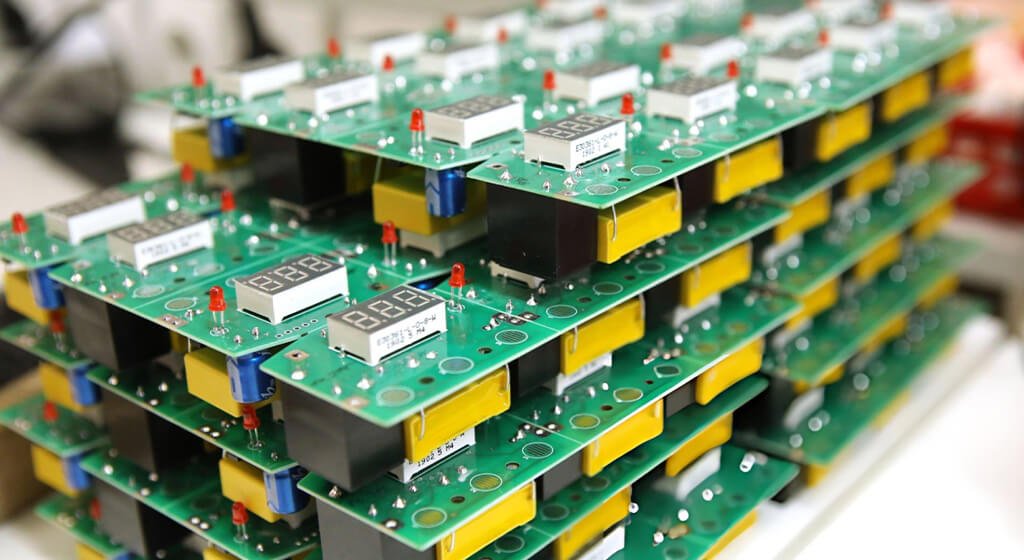
Turnkey PCB assembly means the EMS provider (PCB assembly supplier) handles everything end-to-end:
- Component Sourcing (BOM Procurement)
- PCB Assembly (SMT + Through-Hole)
- Inspection And Testing
- Delivery Of Finished Boards
The customer only provides:
- Gerber Files
- BOM (Bill Of Materials)
- Pick-And-Place Data
5.2. What Is Consigned PCB Assembly
Consigned PCB assembly means the customer provides all components, and the supplier only performs assembly.
The EMS provider is responsible for:
- SMT Assembly
- Soldering
- Inspection
- Testing
But NOT component procurement.
5.3. Turnkey vs Consigned
Factor | Turnkey PCB Assembly | Consigned PCB Assembly |
Component Sourcing | Supplier | Customer |
Speed | Faster | Slower (prep time) |
Control | Medium | High |
Cost Transparency | Medium | High |
Logistics Burden | Low | High |
Risk of Missing Parts | Low | High |
Best for | Prototypes, startups | Regulated industries |
6. Why Will PCB Assembly Failures?
PCB assembly defects are one of the most expensive failure points in electronics manufacturing.
Below is a structured breakdown of the most common PCB assembly failures and how our factory prevent them.
6.1. Solder Bridging
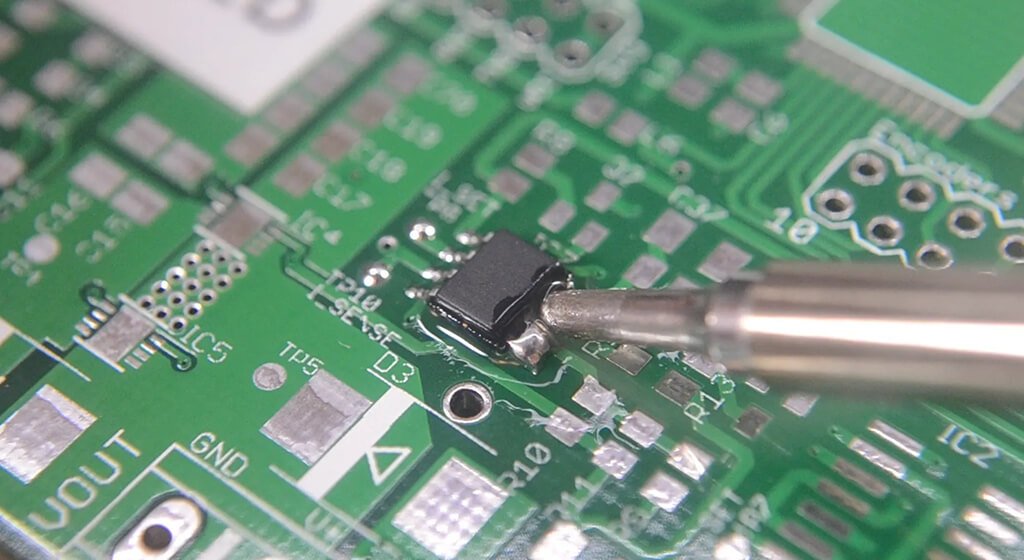
Solder forms an unintended connection between two adjacent pads, creating an electrical short.
Causes
- Excess solder paste deposition
- Poor stencil design (too large apertures)
- Fine-pitch component spacing (<0.5 mm)
- Misaligned placement during SMT
- Excessive reflow temperature or paste slump
Prevention Methods
In our company, we will:
- Optimize stencil thickness and aperture reduction (step-down stencil if needed)
- Apply solder mask defined (SMD) pads for fine pitch ICs
- Improve paste printing control (SPI inspection)
- Increase spacing where PCB layout allows
- Use nitrogen reflow for better wetting control in high-density boards
6.2. Tombstoning
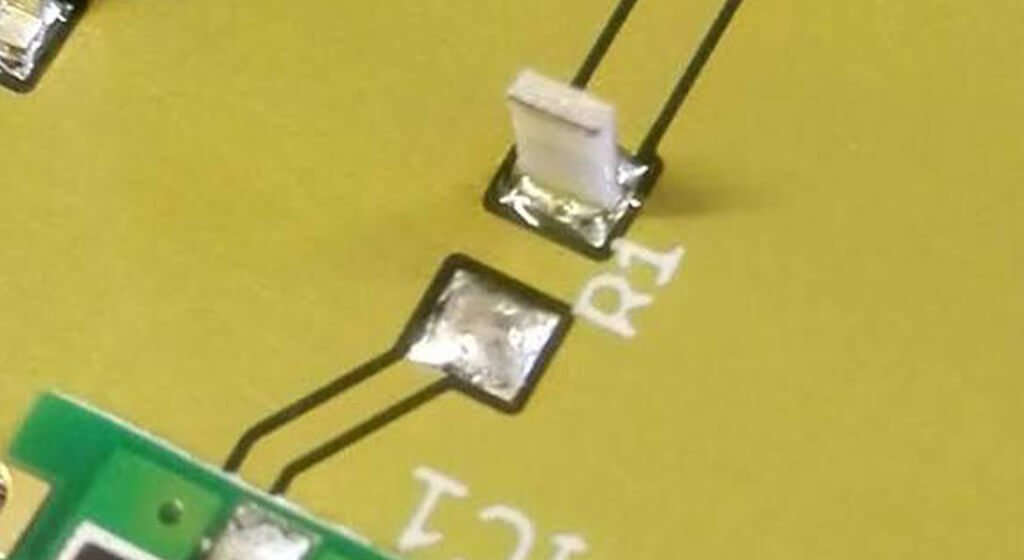
A small passive component (resistor/capacitor) lifts on one side during reflow, standing vertically.
Root Causes
- Uneven pad heating
- Imbalanced solder paste volume
- Poor pad design symmetry
- Component size mismatch (0201/0402 issues)
- Reflow profile instability
Prevention Methods
We should do:
- Ensure symmetrical pad layout (equal thermal mass)
- Standardize solder paste volume across both pads
- Improve reflow oven temperature uniformity
- Avoid aggressive ramp-up rates
- Use optimized stencil aperture design for chip components
6.3. Cold Solder Joints
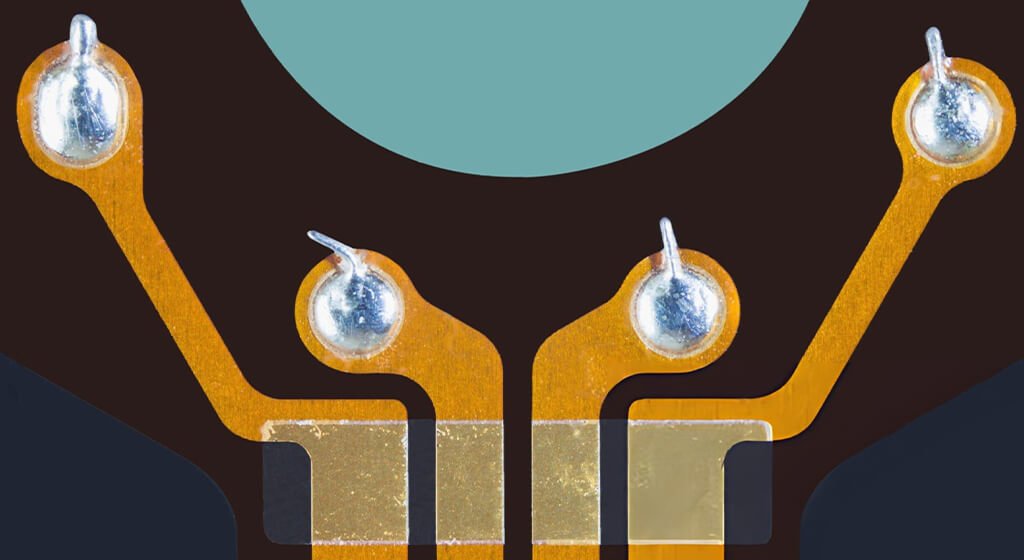
A weak or incomplete solder connection that appears dull, cracked, or grainy.
Root Causes
- Insufficient reflow temperature
- Oxidized pads or components
- Poor solder paste quality or aging paste
- Inadequate wetting due to contamination
- Improper flux activation
Prevention Methods
We will do to prevent:
- Maintain correct reflow temperature profile (preheat + soak + peak control)
- Use fresh, properly stored solder paste
- Enforce PCB cleaning and surface preparation standards
- Control humidity in SMT environment
- Ensure proper flux chemistry selection
6.4. BGA Voiding and Hidden Solder Defects
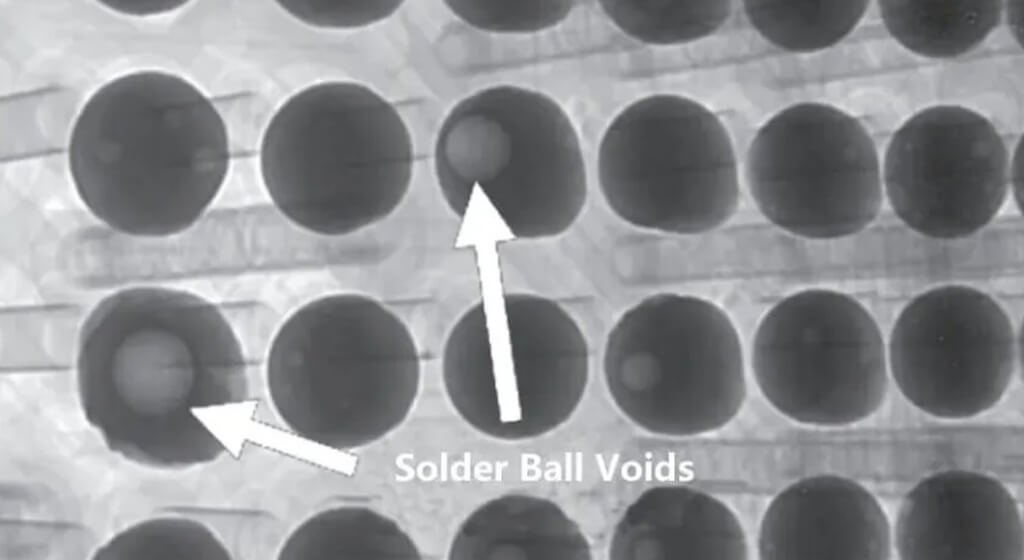
Air pockets or incomplete solder joints under BGA (Ball Grid Array) components, invisible from the surface.
Root Causes
- Inadequate reflow profile
- Poor paste printing under fine-pitch BGA
- Outgassing from PCB materials
- Flux entrapment
- Incorrect stencil design
Prevention Methods
In our factory, we will do:
- Use X-ray inspection for process validation
- Optimize reflow profile for gradual outgassing
- Use vacuum reflow (for high-reliability applications)
- Apply via-in-pad filling techniques (for HDI boards)
- Ensure controlled humidity storage of components
6.5. Component Misalignment
Components are placed incorrectly relative to their pads.
Root Causes
- Incorrect pick-and-place programming
- Fiducial errors or missing reference marks
- PCB panel warpage
- Vision system calibration issues
- Poor component packaging (tape reel issues)
Prevention Methods
We should do:
- Use global and local fiducials on PCB
- Regular calibration of SMT placement machines
- Improve PCB flatness and panel design
- Validate pick-and-place program before production
- Use AOI inspection after placement
Do You Need Any Help?
7. SMT vs Through-Hole Assembly: Which Should You Use?
The correct answer is not one or the other. It depends on electrical requirements, mechanical stress, production volume, cost targets, and product lifecycle stage.
7.1. What Is SMT Assembly?
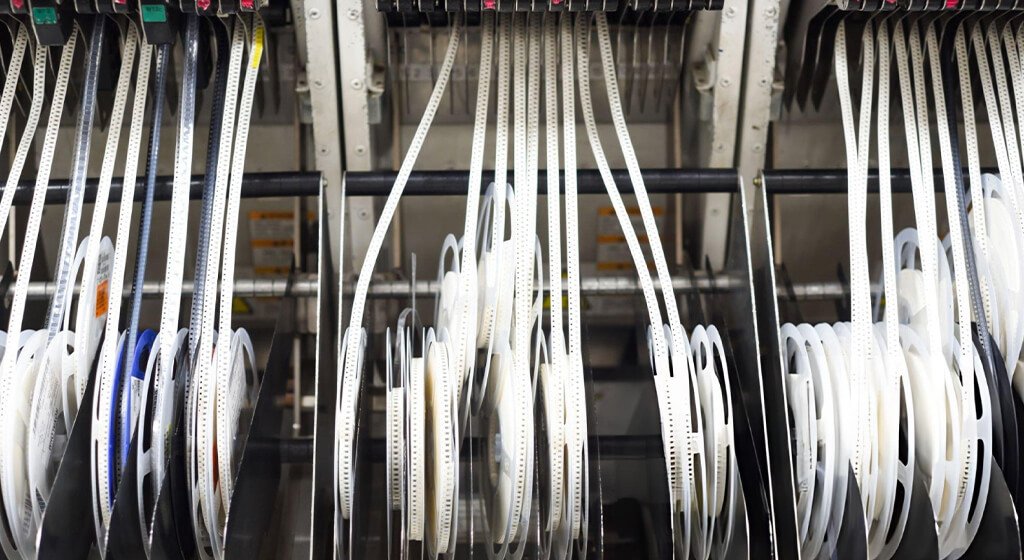
SMT (Surface Mount Technology) is a PCB assembly method where components are mounted directly onto the surface of the PCB without drilled holes.
Key Characteristics:
- Components Placed On PCB Surface Pads
- Fully Automated Pick-And-Place Process
- Reflow Soldering Used For Bonding
- High Component Density Possible
Common SMT Components:
- Resistors, Capacitors (0402, 0201, 01005)
- ICS (QFN, QFP, BGA)
- RF Modules
- Microcontrollers And Memory Chips
7.2. What Is Through-Hole Assembly?
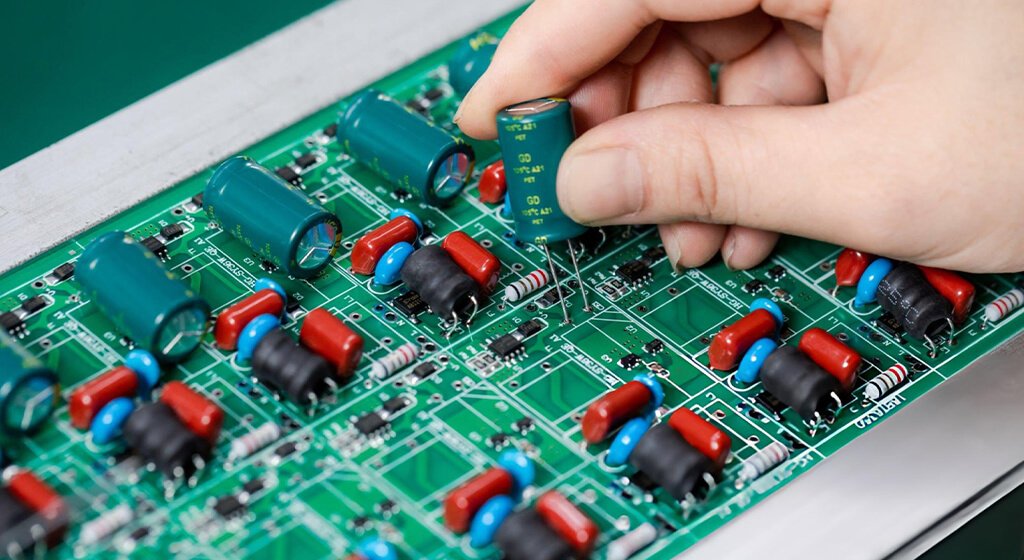
Through-hole technology (THT) involves inserting component leads into drilled holes in the PCB and soldering them on the opposite side.
Key Characteristics:
- Leads Pass Through PCB Holes
- Soldered Using Wave Soldering Or Manual Soldering
- Strong Mechanical Bonding
Common Through-Hole Components:
- Connectors (USB, Power Jacks)
- Transformers And Inductors
- Large Capacitors
- Mechanical Switches
- Relays
7.3. SMT vs Through-Hole: Side-by-Side Compariso
Factor | SMT Assembly | Through-Hole Assembly |
Component Size | Very small | Larger |
PCB Density | Very high | Low |
Mechanical Strength | Medium | Very high |
Production Speed | Fast (automated) | Slower |
Cost At Scale | Low | Higher |
Repairability | Difficult | Easy |
High-Frequency Performance | Excellent | Limited |
Best Use Case | Consumer electronics | Industrial / power systems |
8. Conclusion
Selecting a PCB assembly supplier is ultimately a balance between cost, quality, and risk control.
From analyzing, the most successful procurement strategies consistently include:
- Early DFM Collaboration
- Transparent BOM Management
- Verified Quality Systems
- Scalable Production Capability
- Strong Communication And Engineering Support
In modern electronics manufacturing, the best PCB assembly supplier is not the cheapest one—but the one that minimizes total system risk while maintaining predictable quality and delivery performance.
Get a PCB Quote