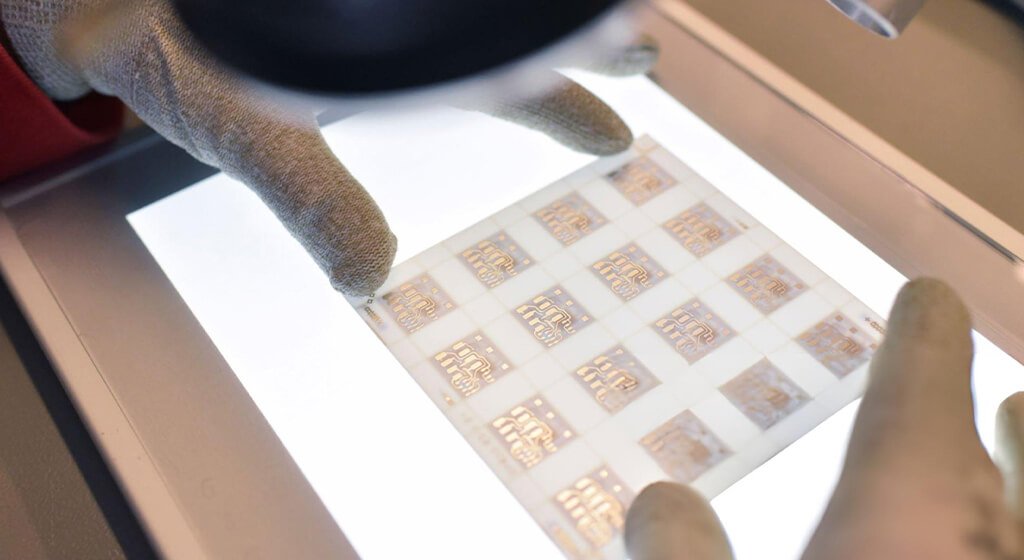
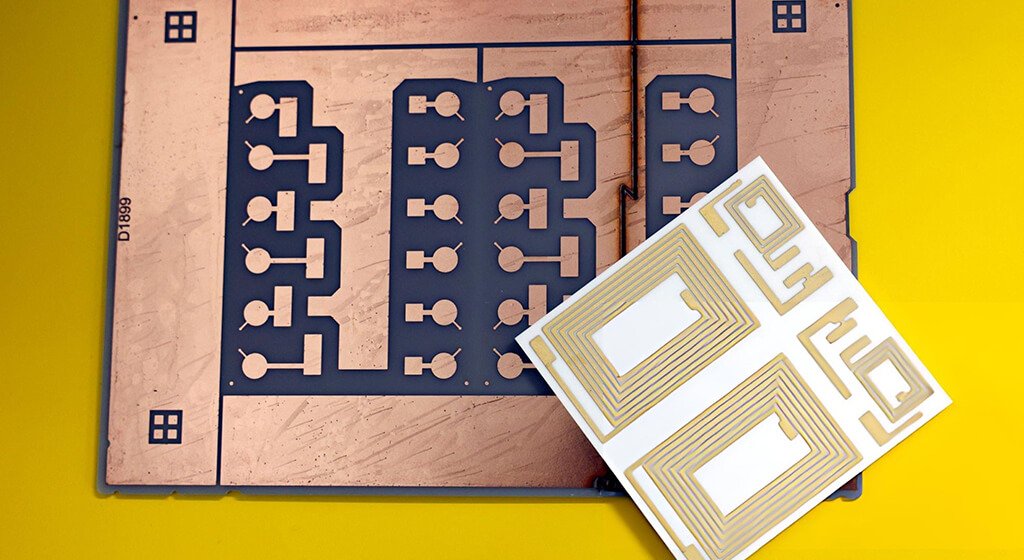
Ceramic PCBs have become essential in high-power electronics, EV systems, and RF applications.
Traditional FR4 often fails under extreme heat, high current density, or aggressive thermal cycling. Ceramic substrates solve many of those limitations.
This guide will tell you the everything about ceramic PCB material and how to choose it.
Table of Contents
1. What Is Main Types of Ceramic PCB Materials?
Alumina is the most common ceramic PCB material because it balances cost and performance. Aluminum Nitride offers the best thermal conductivity. Silicon Nitride provides excellent mechanical reliability.
Each material targets different engineering requirements.
1.1. Alumina (Al2O3)
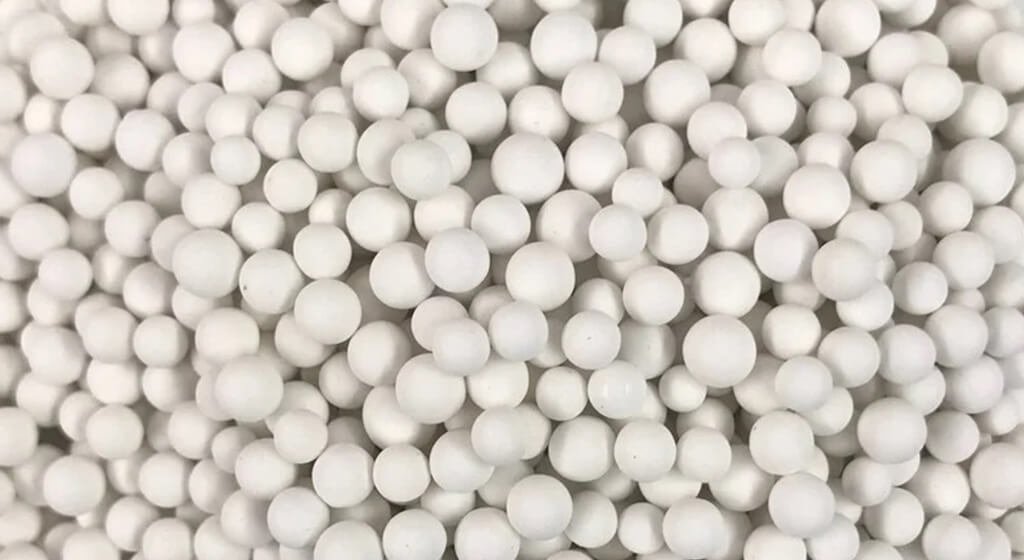
Alumina is the most widely used ceramic substrate in the PCB industry.
Typical Properties:
- Thermal Conductivity: 24–30 W/M·K
- Excellent Insulation
- Good Chemical Stability
- Low Manufacturing Cost
Alumina is Suitable For:
- LED Modules
- Industrial Electronics
- Sensor Circuits
- Medium-power Applications
The material is relatively easy to process compared with other ceramics.
1.2. Aluminum Nitride (AlN)
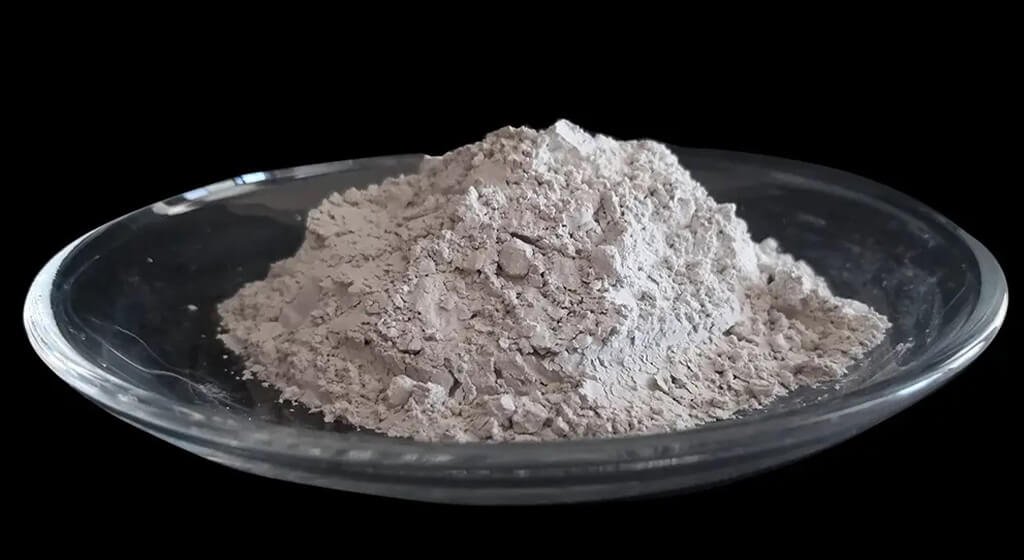
Aluminum Nitride provides extremely high thermal conductivity. It ranges from 140–180 W/m·K.
It makes AlN one of the best PCB materials for thermal management.
Applications:
- IGBT Modules
- GaN Power Devices
- RF Amplifiers
- Aerospace Electronics
- High-power Laser Systems
According to CeramTec, AlN is the strong electrical insulation and thermal performance.
The main disadvantage is cost. Manufacturing AlN requires oxygen-controlled processing and advanced sintering techniques.
1.3. Silicon Nitride (Si3N4)
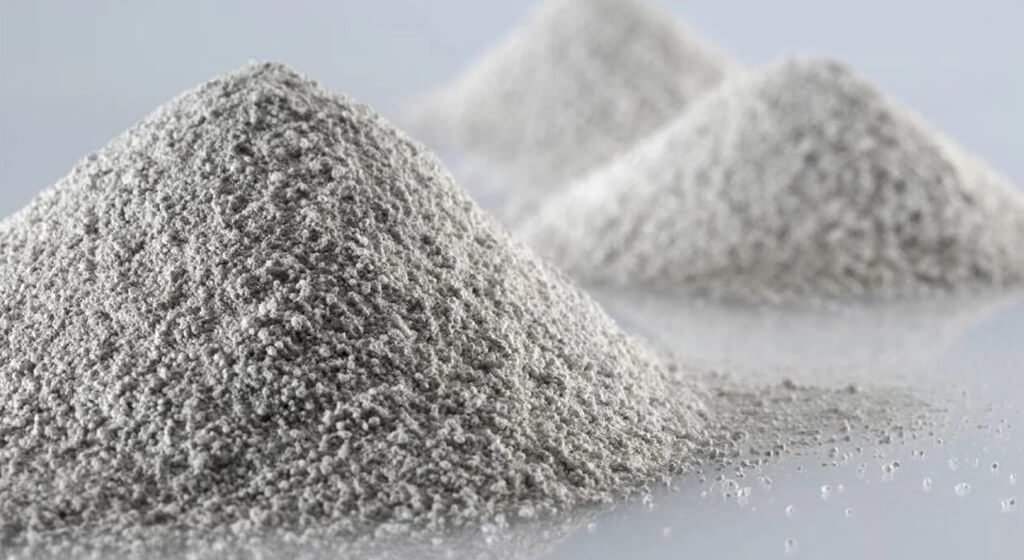
Silicon Nitride is optimized for mechanical reliability.
It Offers:
- High Fracture Toughness
- Strong Thermal Shock Resistance
- Excellent Vibration Durability
Thermal conductivity typically ranges from 70–90 W/m·K. That is lower than AlN but significantly higher than FR4.
Si3N4 is Heavily Used In:
- EV Traction Inverters
- Railway Electronics
- Aerospace Systems
- Industrial Motor Drives
According to Toshiba Electronic Devices & Storage Corporation, Silicon Nitride substrates improve long-term reliability in automotive power modules.
1.4. Beryllium Oxide (BeO)
BeO provides extremely high thermal conductivity. Some grades exceed 250 W/m·K.
Historically, it was used in military and RF systems. However, beryllium dust is toxic during machining and manufacturing. According to OSHA, beryllium exposure can cause severe respiratory disease.
Because of safety concerns, most PCB manufacturers avoid BeO today. Aluminum Nitride has largely replaced it.
2. Ceramic PCB vs FR4: What Is Better?
FR4 is cheaper and easier to manufacture. Ceramic materials is far better in thermal management, high-frequency stability, and high-temperature environments.
If your design suffers from overheating, thermal cycling fatigue, or RF signal loss, ceramic may be necessary.
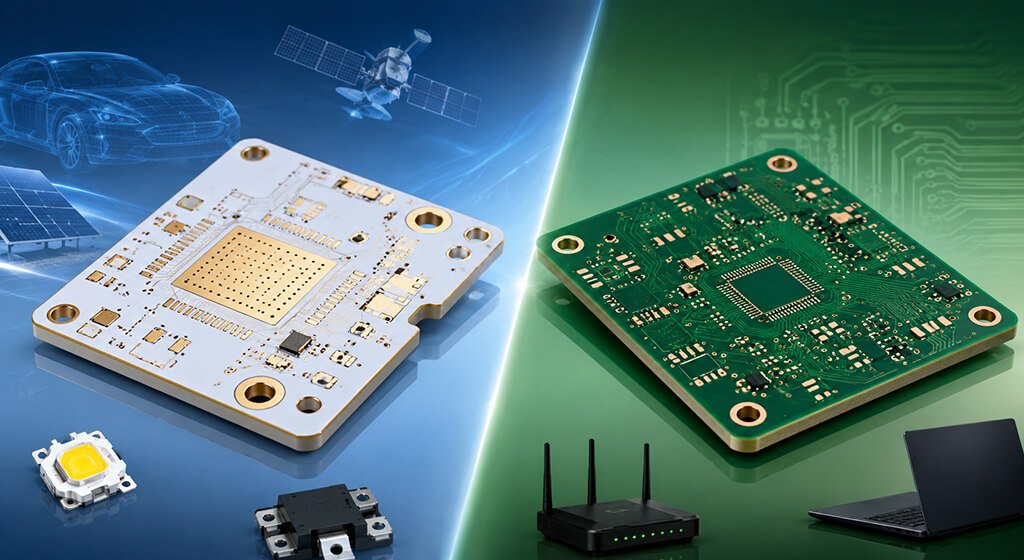
FR4 is widely used in the industry because it is inexpensive and widely available. However, its thermal limitations create major problems in high-density electronics.
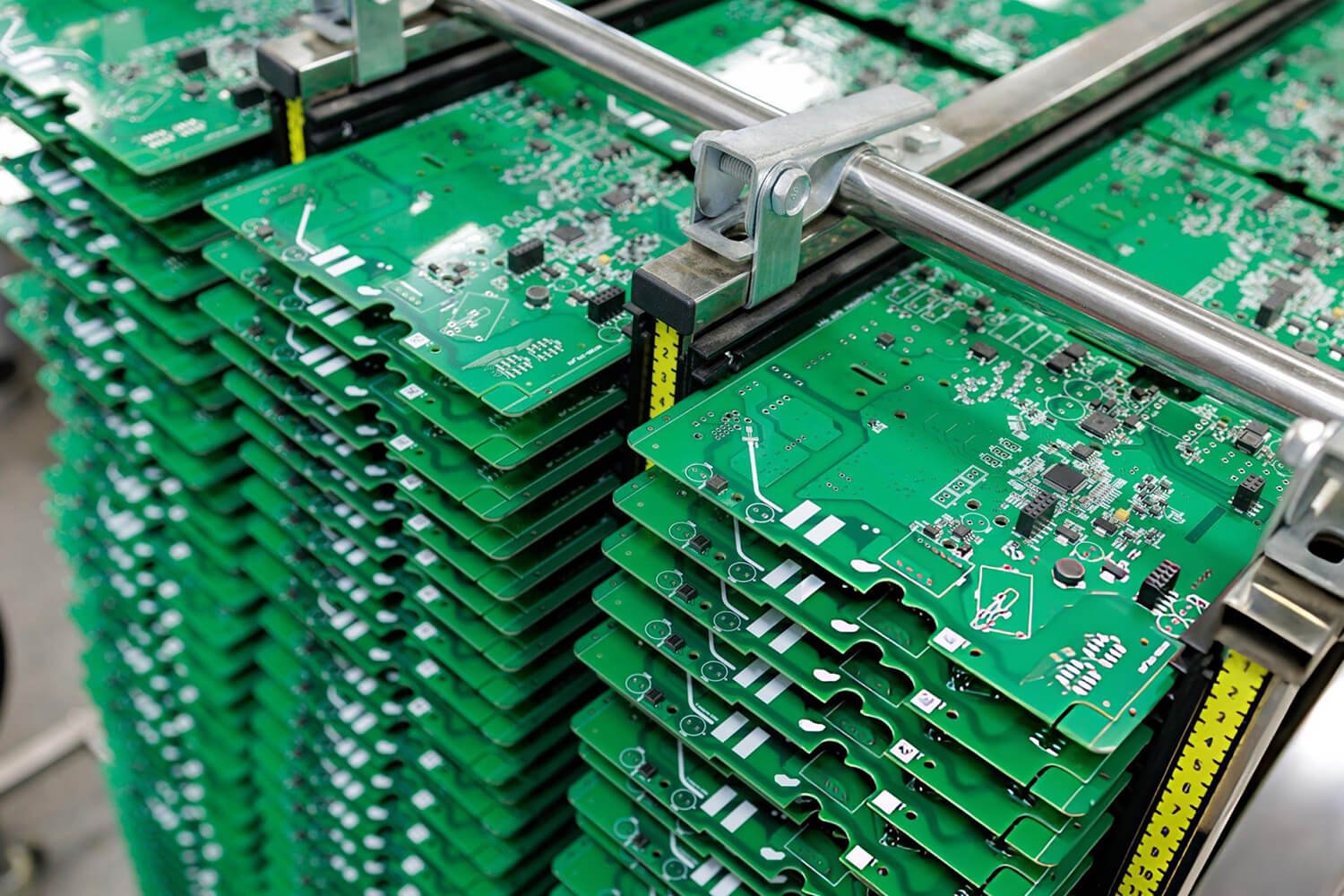
Thermal conductivity of FR4 is extremely low. Heat becomes trapped near power devices.
That Heat Increases:
- Junction Temperature
- Failure Rates
- Signal Instability
- Solder Fatigue
- Material Delamination
Ceramic solve many of those issues.
Alumina and AlN conduct heat laterally across the substrate. Heat spreads more evenly instead of concentrating under components.
Ceramic materials also have lower coefficients of thermal expansion. This improves compatibility with semiconductor packages.
According to Kyocera, ceramic substrates offer significantly higher dimensional stability during temperature cycling compared with organic laminates.
Material | Thermal Conductivity |
FR4 | ~0.3 W/m·K |
Alumina | 24–30 W/m·K |
Silicon Nitride | 70–90 W/m·K |
Aluminum Nitride | 140–180 W/m·K |
Do You Need Any Help?
3. Why Are Aluminum Nitride PCBs So Expensive?
Aluminum Nitride substrates is higer cost because material processing is complex. Manufacturing yields are lower and sintering requires controlled environments.
However, the thermal performance often justifies the price in high-power systems.
3.1. Manufacturing-related
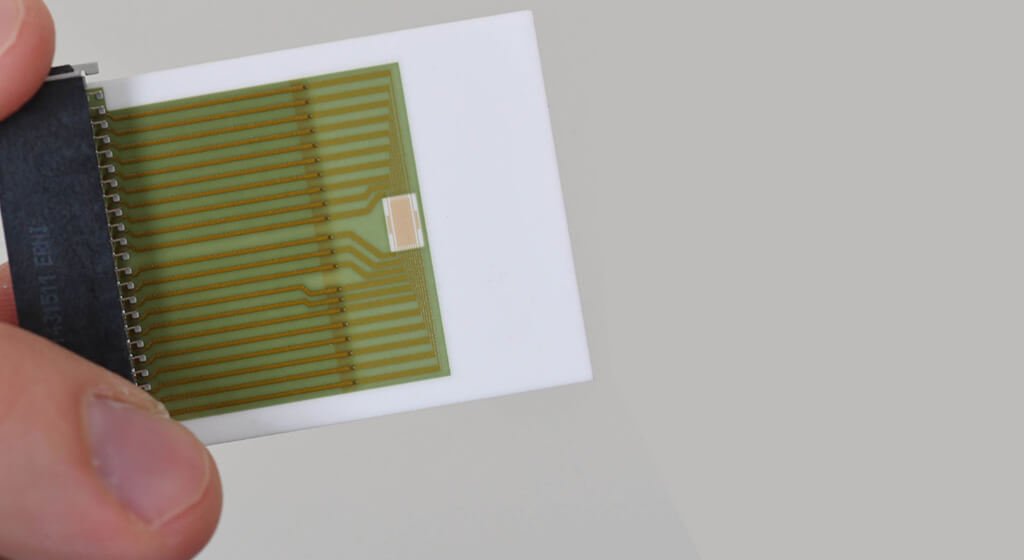
Many engineers experience sticker shock when sourcing AlN PCBs. Pricing can be several times higher than Alumina. The reasons are largely manufacturing-related.
AlN oxidizes easily during processing. Oxygen contamination reduces thermal conductivity significantly.
We must carefully control in manufacturing:
- Powder Purity
- Sintering Atmosphere
- Metallization Adhesion
- Surface Flatness
- Moisture Exposure
Yield loss can become expensive.
3.2. Metallization
Metallization is also challenging. Copper adhesion on ceramic surfaces requires specialized bonding methods.
Common Approaches Include:
- DBC
- AMB
- DPC
- Thick Film Metallization
Each process adds manufacturing complexity.
Despite higher costs, AlN can reduce:
- Cooling System Size
- Fan Requirements
- Heat Sink Mass
- Field Failure Rates
That system-level optimization often offsets substrate pricing.
Do You Need Any Help?
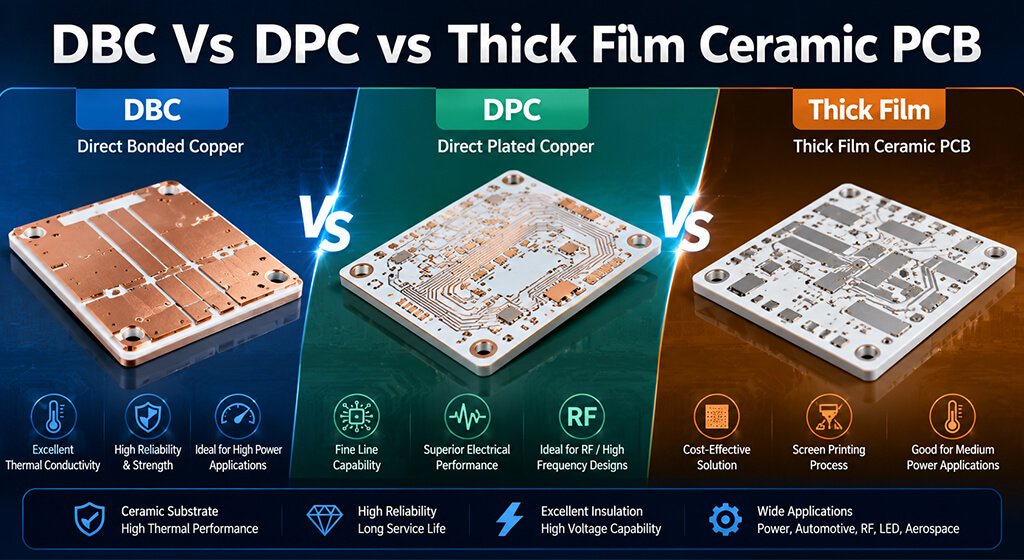
4. What Is the Difference Between DBC, DPC, and Thick Film Ceramic PCB?
DBC is optimized for high current applications. DPC provides fine-line precision for RF and semiconductor packaging. Thick film processes are cheaper but less precise.
The best process depends on current density, feature size, and thermal requirements.
4.1. DBC
DBC (Direct Bonded Copper) bonds thick copper directly onto ceramic surfaces using high-temperature oxidation processes.
DBC Provides:
- Very High Current Capability
- Excellent Thermal Transfer
- Strong Copper Adhesion
It Is Widely Used In:
- IGBT Modules
- EV Power Systems
- Motor Drives
4.2. DPC
DPC (Direct Plated Copper) uses thin-film deposition and electroplating techniques.
DPC Supports:
- Fine Traces
- Small Vias
- High-Frequency Circuits
- Semiconductor Packaging
4.3. Thick Film Ceramic
Thick film ceramic is cheaper. Conductive pastes are screen printed onto ceramic substrates and fired at high temperatures.
They Work Well For:
- Sensors
- Hybrid Circuits
- Industrial Electronics
However, resolution and conductivity are lower.
Do You Need Any Help?
5. Are Ceramic PCB Materials Good for RF and Microwave Design?
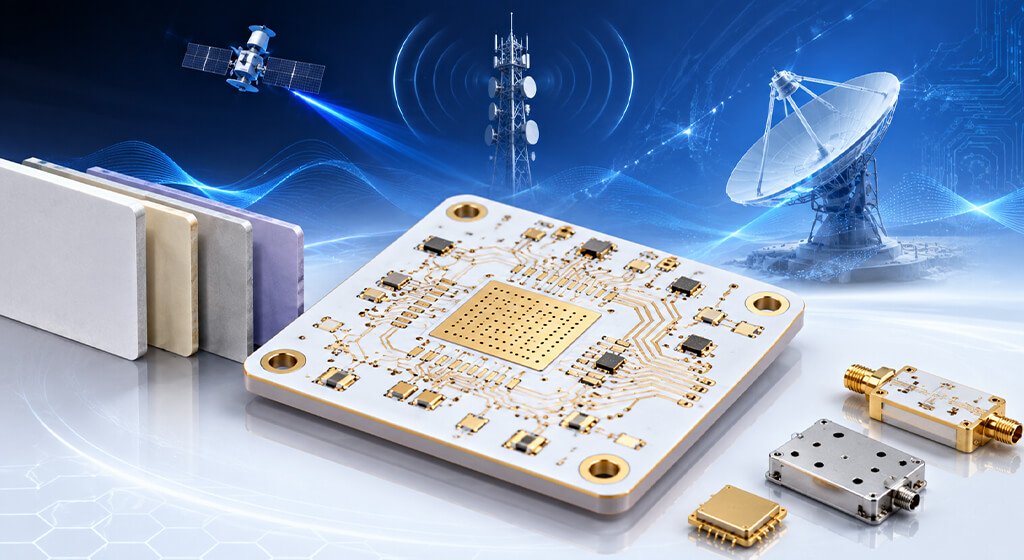
Yes. Ceramic substrates offer stable dielectric properties and low signal loss at high frequencies. They are widely used in radar, aerospace, and microwave systems.
Alumina is one of the most common RF ceramic materials.
FR4 becomes problematic at microwave frequencies because dielectric properties vary with temperature and frequency. Ceramic materials are much more stable.
Alumina Provides:
- Stable Dielectric Constant
- Low Dielectric Loss
- Excellent Dimensional Accuracy
That stability improves impedance control.
Ceramic materials also support tighter dimensional tolerances than FR4. That precision becomes increasingly important at millimeter-wave frequencies.
Do You Need Any Help?
6. What Are the Biggest Ceramic PCB Manufacturing Challenges?
Ceramic PCB manufacturing is far more complex than standard FR4 fabrication.
Below are the ceramic PCB manufacturing challenges and how manufacturers typically solve them.
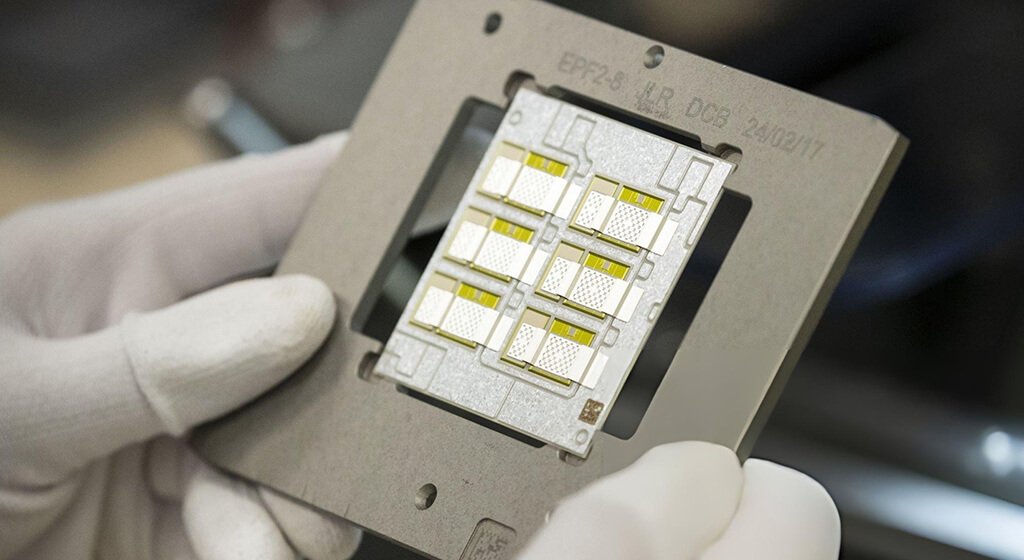
6.1. Ceramic Material Brittleness
Ceramic substrates are inherently brittle. Ceramic cannot flex under mechanical stress. During drilling, dicing, depaneling, or assembly, cracks can easily form.
How To Solve
We can reduce brittleness risks by:
- Using laser cutting instead of mechanical routing
- Optimizing panel support fixtures
- Controlling depanelization stress
- Designing rounded internal corners
- Increasing edge clearances
- Using thicker ceramic substrates when possible
Aluminum nitride (AlN) is especially fragile compared to alumina.
6.2. Difficult Metallization Process
Copper does not naturally bond well to ceramic surfaces. Ceramic PCBs require specialized metallization technologies.
It has limitations involving:
- Adhesion Strength
- Surface Flatness
- Cost
- Thermal Expansion Mismatch
- Fine-Line Capability
How To Solve?
We can improve adhesion through:
- Surface activation treatments
- Controlled oxidation
- Vacuum deposition processes
- Optimized brazing temperatures
- Careful copper thickness control
6.3. Thermal Expansion Mismatch
Different materials expand at different rates when heated. Ceramic PCB is composed of ceramic substrate, copper circuitry, and Semiconductor dies. Each material has a different CTE (Coefficient of Thermal Expansion).
Material | Typical CTE |
Alumina | ~6–7 ppm/°C |
Aluminum Nitride | ~4.5 ppm/°C |
Copper | ~17 ppm/°C |
FR4 | ~14–17 ppm/°C |
Large CTE mismatches generate mechanical stress.
How We Solve
We can solve it by:
- Optimizing copper thickness
- Using compliant die attach materials
- Reducing thermal gradients
- Selecting matched-CTE materials
- Using symmetric stackups
Thermal simulation is often required before fabrication.
6.4. Precision Drilling and Via Formation
Creating holes in ceramic substrates is much harder than drilling FR4. Poor via quality will impact:
- Signal Integrity
- Current Capacity
- Thermal Conductivity
- Reliability
Microvia accuracy is especially important in RF and high-density designs.
How To Solve?
We can use:
- UV laser drilling
- Ultrasonic machining
- Controlled feed rates
- Specialized diamond tools
- Multi-step via metallization
Process control is critical for consistent yields.
7. How Should PCB Engineers Select Ceramic PCB Materials?
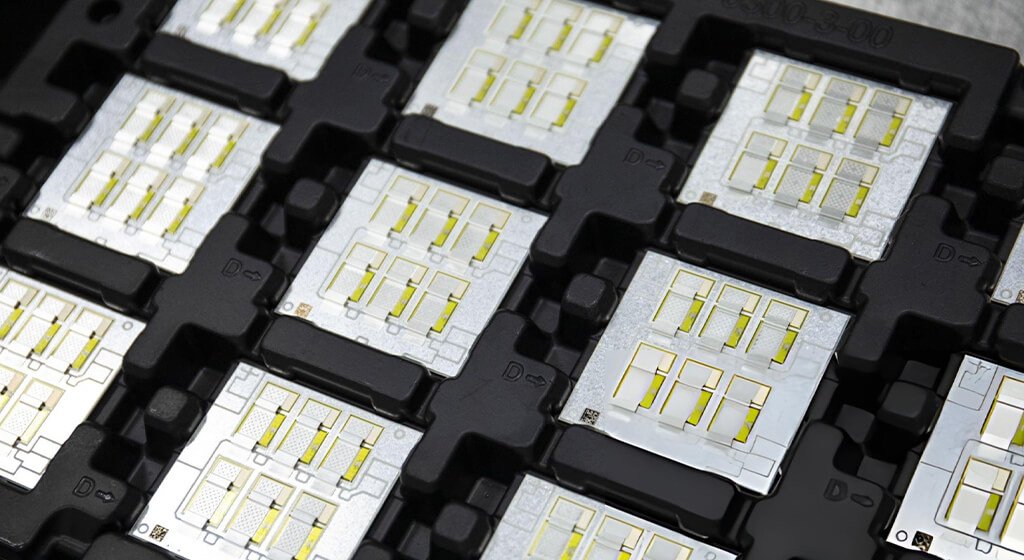
When we choose materials, we need to consider its thermal requirements, mechanical stress, frequency range, and cost.
No single ceramic material fits every application. Engineers should evaluate ceramic materials systematically.
Start with thermal analysis. Determine:
- Junction temperature targets
- Power density
- Cooling limitations
- Thermal resistance budget
Then evaluate mechanical requirements.
- Automotive systems usually prioritize vibration resistance and thermal cycling reliability.
- RF systems prioritize dielectric stability.
- LED systems prioritize thermal spreading and cost optimization.
Here is a simplified selection guideline:
Application | Recommended Material |
Low-cost thermal management | Alumina |
Extreme heat dissipation | Aluminum Nitride |
Harsh mechanical environments | Silicon Nitride |
High-current power modules | DBC Ceramic |
RF/Microwave circuits | Alumina or AlN |
Cost should always be evaluated at the system level.
8. Final Thoughts
Ceramic PCBs are no longer niche technologies. They are becoming mainstream solutions for thermal management and high-reliability electronics.
FR4 still dominates low-cost electronics. However, modern power density increasingly pushes designs beyond FR4 limits.
Alumina is the most economical ceramic option. Aluminum Nitride dominates extreme thermal applications. Silicon Nitride excels in harsh automotive environments.
PCB engineers should focus on total system performance instead of substrate cost alone.
In many advanced designs, ceramic materials enable performance levels impossible with conventional PCBs.
Get a PCB Quote