
/Cost, Performance, and When to Use It/
ENEPIG PCB Surface Finish Ultimate Guide
ENEPIG is an advanced PCB Surface Finish, which is used to protect exposed copper pads on printed circuit boards. It can provide excellent solderability, wire bonding capability, and long-term reliability.
PCB Surface Finish Type
As electronic devices become smaller, faster, and more complex, PCB surface finish technology has become increasingly important.
Among all advanced PCB surface finishes, ENEPIG has emerged as one of the most reliable and versatile options available today.
ENEPIG Surface Finish Stands For:
- Electroless Nickel
- Electroless Palladium
- Immersion Gold
This multilayer metallic coating is widely recognized as a premium PCB finish because it combines the strengths of ENIG, hard gold, and wire-bonding-compatible finishes into a single process.
In this complete guide, you will learn everything about ENEPIG.
Let’s Go.
Table of Contents
1. What Is ENEPIG Surface Finish?
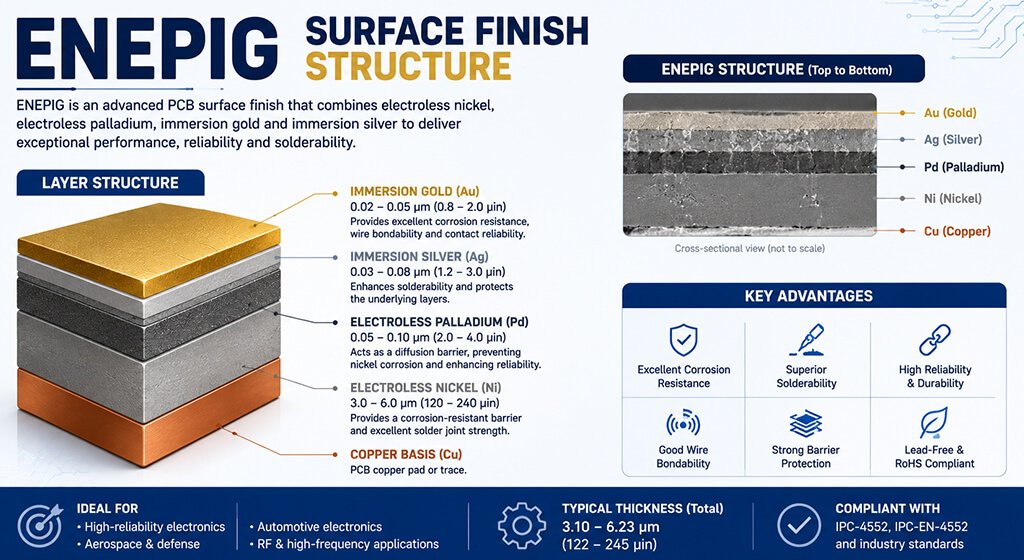
ENEPIG is an advanced PCB surface finish composed of three metallic layers deposited onto exposed copper pads.
The Structure Includes:
- Electroless Nickel Layer
- Electroless Palladium Layer
- Immersion Gold Layer
The Finish Is Commonly Described As:
- Copper → Nickel → Palladium → Gold
The palladium layer is the key difference between ENEPIG and ENIG.
In ENIG, gold is deposited directly over nickel. In ENEPIG, palladium acts as a protective barrier between nickel and gold.
The Additional Palladium Layer Provides:
- Improved Corrosion Resistance
- Better Solderability
- Excellent Gold Wire Bonding Performance
- Reduced Black Pad Risk
- Enhanced Reliability During Multiple Reflow Cycles
Because of these advantages, ENEPIG is widely used in high-end electronics manufacturing.
2. How ENEPIG Surface Finish Works?
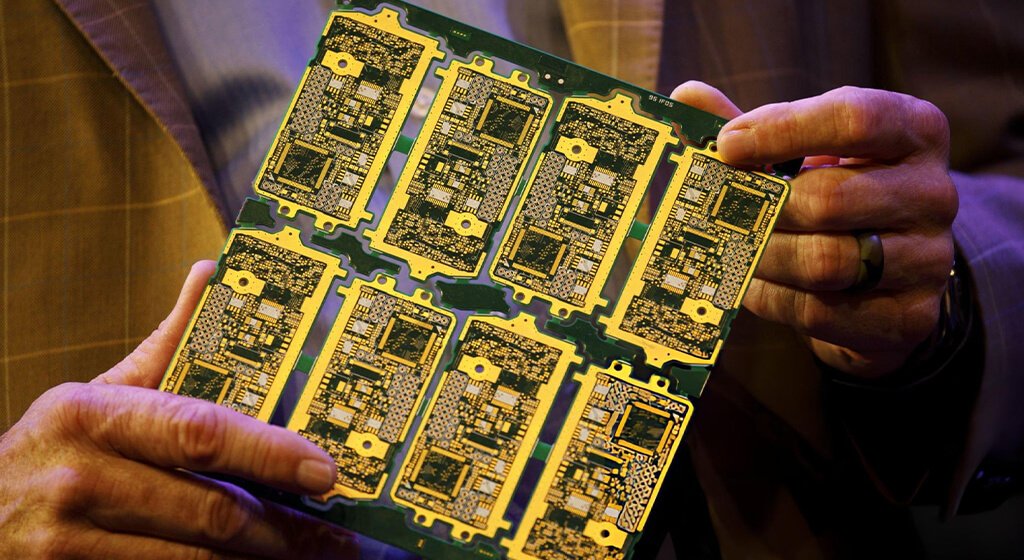
The ENEPIG is a chemical deposition process that does not require electrical current.
The manufacturing process typically follows these steps:
Step 1: Copper Surface Preparation
The exposed copper pads are cleaned thoroughly to remove:
- Oxides
- Organic Contamination
- Debris
- Fingerprints
- Residues
Proper cleaning is critical because contamination can lead to plating defects.
Step 2: Electroless Nickel Deposition
A layer of nickel is chemically deposited onto the copper surface.
The Nickel Layer Serves Several Purposes:
- Acts As A Diffusion Barrier
- Protects Copper
- Provides Mechanical Strength
- Supports Solder Joints
Typical Nickel Thickness:
- 3–6 µm
Step 3: Electroless Palladium Deposition
A thin palladium layer is deposited over the nickel. This is the defining feature of ENEPIG.
The Palladium Layer:
- Prevents Nickel Corrosion
- Reduces Black Pad Formation
- Improves Wire Bonding
- Enhances Solderability
Typical Palladium Thickness:
- 0.05–0.15 µm
Step 4: Immersion Gold Deposition
A thin gold layer is deposited over the palladium.
The Gold Layer:
- Protects Underlying Metals From Oxidation
- Improves Shelf Life
- Provides Excellent Conductivity
- Supports Assembly Processes
Typical Gold Thickness:
- 0.03–0.10 µm
Do You Need Any Help?
3. Advantages of ENEPIG Surface Finish
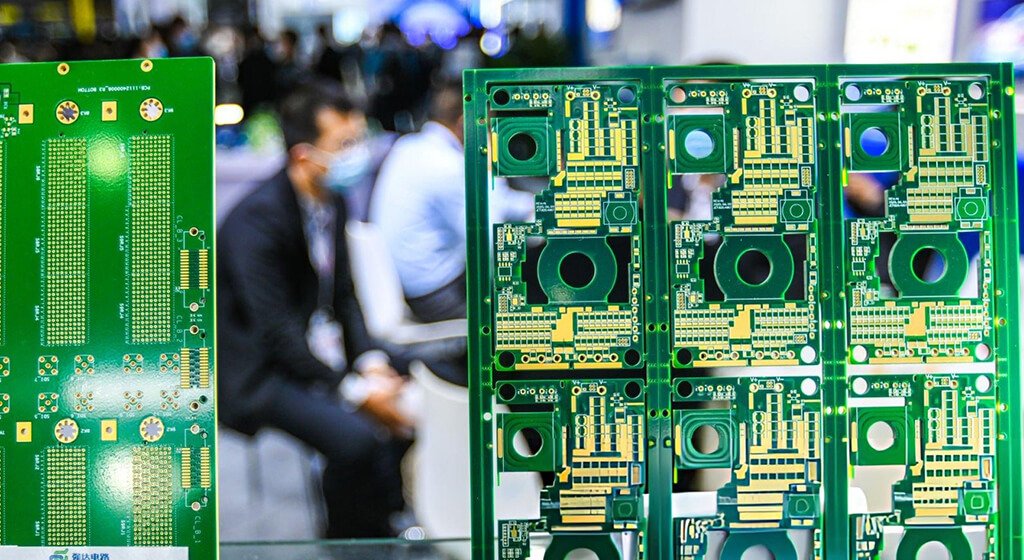
3.1. Excellent Wire Bonding Capability
One of the biggest advantages of ENEPIG is its compatibility with gold wire bonding.
ENEPIG Supports:
- Gold Wire Bonding
- Aluminum Wire Bonding
- Copper Wire Bonding
It Makes ENEPIG Ideal for:
- Chip-on-board (COB)
- IC Substrates
- RF Modules
- Semiconductor Packaging
ENIG generally performs poorly for wire bonding compared to ENEPIG.
3.2. Reduced Black Pad Risk
Black pad is a serious reliability defect associated with ENIG finishes. It occurs when nickel corrosion develops during gold deposition. The palladium layer in ENEPIG protects the nickel from excessive corrosion.
It Can:
- Stronger Solder Joints
- Improved Reliability
- Reduced Field Failures
This is one of the primary reasons high-reliability industries choose ENEPIG.
3.3. Excellent Solderability
ENEPIG offers outstanding solderability for modern SMT assembly.
It Performs Well With:
- Fine-pitch BGAs
- QFNs
- CSPs
- Micro-BGAs
- Lead-free Soldering
ENEPIG also withstands multiple reflow cycles without significant degradation.
3.4. Flat Surface for Fine-Pitch Components
Unlike HASL, ENEPIG provides an extremely flat surface.
Flatness Is Important For:
- HDI Boards
- Fine-pitch SMT
- High-density Assembly
- Semiconductor Packaging
Uneven finishes can cause solder bridging and assembly defects.
3.5. Long Shelf Life
The gold layer protects the surface from oxidation. Compared to OSP, ENEPIG offers much longer storage capability.
Do You Need Any Help?
4. Disadvantages of ENEPIG Surface Finish
Although ENEPIG offers major advantages, it also has limitations.
4.1. Higher Cost
ENEPIG is more expensive than:
- HASL
- OSP
- Immersion silver
- ENIG
The additional palladium layer increases:
- Material Cost
- Process Complexity
4.2. More Complex Manufacturing Process
ENEPIG requires precise process control.
Critical Parameters Include:
- Chemical Bath Stability
- pH control
- Temperature Management
- Contamination Control
- Deposition Uniformity
Poor process control can cause defects.
4.3. Longer Production Time
The additional palladium deposition step increases process time. It can slightly increase PCB fabrication lead times.
Do You Need Any Help?
5. How To Avoid ENIG Common Issues?
Below are the most common ENEPIG issues, their causes, and prevention methods used by us.
5.1. Black Pad
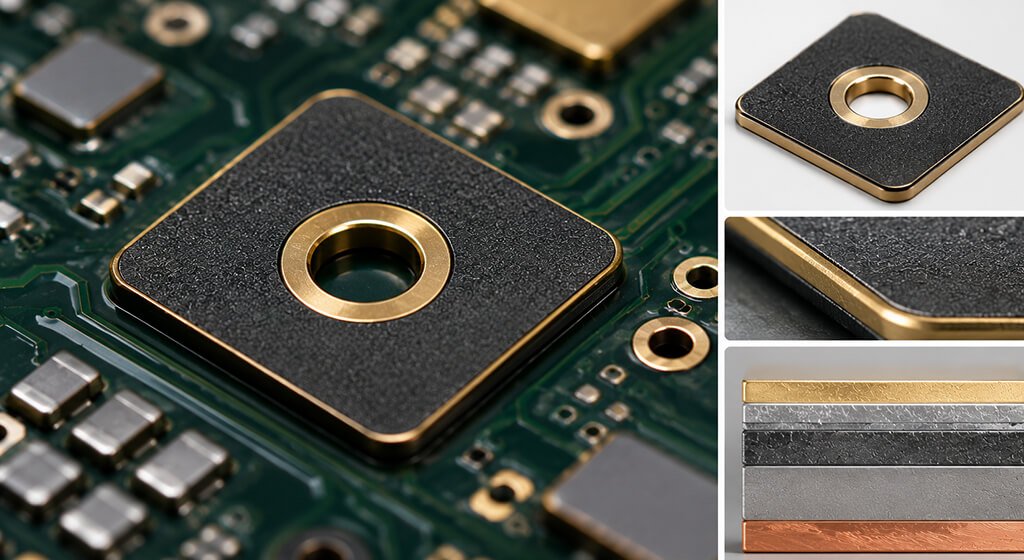
Black pad is a corrosion-related defect that occurs in the nickel layer during the plating process. It creates a dark, brittle, phosphorus-rich layer between nickel and solder.
Although ENEPIG significantly reduces black pad risk compared to ENIG, improper process control can still allow nickel corrosion.
Causes
- Excessive Nickel Corrosion
- Poor Bath Chemistry Control
- Overactive Immersion Gold Process
- High Phosphorus Nickel Deposits
- Contaminated Plating Baths
How to Avoid Black Pad
- We continuously monitor Chemistry, such as, pH, Nickel-concentration , and Gold activity.
- We will follow IPC-4556 plating standards to reduce corrosion risk.
- We will analyze regularly cross-section.
5.2. Poor Solderability
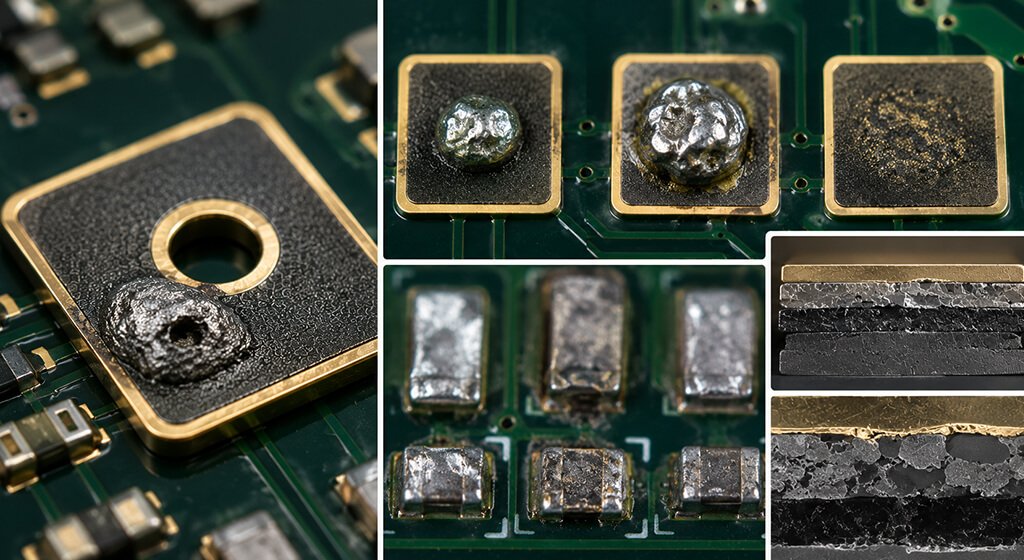
Poor solder wetting can cause open circuits, weak joints, or assembly failures.
Main Causes
- Surface Contamination
- Oxidation
- Thin Gold Layer
- Improper Storage
- Organic Residues
- Poor Cleaning Process
How to Avoid Poor Solderability
- We will maintain 0.03–0.10 µm gold thickness.
- We will use clean manufacturing environments
5.3. Palladium Voids
Voids in the palladium layer can expose the nickel underneath, reducing reliability and corrosion resistance.
Causes
- Poor Palladium Bath Stability
- Contamination
- Improper Deposition Timing
- Uneven Catalytic Activation
How to Avoid Palladium Voids
- Filtration removes contaminants that interfere with deposition.
- Tight Chemical Control Palladium concentration, Temperature or pH.
- Our automated plating equipment can improve deposition uniformity.
5.4. Nickel Corrosion
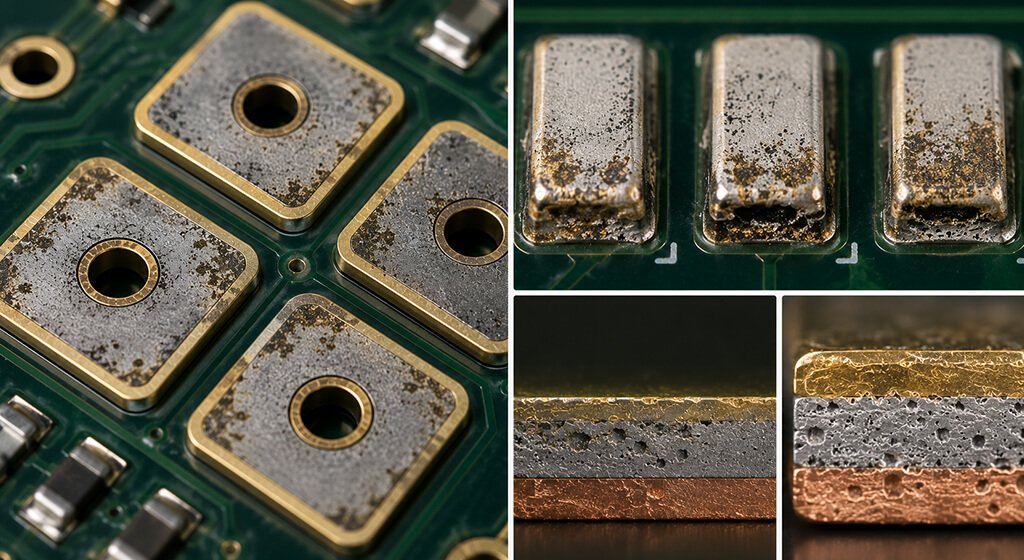
Nickel corrosion can weaken the interface between copper and solder joints.
Even though ENEPIG protects nickel better than ENIG, corrosion may still occur under poor process conditions.
Causes
- Aggressive Immersion Gold Chemistry
- Excessive Immersion Time
- Contaminated Process Tanks
- Improper Rinsing
How to Avoid Nickel Corrosion
- We will optimize gold deposition time to avoid overexposure during immersion gold plating.
- We will improve rinsing procedures.
5.5. Gold Layer Porosity
Porous gold coatings expose the underlying palladium or nickel to oxidation.
Causes
- Thin gold deposition
- Incomplete coverage
- Bath contamination
- Poor process control
How to Avoid Gold Porosity
- Maintain Proper Gold Thickness
- Gold Bath Chemistry Must Remain Stable.
- Use XRF Thickness Testing
Do You Need Any Help?
6. ENEPIG VS ENIG
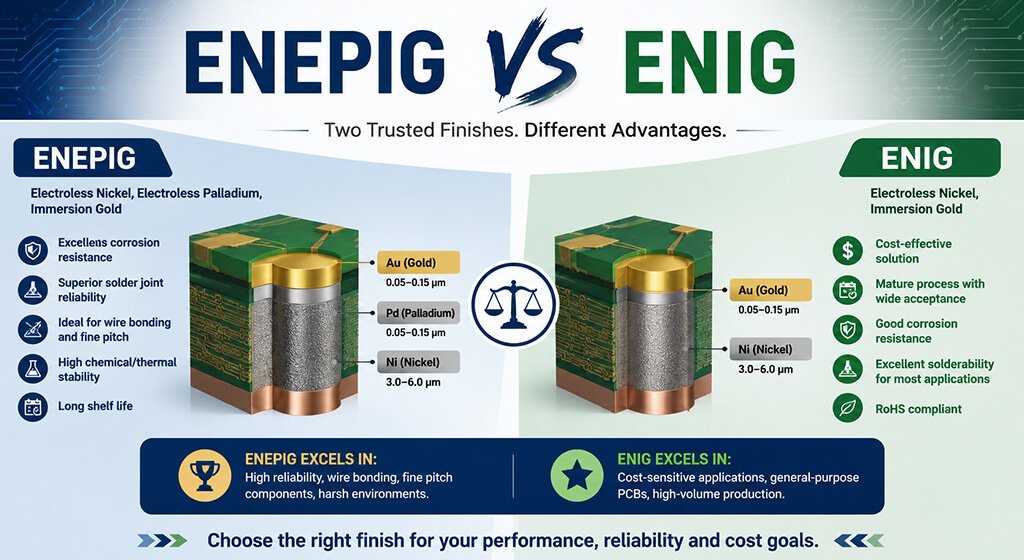
ENIG and ENEPIG are the two most common PCB surface finishes. Each has different advantages.
Feature | ENIG | ENEPIG |
Structure | Nickel + Gold | Nickel + Palladium + Gold |
Wire Bonding | Limited | Excellent |
Black Pad Resistance | Moderate | Excellent |
Cost | Lower | Higher |
Solderability | Excellent | Excellent |
Fine-Pitch Capability | Excellent | Excellent |
Corrosion Resistance | Good | Better |
Multiple Reflow Reliability | Good | Excellent |
Aerospace Applications | Common | Preferred |
Semiconductor Packaging | Limited | Excellent |
When Should You Use ENEPIG?
ENEPIG is recommended when your project requires:
- Gold wire bonding
- High reliability
- Multiple reflow cycles
- Fine-pitch assembly
- Aerospace-grade quality
- Medical-grade reliability
- Semiconductor packaging
- HDI PCB manufacturing
8. ENEPIG vs Other PCB Surface Finishes
8.1. ENEPIG vs HASL
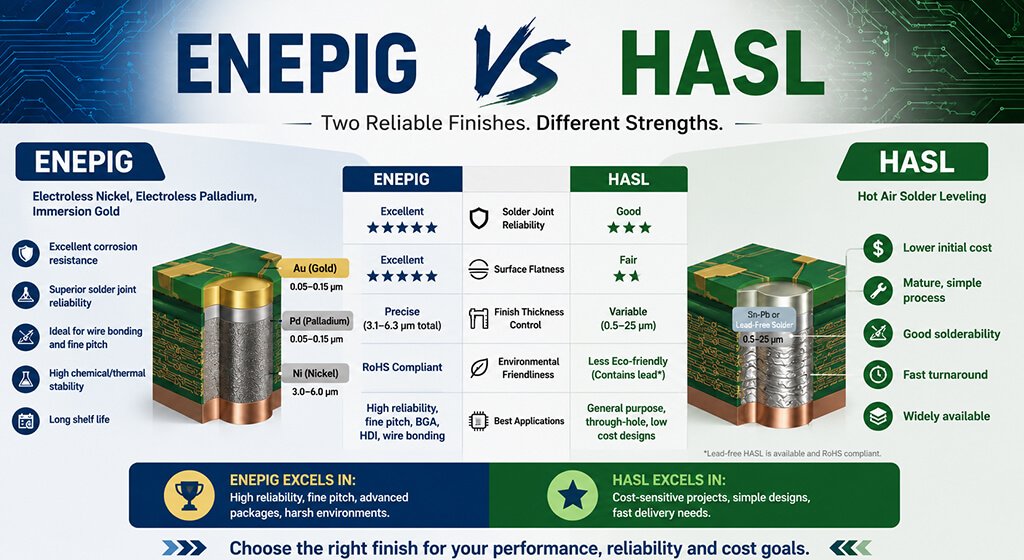
Feature | HASL | ENEPIG |
Surface Flatness | Poor | Excellent |
Fine-Pitch SMT | Limited | Excellent |
Wire Bonding | No | Excellent |
Cost | Low | High |
Reliability | Moderate | Excellent |
8.2. ENEPIG vs OSP
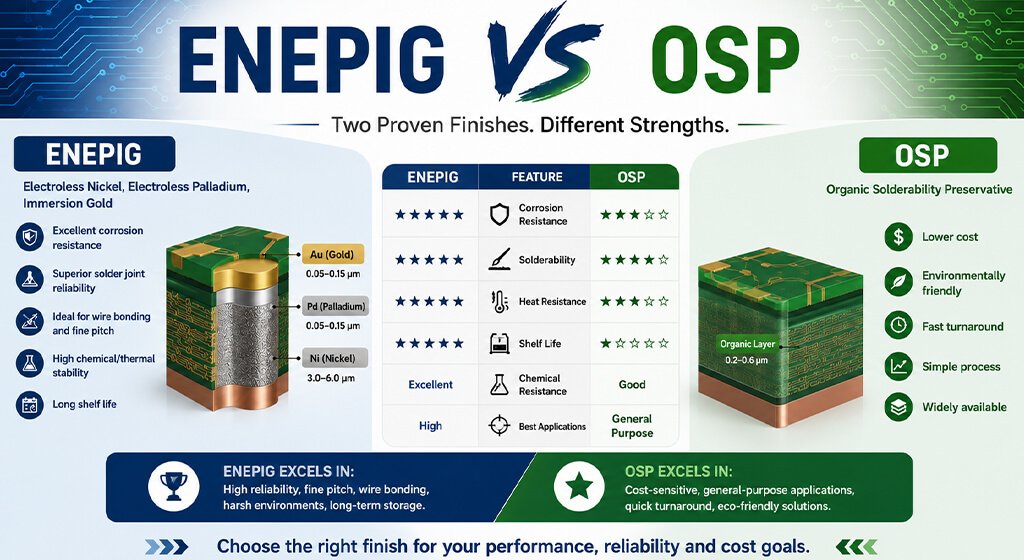
Feature | OSP | ENEPIG |
Shelf Life | Short | Long |
Corrosion Resistance | Moderate | Excellent |
Multiple Reflow Cycles | Limited | Excellent |
Wire Bonding | No | Excellent |
8.3. ENEPIG vs Immersion Silver
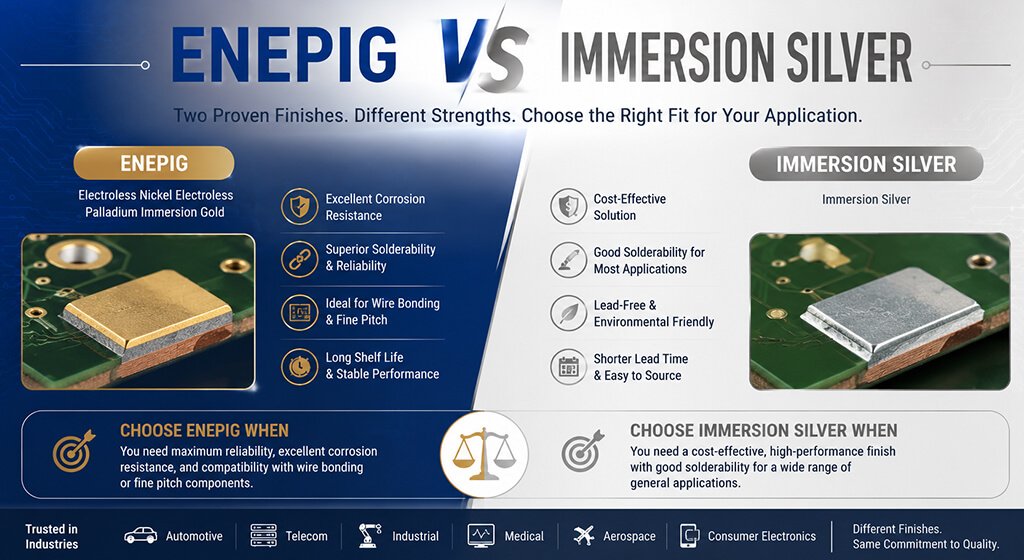
Feature | Immersion Silver | ENEPIG |
Oxidation Resistance | Moderate | Excellent |
Shelf Life | Moderate | Long |
Wire Bonding | Limited | Excellent |
Corrosion Resistance | Moderate | Excellent |
Do You Need Any Help?
9. People Also Ask?
Is ENEPIG Lead-Free?
Yes. ENEPIG is fully compatible with RoHS and lead-free manufacturing.
Does ENEPIG Support Wire Bonding?
Yes. It supports both gold and aluminum wire bonding exceptionally well.
What Is The Shelf Life Of ENEPIG?
Typically 12 months or longer under proper storage conditions.
10. Final Thoughts
ENEPIG surface finish is a premium PCB finishing technology designed for high-performance and high-reliability electronics.
By adding a palladium layer between nickel and gold, ENEPIG significantly improves corrosion resistance, solder joint integrity, and wire bonding capability.
Although its cost is higher than standard finishes like ENIG or HASL, ENEPIG delivers substantial advantages in advanced applications such as aerospace systems, medical devices, and HDI PCB manufacturing.
For manufacturers and OEMs developing next-generation electronics, ENEPIG is often one of the best long-term investments available.
Get a PCB Quote