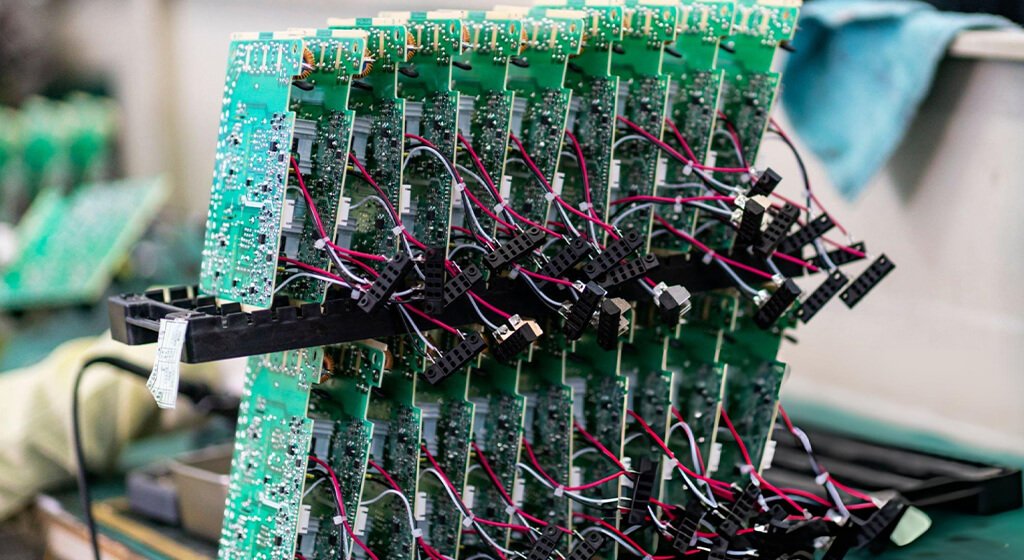
EMS PCB assembly helps hardware companies turn approved designs into finished, tested, and deliverable electronic products.
The work includes much more than placing components and soldering them onto a printed circuit board.
It connects engineering review, PCB fabrication, component sourcing, assembly, inspection, functional testing, and logistics under one coordinated process.
For startups, OEMs, and engineering teams, the right EMS partner reduces supplier handoffs and production uncertainty.
For procurement teams, it creates a clearer path from quotation to repeatable volume manufacturing.
This guide explains what EMS PCB assembly means, how the workflow operates, and how to choose a capable supplier.
Table of Contents
1. What Is EMS PCB Assembly?
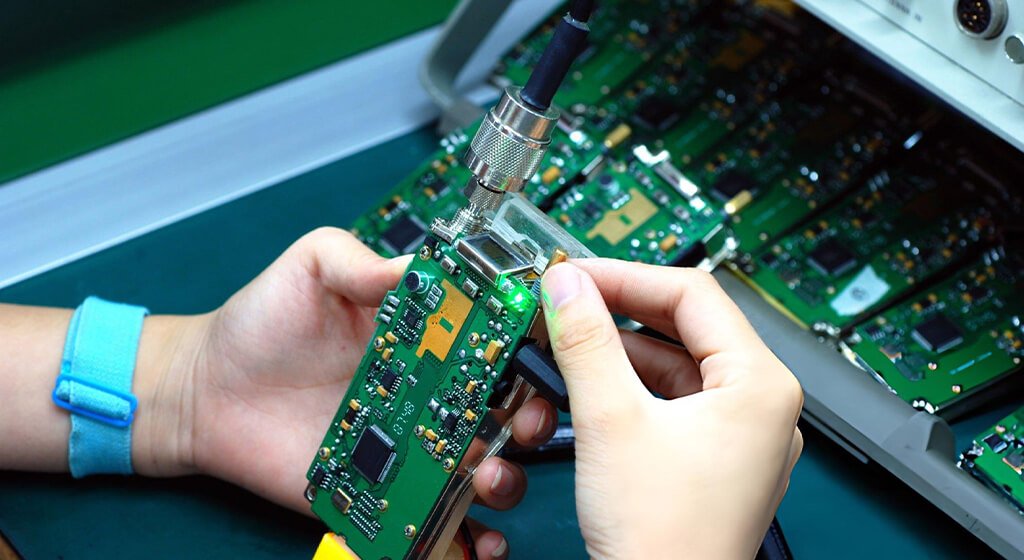
EMS is short of Electronics Manufacturing Services, while PCBA refer to Printed Circuit Board Assembly.
EMS PCB assembly combines PCBA with surrounding manufacturing services needed to deliver a usable electronic product.
A basic PCBA order may only involve assembling supplied parts onto supplied bare circuit boards.
An EMS project can include design-for-manufacturing review, board fabrication, procurement, assembly, inspection, programming, testing, packaging, and shipping.
The difference matters because many production problems begin before components reach the assembly line.
An incorrect footprint, unavailable component, unclear BOM, or missing test instruction can delay an otherwise simple build.
A well-managed EMS process catches these risks early, when corrections cost less and schedules remain flexible.
Global semiconductor sales reached approximately US$796 billion during 2025, increasing 26% from the previous year, according to WSTS. That figure does not measure the EMS market directly, but it shows the scale of today’s electronics supply chain.
For product teams, the important question is rarely whether components can be assembled.
The real question is whether every manufacturing decision supports the desired quality, cost, delivery date, and product lifecycle.
2. What Does an EMS PCB Assembly Provider Handle?
The scope changes with each project, but a complete EMS provider usually coordinates several connected activities.
2.1. Engineering Review and DFM Support
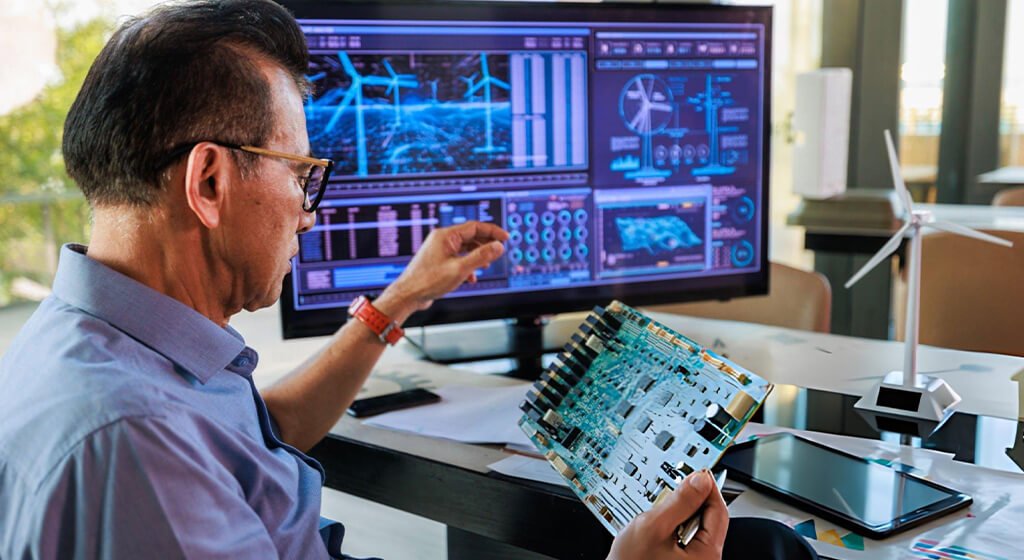
Before production begins, engineers should review Gerber files, fabrication drawings, BOM data, and pick-and-place files.
This review checks whether the design can be manufactured consistently with available materials, equipment, and process controls.
It should identify concerns involving
- Pad Geometry,
- Solder Mask Clearances,
- Panelization,
- Component Polarity,
- Or Unsuitable Package Selections.
A useful review also looks for alternate components before a shortage creates a last-minute purchasing problem.
We provide Gerber and BOM reviews alongside DFM, DFA, and DFT analysis within its PCB contract manufacturing service.
2.2. PCB Fabrication
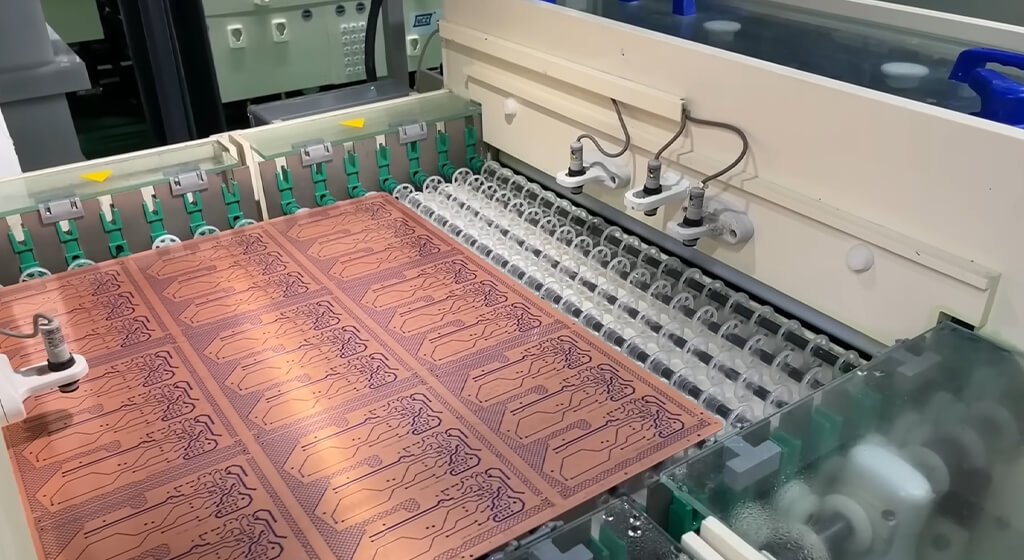
The bare board must match the approved stack-up, copper weight, finish, impedance requirement, and mechanical drawing.
High-speed, RF, heavy-copper, metal-core, flex, and HDI designs require different materials and fabrication controls.
A supplier should confirm these requirements before sourcing components or scheduling assembly.
For example, a board with controlled impedance should not enter production without an agreed stack-up and impedance targets.
2.3. Component Sourcing
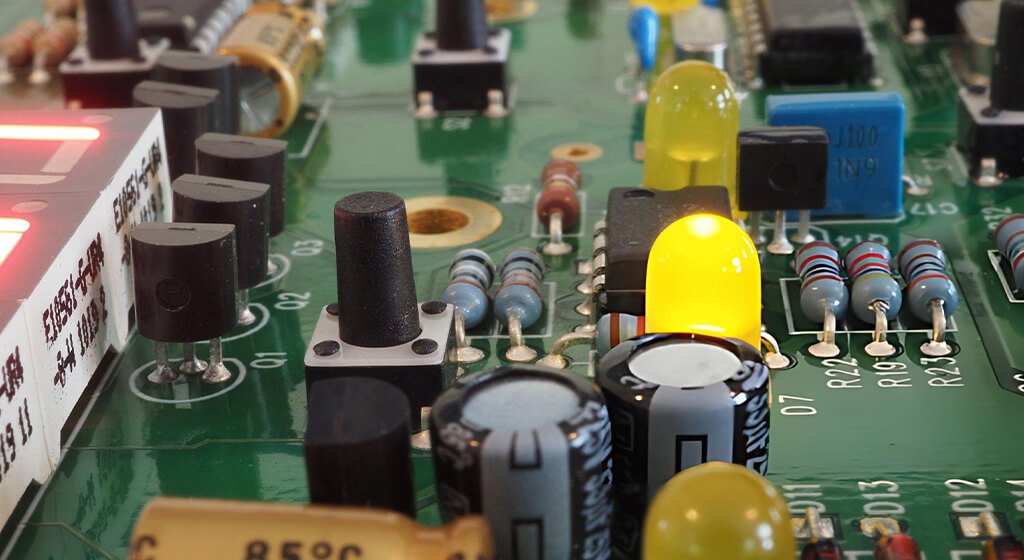
Component sourcing is often the largest cost and schedule variable in an EMS PCB assembly order.
A practical sourcing process verifies manufacturer part numbers, authorized distribution availability, lead times, lifecycle status, and approved alternatives.
It should also document substitutions clearly before they reach the production floor.
ERAI reported that 60.02% of suspect parts reported in 2025 were obsolete components. However, active components represented another 36.15%, showing that availability alone does not eliminate sourcing risk. ERAI’s annual report supports careful supplier qualification, incoming inspection, and lot traceability.
2.4. PCB Assembly
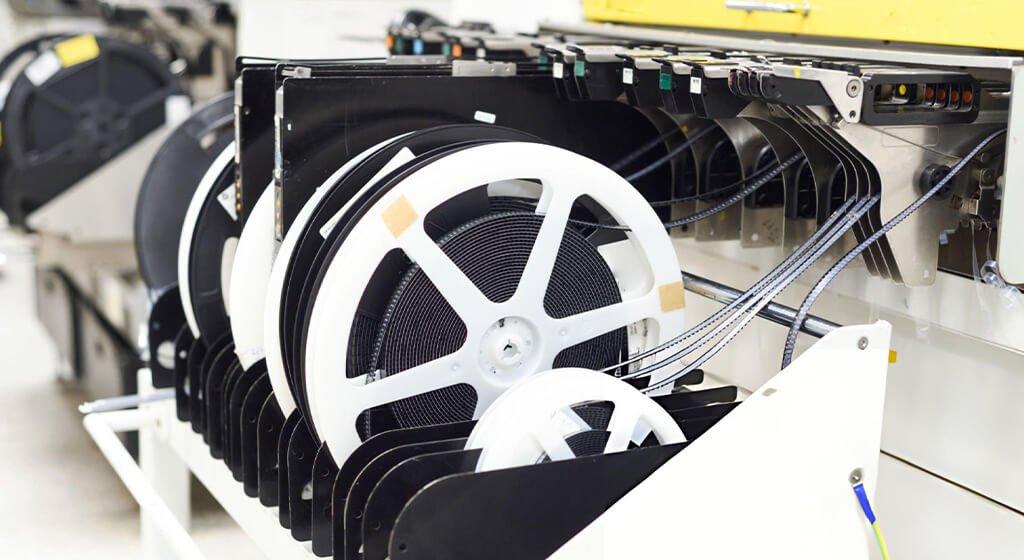
Assembly normally combines SMT placement, reflow soldering, through-hole insertion, wave soldering, selective soldering, and manual operations.
The right process depends on component package types, board thickness, thermal mass, annual volume, and required reliability.
Through-hole assembly remains valuable for large connectors, high-current hardware, heavy components, and vibration-prone applications.
For projects needing greater mechanical strength, see PCBSAIL’s through-hole PCB assembly service.
2.5. Inspection, Testing, and Final Integration
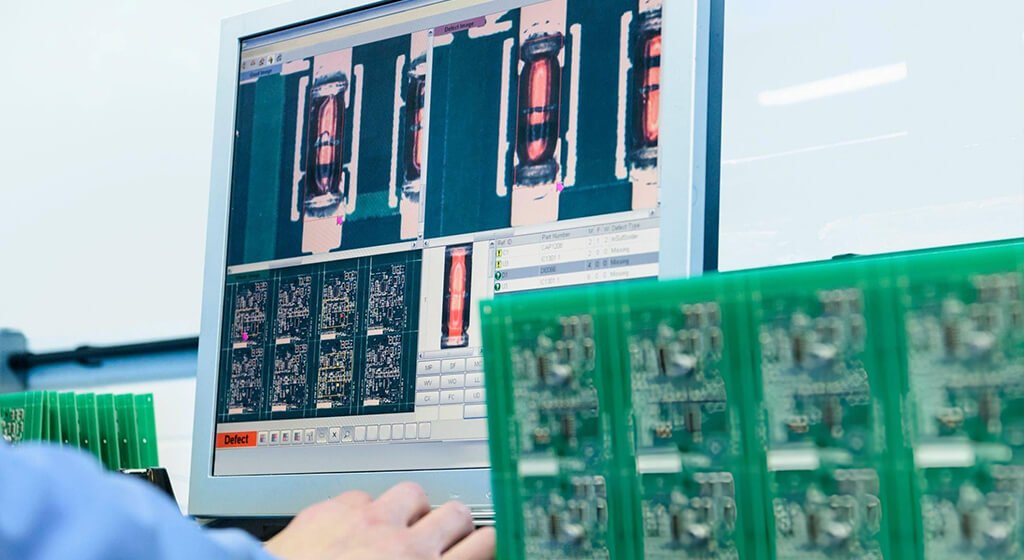
Inspection verifies workmanship, while testing verifies whether the assembled product performs as intended.
Depending on the project, an EMS provider may use SPI, AOI, X-ray inspection, ICT, flying-probe testing, functional testing, or burn-in.
The same supplier may also program ICs, install cables, complete enclosure assembly, label products, and prepare export packaging.
This broader responsibility is what turns PCBA into a practical EMS solution.
Do You Need Any Help?
3. EMS PCB Assembly vs. Standard PCB Assembly
PCB assembly is one manufacturing step. EMS is a coordinated production model.
Area | Standard PCBA | EMS PCB Assembly |
Bare PCB supply | Often supplied by the customer | May be fabricated by the EMS provider |
Components | Usually customer-supplied | Can be sourced, verified, and managed |
Engineering review | Limited or optional | DFM, DFA, and DFT support are common |
Testing | Often basic inspection only | Planned inspection and functional testing |
Final product work | Usually excluded | Programming, box build, packaging, and logistics may be included |
Supply-chain control | Managed across several vendors | Managed through one accountable production workflow |
Neither model is always better.
- Standard PCBA works well when a customer controls all material purchasing and has established manufacturing procedures.
- EMS works better when a project needs coordination across engineering, sourcing, assembly, testing, and final delivery.
The strongest choice depends on internal capability, intellectual-property policy, component ownership, and expected production volume.
4. Turnkey, Partial Turnkey, and Consigned Assembly
The purchasing model determines who supplies materials and who accepts related risks.
4.1. Full Turnkey EMS PCB Assembly
In a full turnkey arrangement, the EMS provider manages PCB fabrication, component procurement, assembly, testing, and delivery.
This model suits customers that wants one production contact and fewer supplier relationships.
It can also simplify prototype builds, pilot runs, and transitions toward volume production.
A complete turnkey PCBA service should define approved BOM parts, alternates, testing requirements, and delivery terms before purchasing begins.
4.2. Partial Turnkey Assembly
Partial turnkey assembly splits material responsibility between the customer and the manufacturer.
Customers often provide proprietary ICs, customer-programmed devices, long-lead components, or parts under existing supply agreements.
The EMS provider then sources remaining components and performs board fabrication, assembly, and testing.
This approach can protect customer-controlled materials while reducing procurement workload for standard parts.
4.3. Consigned Assembly
In consigned assembly, the customer supplies most or all boards and components.
The EMS provider assembles the materials according to approved documentation and production instructions. Consigned projects can work well when customers already own inventory or require strict material control.
However, missing parts, damaged reels, incorrect labels, and incomplete kitting can quickly extend lead times. A clear incoming-material procedure is essential for every consigned order.
5. The EMS PCB Assembly Workflow: From Files to Finished Products
A repeatable workflow reduces surprises because every stage creates information needed by the next stage.
5.1. Submit Complete Manufacturing Data
A quotation should begin with a complete and controlled documentation package.
The essential files usually include:
- Gerber Or ODB++ Fabrication Data
- BOM With Manufacturer Part Numbers
- Pick-And-Place Or Centroid File
- Assembly Drawing And Polarity Notes
- Fabrication Drawing And Stack-Up Details
- Test Requirements And Programming Files
- Special Packaging, Labeling, And Shipment Instructions
A BOM without manufacturer part numbers creates unnecessary sourcing ambiguity. A pick-and-place file without reference designators can create equally avoidable assembly delays.
5.2. Complete Engineering and Procurement Review
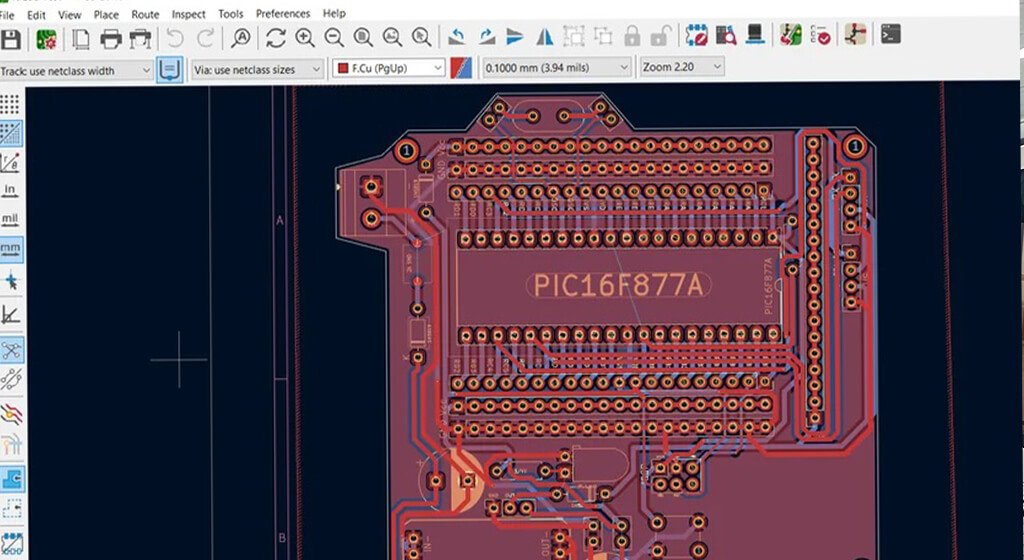
The manufacturer reviews files for manufacturability, missing information, component risk, and test feasibility.
This is the best moment to confirm panel design, stencil requirements, package compatibility, and substitute-part rules.
Engineering changes should be documented before procurement begins, rather than communicated informally during production.
A disciplined review creates a clean revision baseline for prototypes and later production batches.
5.3. Confirm the Quotation and Production Plan
A useful quotation separates PCB fabrication, components, assembly, tooling, testing, and freight whenever possible.
This structure helps buyers identify the cost drivers rather than comparing only a final total.
The production plan should also specify material lead times, expected assembly dates, and testing scope.
For a broader cost explanation, PCBSAIL’s PCB assembly cost guide explains common pricing factors.
5.4. Fabricate Boards and Source Components
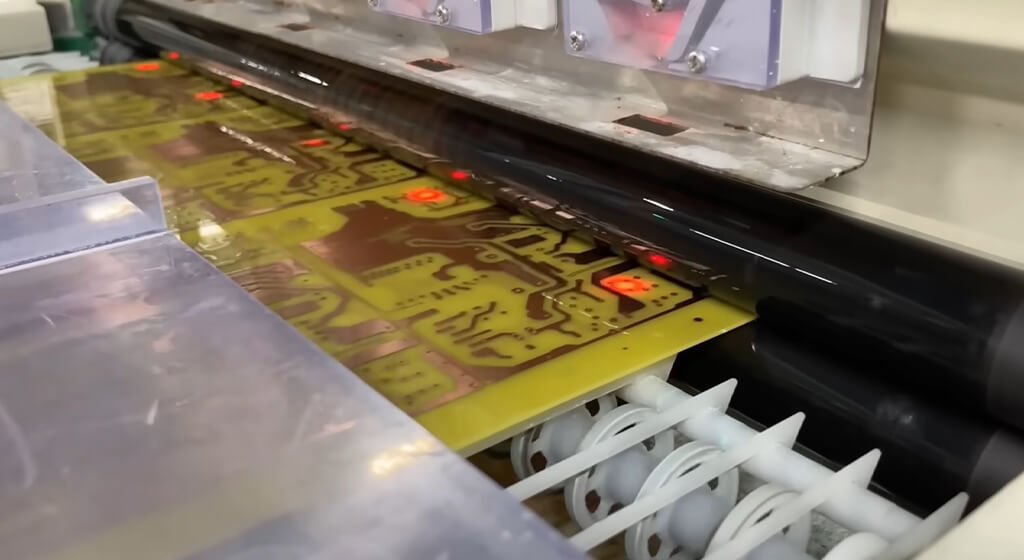
PCB fabrication and component procurement can often proceed in parallel after files receive approval.
The supplier should track material status, approved substitutions, date codes, and component lot information.
For critical or regulated products, traceability requirements should be agreed before orders are released.
The goal is not merely to obtain parts quickly.
The goal is to obtain correct, documented, and inspectable parts suitable for the intended application.
5.5. Assemble the PCBAs
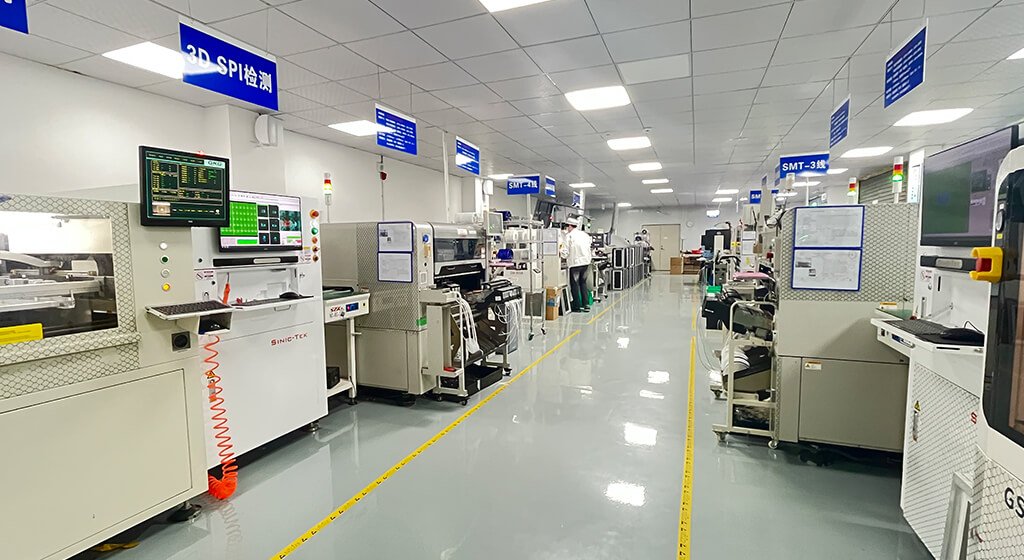
The assembly stage may include solder-paste printing, SPI, SMT placement, reflow soldering, manual insertion, and through-hole soldering.
Each process requires suitable tooling, machine programs, work instructions, and inspection checkpoints.
First-article inspection is especially valuable for new designs, fine-pitch packages, and mixed-technology boards.
It confirms that actual production matches released engineering information before the full batch continues.
5.6. Inspect and Test the Product
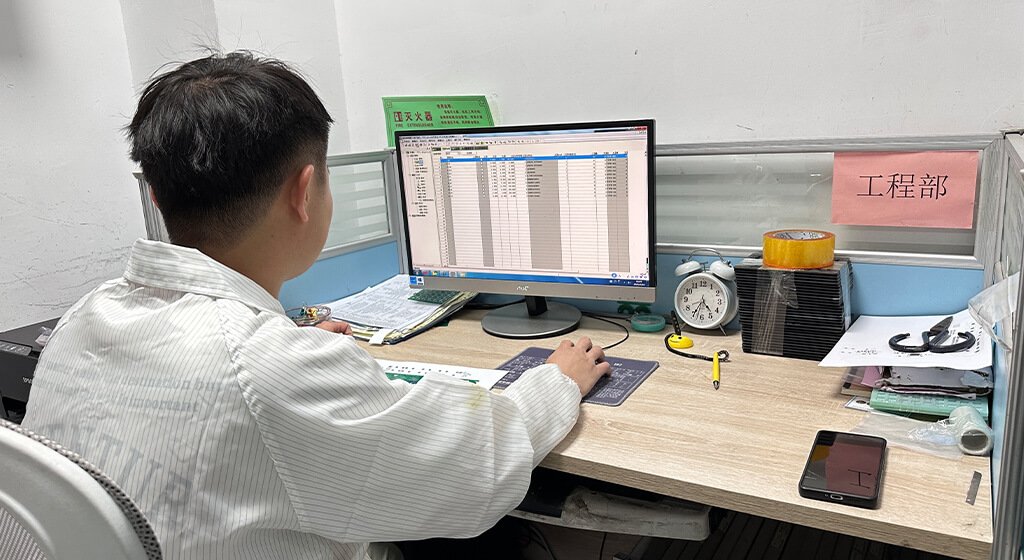
Visual inspection finds workmanship issues, while electrical testing confirms operational behavior.
- IPC-J-STD-001 defines process and material requirements for soldered electronic assemblies.
- IPC-A-610 defines post-assembly acceptance criteria for completed assemblies. IPC explains how these complementary standards are used together.
Customers should specify the applicable acceptance requirements instead of requesting only “high quality.”
For BGA packages, X-ray inspection may be necessary because critical solder joints remain hidden after assembly.
For a finished device, functional testing should reflect real operating conditions whenever practical.
5.7. Complete Final Build, Packaging, and Delivery
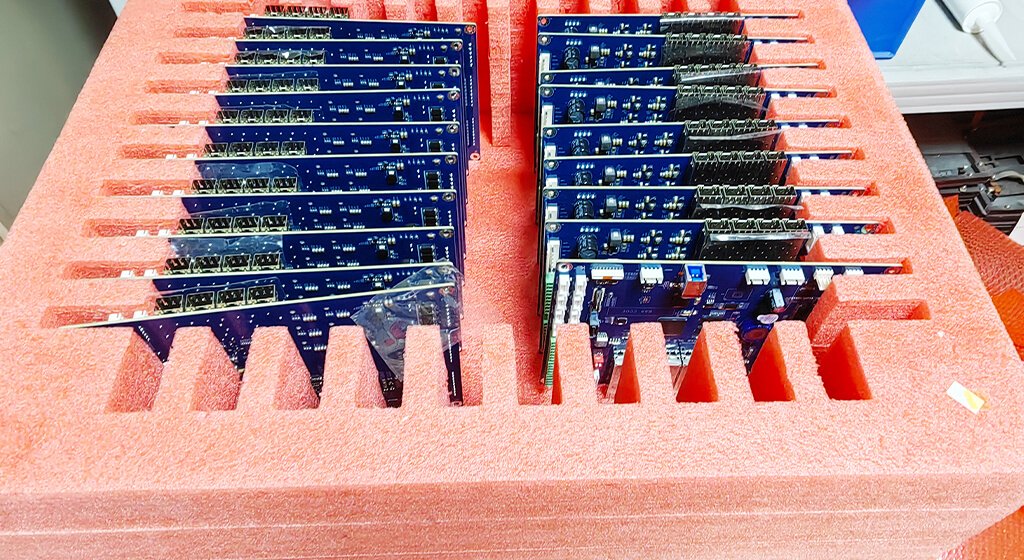
The final stage may include IC programming, conformal coating, cable assembly, enclosure integration, serialization, and final functional checks.
Packaging should match the product’s handling, moisture-sensitivity, electrostatic-discharge, and shipping requirements.
A strong EMS process keeps the final inspection record connected to the correct production lot.
That connection becomes valuable when customers require service records, failure analysis, or repeat-order consistency.
Do You Need Any Help?
6. What Determines EMS PCB Assembly Cost and Lead Time?
Most PCB assembly quotations change because of materials, complexity, testing, and production quantity.
A very low bare-board price does not guarantee a low total manufacturing cost.
Important Cost Drivers Include:
- Component Availability And Approved Alternates
- PCB Layer Count, Materials, Finish, And Special Fabrication Features
- Number Of Unique Component Line Items
- Fine-Pitch, BGA, QFN, Or Bottom-Terminated Packages
- SMT And Through-Hole Process Requirements
- Stencil, Fixtures, Programming, And Test Development
- Inspection Level And Functional Testing Time
- Production Quantity, Panel Utilization, Packaging, And Freight
Lead time follows similar logic.
A simple prototype can move quickly when boards and components are available. A complex board may wait for a long-lead IC, custom connector, test fixture, or engineering clarification.
IPC’s May 2025 North American EMS data showed bookings increasing 5.0% year over year, while shipments declined 9.3%. The same report recorded a 1.43 book-to-bill ratio. IPC’s industry update is a regional monthly signal, not a global forecast.
Still, it illustrates why capacity visibility and realistic scheduling matter during electronics procurement.
The best way to protect a schedule is usually early file release and early component review.
7. How to Choose an EMS PCB Assembly Supplier
A supplier comparison should go beyond unit price and headline lead time.
Use the following questions during quotation and technical review.
Evaluation Area | Questions to Ask |
Engineering | Will engineers review Gerbers, BOMs, stack-ups, and test requirements before production? |
Sourcing | Are manufacturer part numbers verified, substitutions approved, and component traceability documented? |
Assembly | Can the factory support the required SMT, BGA, THT, rework, and special-process needs? |
Quality | Which inspections are standard, and which tests require customer fixtures or procedures? |
Documentation | How are revisions, first articles, inspection records, and nonconforming materials controlled? |
Scalability | Can the supplier support prototypes, pilot builds, and later production volumes consistently? |
Communication | Will the customer receive clear technical questions, material status, and production updates? |
Logistics | Can packaging, labeling, export documents, and delivery requirements be handled correctly? |
The best supplier is not necessarily the one with the lowest first quotation.
It is the one that makes risks visible before they become expensive production problems.
8. EMS PCB Assembly Support From PCBSAIL

PCBSAIL offers a connected manufacturing path from PCB fabrication through PCBA, sourcing, inspection, testing, and final delivery.
Its PCB contract manufacturing service is suitable for customers needing coordinated prototype and production support.
Its published capabilities include SMT, through-hole assembly, BGA work, AOI, X-ray inspection, ICT, and functional testing.
We also lists full and partial turnkey options for customers with different sourcing and material-control requirements.
Before requesting a quote, prepare a released Gerber package, BOM, centroid file, assembly notes, quantity, and testing expectations.
That preparation leads to more accurate pricing and fewer engineering questions later.
9. EMS PCB Assembly FAQ
What Is The Difference Between EMS And PCBA?
PCBA describes assembling components onto a printed circuit board.
EMS includes PCBA plus related services such as sourcing, engineering support, testing, final assembly, and logistics.
What Files Are Required For An EMS PCB Assembly Quotation?
Most suppliers require Gerber files, a BOM, pick-and-place data, assembly drawings, quantity, and testing requirements.
Schematics, programming files, panel drawings, and packaging instructions may also be necessary.
Should I Choose Turnkey Or Consigned PCB Assembly?
Choose turnkey when one supplier should manage boards, components, assembly, and delivery.
Choose consigned assembly when your company owns critical materials or requires direct inventory control.
Can EMS Providers Source Alternate Components?
Yes, but substitutions should never be made without documented customer approval.
Alternates must be checked for electrical function, package compatibility, qualification status, and lifecycle suitability.
What Testing Should An EMS PCB Assembly Order Include?
The right test depends on product risk, volume, design maturity, and available fixtures.
Possible methods include AOI, X-ray inspection, ICT, flying-probe testing, and functional testing.
How Can I Reduce PCB Assembly Cost Without Lowering Quality?
Release complete documentation early, reduce unnecessary unique parts, approve suitable alternatives, and design for efficient assembly.
Avoiding late design changes usually saves more money than selecting the cheapest initial quote.
10. Build a More Predictable Electronics Supply Chain
EMS PCB assembly works best when design data, component decisions, production controls, and testing plans remain connected.
A capable manufacturing partner helps identify risk before materials are committed and schedules become difficult to change.
For a turnkey, partial-turnkey, or consigned project, submit complete manufacturing files and define acceptance requirements clearly.
That approach produces better quotations, smoother builds, and more reliable electronic products.