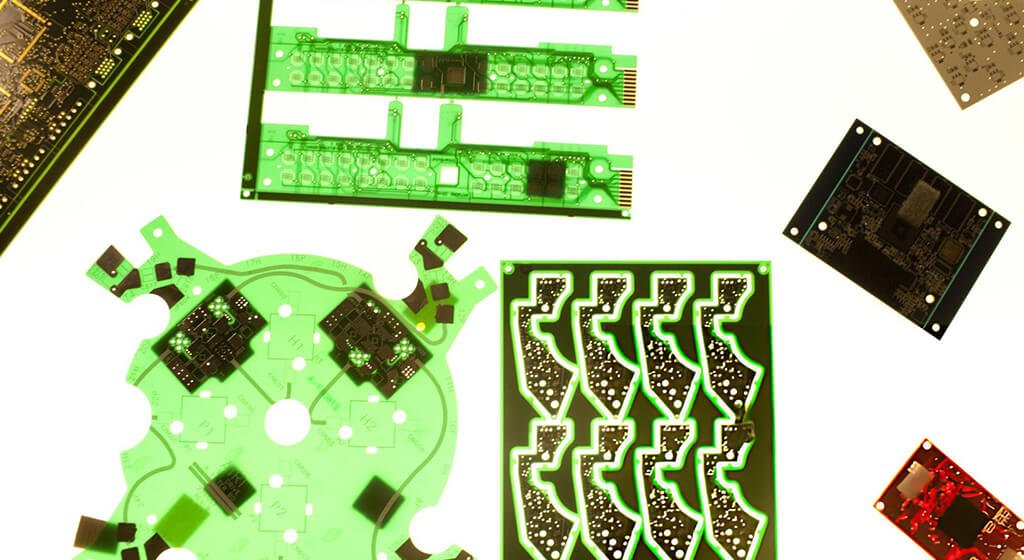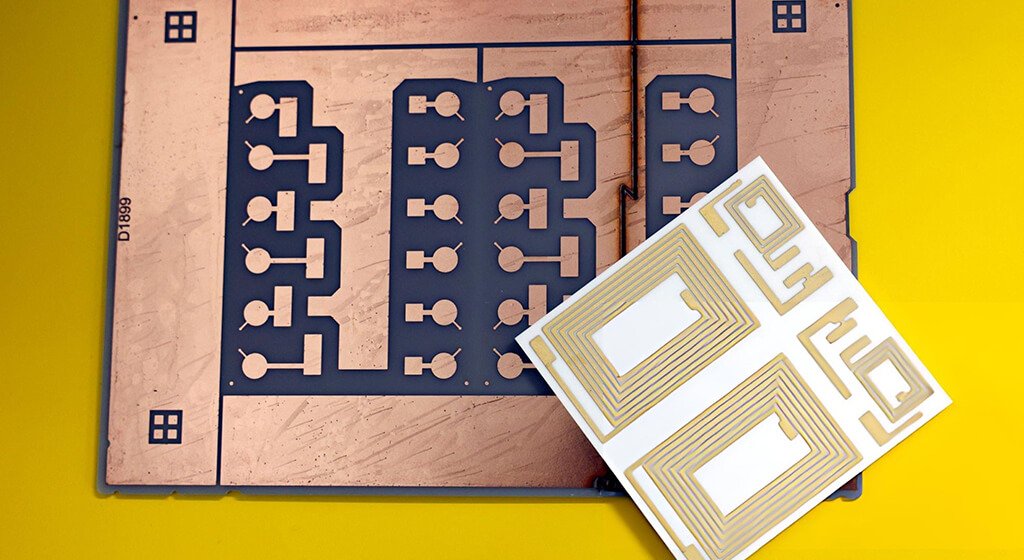
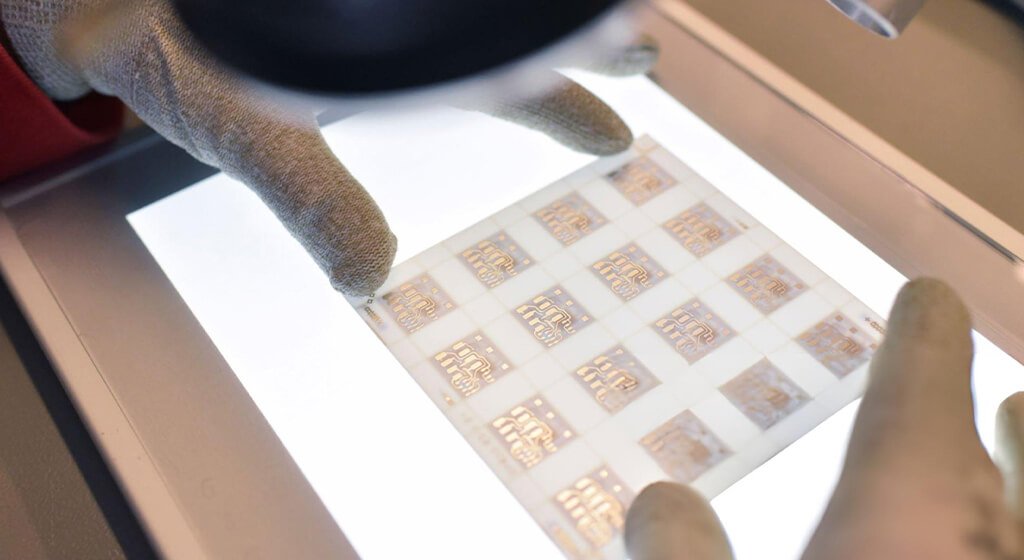
Ceramic PCB is rapidly becoming important in industries where FR4 boards can no longer meet thermal, electrical, or reliability requirements.
From EV power modules to aerospace electronics, ceramic substrates provide superior heat dissipation, excellent dielectric stability, and long-term reliability under extreme conditions.
As demand for high-performance electronics continues to rise, engineers are increasingly searching for reliable ceramic PCB manufacturers.
In this complete guide, you will learn how to find a good ceramic PCB manufacturer for your next project.
Table of Contents
1. What Is A Ceramic PCB?
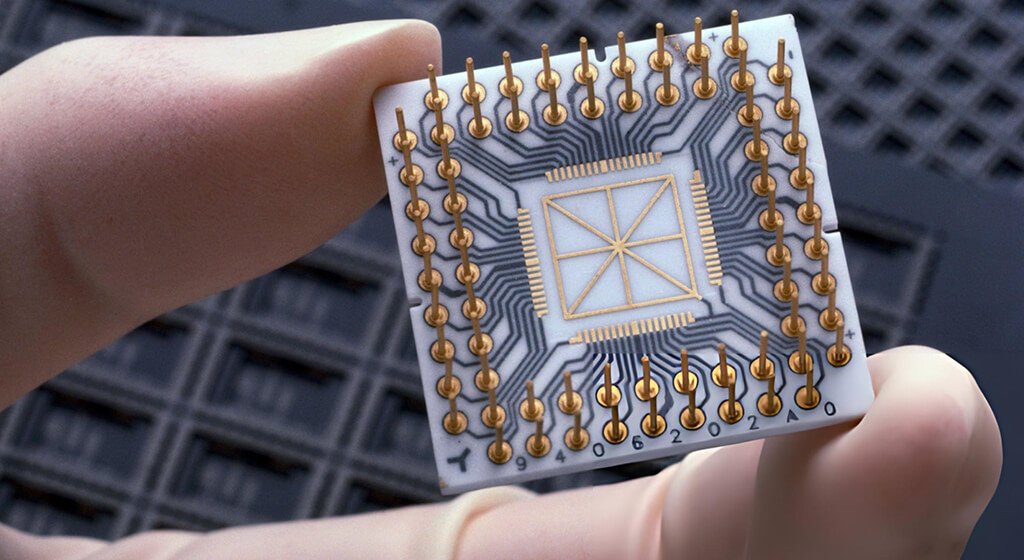
A ceramic PCB is a printed circuit board that uses ceramic material instead of traditional fiberglass (FR4) as the substrate base.
Ceramic Substrates Offer:
- Extremely High Thermal Conductivity
- Excellent Electrical Insulation
- Low Thermal Expansion
- High-Temperature Resistance
- Superior High-Frequency Performance
- Outstanding Chemical Stability
The Ceramic PCB Materials Include:
- Aluminum Nitride (AlN)
- Alumina (Al₂O₃)
- Silicon Nitride (Si₃N₄)
- Beryllium Oxide (BeO)
2. Why Engineers Choose Ceramic PCBs Instead Of FR4
Traditional FR4 PCBs work well for many consumer electronics products, but they struggle under high heat, high voltage, or high-frequency conditions.
Ceramic PCBs solve these limitations.
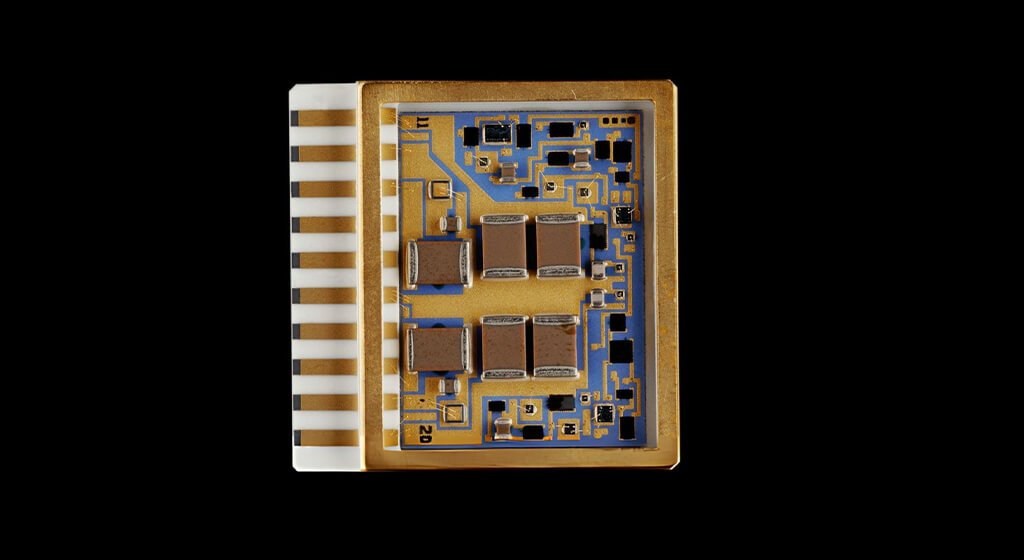
2.1. Superior Thermal Conductivity
Heat management is the biggest reason companies switch to ceramic PCBs.
Typical Thermal Conductivity Comparison:
Material | Thermal Conductivity |
FR4 | 0.3 W/m·K |
1–3 W/m·K | |
Alumina | 24–30 W/m·K |
Aluminum Nitride | 170–230 W/m·K |
AlN ceramic substrates can transfer heat hundreds of times better than FR4.
It Makes Ceramic PCBs Ideal For:
- IGBT Modules
- SIC Power Devices
- LED Lighting
- RF Amplifiers
- Automotive Power Systems
2.2. Excellent High-Frequency Performance
FR4 becomes electrically unstable at high frequencies. Ceramic Materials Can Provide:
- Lower Dielectric Loss
- Better Impedance Control
- Stable Dielectric Constant
- Reduced Signal Attenuation
2.3. Better Reliability In Harsh Environments
Ceramic PCBs Can Survive:
- Extreme Temperatures
- Thermal Shock
- High Humidity
- Chemical Exposure
- Mechanical Stress
This Makes Them Suitable For:
- Aerospace
- Military Electronics
- Automotive Systems
- Industrial Automation
Do You Need Any Help?
3. Ceramic PCB Manufacturing Technologies
Ceramic PCB manufacturing technologies determine how copper circuits are formed on ceramic substrates. It will directly affect thermal performance, current capacity, trace precision, reliability, and manufacturing cost.
Ceramic PCB Manufacturing Technologies Include:
- DBC (Direct Bonded Copper)
- DPC (Direct Plated Copper)
- AMB (Active Metal Brazing)
- Thick Film Ceramic PCB
- Thin Film Ceramic PCB
- LTCC (Low Temperature Co-fired Ceramic)
- HTCC (High Temperature Co-fired Ceramic)
Next, we will further explore them.
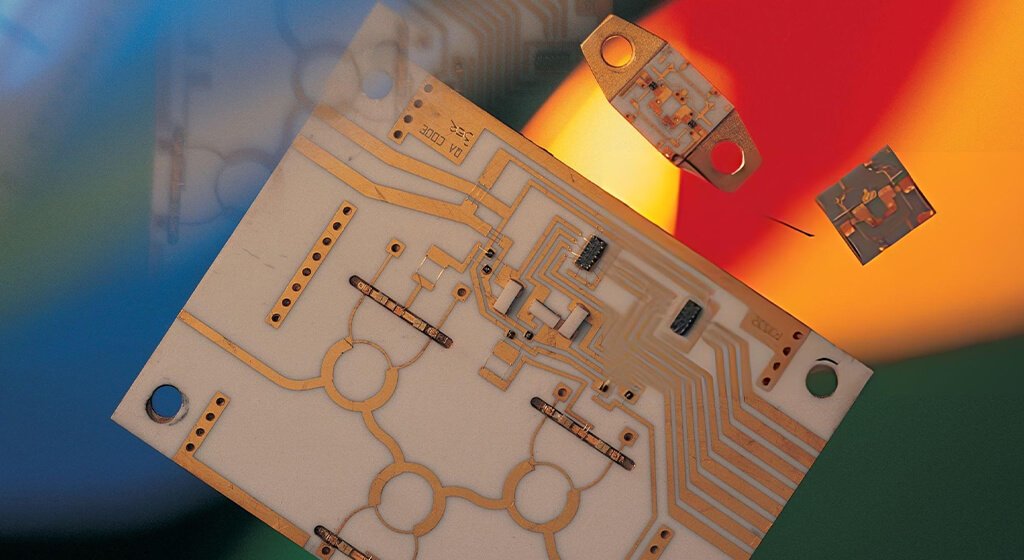
3.1. DBC (Direct Bonded Copper)
DBC is one of the most widely used ceramic PCB technologies for high-current and high-power applications.
How DBC Works
In the DBC process, copper foil is directly bonded to a ceramic substrate under high temperature in a controlled oxygen environment.
The bonding occurs through a eutectic reaction between copper and ceramic material.
DBC Advantages
- Excellent Thermal Conductivity
- Thick Copper Capability: 100μm- 300μm+
- Even heavier copper for power modules
- High Current Carrying Capacity
DBC Disadvantages
- Limited Fine-Line Capability
- Higher Material Cost
- More Difficult Processing
3.2. DPC (Direct Plated Copper)
DPC is designed for high-precision ceramic PCB manufacturing.
Unlike DBC, DPC uses electroplated copper instead of bonded copper foil.
DPC Advantages
- Fine Trace And Spacing Capability
- Excellent Surface Flatness
- Better Precision
- Suitable For High-Frequency Applications
DPC Disadvantages
- Lower Copper Thickness
- Higher Manufacturing Complexity
- Higher Production Cost
3.3. AMB (Active Metal Brazing)
AMB is a high-reliability ceramic bonding technology increasingly used in automotive and aerospace applications.
How AMB Works
AMB uses active brazing alloys to bond copper directly to ceramic substrates.
The process creates extremely strong metallurgical bonds.
AMB Advantages
- Outstanding Thermal Cycling Reliability
- Excellent Mechanical Strength
- Superior Bonding Strength
- Better Reliability For Large Power Modules
AMB Disadvantages
- Higher Manufacturing Cost
- Longer Lead Time
3.4. Thick Film Ceramic PCB
Thick film technology is one of the oldest ceramic circuit manufacturing methods.
How Thick Film Works
Conductive paste is screen-printed onto ceramic substrates and fired at high temperatures.
Thick Film Advantages
- Lower Cost
- Mature Manufacturing Process
- Suitable For Hybrid Circuits
Thick Film Disadvantages
- Lower Precision
- Higher Electrical Resistance
- Limited High-Frequency Performance
3.5. Thin Film Ceramic PCB Technology
Thin film technology offers extremely high precision.
How Thin Film Works
Metal layers are deposited onto ceramic substrates using vacuum deposition techniques.
Thin Film Advantages
- Ultra-Fine Features
- Very High Precision
- Excellent RF Performance
Thin Film Disadvantages
- High Manufacturing Cost
- Lower Production Efficiency
3.6. LTCC
LTCC is a multilayer ceramic technology used for compact high-frequency modules.
How LTCC Works
Multiple ceramic layers are stacked together with conductive paste and co-fired at relatively low temperatures.
LTCC Advantages
- Multilayer Integration
- Excellent High-Frequency Performance
- Passive Component Integration
LTCC Disadvantages
- Complex Manufacturing
- Higher Cost
3.7. HTCC
HTCC is similar to LTCC but uses higher firing temperatures.
HTCC Advantages
- Excellent High-Temperature Stability
- Strong Mechanical Properties
- Hermetic Packaging Capability
HTCC Disadvantages
- Lower Conductivity Materials
- More Difficult Manufacturing
Do You Need Any Help?
4. How To Choose The Ceramic PCB Manufacturer?
Next, we will explain how engineers evaluate ceramic PCB manufacturers for prototype and mass production projects.
4.1. Evaluate Material Capability
The first thing buyers should verify is whether the manufacturer supports the right ceramic materials for the application. Different ceramic materials require completely different process expertise.
Common Ceramic Materials
- Alumina (Al₂O₃)
- Aluminum Nitride (AlN)
- Silicon Nitride (Si₃N₄)
What To Ask Manufacturers
- Which ceramic materials do you process in-house?
- What substrate thicknesses are available?
- What thermal conductivity ranges do you support?
- Which suppliers provide your ceramic substrates?
- Do you support custom material sourcing?
4.2. Check Manufacturing Technology Capability
Not all ceramic PCB manufacturers support the same fabrication technologies.
This is critical.
Different technologies are optimized for different applications.
- DBC (Direct Bonded Copper): Best for High-current systems and EV inverters
- DPC (Direct Plated Copper): Best for RF systems and Microwave electronics
- AMB (Active Metal Brazing): Best for Automotive power modules and Aerospace electronics
Key Questions To Ask
- Which ceramic PCB technologies do you support?
- Do you support DBC, DPC, and AMB?
- What copper thicknesses are available?
- What minimum trace width/spacing can you achieve?
- Do you support multilayer ceramic PCB fabrication?
4.3. Verify Thermal Management Expertise
Thermal management is the primary reason most companies use ceramic PCBs.
Professional ceramic PCB manufacturers should understand:
- Heat spreading
- Thermal resistance optimization
- Copper balancing
- Thermal expansion control
- Power density management
What To Ask
- Do you provide thermal design review?
- Can you assist with thermal simulation?
- How do you optimize copper distribution?
- What thermal testing methods are available?
4.4. Evaluate Precision Manufacturing Capability
Ceramic PCB applications often require extremely high precision.
This is especially important for:
- RF systems
- Semiconductor packaging
- Medical electronics
- Optical systems
- Important Precision Metrics
- Trace Width / Spacing
Ask Manufacturers
- What is your minimum line width?
- What is your via capability?
- Do you support laser drilling?
- What plating methods do you use?
- How do you test copper adhesion?
4.5. Review Quality Control Systems
Strong quality systems separate professional ceramic PCB manufacturers from low-end suppliers.
Ceramic PCB defects are expensive because applications often involve high-value electronics.
4.6. Assess DFM Engineering Support
A good manufacturers often identify design risks early and suggest improvements for yield and scalability
Strong DFM (Design for Manufacturability) support helps prevent:
- Yield loss
- Cracking
- Delamination
- Assembly failure
- Excessive manufacturing cost
Do You Need Any Help?
5. Top 10 Ceramic PCB Manufacturer To Recommend
There are some Ceramic PCB Manufacturers to recommend.
5.1. PCBSAIL
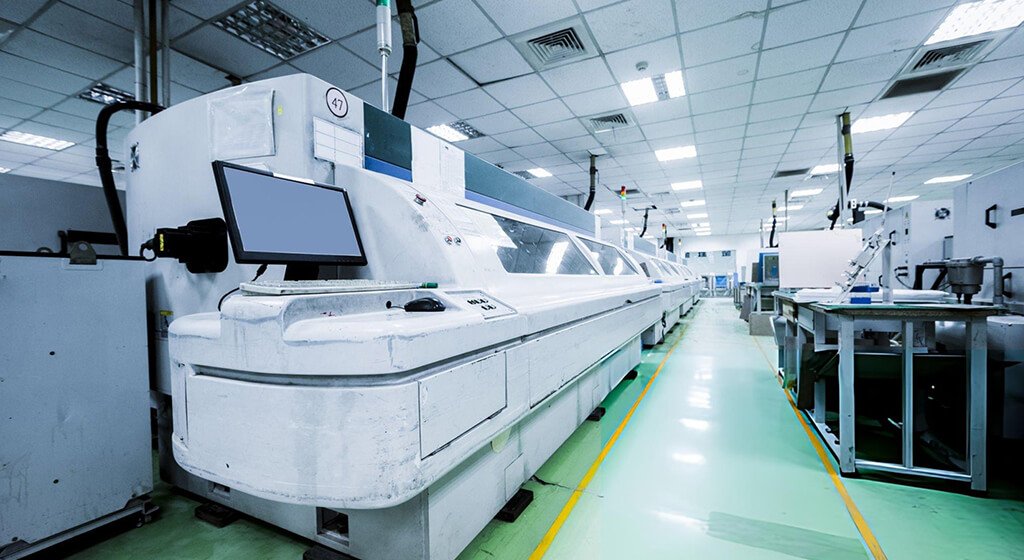
PCBSAIL is a full-service PCB manufacturer and PCBA provider, which specializing in high-performance ceramic PCBs in China.
We can offer various substrates like Alumina (Al₂O₃), Aluminum Nitride (AlN), etc. for power electronics, LED, and RF applications. We can offer quick-turn production and custom engineering support.
Aspect | Details |
Website | |
PCB Types | Thick/Thin Film, LTCC, HTCC, DPC, DBC; Single to multilayer (up to 8+ layers) |
Materials | Al₂O₃ (96%/99.6%), AlN (high thermal), Si₃N₄, BeO, SiC |
Board Thickness | 0.2–1.5 mm+ (various substrate options) |
Surface Treatments | Immersion Gold (ENIG), ENEPIG, Immersion Silver/Tin, OSP |
Additional Features | Thermal cond. up to 220 W/m·K; min line/space ~0.05–0.075 mm; microvias ≥0.1 mm; high-temp operation (-55°C to 1000°C+); laser cutting; prototypes to volume |
5.2. JLCPCB
JLCPCB is a major low-cost PCB prototype and production manufacturer. They are well-known for FR-4, flex, metal-core, Rogers, and high-frequency boards.
They do not prominently offer standard ceramic PCB fabrication. Ceramic options are generally not listed in their core capabilities.
Aspect | Details |
Website | |
PCB Types | Standard FR-4, Flex, MCPCB, High-Freq (Rogers/PTFE); limited/no dedicated ceramic |
Materials | FR-4, Aluminum, Copper core, Rogers; no standard Al₂O₃/AlN emphasis |
Board Thickness | Varies by material (typically 0.6 mm+) |
Surface Treatments | Standard finishes (ENIG, HASL, etc.) |
Additional Features | Fast turnaround, low cost, assembly; strong on prototypes |
5.3. Sierra Assembly
Sierra Assembly is specializes in high-performance ceramic PCB fabrication for aerospace, RF, automotive, and telecommunications industries with over 30 years.
They focus on precision thermal and high-frequency performance.
Aspect | Details |
Website | |
PCB Types | Single/multilayer, thick/thin film, hybrid |
Materials | Alumina (Al₂O₃ 96%/99.6%), AlN, others |
Board Thickness | Custom (standard ceramic substrates) |
Surface Treatments | Custom/high-temp compatible (e.g., gold plating) |
Additional Features | High thermal conductivity (up to ~24+ W/mK for alumina); harsh environment durability; prototypes to production; assembly services |
5.4. TTM Technologies
TTM Technologies is a global PCB Ceramic PCB Manufacturer in USA for aerospace, defense, RF, medical, and industrial. TTM provides LTCC, thick-film ceramic, and high-reliability ceramic packaging solutions.
Aspect | Details |
Website | |
PCB Types | Conventional, HDI, RF/microwave, rigid-flex, substrate-like; ceramic options |
Materials | Wide range including ceramics (Al₂O₃, AlN etc. for RF/high-power) |
Board Thickness | Up to 0.450″ panels; custom |
Surface Treatments | ENIG and advanced finishes |
Additional Features | High-layer count, low-loss, aerospace/defense certified; thermal solutions |
5.5. Rush PCB
RUSH PCB is US-based PCB manufacturer and assembler, which offer ceramic substrate PCBs for high-temp, high-power, and reliability needs.
They emphasize exotic materials and support for industries requiring thermal efficiency.
Aspect | Details |
Website | |
PCB Types | Rigid, flex, rigid-flex, ceramic substrate |
Materials | Ceramic substrates (alumina, etc.), FR-4, Rogers, polyimide |
Board Thickness | Custom |
Surface Treatments | Standard high-reliability finishes |
Additional Features | High-layer count, laser drill, exotic materials, full turnkey assembly |
Do You Need Any Help?
5.6. Absolute Electronics
Absolute Electronics offers PCB assembly and contract manufacturing with ceramic PCB. They Focus on high thermal conductivity solutions for LED, automotive, aerospace, and military.
Aspect | Details |
Website | www.absoluteelectronics.net |
PCB Types | Ceramic-focused assemblies |
Materials | Alumina, AlN |
Board Thickness | Custom |
Surface Treatments | Custom |
Additional Features | High thermal/mechanical reliability; assembly expertise |
5.7. MCLPCB

MCLPCB is specializing in ceramic PCBs with high thermal conductivity for high-power/high-frequency designs.
Aspect | Details |
Website | |
PCB Types | Ceramic core boards |
Materials | AlN (>150 W/mK), Alumina (18-36 W/mK), others (BeO, SiC) |
Board Thickness | Custom |
Surface Treatments | ENIG, ENEPIG (high-temp compatible; no standard HASL/OSP) |
Additional Features | High-temp (up to 800°C), hermetic options, COB modules |
5.8. Mega Plus PCB
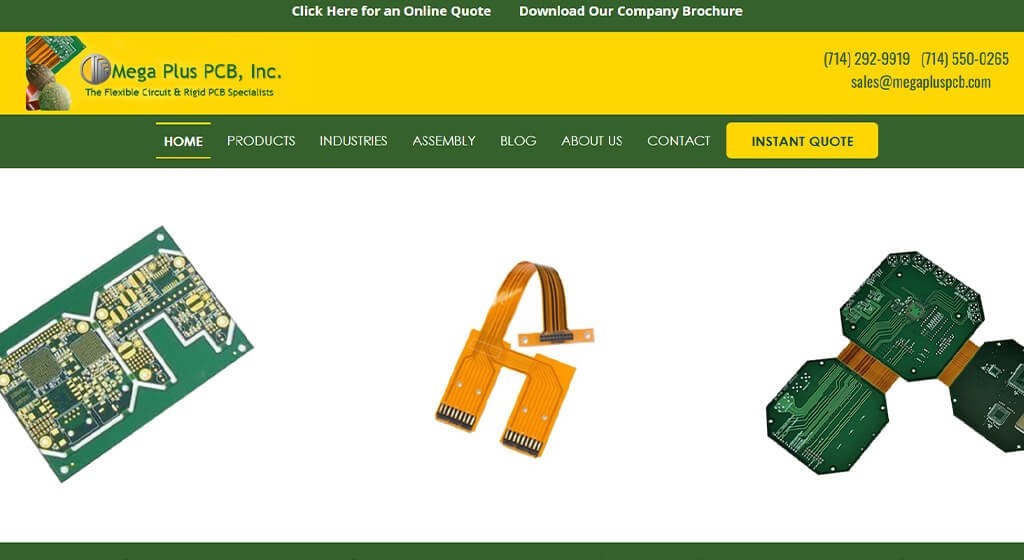
Mega Plus PCB offers ceramic PCBs for extreme temperatures and superior thermal conductivity in high-power/high-frequency applications.
Aspect | Details |
Website | |
PCB Types | Ceramic circuit boards |
Materials | Ceramic substrates (high thermal) |
Board Thickness | Custom |
Surface Treatments | Custom |
Additional Features | Extreme temp resistance, electrical insulation, long service life |
5.9. Picamfg
Picamfg specializes in ceramic PCB assemblies with high thermal conductivity and RF stability for aerospace, medical, automotive, and power electronics.
The company supports advanced substrate technologies through custom manufacturing programs.
Aspect | Details |
Website | |
PCB Types | Ceramic PCBs and assemblies |
Materials | Al₂O₃, AlN, Si₃N₄ |
Board Thickness | Custom |
Surface Treatments | Custom for high-reliability |
Additional Features | Extreme environment performance, cryogenic/RF options, full assemblies |
5.10. KSG GmbH
KSG PCB is high-tech Ceramic PCB manufacturer, which focused on complex boards (HDI, multilayer, rigid-flex, thermal management).
Aspect | Details |
Website | |
PCB Types | Multilayer, HDI, rigid-flex, thermal/high-current |
Materials | Advanced including ceramic options |
Board Thickness | Custom |
Surface Treatments | Advanced finishes |
Additional Features | Made in Europe, high process quality, prototypes to series |
Do You Need Any Help?
6. Common Ceramic PCB Issues and How We Prevents Them?
Ceramic PCBs provide exceptional thermal conductivity, electrical insulation, and high-temperature reliability.
However, ceramic PCB manufacturing is significantly more difficult than standard FR4 PCB fabrication.
Ceramic are brittle and process-sensitive. Even small errors can cause some problems such as cracking, delamination, metallization failure, or thermal stress damage.
6.1. Ceramic Cracking
Ceramic cracking is one of the most common and serious manufacturing problems.
Common Causes Of Ceramic Cracking
- Mechanical Stress
- Excessive stress during:
- Thermal Stress
- Poor Panel Design
How We Prevents Ceramic Cracking
We uses multiple engineering controls to reduce cracking risk.
- Optimized Thermal Process Control
- Precision Laser Processing
- Optimize Copper symmetry, Trace density and Heat distribution to improve structural stability.
6.2. Copper Delamination
Copper delamination occurs when the copper layer separates from the ceramic substrate. This is catastrophic for high-power electronics.
Common Causes Of Delamination
- Poor Bonding Quality
- Thermal Cycling Fatigue
- Material Mismatch
How We Prevents Delamination
- Carefully controls Surface roughness and removal Oxidation
- Use Advanced Bonding Technology
- Thermal Reliability Verification
- Copper Thickness Optimization
6.3. Metallization Adhesion Failure
Poor metallization adhesion can create intermittent electrical failures or reduced current capability.
Causes
- Inadequate Surface Activation
- Improper Plating Parameters
- Thermal Expansion Stress
How We Prevents Metallization Problems
- Carefully controls plating current density and deposition thickness
- Performs Adhesion Testing
Do You Need Any Help?
7. People Also Ask?
How To Reduce Ceramic PCB Cost?
Buyers can reduce cost by:
- Using alumina instead of AlN when possible
- Increasing panel utilization
- Optimizing trace design
- Reducing unnecessary complexity
- Working with experienced manufacturers early in design
What Is The Best Material For Ceramic PCBs?
It depends on the application.
- AlN: best thermal performance
- Alumina: best cost-performance balance
- Silicon Nitride: best mechanical reliability
Are Ceramic PCBs Better Than FR4?
For high-power, high-frequency, or high-temperature applications, yes.
FR4 is more economical for standard electronics.
Why Are Ceramic PCBs Used In EVs?
Because EV power systems generate extreme heat and require long-term reliability.
Can Ceramic PCBs Support Multilayer Designs?
Yes.
Advanced ceramic PCB manufacturers can fabricate multilayer ceramic substrates.
8. Final Thoughts
Ceramic PCB is no longer limited to aerospace or military electronics. As increasing across EVs and RF systems increasing, ceramic PCB are becoming essential for next-generation electronic products.
The best ceramic PCB manufacturers not only do fabricate boards, but also they can help engineers optimize thermal performance, improve manufacturability, reduce failure risk, and accelerate product development.
If you need any help about ceramic PCB, welcome to contact us.
Get a PCB Quote