
/For GHz-Class Signal Integrity/
High-Frequency PCB
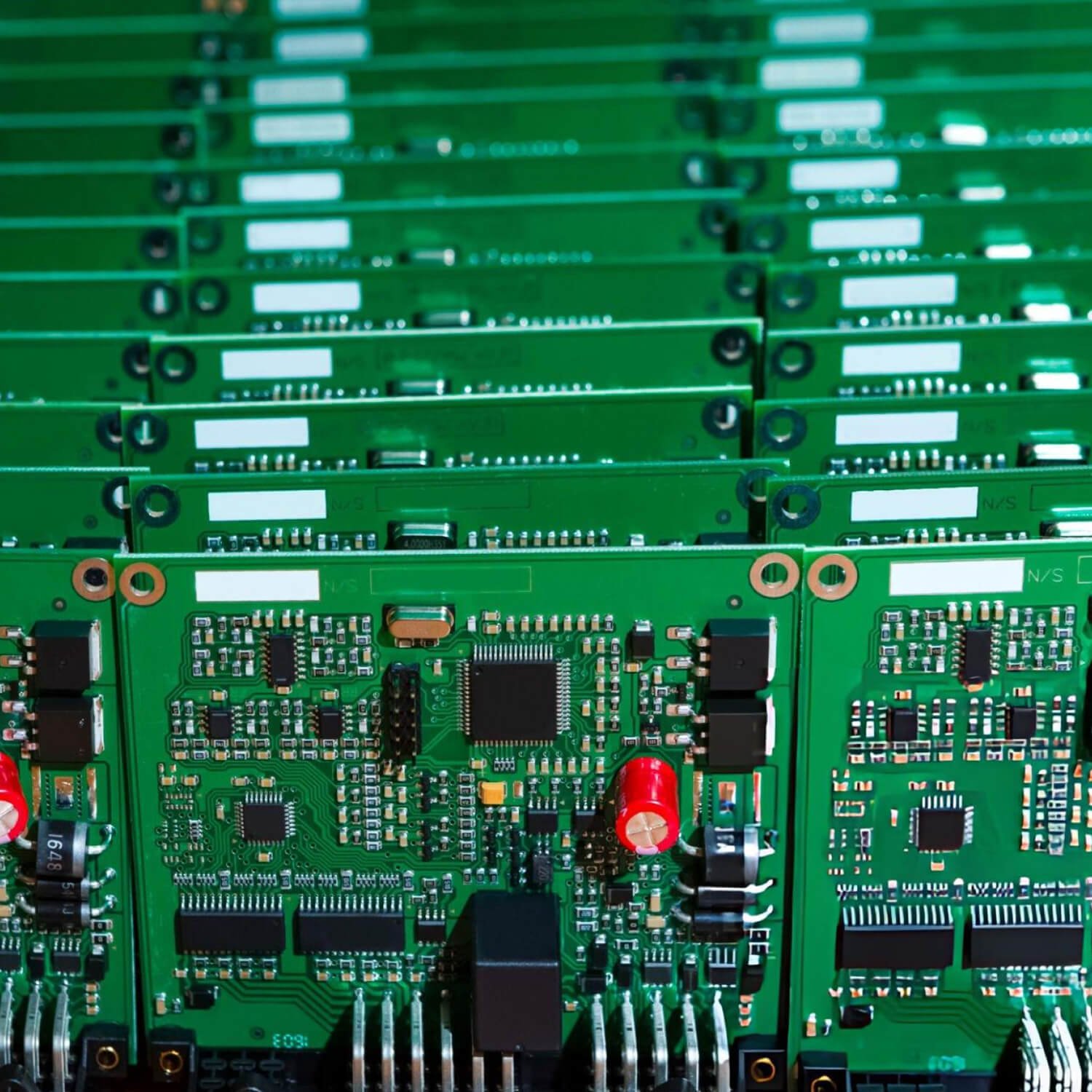
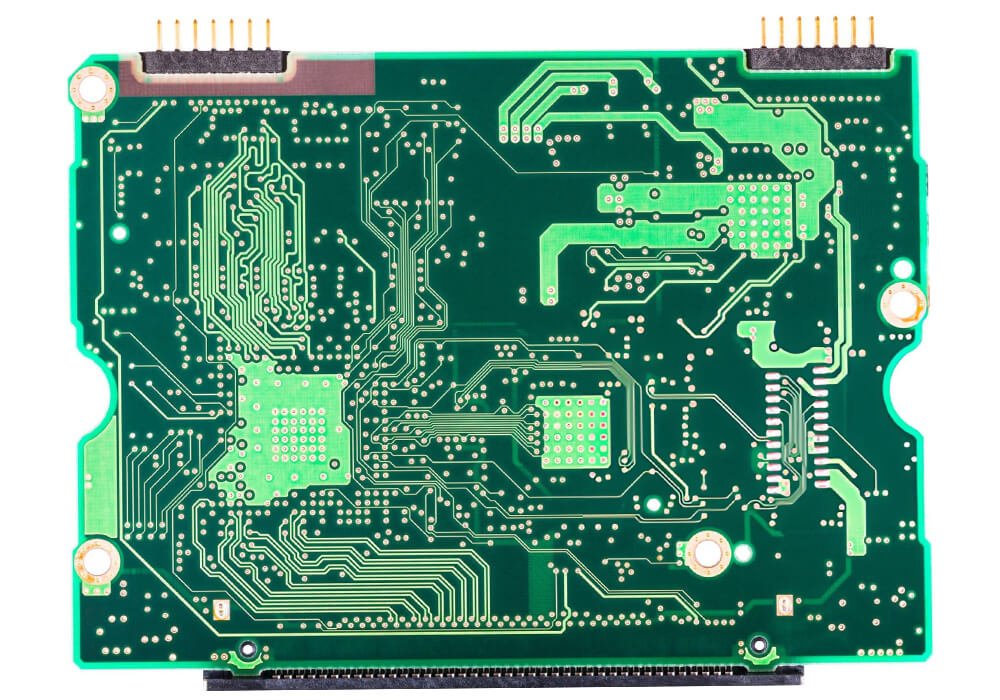
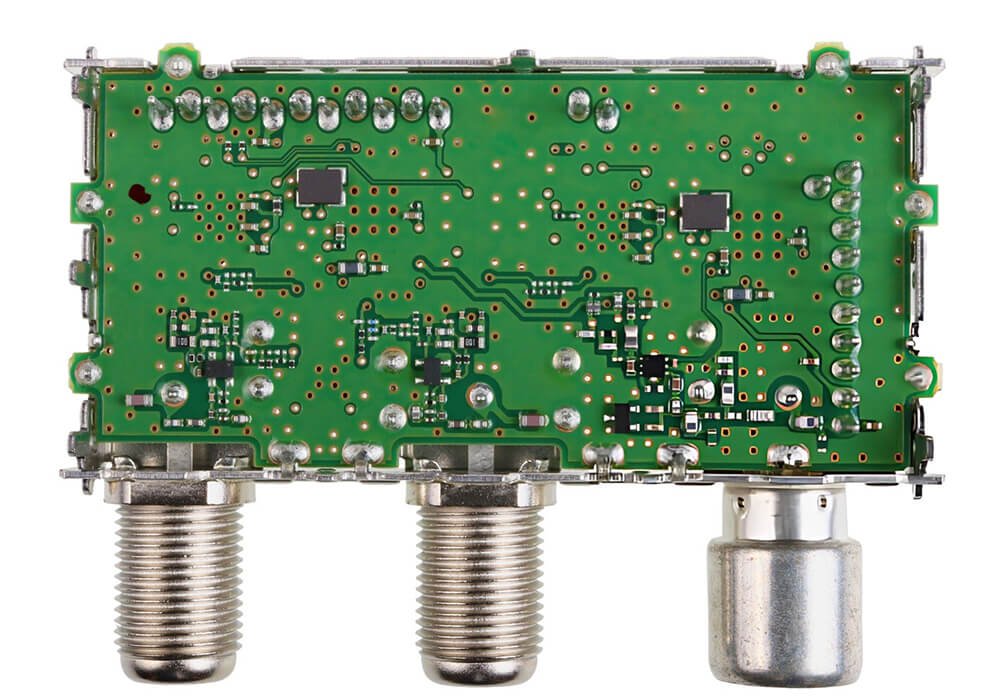
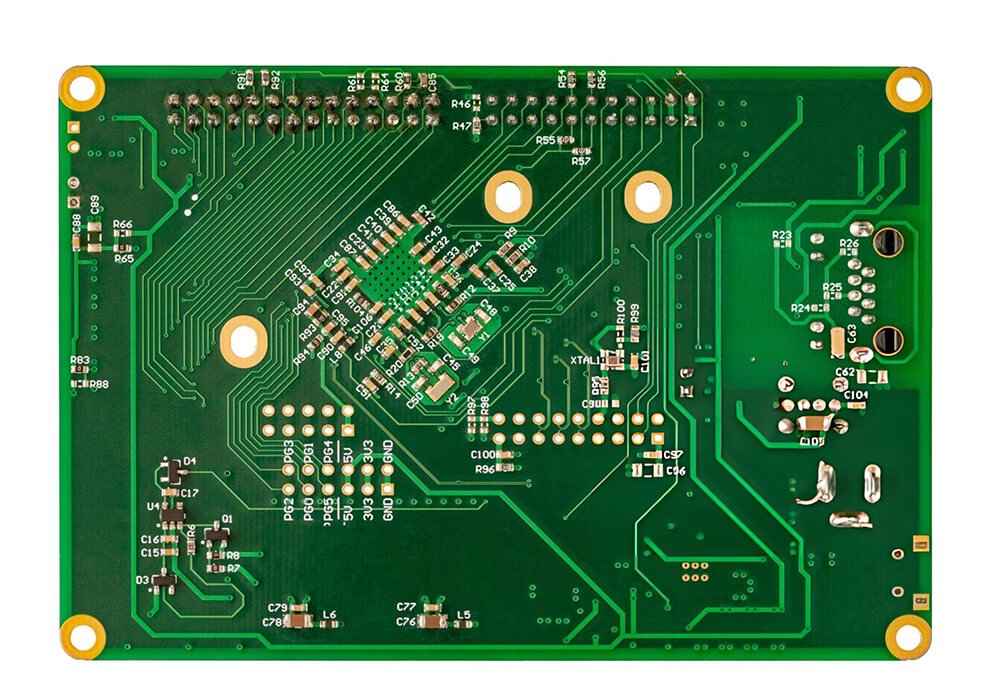
High-Frequency PCB is important for RF, microwave, and millimeter-woave systems operating above 1 GHz.
We are experting in RF and microwave PCB. These High-Frequency PCB are stable dielectric, controlled impedance accuracy, and low insertion loss across broadband in GHz applications.
At PCBSAIL, We support complete High-Frequency PCB manufacturing from rapid prototypes to high-volume production.
High-Frequency PCB Manufacturer.
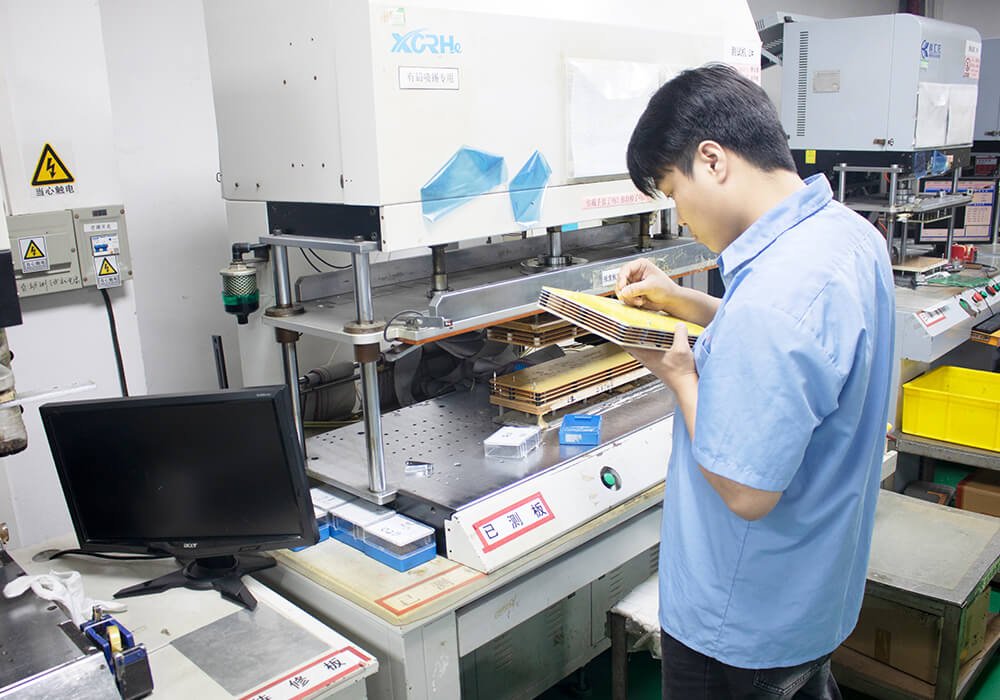
We are a China-based PCB and PCBA manufacturer, which is specializing in RF, microwave, and high-speed circuit boards up to 77 GHz.
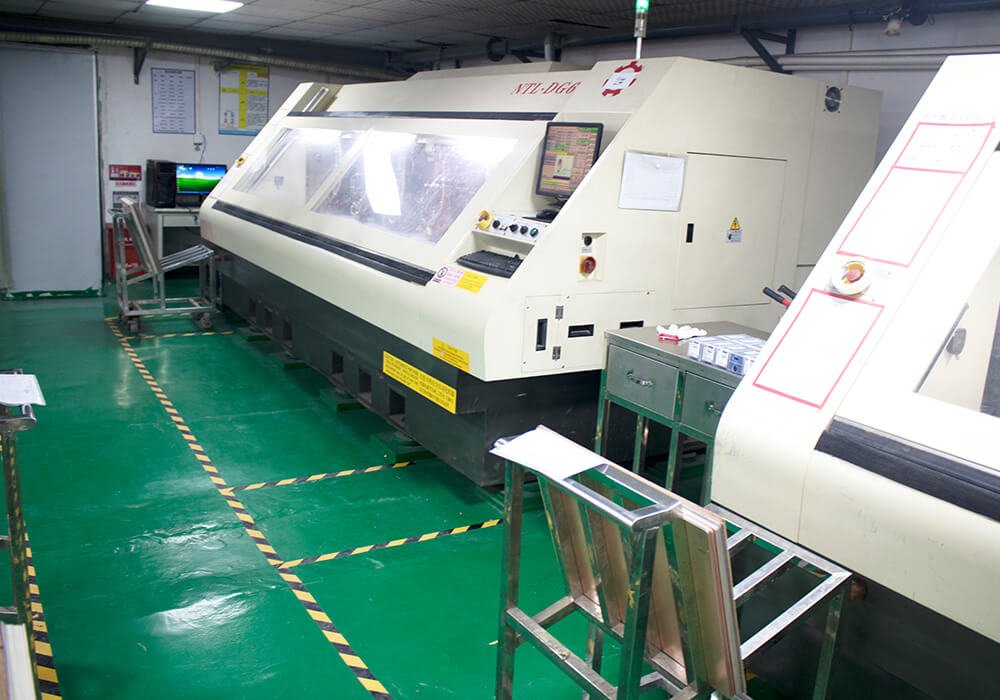
We can support both prototype and mass production programs with material science expertise, precision fabrication control, and scalable production infrastructure
Our material, such as PTFE, hydrocarbon ceramic, and laminates, is from globally recognized material suppliers.
- Rogers Corporation
- Taconic
- Arlon
- Isola Group
It eusures us offering stable dielectric performance, low insertion loss, and tightly controlled impedance PCB.
Precision Fabrication
- RF PCB manufacturing up to 77 GHz
- Controlled impedance stackups (±10%)
- Low-loss laminate processing
- Backdrilling for stub elimination
- Hybrid PTFE + FR4 multilayer builds
Advanced Surface Finishes
- ENIG
- Immersion Silver
- Immersion Tin
- OSP
- Hard Gold / Gold Fingers
Quality Control
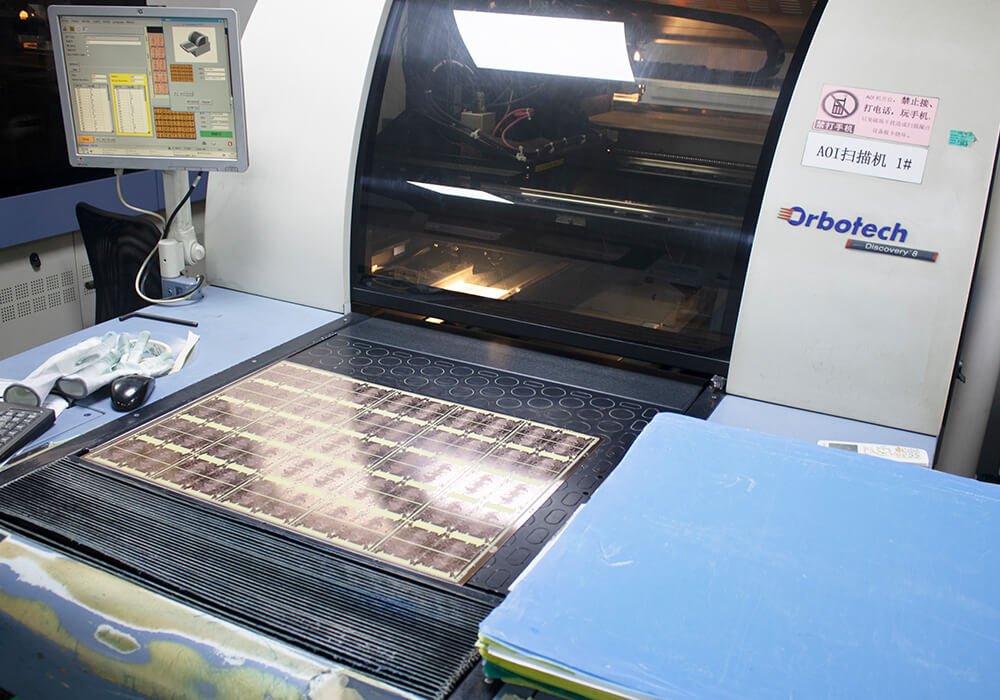
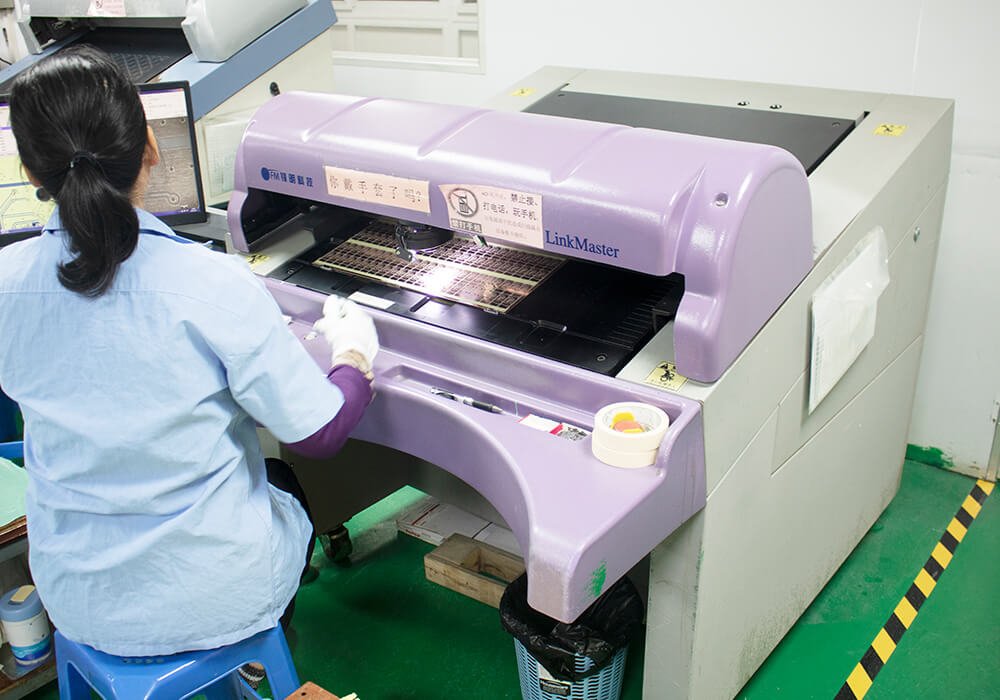
- AOI (Automated Optical Inspection)
- X-ray via alignment inspection
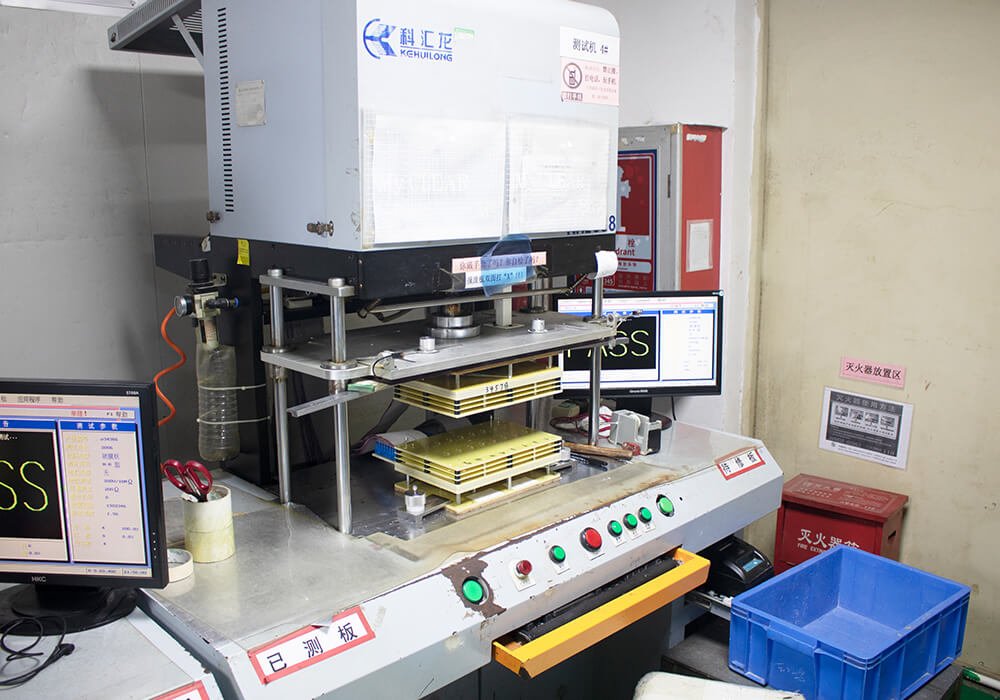
- Electrical continuity testing
- TDR impedance testing
Feature High-Frequency PCB.
We can offer a complete portfolio of High-Frequency PCB constructions to meet diverse RF design requirements.
High-Frequency PCB We Offer.

Single-Sided
Single-layer RF boards are commonly used in antenna feed networks, RF filters, and power amplifier stages.
- PTFE or hydrocarbon ceramic laminates
- Microstrip controlled impedance routing
- 50 Ω and 75 Ω impedance control
- Board thickness from 0.2 mm to 3.2 mm
- Smooth copper foil (RA / VLP options)

Double-Sided RF PCB
Double-sided high-frequency PCBs provide better grounding and shielding performance compared to single-layer constructions.
- Dual-layer signal routing
- Laser-drilled vias (3 mil)
- Controlled dielectric thickness (±10%)
- ENIG or immersion silver surface finish
- Reduced EMI through optimized ground referencing

Millimeter-Wave PCB
Millimeter-wave PCBs demand extremely tight tolerance control and ultra-low loss performance.
- Ultra-low Df (≤ 0.0013)
- Reverse-treated copper to reduce conductor loss
- Precise dielectric thickness control (±10%)
- Backdrilled vias for improved return loss
- Controlled trace geometry down to 1.8 mil

High-Power RF PCB
It is designed for microwave transmitters and power amplifier systems where thermal management is critical.
- Ceramic-filled hydrocarbon laminates
- Thermal conductivity up to 0.95 W/m·K
- Copper weight up to 2 oz
- High peel strength
- Tg up to 250°C
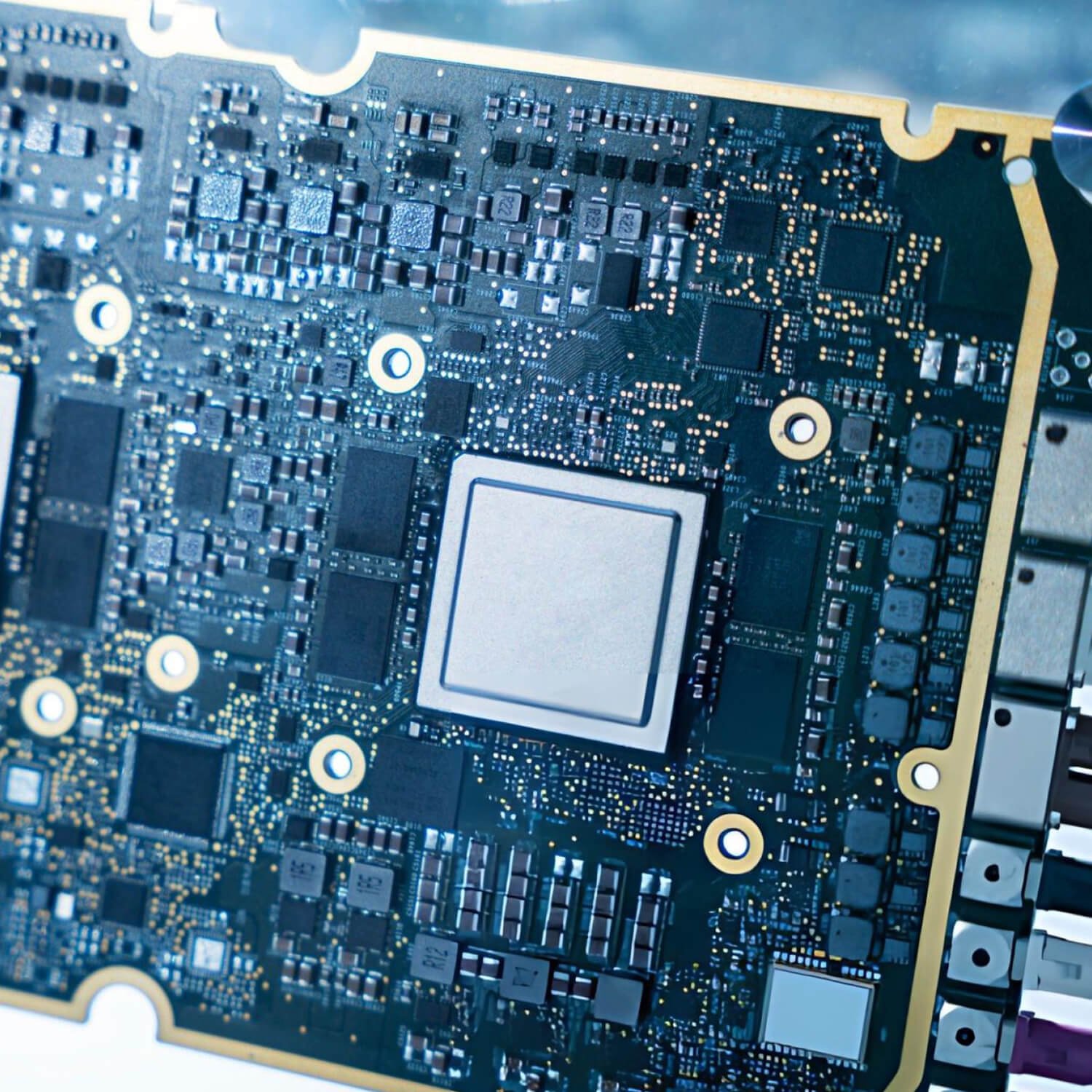
Feature | Capability |
Material | RO4003C, RO4350B, Ro3003, Ro3010, RT5880 |
Min. Track/Spacing | 2mil |
Min. Hole Size | 0.15mm |
Finished Cooper | 1-2oz |
Board Thickness | 0.2-3.2mm |
Surface Finishing | Immersion gold, OSP, Hard Gold, Immersion SIlver, Enepig |
Finsih Cooper | 0.5-13oz |
Solder Mask | Green, Red, Yellow, Blue, White, Black, Purple, Matte Black, Matte green |
Silkscreen | White, Black |
Via Process | Tenting Vias, Plugged Vias, Vias not covered |
Testing | Fly Probe Testing (Free) and A.O.I. testing |
Build time | 7-10 days |
Lead time | 2-3 days |
High-Frequency PCB Materials
It is most critical factor to selection materal in High-Frequency PCB. We use industry-proven RF laminates to ensure predictable electrical behavior across microwave and millimeter-wave designs.
1. PTFE
PTFE (Polytetrafluoroethylene), commonly associated with Teflon-based laminates, is considered the gold standard for ultra-low-loss microwave and millimeter-wave applications.
Feature:
- Extremely low dissipation factor (Df as low as 0.0009)
- Stable dielectric constant over wide frequency ranges
- Low dielectric absorption
- Excellent high-frequency performance up to 77 GHz and beyond
However, pure PTFE is mechanically soft and requires reinforcement with ceramic fillers or fiberglass to improve dimensional and thermal stability.
RT/duroid 5880
- Dk ≈ 2.2
- Df ≈ 0.0009
- Ideal for millimeter-wave designs
- Extremely low insertion loss
RO3003
- Dk ≈ 3.0
- Df ≈ 0.0013
- Stable dielectric constant across temperature
- Suitable for antenna feed networks and broadband filters
RO3010
- Dk ≈ 10.2
- Higher dielectric constant for compact designs
- Used in power dividers and microwave modules
2. Hydrocarbon Ceramic
These Hydrocarbon ceramic laminates cost is low compared to PTFE.
They are mechanically more stable and compatible with standard FR4 fabrication processes.
RO4350B
- Dk ≈ 3.48
- Df ≈ 0.0037
- Low moisture absorption
- Excellent thermal stability
- Compatible with FR4 processing
RO4003C
- Dk ≈ 3.55
- Df ≈ 0.0027
- Cost-effective RF solution
- Suitable up to ~10 GHz
RO4830B
- Improved oxidation resistance
- Stable Dk performance
- Used in automotive radar
3. Taconic Laminates
TLX Series
- Low Df
- Excellent thermal stability
- Low moisture absorption
RF-35
- Glass-reinforced
- Enhanced mechanical strength
- Suitable for multilayer RF boards
Taconic materials are widely used in high-power RF designs and multi-GHz applications where dimensional stability is required.
4. Arlon
Arlon 85N
- Tg ≈ 250°C
- Strong peel strength
- Thermal conductivity ≈ 0.20 W/m·K
- Reliable under high thermal load
High-Frequency PCB Feature
PCBSAIL’s High-Frequency PCB solutions are engineered for RF, microwave, and millimeter-wave systems.
Low Dielectric Loss
Our high-frequency PCB is low dissipation factor(Df), which directly determines insertion loss.
These materials offer Df values as low as 0.0009, significantly reducing signal attenuation at microwave and millimeter-wave frequencies.
Stable Dielectric Constant
Impedance consistency depends on stable dielectric constant (Dk) across frequency and temperature variations.
PCBSAIL high-frequency PCBs are:
- Tight dielectric thickness control (±10%)
- Minimal Dk variation across GHz ranges
- Low thermal coefficient of dielectric constant
- Stable signal propagation delay
Precision Controlled Impedance
At high frequencies, impedance mismatch leads to reflection, return loss, and degraded signal quality.
PCBSAIL ensures:
- Field-solver-based stackup modeling
- Controlled 50 Ω, 75 Ω, and 100 Ω differential routing
- TDR-validated impedance coupons
- Registration accuracy within ±25 μm
This guarantees impedance tolerance within ±10% for RF signal layers.
Advanced Via Structures
Via discontinuities can create impedance mismatch and signal reflection.
PCBSAIL boards feature:
- Laser microvias down to 3 mil (0.075 mm)
- Mechanical vias down to 0.08 mm
- Blind and buried via options
- 1+n+1 and 2+n+2 constructions
- Backdrilling to remove unused via stubs
By minimizing via stub length, we improve insertion loss and return loss performance above 6 GHz.
High-Density Fine-Line
PCBSAIL high-frequency PCBs maintain tight geometric tolerances:
- 1.8 mil / 1.8 mil trace & space
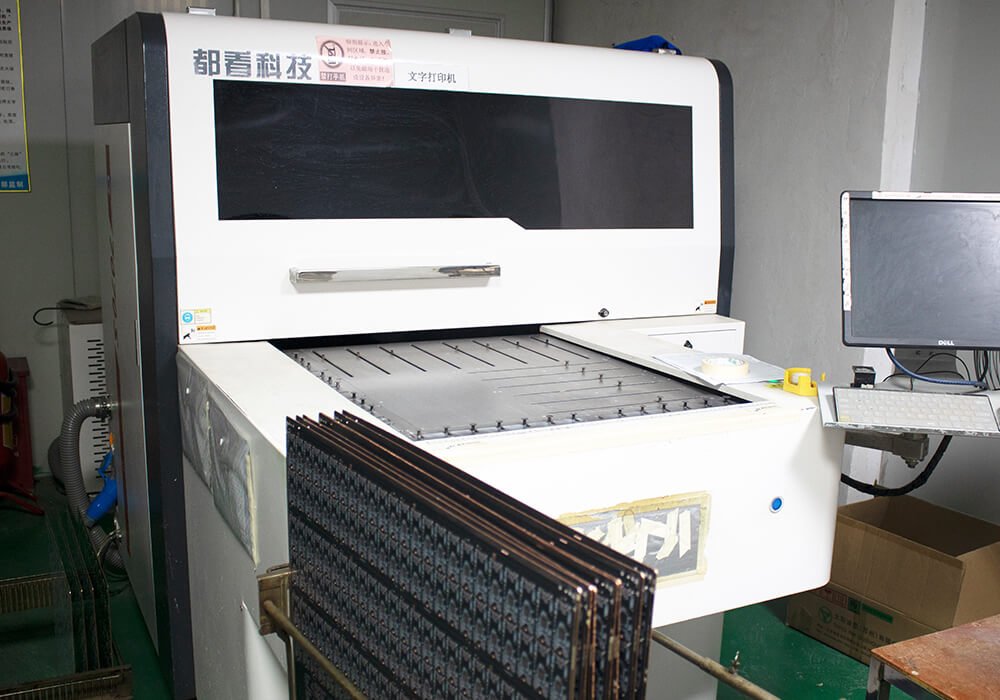
- Laser Direct Imaging (LDI) patterning
- Controlled trace width accuracy
- Reduced copper over-etching
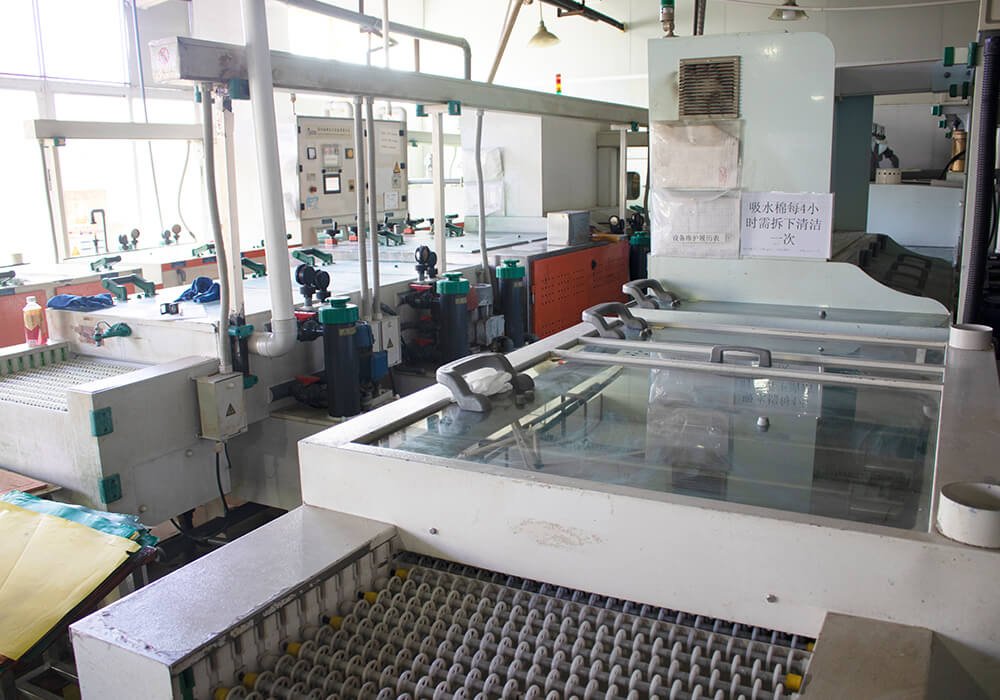
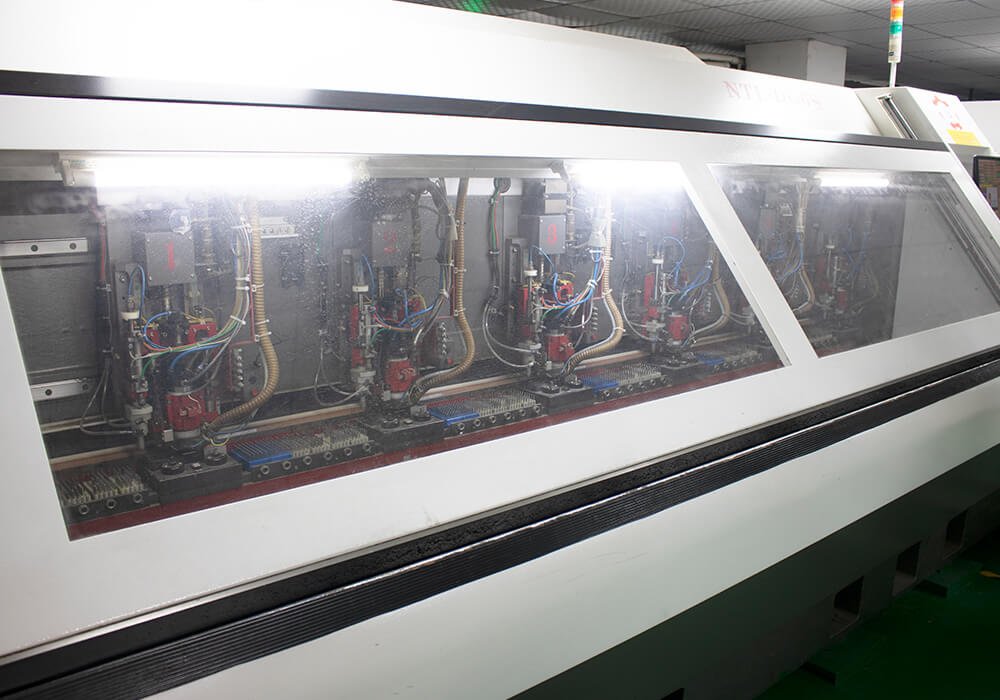
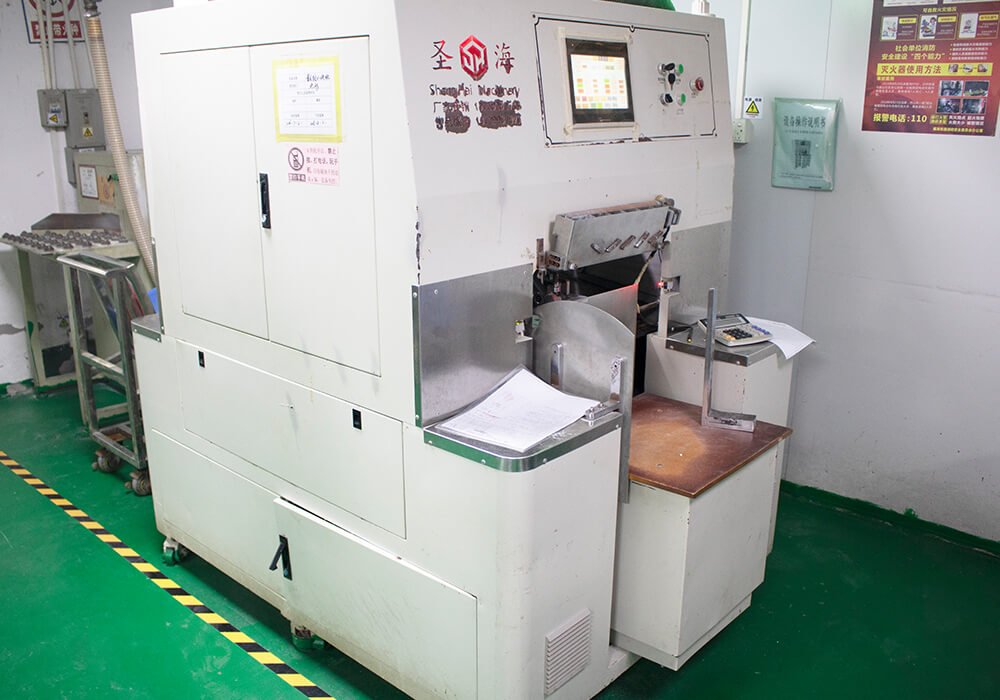
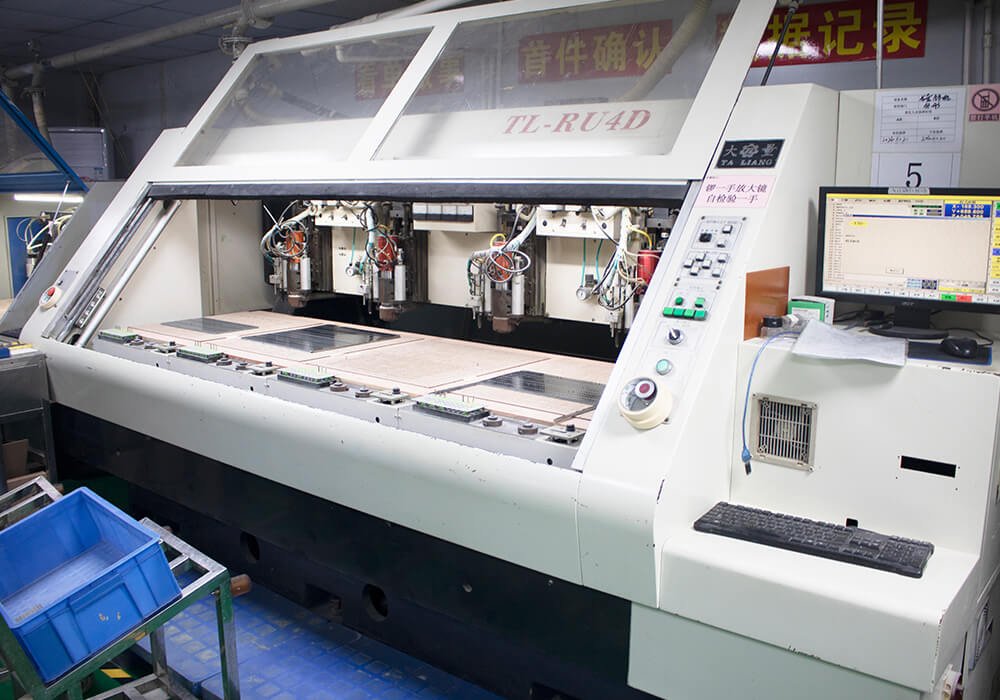
High-Frequency PCB Manufacturing
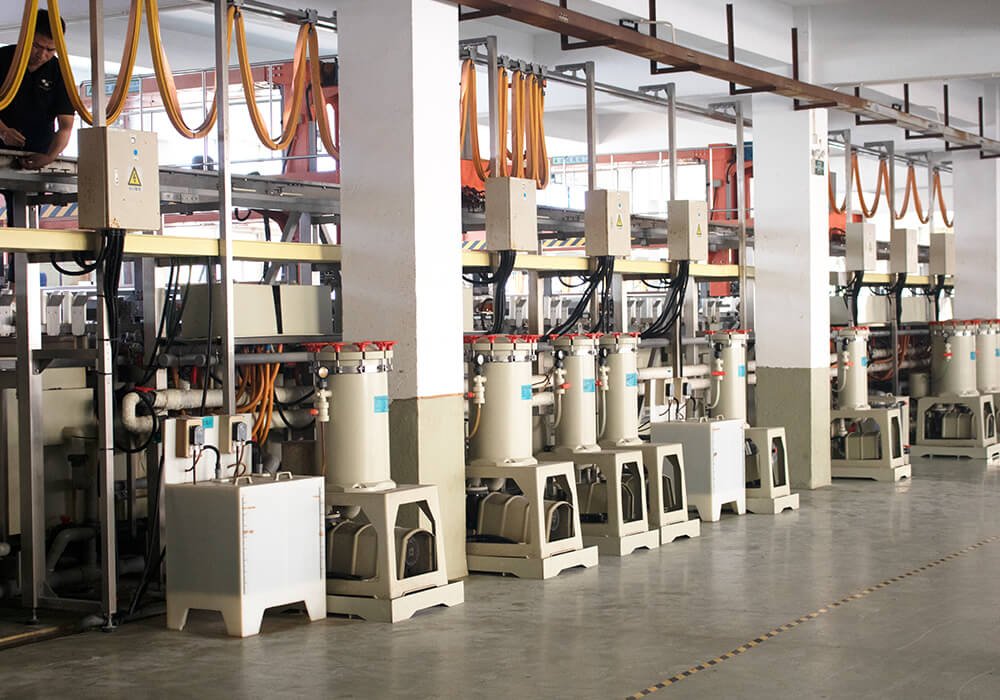
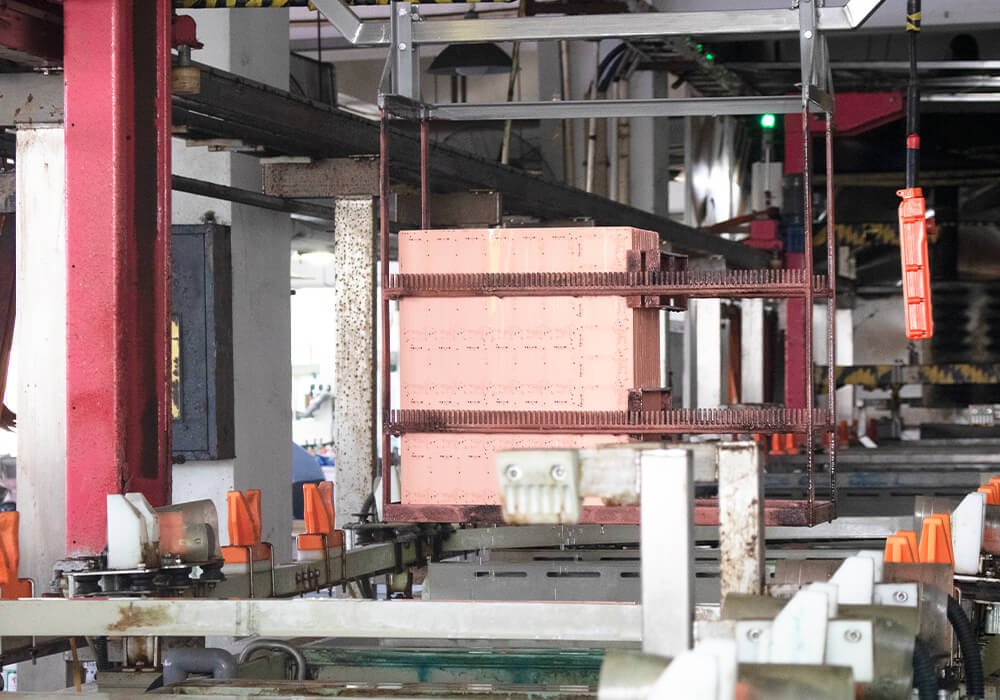
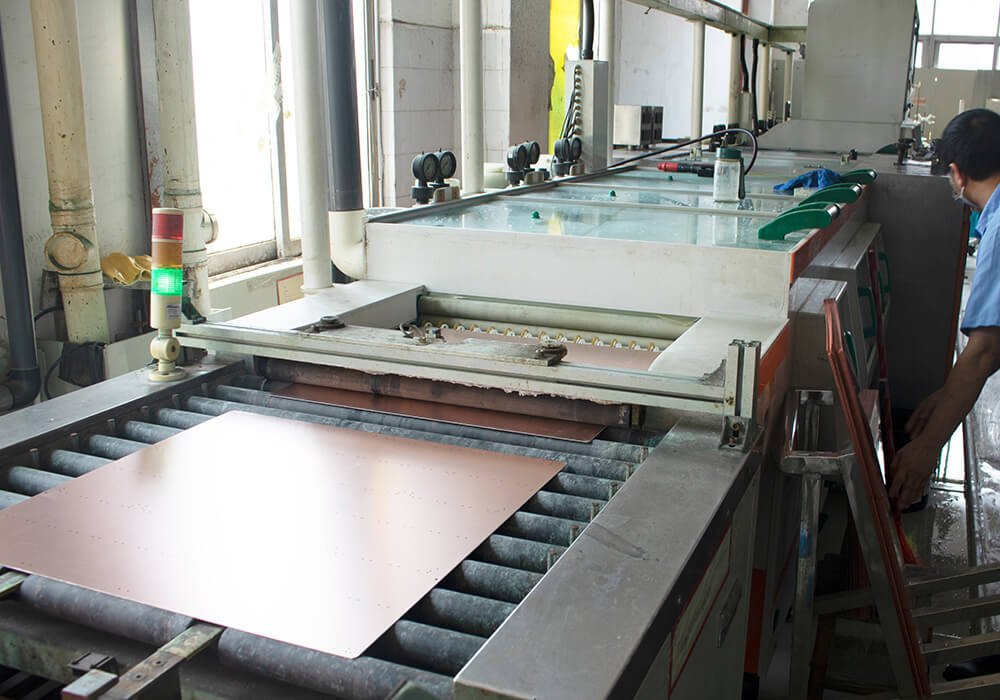
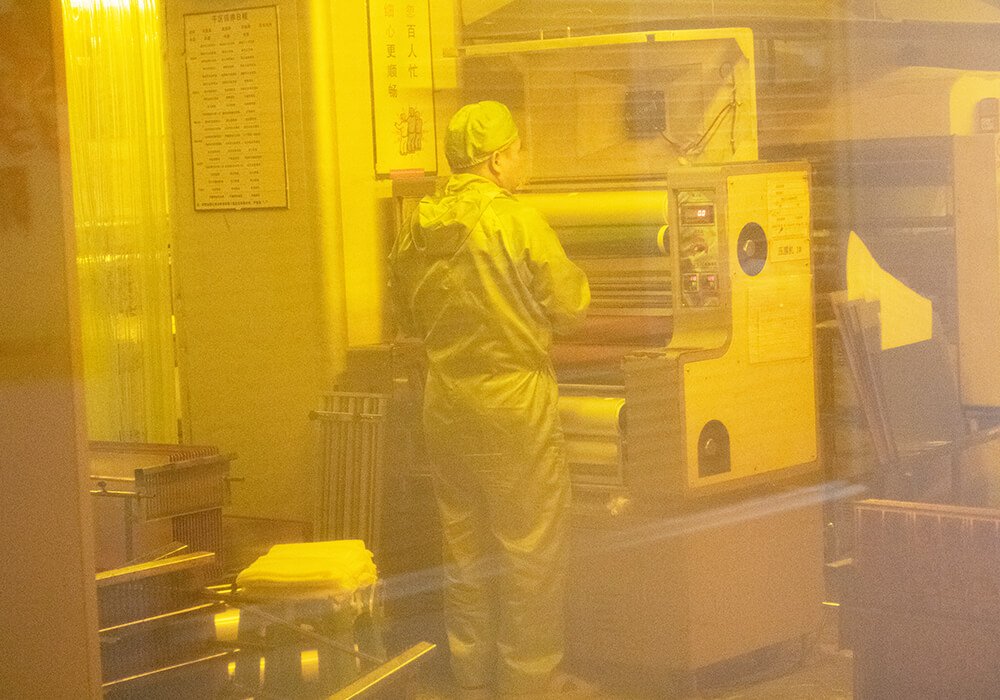
PCBSAIL’s High-Frequency PCB manufacturing process integrates material science, impedance modeling, precision imaging, and strict quality validation to ensure stable RF performance up to 77 GHz.

Material Selection
The process begins with laminate selection based on:
- Operating frequency
- Power density
- Thermal loading
- Environmental conditions
- Cost target

Stackup Design
Stackup Engineering Includes:
- Field-solver modeling (e.g., Polar SI9000 or equivalent)
- Controlled dielectric thickness calculation
- 50 Ω / 75 Ω / 100 Ω impedance design
- Differential pair impedance tuning
- Copper thickness compensation

Lamination
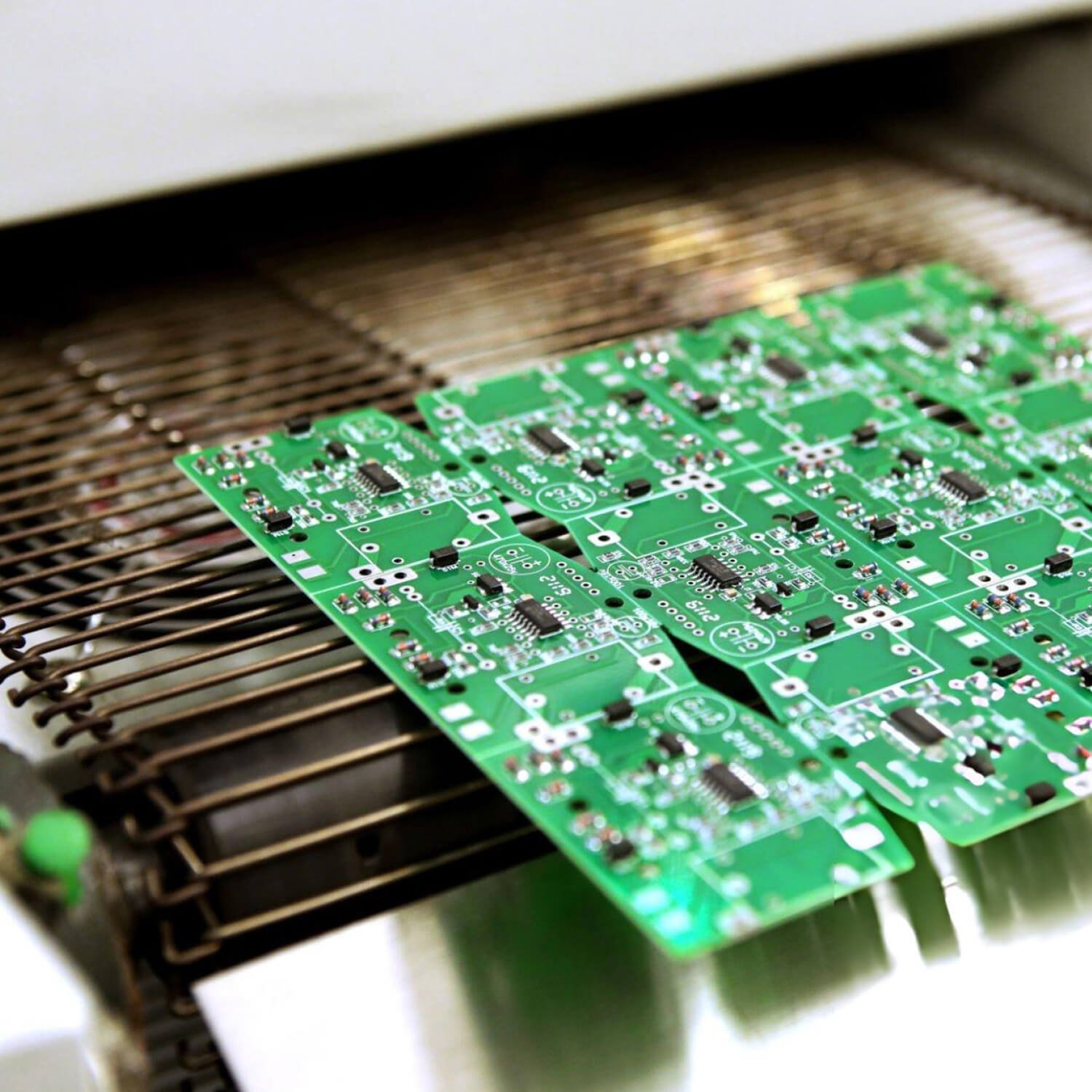
High-frequency multilayer PCBs require strict resin flow and pressure control.
- Vacuum press cycle
- Controlled temperature ramp rate
- Resin flow regulation
- Hybrid PTFE + FR4 lamination management
- Symmetrical stack design to reduce warpage

LDI
Fine-line accuracy is critical for GHz signal routing.
- 1.8 mil / 1.8 mil trace & space
- High-resolution photoresist patterning
- Reduced over-etch compensation
- Dimensional stability verification

Drilling
Via geometry significantly impacts RF performance. Backdrilling:
- Removes unused via stubs
- Stub removal up to 16 mil depth
- Reduces reflection above 6 GHz

Plating
Copper plating must ensure conductivity without excessive roughness.
- Uniform electroplating thickness
- Copper weight options: 0.5 oz, 1 oz, 2 oz
- Controlled surface roughness (VLP / RA copper)
- Via wall copper thickness compliance

Etching
Etching precision determines final trace width accuracy.
- Controlled etchant chemistry
- Trace width compensation modeling
- Tight dimensional tolerance
- Uniform copper thickness across panel

Surface Finishing
Reliable pad metallization is essential for RF connectors and component soldering.
- ENIG (Electroless Nickel Immersion Gold)
- Immersion Silver
- Immersion Tin
- OSP
- Hard Gold / Gold Finger plating

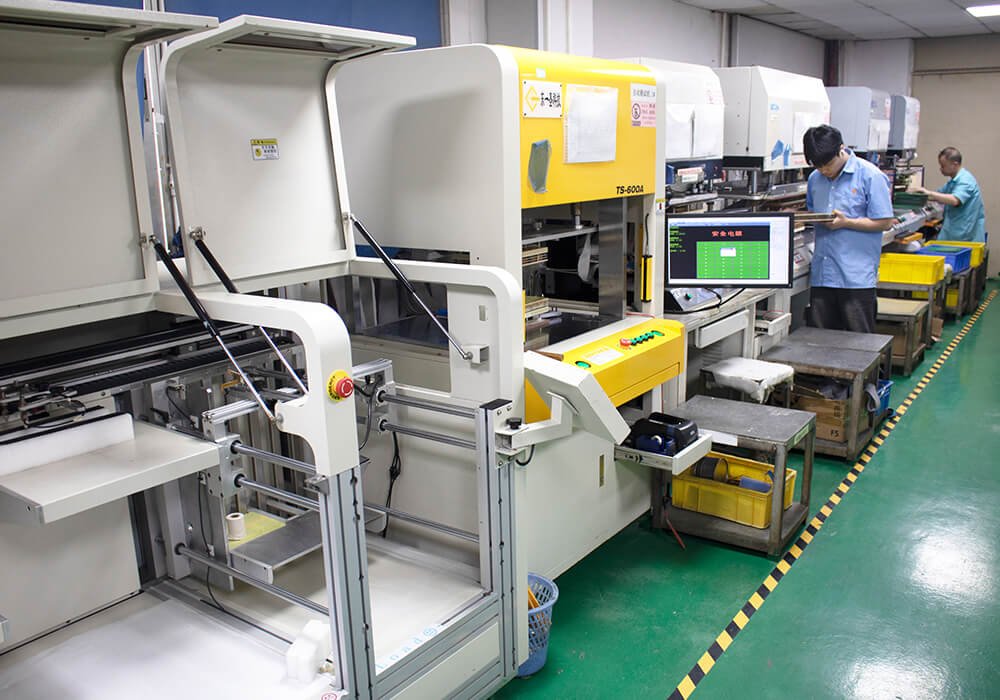
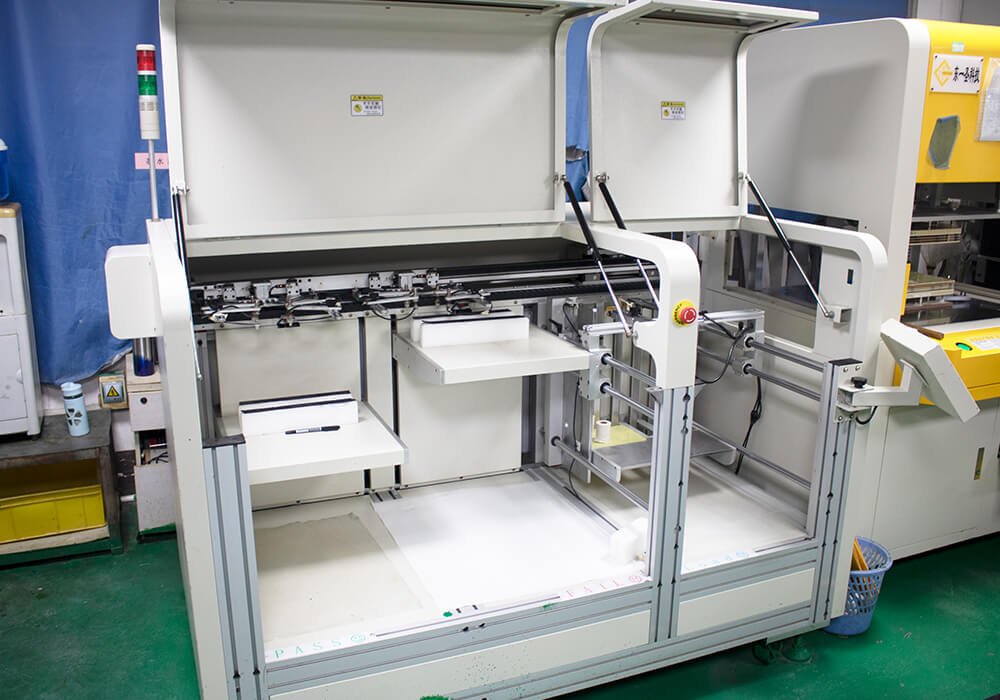
AOI & X-Ray
Before electrical testing, boards undergo visual and internal inspection.
- Automated Optical Inspection (AOI)
- X-ray via alignment verification
- Interlayer registration confirmation
- Microvia quality inspection

Electrical Testing
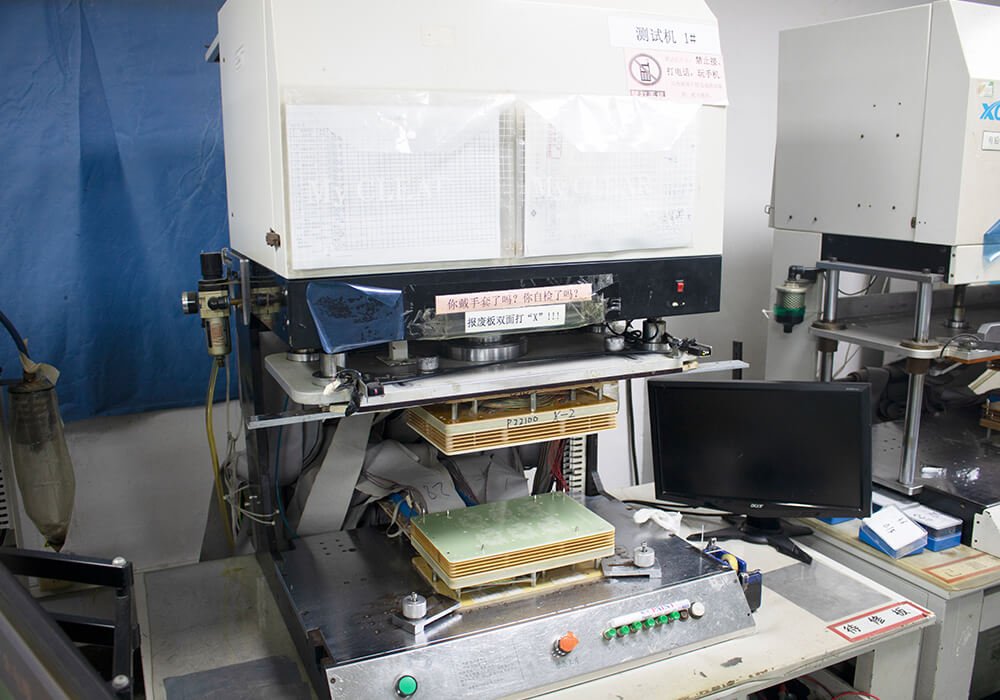
Every High-Frequency PCB undergoes comprehensive electrical validation.
- 100% netlist electrical testing
- Time-Domain Reflectometry (TDR) impedance validation
- Impedance coupon measurement
- Continuity and isolation testing

Final
Final quality assurance includes:
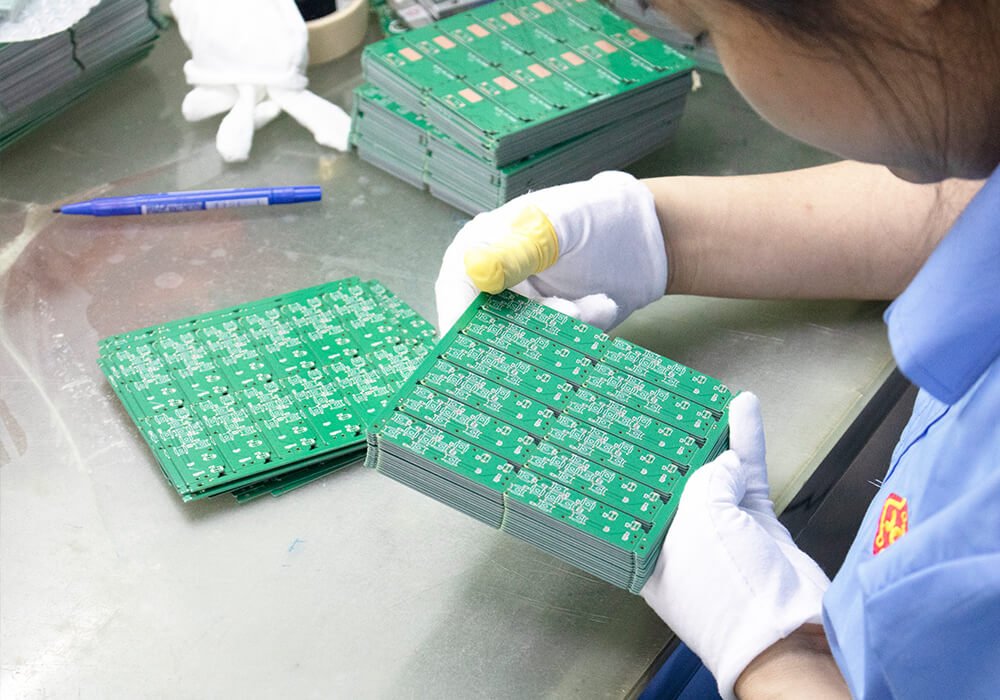
- Visual inspection
- Dimensional measurement
- Thickness verification
- Surface finish inspection
- Documentation of material traceability
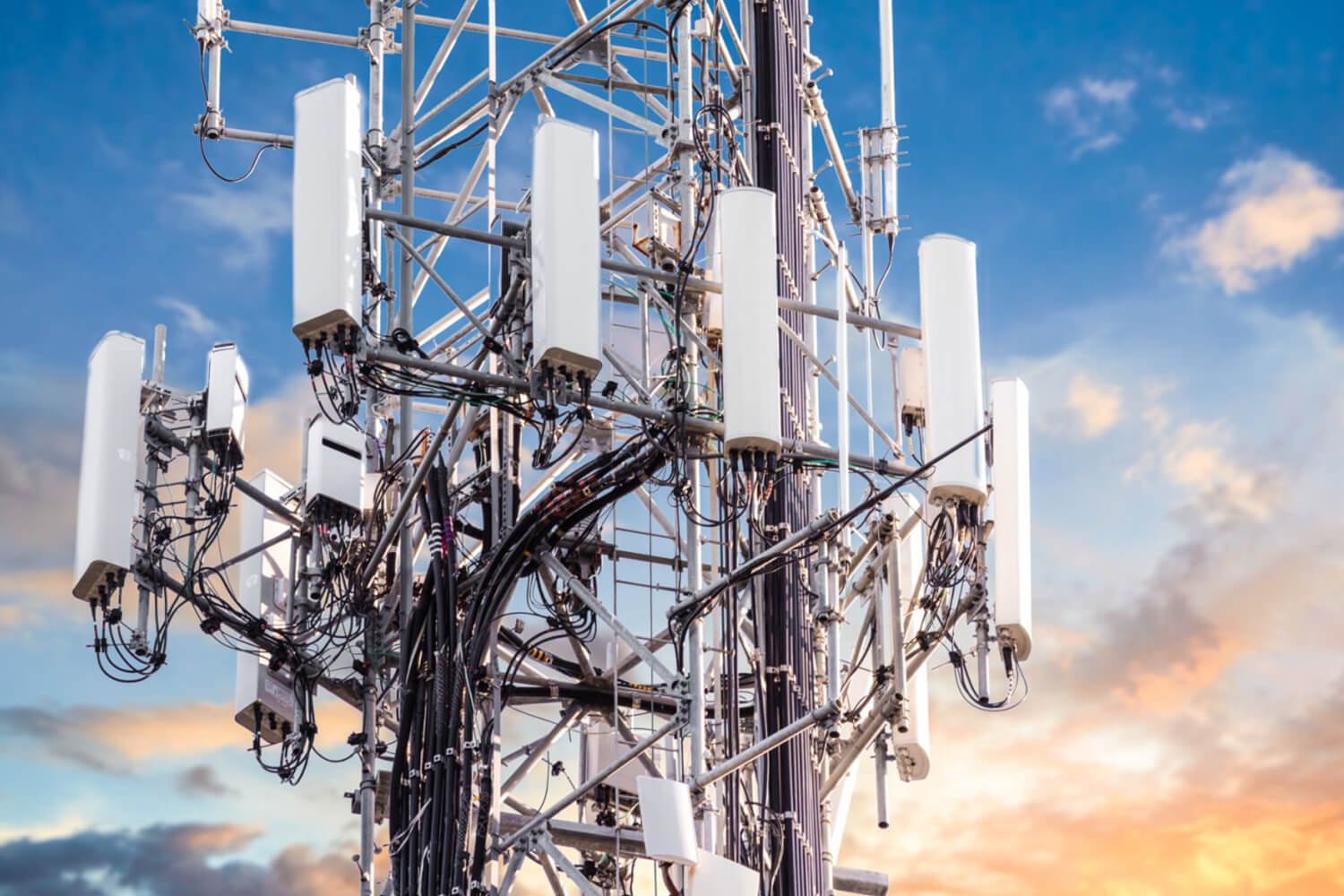
High-Frequency PCB Applications
Our high-frequency PCBs are engineered for circuits operating typically above 500 MHz and extending into multi-GHz ranges.

5G & Wireless
Our low-loss laminates ensure stable Dk/Df performance and minimized insertion loss at multi-GHz frequencies.
- 5G NR base stations (sub-6 GHz and mmWave)
- Massive MIMO antenna arrays
- RF front-end modules (PA, LNA, filters)
- Microwave backhaul systems

Automotive Radar
PCBSAIL offer high-reliability RF boards with controlled impedance and thermal management solutions suitable for automotive-grade environments.
- 24 GHz and 77 GHz radar modules
- Blind-spot detection systems
- Adaptive cruise control sensors
- Vehicle-to-everything (V2X) communication units

Aerospace
Our hybrid stack-ups combine high-frequency laminates with FR-4 to optimize cost, performance, and mechanical stability for harsh operating conditions.
- Satellite transceiver modules
- Phased-array antenna systems
- Avionics RF subsystems
- GPS communication boards
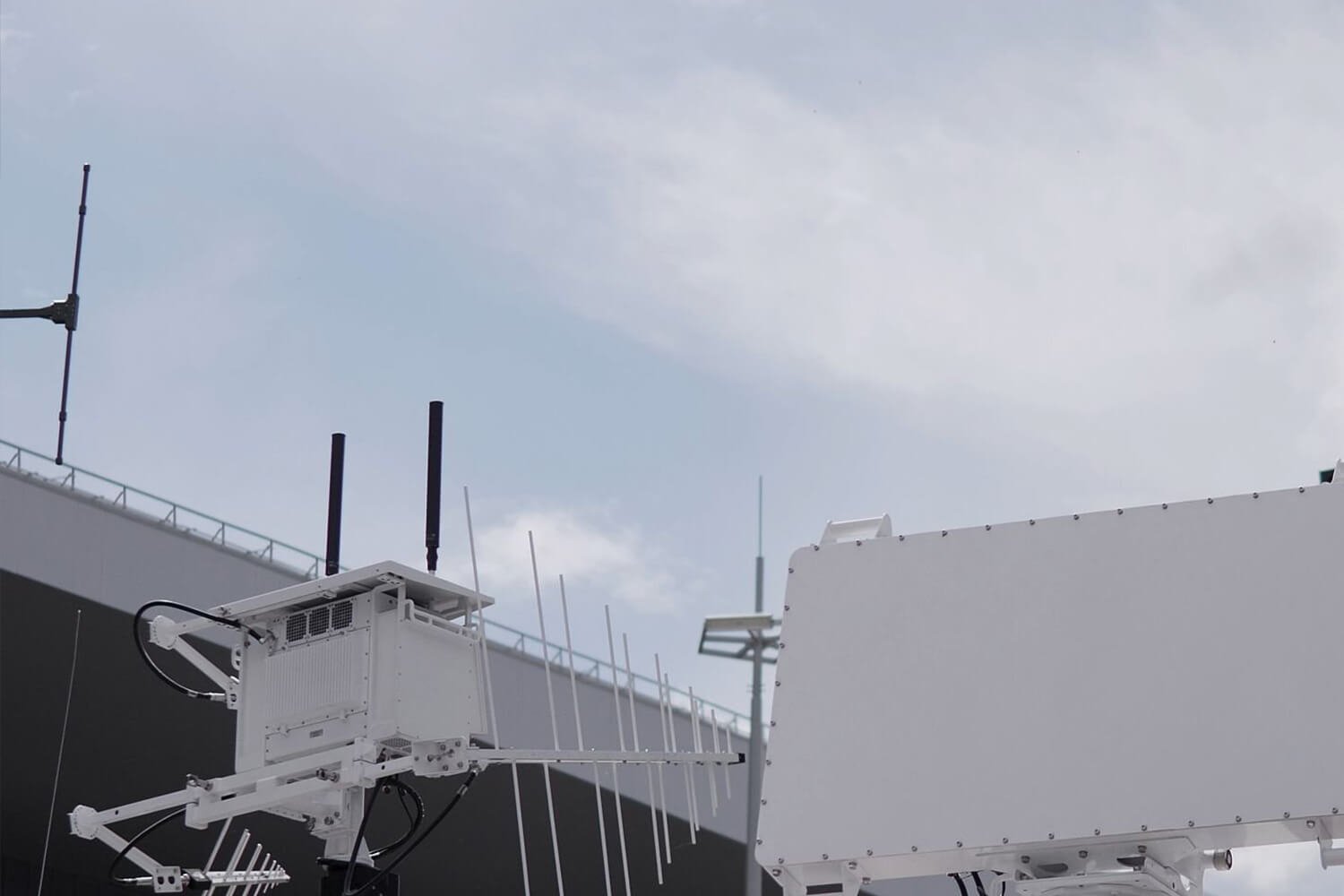
Radar Systems
High-frequency multilayer constructions support stable signal transmission, phase integrity, and high-power RF routing.
- Surveillance radar
- Electronic warfare systems
- Secure military communication devices
- Phased-array radar modules

Microwave Equipment
Precision fabrication ensures tight impedance control (±5% or better) and consistent dielectric performance.
- RF power amplifiers
- Signal generators
- RF filters and couplers
- Network analyzers

Medical RF Systems
PCBSAIL’s RF PCB can maintain signal integrity and reliability for critical medical electronics.
- MRI RF control modules
- Wireless diagnostic equipment
- High-frequency imaging systems
Fast Quotation
Our professional sales and engineering teams provide fast PCB quotes and technical support. Simply send us your Gerber files, BOM, and assembly drawings, and we will respond promptly with a competitive solution.
- Gushu Tangxi Second Industrial Zone, Shenzhen
- +86 755 2335 0814
- +86 135 1078 8094
- sales@pcbasail.com
FAQ About High-Frequency PCB
1. What Is A High-Frequency PCB?
A high-frequency PCB is a printed circuit board designed for circuits operating typically above 500 MHz and extending into multi-GHz ranges. These boards use low-loss dielectric materials with stable dielectric constant (Dk) and low dissipation factor (Df) to maintain signal integrity and minimize insertion loss.
2. How is a high-frequency PCB different from standard FR-4 PCB?
Compared with conventional FR-4 boards, high-frequency PCBs offer:
- Lower dielectric loss (Df)
- More stable dielectric constant (Dk) over frequency
- Better impedance control
- Reduced signal attenuation
- Improved phase stability
Standard FR-4 becomes increasingly lossy and unstable at microwave frequencies.
3. What materials are commonly used in high-frequency PCBs?
Typical materials include:
- Rogers Corporation laminates (e.g., RO4000®, RT/duroid® series)
- Taconic RF materials
- Isola Group low-loss high-speed laminates
- PTFE-based composites
- Hydrocarbon ceramic-filled laminates
Material selection depends on operating frequency, thermal requirements, and cost targets.
4. What frequencies require a high-frequency PCB?
Generally:
- Above 500 MHz: low-loss materials are recommended
- Above 2 GHz: specialized RF laminates are strongly advised
- 24 GHz / 77 GHz radar and mmWave applications: PTFE or equivalent ultra-low-loss materials are typically required
5. What is dielectric constant (Dk) and why is it important?
Dk determines signal propagation speed and impedance control. A stable Dk across frequency and temperature ensures predictable signal behavior and consistent impedance matching in RF circuits.
6. What is dissipation factor (Df)?
Df measures dielectric loss. Lower Df means less signal attenuation and better performance in microwave and millimeter-wave applications.
7. Can high-frequency PCBs be combined with FR-4?
Yes. Hybrid stack-ups are common. High-frequency materials are used only in RF layers, while FR-4 is used in digital or power sections to reduce cost without compromising RF performance.
Dynamic flex designs are commonly used in hinges, robotics, and camera modules.
8. What surface finishes are suitable for high-frequency PCBs?
Common finishes include:
- ENIG (Electroless Nickel Immersion Gold)
- Immersion Silver
- OSP (for certain cost-sensitive designs)
Immersion silver is often preferred for ultra-high-frequency designs due to lower signal loss compared to nickel-based finishes.