
/For Solar Battery Systems, EVS, And UPS/

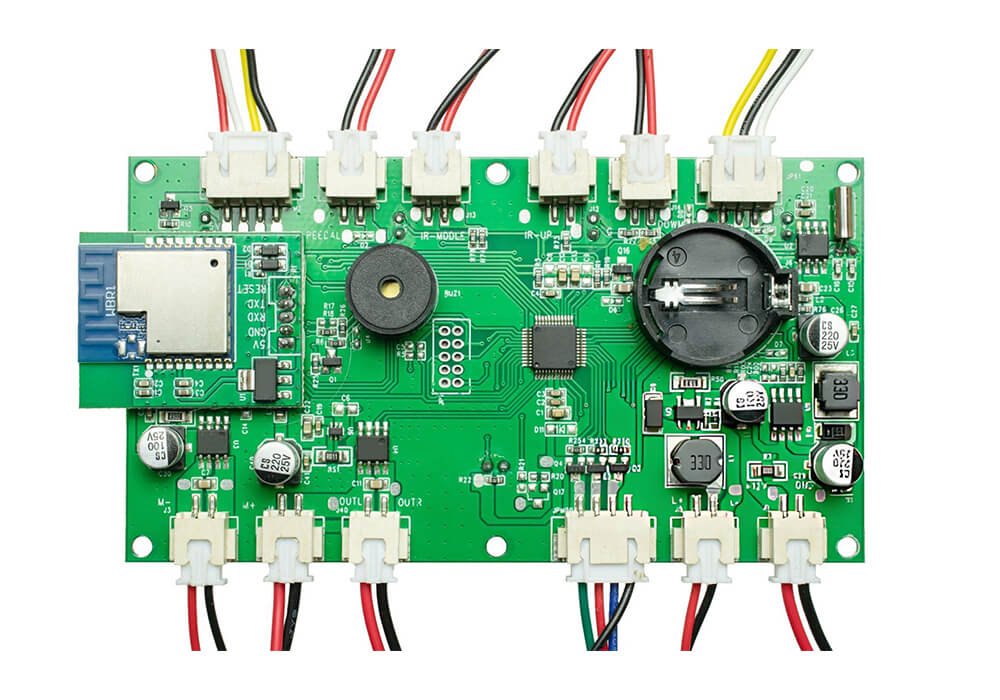
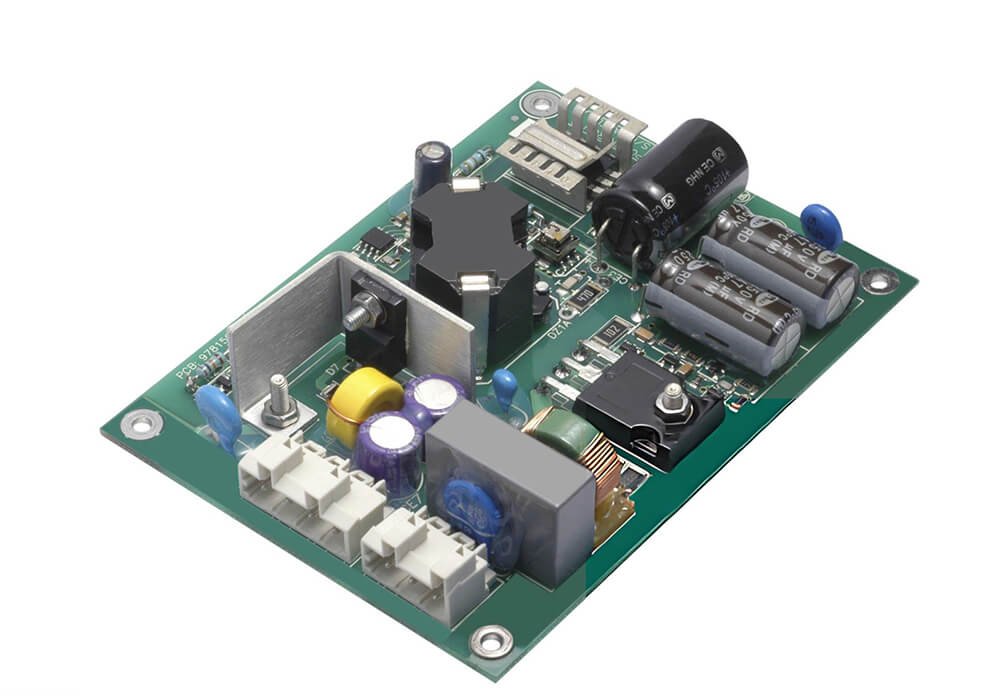
Energy Storage PCB

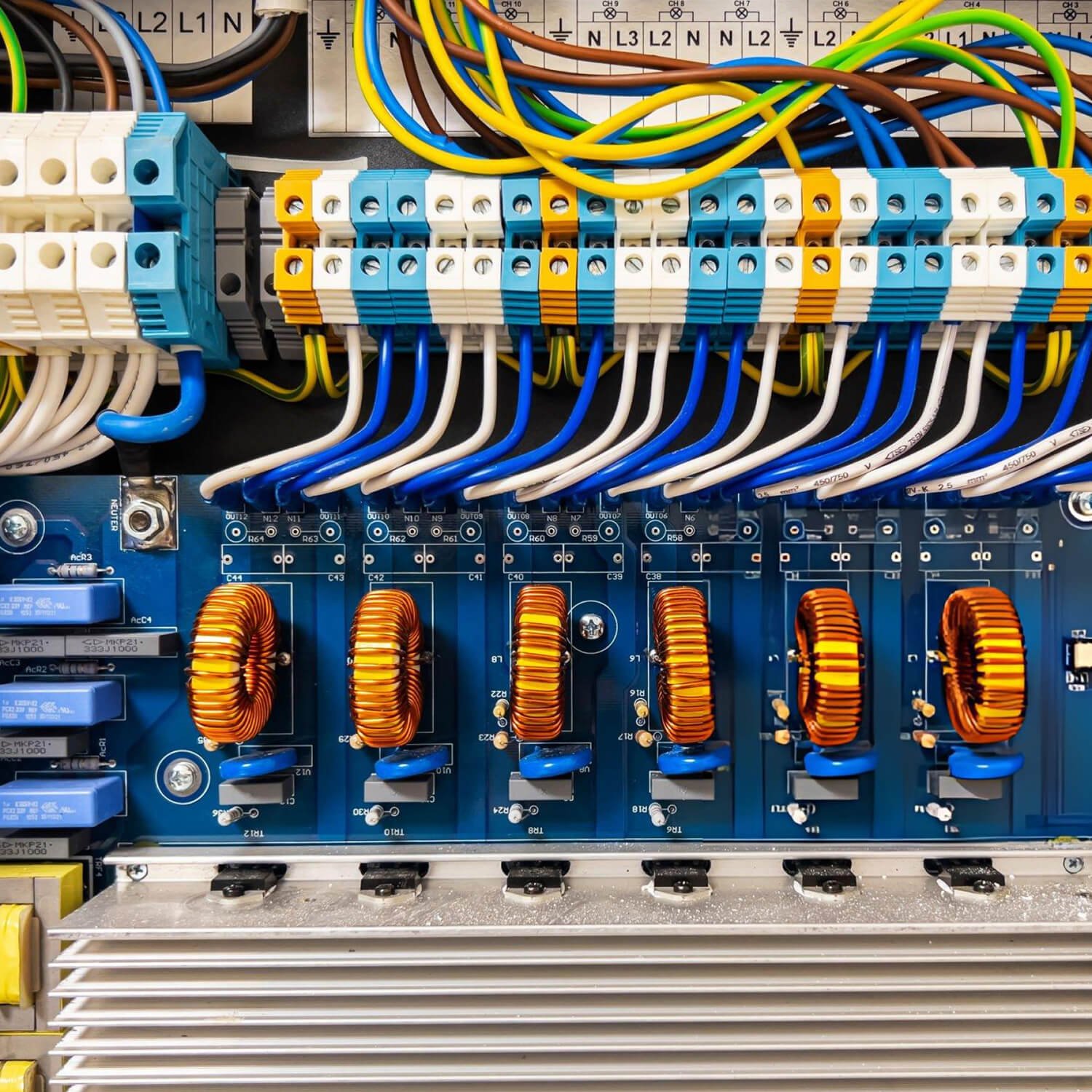
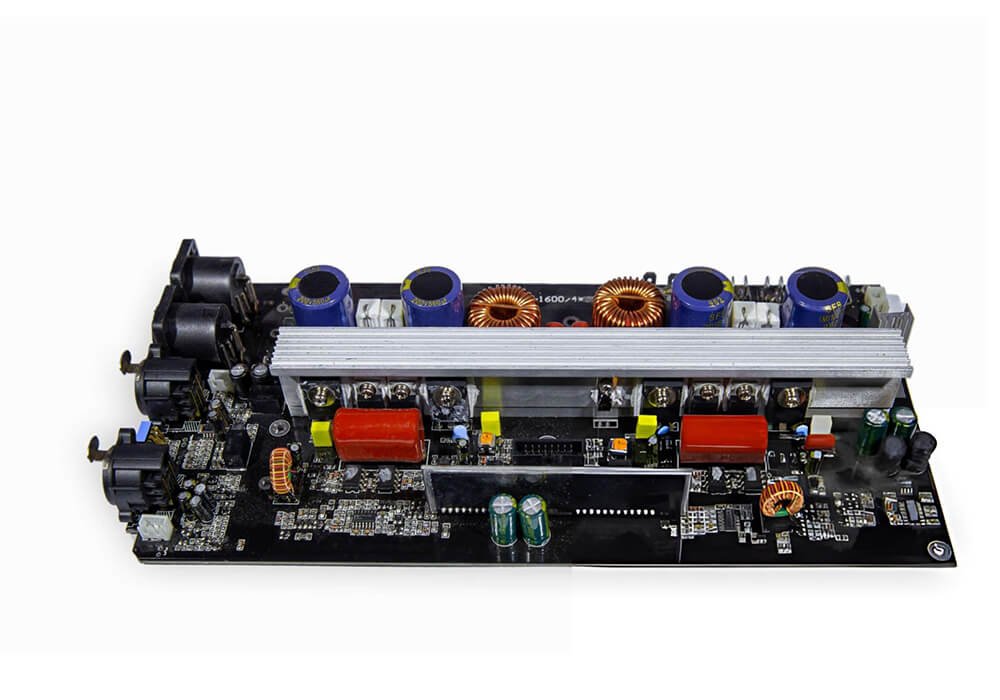
At PCBSAIL, we specialize in designing and manufacturing advanced Energy Storage PCB for modern energy systems.

With over 10 years of experience in PCB fabrication and PCBA services, we provide high-performance circuit boards for battery management systems (BMS), solar energy storage, electric vehicles (EVs), UPS systems, and industrial energy applications.

Our Energy Storage PCBs are engineered to handle high current loads, high voltage environments, and long-term thermal stress.

What Is Energy Storage PCB

What Is Energy Storage PCB?

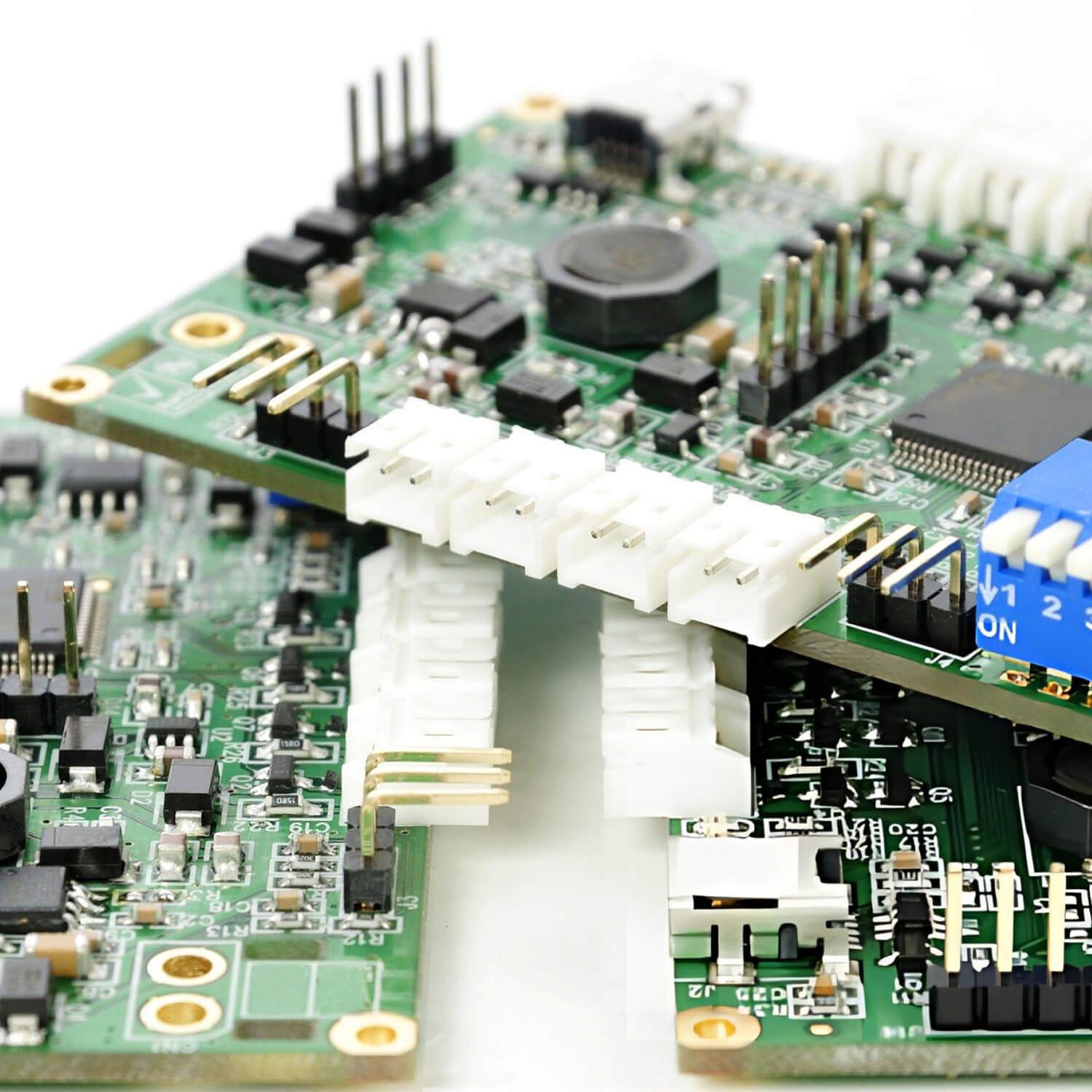
An Energy Storage PCB is a specialized circuit board designed to manage, regulate, and monitor the flow of electrical energy within battery-based energy storage systems.

Energy Storage PCB typically works alongside a Battery Management System (BMS), ensuring safe and efficient battery operation.

It plays an important role in preventing overcharging, over-discharging, short circuits, and thermal runaway.

Functions

  • Power Management: Controls charging and discharging cycles
  • Thermal Management: Monitors and dissipates heat effectively
  • Data Monitoring: Tracks voltage, current, and temperature in real time
  • System Protection: Prevents electrical faults and system failures
  • Communication: Interfaces with controllers and external systems

Energy Storage PCB We Offered.

We provide a comprehensive range of Energy Storage PCBs for solar battery systems and renewable energy.

Best Energy Storage PCB
Energy Storage PCB Near Me
High Quality Energy Storage PCB

Our Capacity.

Flex PCB Single-Sided Flex PCB

Solar Battery System PCB

We offer Energy Storage PCBs for solar battery systems, enabling efficient energy capture, storage, and distribution.

  • Integration with photovoltaic (PV) systems.
  • Battery charge/discharge regulation.
  • Support for lithium-ion and LiFePO4 battery packs.
  • Communication interfaces for inverters and monitoring platforms.

Flex PCB Double-Sided Flex PCB

EV Energy Storage PCB

We offer high-performance PCBs for electric vehicle battery management systems (BMS)

  • High-voltage support (up to 800V architectures)
  • Precision voltage and current sensing
  • Real-time temperature monitoring
  • Active/passive cell balancing circuits
  • High-speed communication (CAN bus)
  • Fast charge and discharge handling

Flex PCB Multilayer Flex PCB

Uninterruptible Power Supply PCB

For backup power systems, we provide reliable Energy Storage PCBs that ensure uninterrupted operation during power outages.

  • Seamless switching between grid and battery power
  • Intelligent charging control for battery longevity
  • Real-time system diagnostics
  • Overvoltage and short-circuit protection

Flex PCB Single-Sided Flex PCB

Industrial & Smart Grid Energy Storage PCBs

We offered advanced PCBs for industrial energy storage systems and smart grids.

  • High-current and high-voltage design
  • Load balancing and peak shaving support
  • Integration with SCADA and energy management systems
  • Advanced EMC/EMI compliance Rugged design for harsh environments

Item

Rigid PCB

Flexible PCB

Rigid-Flex PCB

Max Layer

60L

8L

36L

Inner Layer Min Trace/Space

3/3mil

3/3mil

3/3mil

Out Layer Min Trace/Space

3/3mil

3.5/4mil

3.5/4mil

Inner Layer Max Copper

6oz

2oz

6oz

Out Layer Max Copper

6oz

20z

3oz

Min Mead hanical Driling

0.15mm

0.1mm

0.15mm

Min Laser Drilling

0.1mm

0.1mm

0.1mm

Max Aspect Ratio (Mechanical Drilling)

20:01

10:01

12:01

Max Aspect Ratio (Laser Drilling)

1:01

/

1:01

Press Fit Hole Tolerance

±0.05mm

±0.05mm

±0.05mm

PTH Tolerance

±0.075mm

±0.075mm

±0.075mm

NPTH Tolerance

±0.05mm

±0.05mm

±0.05mm

Countersink Tolerance

±0.15mm

±0.15mm

±0.15mm

Board Thickness

0.4-8mm

0.1-0.5mm

0.4-3mm

Board Thickness Tolerance(<1.0mm)

±0.1mm

±0.05mm

±0.1mm

Board Thickness Tolerance(≥1.0mm)

±10%

/

±10%

Min Board Size

10*10mm

5*10mm

10*10mm

Max Board Size

22.5*30 inch

9*14 inch

22.5*30 inch

Contour Tolerance

±0.1mm

±0.05mm

±0.1mm

Min BGA

7mil

7mil

7mil

Min SMT

7*10mil

7*10mil

7*10mil

Min Solder Mask Clearance

1.5mil

3mil

1.5mil

Min Solder Mask Dam

3mil

8mil

3mil

Min Legend Width/Height

4/23mil

4/23mil

4/23mil

Strain Fillet Width

/

1.5±0.5mm

1.5±0.5mm

Bow &Twist

0.003

/

0.0005

Standards for Energy Storage PCB.

To ensure reliability, safety, and global market acceptance, our PCBs comply with international standards and industry specifications.

PCB Certificate

IPC Standards

The IPC standards define the baseline requirements for PCB design, fabrication, and assembly.

PCB Certificate

ISO Standard

A controlled manufacturing environment ensures consistent quality.

PCB Certificate

RoHS

To meet global environmental and safety regulations, it should reach RoHS standard.

PCB Certificate

UL

UL (Underwriters Laboratories) certification ensures that the PCB meets strict safety requirements for electrical systems.

PCB Certificate

IATF 16949

In electric vehicles, it should reach IATF 16949 standard.

PCB Certificate

EMC / EMI

Energy storage systems must work without causing or being affected by electromagnetic interference. PCB should meet IEC 61000 and CISPR standards.
Energy Storage PCB Feature

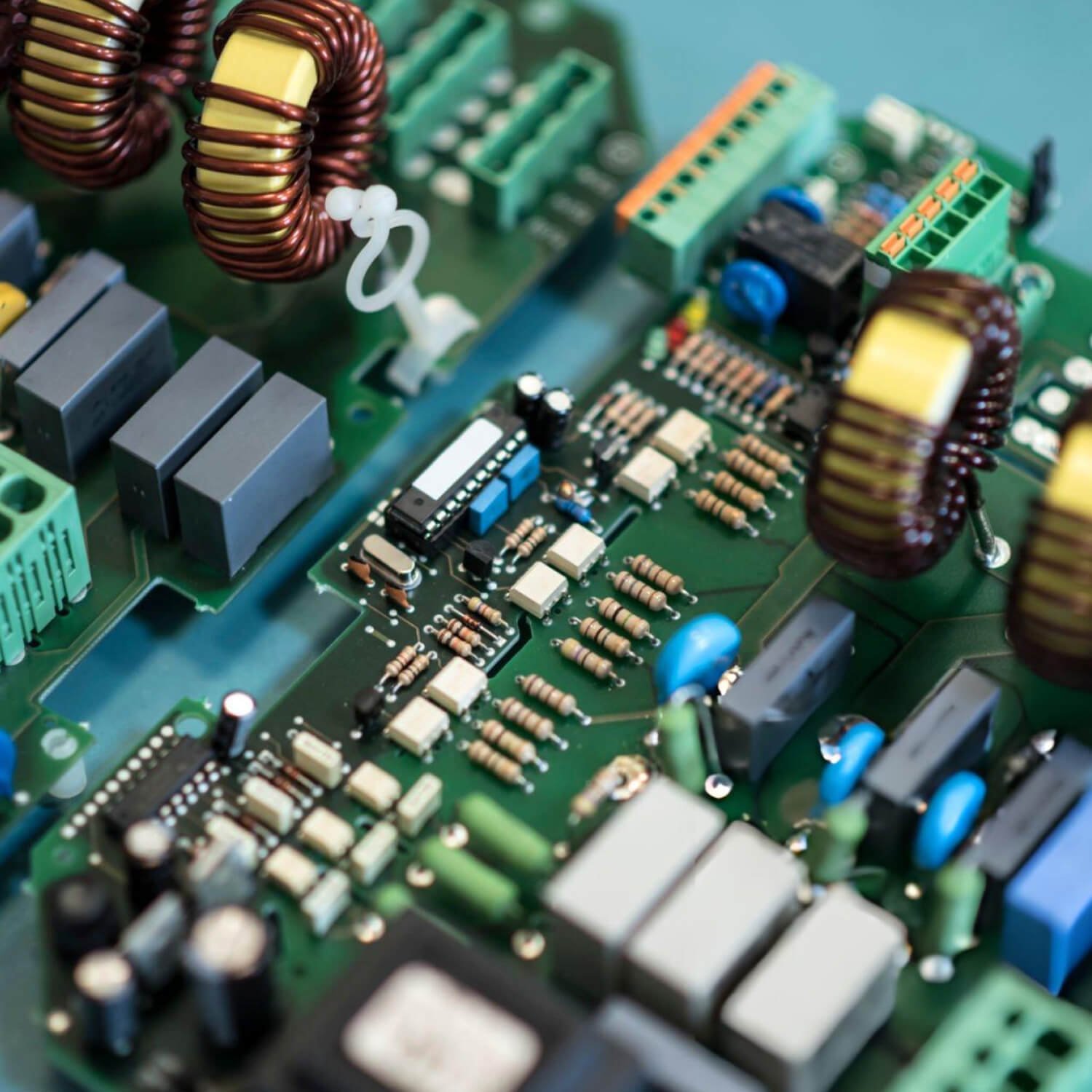
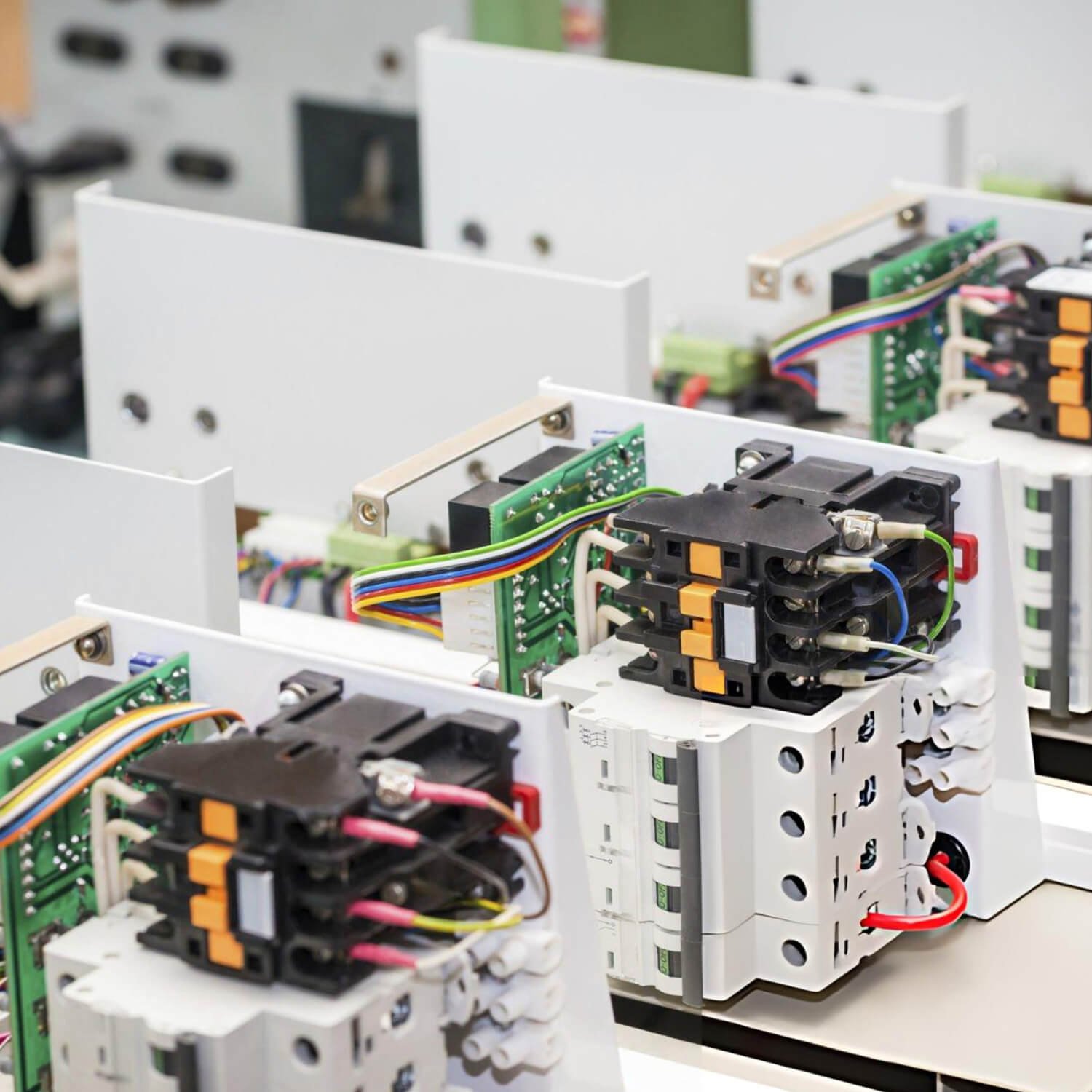
Our Energy Storage PCBs are engineered to operate in demanding environments where high power, safety, and long-term reliability are critical.

Our Energy Storage PCBs are designed to handle high current loads without overheating or performance degradation.

  • Heavy copper layers (2 oz to 6 oz)
  • Wide traces and copper pours to reduce resistance
  • Optimized current distribution to prevent hotspots

Thermal performance is important in energy storage systems. Our PCBs can efficiently dissipate heat.

  • Thermal vias under power components
  • Metal Core PCB (MCPCB) options for enhanced heat dissipation
  • Optimized layout for airflow and heat spreading

Energy storage systems often operate at elevated voltages, requiring robust insulation and safety design.

  • Proper creepage and clearance distances
  • High-quality dielectric materials
  • Reinforced insulation structures

Our Energy Storage PCBs integrate multiple protection mechanisms to safeguard batteries and systems.

  • Overcharge and over-discharge protection
  • Overcurrent and short-circuit protection
  • Temperature monitoring with NTC thermistors

To maximize battery performance and lifespan, our PCBs support advanced cell balancing technologies.

  • Passive and active balancing circuits
  • Uniform voltage distribution across cells
  • Improved energy efficiency

Modern energy systems require intelligent monitoring capabilities.

  • Voltage, current, and temperature sensing
  • Integration with Battery Management Systems (BMS)
  • Real-time data communication
Energy Storage PCB Feature

Energy Storage PCB Material

We use a wide range of advanced materials, ensuring optimal electrical performance, thermal management, and mechanical stability.

Energy Storage PCB Material

FR-4 is one of the most widely used PCB substrates, but for energy storage systems, high Tg (glass transition temperature) variants are important.

  • Tg ≥170°C for improved thermal resistance
  • Good mechanical strength and dimensional stability
  • Cost-effective for medium-power applications
  • Reliable dielectric properties

Heavy copper PCBs can carry high current loads in energy storage systems.

  • Copper thickness from 2 oz to 6 oz (or higher on request)
  • Low electrical resistance
  • Reduced voltage drop
  • Enhanced heat dissipation

Ceramic PCBs are used in high-end energy storage systems.

  • Very high thermal conductivity
  • Low thermal expansion
  • Excellent electrical insulation

.

Design for Energy Storage PCB

When we are designing an Energy Storage PCB, we need to use a multidisciplinary engineering approach that balances high current handling, thermal performance, electrical safety, and long-term reliability.

Design for Energy Storage PCB

Energy storage systems often involve significant current flow, making trace design a critical factor.

We should:

  • Use wide copper traces or solid copper pours to reduce resistance
  • Apply heavy copper layers (2 oz–6 oz or higher)
  • Keep high-current paths short and direct
  • Avoid sharp angles; use smooth routing to reduce impedance

Heat is one of the biggest challenges in energy storage PCB design.

We need to:

  • Place thermal vias under heat-generating components (MOSFETs, ICs).
  • Use metal core PCBs (MCPCB) or IMS substrates where necessary.
  • Design large copper planes for heat spreading.
  • Remove solder mask in critical areas to expose copper for better heat dissipation.

Proper stack-up design ensures efficient current flow and signal integrity.

It was recommended:

  • Use multi-layer PCB structures for complex systems
  • Ensure low impedance paths between power and ground

Energy storage PCBs often operate at high voltages, requiring strict spacing rules.

We need to consider:

  • Maintain adequate creepage distance (along the surface)
  • Maintain proper clearance distance (through air)
  • Increase spacing for higher voltage levels
  • Use slots or cutouts to enhance isolation when needed

Energy storage PCBs must integrate protection and control mechanisms.

We need to:

  • Overcharge and over-discharge protection circuits
  • Overcurrent and short-circuit protection
  • Temperature sensing (NTC thermistors)
  • Cell balancing circuits (passive or active)

Electromagnetic compatibility is critical in energy storage systems.

We can:

  • Minimize loop areas in high-current paths
  • Use proper grounding and shielding techniques
  • Add filtering components (capacitors, ferrites)
  • Optimize return current paths

Why Choose Us

We can high-performance, reliable, and cost-effective Energy Storage PCB with advanced engineering expertise and manufacturing equipment.

Flex PCB Manufacturring Process

Turnkey PCB Solution

We provide a complete end-to-end service, eliminating the complexity of managing multiple vendors. We can do:

  • PCB design and engineering support
  • PCB fabrication Component sourcing
  • PCB assembly (SMT, THT, mixed)
  • Final testing and quality assurance

Flex PCB Manufacturring Process

Quality

We adhere to globally recognized standards:

  • IPC-A-610 Class 3 (high-reliability electronics)
  • IPC-6012 (PCB performance standards)
  • ISO 9001
  • ISO 14001
  • UL 94

Flex PCB Manufacturring Process

Advanced Manufacturing

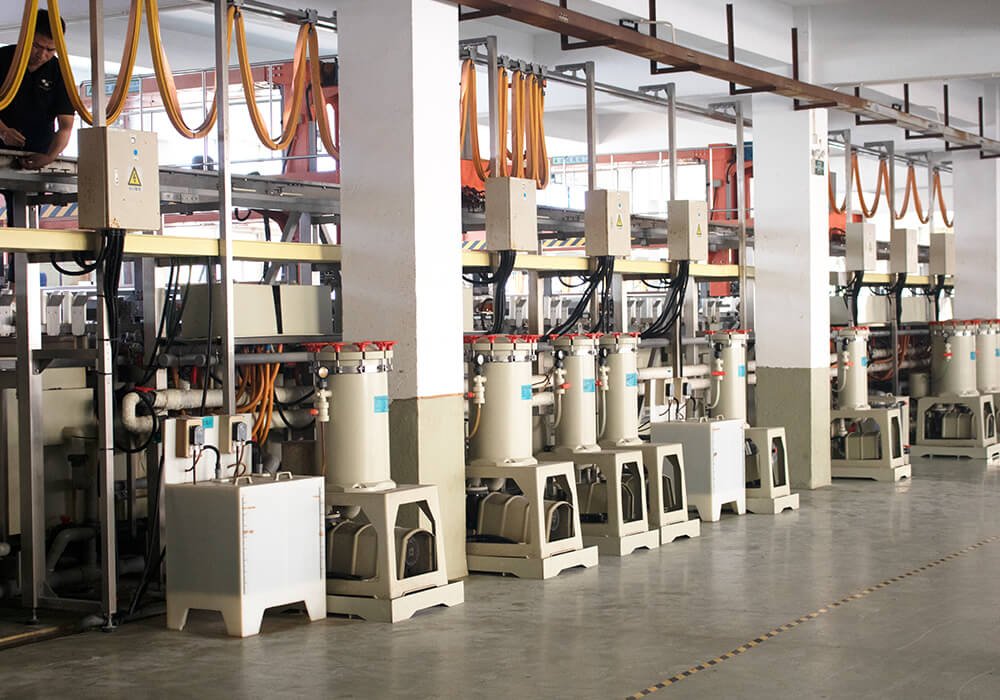
Our state-of-the-art facilities support complex and high-precision PCB assembly. We can do:

  • Fine-pitch placement down to 0.38mm
  • BGA (0.2mm pitch) with X-ray inspection
  • Support for 0201 components
  • High-density multilayer PCBs
  • Mixed technology assembly (SMT + Through-hole)

Flex PCB Manufacturring Process

Testing & Inspection

We implement multi-level testing to ensure every PCBA meets strict performance requirements.

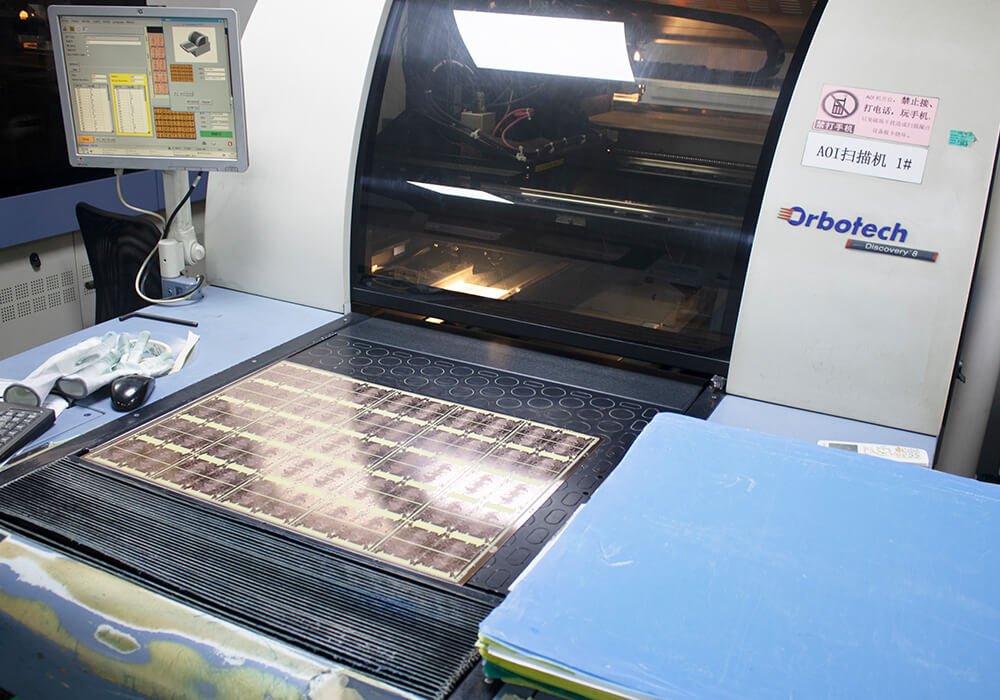
  • AOI (Automated Optical Inspection)
  • X-ray inspection for hidden solder joints
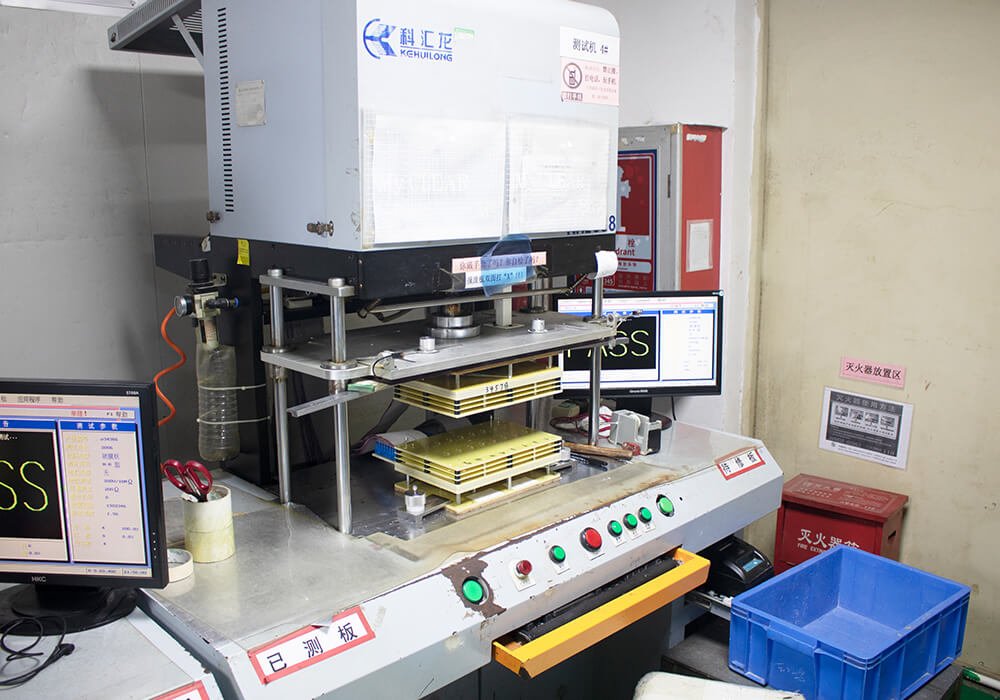
  • In-Circuit Testing (ICT)
  • Functional testing under real operating conditions
  • Voltage and performance validation

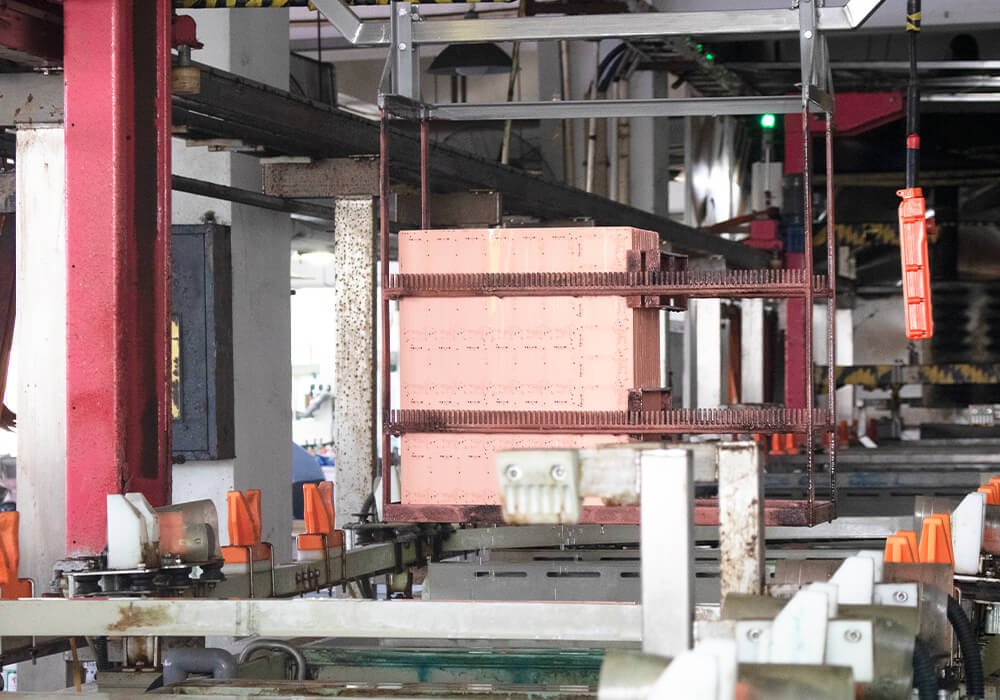
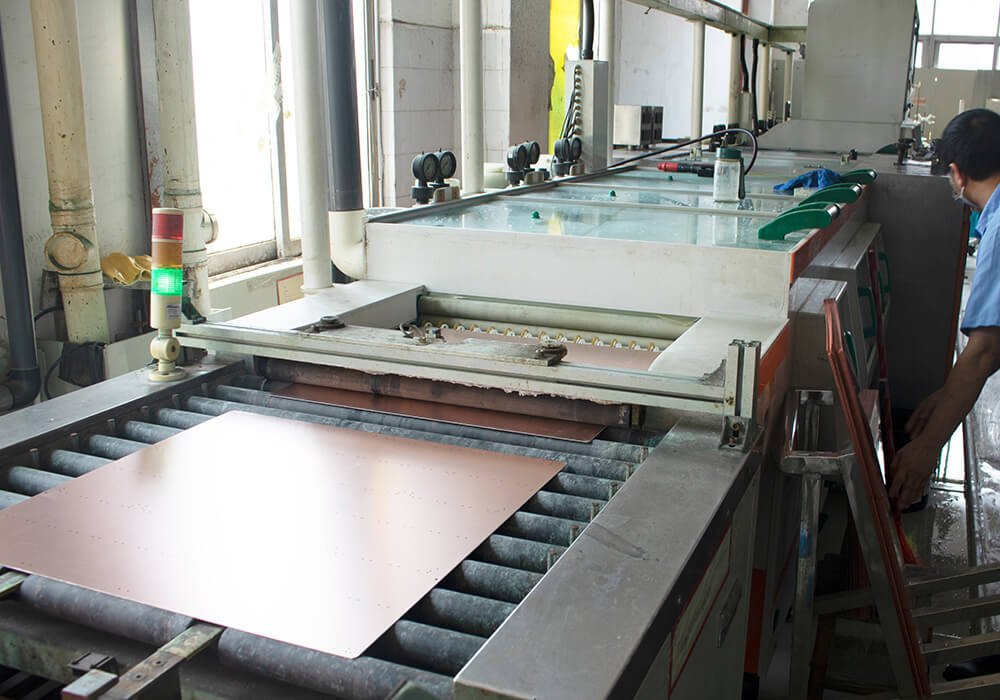
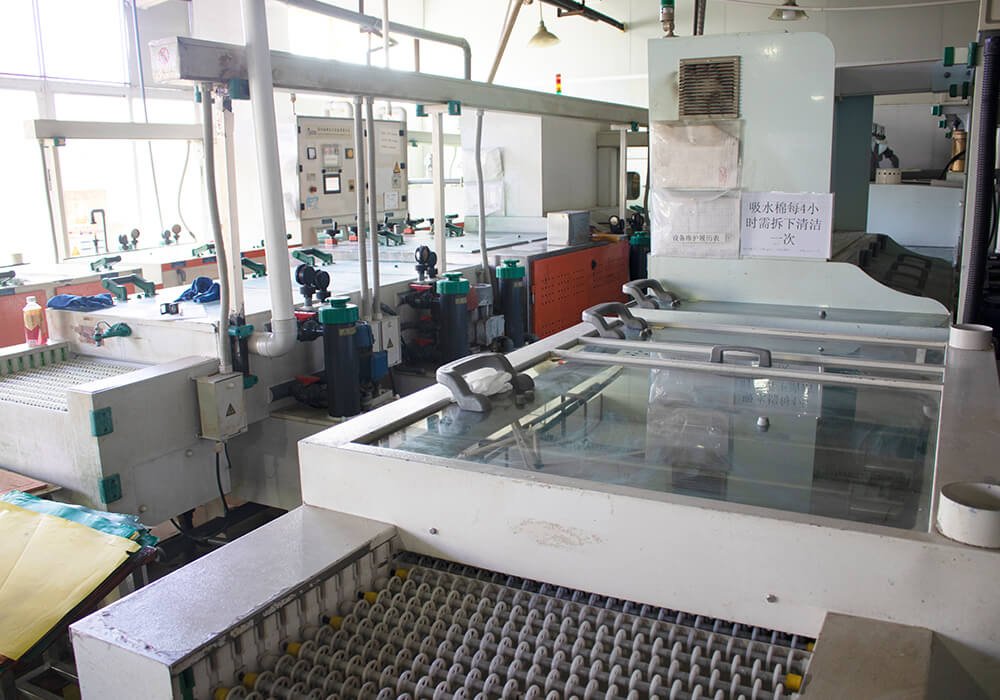
PTH
copper immersion
Degumming Residue
sink gold
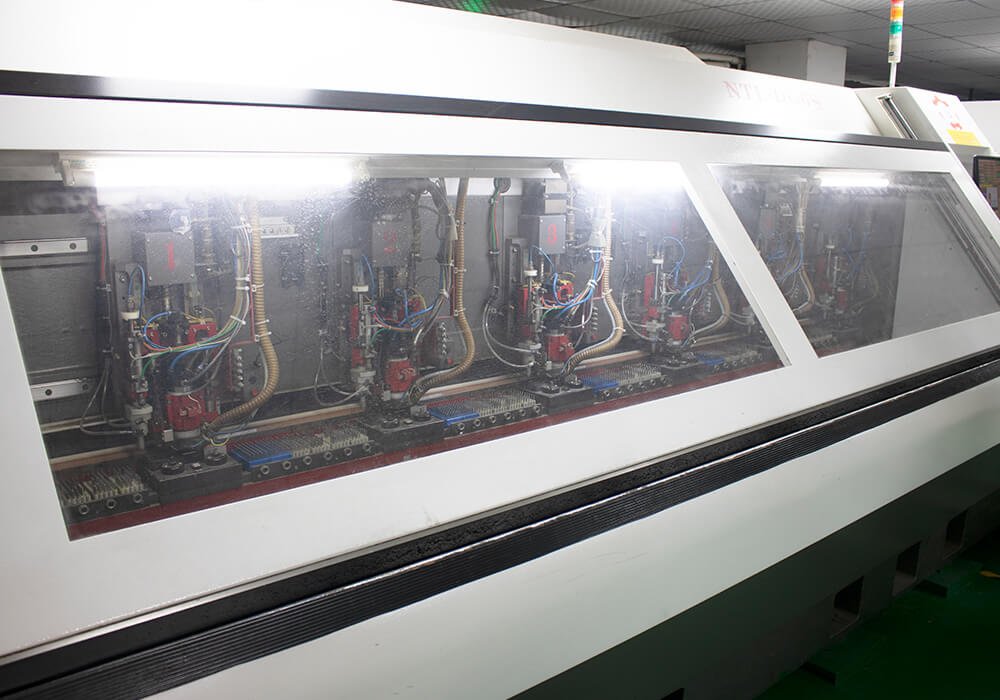
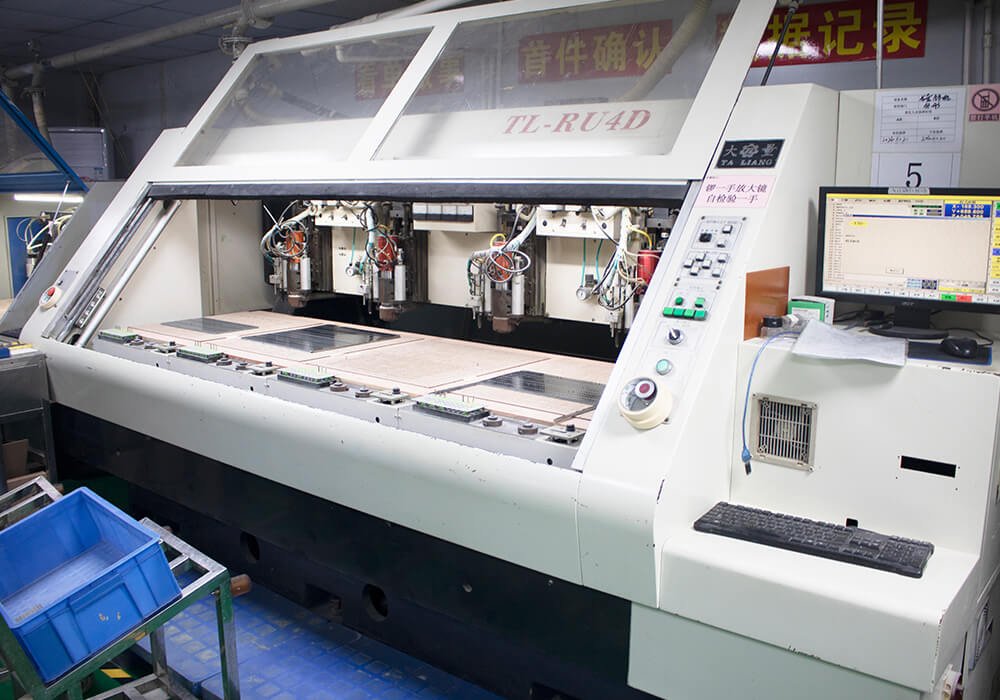
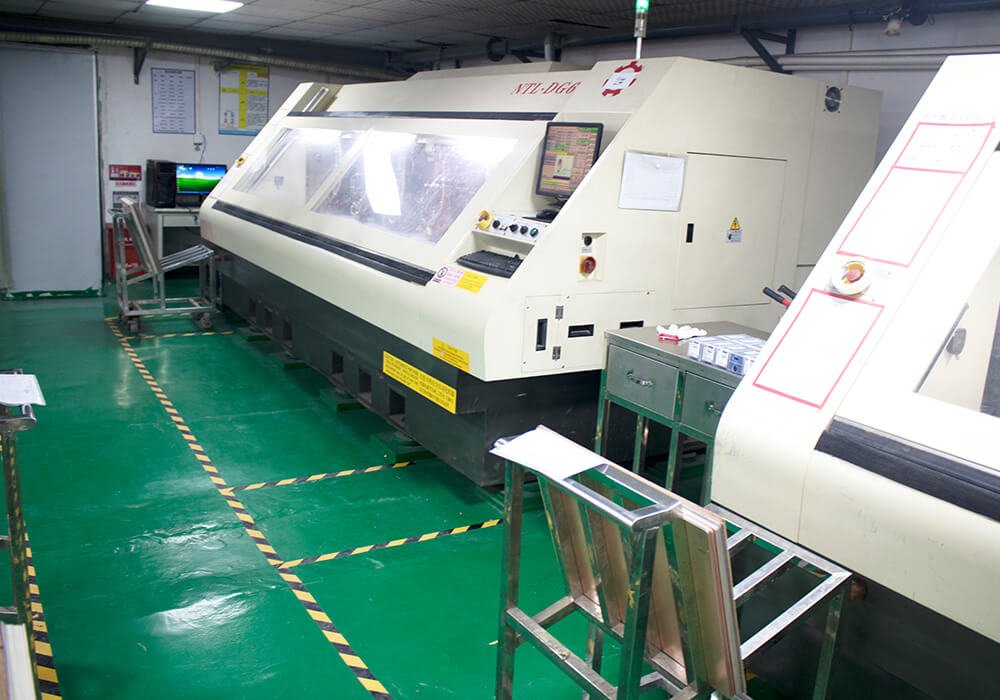
PCB Drill Machine
PcB Manufacturing Machine
Etching
Imaging room
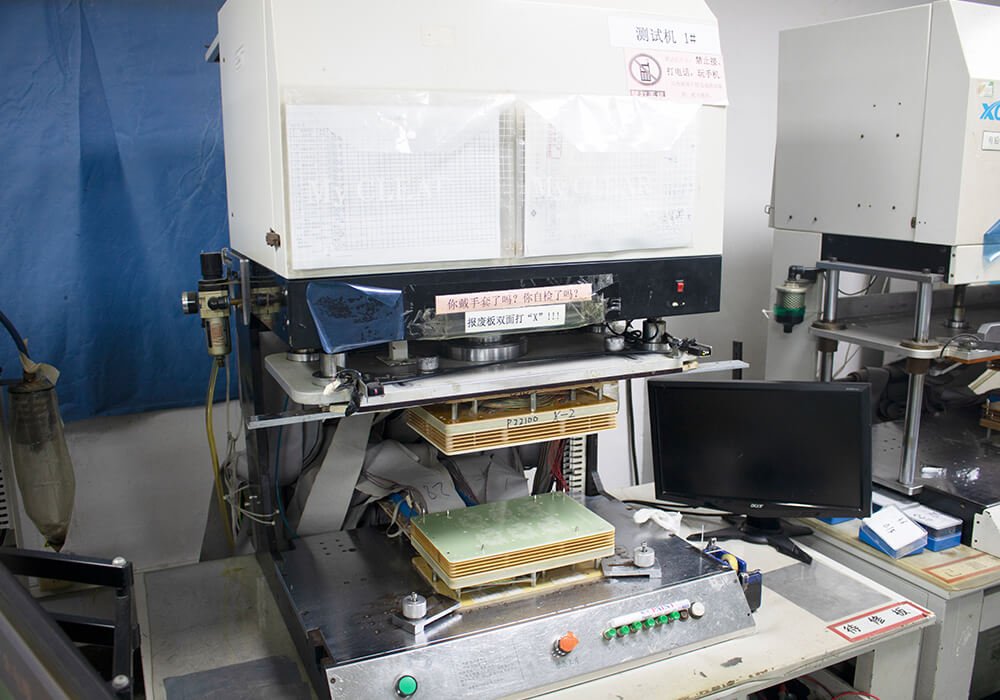
PCB Test Machine
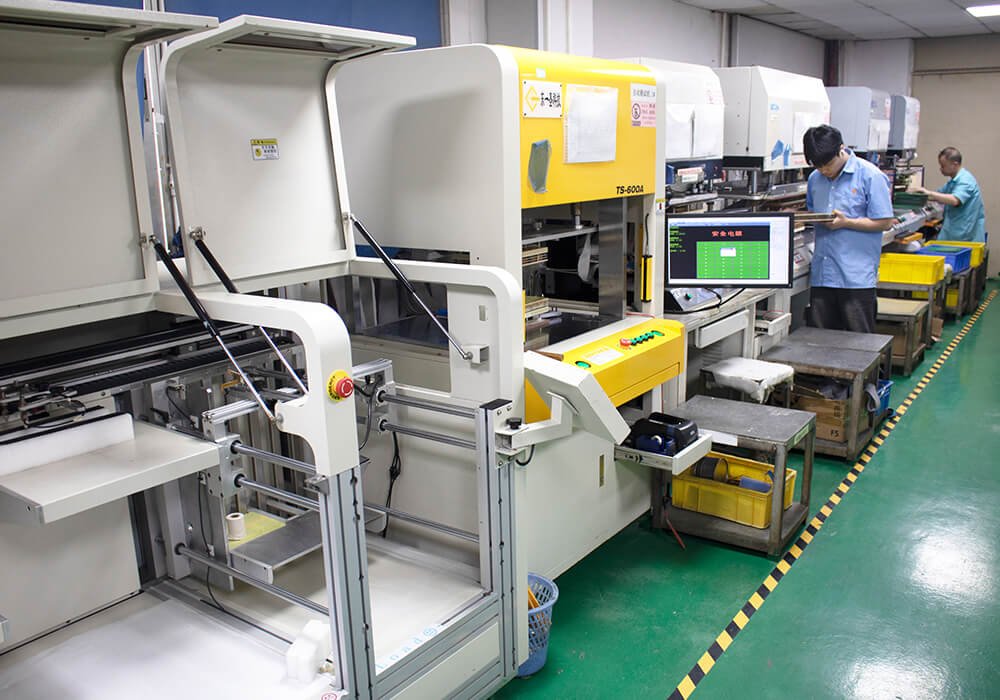
PCB Checking
PCB Checking Machine
PCB Chechking
PCB AOI
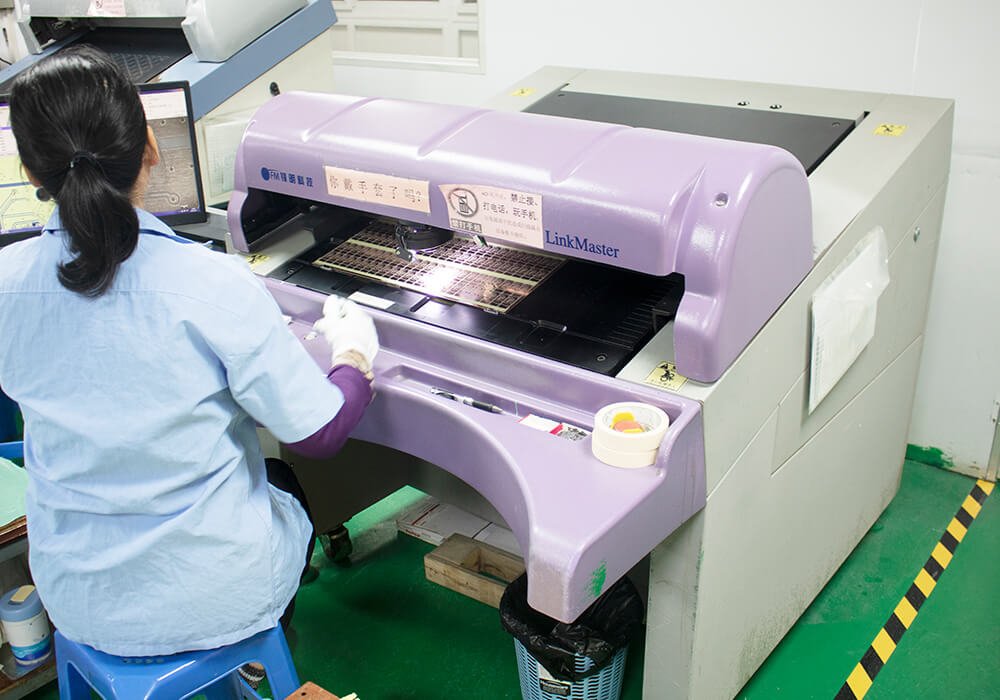
Link Master
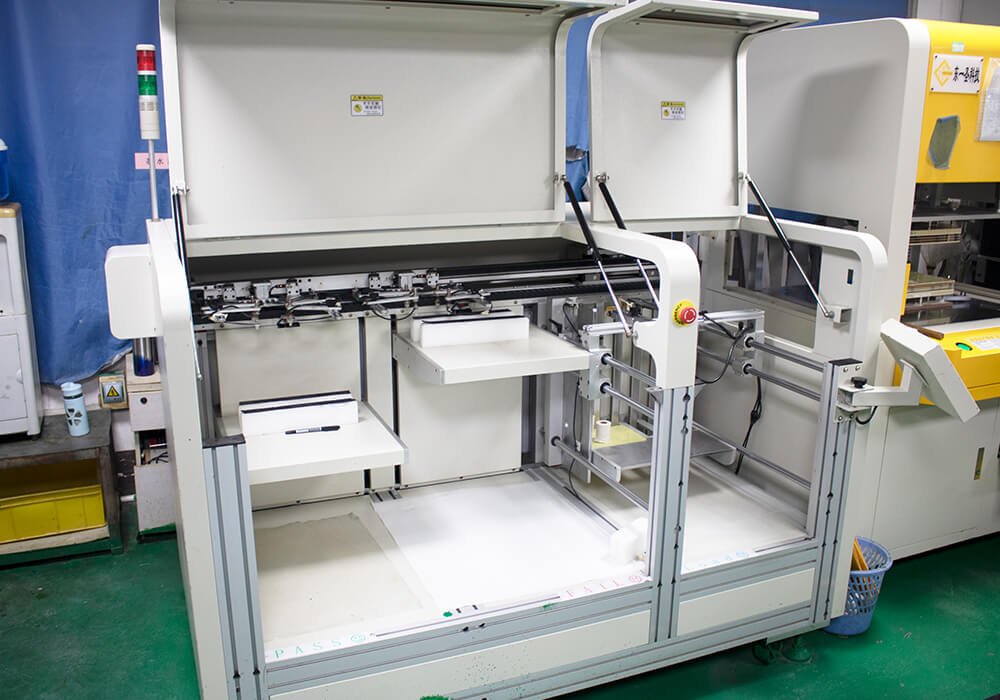
Drill Machine
checking machine
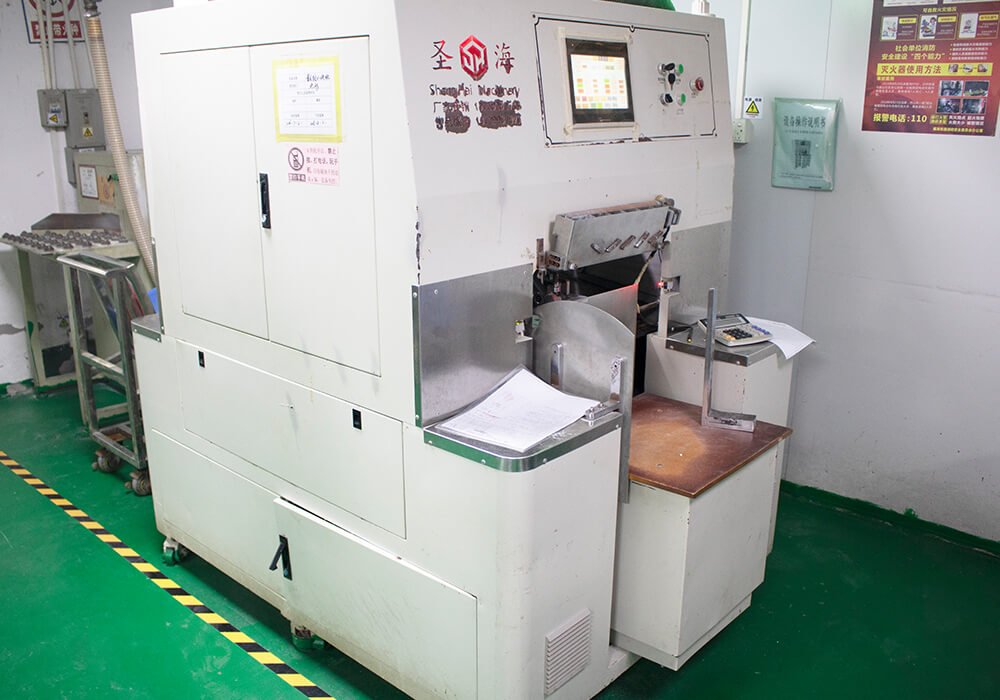
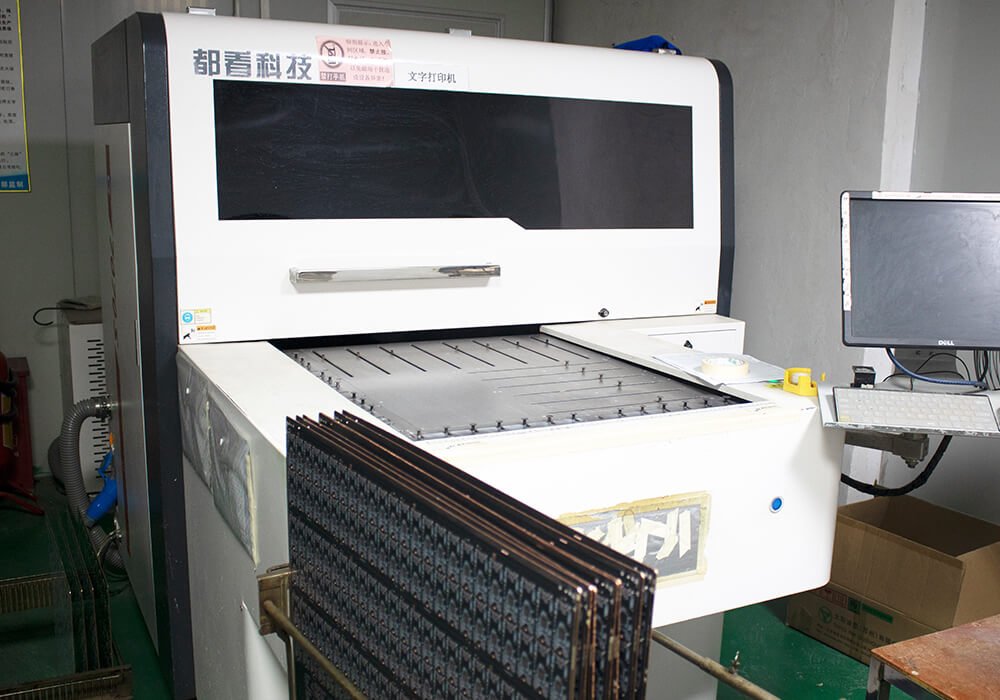
screen printing machine
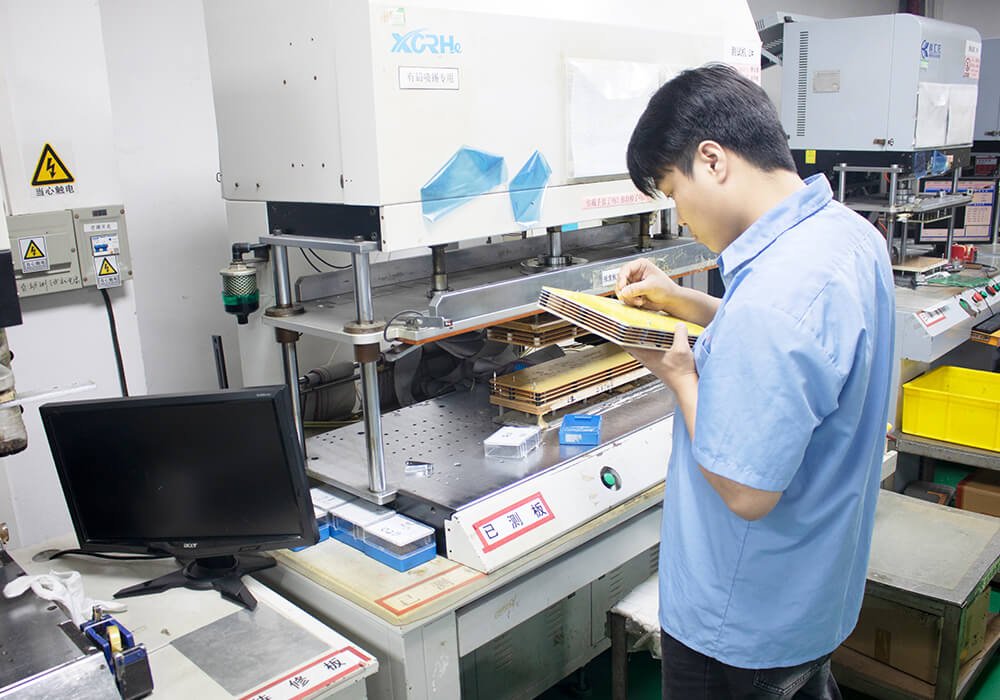
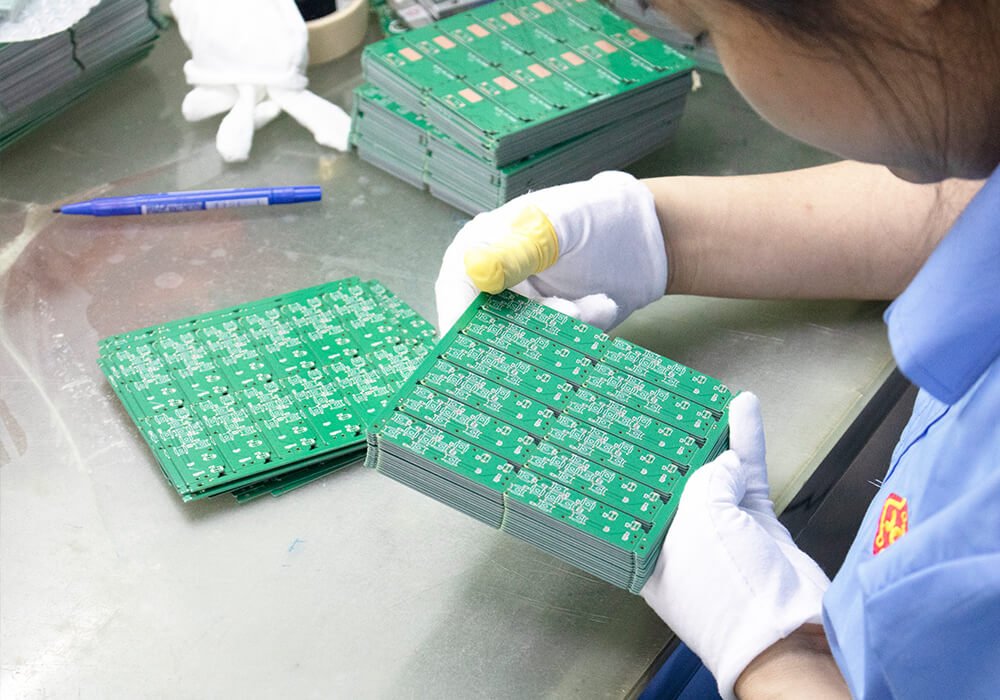
Eye Checking

Fast Quotation

Our professional sales and engineering teams provide fast PCB quotes and technical support. Simply send us your Gerber files, BOM, and assembly drawings, and we will respond promptly with a competitive solution.

FAQ About Energy Storage PCB?

1. What is an Energy Storage PCB?

An Energy Storage PCB is a specialized printed circuit board used in battery-based systems to manage, monitor, and regulate energy flow. 

It plays a key role in ensuring safe charging, discharging, and overall system stability in applications such as solar energy systems, electric vehicles, and UPS systems.

Energy Storage PCBs are compatible with various battery chemistries, including:

  • Lithium-ion (Li-ion)
  • Lithium iron phosphate (LiFePO4)
  • Lead-acid batteries
  • Nickel-based batteries (NiMH, NiCd)

Yes. We offer fully customized solutions, including:

  • Schematic and layout design
  • DFM/DFA optimization
  • High-current and thermal simulation
  • Prototype to mass production

Lead times depend on complexity and volume:

  • Prototype: 3–7 working days
  • Small batch: 1–2 weeks
  • Mass production: 2–4 weeks

You can start by providing:

  • PCB design files (Gerber files)
  • Schematic diagrams
  • Bill of Materials (BOM)
  • Project requirements

Our engineering team will review your project and provide a quotation with technical recommendations.