
/4–64 Layer Multilayer/

Multilayer PCB

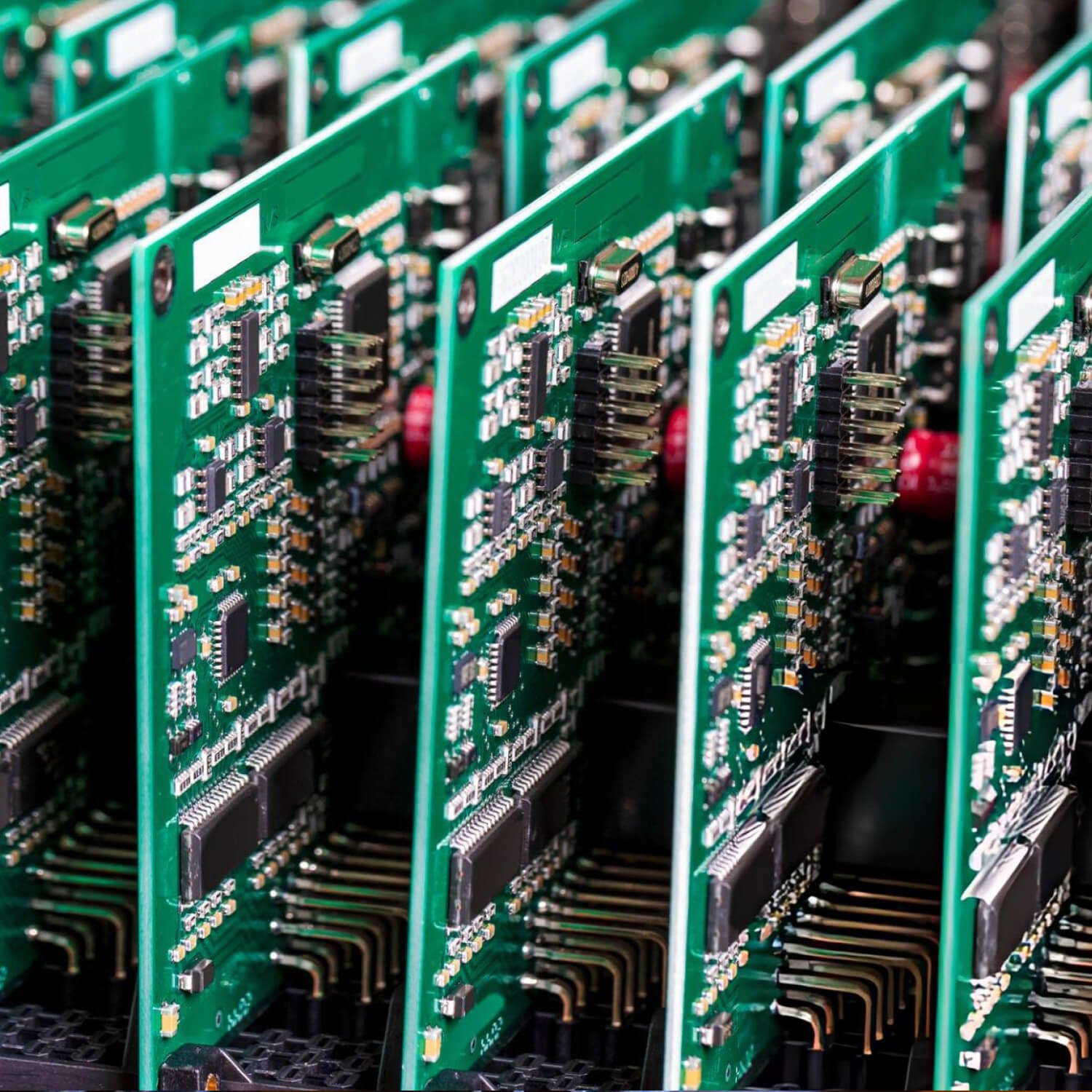
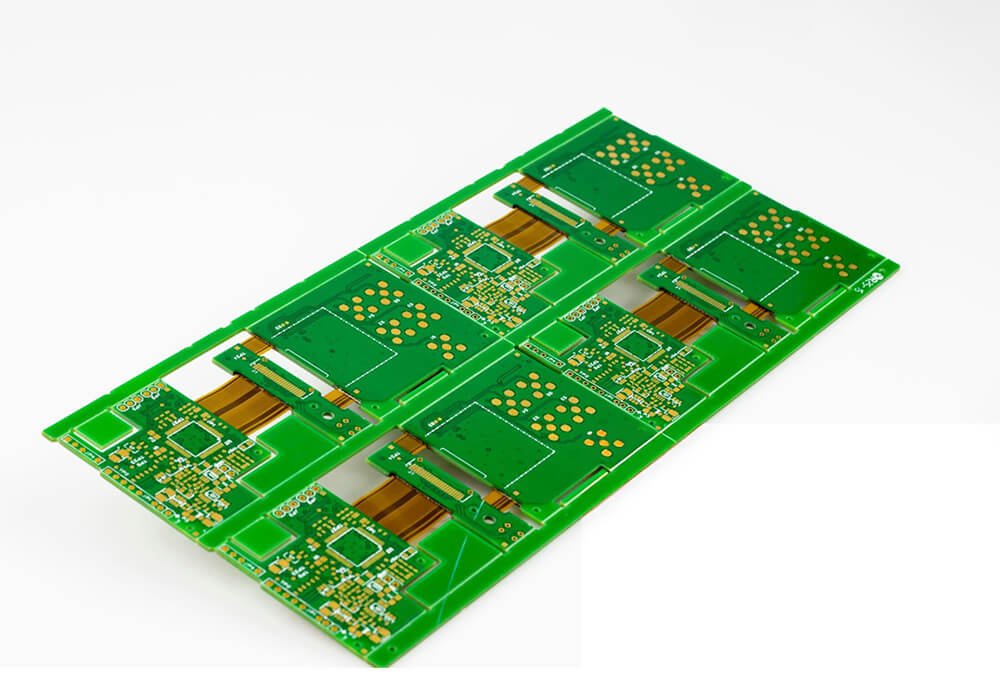
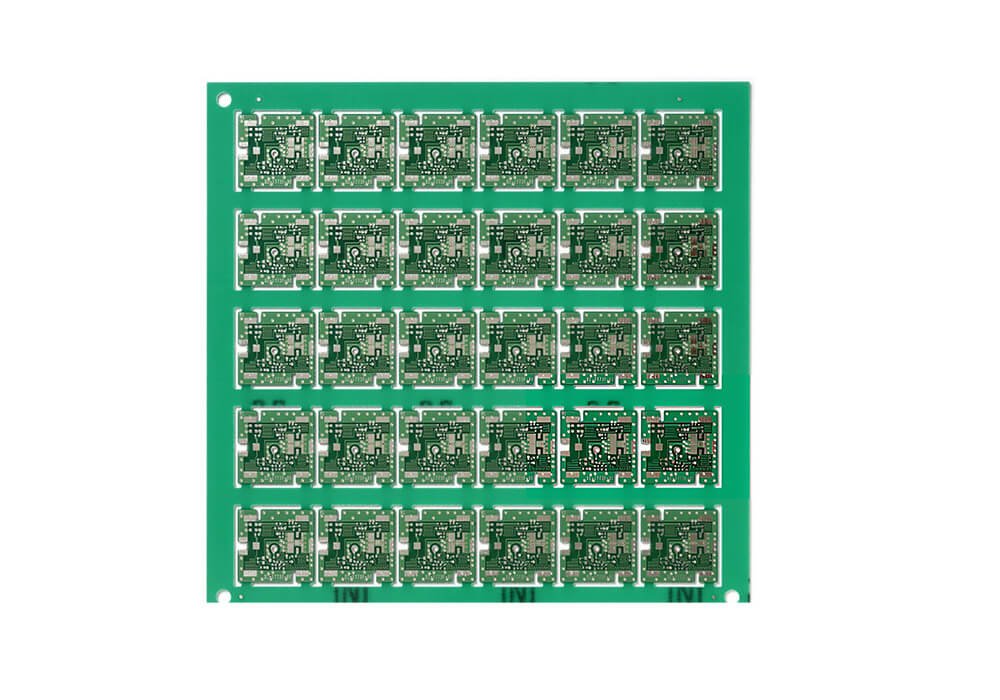
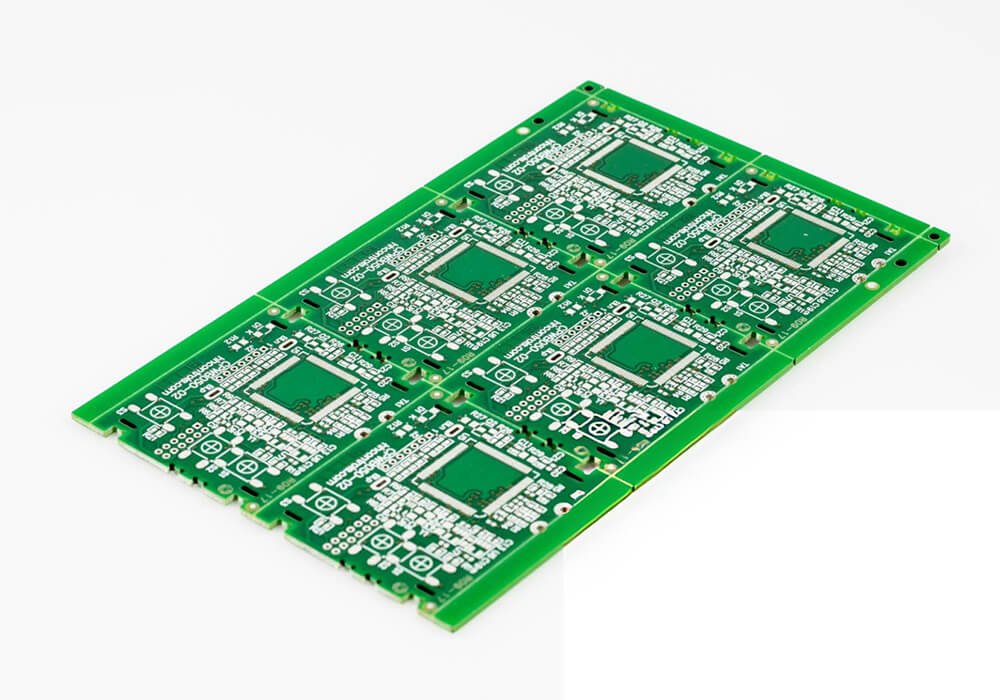
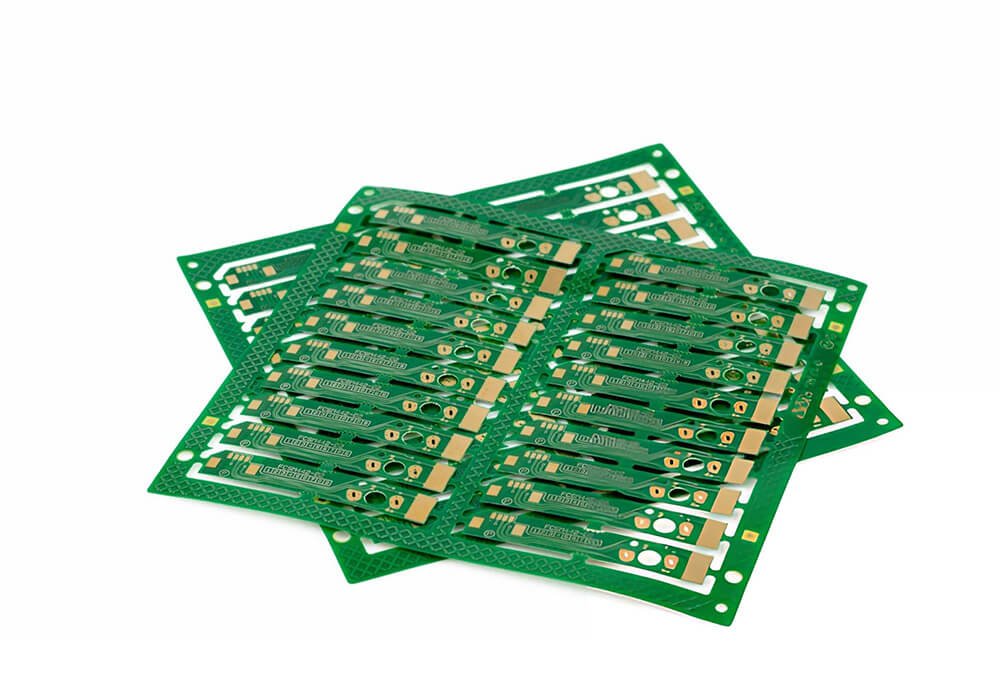
A multilayer PCB is built with three or more conductive copper layers, separated by insulating dielectric materials and laminated into a single structure.

PCBSAIL provides advanced multilayer PCB and professional PCB stackup planning for complex electronic designs.

We support 4 to 64 layer PCB fabrication, including HDI structures, sequential lamination, stacked microvias, and controlled impedance solutions.

Multilayer PCB Manufacturer

Multilayer PCB Manufacturer.

We are a professional multilayer PCB manufacturer in China. We deliver high-quality multilayer PCBs for global customers.

We provide end-to-end services, from engineering support and stackup planning to fabrication, assembly, and final delivery.

We work closely with customers to optimize designs for performance, cost, and manufacturability (DFM).

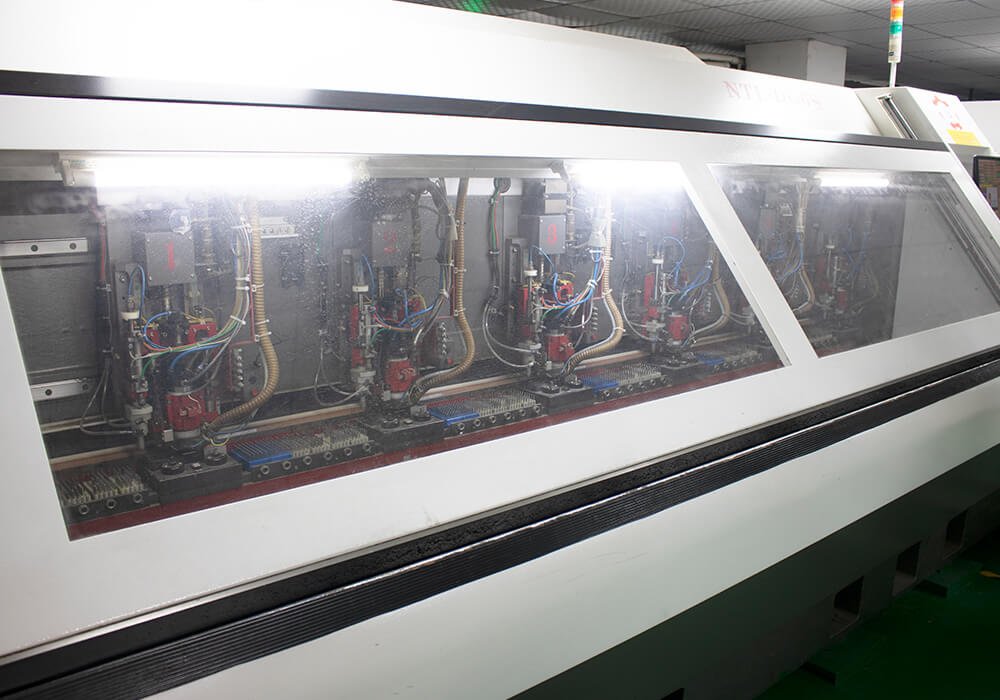
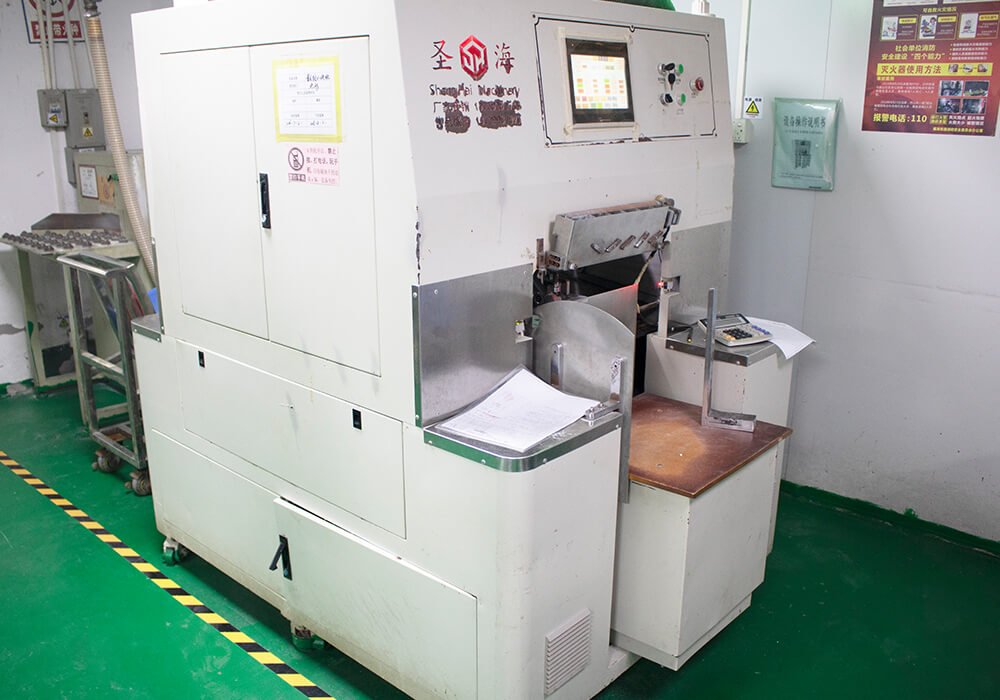
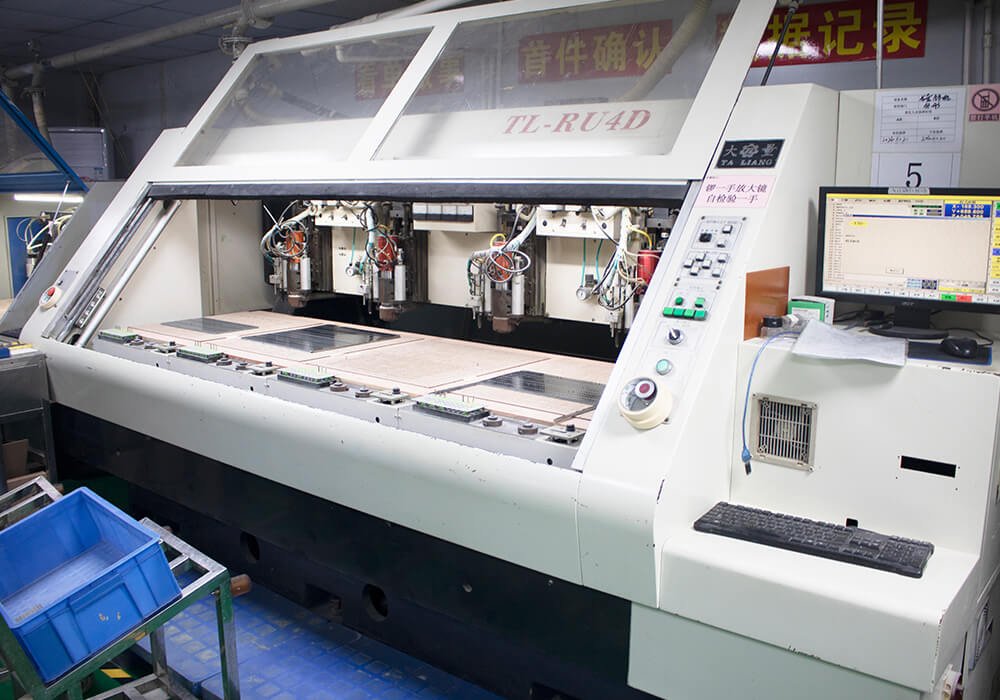
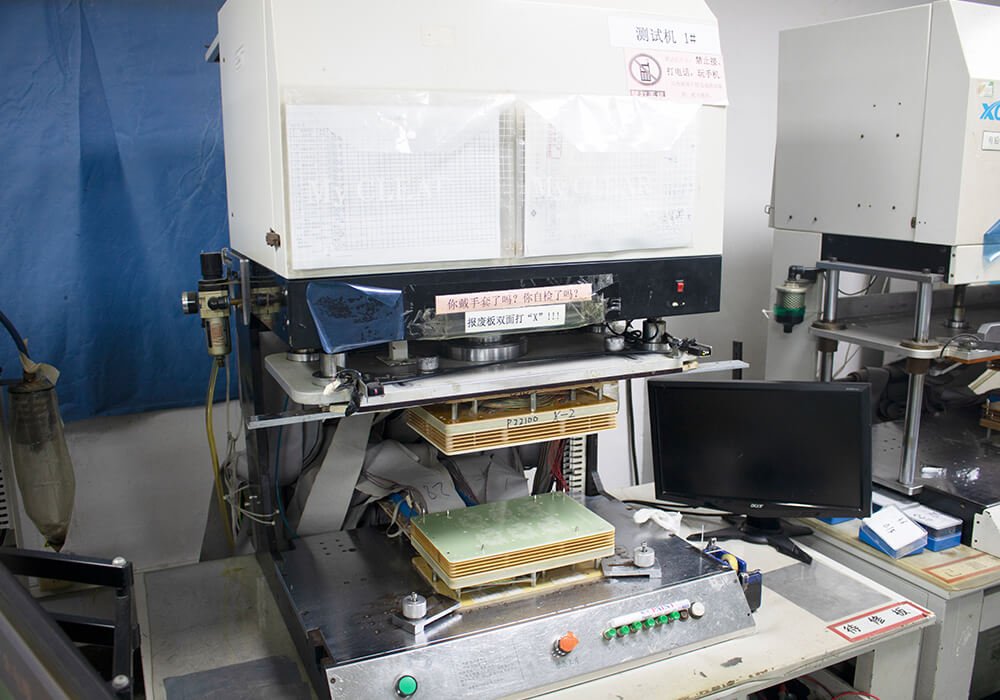
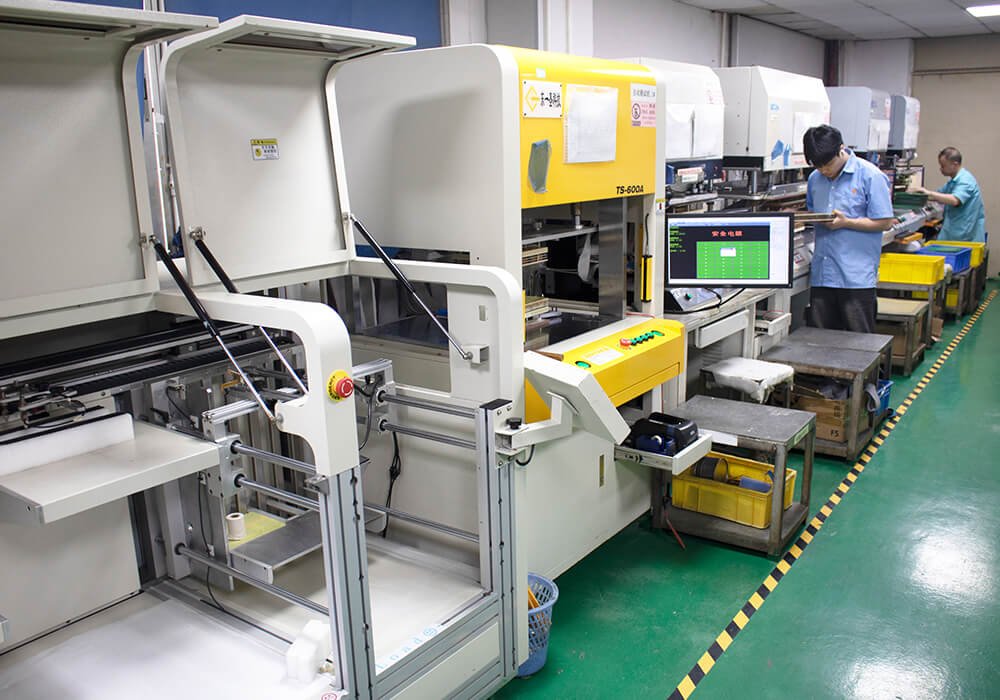
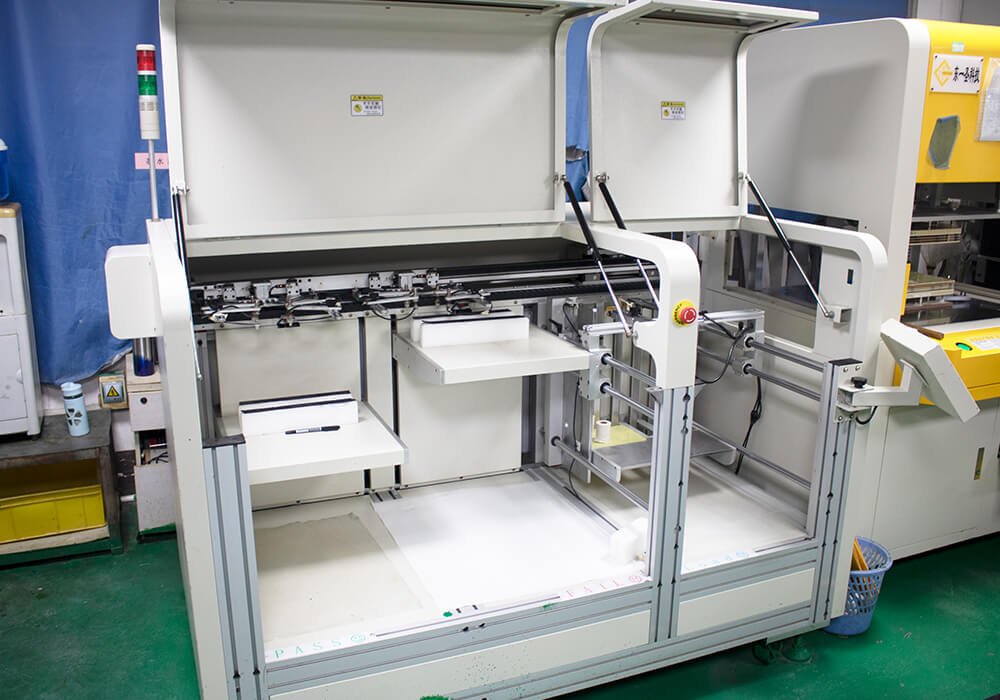
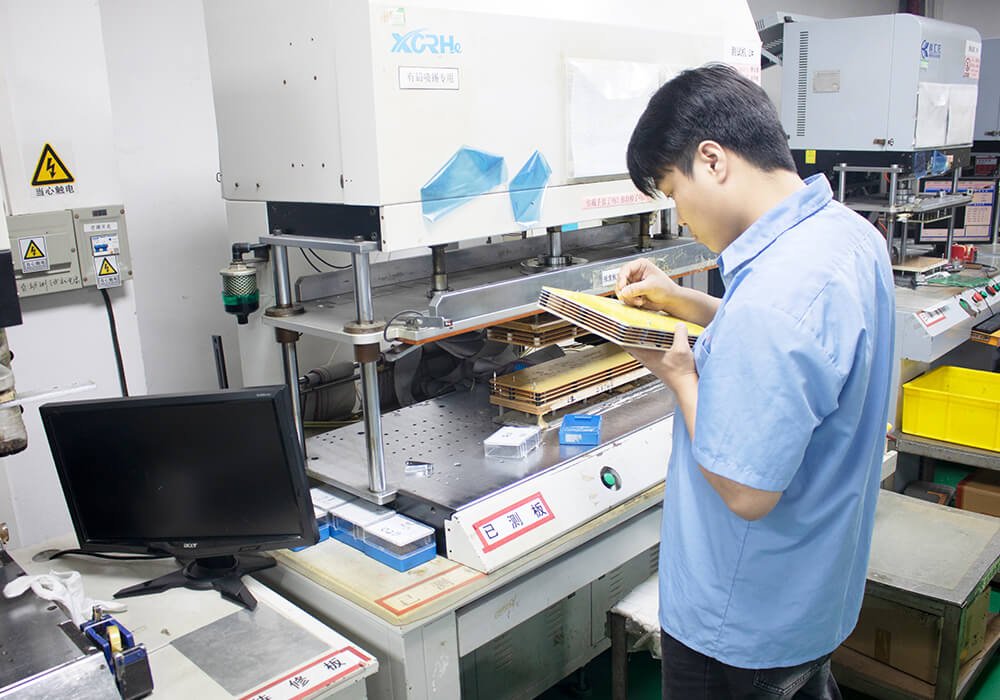
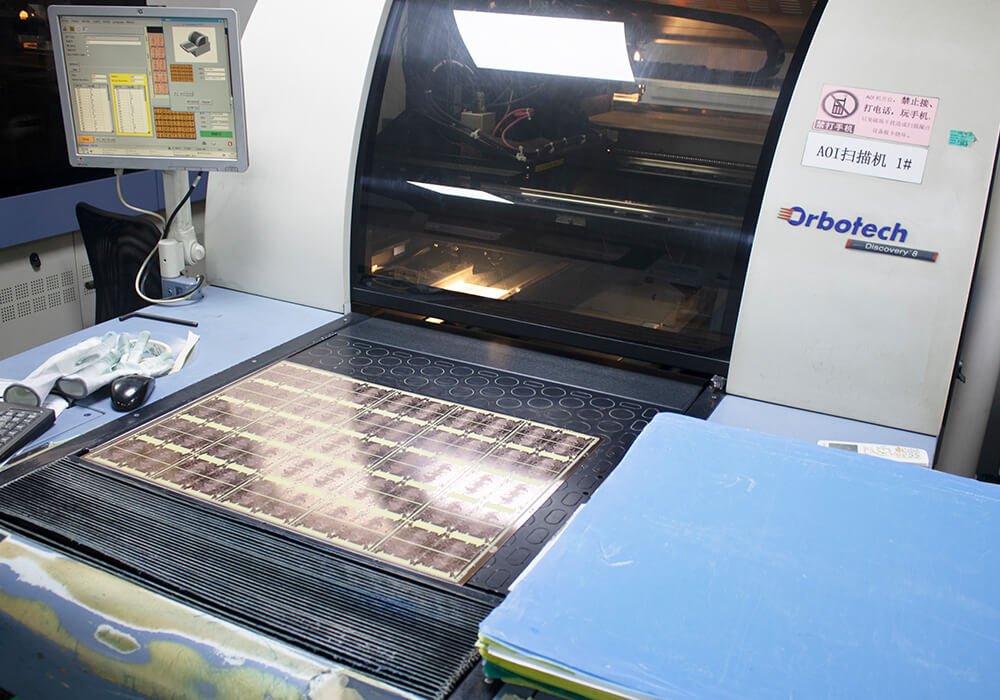
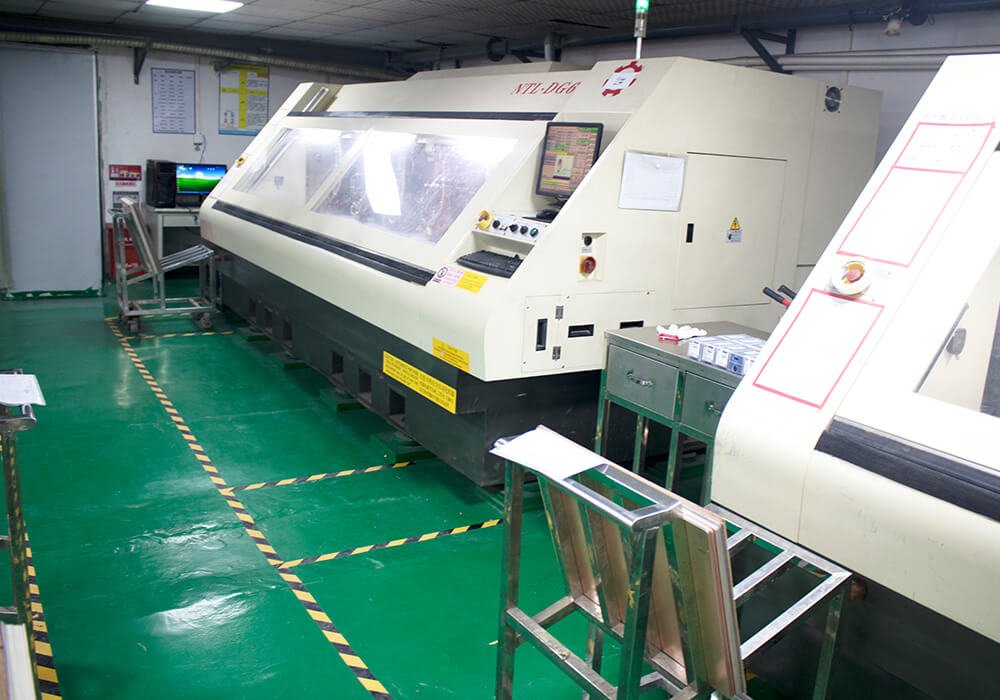
Our factory is equipped with advanced production equipment and inspection systems to ensure consistent quality across prototypes and volume orders.

We follow strict quality standards, such ISO and IPC standards, and provide full traceability throughout the manufacturing process.

Manufacturing Capacity

We support complex multilayer PCB manufacturing from 4 to 64 layers.

  • Layer Count: 4–64 layers
  • Board Thickness: 0.2mm – 6.0mm
  • Maximum Panel Size: 600mm × 1200mm
  • Minimum Trace / Space: 3 / 3 mil
  • Minimum Mechanical Drill: 0.2mm
  • Minimum Laser Drill (Microvia): 0.1mm

Surface Finishes

We support a wide range of surface finishes to meet different application needs:

  • HASL / Lead-Free HASL
  • ENIG (Electroless Nickel Immersion Gold)
  • ENEPIG
  • OSP
  • Immersion Tin / Silver

Quality &Testing

To ensure product reliability, we apply strict quality control processes:

  • Automated Optical Inspection (AOI)
  • X-ray Inspection
  • Electrical Testing
  • Impedance Testing
  • Cross-section Analysis

Feature Multilayer PCB.

We provided a comprehensive range of multilayer PCBs to meet different industries’ requirements. From standard boards to advanced HDI structures, we support both prototype and mass production.

Feature Multilayer PCB
Top Quality Multilayer PCB
Cheaper Multilayer PCB
Multilayer PCB Price
Multilayer PCB Near Me
Best Multilayer PCB

Multilayer PCB We Offer.

Flex PCB Single-Sided Flex PCB

Standard Multilayer PCB

Our standard multilayer PCBs are ideal for general electronic applications that require reliable performance and moderate complexity.

  • 4 to 16 layers
  • Cost-effective
  • Stable electrical performance
  • Suitable for consumer and industrial electronics

Flex PCB Double-Sided Flex PCB

HDI Multilayer PCB

High-Density Interconnect PCBs are designed for compact devices.

  • Microvias (laser drilled)
  • Stacked and staggered vias
  • Fine trace and spacing
  • Reduced board size

Flex PCB Multilayer Flex PCB

High-Frequency Multilayer PCB

These PCBs are optimized for high-speed and RF signal transmission with low signal loss.

  • Low dielectric loss materials (Rogers, PTFE)
  • Controlled impedance
  • Stable high-frequency performance

Flex PCB with Stiffeners

High-Tg Multilayer PCB

High-Tg PCBs are built to withstand high temperatures and harsh operating environments.

  • High Glass Transition Temperature (Tg ≥ 170°C)
  • Strong Thermal Stability
  • Excellent Heat Resistance)
Flex PCB Rigid-Flex PCB

Heavy Copper Multilayer PCB

Heavy copper PCBs provide enhanced electrical and thermal performance for high current applications.

  • Copper Thickness: 2oz to 10oz
  • High Current Carrying Capacity
  • Improved Heat Dissipation

Flex PCB Single-Sided Flex PCB

Rigid-Flex Multilayer PCB

Rigid-flex PCBs are composed of rigid boards and flexible circuits for compact and durable designs.

  • Flexible And Rigid Layer Integration
  • Reduced Connectors And Wiring
  • Improved Reliability
Item

Capability

Layer Count

4–64 Layers

Base Materials

FR-4 Tg 150–180 °C /Megtron /Rogers /Isola low-loss

Board Thickness

0.6–8.0 mm

Copper Weight

0.5–4 oz

Min Trace/Space

25/25 μm

Min Hole Size

0.05 mm (two mil)

Via Technology

Through-hole/blind/buried/ Microvias/ stacked vias/via-in-pad

Max Panel Size

571.5 × 1200 mm

Impedance Control

±5% (plus/minus five percent)

Surface Finish

ENIG, OSP, Immersion Silver

Quality Testing

100% E-test, AOI, X-ray, microsection

Certifications

ISO 9001, UL, RoHS/REACH

Lead Time

5–7 days (five to seven)

Multilayer PCB Feature

Our multilayer PCB can ensure reliability, stability, and efficiency with advanced design and manufacturing technologies.

Multilayer PCB Feature

Multilayer PCBs allow more components to be placed within a limited space.

  • Enables compact product design
  • Supports fine-pitch components (BGA, QFN)
  • Ideal for miniaturized electronics

Precise impedance control is essential for high-speed signal transmission.

  • Impedance tolerance: ±5%
  • Suitable for RF and high-speed digital circuits
  • Ensures signal stability and reduces reflection

Multilayer stackup design can improve signal performance across the board.

  • Shorter signal paths
  • Reduced crosstalk
  • Optimized differential pair routing

Internal power and ground planes act as natural shields.

  • Reduced electromagnetic interference (EMI)
  • Improved electromagnetic compatibility (EMC)
  • Better compliance with international standards

The laminated structure provides high durability.

  • High Mechanical Resistance
  • Resistant To Vibration And Bending
  • Suitable For Harsh Environments

Multiple copper layers help distribute and dissipate heat.

  • Reduced hot spots
  • Improved thermal conductivity
  • Extended component lifespan

Multilayer PCB Structure

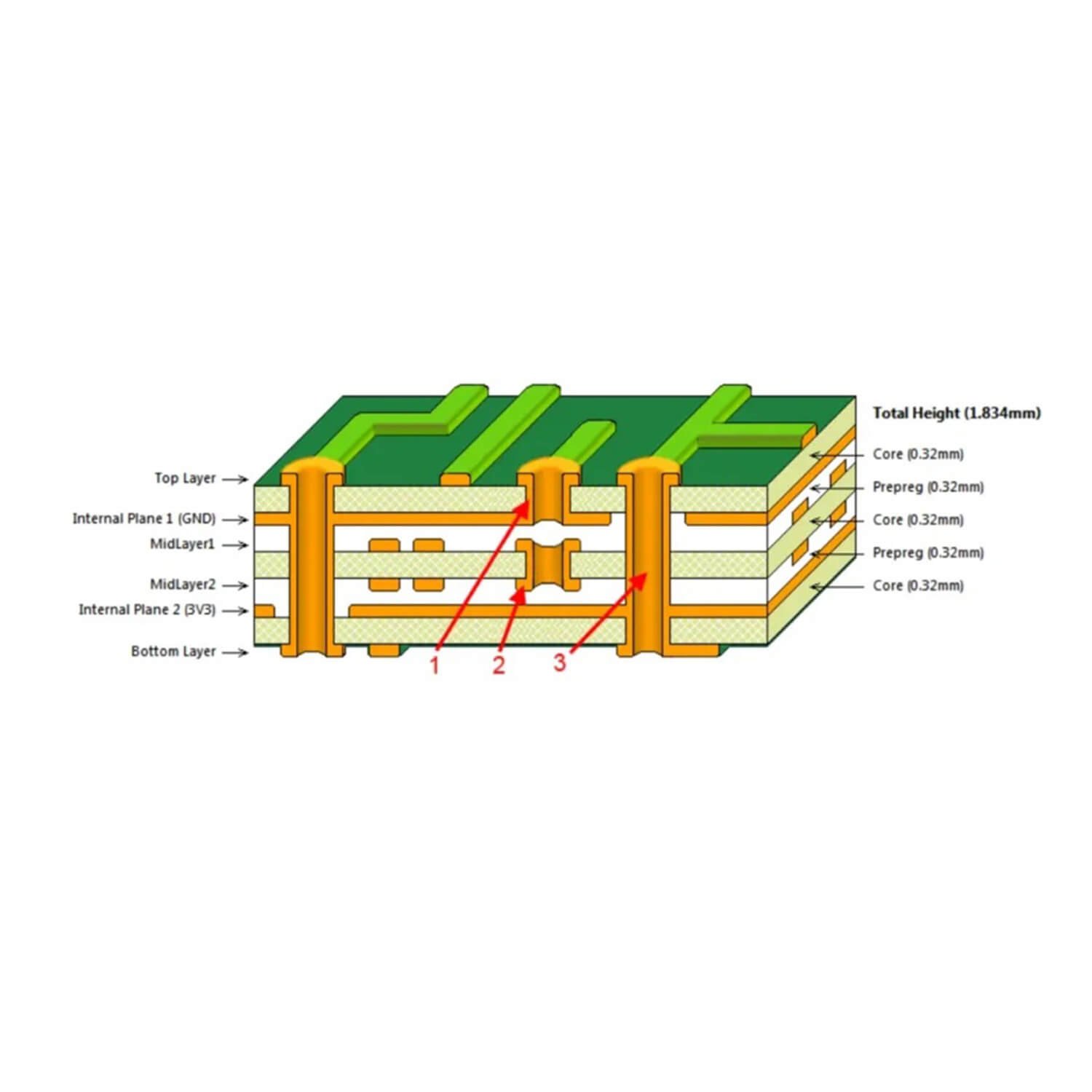
A multilayer PCB is made of several copper layers separated by insulating materials. These layers are pressed together to form one solid board. This structure supports complex circuits and high component density.

The outer layers are called the top layer and bottom layer. They hold electronic components and are protected by a surface coating. The inner layers include signal layers, power layers, and ground layers.

Each layer in a multilayer PCB has a specific function.

Signal Layers

Signal layers carry electrical signals between components.

  • Use copper traces to connect parts
  • Support both simple and high-speed circuits
  • Enable complex routing

Ground Layers

Ground layers provide a return path for current.

  • Reduce noise and interference
  • Improve signal stability
  • Support EMI control

Power Layers

Power layers supply voltage to components.

  • Distribute power evenly
  • Support different voltage levels
  • Improve power stability

Dielectric Layers

Dielectric layers are insulating materials placed between copper layers.

  • Common material: FR-4
  • Prevent short circuits
  • Help maintain signal integrity
  • Control impedance

The PCB stackup defines how layers are arranged. Good stackup design improves performance and reliability.

The outer copper layers are coated to protect them and improve soldering.

Include:

  • HASL (Hot Air Solder Leveling)
  • ENIG (Electroless Nickel Immersion Gold)
  • OSP (Organic Solderability Preservative)

Multilayer PCBs support different assembly methods:

  • SMT (Surface Mount Technology) for small components
  • Through-hole for strong mechanical support

Vias are small holes that connect different PCB layers.

Types of Vias

Via Type

Structure

Layer Span

Cost Impact

Through-Hole

Drilled from top to bottom

All layers

Low

Blind Via

Surface to inner layer

Partial

+15–25%

Buried Via

Inner layers only

Partial

+20–30%

Microvia

Laser drilled (HDI)

Adjacent layers

+30–50%

Stacked Via

Vertical microvias

Multiple

+40–60%

Staggered Via

Offset microvias

Multiple

+25–35%


Multilayer PCB Structure

Multilayer PCB Design

A good Multilayer PCB design can improve signal integrity, reduce noise, and lower production costs.

Multilayer PCB Design

Stackup is the foundation of multilayer PCB design. It defines how layers are arranged.

We need to:

  • Use even number of layers to prevent warping
  • Keep the structure symmetrical
  • Place signal layers next to ground planes
  • Control dielectric thickness for impedance

High-speed signals require careful routing.

Tips:

  • Keep traces short and direct
  • Avoid sharp corners; use 45° angles
  • Maintain consistent trace width
  • Route differential pairs together
  • Avoid crossing gaps in ground planes

Controlled impedance is important for high-speed circuits.

  • Typical values: 50Ω (single-ended), 100Ω (differential)
  • Depends on trace width, spacing, and dielectric thickness
  • Maintain tolerance within ±5%

A strong power system ensures stable operation.

We should:

  • Use dedicated power and ground planes
  • Place decoupling capacitors close to IC pins
  • Minimize power loop area
  • Separate analog and digital power if needed

Vias connect different layers but can affect performance.

Tips:

  • Minimize via usage in high-speed paths
  • Use via stitching for grounding
  • Avoid vias under sensitive components
  • Use microvias for HDI designs

It is important to reduce noise for compliance and performance.

  • Use continuous ground planes
  • Keep return paths short
  • Add shielding where needed
  • Separate noisy and sensitive signals

Heat control is important for reliability.

  • Use thermal vias under hot components
  • Add copper planes for heat spreading
  • Ensure proper airflow in design

Multilayer PCB Material

PCB Material will directly define the multilayer PCBs’ electrical performance, thermal stability, mechanical strength, reliability, and total cost. We will choose high-quality material for your multilayer PCB project.

FR4 is the industry-standard fiberglass epoxy laminate used in most multilayer PCBs.

Advantages:

  • Cost-effective
  • Widely available
  • Good mechanical strength
  • Suitable for most industrial and consumer products
  • Compatible with standard PCB processes

Tg (Glass Transition Temperature) is the temperature where the material softens structurally.

Standard FR4 may be Tg130–140°C, while High Tg materials are often Tg170°C or higher.

Advantages:

  • Better thermal reliability
  • Lower risk of delamination
  • Better for lead-free soldering
  • Improved dimensional stability

It is used in where signal integrity matters at high frequencies or fast data rates.

Examples Include:

  • Rogers
  • Panasonic Megtron
  • Isola high-speed laminates
  • Nelco materials

PTFE-based laminates (Teflon family materials) are specialized RF substrates.

Advantages:

  • Extremely low dielectric constant loss
  • Excellent high-frequency performance
  • Stable over frequency range

These are laminates designed to support thicker copper weights such as:

  • 2 oz
  • 3 oz
  • 4 oz+ copper

Advantages:

  • High current capacity
  • Better thermal spreading
  • Improved durability
Multilayer PCB Material

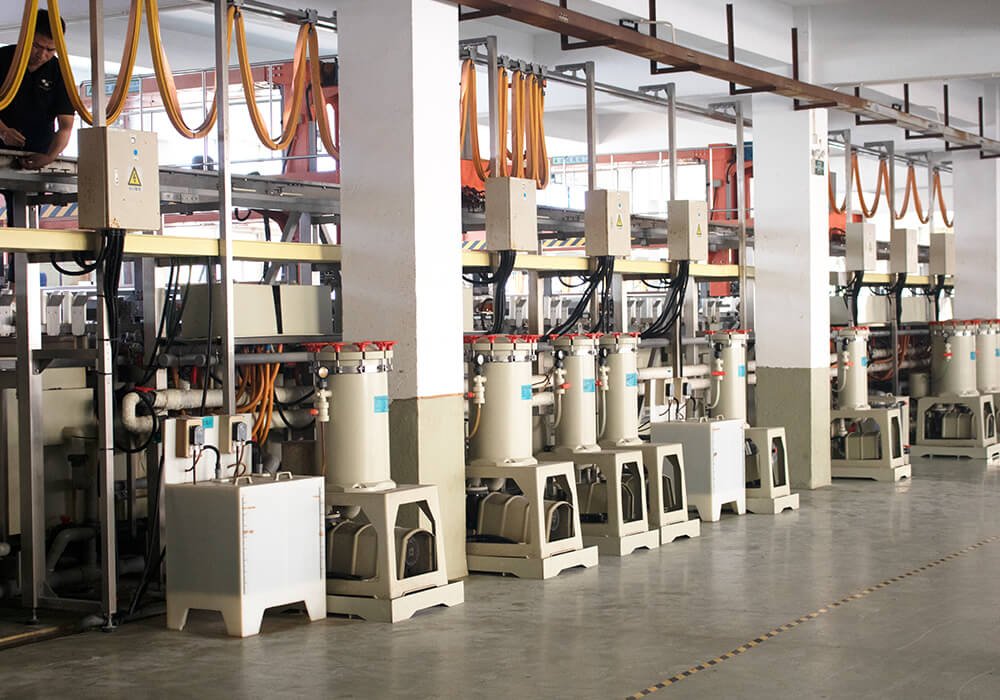
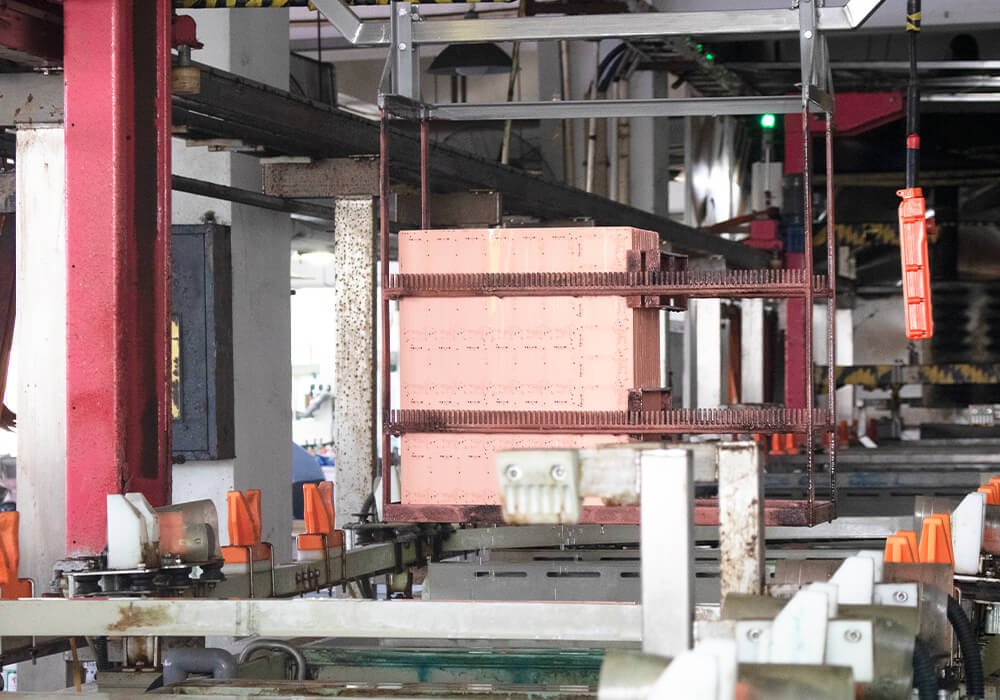
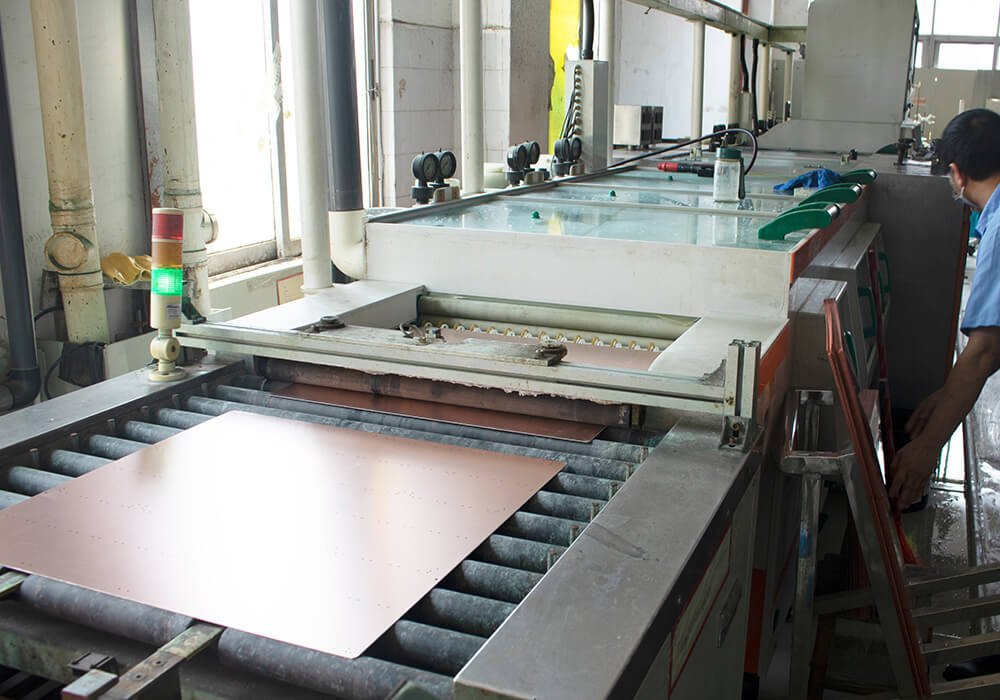
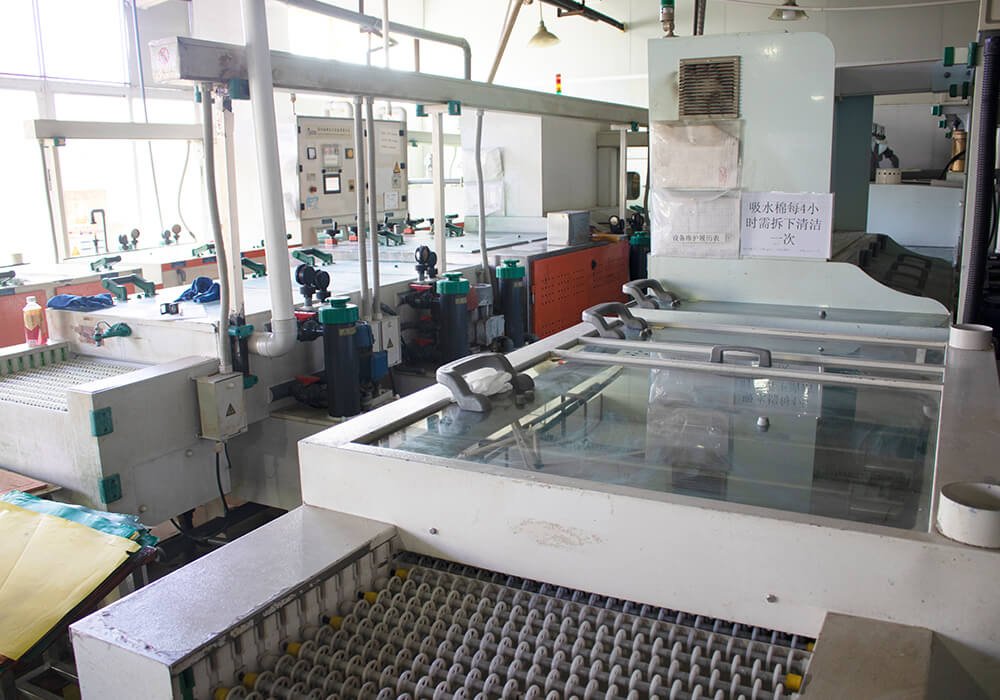
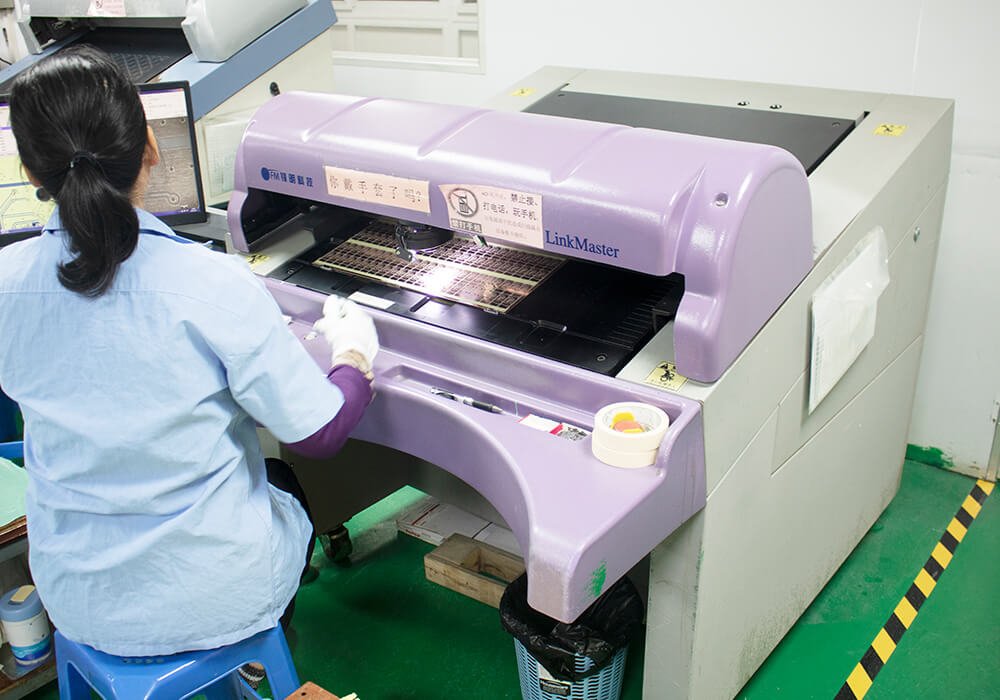
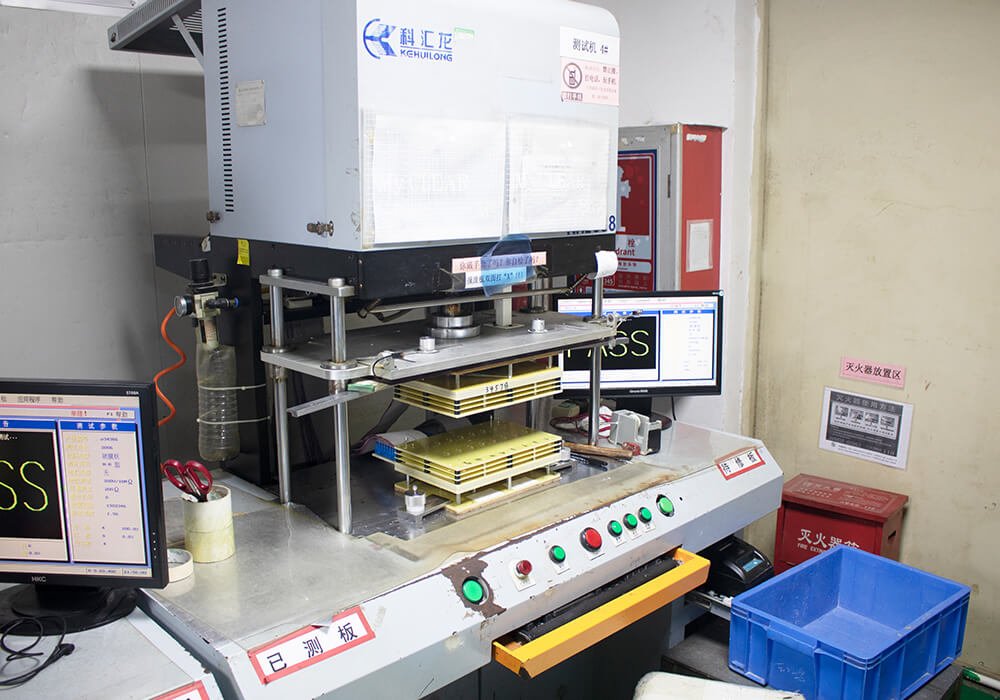
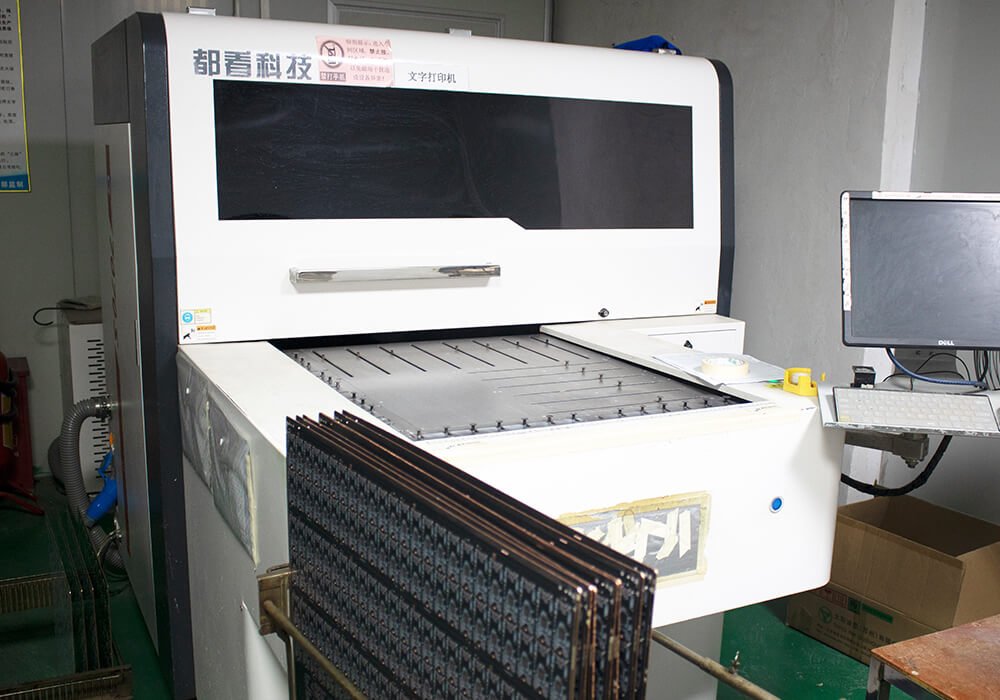
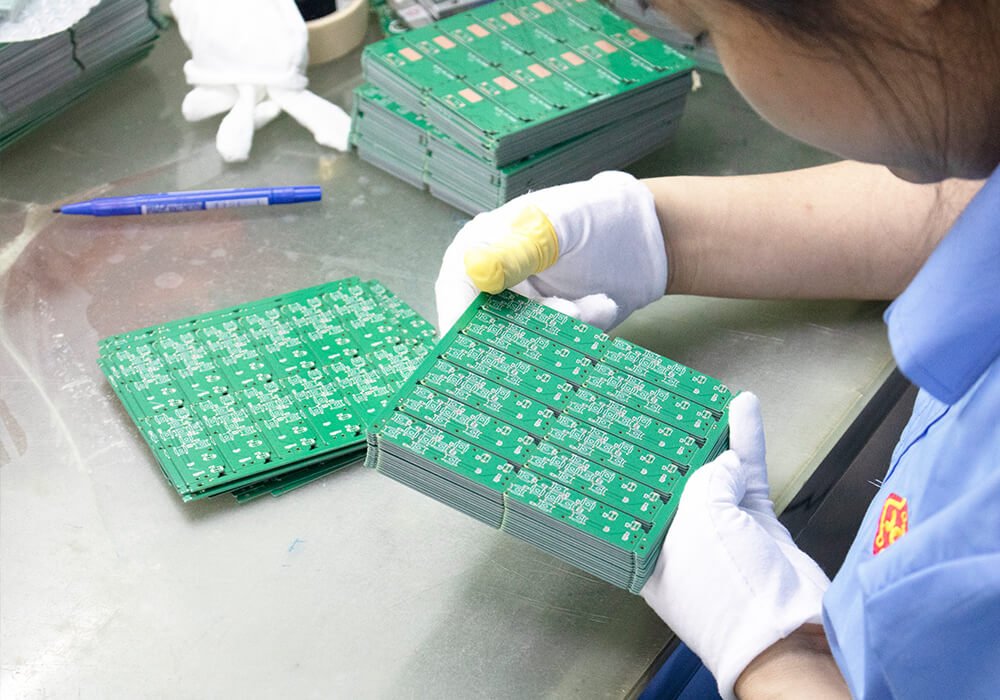
Multilayer PCB Manufacturing

Each step in our manufacturing process must be precise to ensure good performance and reliability.

PTH
copper immersion
Degumming Residue
sink gold
PCB Drill Machine
PcB Manufacturing Machine
Etching
Imaging room
PCB Test Machine
PCB Checking
PCB Checking Machine
PCB Chechking
PCB AOI
Link Master
Drill Machine
checking machine
screen printing machine
Eye Checking
Flex PCB Manufacturring Process

PCB Design

The process starts with design files.

  • Review Gerber Files And Check DFM
  • Define layer structure and materials
  • Plan impedance control and via structure

Flex PCB Manufacturring Process

Inner Layer Imaging

Inner layers are created first.

  • Clean copper-clad cores
  • Apply photoresist
  • Transfer circuit pattern using UV exposure
  • Develop and etch unwanted copper

Flex PCB Manufacturring Process

Inner Layer Inspection

Each inner layer is checked before lamination.

  • Use AOI
  • Detect open or short circuits
  • Ensure pattern accuracy

Flex PCB Manufacturring Process

Layer Lamination

All layers are stacked and bonded together.

  • Stack core + prepreg + copper foil
  • Align layers precisely
  • Apply heat and pressure
  • Form a solid multilayer board

Flex PCB Manufacturring Process

Drilling

Holes are drilled to create vias and component holes.

  • Mechanical drilling for through-holes
  • Laser drilling for microvias (HDI)
  • Ensure accurate hole position

Flex PCB Manufacturring Process

Plating

Holes are plated with copper to form electrical connections.

  • Clean and activate hole walls
  • Deposit copper layer chemically
  • Build thickness by electroplating

Flex PCB Manufacturring Process

Outer Layer Imaging

Outer circuit patterns are created.

  • Apply photoresist
  • Transfer outer layer design
  • Develop and prepare for plating

Flex PCB Manufacturring Process

Outer Layer Etching

Final copper traces are formed.

  • Plate copper on traces and vias
  • Etch away unwanted copper
  • Define final circuit pattern

Flex PCB Manufacturring Process

Solder Mask

A protective layer is added.

  • Apply solder mask coating
  • Cure with UV light
  • Protect copper from oxidation
  • Prevent solder bridging

Flex PCB Manufacturring Process

Surface Finish

Surface finish improves solderability.

  • HASL
  • ENIG
  • OSP
  • Immersion Tin / Silver

Flex PCB Manufacturring Process

Silkscreen Printing

Markings are added to the PCB.

  • Component labels
  • Reference designators
  • Logos and instructions

Flex PCB Manufacturring Process

Electrical Testing

Each PCB is tested for connectivity.

  • Flying probe or fixture testing
  • Check open and short circuits
  • Verify electrical performance

Flex PCB Manufacturring Process

Final Inspection

Final checks ensure product quality.

  • Visual inspection
  • Dimension measurement
  • Impedance testing (if required)

Multilayer PCB Applications

Our multilayer PCBs are widely used lots of industries that demand precision, reliability, and advanced functionality.

PCB Manufacturer Automotive Electronics

Automotive Electronics

Modern vehicles rely heavily on advanced electronic systems.

  • Engine control units (ECU)
  • ADAS (Advanced Driver Assistance Systems)
  • Infotainment systems
  • Electric vehicle (EV) power systems

PCB Manufacturer Industrial Automation

Industrial Equipment

Industrial systems work in harsh environments and require robust electronics.

  • Automation and robotics
  • Motor drives and controllers
  • Power distribution systems
  • PLC

PCB Manufacturer Medical Devices

Medical Devices

Medical electronics require precision, reliability, and compact design.

  • Diagnostic imaging systems
  • Monitoring devices
  • Surgical equipment
  • Portable medical devices

PCB Manufacturer Telecommunications

Telecommunication

Telecom systems require high-speed signal transmission and stable performance.

  • 5G base stations
  • Network routers and switches
  • Signal transmission systems
  • RF communication modules

Aerospace

Aerospace

Aerospace demands the highest levels of reliability and durability.

  • Avionics systems
  • Radar and communication equipment
  • Navigation and control systems
  • Satellite electronics

Power Electronics

Power Systems

Energy systems require efficient power handling and thermal management.

  • Solar inverters
  • Energy storage systems (ESS)
  • Power converters
  • Battery management systems (BMS)

PCB Manufacturer Consumer Electronics

Consumer Electronics

Multilayer PCBs are the backbone of compact and high-performance consumer devices.

  • Smartphones and tablets
  • Laptops and desktops
  • Gaming consoles
  • Wearable devices

Fast Quotation

Our professional sales and engineering teams provide fast PCB quotes and technical support. Simply send us your Gerber files, BOM, and assembly drawings, and we will respond promptly with a competitive solution.

FAQ About Multilayer PCB

1. What is a Multilayer PCB?

A multilayer PCB is a circuit board with three or more copper layers. These layers are separated by insulating materials and laminated into one structure. It allows complex circuits and high component density.

We support up to 64 layers or more for advanced applications such as telecom and aerospace systems.

Stackup is the arrangement of layers in a PCB. It defines the position of signal, power, and ground layers, and affects performance, impedance, and manufacturability.

  • Delamination: Usually caused by poor lamination control or moisture exposure.
  • Registration Misalignment: Layer-to-layer shift impacts vias and pads.
  • Impedance Failure: Wrong stackup or process drift.
  • Warpage: Can cause SMT assembly defects.
  • CAF Failure: Conductive anodic filament risk in humid environments.
  • Solderability Issues: Poor surface finish handling or aging.

For many embedded and industrial products, yes. High-speed or dense systems may need 6+ layers.

ENIG is popular for fine-pitch SMT and reliability. HASL can be more economical.

Impedance control ensures signals travel with stable electrical characteristics. It is critical for high-speed designs and is typically controlled within ±5% tolerance.

Typical lead times:

  • Prototype: 3–7 days
  • Mass production: depends on quantity and complexity

HDI (High-Density Interconnect) refers to advanced multilayer PCBs with:

  • Microvias
  • Fine traces
  • High component density

You typically need:

  • Gerber files
  • Drill files
  • Stackup information
  • BOM (for assembly)