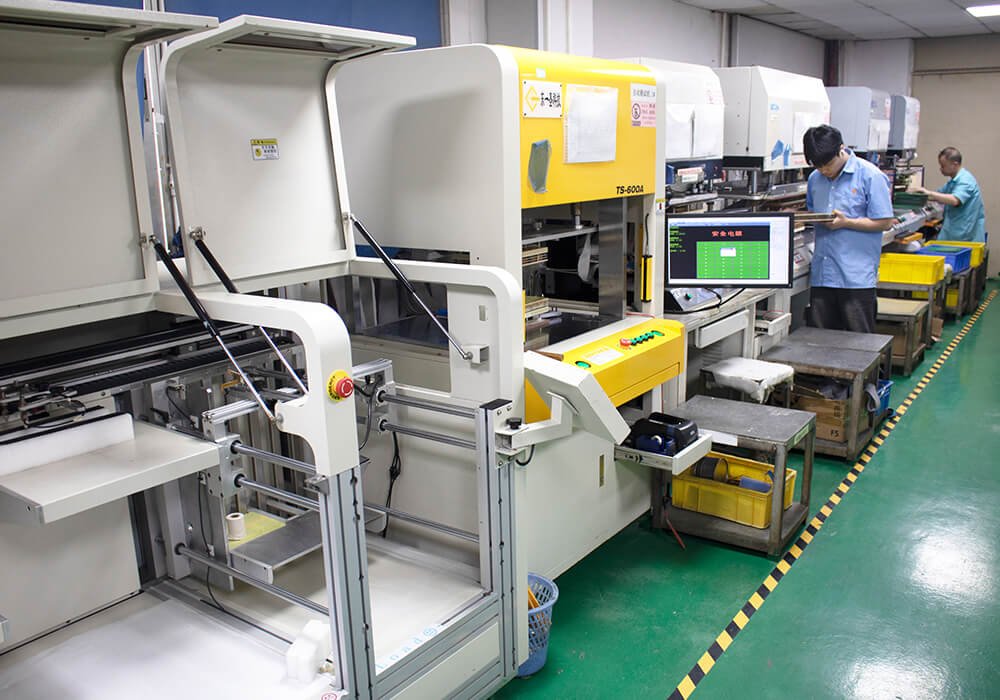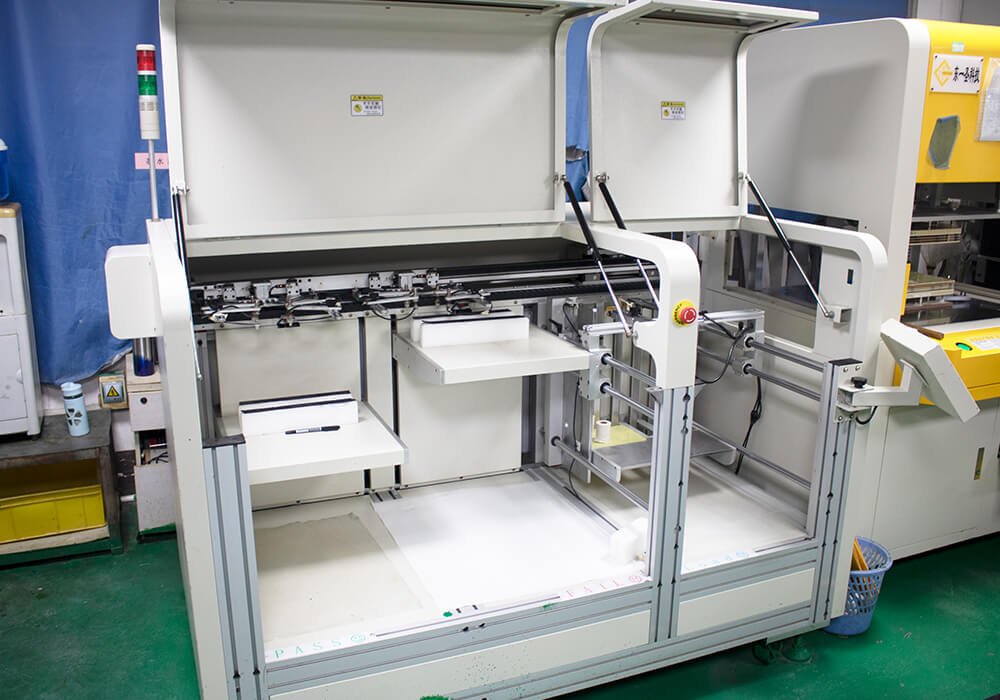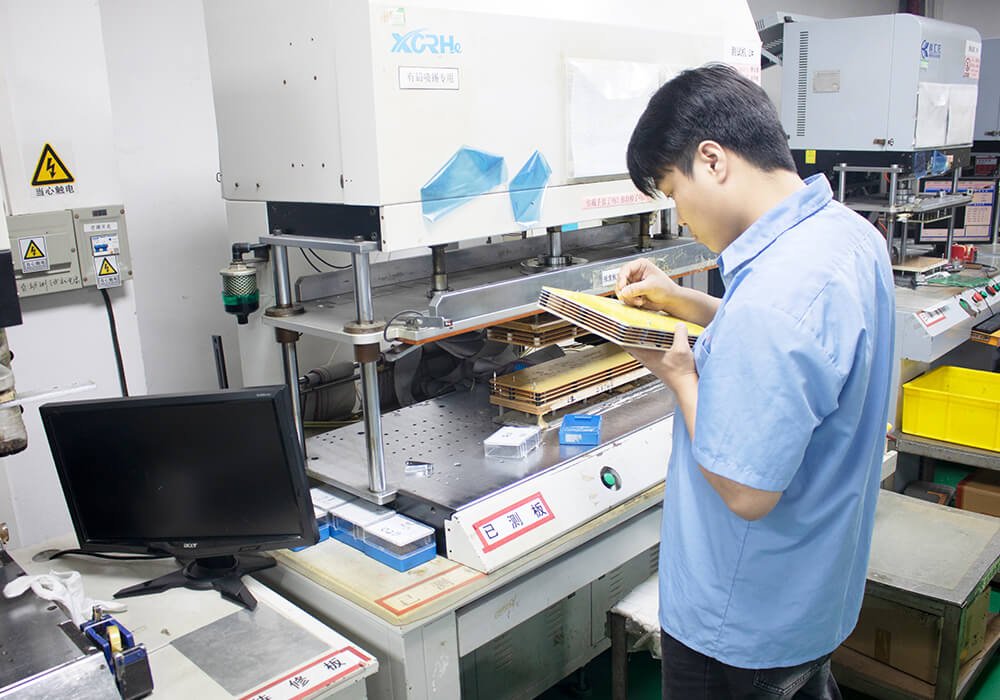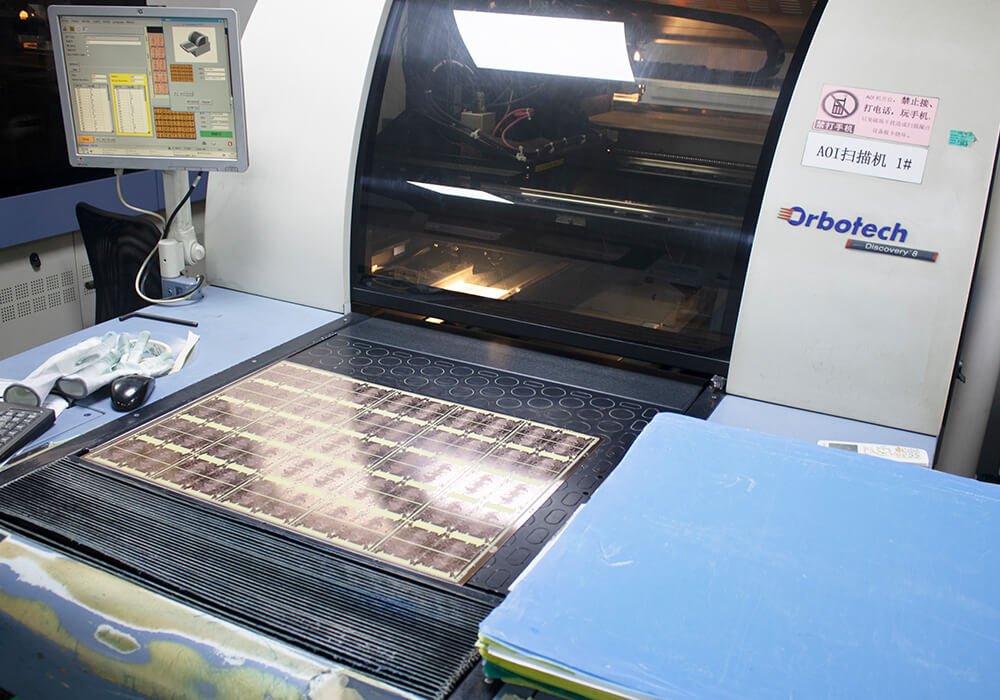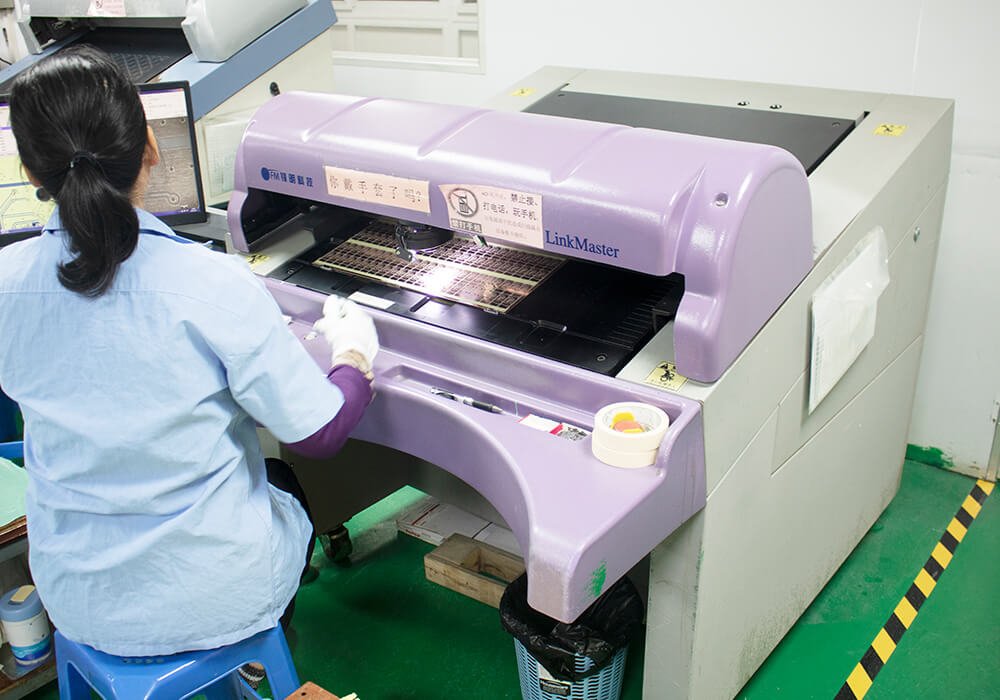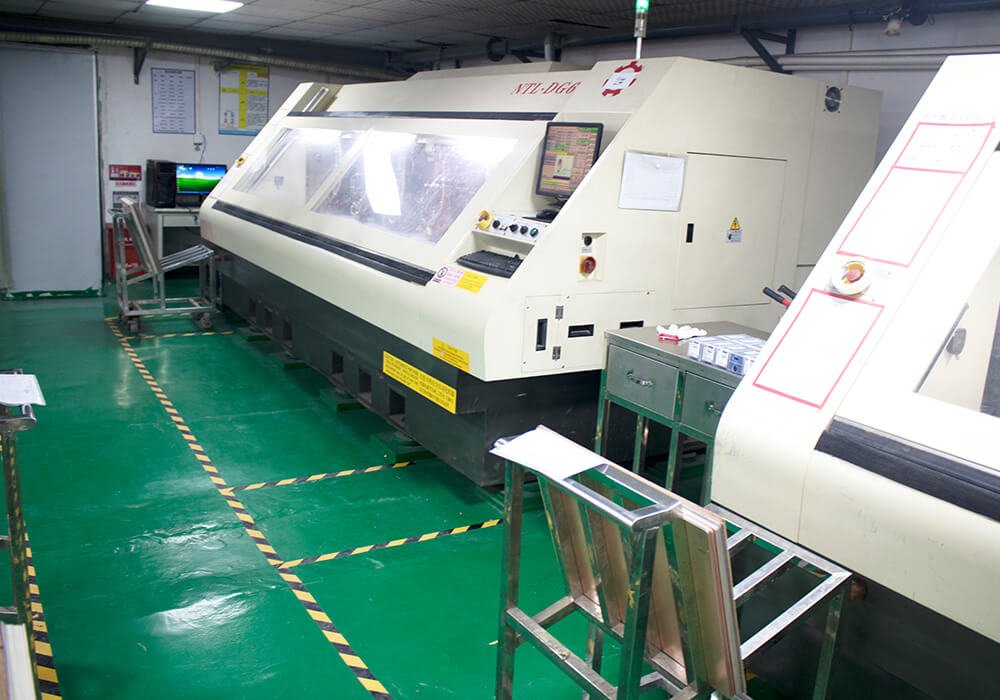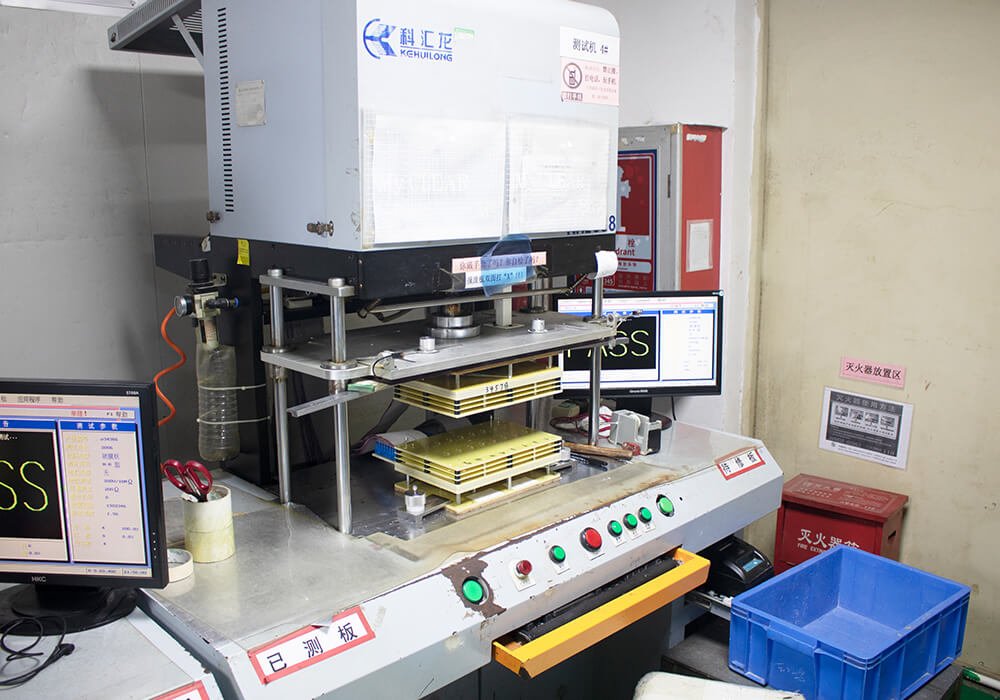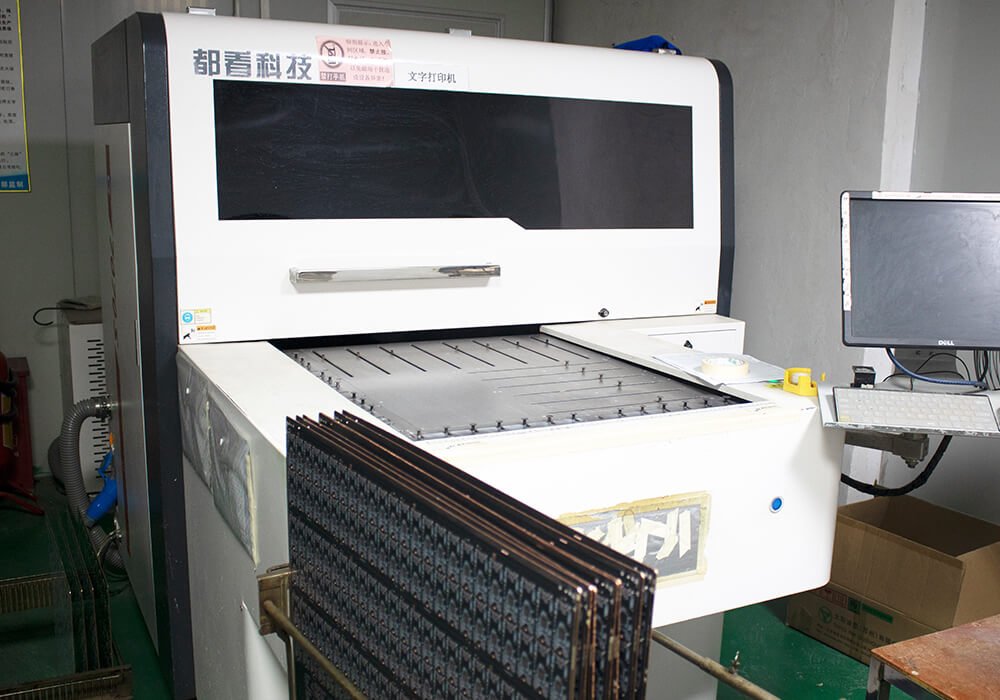

/Fast &Reliable/
Custom PCB Fabrication
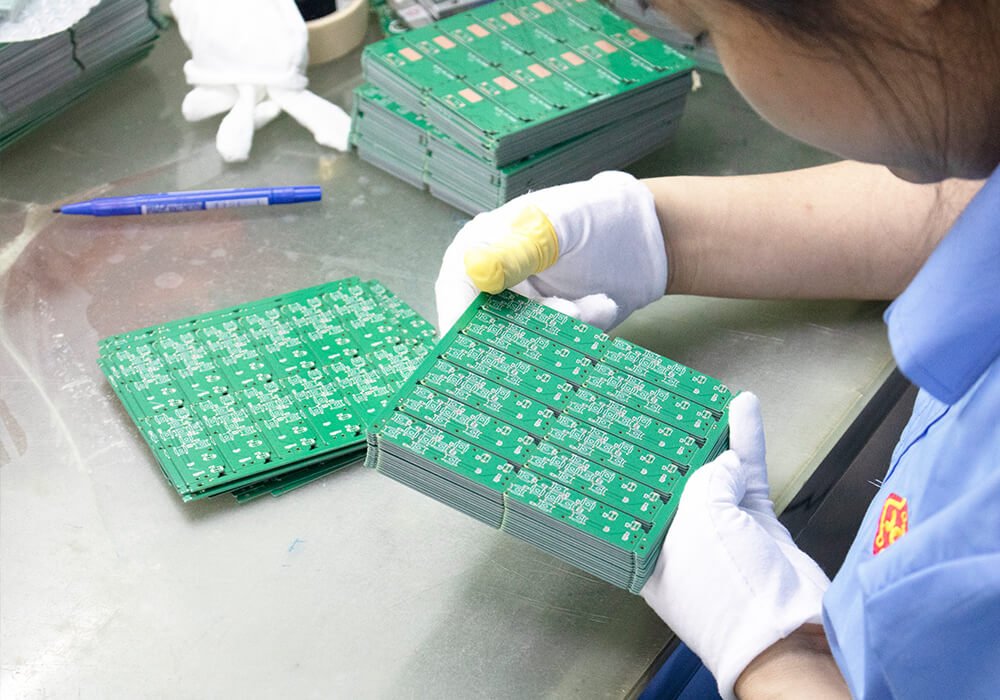
PCBSAIL specializes in Custom PCB Fabrication tailored to your exact specifications.
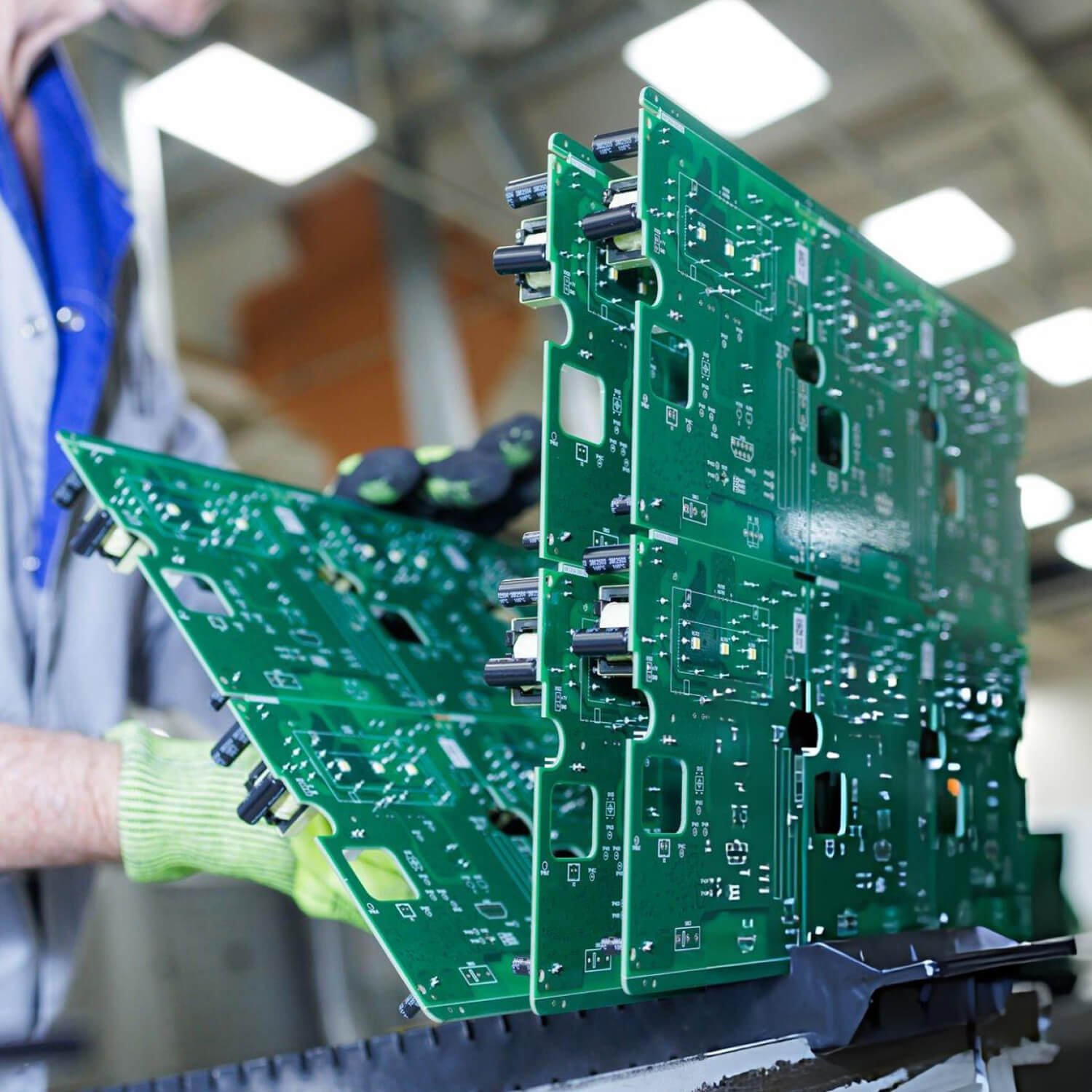
Whether you need a simple 2-layer board or a complex 64-layer high-speed, high-frequency, or high-Tg PCB, we deliver precision-engineered solutions from prototype to mass production.
Our goal is simple: build PCBs that match your design exactly and perform reliably in real-world conditions.
What Is Custom PCB Fabrication?
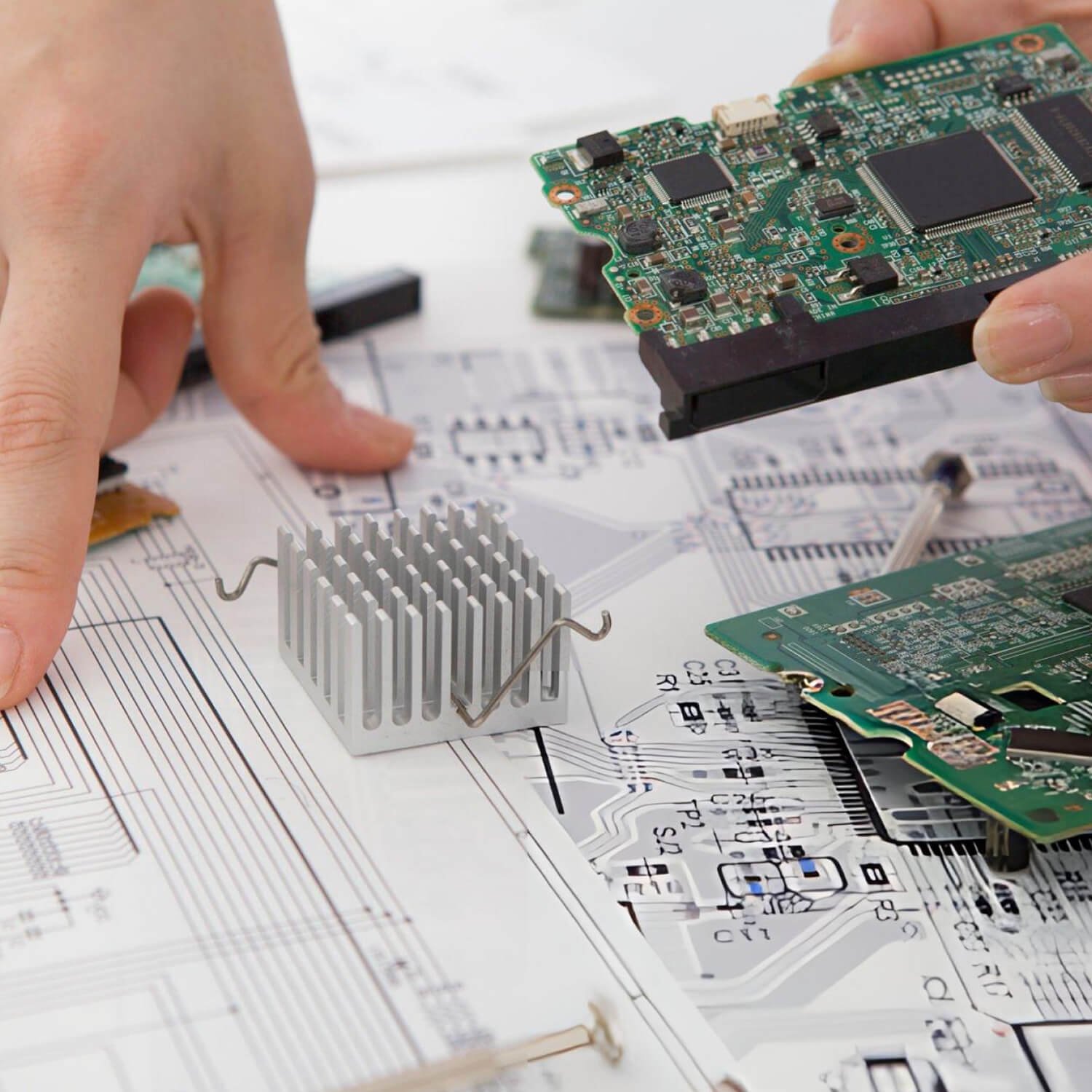
Custom PCB fabrication is the process of designing and manufacturing PCBs that are specifically tailored to meet the unique electrical, mechanical, and environmental requirements.
Our Custom PCB fabrication services are built from scratch based on your exact specifications. It Includes:
- Circuit Design And Schematic Requirements
- Board Size, Shape, And Thickness
- Layer Stack-Up And Routing Complexity
- Material Selection
- Surface Finish And Performance Requirements
We specialize in delivering high-performance custom PCB service that meet strict quality, reliability, and scalability standards.
Types of PCB Prototypes We Offer
We can provide a comprehensive range of custom PCB fabrication solutions to meet diverse application requirements.

Single-Sided PCB
Single-sided PCBs have one layer of conductive copper on one side of the substrate.
- Simple structure
- Low manufacturing cost
- Easy to design and assemble

Multilayer PCB
Multilayer PCBs consist of three or more conductive layers laminated together.
- High circuit density
- Supports complex and high-speed designs
- Better EMI control

HDI PCBs
HDI PCBs use advanced manufacturing techniques such as microvias, blind vias, and buried vias.
- Ultra-fine trace widths and spacing
- Compact size with high functionality
- Improved signal integrity

Flexible PCB
Flexible PCBs are made from bendable materials like polyimide, allowing them to flex during use.
- Lightweight and thin
- Space-saving design
- High durability under dynamic conditions

Rigid-Flex PCB
Rigid-flex PCB is composed of rigid and flexible substrates.
- Reduced need for connectors
- Enhanced reliability
- Compact and space-efficient

Aluminum PCB
Aluminum PCBs use a metal core for superior heat dissipation.
- Excellent thermal conductivity
- High mechanical strength
- Ideal for high-power applications

High-Frequency PCB
High-frequency PCBs are designed for RF and microwave signals using specialized materials.
- Low signal loss
- Stable dielectric properties
- Controlled impedance

Ceramic PCB
Ceramic PCBs use ceramic substrates for high-performance applications.
- Excellent thermal conductivity
- High electrical insulation
- High heat resistance

Rogers PCB
Rogers PCBs are made from advanced RF materials for high-frequency performance.
- Low dielectric loss
- High signal stability
- Suitable for GHz frequencies
Item | Rigid PCB | Flexible PCB | Rigid-Flex PCB |
Max Layer | 60L | 8L | 36L |
Inner Layer Min Trace/Space | 3/3mil | 3/3mil | 3/3mil |
Out Layer Min Trace/Space | 3/3mil | 3.5/4mil | 3.5/4mil |
Inner Layer Max Copper | 6oz | 2oz | 6oz |
Out Layer Max Copper | 6oz | 20z | 3oz |
Min Mead hanical Driling | 0.15mm | 0.1mm | 0.15mm |
Min Laser Drilling | 0.1mm | 0.1mm | 0.1mm |
Max Aspect Ratio (Mechanical Drilling) | 20:01 | 10:01 | 12:01 |
Max Aspect Ratio (Laser Drilling) | 1:01 | / | 1:01 |
Press Fit Hole Tolerance | ±0.05mm | ±0.05mm | ±0.05mm |
PTH Tolerance | ±0.075mm | ±0.075mm | ±0.075mm |
NPTH Tolerance | ±0.05mm | ±0.05mm | ±0.05mm |
Countersink Tolerance | ±0.15mm | ±0.15mm | ±0.15mm |
Board Thickness | 0.4-8mm | 0.1-0.5mm | 0.4-3mm |
Board Thickness Tolerance(<1.0mm) | ±0.1mm | ±0.05mm | ±0.1mm |
Board Thickness Tolerance(≥1.0mm) | ±10% | / | ±10% |
Min Board Size | 10*10mm | 5*10mm | 10*10mm |
Max Board Size | 22.5*30 inch | 9*14 inch | 22.5*30 inch |
Contour Tolerance | ±0.1mm | ±0.05mm | ±0.1mm |
Min BGA | 7mil | 7mil | 7mil |
Min SMT | 7*10mil | 7*10mil | 7*10mil |
Min Solder Mask Clearance | 1.5mil | 3mil | 1.5mil |
Min Solder Mask Dam | 3mil | 8mil | 3mil |
Min Legend Width/Height | 4/23mil | 4/23mil | 4/23mil |
Strain Fillet Width | / | 1.5±0.5mm | 1.5±0.5mm |
Bow &Twist | 0.003 | / | 0.0005 |
Benefits of Custom PCB Fabrication
Our custom designs are engineered to meet exact functional, mechanical, and environmental requirements.
Tailored Electrical Performance
Custom PCBs are designed specifically for your circuit requirements, ensuring optimal electrical behavior.
- Precise impedance control
- Improved signal integrity
- Reduced noise and interference
- Optimized routing for high-speed signals
Enhanced Reliability
Custom PCBs are built using materials and structures suited to the operating environment.
- Resistance to high temperatures
- Protection against moisture and corrosion
- Withstand vibration and mechanical stress
Compact Design
With custom PCB fabrication, boards can be designed to fit exact product dimensions.
- Reduced board size
- Support for complex and irregular shapes
- Higher component density
Improved Thermal Management
Thermal performance can be engineered directly into the PCB design.
- Efficient heat dissipation
- Use of thermal vias and copper planes
- Integration of metal-core or high-Tg materials
Greater Design Flexibility
Custom PCB fabrication allows full control over every aspect of the board.
- Layer stack-up configuration
- Material selection (FR-4, Rogers, Polyimide, etc.)
- Surface finishes (ENIG, HASL, OSP, etc.)
- Via structures (blind, buried, microvias)
Custom PCB Fabrication Process
Our custom PCB fabrication process is engineered for precision, consistency, and scalability. From initial file review to final delivery, every step is tightly controlled to ensure your PCB meets exact specifications and performs reliably in real-world applications.

Step 1: Custom PCB Design
A well-PCB designing can reduce risks, shorten development time, and improve final performance.
- What functions must the device perform?
- What are the size and space constraints?
- Will the PCB operate in harsh environments (heat, vibration, moisture)?
- Does the design involve high-speed signals or high-power circuits?

Step 2: Custom PCB Design
Material is important to PCB performance and reliability.
- FR-4 – Standard, cost-effective for general applications
- High-Tg laminates – Better thermal resistance
- Polyimide – Ideal for flexible PCBs
- RF materials (e.g., Rogers) – Optimized for high-frequency circuits

Step 3: PCB Layout
Once requirements are defined, the design moves from concept to physical layout.
- Layer stack-up
- Routing paths
- Power and ground planes
- Component placement
- Via structures

Step 4: Prototyping
PCB Prototyping is an important validation step that prevents expensive mistakes in mass production.
- Electrical functionality
- Mechanical fit within the enclosure
- Thermal behavior under real conditions
- Assembly compatibility

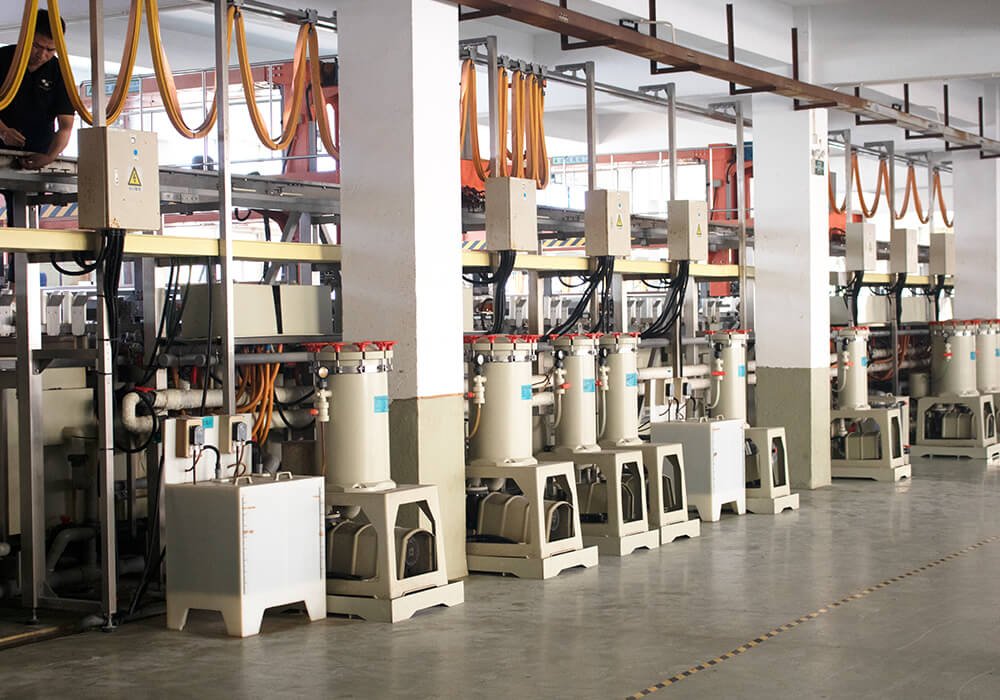
Step 5: PCB Fabrication
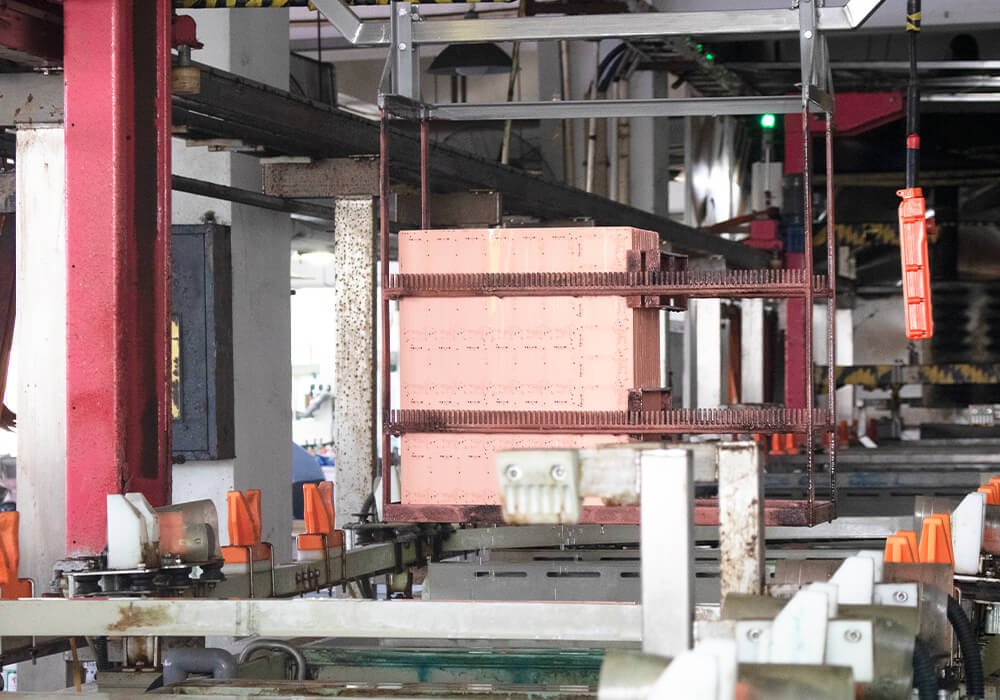
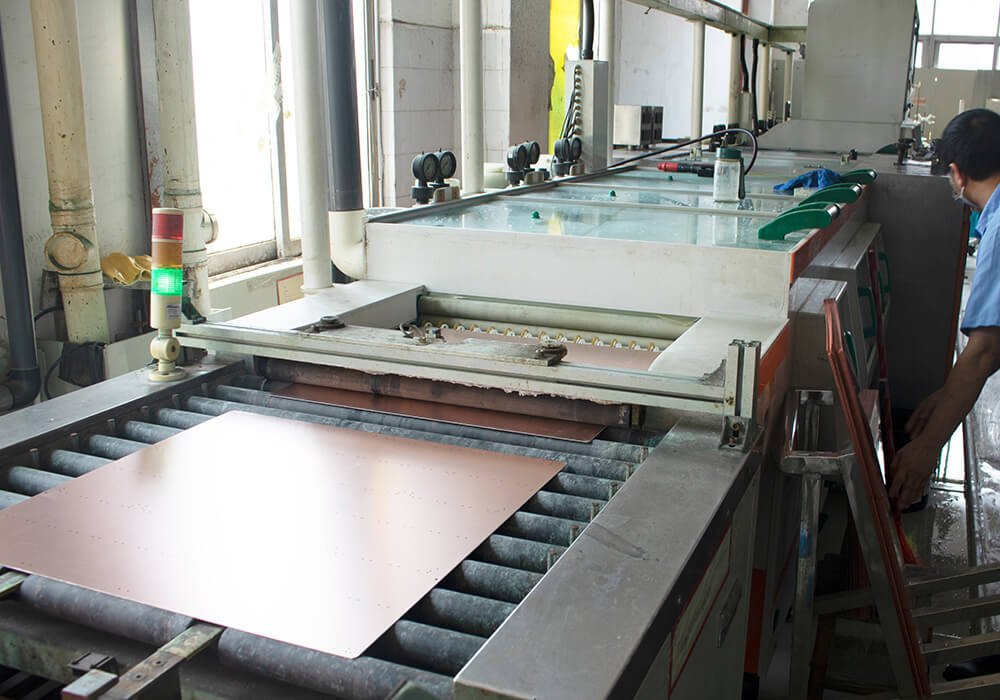
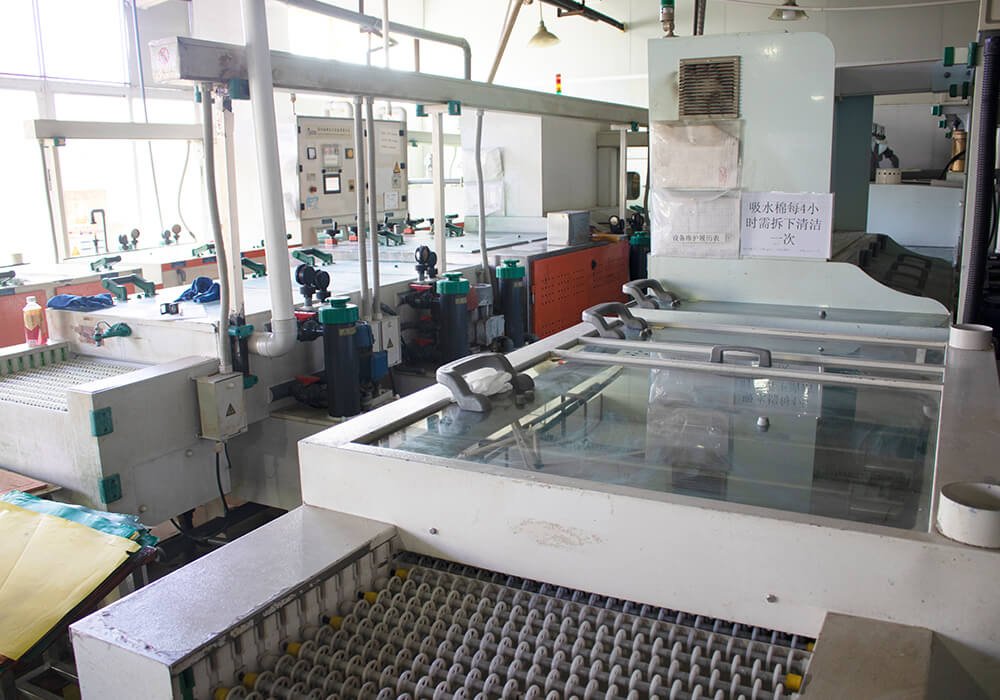
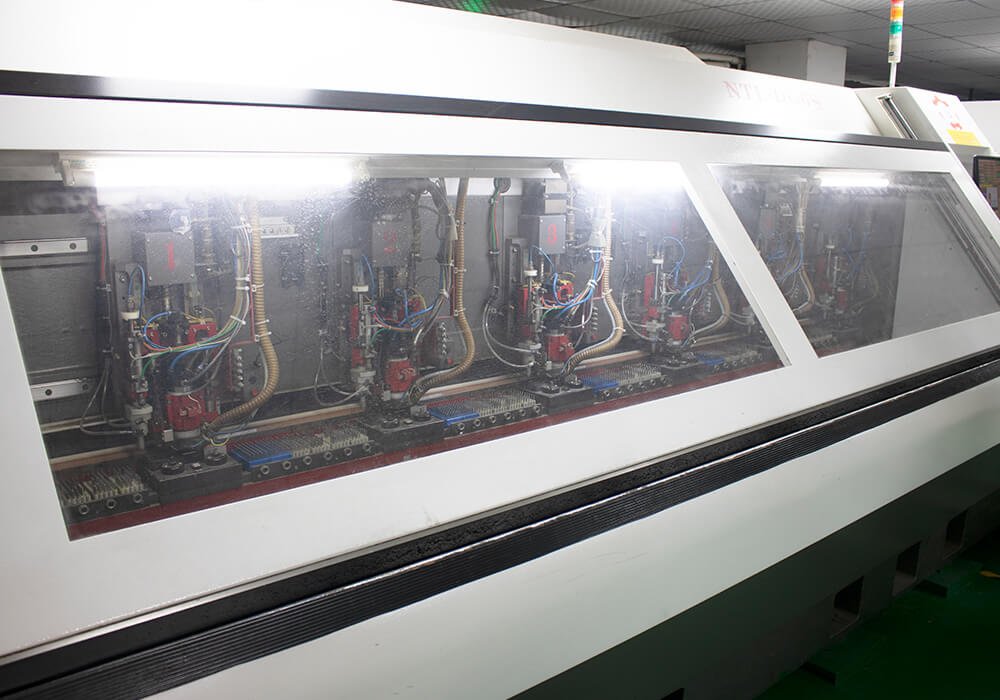
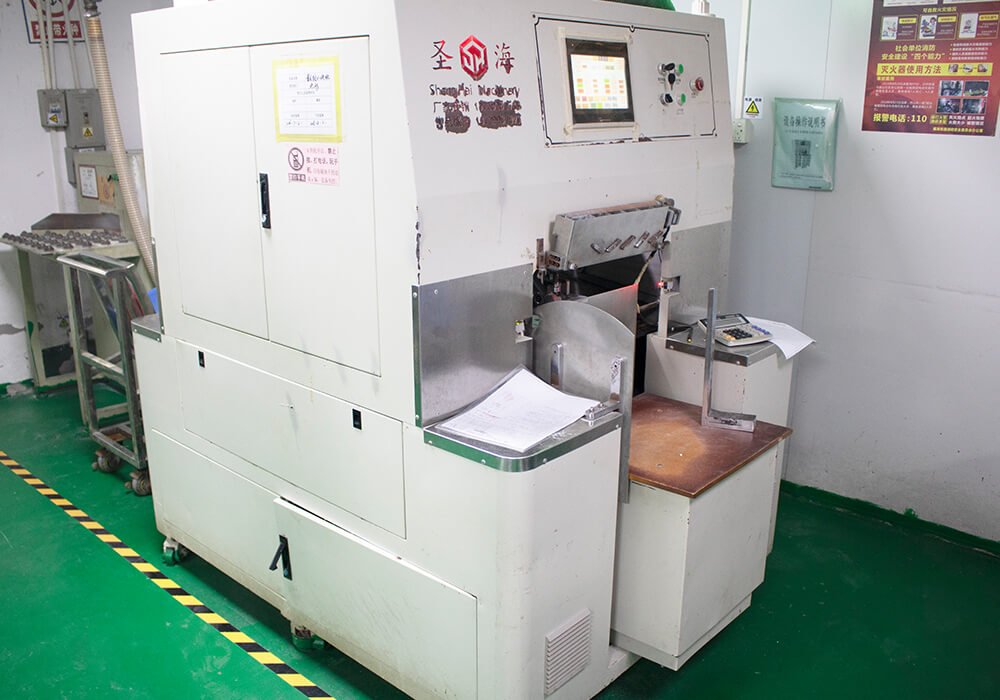
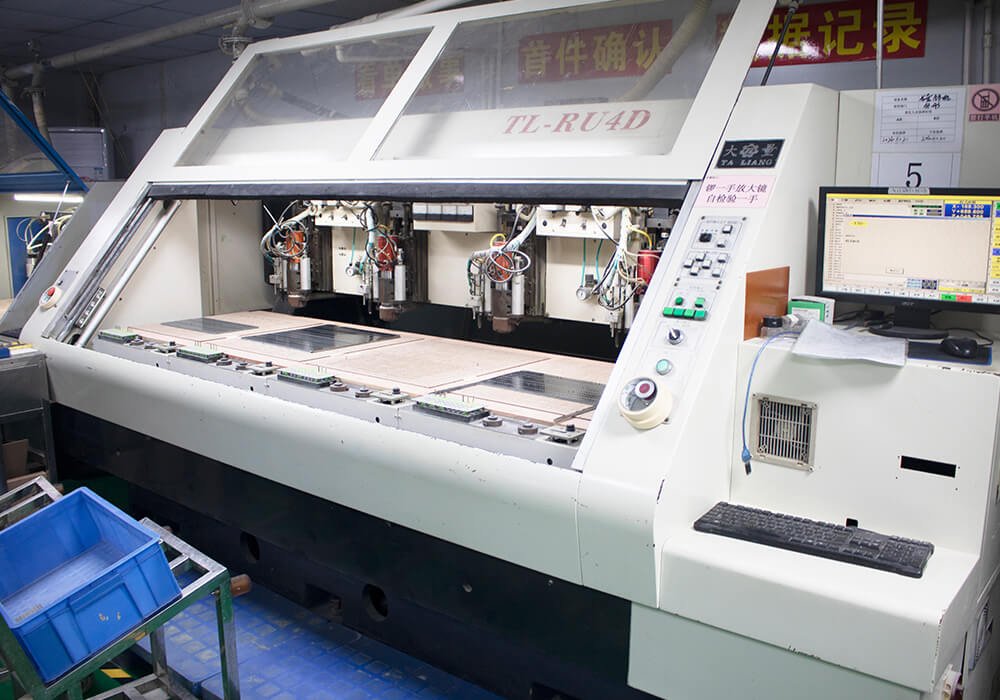
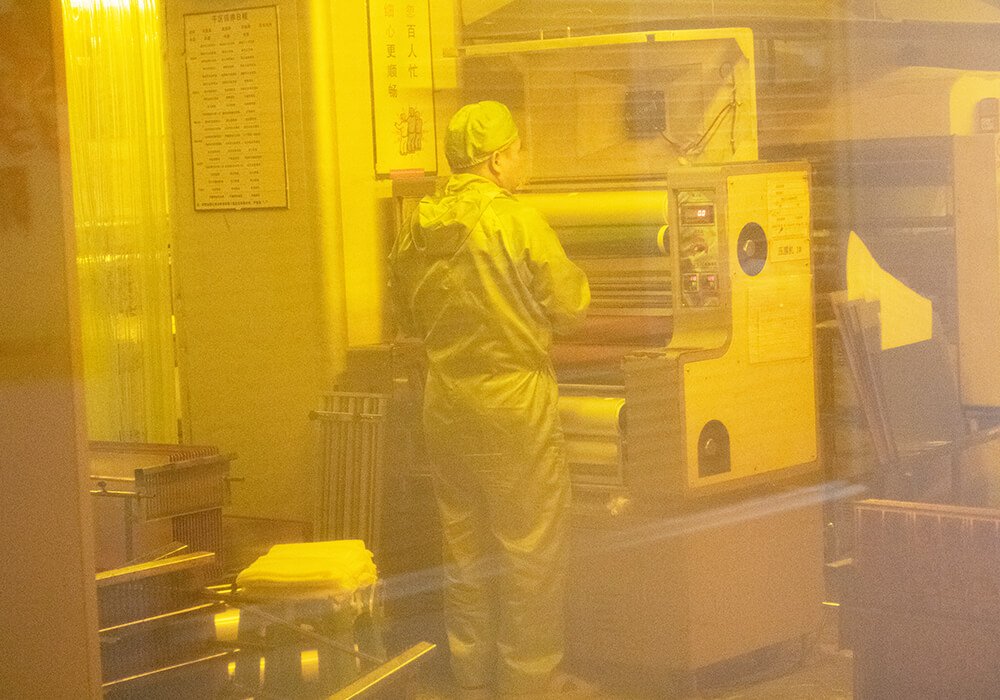
Once the design is finalized, we will start to produce PCB.
- Cutting Materials
- Applying Copper
- Circuit Imaging & Etching
- Drilling & Plating
- Solder Mask & Silkscreen
- Surface Finishing

Step 6: Custom PCB Assembly
After PCB fabrication was finished, we will do PCB Assembly.

Step 7: Testing
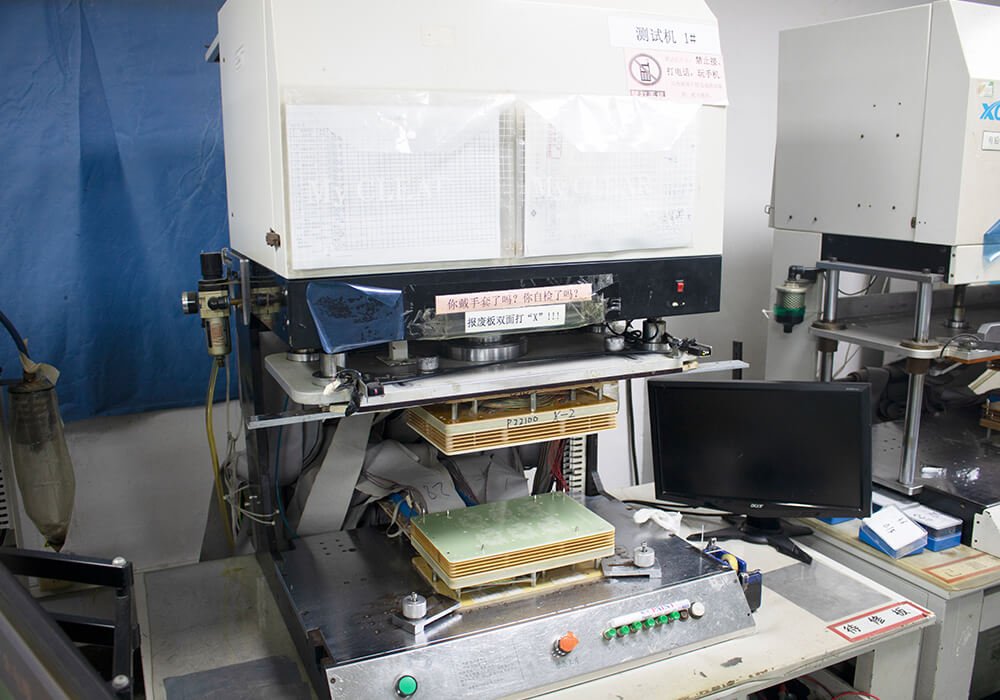
Comprehensive testing ensures that every assembled PCB meets performance and reliability standards.
- Electrical Testing
- AOI
- X-ray Inspection
- Functional Testing

Step 8: Packaging & Delivery
After testing, PCBs are carefully packaged to prevent damage during shipping.
- Anti-Static Protection
- Vacuum Sealing (If Required)
- Shock-Resistant Packaging
Industries We Have Previously Served
We can offer custom PCB fabrication services to a range of industries.

Startups
We support startups, universities, and engineering teams in developing innovative technologies.
- Prototype Development
- Product Testing
- Experimental Designs
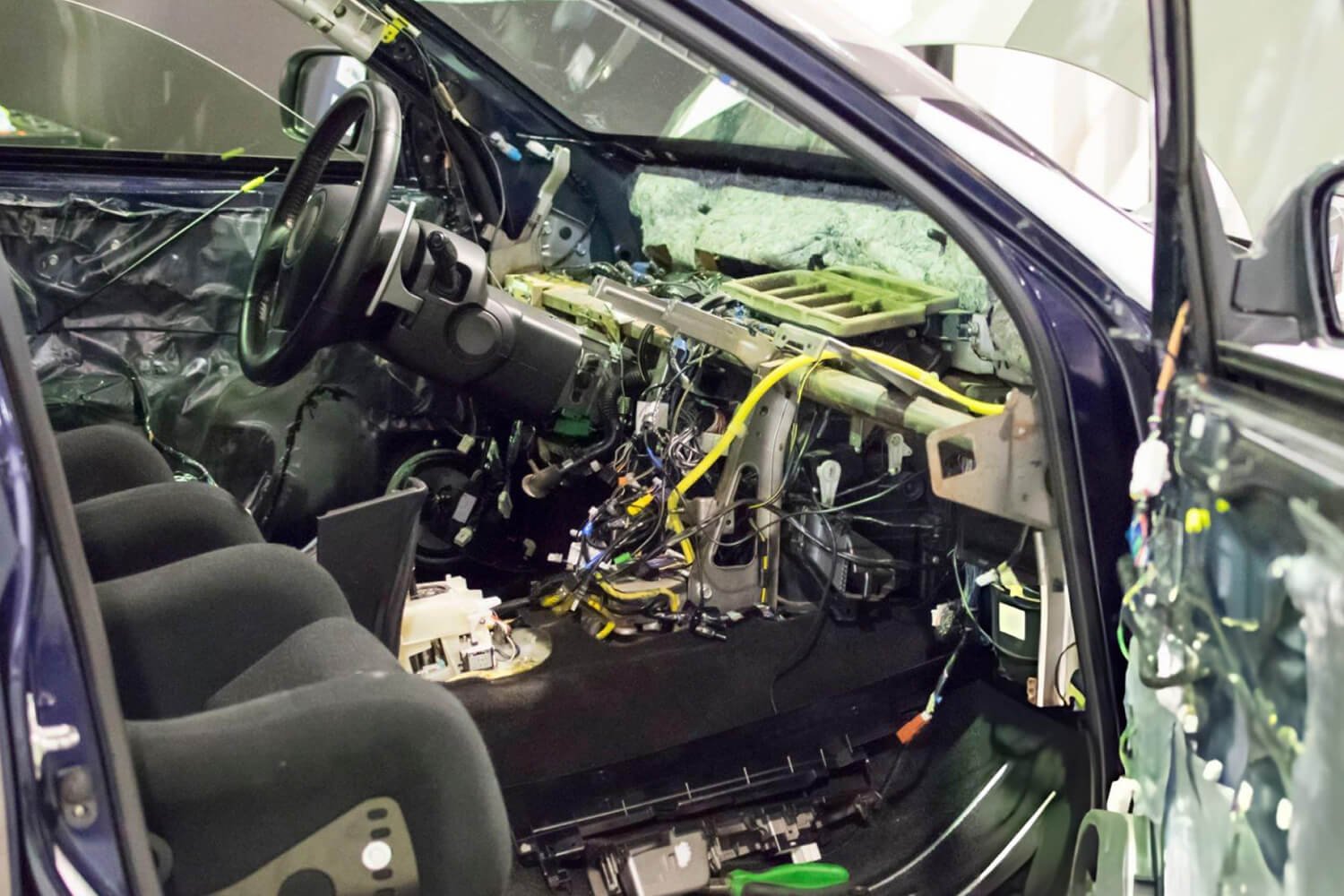
Automotive Electronics
Automotive systems require high reliability under extreme environmental conditions.
- ECUs
- Infotainment systems
- ADAS
- BMS

Industrial Automation
Industrial environments demand durability and long-term stability.
- PLC controllers
- Robotics systems
- Power control units
- Sensor and monitoring systems

Medical Devices
Medical electronics require precision, safety, and strict compliance with industry standards.
- Diagnostic equipment
- Patient monitoring systems
- Imaging devices
- Portable medical instruments

Consumer Electronics
Consumer electronics requires compact design, high performance, and cost efficiency.
- Smartphones and tablets
- Smart home devices
- Wearables and IoT products
- Audio and video equipment

Telecommunications
Telecom systems rely on high-speed data transmission and signal integrity.
- Networking equipment
- Base stations
- Fiber optic communication systems
- 5G infrastructure

Aerospace
It requires uncompromising quality, traceability, and performance in extreme conditions.
- Avionics systems
- Radar and communication systems
- Satellite electronics
- Defense control systems
Fast Quotation
Our professional sales and engineering teams provide fast PCB quotes and technical support. Simply send us your Gerber files, BOM, and assembly drawings, and we will respond promptly with a competitive solution.
- Gushu Tangxi Second Industrial Zone, Shenzhen
- +86 755 2335 0814
- +86 135 1078 8094
- sales@pcbasail.com
FAQ About Custom PCB Fabrication
1. What Files Are Required To Start A Custom PCB Project?
To begin fabrication, you typically need:
- Gerber files (PCB layout data)
- Drill files
- Bill of Materials (BOM)
- Pick-and-place file (for assembly)
- Assembly drawings (if available)
2. What Surface Finishes Do You Offer?
We provide multiple surface finish options:
- ENIG (Electroless Nickel Immersion Gold)
- HASL (Hot Air Solder Leveling)
- Lead-free HASL
- OSP (Organic Solderability Preservative)
- Immersion Silver / Tin
3. What Materials Are Used In Custom PCB Fabrication?
We support a wide range of materials, such as:
- FR-4 (standard)
- High-Tg laminates (high temperature resistance)
- Rogers materials (high-frequency applications)
- Polyimide (flexible PCBs)
- Aluminum (thermal management)
4. How Long Does Custom PCB Fabrication Take?
Lead time depends on complexity:
- Prototype: 24–72 hours
- Standard production: 5–10 working days
- Complex PCBs (HDI, multilayer): longer depending on design
We also offer expedited services for urgent projects.
5. What Is The Maximum Number Of PCB Layers You Can Produce?
We support:
- Standard multilayer PCBs
- Advanced boards with 40+ layers