
/Fast, Flexible & Reliable PCB Assembly/

Low Volume PCBA

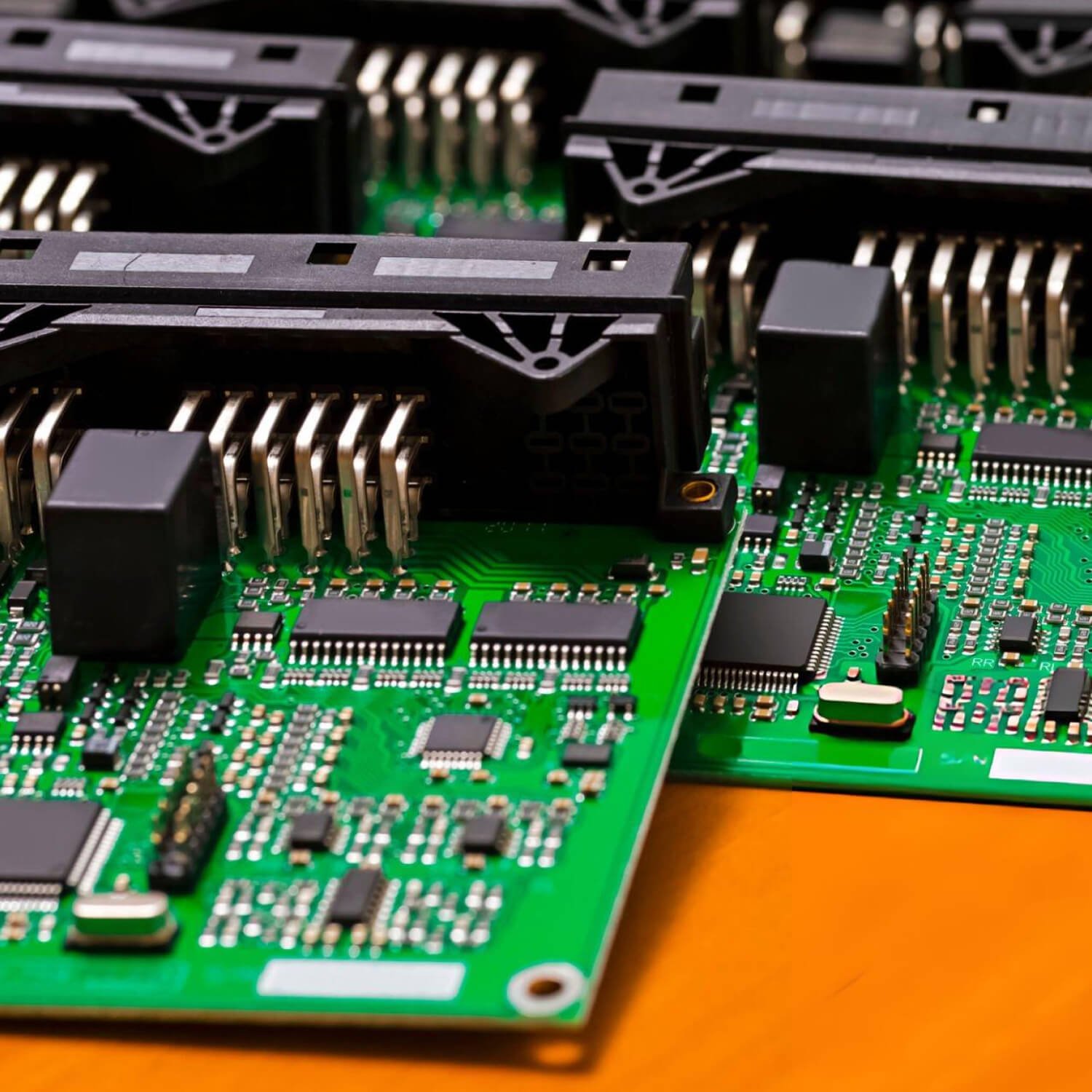
Low Volume PCBA is an essential service for companies that need flexibility, speed, and precision in electronic manufacturing.

Whether you are developing a new product, validating a design, or producing small batches for market testing, low volume PCB assembly provides a cost-effective and efficient solution.

PCBSAIL specializes in delivering high-quality Low Volume PCBA services for startups, OEMs, R&D teams, and industrial manufacturers. With advanced manufacturing equipment, strong engineering support, and strict quality control, we ensure every board meets your expectations.

What Is Low Volume PCBA

What Is Low Volume PCBA?

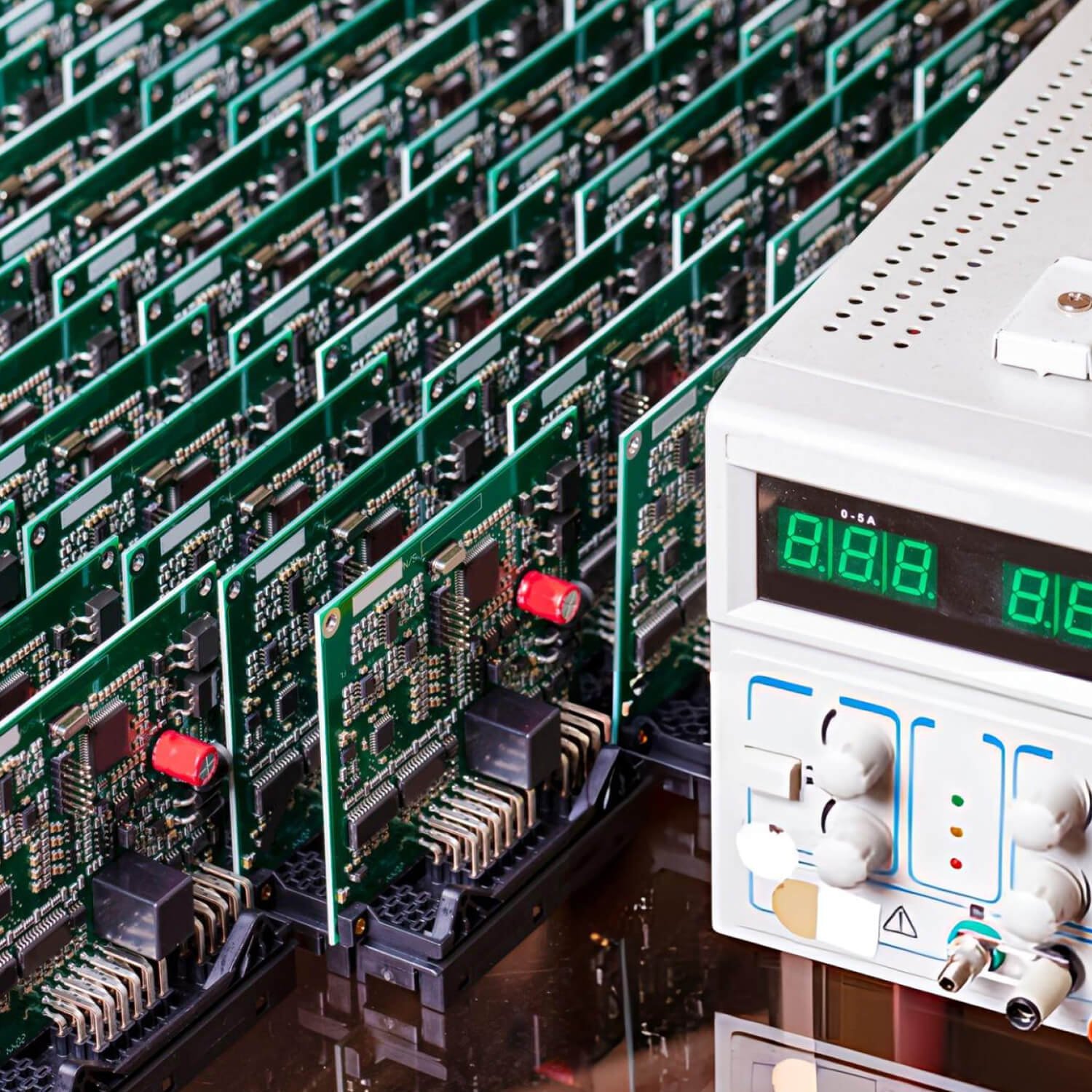
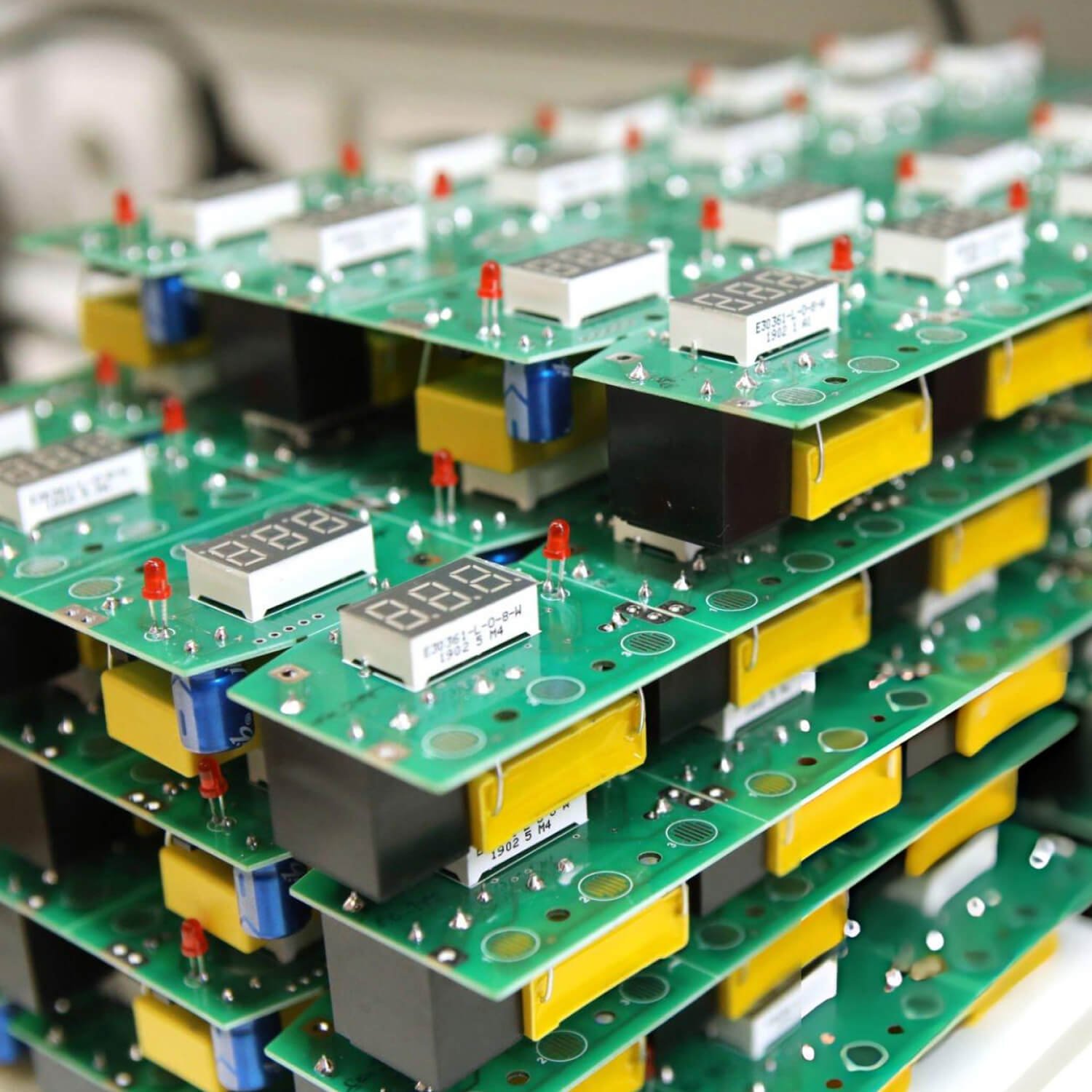
Low Volume PCBA is the process of assembling electronic components onto printed circuit boards (PCBs) in small batch quantities.

Typically, it ranges from a few units to several thousand boards, depending on the project requirements.

This type of assembly is often used in:

  • Prototyping
  • Product Validation
  • Small-batch Production
  • Customized Electronics Manufacturing

Assembly Technologies in Low Volume PCBA

Low Volume PCBA requires a flexible combination of assembly technologies to handle diverse design requirements, component types, and production scales.

Flex PCB Single-Sided Flex PCB

SMT

SMT is the most widely used method in modern PCB assembly. It involves mounting components directly onto the surface of the PCB using solder paste and reflow soldering.

  • Enables rapid prototyping and quick turnaround
  • Supports high-speed signal designs
  • Reduces PCB size and weight
  • High component density for compact designs
  • Suitable for small and complex components

Flex PCB Double-Sided Flex PCB

THT

THT involves inserting component leads into drilled holes on the PCB and soldering them on the opposite side. Although less common in high-density designs, it remains essential for certain applications.

  • Strong mechanical bonding
  • Reliable electrical connections
  • Suitable for large or high-power components
  • Ideal for prototypes requiring manual adjustments
  • Better durability in harsh environments
  • Easier for rework and modifications

Flex PCB Multilayer Flex PCB

SMT + THT

Mixed assembly combines both SMT and THT technologies on a single PCB. This approach leverages the advantages of both methods.

  • Combines compact design with mechanical strength
  • Allows flexible component selection
  • Supports complex and hybrid designs
  • Optimized performance for multifunctional boards
  • Suitable for advanced prototypes and specialized products
Low Volume PCBA Benefit

Low Volume PCBA provides lots of benefits during product development and early-stage production.

Low Volume PCBA Benefit

Low volume PCB assembly allows teams to quickly move from design to physical product.

  • Build and test functional prototypes in a short time
  • Identify design flaws early in real-world conditions
  • Accelerate engineering validation cycles (EVT, DVT, PVT)

In early-stage development, designs are rarely final. Low volume PCBA supports continuous improvement.

  • Easy to modify PCB layout and BOM between batches
  • Supports multiple revisions without major cost penalties
  • Enables rapid iteration based on test results

Mass production requires significant upfront costs for tooling, setup, and materials. Low volume PCBA reduces this burden.

  • Minimal or no tooling costs
  • Lower NRE (Non-Recurring Engineering) expenses
  • Reduced capital tied up in inventory

Launching a new electronic product involves uncertainty. Low volume production minimizes exposure.

  • Avoid large-scale production errors
  • Test market acceptance before scaling
  • Reduce losses from design defects or demand miscalculations

Speed is critical in competitive industries. Low volume PCBA enables rapid deployment.

  • Short production cycles
  • Faster engineering feedback loops
  • Quick response to market trends

Typical Use Cases

Low-Volume PCB Assembly is widely used in industries where flexibility, rapid iteration, and controlled production. It supports both early-stage development and specialized production scenarios where demand is limited or evolving.

Low-volume PCB assembly is the standard choice for early-stage product development.

Applications:

  • Engineering prototypes
  • Proof-of-concept (PoC) validation
  • EVT / DVT / PVT builds

Startups and R&D teams often operate with uncertain product requirements and limited budgets.

Applications:

  • New product development
  • Experimental electronics
  • Technology feasibility studies

Before moving to mass production, companies typically run pilot batches.

Applications:

  • Initial product launch batches
  • Pilot production runs
  • Pre-market testing

Products with multiple versions benefit significantly from low-volume assembly.

Applications:

  • Different feature sets
  • Regional variations (voltage, compliance)
  • Customer-specific configurations
Typical Use Cases for Low-Volume PCB Assembly

Why Choose Us

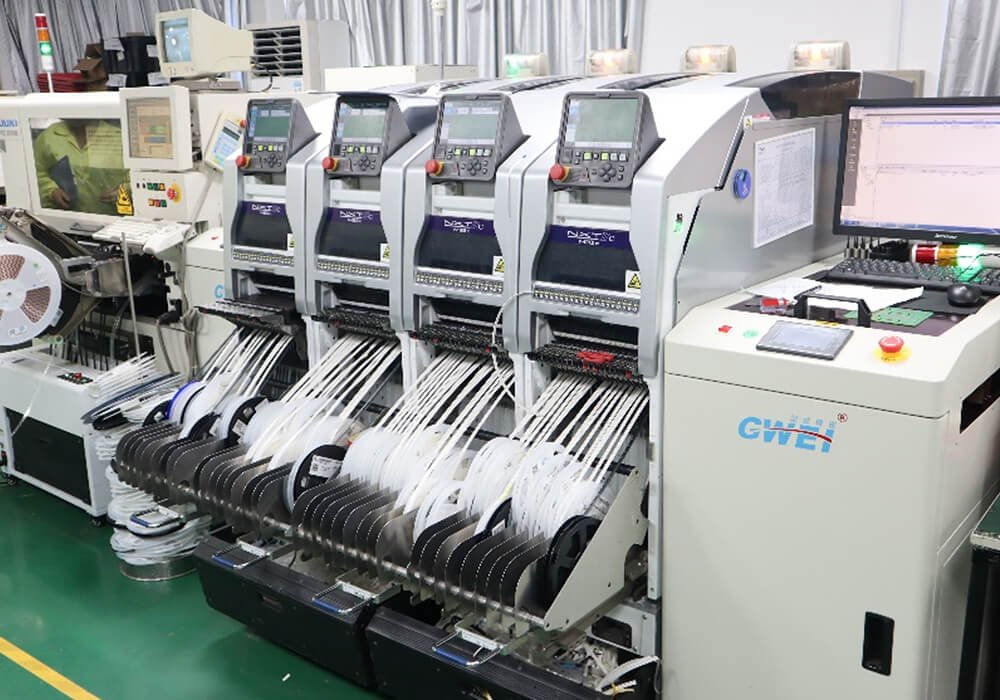
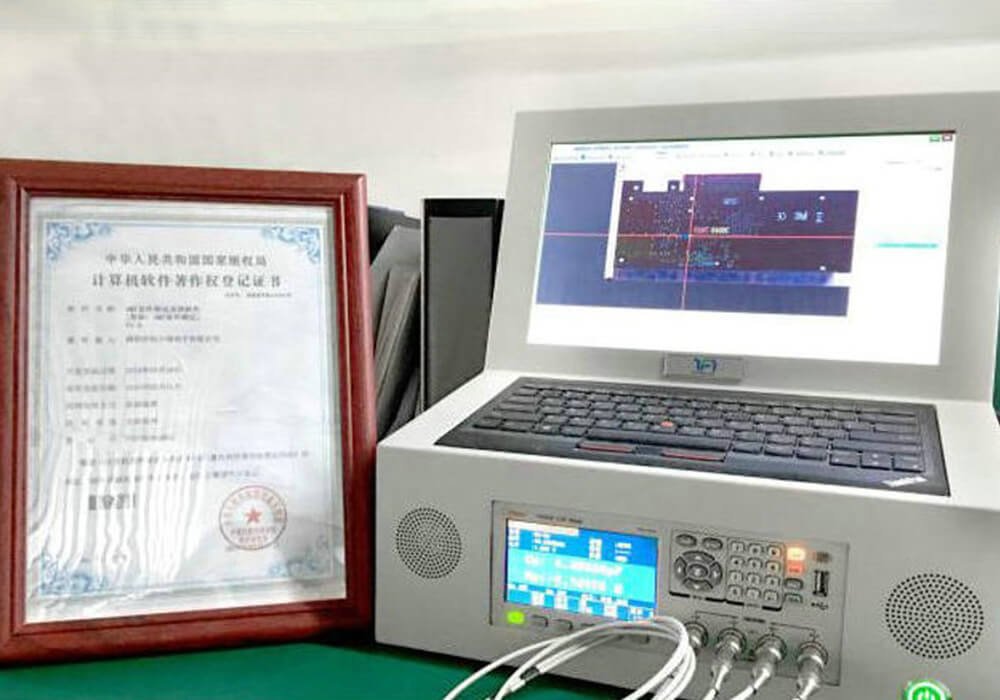
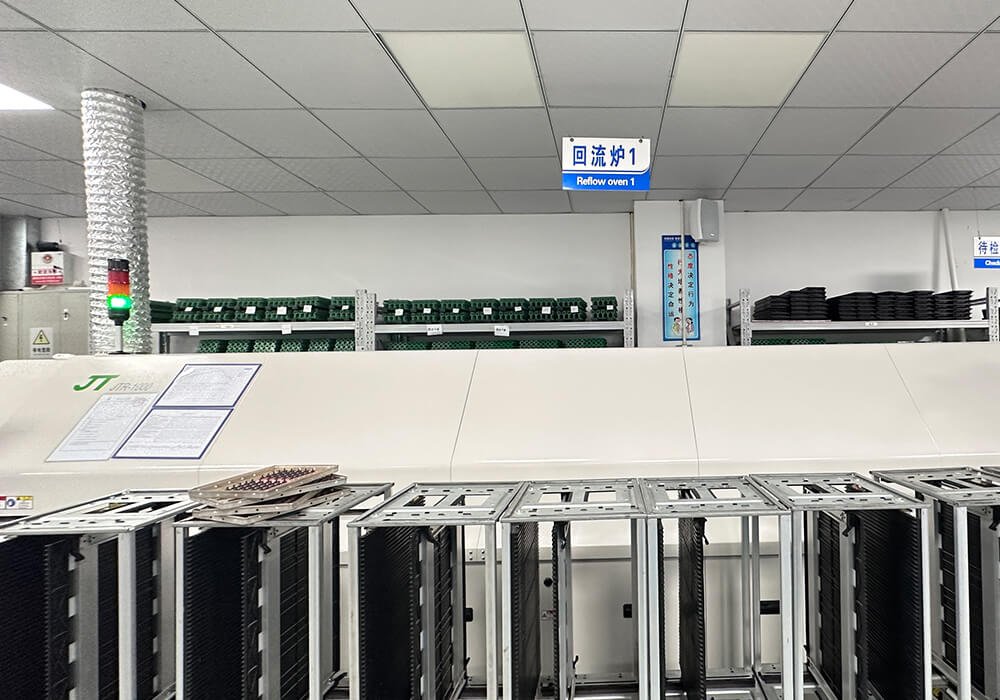
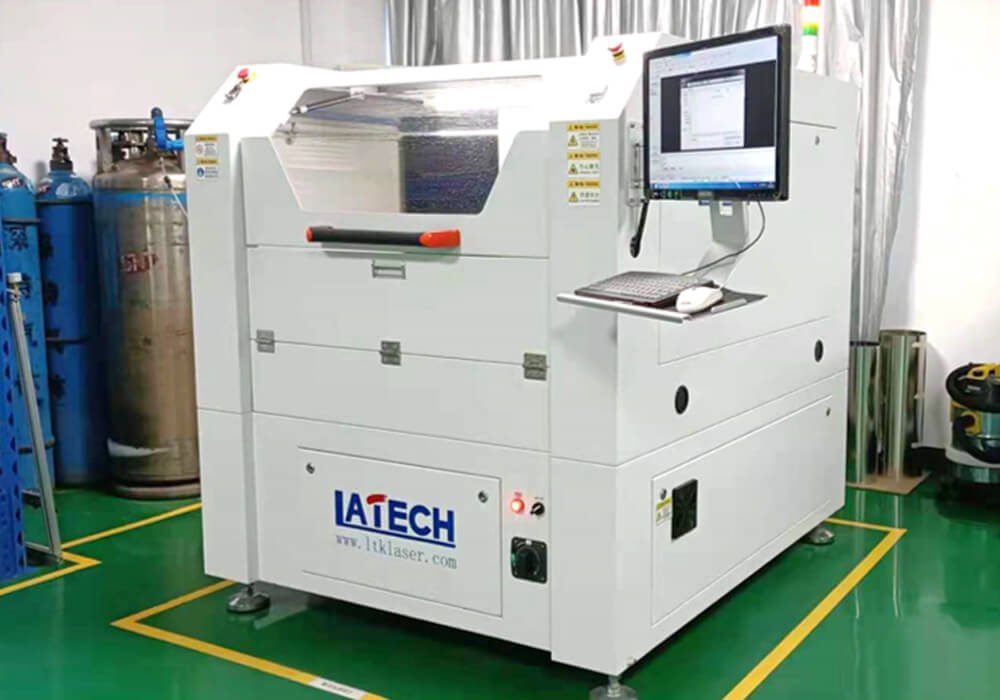
We can offer reliable low volume PCB assembly services with advanced manufacturing technology, strong engineering expertise, and strict quality control.

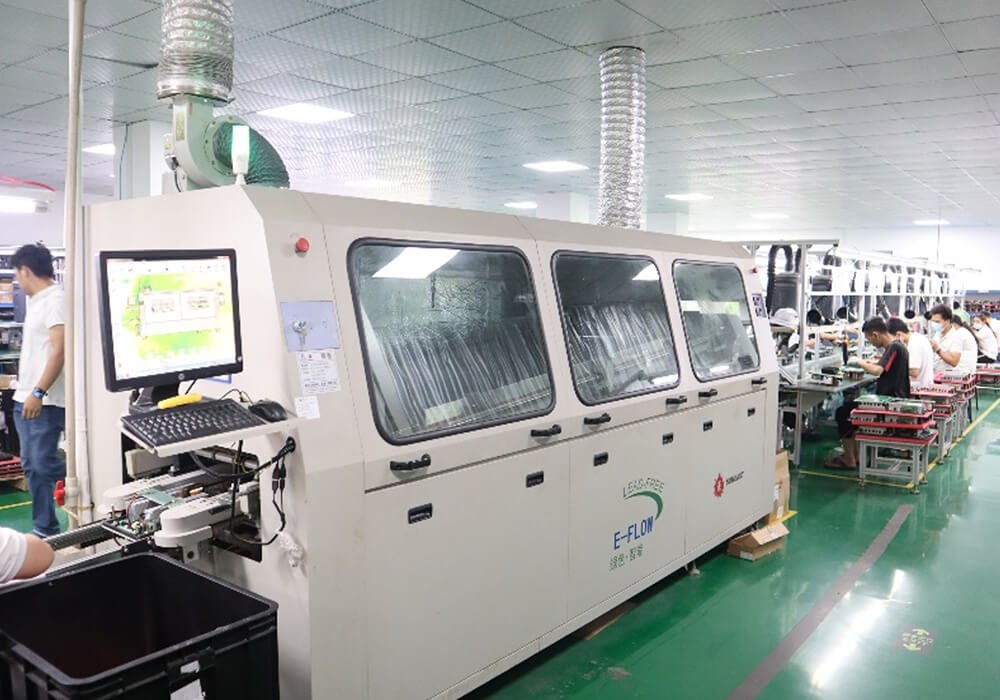
Wave Soldering Machine
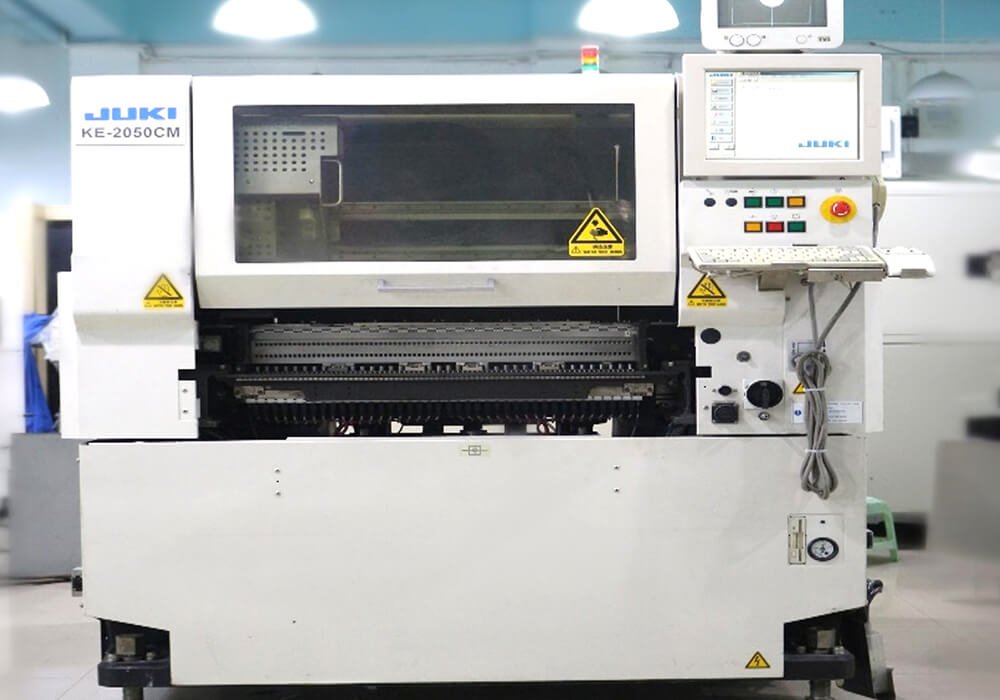
Universal SMT Machine
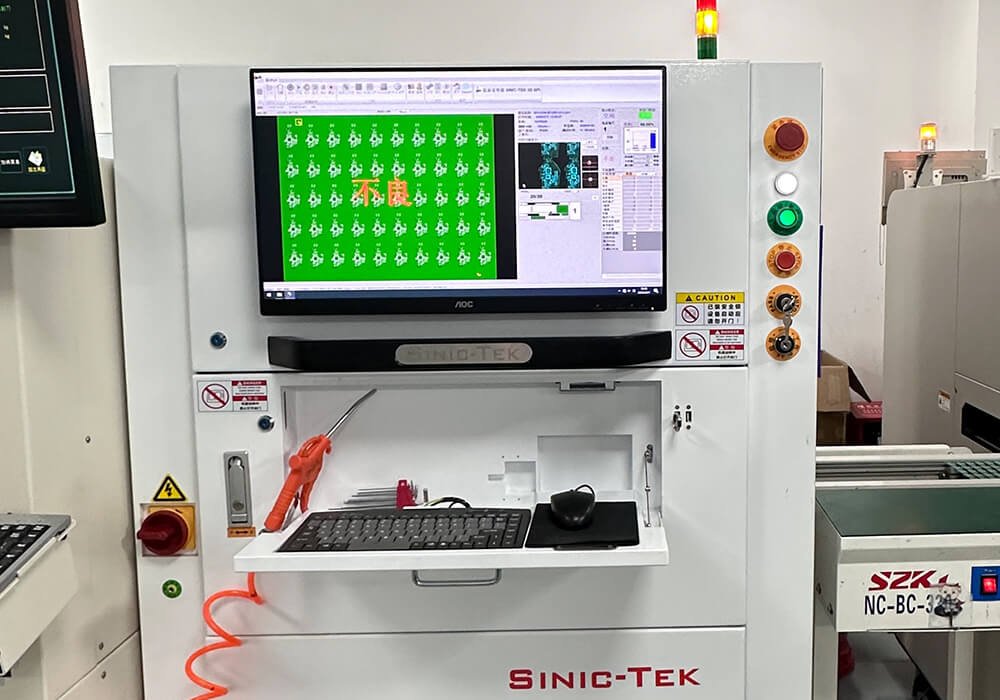
SPI
Speed SMT Machine
Sample Tester
Reflow Oven
Laser Stencil Mach
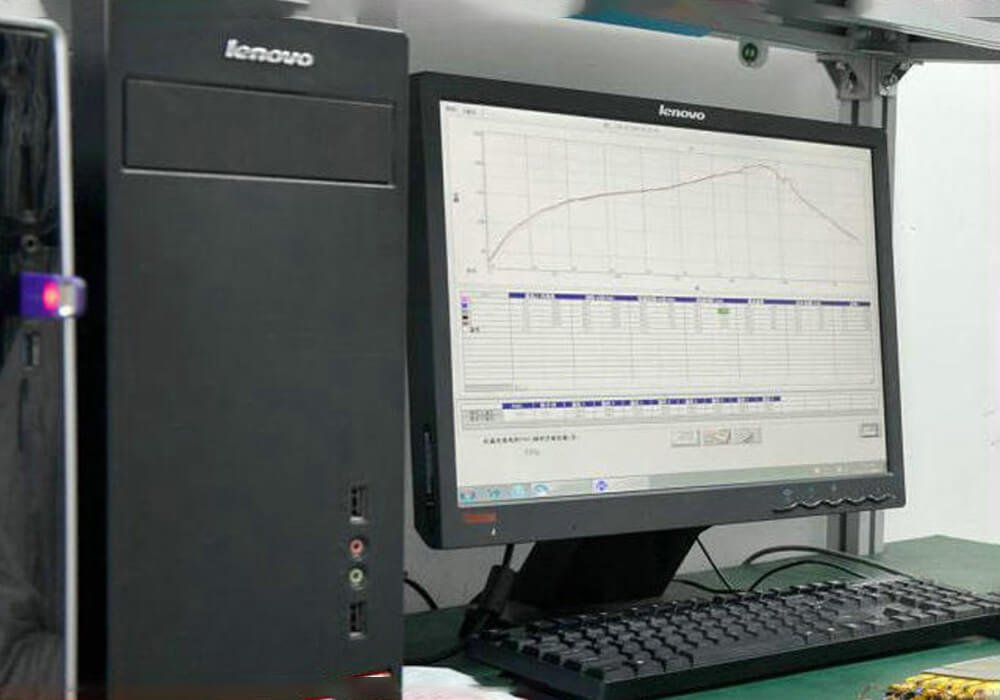
KIC Oven Profiling System
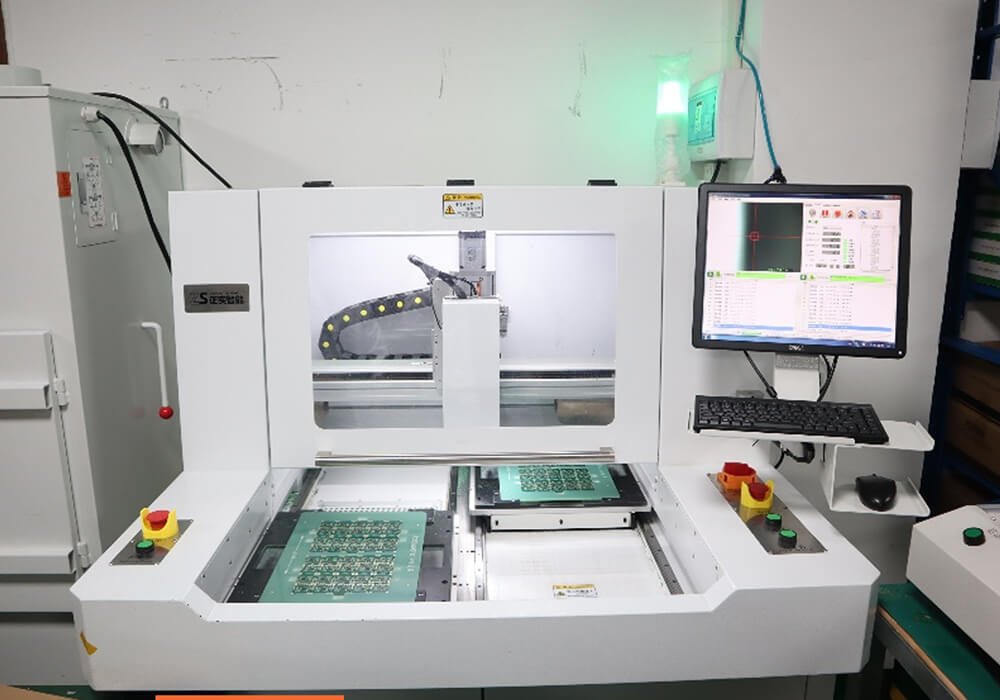
Fully Automated PCB Depaneling Equipment
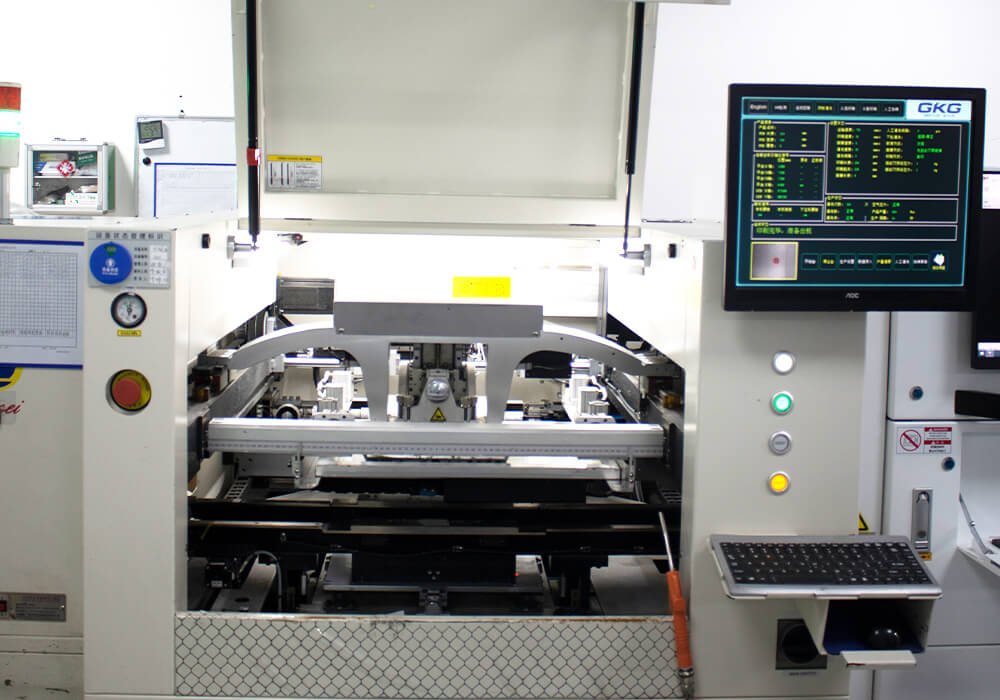
Automatic Printing Machine
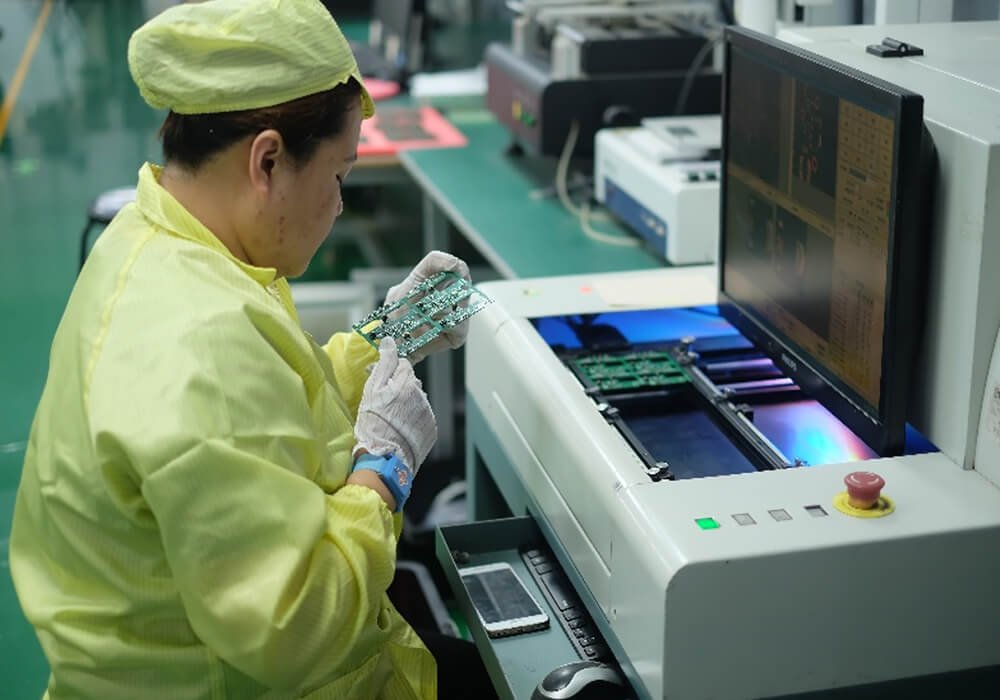
AOI Machine
Flex PCB Manufacturring Process

One-Stop Turnkey

We provide fully integrated manufacturing services covering:

  • PCB fabrication (Rigid, Flex, Rigid-Flex, HDI, Metal Core, Ceramic)
  • Global component sourcing
  • SMT and through-hole assembly
  • Inspection and testing
  • Firmware programming (optional)
  • Conformal coating and box build (optional)

Flex PCB Manufacturring Process

Engineering and DFM

Our engineering team works closely with customers from design to mass production.

  • Design for Manufacturing (DFM) analysis
  • Design for Assembly (DFA) optimization
  • Stackup and impedance consultation
  • Thermal and reliability design support
  • BOM optimization and alternative component recommendations

Flex PCB Manufacturring Process

Fast Turnaround

We support fast prototype builds and scalable production volumes.

  • Quick Turn PCB fabrication available in as fast as 24 – 72 hours (standard builds)
  • Prototype PCBA production typically within 3 – 7 days (parts dependent)
  • Mass production supported through dedicated production lines
  • No minimum order quantity (MOQ)

Flex PCB Manufacturring Process

Advanced Equipment

We invest continuously in advanced production equipment to ensure high precision and consistency.

  • High-speed SMT placement lines
  • Precision reflow soldering systems
  • Automated optical inspection (AOI)
  • X-ray inspection for hidden solder joints
  • Flying probe and ICT testing capability

Flex PCB Manufacturring Process

Strict Quality

Quality control is implemented throughout every production stage.

  • IPC-A-610 Assembly Standard
  • IPC Class 2 and Class 3 Manufacturing
  • UL Certified PCB Materials
  • RoHS Compliant Production

Industries We Have Previously Served

Our Low Volume PCBA services support a wide range of industries. From early-stage prototyping to small-batch production, we help customers bring innovative electronic products to market efficiently.

Startups

Startups

We work closely with innovators and startups to bring new ideas to life.

  • Prototype development
  • Proof-of-concept products
  • Custom electronics

PCB Manufacturer Automotive Electronics

Automotive Electronics

We provide PCB assembly solutions that meet the strict quality and reliability standards of the automotive industry.

  • ECU modules
  • In-vehicle infotainment systems
  • LED lighting systems
  • Battery management systems (BMS)

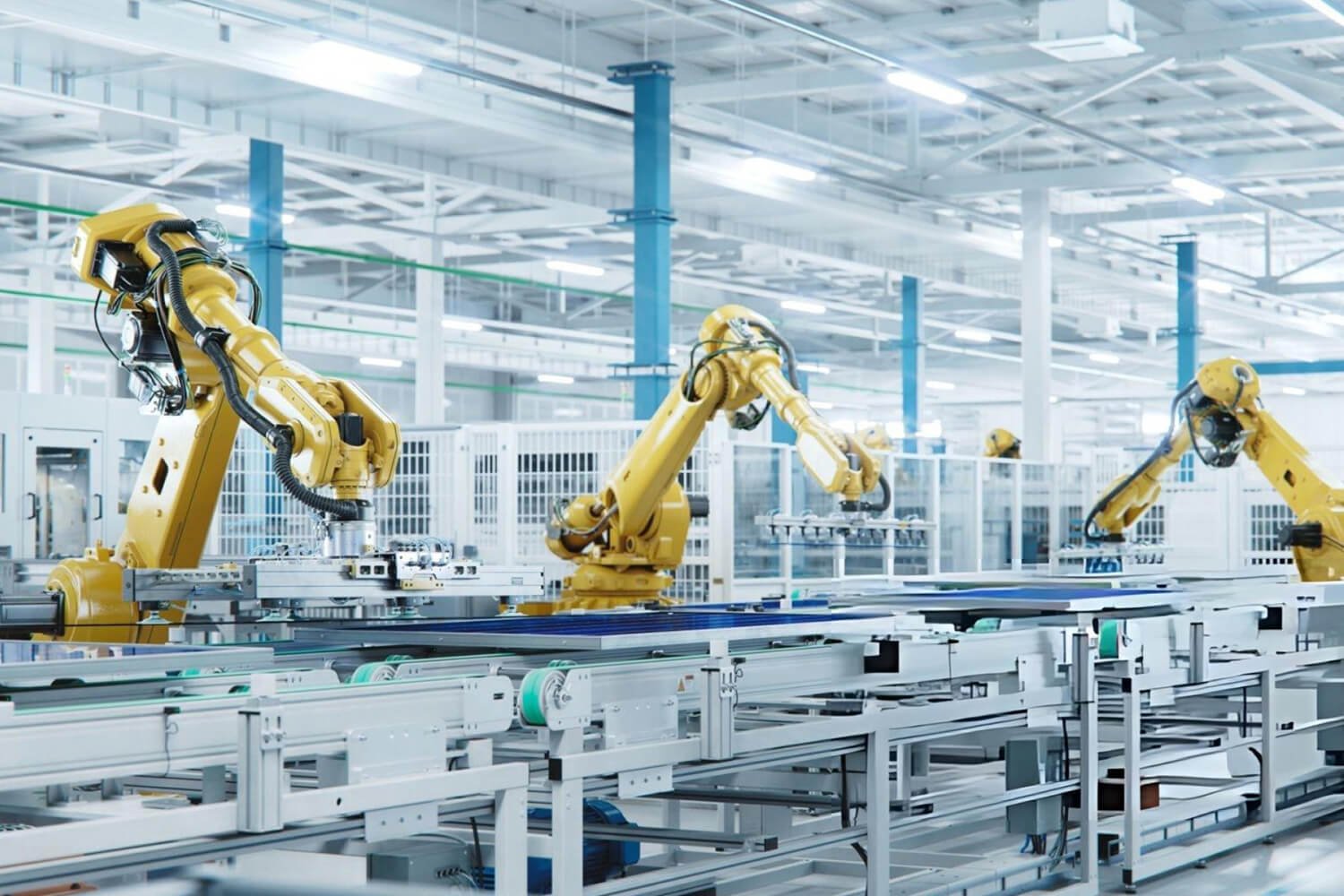
PCB Manufacturer Industrial Automation

Industrial Automation

Industrial systems require durable and reliable electronics that can operate in demanding environments.

  • PLC control boards
  • Motor control systems
  • Robotics and automation equipment
  • Sensor and monitoring devices

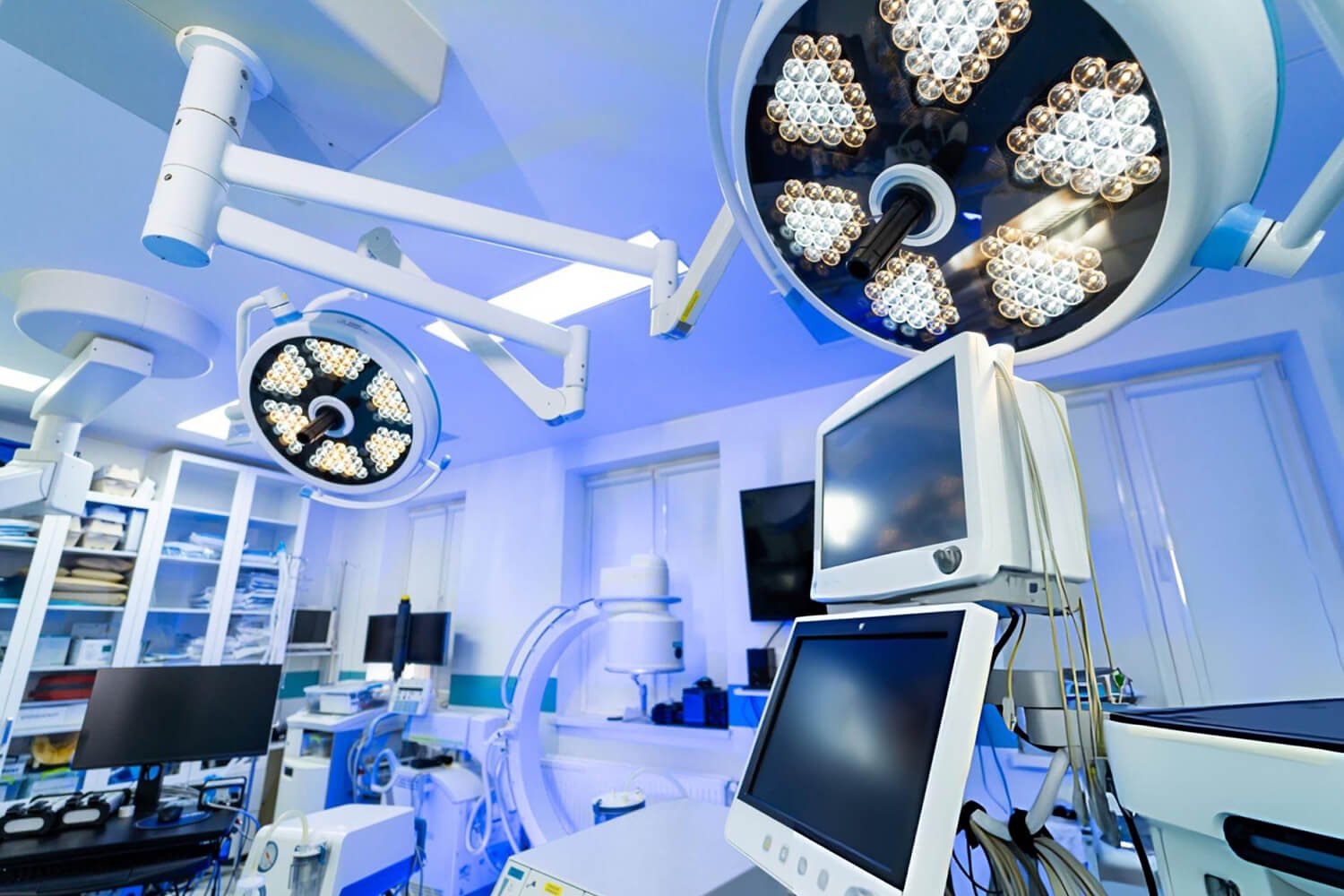
PCB Manufacturer Medical Devices

Medical Devices

Medical electronics demand precision, stability, and compliance with strict standards.

  • Diagnostic equipment
  • Patient monitoring systems
  • Portable medical devices
  • Laboratory instruments

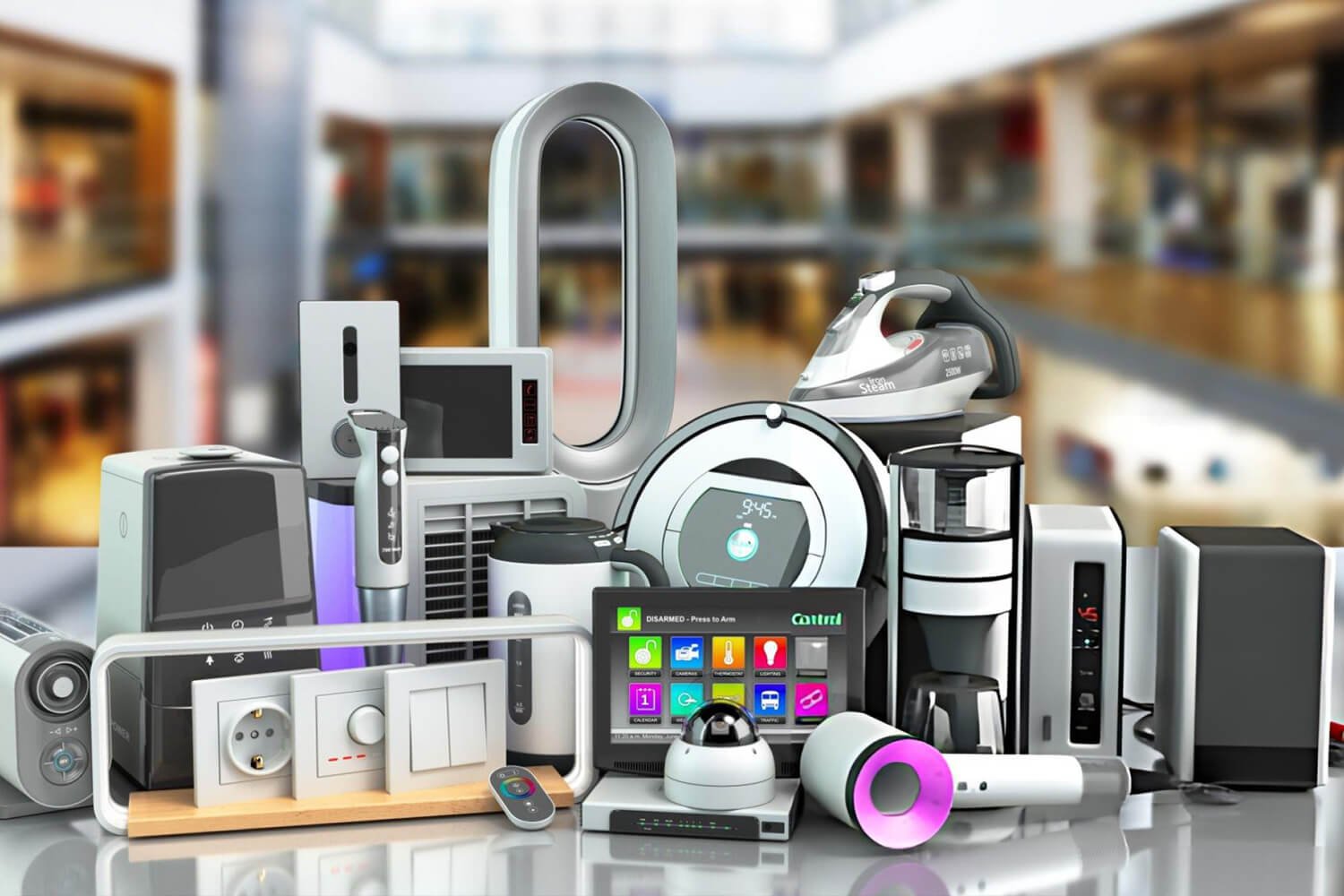
PCB Manufacturer Consumer Electronics

Consumer Electronics

We support fast-paced consumer electronics development with quick-turn PCB assembly and flexible production.

  • Smart home devices
  • Wearables
  • Audio and video equipment
  • Mobile accessories

PCB Manufacturer Telecommunications

Telecommunications

We support high-performance communication systems with advanced PCB assembly capabilities.

  • Network equipment
  • RF modules
  • Signal processing boards
  • Data communication devices

Aerospace

Aerospace

These industries require the highest levels of reliability and performance.

  • Avionics systems
  • Navigation and control modules
  • Communication systems
  • Radar electronics

Fast Quotation

Our professional sales and engineering teams provide fast PCB quotes and technical support. Simply send us your Gerber files, BOM, and assembly drawings, and we will respond promptly with a competitive solution.

FAQ About Low Volume PCBA

1. What is Low Volume PCBA?

Low Volume PCBA refers to assembling electronic components onto printed circuit boards in small quantities, typically ranging from a few units to several thousand pieces. It is commonly used for prototyping, product validation, and small-batch production.

Typical lead times:

  • Prototype assembly: 3–7 days
  • Small batch production: 1–3 weeks

Lead time depends on:

  • Design complexity
  • Component availability
  • Testing requirements

Yes, the unit price is generally higher than mass production due to:

  • Setup costs
  • Smaller purchasing volumes
  • Manual processes

However, the total project cost is lower because:

  • No large inventory investment
  • Reduced risk of redesign
  • Lower upfront costs

You typically need:

  • Gerber files
  • Bill of Materials (BOM)
  • Pick-and-place (Centroid) file
  • Assembly drawings
  • Testing requirements (if applicable)

Yes. Most professional PCBA manufacturers (including PCBSail) provide:

  • PCB layout support
  • Design for Manufacturability (DFM) analysis
  • Design for Testing (DFT) recommendations

This helps improve yield and reduce production issues.

Yes. Component sourcing services typically include:

  • Procurement from authorized distributors
  • Alternative component suggestions
  • Inventory and supply chain management

.

Yes. A well-managed low volume process helps:

  • Validate designs
  • Optimize manufacturing processes
  • Prepare for high-volume production