
/Stable, And Reliable Wireless Communication/
Wifi Router PCB
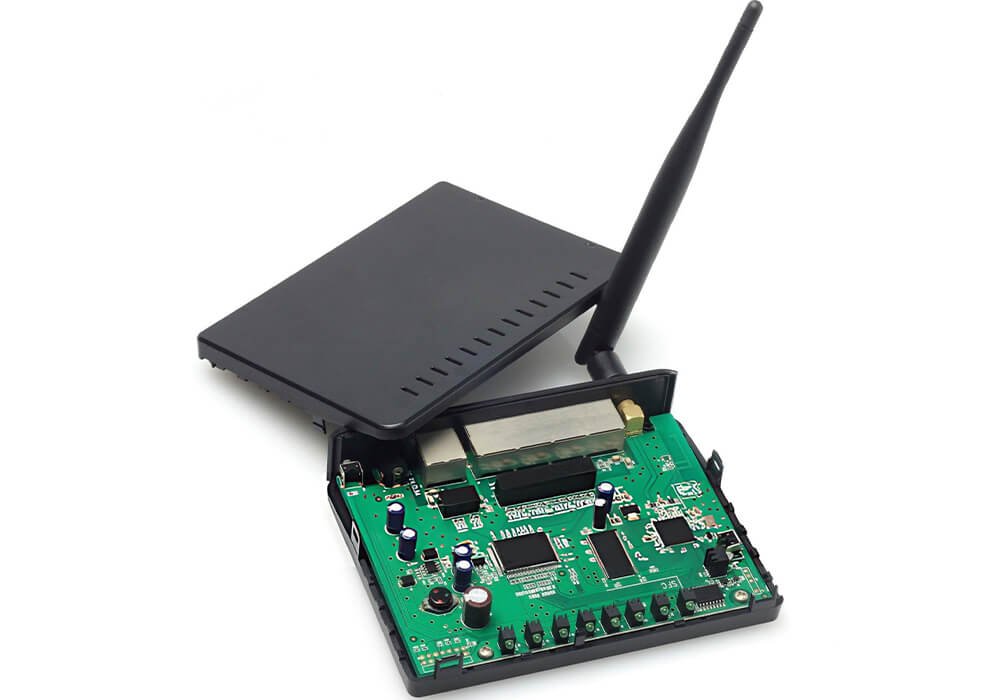
A Wifi Router PCB is the core spare part that enables wireless communication in modern networking devices.
At PCBSAIL, we specialize in manufacturing high-performance Wifi Router PCBs, which is designed for high-frequency signal transmission, stable connectivity, and long-term reliability.
With over 10 years of experience in PCB fabrication and assembly, we provide end-to-end Wifi Router PCB solutions, from design optimization to mass production.
What Is Wifi Router PCB?
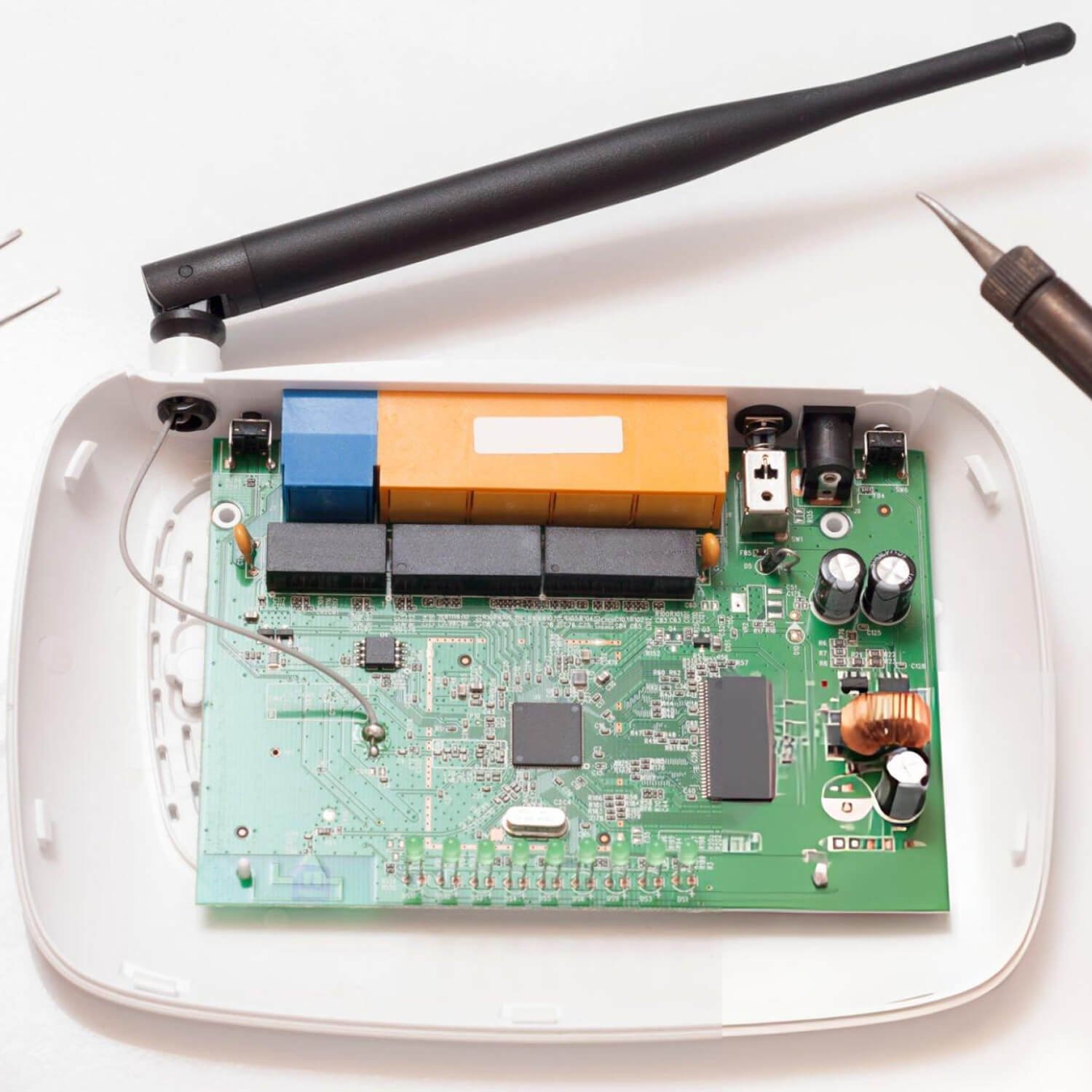
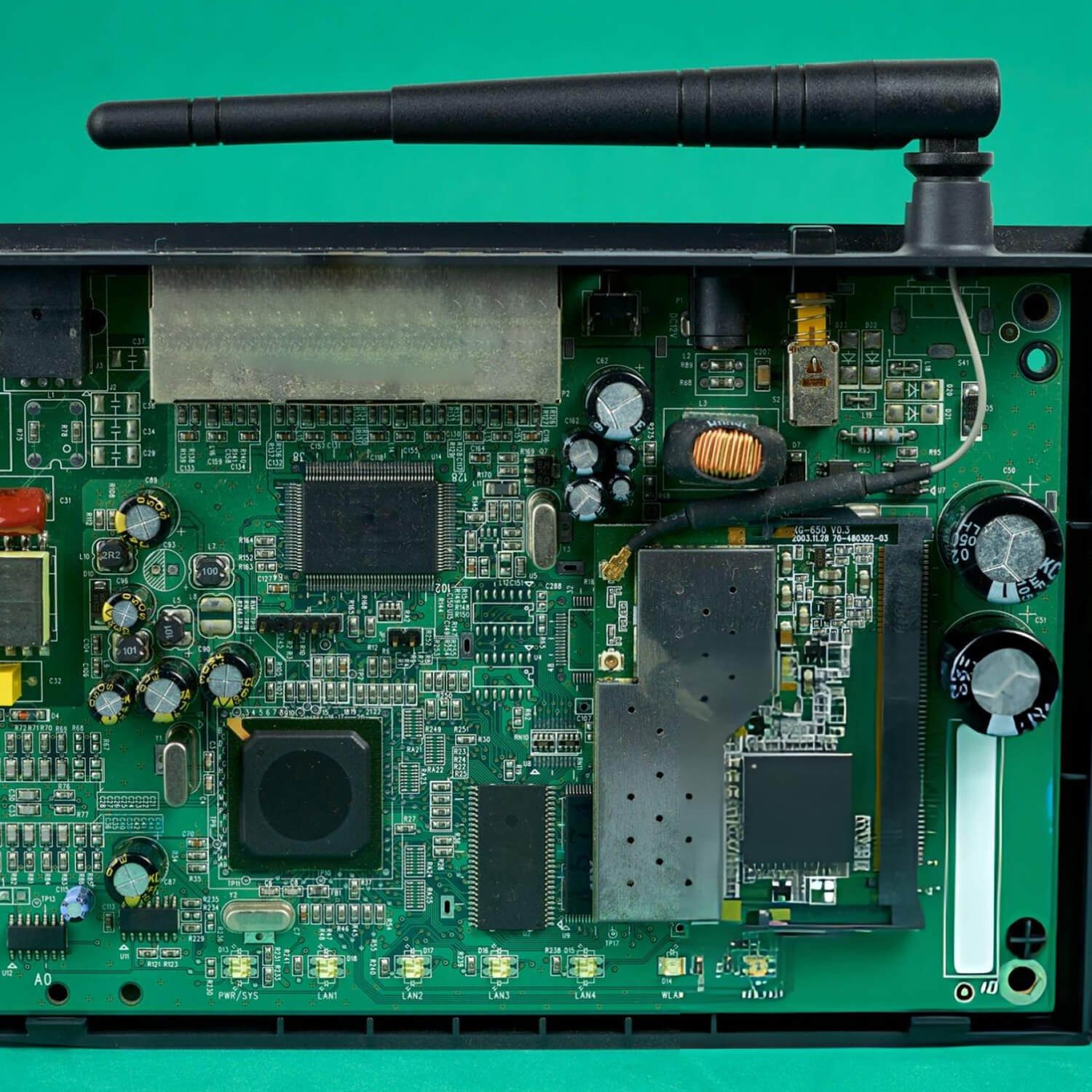
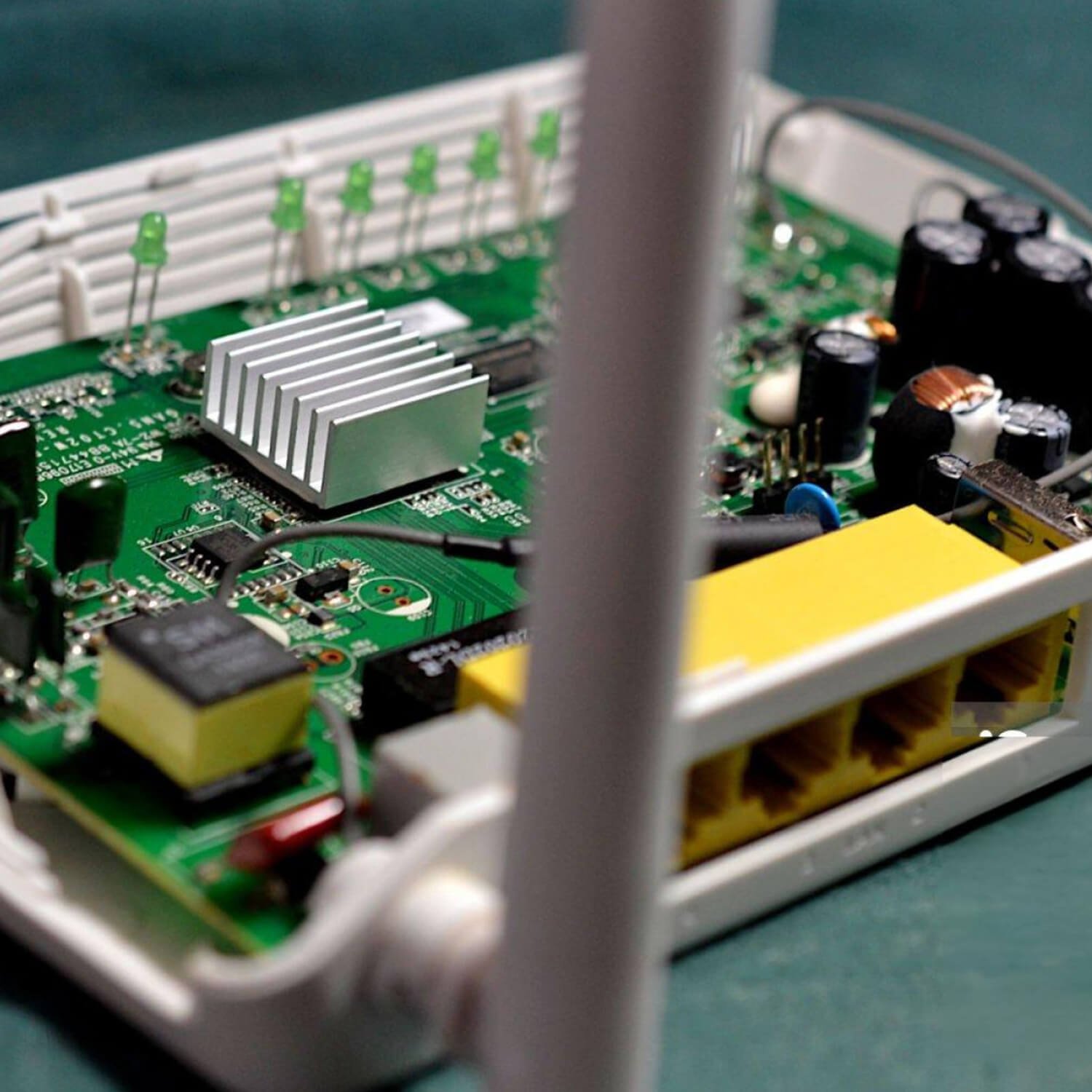
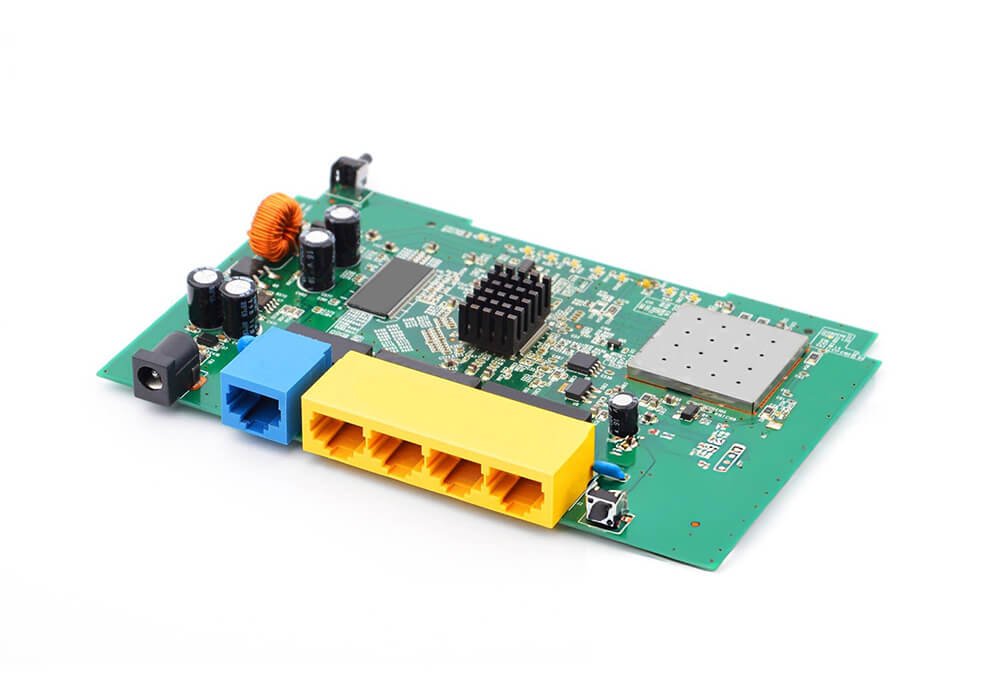
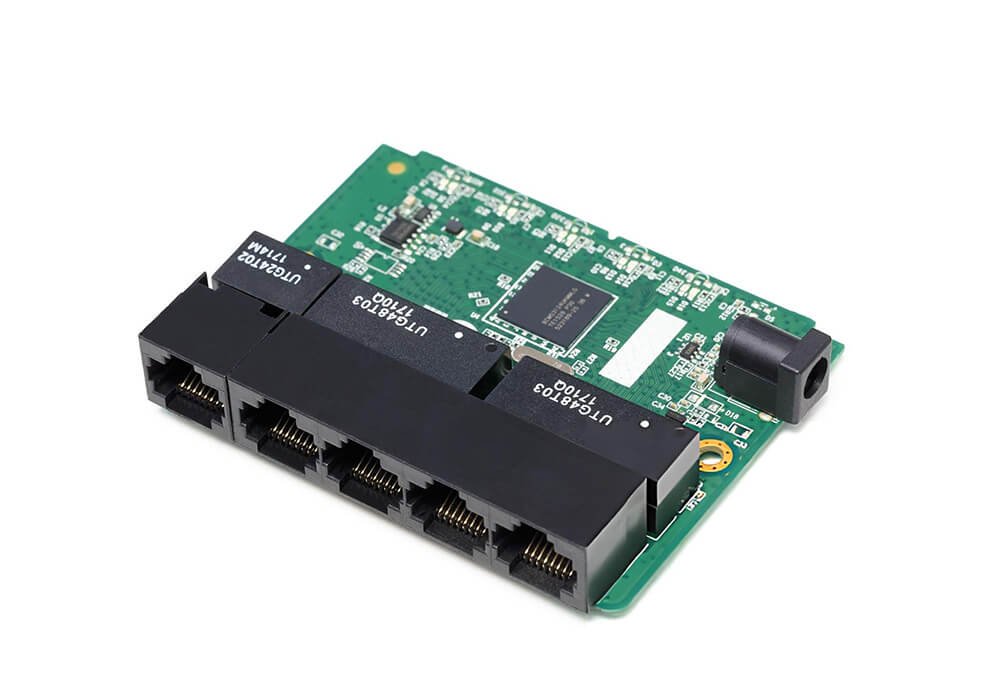
A Wifi Router PCB is the core circuit board inside a wireless router. It enables communication between devices through radio frequency (RF) signals.
It integrates some components, such as the microcontroller, WiFi chipset, antennas, and power circuits, to manage both wired and wireless data transmission.
Modern Wifi Router PCBs support multiple wireless standards, including:
- 2.4GHz and 5GHz dual-band communication
- WiFi 6 (802.11ax) for high-speed connectivity
- Emerging WiFi 7 technologies for ultra-low latency
These PCBs can handle high-frequency signals and keep minimal signal loss.
Wifi Router PCB We Offered.
We offer a comprehensive range of Wifi Router PCBs to meet different needs.
Our Capacity.

Standard PCB
Our Standard Wifi Router PCB is designed for general-purpose networking devices, delivering stable performance with cost efficiency.
- Supports 2.4GHz And 5GHz Dual-band Frequencies
- Stable And Reliable Signal Transmission
- Optimized for Cost-sensitive Applications

High-Speed Wifi PCB
Our High-Speed Wifi Router PCBs are built for next-generation wireless standards, such as WiFi 6 and WiFi 7. It can handle ultra-fast data rates and high device density.
- High Data Throughput
- Ultra-Low Latency For Real-Time Communication
- Advanced RF Layout Optimization
- Enhanced Signal Integrity

IoT Wifi Module PCB
The IoT Wifi Module PCB is a compact and efficient solution designed for embedded wireless systems. It enables seamless connectivity in space-constrained and low-power applications.
- Small For Compact Devices
- Low Power Consumption For Energy Efficiency
- Easy Integration With Microcontrollers And Sensors

Multilayer Wifi Router PCB
Our Multilayer Wifi Router PCB is designed for complex and high-performance networking devices.
- 4 To 8+ Layer Stack-Up Configurations
- Dedicated Layers For RF, Power, And Signal Routing
- Reduced Electromagnetic Interference (EMI)
- Improved Signal Integrity And Routing Efficiency

RF Optimized Wifi PCB
The RF Optimized Wifi Router PCB is engineered for high-frequency signal transmission. It can ensure superior RF performance and minimal signal degradation.
- Controlled Impedance Routing For RF Stability
- Low-Loss, High-Frequency Materials (E.G., Rogers Laminates)
- Optimized RF Matching Networks
- Reduced Signal Attenuation And Interference

Item | |||
Max Layer | 60L | 8L | 36L |
Inner Layer Min Trace/Space | 3/3mil | 3/3mil | 3/3mil |
Out Layer Min Trace/Space | 3/3mil | 3.5/4mil | 3.5/4mil |
Inner Layer Max Copper | 6oz | 2oz | 6oz |
Out Layer Max Copper | 6oz | 20z | 3oz |
Min Mead hanical Driling | 0.15mm | 0.1mm | 0.15mm |
Min Laser Drilling | 0.1mm | 0.1mm | 0.1mm |
Max Aspect Ratio (Mechanical Drilling) | 20:01 | 10:01 | 12:01 |
Max Aspect Ratio (Laser Drilling) | 1:01 | / | 1:01 |
Press Fit Hole Tolerance | ±0.05mm | ±0.05mm | ±0.05mm |
PTH Tolerance | ±0.075mm | ±0.075mm | ±0.075mm |
NPTH Tolerance | ±0.05mm | ±0.05mm | ±0.05mm |
Countersink Tolerance | ±0.15mm | ±0.15mm | ±0.15mm |
Board Thickness | 0.4-8mm | 0.1-0.5mm | 0.4-3mm |
Board Thickness Tolerance(<1.0mm) | ±0.1mm | ±0.05mm | ±0.1mm |
Board Thickness Tolerance(≥1.0mm) | ±10% | / | ±10% |
Min Board Size | 10*10mm | 5*10mm | 10*10mm |
Max Board Size | 22.5*30 inch | 9*14 inch | 22.5*30 inch |
Contour Tolerance | ±0.1mm | ±0.05mm | ±0.1mm |
Min BGA | 7mil | 7mil | 7mil |
Min SMT | 7*10mil | 7*10mil | 7*10mil |
Min Solder Mask Clearance | 1.5mil | 3mil | 1.5mil |
Min Solder Mask Dam | 3mil | 8mil | 3mil |
Min Legend Width/Height | 4/23mil | 4/23mil | 4/23mil |
Strain Fillet Width | / | 1.5±0.5mm | 1.5±0.5mm |
Bow &Twist | 0.003 | / | 0.0005 |
Standards for Wifi Router PCB.
To ensure reliability, safety, and global compatibility, our Wifi Router PCB comply with international standards.

IPC Standards
We follow internationally recognized IPC standards to ensure consistency and manufacturing excellence.

ISO
Our manufacturing processes are certified under globally recognized ISO systems.

FCC
Since Wifi Router PCB operates in high-frequency wireless environments, PCB should meet FCC compliance.

RoHS
Our Wifi Router PCB products are fully compliant with RoHS directives.
Wifi Router PCB Feature
Our Wifi Router PCB can offer superior performance in modern wireless communication systems.
High-Speed Data Transmission
Our Wifi Router PCB can support high-speed wireless standards, including WiFi 5, WiFi 6, and emerging WiFi 7.
- Optimized For High Bandwidth Applications
- Supports Fast Data Transfer Rates
- Ensures Smooth Streaming And Real-Time Communication
Excellent RF Performance
We implement advanced RF techniques to ensure stable and efficient wireless communication.
- Controlled Impedance Routing
- Optimized RF Layout And Matching Networks
- Reduced Signal Reflection And Loss
High Signal Integrity
Signal integrity is important for any Wifi Router PCB, especially at high frequencies.
- Use Of Low-Loss Materials For High-Frequency Designs
- Short And Optimized Signal Paths
- Stable Performance Across 2.4GHz And 5GHz Bands
Strong EMI/EMC Resistance
Our boards are designed to minimize electromagnetic interference.
- Dedicated Ground Planes And Shielding Design
- Reduced Crosstalk Between High-Speed Signals
- Improved Overall System Stability
Reliable Thermal Management
Efficient heat dissipation can ensure long-term reliability and stable performance.
- Thermal Vias And Copper Balancing
- Optimized Component Placement
- Reduced Risk Of Overheating
Wifi Router PCB Component
We ensure that every component in our Wifi Router PCB meets strict quality and performance standards.
1. MCU &SoC
The MCU or SoC is the core of the Wifi Router PCB. It can process data and control all router functions.
Functions:
- Executes firmware and networking protocols
- Manages data routing and packet processing
- Controls communication between components
2. WiFi Chipset
The WiFi chipset is responsible for wireless communication by handling both signal processing and radio frequency transmission.
Functions:
- Converts digital data into RF signals and vice versa
- Manages modulation and demodulation
- Supports wireless standards (WiFi 4/5/6/7)
3. Power Amplifier
The Power Amplifier boosts outgoing RF signals to extend transmission range.
4. Low Noise Amplifier
The LNA strengthens incoming signals while minimizing added noise.
5. RF Matching Network
The RF matching network ensures efficient signal transfer between the RF components and the antenna.
Key Elements:
- Capacitors and inductors
- Impedance matching circuits
6. Oscillators and Crystal Circuits
Oscillators provide precise clock signals required for synchronization across the entire Wifi Router PCB.
Functions:
- Maintain timing accuracy
- Stabilize data transmission
- Support RF signal generation
7. Ethernet PHY and Controllers
These components enable wired network connectivity and interface with Ethernet ports.
Functions:
- Physical layer signal transmission
- Data conversion between digital and analog signals
- Supports 10/100/1000 Mbps Ethernet
8. Antenna System
The antenna transmits and receives wireless signals.
Types:
- PCB trace antennas
- External antennas (via connectors)
Wifi Router PCB Design
We used advanced design to ensure every Wifi Router PCB can deliver stable wireless connectivity, minimal signal loss, and long-term reliability.
1. Impedance Control
Impedance control is important in Wifi Router PCB, especially for RF and high-speed digital signals.
We need to:
- Maintain consistent impedance (typically 50Ω for RF traces)
- Prevent signal reflections and transmission loss
- Use controlled stack-up and trace geometry
2. RF Layout Optimization
Proper RF layout is essential to ensure efficient signal transmission and minimal interference.
We need to:
- Keep RF traces as short and straight as possible
- Avoid sharp bends (use 45° angles or curves)
- Isolate RF sections from noisy digital circuits
- Place RF components close together
3. EMI/EMC Control
Electromagnetic interference can degrade performance and cause compliance issues.
We Can:
- Use continuous ground planes
- Implement shielding for RF modules
- Maintain proper trace spacing
- Apply filtering components where needed
.
4. Power Integrity & Distribution
Stable power is essential for reliable router operation.
We need to:
- Use high-quality voltage regulators
- Place decoupling capacitors close to ICs
- Separate analog and digital power domains
5. Antenna Design
The antenna is a critical element in wireless performance.
We need to:
- Maintain proper clearance around the antenna
- Avoid metal obstructions
- Match impedance between antenna and RF circuit
Why Choose Us
With advanced equipment and engineering expertise, our Wifi Router PCB can deliver stable wireless communication, high-speed data transmission, and long-term reliability.

Turnkey PCB Solution
We provide a complete end-to-end service, eliminating the complexity of managing multiple vendors. We can do:
- PCB design and engineering support
- PCB fabrication Component sourcing
- PCB assembly (SMT, THT, mixed)
- Final testing and quality assurance

Quality
We adhere to globally recognized standards:
- IPC-A-610 Class 3 (high-reliability electronics)
- IPC-6012 (PCB performance standards)
- ISO 9001
- ISO 14001
- UL 94

Advanced Manufacturing
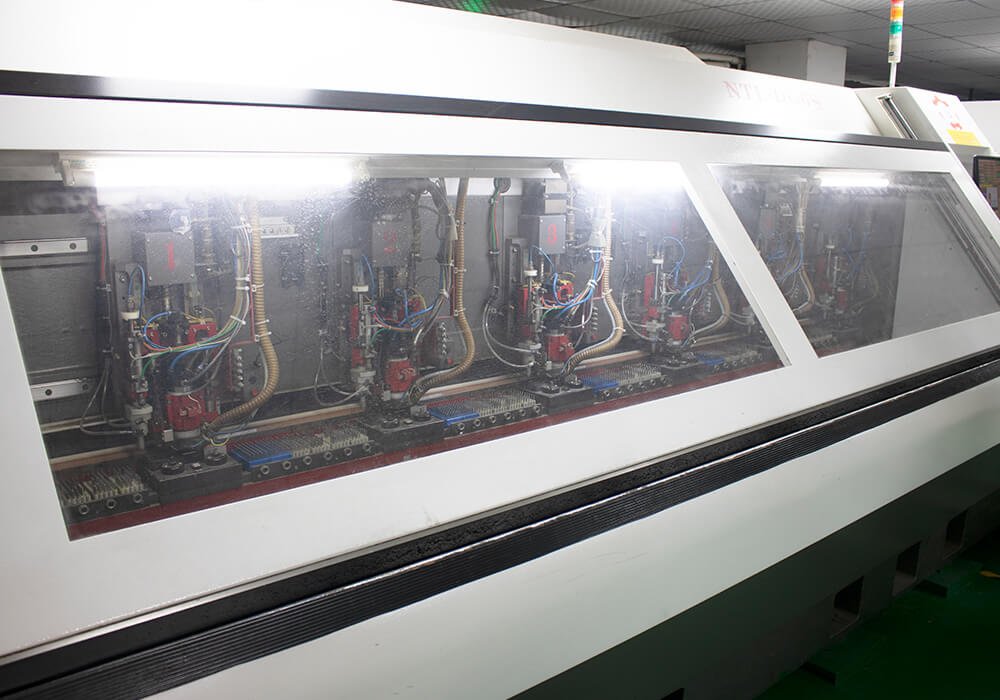
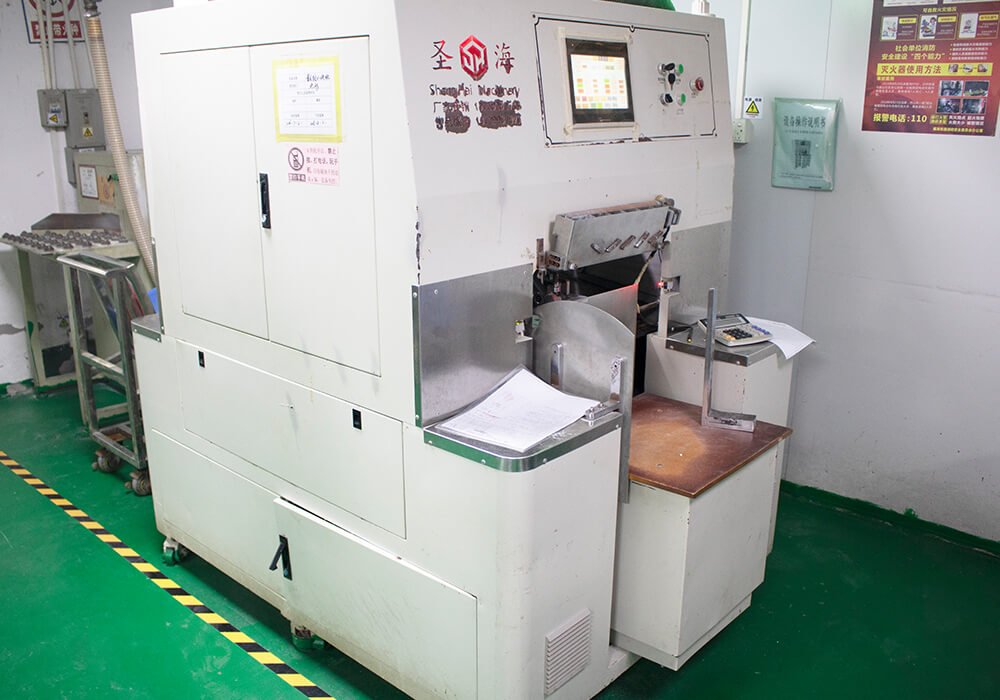
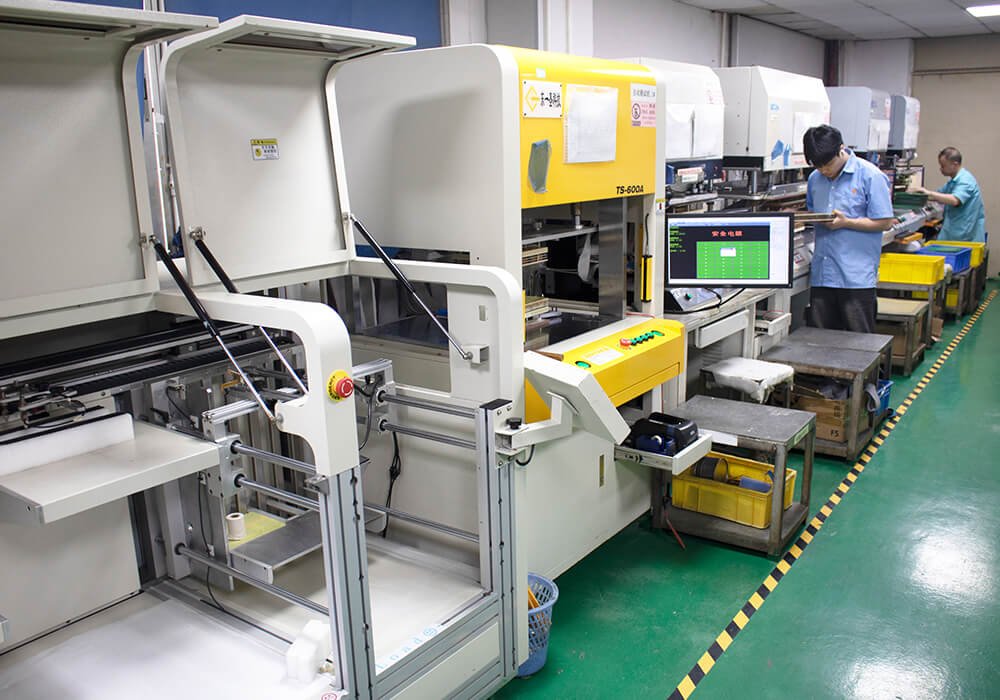
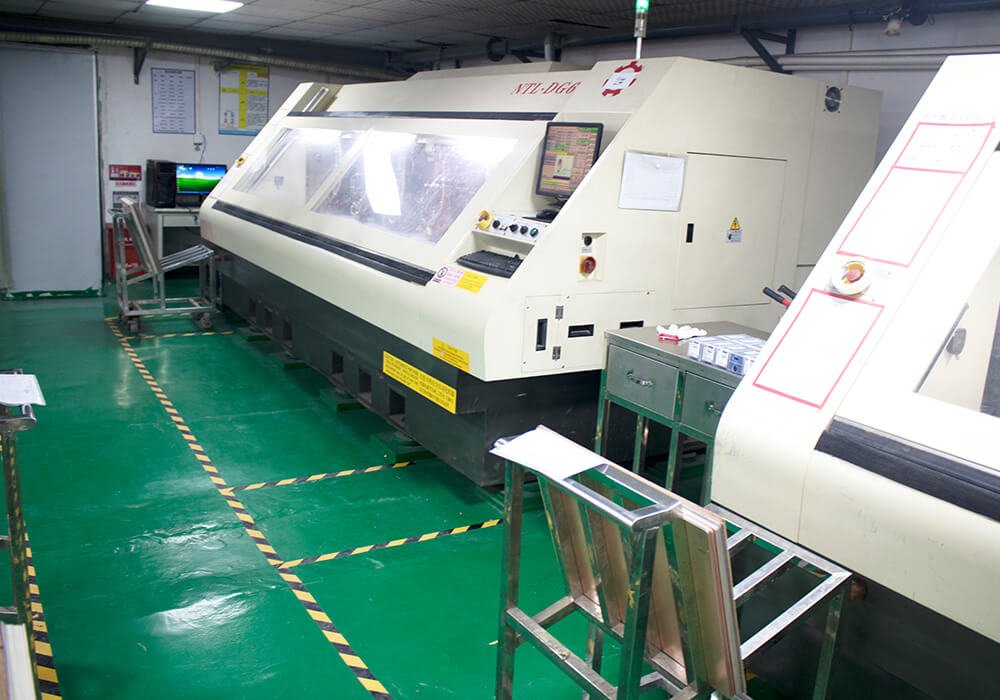
Our state-of-the-art facilities support complex and high-precision PCB assembly. We can do:
- Fine-pitch placement down to 0.38mm
- BGA (0.2mm pitch) with X-ray inspection
- Support for 0201 components
- High-density multilayer PCBs
- Mixed technology assembly (SMT + Through-hole)

Testing & Inspection
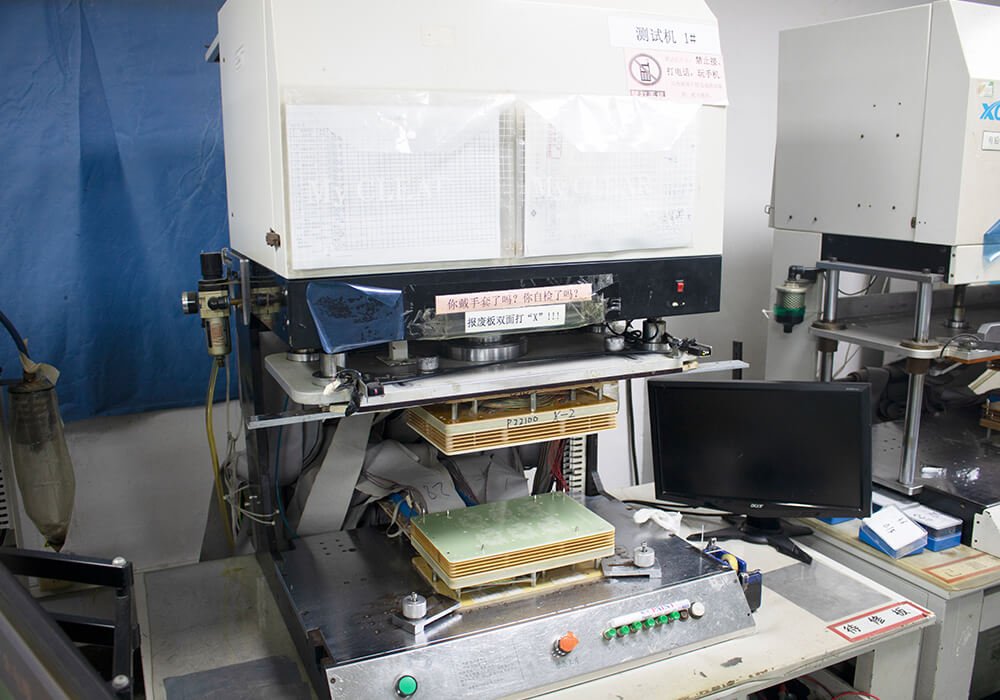
We implement multi-level testing to ensure every PCBA meets strict performance requirements.
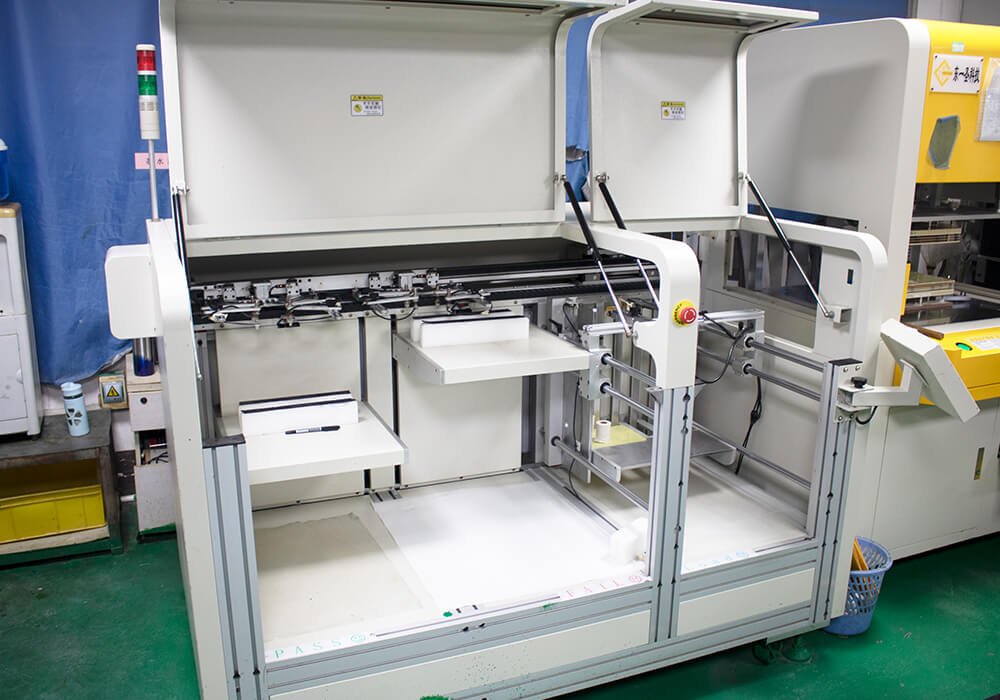
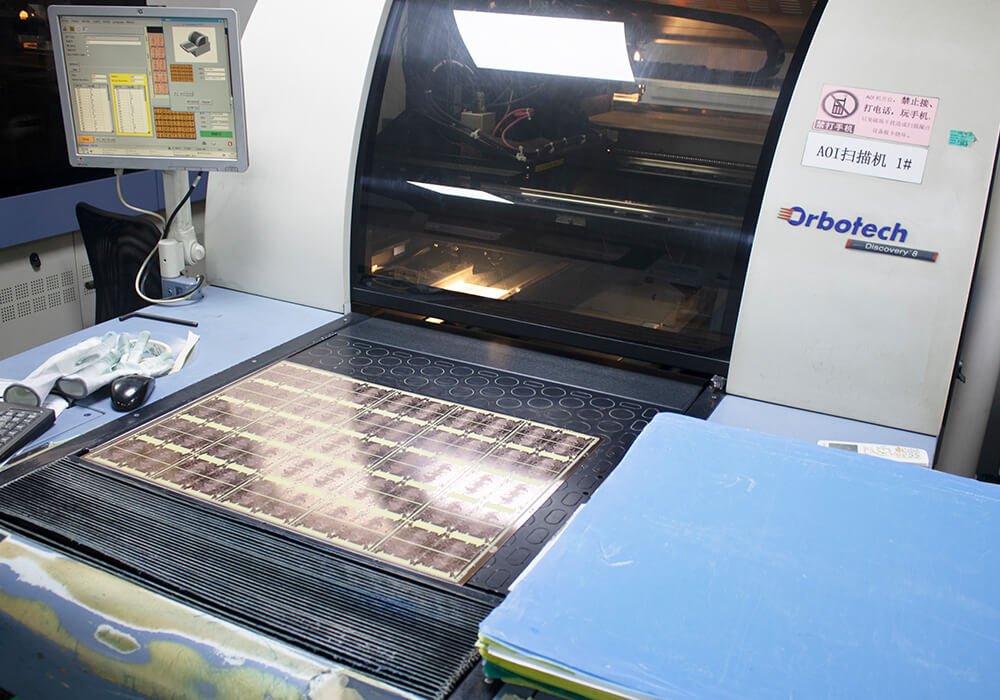
- AOI (Automated Optical Inspection)
- X-ray inspection for hidden solder joints
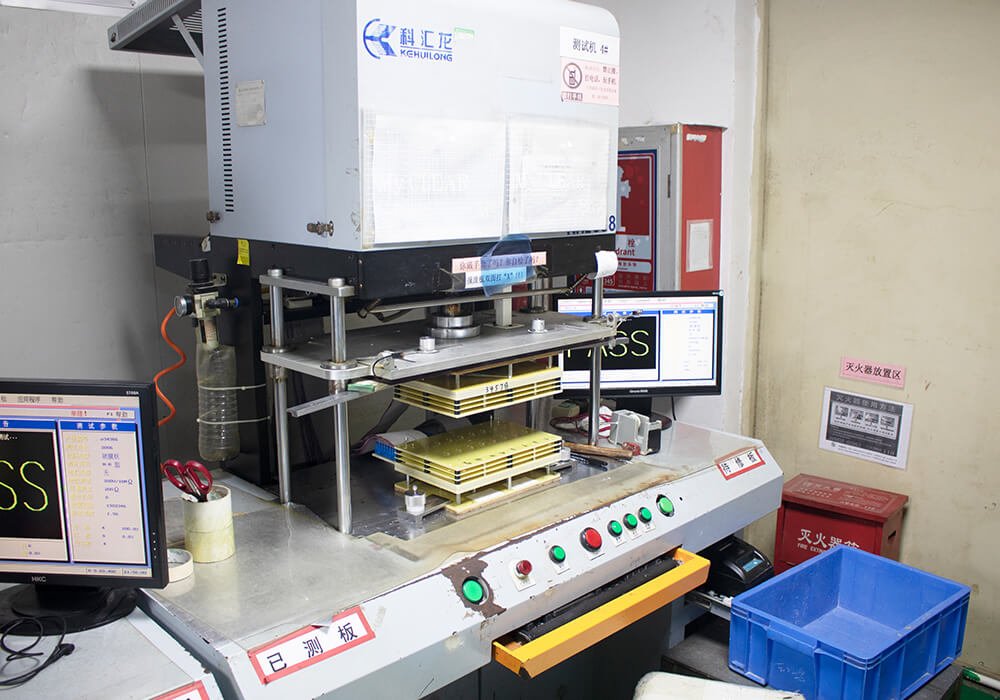
- In-Circuit Testing (ICT)
- Functional testing under real operating conditions
- Voltage and performance validation
Fast Quotation
Our professional sales and engineering teams provide fast PCB quotes and technical support. Simply send us your Gerber files, BOM, and assembly drawings, and we will respond promptly with a competitive solution.
- Gushu Tangxi Second Industrial Zone, Shenzhen
- +86 755 2335 0814
- +86 135 1078 8094
- sales@pcbasail.com
FAQ About Drone PCB?
1. What is a Wifi Router PCB?
A Wifi Router PCB is the core circuit board inside a wireless router that enables communication between devices through radio frequency (RF) signals.
It integrates components such as the microcontroller, WiFi chipset, antennas, and power management circuits to deliver stable wired and wireless connectivity.
2. What Materials Are Used In Wifi Router PCB Manufacturing?
The most common materials include:
- FR-4 for standard applications
- High-frequency laminates (such as Rogers or Taconic) for advanced designs
- Copper layers (1 oz to 2 oz typical thickness)
Material selection depends on the required frequency, signal integrity, and cost considerations.
3. How Many Layers Does A Wifi Router PCB Typically Have?
Most Wifi Router PCB designs use:
- 2 layers for simple applications
- 4–8 layers for standard routers
- 8+ layers for high-performance or enterprise-grade devices
More layers allow better signal routing, EMI control, and power distribution.
4. What Frequency Bands Do Wifi Router Pcbs Support?
Modern Wifi Router PCB designs support:
- 2.4GHz (longer range)
- 5GHz (higher speed, less interference)
- Emerging 6GHz band (WiFi 6E / WiFi 7)
5. How Do You Ensure Signal Integrity In Wifi Router PCB?
We apply advanced design and manufacturing techniques such as:
- Controlled impedance routing
- Optimized multilayer stack-up
- Proper grounding and shielding
These practices minimize signal loss and ensure stable performance.
6. How Do I Get A Quote For Wifi Router PCB?
You can request a quote by providing:
- PCB design files (Gerber files)
- Bill of Materials (BOM)
- Quantity
- Special specifications
Our team will respond quickly with a competitive quotation.