
/For USB Type-C, USB 2.0, USB 3.0/
USB PCB
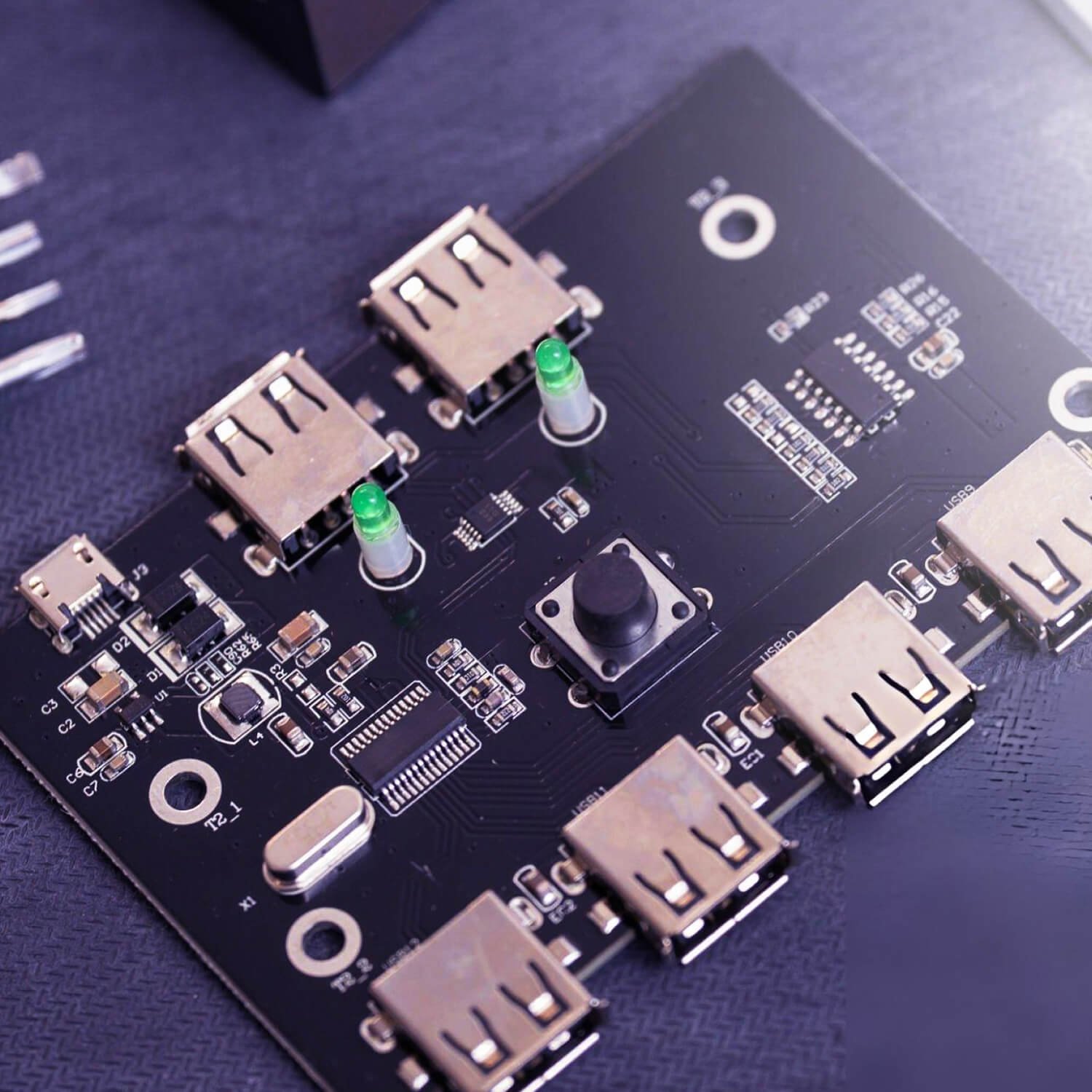
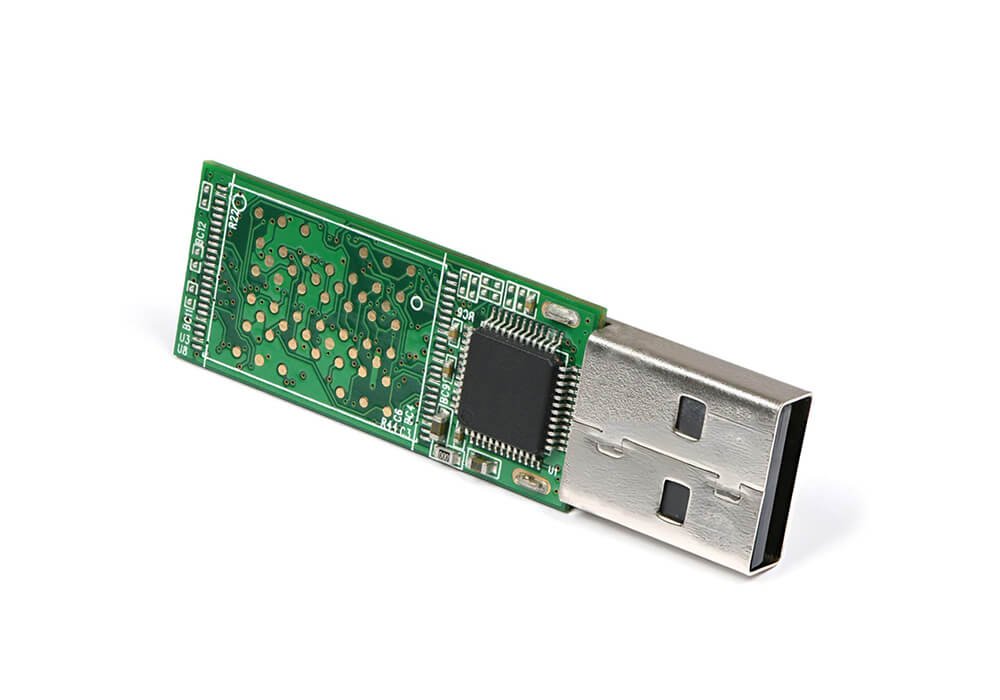
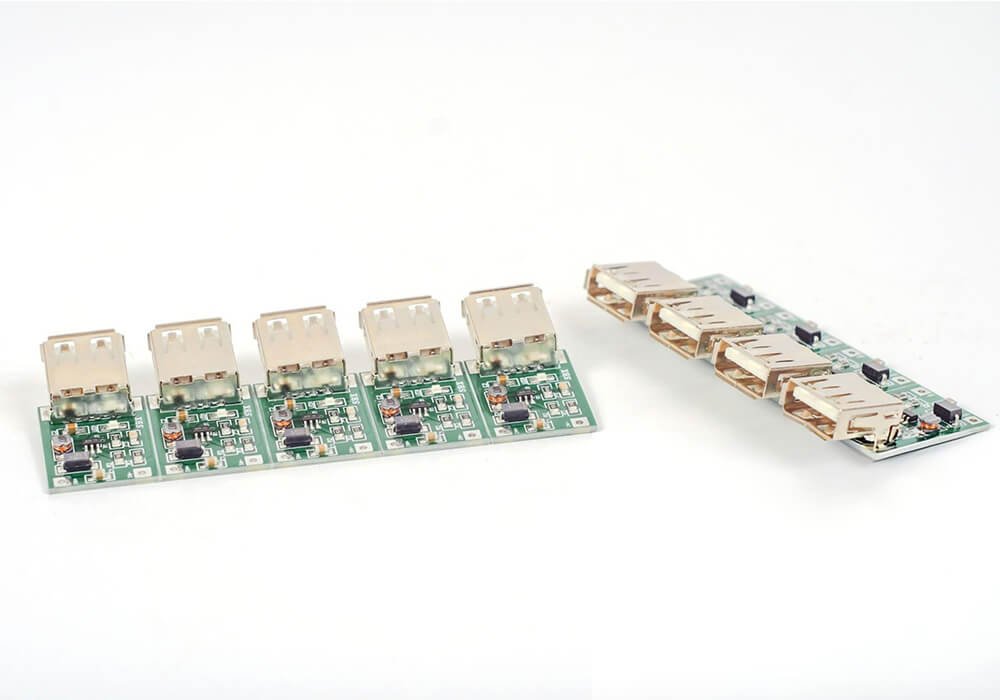
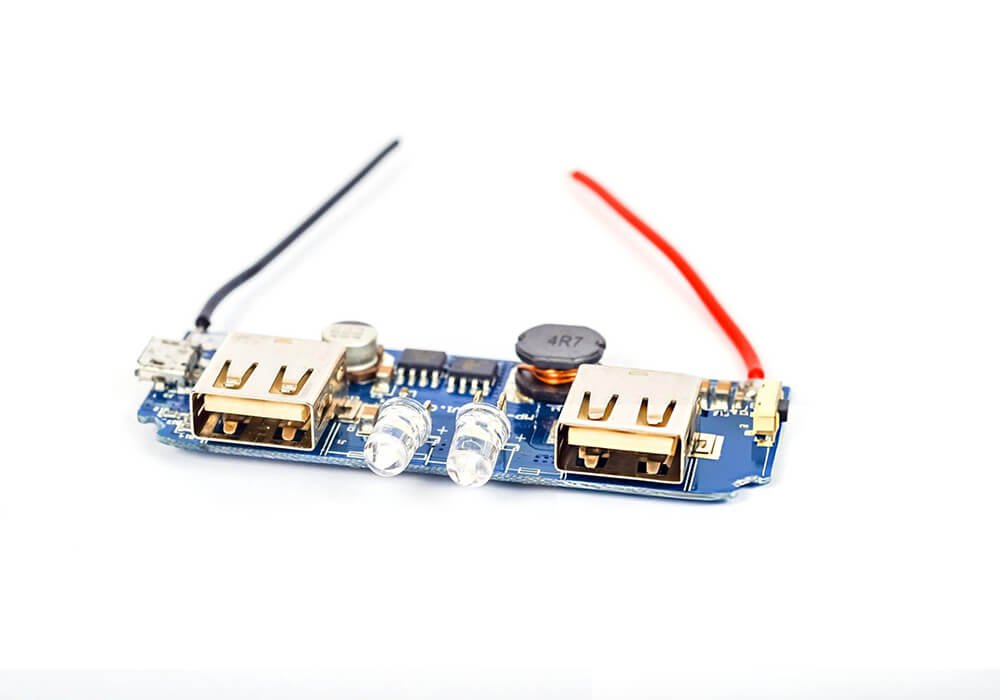
At PCBSAIL, we specialize in designing and manufacturing high-performance USB PCB for modern electronic devices.
With extensive experience in PCB fabrication and PCBA services, we offer reliable, high-speed, and cost-effective USB PCBs. It can meet the needs of industries ranging from consumer electronics to industrial systems.
Whether you require standard USB interfaces or advanced high-speed USB 3.2/USB-C, our engineering team ensures optimal signal integrity, power delivery, and durability.
What Is USB PCB?
A USB PCB is the internal circuit board that manages power delivery and data communication through a USB interface.
A USB PCB acts as the electrical and logical bridge between a USB connector (e.g., USB-A, USB-C) and the device’s internal circuitry. It ensures that:
- Power is delivered at the correct voltage/current
- Data signals are transmitted with integrity
- The device complies with USB protocols for recognition and communication
USB PCBs are used in a wide range of electronic systems, such as smartphones, laptops and IoT devices.
With the evolution of USB standards—from USB 2.0 to USB4.0, modern USB PCBs must support high-speed data transmission.
USB PCB We Offered.
We provide a comprehensive range of custom USB PCBs for diverse industries. Our USB PCB can meet varying demands in speed, power, durability, and form factor.
Our Capacity.

Standard USB PCB
Our standard USB PCBs are designed for everyday electronic applications.
- Supports USB 2.0 And Basic USB 3.0 Interfaces
- Stable Data Transmission And Power Delivery
- Cost-Effective For Mass Production
- Simple And Reliable Circuit Design

High-Speed USB PCB
The Inverter Power Board handles high-current and high-voltage power conversion.
- High Current Carrying Capability
- Support For MOSFETS And IGBTS
- Thick Copper Layers (1–4 Oz Or More)
- Optimized Thermal Management

USB Type-C PCB
USB Type-C is the latest standard, and we specialize in designing advanced Type-C PCBs with enhanced functionality.
- Reversible Connector Design
- Supports USB Power Delivery (PD)
- High-Speed Data, Video, And Power Integration

Multi-Port USB PCB
We design multi-port USB PCBs for devices that require multiple connections in a single compact board.
- Multiple USB Interfaces (Type-A, Type-C, Mixed Configurations)
- Intelligent Power Distribution And Load Balancing
- Overcurrent And Short-Circuit Protection

USB Power Delivery (PD) PCB
We design USB PCBs specifically for advanced power delivery applications.
- Supports Fast Charging Protocols (PD 2.0 / 3.0)
- Intelligent Voltage Negotiation (5V–20V)
- Integrated Protection Circuits
- Efficient Thermal Management

Item | Rigid PCB | Flexible PCB | Rigid-Flex PCB |
Max Layer | 60L | 8L | 36L |
Inner Layer Min Trace/Space | 3/3mil | 3/3mil | 3/3mil |
Out Layer Min Trace/Space | 3/3mil | 3.5/4mil | 3.5/4mil |
Inner Layer Max Copper | 6oz | 2oz | 6oz |
Out Layer Max Copper | 6oz | 20z | 3oz |
Min Mead hanical Driling | 0.15mm | 0.1mm | 0.15mm |
Min Laser Drilling | 0.1mm | 0.1mm | 0.1mm |
Max Aspect Ratio (Mechanical Drilling) | 20:01 | 10:01 | 12:01 |
Max Aspect Ratio (Laser Drilling) | 1:01 | / | 1:01 |
Press Fit Hole Tolerance | ±0.05mm | ±0.05mm | ±0.05mm |
PTH Tolerance | ±0.075mm | ±0.075mm | ±0.075mm |
NPTH Tolerance | ±0.05mm | ±0.05mm | ±0.05mm |
Countersink Tolerance | ±0.15mm | ±0.15mm | ±0.15mm |
Board Thickness | 0.4-8mm | 0.1-0.5mm | 0.4-3mm |
Board Thickness Tolerance(<1.0mm) | ±0.1mm | ±0.05mm | ±0.1mm |
Board Thickness Tolerance(≥1.0mm) | ±10% | / | ±10% |
Min Board Size | 10*10mm | 5*10mm | 10*10mm |
Max Board Size | 22.5*30 inch | 9*14 inch | 22.5*30 inch |
Contour Tolerance | ±0.1mm | ±0.05mm | ±0.1mm |
Min BGA | 7mil | 7mil | 7mil |
Min SMT | 7*10mil | 7*10mil | 7*10mil |
Min Solder Mask Clearance | 1.5mil | 3mil | 1.5mil |
Min Solder Mask Dam | 3mil | 8mil | 3mil |
Min Legend Width/Height | 4/23mil | 4/23mil | 4/23mil |
Strain Fillet Width | / | 1.5±0.5mm | 1.5±0.5mm |
Bow &Twist | 0.003 | / | 0.0005 |
Standards for USB PCB.
Our USB PCBs comply with the latest USB specifications as well as global PCB manufacturing and environmental standards.

IPC Standards
The IPC standards define the baseline requirements for PCB design, fabrication, and assembly.

EMI / EMC Compliance
USB PCBs must comply with electromagnetic compatibility regulations to prevent interference.

ISO Standard
A controlled manufacturing environment ensures consistent quality.

RoHS
To meet global environmental and safety regulations, it should reach RoHS standard.
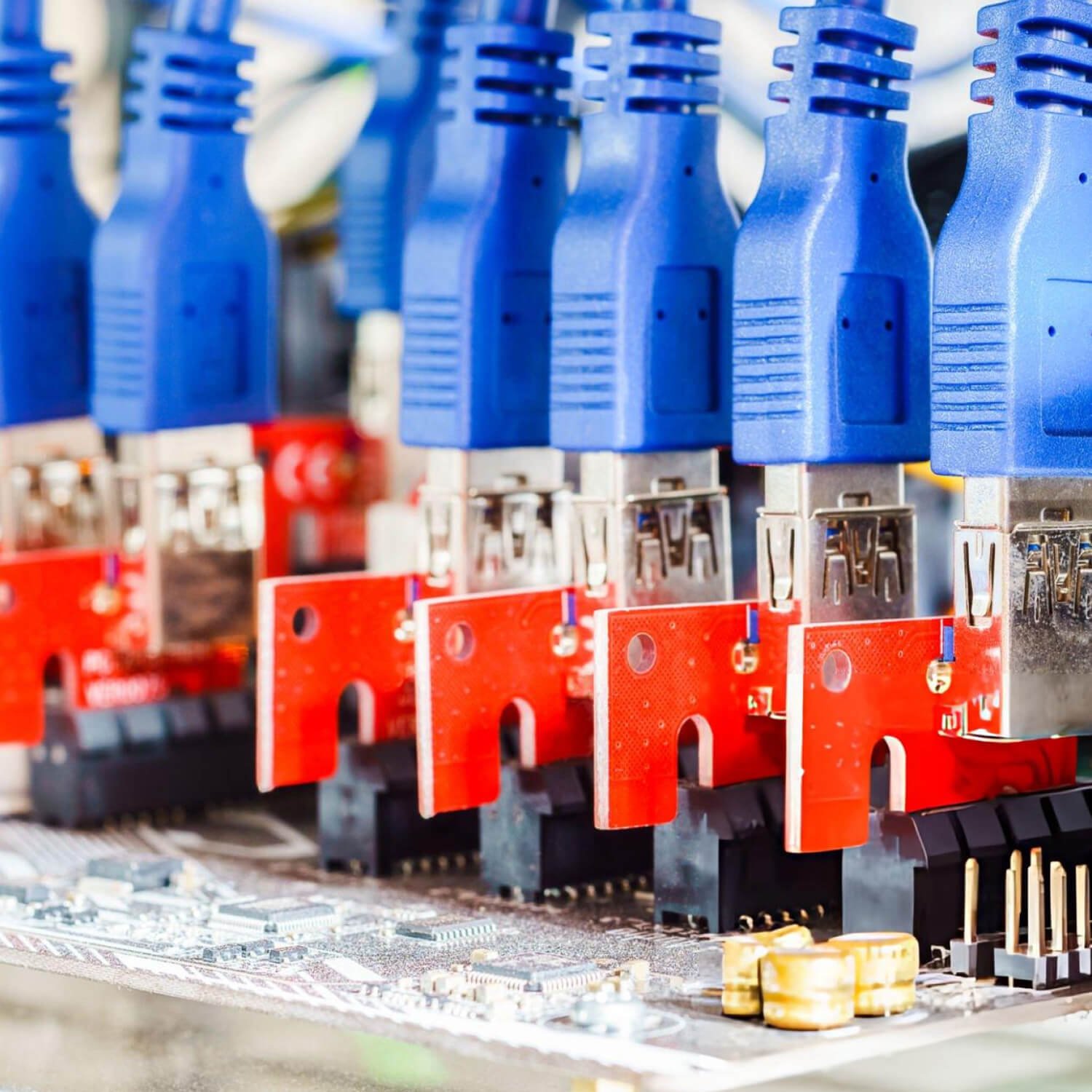
USB PCB Feature
Whether for consumer electronics, industrial systems, or high-speed data devices, our USB PCBs can ensure stable operation and long-term durability.
High-Speed Data Transmission
Modern electronic devices demand fast and reliable data transfer. Our USB PCBs can ensure excellent signal performance.
- Supports USB 2.0, 3.0, 3.1, 3.2, And USB4
- Optimized Differential Pair Routing (D+ / D−)
- Controlled Impedance For Minimal Signal Loss
- Reduced Crosstalk And Electromagnetic Interference
Stable and Efficient Power Delivery
Power stability is important for both charging and device operation. Our USB PCBs provide efficient and safe power management.
- Supports Standard 5V And USB Power Delivery (PD) Up To 240W
- Integrated Voltage Regulation
- Overcurrent And Overvoltage Protection
- Efficient Thermal Management For High-Power Applications
Advanced Signal Integrity
Signal quality directly impacts performance, especially in high-speed USB applications.
- Precision Impedance Control (Typically 90Ω Differential)
- Short And Balanced Trace Routing
- Reduced Signal Reflection And Attenuation
- Optimized PCB Stack-Up For High-Frequency Signals
Strong EMI/EMC Performance
Electromagnetic interference can disrupt USB functionality. Our designs incorporate effective shielding and grounding techniques.
- Dedicated Ground Planes
- Shielded Connector Design
- Filtering Components For Noise Suppression
- Compliance With Global EMI/EMC Standards
Robust ESD Protection
USB ports are frequently exposed to electrostatic discharge. Our PCBs include protective components to ensure durability.
- Integrated TVS Diodes And Protection Circuits
- Compliance With IEC ESD Standards
- Enhanced Reliability In Harsh Environments
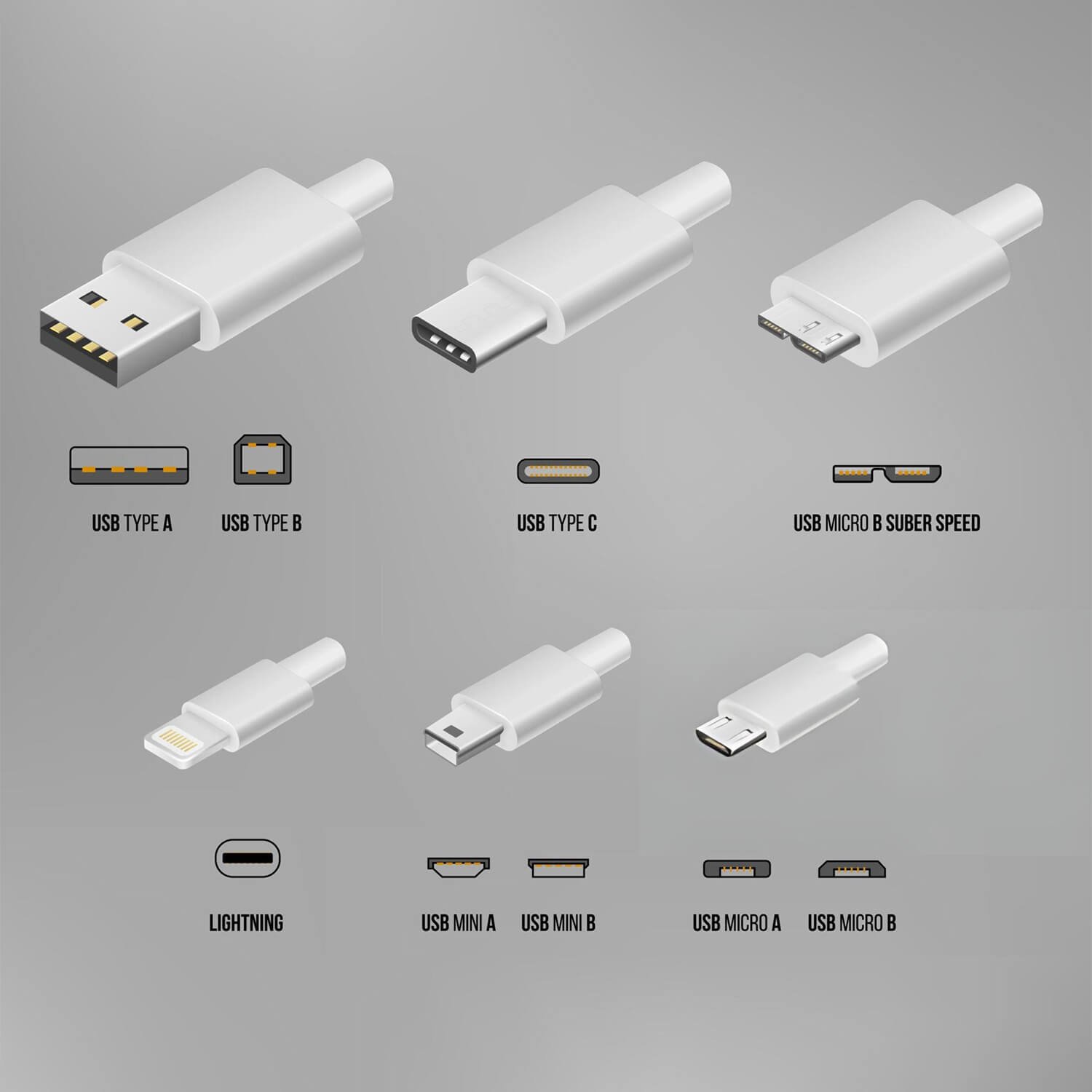
USB Connector Types
We support all major USB connector types and help you get the most suitable type for your requirements.
USB Type-A
USB Type-A is the most widely recognized and commonly used USB connector.
- Rectangular Shape
- Single Orientation (Non-Reversible)
- Supports USB 1.1, 2.0, And 3.X Standards
- Robust And Durable Design
USB Type-B
USB Type-B connectors are less common in consumer devices but widely used in specific equipment.
- Square-Shaped With Beveled Corners
- Secure Connection
- Available In Standard And Mini/Micro Variants
Mini USB (Mini-B)
Mini USB connectors were once popular for portable electronics but are now largely obsolete.
- Smaller Than Type-B
- 5-Pin Configuration
- Limited Support For Modern Standards
Micro USB (Micro-B)
Micro USB connectors became the standard for mobile devices before the rise of USB Type-C.
- Very Compact Design
- Supports USB 2.0 And Some USB 3.0 Variants
- 5-Pin Or Extended Pin Configuration
USB Type-C
USB Type-C is the latest and most advanced USB connector standard, widely adopted across modern electronics.
- Reversible Connector Design
- Supports USB 2.0, 3.X, And USB4
- High-Speed Data Transfer (Up To 40 Gbps)
- Supports USB Power Delivery (Up To 240W)
- Compact And Symmetrical
USB 3.0 Micro-B
This is an extended version of Micro USB designed for higher data rates.
- Dual-Section Connector Design
- Additional Pins For Superspeed Data
- Supports USB 3.0 Speeds (Up To 5 Gbps)
USB PCB Mounting Types
USB connector mounting type on a PCB plays an important role in the mechanical strength, product durability, assembly method, and overall design flexibility.
We offer multiple USB PCB mounting options tailored to different product structures and usage environments.
Top Mount
Top mount connectors are installed on the top surface of the PCB.
- Easy integration into enclosure design
- Strong mechanical support (especially with hybrid/THT)
Bottom Mount
Bottom mount connectors are installed on the underside of the PCB.
- Hidden connector placement
- Supports stacked PCB designs
Vertical Mount
Vertical mount connectors are oriented perpendicular to the PCB surface.
- Saves horizontal board space
- Strong mechanical anchoring
Right-Angle (Horizontal) Mount
Right-angle connectors are mounted parallel to the PCB.
- Side-entry connection
- Compact integration with enclosures
Mid-Mount
Mid-mount connectors are partially embedded into the PCB to reduce height.
- Ultra-low profile design
- Reduced connector height above PCB
USB PCB Components
We use high-quality, industry-compliant components to ensure that every USB PCB meets standards.
1. USB Connectors
The USB connector is the physical interface between devices and the PCB.
Types Supported:
- USB Type-A
- USB Type-B
- Micro USB
- USB Type-C
2. USB Controller
The USB controller or transceiver is the core communication component.
Function:
- Manages USB protocol communication
- Handles data encoding and decoding
- Interfaces with the main processor or microcontroller
3. Crystal Oscillator
A crystal oscillator provides the clock signal required for precise timing.
Functions:
- Generates stable frequency reference
- Synchronizes data transmission
- Ensures accurate communication timing
4. Voltage Regulators
Voltage regulators ensure that all components receive stable and appropriate power.
Functions:
- Convert input voltage to required levels
- Maintain consistent output despite fluctuations
- Protect sensitive components
5. ESD Protection Devices
Electrostatic discharge (ESD) protection is essential for safeguarding USB circuits.
Functions:
- Absorb voltage spikes
- Prevent damage from static discharge
- Improve product reliability
6. Power Management IC (PMIC)
In advanced USB designs, especially USB Type-C, a PMIC is required.
Functions:
- Manages power distribution
- Controls charging protocols
- Supports USB Power Delivery (PD) negotiation
7. Resistors
Resistors are fundamental components used throughout the USB PCB.
Functions:
- Signal termination
- Current limiting
- Pull-up and pull-down configuration
Why Choose Us
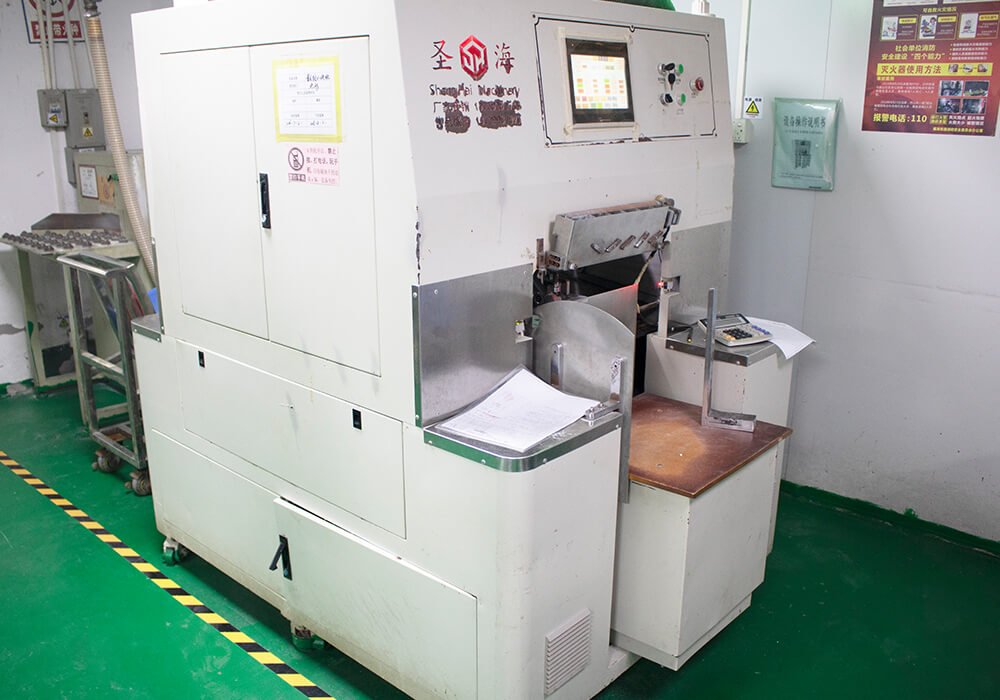
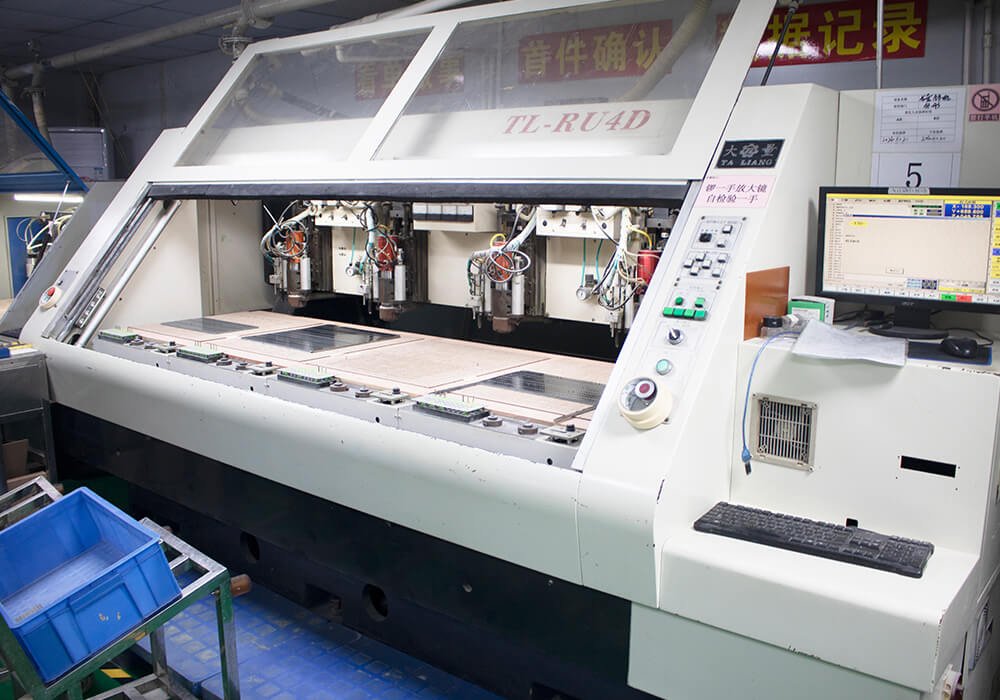
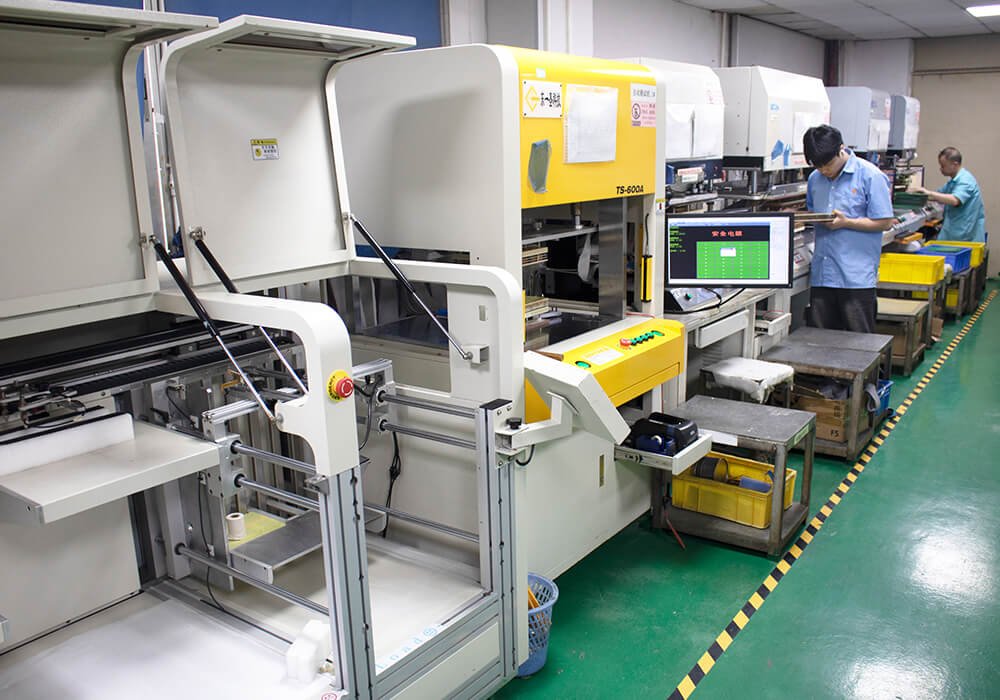
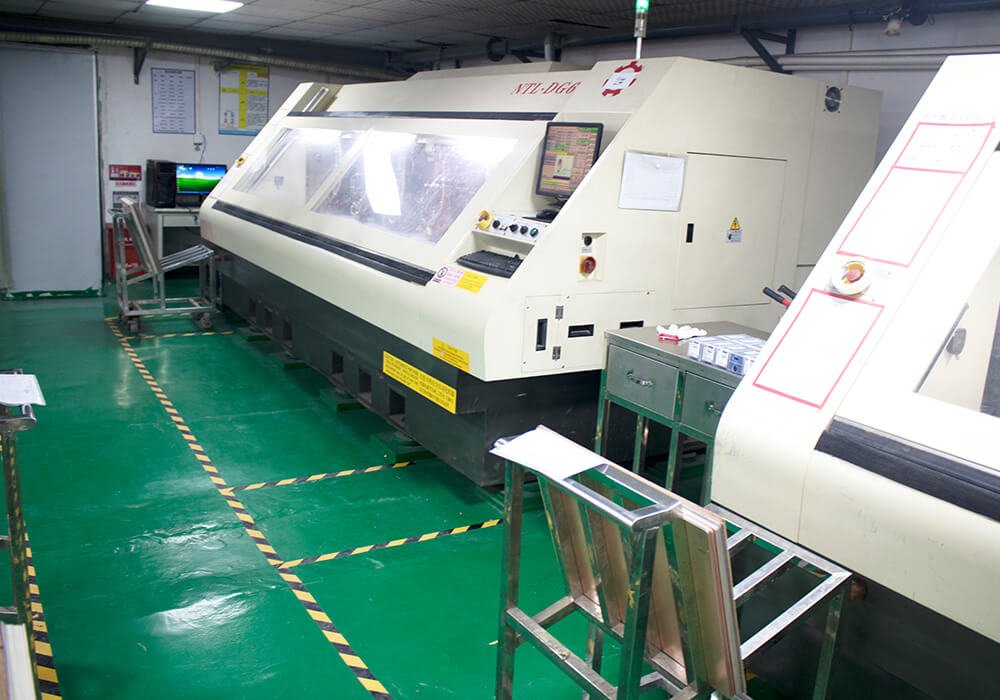
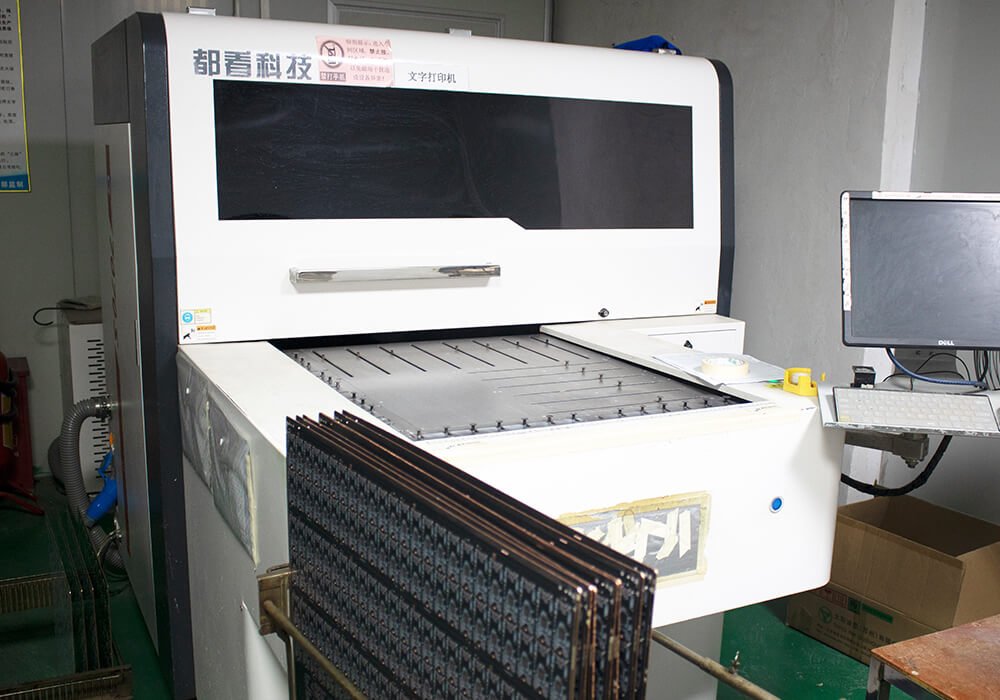
We deliver high-quality USB PCB solutions with engineering expertise and advanced manufacturing equipment.

Turnkey PCB Solution
We provide a complete end-to-end service, eliminating the complexity of managing multiple vendors. We can do:
- PCB design and engineering support
- PCB fabrication Component sourcing
- PCB assembly (SMT, THT, mixed)
- Final testing and quality assurance

Quality
Industrial applications demand the highest level of reliability. We adhere to globally recognized standards:
- IPC-A-610 Class 3 (high-reliability electronics)
- IPC-6012 (PCB performance standards)
- ISO 9001
- ISO 14001
- UL 94

Advanced Manufacturing
Our state-of-the-art facilities support complex and high-precision PCB assembly. We can do:
- Fine-pitch placement down to 0.38mm
- BGA (0.2mm pitch) with X-ray inspection
- Support for 0201 components
- High-density multilayer PCBs
- Mixed technology assembly (SMT + Through-hole)

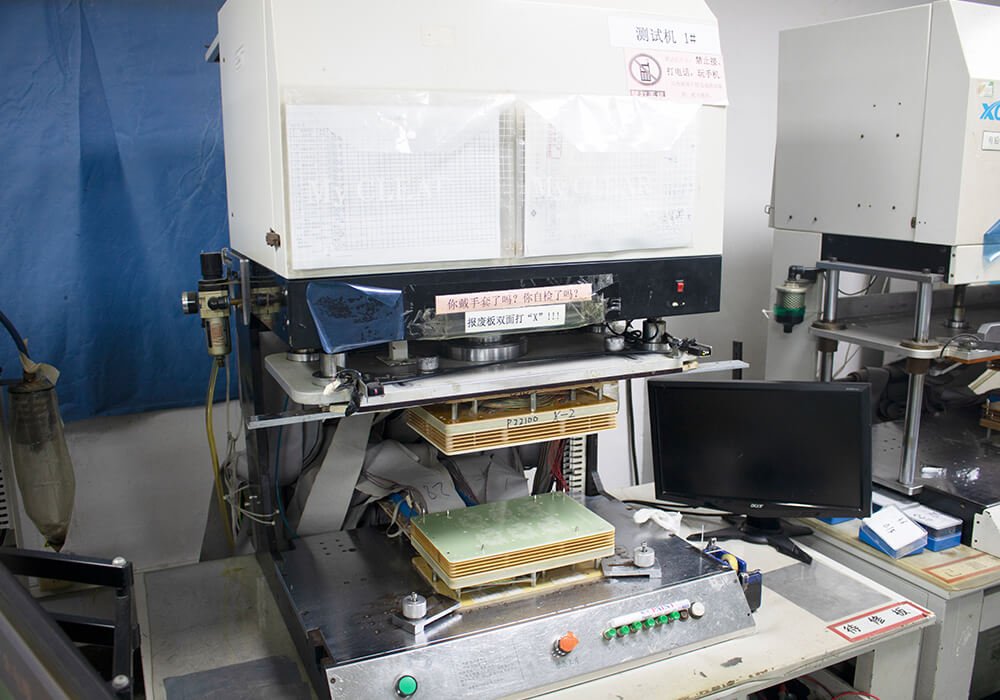
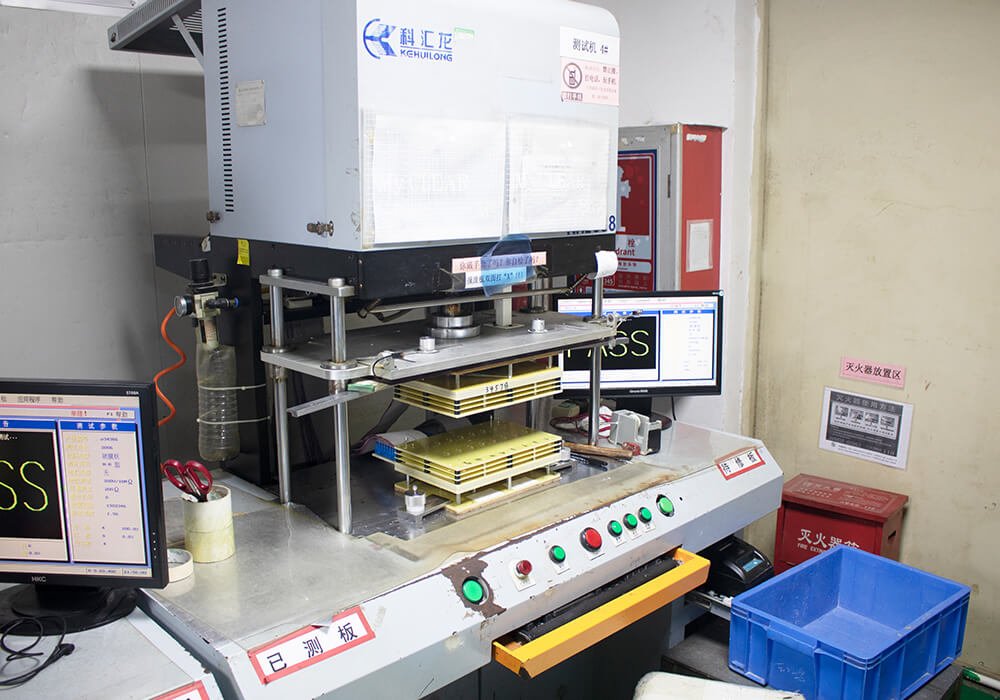
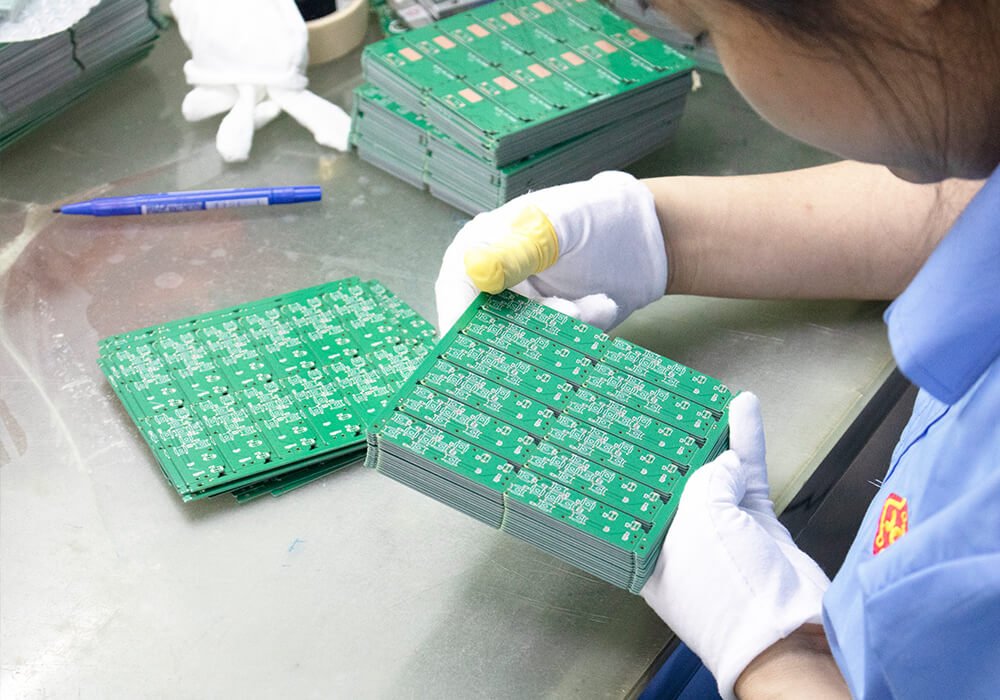
Testing & Inspection
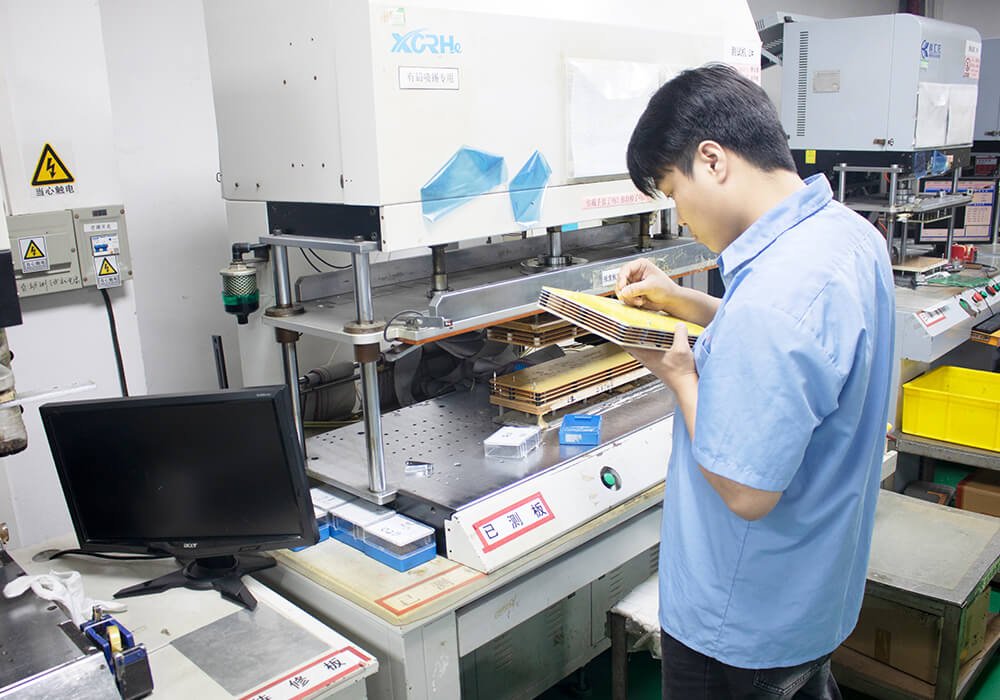
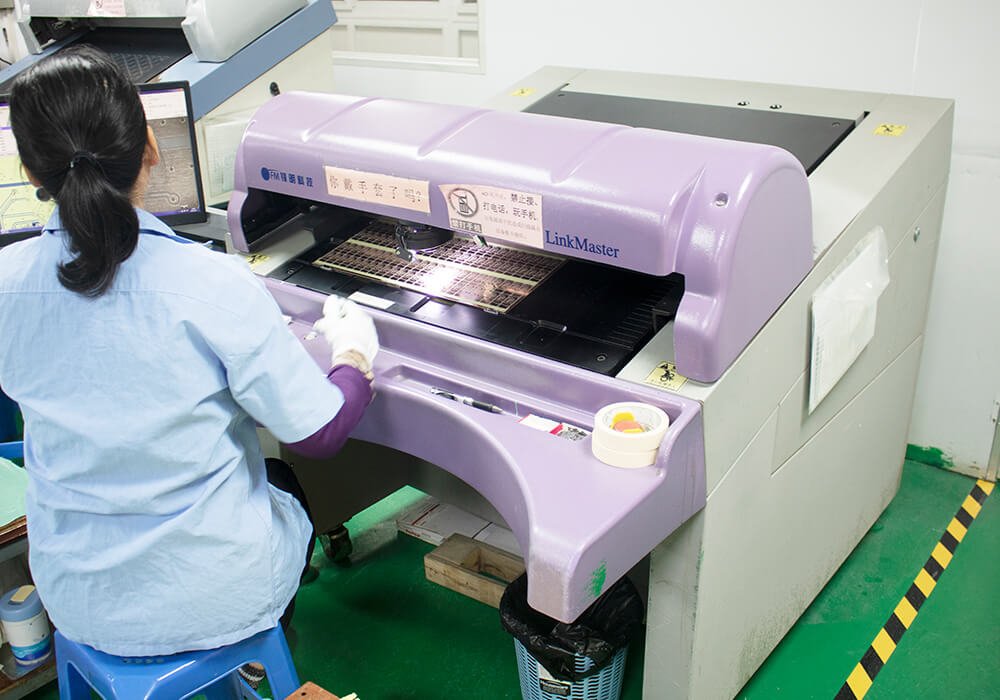
We implement multi-level testing to ensure every industrial control PCBA meets strict performance requirements.
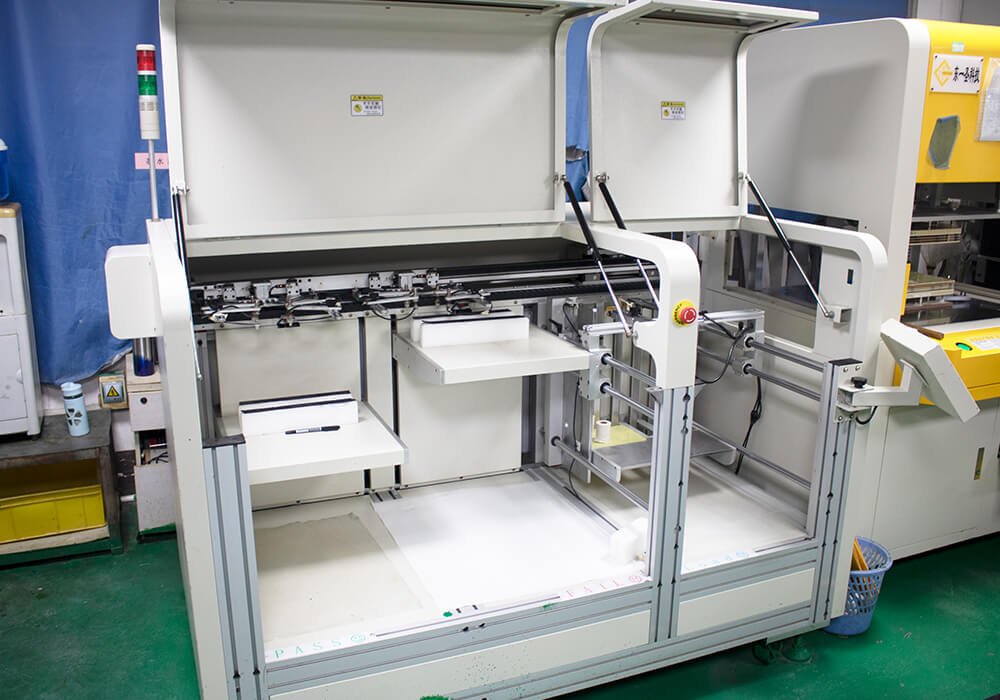
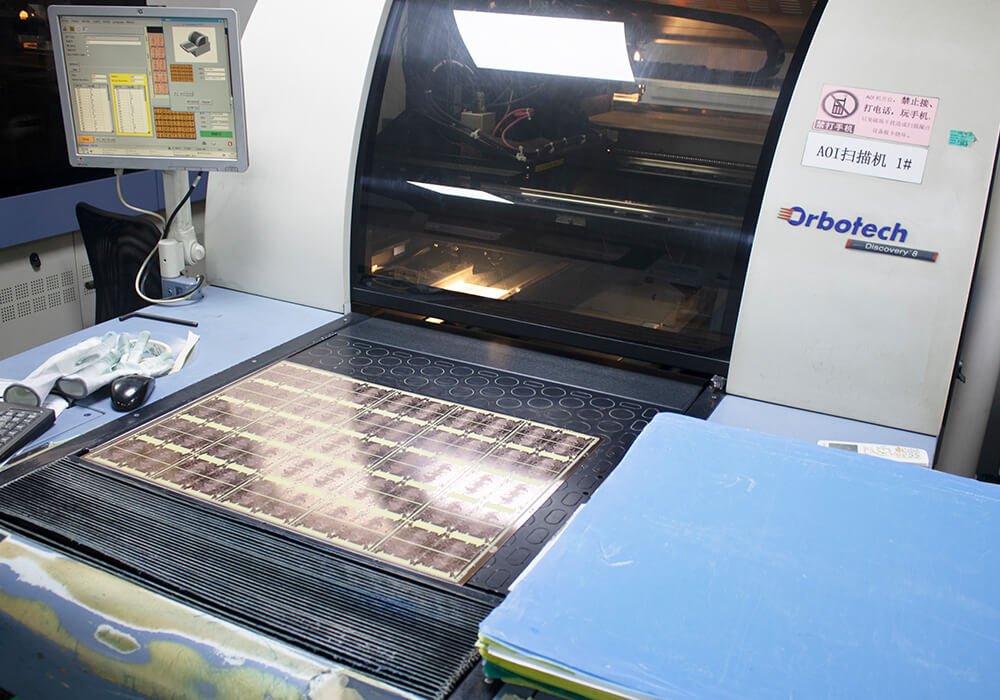
- AOI (Automated Optical Inspection)
- X-ray inspection for hidden solder joints
- In-Circuit Testing (ICT)
- Functional testing under real operating conditions
- Voltage and performance validation
Fast Quotation
Our professional sales and engineering teams provide fast PCB quotes and technical support. Simply send us your Gerber files, BOM, and assembly drawings, and we will respond promptly with a competitive solution.
- Gushu Tangxi Second Industrial Zone, Shenzhen
- +86 755 2335 0814
- +86 135 1078 8094
- sales@pcbasail.com
FAQ About USB PCB?
1. What is a USB PCB?
A USB PCB (Universal Serial Bus Printed Circuit Board) is an internal circuit board that enables power delivery and data communication through a USB interface.
It manages signal transmission, device recognition, and electrical protection within electronic devices.
2. What Materials Are Used For USB Pcbs?
The most common materials include:
- FR-4: Standard, cost-effective material for most applications
- Rogers (or equivalent): Used for high-speed and high-frequency designs
Material selection depends on your performance requirements and budget.
3. How Many Layers Are Required For A USB PCB?
- 2-layer PCB: Suitable for simple USB 2.0 designs
- 4-layer PCB: Recommended for better signal integrity
- 6-layer or more: Required for high-speed USB (USB 3.x / USB4)
4. What Is The Typical Impedance For USB Signal Lines?
For high-speed USB designs, differential pairs (D+ and D−) typically require:
- 90Ω differential impedance (±10%)
5. Do USB PCBs Require ESD Protection?
Yes. USB ports are highly exposed to electrostatic discharge.
Common Protection Methods Include:
- TVS diodes
- Grounding techniques
- Shielded connectors
This ensures long-term reliability and device safety.
6. Can USB PCBs Support Fast Charging?
Yes. With proper design, USB PCBs can support:
- USB Power Delivery (PD)
- Fast charging up to 240W (PD 3.1)
This requires dedicated power management and control circuits.
7. What Surface Finishes Are Used For USB Pcbs?
Common finishes include:
- HASL (Hot Air Solder Leveling)
- ENIG (Electroless Nickel Immersion Gold)
- Immersion Tin
ENIG is typically preferred for high-speed USB designs.
8. What Files Are Required To Start A USB PCB Project?
Typically, we require:
- Gerber files
- Schematic diagrams
- Bill of Materials (BOM)
- Assembly drawings (if applicable)