
/Reliable, Cost-Effective/

Single Layer PCB

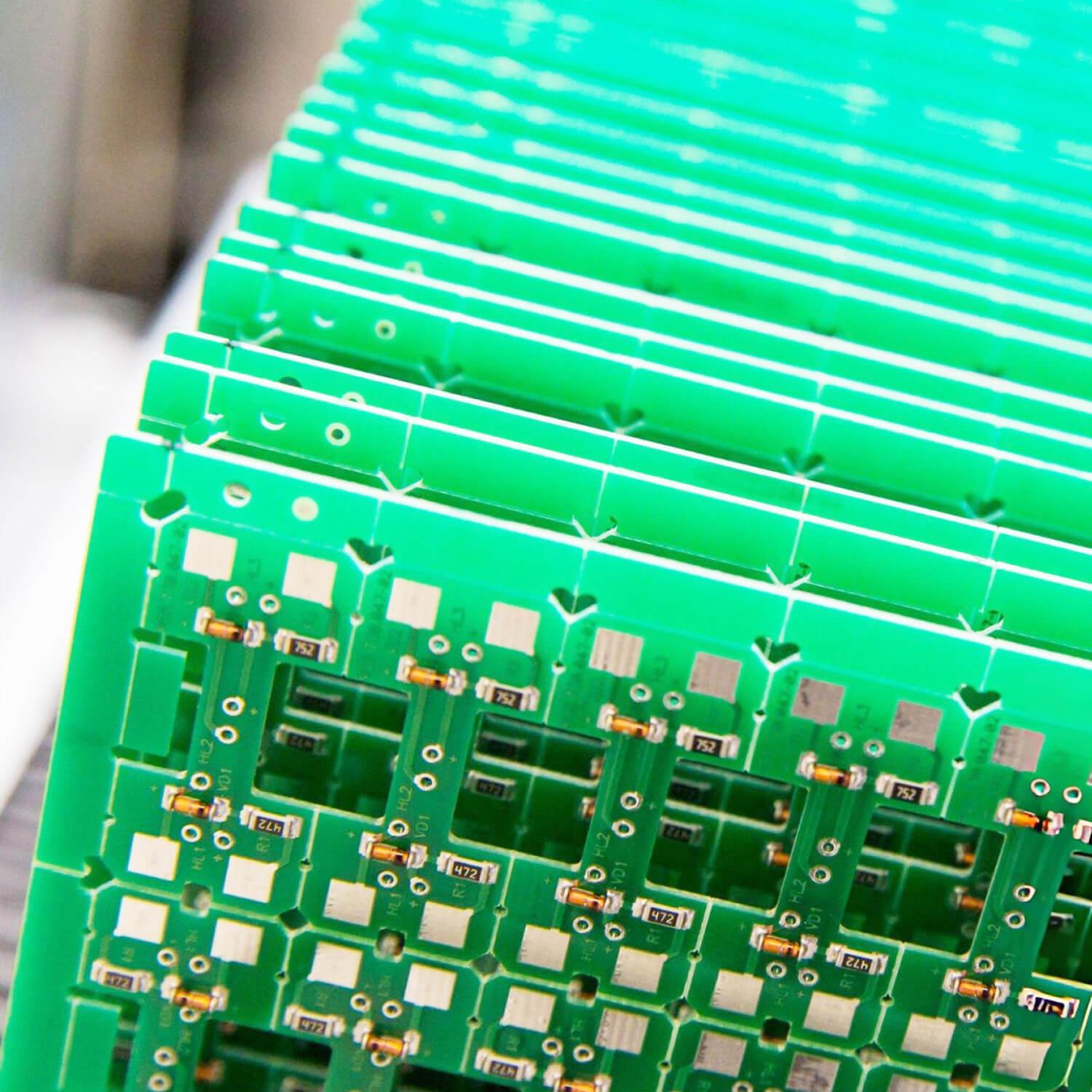
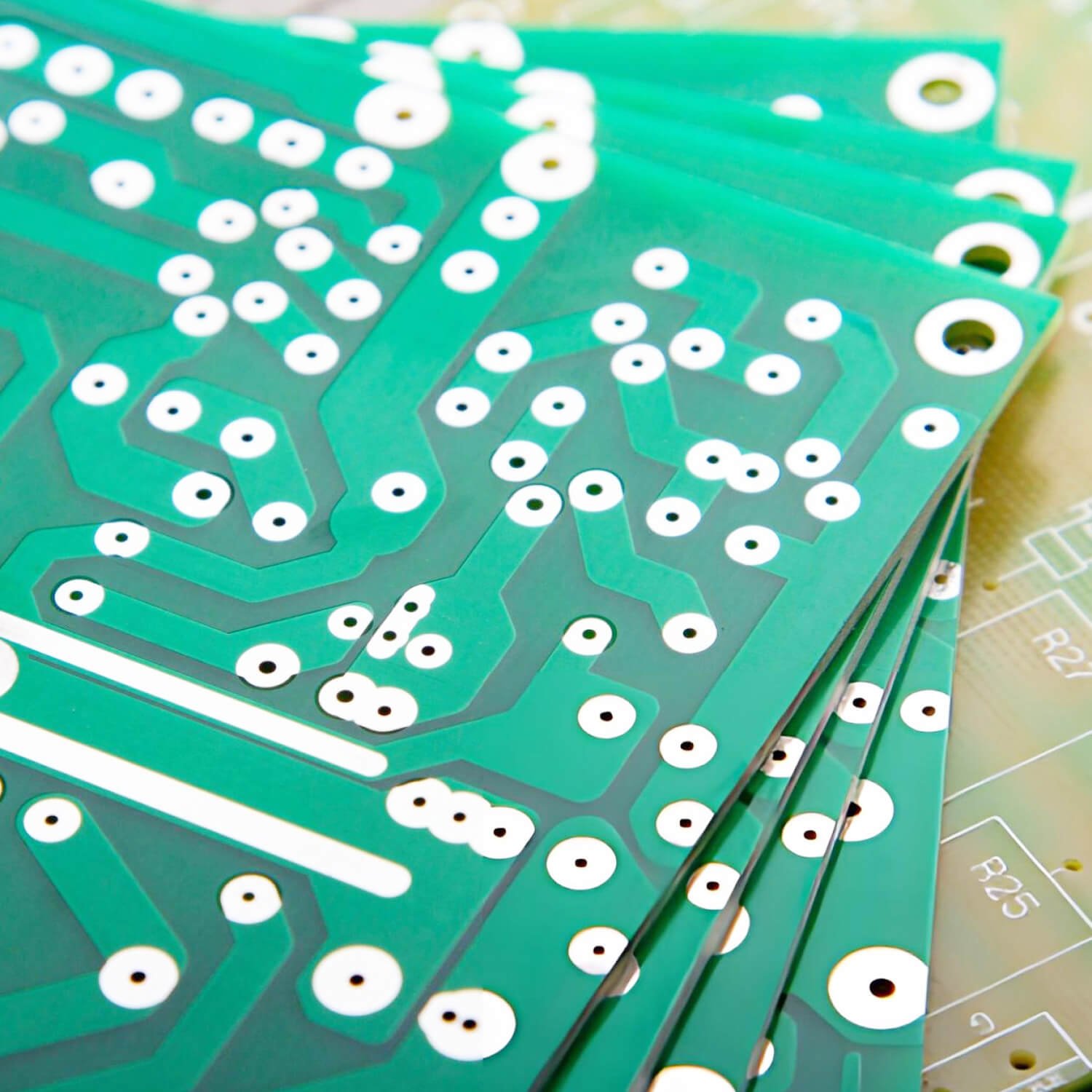
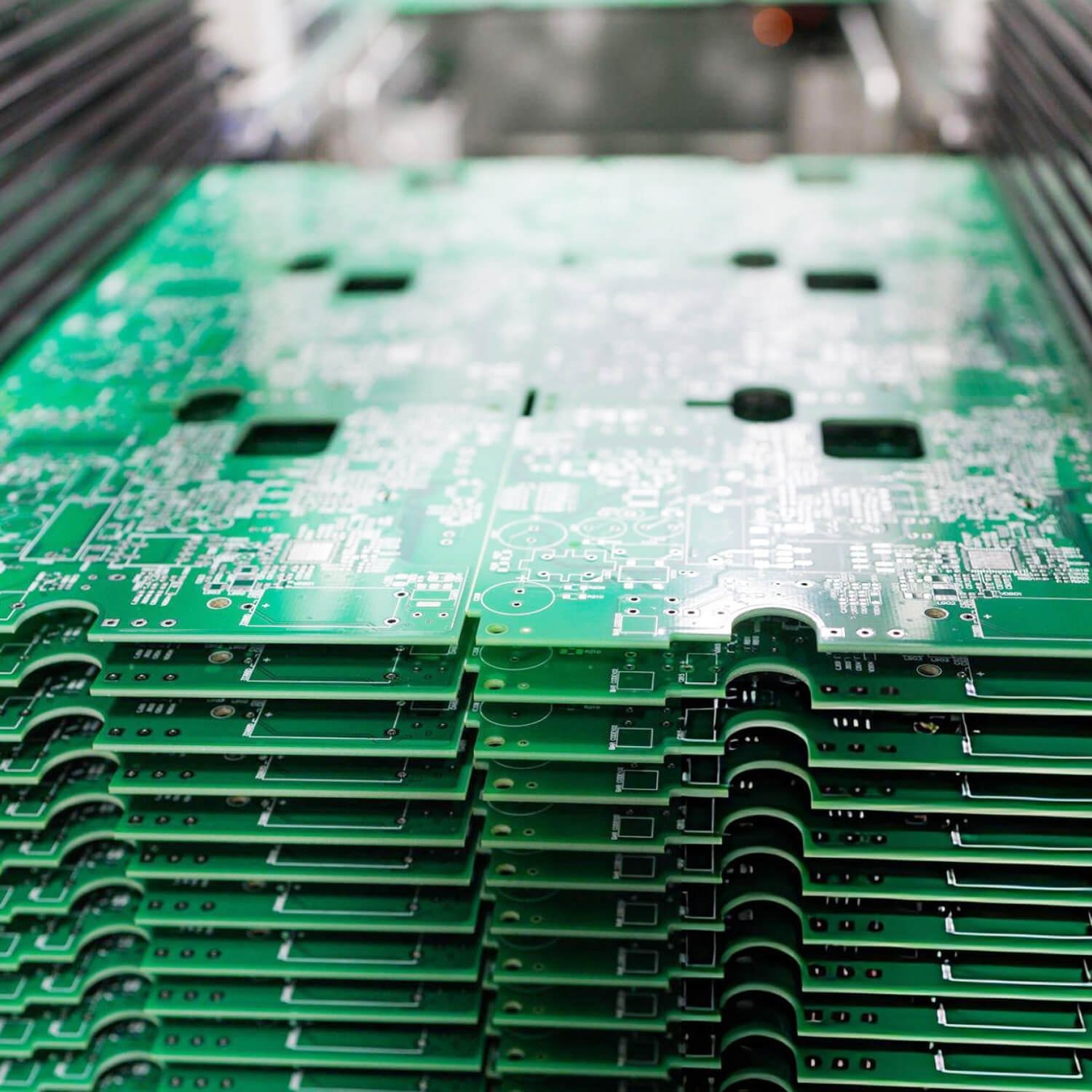
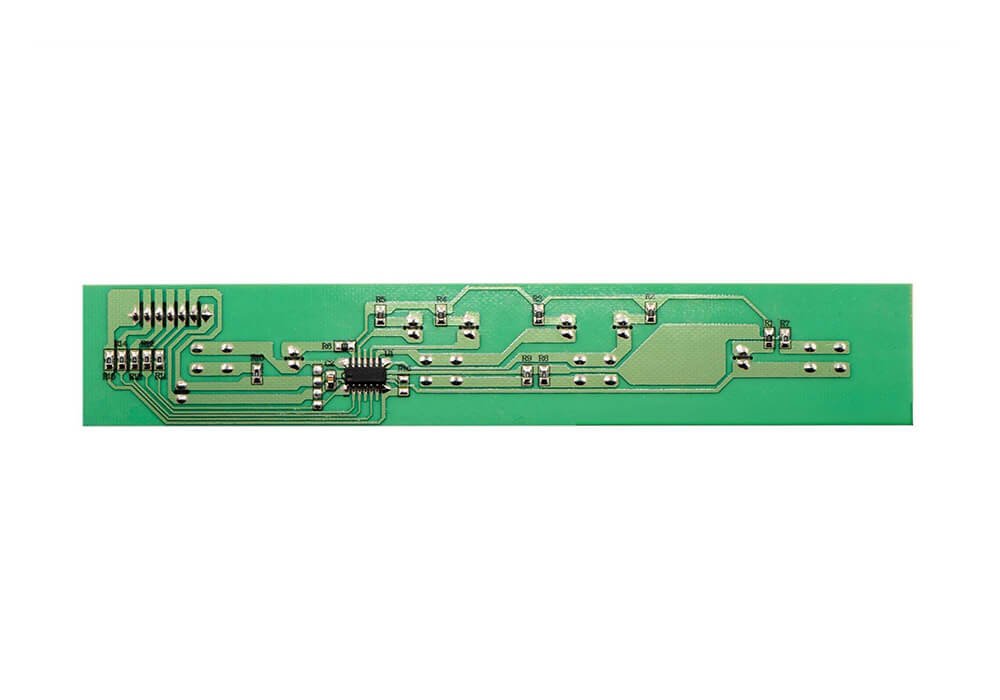
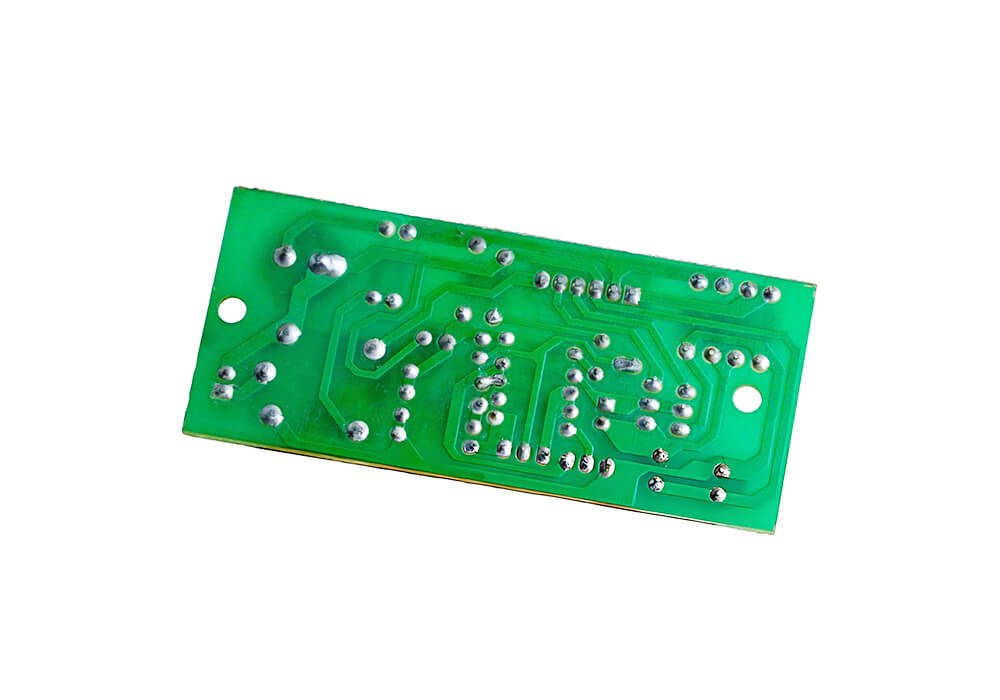
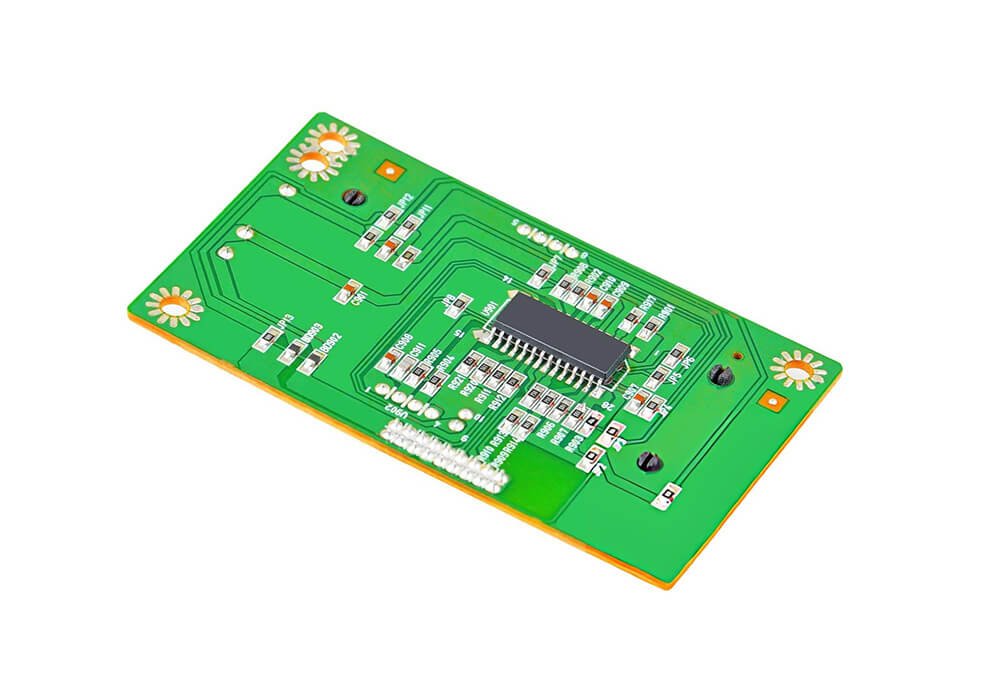
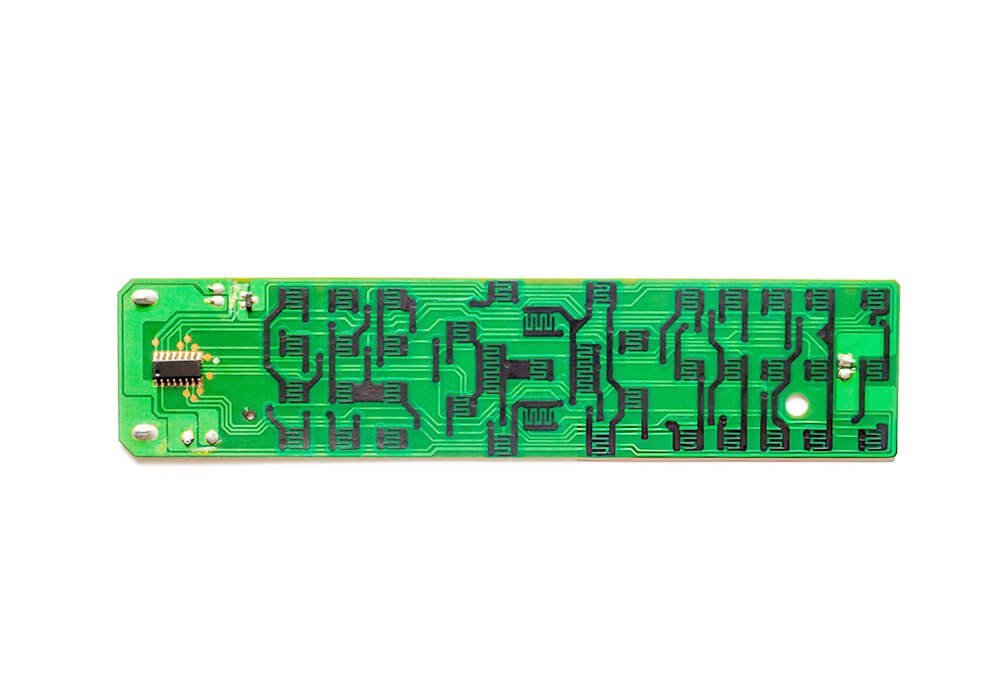
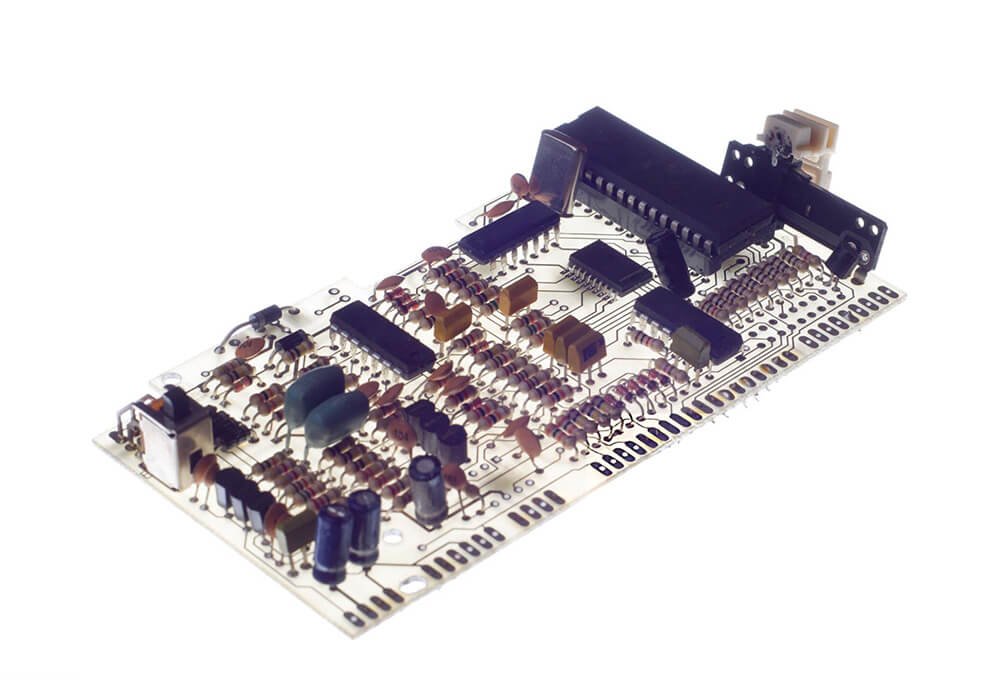
Single Layer PCB (Single-Sided PCB) is the simplest type of printed circuit board. It was composed of one conductive copper layer on one side of the substrate and electronic components mounted on the opposite side.

PCBSAIL provides high-quality Single Layer PCB with global customers. Our single-sided PCBs are cost-efficient, reliable, and fast-turnaround, making them ideal for a wide range of consumer and industrial applications.

Single Layer PCB Manufacturer

Single Layer PCB Manufacturer

We are a professional Single Layer PCB manufacturer in China, specializing in high-quality printed circuit board fabrication and turnkey assembly services.

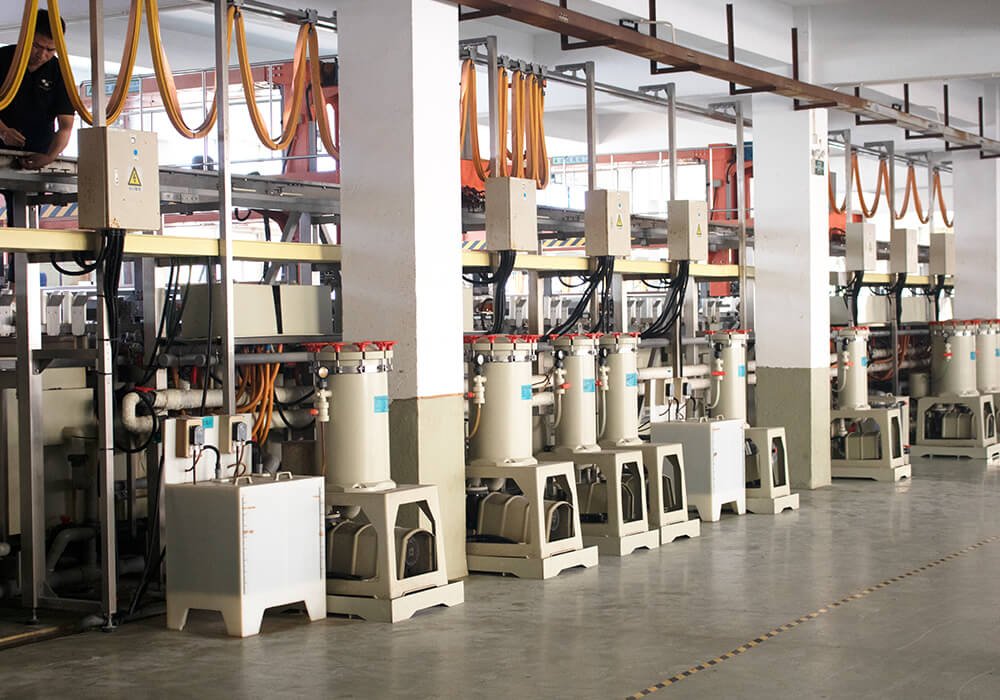
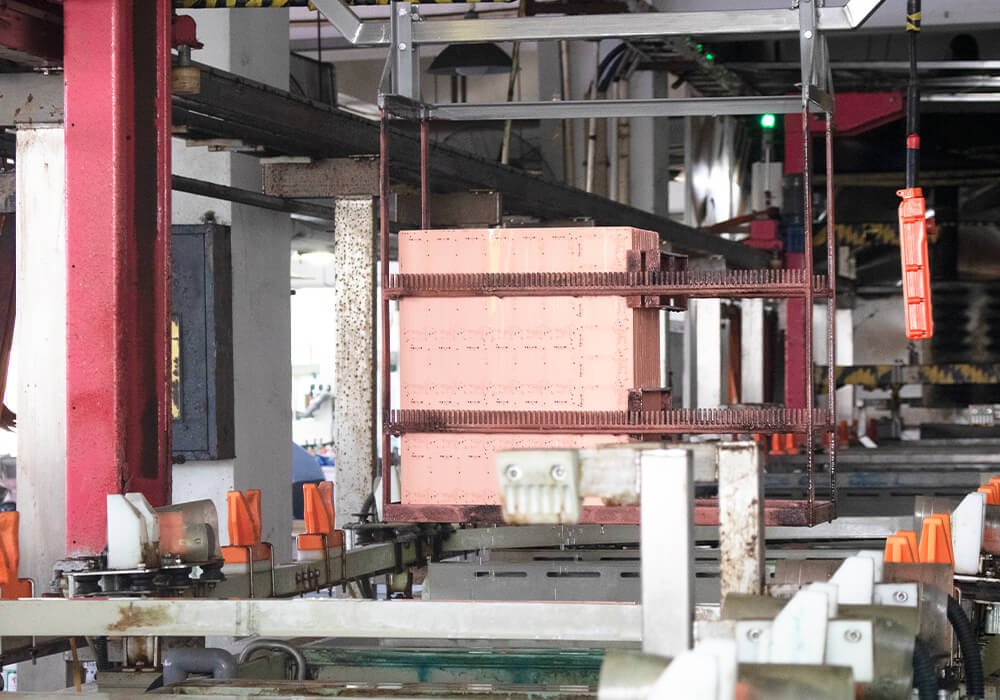
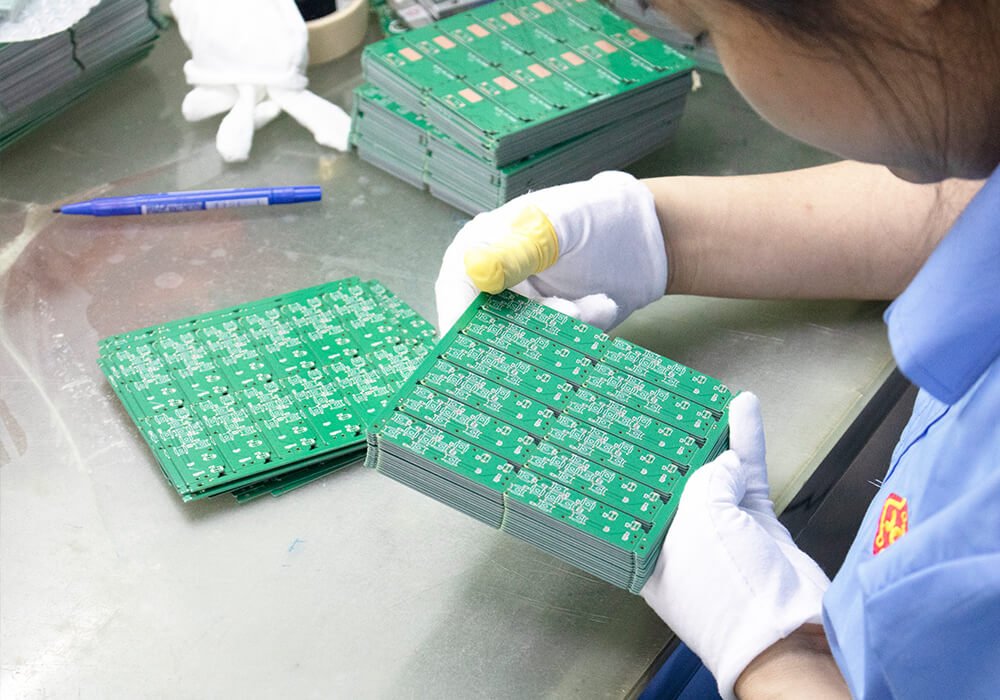
Our facilities are equipped with advanced production lines and automated inspection systems. It ensures we can maintain strict quality control throughout the entire process—from raw material selection to final product delivery.

With years of industry experience and a strong engineering team, we provide reliable Single Layer PCB for consumer electronics, industrial control, automotive, medical, and communication industries.

Production Capability

We support flexible production volumes, including:

  • Rapid Prototyping
  • Small-Batch Production
  • Medium-Volume Manufacturing
  • High-Volume Mass Production

Surface Finishes

We offer multiple surface finish options to meet different assembly and reliability needs:

  • HASL
  • Lead-Free HASL
  • ENIG (Electroless Nickel Immersion Gold)
  • OSP (Organic Solderability Preservative)
  • Immersion Silver
  • Immersion Tin

Quality Control

To ensure quality and reliability, every Single Layer PCB undergoes strict inspection and testing procedures:

  • AOI
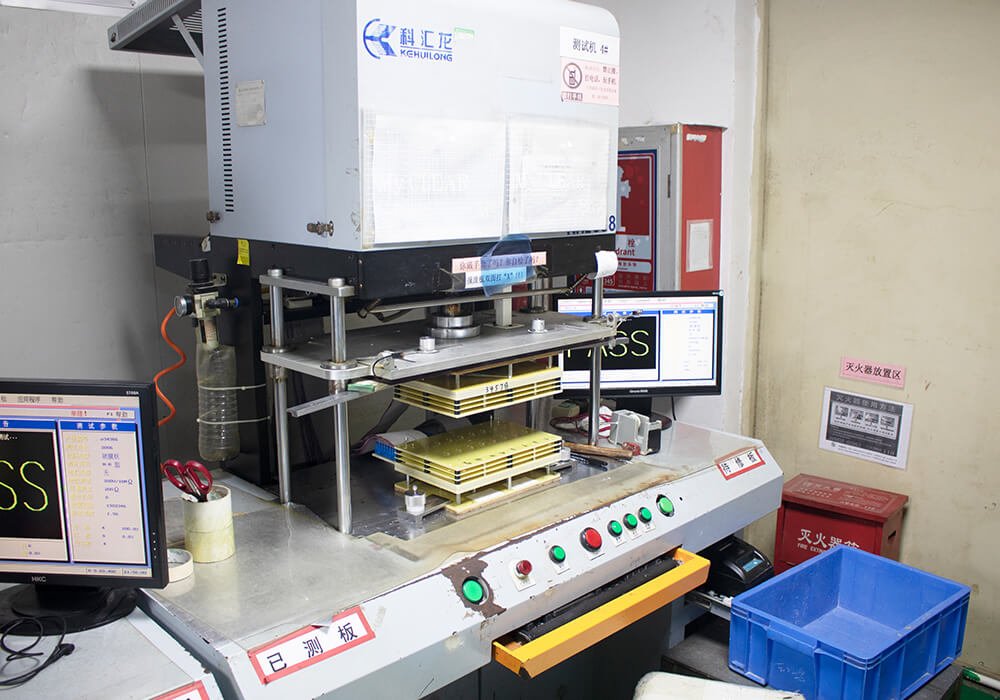
  • Electrical Testing
  • Visual Inspection
  • Dimensional Verification

Feature Single Layer PCB.

We provide a wide range of Single Layer PCB to meet different technical and industry requirements.

Feature Single Layer PCB
Single Layer PCB Price
Best Single Layer PCB
Cheaper Single Layer PCB
Single Layer PCB Near Me
Top Quality Single Layer PCB

Single Layer PCB We Offer.

Flex PCB Single-Sided Flex PCB

High-Frequency Single Layer PCB

Our high-frequency PCBs are designed for fast and stable signal transmission.

  • Low dielectric loss
  • Stable electrical performance
  • Reduced signal interference

Flex PCB Double-Sided Flex PCB

Aluminum Single Layer PCB

These PCBs use an aluminum base to improve heat dissipation.

  • Excellent thermal conductivity
  • Strong mechanical strength
  • Reliable in high-temperature environments

Flex PCB Multilayer Flex PCB

FR-4 Single Layer PCB

FR-4 is the most common material for standard PCB applications.

  • Cost-effective
  • Good insulation performance
  • High durability

Flex PCB with Stiffeners

Flexible Single Layer PCB

Flexible PCBs are made from bendable materials such as polyimide.

  • Lightweight and flexible
  • Space-saving design
  • High resistance to vibration

Flex PCB Rigid-Flex PCB

Copper Single Layer PCB

It is designed for high-current applications requiring thicker copper layers.

  • Supports high current load
  • Improved heat resistance
  • Enhanced durability
Item

Capability

PCB Material

Fr-4/Aluminum/Copper/Flexible Boards

Size

10mm to 600mm

Quantity

5pcs – 100000pcs

PCB Thickness

from 0.6mm to 3.2mm, usually  1.6mm

Solder Mask Color

Green/Red/Yellow/Blue/White/Black/Matte Black

Silkscreen

White/Black

Outer Copper Weight

1oz to 2oz

Trace Width/Spacing

3.5mil to 10mil

Min. Drill Hole

0.15mm/0.2mm/0.25mm/0.3mm/others

Via Processing

Tented Vias/Open Vias/Solder Mask Plug/Via in Pad

Surface Finish

HASL/Lead-free HASL/ENIG/OSP

IPC Class Level

IPC Class 2 & 3

Single Layer PCB Feature

Our Single Layer PCB products are manufactured with high standards to ensure stable performance in various applications.

Single Layer PCB Feature

Fewer materials and a straightforward process reduce overall production cost.
It is the most economical choice for basic electronic circuits.

  • No complex layer stacking
  • No via connections required
  • Faster design process

This helps shorten development time and reduce errors.

With only one layer, there are fewer interconnection points.
This reduces the risk of defects and improves long-term reliability.

The simple structure results in a thinner and lighter board.

Single Layer PCB Material

We offer a wide range of single layer PCB materials to support different applications, from low-cost consumer electronics to high-frequency and high-power systems.

FR-4 is the most widely used material for single layer PCBs due to its excellent balance of cost, electrical insulation, and mechanical strength.

It is a composite material made of woven fiberglass cloth and epoxy resin, providing a rigid and stable structure.

  • Good electrical insulation performance
  • High mechanical strength and rigidity
  • Low moisture absorption
  • Flame-retardant (UL94 V-0)
  • Cost-effective and widely available

Aluminum-based single layer PCBs are designed for applications that require efficient heat dissipation. These boards use a metal core instead of traditional fiberglass.

  • Excellent Thermal Conductivity
  • Efficient Heat Dissipation
  • Improved Reliability In High-Power Circuits
  • Enhanced Mechanical Strength

Polyimide is a flexible substrate material used in single layer flexible PCBs. It allows the board to bend and fit into compact or irregular spaces.

  • High Flexibility And Bendability
  • Excellent Thermal Resistance
  • Lightweight And Durable
  • Resistant To Vibration And Mechanical Stress

PTFE (Polytetrafluoroethylene), commonly known as Teflon, is used in high-frequency single layer PCBs due to its superior electrical properties.

  • Very Low Dielectric Constant
  • Low Loss Tangent (Minimal Signal Loss)
  • Excellent High-Frequency Performance
  • Stable Signal Transmission
Single Layer PCB Material

Single Layer PCB Manufacturing

With advanced equipment and standardized production procedures, we offer high-quality single-sided PCBs with consistent quality, fast turnaround, and cost efficiency.

Flex PCB Manufacturring Process

DFM Review

Our engineering team will review DFM to ensure the design is suitable for production.

  • Trace Width And Spacing
  • Pad And Hole Sizes
  • Copper Thickness Compatibility
  • Layout Optimization
  • Manufacturability Constraints

Flex PCB Manufacturring Process

Material Selection

We will choose the right substrate material based on application requirements.

  • FR-4
  • Aluminum
  • Polyimide
  • PTFE

Flex PCB Manufacturring Process

Copper Cladding

A thin layer of copper is laminated onto the base material to form the conductive surface. This copper layer will later be etched to create the circuit pattern.

Flex PCB Manufacturring Process

Imaging

A photoresist layer is applied to the copper surface. The PCB design pattern is then transferred onto the board using UV exposure through a photomask.

Flex PCB Manufacturring Process

Etching

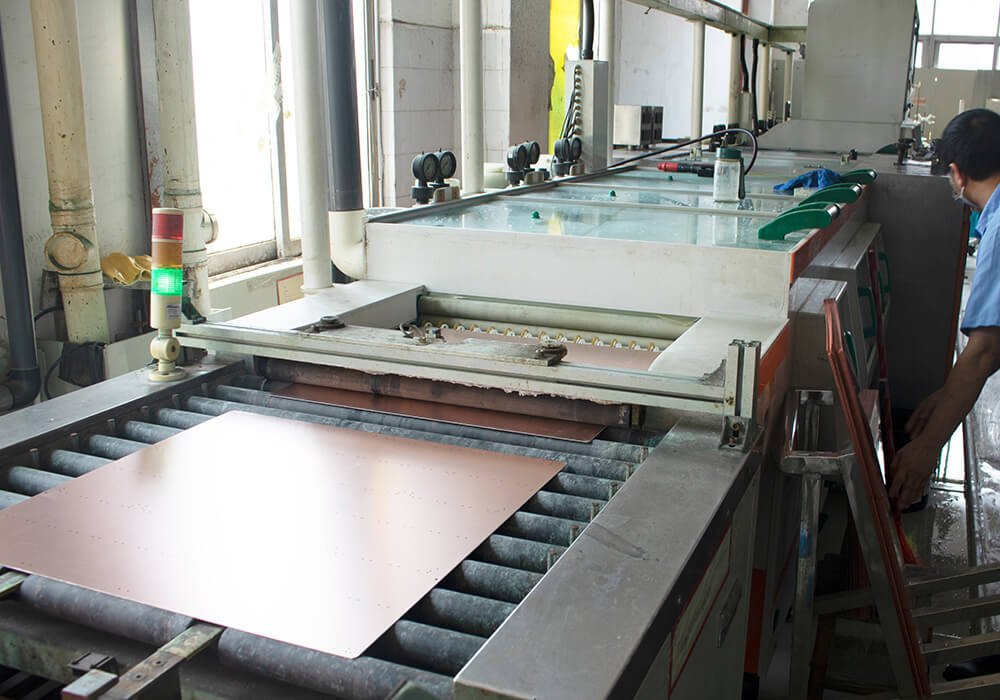
After imaging, the board undergoes a chemical etching process to remove unwanted copper. Only the copper protected by the photoresist remains, forming the desired circuit traces.

Flex PCB Manufacturring Process

Drilling

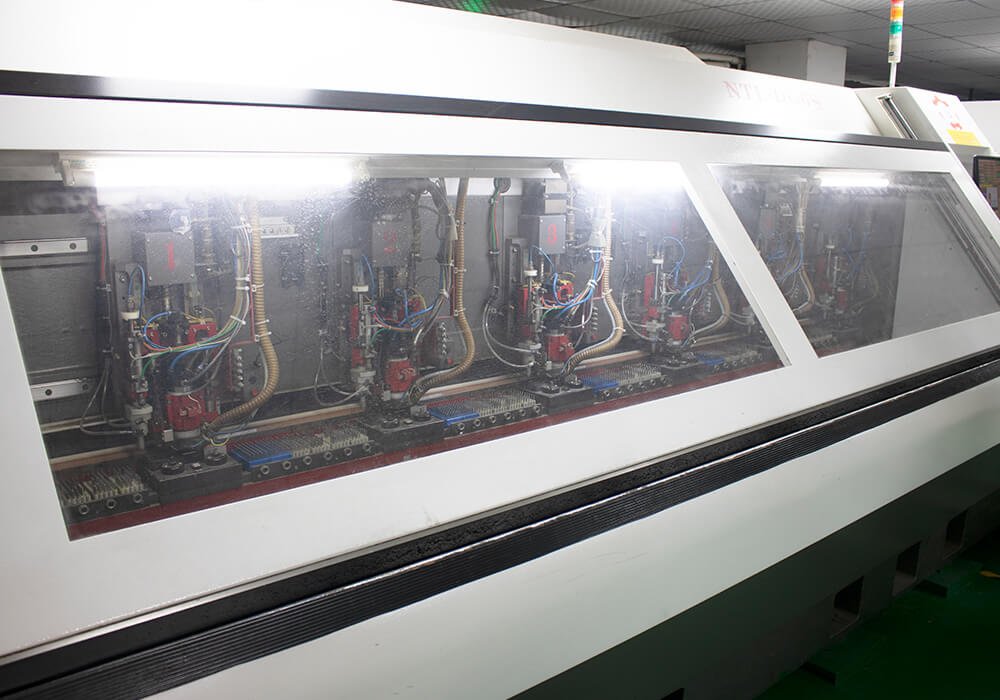
If the design requires through-hole components, holes are drilled using high-precision CNC drilling machines.

Flex PCB Manufacturring Process

Solder Mask

A solder mask layer is applied to protect the copper traces from oxidation and prevent solder bridging during assembly.

Flex PCB Manufacturring Process

Surface Finish

A surface finish is applied to exposed copper pads to improve solderability and prevent oxidation.

  • HASL
  • Lead-free HASL
  • ENIG
  • OSP
  • Immersion silver

Flex PCB Manufacturring Process

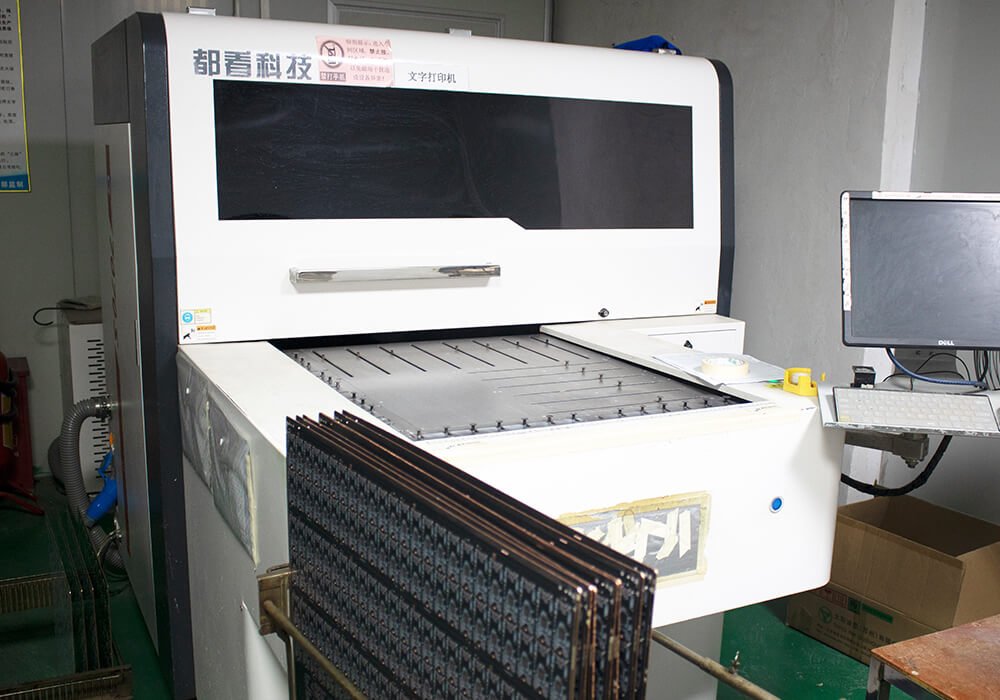
Silkscreen Printing

Silkscreen printing adds markings

Flex PCB Manufacturring Process

Electrical Testing

Each PCB undergoes electrical testing to verify that all circuits function correctly.

Flex PCB Manufacturring Process

Final Inspection

We will implement strict quality control procedures, including:

  • Visual Inspection
  • Dimensional Checks
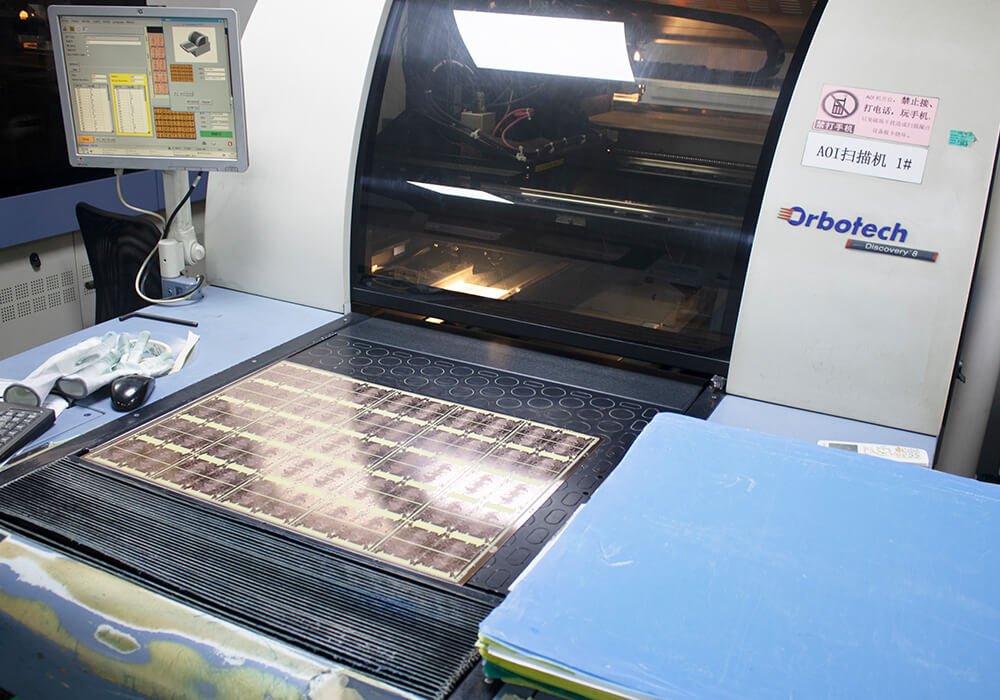
  • AOI

PTH
copper immersion
Degumming Residue
sink gold
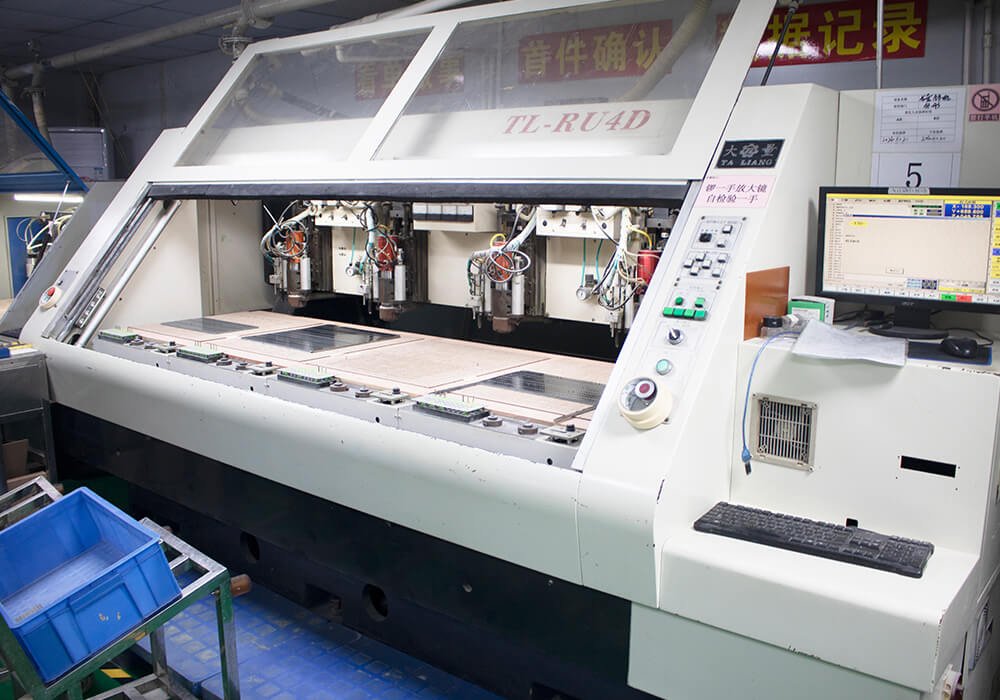
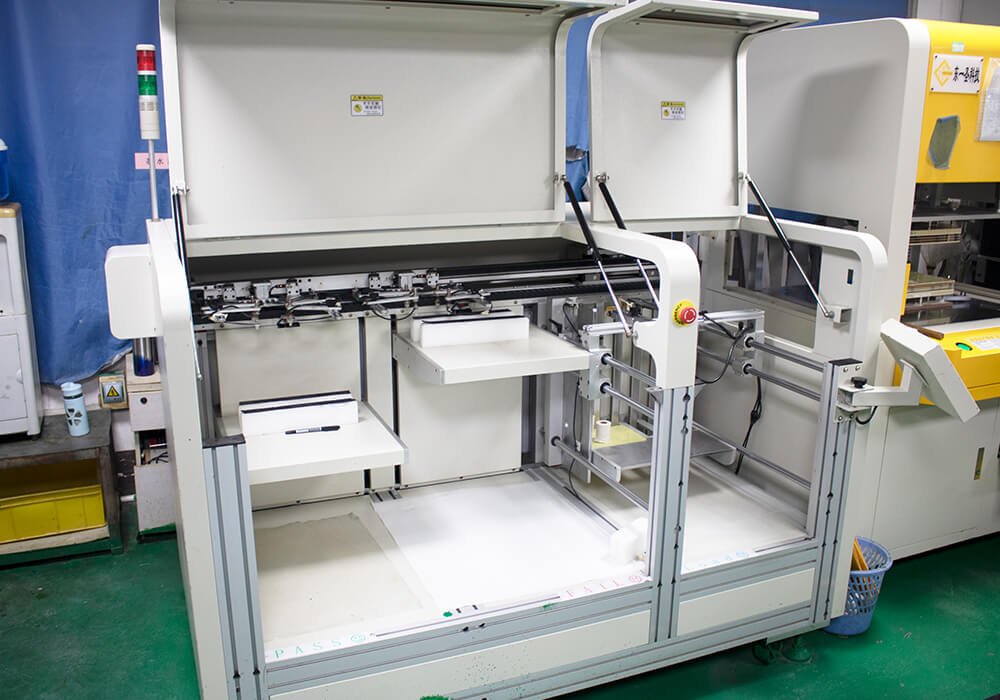
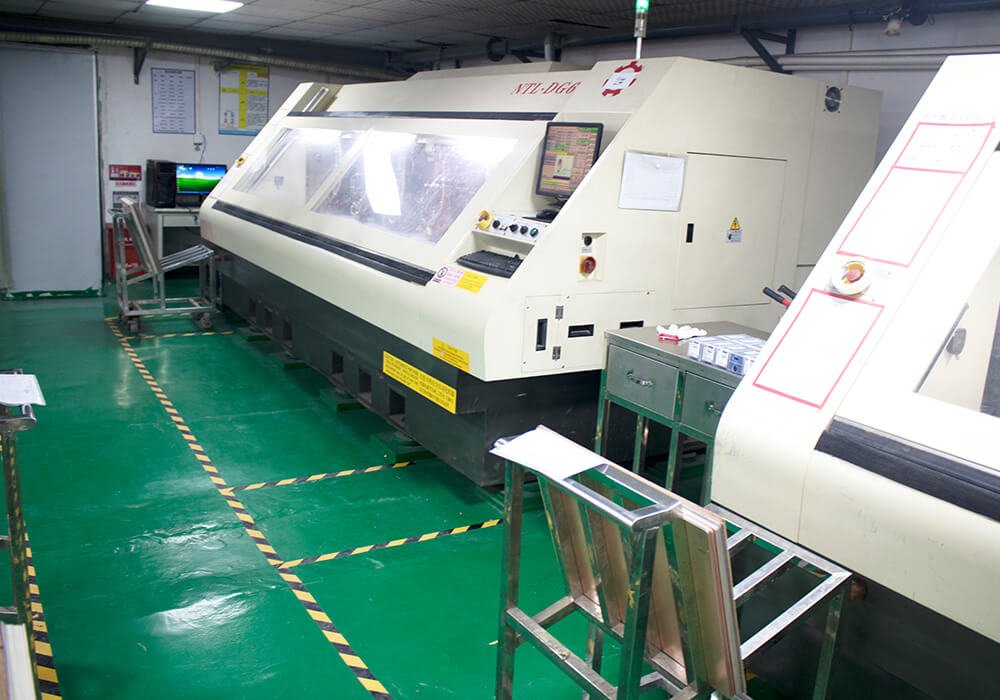
PCB Drill Machine
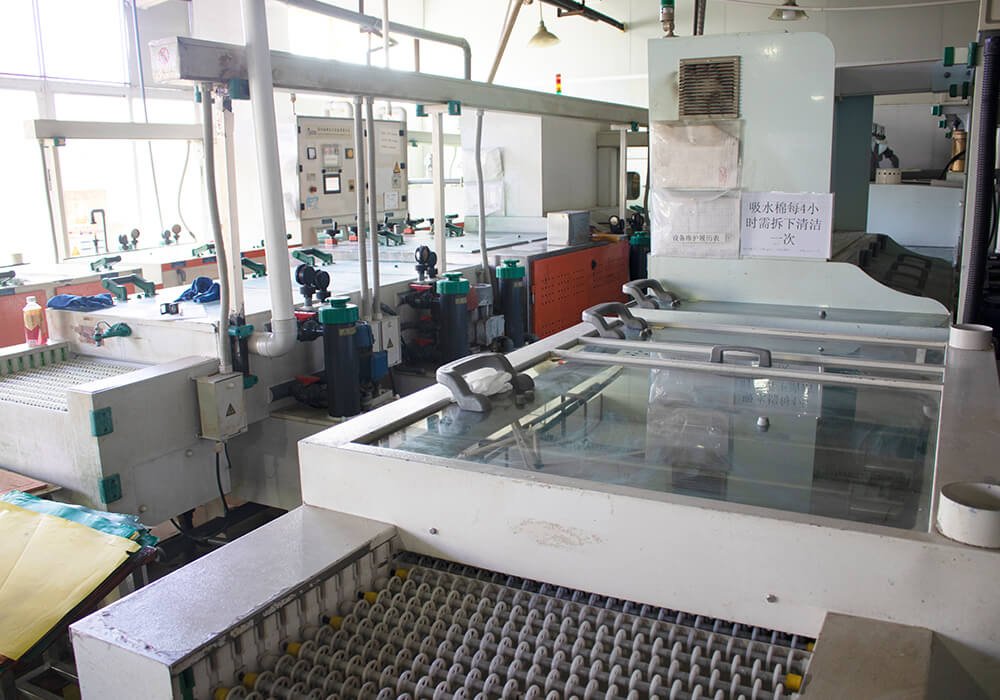
PcB Manufacturing Machine
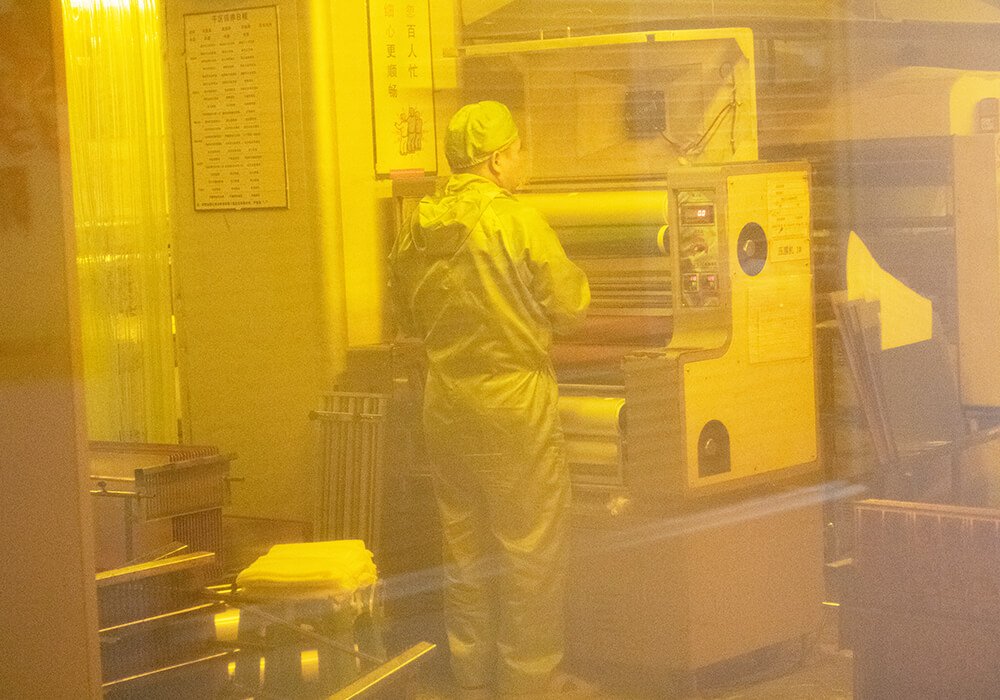
Etching
Imaging room
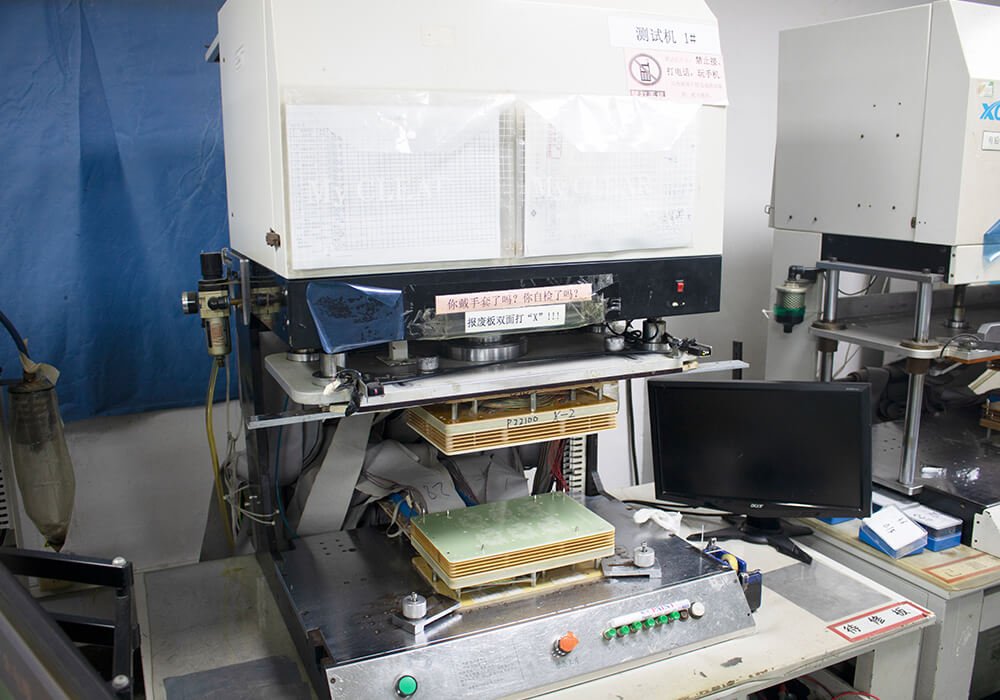
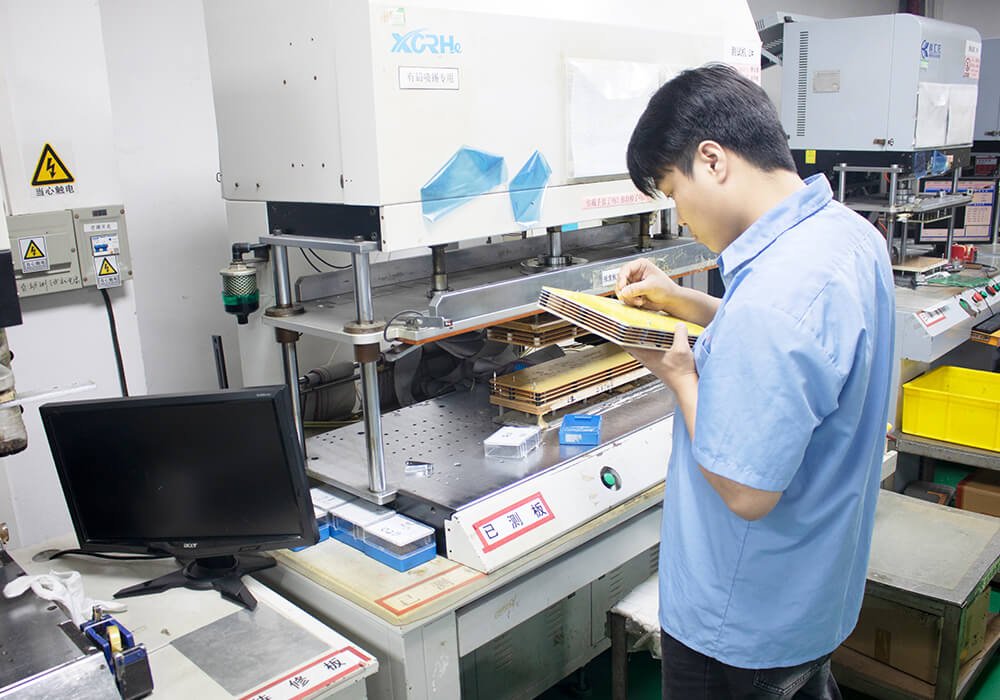
PCB Test Machine
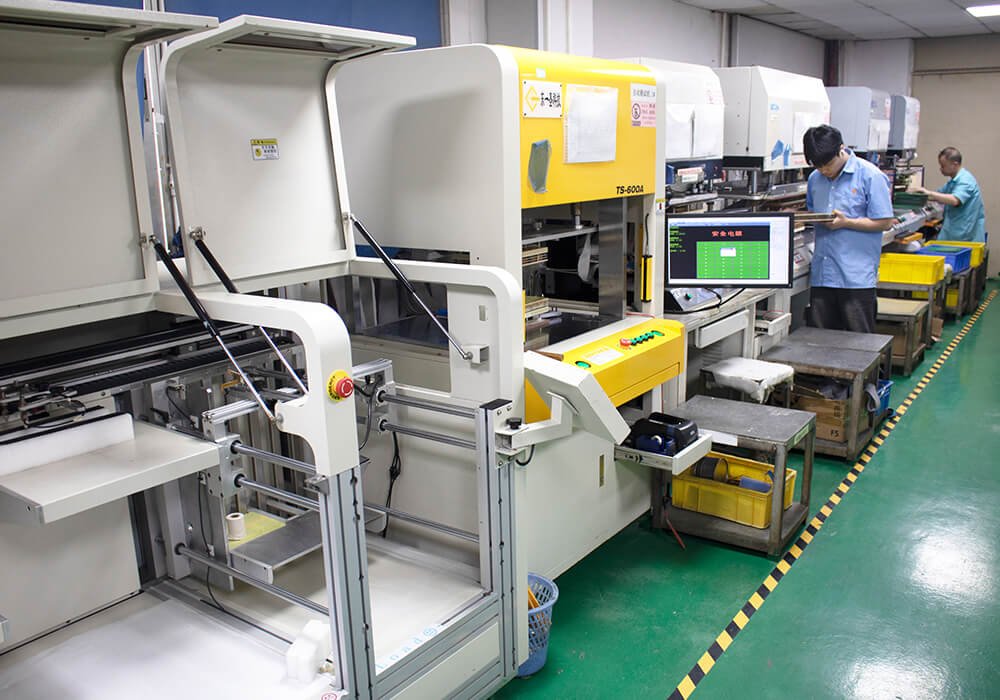
PCB Checking
PCB Checking Machine
PCB Chechking
PCB AOI
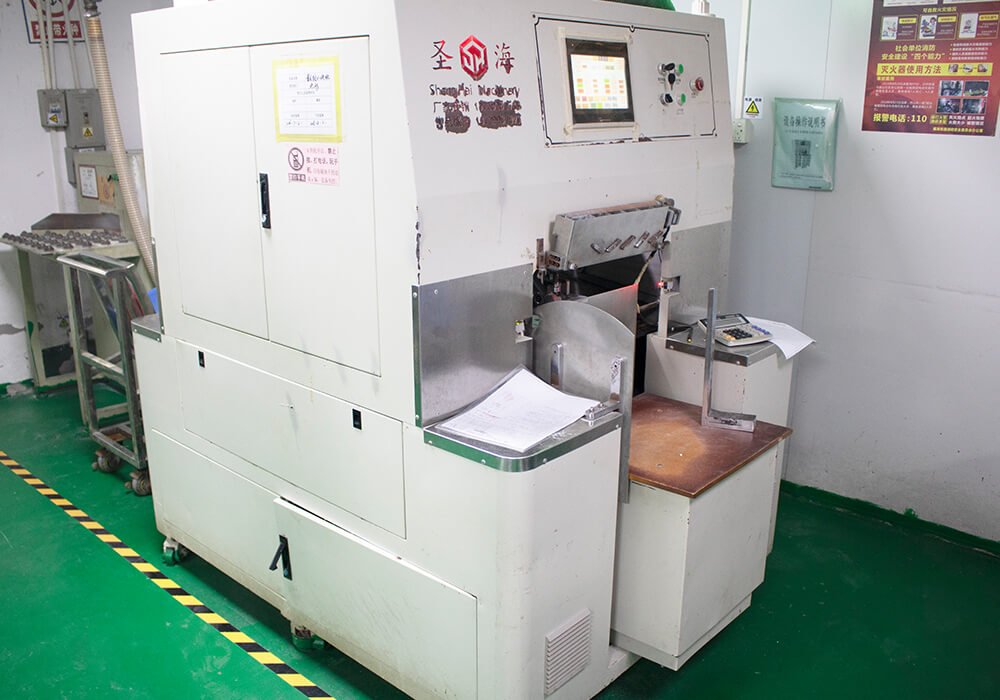
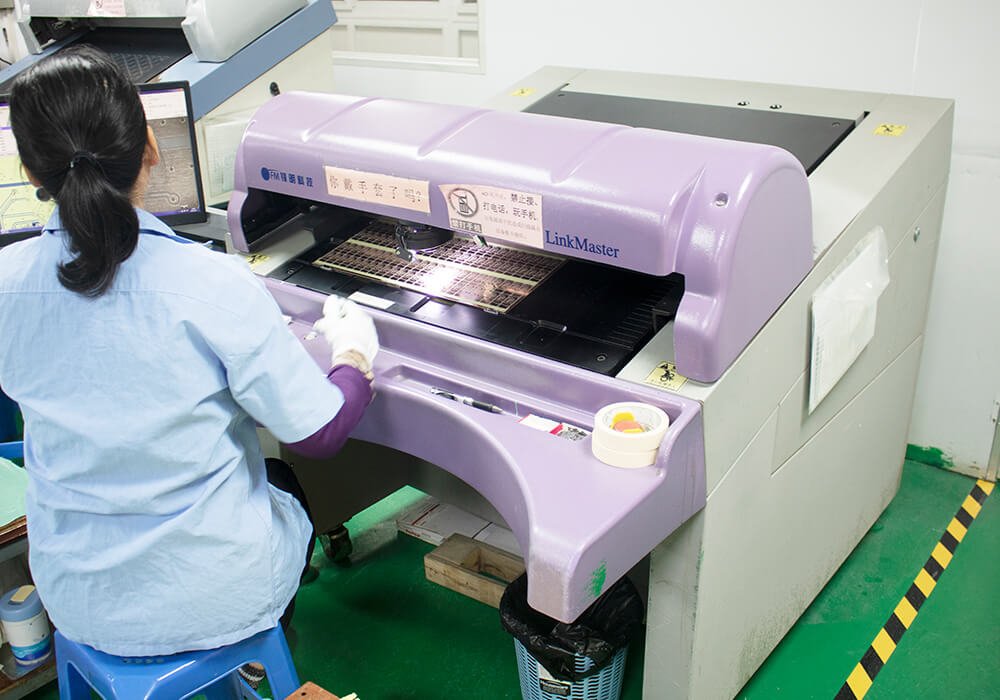
Link Master
Drill Machine
checking machine
screen printing machine
Eye Checking

Single Layer PCB Applications

Our Single Layer PCBs are widely used in many industries, from consumer products to industrial systems.

PCB Manufacturer Automotive Electronics

Automotive Electronics

Single Layer PCBs are used in automotive applications that involve basic control and lighting functions.

  • Dashboard Lighting
  • Interior Lighting Systems
  • Simple Control Modules
  • Power Distribution Circuits

Power Electronics

Power Electronics

Single Layer PCBs are commonly used in power supply circuits.

  • AC/DC Adapters
  • Switching Power Supplies
  • Battery Chargers
  • Voltage Regulators

PCB Manufacturer LED Lighting

LED Lighting

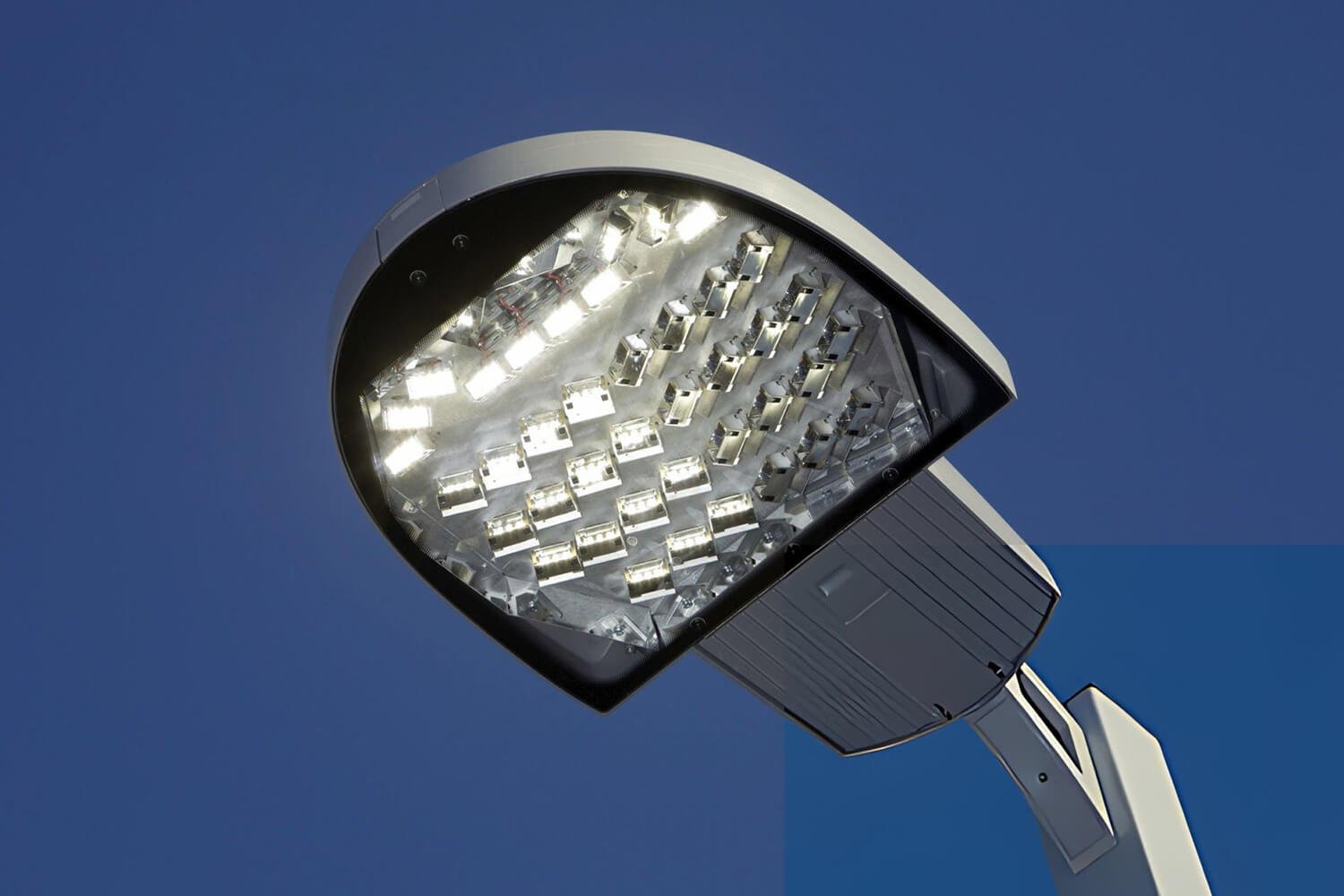
Single Layer PCBs are widely used in LED lighting applications, especially when combined with aluminum substrates for better heat dissipation.

  • LED Bulbs
  • LED Drivers
  • Lighting Control Boards
  • Street Lighting Systems
  • Commercial Lighting Modules

PCB Manufacturer Consumer Electronics

Consumer Electronics

Single Layer PCBs are extensively used in consumer electronic products.

  • Remote Controls
  • Toys And Electronic Gadgets
  • Calculators
  • Small Home Appliances
  • Chargers And Adapters

Fast Quotation

Our professional sales and engineering teams provide fast PCB quotes and technical support. Simply send us your Gerber files, BOM, and assembly drawings, and we will respond promptly with a competitive solution.

FAQ About Single Layer PCB

1. What is a Single Layer PCB?

A Single Layer PCB (Single-Sided PCB) is a printed circuit board that has only one conductive copper layer on one side of the substrate, while components are mounted on the other side. 

It is the simplest type of PCB and is widely used for basic electronic circuits.

Despite their advantages, single layer PCBs have some limitations:

  • Limited Routing Capability (No Crossing Traces)
  • Not Suitable For Complex Circuits
  • Lower Component Density

Typical PCB thickness ranges from:

0.2 mm to 3.2 mm

The most common standard thickness is 1.6 mm, but custom thicknesses can be produced based on design requirements.

Copper thickness is usually measured in ounces per square foot (oz/ft²). Common options include:

  • 0.5 oz
  • 1 oz (standard)
  • 2 oz
  • 3 oz or higher for high-current applications

Lead time depends on design complexity and order quantity:

  • Prototype: as fast as 24 hours
  • Standard production: 3–7 days
  • Mass production: depends on volume

Yes. Single layer PCBs are widely used for prototyping simple circuits due to their low cost and fast production time.