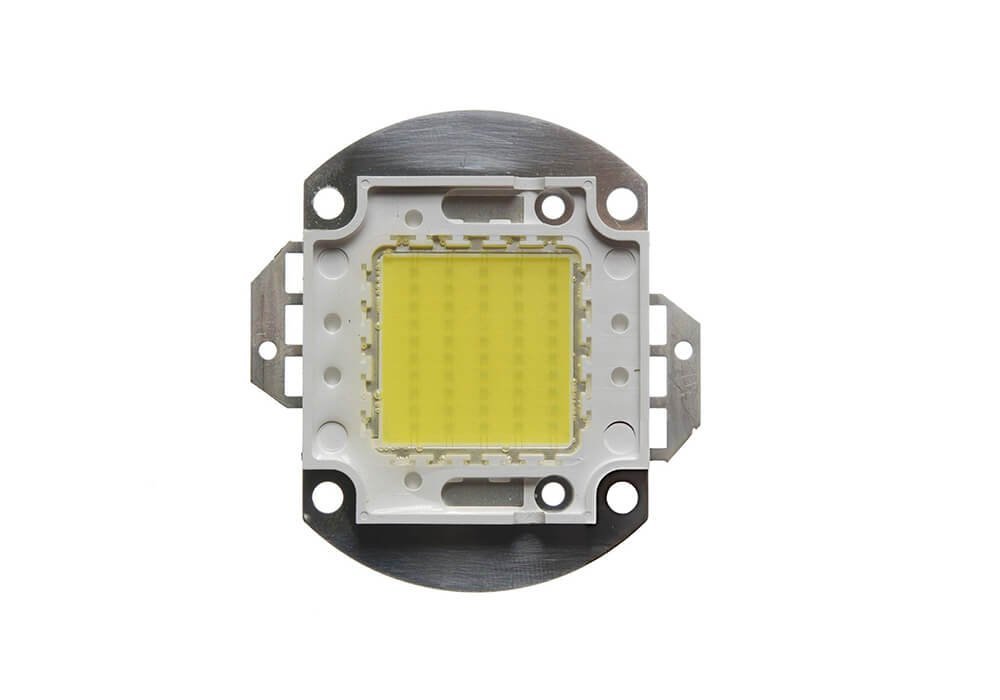

/For Thermal-Critical Electronics/

Metal Core PCB

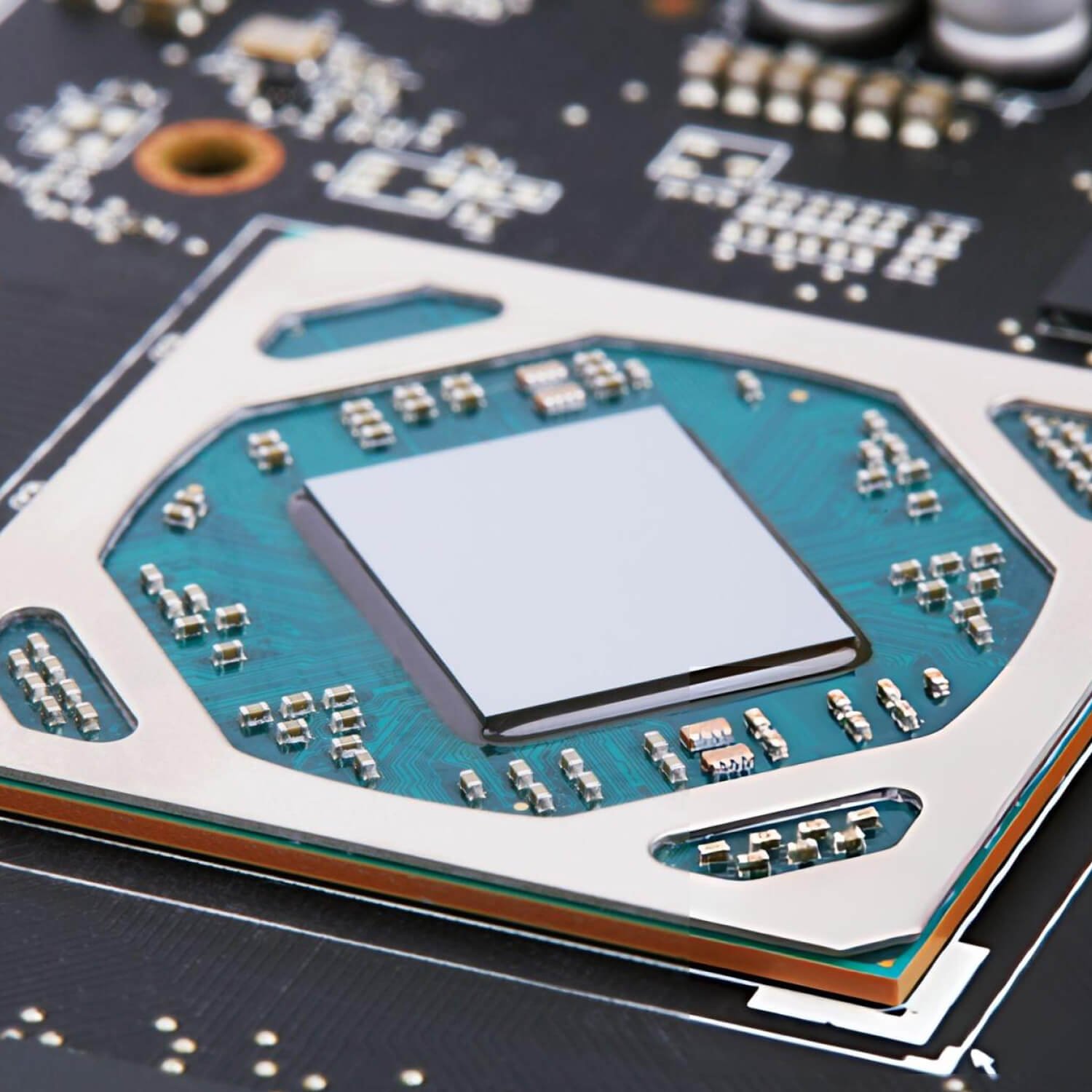
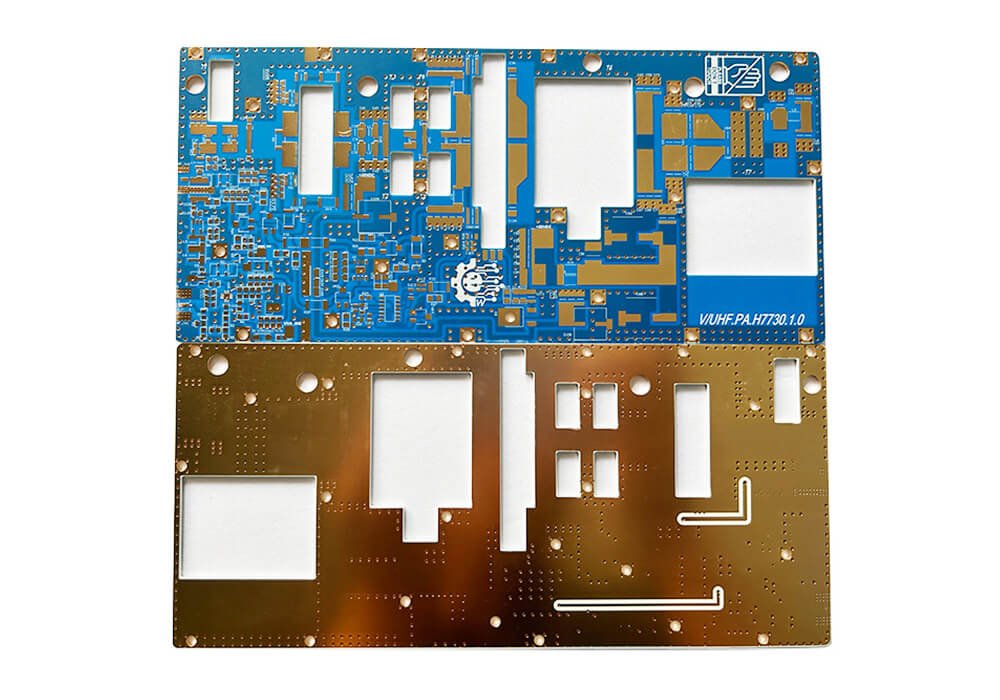
A Metal Core PCB is a printed circuit board with a metal base, which is designed to quickly dissipate heat. It makes Metal Core PCB ideal for high-power electronic applications where thermal management is critical.

PCBSAIL offers high thermal management and reliable circuit metal core PCB. Our team can support your project from design review and prototype development to full production and assembly.

Metal Core PCB Manufacturer

Metal Core PCB Manufacturer.

PCBSAIL is a professional Metal Core PCB manufacturer, specializing in high quality MCPCB fabrication and assembly. 

We produced single-sided, double-sided, and multilayer Metal Core PCBs using aluminum, copper, stainless steel, and hybrid metal substrates paired with high-thermal-conductivity dielectric materials.

Our production facilities can support both rapid MCPCB prototyping and large-scale manufacturing. It can ensure consistent quality and performance from early design validation through full production.

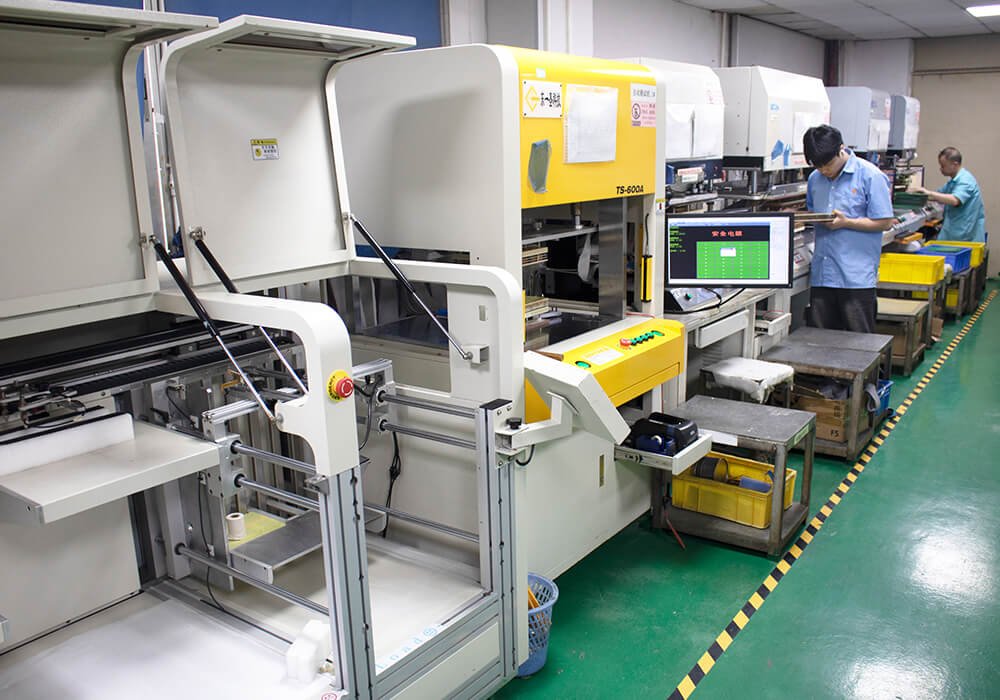
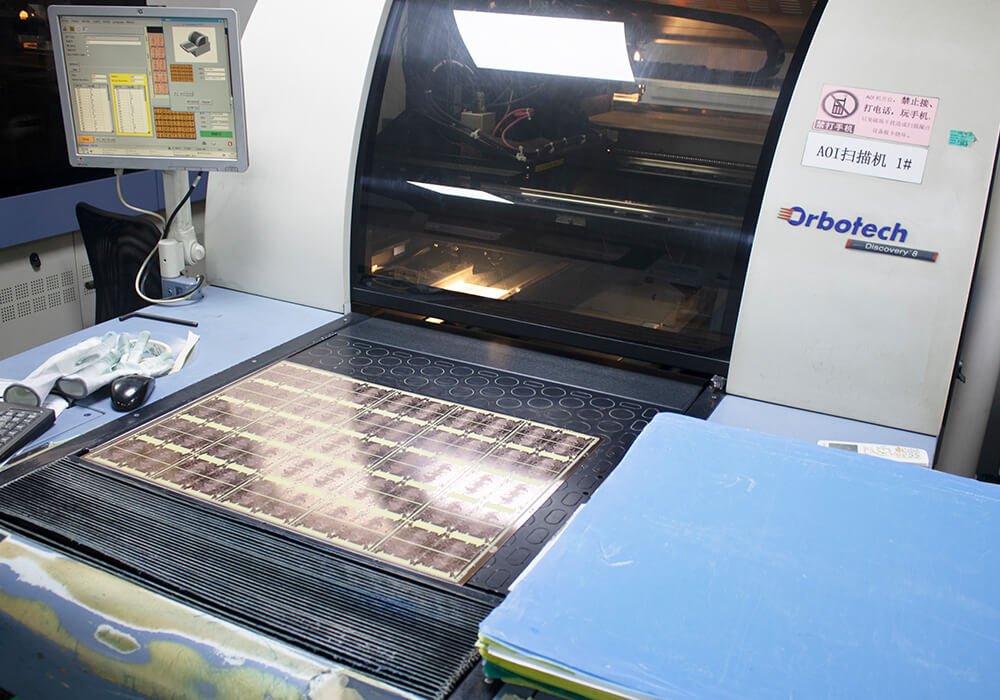
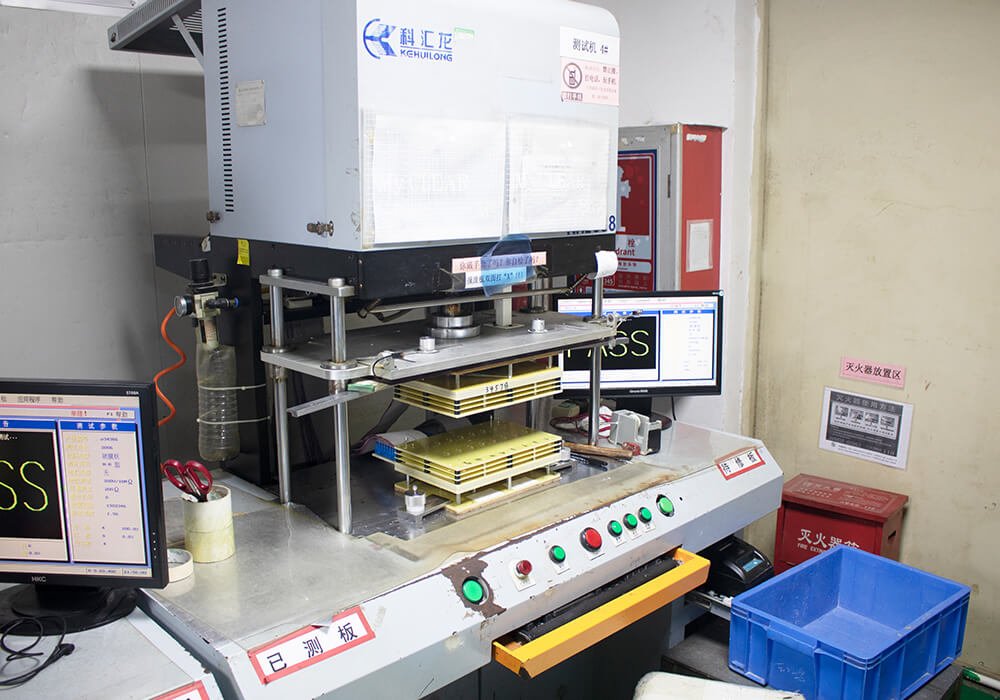
All prototypes and production builds undergo 100% electrical testing, AOI inspection, and X-ray analysis to ensure full compliance with IPC manufacturing standards.

We support rapid MCPCB prototyping and volume production, with single-layer aluminum boards available in as fast as 48 hours.

Advance Facilities

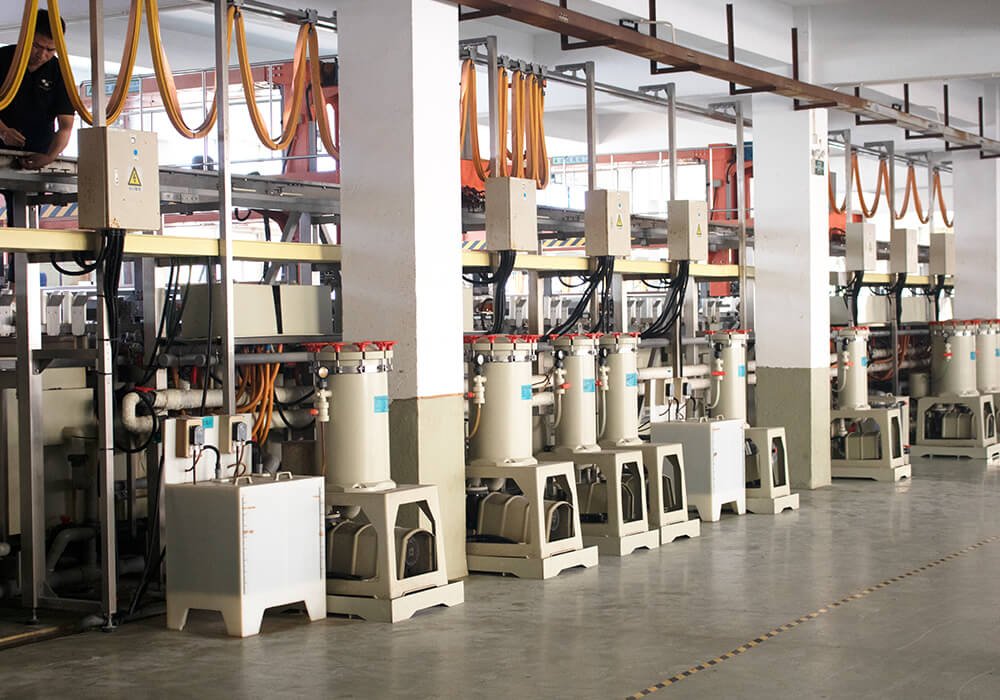
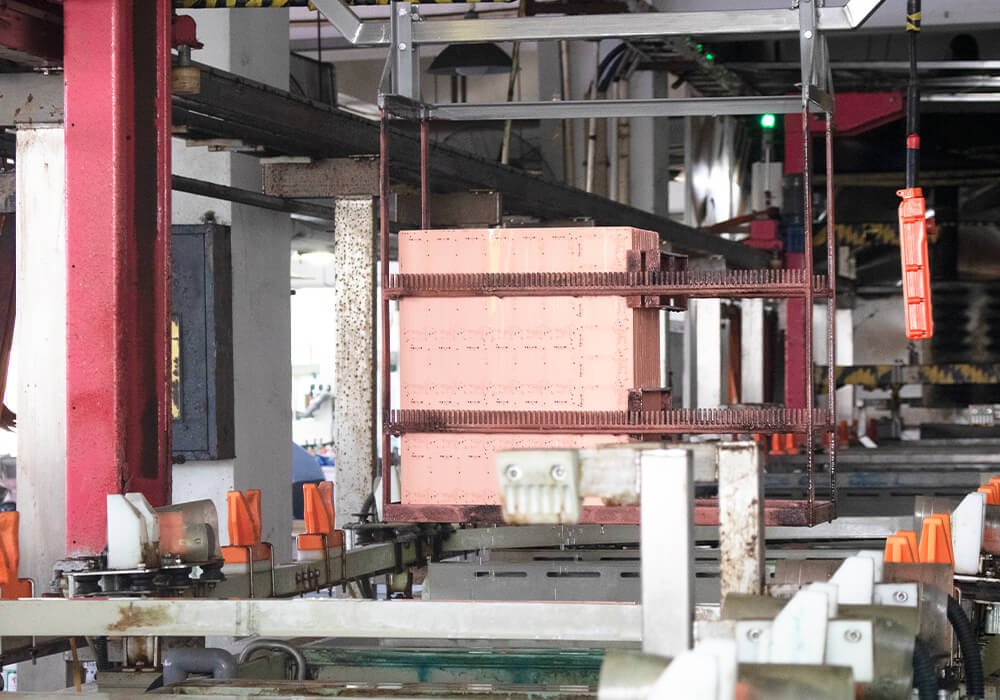
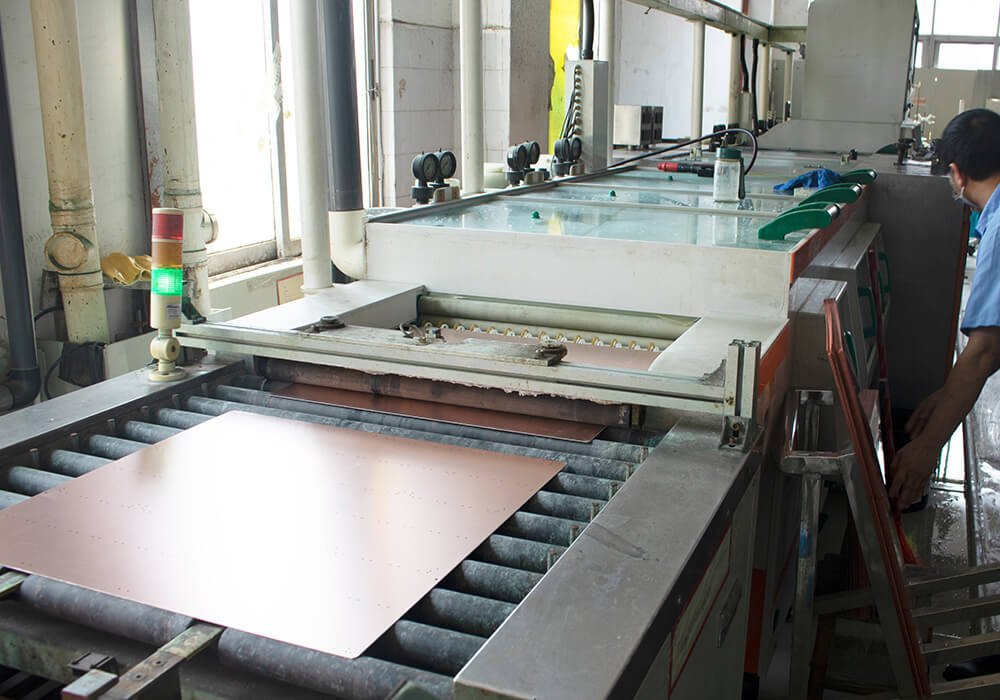
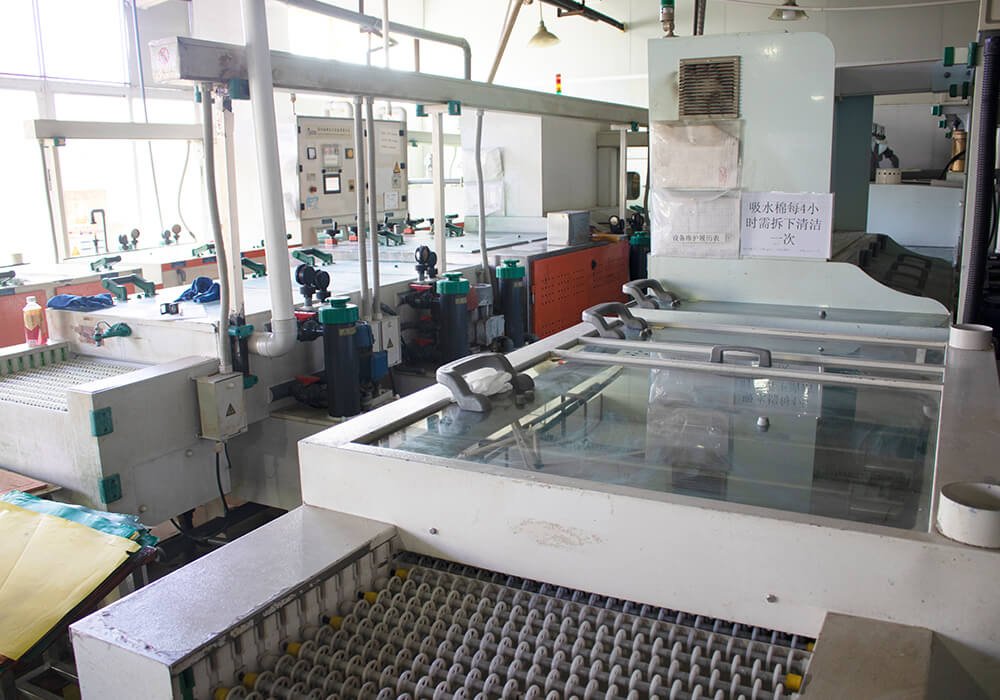
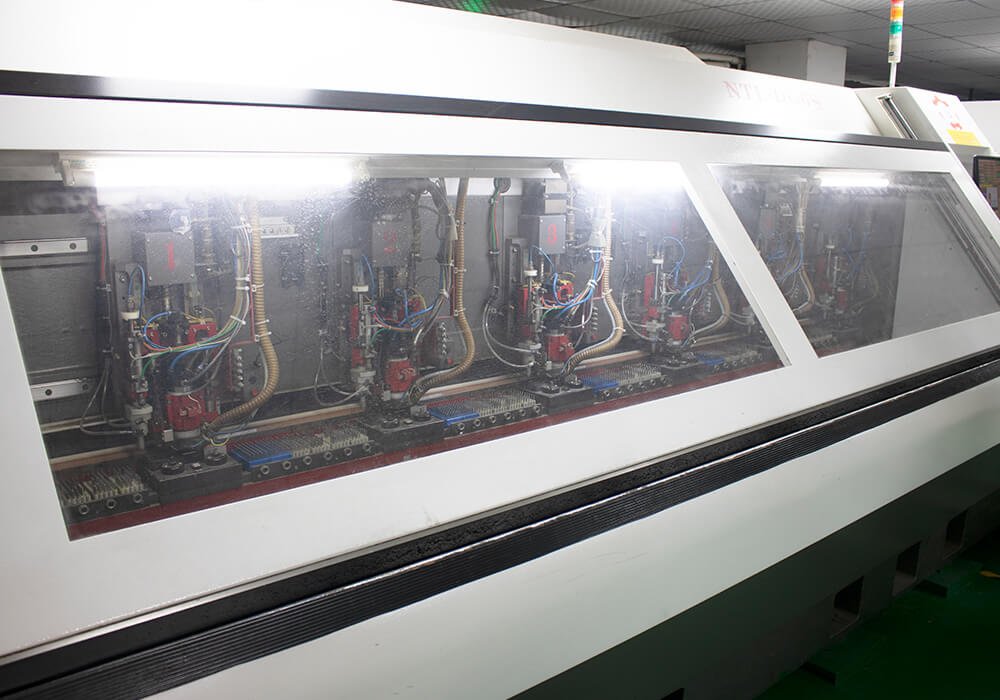
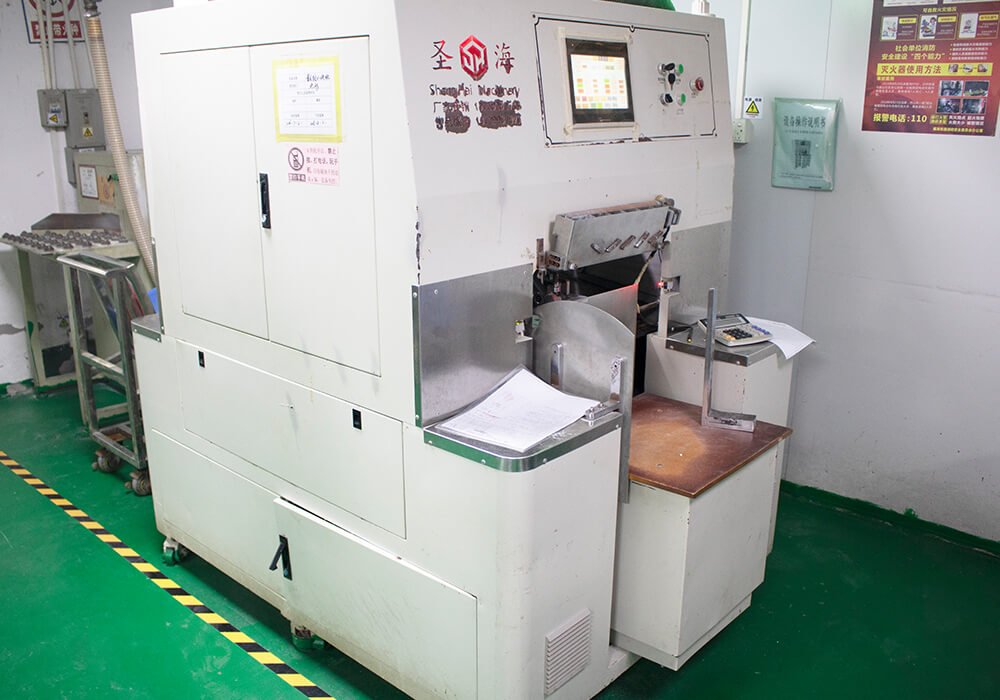
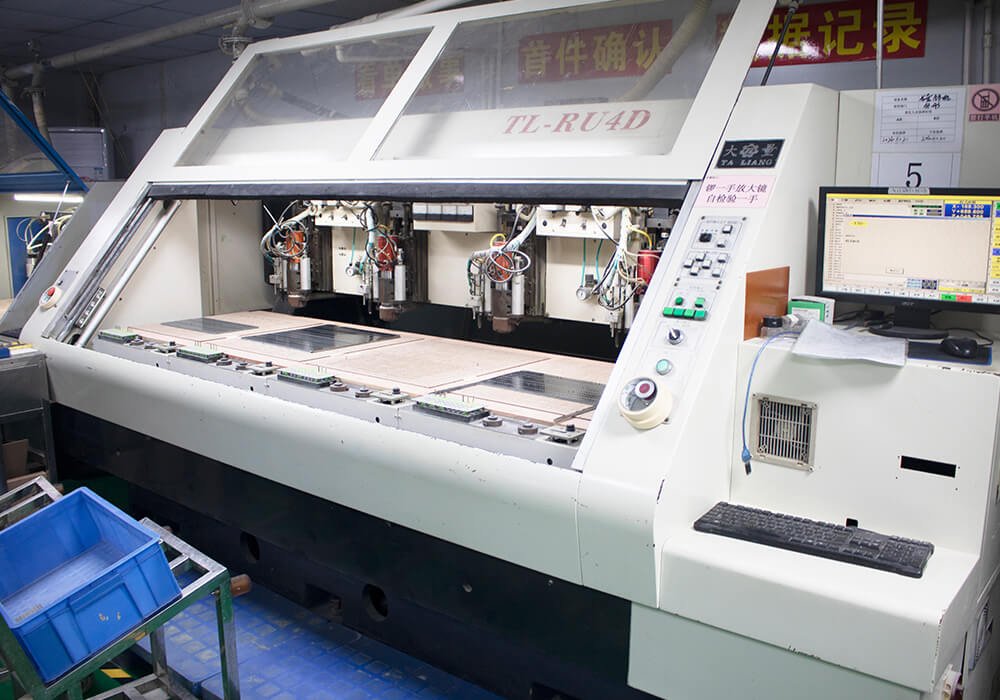
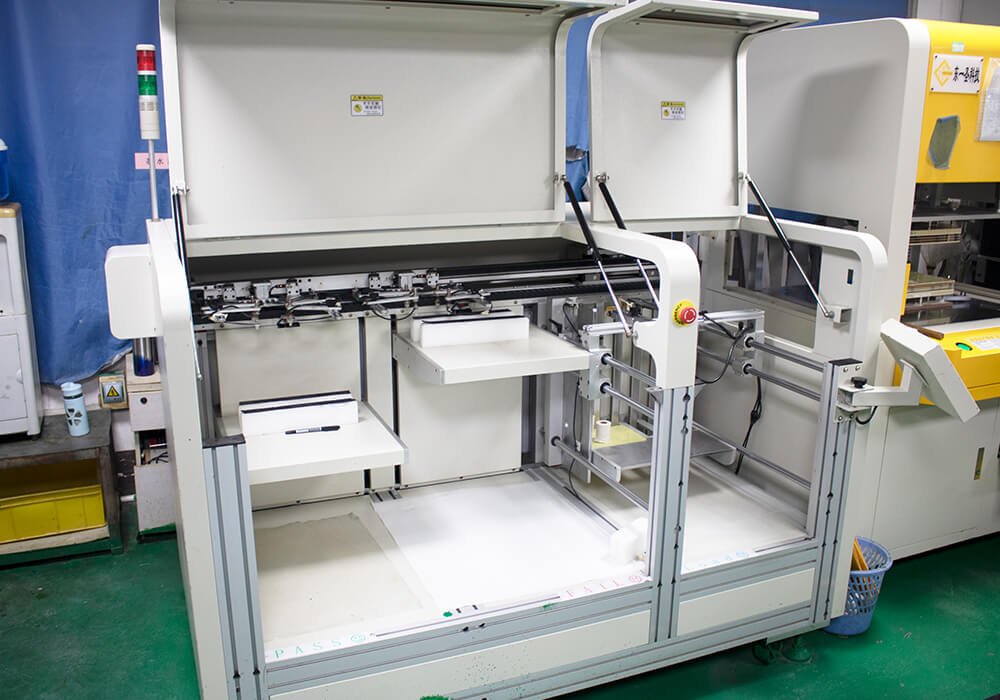
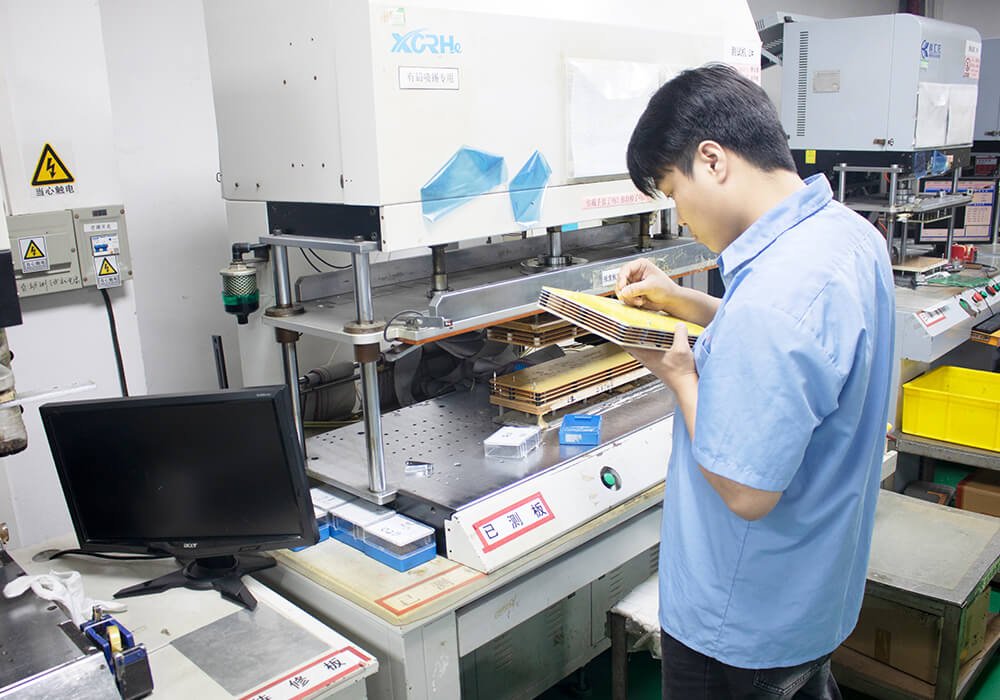
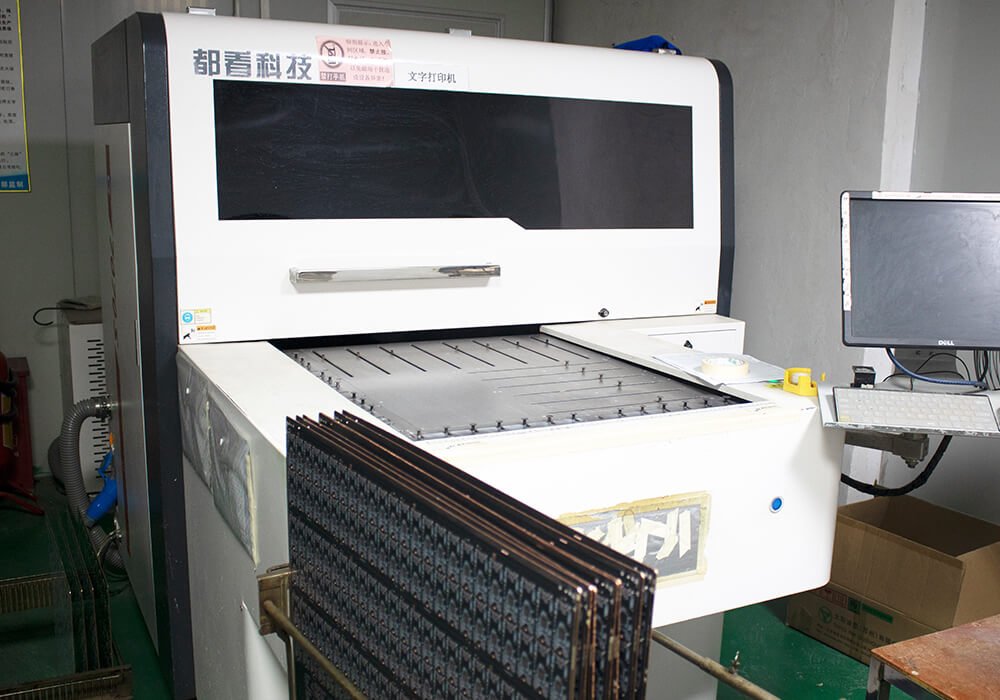
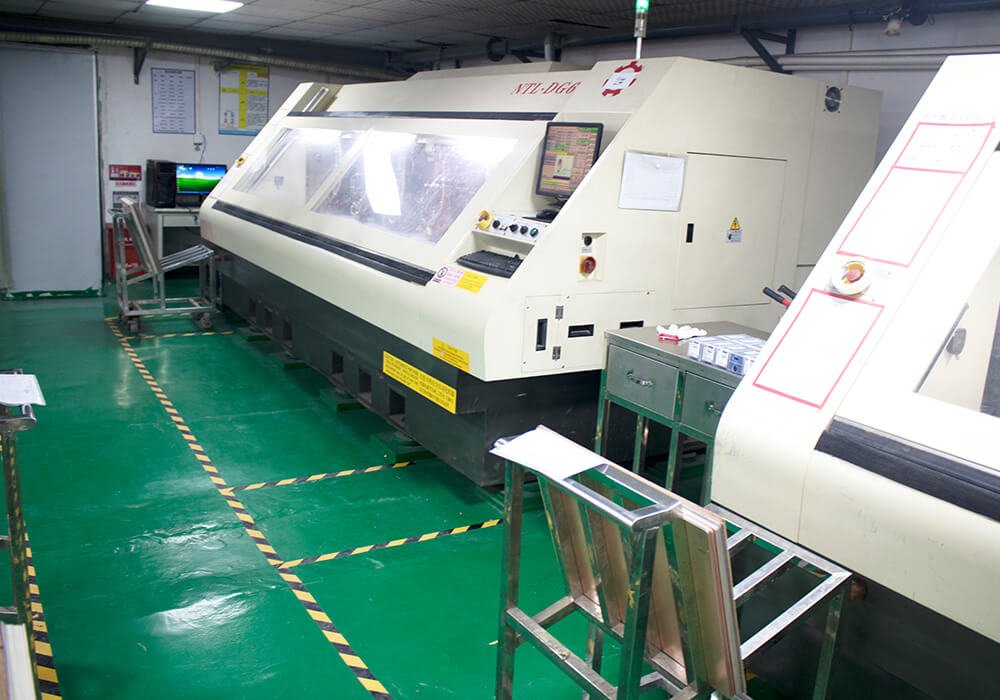
Our factory is equipped with advanced machinery specifically optimized for metal core PCB manufacturing.

  • Precision CNC drilling systems
  • Automated lamination equipment
  • High-resolution photolithography imaging systems
  • Automated surface finishing Equipment
  • Advanced routing and milling equipment

Engineering Expertise

Our engineering expertise focused on optimizing heat dissipation pathways and improving thermal efficiency.

  • Metal substrate selection
  • Dielectric material evaluation
  • Thermal via placement
  • Heat spreading optimization
  • Stack-up structure design

100% Electrical Testing

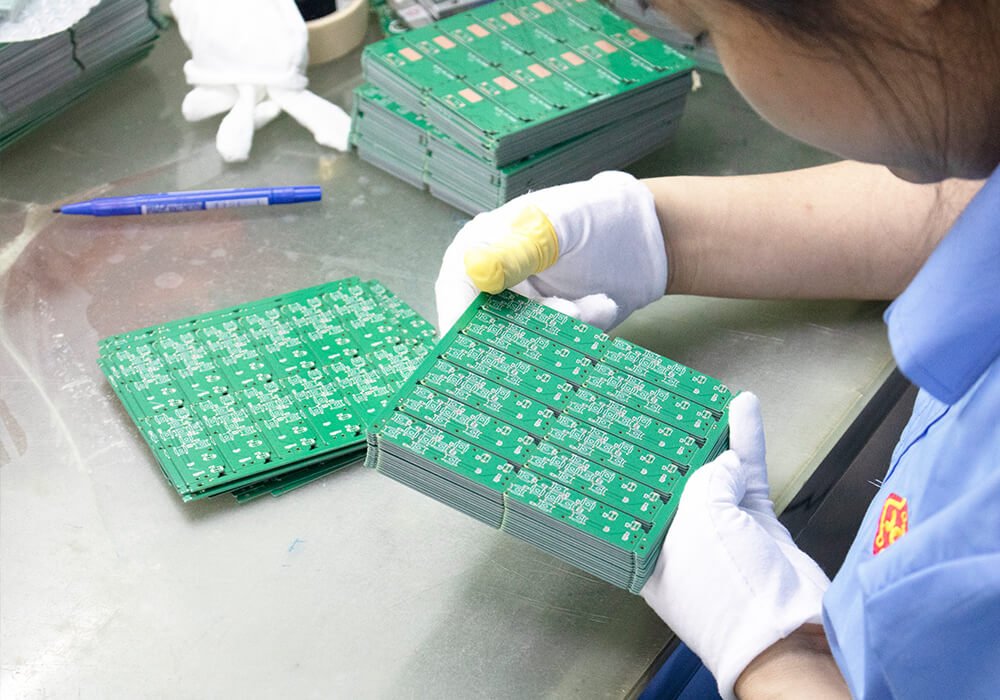
Every metal core PCB undergoes multiple inspection and testing stages.

  • AOI
  • Electrical Testing
  • X-ray Inspection
  • Microsection Analysis
  • Impedance Testing

Feature Metal Core PCB.

We offer a comprehensive range of Metal Core PCBs (MCPCBs). Our MCPCB includes multiple structural configurations and substrate materials. It allows engineers to select the most suitable solution for their specific application.

Metal Core PCB Near Me
Metal Core PCB Price
High Quality Metal Core PCB
Cheaper Metal Core PCB
Best Quality Metal Core PCB
Best Metal Core PCB

Metal Core PCB We Offer.

Flex PCB Single-Sided Flex PCB

Single-Sided MCPCB

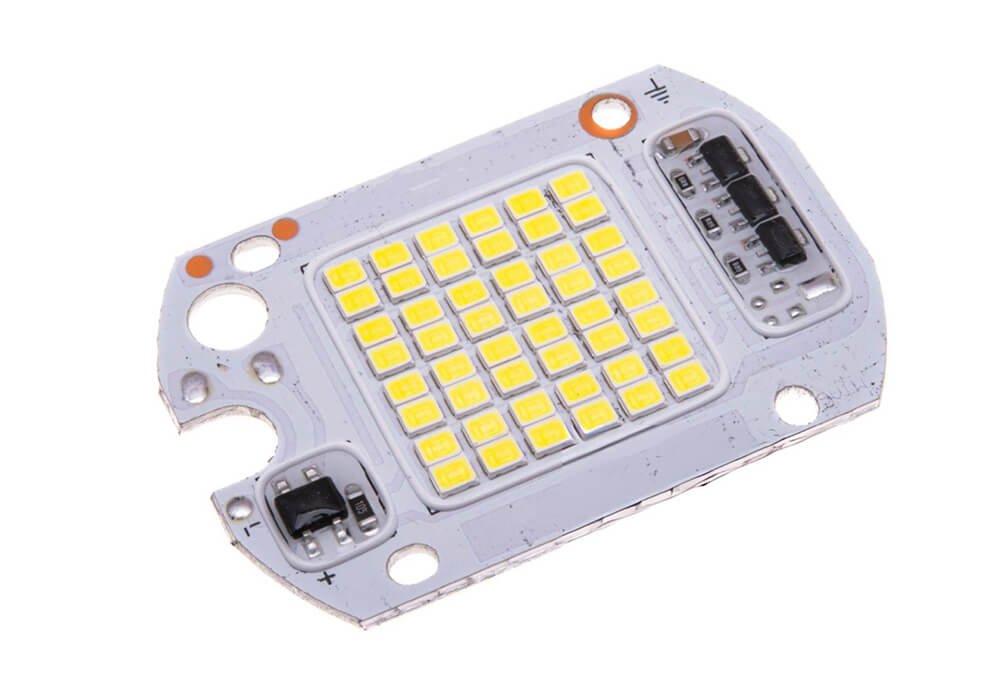
Single-sided MCPCBs are the most commonly used metal core boards, particularly in LED lighting systems and power modules.

  • Excellent heat dissipation
  • Cost-effective manufacturing
  • High reliability
  • Ideal for LED modules and power supplies

Flex PCB Double-Sided Flex PCB

Double-Sided MCPCB

Double-sided MCPCBs contain copper circuit layers on both sides of the metal substrate. A high-thermal-conductivity dielectric layer separates each circuit layer from the metal core. It allows more complex circuit designs than single-sided boards.

  • Higher circuit density
  • Dual-side component mounting
  • Improved heat spreading
  • Enhanced functionality

Flex PCB Multilayer Flex PCB

Multilayer MCPCB

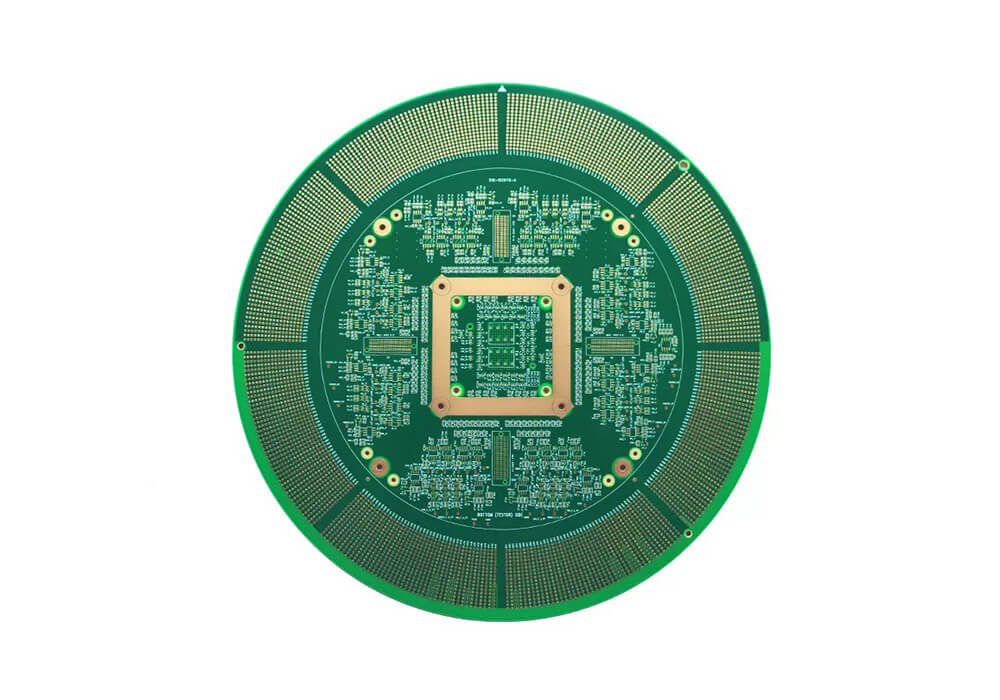
Multilayer MCPCBs contain three or more copper layers combined with thermally conductive dielectric layers and an embedded metal core.

  • High-density routing
  • Controlled impedance
  • RF signal integrity
  • Advanced thermal management

Flex PCB with Stiffeners

Aluminum Core PCB

Aluminum core PCBs are the most widely used MCPCB type due to their balance of thermal conductivity, weight, and cost efficiency.

  • Thermal conductivity: 1.0 – 2.2 W/m·K
  • Low density (2.7 g/cm³)
  • Excellent machinability
  • Good corrosion resistance

Flex PCB Rigid-Flex PCB

Copper Core PCB

Copper core PCBs offer higher thermal conductivity and superior electrical performance compared to aluminum boards.

  • Thermal conductivity up to 4.0 W/m·K
  • Higher current-carrying capacity
  • Greater mechanical strength
  • Improved heat spreading
Capability Item

Specification

Layer Count

1–6 Layers

Metal Core Materials

Aluminum, Copper, Copper-Aluminum Composite, Stainless Steel, Iron

Metal Core Thickness

0.4 mm – 3.2 mm

Finished Board Thickness

0.6 mm – 4.0 mm

Copper Thickness

0.33 oz – 10 oz

Thermal Conductivity of Dielectric

1.0 – 15 W/m·K

Dielectric Thickness

50 – 125 μm

Minimum Trace Width / Spacing

3 mil / 3 mil

Minimum Drill Size

0.2 mm

Maximum Panel Size

600 mm × 1200 mm

Surface Finishes

ENIG, HASL (Lead-Free / SnPb), OSP

Solder Mask Colors

Green, White, Black, Blue, Red

Silkscreen Colors

White, Black

Controlled Impedance

Supported

Blind / Buried Vias

Available for multilayer MCPCB

Metal Core PCB Materials

At PCBSAIL, we support a wide range of metal core materials and thermally conductive dielectric systems. It can meet diverse electrical, mechanical, and thermal management requirements.

These materials are carefully selected based on factors such as thermal conductivity, mechanical strength, cost efficiency, and compatibility with high-power electronic assemblies.

Metal Core PCB Material

Aluminum is the most commonly used substrate material in metal core PCBs. Approximately 80–90% of MCPCBs worldwide are built using aluminum cores due to their excellent balance of thermal performance, weight, and cost.

Key Material Properties

  • Thermal conductivity: 1.0 – 2.2 W/m·K (depending on dielectric layer)
  • Density: 2.7 g/cm³
  • Good machinability for drilling and routing
  • Excellent corrosion resistance
  • Cost-effective for mass production

Advantages

Aluminum core PCBs offer several advantages for electronic product designers:

  • Efficient heat dissipation from power components
  • Lightweight structure for compact devices
  • Good dimensional stability
  • Lower material cost compared to copper cores
  • Suitable for high-volume manufacturing

Copper core PCBs are designed for applications requiring maximum thermal conductivity and high current capacity. Copper has significantly higher thermal conductivity than aluminum, allowing heat to spread more rapidly across the substrate.

Key Material Properties

  • Thermal conductivity: up to 4.0 W/m·K
  • High electrical conductivity
  • Tensile strength: 210 MPa or higher
  • Excellent thermal spreading capability
  • High heat capacity

Advantages

Copper core PCBs provide several performance benefits:

  • Superior heat dissipation
  • Higher current-carrying capacity
  • Reduced hotspot formation
  • Improved mechanical durability
  • Better performance under high power loads

In this structure, copper layers are strategically integrated with aluminum substrates to improve heat spreading in critical areas while maintaining overall material efficiency.

  • Balanced thermal performance
  • Reduced material cost compared to full copper cores
  • Improved structural stability
  • Enhanced heat distribution

Stainless steel is occasionally used as a metal core material in specialized MCPCB designs where mechanical strength and durability are more important than thermal conductivity.

Although stainless steel has lower thermal conductivity compared to aluminum and copper, it provides exceptional structural stability and resistance to mechanical stress.

  • High tensile strength
  • Excellent resistance to corrosion
  • Strong resistance to mechanical deformation
  • Good performance in high-vibration environments

Metal Core PCB Feature

We offered high-reliability Metal Core PCBs (MCPCBs) designed for superior thermal management, electrical stability, and long-term durability.

Our engineering and production capabilities ensure consistent performance in high-power and high-temperature applications.

Metal core PCBs use aluminum or copper substrates that efficiently transfer heat away from critical components. It can help maintain lower operating temperatures, improve performance stability, and extend the lifespan of electronic devices.

Effective thermal management reduces thermal stress on components and solder joints. As a result, PCBSAIL MCPCBs offer enhanced reliability and a longer service life, especially in high-power or continuous operation environments.

Compared with traditional FR-4 boards, metal core PCBs can handle higher current loads and power densities. It makes them ideal for applications such as LED lighting, power supplies, motor control systems, and automotive electronics.

The metal base provides greater structural strength and resistance to vibration and mechanical impact. It ensures stable performance in harsh industrial and transportation environments.

High-performance dielectric layers provide reliable electrical insulation while maintaining strong thermal conductivity, ensuring safe operation in high-voltage or high-current applications.

Metal Core PCB Feature

Metal Core PCB Manufacturing

Metal Core PCBs (MCPCBs) require specialized fabrication techniques to integrate a thermally conductive metal base with an electrically insulated dielectric layer and copper circuitry.

At PCBSAIL, a controlled and precise manufacturing process ensures high thermal performance, strong adhesion, and reliable electrical insulation.

Flex PCB Manufacturring Process

Material Preparation

Common substrates include aluminum or copper plates paired with thermally conductive dielectric layers. The copper foil used for circuitry is laminated onto the dielectric layer under controlled temperature and pressure.

Flex PCB Manufacturring Process

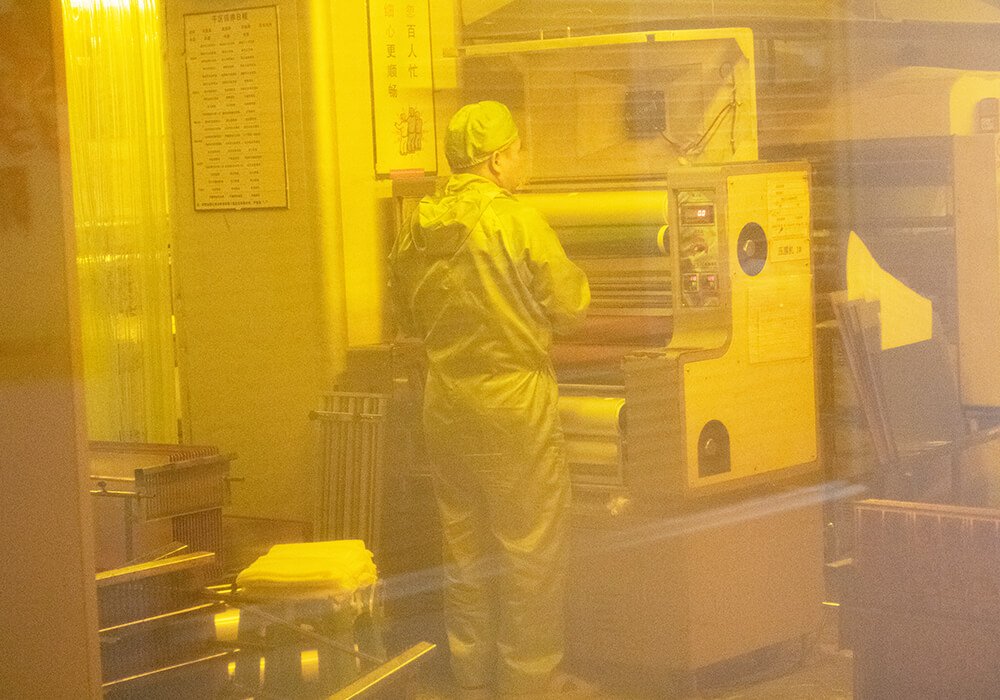
Circuit Imaging

A photoresist layer is applied to the copper surface. Using photolithography, the circuit pattern is transferred onto the board through UV exposure with a precision photomask. This step defines the trace layout, pads, and component connection points.

Flex PCB Manufacturring Process

Etching

After exposure and development, the unwanted copper is chemically etched away, leaving only the required conductive circuit traces on the dielectric layer. This process ensures accurate trace width and spacing.

Flex PCB Manufacturring Process

Drilling

Mechanical drilling or CNC drilling machines are used to create mounting holes, component holes, and thermal vias if required. Precision drilling ensures correct hole size and alignment for assembly and heat dissipation structures.

Flex PCB Manufacturring Process

Surface Treatment

To protect exposed copper and ensure good solderability during assembly, various surface finishes can be applied, such as:

  • ENIG (Electroless Nickel Immersion Gold)
  • HASL (Hot Air Solder Leveling)
  • OSP (Organic Solderability Preservative)
  • Immersion Silver or Immersion Tin

Flex PCB Manufacturring Process

Solder Mask

A solder mask layer is applied over the PCB surface to protect circuits from oxidation and prevent solder bridging during assembly. Openings are left only at pads and connection points.

Flex PCB Manufacturring Process

Silkscreen Printing

Component identifiers, polarity markings, logos, and reference designators are printed on the board surface using silkscreen printing for easier assembly and inspection.

Flex PCB Manufacturring Process

Profile Routing

The PCB panels are routed or punched to achieve the final board shape and dimensions according to the design specifications.

Flex PCB Manufacturring Process

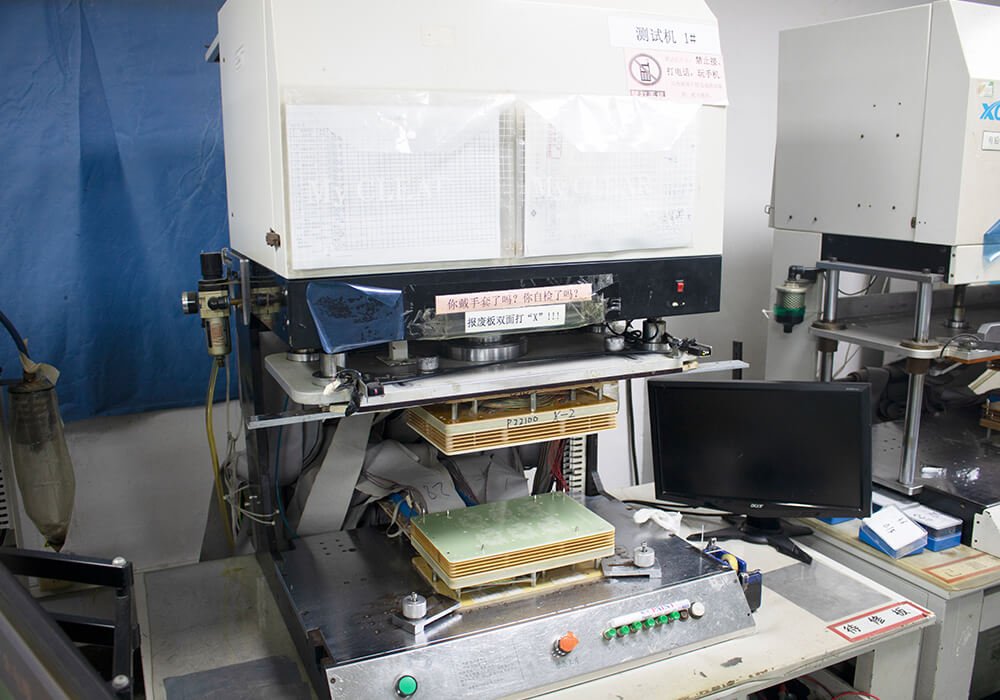
Electrical Testing

Each board undergoes electrical testing (E-test) to verify circuit continuity and insulation resistance. It ensures there are no short circuits or open circuits.

Flex PCB Manufacturring Process

Final Inspection

Final quality inspections include dimensional checks, visual inspection, and thermal performance verification where required. Only boards that meet PCBSAIL quality standards proceed to packaging and shipment.
PTH
copper immersion
Degumming Residue
sink gold
PCB Drill Machine
PcB Manufacturing Machine
Etching
Imaging room
PCB Test Machine
PCB Checking
PCB Checking Machine
PCB Chechking
PCB AOI
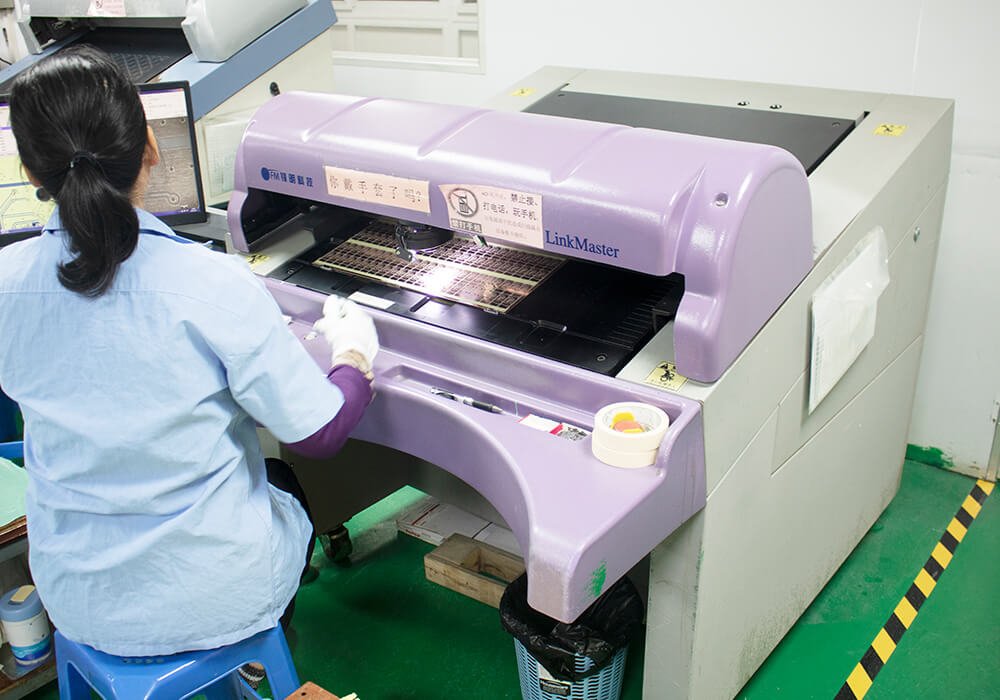
Link Master
Drill Machine
checking machine
screen printing machine
Eye Checking

Metal Core PCB Applications

Our high-performance Metal Core PCBs are widely used in electronic systems requiring efficient thermal management and reliable power handling.

PCB Manufacturer LED Lighting

LED Lighting

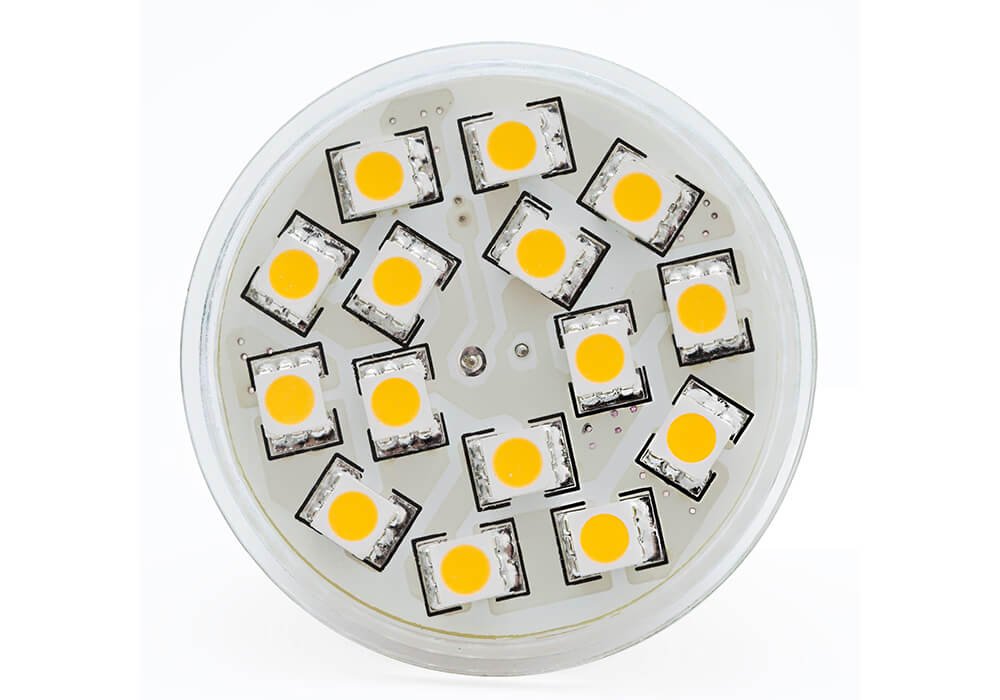
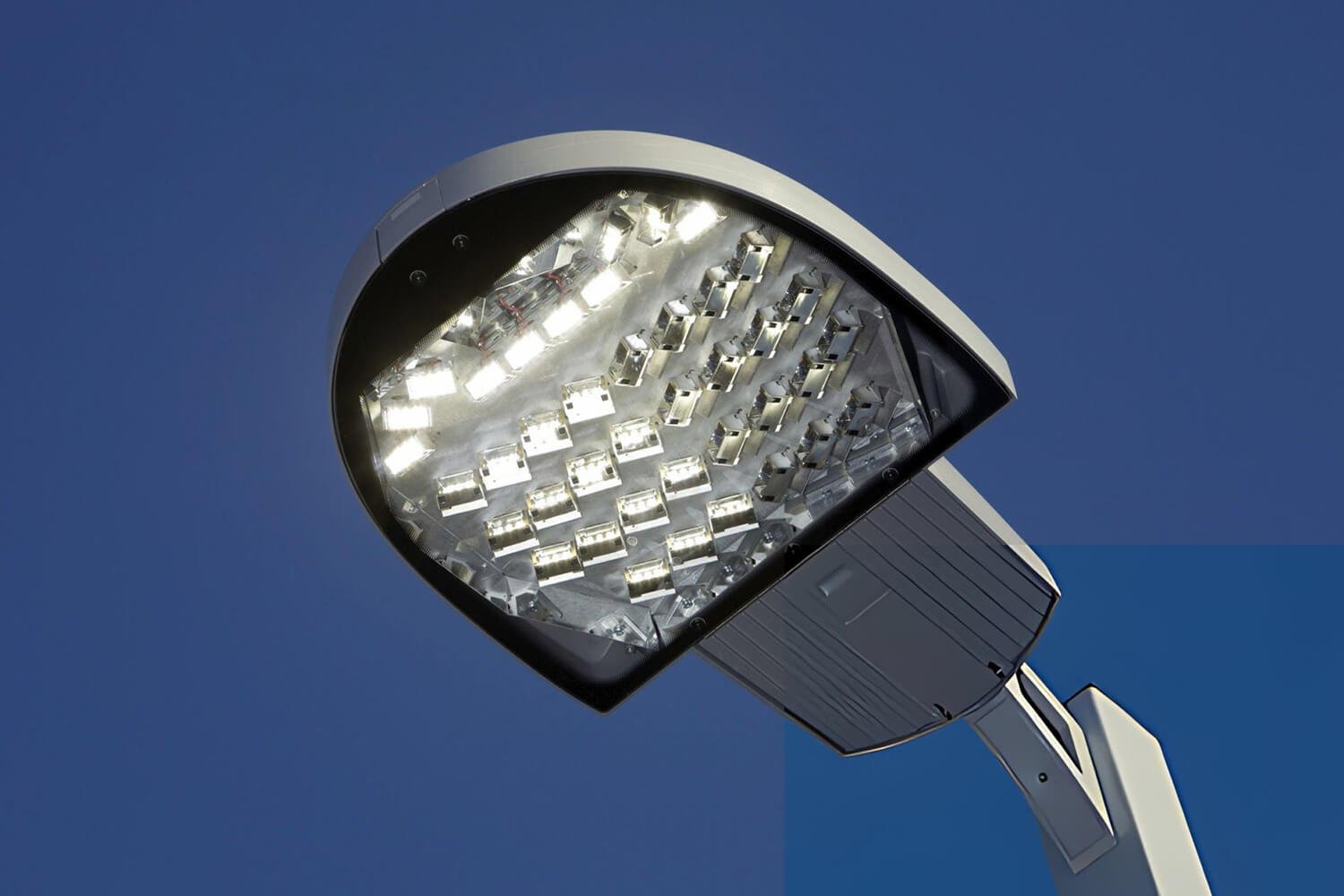
Metal core PCBs are extensively used in LED lighting products because LEDs generate significant heat during high-brightness operation.

  • LED street lighting modules
  • High-power LED floodlights
  • Automotive LED headlights
  • Commercial LED panel lighting
  • Architectural lighting systems

PCB Manufacturer Automotive Electronics

Automotive Electronics

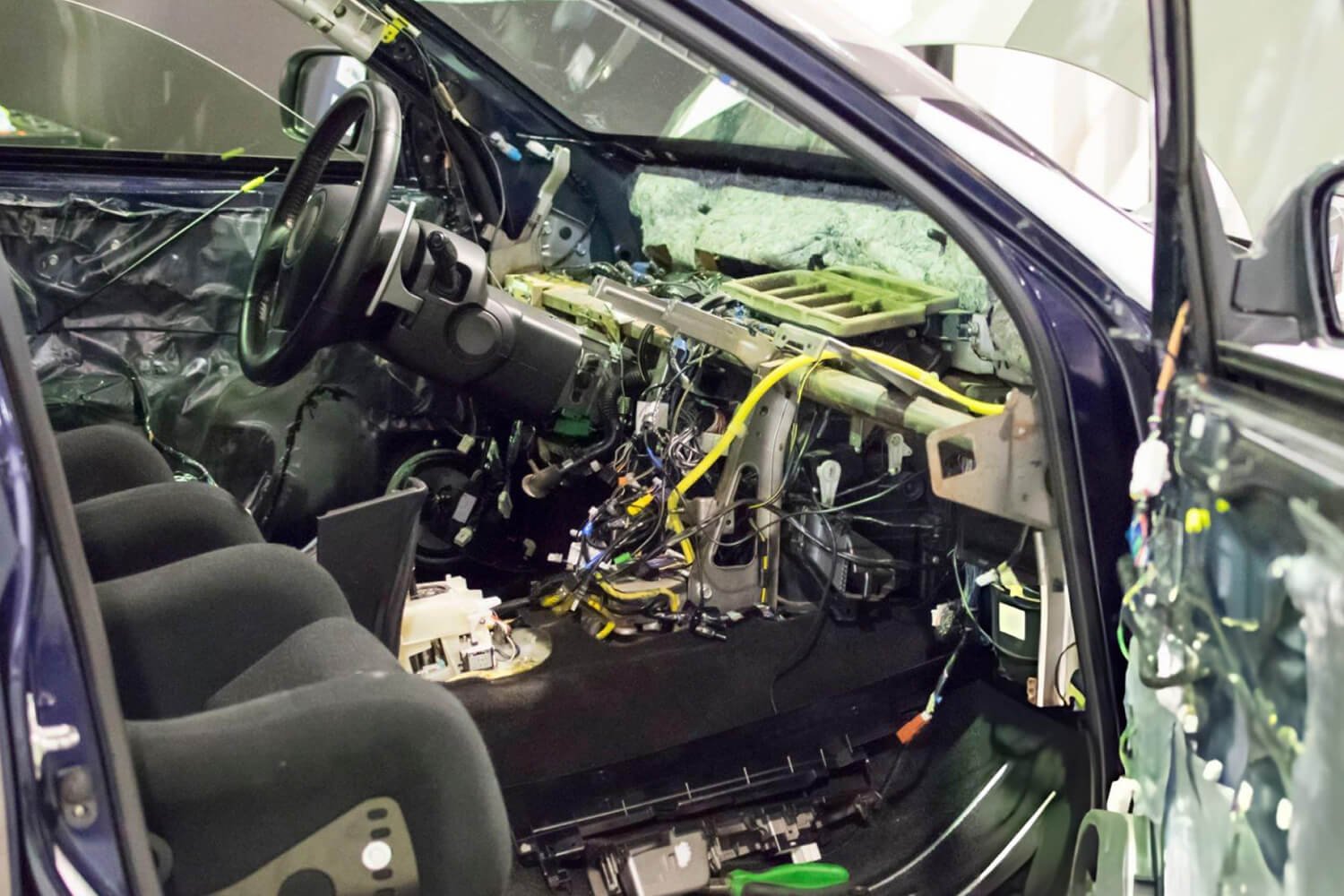
Modern automotive systems require reliable electronic components that can operate under high thermal and mechanical stress.

  • Electric vehicle (EV) power modules
  • Automotive lighting control systems
  • Motor control electronics
  • Battery management systems
  • Power conversion units

Power Electronics

Power Electronics

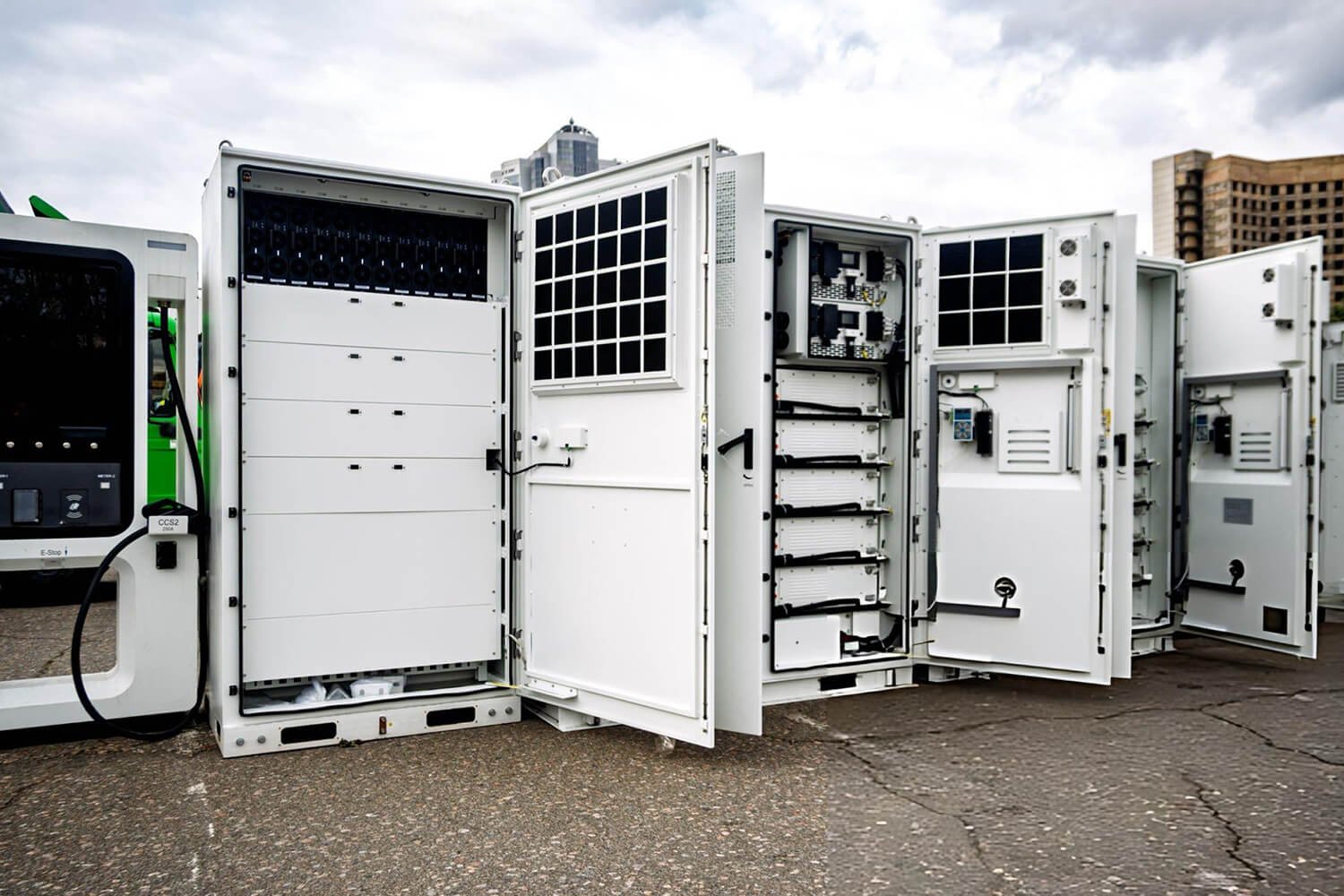
Power electronic devices often generate substantial heat during energy conversion processes.

  • DC-DC converters
  • AC-DC power supplies
  • Power inverter modules
  • Motor drive controllers
  • High-current switching systems

PCB Manufacturer Medical Devices

Medical Devices

Certain medical electronic devices require stable thermal control for accurate signal processing and long-term reliability.

  • Diagnostic imaging equipment
  • Medical lighting systems
  • Power supply modules
  • Monitoring electronics

Aerospace

Aerospace

Metal core PCBs are also used in high-reliability aerospace and defense applications due to their mechanical strength and thermal stability.

  • Avionics power systems
  • Radar electronic modules
  • Communication control units

PCB Manufacturer Industrial Automation

Industrial Automation

Industrial control systems require reliable circuit boards that can operate continuously in demanding environments.

  • Industrial motor controllers
  • Programmable logic controllers (PLC) modules
  • Machine drive systems
  • High-power sensor controllers
  • Robotics control electronics

Fast Quotation

Our professional sales and engineering teams provide fast PCB quotes and technical support. Simply send us your Gerber files, BOM, and assembly drawings, and we will respond promptly with a competitive solution.

FAQ About Metal Core PCB

1. What is a Metal Core PCB?

A Metal Core PCB is a printed circuit board that uses a metal substrate such as aluminum or copper to improve heat dissipation and thermal stability for high-power electronic circuits.

Common materials include aluminum, copper, copper-aluminum composites, stainless steel, and iron combined with thermally conductive dielectric layers.

Metal Core PCBs provide much better thermal conductivity, allowing heat generated by components to be transferred away more efficiently than traditional FR4 boards.

Thermal conductivity usually ranges from 1 W/m·K to 15 W/m·K depending on the dielectric material used.

Metal core thickness generally ranges from 0.4 mm to 3.2 mm, while copper foil thickness can range from 0.33 oz to 10 oz.

PCBSAIL supports minimum trace widths of approximately 3 mil / 3 mil spacing, depending on design requirements.

MCPCBs efficiently transfer heat generated by LED chips, improving brightness stability and extending product lifespan.

Single-layer aluminum MCPCB prototypes can be produced in about 48 hours, depending on design complexity.

Dynamic flex designs are commonly used in hinges, robotics, and camera modules.

MCPCBs are compatible with standard SMT and through-hole assembly processes, but thermal profile optimization is recommended.

Yes. Thick copper layers (up to 10 oz) allow MCPCBs to carry higher current loads with lower resistance.

Thermal shock testing evaluates board reliability under temperature cycling conditions such as −40°C to +125°C.

Most MCPCBs are manufactured using RoHS-compliant materials and environmentally controlled processes.