
/High-Reliability PCB Solutions/

Medical Device PCB

PCBSAIL is a professional Medical Device PCB and PCBA manufacturer. We are dedicated to delivering high-reliability electronic solutions for medical and healthcare industries.

We understand that precision is non-negotiable and reliability is life-critical in the medical field. That’s why our Medical Device PCB is built under rigorous process control, traceability systems, and compliance-driven manufacturing workflows.

With years of engineering expertise, advanced production facilities, and a strict quality management system, we support global medical device companies from PCB prototype to full-scale production.

What Is Medical Device PCB

What Is Medical Device PCB?

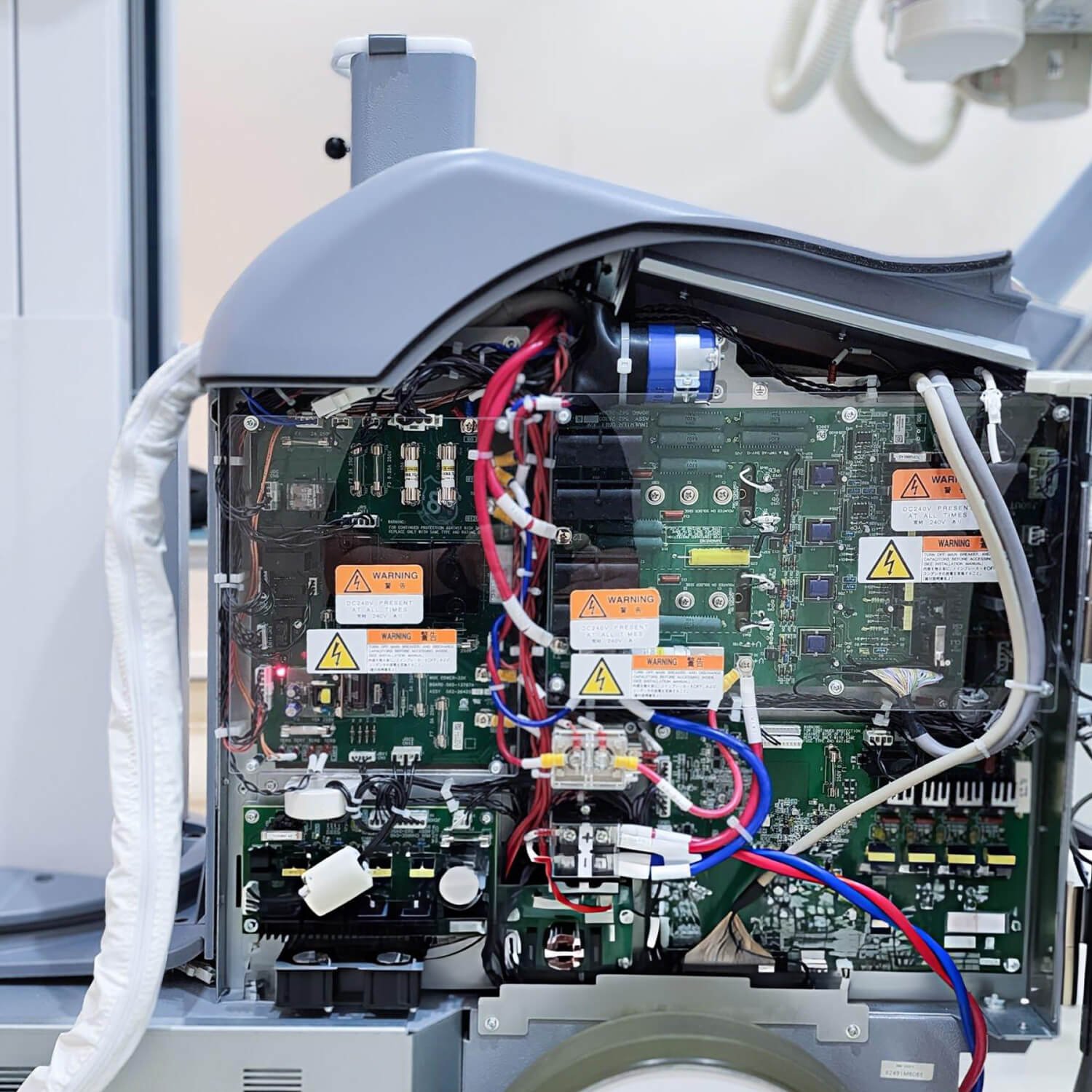
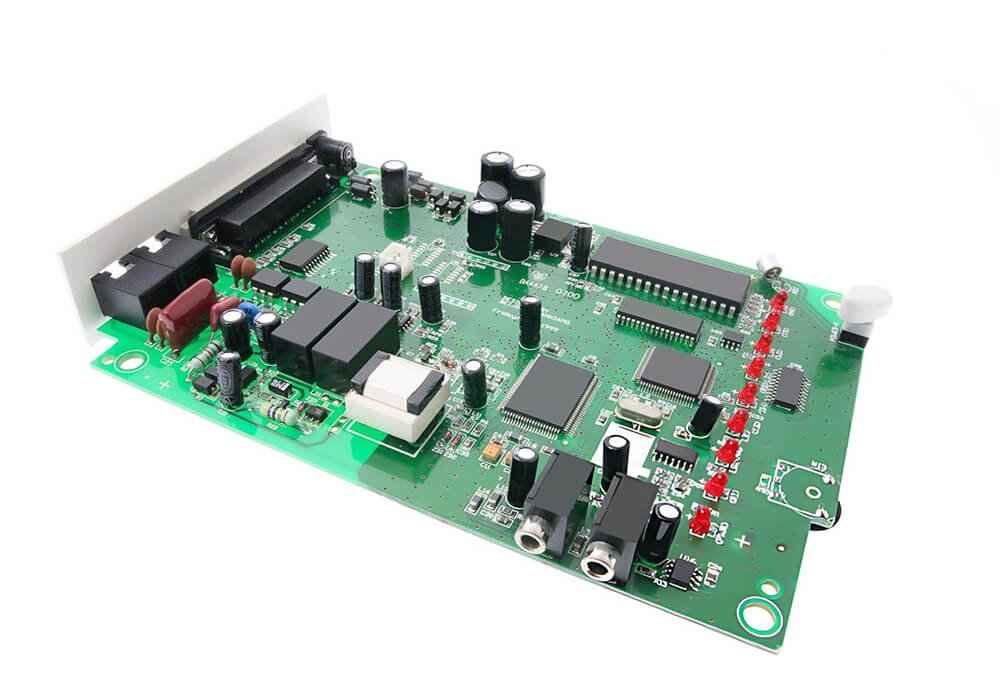
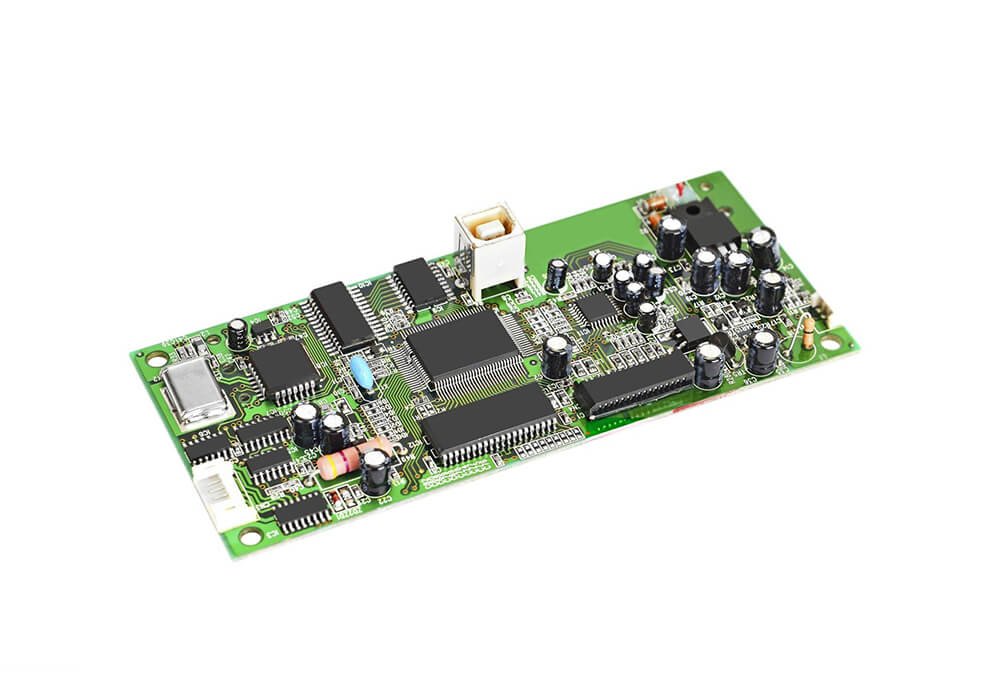
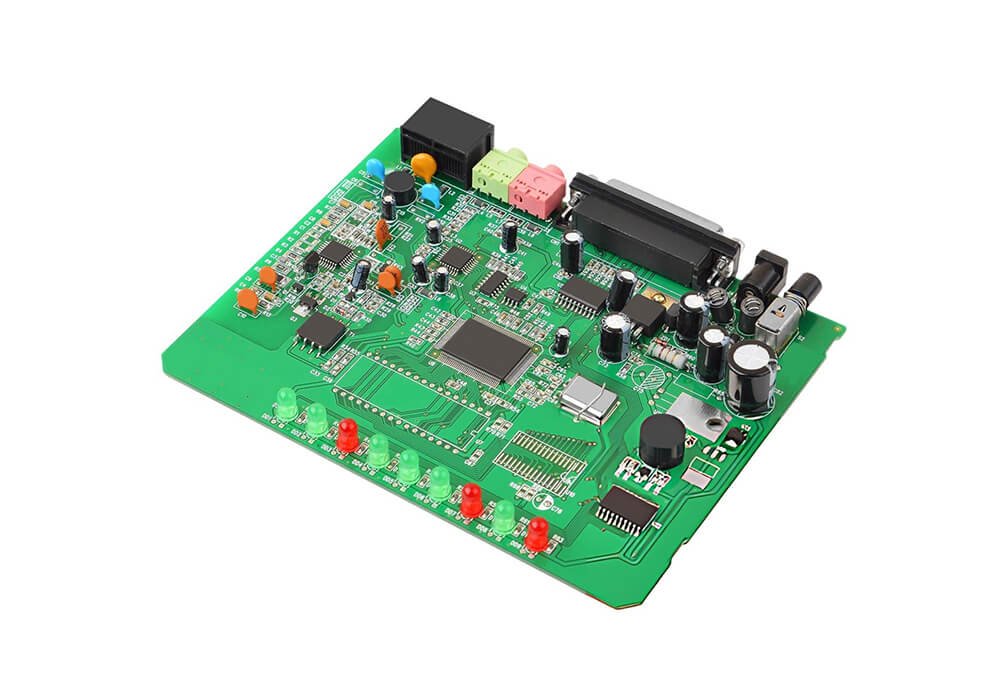
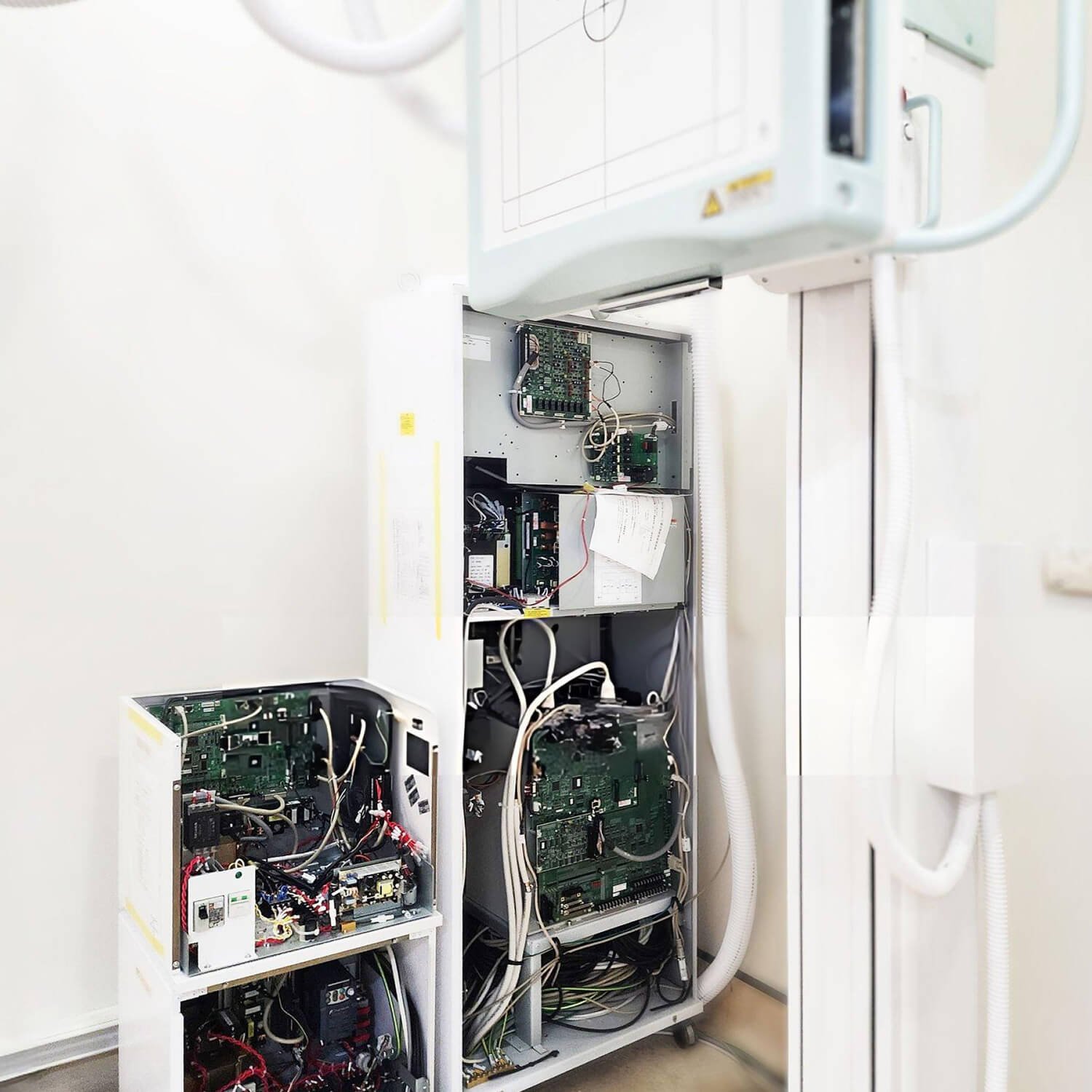
A Medical Device PCB is a specialized Circuit Board used in the design, control, and operation of medical equipment.

These PCBs serve as the backbone of modern healthcare electronics. It can enable accurate diagnostics, patient monitoring, imaging systems, and life-support technologies.

Medical Device PCBs integrate advanced electronic components such as:

  • Microcontrollers and processors
  • Sensors and biosignal acquisition modules
  • Communication modules (Bluetooth, Wi-Fi, IoT)
  • Analog and digital signal processing circuits
  • Power management systems

These boards ensure that medical devices can deliver accurate readings, and real-time data processings, while maintaining patient safety.

Medical Device PCB We Offered.

We provide a comprehensive of Medical Device PCBs to meet the diverse requirements from monitoring tools to life-critical systems. Each PCB type is optimized for reliability, miniaturization, and compliance with stringent medical standards.

Medical Device PCB We Offered
Medical Device PCB Price
Medical Device PCB Near Me

Our Capacity.

Flex PCB Single-Sided Flex PCB

Single-Sided Medical Device PCB

Single-sided PCBs were equipped with one conductive copper layer on a single side of the substrate.

  • Simple structure and cost-effective
  • Easy manufacturing and assembly
  • High reliability for basic circuits

Flex PCB Double-Sided Flex PCB

Double-Sided Medical Device PCB

Double-sided PCBs had conductive layers on both sides of the board, allowing for more complex circuit design and higher component density.

  • Improved routing flexibility
  • Higher component density than single-layer boards
  • Through-hole vias enable interconnection between layers

Flex PCB Multilayer Flex PCB

Multilayer Medical Device PCB

Multilayer PCBs consist of three or more conductive layers stacked together, enabling highly complex and high-performance circuit designs.

  • High circuit density and compact design
  • Superior signal integrity and EMI control
  • Supports high-speed and high-frequency signals

Flex PCB Single-Sided Flex PCB

Flexible Medical Device PCB

Flexible PCBs are made from bendable materials such as polyimide, allowing them to conform to different shapes.

  • Lightweight and compact
  • Bendable and foldable design
  • Reduced need for connectors and cables

Flex PCB Double-Sided Flex PCB

Rigid-Flex Medical Device PCB

Rigid-flex PCBs is composed of rigid and flexible substrates into a single integrated structure.

  • Combines durability and flexibility
  • Reduces interconnect failures
  • Saves space and weight

Item

Rigid PCB

Flexible PCB

Rigid-Flex PCB

Max Layer

60L

8L

36L

Inner Layer Min Trace/Space

3/3mil

3/3mil

3/3mil

Out Layer Min Trace/Space

3/3mil

3.5/4mil

3.5/4mil

Inner Layer Max Copper

6oz

2oz

6oz

Out Layer Max Copper

6oz

20z

3oz

Min Mead hanical Driling

0.15mm

0.1mm

0.15mm

Min Laser Drilling

0.1mm

0.1mm

0.1mm

Max Aspect Ratio (Mechanical Drilling)

20:01

10:01

12:01

Max Aspect Ratio (Laser Drilling)

1:01

/

1:01

Press Fit Hole Tolerance

±0.05mm

±0.05mm

±0.05mm

PTH Tolerance

±0.075mm

±0.075mm

±0.075mm

NPTH Tolerance

±0.05mm

±0.05mm

±0.05mm

Countersink Tolerance

±0.15mm

±0.15mm

±0.15mm

Board Thickness

0.4-8mm

0.1-0.5mm

0.4-3mm

Board Thickness Tolerance(<1.0mm)

±0.1mm

±0.05mm

±0.1mm

Board Thickness Tolerance(≥1.0mm)

±10%

/

±10%

Min Board Size

10*10mm

5*10mm

10*10mm

Max Board Size

22.5*30 inch

9*14 inch

22.5*30 inch

Contour Tolerance

±0.1mm

±0.05mm

±0.1mm

Min BGA

7mil

7mil

7mil

Min SMT

7*10mil

7*10mil

7*10mil

Min Solder Mask Clearance

1.5mil

3mil

1.5mil

Min Solder Mask Dam

3mil

8mil

3mil

Min Legend Width/Height

4/23mil

4/23mil

4/23mil

Strain Fillet Width

/

1.5±0.5mm

1.5±0.5mm

Bow &Twist

0.003

/

0.0005

Standards for Medical Device PCB.

Our Medical Device PCBs comply with international standards and regulatory requirements to ensure patient safety and device reliability.

PCB Certificate

ISO 13485:2016

ISO 13485 is the most important standard for medical device manufacturing.

PCB Certificate

IEC 60601-1

IEC 60601-1 defines the general safety requirements for medical electrical equipment.

PCB Certificate

FDA

Medical devices must comply with FDA standards in the United States.

PCB Certificate

IPC Standards

IPC standards define the acceptability, performance, and reliability criteria for PCBs and assemblies.
Medical Device PCB Feature

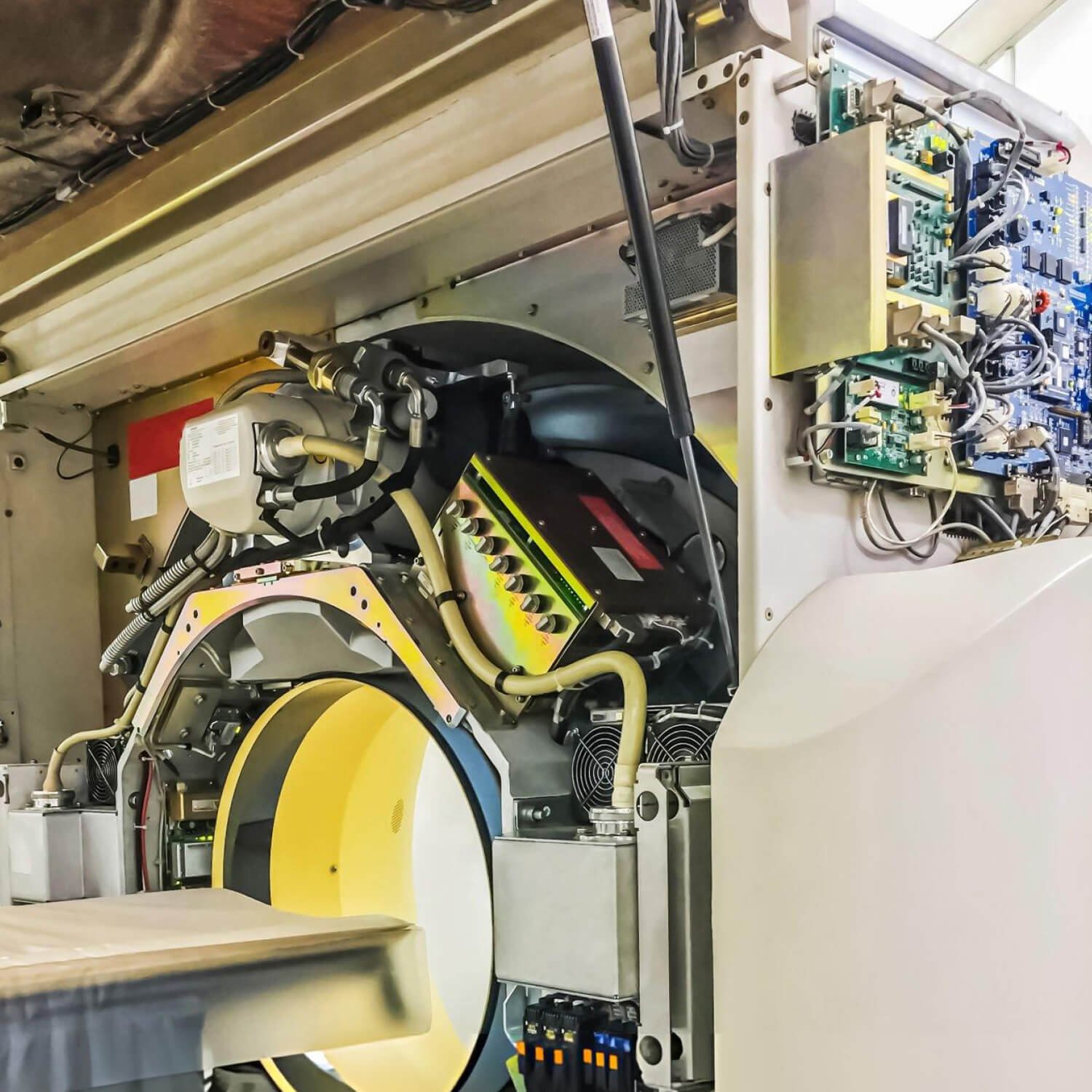
From life-critical systems to wearable medical devices, our Medical Device PCBs are designed with a strong focus on reliability, precision, safety, and long-term performance.

Medical devices cannot tolerate failure. Our PCBs are built to deliver consistent and stable performance under continuous operation (24/7).

  • Designed to IPC Class 3 standards
  • Low defect rates with strict process control
  • Redundant design support for critical circuits
  • Long lifecycle performance

Accurate diagnostics depend on precise signal processing. Our Medical Device PCBs are optimized for low noise, high signal fidelity, and stable data transmission.

  • Controlled impedance routing (±10% tolerance or better)
  • Optimized layer stack-up design
  • EMI/EMC mitigation techniques
    Low signal loss materials

We support cutting-edge miniaturization technologies to meet the growing demand for compact and portable medical devices.

  • Smaller device footprint
  • Lightweight designs
  • Enhanced device portability

Medical devices often run under high power or continuous usage conditions. Our PCBs are designed to efficiently manage heat.

  • Improved device stability
  • Extended component lifespan
  • Reduced risk of overheating failures

Medical equipment often undergoes sterilization processes. Our PCBs are designed to withstand harsh environments.

Compatible With:

  • Autoclave sterilization
  • Chemical disinfection processes
Medical Device PCB Feature

Design for Medical Device PCB

Medical Device PCB’s design is more rigor than standard electronics design. We approach Medical PCB design with a system-level engineering mindset, ensuring that the board performs flawlessly within the complete medical device ecosystem.

Design for Medical Device PCB

Compliance must be embedded at the earliest design stage to avoid costly redesigns and certification delays.


We Need To Focus:

  • Documentation and traceability planning
  • Risk management integration (ISO 14971)
  • Design verification and validation (V&V)

Material will directly impact electrical performance, thermal stability, and biocompatibility.


We Should Consider:

  • Biocompatibility (for wearable/implantable devices)
  • Moisture absorption resistance
  • Thermal expansion (CTE matching)

Modern medical devices demand compact and lightweight designs.

HDI Design Is Considered:

  • Microvias (laser-drilled)
  • Fine trace/space (≤3 mil)
  • Blind and buried vias
  • Sequential lamination

.

Accurate medical data depends on clean signal transmission.

We Should Use:

  • Controlled impedance routing
  • Differential pair routing
  • Proper grounding and shielding
  • Separation of analog and digital signals

Medical devices often run continuously. It will generate heat. It must be managed effectively.

Thermal Design Techniques:

  • Thermal vias under heat-generating components
  • Copper pours and heat spreading layers
  • Heat sinks and thermal interface materials
  • Metal-core PCB options

Reliable power delivery is very important for medical devices.

We Should Consider:

  • Stable voltage regulation
  • Power integrity design (low ripple, low noise)
  • Battery optimization for portable devices
  • Redundant power paths (for critical systems)

Patient safety is the highest priority in medical electronics.

Safety Design Elements:

  • Electrical isolation (isolation barriers)
  • Creepage and clearance distances
  • Protection circuits (overcurrent, overvoltage)
  • Grounding strategies for patient-connected devices

Why Choose Us

We offer strong manufacturing and assembly capabilities to meet the requirements of medical device electronics.

Flex PCB Manufacturring Process

Turnkey PCB Solution

We provide a complete end-to-end service, eliminating the complexity of managing multiple vendors. We can do:

  • PCB design and engineering support
  • PCB fabrication Component sourcing
  • PCB assembly (SMT, THT, mixed)
  • Final testing and quality assurance

Flex PCB Manufacturring Process

Quality

We adhere to globally recognized standards:

  • IPC-A-610 Class 3 (high-reliability electronics)
  • IPC-6012 (PCB performance standards)
  • ISO 9001
  • ISO 14001
  • UL 94

Flex PCB Manufacturring Process

Advanced Manufacturing

Our state-of-the-art facilities support complex and high-precision PCB assembly. We can do:

  • Fine-pitch placement down to 0.38mm
  • BGA (0.2mm pitch) with X-ray inspection
  • Support for 0201 components
  • High-density multilayer PCBs
  • Mixed technology assembly (SMT + Through-hole)

Flex PCB Manufacturring Process

Testing & Inspection

We implement multi-level testing to ensure every PCBA meets strict performance requirements.

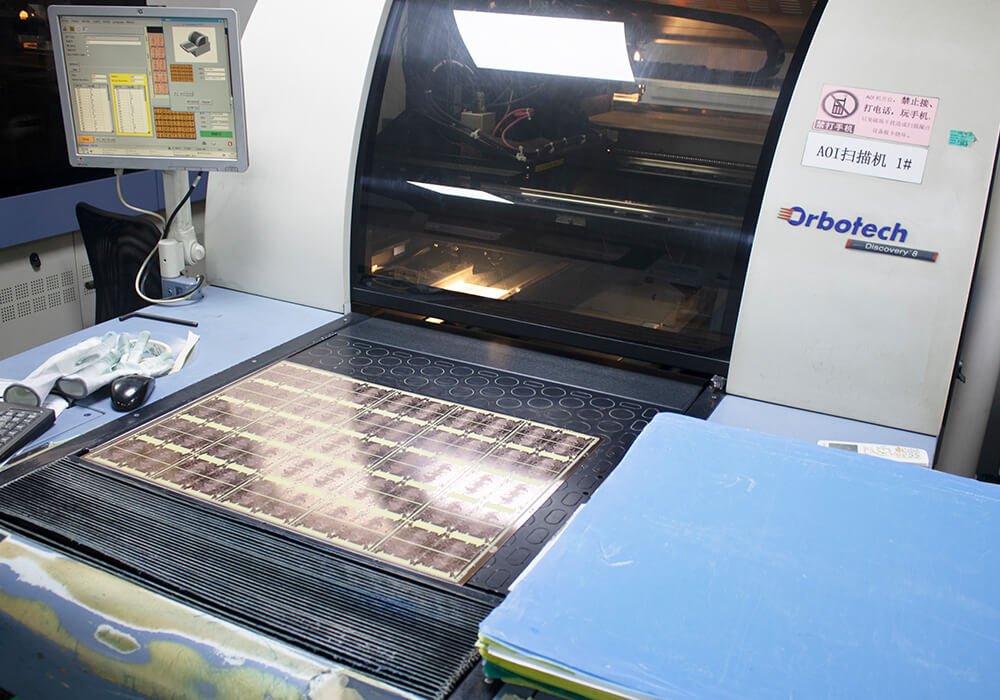
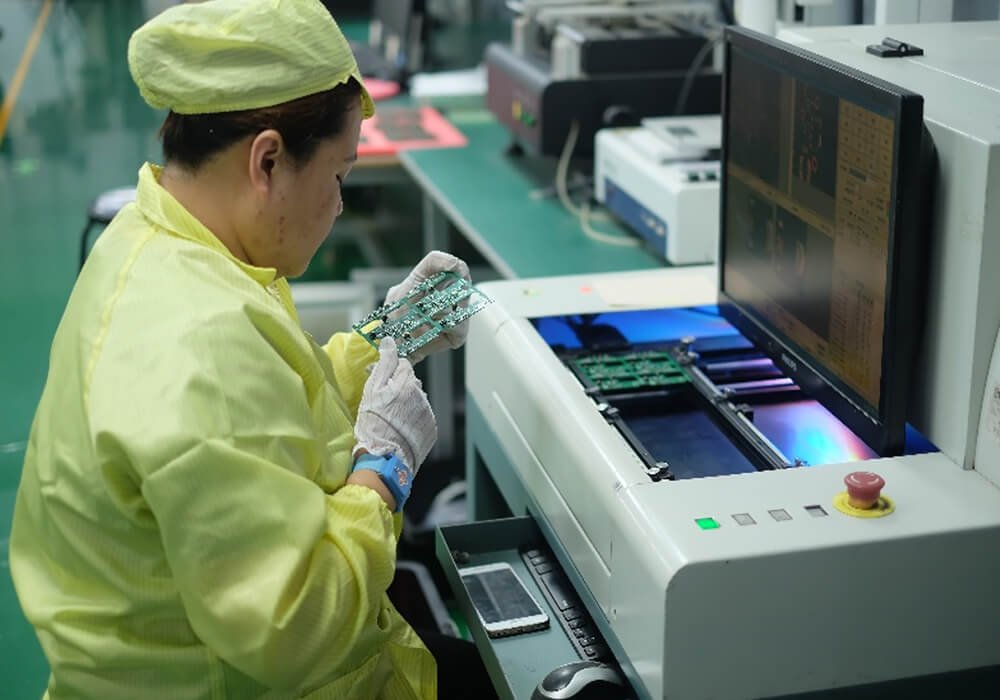
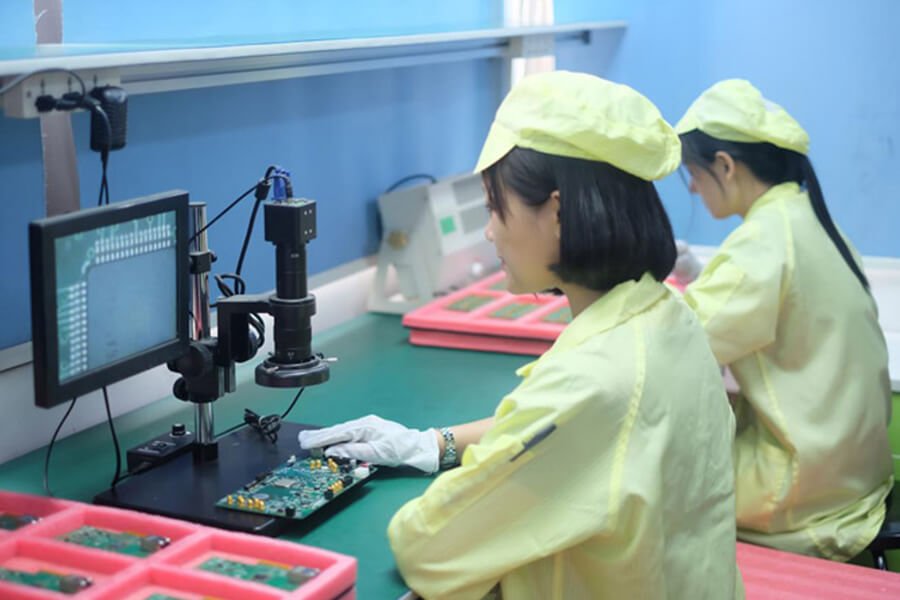
  • AOI (Automated Optical Inspection)
  • X-ray inspection for hidden solder joints
  • In-Circuit Testing (ICT)
  • Functional testing under real operating conditions
  • Voltage and performance validation

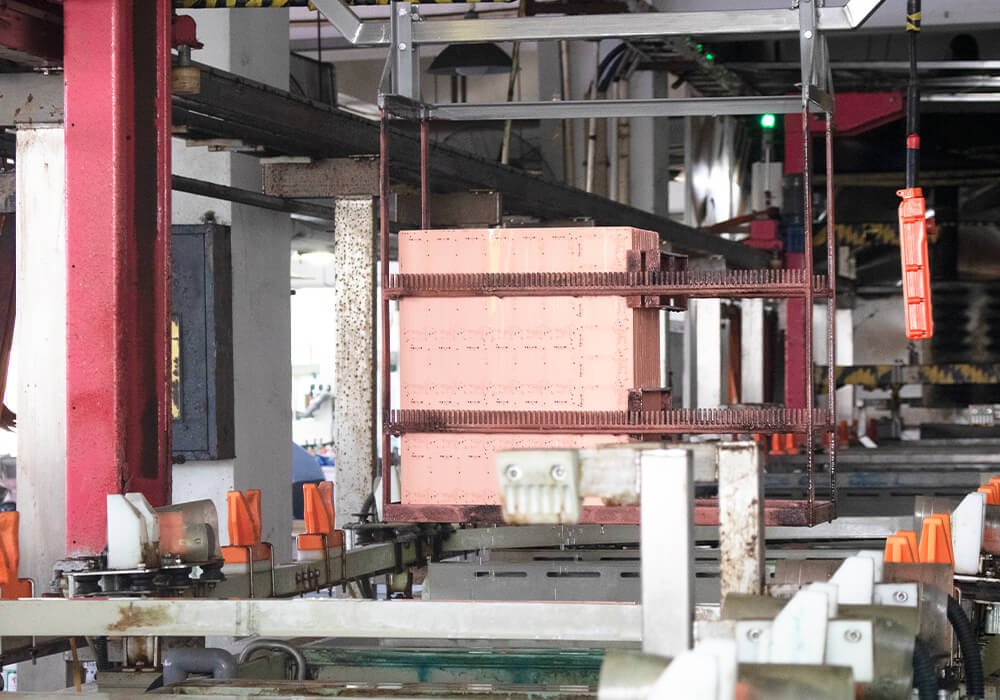
PTH
copper immersion
Degumming Residue
sink gold
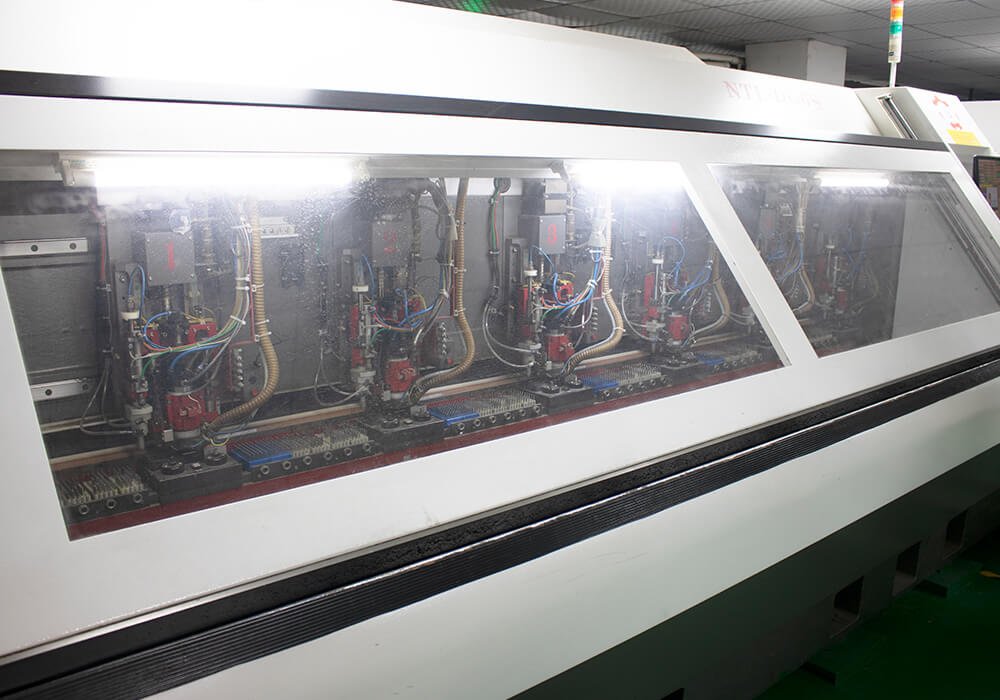
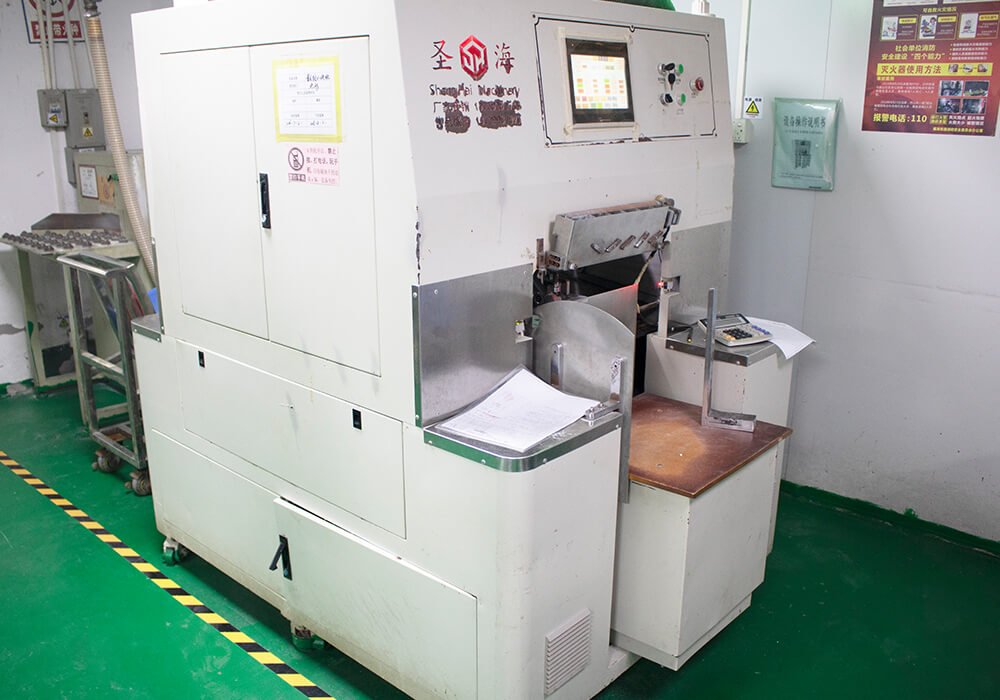
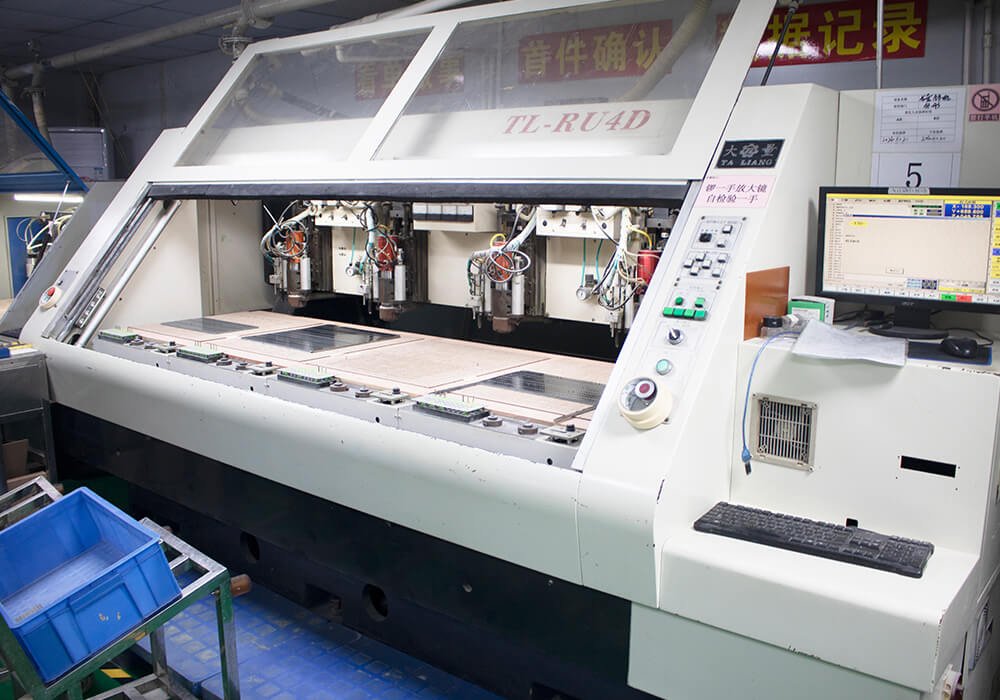
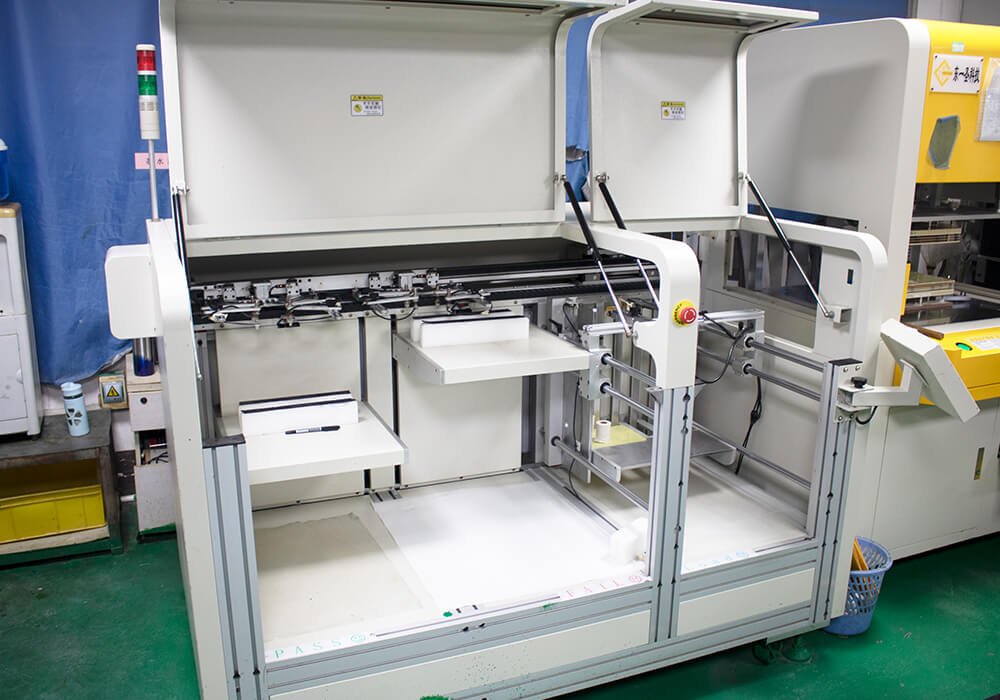
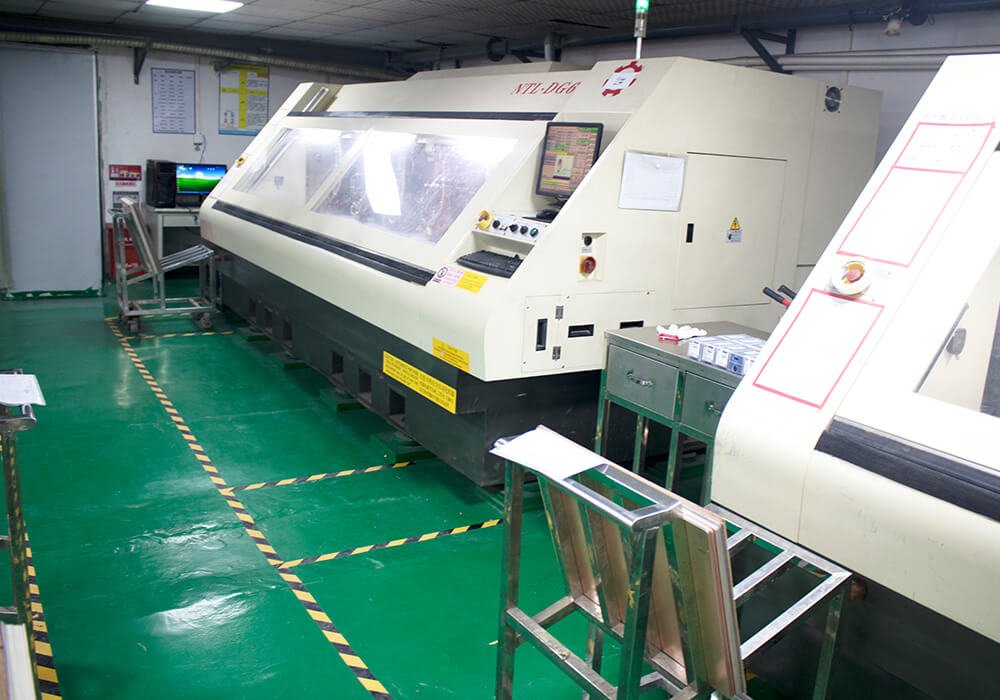
PCB Drill Machine
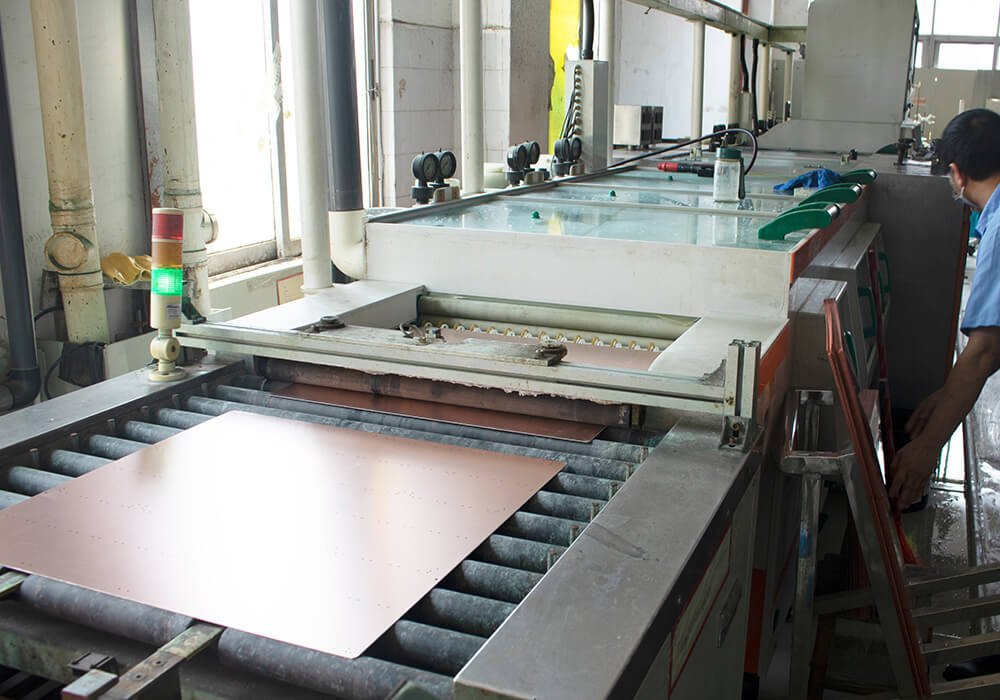
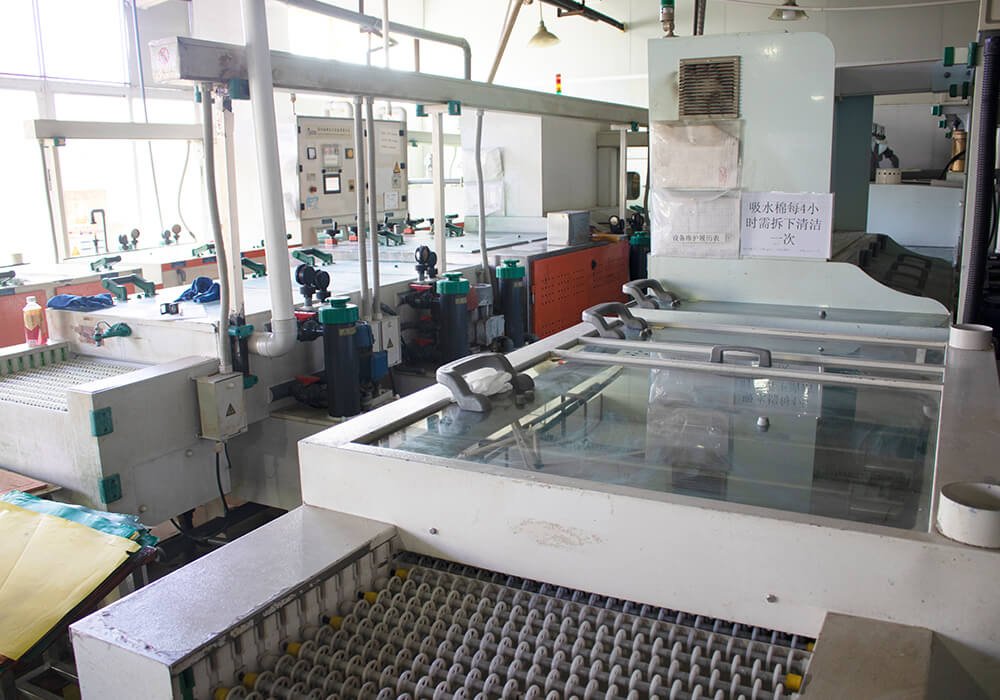
PcB Manufacturing Machine
Etching
Imaging room
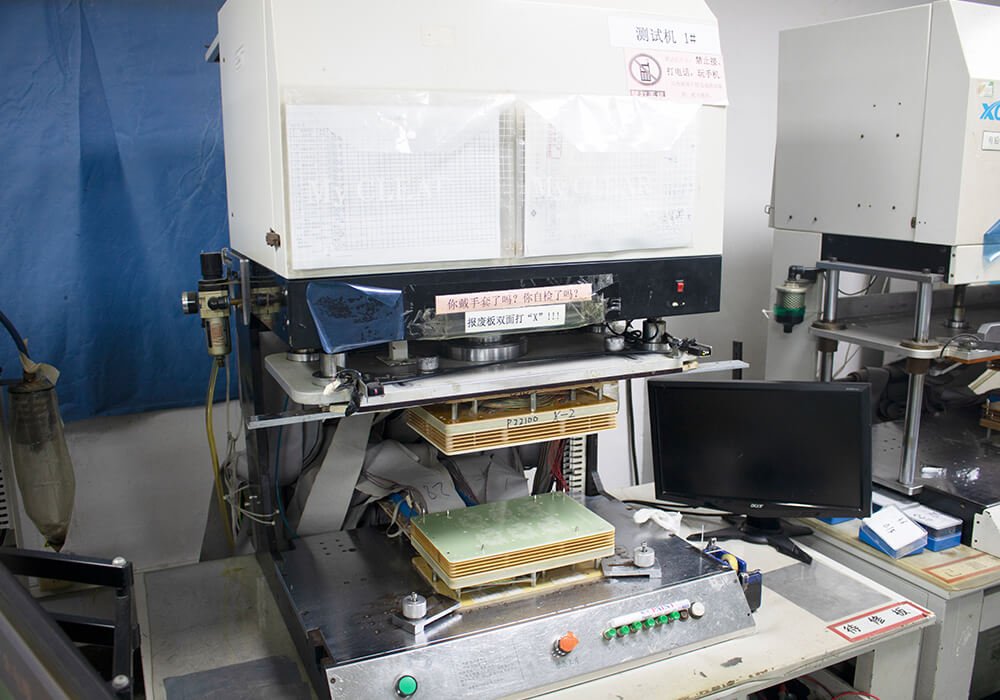
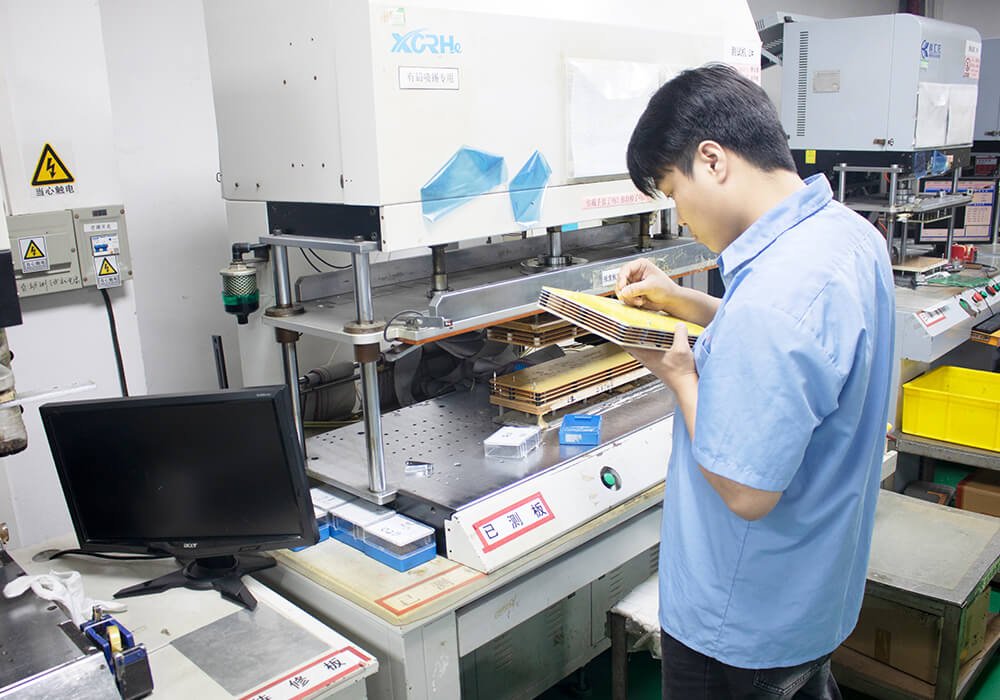
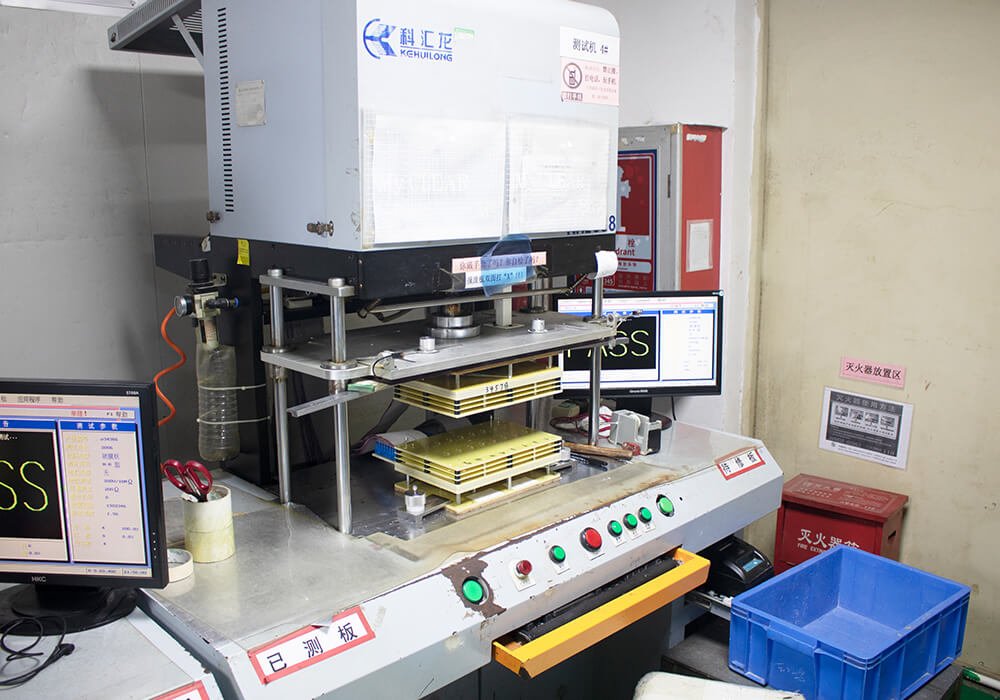
PCB Test Machine
PCB Checking
PCB Checking Machine
PCB Chechking
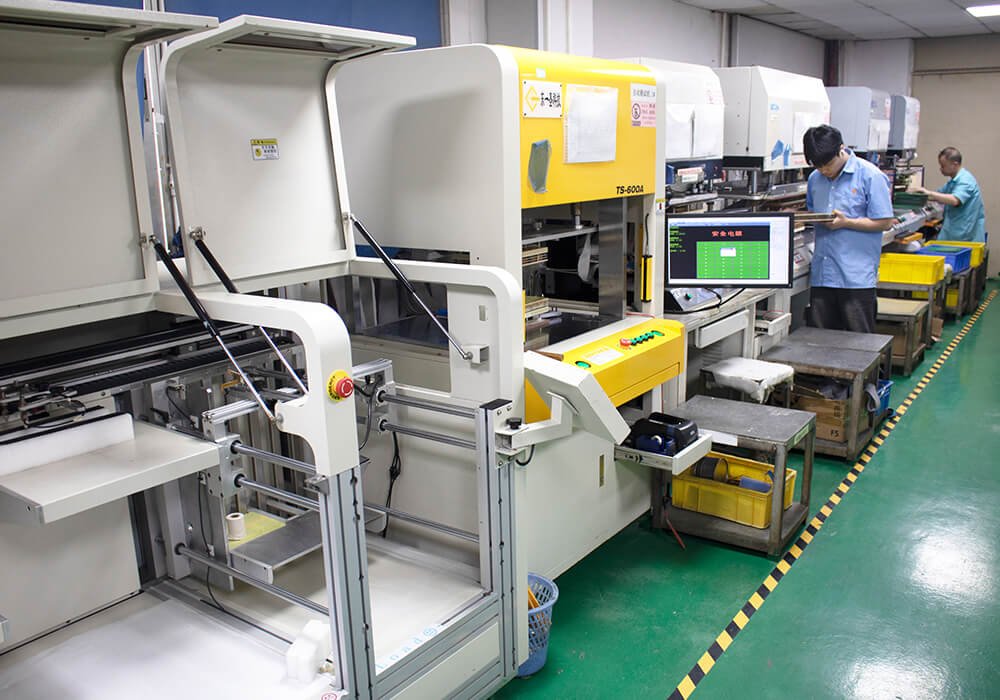
PCB AOI
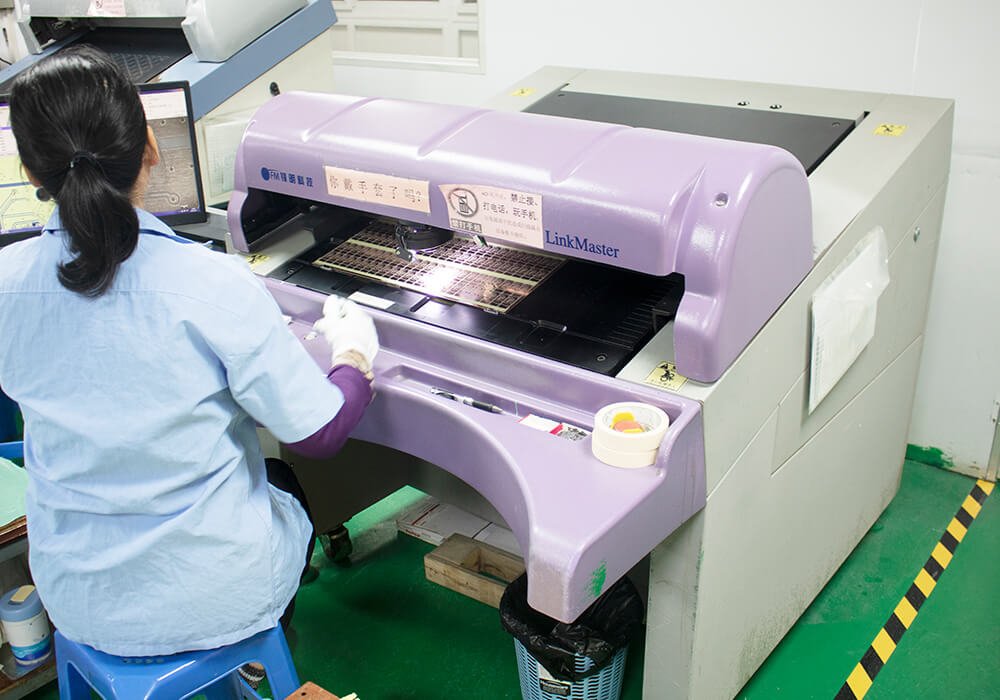
Link Master
Drill Machine
checking machine
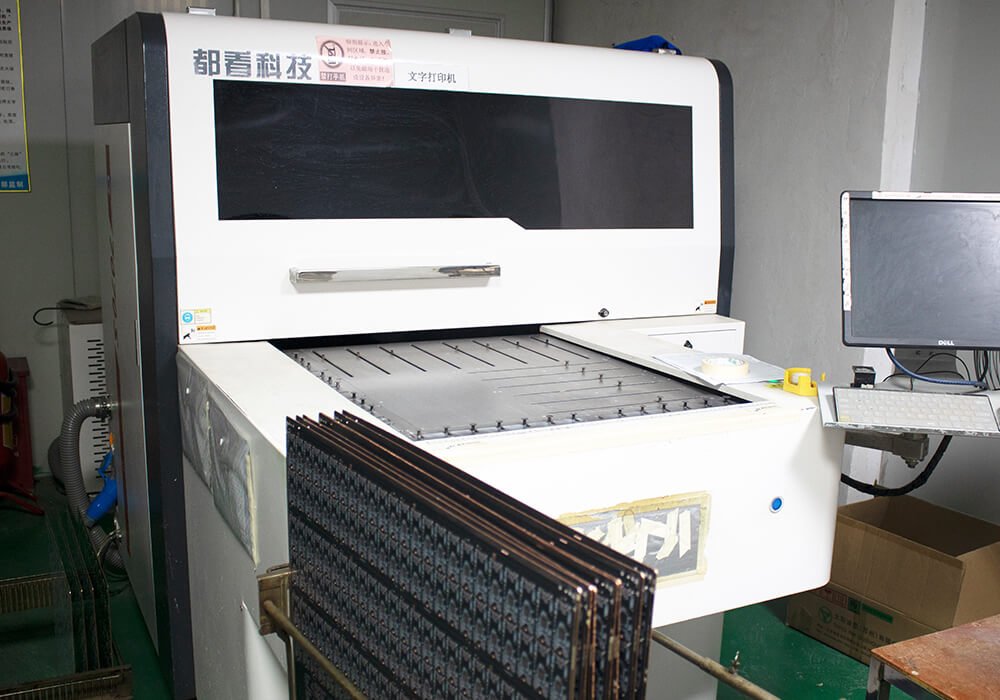
screen printing machine
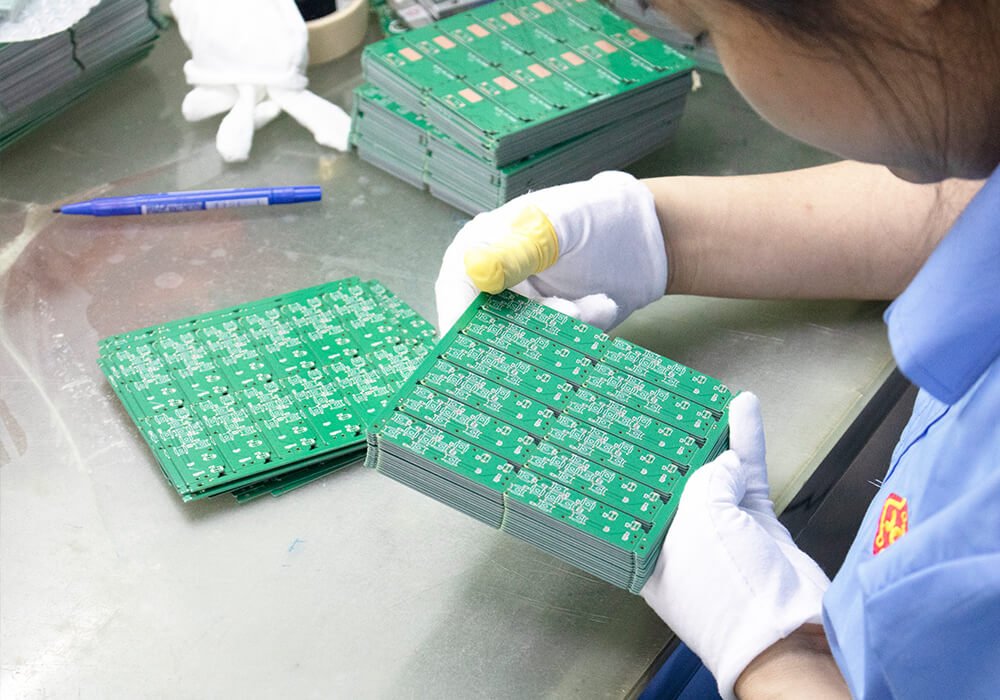
Eye Checking

Fast Quotation

Our professional sales and engineering teams provide fast PCB quotes and technical support. Simply send us your Gerber files, BOM, and assembly drawings, and we will respond promptly with a competitive solution.

FAQ About Medical Device PCB?

1. What is a Medical Device PCB?

A Medical Device PCB is a circuit board specifically designed for medical equipment such as diagnostic systems, monitoring devices, and life-support machines. 

These PCBs must meet strict standards for safety, precision, and durability.

Common materials include:

  • FR-4 (standard and high-Tg)
  • Polyimide (for flexible circuits)
  • Rogers and other low-loss laminates
  • Ceramic substrates (for high reliability and thermal performance)


Yes. We support:

  • Rapid prototyping (as fast as 24–72 hours)
  • Small batch production for testing and validation
  • High-volume manufacturing with consistent quality

Lead time depends on complexity:

  • Prototype PCB: 24–72 hours
  • Standard production: 5–15 working days
  • PCBA (assembly): 1–3 weeks

We also offer expedited services for urgent projects.

We implement multiple inspection and testing processes:

  • AOI (Automated Optical Inspection)
  • X-ray inspection (for BGA components)
  • Flying probe testing
  • In-circuit testing (ICT)
  • Functional testing

These ensure that every PCB meets strict quality and reliability requirements.

Yes. We specialize in PCBs for wearable devices with:

  • Flexible and rigid-flex designs
  • Lightweight and compact structures
  • Low power consumption optimization

Yes, common finishes include:

  • ENIG (for high reliability and flatness)
  • Immersion silver or tin
  • Hard gold for connectors

Absolutely. Our engineering team provides:

  • DFM (Design for Manufacturability) analysis
  • DFA (Design for Assembly) support
  • Material and stack-up recommendations
  • Signal integrity and thermal optimization