/From New Design to Repeatable Manufacturing/

NPI PCB Assembly Services for a Controlled Production Launch

PCBSAIL helps electronics teams move new PCBA designs from engineering files and early prototypes into documented, tested, and repeatable production builds.

We can coordinate design-for-manufacturing review, PCB fabrication, BOM and component risk review, SMT and through-hole assembly, first-article approval, inspection, agreed testing, pilot builds, and production handoff.

Engineering Review Before Production Release

First-Article And Pilot-Build Support

Full-Turnkey, Partial-Turnkey, Or Consigned Options

Inspection And Testing Planned Around Project Risk

What Is NPI PCB Assembly?

NPI PCB assembly is the controlled process used to introduce a new printed circuit board assembly into manufacturing. It covers design review, component readiness, first-article assembly, inspection, testing, pilot production, and build documentation. The goal is to determine whether the PCBA can be sourced, assembled, tested, and repeated under defined requirements.

A PCB prototype mainly proves that a circuit can work. An NPI build examines the wider manufacturing system around that circuit. It identifies issues, test coverage, component supply, assembly repeatability, or the move into production.

We supports the manufacturing work agreed for each stage. The customer retains design authority, product validation, regulatory approval, and final release responsibility unless the contract states otherwise.

Service Summary

NPI PCB Assembly Identify Risk Before Volume Increases

Identify Risk Before Volume Increases

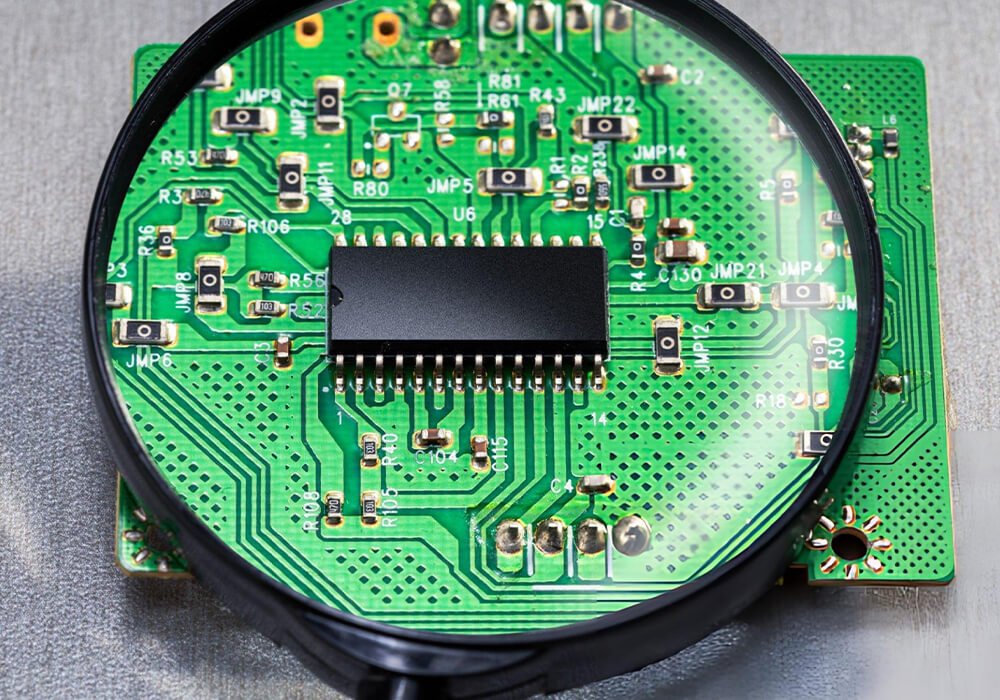
Review fabrication data, assembly details, component availability, package risks, test access, and acceptance requirements before the project is released.
NPI PCB Assembly Control the First Build

Control the First Build

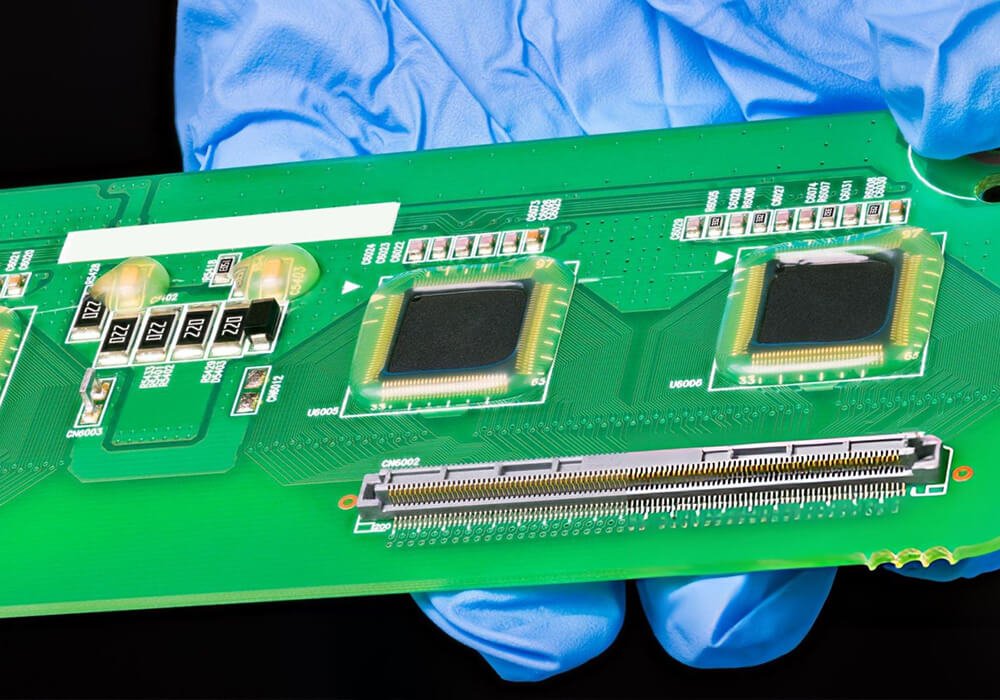
Use defined approval points for material questions, first-article results, deviations, and changes instead of discovering problems after the full batch is complete.
NPI PCB Assembly Build Production Evidence

Build Production Evidence

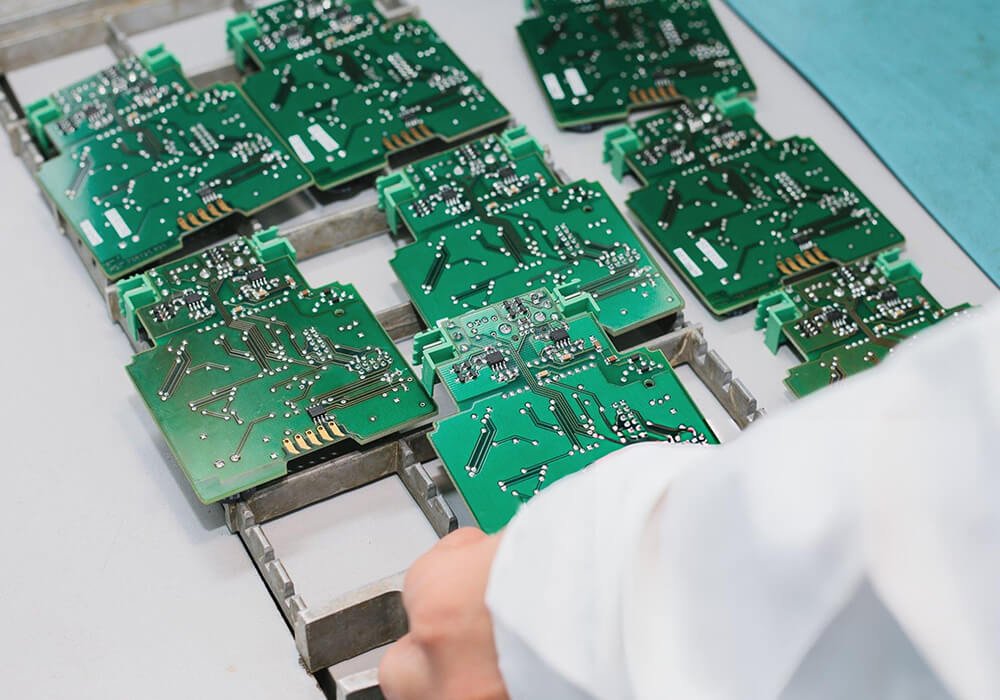
Record the approved revision, BOM decisions, inspection coverage, test requirements, and unresolved issues needed for the next build stage.
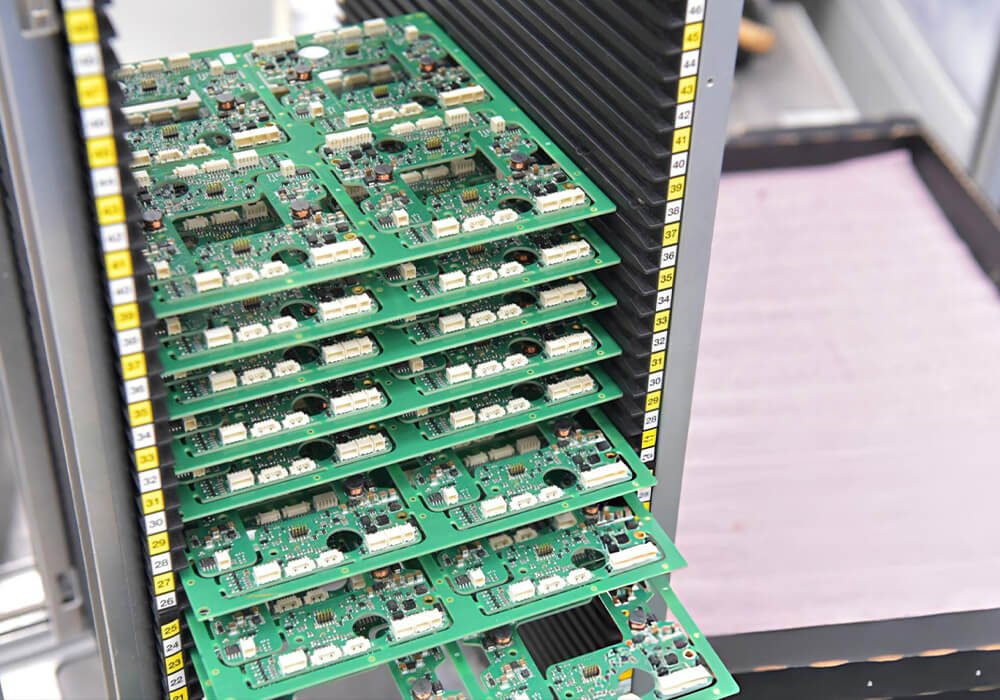
NPI PCB Assembly Keep One Path to Repeat Production

Keep One Path to Repeat Production

Coordinate PCB fabrication, sourcing, assembly, quality activities, and future repeat orders through one manufacturing workflow.
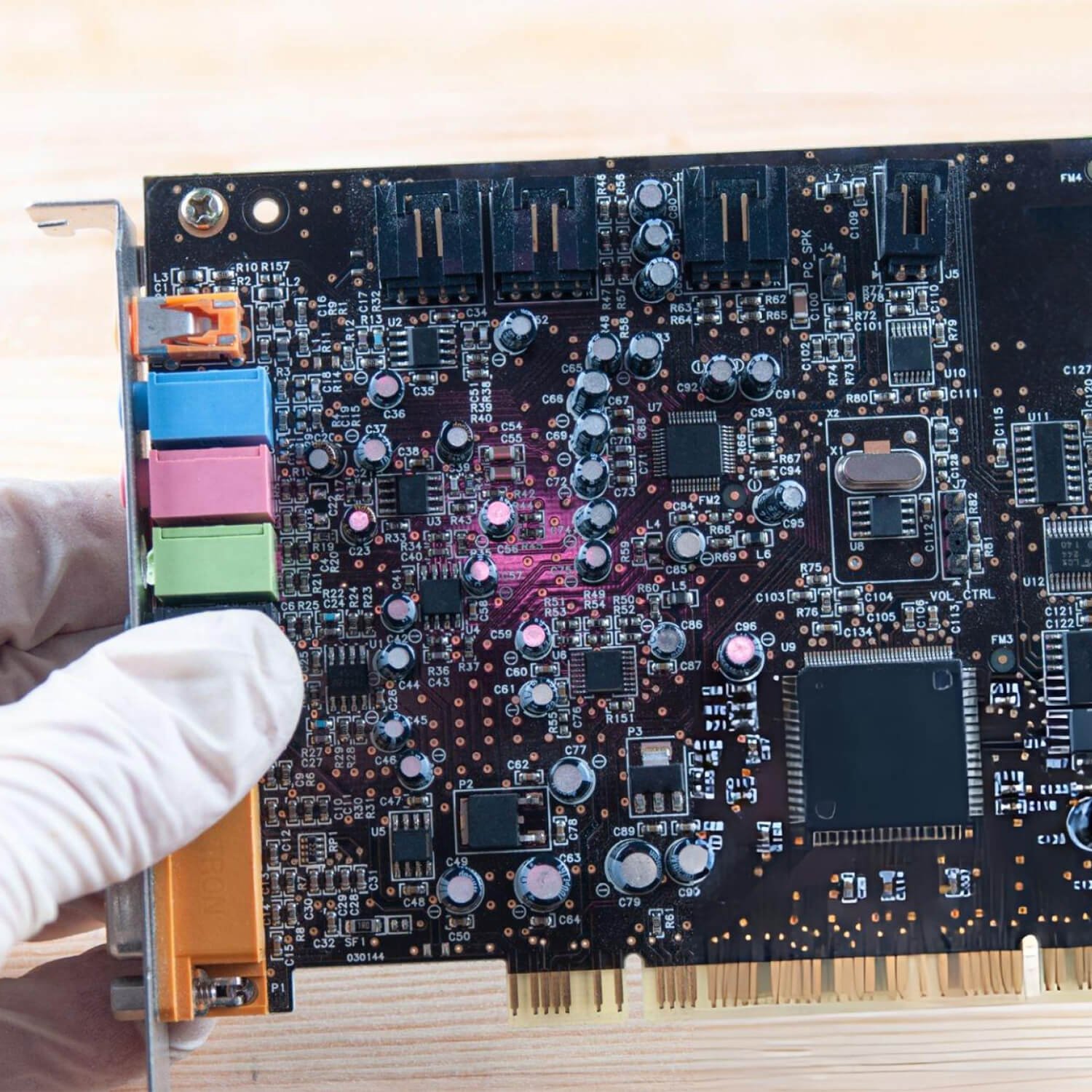
When Should You Start an NPI PCBA Project?

NPI PCB Assembly When Should You Start an NPI PCBA Project

Start NPI when the PCBA has moved beyond a one-off experiment but is not ready for an unrestricted production release.

Consider an NPI review when:

  • A functional prototype has not been validated for repeat production.
  • The project is entering EVT, DVT, PVT, or a customer-defined pilot stage.
  • The BOM includes obsolete, allocated, long-lead-time, or single-source parts.
  • The assembly uses BGA, QFN, bottom-terminated, fine-pitch, or mixed-technology components.
  • Test points, fixtures, firmware, procedures, or pass/fail limits remain incomplete.
  • PCB fabrication, sourcing, assembly, and testing are split across suppliers.
  • Previous builds showed recurring defects, rework, or unexplained failures.
  • A new manufacturer must take over an existing design.
  • The PCBA must fit cables, displays, heat sinks, or an enclosure.

Full-Turnkey, Partial-Turnkey, or Consigned NPI Assembly

We coordinates PCB fabrication, BOM purchasing, assembly, agreed inspection and testing, packaging, and delivery.

Choose this model when your team wants one supplier to manage most manufacturing and purchasing activities. Approved part numbers, sourcing restrictions, substitutions,

Your team provides selected components while we sources the remaining BOM items and coordinates fabrication and assembly.

This model is useful for proprietary devices, programmed ICs, allocated parts, customer-owned inventory, or components covered by existing supply agreements.

Your team supplies the component kit while we manages receiving, assembly, agreed inspection and testing, and delivery.

Confirm kit quantities, attrition allowance, packaging, labels, moisture-sensitive handling, excess return, and the process for shortages or damaged material before shipment.

Our NPI PCB Assembly Process

We adapts each NPI workflow to the design, project stage, sourcing model, and test requirements.

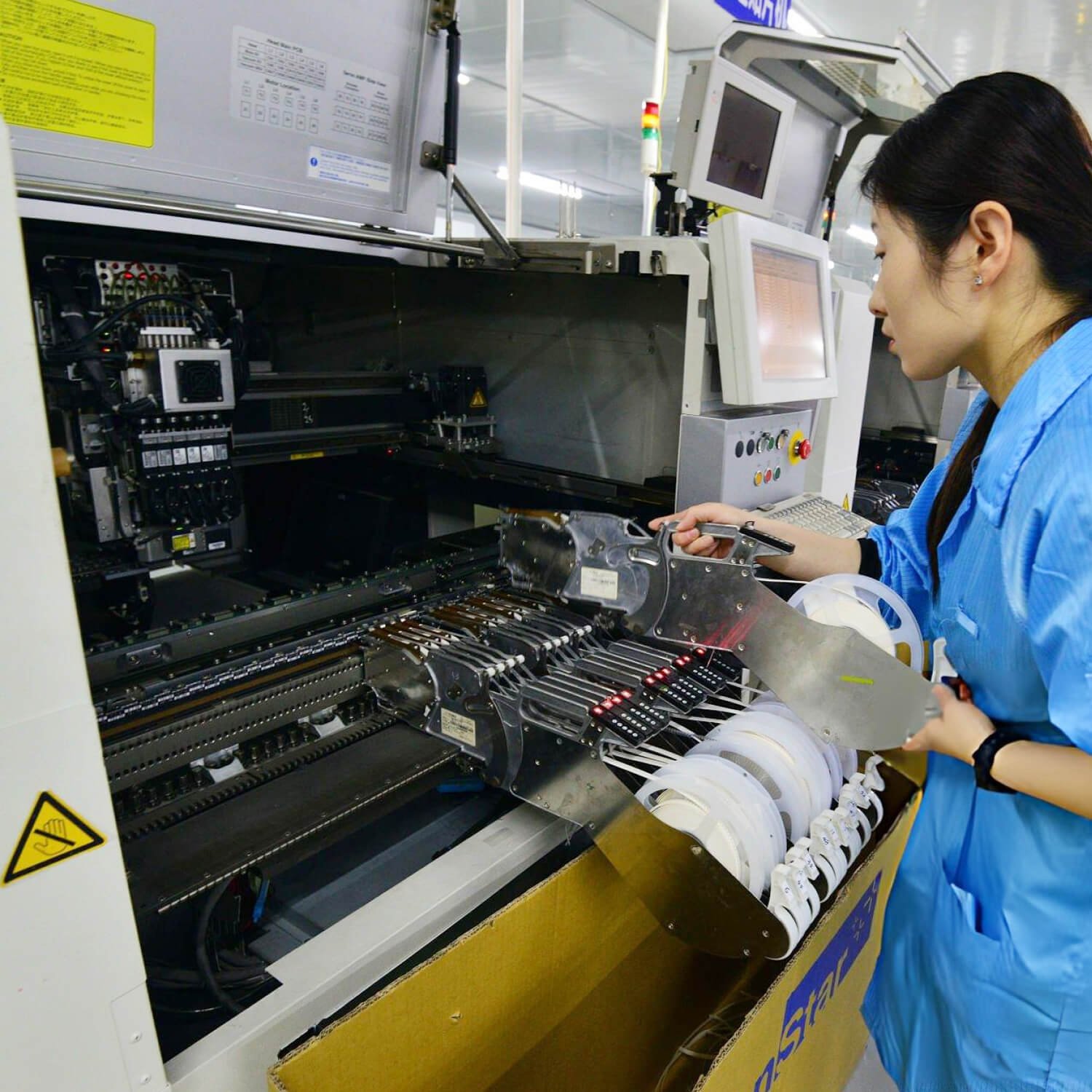
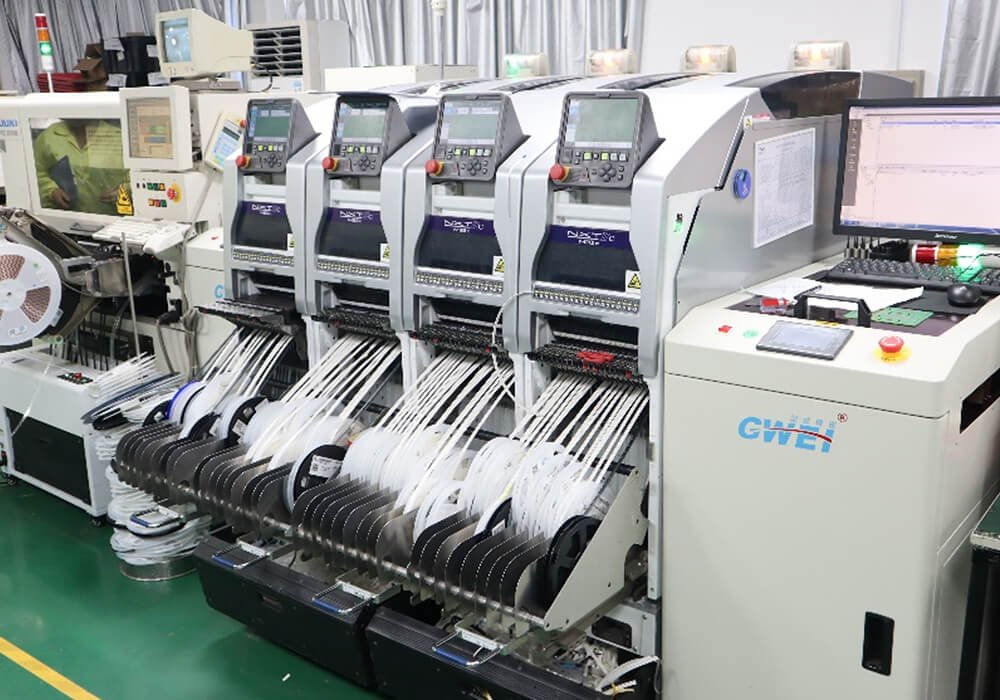
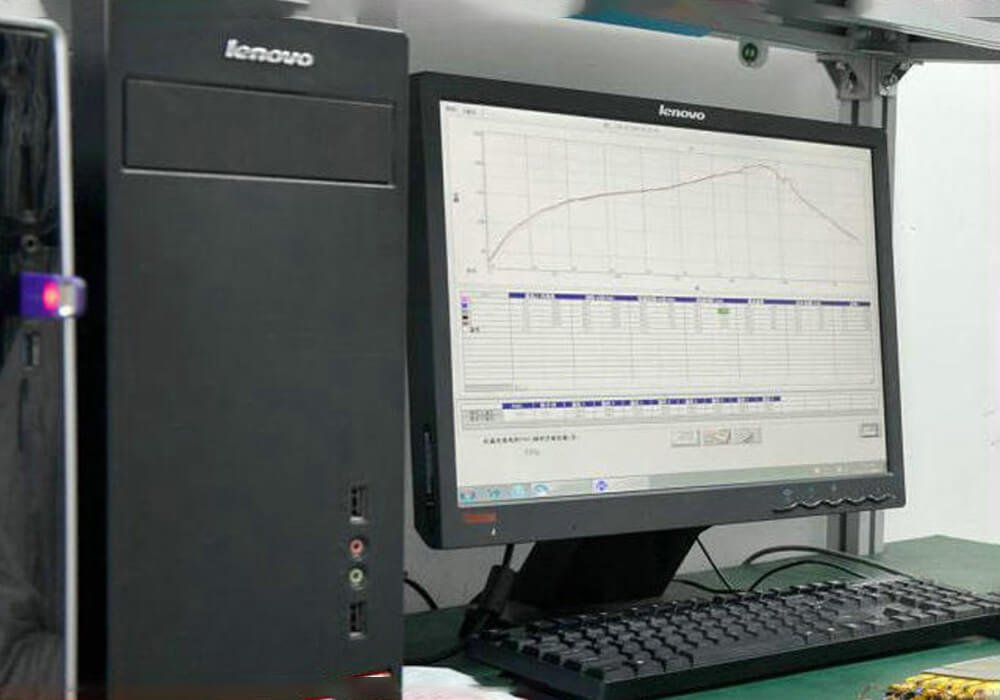
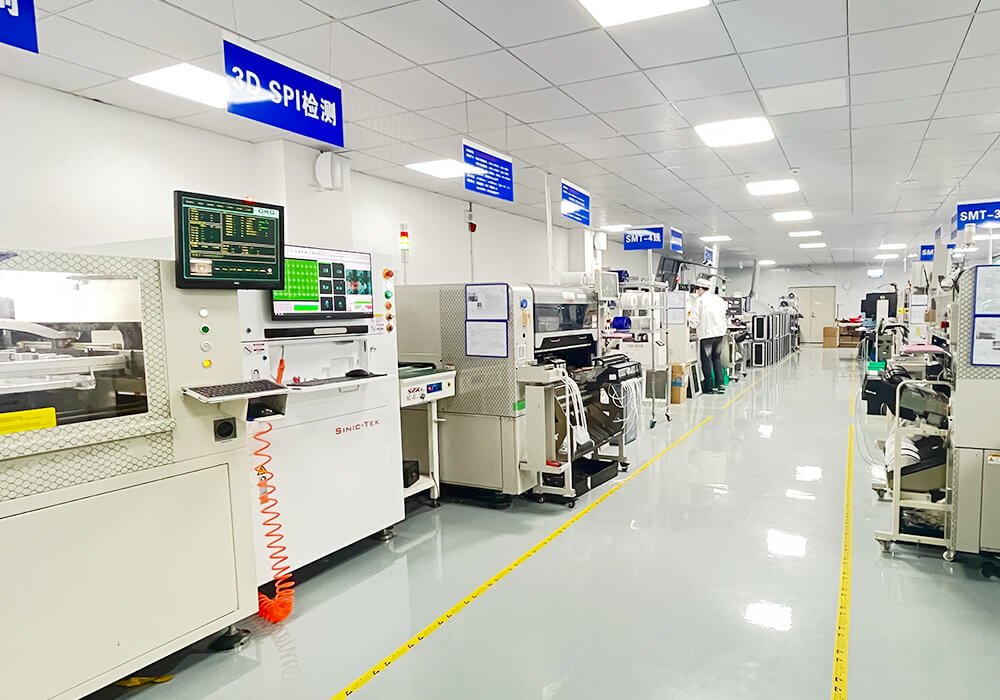
SMT Assembly Equipment

1. Build-Package Review

Send Gerber or ODB++ files, BOM, placement data, schematics, and document. We will check file completeness and revision consistency before quotation.

2. DFM, DFA, and DFT Review

We review PCB construction, panelization, footprints, polarity, component spacing, soldering risks, and so on.

3. BOM and Supply-Chain Review

The SMT assembly process starts with applying solder paste onto the PCB pads using a precision stainless steel stencil.

4. Manufacturing and Test Planning

Both teams define sourcing responsibilities, assembly processes, first-article approval, inspection, testing, traceability, packaging, and change control.

5. PCB and Material Preparation

Approved PCBs enter fabrication while components are purchased or received. Materials are checked, prepared, and kitted for assembly.

6. First-Article Assembly

We builds and inspects the first article before releasing the remaining quantity.

7. Pilot Build Validation

A controlled pilot batch verifies whether the approved materials, assembly process, inspection, and testing can be repeated.

8. Production Handoff

We will establish the approved manufacturing baseline, including BOM, assembly, testing, and so on.

Inspection and Testing for NPI PCB Assembly

We applies different inspection and test methods at appropriate manufacturing stages to verify assembly quality and process consistency.

PCB Assembly Features

1. Incoming Inspection

It review verifies material identity, quantities, packaging condition, and required documentation.

2. SPI

SPI evaluates solder paste printing quality. It helps prevent solder-related defects.

3. AOI and Visual Inspection

AOI and visual checks verify component presence, orientation, alignment, polarity, and visible solder joint quality.

4. X-Ray Inspection

X-ray inspection is used for assemblies containing concealed solder connections, such as BGA, QFN, and LGA packages.

5. Flying Probe and ICT

Flying probe testing and ICT evaluate electrical connectivity and selected circuit or component parameters.

6. Functional Testing

Functional testing verifies product operation according to customer-defined procedures, test conditions, and acceptance limits.

7. Engineering Bench Evaluation

Engineering evaluation supports troubleshooting, design validation, and performance analysis through selected measurements and debugging activities.

Why Use PCBSAIL for NPI PCB Assembly?

We coordinates PCB fabrication and PCBA work through one project path. This reduces handoffs when panelization, surface finish, solderability, sourcing, assembly, and test questions cross supplier boundaries.

Fabrication And Assembly Coordination

One team can manage the bare board, material, assembly, inspection, and delivery scope.

Questions Before Release

File, BOM, process, and test concerns are raised before an approved build proceeds.

Flexible Material Ownership

Choose full-turnkey, partial-turnkey, or consigned assembly.

Controlled Approval Points

First-article and pilot stages limit exposure while findings are reviewed.

Continuity Into Repeat Orders

Approved revisions, BOM decisions, tests, and open issues remain connected to later builds.

Factory Glance

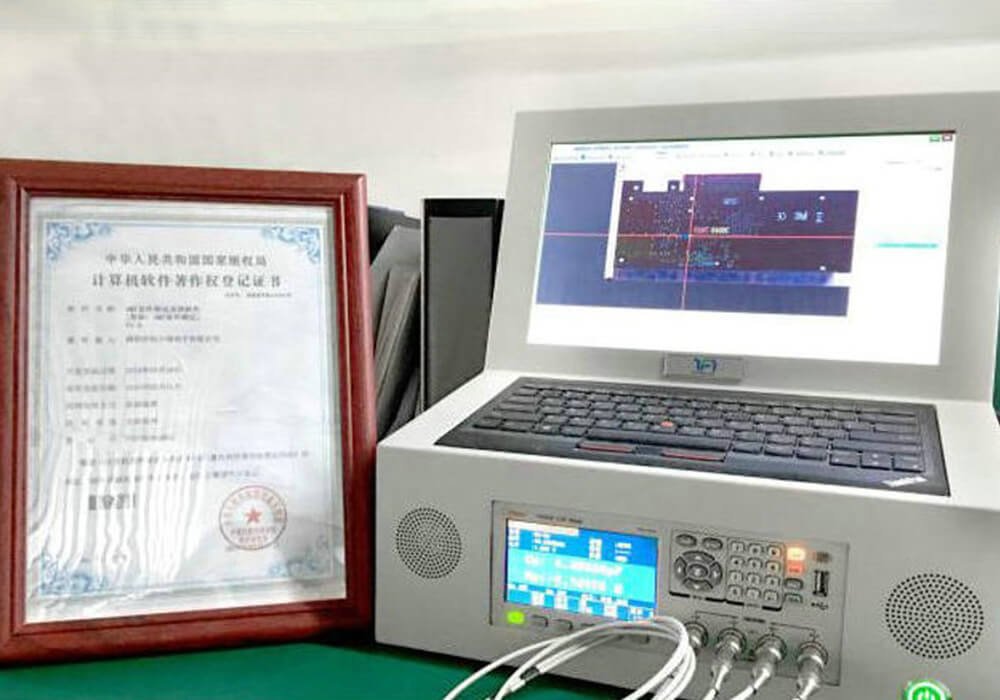
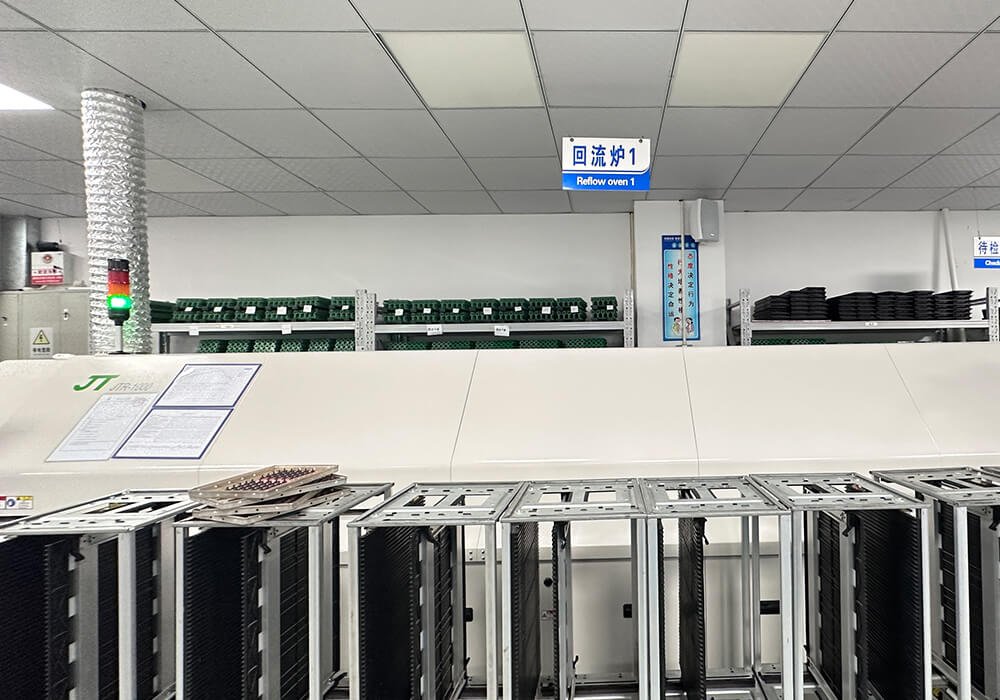
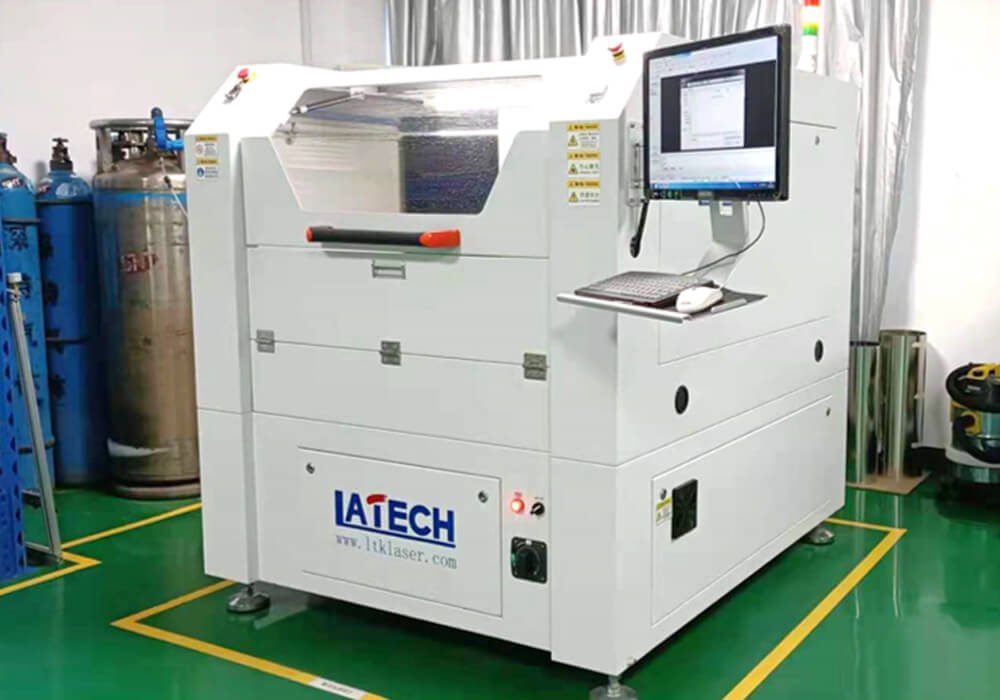
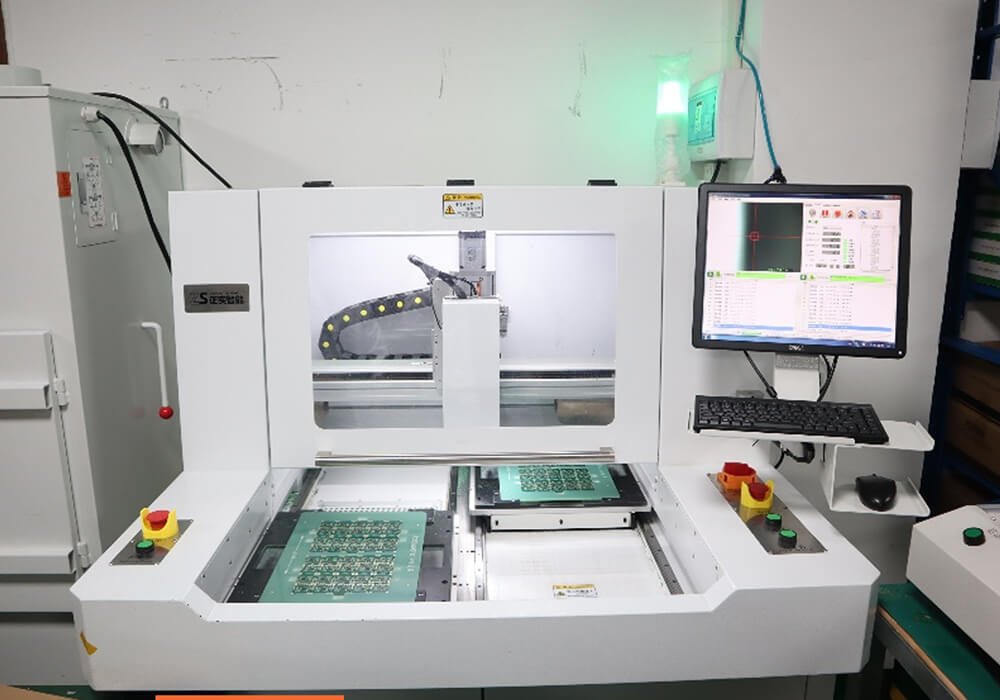
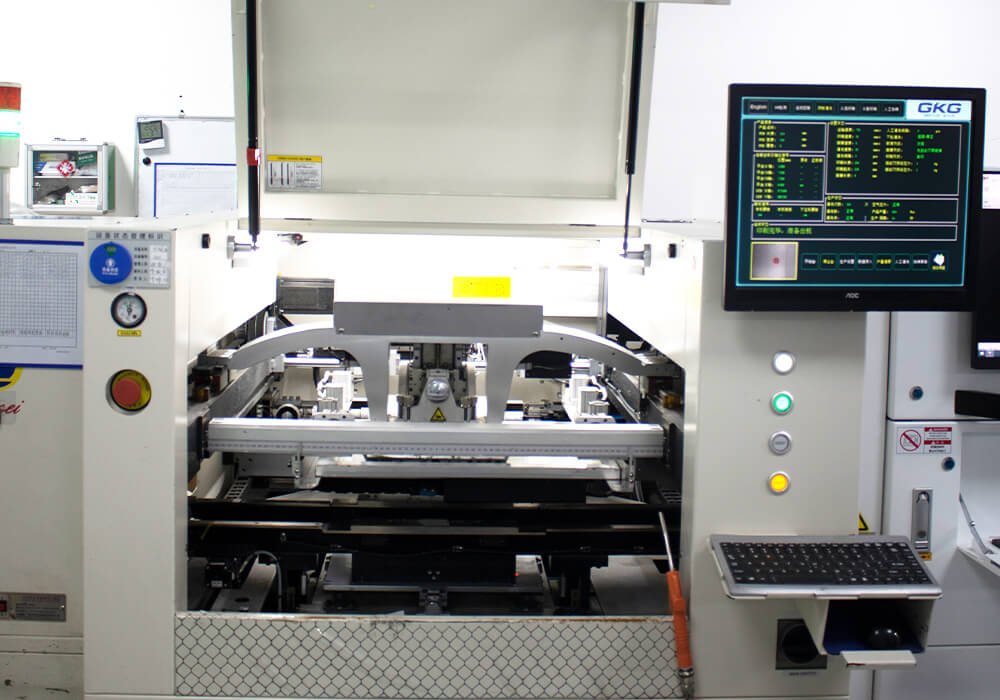
Our factory was equipped with automated SMT lines, intelligent process control systems, and advanced inspection equipment to support reliable PCB assembly from prototypes to high-volume production.

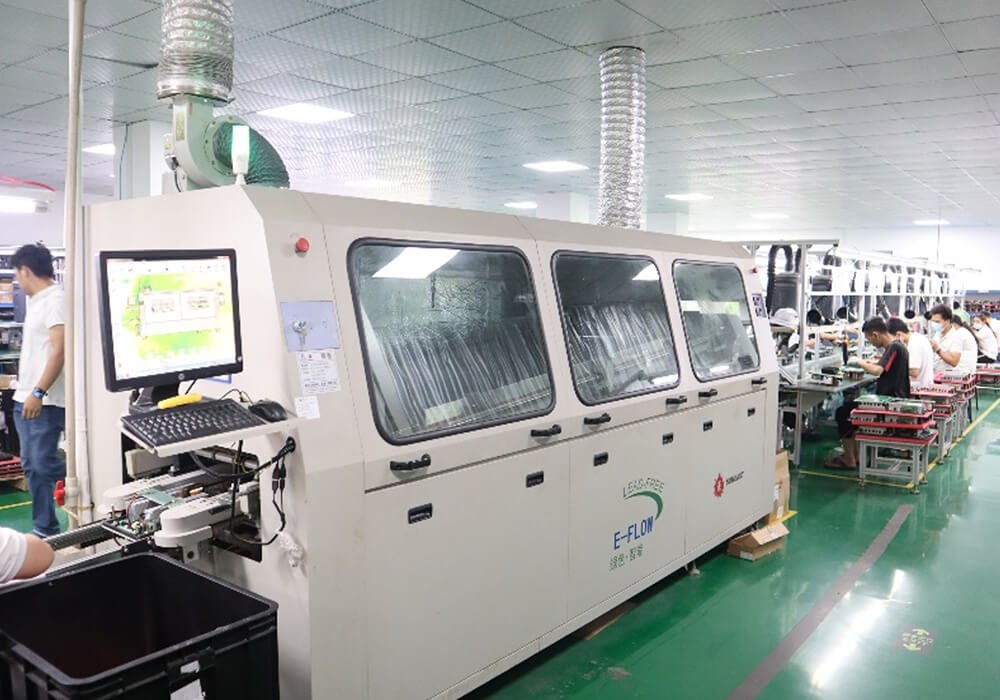
Wave Soldering Machine
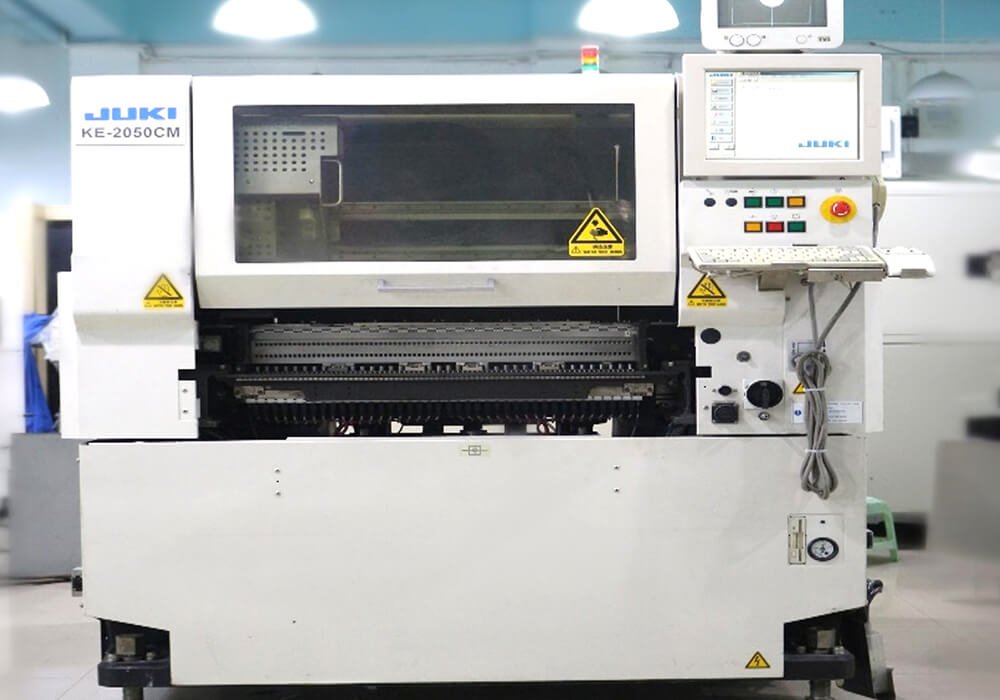
Universal SMT Machine
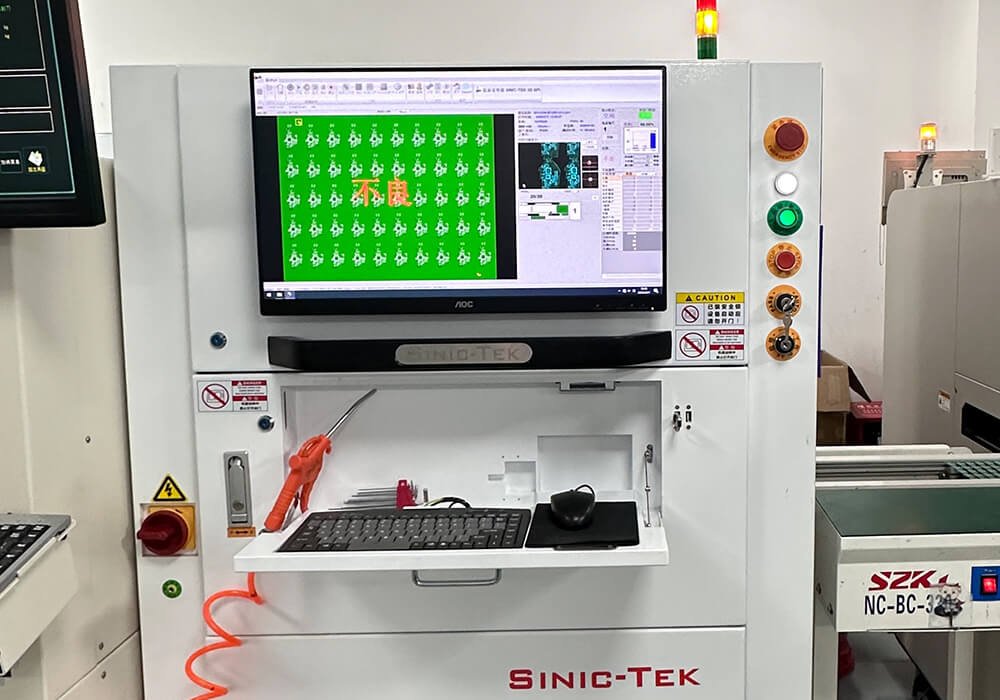
SPI
Speed SMT Machine
Sample Tester
Reflow Oven
Laser Stencil Mach
KIC Oven Profiling System
Fully Automated PCB Depaneling Equipment
Automatic Printing Machine

NPI PCB Assembly for Demanding Electronics Projects

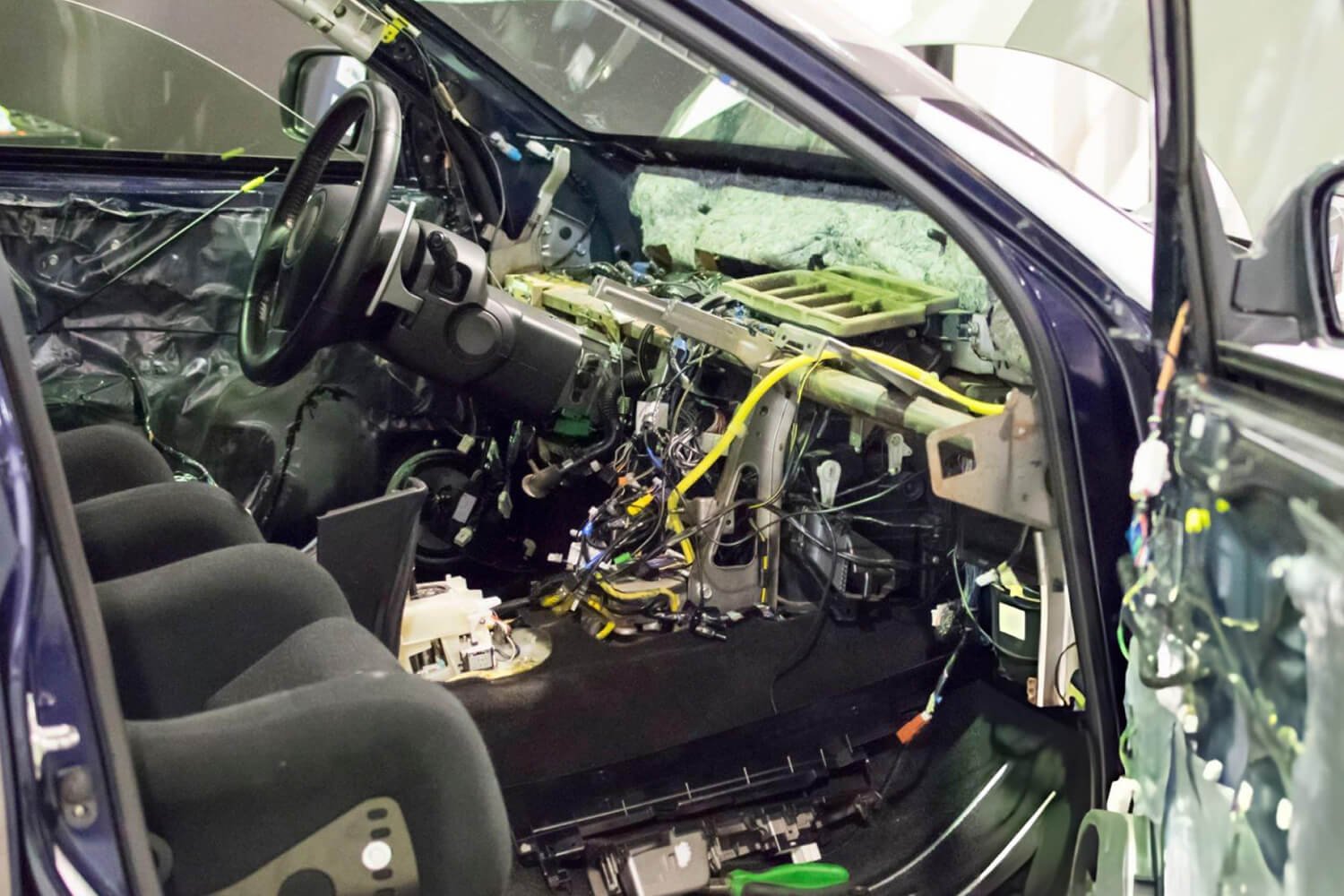
PCB Manufacturer Automotive Electronics

Automotive

Automotive product can require customer-specific quality, process, documentation, and change-control requirements. Certification or quality-system alone does not make every project automatically compliant; the applicable scope must be reviewed and agreed before quotation and production.

PCB Manufacturer Industrial Automation

Industrial Automation

Industrial products often combine long service life, connectors, power sections, communication interfaces, and field-replaceable assemblies. NPI planning can align component lifecycle, mechanical fit, workmanship, functional test, labeling, and repeat-order control before deployment.

PCB Manufacturer Medical Devices

Medical Electronics

Medical projects may require strict change control, traceability, cleanliness, risk documentation, and customer-defined verification. We confirms the manufacturing scope and applicable quality requirements before accepting regulated work.
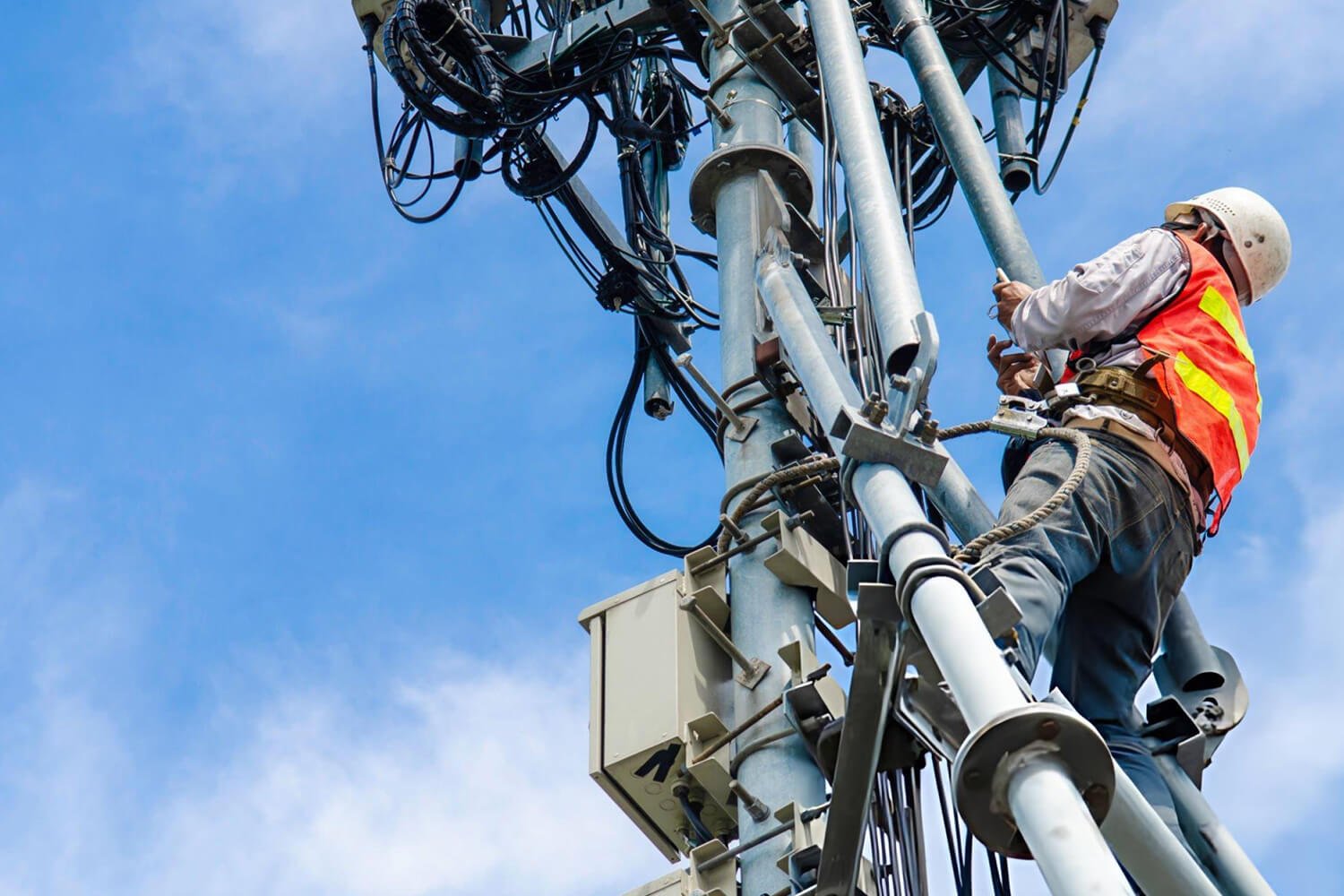
PCB Manufacturer Telecommunications

Telecommunication

Communication assemblies can depend on controlled impedance, high-frequency materials, dense packages, connector alignment, firmware, and product-level test. Manufacturing review should complement—not replace—the customer’s signal-integrity and product-validation work.
Power Electronics

Power Systems

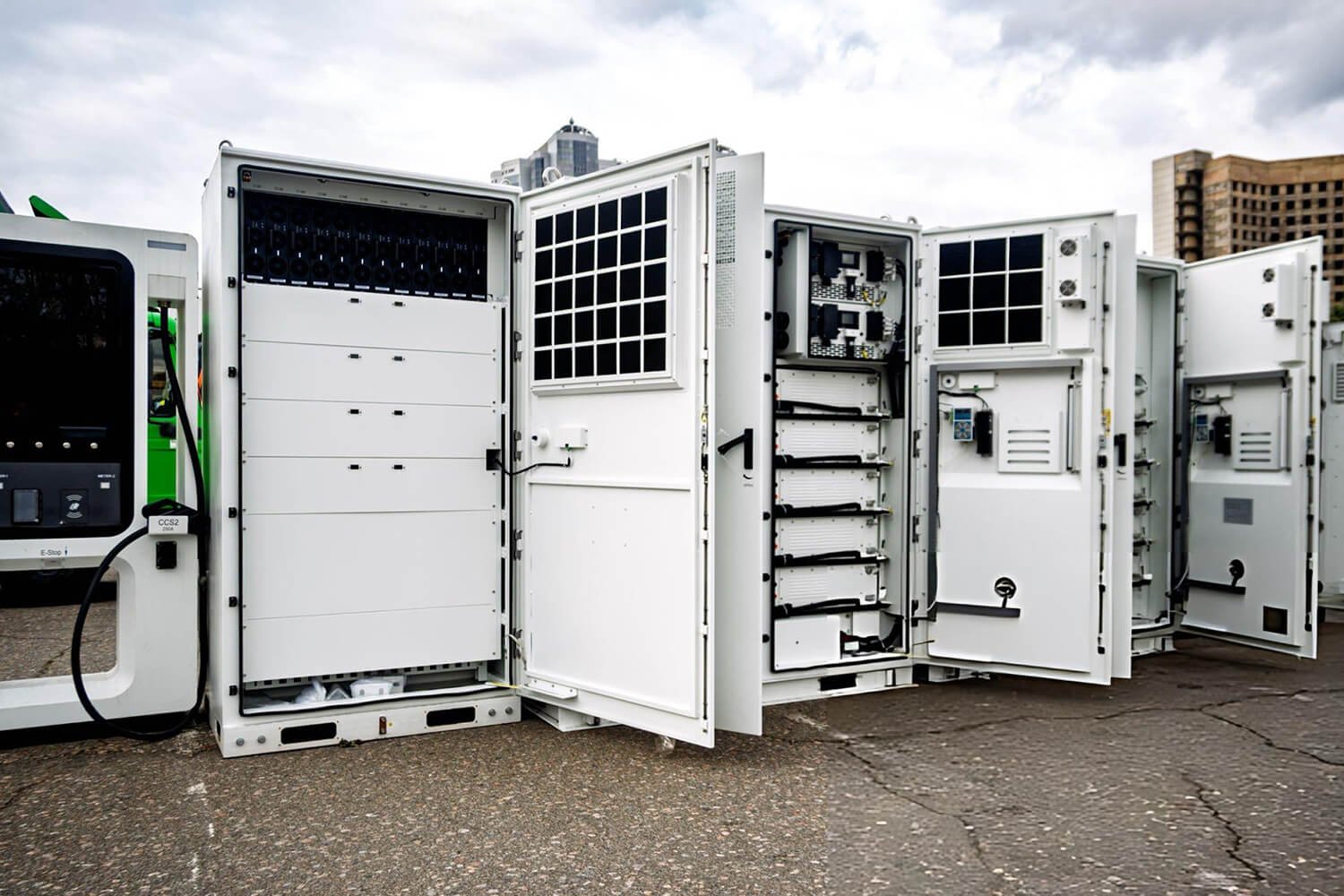
Power project can involve thermal mass, high-current connections, isolation requirements, large components, and mixed assembly. Early review should connect the PCB design, component selection, soldering route, inspection access, and functional test.

Start Your NPI PCB Assembly Review

Send your current manufacturing package, target quantity, project stage, required date, and test expectations. We will review the available information, identify the questions needed for quotation, and define an appropriate manufacturing scope.

FAQ About NPI PCB Assembly

1. What is the difference between NPI and prototype PCB assembly?

Prototype assembly verifies the circuit and basic product concept. NPI evaluates whether the design, BOM, assembly route, inspection, test method, and records can support controlled production. A functional prototype may still need changes before it is ready for repeat manufacturing.

We can support manufacturing activities for customer-defined EVT, DVT, PVT, or pilot stages. The customer should define the purpose, quantity, validation plan, deliverables, and approval criteria because these stage labels are not used identically by every company.

We can review supplied fabrication, assembly, component, and test information for manufacturing concerns. Review depth depends on the available files and agreed scope. Product design verification and final design authority remain with the customer unless agreed otherwise.

A first-article stage can be included in the NPI plan. The quotation should define quantity, inspection, testing, approval method, and release conditions. Approval confirms the agreed checks; it does not validate every product requirement or field condition.

Yes. The customer can release repeat production after relevant design, material, process, inspection, and test risks are closed or accepted. Repeat orders should reference the approved PCB, BOM, firmware, test, acceptance, labeling, and packaging revisions.