
/High-Performance Power Conversion Solutions/

Solar Inverter PCB

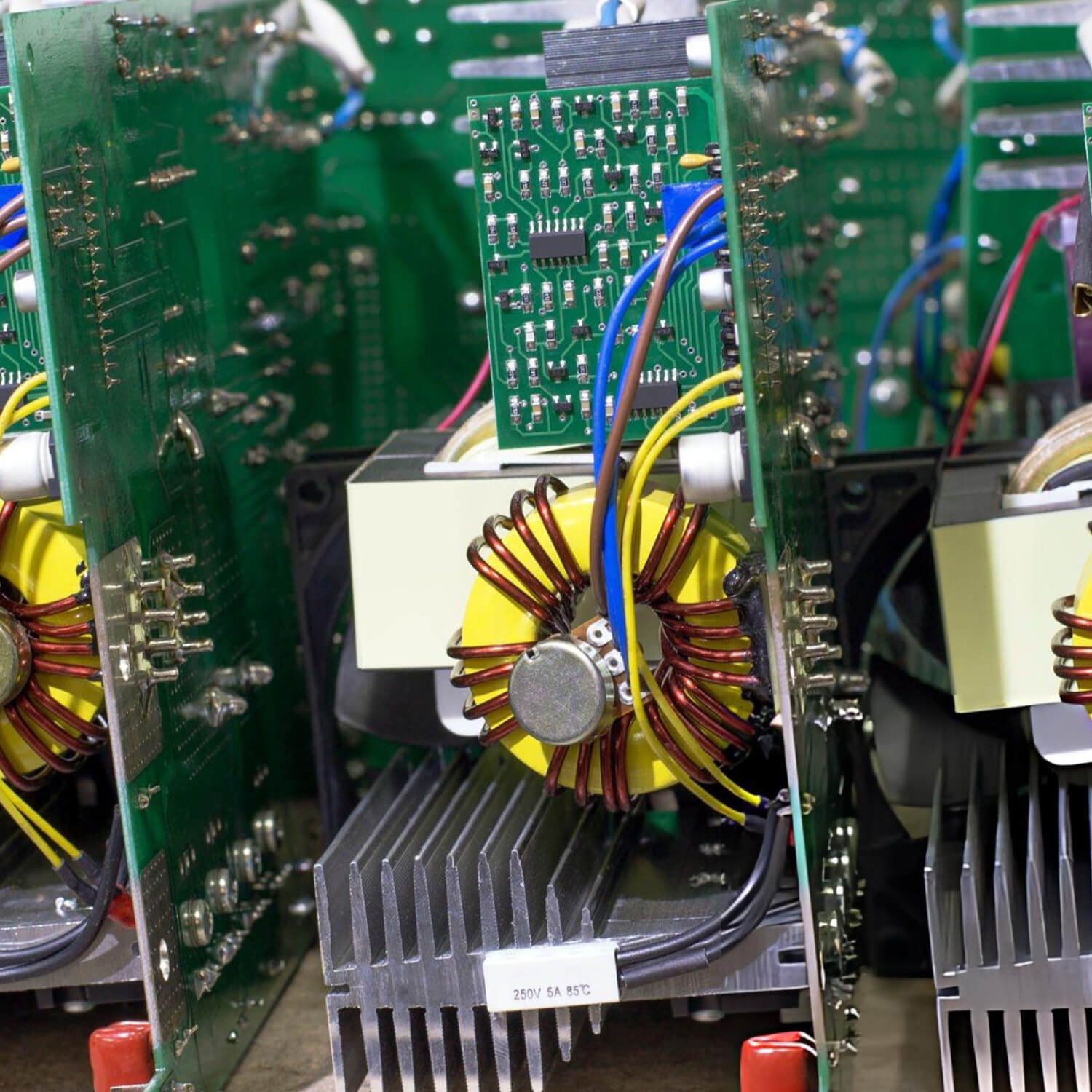
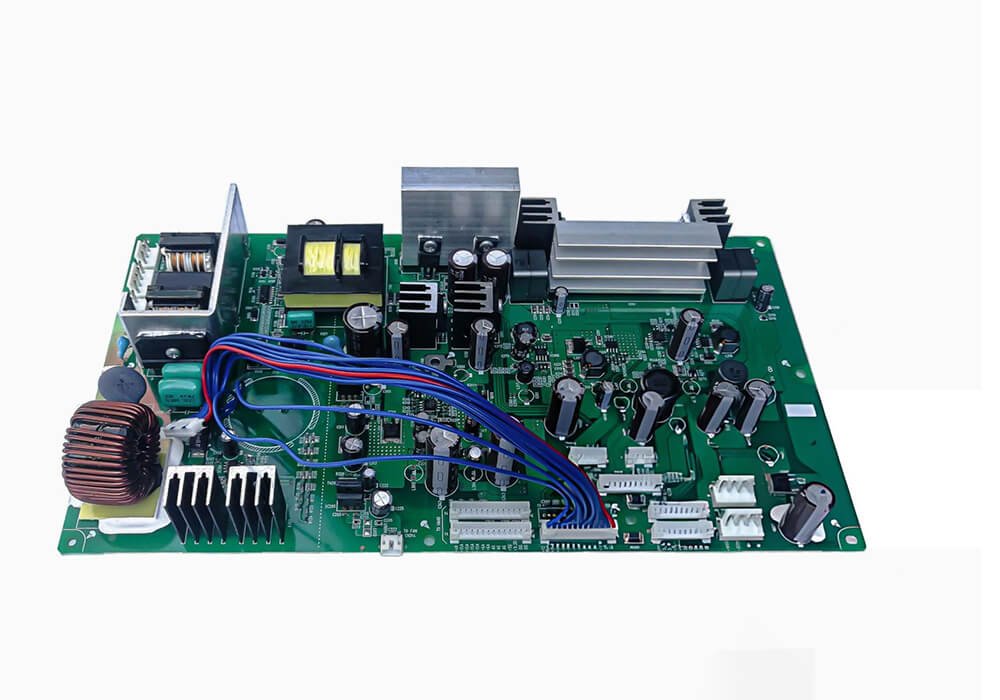
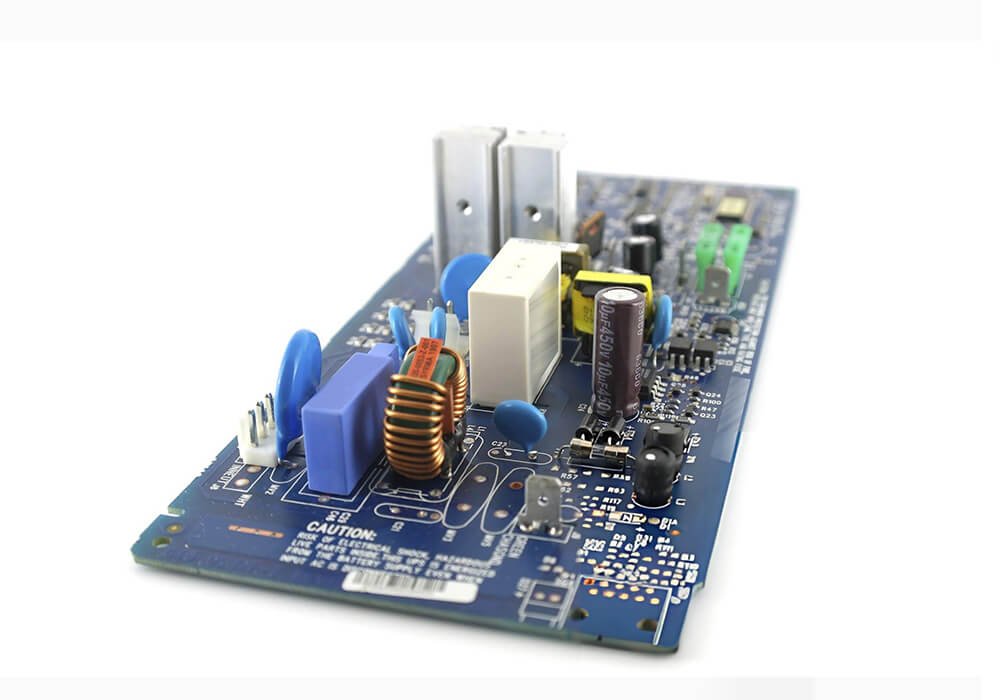
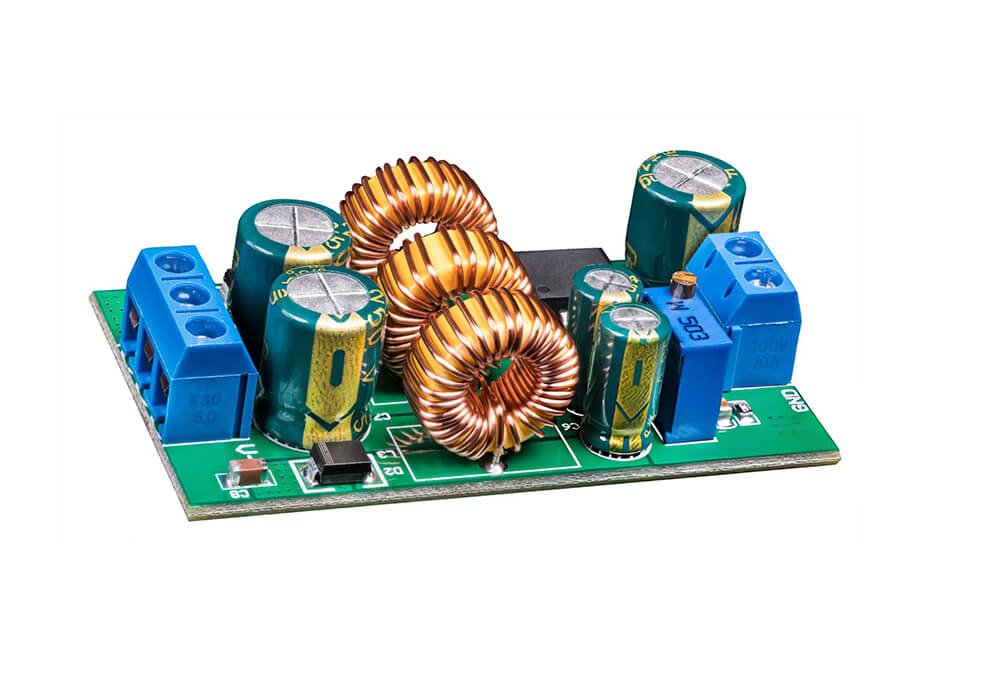
PCBSAIL specializes in manufacturing high-reliability Solar Inverter PCBs.

With extensive experience in power electronics, we deliver robust PCB solutions that ensure efficient DC-to-AC conversion, long-term stability, and superior thermal performance in solar systems.

Whether for residential, commercial, or utility-scale solar installations, our Solar Inverter PCBs can meet strict international standards and perform reliably in harsh outdoor environments.

What Is Solar Inverter PCB

What Is Solar Inverter PCB?

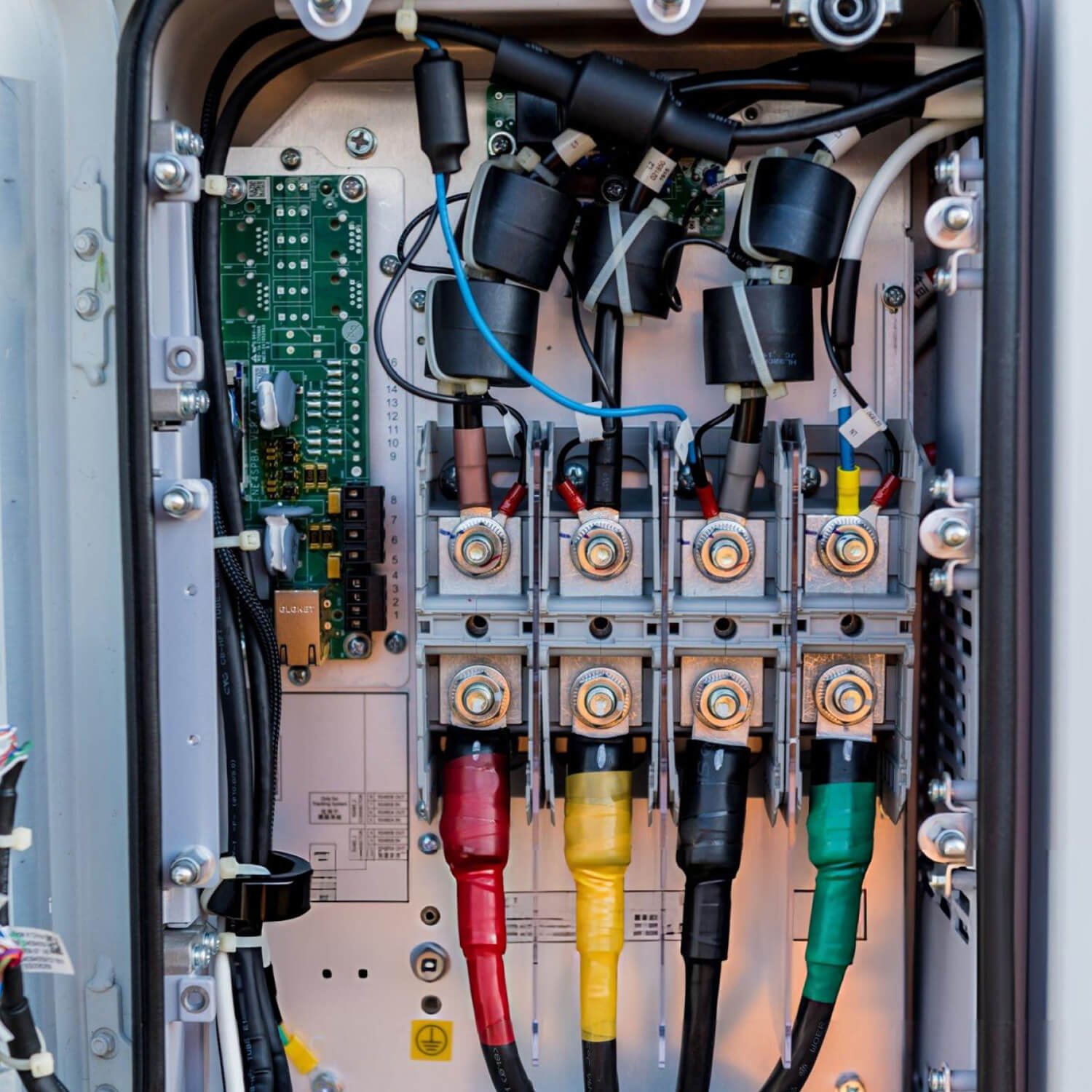
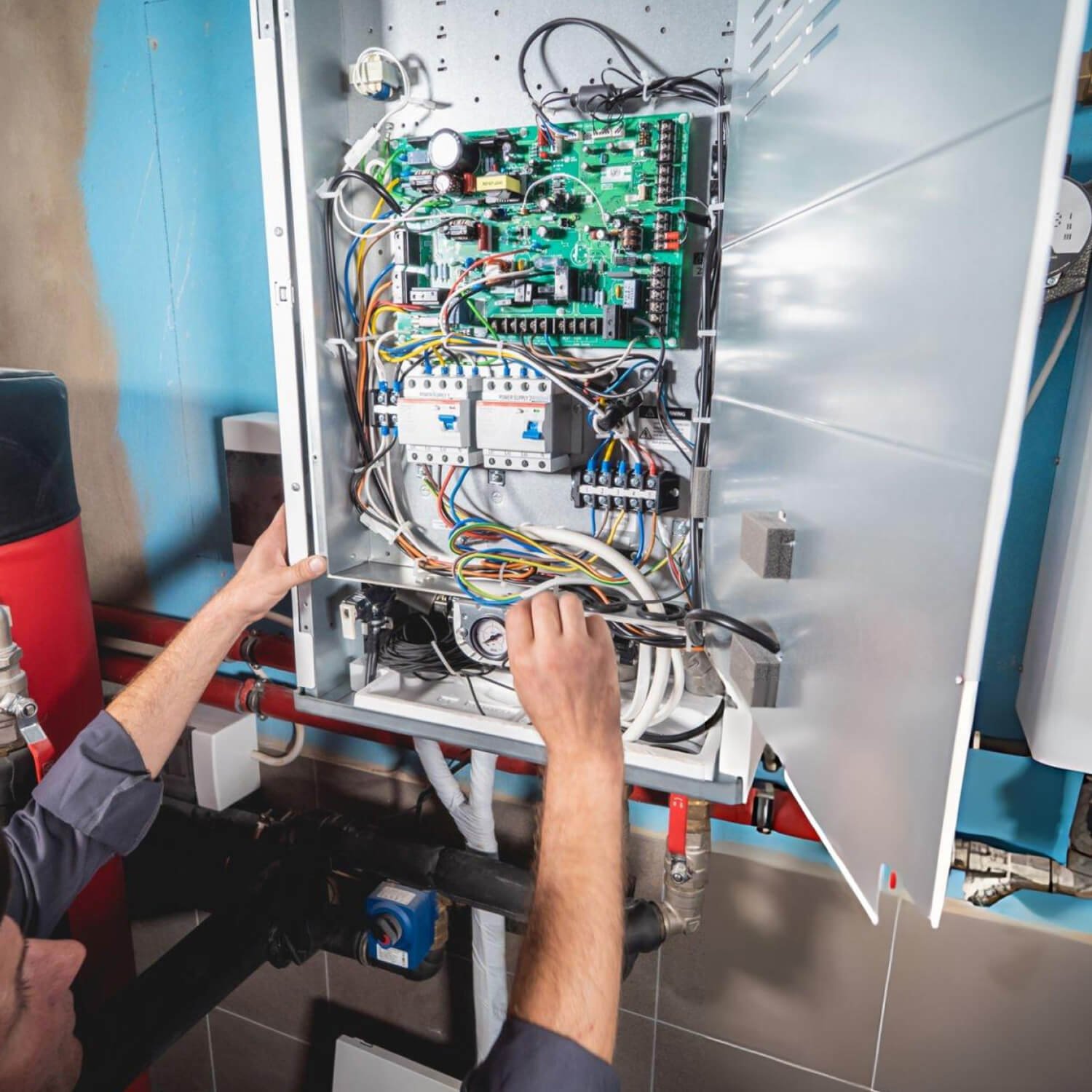
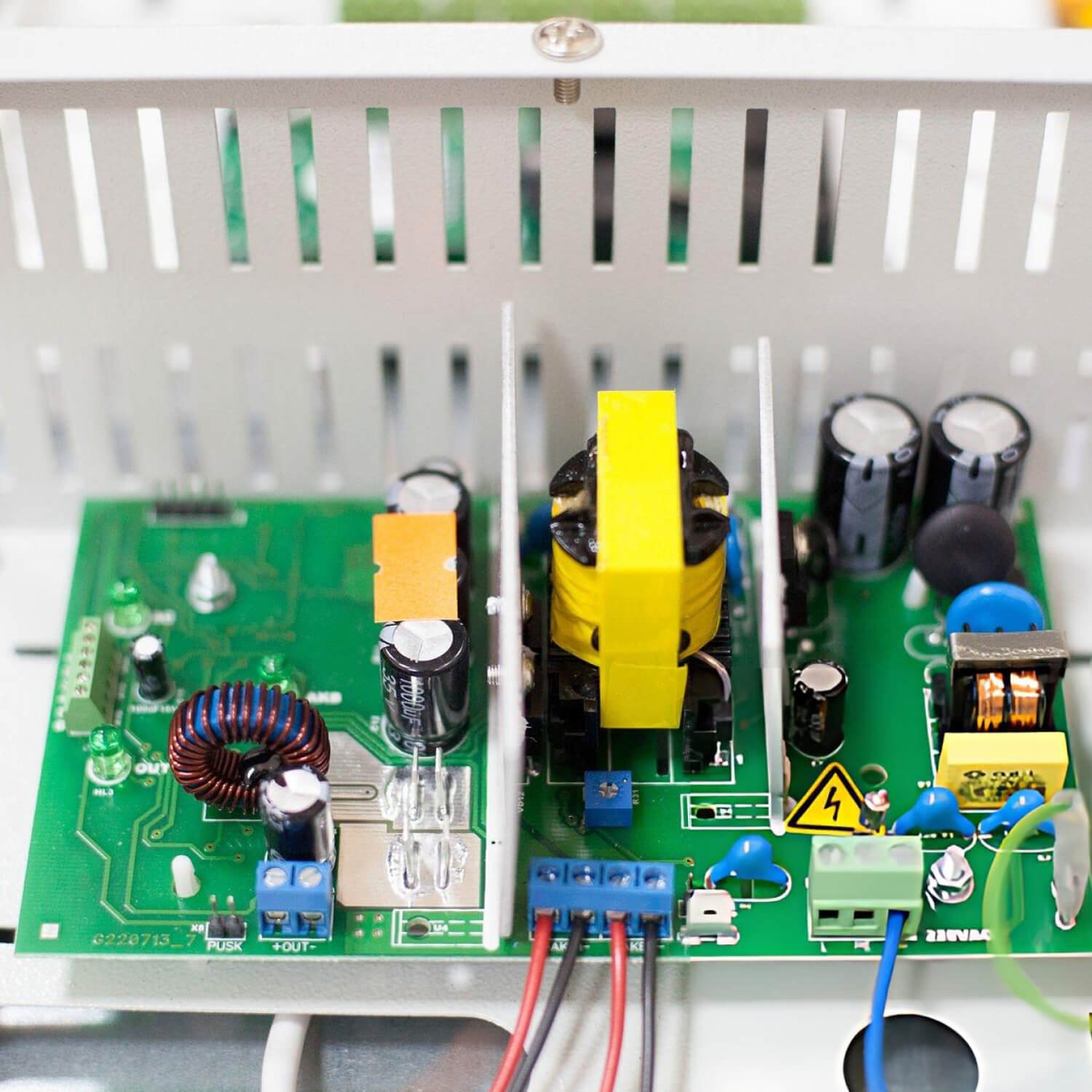
A Solar Inverter PCB is the core control and power management board inside a solar inverter system. 

It can convert direct current (DC) generated by solar panels into alternating current (AC) used by electrical appliances or fed into the grid.

Functions:

  • DC To AC Conversion Control
  • Maximum Power Point Tracking (MPPT)
  • Grid Synchronization
  • Power Quality Regulation
  • System Monitoring And Protection

Our Solar Inverter PCBs can bear high voltage, continuous power flow, and harsh outdoor environments, ensuring long-term stability and optimal energy conversion efficiency.

Solar Inverter PCB We Offered.

We provide a full range of customized Solar Inverter PCBs with different power levels and applications.

Best Solar Inverter PCB
Cheap Solar Inverter PCB
Solar Inverter PCB Near Me

Our Capacity.

Flex PCB Single-Sided Flex PCB

Stand-alone Solar Inverter PCB

Stand-alone Solar Inverter PCB is designed for off-grid solar systems. It can run independently without any connection to the utility grid.

  • Fully independent power system
  • Ideal for remote areas, rural electrification, and backup setups
  • Integrated battery charging and discharging control
  • Stable DC-to-AC conversion for isolated loads

Flex PCB Double-Sided Flex PCB

Grid-tied Solar Inverter PCB

Grid-tied Solar Inverter PCB is engineered for systems connected directly to the utility power grid, enabling efficient energy sharing.

  • Grid synchronization (voltage & frequency matching)
  • Supports net metering for energy export
  • Anti-islanding protection for safety
  • High efficiency for continuous operation

Flex PCB Multilayer Flex PCB

Battery Backup Solar Inverter PCB

Battery Backup Solar Inverter PCB is made for systems that require energy storage and backup power, ensuring continuous electricity supply during outages.

  • Battery energy storage integration
  • Automatic switching during power failure
  • Stable output for critical loads
  • Enhanced power management

Flex PCB Single-Sided Flex PCB

Hybrid Solar Inverter PCB

Hybrid Solar Inverter PCB is composed with solar panels, battery storage, and grid connectivity into one intelligent system.

  • Multi-source energy management (solar + grid + battery)
  • Smart load balancing and energy optimization
  • Seamless switching between power sources
  • IoT monitoring and advanced control capabilities

Item

Rigid PCB

Flexible PCB

Rigid-Flex PCB

Max Layer

60L

8L

36L

Inner Layer Min Trace/Space

3/3mil

3/3mil

3/3mil

Out Layer Min Trace/Space

3/3mil

3.5/4mil

3.5/4mil

Inner Layer Max Copper

6oz

2oz

6oz

Out Layer Max Copper

6oz

20z

3oz

Min Mead hanical Driling

0.15mm

0.1mm

0.15mm

Min Laser Drilling

0.1mm

0.1mm

0.1mm

Max Aspect Ratio (Mechanical Drilling)

20:01

10:01

12:01

Max Aspect Ratio (Laser Drilling)

1:01

/

1:01

Press Fit Hole Tolerance

±0.05mm

±0.05mm

±0.05mm

PTH Tolerance

±0.075mm

±0.075mm

±0.075mm

NPTH Tolerance

±0.05mm

±0.05mm

±0.05mm

Countersink Tolerance

±0.15mm

±0.15mm

±0.15mm

Board Thickness

0.4-8mm

0.1-0.5mm

0.4-3mm

Board Thickness Tolerance(<1.0mm)

±0.1mm

±0.05mm

±0.1mm

Board Thickness Tolerance(≥1.0mm)

±10%

/

±10%

Min Board Size

10*10mm

5*10mm

10*10mm

Max Board Size

22.5*30 inch

9*14 inch

22.5*30 inch

Contour Tolerance

±0.1mm

±0.05mm

±0.1mm

Min BGA

7mil

7mil

7mil

Min SMT

7*10mil

7*10mil

7*10mil

Min Solder Mask Clearance

1.5mil

3mil

1.5mil

Min Solder Mask Dam

3mil

8mil

3mil

Min Legend Width/Height

4/23mil

4/23mil

4/23mil

Strain Fillet Width

/

1.5±0.5mm

1.5±0.5mm

Bow &Twist

0.003

/

0.0005

Standards for Solar Inverter PCB.

We design and manufacture a Solar Inverter PCB in strict compliance with international standards to ensure electrical safety, thermal reliability, and long-term performance in demanding solar environments.

PCB Certificate

IPC Standards

The IPC standards define the baseline requirements for PCB design, fabrication, and assembly.

PCB Certificate

ISO Standard

A controlled manufacturing environment ensures consistent quality.

PCB Certificate

RoHS

To meet global environmental and safety regulations, it should reach RoHS standard.

PCB Certificate

UL

UL ensures safety and performance of solar inverter systems.
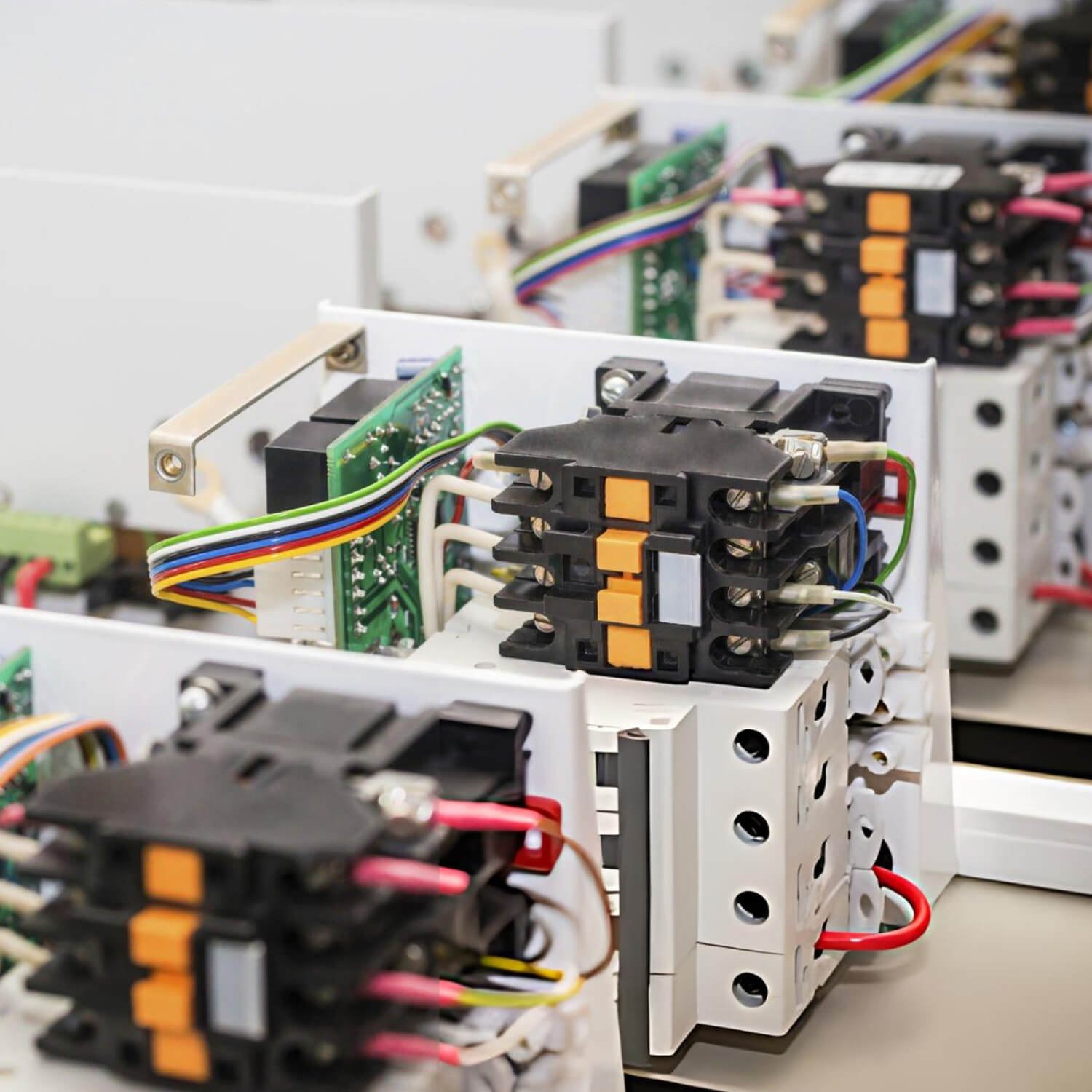
Solar Inverter PCB Feature

Our Solar Inverter PCBs are engineered with advanced features to ensure efficiency, durability, and safety across residential, commercial, and industrial solar applications.

Solar inverter systems require PCBs that can bear substantial electrical loads.

  • Supports high current and high voltage applications
  • Copper thickness up to 20oz for enhanced conductivity
  • Reduced resistive losses and improved efficiency
  • Suitable for high-power inverter designs

Efficient heat dissipation is important for maintaining long-term reliability.

  • Use of thermal vias and heat sinks
  • Optional MCPCB (Metal Core PCB) for superior cooling
  • Even heat distribution through copper planes
  • Prevents overheating and extends component lifespan

Safety is essential in solar inverter applications.

  • Optimized creepage and clearance distances
  • Enhanced insulation materials
    Arc prevention design
  • Compliance with UL and IEC safety standards

Consistent and clean power output is critical for system stability.

  • Accurate DC-to-AC conversion control
  • Stable voltage and frequency output
  • Reduced ripple and noise
  • High energy conversion efficiency

Solar inverter PCBs must minimize electromagnetic interference.

  • Optimized grounding and shielding design
  • Reduced EMI emissions
  • Improved system stability

Modern Solar Inverter PCBs integrate smart control systems.

  • Built-in microcontrollers or DSPs
  • Real-time system monitoring
  • Support for MPPT optimization
  • Communication interfaces (UART, CAN, RS485, WiFi)
Solar Inverter PCB Feature

Solar Inverter PCB Components

Our each components plays a specific role in maintaining Solar Inverter PCB performance, safety, and long-term reliability.

Solar Inverter PCB Components

Capacitors are essential for energy storage and voltage stabilization in inverter circuits.

Functions:

  • Smooth DC input and reduce voltage ripple
  • Store energy for transient load demands
  • Stabilize DC bus voltage during switching

Diodes control the direction of current flow and protect circuits from reverse polarity.

Functions:

  • Prevent reverse current damage
  • Rectify AC to DC where required
  • Support freewheeling paths in switching circuits

These are the core switching devices responsible for DC-to-AC conversion.

Functions:

  • High-speed switching of current
  • Generate AC waveform from DC input
  • Control power flow efficiently

.

The microcontroller or DSP acts as the brain of the inverter PCB.

Functions:

  • Execute MPPT algorithms
  • Control switching logic
  • Monitor voltage, current, and temperature
  • Enable communication and diagnostics

These components are critical for energy transfer and filtering.

Functions:

  • Store energy in magnetic fields
  • Filter noise and ripple
  • Step voltage up or down
  • Ensure smooth AC output waveform

Sensors provide real-time feedback for safe and efficient operation.

Functions:

  • Monitor electrical parameters
  • Detect overheating or overload
  • Enable system protection and optimization

Gate drivers control the switching behavior of MOSFETs and IGBTs.

Functions:

  • Provide precise switching signals
  • Ensure efficient operation of power devices
  • Protect switching components from damage

Modern solar inverter PCBs include communication modules for smart monitoring.

Functions:

  • Data transmission to monitoring systems
  • Remote diagnostics and control
  • Integration with IoT platforms

Solar Inverter PCB Material

We offer a range of PCB materials tailored to different inverter applications—from cost-effective residential systems to high-performance industrial solutions.

FR-4 is the most widely used PCB substrate for solar inverter applications.

  • Excellent electrical insulation
  • Good mechanical strength
  • Cost-effective and widely available
  • Suitable for standard temperature environments

High TG (Glass Transition Temperature) FR-4 offers improved thermal performance over standard FR-4.

  • Higher heat resistance (TG ≥170°C)
  • Better dimensional stability under thermal stress
  • Reduced risk of delamination

Polyimide materials are designed for extreme temperature environments.

  • Thermal Stability (Very High Heat Resistance)
  • Chemical Resistance

PTFE (commonly known as Teflon) is used for high-frequency and precision applications.

  • Low dielectric constant and low signal loss
  • Excellent high-frequency performance
  • High temperature resistance
  • Moisture-resistant

MCPCB uses a metal base (typically aluminum) to enhance heat dissipation.

  • Superior thermal conductivity
  • Efficient heat transfer away from components
  • Improved reliability for high-power designs
Solar Inverter PCB Material

Design for Solar Inverter PCB

When we are designing a Solar Inverter PCB, we need to use multiple engineering approach that integrates power electronics, thermal management, high-voltage safety, and EMI control.

Design for Solar Inverter PCB

Solar inverter PCBs operate at high voltages, making isolation design critical for safety.

We need to:

  • Maintain proper creepage and clearance distances (per IEC standards).
  • Use isolation slots to increase effective spacing.
  • Apply high-insulation materials for critical areas.
  • Prevent arc discharge and leakage currents.

Efficient heat dissipation is essential for maintaining system stability and extending lifespan.

We should:

  • Use thermal vias to transfer heat across layers.
  • Integrate heat sinks for high-power components.
  • Consider MCPCB for extreme thermal loads.
  • Optimize copper thickness for heat spreading.

Handling high current efficiently is a core requirement of inverter PCBs.

We need to:

  • Use wide traces and planes to reduce resistance.
  • Apply heavy copper (2oz–20oz) depending on load.
  • Avoid sharp angles to minimize current concentration.
  • Ensure uniform current distribution.

Switching circuits in inverters generate electromagnetic interference that must be controlled.

We need to:

  • Design solid ground planes.
  • Minimize loop areas in high-frequency paths.
  • Place filters and decoupling capacitors close to components.
  • Use shielding and proper routing techniques.

Why Choose Us

We can offer high-performance Solar Inverter PCB for global customers with technical expertise, advanced manufacturing capabilities, and strict quality control.

Flex PCB Manufacturring Process

Turnkey PCB Solution

We provide a complete end-to-end service, eliminating the complexity of managing multiple vendors. We can do:

  • PCB design and engineering support
  • PCB fabrication Component sourcing
  • PCB assembly (SMT, THT, mixed)
  • Final testing and quality assurance

Flex PCB Manufacturring Process

Quality

We adhere to globally recognized standards:

  • IPC-A-610 Class 3 (high-reliability electronics)
  • IPC-6012 (PCB performance standards)
  • ISO 9001
  • ISO 14001
  • UL 94

Flex PCB Manufacturring Process

Advanced Manufacturing

Our state-of-the-art facilities support complex and high-precision PCB assembly. We can do:

  • Fine-pitch placement down to 0.38mm
  • BGA (0.2mm pitch) with X-ray inspection
  • Support for 0201 components
  • High-density multilayer PCBs
  • Mixed technology assembly (SMT + Through-hole)

Flex PCB Manufacturring Process

Testing & Inspection

We implement multi-level testing to ensure every PCBA meets strict performance requirements.

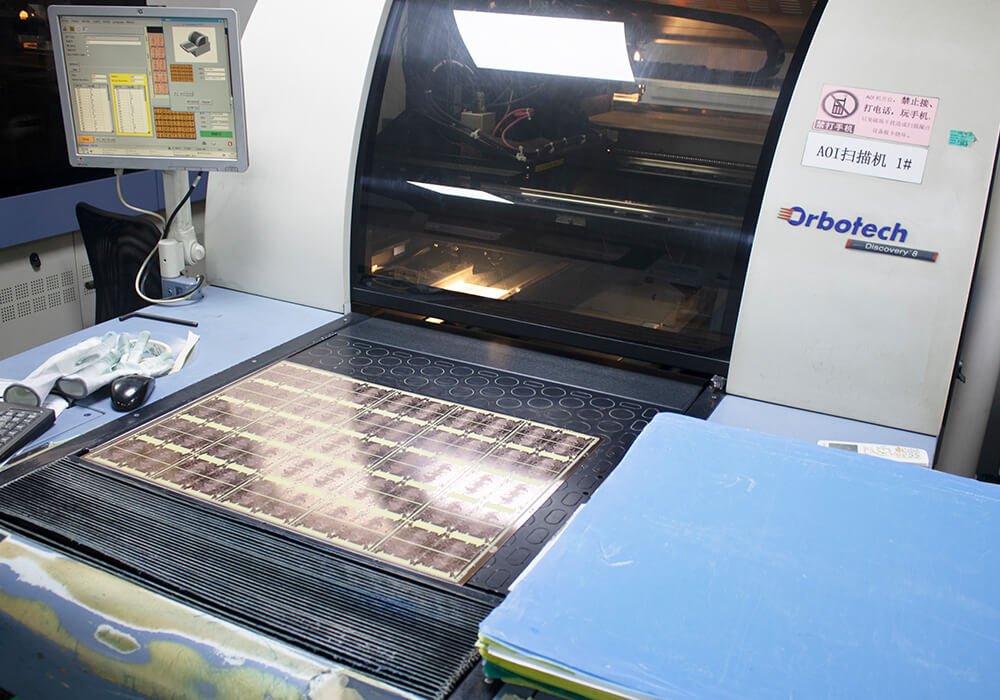
  • AOI (Automated Optical Inspection)
  • X-ray inspection for hidden solder joints
  • In-Circuit Testing (ICT)
  • Functional testing under real operating conditions
  • Voltage and performance validation
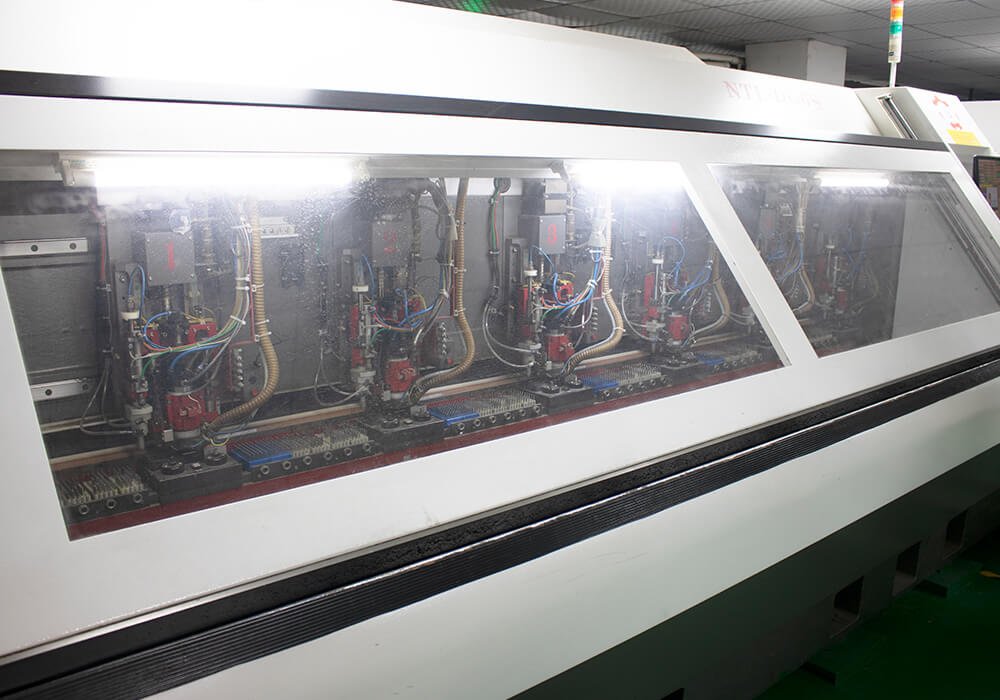
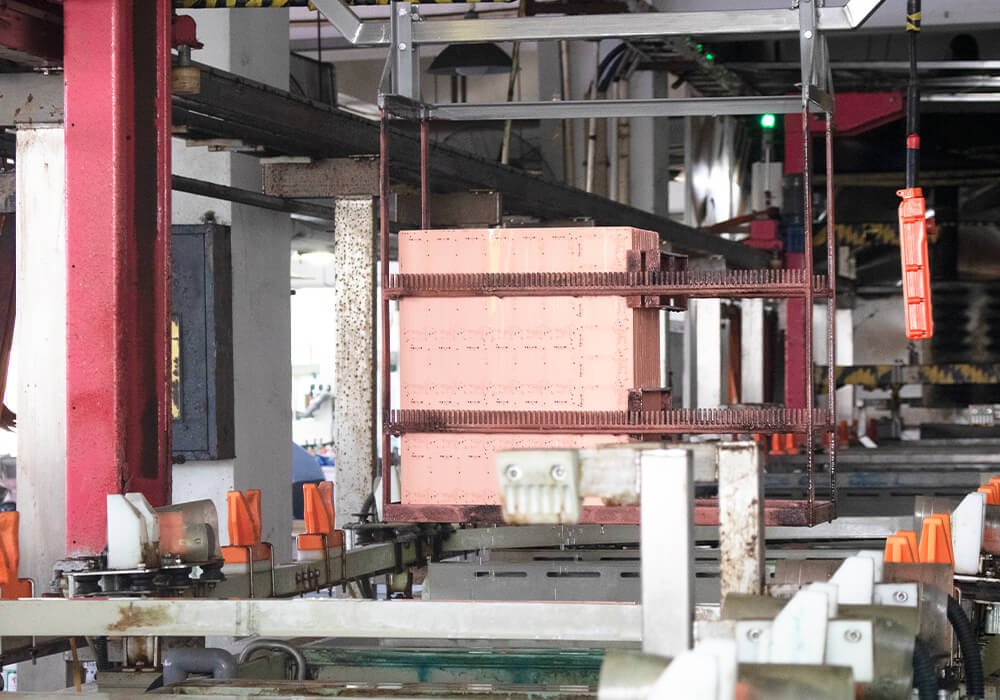
PTH
copper immersion
Degumming Residue
sink gold
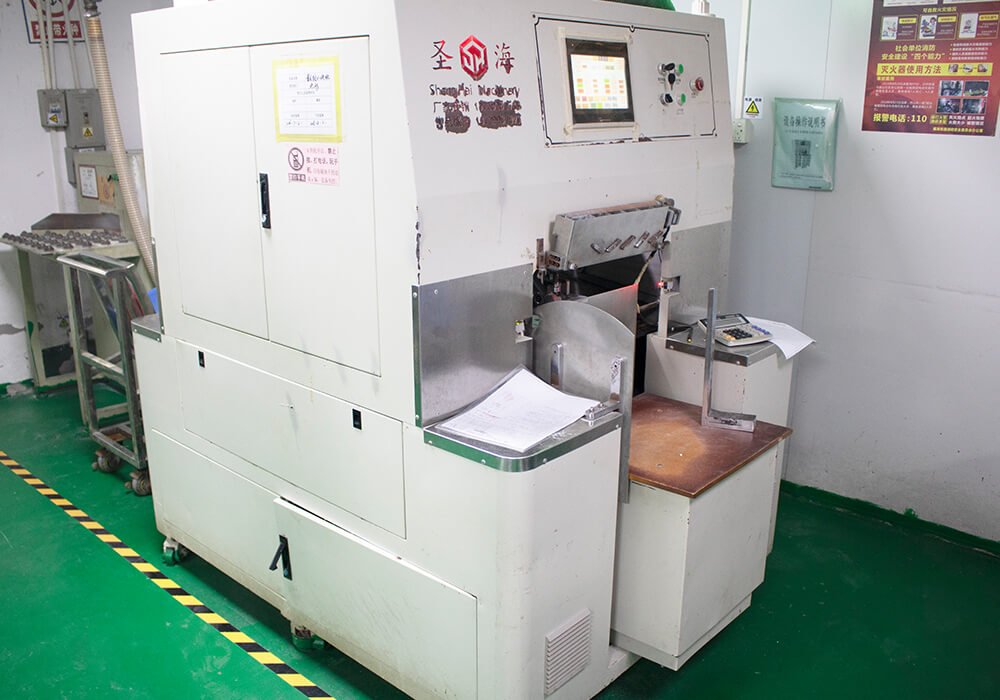
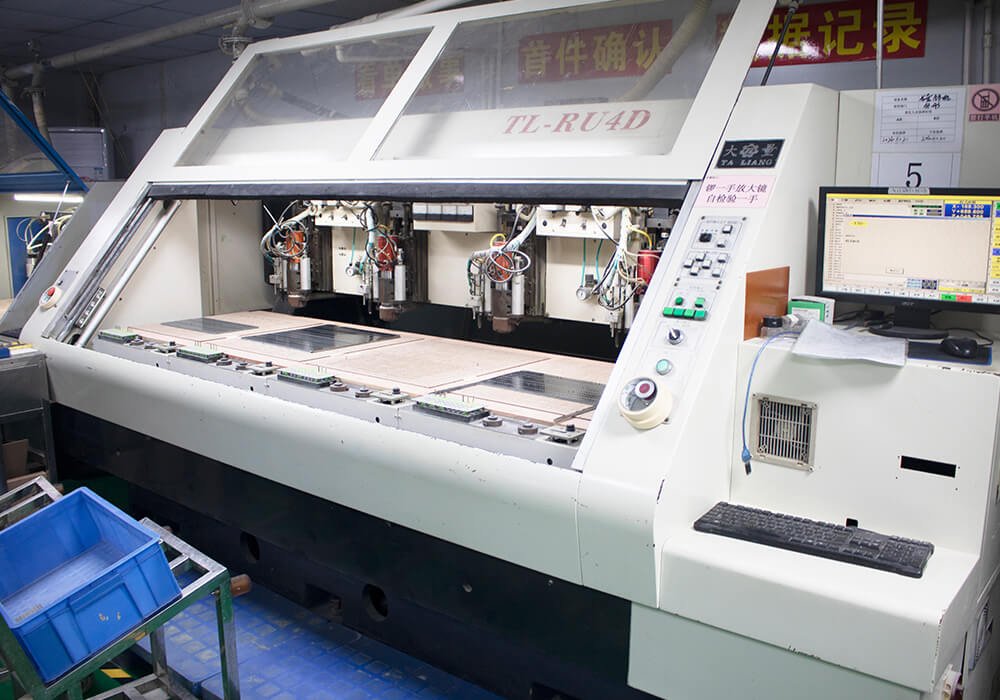
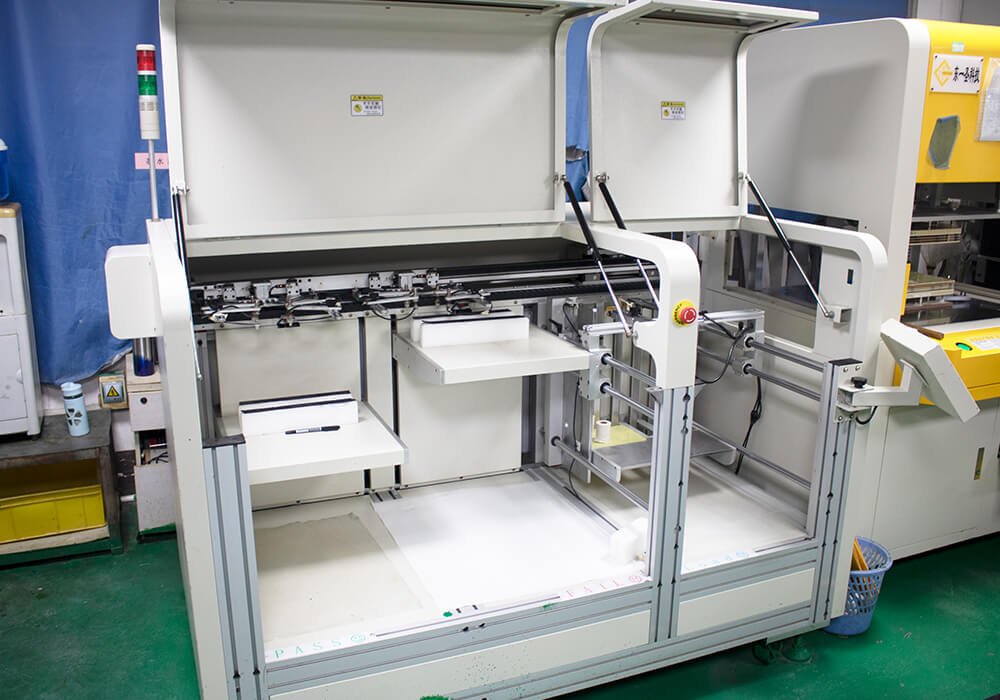
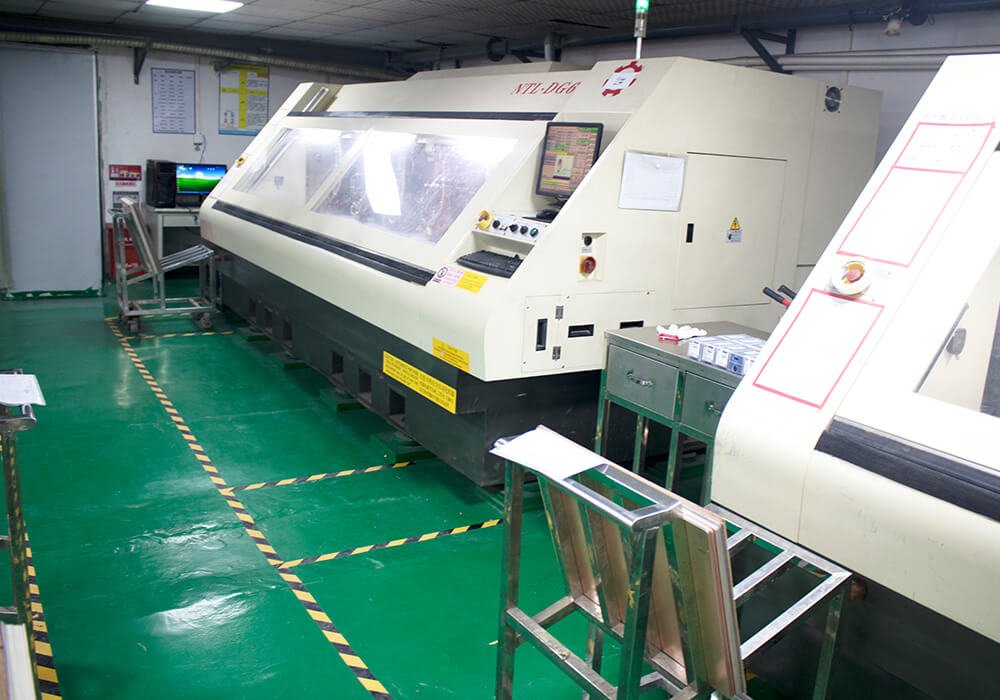
PCB Drill Machine
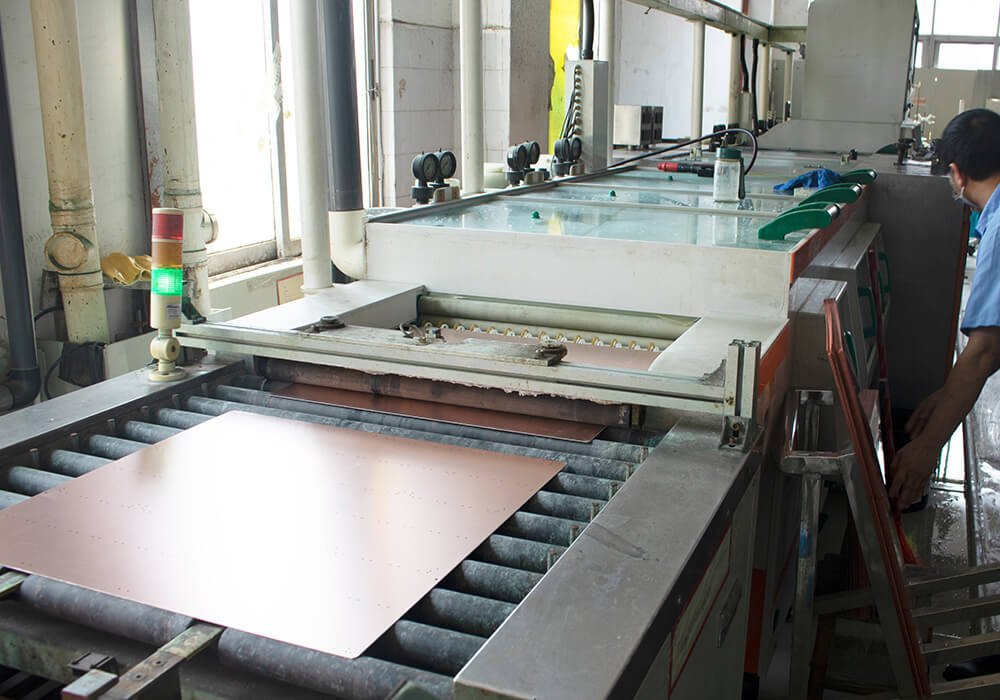
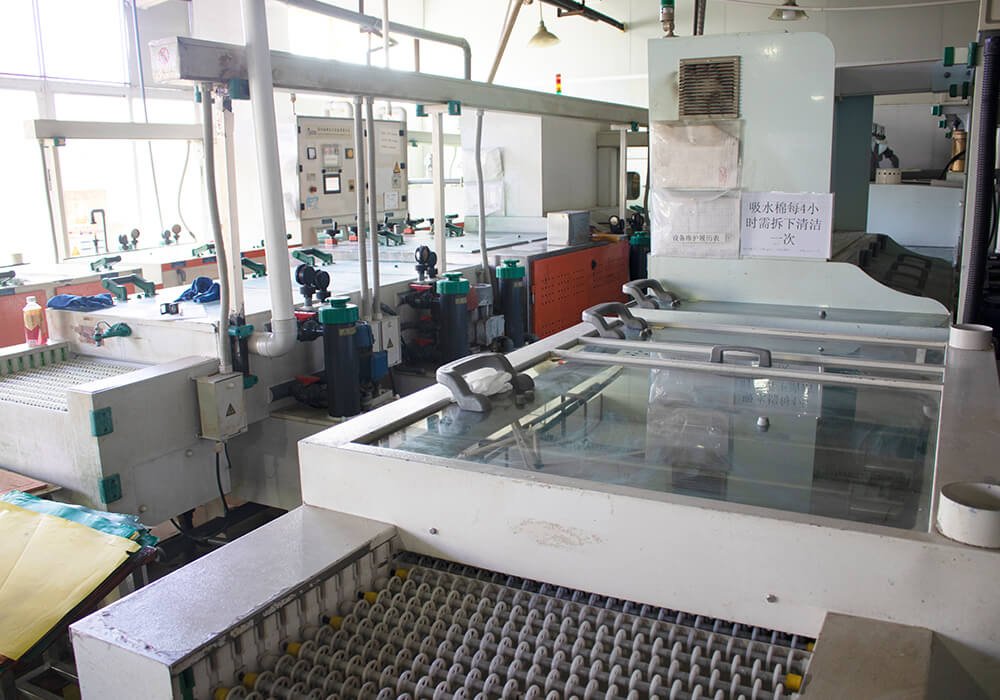
PcB Manufacturing Machine
Etching
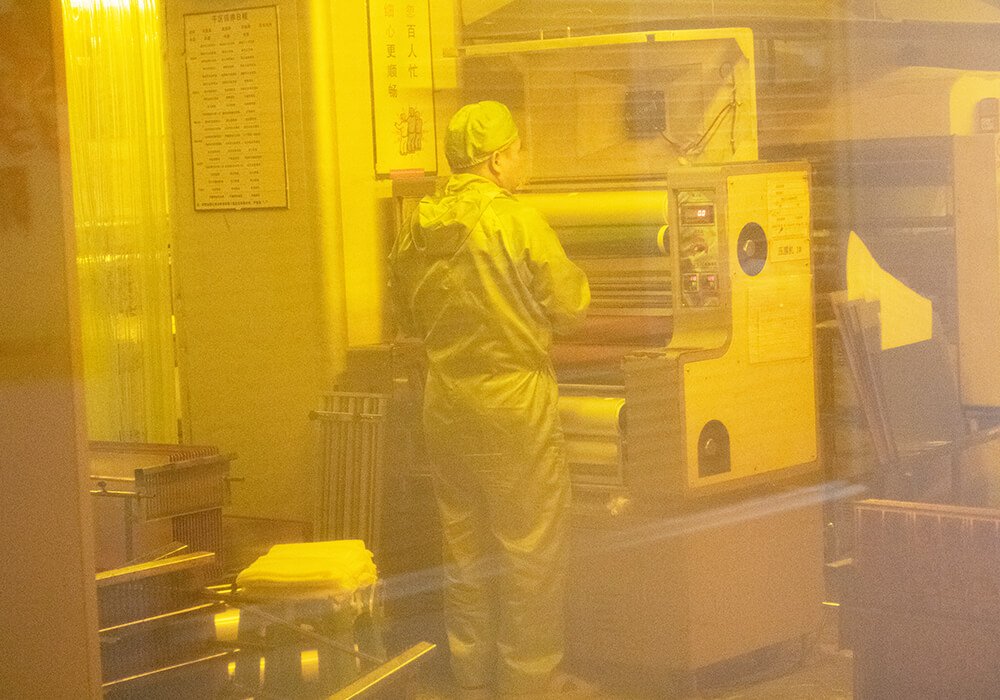
Imaging room
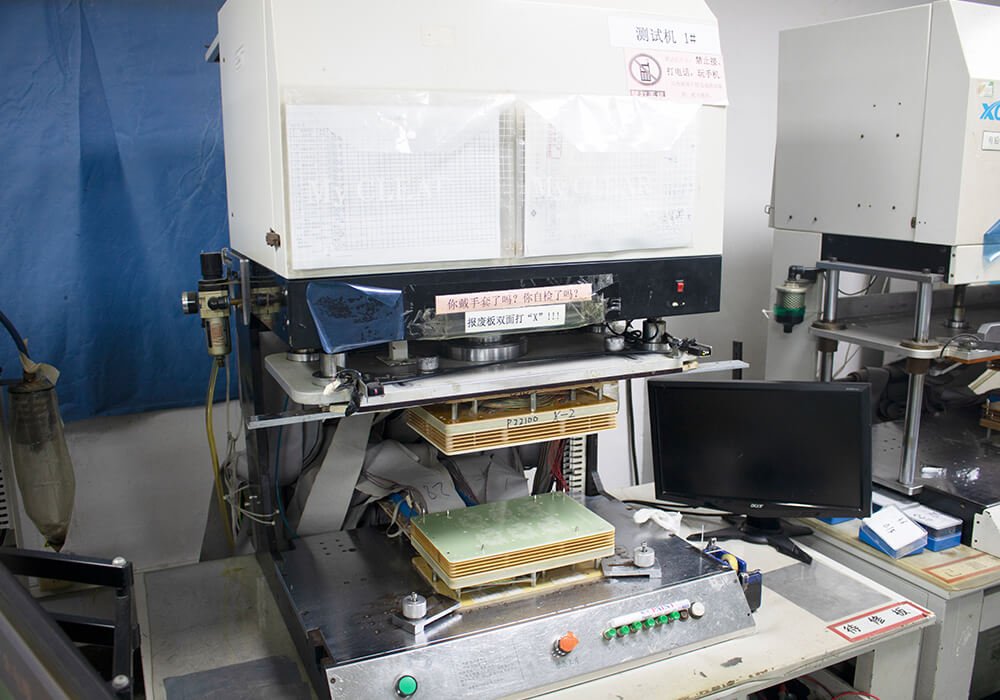
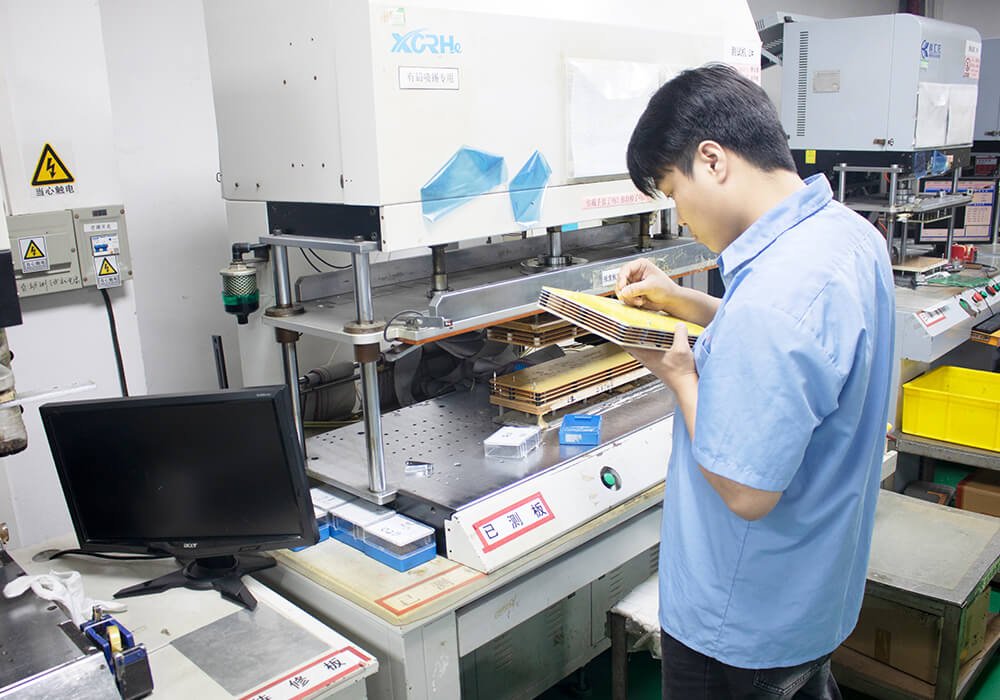
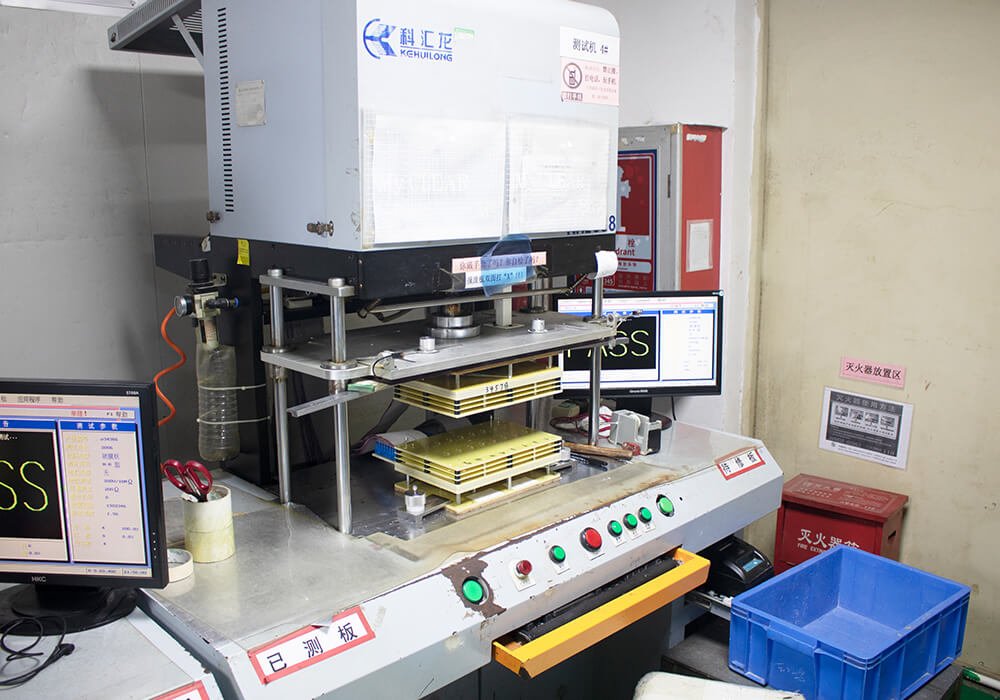
PCB Test Machine
PCB Checking
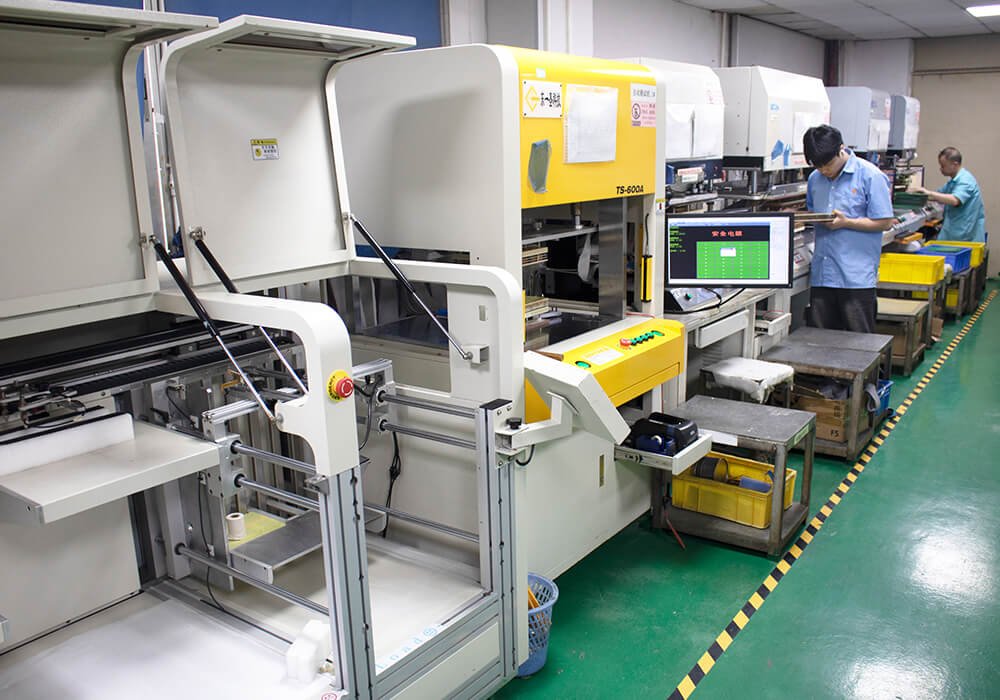
PCB Checking Machine
PCB Chechking
PCB AOI
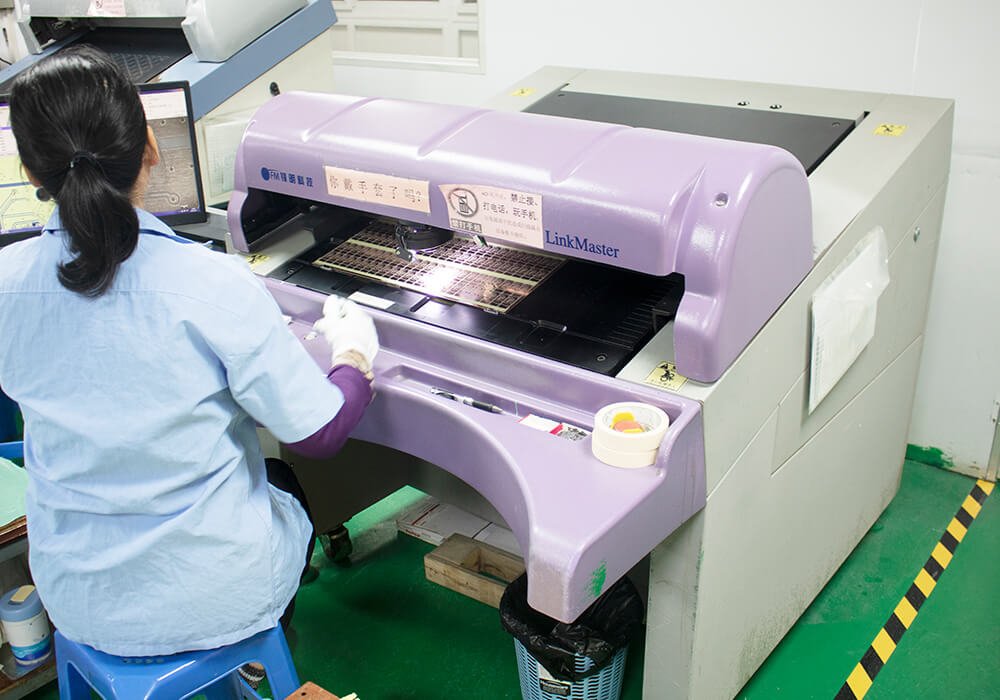
Link Master
Drill Machine
checking machine
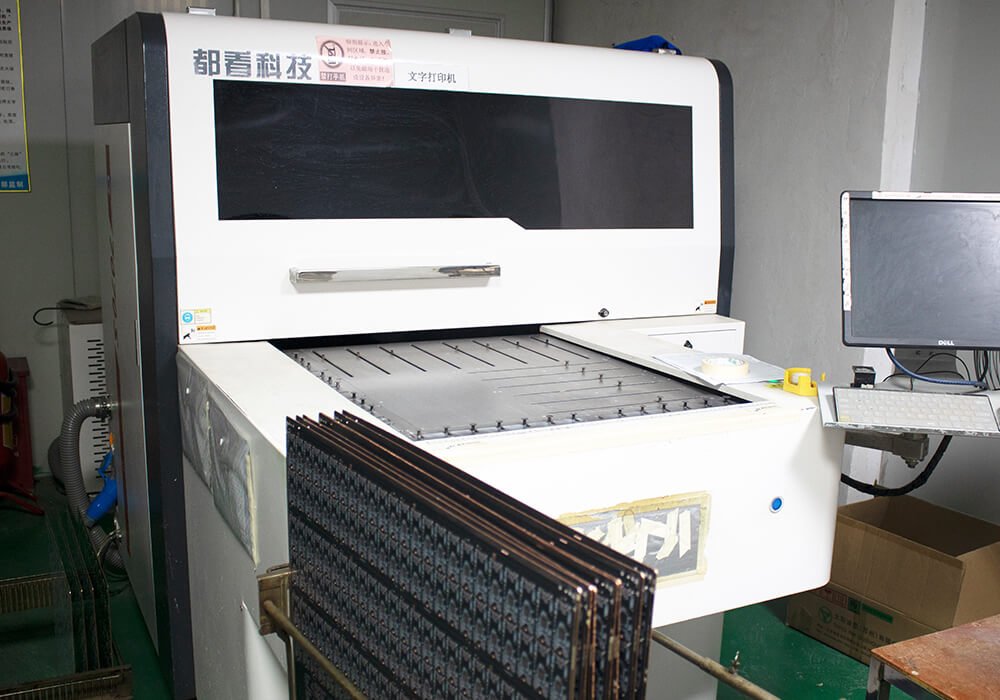
screen printing machine
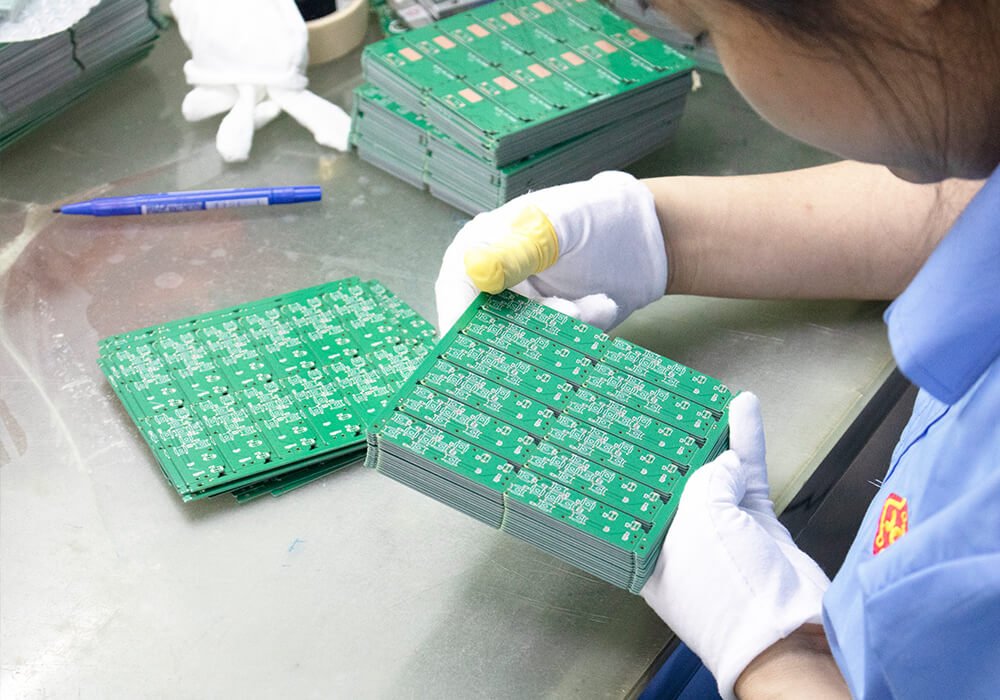
Eye Checking

Fast Quotation

Our professional sales and engineering teams provide fast PCB quotes and technical support. Simply send us your Gerber files, BOM, and assembly drawings, and we will respond promptly with a competitive solution.

FAQ About Solar Inverter PCB?

1. What is a Solar Inverter PCB?

A Solar Inverter PCB is the core circuit board inside a solar inverter that controls the conversion of DC power from solar panels into AC power for use in homes, businesses, or the electrical grid.

It also manages system monitoring, safety protection, and energy optimization functions such as MPPT.

Copper thickness typically ranges from 1oz to 20oz, depending on current requirements.

High-power inverters require heavy copper PCBs to safely carry large currents and reduce heat buildup.

MPPT (Maximum Power Point Tracking) is a control technique that ensures solar panels operate at their optimal power output. 

It continuously adjusts voltage and current to maximize energy efficiency, especially under changing sunlight conditions.

Yes. At PCBsail, we offer one-stop PCBA services, including:

  • PCB fabrication
  • Component sourcing
  • Assembly and soldering
  • Functional testing and quality inspection

Lead time depends on complexity:

  • Prototype: 3–7 days
  • Mass production: 2–4 weeks

Fast-turn services are available for urgent projects.

Absolutely. We provide fully customized solutions, including:

  • Layer count (2–12+ layers)
  • Copper thickness (up to 20oz)
  • Material selection
  • PCB size and layout
  • Special technologies (via-in-pad, back drilling, etc.)