
/From Prototype to Production/
Multilayer PCB Assembly
At PCBSAIL, we specialize in Multilayer PCB Assembly, delivering high-reliability, high-density circuit solutions for complex electronic applications.
With years of manufacturing expertise, advanced SMT technology, and strict quality control systems, we provide end-to-end multilayer PCB assembly services—from prototype to mass production—ensuring performance, consistency, and scalability.
What Is Multilayer PCB Assembly?
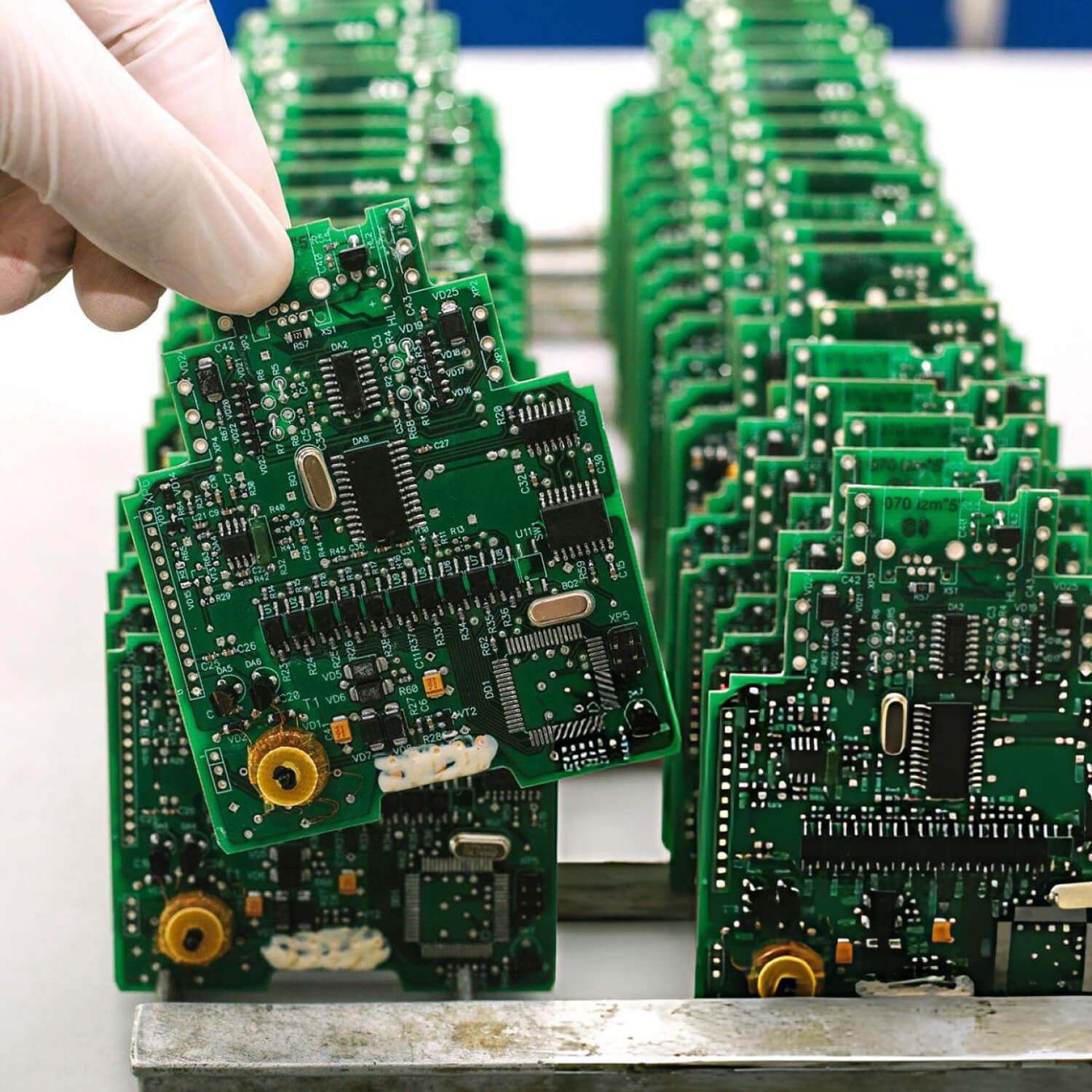
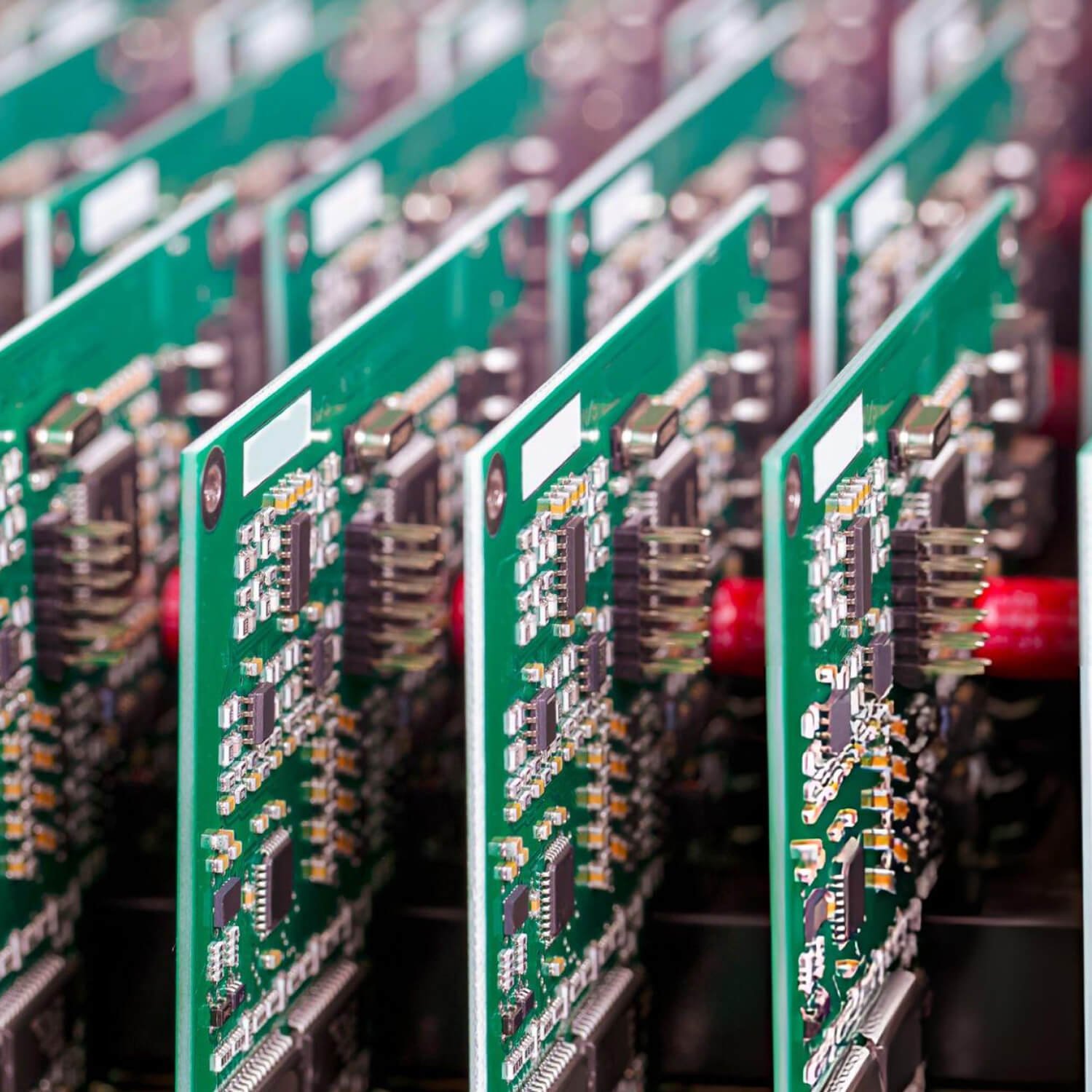
Multilayer PCB Assembly refers to the process of mounting and soldering electronic components onto printed circuit boards, which included three or more conductive copper layers separated by insulating materials.
Multilayer PCB assembly is more complex and requires precise control over soldering, component placement, and thermal management to ensure long-term performance and reliability.
Our multilayer PCB assembly services ensure precise alignment, reliable soldering, and optimal electrical performance across all layers.
Multilayer PCB Assembly Type
We offer a full range of multilayer PCB assembly solutions to support everything from simple designs to highly complex, high-density electronics.

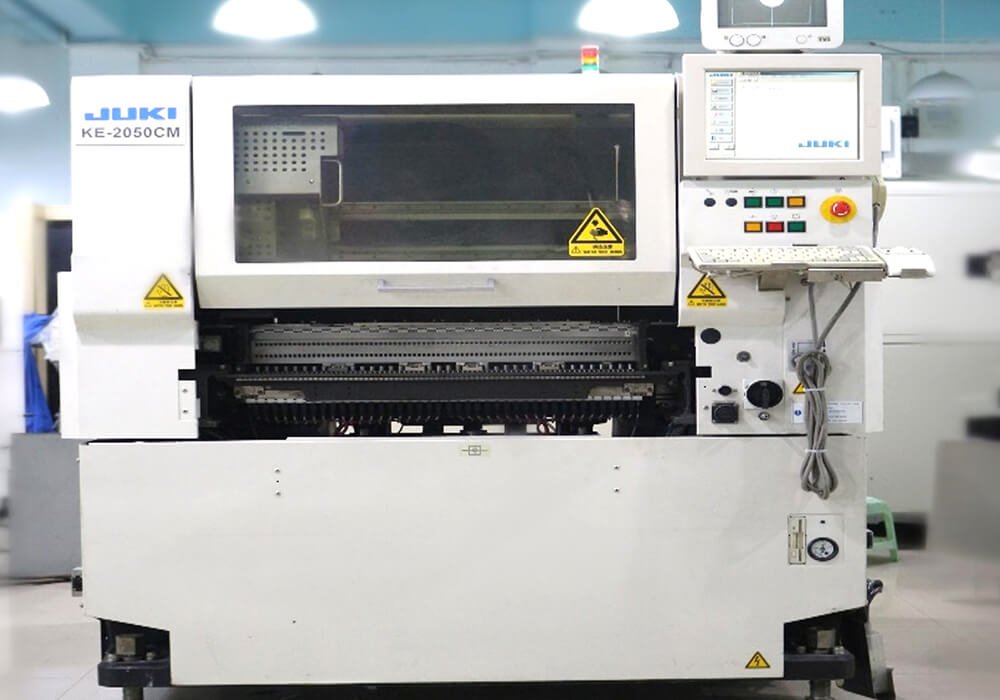
SMT
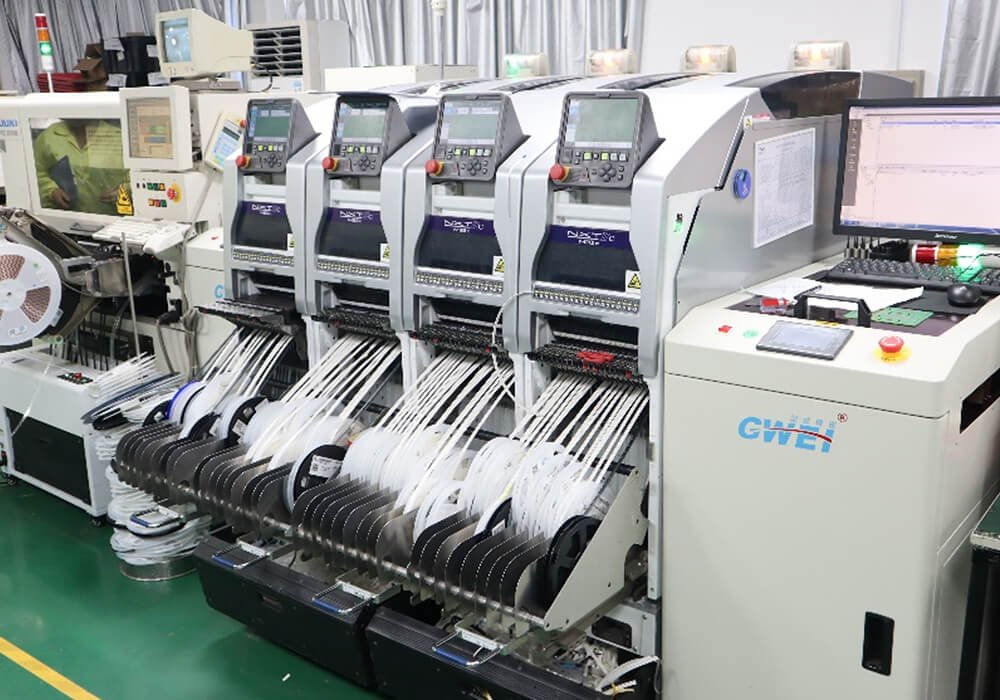
SMT assembly is the most widely used in multilayer PCB manufacturing.
- Components mounted directly onto the PCB surface.
- High-speed automated pick-and-place process.
- Supports fine-pitch and miniature components.
- High placement accuracy.

Through-Hole
Through-hole assembly insert component leads into drilled holes and solder them.
- Strong mechanical bonding.
- Components anchored through PCB layers.
- Suitable for high-stress environments.

Mixed Technology
Mixed assembly combines SMT and through-hole technologies on the same multilayer PCB.
- Hybrid assembly process.
- Flexible design capability.
- Optimized component placement.

HDI Multilayer PCB Assembly
HDI assembly is an advanced multilayer PCB solution designed for high-performance electronics.
- Microvias, blind vias, and buried vias.
- Fine trace widths and spacing.
- High component density.
Feature | Capabilities |
Layer Count | 0 – 40 |
Materials | FR-4/Rogers/Polyimide/Aluminum Clad/High-Temp. |
Plating Finish | Electrolytic Hard Gold/Soft Gold/ENIG/Nickel/Immersion Silver OSP/Leaded & Lead-Free HAL |
Accepted SMD chips | 01005, BGA, QFP, QFN, TSOP |
Component height | 0.2-25mm |
Min distance among BGA | 0.3mm with X-ray inspection |
Lead-Free Markings | Yes |
Assembly Size | Min – 50*30mm |
Pick-placement precision | ±0.01mm |
Board type | Rigid PCB, Flexible PCB, Rigid-flex PCB, Copper PCB |
Surface Finish | HASL, lead free HASL, ENIG, OSP, selective gold, hard gold, bondable gold |
Conductor Material | Copper, aluminum, carbon, inconel |
Insulator Material | Polyimide, polyethylene terephthalate |
Adhesive Materials | Acrylic, epoxy, adhesiveless base |
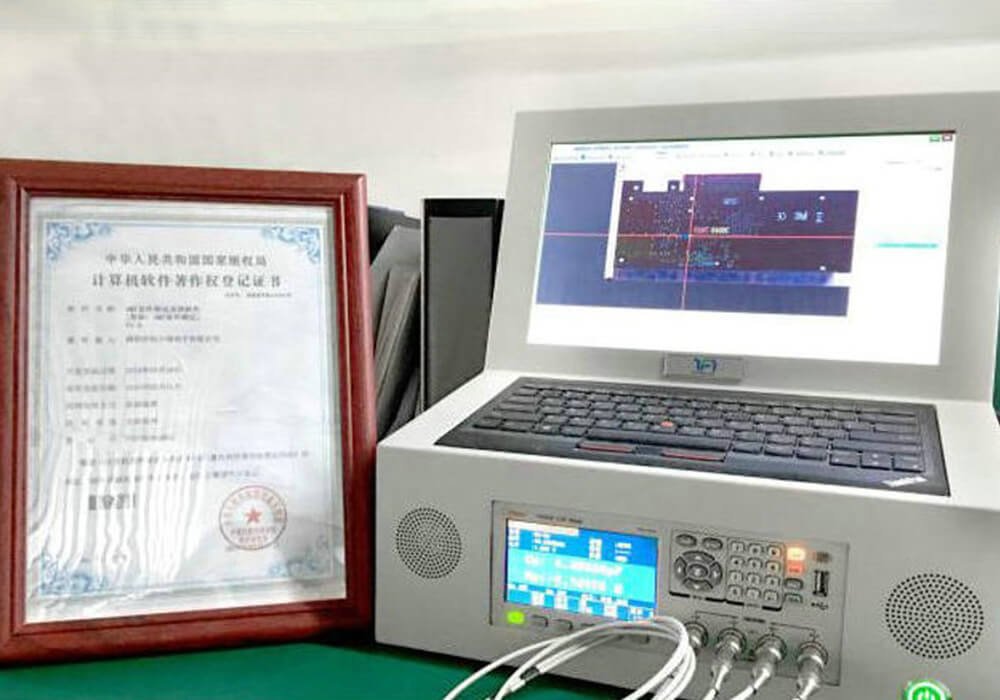
Equipment in our PCBA facilities | – Functional, electrical and in-circuit testing equipment |
Assembly Option | Surface mount (SMT) & Thru-Hole (THT), Box building, Potting and Coating, In house programming, Packaging |
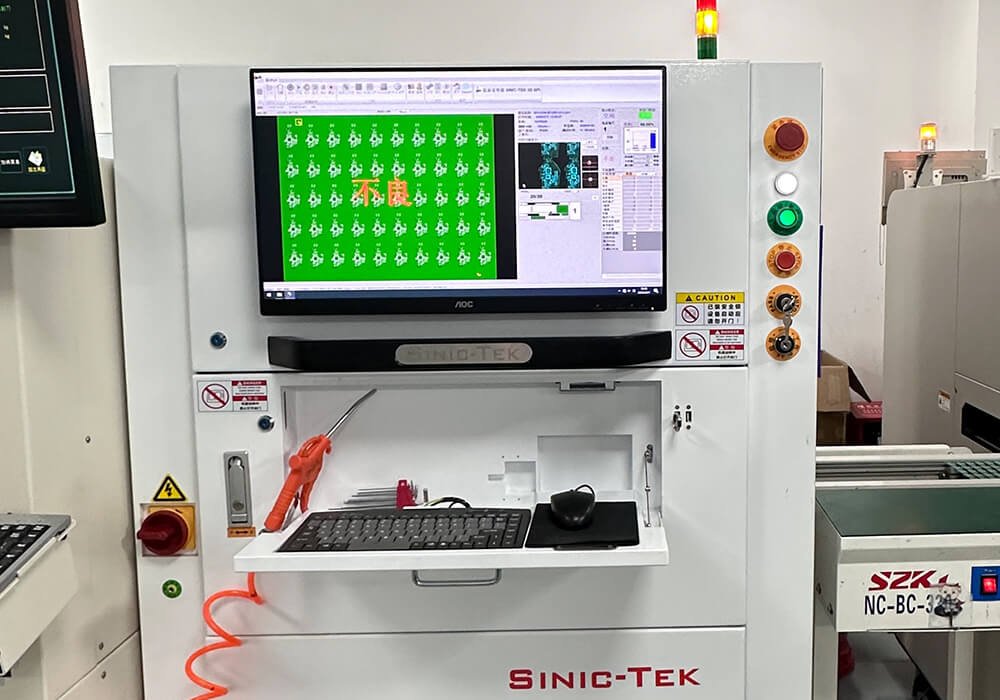
Testing | ICT, AOI, X-RAY, Functional Test (FCT) |
Multilayer PCB Assembly Feature
Multilayer PCB Assembly plays an important role in modern electronics by enabling compact, high-performance, and reliable circuit designs.
Excellent Signal Integrity & EMI Control
Our multilayer PCB assembly ensures optimal electrical performance.
- Controlled impedance design support.
- Reduced electromagnetic interference (EMI).
- Stable high-speed signal transmission.
Strong Thermal Management
We design and assemble PCBs to efficiently manage heat.
- Optimized layer stack-up.
- Thermal vias and heat dissipation techniques.
- Suitable for high-power applications.
Reliable Mechanical Strength
Our assembly ensures structural integrity across multilayer boards.
- Strong solder joints.
- Reinforced through-hole connections.
- Durable construction.
Multilayer PCB Assembly Process
At PCBSAIL, each step is carefully controlled to ensure optimal electrical performance, strong interlayer connections, and long-term durability.

Engineering Review
Before production begins, our engineering team will review your design files.
- Gerber File Verification
- BOM Validation
- DFM Analysis
- Stack-Up And Impedance Evaluation

Component Preparation
Proper preparation ensures a smooth and error-free assembly process.
- Component Sourcing
- IQC
- Moisture-sensitive Device (MSD) Handling and Baking
- Inventory Tracking and Labeling

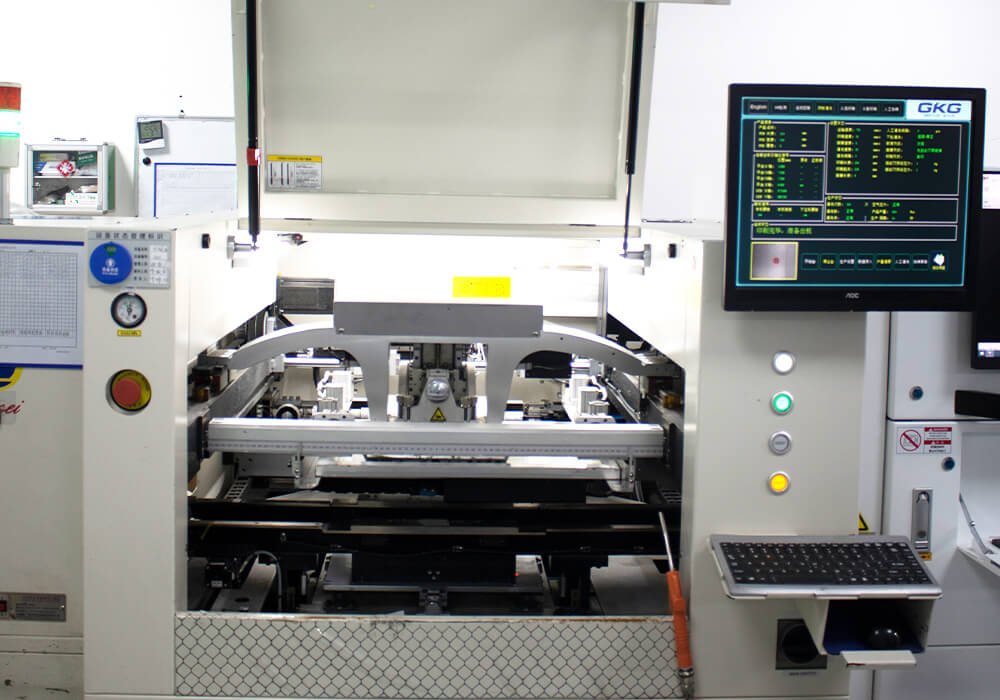
Solder Paste Printing
Accurate solder paste is important for reliable SMT assembly. It can ensure consistent solder deposition for strong electrical and mechanical connections.

SMT
High-speed machines place surface-mount components onto the PCB.

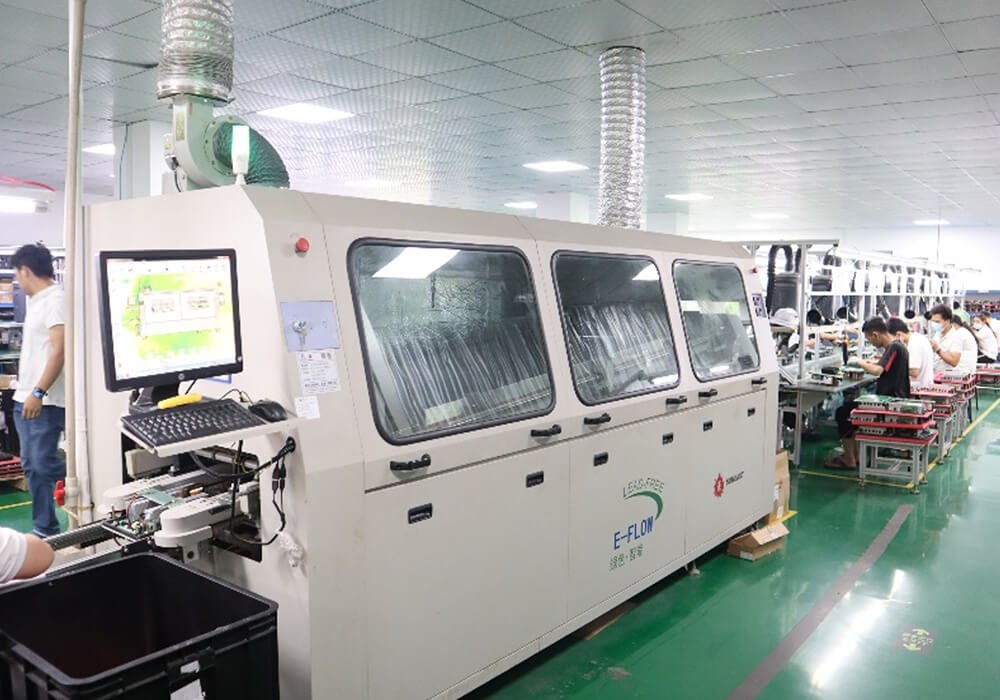
Reflow Soldering
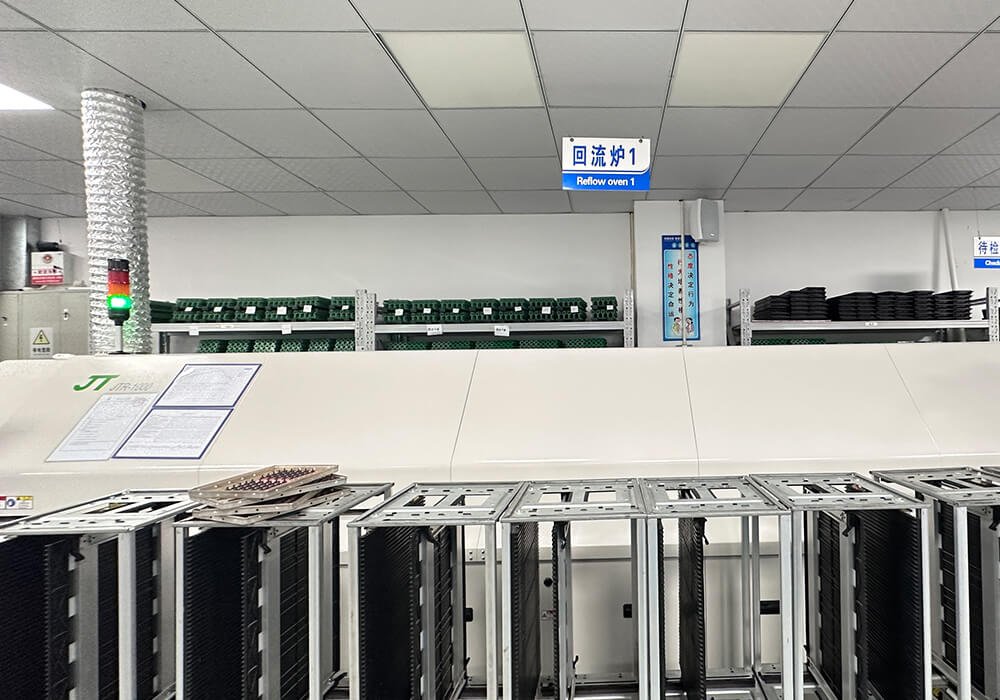
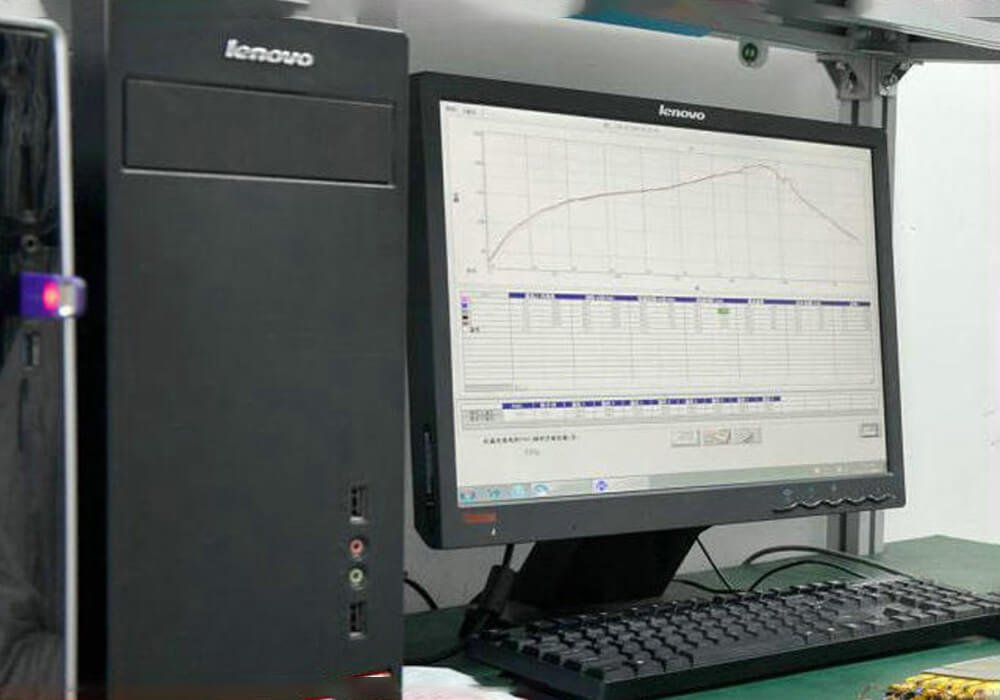
The PCB passes through a reflow oven to permanently solder components.

Through-Hole
For components requiring mechanical strength, through-hole assembly is used. It can enhance durability and ensure strong electrical connections.

Cleaning & Surface
Post-soldering cleaning ensures board reliability and performance.
- Flux Residue Removal
- Optional Conformal Coating For Protection

Quality Control
Quality assurance is integrated throughout the entire process.
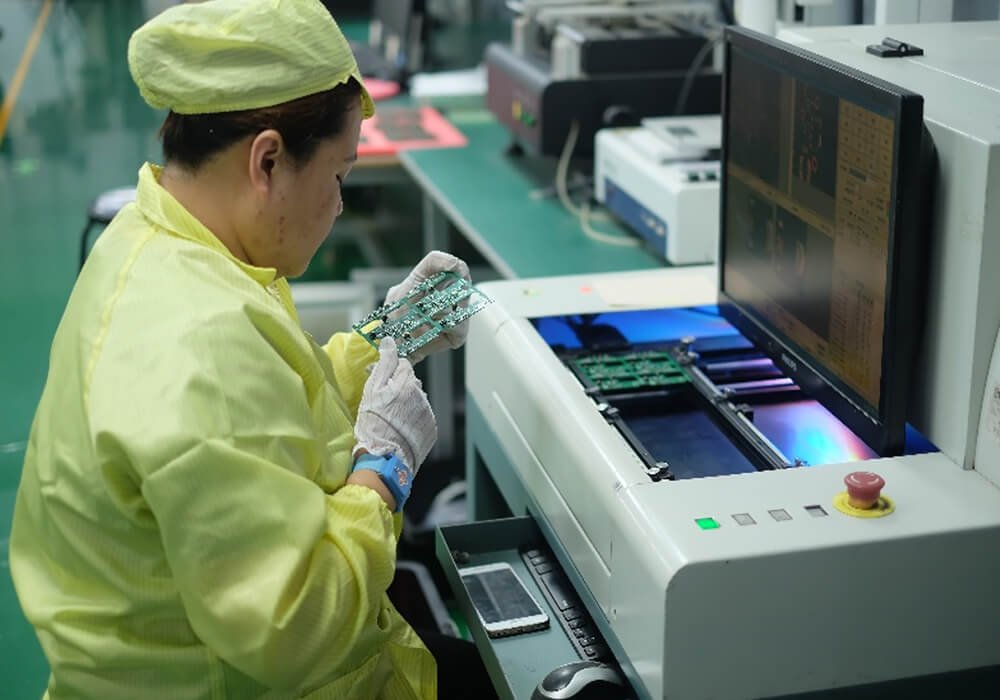
- AOI
- X-ray Inspection
- In-Circuit Testing
- Functional Testing

Packaging & Delivery
Proper packaging protects the PCB during transportation.
- Anti-static (ESD-safe) Packaging
- Vacuum Sealing (if required)
Industries We Have Previously Served
Our Multilayer PCB Assembly services support a wide range of industries that demand high reliability, precision, and performance

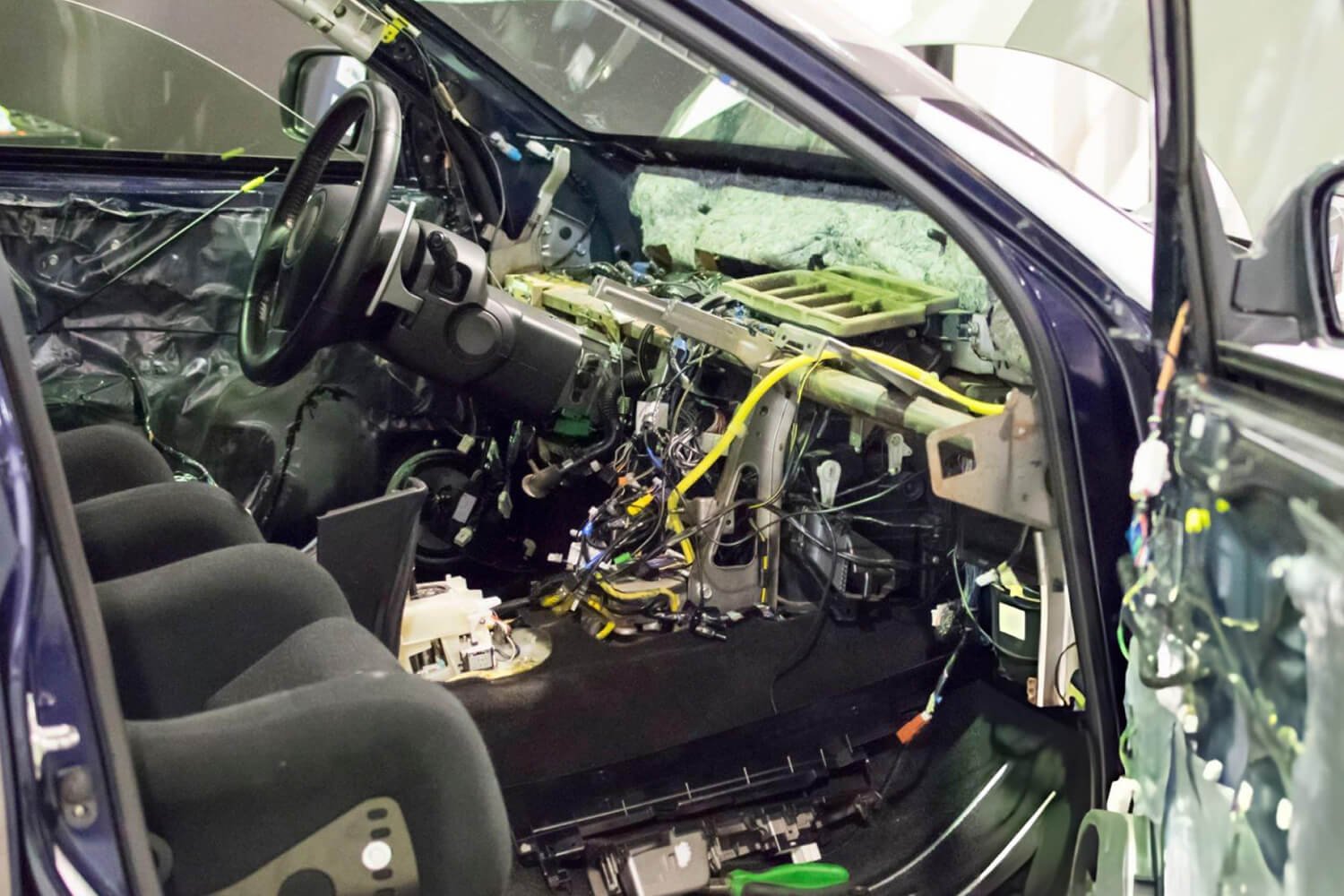
Automotive Electronics
Our multilayer PCB assembly solutions meet the growing demands of modern automotive systems.
- Engine Control Units (ECUs)
- Advanced Driver-Assistance Systems (ADAS)
- In-Vehicle Infotainment Systems
- Electric Vehicle (EV) Electronics

Industrial Automation
We support industrial systems that require durability and continuous operation in harsh environments.
- PLC Systems (Programmable Logic Controllers)
- Robotics And Automation Equipment
- Sensors And Control Systems
- Power Management Systems

Medical Devices
Our multilayer PCB assembly supports advanced medical technologies requiring precision and safety.
- Diagnostic Equipment
- Patient Monitoring Systems
- Imaging Devices
- Portable Medical Electronics

Consumer Electronics
We deliver cost-effective and high-performance PCB assembly for mass-market electronic products.
- Smartphones And Tablets
- Wearable Devices
- Smart Home Products
Telecommunications
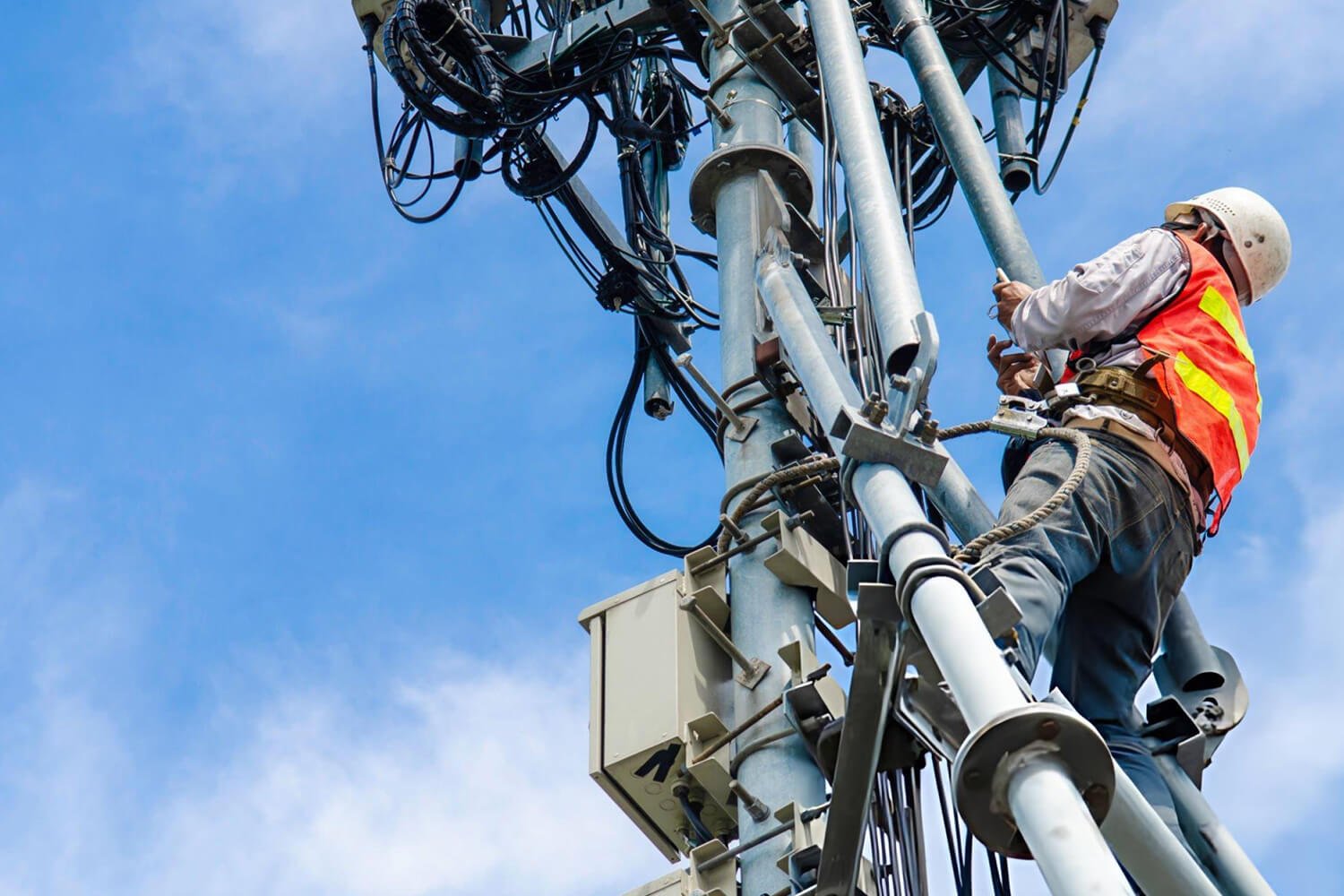
We manufacture multilayer PCBs for high-speed communication systems and network infrastructure.
- 5G Equipment
- RF Communication Boards
- Networking Devices
- Signal Processing Systems
Power Systems
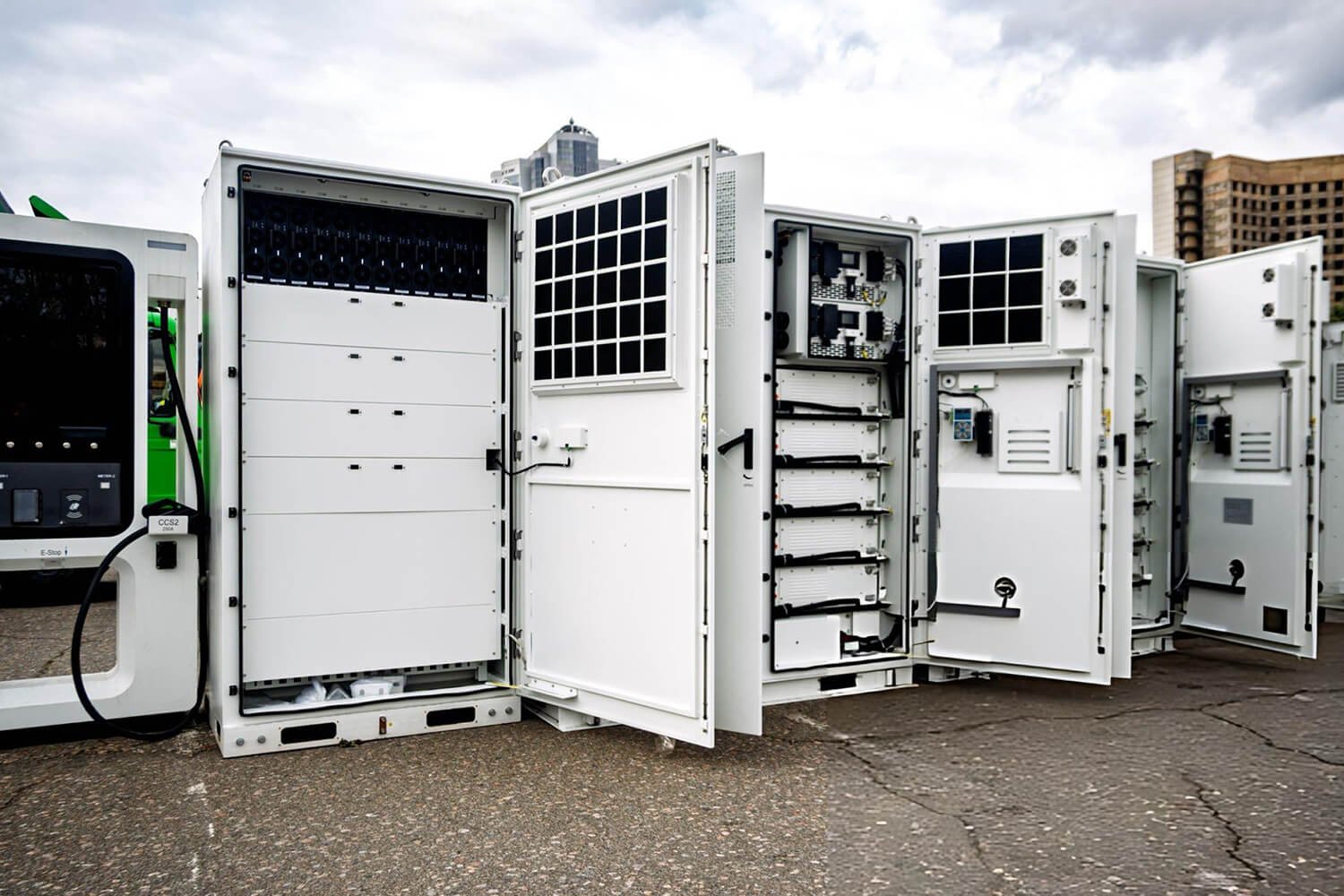
We support power electronics and energy-related applications requiring robust PCB solutions.
- Power Supply Units
- Renewable Energy Systems (Solar, Wind)
- Battery Management Systems (BMS)
- Industrial Power Control

Aerospace
We provide high-reliability multilayer PCB assemblies for mission-critical applications where performance and durability are essential.
- Avionics Systems
- Radar And Communication Systems
- Navigation And Control Units
- Satellite Electronics
Fast Quotation
Our professional sales and engineering teams provide fast PCB quotes and technical support. Simply send us your Gerber files, BOM, and assembly drawings, and we will respond promptly with a competitive solution.
- Gushu Tangxi Second Industrial Zone, Shenzhen
- +86 755 2335 0814
- +86 135 1078 8094
- sales@pcbasail.com
FAQ About Multilayer PCB Assembly
1. What is Multilayer PCB Assembly?
Multilayer PCB Assembly is the process of mounting and soldering electronic components onto printed circuit boards that contain three or more conductive layers.
These layers are interconnected through vias, enabling complex circuit designs and high-density layouts.
2. How Many Layers Can A Multilayer PCB Have?
Multilayer PCBs typically start from 4 layers and can go up to 20 layers or more, depending on the complexity of the design and application requirements.
3. What Is The Difference Between Multilayer PCB And HDI PCB?
A multilayer PCB refers to any board with multiple layers, while HDI (High-Density Interconnect) PCBs are a more advanced type of multilayer PCB featuring:
- Microvias
- Fine Trace Widths
- Higher Component Density
HDI boards offer better performance for high-speed and miniaturized devices.
4. What Files Are Required For Multilayer PCB Assembly?
To start a multilayer PCB assembly project, you typically need:
- Gerber files
- Bill of Materials (BOM)
- Pick and Place (Centroid) file
- Assembly drawings
- Special instructions (if any)
5. What Is The Cost Of Multilayer PCB Assembly?
The cost depends on several factors:
- Number of layers
- Board size and complexity
- Component type and quantity
- Assembly technology (SMT, through-hole, HDI)
- Production volume
Higher complexity typically increases cost, but multilayer designs can reduce overall system costs.
6. What Types Of Components Can Be Assembled?
We support a wide range of components, including:
- BGA / µBGA
- QFN / QFP
- CSP packages
- Passive components (resistors, capacitors)
- Connectors and through-hole components
7. What Is Controlled Impedance In Multilayer PCB Assembly?
Controlled impedance ensures that electrical signals travel through the PCB with minimal distortion.
It is achieved by controlling:
- Trace width and spacing
- Dielectric materials
- Layer stack-up
This is critical for high-speed and RF applications.
8. How Do You Handle Moisture-Sensitive Components?
We follow strict MSD (Moisture Sensitive Device) handling procedures:
- Controlled storage conditions
- Baking before assembly
- Moisture barrier packaging
This prevents defects like cracking or delamination during soldering.