
/Reliable PCBA for Industrial Automation/
Industrial Control PCB
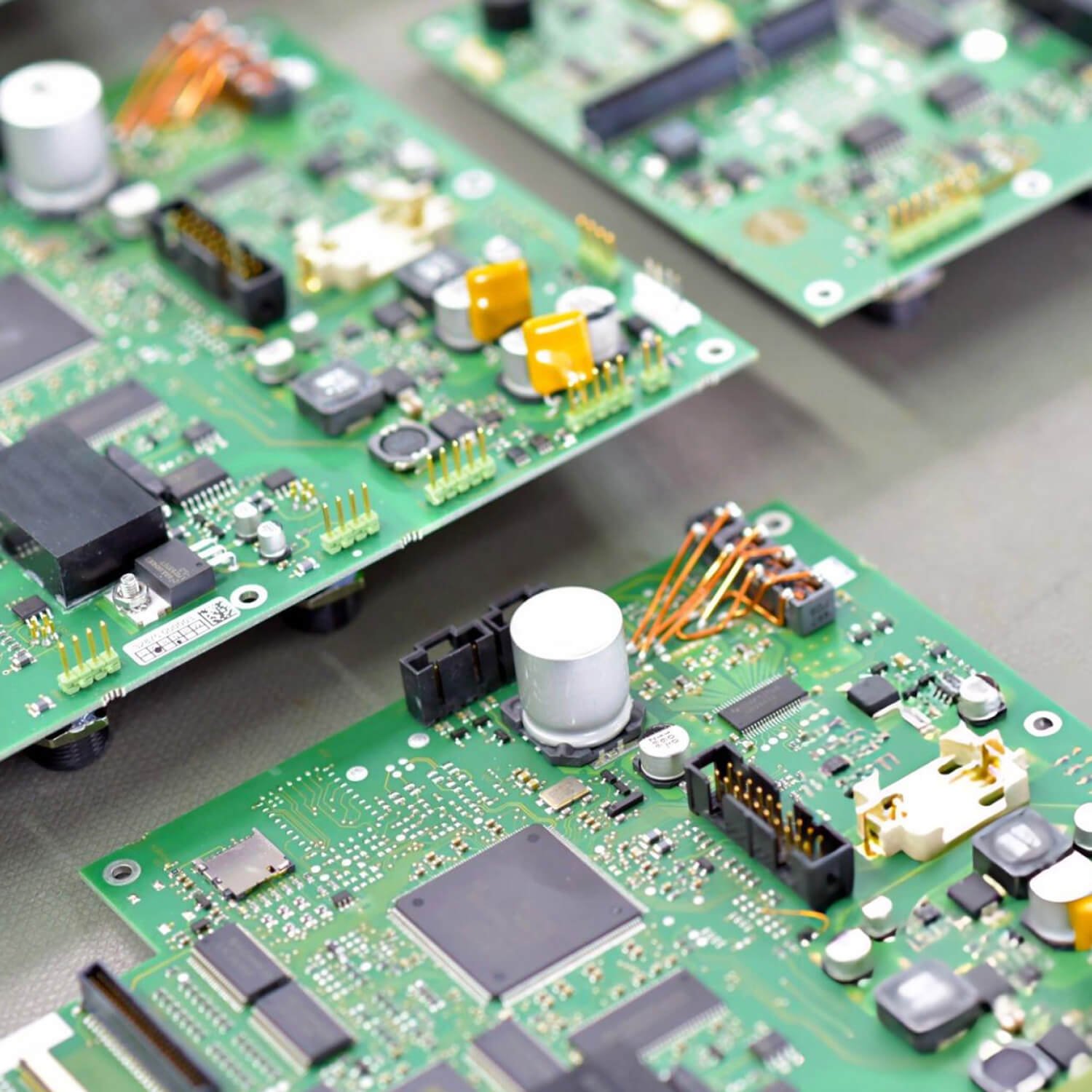
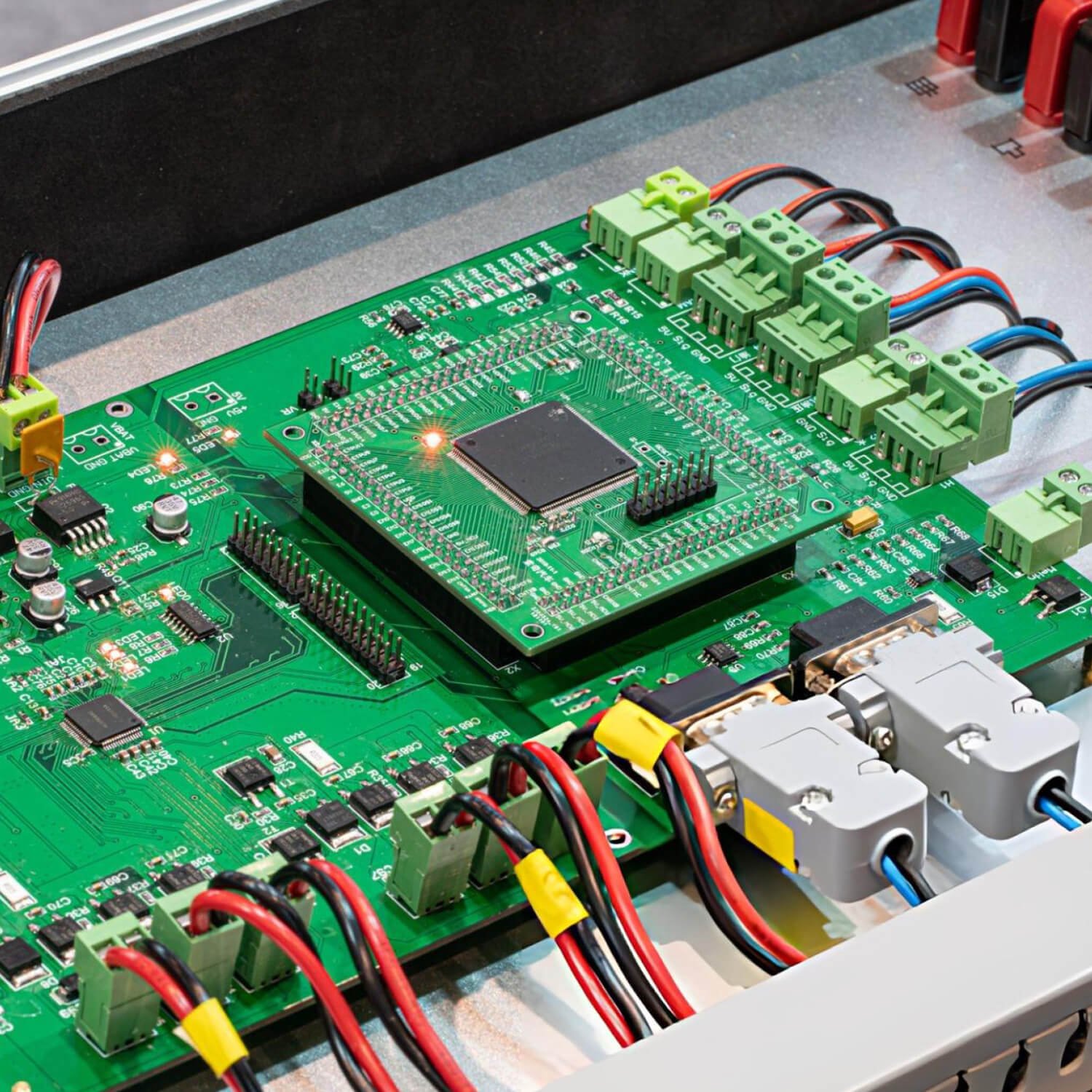
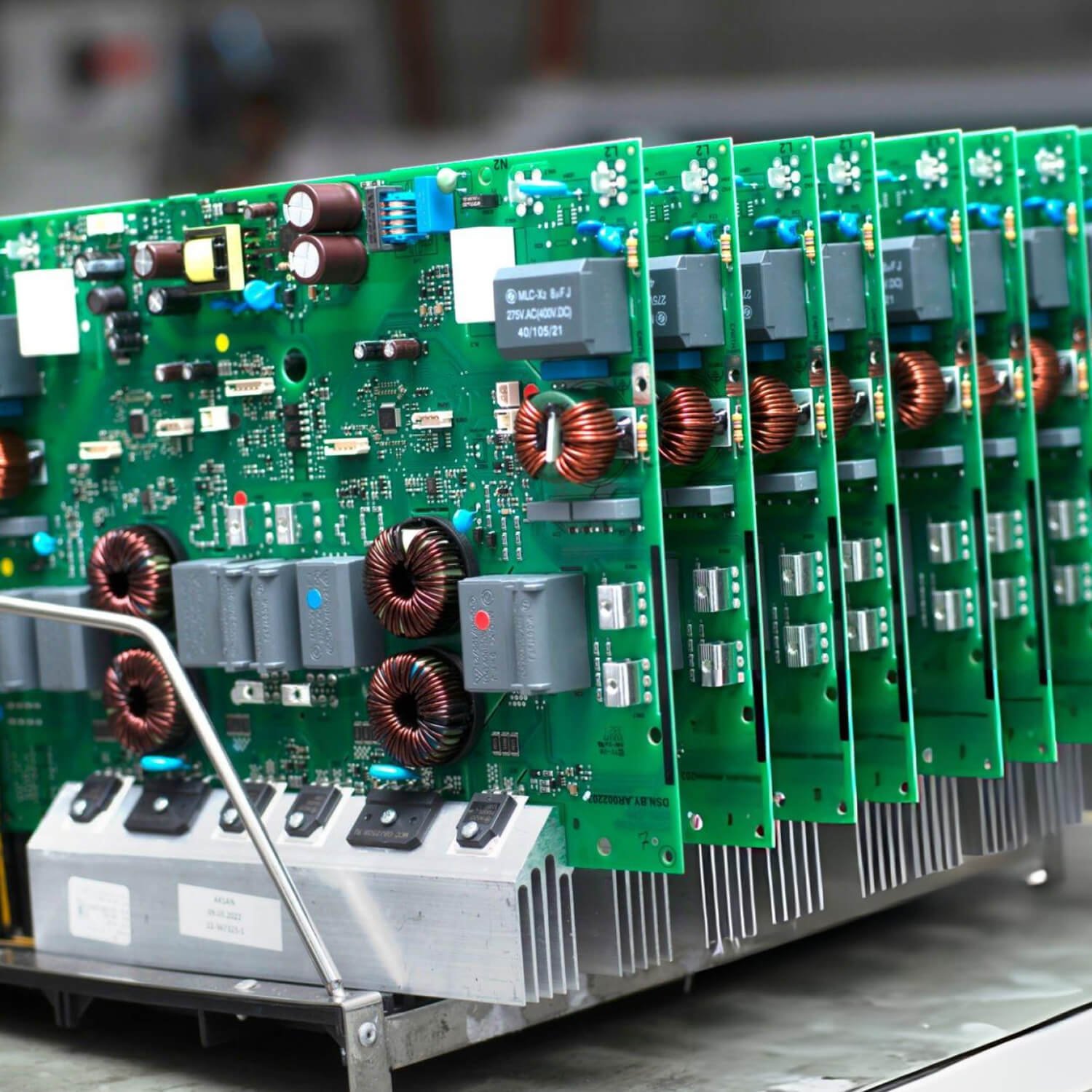
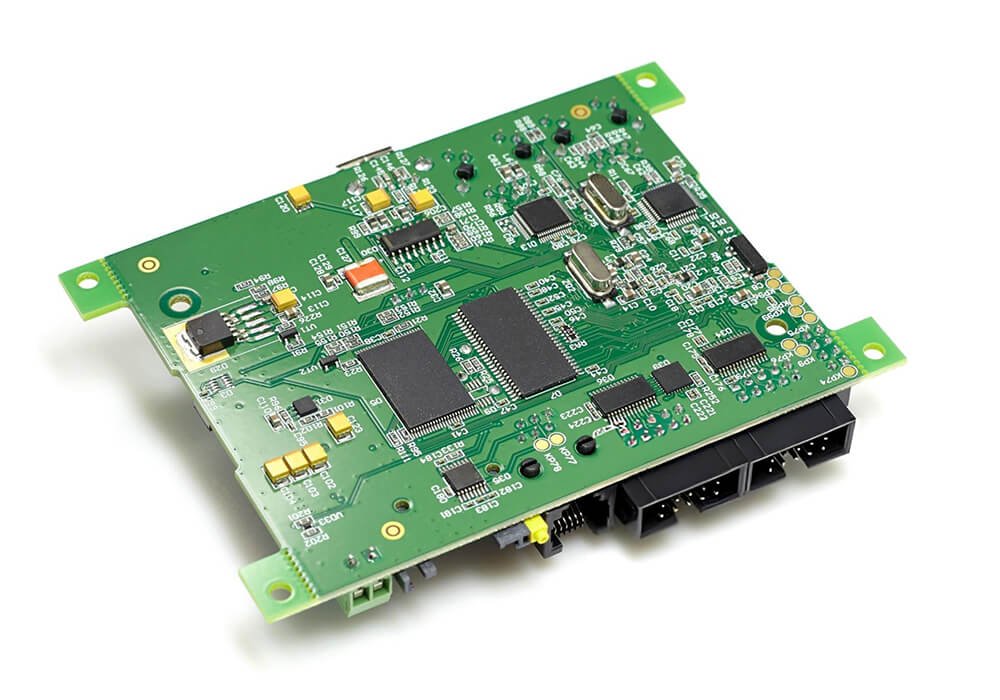
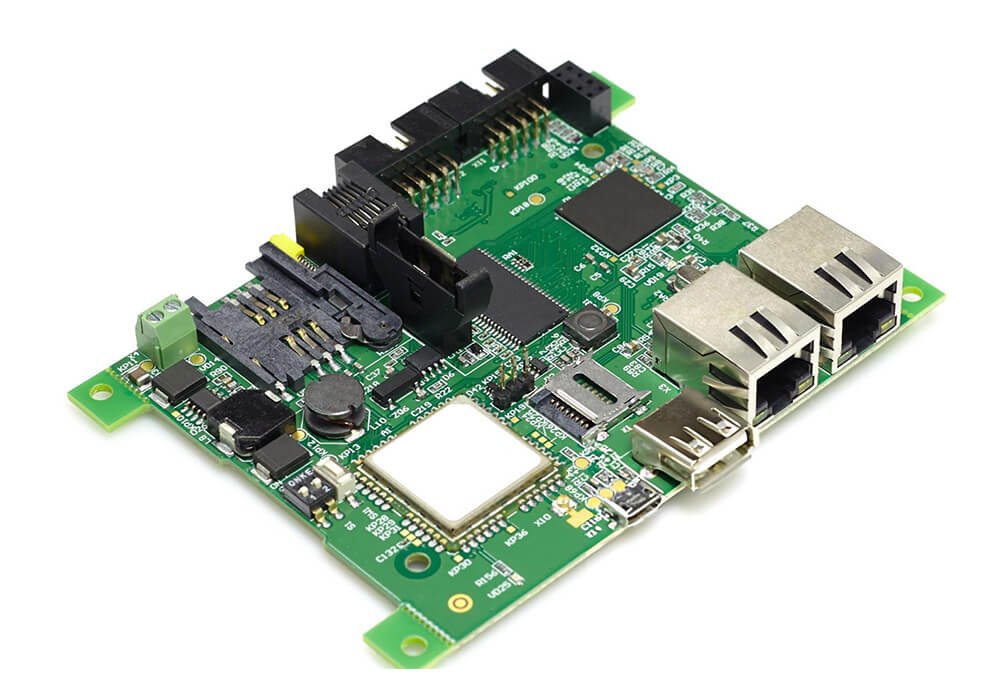
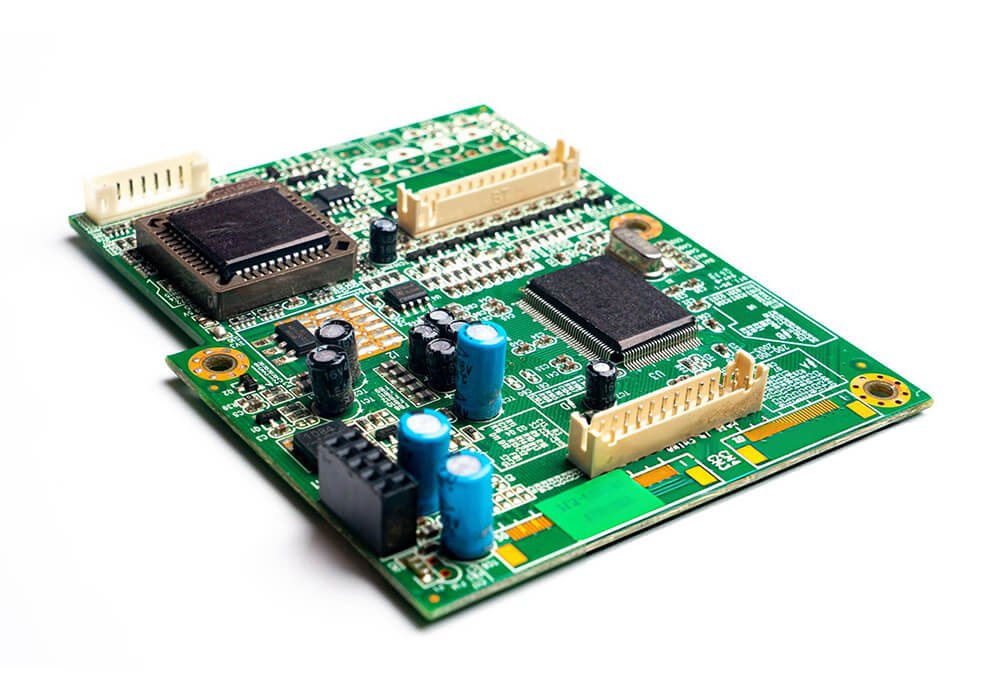
Industrial Control PCB plays an important role in modern automation systems, enabling precise monitoring, control, and optimization of industrial processes.
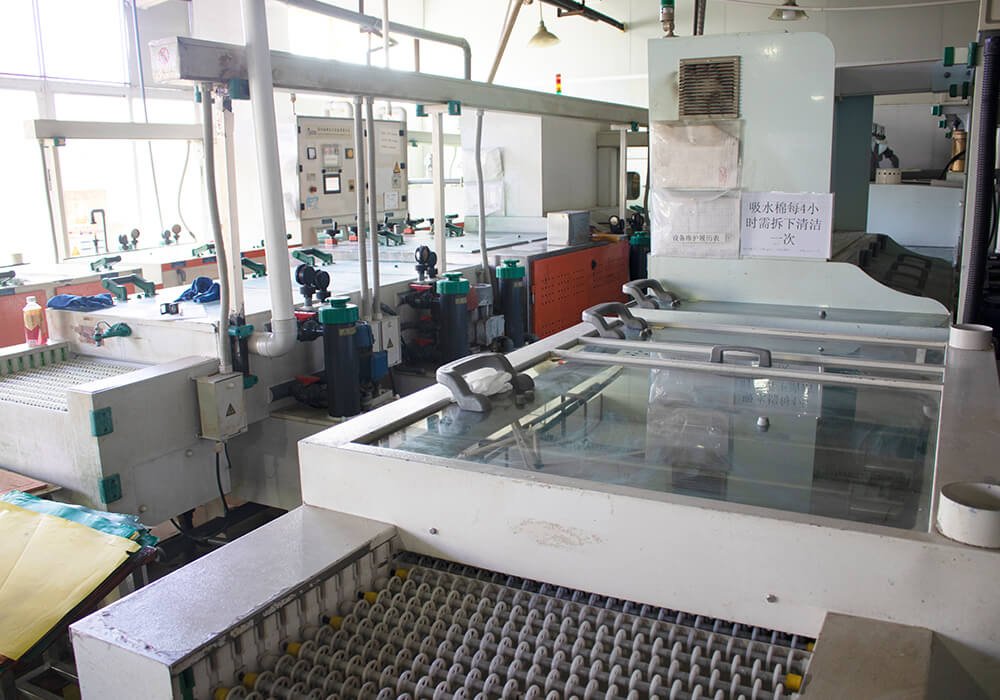
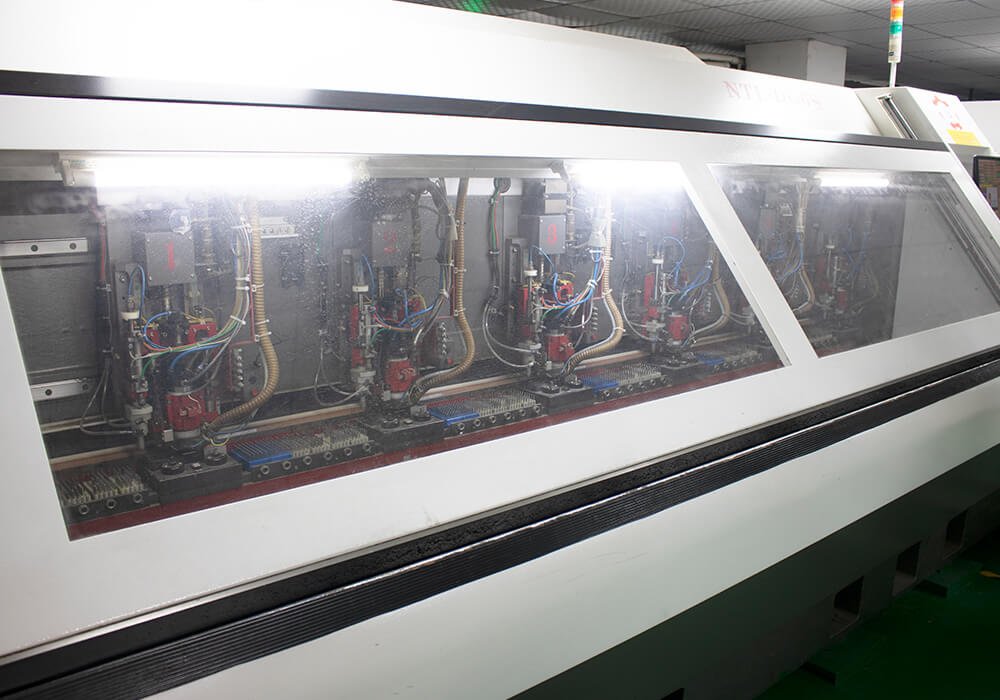
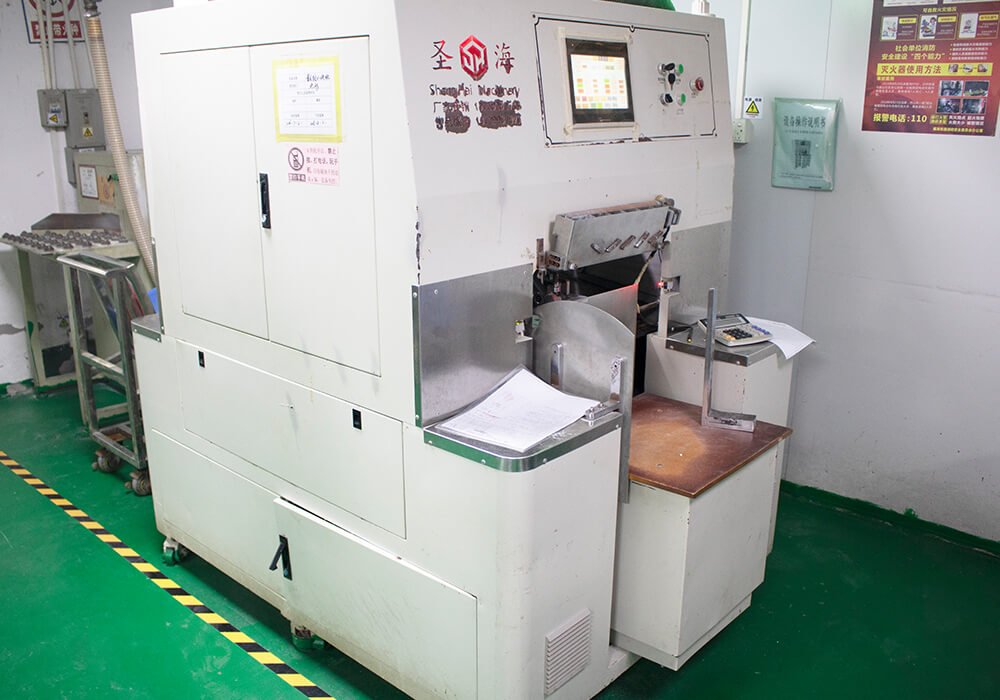
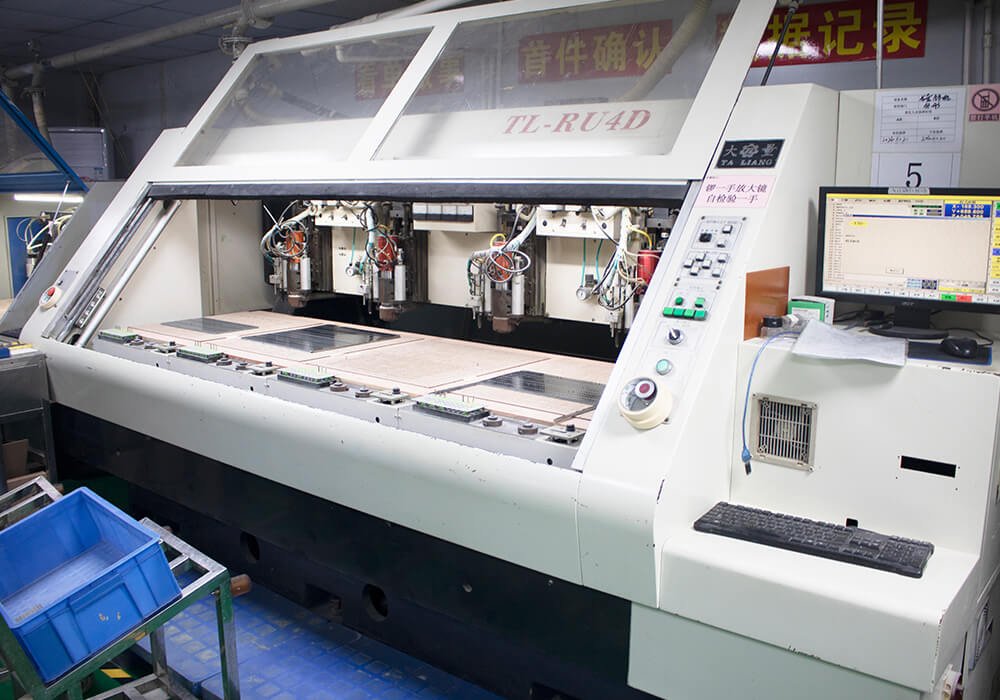
At PCBSAIL, we specialize in manufacturing high-performance industrial control PCB assembly services designed for demanding environments, such as automation, energy, transportation, and heavy industry.
We provide turnkey solutions—from design and prototyping to mass production—ensuring reliability, durability, and compliance with international standards.
What Is Industrial Control PCB?
An Industrial Control PCB is a specialized circuit board used in industrial automation systems to control machinery, processes, and operations.
Unlike consumer-grade PCBs, industrial control PCBs are engineered to withstand harsh environments, including extreme temperatures, vibration, dust, moisture, and electromagnetic interference.
Industrial Control PCBs can make industrial production:
- More Automated
- More Efficient
- More Accurate
- More Controllable And Visible
Industrial Control PCB We Offered.
We provided a full range of industrial control PCB and assembly services, tailored to meet diverse application requirements.
Our Capacity.

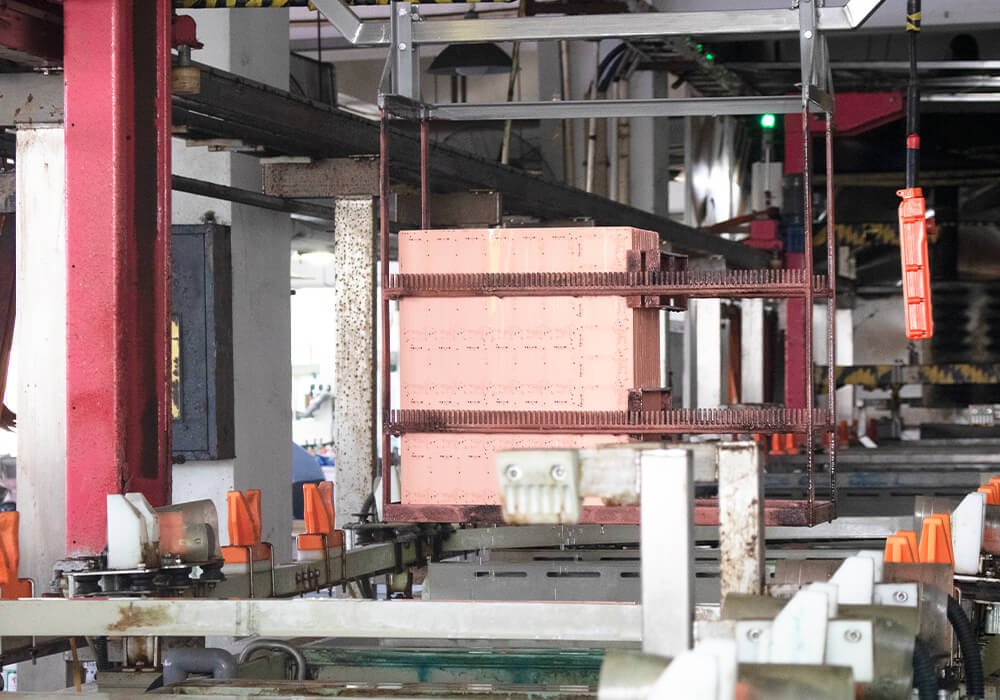
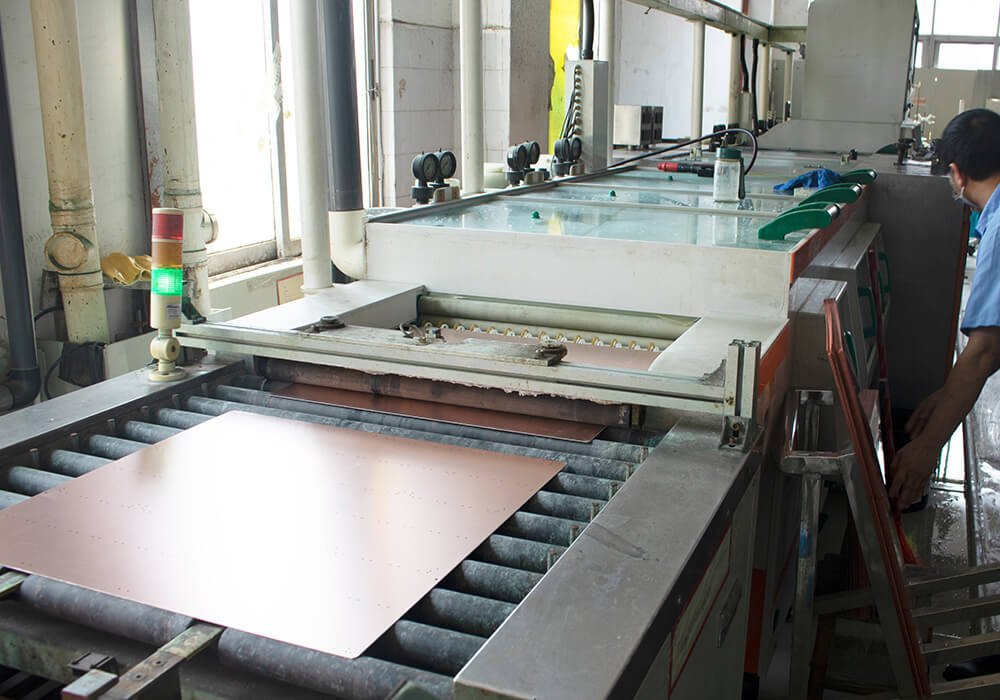
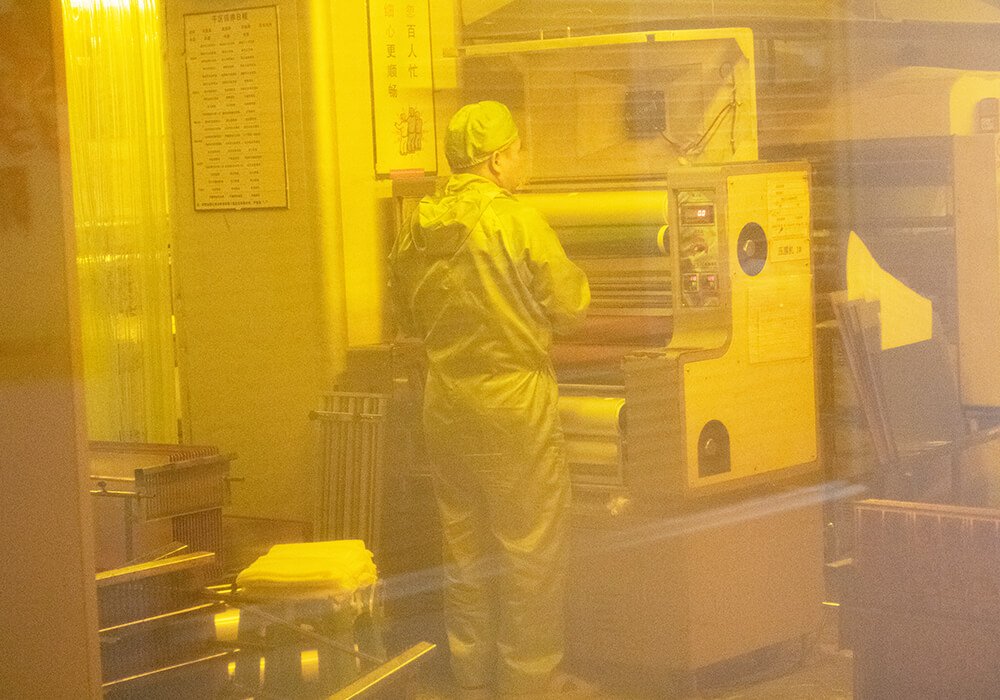
PCB Fabrication
We manufacture various types of industrial-grade PCBs:

PCB Assembly
We offer complete turnkey assembly solutions:
- SMT Assembly
- Through-Hole Assembly
- BGA Assembly
- Prototype PCB Assembly
- High-volume Production

Component Sourcing
We offer an electronic component sourcing service from certified suppliers.
- Authorized Distributors
- Genuine Original Parts
- Large Stock On Hand
- 10 Years Of Sourcing Experience
- Free Alternative Part Options

Item | Rigid PCB | Flexible PCB | Rigid-Flex PCB |
Max Layer | 60L | 8L | 36L |
Inner Layer Min Trace/Space | 3/3mil | 3/3mil | 3/3mil |
Out Layer Min Trace/Space | 3/3mil | 3.5/4mil | 3.5/4mil |
Inner Layer Max Copper | 6oz | 2oz | 6oz |
Out Layer Max Copper | 6oz | 20z | 3oz |
Min Mead hanical Driling | 0.15mm | 0.1mm | 0.15mm |
Min Laser Drilling | 0.1mm | 0.1mm | 0.1mm |
Max Aspect Ratio (Mechanical Drilling) | 20:01 | 10:01 | 12:01 |
Max Aspect Ratio (Laser Drilling) | 1:01 | / | 1:01 |
Press Fit Hole Tolerance | ±0.05mm | ±0.05mm | ±0.05mm |
PTH Tolerance | ±0.075mm | ±0.075mm | ±0.075mm |
NPTH Tolerance | ±0.05mm | ±0.05mm | ±0.05mm |
Countersink Tolerance | ±0.15mm | ±0.15mm | ±0.15mm |
Board Thickness | 0.4-8mm | 0.1-0.5mm | 0.4-3mm |
Board Thickness Tolerance(<1.0mm) | ±0.1mm | ±0.05mm | ±0.1mm |
Board Thickness Tolerance(≥1.0mm) | ±10% | / | ±10% |
Min Board Size | 10*10mm | 5*10mm | 10*10mm |
Max Board Size | 22.5*30 inch | 9*14 inch | 22.5*30 inch |
Contour Tolerance | ±0.1mm | ±0.05mm | ±0.1mm |
Min BGA | 7mil | 7mil | 7mil |
Min SMT | 7*10mil | 7*10mil | 7*10mil |
Min Solder Mask Clearance | 1.5mil | 3mil | 1.5mil |
Min Solder Mask Dam | 3mil | 8mil | 3mil |
Min Legend Width/Height | 4/23mil | 4/23mil | 4/23mil |
Strain Fillet Width | / | 1.5±0.5mm | 1.5±0.5mm |
Bow &Twist | 0.003 | / | 0.0005 |
Standards for Industrial Control PCB.
Industrial Control PCB must comply with strict international standards to ensure safety, performance, and reliability.


IPC-6012
IPC-6012 defines performance requirements for rigid PCBs, including:
- Material Specifications
- Conductor Requirements
- Hole Quality
- Electrical Performance

IPC-2221
IPC-2221 covers PCB design guidelines such as:
- Trace Width &Spacing
- Via Structures
- Layout Requirements

UL 94
UL 94 ensures that PCB materials are flame-retardant and safe for industrial use.
Industrial Control PCB Feature
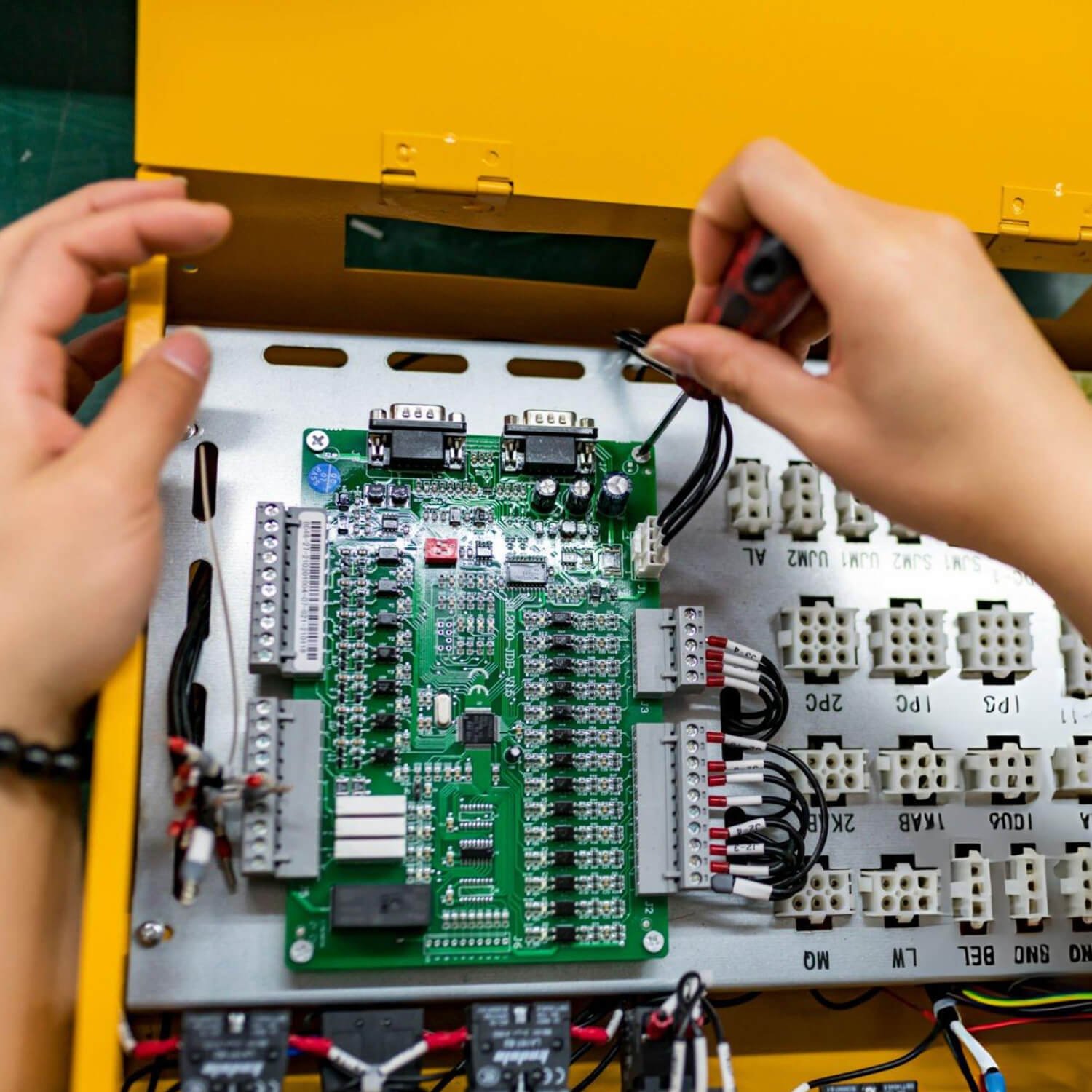
Our Industrial Control PCBs are engineered to deliver exceptional performance in demanding industrial environments.
High Reliability
Our industrial control PCBs are designed for 24/7 continuous operation with minimal failure rates.
- Long Service Life With Stable Electrical Performance
- Use Of Industrial-Grade Components
- IPC-A-610 Class 3 Compliant Assembly
- Strict Quality Control At Every Production Stage
Thermal Stability
Industrial environments often involve extreme temperatures. Our PCBs maintain performance under such conditions.
- High-Tg materials (FR-4, polyimide)
- Efficient heat dissipation design
- Thermal vias and optimized copper thickness
- Support for metal core PCB structures
Strong Anti-Interference
We ensure stable signal transmission even in high electromagnetic interference environments.
- Optimized grounding and shielding
- Controlled impedance routing
- Reduced signal noise and crosstalk
Vibration and Shock Resistance
Our PCBs are built to withstand harsh mechanical conditions.
- Reinforced PCB structures
- Secure component mounting
- Through-hole components for high-stress areas
- Advanced soldering techniques to prevent cracking
Industrial Control PCB Material
Industrial Control PCB Material will directly affect electrical performance, thermal stability, mechanical strength, and long-term reliability—especially in the high temperature, humidity, vibration, and chemical exposure environments.
We will choose materials based on the specific application requirements to ensure optimal performance and durability.
1. FR-4
FR-4 is the most widely used material in industrial PCB manufacturing due to its balance of performance and cost.
- Good Electrical Insulation
- Moderate Thermal Resistance
- High Mechanical Strength
- Cost-Effective
2. Polyimide
Polyimide is a high-performance material designed for extreme environments.
- Excellent Thermal Resistance (Up To ~400°C)
- High Flexibility (Ideal For Flex PCBs)
- Strong Chemical Resistance
- Excellent Mechanical Durability
3. Ceramic
Ceramic PCBs use substrates such as alumina (Al₂O₃) or aluminum nitride (AlN).
- Exceptional Thermal Conductivity
- High Temperature Resistance
- Low Dielectric Loss
- Excellent Chemical Stability
4. PTFE
PTFE, commonly known as Teflon, is used in high-frequency and RF applications.
- Very Low Dielectric Constant
- Excellent Signal
- Transmission Performance
- High Temperature Resistance (Up To ~260°C)
- Strong Chemical Resistance
5. Metal
Metal core PCBs incorporate a metal base (typically aluminum or copper) for enhanced heat dissipation.
- Excellent Thermal Conductivity
- Improved Heat Dissipation For Power Components
- High Mechanical Strength
Design for Industrial Control PCB
When we are designing an Industrial Control PCB, it requires a rigorous engineering approach. We need to focus on reliability, safety, and long-term performance in harsh operating environments.
1. Thermal Management
Industrial control systems often operate under high temperatures or fluctuating thermal conditions. Poor thermal design can lead to component failure and reduced lifespan.
We need to:
- Use high-Tg materials (e.g., high-Tg FR-4, polyimide).
- Implement thermal vias to dissipate heat efficiently.
- Integrate heat sinks or metal core PCBs for power components.
- Optimize component placement to avoid heat concentration.
2. EMI/EMC Design
Industrial environments are filled with electromagnetic interference (EMI), which can disrupt signal integrity and system stability.
It is better to:
- Use solid ground planes and proper grounding techniques.
- Separate analog and digital signal areas.
- Minimize loop areas in high-speed circuits.
- Add shielding and filtering components.
- Follow EMC design standards to reduce emissions.
3. Signal Integrity
The signal accuracy is important for control systems, especially in high-speed or precision applications.
We should consider:
- Controlled impedance routing for high-speed signals.
- Differential pair routing where required.
- Minimize crosstalk and signal reflections.
- Short and direct trace routing.
- Proper termination techniques.
4. Power Integrity
Stable power delivery is crucial for industrial control PCBs to avoid malfunction or system downtime.
We should:
- Use wide power traces to handle high current loads.
- Decoupling capacitors placed close to IC power pins.
- Power plane design for consistent voltage distribution.
- Separate power domains for sensitive components.
5. Mechanical Stability
Industrial equipment is often exposed to vibration, shock, and mechanical stress.
We should:
- Reinforced PCB structure (thicker boards or stiffeners).
- Secure mounting points and connectors.
- Use of underfill or adhesive for critical components.
- Through-hole components for high-stress areas.
Why Choose Us
It is important to choose a Industrial Control PCB supplier for your industrial systems. With engineering expertise, advanced manufacturing capabilities, and strict quality control, we can offer high-performance PCB solutions tailored for demanding industrial applications.

Turnkey PCB Solution
We provide a complete end-to-end service, eliminating the complexity of managing multiple vendors. We can do:
- PCB design and engineering support
- PCB fabrication Component sourcing
- PCB assembly (SMT, THT, mixed)
- Final testing and quality assurance

Quality
Industrial applications demand the highest level of reliability. We adhere to globally recognized standards:
- IPC-A-610 Class 3 (high-reliability electronics)
- IPC-6012 (PCB performance standards)
- ISO 9001
- ISO 14001
- UL 94

Advanced Manufacturing
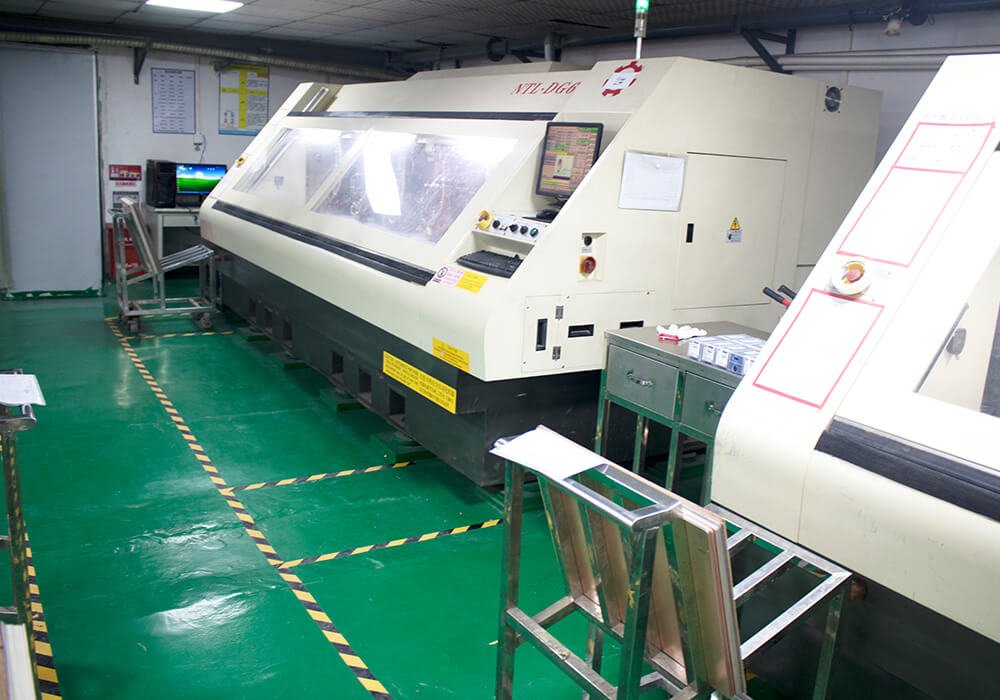
Our state-of-the-art facilities support complex and high-precision PCB assembly. We can do:
- Fine-pitch placement down to 0.38mm
- BGA (0.2mm pitch) with X-ray inspection
- Support for 0201 components
- High-density multilayer PCBs
- Mixed technology assembly (SMT + Through-hole)

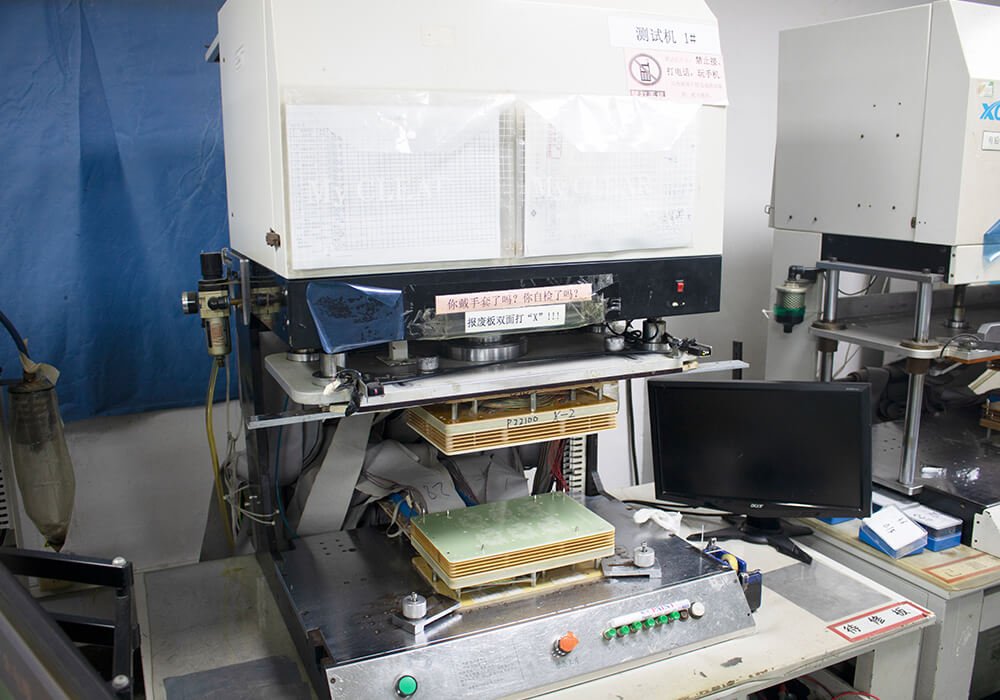
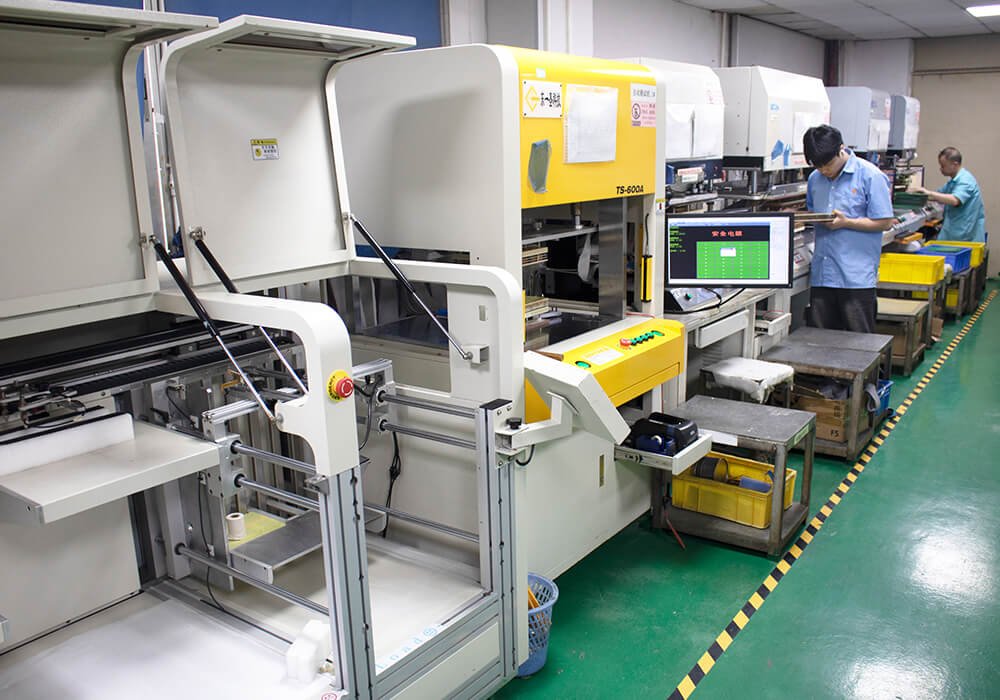
Testing & Inspection
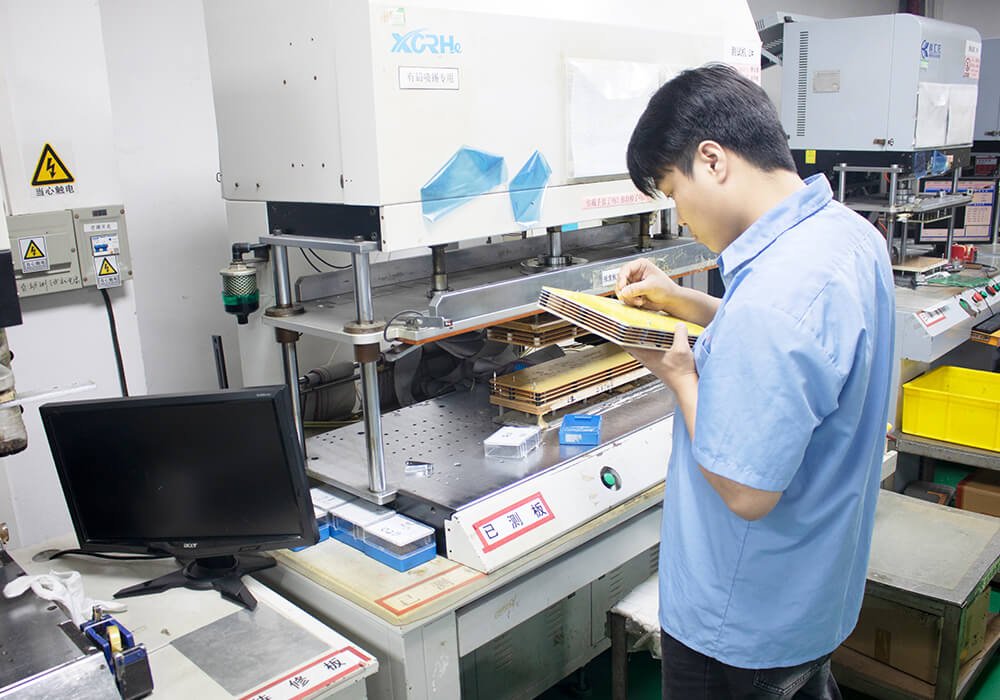
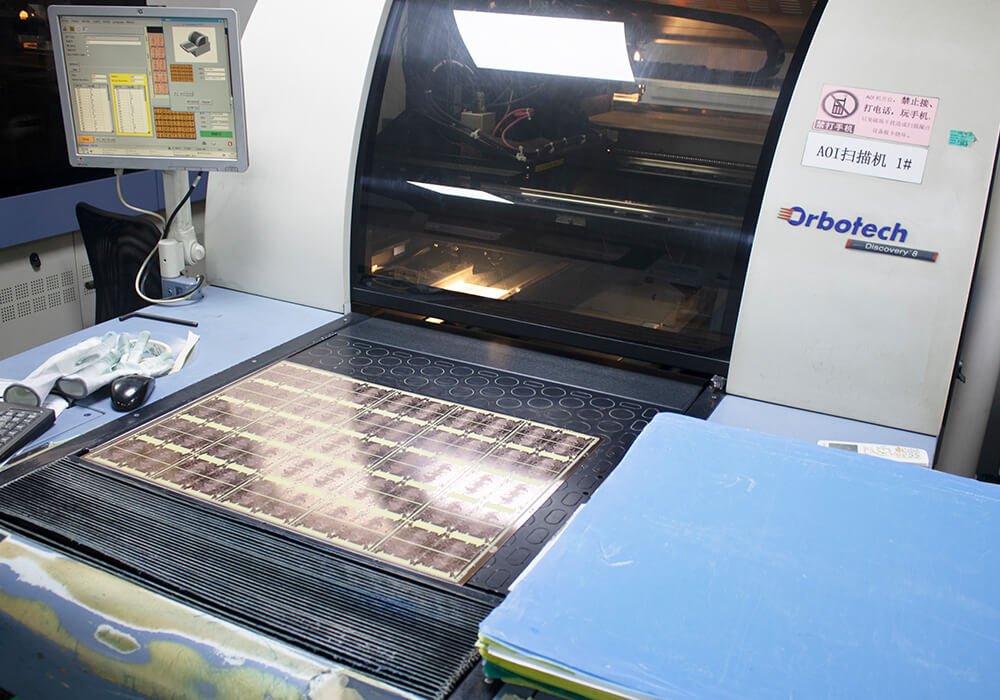
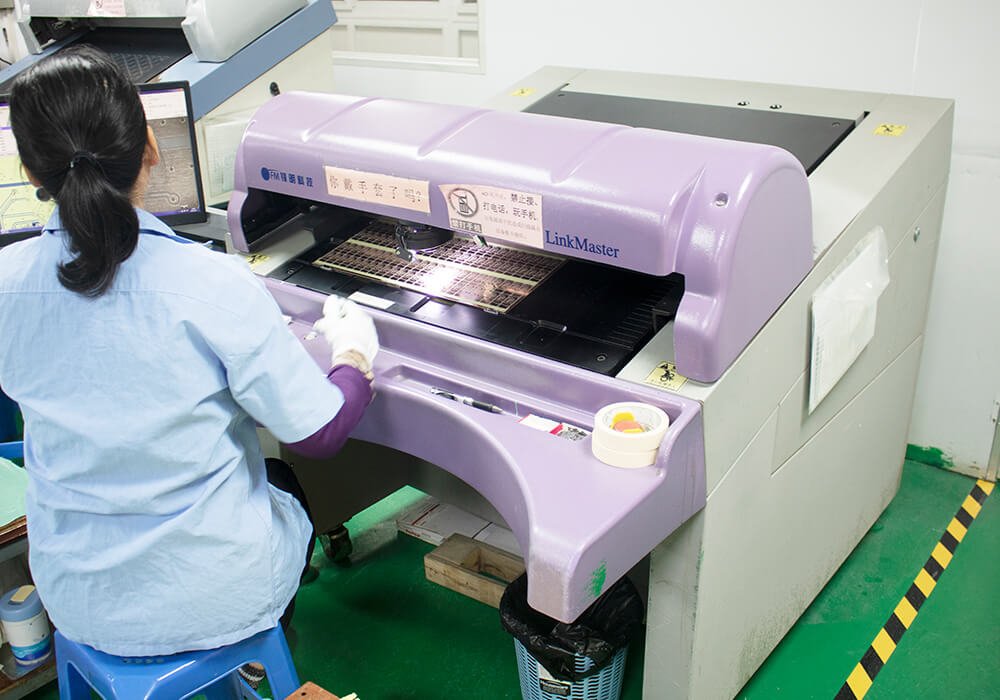
We implement multi-level testing to ensure every industrial control PCBA meets strict performance requirements.
- AOI (Automated Optical Inspection)
- X-ray inspection for hidden solder joints
- In-Circuit Testing (ICT)
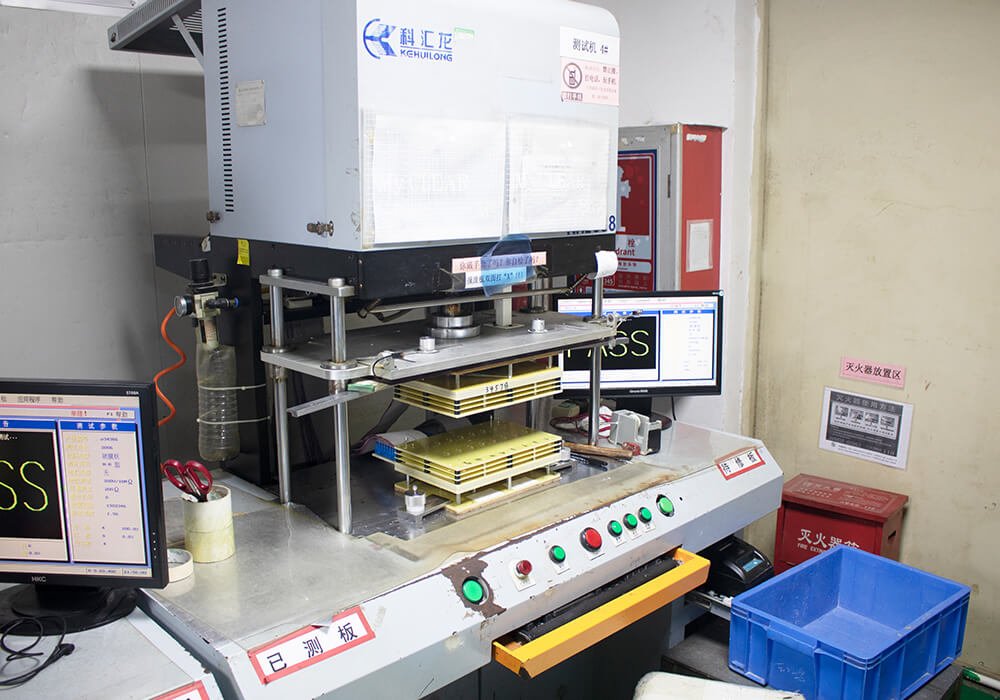
- Functional testing under real operating conditions
- Voltage and performance validation
Fast Quotation
Our professional sales and engineering teams provide fast PCB quotes and technical support. Simply send us your Gerber files, BOM, and assembly drawings, and we will respond promptly with a competitive solution.
- Gushu Tangxi Second Industrial Zone, Shenzhen
- +86 755 2335 0814
- +86 135 1078 8094
- sales@pcbasail.com
FAQ About Industrial Control PCB?
1. What is an Industrial Control PCB?
An Industrial Control PCB is a printed circuit board used in industrial automation systems to control machinery, processes, and equipment.
It integrates electronic components to enable monitoring, data processing, and real-time control in industries such as manufacturing, energy, and transportation.
2. What Is The Difference Between Industrial Control PCB And Standard PCB?
Industrial Control PCBs are designed for harsh environments and long-term reliability, while standard PCBs are typically used in consumer electronics.
Key Differences:
- Higher temperature resistance
- Better vibration and shock tolerance
- Stronger EMI/EMC protection
- Longer lifecycle and higher reliability standards (IPC Class 3)
3. What Is IPC Class 3 In PCB Assembly?
IPC Class 3 is the highest quality standard for PCB assembly. It is required for mission-critical applications where failure is not acceptable, such as industrial control, aerospace, and medical systems.
4. What Is The Typical Lifespan Of An Industrial Control PCB?
Industrial Control PCBs are designed for long-term operation, typically lasting:
- 5 to 15+ years depending on environment and usage
Proper design, material selection, and maintenance significantly extend lifespan.
5. What Is Your Minimum Order Quantity (MOQ)?
We support flexible order quantities:
- Prototype: as low as 5 pieces
- Mass production: up to 100,000+ pieces
6. What Files Are Required For PCB Manufacturing And Assembly?
You typically need to provide:
- Gerber files (RS-274X or equivalent)
- Bill of Materials (BOM)
- Pick-and-Place (XY) file
- Assembly drawings (if available)
7. What Surface Finishes Are Available?
We offer multiple surface finishes:
- ENIG (Electroless Nickel Immersion Gold)
- HASL (Lead-free / Leaded)
- Immersion Silver
- OSP