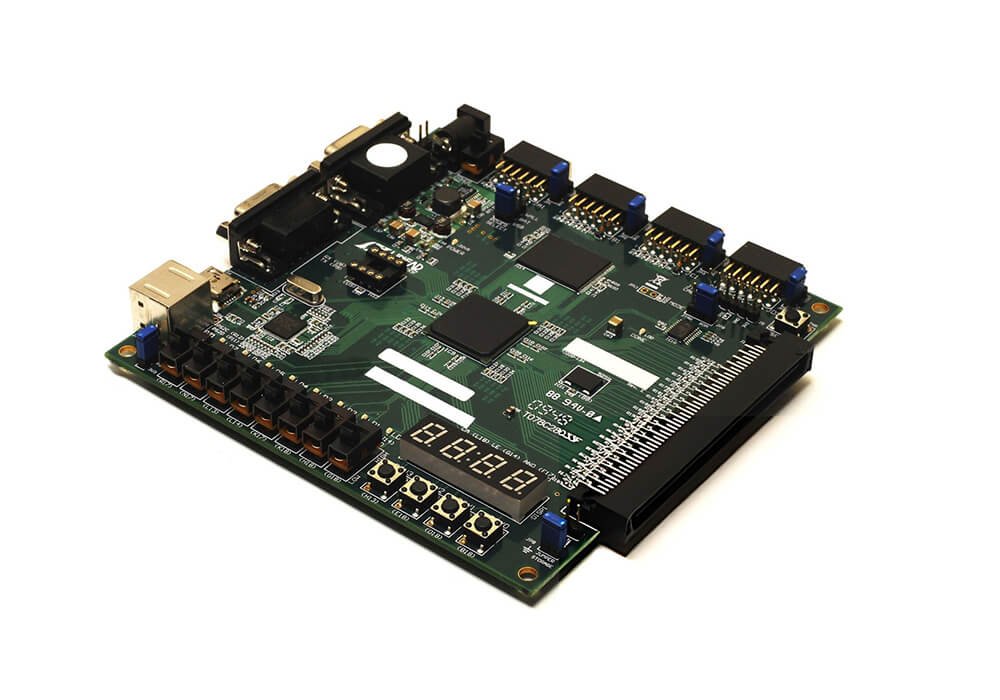
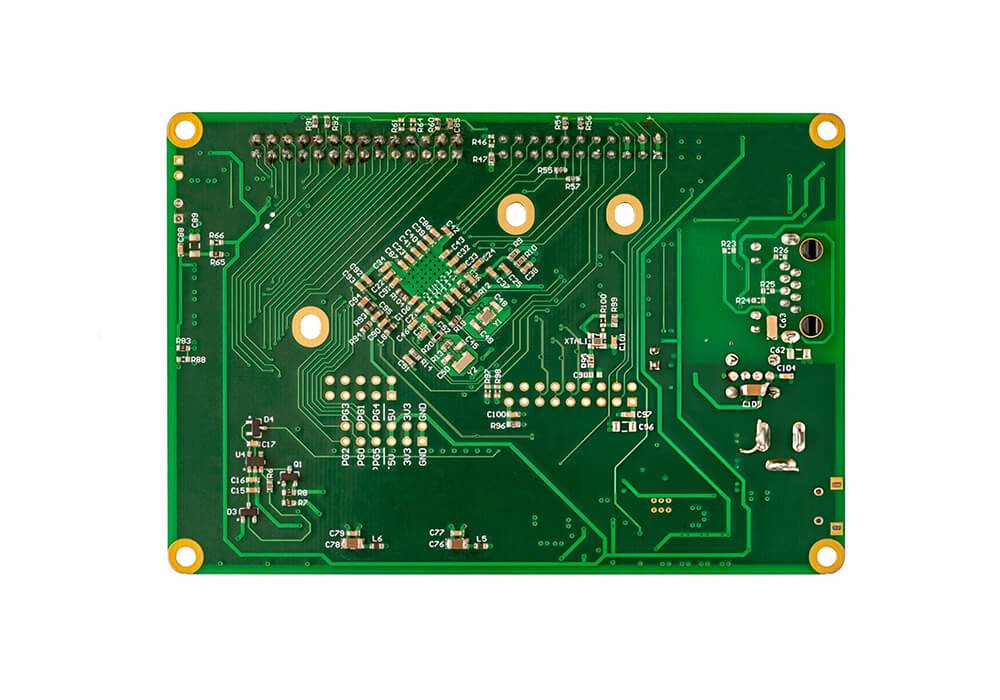
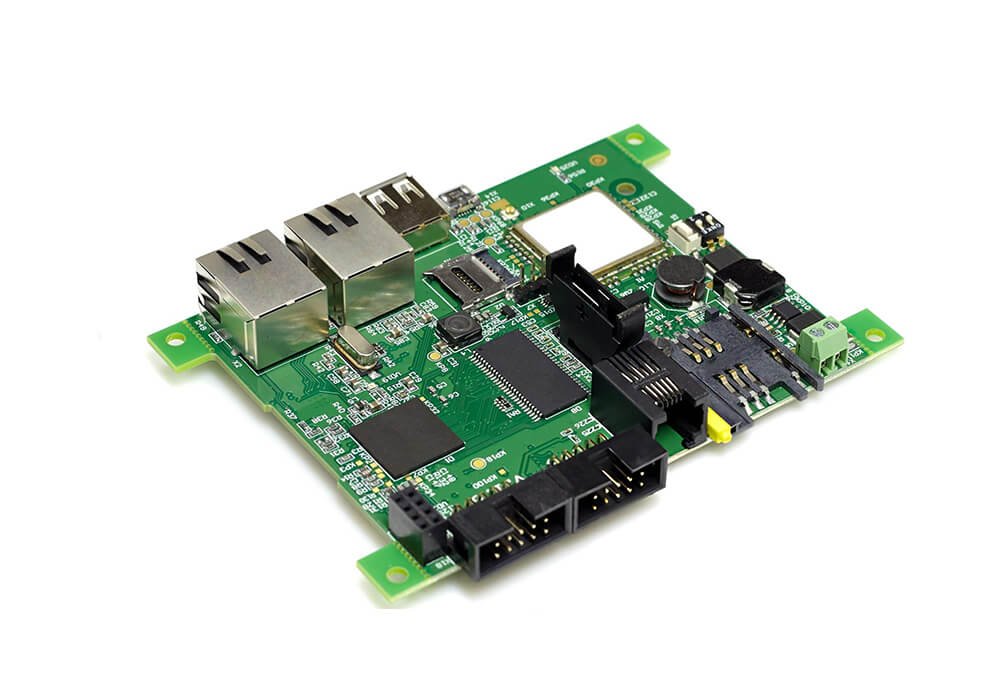
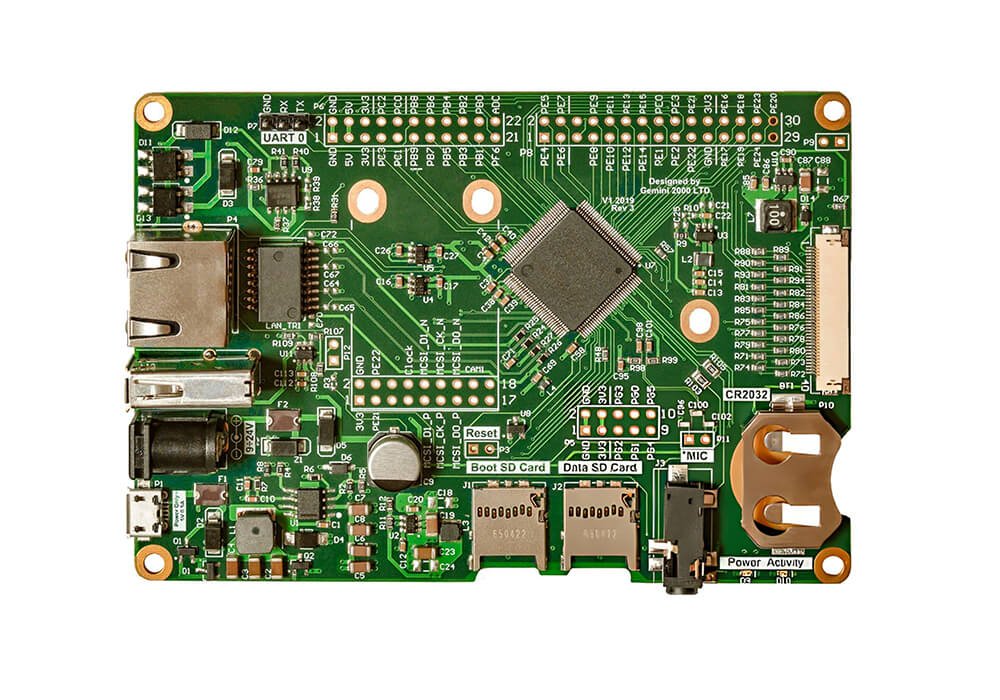
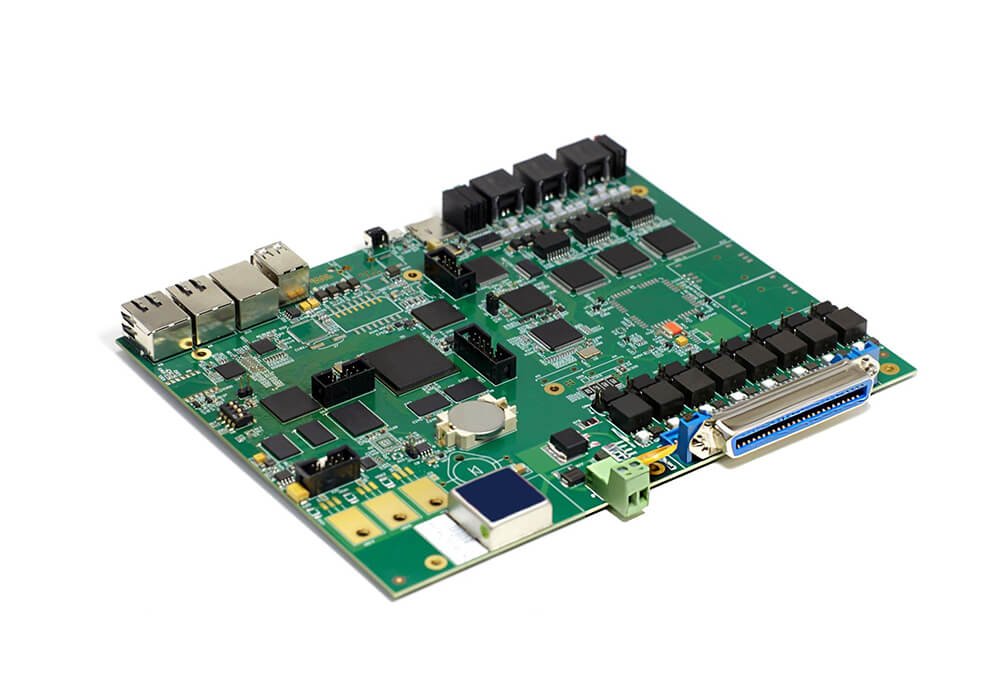

/Tg ≥170°C. Low CTE, Fast Turnaround/

High Tg PCB

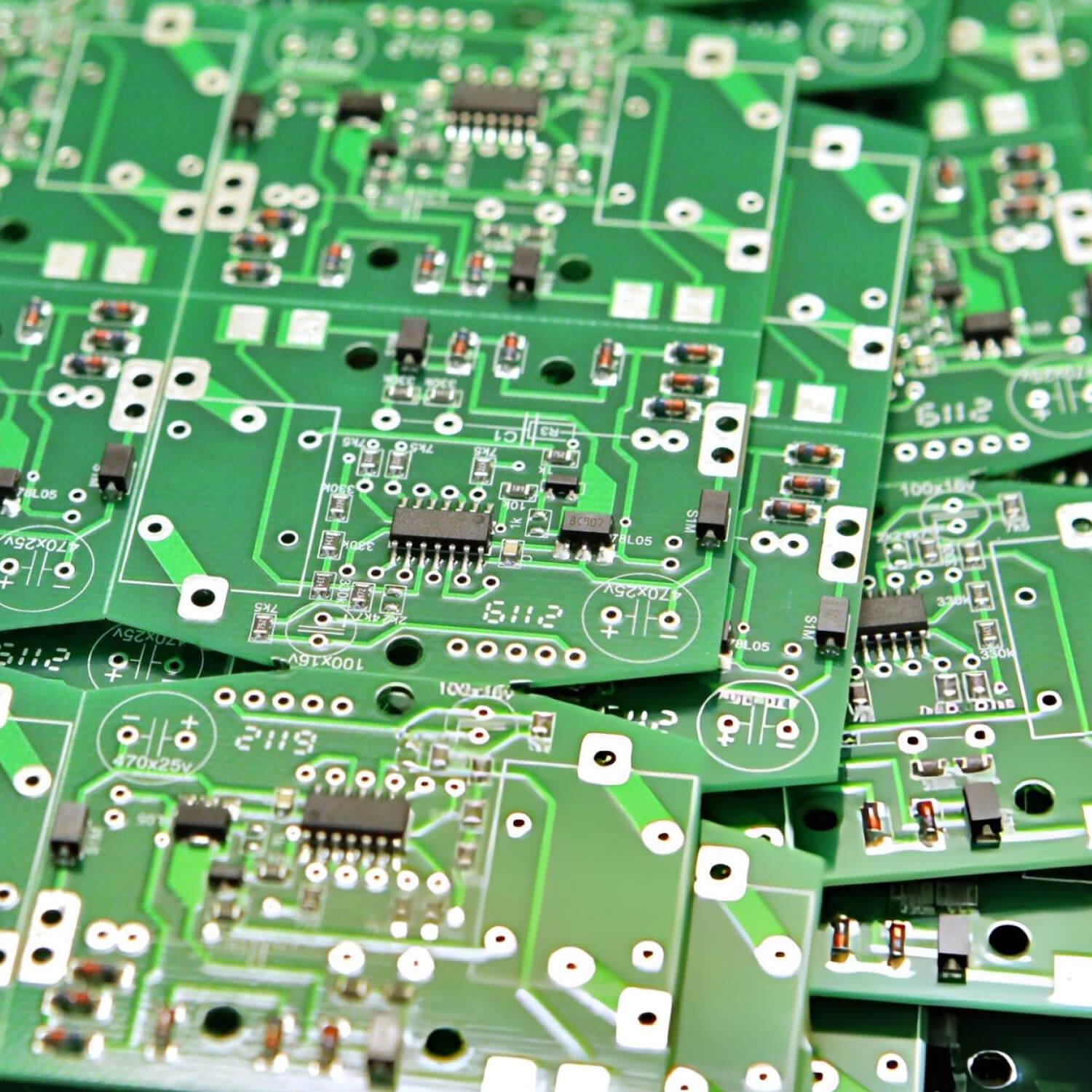
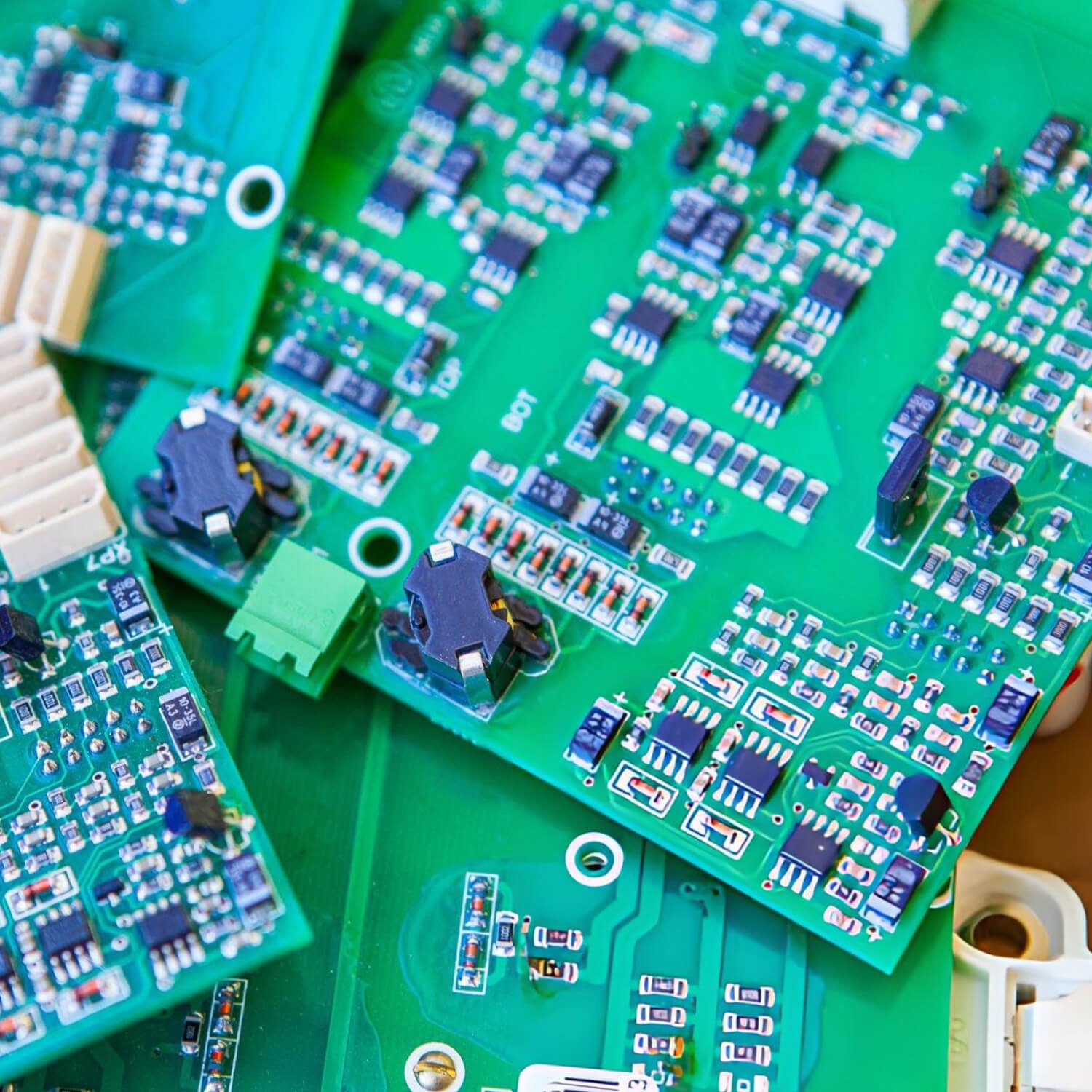
High Tg PCB is designed to withstand elevated thermal loads, repeated thermal cycling, and harsh working conditions. It ensures long-term reliability in mission-critical electronics.

At PCBSAIL, we manufacture high-performance High-Tg PCBs using advanced laminates and precision-controlled fabrication processes.

From multilayer boards to RF and heavy copper designs, we provide complete High Tg PCBs. If your project involves high temperature, high power, or harsh environments, we are your trusted partner for precision-engineered High-Tg PCBs.

High Tg PCB Manufacturer

High Tg PCB Manufacturer.

We are a professional High Tg PCB manufacturer in China, specializing in high-performance circuit boards for demanding applications.

With a strong focus on thermal reliability, signal integrity, and precision fabrication, we deliver advanced High Tg PCBs for automotive, industrial control, telecommunications, aerospace, and high-power electronics.

Our core strength lies in manufacturing complex PCB structures using high-performance materials from globally recognized suppliers such as:

With vertically integrated production and experienced engineering teams, we help customers reduce cost, shorten lead time, and improve product reliability.

Layer Count & Stack-Up Capability

We can offer High-Tg PCBs with complex multilayer for high-density and high-performance applications:

  • Up to 64 layers
  • Sequential lamination for HDI structures
  • Hybrid stack-ups (FR4 + high-frequency materials)
  • Symmetrical and asymmetrical stack designs
  • Controlled impedance stack-ups (50Ω / 100Ω differential)

Material Processing

We process a wide range of high-temperature laminates with controlled Tg, Td, and CTE performance:

  • High Tg FR4 (Tg ≥170°C)
  • IT180, S1000-2M
  • Rogers series (e.g., 4350B)
  • PTFE (Teflon-based materials)
  • Polyimide (Tg up to 250°C+)
  • Ceramic-filled laminates
  • Metal core substrates (Aluminum / Copper)

Trace, Spacing & Imaging Precision

Our advanced imaging and etching processes enable fine circuit definition for high-density designs:

  • Minimum trace/space: 1.8 mil / 1.8 mil
  • High-resolution LDI (Laser Direct Imaging)
  • Tight registration control for multilayer alignment
  • Fine-pitch BGA and high-speed signal routing support

Feature High Tg PCB.

We provide a full range of High Tg PCB solutions tailored to different industries and technical requirements.

Best High Tg PCB
High Tg PCB Price
High Tg PCB Layout
High Tg PCB Supplier
Cheaper High Tg PCB
High Tg PCB Near Me

High Tg PCB We Offer.

Flex PCB Single-Sided Flex PCB

High Tg Multilayer PCB

Our High Tg multilayer PCBs are made for complex electronic systems requiring high routing density and thermal stability.

  • Up to 64 layers
  • Controlled impedance (50Ω / 100Ω differential)
  • High-density routing for compact layouts
  • Sequential lamination for advanced stack-ups

Flex PCB Double-Sided Flex PCB

High-Tg HDI PCB

Built for miniaturization and high-speed performance, our High-Tg HDI PCBs support advanced packaging technologies.

  • Laser-drilled microvias
  • Blind & buried vias
  • Stacked and staggered via structures
  • Via-in-pad with resin filling and copper capping

Flex PCB Multilayer Flex PCB

High-Tg Metal Core PCB

These boards use High-Tg materials with metal cores for superior heat dissipation.

  • Excellent thermal conductivity
  • Efficient heat spreading
  • Increased power handling

Flex PCB with Stiffeners

High-Tg RF & High-Frequency PCB

Designed for high-speed signal transmission, these PCBs use High-Tg materials with low dielectric loss laminates.

  • Low dielectric constant (Dk)
  • Low dissipation factor (Df)
  • Stable signal integrity under heat

Flex PCB Rigid-Flex PCB

High-Tg Heavy Copper PCB

Engineered for high-current applications, these PCBs feature thick copper layers combined with High-Tg substrates.

  • High current carrying capacity
  • Reduced thermal buildup
  • Improved durability

Item

Capability

Layer Count

2–28 layers (two to twenty-eight)

Base Materials

High-Tg FR-4 (e.g., S1000-2M, IT-180A; Tg ≥170 °C — greater than or equal to one hundred seventy)

Glass Transition Temp (Tg)

170–180 °C (one hundred seventy to one hundred eighty)

Decomposition Temp (Td)

≥340 °C (greater than or equal to three hundred forty)

Board Thickness

0.6–3.2 mm (zero point six to three point two)

Copper Weight

1–3 oz (one to three ounces)

Min Trace/Space

100/100 μm (4/4 mil; one hundred by one hundred micrometers)

Min Hole Size (Mechanical)

0.20 mm (eight mils)

Max Panel Size

571.5 × 609.6 mm

Surface Finish

Lead-Free HASL, ENIG, OSP

Quality Testing

AOI, E-test, Impedance Checks

Certifications

ISO 9001, UL, RoHS/REACH

Lead Time

5–10 days (five to ten)

High Tg PCB Materials

High-Tg PCB materials are substrates with a glass transition temperature (Tg) typically ≥170°C. 

When we are choosing the right laminate, we need to review glass transition temperature (Tg), decomposition temperature (Td), coefficient of thermal expansion (CTE), dielectric properties (Dk/Df), and thermal conductivity.

High Tg PCB Materials

High-Tg FR4 is the most widely used material for high-temperature PCB applications.

Typical Properties:

  • Tg: 170–180°C
  • Td: ≥300°C
  • CTE-z: 45–55 ppm/°C

Advantages:

  • Cost-effective
  • Good mechanical strength
  • Compatible with standard PCB processes

IT180 is a high-performance laminate widely used in multilayer PCBs.

Key Specifications:

  • Tg: 180°C
  • Td: 345°C
  • CTE-z: ~45 ppm/°C
  • T260/T288: 60 min / 20 min

Benefits:

  • Excellent thermal endurance
  • Strong delamination resistance
  • Reliable in high-layer-count boards

S1000-2M is one of the most recommended materials for high-reliability applications.

Key Specifications:

  • Tg: 180°C
  • Td: 345°C
  • Low CTE for via reliability

Advantages:

  • Superior dimensional stability
  • Long service life under thermal stress
  • Excellent multilayer performance

Rogers 4350B is a premium laminate combining high Tg with excellent RF performance.

Key Properties:

  • Tg: ~280°C
  • Td: ~390°C
  • Dk: ~3.48
  • Low dissipation factor (Df)

Advantages:

  • Stable dielectric properties at high temperatures
  • Low signal loss
  • Ideal for high-frequency designs

Polyimide are designed for extreme temperature environments.

Typical Properties:

  • Tg: 240–260°C+
  • Excellent thermal and chemical resistance

Benefits:

  • Withstands extreme thermal cycling
  • High mechanical strength at elevated temperatures
  • Excellent reliability in harsh conditions

PTFE are used when both thermal stability and high-frequency performance are required.

Key Characteristics:

  • Low dielectric constant (Dk)
  • Low signal loss
  • Good thermal resistance

Advantages:

  • Ideal for high-speed and RF circuits
  • Stable performance under temperature variation

High Tg PCB Feature

High-Tg PCBs can maintain structural integrity and electrical performance under elevated temperatures and harsh operating conditions.

High-Tg PCBs can run reliably at temperatures exceeding 170°C.

  • Maintains rigidity during lead-free soldering
  • Prevents warping under continuous heat exposure
  • Ensures consistent electrical performance

High-Tg materials can reduce expansion when exposed to heat.

  • CTE-z typically ≤ 45–55 ppm/°C
  • Minimizes stress between layers
  • Reduces solder joint fatigue

High-Tg PCBs can withstand rapid temperature fluctuations without mechanical failure.

  • Resists cracking and delamination
  • Maintains layer bonding integrity
  • Performs reliably in harsh thermal environments

High-Tg materials provide enhanced rigidity and durability.

  • Maintains structural stability under stress
  • Reduces deformation during assembly
  • Supports heavy components and dense layouts

High-Tg PCBs can resist layer separation under thermal stress.

  • T260/T288 resistance up to 60 minutes
  • Strong adhesion between resin and copper layers
  • Long-term reliability in high-temperature environments
High Tg PCB Feature

High Tg PCB Manufacturing

High-Tg PCBs’ manufacturing requires tighter process control, specialized materials, and optimized thermal handling.

Every stage is engineered to preserve the thermal, mechanical, and electrical integrity of high-Tg laminates throughout production.

Flex PCB Manufacturring Process

Material Cutting

High-quality polyimide copper-clad laminates are precision-cut to panel size. Material thickness, copper weight, and grain direction are verified to ensure stable flex performance and consistent bend characteristics.

Flex PCB Manufacturring Process

Mechanical

Via and hole structures are formed using mechanical drilling or UV/CO₂ laser drilling, depending on hole size and design requirements.

  • Laser vias down to 0.1 mm
  • Controlled hole wall quality for reliable plating
  • Optimized for HDI and multilayer flex structures

Flex PCB Manufacturring Process

Copper Electroplating

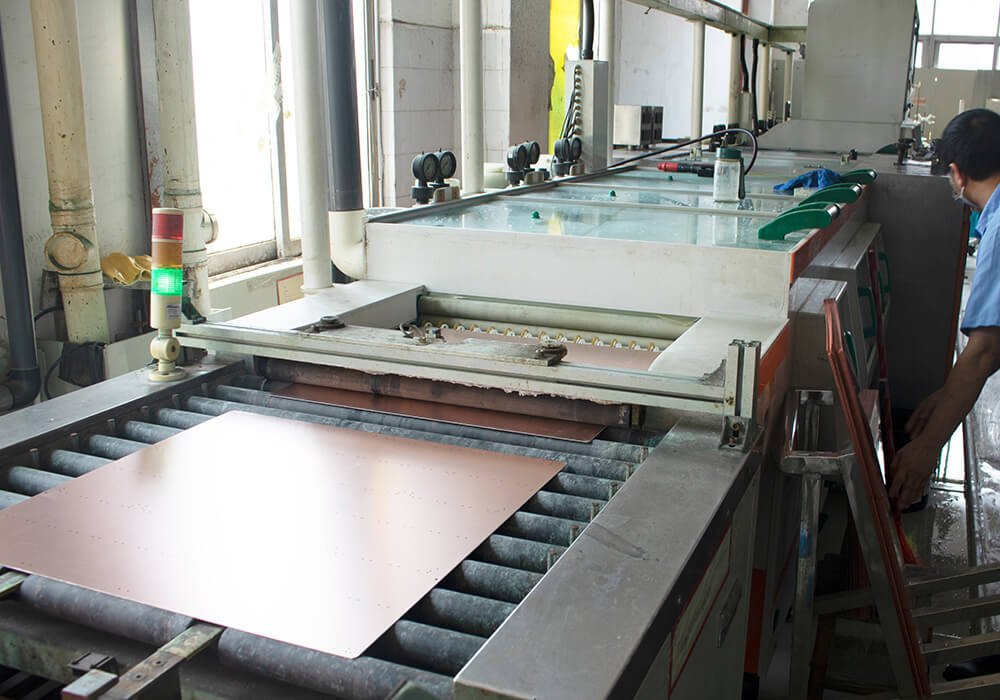
Electroless and electrolytic copper plating are applied to build uniform copper thickness within vias and on circuit traces, ensuring strong electrical continuity and mechanical reliability.

Flex PCB Manufacturring Process

Dry Film Lamination

Photosensitive dry film is laminated onto the copper surface under controlled pressure and temperature, preparing the panel for precise circuit imaging.

Flex PCB Manufacturring Process

Imaging & UV Exposure

Circuit patterns are transferred using high-resolution phototools and UV exposure systems. This step defines trace geometry, impedance-critical features, and fine-pitch structures.

Flex PCB Manufacturring Process

Pattern Plating

Unexposed photoresist is developed away, followed by selective copper and tin plating on circuit features to reinforce traces and pads before etching.

Flex PCB Manufacturring Process

Etching & Resist Stripping

Unwanted copper is chemically etched to form the final circuit pattern. Remaining photoresist and plating resist layers are stripped, leaving clean and accurate conductor geometries.

Flex PCB Manufacturring Process

Surface Finishing

Surface finishes are applied to protect exposed copper and ensure solderability and contact reliability:

  • OSP
  • ENIG (Electroless Nickel Immersion Gold)
  • Immersion Silver

Selective finishes such as ENIG + OSP are available for mixed-performance zones.

Flex PCB Manufacturring Process

Coverlay Application

Polyimide coverlay films are precisely aligned and laminated to protect flexible traces while maintaining controlled openings for pads, connectors, and solder areas.

Flex PCB Manufacturring Process

Pressing

Multi-layer flex or rigid-flex structures are thermally laminated under controlled heat and pressure to ensure layer integrity, adhesion strength, and dimensional stability.

Flex PCB Manufacturring Process

Electrical Testing

All boards undergo comprehensive electrical inspection:

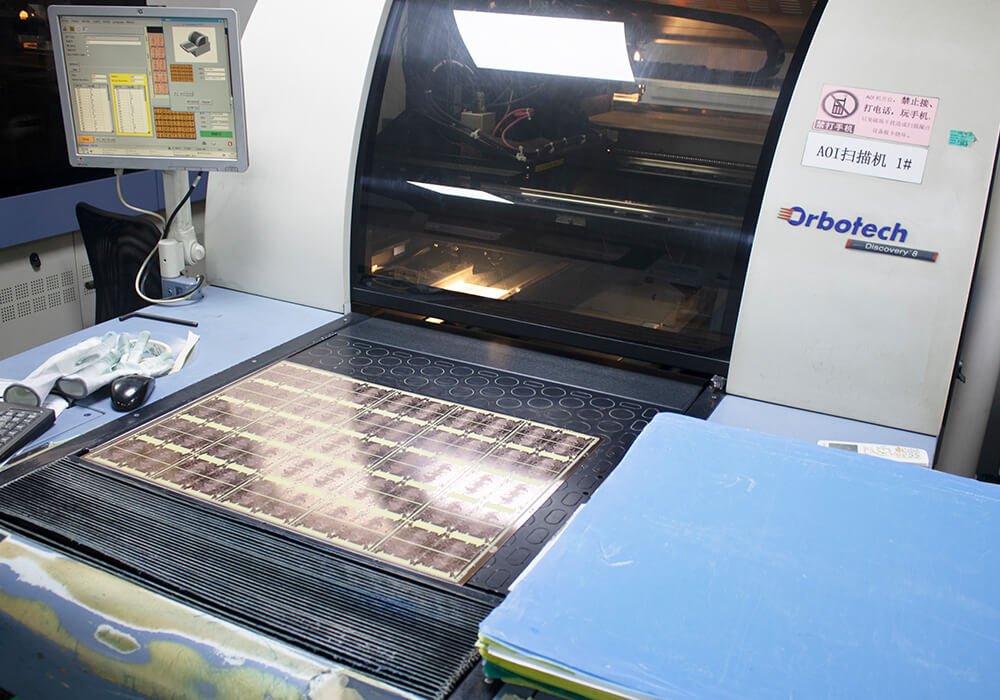
  • AOI (Automated Optical Inspection) for pattern accuracy
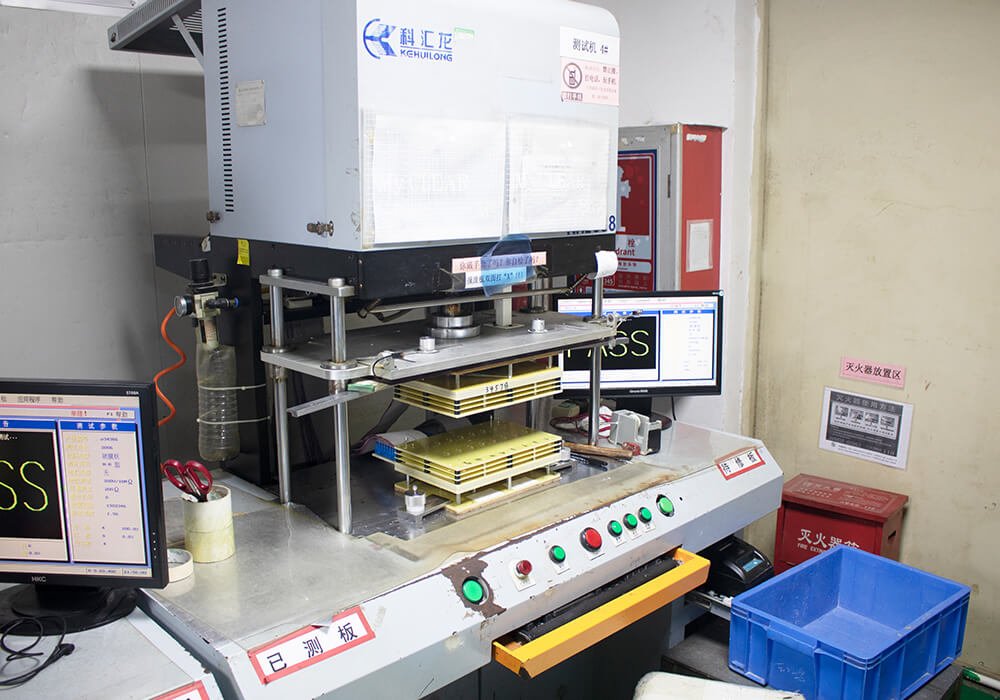
  • Flying probe testing for opens, shorts, and continuity
  • Impedance verification for controlled-impedance designs

Flex PCB Manufacturring Process

Final Inspection

Final inspections confirm mechanical dimensions, surface quality, and workmanship compliance with IPC standards. Boards are vacuum-sealed and packaged using ESD-safe materials to prevent damage during shipment.
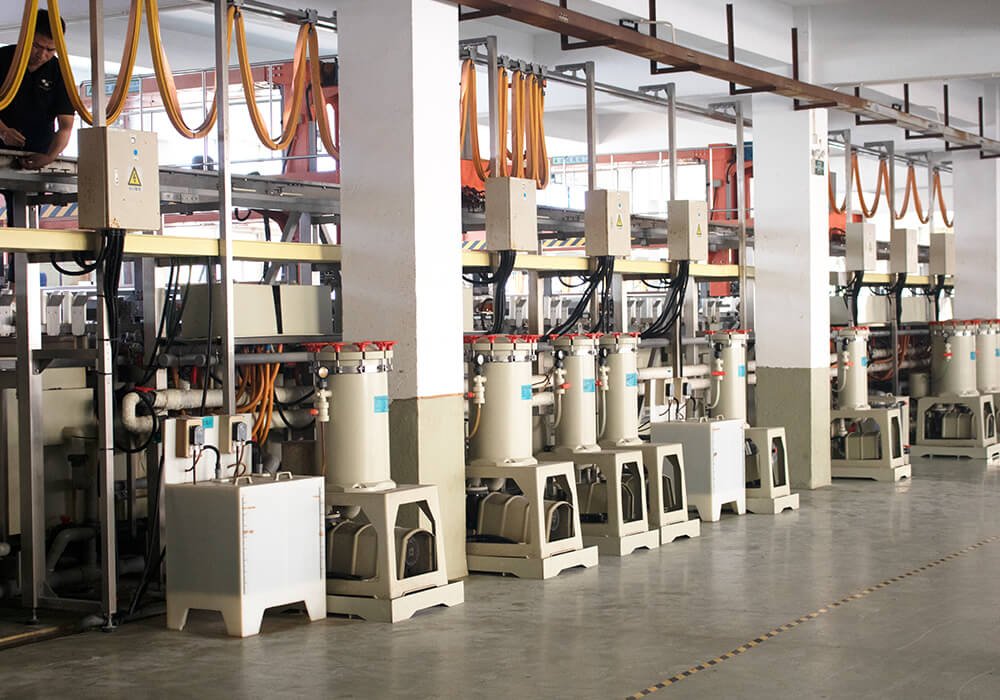
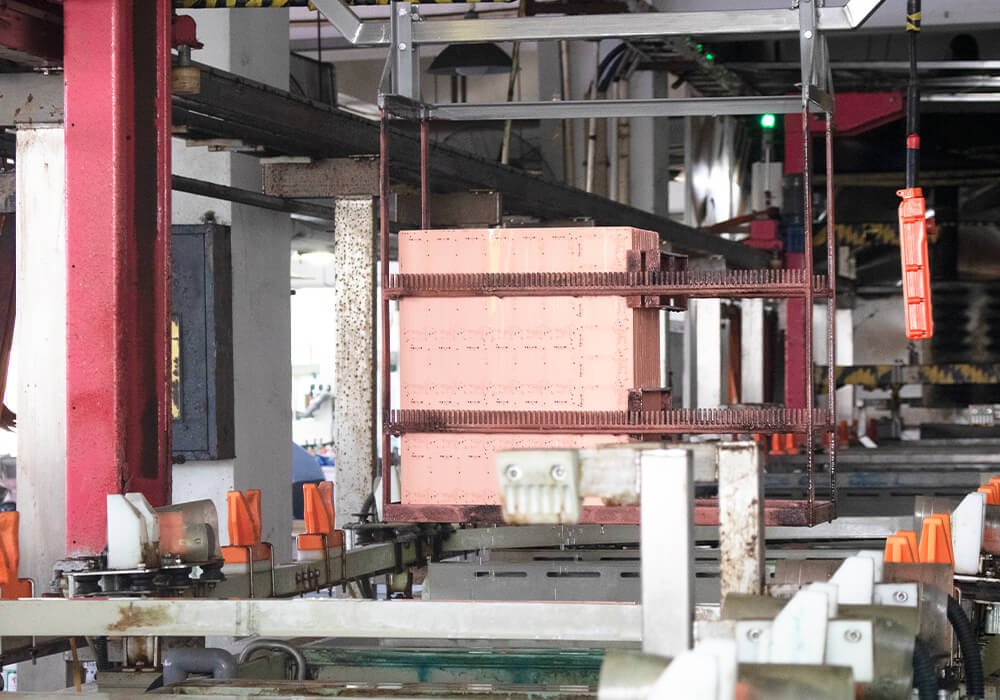
PTH
copper immersion
Degumming Residue
sink gold
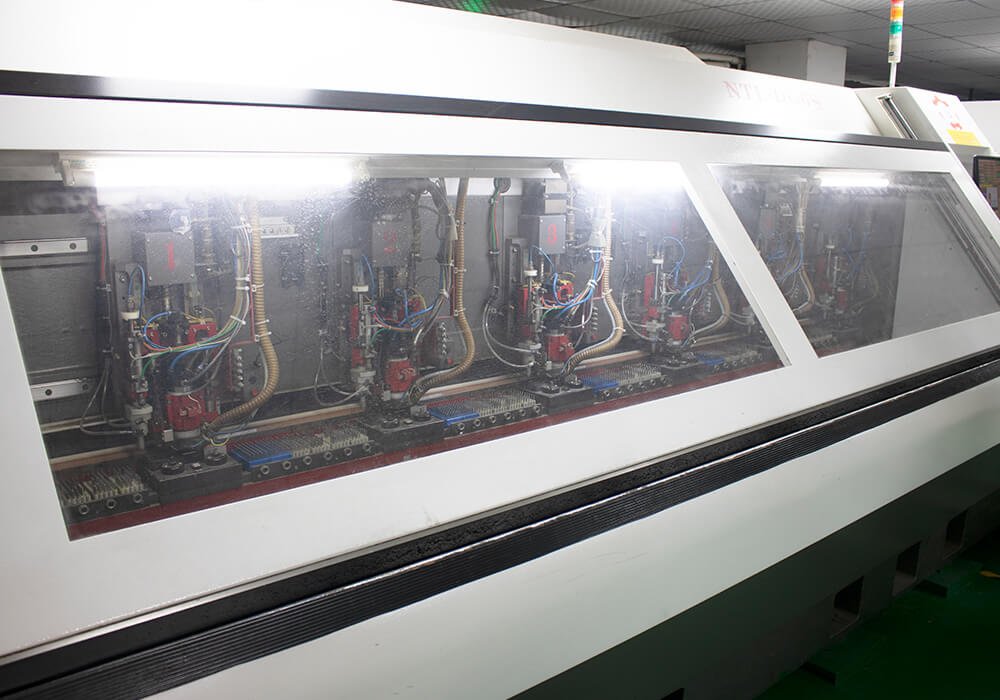
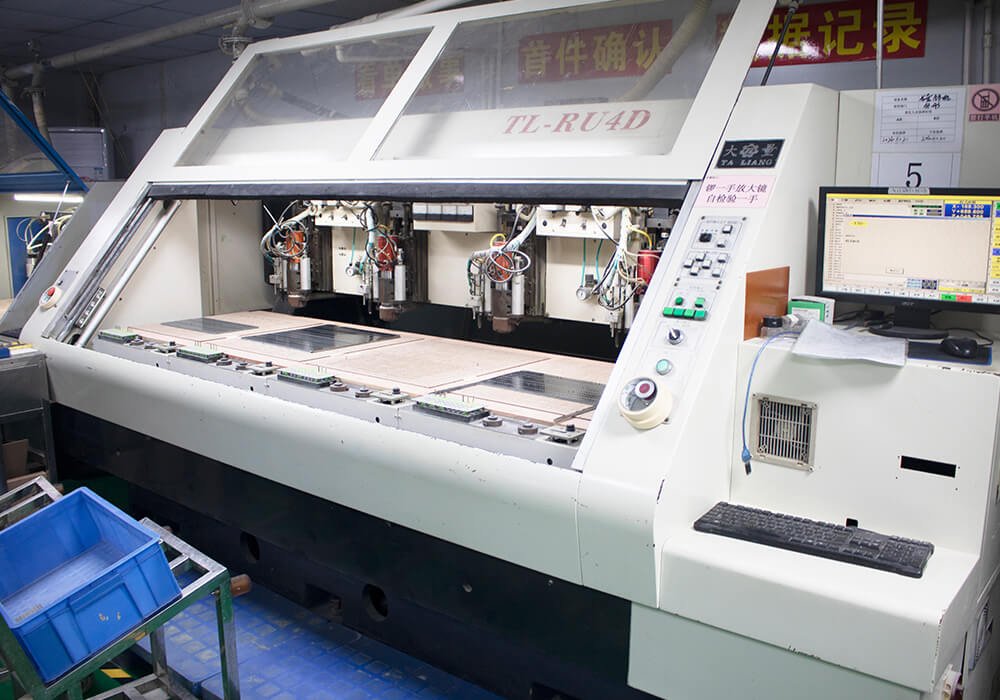
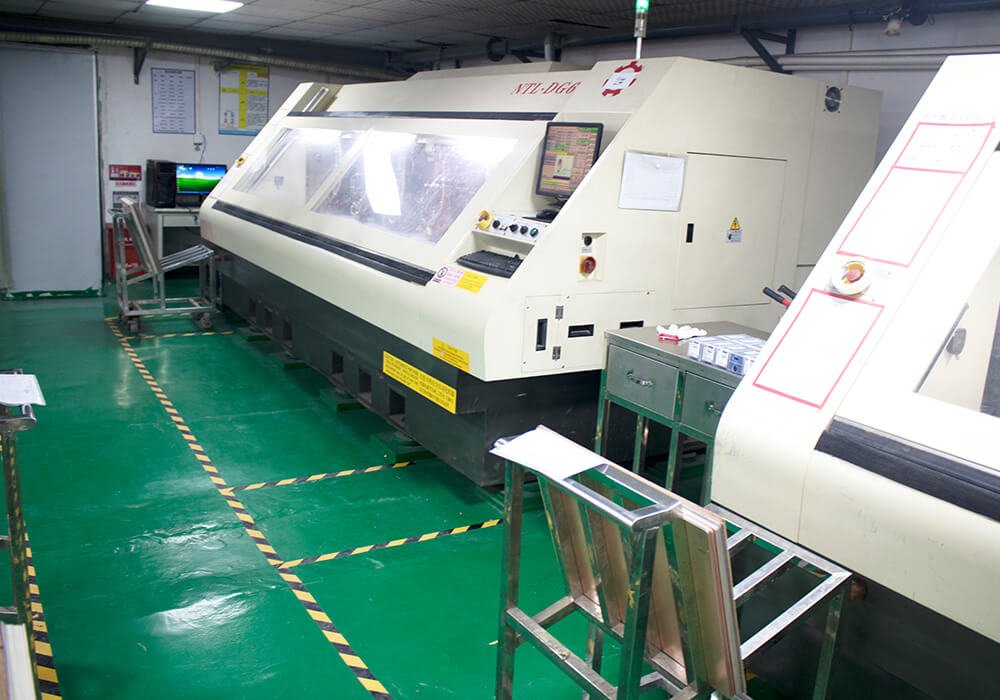
PCB Drill Machine
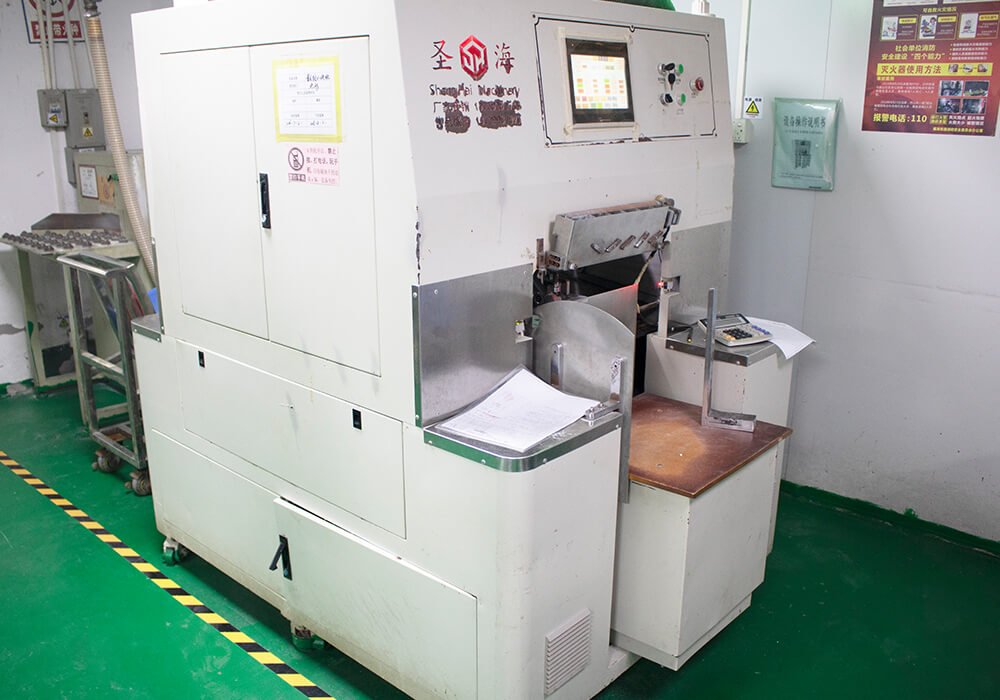
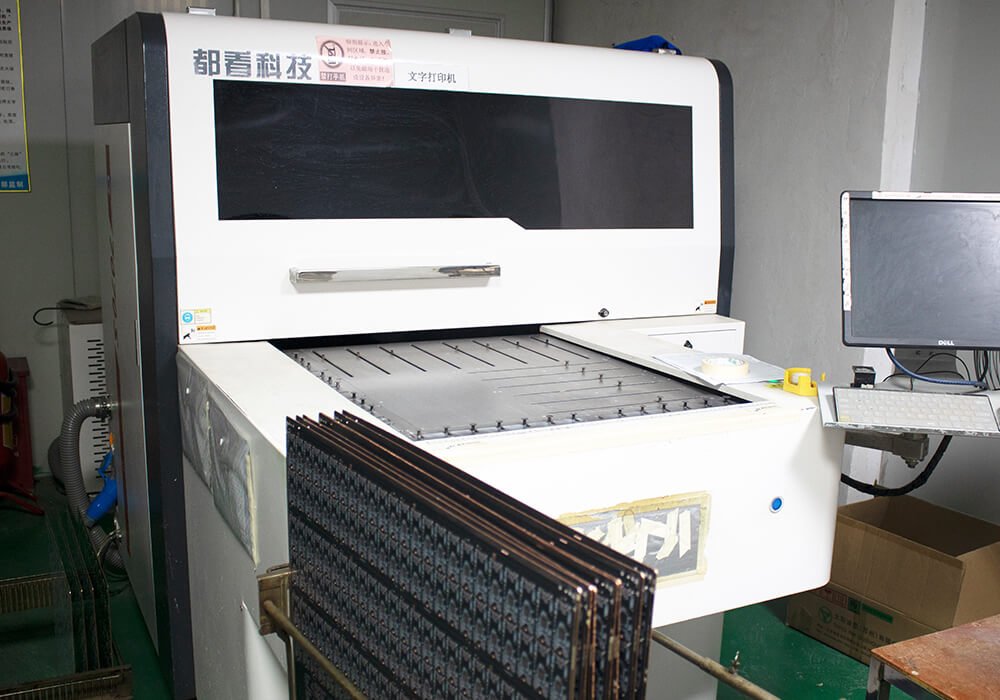
PcB Manufacturing Machine
Etching
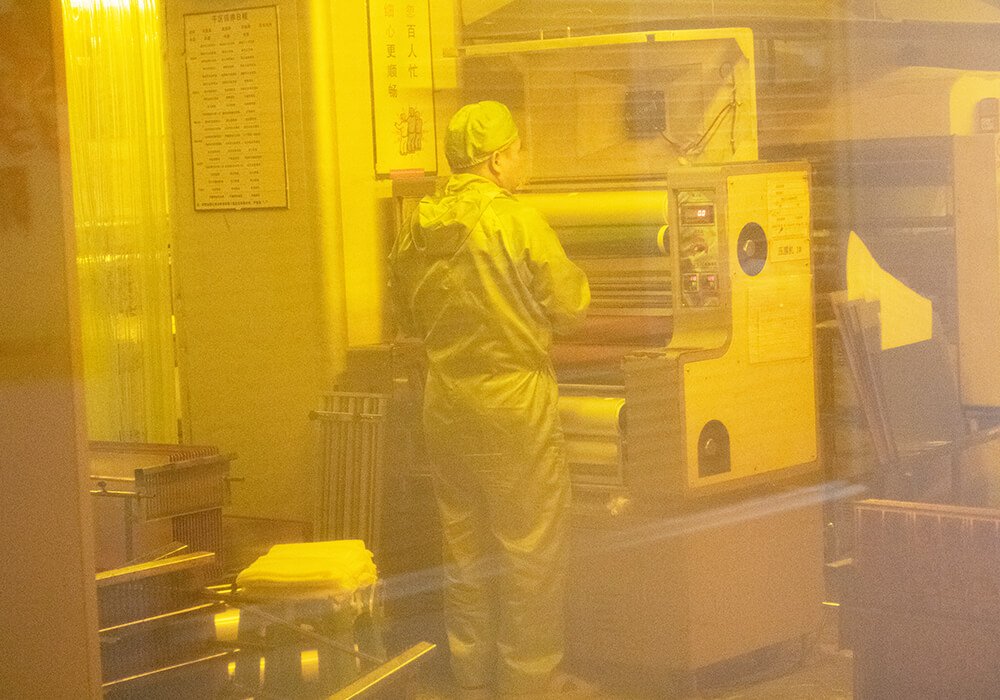
Imaging room
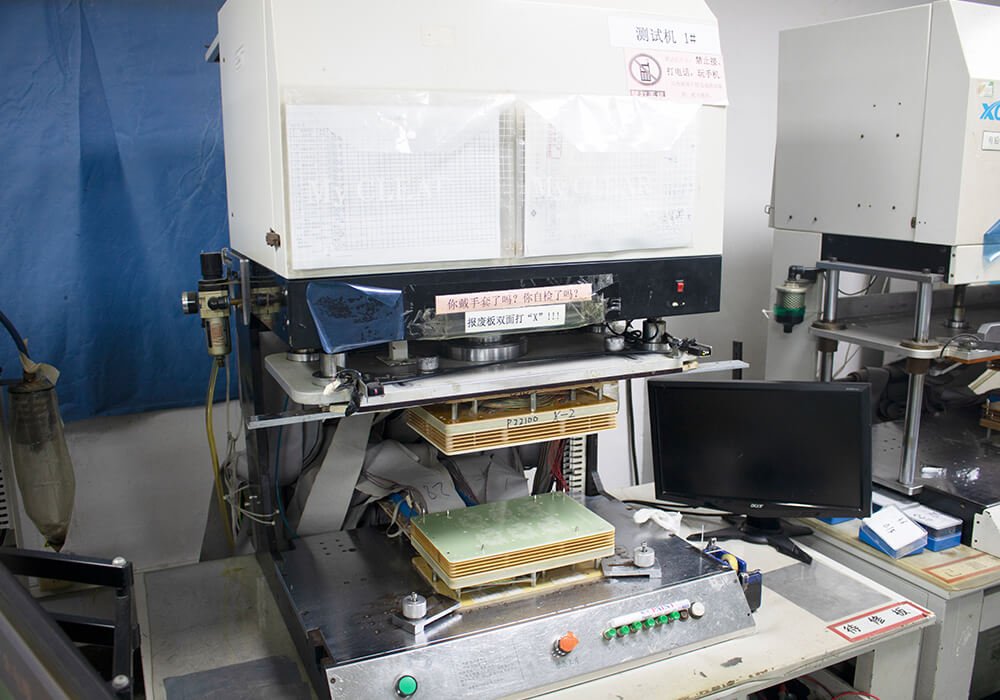
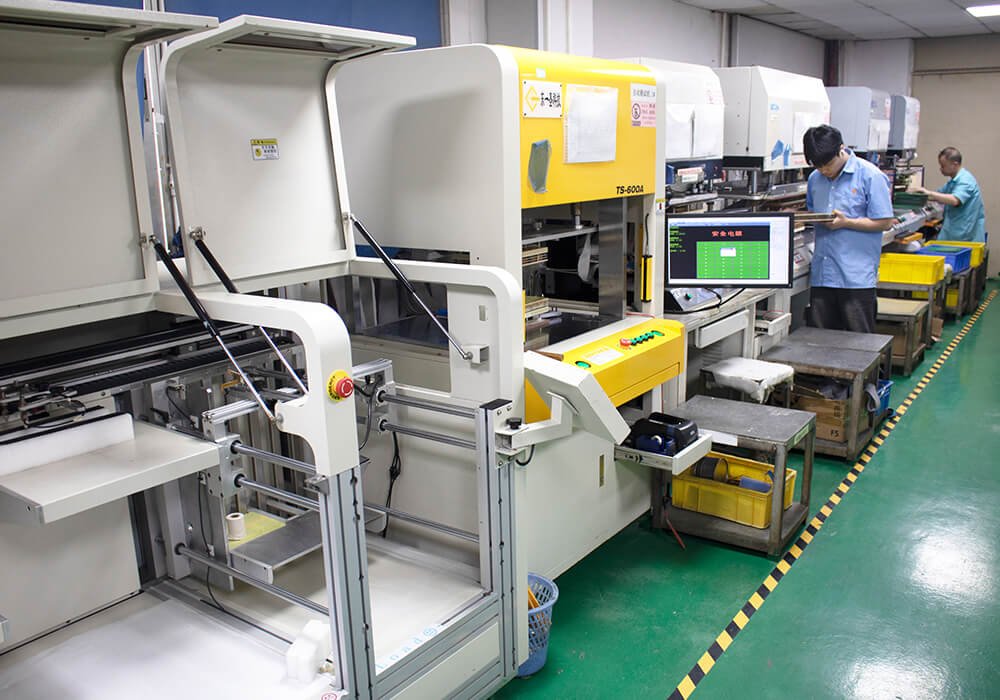
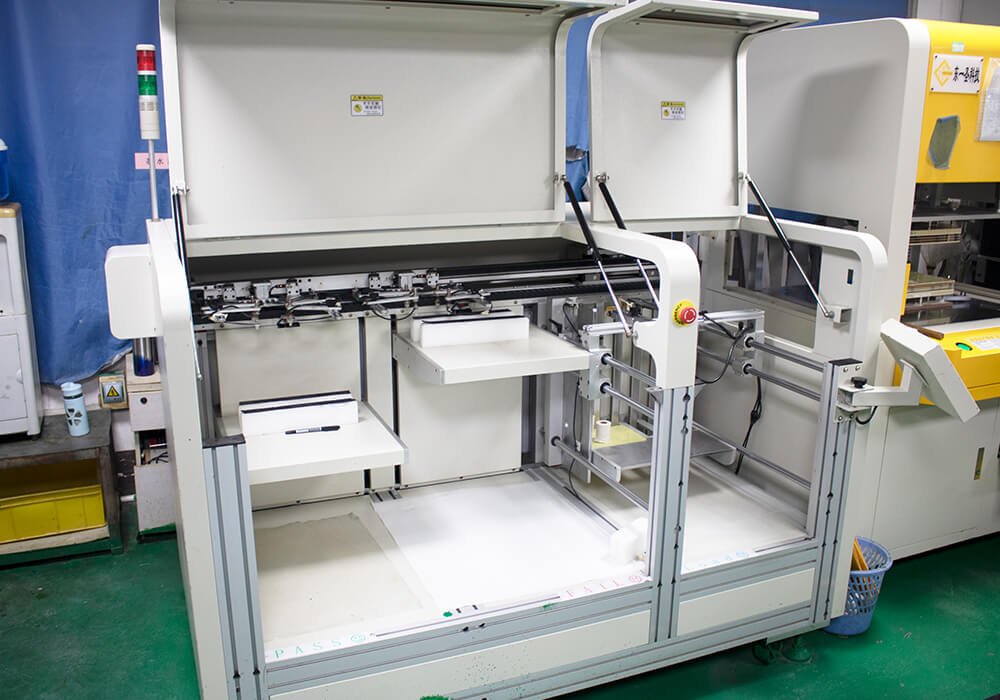
PCB Test Machine
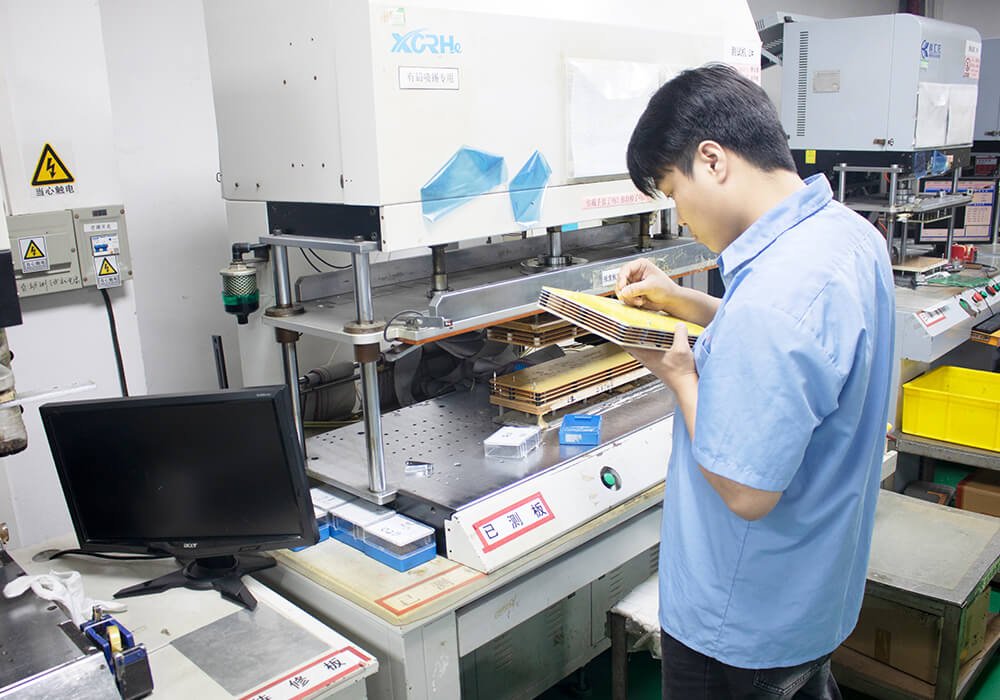
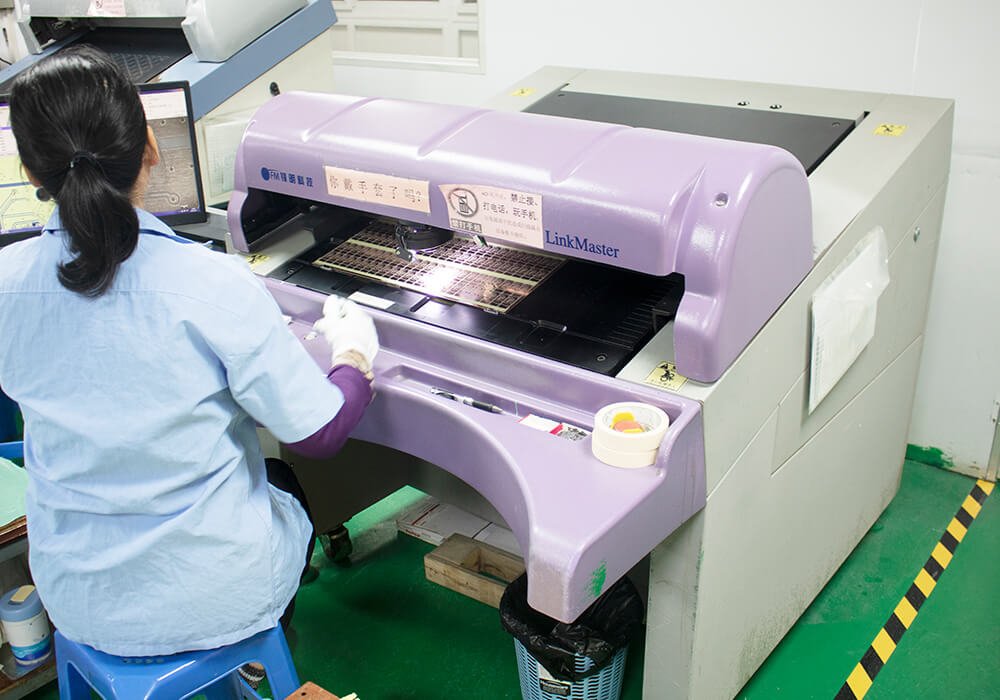
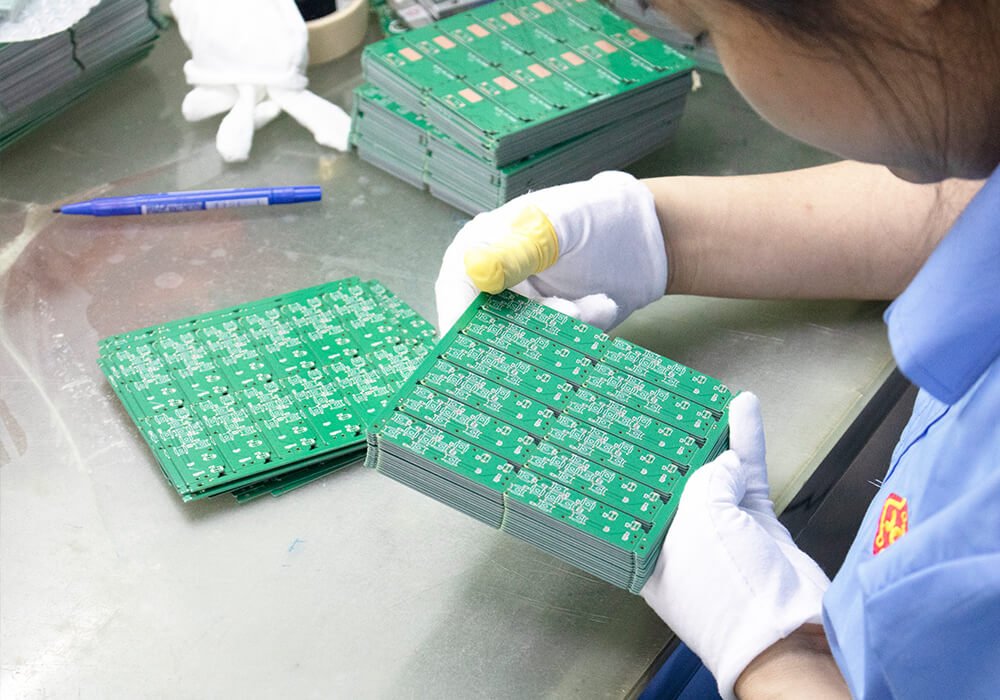
PCB Checking
PCB Checking Machine
PCB Chechking
PCB AOI
Link Master
Drill Machine
checking machine
screen printing machine
Eye Checking