
/High Precision Surface Mount Technology/
SMT Assembly
PCBSAIL provides advanced SMT Assembly Services designed for high precision, high reliability, and scalable electronics manufacturing.
At PCBSAIL, we can deliver consistent SMT assembly quality across complex PCB designs with advanced automation, experienced engineering teams, and strict process control.
Whether you require quick-turn SMT prototype assembly or mass production SMT PCB assembly, we can provide flexible manufacturing solutions tailored to your project requirements.
What Is SMT Assembly?
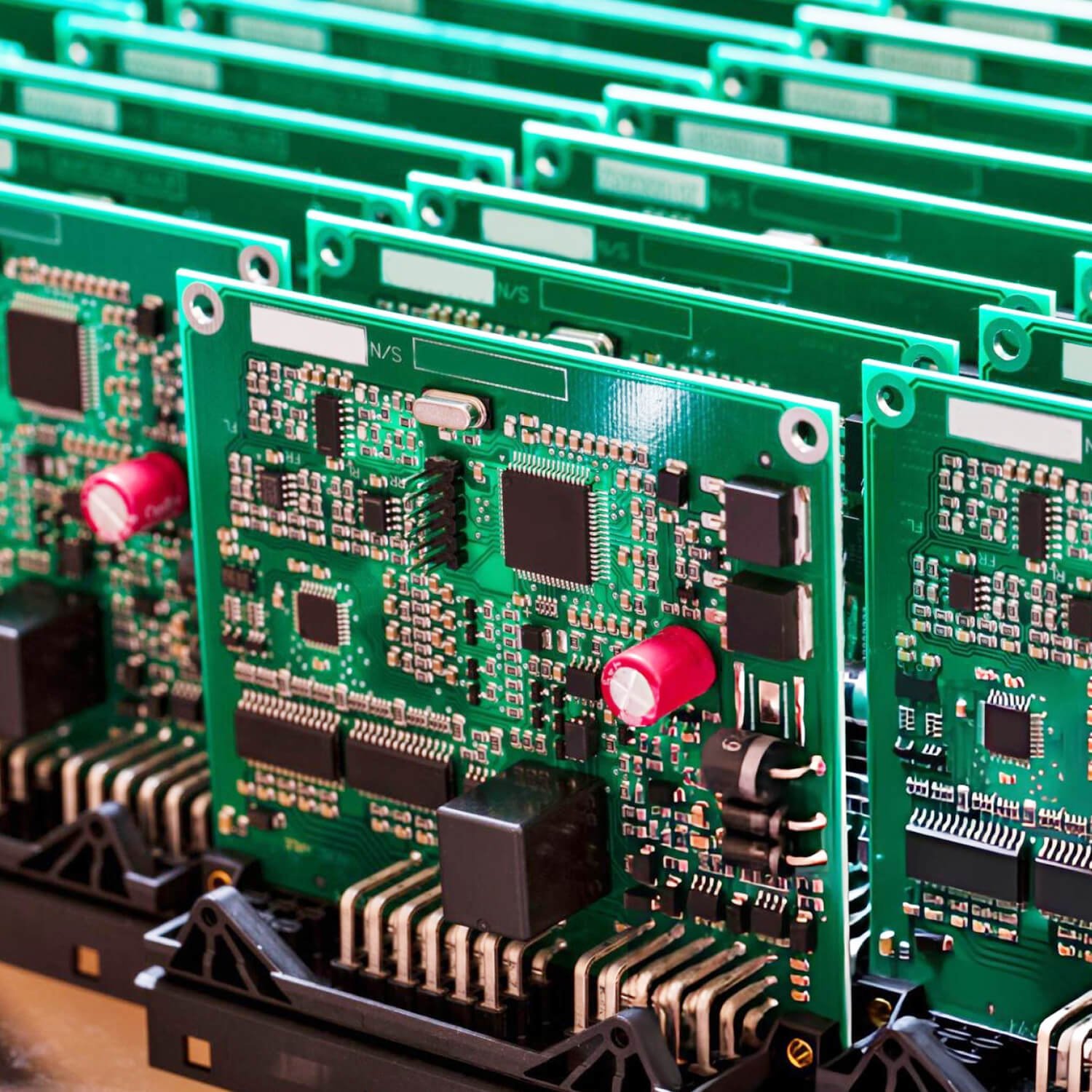
Surface Mount Technology (SMT) Assembly is a PCB assembly process where electronic components are mounted directly onto the PCB surface using solder paste and reflow soldering. Unlike through-hole technology, SMT does not require drilling holes through the PCB for component leads, allowing higher component density and faster production speed.
Advantages:
- Higher circuit density and miniaturization
- Improved electrical performance and signal integrity
- Reduced manufacturing cost in high volumes
- Faster automated production
- Better vibration and mechanical resistance
At PCBSAIL, We support fine-pitch, high-density, multi-layer, and high-component count boards across multiple industries, such as, automotive, medical, industrial control, and consumer electronics.
SMT Assembly Capabilities
Our SMT Assembly production lines are engineered to support a wide range of PCB sizes, component packages, and assembly complexity levels.

Advanced Equipment
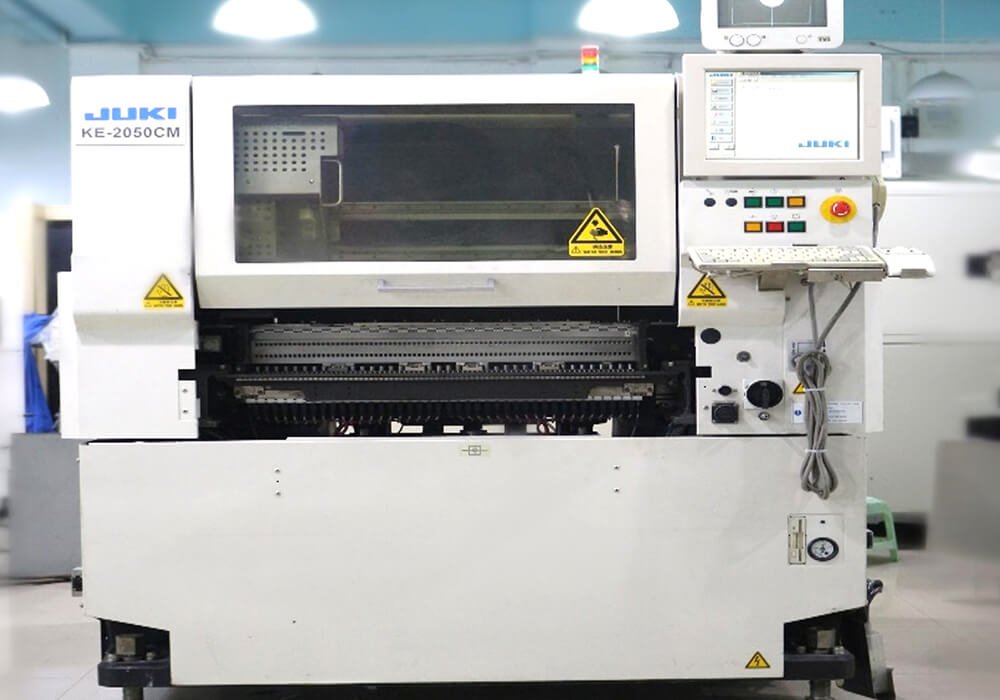
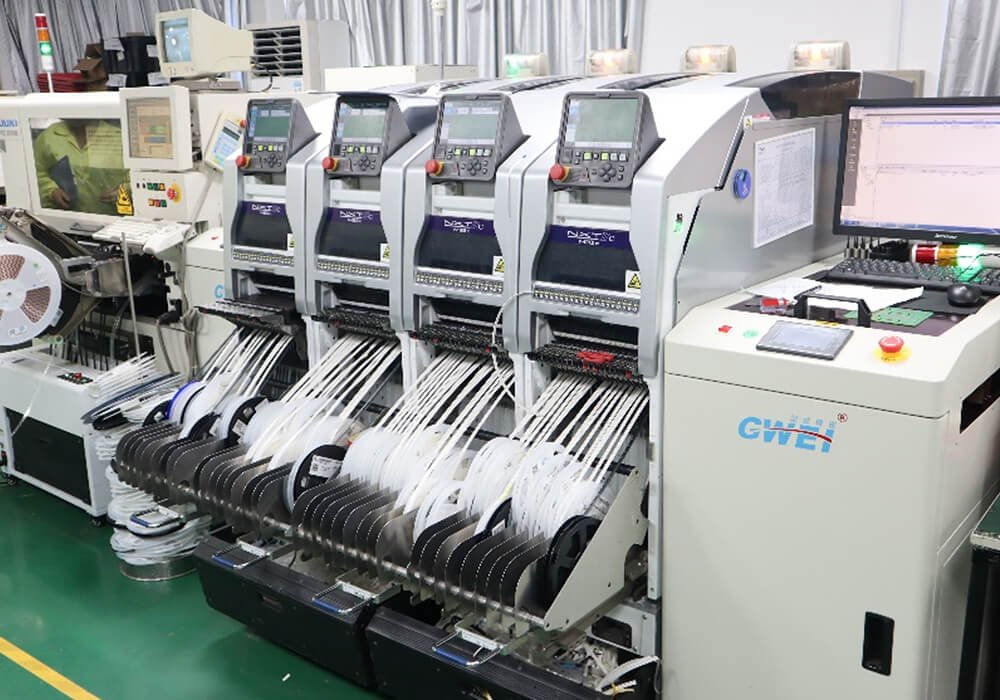
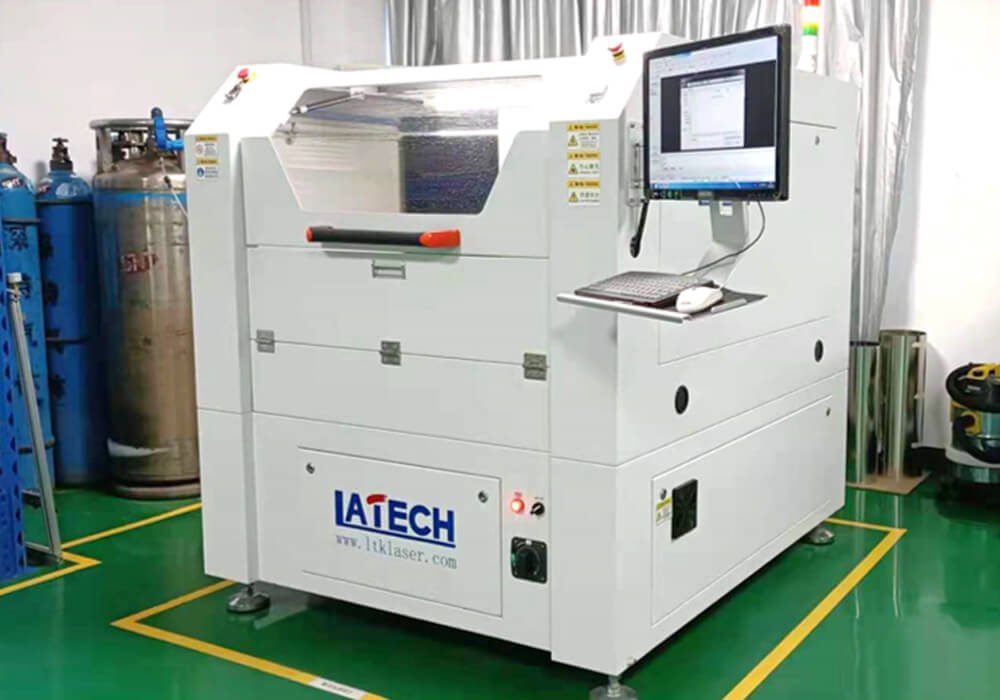
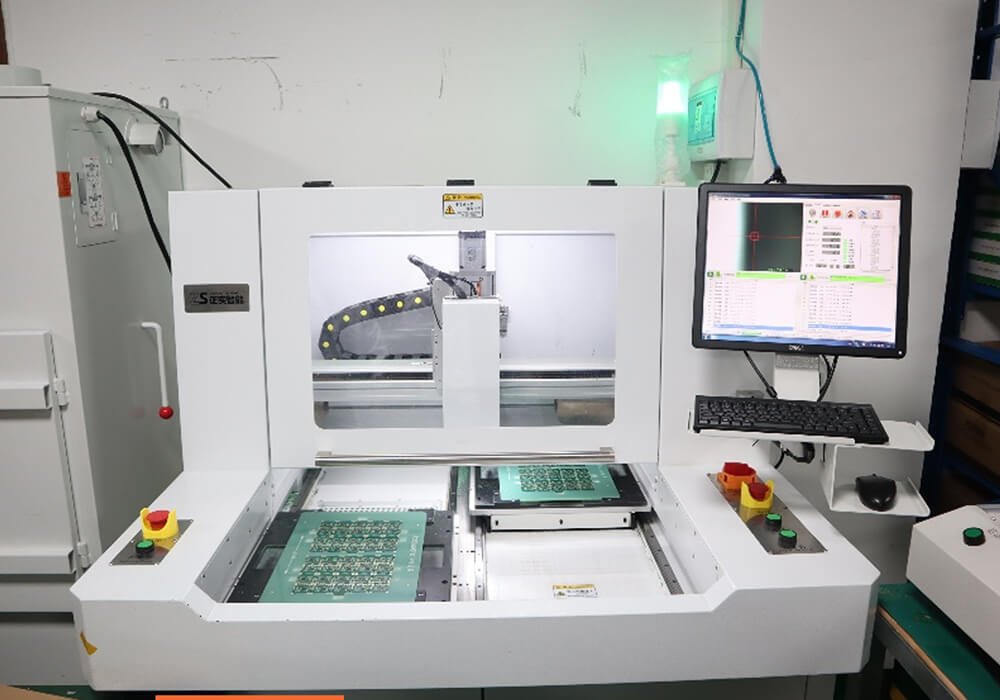
PCBSAIL operates modern SMT Assembly production lines equipped with high-speed and high-precision systems:
- High-speed pick-and-place machines
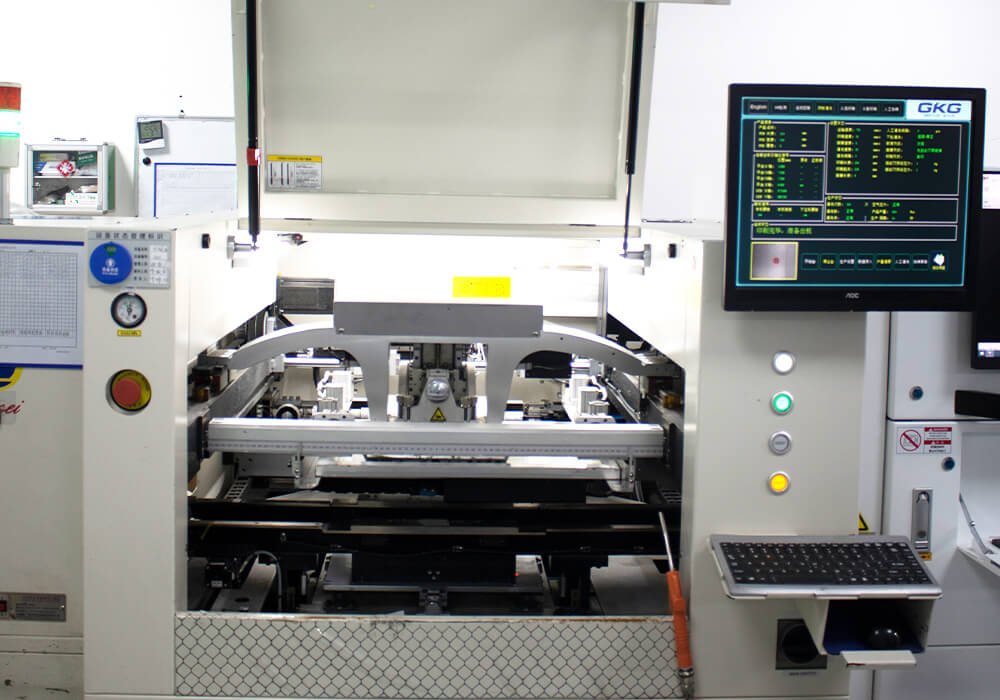
- Automatic solder paste printing systems
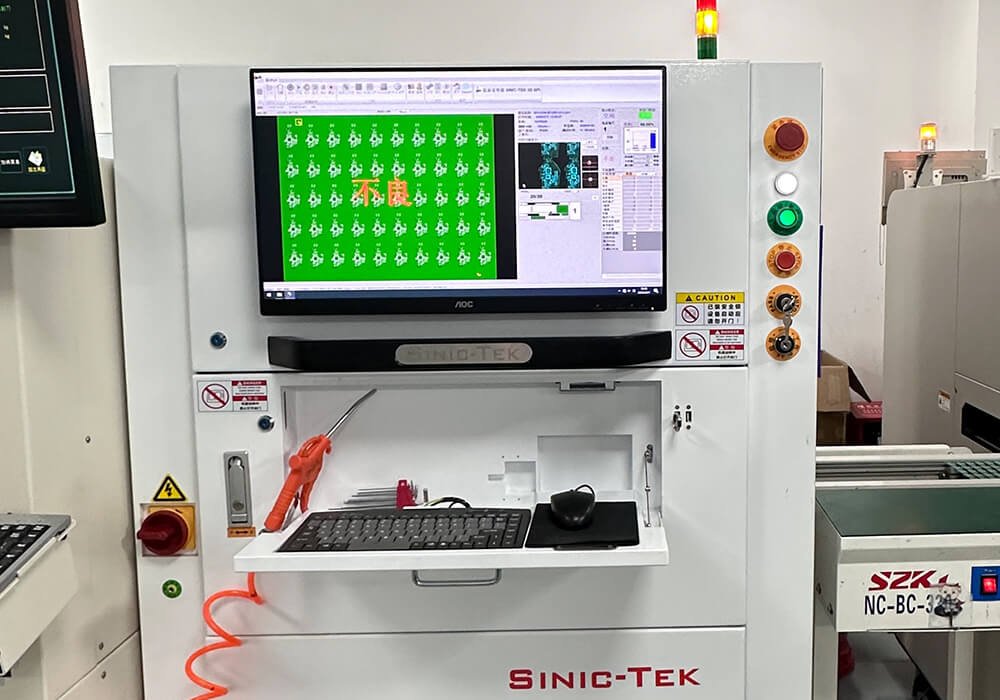
- 3D Solder Paste Inspection (SPI) systems
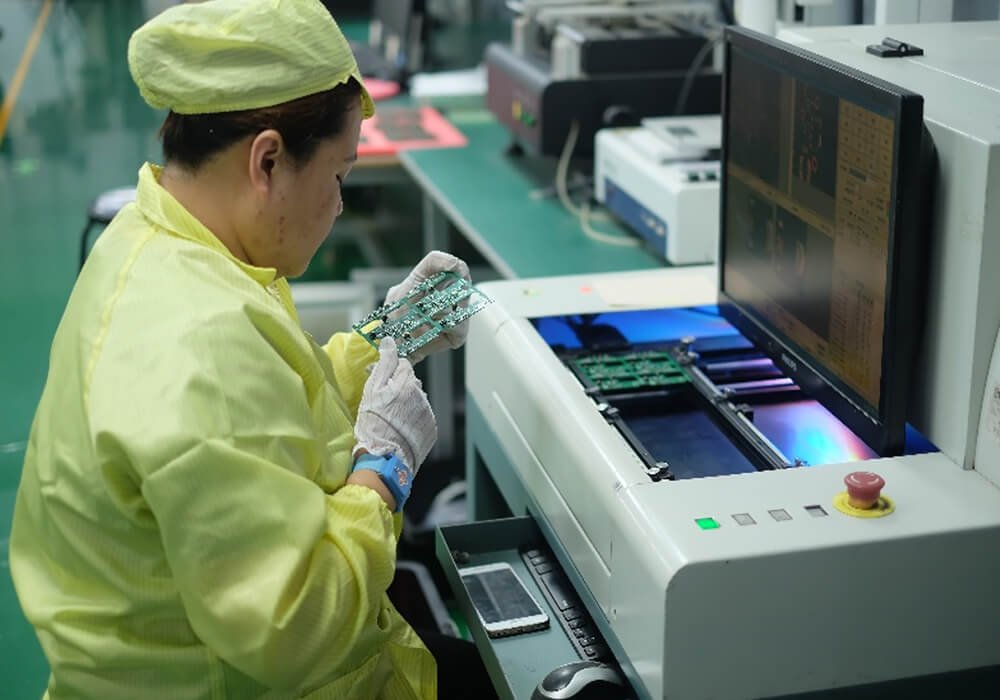
- Automated Optical Inspection (AOI) systems
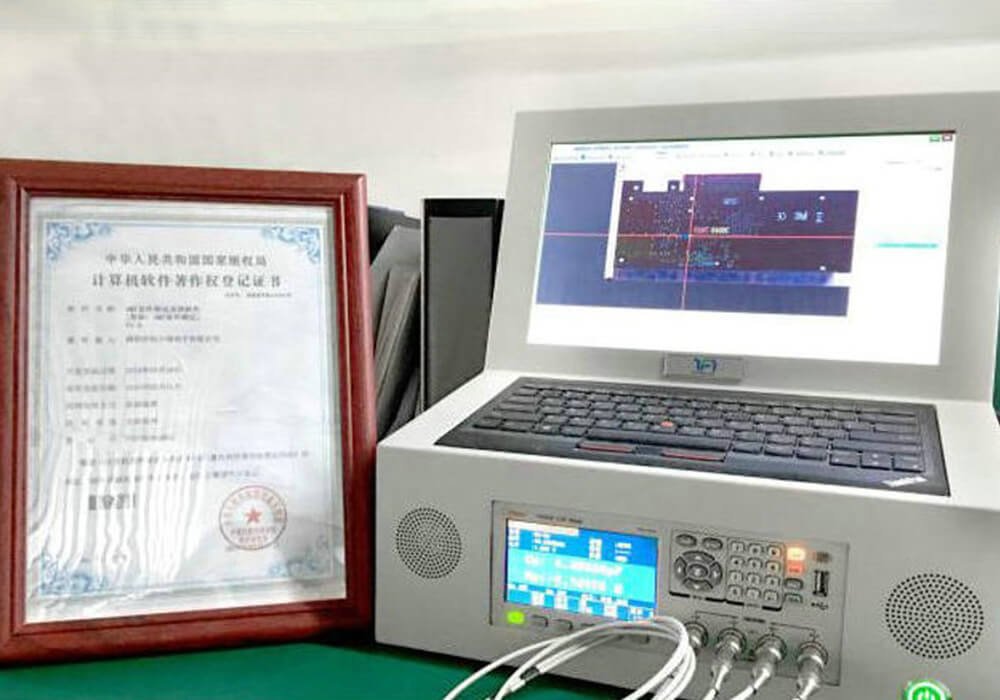
- X-Ray inspection systems for hidden solder joints
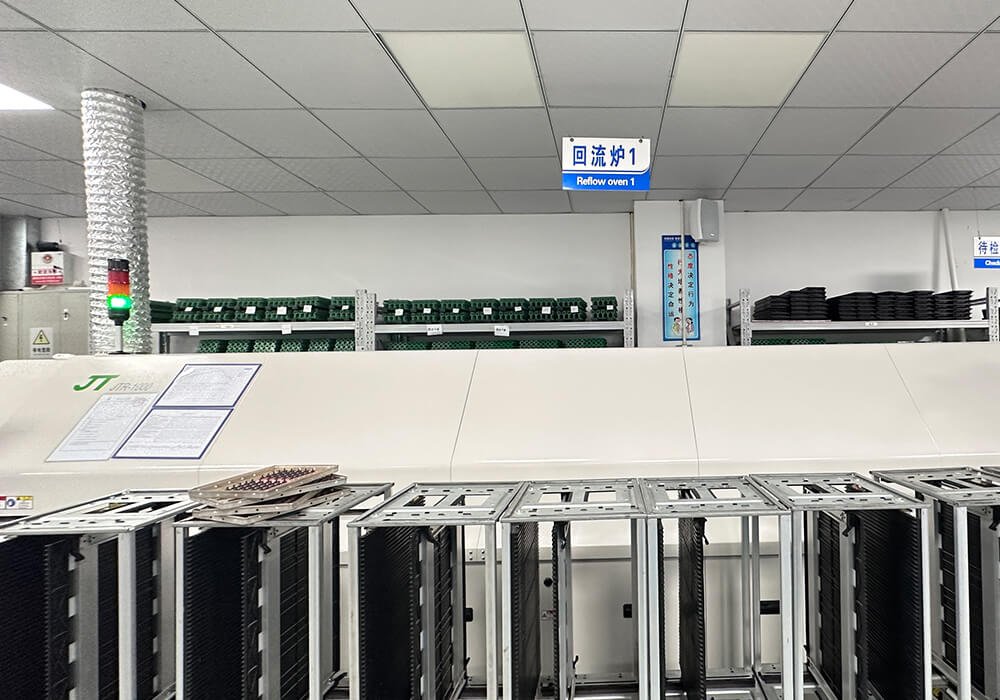
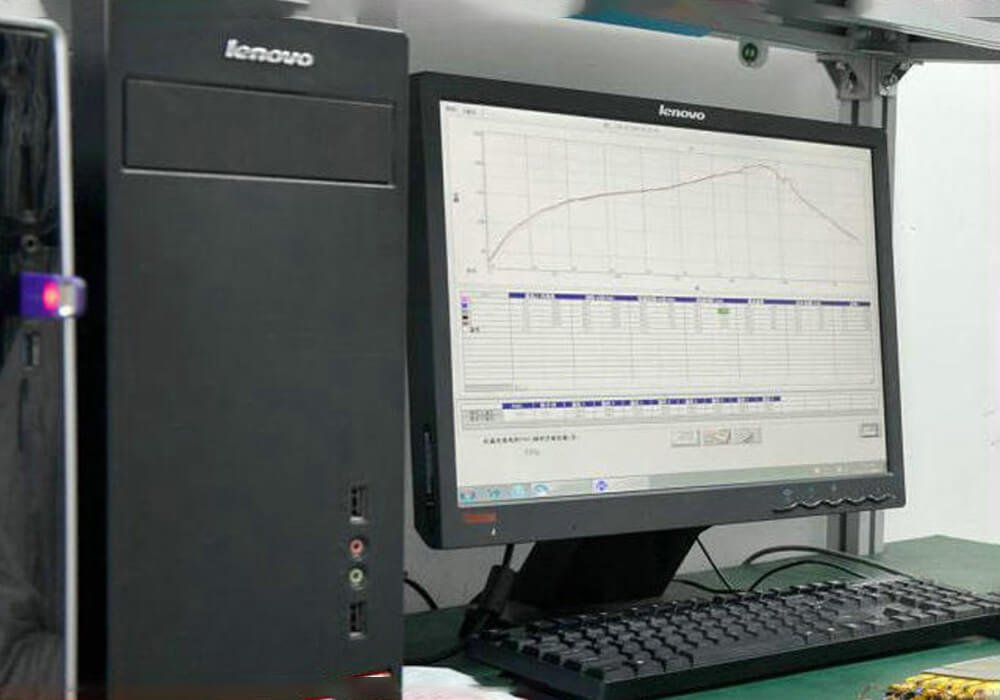
- Multi-zone nitrogen reflow ovens with precise thermal profiling

Production Capacity
PCBSAIL provides flexible SMT Assembly manufacturing volume support:
- Fast turnaround: 24 – 48 hours
- Ideal for product validation and engineering testing
- Supports quick design iterations
- High Volume Mass Production
- Stable delivery scheduling for global customers

Component Package Support
PCBSAIL SMT Assembly supports a wide range of electronic component packages:
- Chip components (01005 / 0201 / 0402 / 0603 and larger)
- QFN, DFN, SOP, SOIC, PLCC
- BGA, Micro BGA, LGA
- CSP and ultra-fine pitch ICs
- Connectors and large SMT components

Advanced Equipment
We invest continuously in advanced production equipment to ensure high precision and consistency.
- High-speed SMT placement lines
- Precision reflow soldering systems
- Automated optical inspection (AOI)
- X-ray inspection for hidden solder joints
- Flying probe and ICT testing capability

Quality Control
Our SMT Assembly is supported by strict quality control procedures:
- Incoming material inspection (IQC)
- Solder paste inspection (SPI)
- First article inspection (FAI)
- Automated optical inspection (AOI)
- X-Ray inspection for hidden solder joints
- In-circuit testing (ICT) and functional testing (FCT)
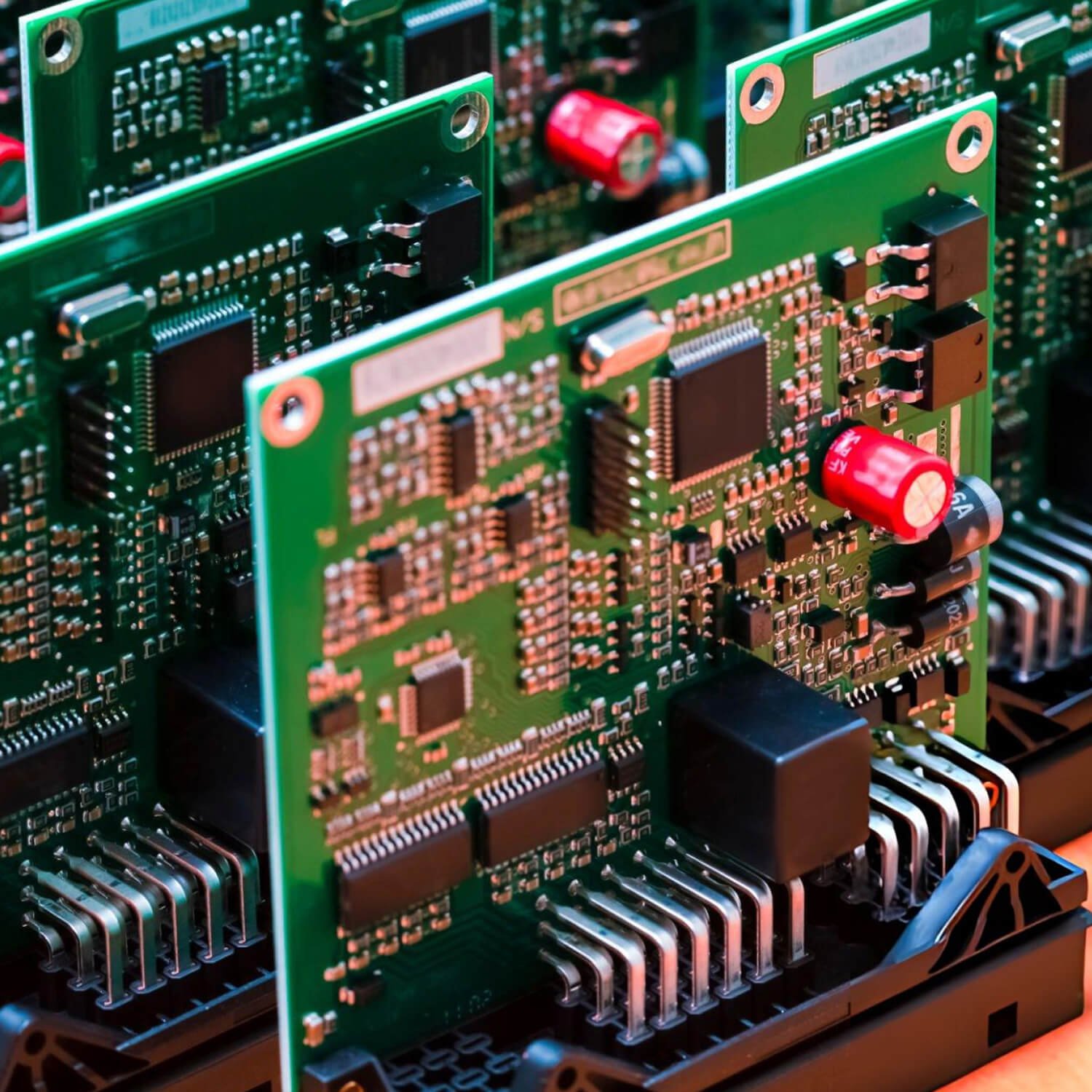
SMT Capability | Specification |
Maximum Board Size | 310 mm × 410 mm |
Maximum Board Thickness | 3.0 mm |
Minimum Board Thickness | 0.5 mm |
Smallest Chip Component Supported | 0201 package (≥ 0.6 mm × 0.3 mm) |
Maximum Part Weight for Placement | 150 g |
Maximum Part Height | 25 mm |
Maximum Part Footprint | 150 mm × 150 mm |
Minimum Pitch for Leaded Parts | 0.3 mm |
Minimum BGA Pitch Supported | 0.3 mm |
Minimum BGA Ball Diameter Supported | 0.3 mm |
Placement Accuracy (100 QFP) | 25 μm @ IPC Standard |
SMT Assembly Feature
PCBSAIL delivers advanced SMT Assembly services built on high-precision equipment, optimized manufacturing processes, and strict quality management systems.
Smaller Components and Boards
SMT components are significantly smaller than traditional through-hole components. It allows more components to be mounted on the same PCB area. It enables designers to develop smaller, lighter, and more portable electronic products.
Compared with through-hole technology:
- Product size can be reduced by approximately 40% – 60%
- Product weight can be reduced by approximately 60% – 80%
Higher Component Density
SMT allows components to be mounted on both sides of the PCB, maximizing usable board space. Higher component density enables:
- More advanced product functionality
- Higher processing capability
- Greater integration of electronic circuits
Improved Electrical Performance
SMT components have shorter lead lengths, which reduces parasitic inductance and capacitance. This leads to:
- Improved signal integrity
- Better high-frequency performance
- Reduced electromagnetic interference (EMI)
- Lower radio frequency interference (RFI)
Faster and More Efficient
SMT Assembly uses highly automated production equipment such as pick-and-place machines and reflow soldering systems. Automation allows manufacturers to place thousands of components per hour with high precision.
- Faster production cycles
- Higher manufacturing consistency
- Reduced human error
- Increased production throughput
SMT Assembly Process
Each step in the SMT Assembly process is critical to ensuring product reliability, electrical performance, and manufacturing consistency.
We can deliver high-quality PCB assemblies for both prototype and mass production projects with highly automated and precision-controlled manufacturing workflow.

Pre-Assembly Preparation
Before SMT Assembly begins, several preparation steps are performed to ensure manufacturing readiness.
- Design for Manufacturing (DFM) review
- Design for Assembly (DFA) verification
- Thermal profile analysis

Solder Pad Preparation
The PCB solder pads must be clean, flat, and free of contamination before solder paste application. Surface finishes such as ENIG, Immersion Silver, or OSP provide reliable solderability and stable wetting performance.

Solder Paste Printing
Solder paste printing is one of the most critical steps in SMT Assembly.
- Stainless steel stencil printing
- Nickel stencil printing
- Jet solder paste dispensing (for special applications)

Solder Paste Inspection
After printing, solder paste deposits are inspected using 3D SPI systems to verify:
- Solder paste volume
- Height
- Area coverage
- Alignment accuracy

Component Placement
After solder paste inspection, the PCB is transferred to automated pick-and-place machines.
- Tape and reel feeders
- Tube feeders
- Tray feeders for large ICs

Reflow Soldering
Reflow soldering permanently bonds components to PCB pads by melting the solder paste in a controlled temperature profile.
- Nitrogen reflow (high reliability applications)
- Vapor phase reflow (special applications)

Quality Control
Multiple inspection steps ensure SMT Assembly quality:
- AOI: Detects visible defects such as missing components, polarity errors, and solder bridging.
- X-Ray Inspection: For hidden solder joints in BGA, QFN, and LGA components.

Verification
Electrical and functional tests verify assembly performance.
- ICT (In-Circuit Test)
- FCT (Functional Circuit Test)
- Burn-in testing (if required)

Final Inspection
After passing final inspection, SMT assemblies are:
- Packed using ESD-safe packaging
- Vacuum sealed if required
- Prepared for shipment
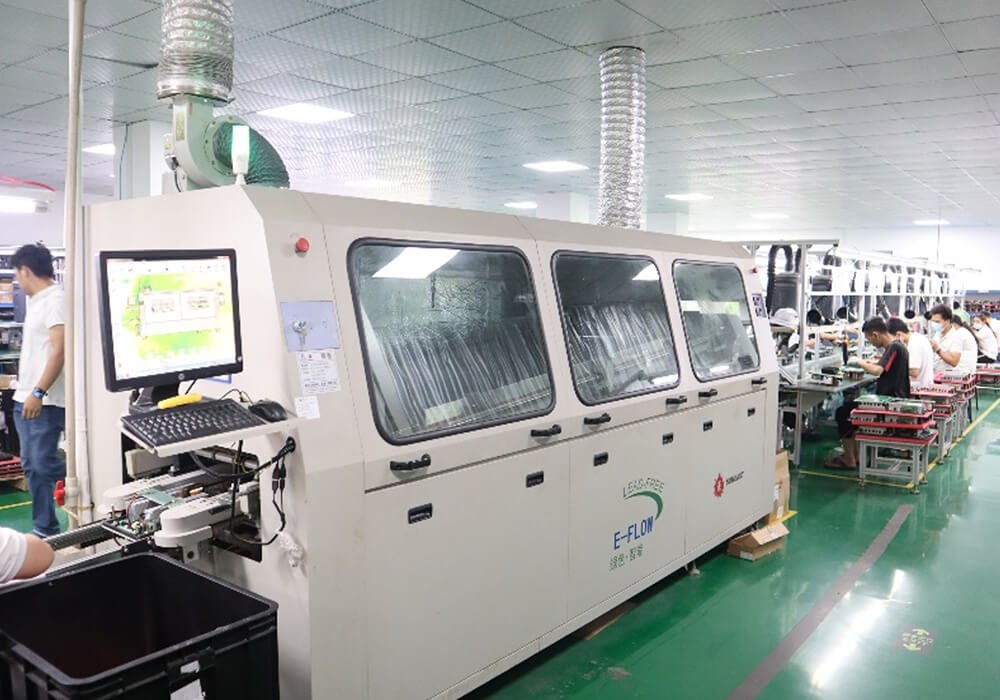
Industries We Have Previously Served
We have provided professional SMT Assembly and turnkey PCBA manufacturing services to customers, such as consumer electronics, medical systems.

Automotive Electronics
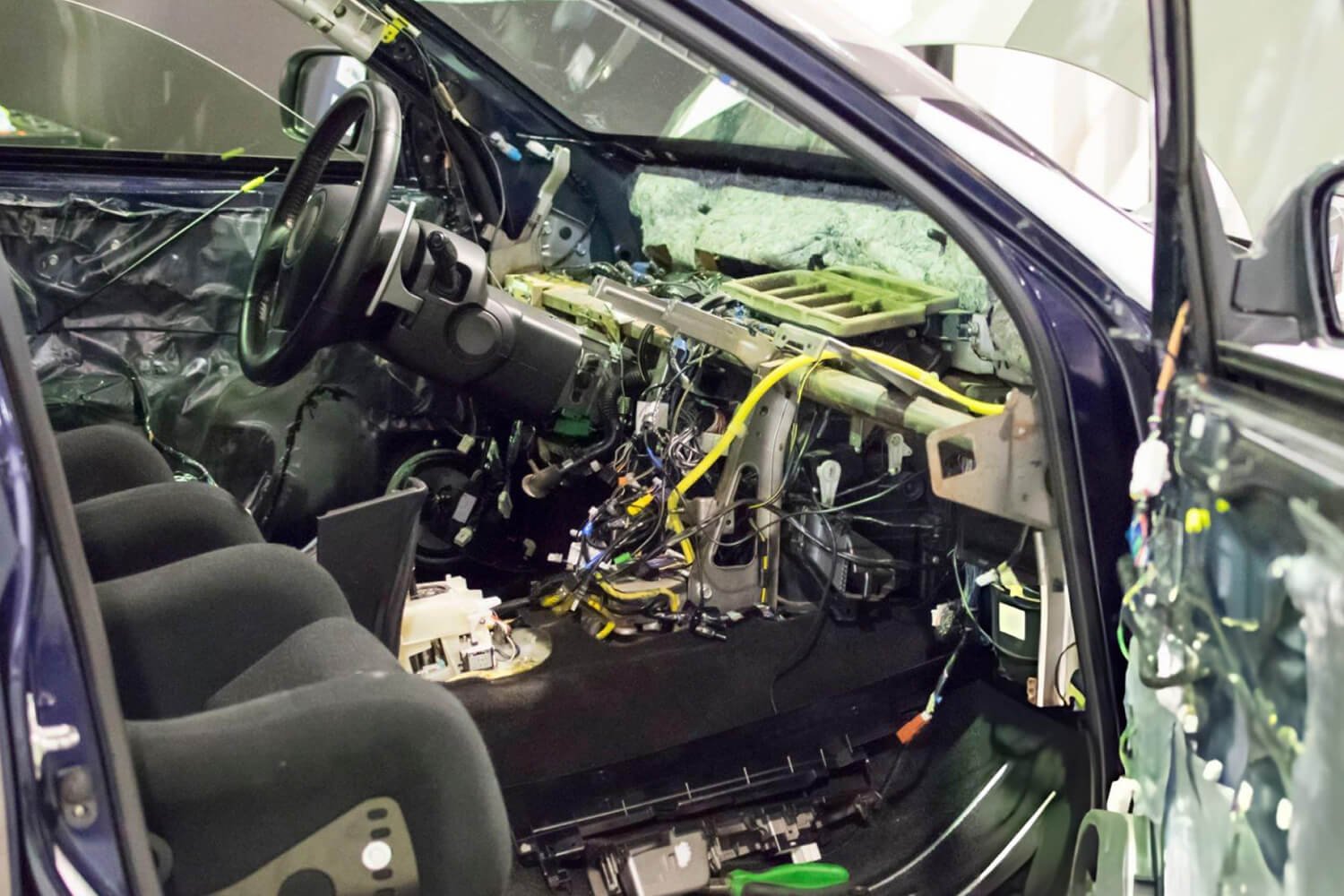
Automotive electronics require strict quality standards, traceability control, and high reliability performance.
- Automotive control modules
- In-vehicle infotainment systems
- Sensor control boards
- Power management modules
- LED automotive lighting drivers

Industrial Automation
Industrial electronics require high reliability and long-term stability under harsh operating environments.
- PLC control boards
- Industrial sensor modules
- Motor control systems
- Power control units
- Automation control boards

Medical Electronics
Medical electronic devices require strict quality control, precision assembly, and high product consistency. PCBSAIL supports high-quality SMT Assembly manufacturing for sensitive medical electronics applications.
- Medical monitoring devices
- Diagnostic equipment PCBs
- Portable medical electronics
- Imaging system electronic modules

Consumer Electronics
PCBSAIL supports high-volume SMT Assembly production for consumer electronic devices that require compact design, high performance, and cost efficiency.
- Smart home devices
- Wearable electronics
- Audio and video equipment
- Gaming devices
- Personal electronics

Telecommunication
PCBSAIL provides SMT Assembly solutions optimized for high-speed signal transmission and EMI control.
- Communication modules
- Network routers and switches
- Wireless communication devices
- RF communication boards
- 5G communication infrastructure
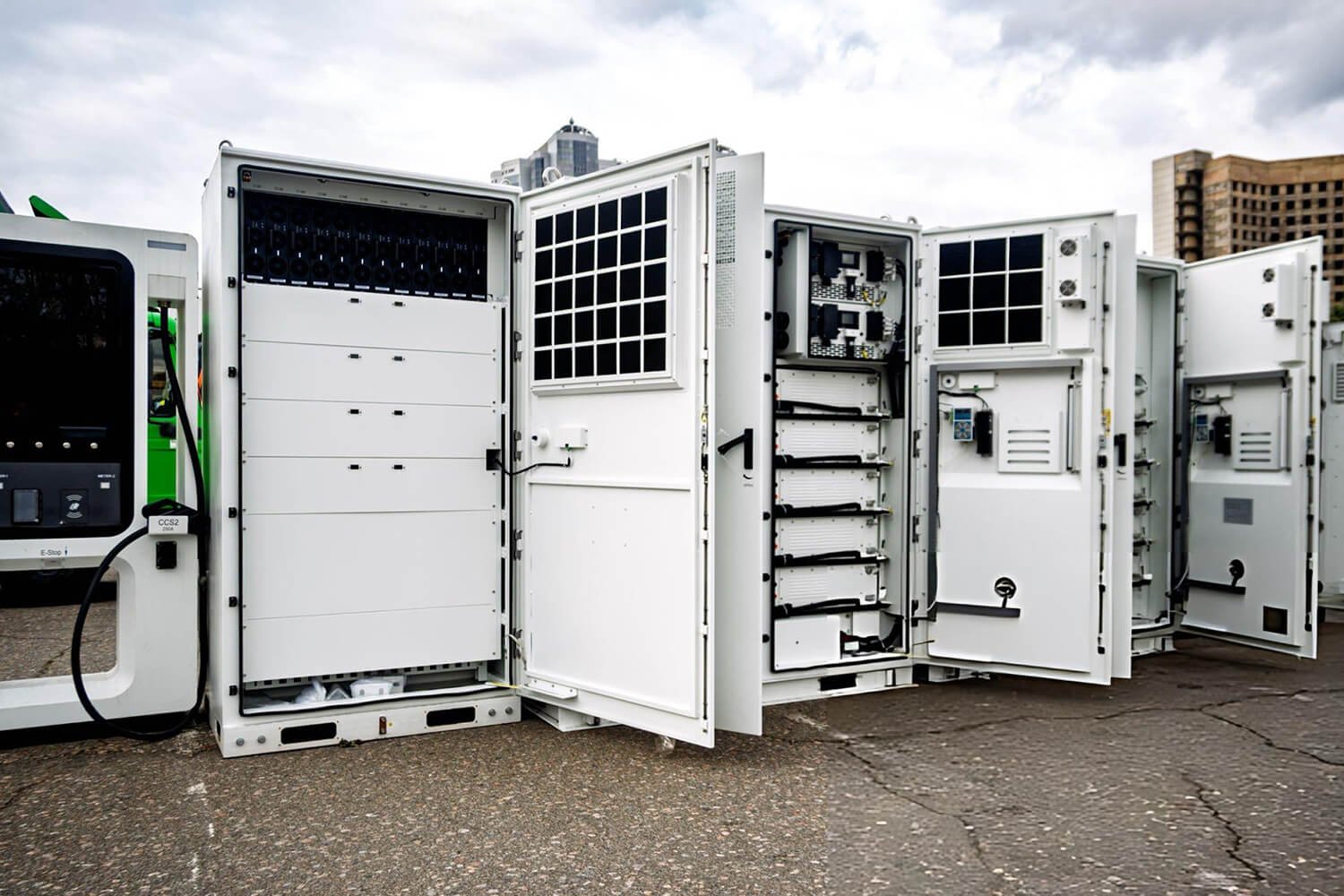
Energy Systems
Power electronics applications require stable solder joints, thermal management performance, and high current handling capability. PCBSAIL supports SMT Assembly for power electronics with strong thermal process control.
- Power supply control boards
- Battery management systems (BMS)
- Energy storage control modules
- Solar inverter control boards
- Charging system electronics
Fast Quotation
Our professional sales and engineering teams provide fast PCB quotes and technical support. Simply send us your Gerber files, BOM, and assembly drawings, and we will respond promptly with a competitive solution.
- Gushu Tangxi Second Industrial Zone, Shenzhen
- +86 755 2335 0814
- +86 135 1078 8094
- sales@pcbasail.com
FAQ About SMT Assembly
1. What is SMT Assembly?
SMT (Surface Mount Technology) Assembly is a PCB manufacturing process where electronic components are mounted directly onto the surface of printed circuit boards (PCBs).
Compared with traditional through-hole assembly, SMT allows higher component density, smaller product size, and faster automated production.
2. What Files Are Required For SMT Assembly Quotation?
Typically required files include:
- Gerber files
- BOM (Bill of Materials)
- Pick and Place (Centroid) file
- Assembly drawing (if available)
- Special process notes or requirements
Providing complete documentation helps reduce quotation time and avoids production delays.
3. What Is The Minimum Component Size You Can Place?
We support placement down to:
- 0201 package components
- Parts ≥ 0.6 mm × 0.3 mm
4. What Is The Minimum Pitch Supported For ICS And BGAS?
- Leaded components minimum pitch: 0.3 mm
- BGA minimum pitch: 0.3 mm
- Minimum BGA ball diameter: 0.3 mm
5. Do You Support Prototype And Low-Volume SMT Assembly?
Yes. We support:
- Engineering prototypes
- NPI (New Product Introduction)
- Small-batch production
- Mass production
Flexible production scheduling helps customers move from prototype to volume quickly.
6. What Inspection Methods Are Used In SMT Assembly?
Common inspection methods include:
- SPI (Solder Paste Inspection)
- AOI (Automated Optical Inspection)
- X-Ray inspection (for BGA and hidden joints)
Functional testing (if test fixtures are provided)
7. How Do You Ensure SMT Assembly Quality?
Quality control measures include:
- Incoming material inspection (IQC)
- First article inspection (FAI)
- In-process quality control (IPQC)
- Final quality inspection (FQC)
- Traceability management
8. What Is The Typical SMT Assembly Lead Time?
Typical lead times depend on order type:
- Prototype: 24–72 hours (materials ready)
- Small batch: 3–7 working days
- Mass production: Depends on quantity and complexity
9. Can You Help With DFM And Engineering Review?
Yes. Before production, we can provide:
- DFM (Design for Manufacturability) review
- BOM risk analysis
- Process optimization suggestions
- Cost reduction recommendations