
/Rigid-Flex PCB Solutions from Prototype to Production/

Rigid Flex PCB

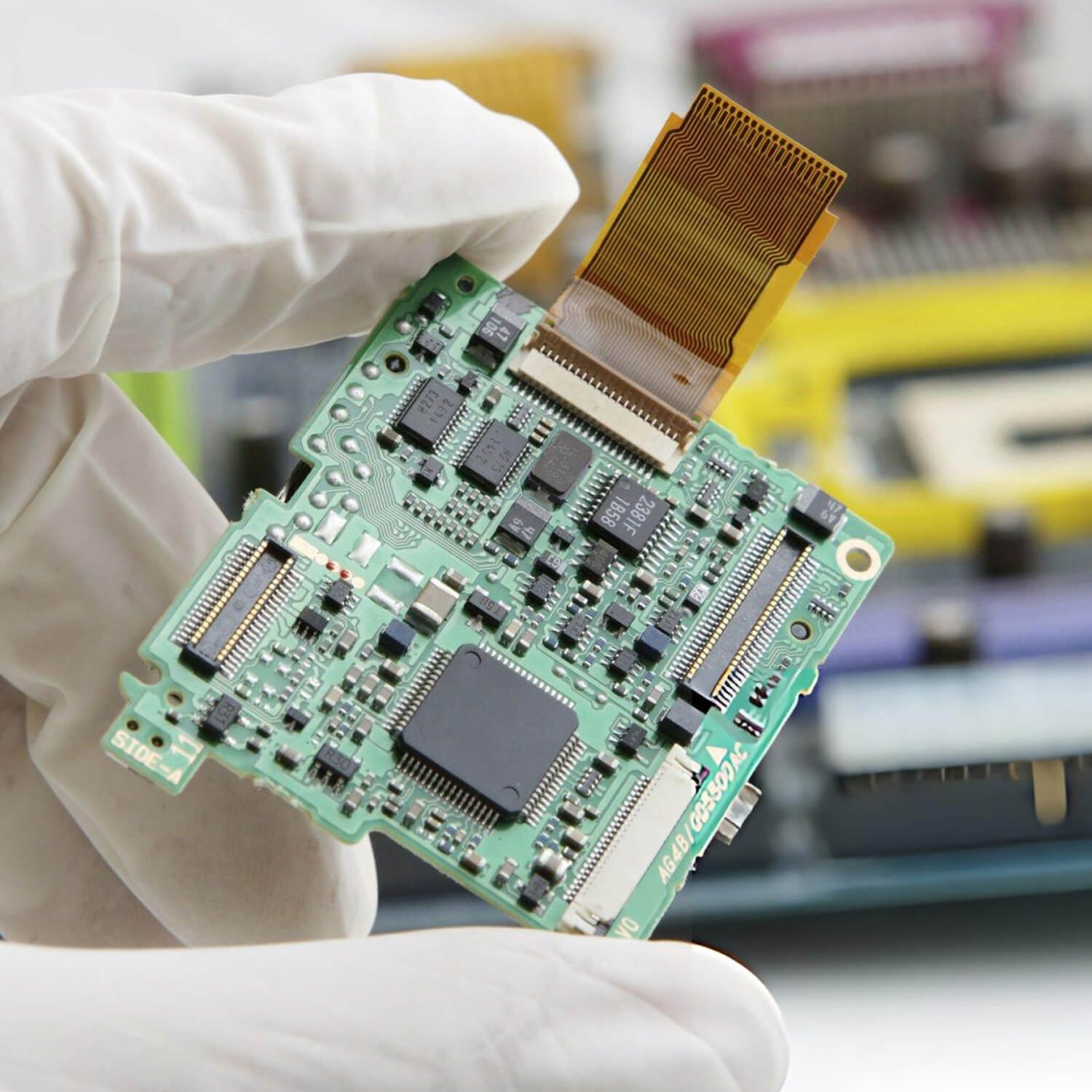
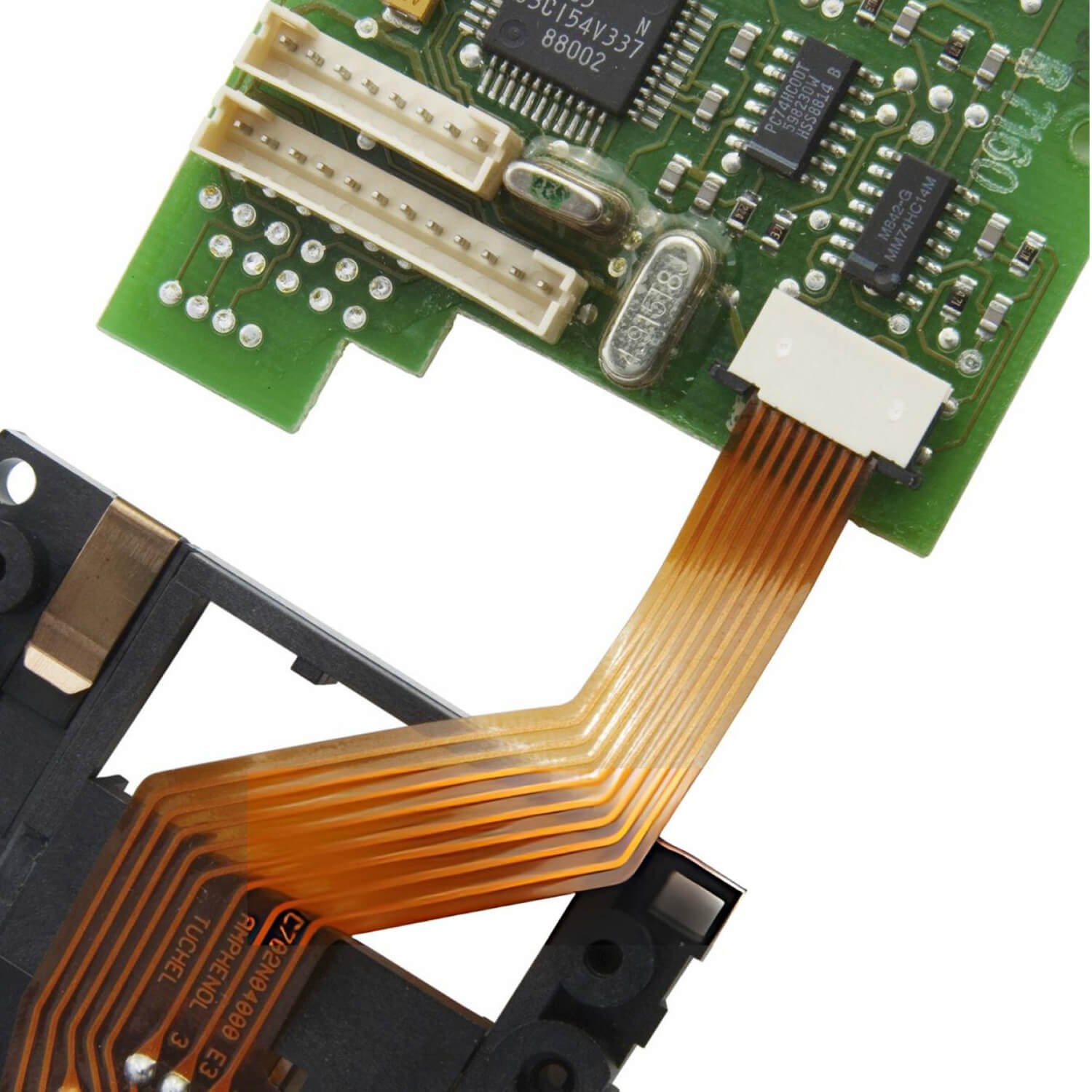
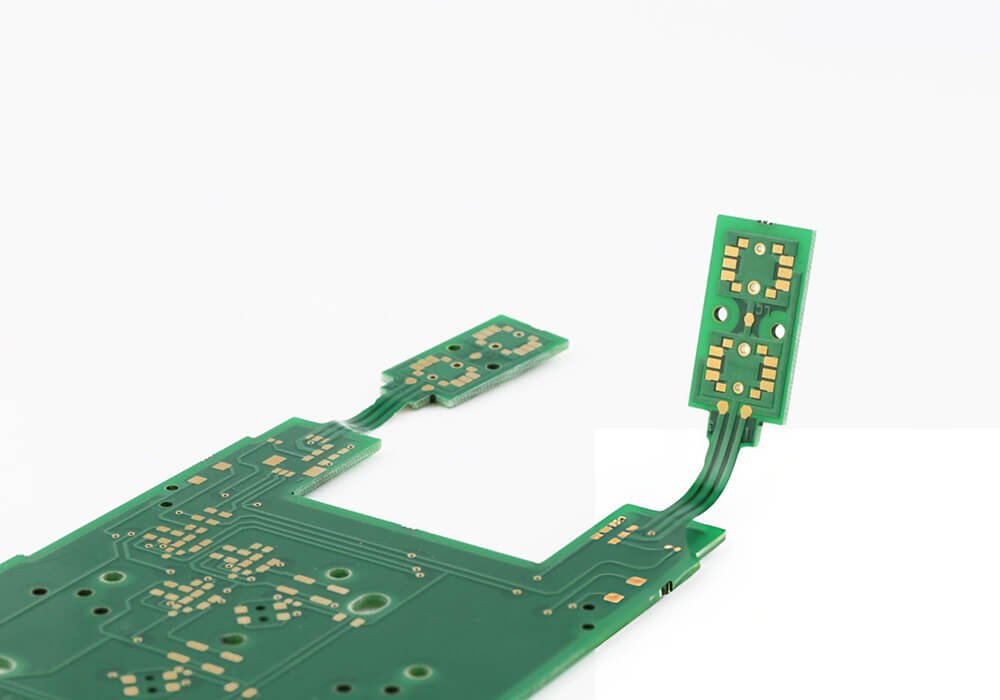
Rigid Flex PCB is a hybrid printed circuit board that integrates rigid FR-4 sections and flexible polyimide circuits into a single, unified structure.

PCBSAIL provide end-to-end rigid flex PCB services—from DFM review and material selection to fabrication, SMT/THT assembly, and functional testing—backed by IPC Class 3 standards and advanced process control.

Rigid Flex PCB Manufacturer

Rigid Flex PCB Manufacturer.

PCBSAIL is a professional rigid flex PCB manufacturer in China. 

With advanced manufacturing and assembly facilities, PCBSAIL provides end-to-end rigid flex PCB solutions—from design verification and rapid prototyping to volume fabrication and turnkey assembly. Our operations are built around process control, material reliability, and strict adherence to IPC quality standards.

We serve OEMs, EMS providers, startups, and engineering teams that require high reliability, fast turnaround, and scalable manufacturing capacity. 

By integrating fabrication and assembly under one system, we reduce supply-chain risk, shorten lead times, and ensure consistent product quality.

High Layer Design

PCBSAIL supports complex, high-layer-count rigid-flex PCB designs, including:

  • 2 to 30-layer rigid-flex PCB stack-ups
  • Flex-in-core and external flex structures
  • HDI rigid-flex boards with microvias
  • Buried and blind via constructions
  • Asymmetrical and bookbinder stack-ups

Precision Fabrication

Our equipment enables:

  • 3/3 mil trace and spacing
  • Laser-drilled vias down to 3 mil
  • Mechanical holes as small as 0.1 mm
  • Controlled impedance within ±10%
This capability allows us to manufacture rigid-flex PCBs for high-speed, high-density, and space-constrained designs.

Process Control

We use only qualified, traceable PCB materials from trusted suppliers, including:

  • High-Tg FR-4 for rigid sections
  • Polyimide substrates for flexible circuits
  • Adhesiveless polyimide for dynamic bending applications
  • Rogers laminates for RF and high-frequency designs

Feature Rigid Flex PCB.

We offer a complete portfolio of rigid-flex PCB solutions, covering a wide range of structures, materials, layer counts, and application requirements.

Best Rigid Flex PCB
Best Rigid Flex PCB
Best Rigid Flex PCB
Best Rigid Flex PCB
Best Rigid Flex PCB

Rigid Flex PCB We Offer.

Flex PCB Single-Sided Flex PCB

Single-Sided Rigid Flex PCB

This model features one copper layer in the flexible section bonded to one or more rigid FR-4 boards.

  • Simple stack-up with high bend reliability
  • Low manufacturing complexity
  • Lightweight and cost-efficient
  • Excellent flexibility for tight spaces

Flex PCB Double-Sided Flex PCB

Double-Sided Rigid-Flex PCB

The flexible portion contains two conductive layers, connected by plated through-holes.

  • Higher routing density than single-sided flex
  • Stable electrical performance
  • Balanced cost vs. complexity

Flex PCB Multilayer Flex PCB

Multilayer Rigid-Flex PCB

Multilayer rigid-flex PCBs include three or more copper layers in the flexible circuit, laminated with polyimide dielectrics and bonding films. Three or more copper layers in flexible areas

  • Integrated power and ground planes
  • Controlled impedance routing
  • Improved EMI shielding
  • High signal integrity for dense layouts

Flex PCB with Stiffeners

Laminated Rigid Flex PCB

Rigid and flexible sections are fully laminated into one unified structure using heat, pressure, and adhesive systems.

  • Fully integrated rigid and flex sections
  • No connectors or cables required
  • Superior electrical continuity
  • High vibration and shock resistance
  • Long service life

Flex PCB Rigid-Flex PCB

Non-Laminated Rigid Flex PCB

Rigid boards and flex circuits are manufactured separately and connected using connectors or mechanical interfaces.

  • Easier rework and replacement
  • Lower initial manufacturing cost
  • Reduced structural complexity

Flex PCB Rigid-Flex PCB

HDI Rigid Flex PCB

This model integrates laser-drilled microvias, blind vias, and buried vias to achieve extremely high routing density.

  • Fine-pitch BGA / CSP support
  • Ultra-high routing density
  • Compact and lightweight design

Item

Unit

Rigid-Flex PCB Manufacturing Capability

Max. Layers

L

30

Max. Finished Board Thickness

mm

4.0

Max. Production Size

mm

500 × 1000

Min. Laser Drill Hole

mm

0.075

Max. Aspect Ratio

/

13:1

Min. Inner Layer Line Width / Spacing

mm

0.04 / 0.04

Min. Outer Layer Line Width / Spacing

mm

0.05 / 0.05

Solder Mask Registration Tolerance

mm

0.035

Min. Solder Mask Bridge

mm

0.08

Min. BGA Pitch

mm

0.08

Single-ended Impedance (Size)

mm

0.45

Single-ended Impedance Tolerance

%

±7

Base Materials

/

Mid-Tg, High-Tg, Low Dk, Low Loss FR4, High-frequency materials

Base Material Brands

/

Shengyi, TUC, ITEQ, Rogers, Panasonic, DuPont, Taiflex

Surface Finish

/

ENIG, ENEPIG, OSP, Electroplated Gold, Electroplated Gold + ENIG, Electroplated Gold + OSP, Immersion Silver, Immersion Tin, Electroplated Tin

Rigid-Flex + HDI

/

3+N+3 (Prototype)

Rigid Flex PCB Materials

Rigid-flex PCBs are built from a carefully selected combination of rigid and flexible materials. It was engineered to deliver mechanical stability, electrical reliability, and long-term performance in demanding environments. PCBSAIL uses only qualified, traceable materials that meet high-reliability manufacturing standards.

Rigid Flex PCB Material

Polyimide (PI) is the foundation of the flexible sections in rigid-flex PCBs. It is selected for its exceptional balance of thermal resistance, mechanical flexibility, and chemical stability.

Key Characteristics:

  • High temperature resistance (Tg > 250 °C)
  • Excellent bend endurance for dynamic and static flexing
  • Stable dielectric properties
  • Resistant to chemicals, moisture, and radiation

Polyimide is ideal for applications where the circuit must bend repeatedly or operate in extreme environments where long-term reliability is critical.

The rigid portions of a rigid-flex PCB require a stable structural backbone to support components, connectors, and vias.

FR-4 (Glass-Epoxy Laminate)

  • High mechanical strength and dimensional stability
  • Cost-effective and widely used
  • Suitable for most rigid sections

Polyimide Rigid Laminates

  • Higher thermal resistance than FR-4
  • Better performance in high-temperature and harsh environments
  • Reduced risk of delamination under thermal cycling

By combining FR-4 and polyimide laminates, designers can achieve the required mechanical support while meeting stringent thermal and reliability specifications without sacrificing manufacturability.

No-flow prepregs are glass-reinforced resin systems specifically engineered for rigid-flex PCB lamination. Their primary function is to bond rigid and flexible layers together without resin flowing into the flexible areas.

Why no-flow prepregs matter:

  • Prevents resin contamination of flex zones
  • Maintains flexibility and bend reliability
  • Ensures dimensional stability during lamination

No-flow prepregs are a critical and cost-significant component in rigid-flex PCB manufacturing, directly affecting yield, reliability, and long-term performance.

Copper foil forms the electrical interconnects in both rigid and flexible sections. The type and thickness of copper directly influence signal integrity, current capacity, and flex life.

Rolled-Annealed (RA) Copper

  • Excellent ductility and fatigue resistance
  • Grain structure aligned for bending
  • Preferred for flexible and dynamic-bend areas

Electro-Deposited (ED) Copper

  • Strong adhesion and fine-line capability
  • Cost-effective
  • Commonly used in rigid sections

Copper weight and dielectric spacing determine impedance control, signal loss, and noise performance. Precise copper selection ensures electrical performance without compromising flexibility or reliability.

Coverlay (Polyimide Film)

  • Primary protection for flexible circuits
  • Shields copper from moisture, abrasion, and mechanical stress
  • Excellent performance in high-flex and harsh environments

Flexible Solder Mask

  • Photo-imaged polymer coating
  • Thinner than coverlay
  • Suitable for fine-pitch features and complex geometries

While both options provide insulation and protection, coverlay is generally preferred for applications requiring high wear resistance, repeated bending, or environmental durability.

Adhesives

Adhesives bond copper, polyimide, and other layers together.

  • Polyimide Adhesives

    • High thermal resistance

    • Ideal for aerospace, military, and high-temperature applications

  • Acrylic Adhesives

    • Better flexibility and peel strength

    • Suitable for consumer and industrial designs

Stiffeners

Stiffeners reinforce areas requiring mechanical stability, such as:

  • Connectors
  • Mounting holes
  • Component-dense zones

Common Stiffener Materials:

  • FR-4
  • Polyimide
  • Stainless steel

Stiffeners improve assembly reliability and prevent mechanical stress at critical interface points.

Rigid Flex PCB Feature

Our Rigid flex PCBs significantly reduce overall size and weight by eliminating bulky connectors, cables, and wiring harnesses. Flexible sections allow the circuit to fold and conform to the product’s enclosure, making rigid-flex technology ideal for space-constrained and lightweight electronic devices.

Rigid-flex PCB is designed to withstand repeated bending, vibration, and thermal cycling. Rolled annealed (RA) copper and polyimide films ensure long flex life. It makes rigid-flex PCBs ideal for applications with constant motion or tight mechanical constraints.

Our Rigid-flex PCB shorter interconnect paths and fewer solder joints minimize signal loss, impedance discontinuities, and EMI. Controlled impedance structures and optimized copper thickness support high-speed and high-frequency signal transmission.

Our Rigid-flex PCB Supports multiple material combinations, including:

  • FR4 and polyimide rigid cores
  • RA or ED copper foils
  • No-flow prepregs for clean lamination
  • Coverlay or flexible soldermask

This flexibility allows designs to be optimized for thermal performance, flexibility, cost, or reliability.

Polyimide materials and optimized copper distribution provide superior heat resistance and thermal stability. It is suitable for high-temperature environments and lead-free assembly processes.

Flexible sections enable folding, wrapping, and three-dimensional integration within enclosures. This allows innovative product designs that are impossible with traditional rigid PCBs.

Rigid Flex PCB Feature

Rigid Flex PCB Manufacturing

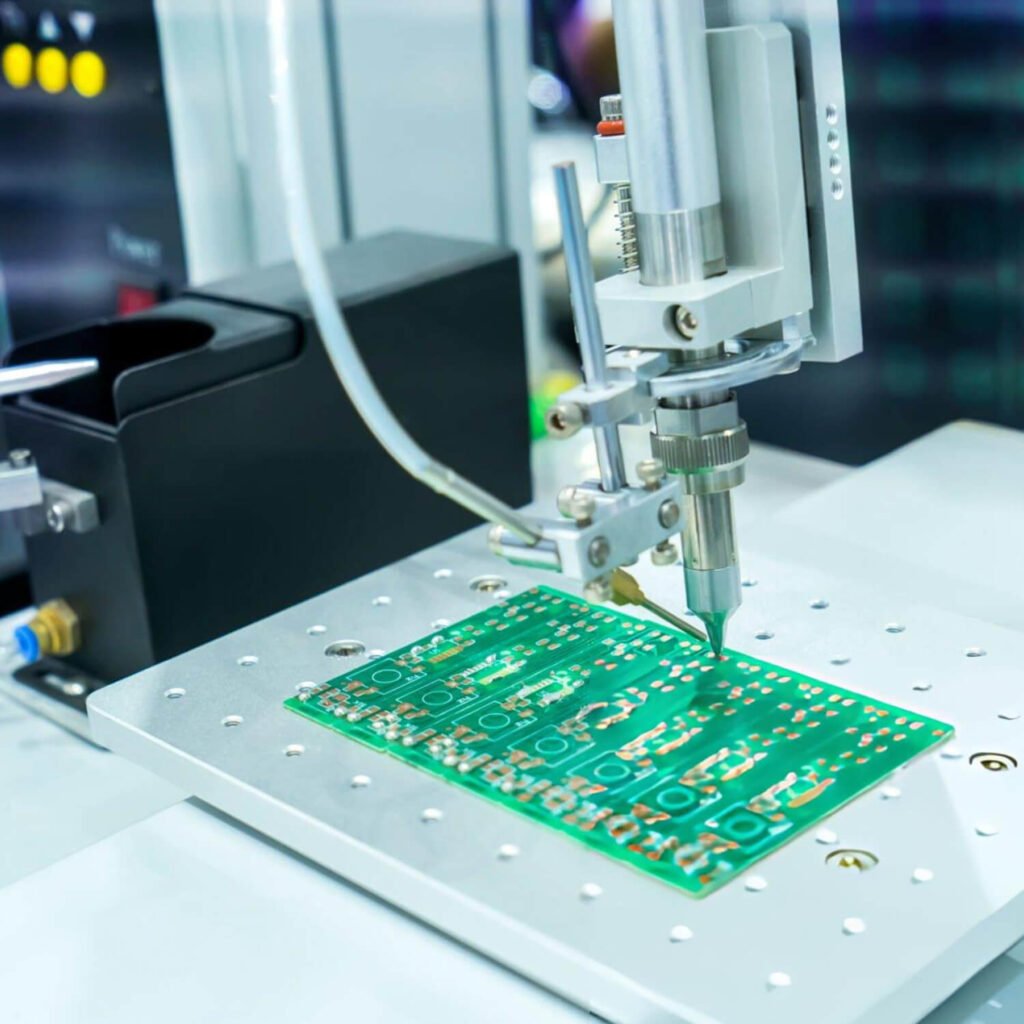
The rigid-flex PCB manufacturing process combines rigid PCB fabrication techniques with flexible circuit processing in a tightly controlled production flow. Because rigid and flexible materials behave differently under heat, pressure, and mechanical stress, rigid-flex PCB fabrication requires precise process control, advanced equipment, and experienced engineering support.

At PCBSAIL, every rigid-flex PCB is produced under strict IPC standards to ensure mechanical durability, electrical reliability, and long-term performance.

Flex PCB Manufacturring Process

Engineering Verification

Before production begins, our engineering team performs a comprehensive DFM (Design for Manufacturability) and DRC (Design Rule Check).

This stage includes:

  • Layer stack-up validation
  • Material selection review (FR-4, polyimide, Rogers, etc.)
  • Bend radius and flex zone analysis
  • Impedance control verification
  • Via structure and HDI feasibility check

Flex PCB Manufacturring Process

Flexible Circuit Core Fabrication

The flexible circuit portion is manufactured first using polyimide substrates. Key steps include:

  • Copper-clad polyimide preparation (adhesive or adhesiveless)
  • Imaging and pattern transfer
  • Copper etching to form flex traces
  • Flex layer inspection and dimensional control

Flex PCB Manufacturring Process

Rigid Layer Core Preparation

Rigid sections are fabricated using FR-4 or high-performance rigid materials. This includes:

  • Rigid core lamination
  • Copper pattern imaging and etching
  • Inner-layer AOI inspection
  • Prepreg preparation for lamination

Flex PCB Manufacturring Process

Rigid-Flex Lamination

Rigid and flexible layers are bonded into a single structure using heat, pressure, and adhesive systems. Depending on design requirements, we apply:

  • Acrylic adhesive films
  • Epoxy bonding films
  • Polyimide hot-melt adhesives
  • Adhesiveless lamination (for high-reliability designs)

Flex PCB Manufacturring Process

Drilling

After lamination, vias and holes are formed to interconnect layers.

  • Mechanical drilling for standard vias
  • Laser drilling for microvias and HDI structures
  • Burr and debris removal to protect flex zones
Drilling accuracy is critical in rigid-flex PCBs due to material thickness variation and flex sections.

Flex PCB Manufacturring Process

Copper Plating

All drilled holes and vias are plated with copper to establish electrical connections across layers. This process ensures:

  • Reliable interlayer conductivity
  • Strong via wall integrity
  • Compliance with IPC Class 3 requirements

Flex PCB Manufacturring Process

Outer Layer Imaging

Outer copper layers are patterned through photolithography:

  • Photoresist application
  • UV exposure using circuit artwork
  • Copper etching to define final traces
  • Final AOI inspection
This step defines the final circuit geometry and routing accuracy.

Flex PCB Manufacturring Process

Solder Mask

Solder mask is applied to rigid sections to:

  • Protect copper traces
  • Prevent solder bridging
  • Improve insulation and durability
Flexible areas may use coverlay films instead of standard solder mask to maintain flexibility.

Flex PCB Manufacturring Process

Surface Finish

Surface finishes are applied to exposed copper pads to ensure solderability and oxidation protection. Available finishes include:

  • ENIG (Electroless Nickel Immersion Gold)
  • OSP
  • HASL
  • Hard gold
  • Immersion silver

Flex PCB Manufacturring Process

Silkscreen

Component designators, polarity markings, traceability codes, and fabrication notes are printed using silkscreen or laser marking. This step supports:

  • Accurate assembly
  • Product identification
  • Quality traceability

Flex PCB Manufacturring Process

Electrical Testing

Each rigid-flex PCB undergoes 100% electrical testing to verify:

  • Continuity
  • Isolation
  • Netlist accuracy
Advanced test fixtures ensure accurate testing without damaging flexible sections.

Flex PCB Manufacturring Process

Final Inspection

Before shipment, boards are inspected for:

  • Dimensional accuracy
  • Layer alignment
  • Surface finish quality
  • Mechanical integrity in flex zones
Only boards that pass all inspections are approved for shipment.

ItemUnitFlex PCB
Max. LayersL16
Min. Finished Board Thicknessmm0.04
Max. Sizemm500 × 2200
Min. Laser Drill Holemm0.025
Min. Mechanical Drill Holemm0.1
Min. Line Width / Spacingmm0.035 / 0.035
Min. Annular Ring (Single / Double Side)mm0.075
Min. Annular Ring (Multilayer Inner Layer)mm0.1
Min. Annular Ring (Multilayer Outer Layer)mm0.1
Min. Coverlay Bridgemm0.1
Min. Solder Mask Openingmm0.15
Min. Coverlay Openingmm0.30 × 0.30
Min. BGA Pitchmm0.45
Single-ended Impedance Tolerance%±7
Base Material Type/Polyimide, LCP, PET
Base Material Brands/Shengyi, ITEQ, Taiflex, Newflex, Nikko, Panasonic, DuPont, Jiujiang
Stiffener Types/FR4, PI, PET, Steel, Aluminum, PSA, Nylon
Surface Finish/ENIG, ENEPIG, OSP, Electroplated Gold, Electroplated Gold + ENIG, Electroplated Gold + OSP, Immersion Silver, Immersion Tin, Electroplated Tin
Flex + HDI/2+N+2 (Mass production)

Rigid Flex PCB Applications

Our Rigid Flex PCBs are widely used in applications that require high reliability, compact packaging, mechanical durability, and stable electrical performance.

PCB Manufacturer Drone

Defense

Rigid-flex PCBs are extensively used in aerospace and military systems where reliability under extreme conditions is critical. Typical applications

  • Avionics control systems
  • Flight instrumentation
  • Radar and communication modules
  • Guidance and navigation systems

PCB Manufacturer Automotive Electronics

Automotive

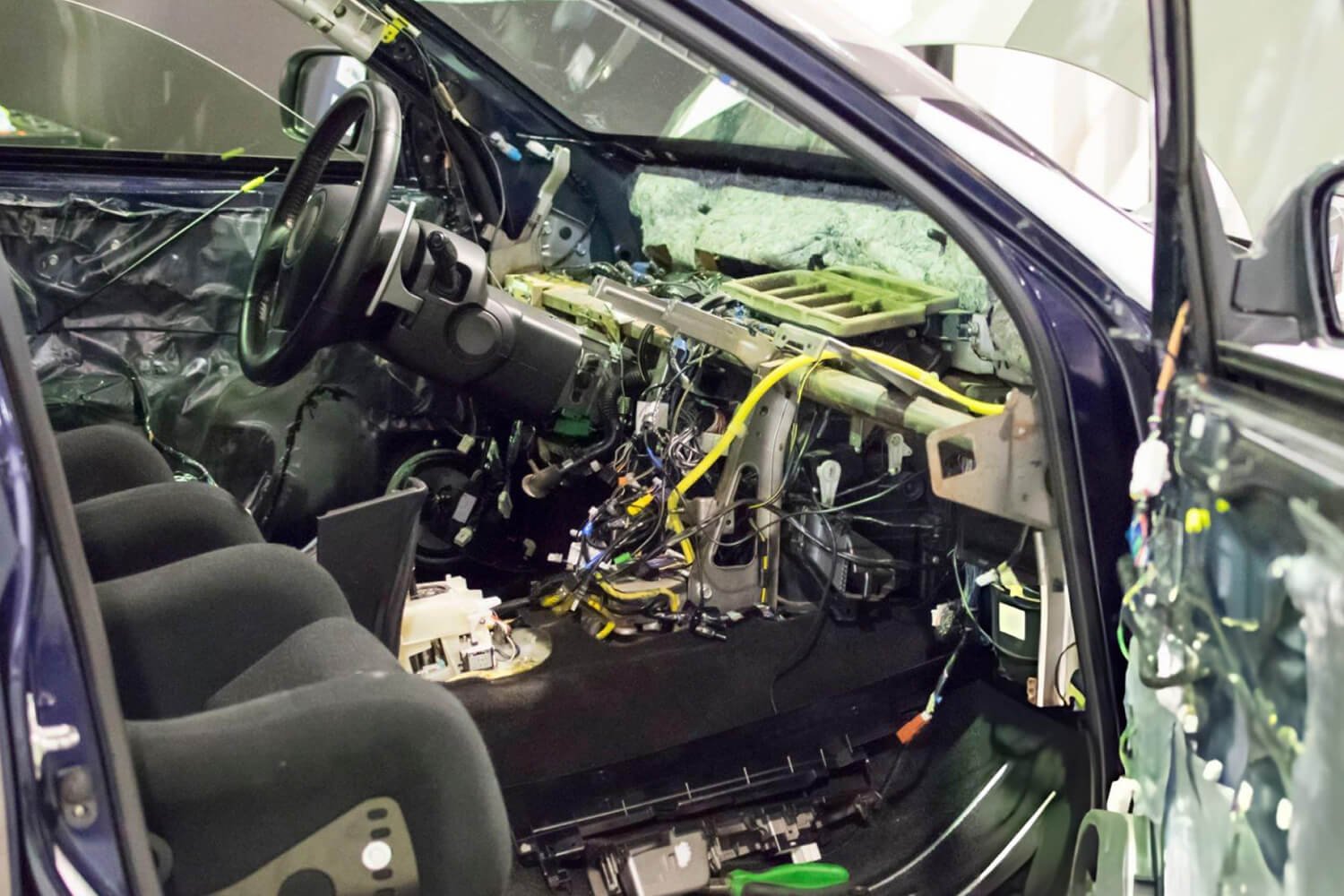
Rigid-flex PCBs are increasingly adopted in modern vehicles due to tight space constraints and harsh operating environments. Typical applications

  • ADAS control modules
  • Camera and sensor systems
  • Infotainment electronics
  • Battery management systems

PCB Manufacturer Industrial Automation

Industrial Control

Industrial environments demand electronics that can operate reliably under mechanical stress, temperature variation, and long operating cycles. Typical applications

  • Industrial controllers
  • Robotics systems
  • Sensors and actuators
  • Embedded control modules

PCB Manufacturer Medical Devices

Medical Devices

Medical electronics require compact design, high reliability, and long service life—all strengths of rigid-flex PCB technology. Typical applications

  • Diagnostic imaging equipment
  • Implantable and wearable medical devices
  • Patient monitoring systems
  • Portable medical instruments

PCB Manufacturer Consumer Electronics

Consumer Electronics

Compact consumer products benefit greatly from the size and weight reduction offered by rigid-flex PCBs. Typical applications

  • Smartphones and tablets
  • Foldable and wearable devices
  • Cameras and imaging modules
  • Smart home electronics

Fast Quotation

Our professional sales and engineering teams provide fast PCB quotes and technical support. Simply send us your Gerber files, BOM, and assembly drawings, and we will respond promptly with a competitive solution.

FAQ About Rigid Flex PCB?

1. What Is A Rigid Flex PCB?

A rigid flex PCB is a hybrid printed circuit board that combines rigid PCB sections (such as FR-4) with flexible circuits (typically polyimide) into a single integrated structure. It eliminates connectors and cables, improving reliability, reducing size and weight, and enabling complex 3D designs.

Yes. By eliminating connectors, solder joints, and wiring harnesses, rigid-flex PCBs reduce common failure points. Their flexible sections absorb vibration and mechanical stress, making them more reliable in dynamic and harsh environments.

Rigid-flex PCBs typically use:

  • Rigid materials: FR-4, high-Tg FR-4, BT resin
  • Flexible materials: Polyimide (PI), PET (cost-sensitive designs)
  • Copper: Rolled annealed (RA) for flex zones, electro-deposited (ED) for rigid areas
  • Adhesives: Acrylic, epoxy, or adhesiveless constructions
  • Adhesive-based designs use bonding films to laminate layers and are more cost-effective.
  • Adhesiveless rigid-flex PCBs offer better heat resistance, lower CTE, improved flexibility, and higher long-term reliability—ideal for aerospace, medical, and high-reliability applications.

Rigid flex PCBs typically range from 2 to 30 layers, depending on design complexity. Multilayer structures can support controlled impedance, power planes, HDI features, and high-speed signals.

Yes. Controlled impedance routing is supported, typically within ±10% tolerance, making rigid-flex PCBs suitable for high-speed digital, RF, and sensitive signal applications.

The minimum bend radius depends on:

  • Number of flex layers
  • Copper thickness
  • Material type (adhesive vs adhesiveless)
  • Static or dynamic bending requirements

PCBSAIL provides bend-radius analysis during DFM review to ensure reliability.

Yes, when designed correctly. Dynamic flex applications require:

  • Rolled annealed copper
  • Proper bend-zone design
  • Adhesiveless or high-performance adhesive systems

These designs support repeated bending without cracking or signal failure.

Dynamic flex designs are commonly used in hinges, robotics, and camera modules.

The fabrication cost is higher than standard rigid PCBs. However, rigid-flex PCBs often reduce total system cost by:

  • Eliminating connectors and cables
  • Reducing assembly time
  • Lowering failure rates and maintenance costs

Common surface finishes include:

  • ENIG
  • OSP
  • HASL
  • Hard gold
  • Immersion silver

Finish selection depends on assembly method and reliability requirements.

Yes. PCBSAIL offers one-stop turnkey services, including PCB fabrication, component sourcing, assembly, and testing.

Commonly required files include:

  • Gerber or IPC-2581 files
  • Stack-up details
  • Drill files
  • BOM and pick-and-place files (for PCBA)