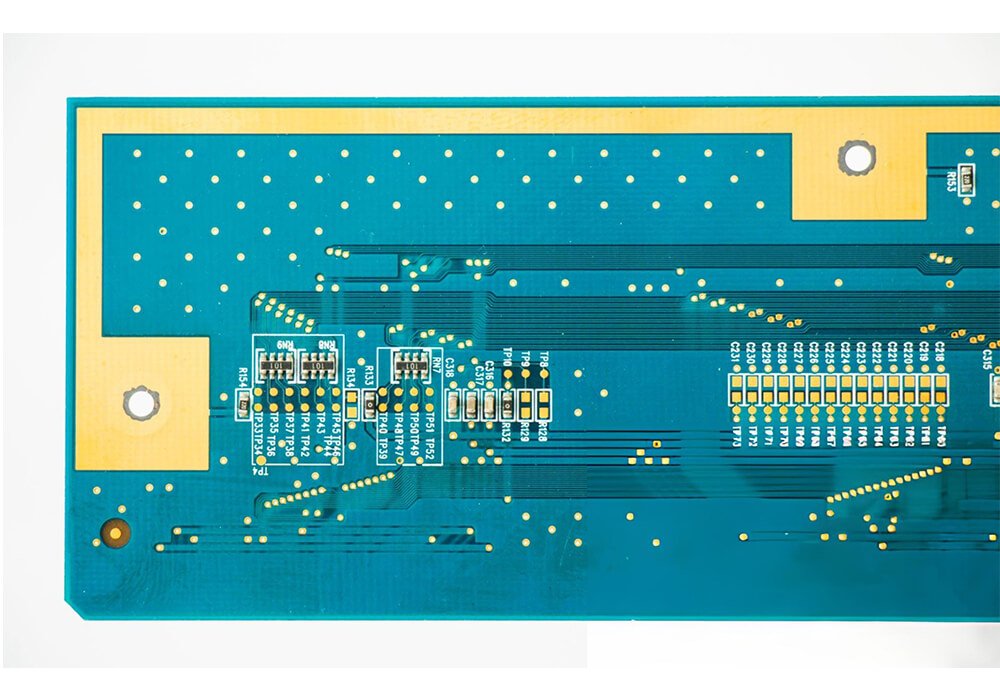

/High Current &Extreme Thermal Reliability/

Heavy Copper PCB

Heavy Copper PCB refers to a printed circuit board manufactured with copper thickness greater than 2 oz/ft² (≈70 μm) per layer. Heavy copper boards can carry higher current loads, improve heat dissipation, and withstand extreme thermal cycling and mechanical stress.

We offer heavy copper circuit boards compliant with IPC-6012 Class 2/3, RoHS. It can ensure global performance and traceability standards.

Heavy Copper PCB Factory

Heavy Copper PCB Manufacturer.

PCBSAIL is a leading Heavy Copper PCB manufacturer.

Our heavy copper PCB manufacturing supports copper thicknesses up to 1000 μm (≈28 oz copper) on both inner and outer layers. 

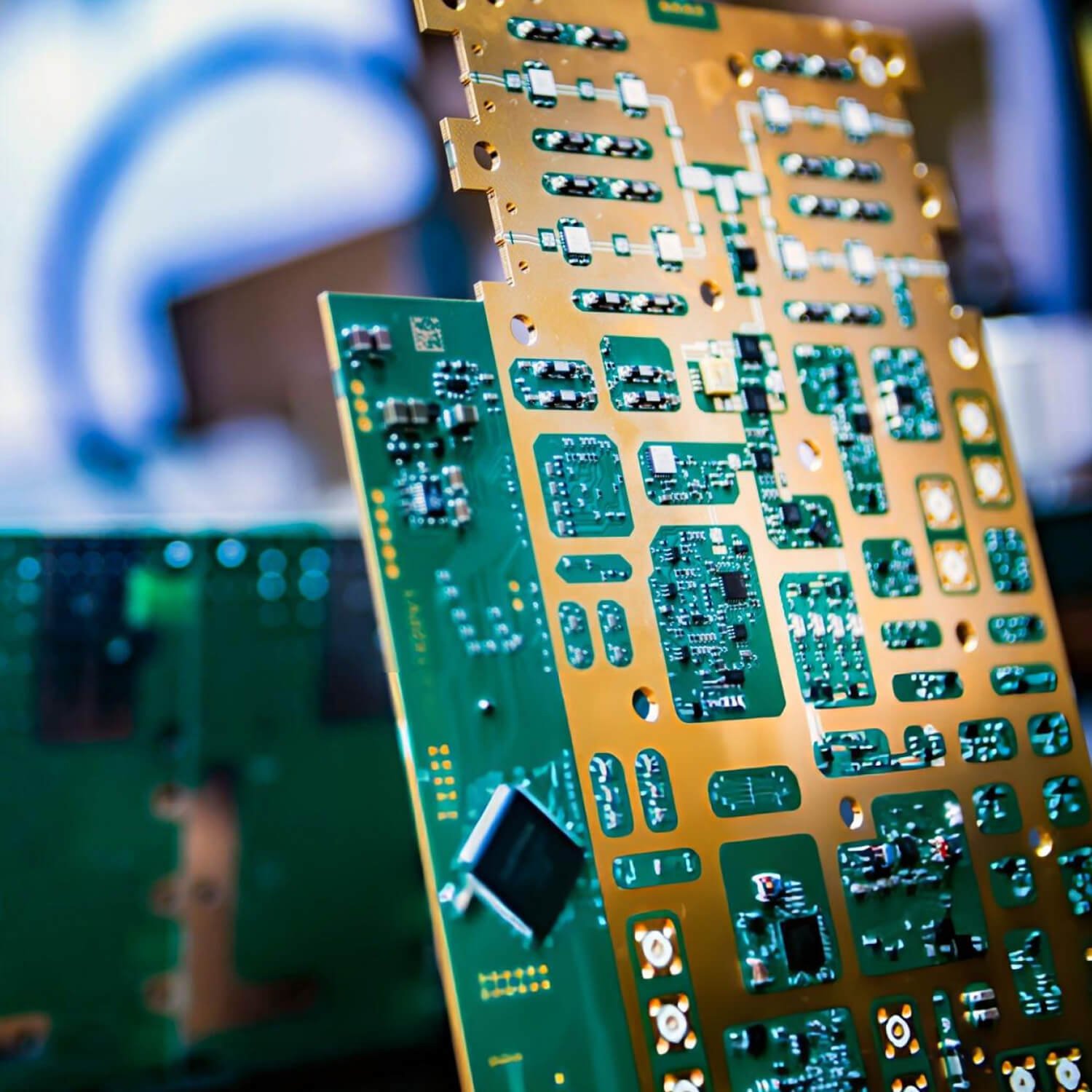
By advanced step plating, differential etching, and multilayer lamination processes, we can offer precision heavy copper PCBs with clean trace geometry, reliable via structures, and consistent copper thickness across complex layouts.

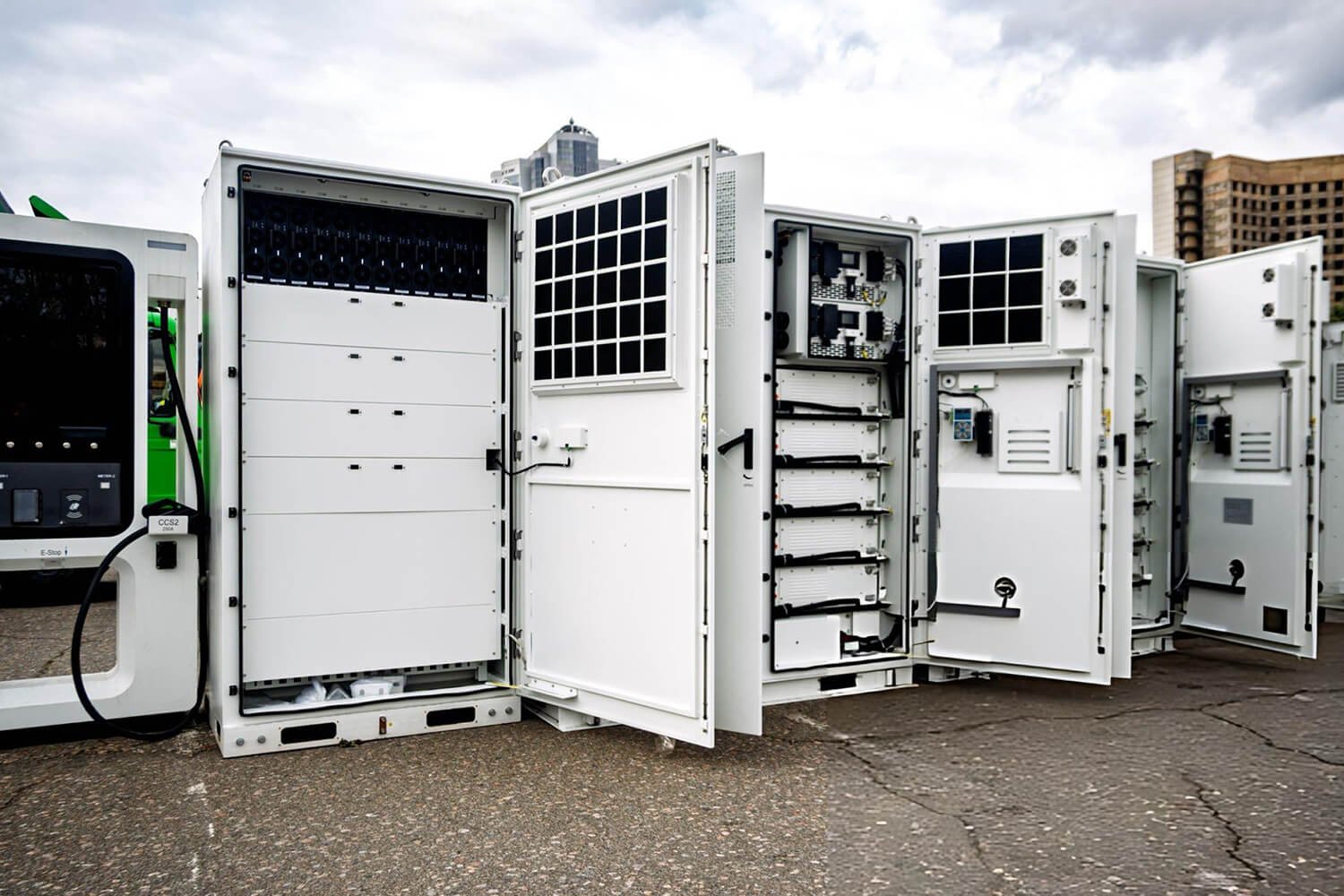
We are specializing in offering high-current, high-thermal-load printed circuit boards for power electronics, industrial automation, electric vehicles, renewable energy, and aerospace systems.

Capacity

We can offer high-precision Heavy Copper PCB by advanced manufacturing lines.

  • Up to 1000 μm (28 oz) copper thickness
  • Heavy copper supported on inner and outer layers
  • Panel thickness uniformity control within ±10%
  • 2 Layer to 16 Layer Heavy Copper PCB
  • Multilayer sequential lamination
  • Hybrid stackup with mixed dielectric materials

Via Structure Capability

We support advanced via technologies suitable for heavy copper multilayer boards:

  • Laser microvias (4 – 6 mil)
  • Blind vias
  • Buried vias
  • Via-in-pad with copper filling
  • Stacked microvia structures

Surface Finish Capability

Available heavy copper PCB surface finishes include:

  • ENIG
  • ENEPIG
  • Lead-Free HASL
  • OSP
  • Immersion Tin
  • Immersion Silver

Feature Heavy Copper PCB.

We can offer a comprehensive range of Heavy Copper PCBs to support high-current, thermally demanding, and high-reliability electronic applications.

Feature Heavy Copper PCB

Heavy Copper PCB We Offer.

Flex PCB Single-Sided Flex PCB

Single-Sided Heavy Copper PCB

Single-sided heavy copper PCBs are designed for high-current, low-complexity circuits where efficient power delivery and thermal management are critical.

  • Cost-effective heavy copper solution
  • Excellent thermal conduction
  • High current carrying capability
  • Simple and reliable structure

Flex PCB Double-Sided Flex PCB

Double-Sided Heavy Copper PCB

Double-sided heavy copper PCBs can improve circuit routing flexibility while carrying high current capability. With thick copper layers on both sides of the board, these PCBs support higher component density and better electrical performance.

  • Higher circuit density than single-sided boards
  • Improved power distribution efficiency
  • Enhanced thermal performance

Flex PCB Multilayer Flex PCB

Multilayer Heavy Copper PCB

Multilayer heavy copper PCBs can integrate high-power and control circuits within the same PCB structure while maintaining signal integrity and thermal reliability.

  • High integration capability
  • Reduced system size and wiring complexity
  • Improved electromagnetic compatibility
  • High mechanical reliability

Flex PCB with Stiffeners

Extreme Copper PCB

Extreme copper PCBs are designed for ultra-high current applications where copper thickness may exceed 1000 μm (28 oz). These boards are typically used in heavy industrial power distribution and transformer applications.

  • Maximum current carrying capability
  • Excellent heat dissipation performance
  • Extremely high mechanical durability

Flex PCB Rigid-Flex PCB

HDI Heavy Copper PCB

HDI heavy copper PCBs integrate high-density interconnect technology with heavy copper power routing. These boards support microvias, stacked vias, and fine pitch components alongside high current circuits.

  • High component density
  • Reduced PCB size
  • Supports high-speed and high-power integration
Item

Unit

Copper-based PCB Manufacturing Capability

Number of Layers

L

1 – 8

Product Types

/

Single-sided, Double-sided with core, Single-sided 2-layer, Single-sided 4-layer, Thermal separation (Pedestal board)

PCB Quality Standard

/

IPC-A-600/610 Class 3/2

Thermal Conductivity

W/m·K

1 – 12 (Thermal separation: 398W for pedestal board)

Max. PCB Size

mm

1200 × 480

Min. PCB Size

mm

5 × 5

PCB Thickness

mm

0.5 – 5.0

Finished Copper Thickness

oz

1 – 3

Plated Through Hole Copper Thickness

μm

20 – 35

Line Width / Spacing

mil

1oz: 4/5, 2oz: 6/8, 3oz: 10/11

PCB Warpage

%

≤ 0.5

Min. Punching Hole Diameter

mm

1.0

Min. Drilling Hole Diameter

mm

0.6

Min. Solder Mask Clearance

mm

0.35

Outline Tolerance

mm

CNC: ±0.15 / Punching: ±0.1

Copper Thickness of Circuit Layer

μm

35, 70, 105, 140, 175, 210, 245, 280, 315, 350

Routing Tolerance

mm

CNC: ±0.1 / Punching: ±0.1

Surface Finish & Thickness

/

ENIG: Au 0.0254–0.127 μm, Ni 5–6 μm
OSP / HASL (Lead-free): 40–100 μm
Immersion Silver: Ag 3–8 μm
Hard Gold Plating: Au 0.1–0.5 μm, Ni 4–6 μm

Heavy Copper PCB Materials

At PCBSAIL, we carefully select and validate materials to ensure optimal performance in Heavy Copper PCB manufacturing. The following advanced materials are commonly used to improve heavy copper PCB quality and electrical performance.

Heavy Copper PCB Material

RTF (Reverse Treated Foil) copper is widely used in heavy copper PCBs due to its superior surface structure, thermal performance, and mechanical adhesion characteristics.

  • Lower surface roughness (Ra value).
  • Higher thermal resistance capability
  • Improved corrosion resistance
  • Better adhesion to dielectric materials
  • Higher current and voltage carrying capability

When inner layer copper thickness exceeds 4 oz, proper filling materials become critical to ensure successful lamination and structural stability.

When manufacturing heavy copper PCBs, we used advanced high-resin-content prepregs and engineered filling systems.

  • Flatter PCB surfaces after lamination
  • Higher heat resistance
  • Lower coefficient of thermal expansion (CTE)
  • Improved resin flow into copper gaps
  • Better mechanical bonding strength

High thermal conductivity substrates significantly improve heat transfer efficiency from copper traces to heat sinks or cooling structures. When combined with thick copper layers, it can dramatically enhance overall thermal performance.

  • Aluminum core materials
  • Ceramic substrates (Al₂O₃, AlN)
  • Metal core composite laminates
  • Ceramic-filled polymer laminates

Heavy copper PCBs often work under large temperature variations. It is beneficial to maintain mechanical stability and reduce stress between copper and substrate layers using high glass transition temperature (Tg) materials and low coefficient of thermal expansion (CTE) dielectric

  • High Tg (≥170°C recommended)
  • Low Z-axis expansion
  • Stable dielectric constant across temperature range
  • Performance Benefits
  • Reduced delamination risk
  • Improved via reliability
  • Better thermal cycling durability

Advanced resin systems can improve thermal resistance, moisture resistance, and mechanical strength.

  • High thermal stability
  • Low moisture absorption
  • Improved mechanical toughness
  • Better copper-to-resin adhesion

Heavy Copper PCB Feature

Our heavy copper PCBs can ensure consistent electrical, thermal, and mechanical performance by using advanced plating technology, precision etching control, and multilayer lamination processes.

Heavy copper PCBs can support continuous high current operation without excessive temperature rise or conductor degradation.

  • Copper thickness up to 28 oz (1000 μm)
  • Supports continuous current loads exceeding 50 – 100A depending on trace geometry
  • Reduced electrical resistance for improved power efficiency

Thick copper layers increase conductor cross-sectional area, reducing I²R losses and improving overall electrical efficiency in high power systems.

Heavy copper layers act as integrated heat spreaders, allowing heat to dissipate quickly across the PCB structure.

Thermal Features:

  • High thermal conductivity copper planes
  • Thermal via integration for heat transfer
  • Compatible with metal core and ceramic substrates

Supports high Tg materials for thermal stability

Heavy copper PCBs are designed to withstand extreme temperature changes without structural failure.

  • Tested under -40°C to +125°C thermal cycling conditions
  • Reinforced via barrel structures
  • Reduced risk of copper trace cracking
  • Improved plating adhesion performance

Thick copper layers provide additional mechanical reinforcement to the PCB structure.

  • Improved resistance to vibration and mechanical stress
  • Stronger plated through hole (PTH) reliability
  • Reduced risk of pad lifting or trace damage
  • Enhanced connector and terminal durability
Heavy Copper PCB Feature

Heavy Copper PCB Manufacturing

After our manufacturing process for heavy copper PCB is optimized, it ensures high current carrying capability, superior thermal management, and long-term reliability.

Flex PCB Manufacturring Process

DFM Analysis

Every heavy copper project begins with a detailed engineering evaluation. Our team reviews

  • Gerber Files
  • Stack-up Requirements
  • Copper Thickness
  • Current Load Design
  • Trace Width
  • Via Structures

Flex PCB Manufacturring Process

Material Preparation

We select high-performance laminates and copper foils suitable for heavy copper fabrication, including:

  • RTF (Reverse Treated Foil) copper for strong adhesion and smooth surface profile
  • High-Tg or low-CTE laminates for thermal stability
  • High resin content prepregs for thick copper layer filling

Flex PCB Manufacturring Process

Imaging &Etching

For multilayer heavy copper PCBs:

  • High-precision LDI (Laser Direct Imaging) ensures accurate circuit definition
  • Controlled etching compensates for side etch common in thick copper layers
  • Special etching chemistry is used to maintain trace geometry

Flex PCB Manufacturring Process

Build-Up and Plating

Heavy copper circuits are formed through:

  • Pattern plating to build copper thickness on traces and pads
  • Via copper filling for improved current capacity and thermal conduction
  • Pulse plating or DC plating depending on copper thickness requirement

Flex PCB Manufacturring Process

Lamination &Filling

For copper thickness above 4 oz, advanced lamination techniques are required:

  • High-pressure lamination cycles
  • Specialized resin systems for gap filling
  • Vacuum lamination to eliminate voids

Flex PCB Manufacturring Process

Drilling

Heavy copper boards require optimized drilling parameters:

  • Controlled feed and speed to prevent burrs and smear
  • Special drill bits for thick copper penetration
  • Laser drilling for microvias when required

Flex PCB Manufacturring Process

Imaging &Etching

Outer layers follow similar heavy copper imaging and etching processes with strict control to maintain trace profile and copper thickness uniformity.

Flex PCB Manufacturring Process

Surface Finishing

Based on application requirements, we provide:

  • ENIG (Electroless Nickel Immersion Gold)
  • Hard Gold plating
  • Immersion Tin / Immersion Silver
  • OSP

Flex PCB Manufacturring Process

Printing

Heavy copper PCBs require thicker solder mask application to ensure coverage over high copper steps. We use high-build solder mask materials for insulation reliability.

Flex PCB Manufacturring Process

Testing

Each board undergoes:

  • 100% electrical testing
  • AOI inspection
  • Cross-section analysis for copper thickness verification
  • Thermal stress and reliability testing (if required)

Flex PCB Manufacturring Process

Final Profiling

Boards are routed, beveled, or V-scored as required, then vacuum-packed with moisture barrier protection
ItemUnitFlex PCB
Max. LayersL16
Min. Finished Board Thicknessmm0.04
Max. Sizemm500 × 2200
Min. Laser Drill Holemm0.025
Min. Mechanical Drill Holemm0.1
Min. Line Width / Spacingmm0.035 / 0.035
Min. Annular Ring (Single / Double Side)mm0.075
Min. Annular Ring (Multilayer Inner Layer)mm0.1
Min. Annular Ring (Multilayer Outer Layer)mm0.1
Min. Coverlay Bridgemm0.1
Min. Solder Mask Openingmm0.15
Min. Coverlay Openingmm0.30 × 0.30
Min. BGA Pitchmm0.45
Single-ended Impedance Tolerance%±7
Base Material Type/Polyimide, LCP, PET
Base Material Brands/Shengyi, ITEQ, Taiflex, Newflex, Nikko, Panasonic, DuPont, Jiujiang
Stiffener Types/FR4, PI, PET, Steel, Aluminum, PSA, Nylon
Surface Finish/ENIG, ENEPIG, OSP, Electroplated Gold, Electroplated Gold + ENIG, Electroplated Gold + OSP, Immersion Silver, Immersion Tin, Electroplated Tin
Flex + HDI/2+N+2 (Mass production)

Heavy Copper PCB Applications

Our Heavy copper PCBs are specifically designed for applications requiring high current carrying capacity, superior thermal management, and enhanced mechanical durability.

With copper thickness typically ranging from 3 oz to 20 oz+, these boards are widely used in demanding industrial, power, and high-reliability environments.

Power Electronics

Electronics

Heavy copper PCBs are extensively used in high-power electronic systems where stable current transmission and heat dissipation are critical.

  • AC-DC and DC-DC power converters
  • Voltage regulators
  • Power distribution modules
  • Industrial power supplies
  • Renewable energy inverters

PCB Manufacturer Automotive Electronics

Automotive Electronics

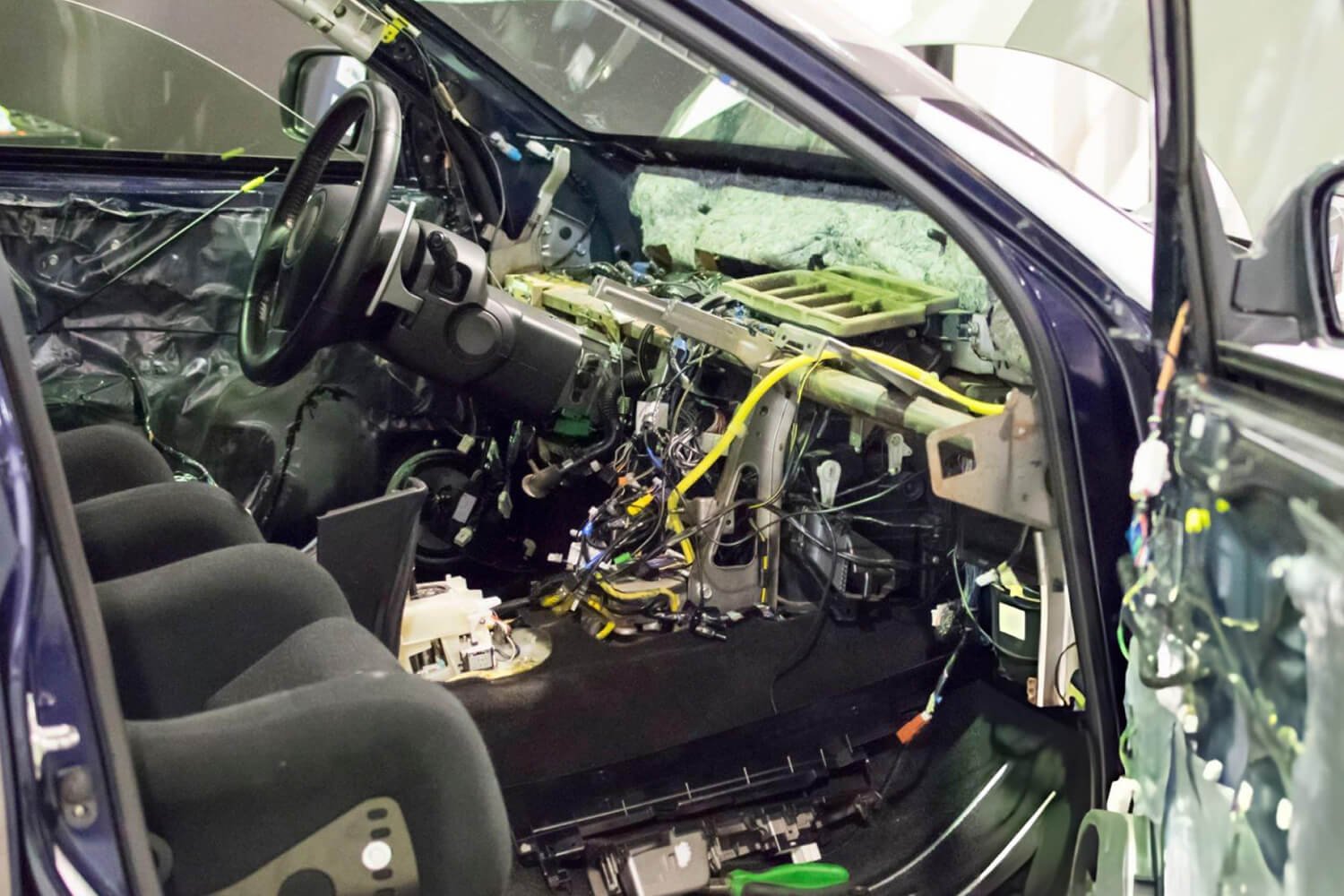
Modern automotive and electric vehicle systems require PCBs that can withstand high current loads, vibration, and temperature fluctuations.

  • Battery Management Systems (BMS)
  • Motor controllers
  • On-board chargers
  • Electric power steering systems
  • LED automotive lighting drivers

PCB Manufacturer Industrial Automation

Automation

Industrial equipment often operates continuously under high electrical and thermal stress.

  • Motor drives
  • Robotics power modules
  • Welding equipment control systems
  • Industrial UPS systems

PCB Manufacturer LED Lighting

High-Power LED

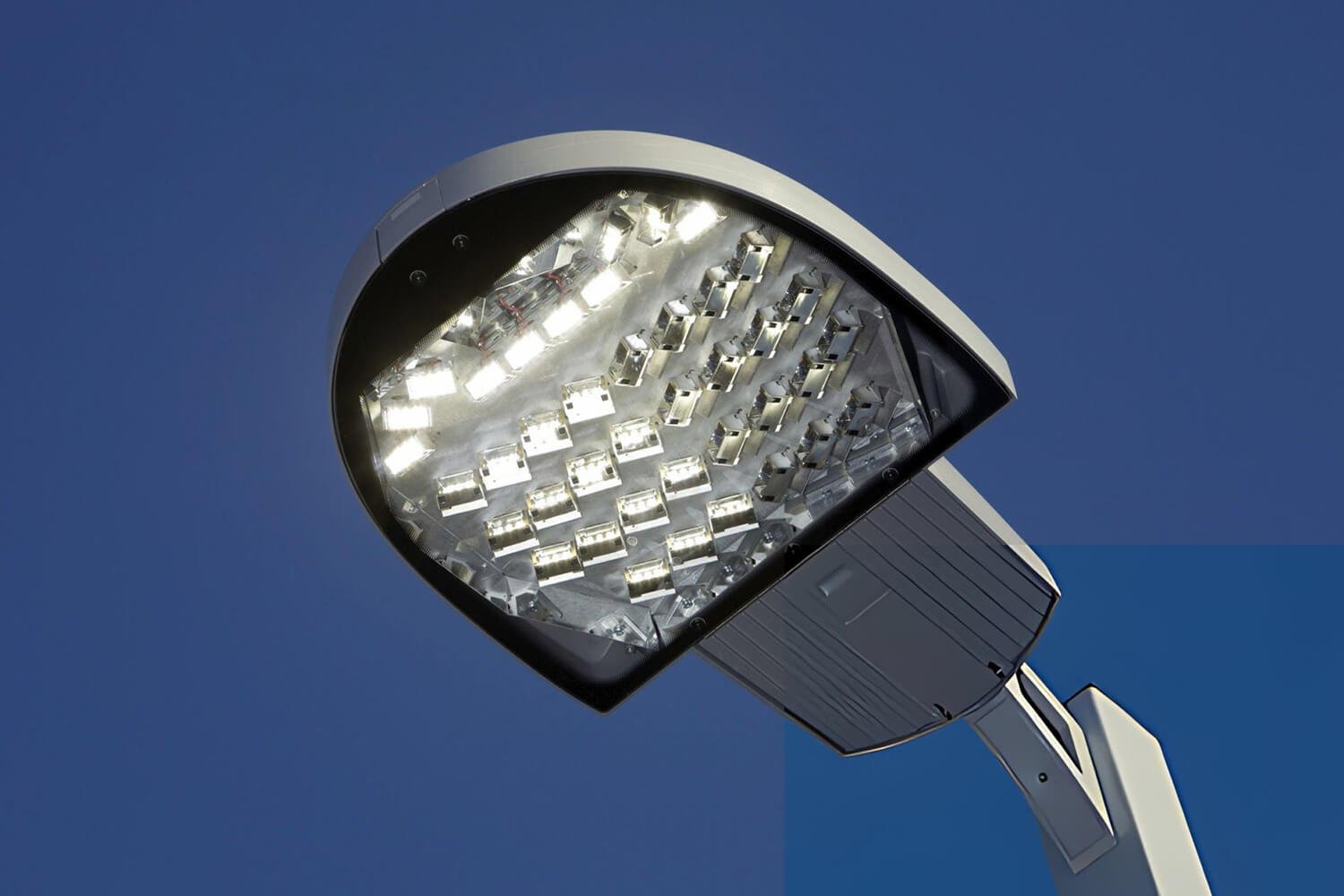
Thermal management is essential for high-power lighting performance and lifespan.

  • Stadium lighting
  • Industrial lighting
  • High-power outdoor LED systems
  • UV and specialty lighting systems

PCB Manufacturer Telecommunications

Transportation

Rail and transportation electronics require high reliability and high current capability.

  • Train power control systems
  • Signal control systems
  • Traction control modules
  • Auxiliary power systems

Fast Quotation

Our professional sales and engineering teams provide fast PCB quotes and technical support. Simply send us your Gerber files, BOM, and assembly drawings, and we will respond promptly with a competitive solution.

FAQ About Heavy Copper PCB

1. What is a Heavy Copper PCB?

A Heavy Copper PCB is a printed circuit board that uses significantly thicker copper layers than standard PCBs to support high current, high thermal load, and harsh operating environments.

In most industry definitions, heavy copper PCBs typically start at 3 oz/ft² (≈105 μm) copper thickness and can extend to 20 oz/ft² or more for extreme power applications. Some specialized designs can exceed this range when required for industrial or power conversion systems.

Compared to standard PCBs (usually 1 oz copper), heavy copper PCBs provide:

  • Much higher current carrying capacity
  • Better heat dissipation
  • Stronger mechanical reliability
  • Improved resistance to thermal cycling

These characteristics make heavy copper PCBs essential for modern power electronics, EV systems, and industrial automation equipment.

There is no single global standard, but most manufacturers classify heavy copper as:

Copper Weight

Thickness

Classification

1 oz

35 μm

Standard PCB

2 oz

70 μm

Heavy in some designs

3 oz+

105 μm+

Industry typical heavy copper

10 oz+

350 μm+

Extreme heavy copper

Many heavy copper boards operate in the 2–20 oz (70–700 μm) copper range depending on application requirements.

Current capacity depends on multiple factors:

  • Copper thickness
  • Trace width
  • Temperature rise limit
  • Ambient cooling conditions
  • Layer position (internal vs external)

For example, IPC-based models show that increasing copper weight allows significantly higher current at the same trace width.

Heavy copper designs can support 50A, 100A, or higher in power electronics systems when properly designed and cooled.

Heavy copper PCBs usually cost more due to:

  • Longer plating time
  • More copper consumption
  • Tighter process controls
  • Additional inspection requirements

However, system-level cost is often lower because heavy copper PCBs:

  • Replace bus bars
  • Improve thermal design
  • Increase product lifespan

Heavy copper PCBs typically follow:

  • IPC-6012 (Performance Qualification)
  • IPC-2221 (Design Standard)
  • IPC-TM-650 (Testing Methods)
  • RoHS Compliance
  • ISO Quality Systems

These ensure electrical, mechanical, and environmental reliability.

Key design considerations include:

  • Trace width vs current calculations
  • Thermal via placement
  • Copper balancing across layers
  • Stackup symmetry
  • Controlled impedance routing
  • Material Tg selection

Proper DFM analysis is essential to ensure manufacturability and reliability.

Type

Typical Copper Range

Heavy Copper PCB

3 oz – 20 oz

Extreme Copper PCB

10 oz – 200 oz+

Extreme copper is typically used in transformers, welding equipment, and ultra-high current systems.