
/Enhanced Signal Integrity/

HDI PCB

HDI PCB combines heavy copper current-carrying capability and high-density interconnect routing precision.

It can enable advanced electronic designs that require both high power handling and compact signal routing density.

We provide complete HDI PCB solutions, including design engineering support, stack-up optimization, material selection, and so on for prototype and high-volume manufacturing.

HDI PCB Manufacturer

HDI PCB Manufacturer.

PCBSAIL specializes in manufacturing complex HDI and Heavy HDI PCBs.

Industry-recognized materials were used in our manufacturing PCBs, such as high Tg FR4, IT180, S1000-2M, Rogers series laminates, and other low-loss high-frequency materials.

Our facilities are equipped with laser microvia drilling systems, LDI imaging lines, vacuum lamination presses, advanced copper plating lines, and automated inspection systems. It can ensure you can get stable and high-quality HDI PCBs from us.

Our manufacturing processes follow IPC standards and are supported by strict quality management systems to ensure consistent product performance and long-term reliability.

HDI PCB.

We offer reliable, high-performance HDI circuit boards across prototype and mass production volumes by laser microvia processing, sequential lamination technology, fine-line imaging, and strict process control.

Feature HDI PCB
Feature HDI PCB
Feature HDI PCB
Feature HDI PCB

HDI PCB We Offer.

Flex PCB Single-Sided Flex PCB

HDI Stack-Up Structures

We supports a full range of sequential build-up HDI structures:

  • 1+N+1 HDI PCB
  • 2+N+2 HDI PCB (staggered or stacked microvias)
  • 3+N+3 HDI PCB
  • Any-Layer (ELIC) HDI PCB
  • Coreless HDI PCB structures
  • Hybrid HDI + Multilayer PCB stackups

Flex PCB Double-Sided Flex PCB

Layer Count

We support up to approximately 68 layers with microvia-based interconnection structures.

  • Standard HDI PCB: 4 – 16 layers
  • Advanced HDI PCB: 20 – 40 layers
  • Ultra-complex HDI PCB: Up to 64+ layers

Flex PCB Multilayer Flex PCB

Microvia

Microvias are a core technology enabling HDI performance and miniaturization. We can support

  • Typical Microvia Diameter: 50 – 150 μm
  • Advanced Microvia Diameter: Down to ~50 μm
  • Microvia Aspect Ratio: ≤ 1:1 (IPC definition)
  • Typical Reliable Ratio Target: ≤ 0.75:1 for high reliability

Flex PCB with Stiffeners

Via

HDI PCBs commonly combine blind, buried, stacked microvias and via-in-pad structures to achieve maximum density and electrical performance.

  • Blind Microvias
  • Buried Vias
  • Stacked Microvias
  • Staggered Microvias
  • Via-in-Pad (VIP / VIPPO)
  • Copper-Filled Microvias
  • Resin-Filled Microvias

Flex PCB Rigid-Flex PCB

Line and Imaging

We can achieve trace/space down to around 35–40 μm with high precision imaging systems.

  • Standard HDI: 75 / 75 μm (3 / 3 mil)
  • Advanced HDI: 50 / 50 μm
  • Ultra HDI / IC-like HDI: 35 / 40 μm

Item

Unit

HDI PCB Manufacturing Capability

Product Type

/

HDI ELIC (5+2+5)

PCB Layers

L

1 – 32

Board Thickness

mm

Core thickness: 0.05 – 1.5
Finished thickness: 0.3 – 3.5

Minimum Hole Diameter

mm / mil

Laser drill: 0.075mm / 3mil
Mechanical drill: 0.15mm / 6mil

Minimum Line Width / Spacing

mm

0.030 / 0.030 (1.2mil / 1.2mil)

Copper Foil Thickness

oz

0.5 – 5

Max. Processing Size

mm

700 × 610

Layer-to-Layer Registration

mm

±0.05 (2mil)

Outline Tolerance

mm

±0.075 (3mil)

Min. BGA Pad

mm

0.15 (8mil)

Aspect Ratio

/

10:1

Board Warpage

%

≤ 0.5

Impedance Tolerance

%

±8

Daily Production Capacity

3000

Common Materials

/

FR4 / Normal Tg / High Tg / Low Dk / HF FR4 / PTFE / PI

Surface Finish

/

Electroplated Ni/Au, OSP, HASL, Electroplated Gold, Immersion Tin

HDI PCB Structures

HDI PCB structures are defined by the number of sequential build-up layers, microvia configurations, and overall interconnect complexity. HDI PCB structures are typically categorized using the X+N+X format, where:

  • X = Number of HDI build-up layers on each side
  • N = Number of core layers in the center
HDI PCB Structures

The 1+N+1 structure is the most common entry-level HDI configuration. It uses one sequential build-up layer on each side of the core multilayer PCB.

  • Single microvia layer per side
  • Blind microvias connecting outer layers to the first inner layer
  • No stacked microvias required
  • Lower manufacturing complexity and cost

The 2+N+2 structure adds two build-up layers on each side of the core, significantly increasing routing density and via routing flexibility.

This structure can be implemented in two main microvia configurations:

Staggered Microvia Structure

Microvias are offset between layers rather than stacked vertically.

Benefits

  • Higher reliability than stacked microvias
  • Lower stress concentration
  • Easier plating process

Stacked Microvia Structure

Microvias are directly stacked on top of each other across multiple HDI layers.

Benefits

  • Maximum routing density
  • Supports ultra-fine pitch BGAs
  • Shortest electrical path

The 3+N+3 HDI structure is designed for ultra-high density interconnect applications requiring maximum routing capability and vertical interconnect performance.

  • Three sequential build-up layers per side
  • Multiple stacked microvia levels
  • Requires advanced lamination process control
  • Higher manufacturing complexity

HDI PCB Feature

Our HDI PCBs are engineered to support high-density component layouts, high-speed signal transmission, and long-term reliability in demanding electronic environments.

Our HDI PCBs are designed to maximize routing density through microvia technology, blind and buried via structures, and high-precision imaging processes.

  • Fine trace and space down to 1.8 mil (45 μm)
  • High pad density for fine pitch BGA and CSP packages
  • Reduced layer count through advanced routing optimization
  • Support for compact electronic product design

It allows designers to place more components in smaller areas while maintaining stable signal performance.

Microvias are a core feature of HDI PCB technology. PCBSAIL uses precision UV and CO₂ laser drilling systems to form high-quality microvias.

  • Microvia diameter down to 50–75 μm
  • Aspect ratio ≤ 1:1 for high plating reliability
  • Smooth via wall formation for strong metallization bonding
  • Copper filled and resin filled microvia options

These features improve electrical performance while increasing structural reliability under thermal cycling conditions.

Via-in-pad technology enables direct connection under component pads, eliminating routing space constraints.

  • Resin filled and copper capped microvias
  • Pad surface flatness controlled within tight tolerance
  • Improved thermal transfer performance
  • Eliminates via stub effects

VIPPO is widely used in high-speed and high-density designs where signal integrity and thermal performance are critical.

HDI PCB structures naturally improve signal integrity by reducing electrical path length and minimizing parasitic effects.

  • Controlled impedance stackup design
  • Low signal loss routing structures
  • Reduced signal reflection through via stub elimination
  • Support for high-speed digital interfaces

These capabilities make our HDI PCBs suitable for high-speed data transmission and RF applications.

HDI PCBs support thinner board constructions while maintaining mechanical strength.

  • Minimum dielectric thickness down to 50 μm
  • Reduced total PCB thickness
  • Improved heat dissipation through optimized copper distribution

It enables smaller and lighter electronic device designs.

HDI PCB Feature

HDI PCB Manufacturing

Our HDI PCB manufacturing process is built around precision laser processing, advanced lamination control, and strict quality verification at each stage.

Flex PCB Manufacturring Process

Engineering Review

Before production begins, we will review a comprehensive manufacturability assessment.

  • HDI stack-up optimization (1+N+1, 2+N+2, any-layer HDI)
  • Microvia structure verification (stacked, staggered, skip vias)
  • DFM (Design for Manufacturability) analysis

Flex PCB Manufacturring Process

Inner Layer

HDI requires ultra-fine circuitry accuracy on inner layers.

  • High-resolution LDI (Laser Direct Imaging)
  • Fine line etching (down to 50/50 µm or better depending on stack)
  • Automated Optical Inspection (AOI)
  • Inner layer oxide or oxide alternative treatment

Flex PCB Manufacturring Process

Laser Microvia Drilling

Microvias are the core technology of HDI PCBs. Microvia diameter is typically 50–100 µm

  • UV laser drilling
  • CO₂ laser drilling (depending on material and design)

Flex PCB Manufacturring Process

Via

Reliable via conductivity and structural strength are critical.

  • Desmear and plasma cleaning
  • Electroless copper deposition
  • Electrolytic copper plating
  • Via copper filling (for stacked via reliability)

Flex PCB Manufacturring Process

Sequential Lamination

HDI boards are built layer-by-layer using controlled lamination cycles.

  • Layer alignment
  • Resin flow management
  • Thermal expansion matching

Flex PCB Manufacturring Process

Outer Layer Imaging

After HDI build-up, outer circuitry is formed.

  • LDI imaging for fine features
  • Pattern plating (copper + tin or resist)
  • Final etching

Flex PCB Manufacturring Process

Surface Finish

Surface finishes ensure solderability and long-term reliability.

  • ENIG
  • ENEPIG
  • Immersion Silver
  • OSP
  • Hard Gold (for connector areas)

Flex PCB Manufacturring Process

Solder Mask

Precision solder mask alignment is critical for fine-pitch components.

  • LDI solder mask imaging
  • High-resolution legend printing

Flex PCB Manufacturring Process

Testing

Every HDI PCB undergoes strict verification.

  • 100% E-test (flying probe or fixture)
  • X-ray inspection (via integrity & alignment)
  • Microsection analysis
  • Final AOI
  • Reliability testing (upon request)

Flex PCB Manufacturring Process

Final Cleaning & Packaging

  • CNC routing or laser profiling
  • Ionic contamination cleaning
  • Vacuum packaging or nitrogen packaging (optional)

ItemUnitFlex PCB
Max. LayersL16
Min. Finished Board Thicknessmm0.04
Max. Sizemm500 × 2200
Min. Laser Drill Holemm0.025
Min. Mechanical Drill Holemm0.1
Min. Line Width / Spacingmm0.035 / 0.035
Min. Annular Ring (Single / Double Side)mm0.075
Min. Annular Ring (Multilayer Inner Layer)mm0.1
Min. Annular Ring (Multilayer Outer Layer)mm0.1
Min. Coverlay Bridgemm0.1
Min. Solder Mask Openingmm0.15
Min. Coverlay Openingmm0.30 × 0.30
Min. BGA Pitchmm0.45
Single-ended Impedance Tolerance%±7
Base Material Type/Polyimide, LCP, PET
Base Material Brands/Shengyi, ITEQ, Taiflex, Newflex, Nikko, Panasonic, DuPont, Jiujiang
Stiffener Types/FR4, PI, PET, Steel, Aluminum, PSA, Nylon
Surface Finish/ENIG, ENEPIG, OSP, Electroplated Gold, Electroplated Gold + ENIG, Electroplated Gold + OSP, Immersion Silver, Immersion Tin, Electroplated Tin
Flex + HDI/2+N+2 (Mass production)

HDI PCB Applications

Our HDI PCB solutions are engineered to support high-performance electronic products that demand high circuit density, high signal speed, miniaturization, and long-term reliability.

PCB Manufacturer Consumer Electronics

Consumer Electronics

Our HDI PCBs enable compact, high-performance designs required in modern consumer electronics where space is limited and functionality is increasing.

  • Smartphones and foldable phones
  • Tablets and ultrabooks
  • Smartwatches and wearable devices
  • AR / VR devices
  • TWS wireless earbuds

PCB Manufacturer Automotive Electronics

Automotive Electronics

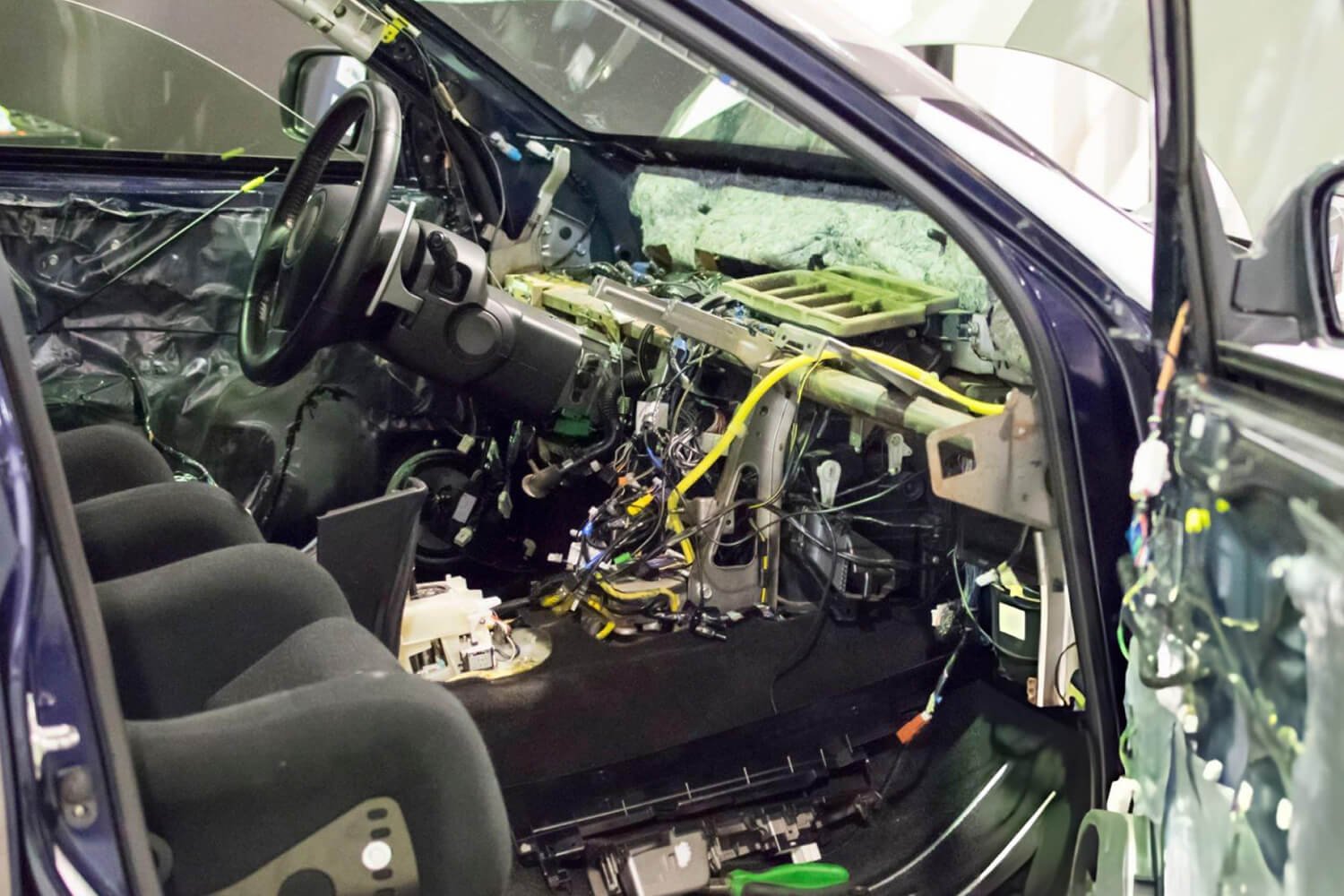
Our automotive-grade HDI PCBs support the increasing electronic complexity in modern vehicles, including ADAS, EV power systems, and intelligent cockpit electronics.

  • ADAS radar modules
  • Autonomous driving controllers
  • Vehicle communication modules
  • Battery management systems (BMS)
  • Automotive infotainment systems
  • Camera and sensor processing modules

PCB Manufacturer Industrial Automation

Industrial Electronics

We support industrial customers with HDI PCBs designed for long lifecycle and stable operation in harsh environments.

  • Industrial automation controllers
  • Robotics control systems
  • Smart manufacturing equipment
  • High-precision test and measurement devices
  • Renewable energy control systems

PCB Manufacturer Medical Devices

Medical Devices

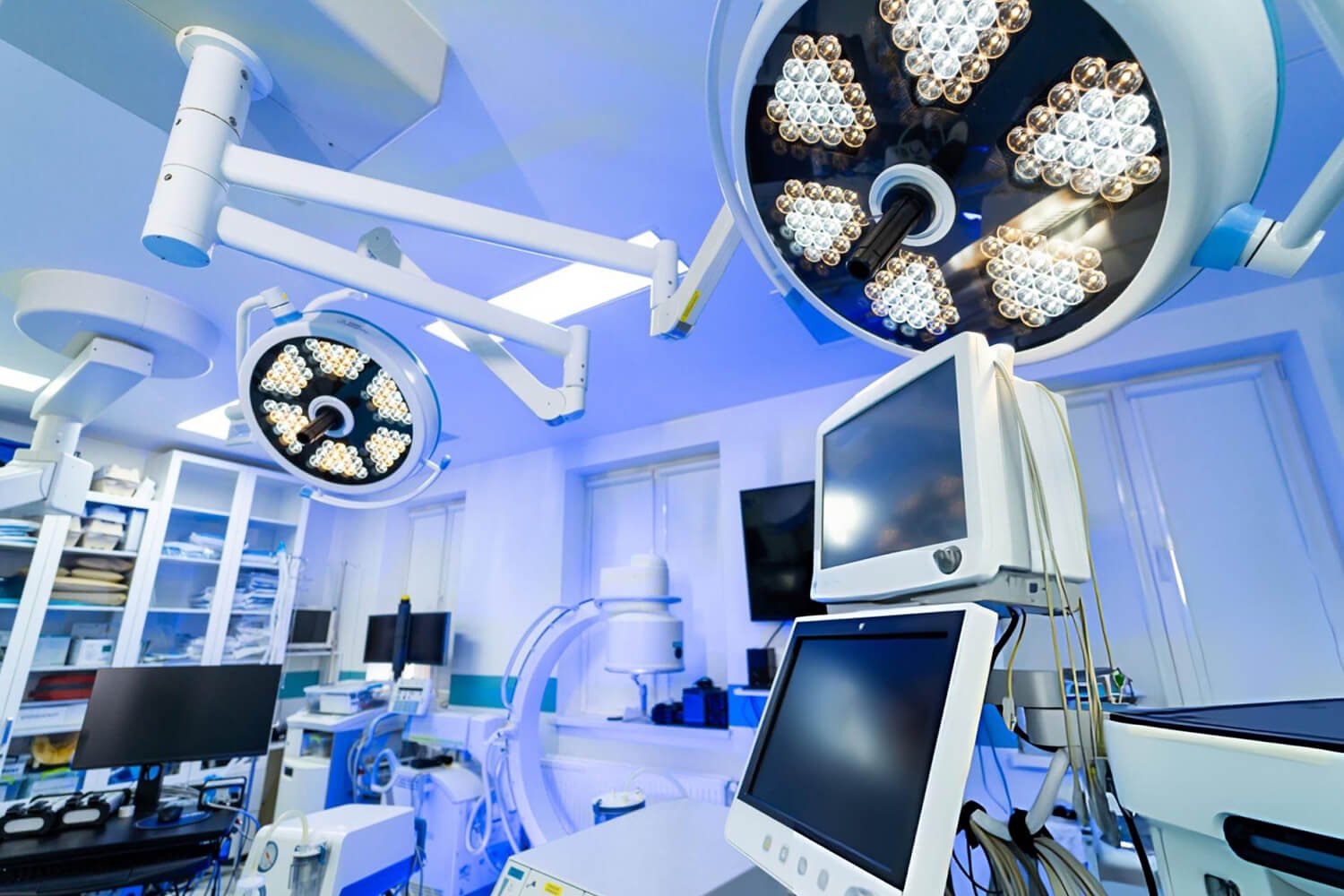
We manufacture HDI PCBs that meet strict reliability and miniaturization requirements for medical electronics and diagnostic systems.

  • Portable ultrasound equipment
  • Endoscopic imaging modules
  • Patient monitoring systems
  • Diagnostic imaging devices
  • Implantable and wearable medical electronics
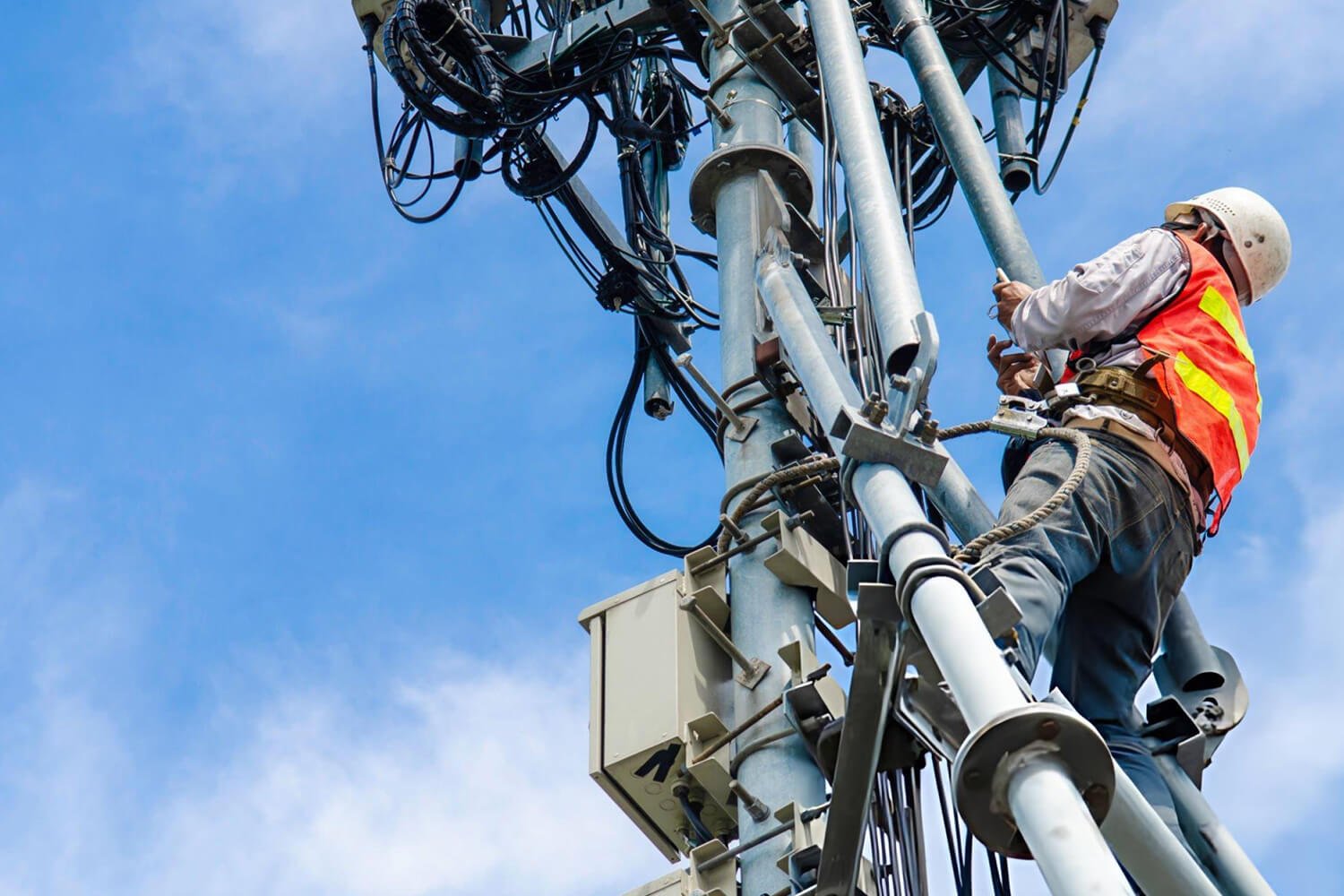
PCB Manufacturer Telecommunications

Telecommunication

We provide HDI PCB solutions optimized for high-frequency signal transmission, low insertion loss, and stable performance under continuous operation

  • 5G base stations
  • Small cell communication modules
  • Optical transmission equipment
  • Network switches and routers
  • Satellite communication systems

Fast Quotation

Our professional sales and engineering teams provide fast PCB quotes and technical support. Simply send us your Gerber files, BOM, and assembly drawings, and we will respond promptly with a competitive solution.

FAQ About HDI PCB

1. What Is an HDI PCB?

HDI (High Density Interconnect) PCB is a circuit board that uses microvias, blind vias, buried vias, fine line routing, and high layer interconnection density to achieve higher circuit density than traditional multilayer PCBs.

HDI PCBs enable smaller board sizes, higher electrical performance, and improved signal integrity, making them ideal for high-speed and compact electronic devices.

HDI PCB

  • Uses microvias (laser drilled)
  • Supports ultra-fine trace routing
  • Higher wiring density
  • Smaller PCB size possible
  • Higher manufacturing complexity

Standard Multilayer PCB

  • Uses mechanical drilling vias
  • Larger trace width and spacing
  • Lower interconnection density
  • Larger board size required for same function
  • Lower manufacturing cost

Microvias are very small vias typically created using laser drilling technology. They are used to connect adjacent layers in HDI PCBs.

Typical Microvia Size

  • Diameter: 50–100 µm
  • Depth: Usually single dielectric layer

Microvias improve signal performance by shortening signal paths and reducing parasitic effects.

Selection depends on:

  • Component pitch
  • Signal speed and frequency
  • Board size constraints
  • Cost target
  • Reliability requirement
  • Layer count requirement

Working with your PCB manufacturer early helps optimize structure and cost.

Typical lead times depend on complexity:

  • HDI Prototype: ~7–15 working days
  • Complex HDI Production: ~3–5 weeks

Lead time varies based on layer count, lamination cycles, and via structure complexity.