

/ISO & IPC Class 3 Certified/
Single- to Multilayer Rigid PCB Solutions
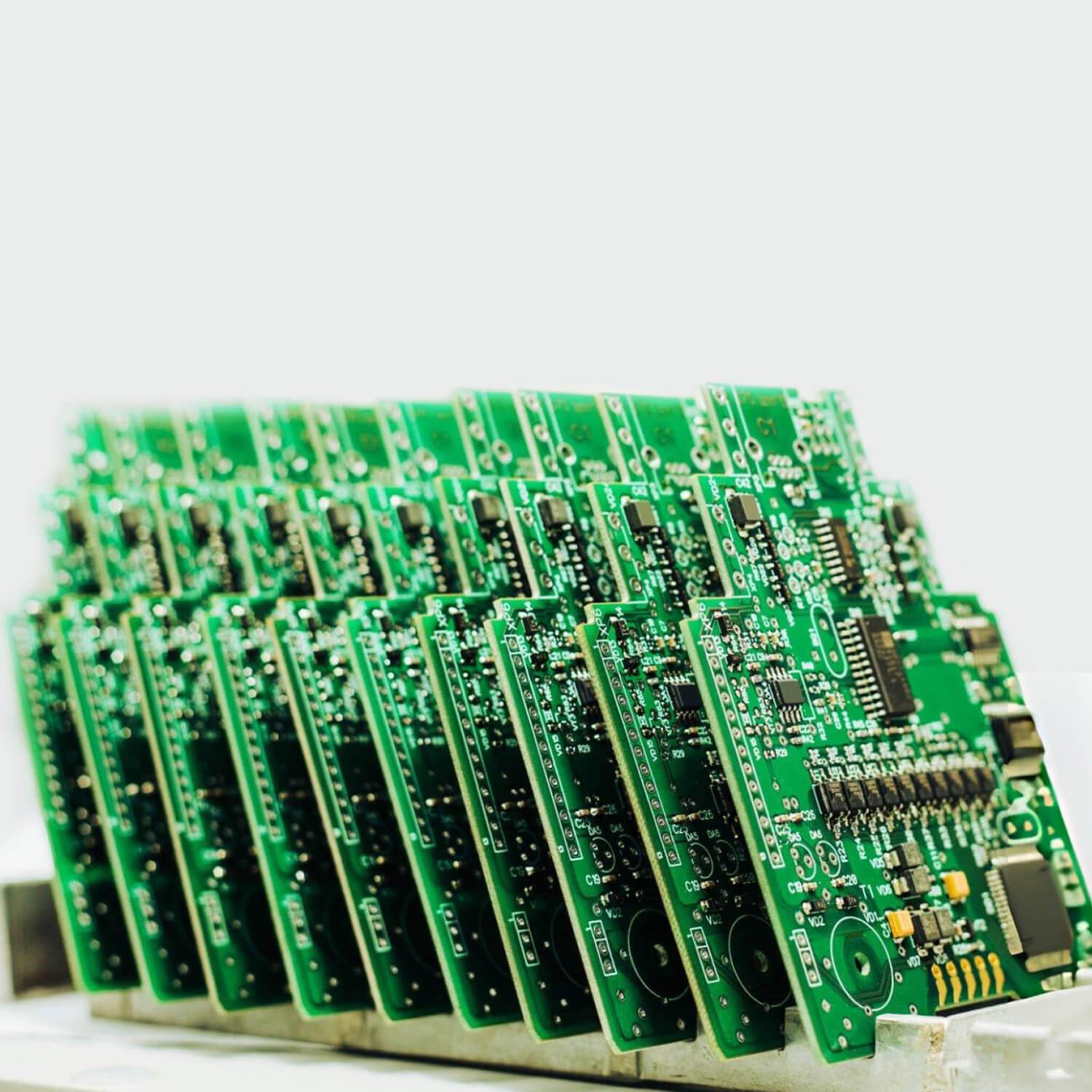
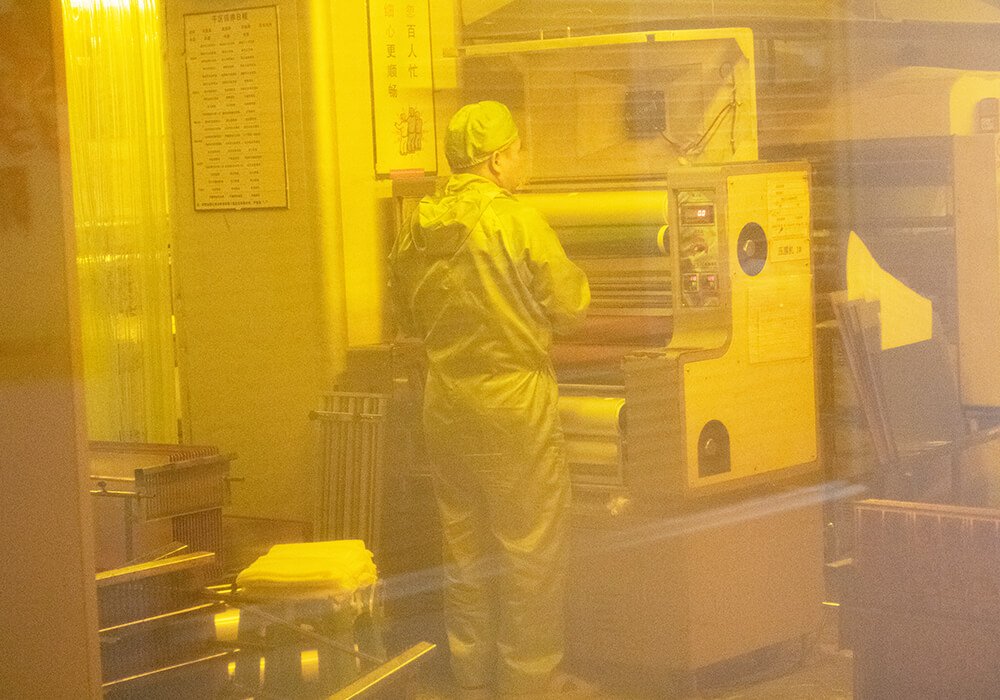
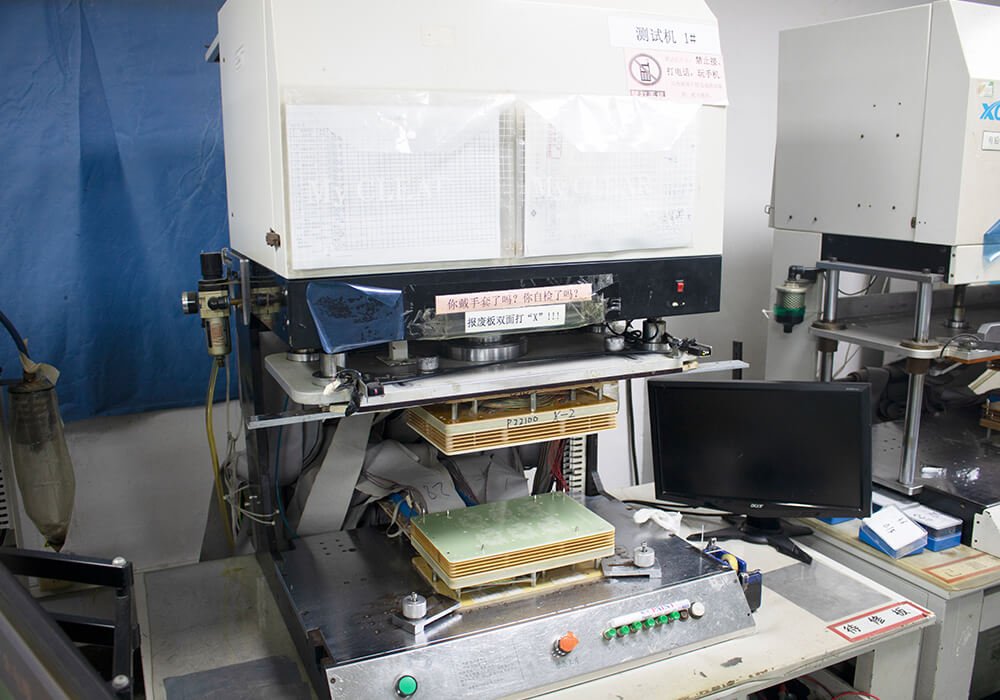
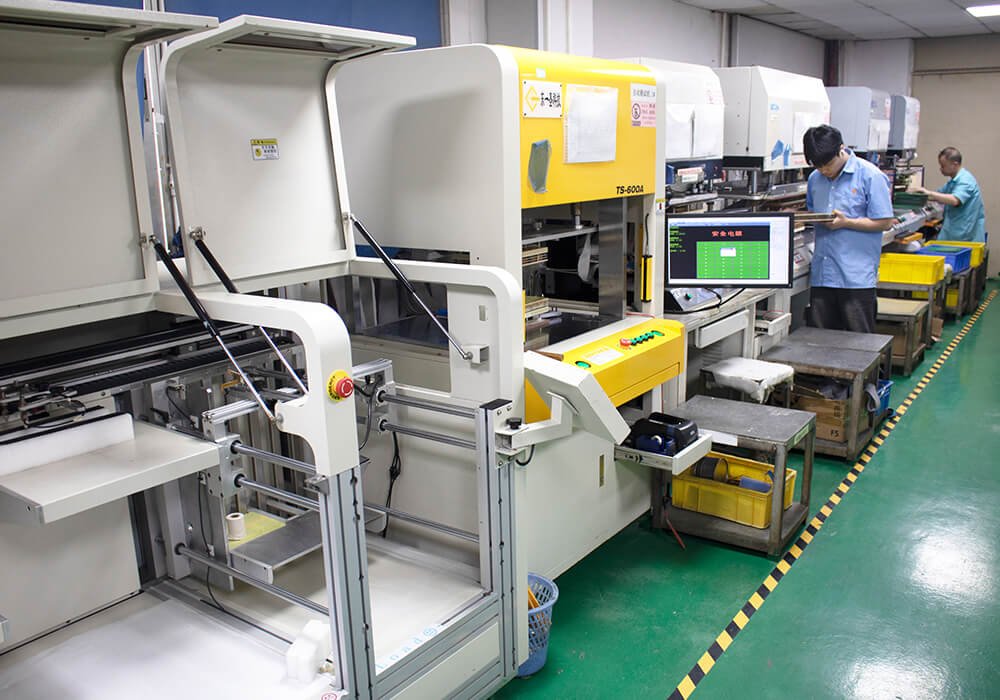
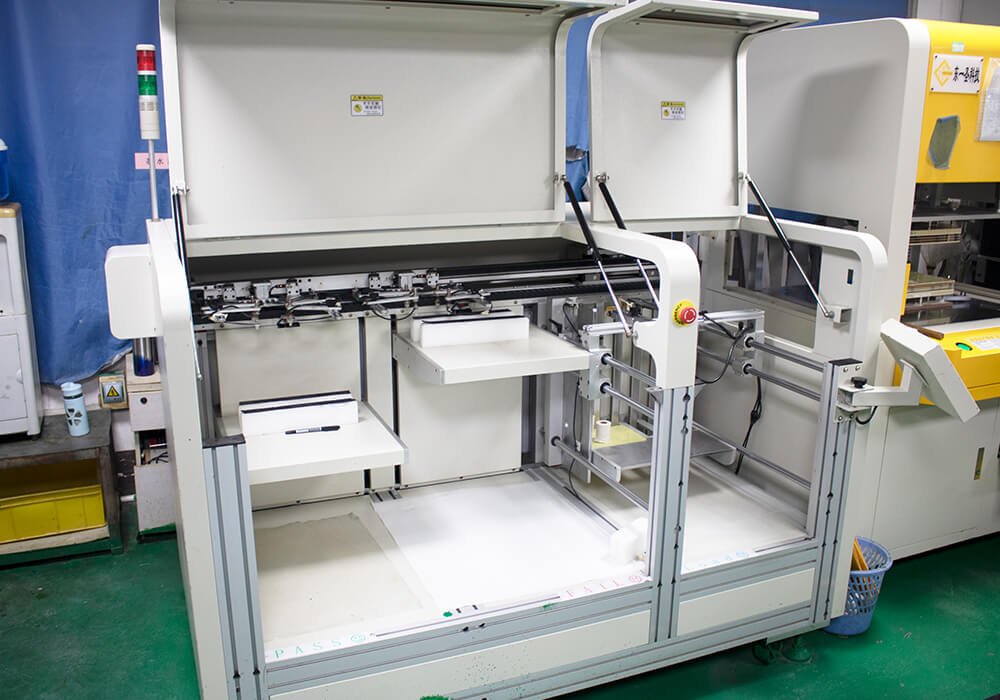
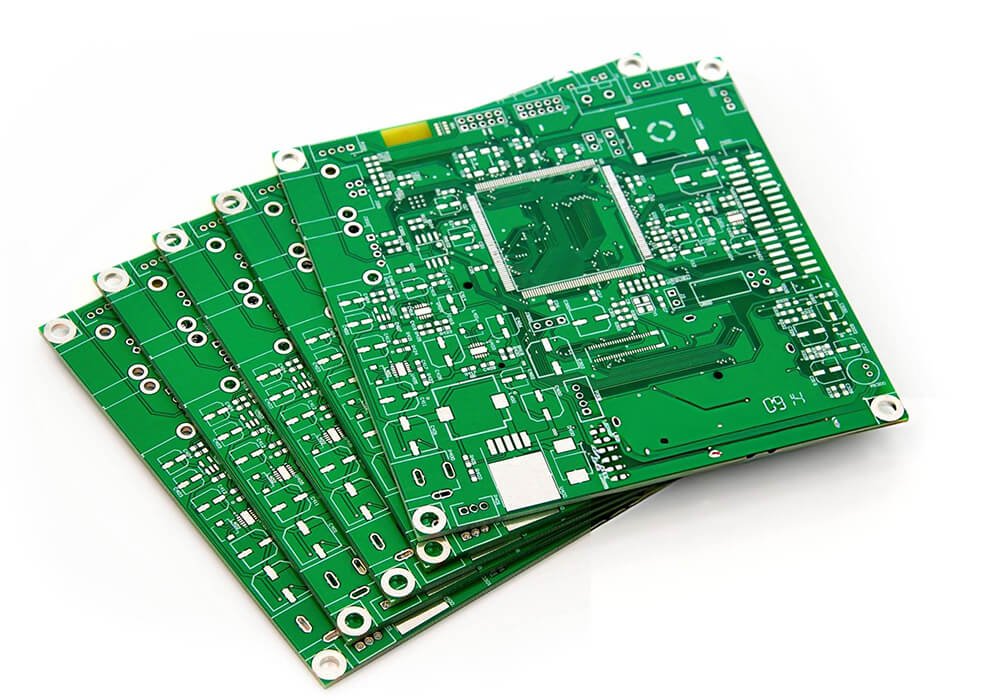
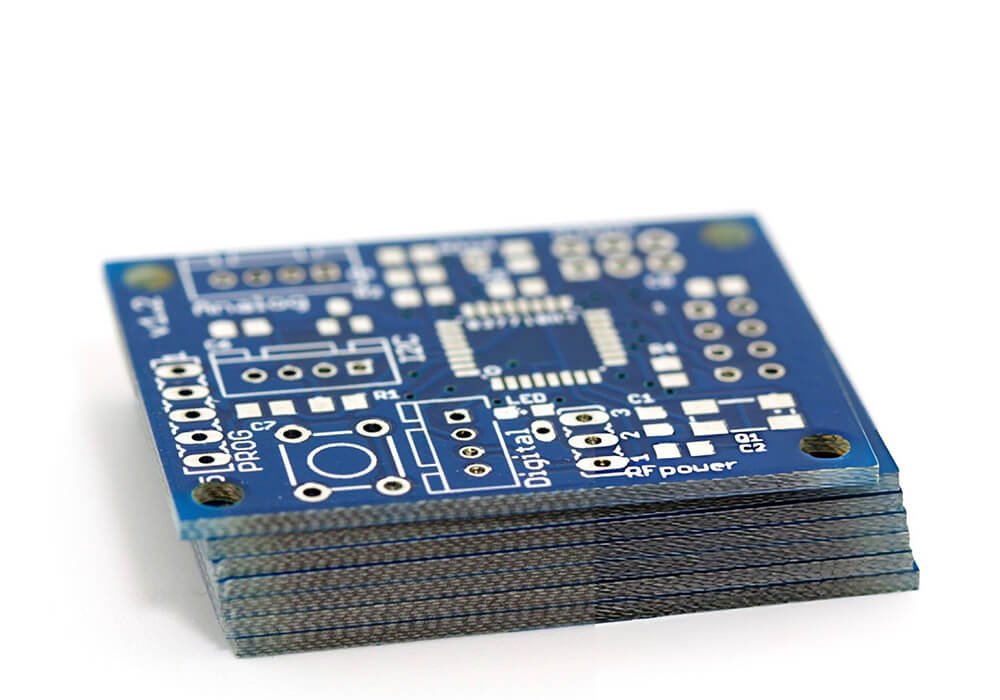
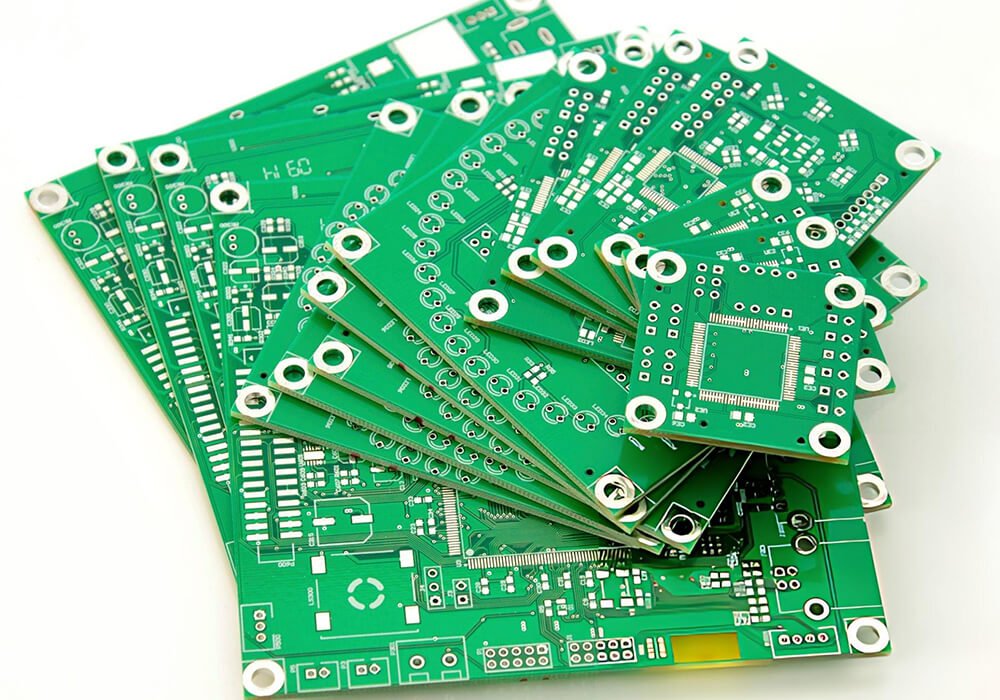
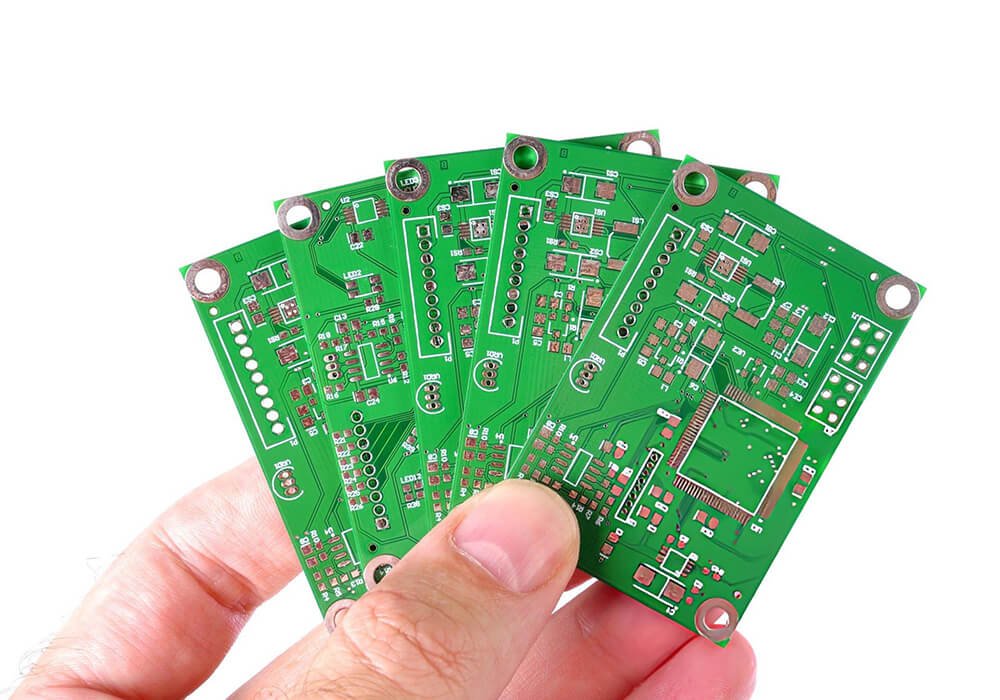
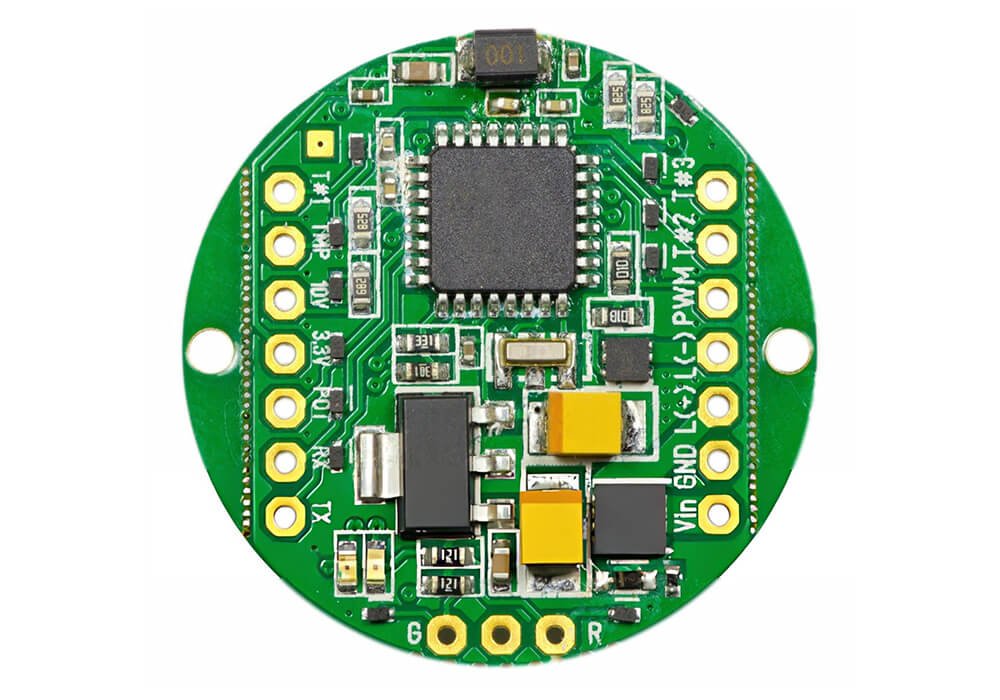
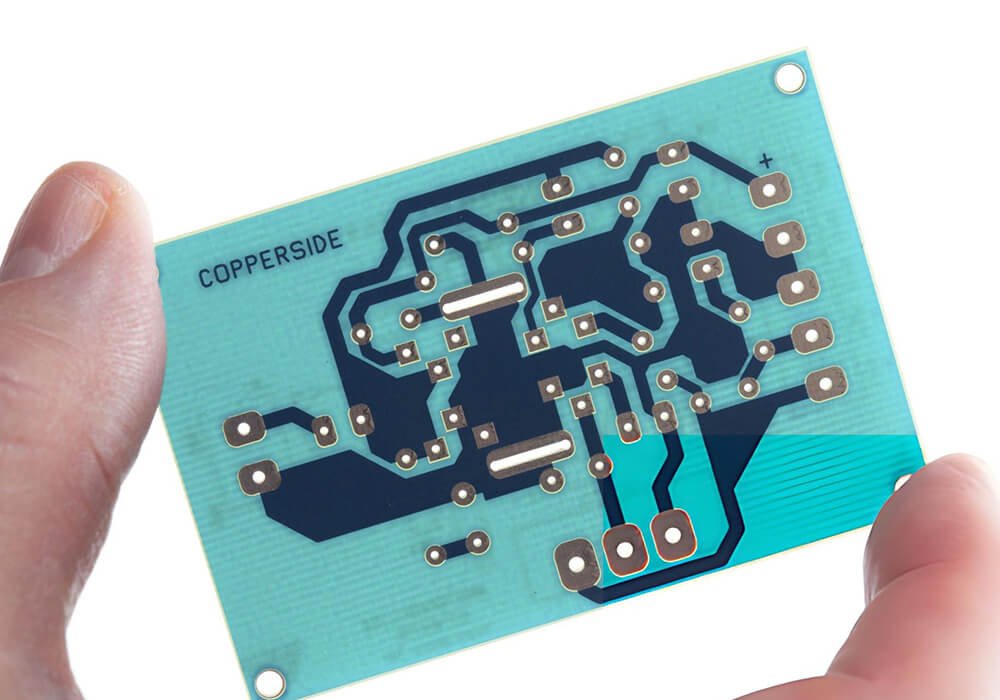
Rigid PCB remains the foundation of modern electronics, powering everything from consumer devices and industrial controls to automotive systems and high-reliability medical equipment. At PCBSAIL, we specialize in high-precision rigid PCB manufacturing, delivering consistent quality, fast turnaround, and scalable production for global customers.
Rigid PCB Manufacturing Partner
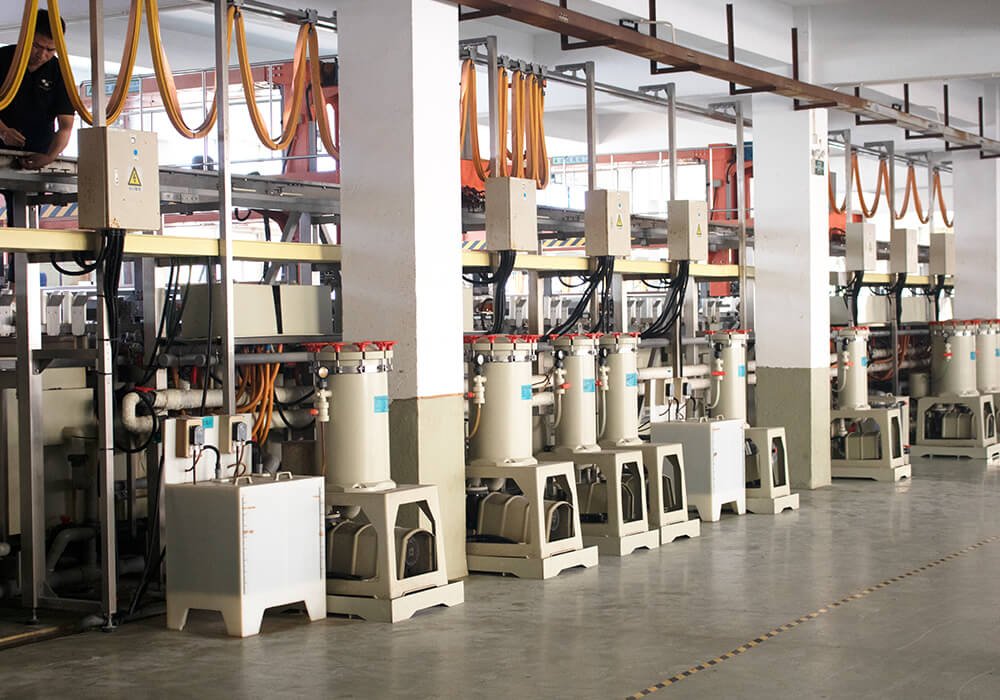
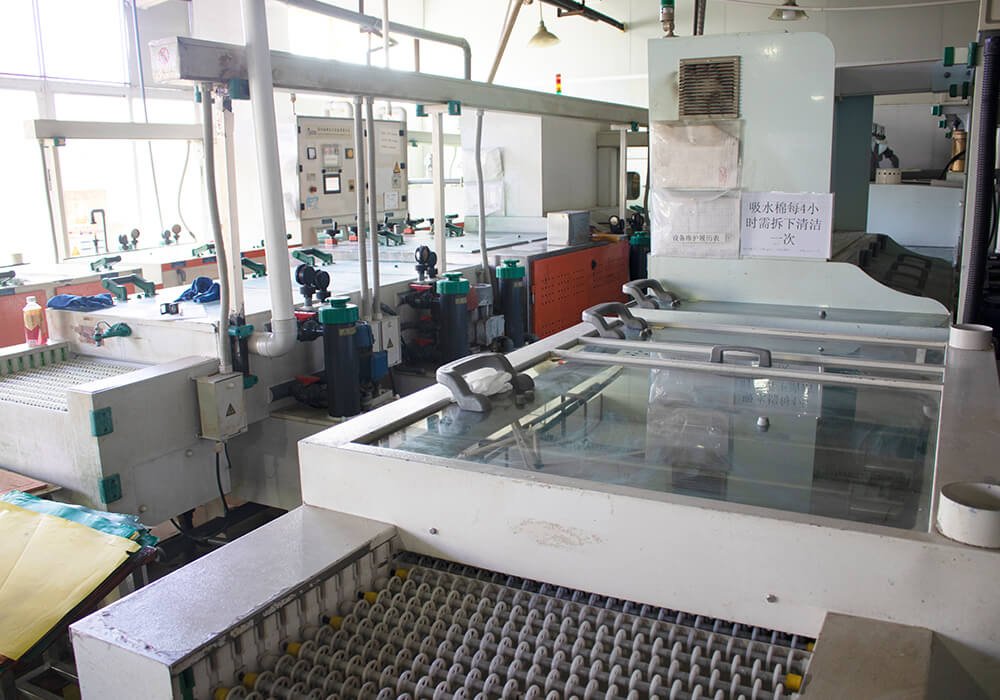
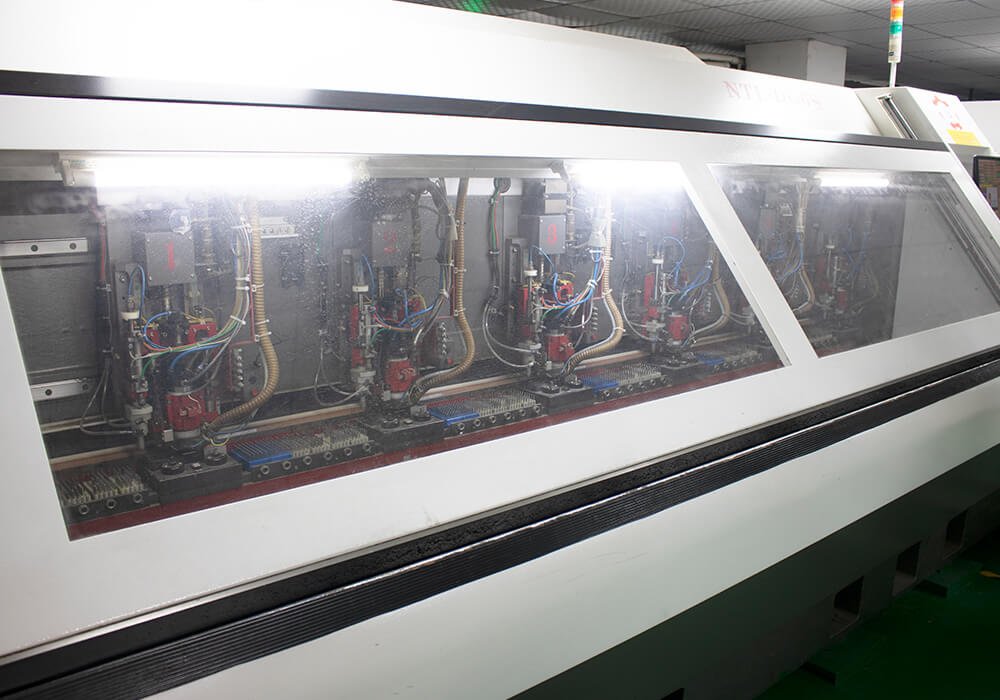
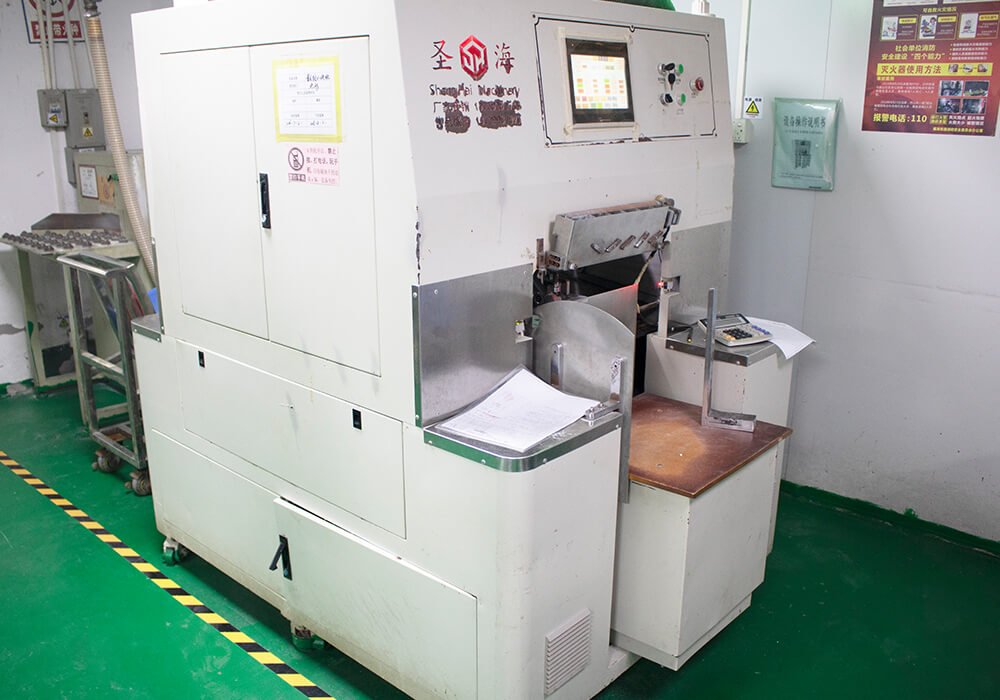
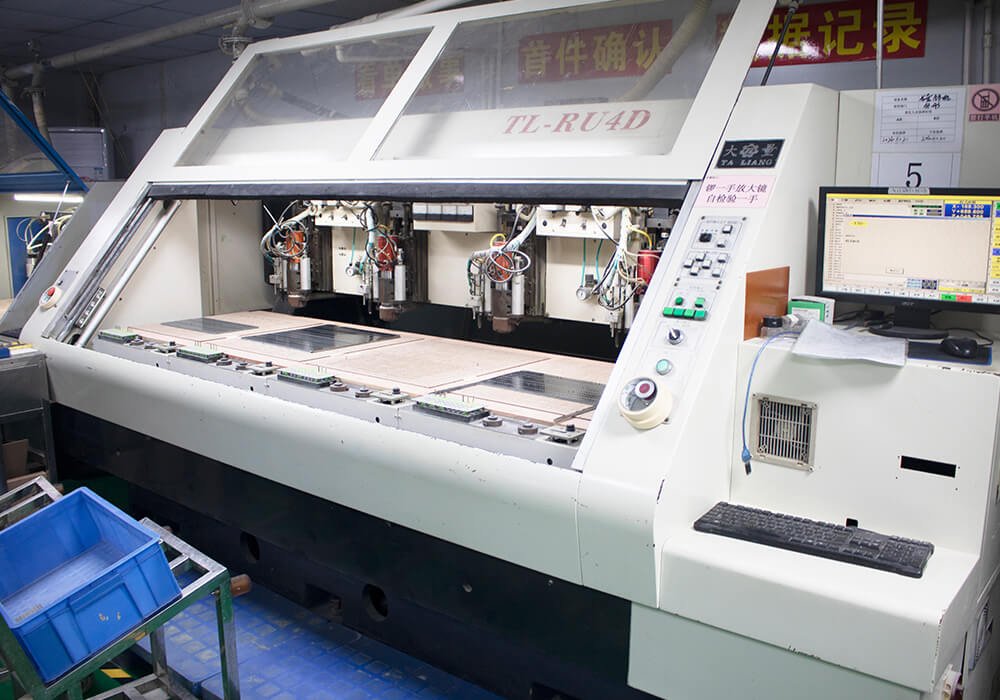
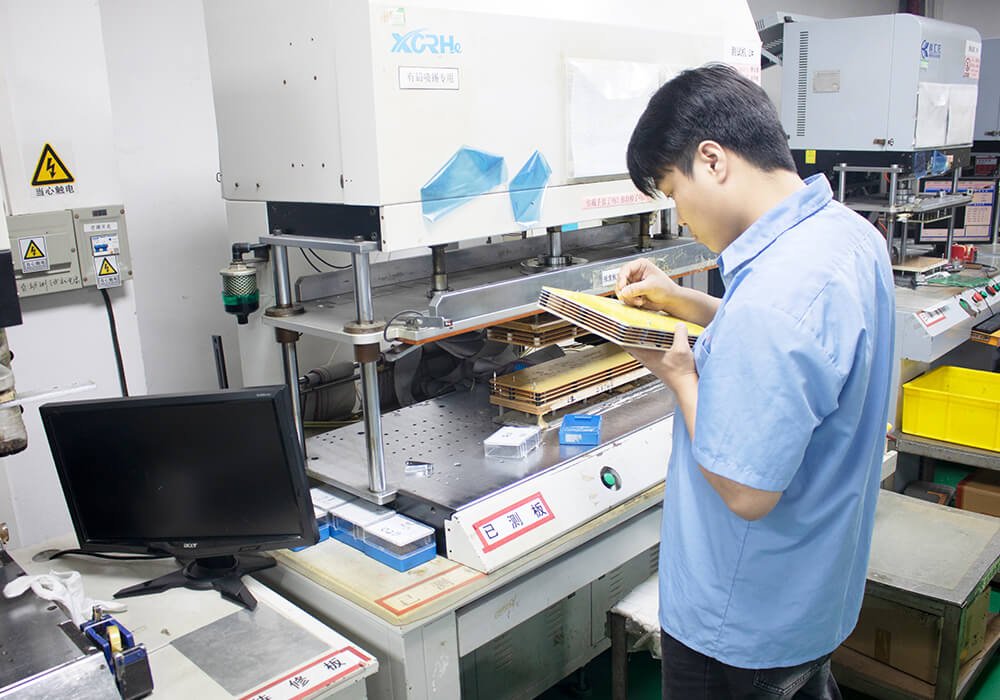
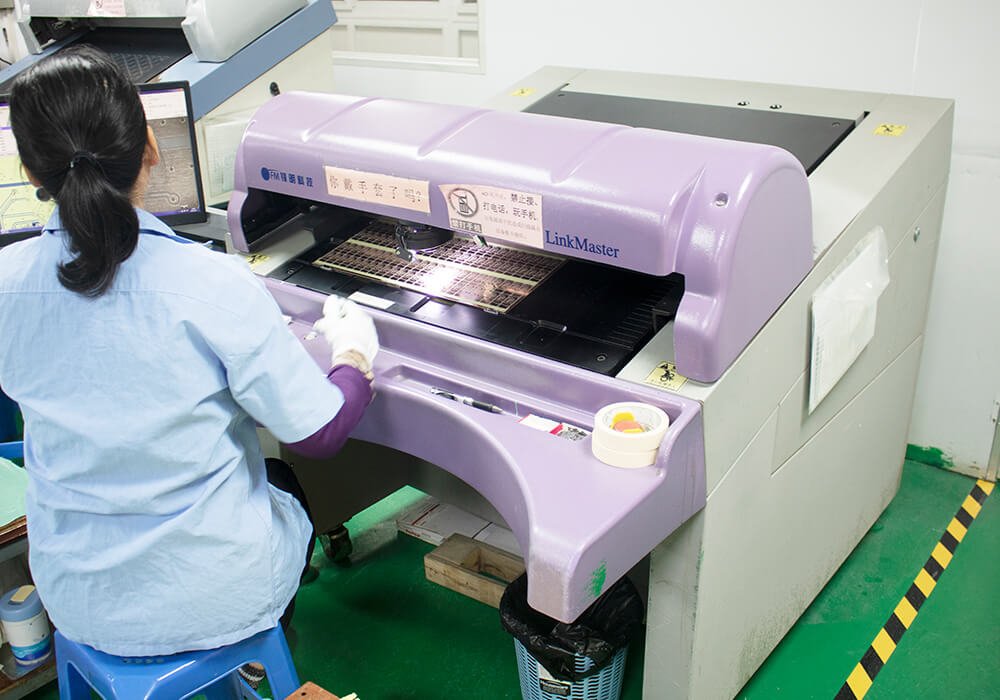
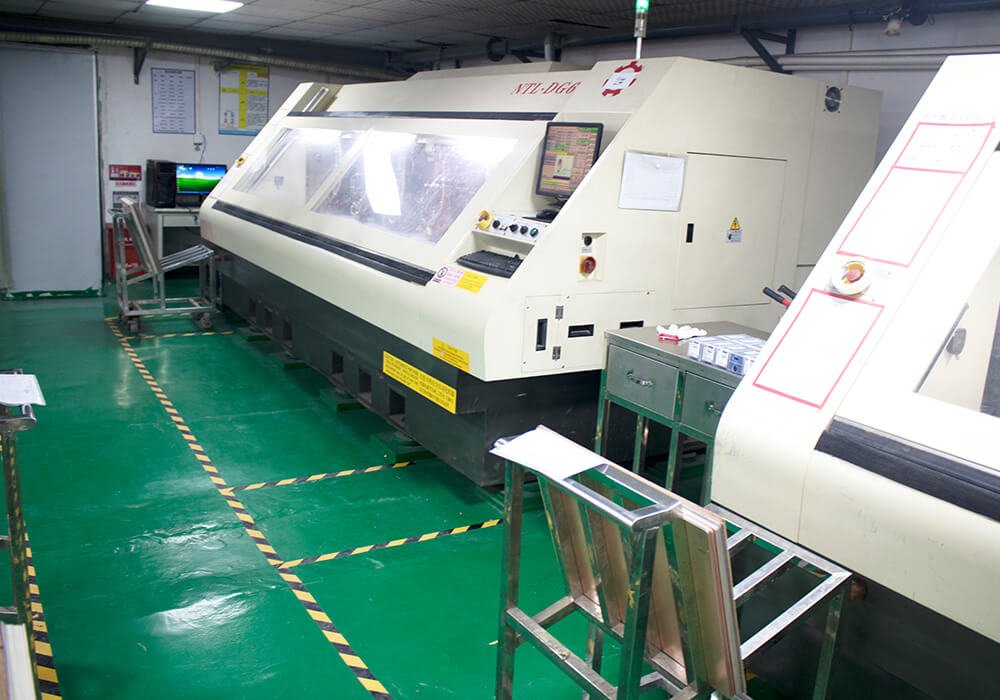
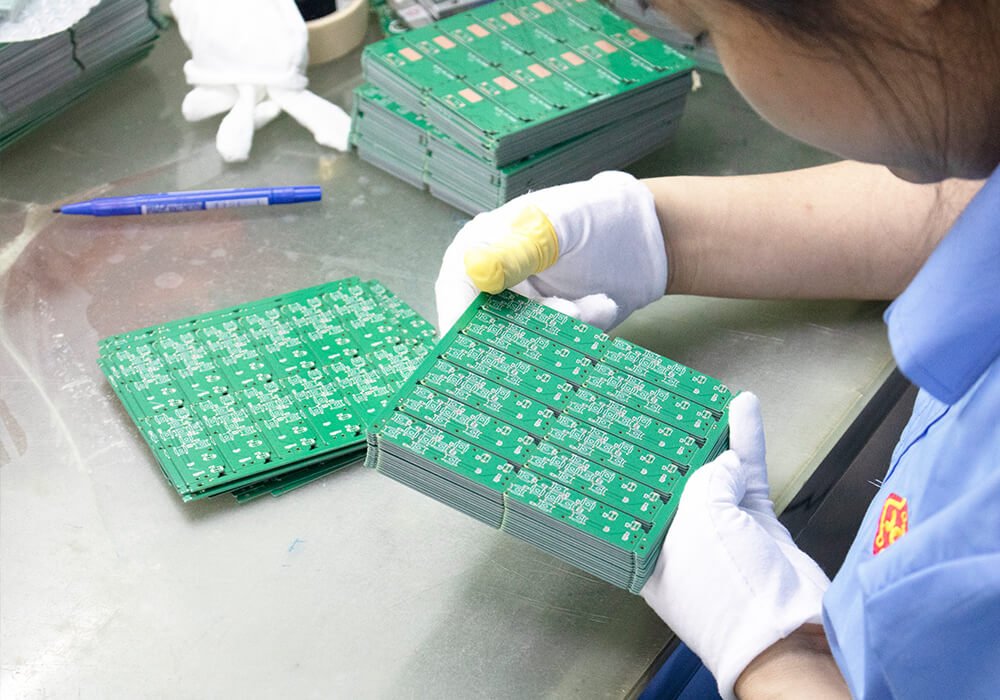
As a professional Rigid PCB manufacturer, PCBSAIL operates multiple advanced PCB fabrication and PCBA factories. We offered end-to-end rigid PCB solutions—from design review and prototyping to mass production and turnkey PCB assembly. With certified processes compliant with IPC-6012 Class 2/3, ISO 9001, UL, and RoHS, we ensure every rigid PCB meets strict performance and reliability requirements.
Whether you need a single-sided rigid PCB prototype or a 64-layer multilayer rigid PCB with controlled impedance and heavy copper, PCBSAIL delivers factory-direct service with engineering precision.
Rigid PCB Layer
Our multilayer rigid PCBs are manufactured using vacuum lamination and calibrated prepreg systems to ensure consistent copper balance and signal integrity in high-density designs.
- Layer count: 1 to 64 layers
- Stackups: Single-sided, multilayer, HDI, symmetrical and hybrid stackups
- Interlayer registration: ±25 μm
- Dielectric thickness tolerance: ±10%
Materials
PCBSAIL supports a wide range of rigid PCB materials to match different performance and cost requirements:
- FR4 (Standard & Advanced Grades)
- High Tg materials: S1000H, IT180, S1150G (Tg 135 °C–180 °C)
- Halogen-Free laminates
- Metal core materials: Aluminum and copper
- Specialty materials: High-frequency and mixed substrates (on request)
Fine-Line & Drilling
We can support compact routing, impedance-controlled traces, and dense pad arrays for advanced rigid PCB designs.
- Minimum trace / spacing: 1.8 mil / 1.8 mil
- Minimum mechanical drill: 0.08 mm
- Annular ring tolerance: ≥4 mil
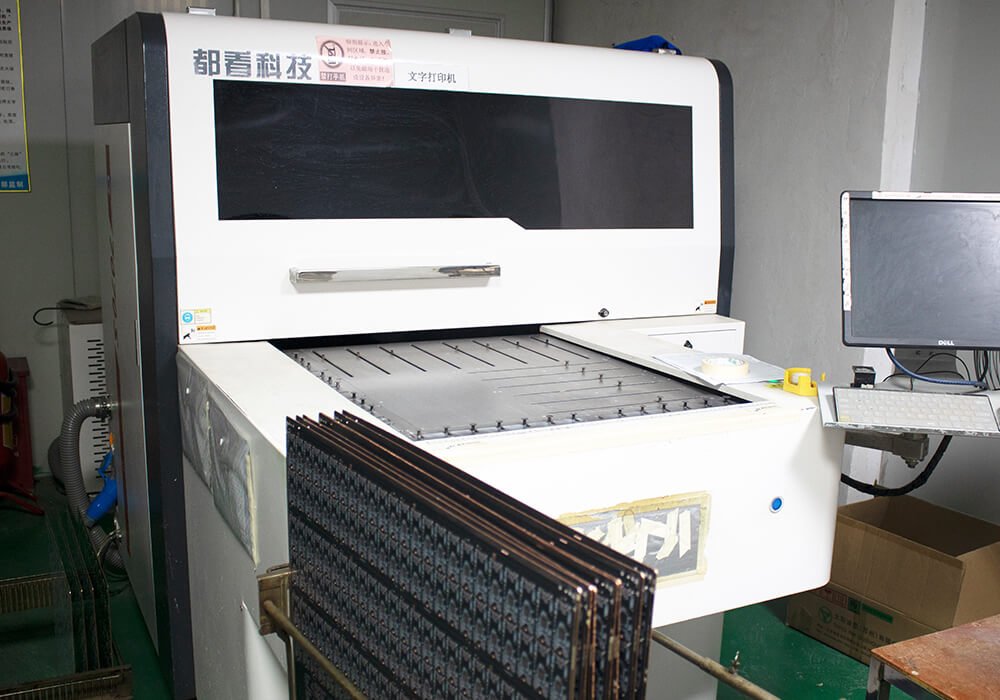
- Imaging: LDI (Laser Direct Imaging)
Feature Rigid PCB.
PCBSAIL provides a comprehensive range of rigid PCB solutions, manufactured with certified materials and IPC-compliant processes to meet different cost, performance, and reliability requirements.
Rigid PCB We Offer.

Single-Sided Rigid PCB
Single-sided rigid PCBs are manufactured with one copper layer on a rigid FR4 or CEM-1 substrate, offering a simple and economical circuit solution. They are best suited for cost-sensitive designs where all components and routing are placed on one side of the board. Capabilities:
- Substrate: FR4, CEM-1
- Finished thickness: 0.1 mm – 1.6 mm
- Copper weight: 0.5 oz – 2 oz
- Full solder mask and silkscreen support

Double-Sided Rigid PCB
Double-sided rigid PCBs feature copper layers on both top and bottom, enabling higher routing density and more complex circuit layouts. Interlayer connections are achieved through plated through-holes, supporting both SMT and THT assembly. Capabilities:
- Core material: FR4
- Core thickness: 0.6 mm – 2.0 mm
- Minimum mechanical drill: 0.3 mm
- Via plating: IPC Class 2 / Class 3
- Solder mask, via tenting, optional silkscreen

Multilayer Rigid PCB
Multilayer rigid PCBs consist of 4 to 64 copper layers, laminated with prepreg and cured under controlled heat and pressure. These stackups integrate signal, power, and ground planes to support high-density interconnects and stable electrical performance. Capabilities:
- Layer count: 4–64 layers
- Layer registration: ±25 μm
- Copper balancing
- Controlled impedance modeling for high-speed digital and RF circuits

High Tg Rigid PCB
High Tg rigid PCBs are produced using advanced laminate materials such as S1000H, IT180, and S1150G, with glass transition temperatures above 170 °C. They are designed for lead-free soldering and continuous operation in high-temperature environments. Capabilities:
- Tg ≥ 170 °C
- Excellent thermal cycling resistance
- Available across all layer counts and copper weights
- Pre-bake processes and extended delamination testing

Rigid-Flex PCB
Rigid-flex PCBs combine rigid FR4 sections with flexible polyimide layers, enabling folding, bending, and compact 3D integration. This structure improves reliability by reducing connectors and interconnect failures. Capabilities:
- Hybrid rigid + flex stackups
- Polyimide flex layers with coverlay
- Flex region thickness: 0.1 mm – 0.5 mm
- Dynamic bend and endurance testing
- Controlled drilling and standard copper weights in rigid areas

Metal-Backed Rigid PCB
Metal-backed rigid PCBs (metal core PCBs) use aluminum or copper substrates to enhance heat dissipation and mechanical stability.
They are ideal for high-power and thermally demanding applications.
Capabilities:
- Metal core: Aluminum or copper
- Core thickness: 0.8 mm – 2.0 mm
- Dielectric isolation layer
- 1–3 copper layers laminated above the metal core
Item | Prototype | Bulk Order |
PCB Material | FR4,Ceramic ,Aluminum base, Copper base,Others | FR4,Ceramic, Aluminum Base, Copper Base, Others |
PCB Type | Single-sided/Multi-layer PCB/HDI/High Frequency PCB/High Speed PCB/Heavy Copper PCB | |
Number of Layers | 2-64 | 2-32 |
PCB Thinckess | 0.2-3.5mm | |
PCB SIZE(Max.) | 1050*610MM | 800*600MM |
Copper Foil Thickness | 1/4-12OZ | 1/3-6OZ |
Mechenical Hole | 5mil(0.127mm) | 6mil(0.15mm) |
Laser Hole | 3mil(0.076mm) | 4mil(0.1mm) |
Line Width/Spacer | Inner Layer1.8/1.8mil, top layer2/2mil | Inner Layer2/2mil, top layer2.5/2.5mil |
Outline Tolerance | ±2mil(0.05mm) | ±3mil(0.076mm) |
BAG Solder Pad | 7mil(0.18mm) | 8mil(0.2mm) |
Through Hole Aspect Ratio | 20:1 | 12:1 |
Blind Hole Aspect Ratio | 1:1 | 1:1.2 |
Impedance Tolerance | 5% | 8% |
Distance From Hole To Inner Layer Circuit | 5mil(0.127mm) | 6mil(0.15mm) |
Inter-layer Alignment | 2mil(0.05mm) | 3mil(0.076mm) |
Special Process | Center Hole, Step Hole, Countersunk Hole, Crimping Hole, Back Drilling,Two Steps, Buried Capacitor And Buried Resistor | Center Hole, Step Hole, Countersunk Hole, Crimping Hole, Back Drilling |
Surface Treatment | HASL, ENIG, Immersion Tin, OSP, Immersion Silver,Electroplating Hard Gold/Soft Gold, Gold Finger, | |
Copper Thickness of Outer Layer(Max.) | 6OZ | |
Soldermask Bridge Width | 0.01mm | |
Aperture Ratio | 10:1 | |
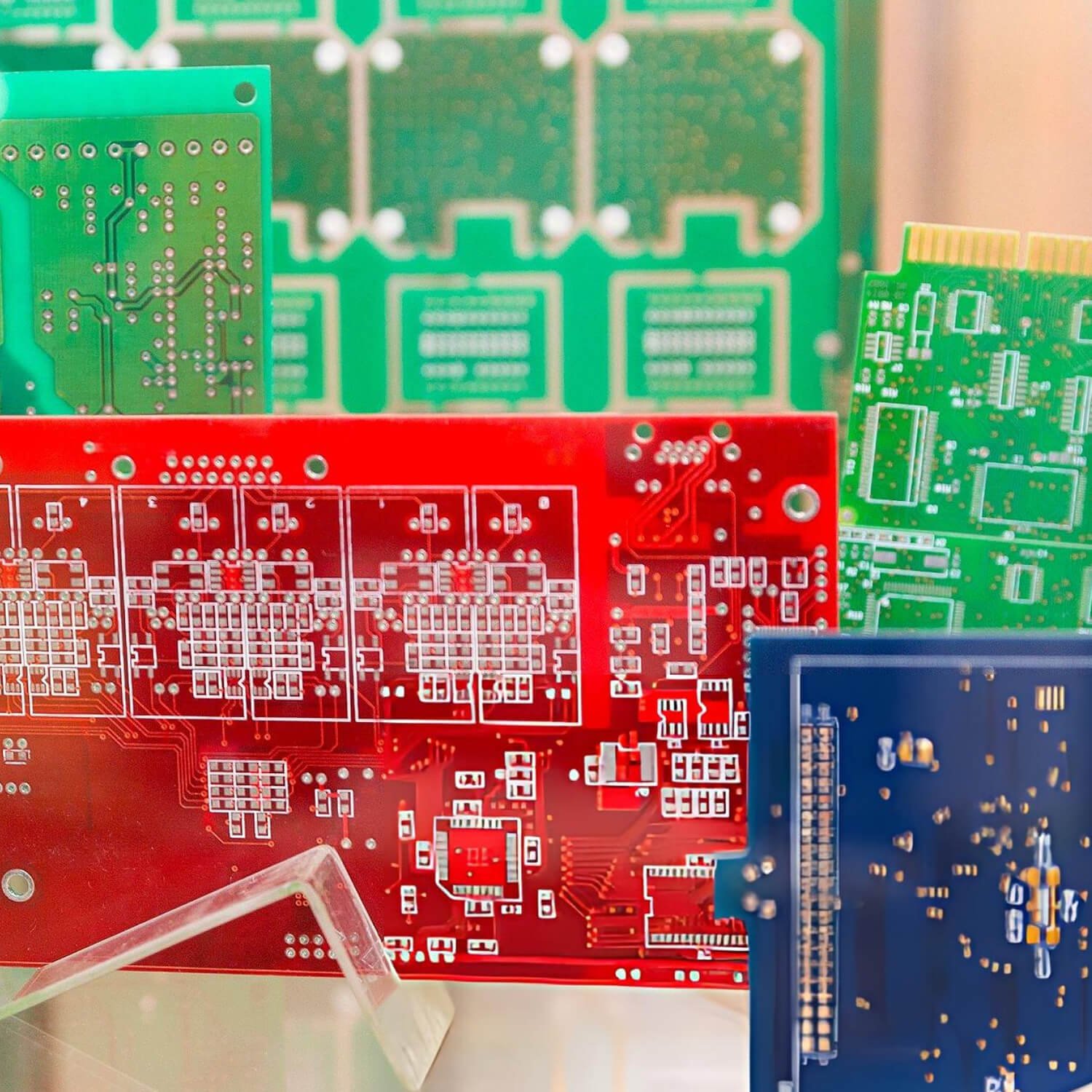
Soldermask Color | White, Green, Yellow, Red, Black,Blue,Pink,Purple,Others | |
Gold Finger Hypotenuse Angle | 20° | |
Gold Finger Bevel Depth | 0.1mm | |
V-cut | Normal v-cut, Jumping v-cut | Normal v-cut, Jumping v-cut |
Panel Size(Max.) | 20*20inch | 20*20inch |
Panel Size(Min.) | 100*120mm | 100*120mm |
HDI PCB-Structure | Any Layer(10L) | |
HDI PCB-Width/Space (Outer Layer) | 2.5mil/2.5mil | |
Aspect Ratio(Blind Hole) | 1:1 | |
Solder Ring(Min.) | 3mil | |
BGA Pad Diameter(Min.) | 8mil | |
PCB Thickness(Min.) | 0.15mm(2L) | |
Finished Board Size(Min.) | 10mm | |
Impedance Tolerance | ±10%, 50Ωor less:±5Ω | |
Bending Tolerance | 0.50% | 0.70% |
Tin Spray Hole Diameter(Min.) | 0.4mm | 0.5mm |
Circuit Spray Tin(Min Spacer) | 10mil | 12mil |
Acceptance Criteria | IPC2,IPC3 | |
Rigid PCB Materials
Our Rigid PCB will use different substrate materials depending on operating temperature, signal frequency, and mechanical requirements.
Copper-Clad Epoxy Glass Cloth Laminates
Copper-clad epoxy glass cloth laminates use epoxy resin as the bonding agent and woven glass fiber cloth as the reinforcing material. These laminates offer excellent mechanical strength, dimensional stability, and impact resistance, outperforming paper-based PCB substrates.
Common grades include FR-4 and FR-5, which are the most widely used materials in rigid PCB manufacturing.
Key properties:
- Dielectric constant (εr): 4.3 – 4.9
- Operating temperature:
- FR-4: up to 130 °C
- FR-5: up to 170 °C
- Low moisture absorption
- Stable electrical performance
Epoxy Glass Cloth Prepreg
Epoxy glass cloth prepreg is a B-stage epoxy resin–impregnated fiberglass material used in multilayer PCB fabrication.
During lamination, prepreg acts as both:
- A bonding layer to laminate inner circuit layers
- A dielectric insulation layer between conductive copper planes
After heat and pressure curing, prepreg solidifies to form a stable and electrically insulating layer within the multilayer PCB stack-up.
Primary function:
- Electrical insulation between layers
- Mechanical bonding of multilayer PCBs
- Controlled dielectric thickness for impedance matching
Self-Extinguishing Copper-Clad Laminates
Self-extinguishing copper-clad laminates are flame-retardant PCB substrates designed to reduce fire risk in electronic assemblies.
In addition to the standard mechanical and electrical properties of epoxy glass laminates, these materials meet UL flame-retardant requirements, limiting flame spread caused by overheating or component failure.
Key benefits:
- Flame retardancy and fire resistance
- Improved safety in high-power or enclosed devices
- Compliance with safety standards
Copper-Clad PTFE Glass Fiber Board
Copper-clad PTFE (polytetrafluoroethylene) glass fiber boards use PTFE as the dielectric bonding material and glass fiber as reinforcement.
These materials provide exceptional dielectric performance, making them suitable for high-frequency and RF applications.
Key properties:
- Very low dielectric constant and loss tangent
- Excellent high-temperature resistance
- Moisture resistance
- Chemical stability
Copper-Clad Metal-Based
Copper-clad metal-based PCBs, commonly known as
metal core PCBs (MCPCBs), use metal plates—typically aluminum or copper—as the base substrate instead of fiberglass reinforcement.
These boards are designed for efficient thermal management, offering superior heat dissipation and dimensional stability.
Key advantages:
- Excellent thermal conductivity
- Improved mechanical rigidity
- Effective electromagnetic shielding
Flexible
Flexible PCB substrates are produced by bonding copper foil to thin, flexible plastic films, allowing circuits to bend, fold, or twist during use.
Common flexible substrate materials include:
- Polyester (PET) film – cost-effective, suitable for low-temperature applications
- Polyimide (PI) film – high thermal stability and flexibility, widely used in flex and rigid-flex PCBs
- Fluorinated Ethylene Propylene (FEP) film – excellent chemical resistance and dielectric properties
Rigid PCB Feature
Our Rigid PCBs are manufactured on solid substrate materials, providing high mechanical strength, stable electrical performance, and long-term reliability. It can be engineered to meet industrial requirements.
Mechanical Stability
Our Rigid PCBs are built on FR4, High Tg, halogen-free, or metal-core substrates, offering excellent dimensional stability and resistance to bending, vibration, and mechanical stress.
- Fixed, non-flexible structure
- High impact and vibration resistance
- Stable board geometry during assembly and operation
Electrical Performance
Our Rigid PCBs provide consistent electrical characteristics, making them suitable for both low-speed and high-speed circuit designs.
- Stable dielectric properties
- Controlled impedance support
- Low signal loss and noise interference
- Suitable for high-density and high-frequency layouts
Thermal Resistance
PCBSAIL rigid PCBs are designed to withstand lead-free soldering profiles and continuous operation in elevated temperature environments.
- High Tg materials available (≥170 °C)
- Excellent thermal cycling resistance
- Metal-core options for enhanced heat dissipation
Surface Finish
PCBSAIL rigid PCBs include protective surface treatments to ensure solderability and environmental resistance.
- ENIG, Lead-Free HASL, OSP, Immersion Silver, Immersion Tin
- High-temperature solder mask
- Clear silkscreen for assembly reference
Rigid PCB Manufacturing
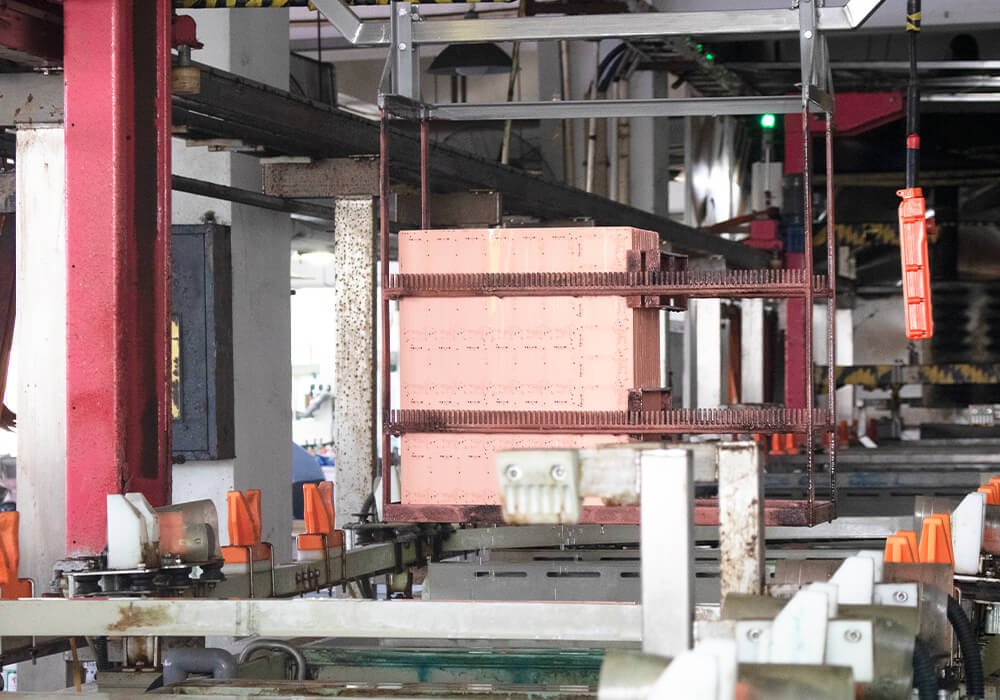
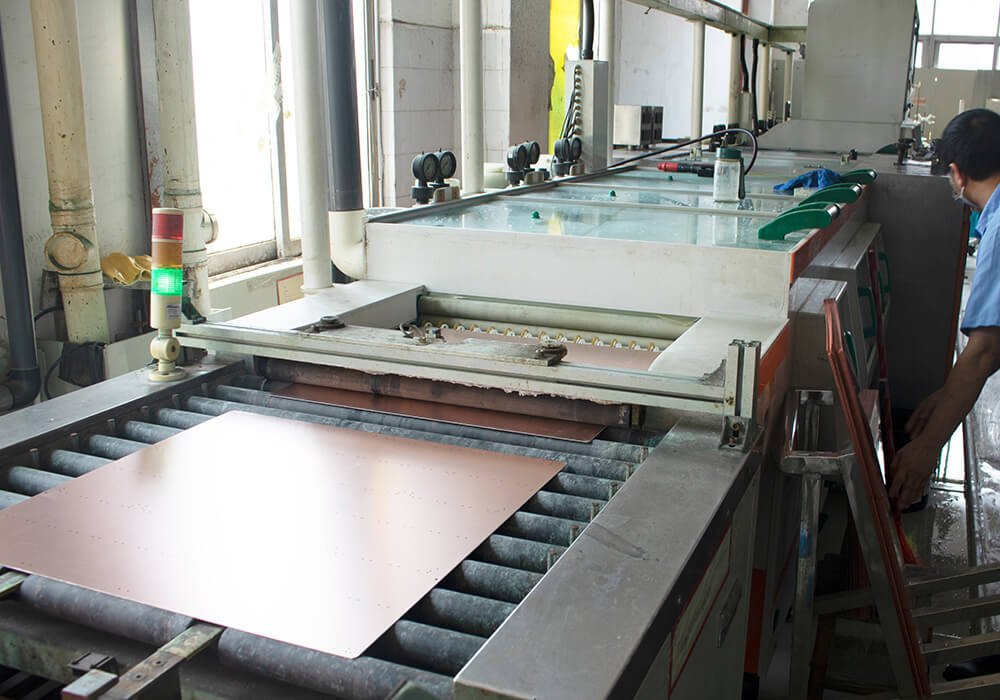
The Rigid PCB manufacturing process transforms a circuit design into a fully functional printed circuit board through pattern transfer, material preparation, etching, drilling, and assembly preparation.
At PCBSAIL, every PCB is produced using controlled fabrication steps, supported by DFM analysis to ensure manufacturability, electrical performance, and long-term reliability.

Circuit Pattern
The PCB layout is first finalized using professional PCB design software. Manufacturing data typically includes:
- Gerber files
- Drill files
- Stack-up and fabrication notes

Copper-Clad Laminate
A copper-clad laminate consists of an insulating substrate—commonly FR4—with copper foil laminated to one or both sides. The laminate is:
- Cut to the required board size
- Cleaned and surface-prepared to remove oxidation

Preprocessing & Circuit Transfer
Before pattern transfer, the copper surface is lightly treated to eliminate oxidation and contaminants.
The circuit image is then transferred onto the copper surface using:
- Thermal transfer (for basic prototyping), or
- Photoresist exposure and imaging (for production-grade PCBs)
Precise alignment ensures trace geometry, pad placement, and edge clearance meet design specifications.

Circuit Etching
After transfer, exposed copper areas are removed using a controlled chemical etching process, leaving behind the desired conductive pattern. Key controls during etching:
- Uniform copper removal
- Consistent trace width
- No undercutting or over-etching

Drilling & Hole Preparation
Once the circuit pattern is defined, holes are drilled for:
- Through-hole components
- Vias
- Mechanical mounting
- Residual resist or toner is removed
- Hole walls are cleaned to prepare for plating or soldering

Board Finishing & Assembly
ollowing drilling, the PCB undergoes final surface preparation steps, including:
- Cleaning and surface conditioning
- Flux or protective coating application (if required)

DFM Verification
Before volume manufacturing or assembly, DFM analysis is performed to identify and eliminate potential issues such as:
- Insufficient trace spacing
- Poor solderability
- Inadequate pad sizes
- Thermal imbalance

| Item | Unit | Flex PCB |
| Max. Layers | L | 16 |
| Min. Finished Board Thickness | mm | 0.04 |
| Max. Size | mm | 500 × 2200 |
| Min. Laser Drill Hole | mm | 0.025 |
| Min. Mechanical Drill Hole | mm | 0.1 |
| Min. Line Width / Spacing | mm | 0.035 / 0.035 |
| Min. Annular Ring (Single / Double Side) | mm | 0.075 |
| Min. Annular Ring (Multilayer Inner Layer) | mm | 0.1 |
| Min. Annular Ring (Multilayer Outer Layer) | mm | 0.1 |
| Min. Coverlay Bridge | mm | 0.1 |
| Min. Solder Mask Opening | mm | 0.15 |
| Min. Coverlay Opening | mm | 0.30 × 0.30 |
| Min. BGA Pitch | mm | 0.45 |
| Single-ended Impedance Tolerance | % | ±7 |
| Base Material Type | / | Polyimide, LCP, PET |
| Base Material Brands | / | Shengyi, ITEQ, Taiflex, Newflex, Nikko, Panasonic, DuPont, Jiujiang |
| Stiffener Types | / | FR4, PI, PET, Steel, Aluminum, PSA, Nylon |
| Surface Finish | / | ENIG, ENEPIG, OSP, Electroplated Gold, Electroplated Gold + ENIG, Electroplated Gold + OSP, Immersion Silver, Immersion Tin, Electroplated Tin |
| Flex + HDI | / | 2+N+2 (Mass production) |
Rigid PCB Applications
Our Rigid PCBs are the most widely used printed circuit boards in modern electronics due to their mechanical strength, dimensional stability, electrical performance, and cost efficiency.

Automation
Rigid PCBs are extensively used in industrial control systems where long-term reliability and resistance to vibration are critical. Typical applications
- PLC control boards
- Motor drive and inverter PCBs
- Industrial power supplies
- Sensors and I/O modules
Automotive Electronics
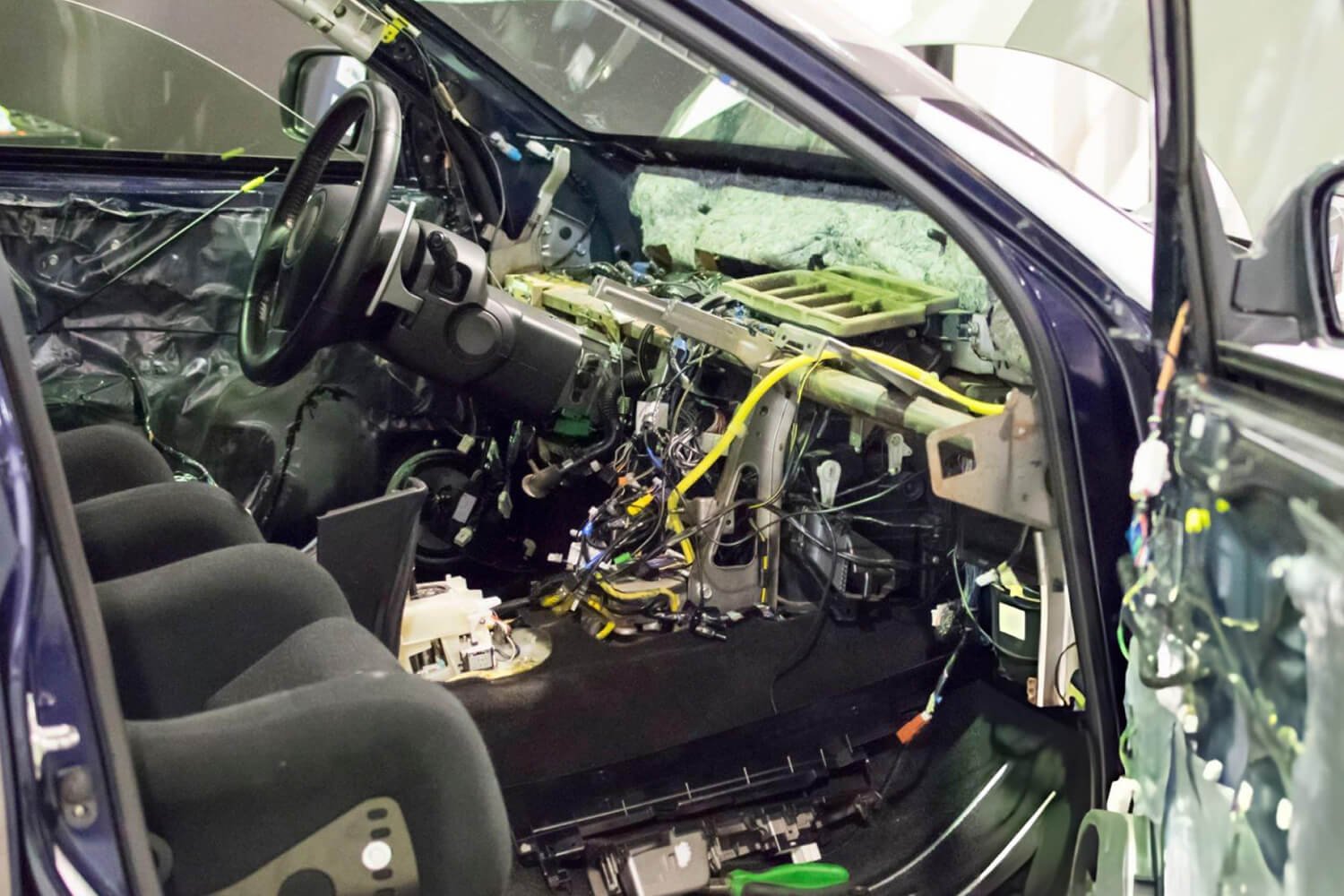
Automotive systems demand high-temperature tolerance, vibration resistance, and long service life. Rigid PCBs are essential in both conventional and electric vehicles. Typical applications
- Engine control units (ECU)
- Battery management systems (BMS)
- ADAS control modules
- Power distribution units

Consumer Electronics
Rigid PCBs form the core of mass-produced electronic products due to their low cost and scalability. Typical applications
- Smartphones and tablets
- Home appliances
- Audio and video devices
- Smart home electronics

Power Electronics
Rigid PCBs are widely used in power conversion and energy control systems, especially when heavy copper or metal cores are required.
Typical applications
- Power converters
- Inverters
- Solar energy controllers
- EV charging systems

Medical Electronics
Medical devices require high reliability, precision, and regulatory compliance. Rigid PCBs are commonly used in diagnostic and monitoring equipment.
Typical applications
- Patient monitoring systems
- Diagnostic imaging equipment
- Laboratory analyzers
- Medical control units
LED Lighting
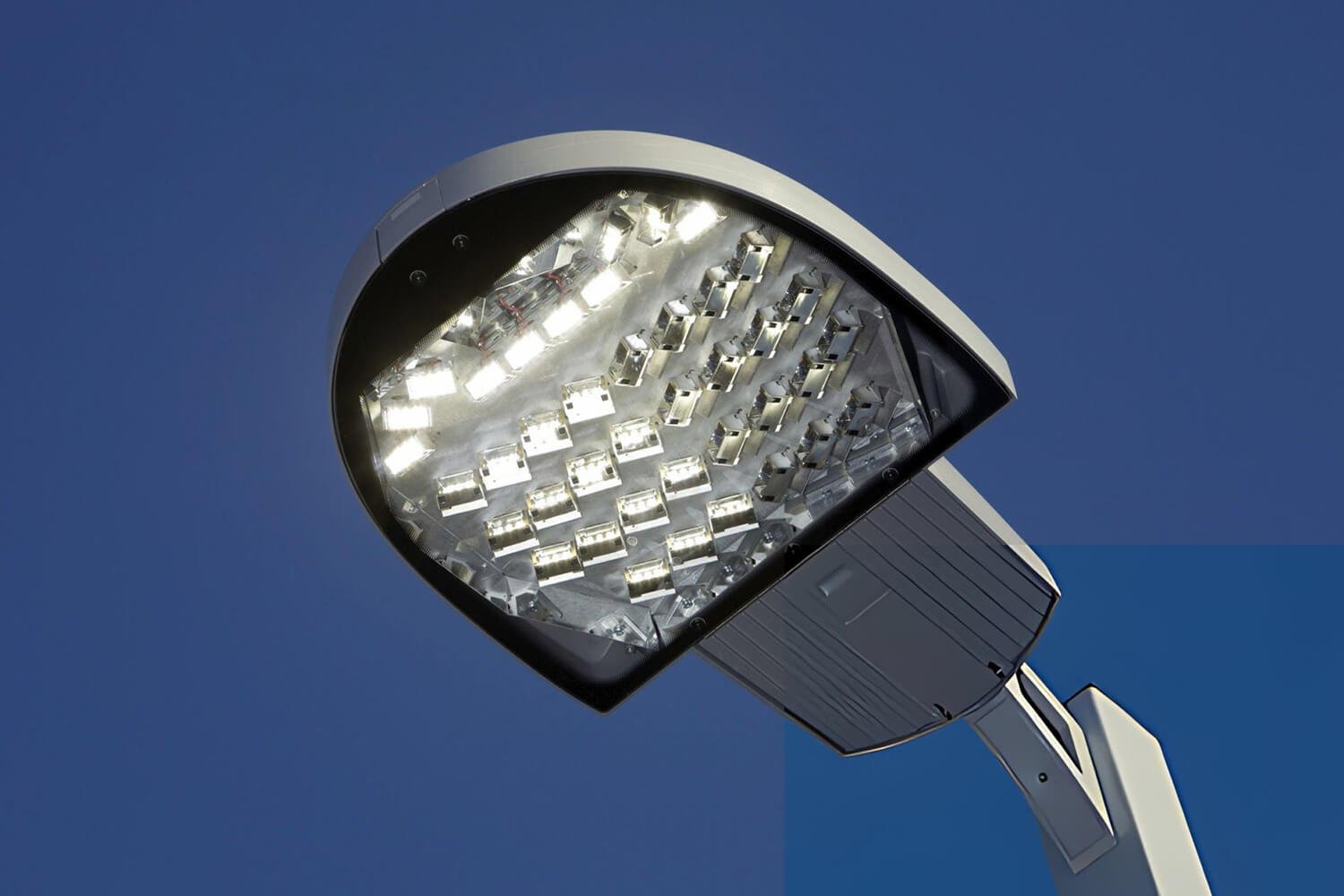
Metal-core and rigid PCBs are essential for efficient thermal management in LED lighting.
Typical applications
- High-power LED modules
- Automotive LED lighting
- Industrial lighting systems
Fast Quotation
Our professional sales and engineering teams provide fast PCB quotes and technical support. Simply send us your Gerber files, BOM, and assembly drawings, and we will respond promptly with a competitive solution.
- Gushu Tangxi Second Industrial Zone, Shenzhen
- +86 755 2335 0814
- +86 135 1078 8094
- sales@pcbasail.com
FAQ About Flex PCB
1. What Is A Rigid PCB
A rigid PCB (Rigid Printed Circuit Board) is a traditional printed circuit board made from solid, non-flexible substrate materials, most commonly FR4 epoxy glass laminate.
Rigid PCBs provide excellent mechanical stability, electrical performance, and long-term reliability, and they are widely used in consumer, industrial, automotive, and medical electronics.
2. What Materials Are Used For Rigid PCB?
Common rigid PCB materials include:
- FR4 (standard epoxy glass laminate)
- High-Tg materials (S1000H, IT180, S1150G)
- Halogen-free laminates
- Metal core materials (aluminum or copper core)
Material selection depends on temperature, electrical, and mechanical requirements.
3. What Is The Maximum Layer Count For Rigid PCBs?
PCBSAIL manufactures rigid PCBs from 1 to 64 layers, including:
- Standard multilayer stack-ups
- HDI structures
- Controlled impedance designs
4. What Thickness Options Are Available For Rigid PCBs?
Rigid PCB thickness typically ranges from:
0.1 mm to 12.0 mm
Standard thicknesses include 0.8 mm, 1.0 mm, 1.6 mm, and custom builds are supported for special applications.
5. What Copper Thicknesses Can Rigid PCBs Support?
Copper thickness options range from:
0.33 oz to 28 oz per layer
Heavy copper rigid PCBs are used in power electronics, automotive systems, and high-current applications.
6. What Surface Finishes Are Available?
PCBSAIL offers multiple surface finishes:
- ENIG
- HASL / Lead-Free HASL
- OSP
- Immersion Silver
- Immersion Tin
All finishes are RoHS compliant and compatible with lead-free assembly.
7. What Is The Difference Between Class 2 And Class 3 Rigid PCBs?
- IPC Class 2: Standard reliability for consumer and commercial electronics
- IPC Class 3: High-reliability level for automotive, medical, military, and aerospace applications
Class 3 PCBs have stricter requirements for plating thickness, annular ring, and inspection.
8. Can Rigid PCB Handle High Temperatures?
Yes. High-Tg rigid PCBs are designed to withstand:
- Repeated lead-free soldering cycles
- Continuous operating temperatures above 130°C
Materials with Tg ≥170°C and Td >340°C are commonly used.
9. Do You Support Controlled Impedance Rigid PCBs?
Yes. PCBSAIL supports:
- Single-ended and differential impedance control
- Impedance modeling and testing
- High-speed digital and RF rigid PCB designs
10. What Is The Minimum Trace Width And Spacing?
PCBSAIL supports minimum trace/spacing of:
1.8 mil / 1.8 mil
This enables dense routing for compact and high-performance designs.
11. What Testing Is Performed On Rigid PCBs?
Testing includes:
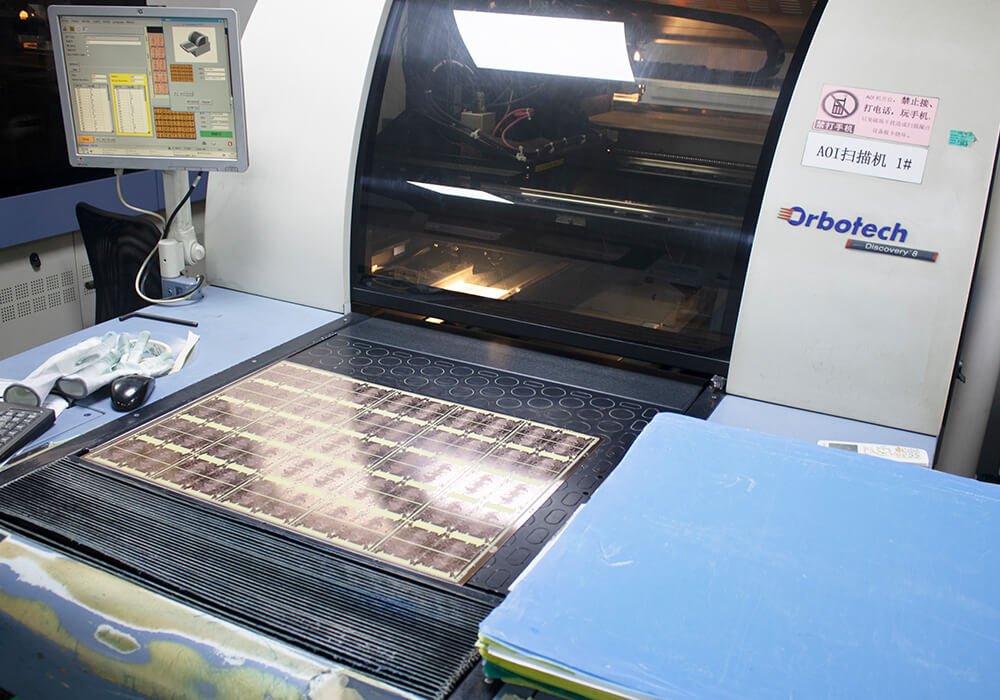
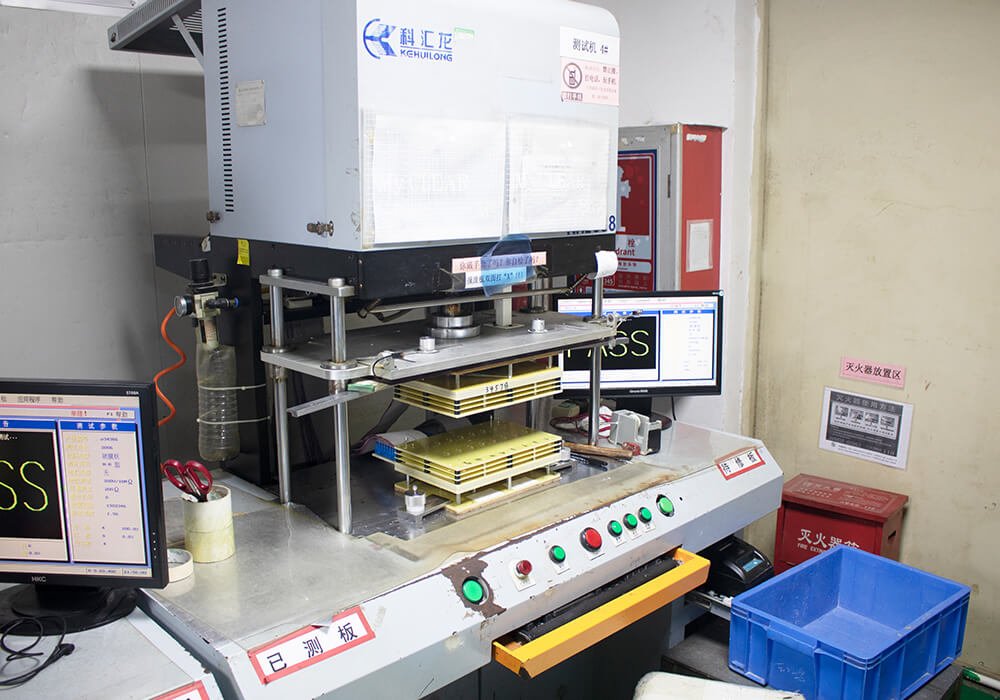
- AOI (Automated Optical Inspection)
- X-ray inspection
- Electrical testing (flying probe or fixture)
- Impedance testing (when required)
Class 3 boards may also undergo microsection and thermal shock testing.
12. Do You Support Prototyping And Low-Volume Orders?
Yes. PCBSAIL supports:
- Rigid PCB prototyping
- Small-batch production
- High-volume manufacturing
Fast turnaround options are available, including 24-hour express service.
13. Do You Offer Turnkey PCB Assembly?
Yes. PCBSAIL provides one-stop PCBA services, including:
- PCB fabrication
- Component sourcing
- SMT and THT assembly
- Functional testing
14. What File Formats Are Required To Order Rigid PCBs?
Required manufacturing files typically include:
- Gerber files (RS-274X)
- NC drill files
- PCB stack-up details
- Fabrication notes
Assembly files are required for PCBA orders.